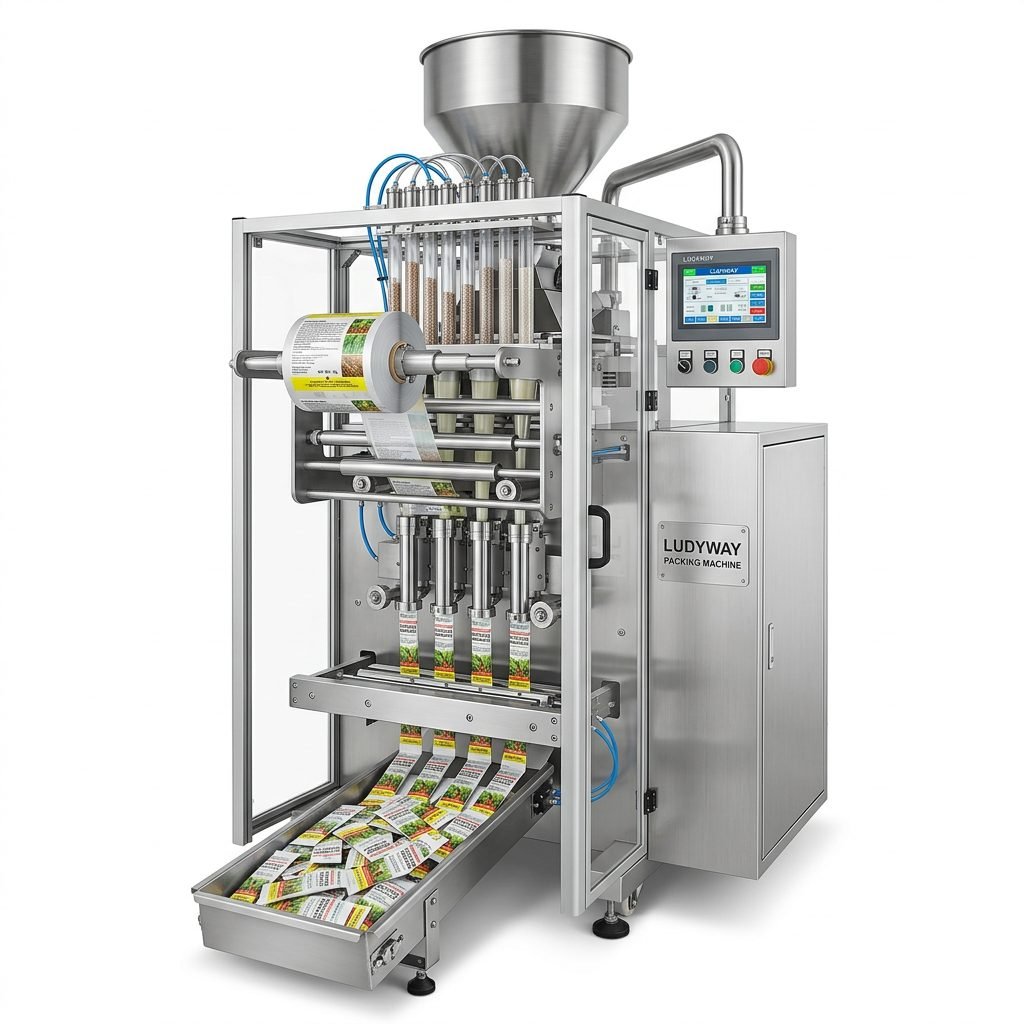
Selecting a heat sealing machine is one of the most critical decisions for manufacturers working with flexible packaging. The effectiveness of your seal directly impacts product integrity, shelf life, and overall production efficiency. Whether you are packaging powders, granules, liquids, or solid products, understanding the nuances of heat sealing technology helps prevent costly downtime and material waste.
Understanding Heat Sealing Technology
Heat sealing is the process of joining thermoplastic films using controlled heat, pressure, and dwell time. The machinery varies significantly based on the packaging format. For a deeper understanding of flexible packaging formats and standards, reviewing resources from the Flexible Packaging Association is highly recommended.
Common Types of Heat Sealing Machines
- Impulse Sealers: Ideal for low-volume operations; heat is generated only during the sealing cycle.
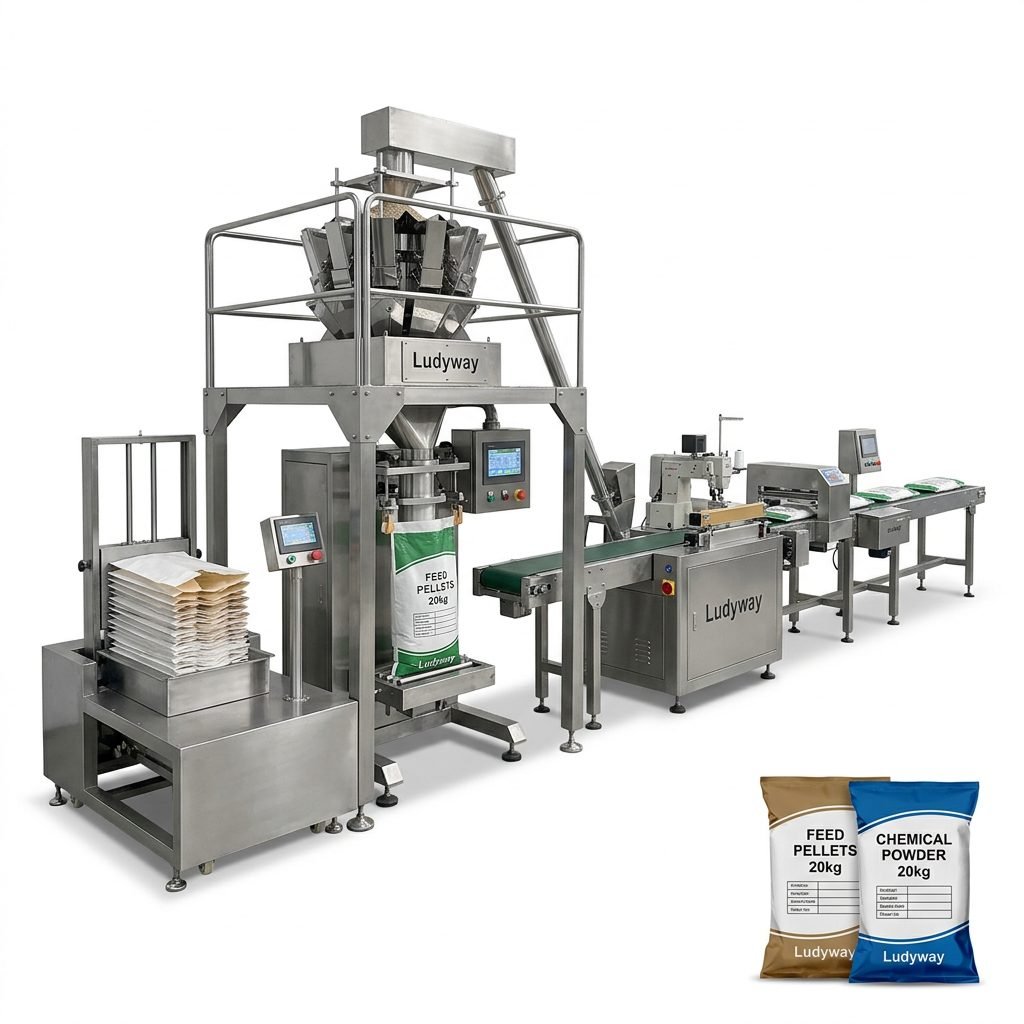
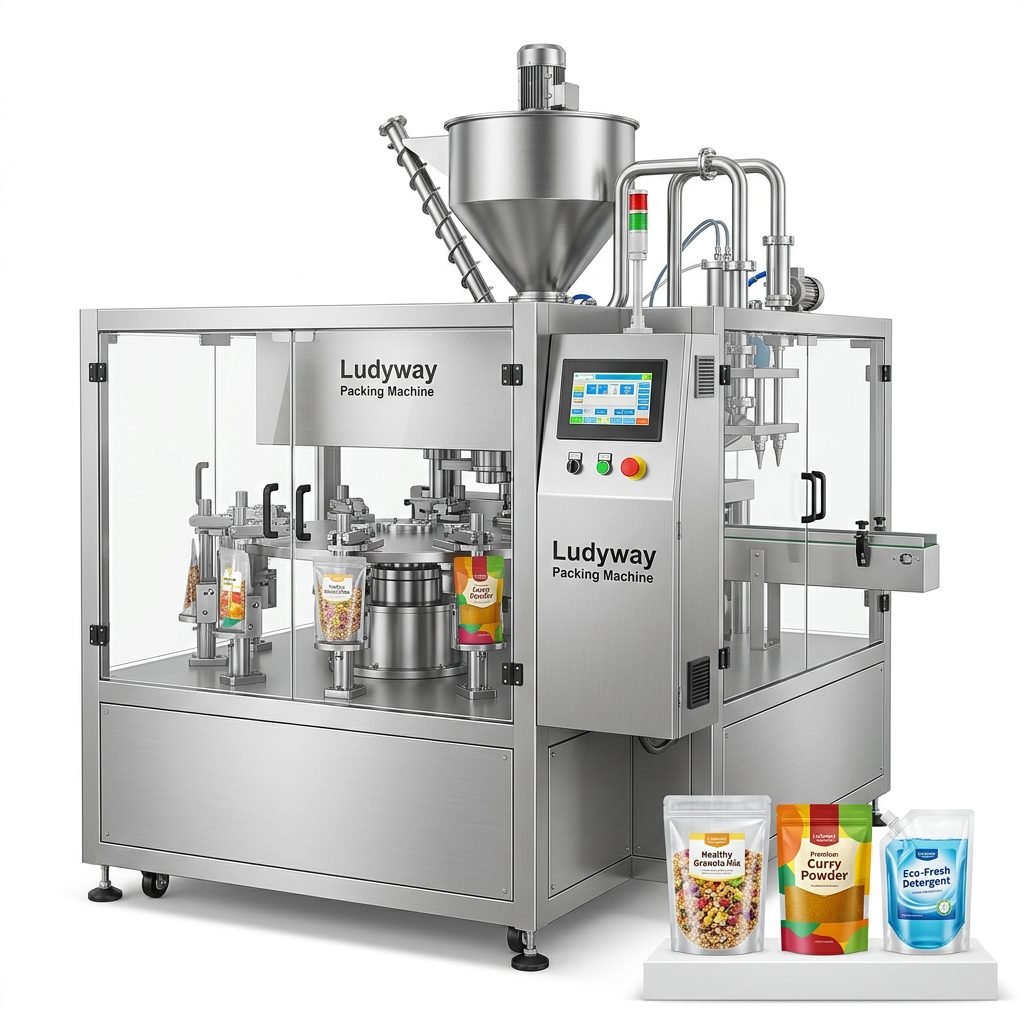
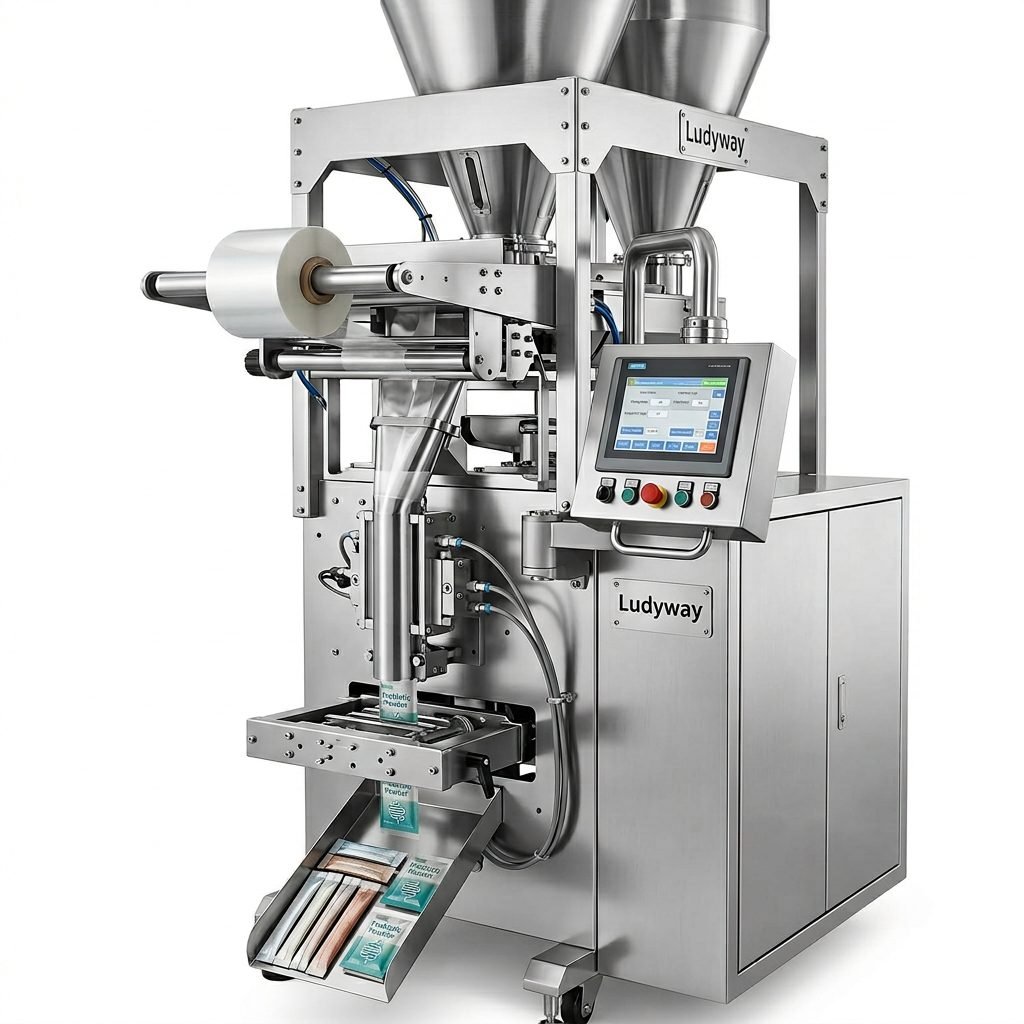
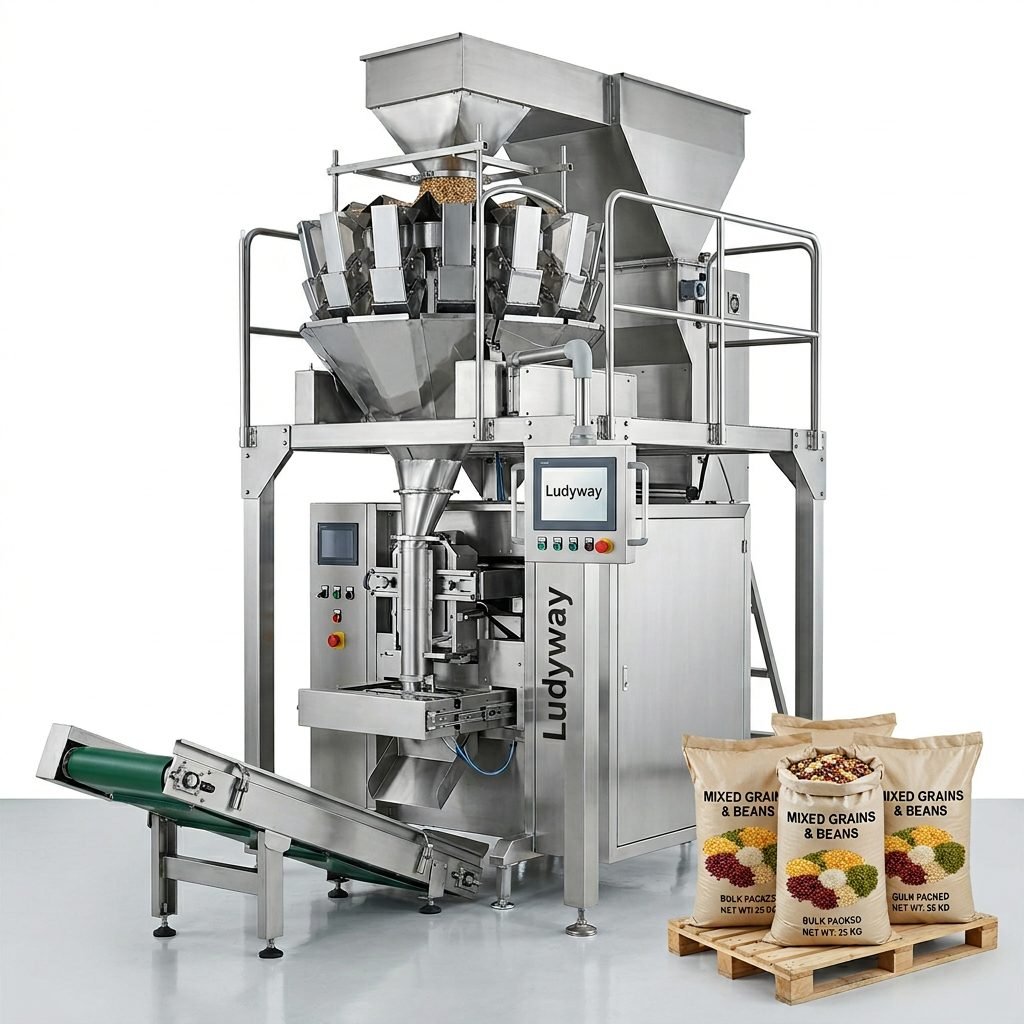
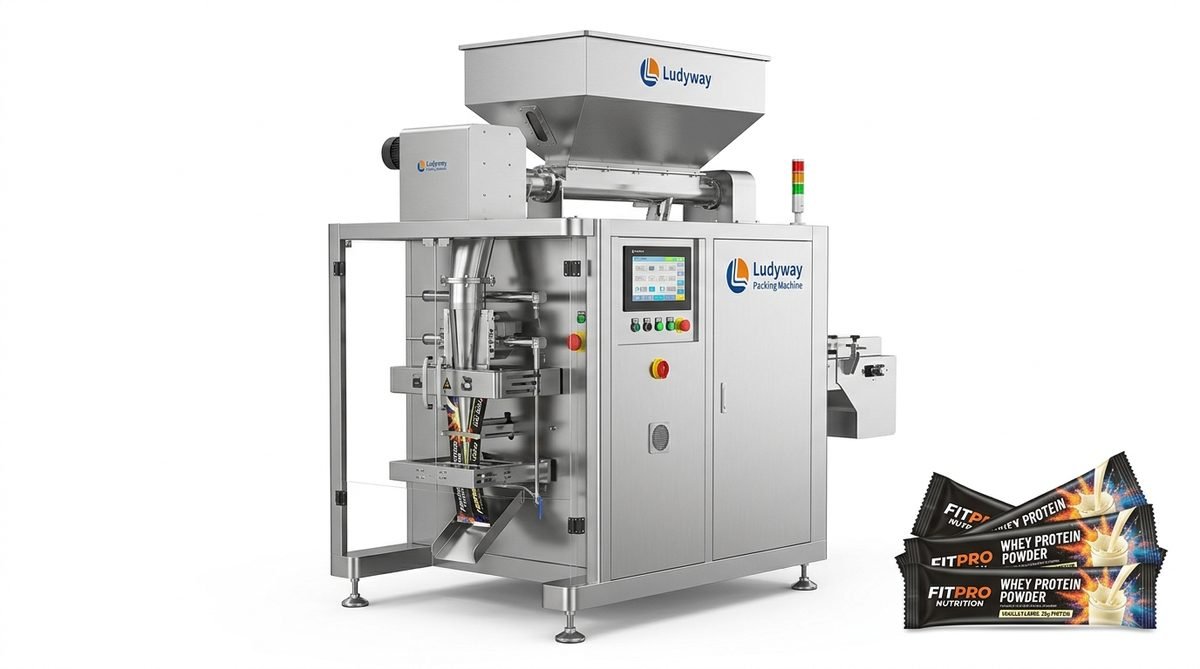
- Constant Heat Sealers: Best for high-speed applications requiring consistent temperature across rotary or vertical form-fill-seal (VFFS) systems.
- Band Sealers: Suitable for continuous sealing of pre-made bags at moderate speeds.
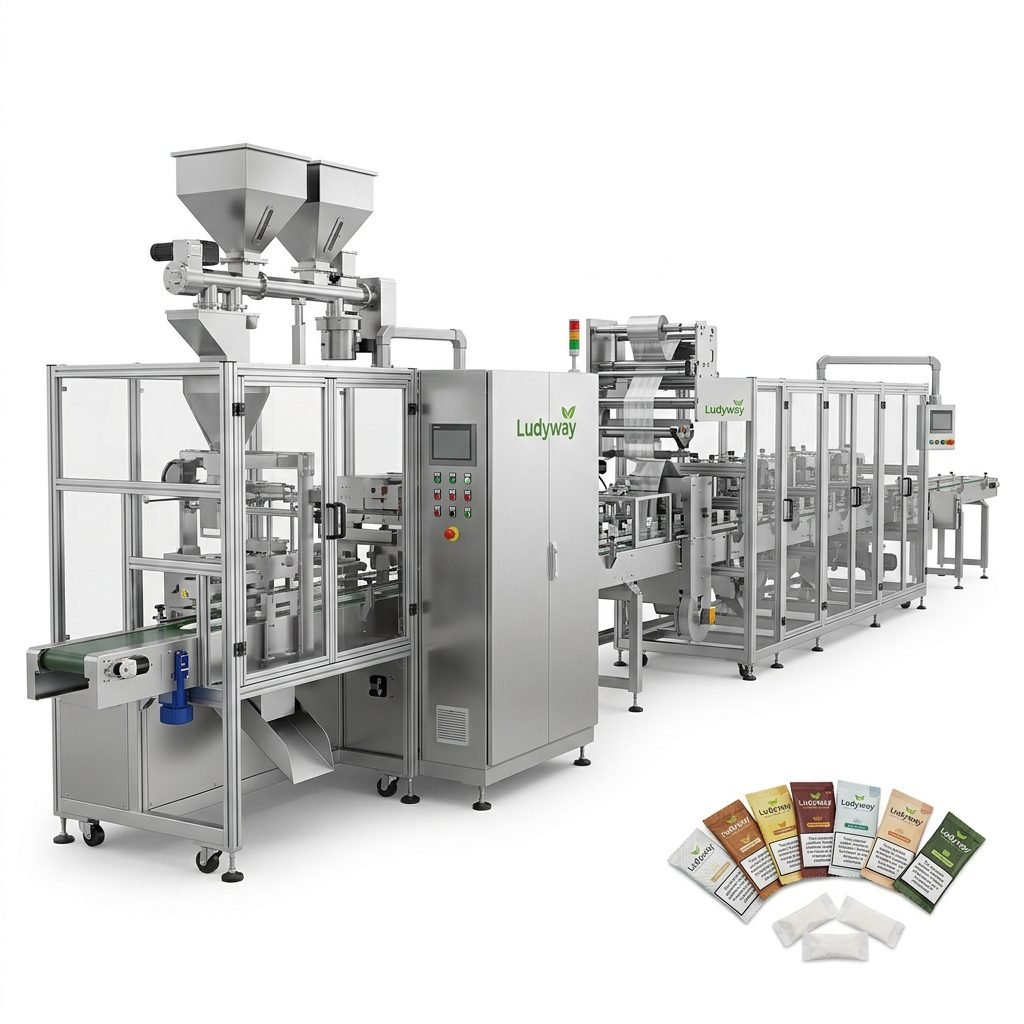
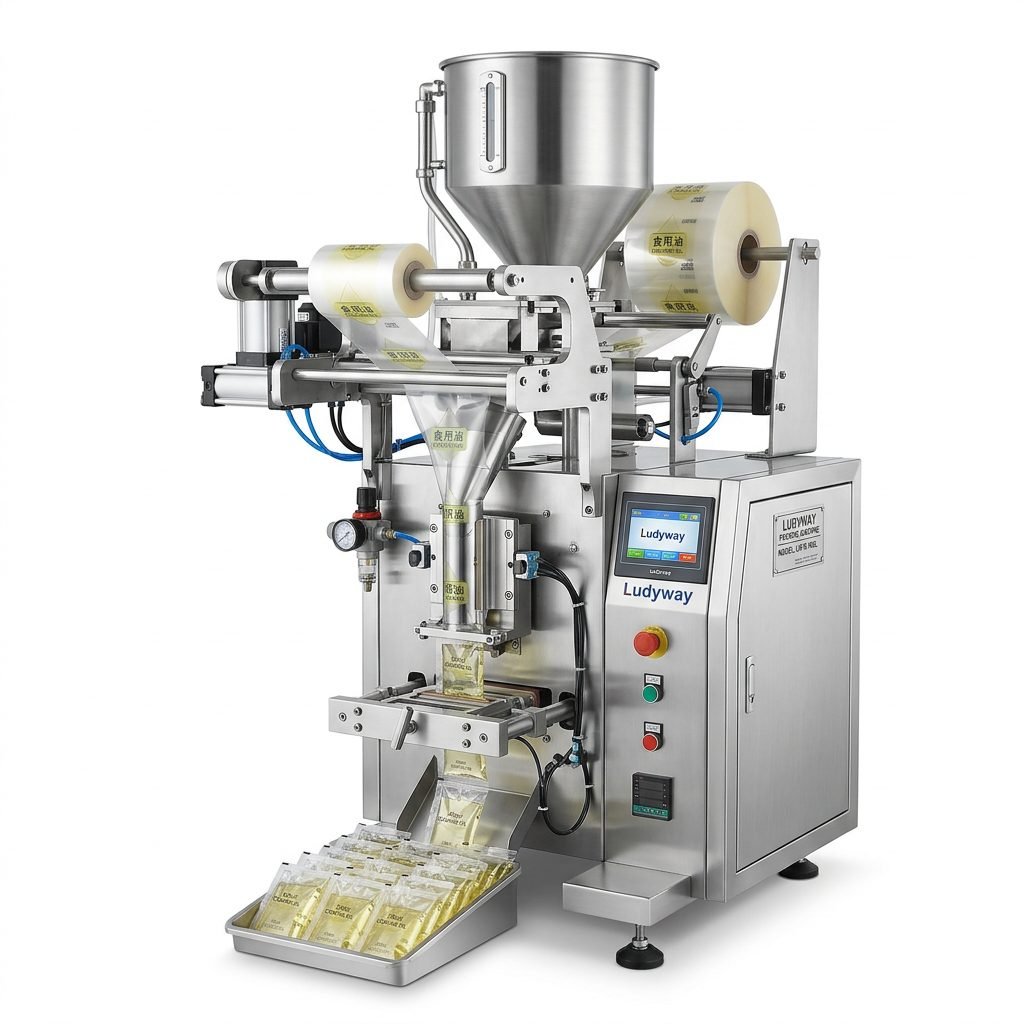
- Hot Bar Sealers: Often integrated into multi-lane stick pack and sachet machines for precise, repeatable seals.
Key Factors to Consider Before Buying
Not all sealers are created equal. You need to align the machine specifications with your specific product and material requirements. According to the latest State of the Industry reports from PMMI, automation and flexibility remain top priorities for packaging buyers.
1. Packaging Material Compatibility
The substrate dictates the technology. Common materials include:
| Material Type | Required Sealing Technology | Typical Application |
|---|---|---|
| Polyethylene (PE) | Constant Heat / Impulse | General pouches, liners |
| Polypropylene (PP) | High-temp Hot Bar | Snack foods, textiles |
| Laminates (Foil/PET) | High-pressure Heated Jaws | Coffee, pharmaceutical sachets |
| Paper/Film Blends | Coated Hot Bar | Sugar sticks, salt sachets |
2. Production Speed and Volume
Your required units per minute (UPM) will determine whether you need a manual, semi-automatic, or fully automatic packaging line. For high-volume demand, multi-lane stick pack machines are often the go-to solution, whereas a single-nozzle band sealer may suffice for a startup. For regulatory-heavy sectors like medical devices, compliance with ISO 11607 standards is also crucial for seal integrity validation.
3. Product Characteristics
Dusty powders, oily liquids, and sticky granules each present unique sealing challenges. Product residue in the seal area is the primary cause of “leakers.” Look for machines featuring:
- Serrated or knurled sealing jaws for better grip.
- Gas flushing (Nitrogen) for oxygen-sensitive products.
- Vacuum sealing capabilities for perishable goods.
Evaluating Sealing Integrity and Quality Control
The strength and aesthetics of the seal reflect your brand quality. A weak seal leads to contamination, while an overheated seal causes film distortion. Modern machinery integrates digital temperature controllers and PID algorithms to maintain accuracy within ±1°C. Understanding the connection between packaging machinery and regulations is simplified through resources from the FDA on food contact substances.
Critical Validation Tests
- Peel Strength Test: Measures the force required to separate the seal.
- Burst Test: Internal pressurization to check seal endurance.
- Dye Penetration Test: Detects microscopic channels in the seal.
Turnkey Solutions vs. Standalone Units
While a standalone sealing unit might fit a limited budget, an integrated turnkey packaging solution often provides better long-term value. A synchronized line—including filling, sealing, coding, and cartoning—minimizes manual transfer errors and accelerates time-to-market.
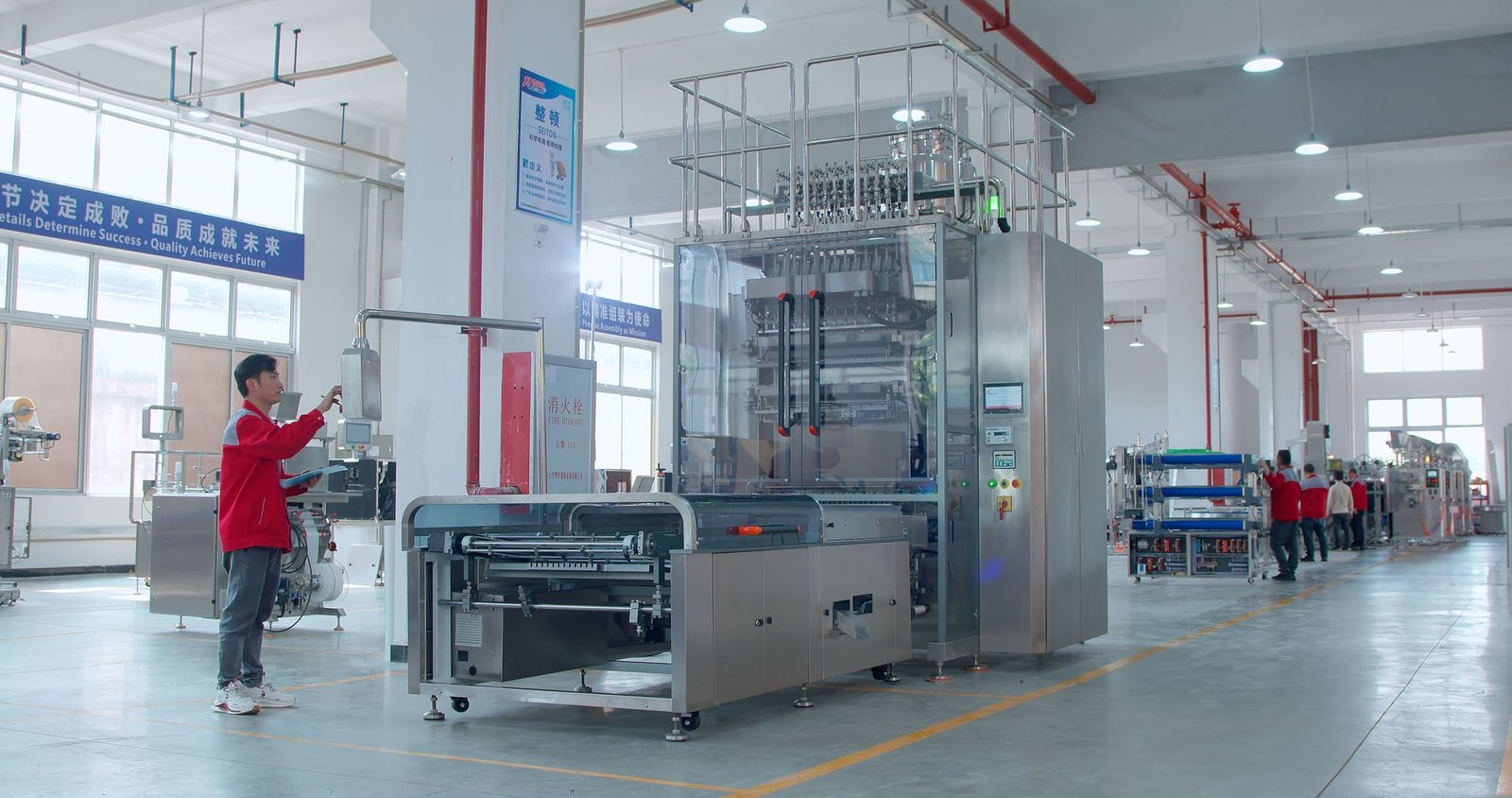
With over three decades of engineering expertise, Ludyway Machinery has established itself as a seasoned China-based manufacturer capable of delivering comprehensive automated packaging equipment. With a 20,000-square-meter facility and a portfolio spanning over 50 machine models, the company supports manufacturers in configuring lines specifically tailored to complex heat sealing requirements. You can explore their recent global trajectory in detail through this Ludyway packaging machinery global growth report.
Customization for Specialized Applications
Ready-made machines often struggle with unique bag shapes, such as 3-side seal, 4-side seal, or stick packs. Furthermore, industries like chemicals or pet food often require strictly separated contact parts to avoid cross-contamination.
- If you handle corrosive liquids, 316 stainless steel housings and PTFE-coated sealing bars are non-negotiable.
- For freeze-dried foods, the machine must execute gentle handling combined with immediate vacuum sealing.
Automation and Smart Factory Integration
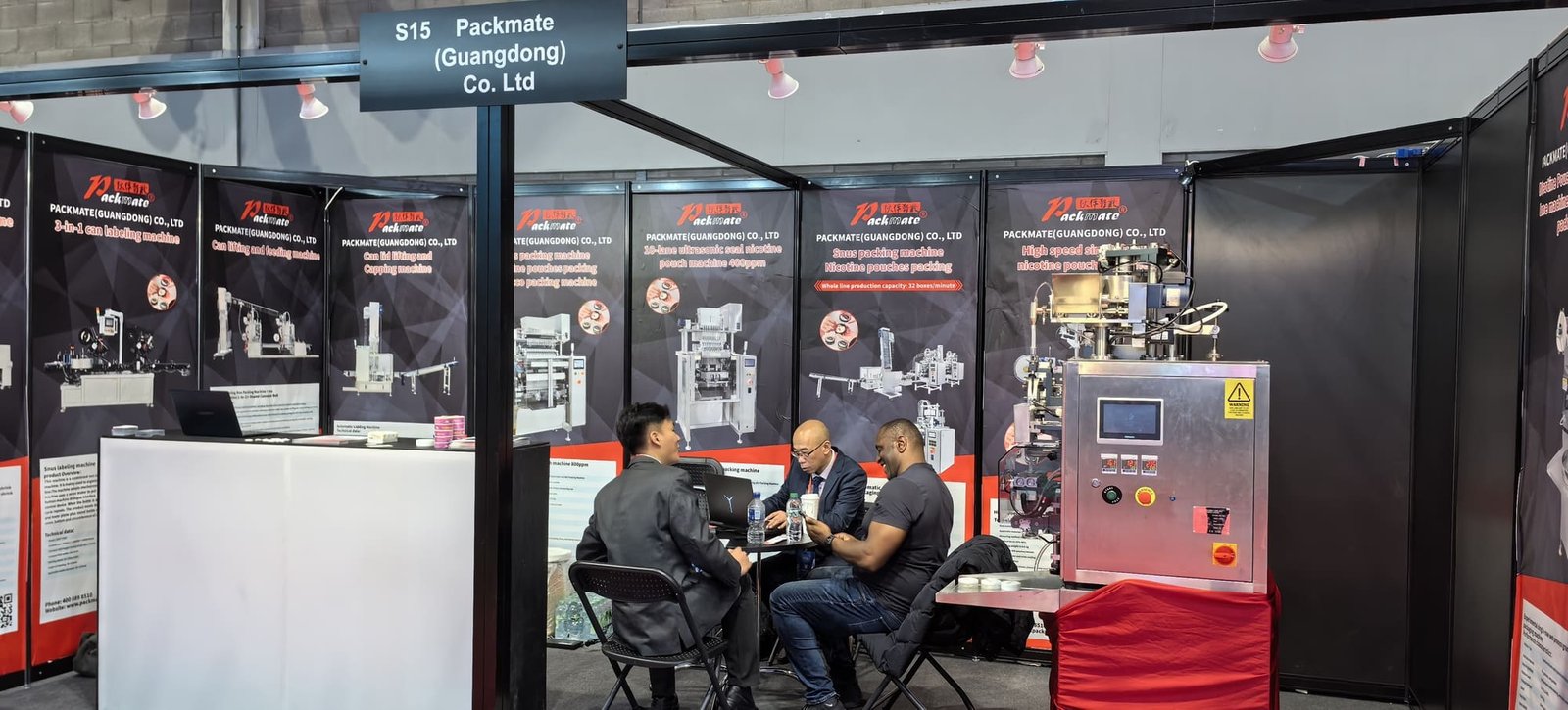
The future of heat sealing lies in Industry 4.0. Servo-driven machines offer programmable stroke lengths, digital pressure regulation, and IoT connectivity. This allows plant managers to monitor Overall Equipment Effectiveness (OEE) remotely. When exploring the latest processing technologies, the PACK EXPO International often showcases the most advanced sealing innovations on the market.
Maintenance and Total Cost of Ownership
The initial purchase price is just the tip of the iceberg. The real cost includes:
| Cost Factor | Impact | Mitigation Strategy |
|---|---|---|
| Consumables (Teflon tape, heating elements) | Medium | Stock high-quality spares |
| Energy Consumption | High | Select servo-driven models |
| Downtime due to seal failures | Critical | Choose robust design with local support |
Long-Term Technical Support
Sealing temperature curves often need fine-tuning for new film batches. A supplier offering strong after-sales technical support and remote diagnostics protects your line’s uptime. Before finalizing your choice, verify the availability of installation, commissioning, and operator training in your region.
By rigorously analyzing your material requirements, throughput needs, and quality benchmarks against the machine’s actual engineering capabilities, you ensure a profitable and sustainable packaging operation.