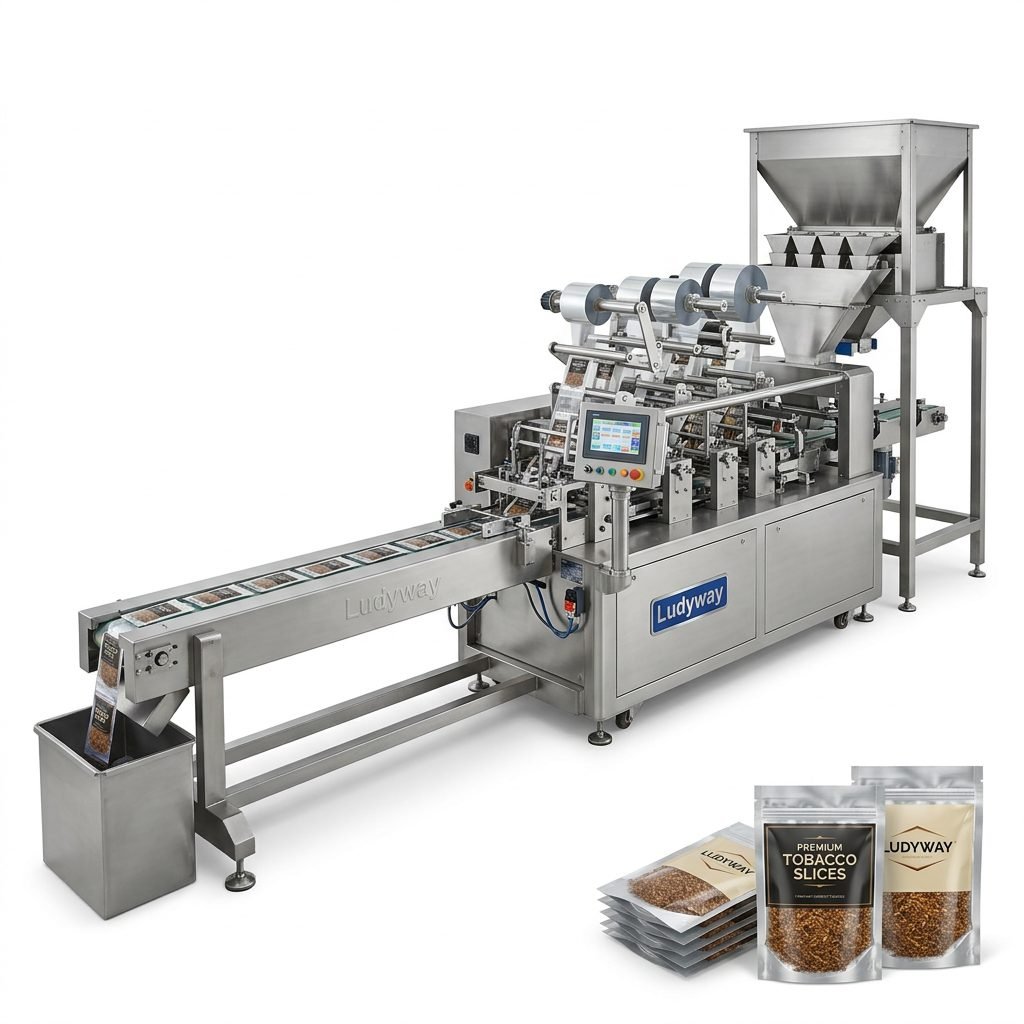
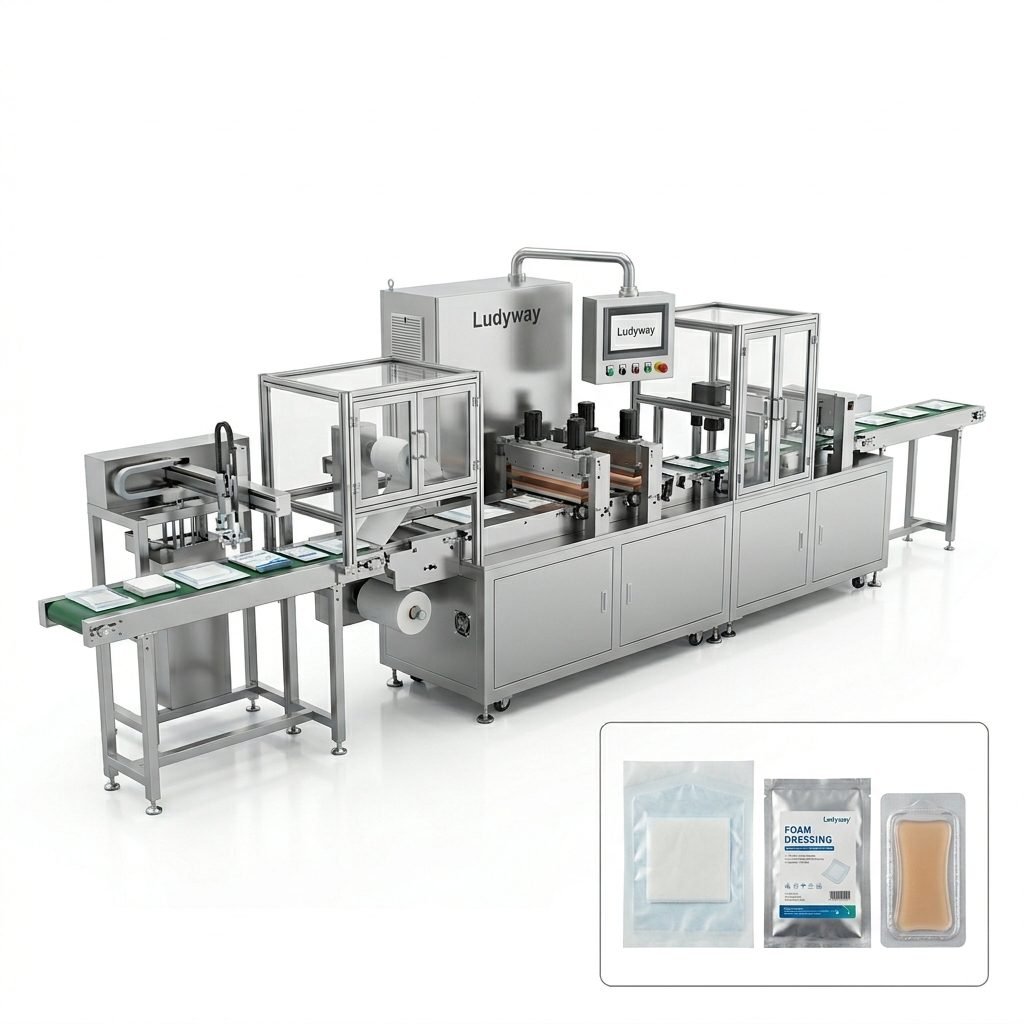
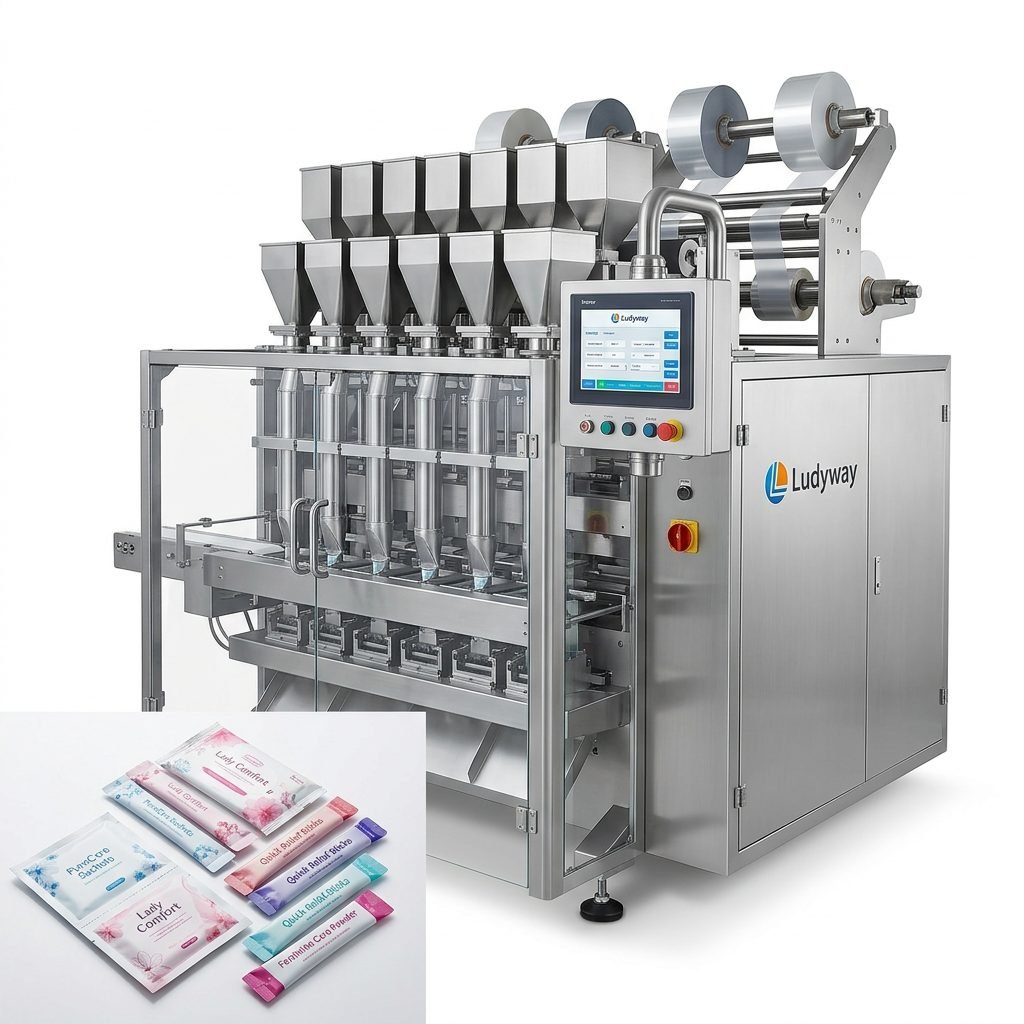
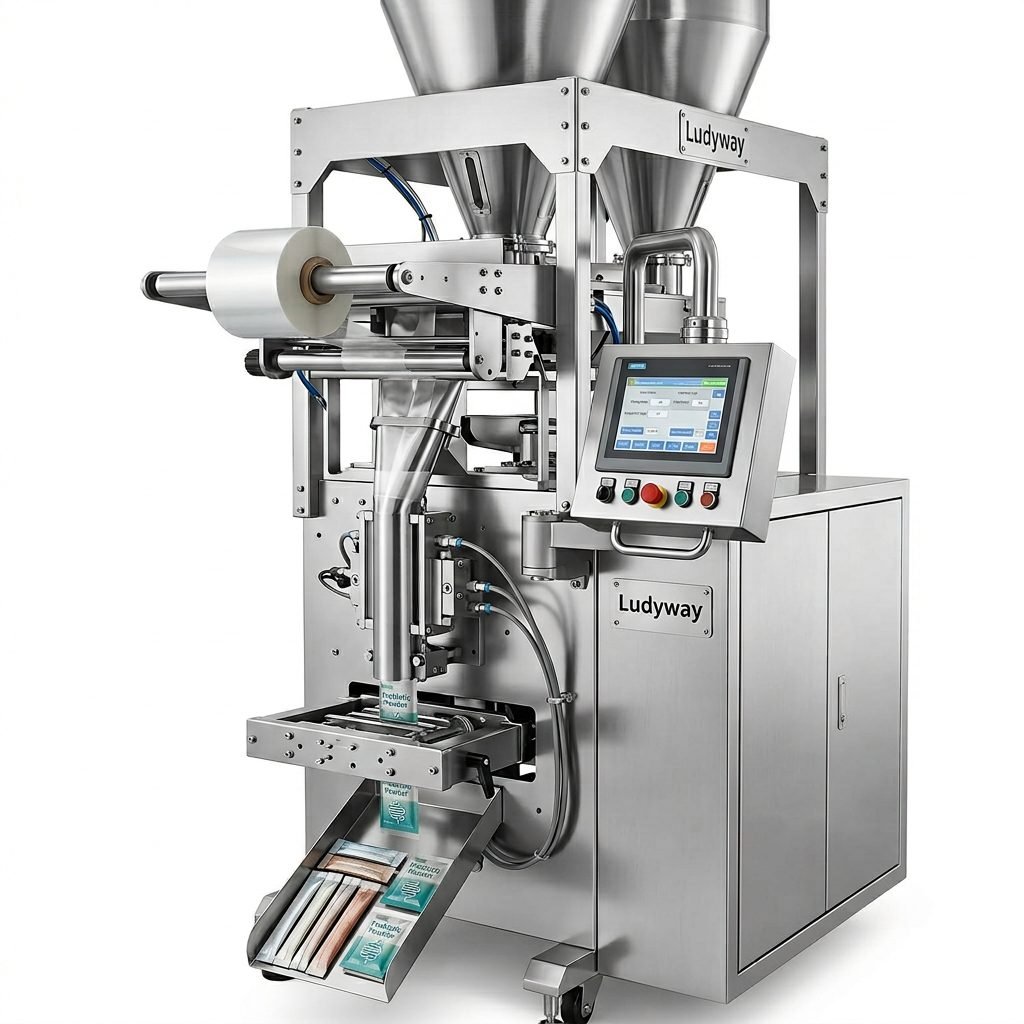
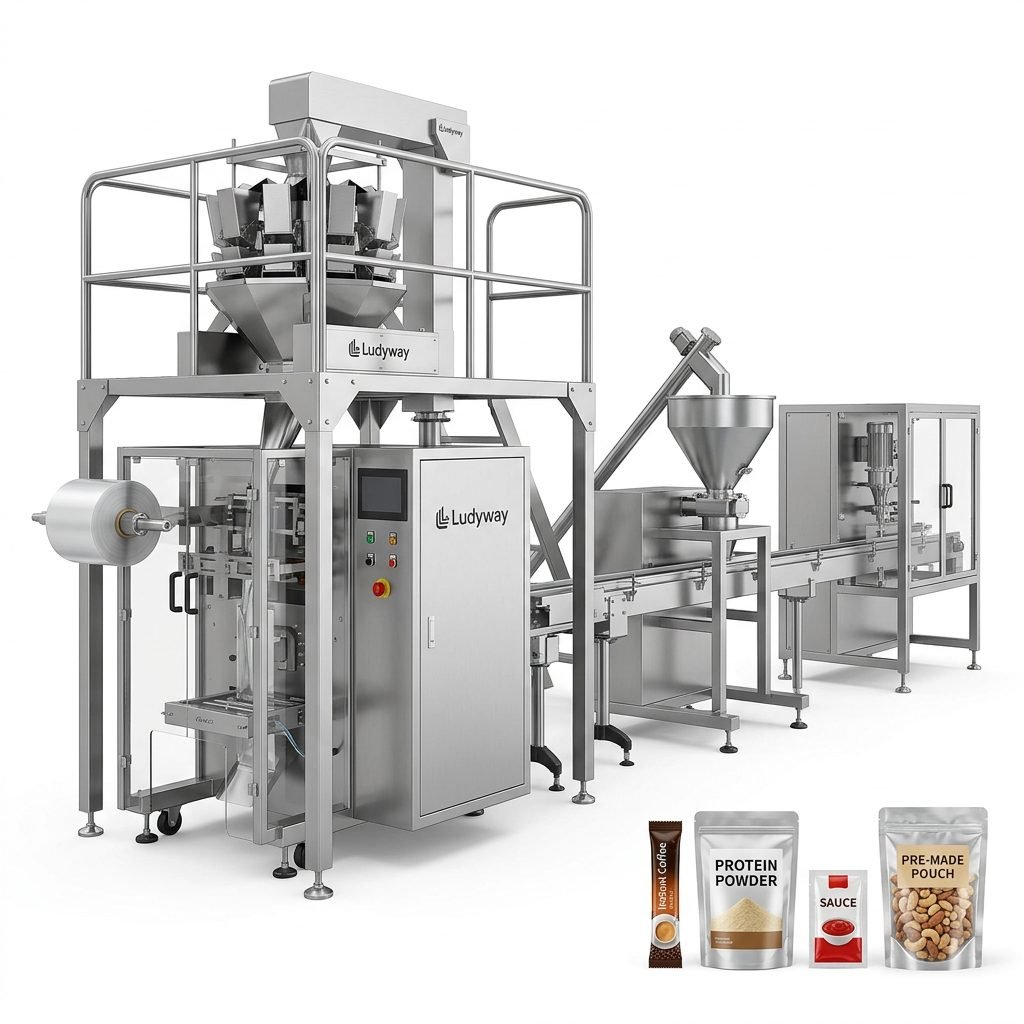
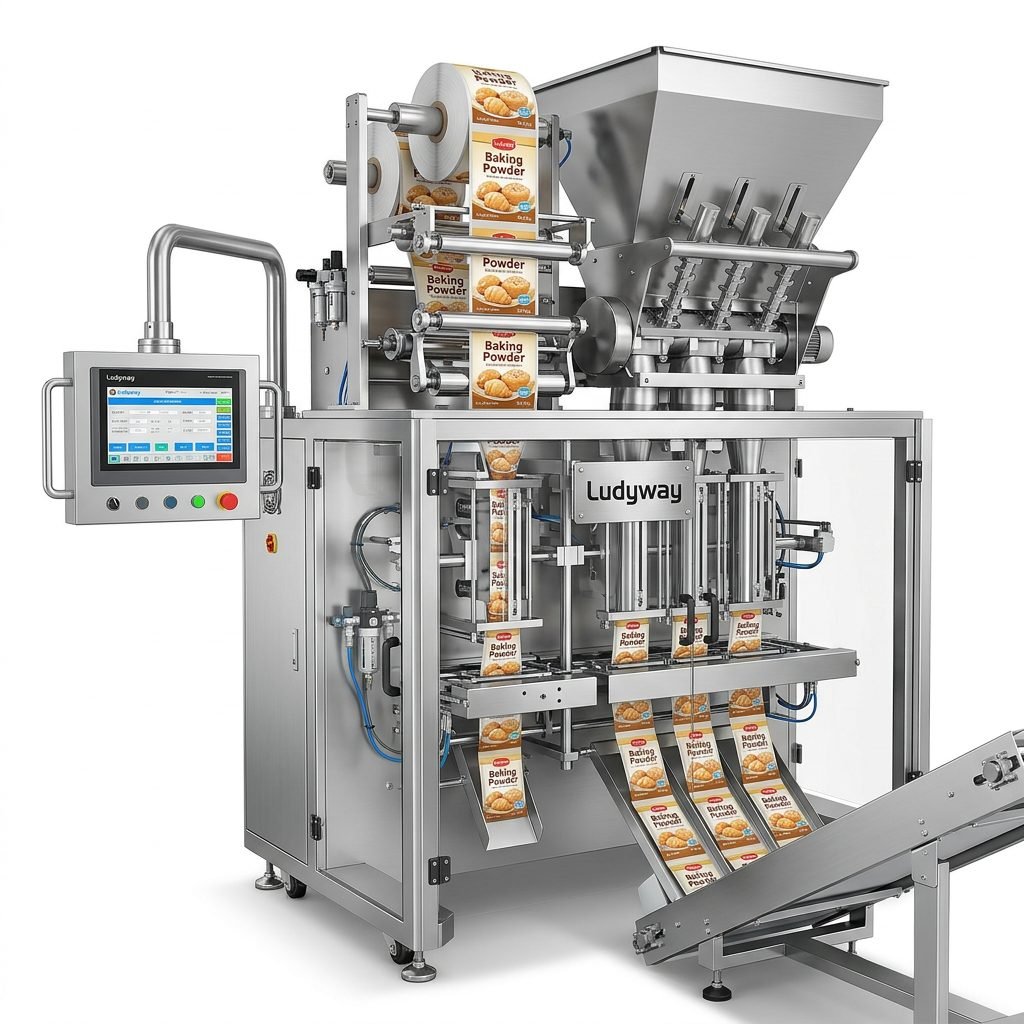
Investing in a multihead weigher packing machine is one of the most critical decisions a manufacturer can make. Whether you are packaging snacks, frozen foods, fresh produce, confectionery, or non-food granular products, the right weighing and packing system directly impacts product giveaway, throughput, and long-term profitability. According to packaging machinery market research, automated weighing technologies continue to see double-digit adoption growth as manufacturers prioritize accuracy and speed.
This guide walks you through every key factor to evaluate when selecting a multihead weigher for your production line, from product characteristics and target speeds to integration requirements and after-sales support.
Understanding Multihead Weigher Technology
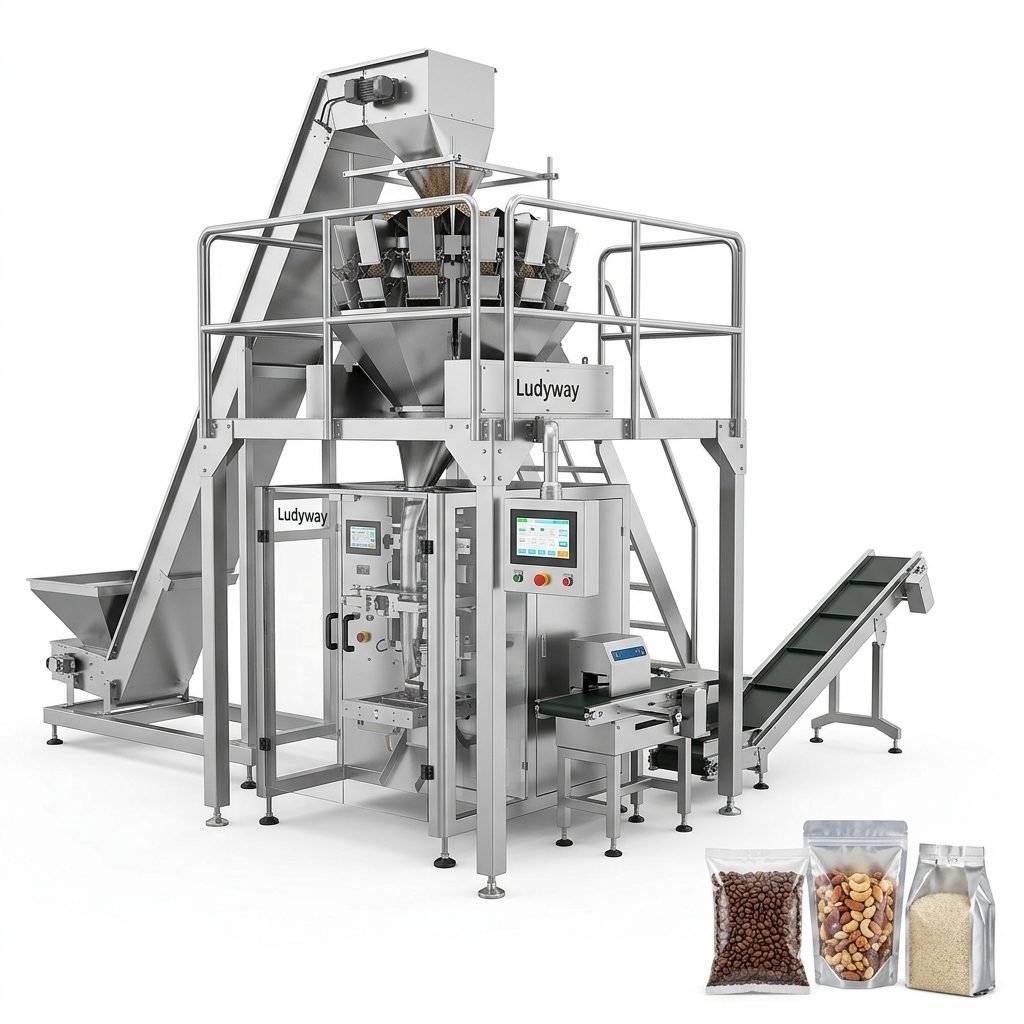
A multihead weigher (also called a combination weigher) uses multiple weigh heads to calculate the optimal combination of product portions that most closely matches the target weight. Unlike linear weighers that rely on a single weigh bucket, a multihead system can simultaneously weigh dozens of portions and select the best combination in milliseconds. This technology is the industry standard for applications where high accuracy and high speed must be achieved together.
Key advantages include reduced product giveaway, faster weighing cycles, and compatibility with a wide range of products from free-flowing granules to sticky or fragile items. The flexible packaging industry relies heavily on multihead weighing for sachet, stick pack, pouch, and bag formats.
Key Factors to Consider When Choosing a Multihead Weigher
1. Product Characteristics and Flow Behavior
Not all products behave the same way on a weighing machine. Before selecting a multihead weigher packing machine, you must analyze your product’s physical properties:
- Particle size and uniformity: Free-flowing granules (sugar, rice) require different tooling than irregular items (nuts, dried fruit).
- Stickiness and moisture content: High-moisture or sticky products (fresh-cut fruit, marinated meat) may need embossed or coated contact surfaces.
- Fragility: Breakable products (chips, biscuits) require gentle handling, reduced drop heights, and specialized discharge chutes.
- Dust generation: Powdery products may require dust extraction systems to maintain weighing accuracy.
2. Target Speed and Accuracy Requirements
Speed and accuracy are often in tension — higher speeds can reduce weighing precision. A multihead weigher with more weigh heads generally achieves better accuracy at high speeds because it has more combinations to choose from. Consider these benchmarks:
| Number of Heads | Typical Speed Range | Best Suited For |
|---|---|---|
| 10–14 heads | Up to 60–90 weighments/min | Small to medium operations, larger target weights |
| 16–20 heads | Up to 120–150 weighments/min | Medium to high-speed snack and confectionery lines |
| 24–32 heads | Up to 200+ weighments/min | Ultra-high-speed applications, mixed product packs |
For products sold by weight, even a 0.5-gram improvement in accuracy per pack can translate into significant annual savings when multiplied across millions of units. Always calculate the expected return on investment based on product giveaway reduction.
3. Machine Configuration and Tooling Options
Each component of a multihead weigher packing machine can be configured to match your product. Key components to evaluate include:
- Feed system: Vibratory pans, belt feeders, or screw feeders depending on product flow characteristics.
- Weigh buckets: Available in different volumes, surface finishes (dimpled, coated, polished), and discharge mechanisms.
- Discharge chutes: Straight, stepped, or specially shaped to minimize product breakage and sticking.
- Frame and enclosure: Stainless steel construction is standard for food-grade applications; washdown-rated designs (IP65/IP66) are available for wet cleaning environments.
4. Hygiene and Cleanability Standards
For food, pharmaceutical, and nutraceutical applications, hygienic design is non-negotiable. Your multihead weigher should comply with relevant food contact and packaging regulations in your target market. Look for:
- Tool-free disassembly for rapid cleaning and product changeover.
- IP65 or IP66 washdown-rated load cells and electrical components.
- Sloped surfaces that prevent product accumulation and facilitate drainage.
- EHEDG or 3-A certification for dairy, meat, and ready-to-eat applications.
5. Integration with Existing Packaging Lines
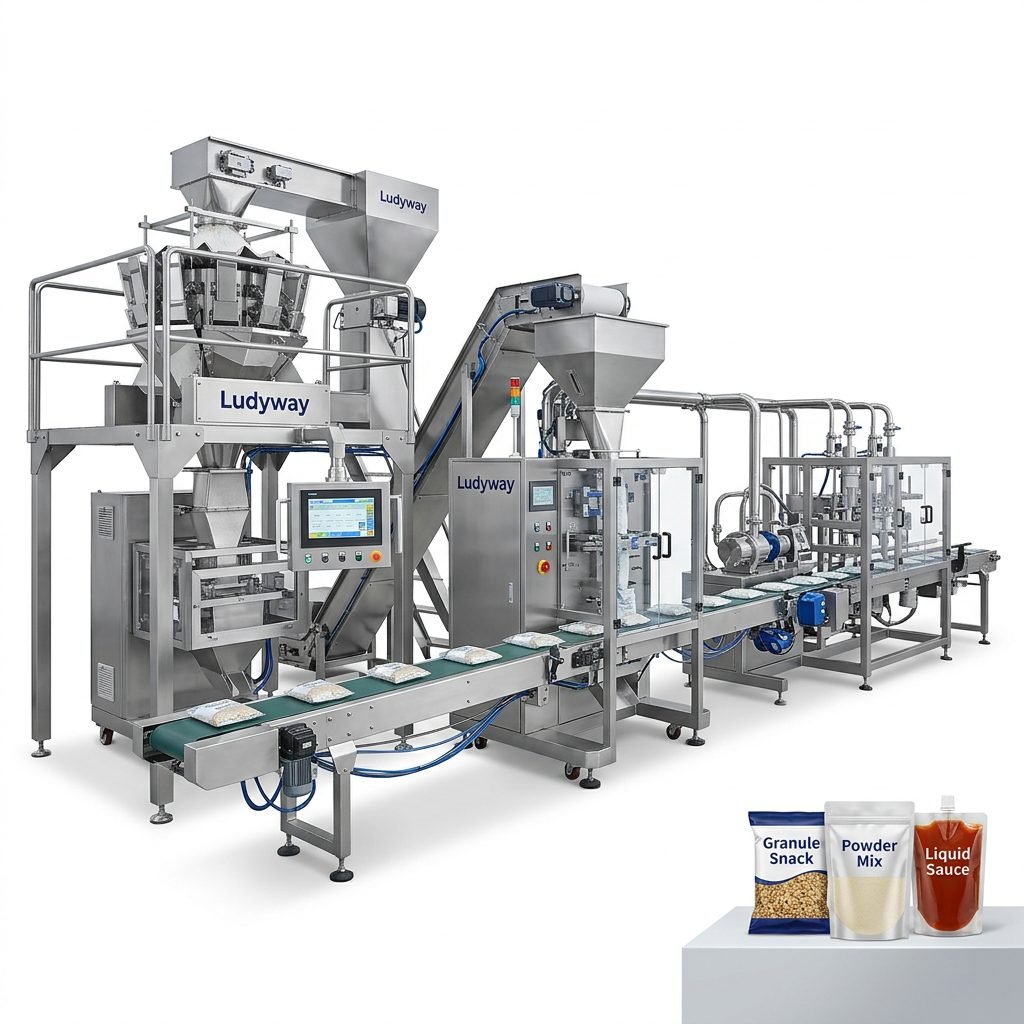
A multihead weigher rarely operates in isolation. It must interface seamlessly with upstream feeding systems and downstream packaging machines, such as vertical form-fill-seal (VFFS) baggers, horizontal flow wrappers, tray sealers, or pouch fillers. Evaluate:
- Communication protocols: Ensure compatibility with your line’s PLC and SCADA systems (Ethernet/IP, Profinet, Modbus).
- Physical integration: Check mounting height, discharge height, and footprint relative to your existing equipment.
- Timing and synchronization: The weigher must receive a trigger signal from the packaging machine and deliver the weighment precisely when required.
6. Budget, Total Cost of Ownership, and ROI
While the upfront price of a multihead weigher packing machine is important, the total cost of ownership (TCO) over its lifespan matters far more. Consider these cost factors:
- Product giveaway savings: The single largest ROI driver — improved accuracy directly reduces raw material costs.
- Maintenance and spare parts: Availability of local technical support and genuine spare parts.
- Energy consumption: Modern weighers with efficient vibration drives consume less power.
- Operator training: Intuitive touchscreen interfaces reduce training time and operator errors.
Common Mistakes to Avoid When Selecting a Multihead Weigher
- Choosing based on price alone: A low-cost weigher that lacks accuracy can cost far more in product giveaway over time.
- Ignoring product testing: Always insist on product trials using your actual product, not just a generic sample.
- Overlooking future needs: Select a machine with headroom for potential speed increases or product range expansion.
- Neglecting after-sales support: A reliable supplier with responsive technical service is critical for minimizing downtime.
- Failing to plan for integration: The weigher, feeder, and packaging machine must be designed to work as a cohesive system.
Working with a Trusted Packaging Machinery Partner
Selecting the right multihead weigher packing machine involves more than comparing specifications — it requires matching technology to your specific product, production goals, and operational environment. Working with an experienced supplier that can provide product testing, engineering support, and integrated packaging line solutions can simplify the process significantly.
Manufacturers like Ludyway Machinery, a China-based packaging machinery manufacturer with more than 30 years of experience, offer a broad portfolio of automatic packaging equipment including multihead weighers configured for different products, speeds, and packaging formats. With a 20,000-square-meter manufacturing facility and technical teams covering mechanical design, automation, and packaging-line integration, such partners can help customers navigate machine selection and system configuration effectively. You can learn more about packaging machinery global growth trends to understand how the industry is evolving.
Checklist: What to Ask Before Buying a Multihead Weigher
| Question Area | Key Questions to Ask |
|---|---|
| Product | Has the supplier tested your actual product? What tooling modifications are recommended? |
| Performance | What accuracy and speed can be guaranteed in writing for your specific product? |
| Hygiene | Is the machine rated for your cleaning regime? Can it be fully disassembled without tools? |
| Integration | Does the supplier provide turnkey integration with your chosen packaging machine? |
| Support | What warranty, spare parts availability, and remote technical support are offered? |
| Compliance | Does the machine meet relevant ISO packaging standards and regional certification requirements? |
Conclusion: Making the Right Investment
A multihead weigher packing machine is a long-term asset that can transform your packaging line’s efficiency, consistency, and profitability. By carefully evaluating your product characteristics, speed and accuracy targets, hygiene requirements, integration needs, and total cost of ownership, you can select a system that delivers measurable returns for years to come.
Take the time to conduct product trials, visit supplier facilities when possible, and seek references from manufacturers with similar applications. The right partner will provide not just a machine, but a complete weighing and packaging solution tailored to your production goals.