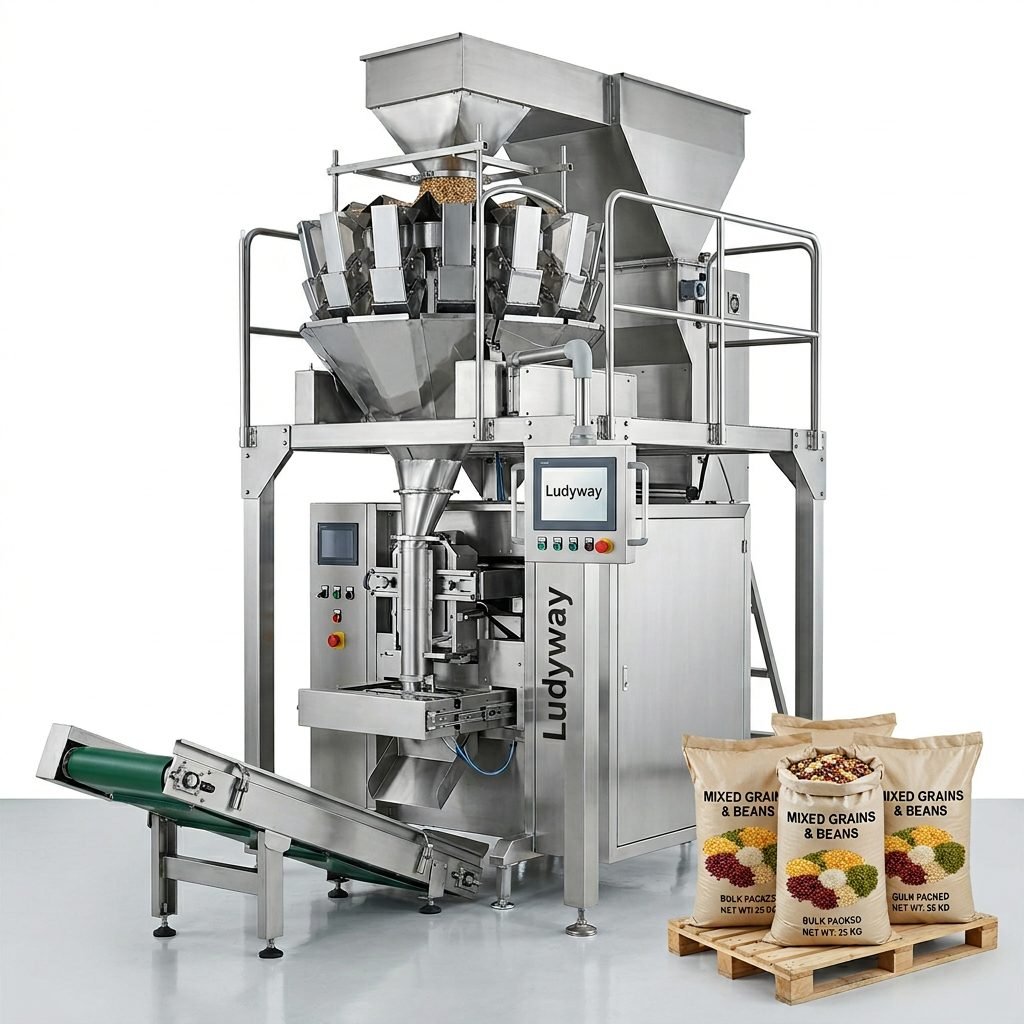
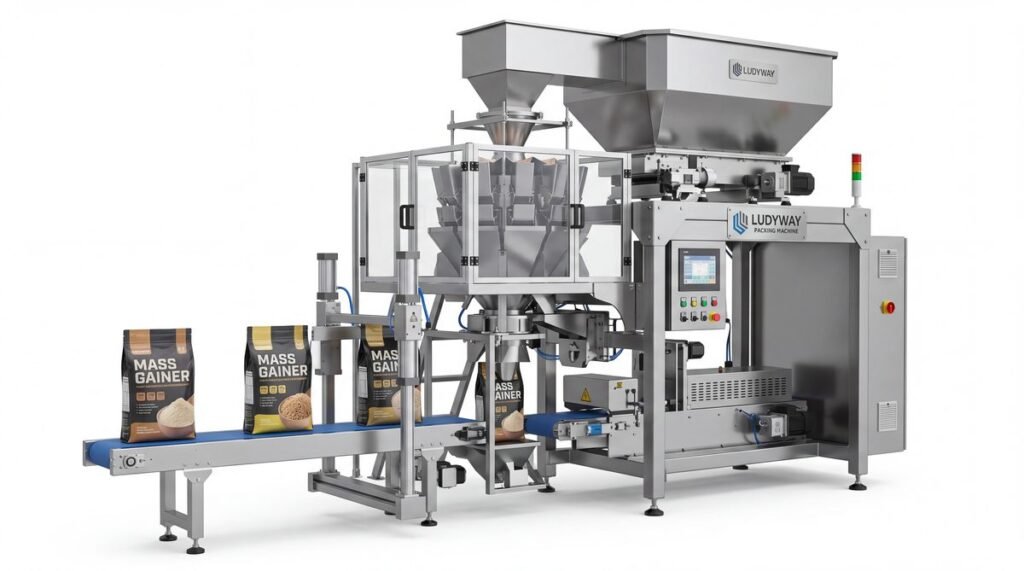
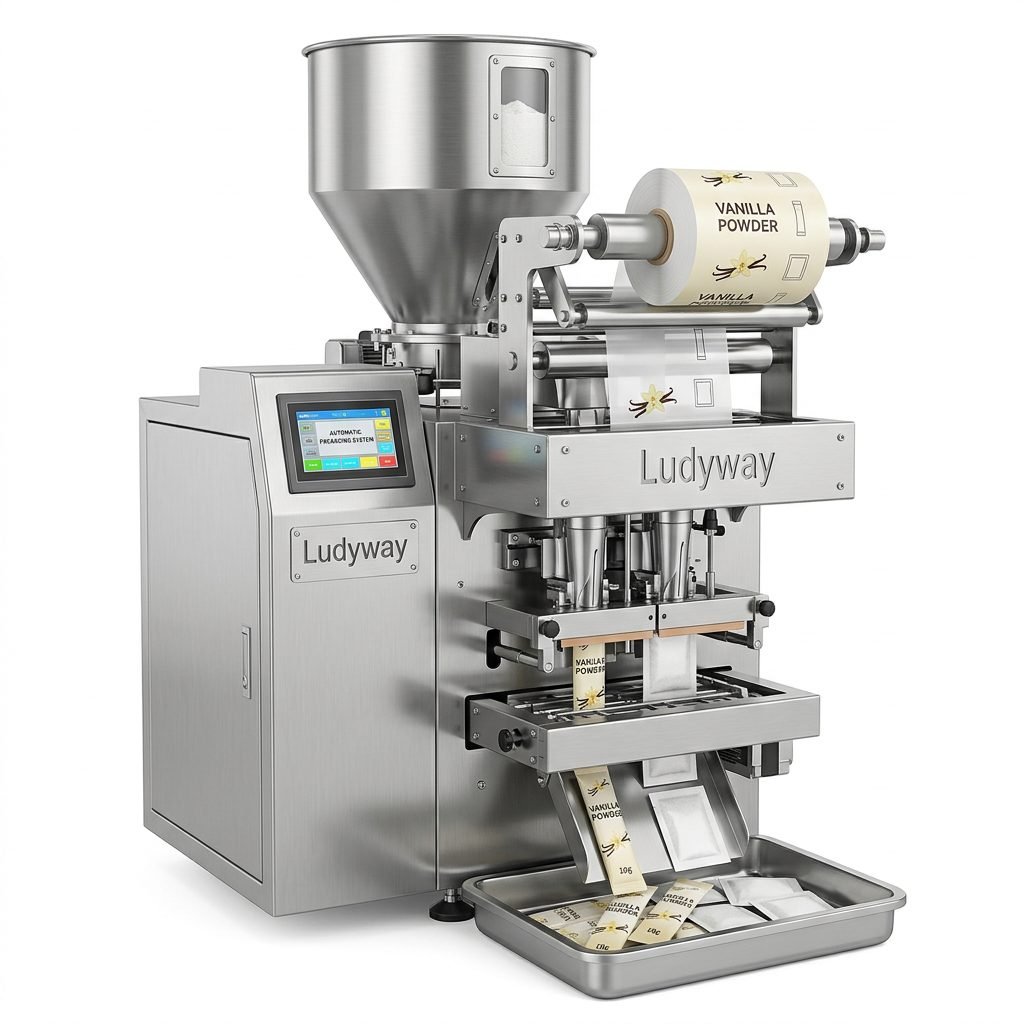
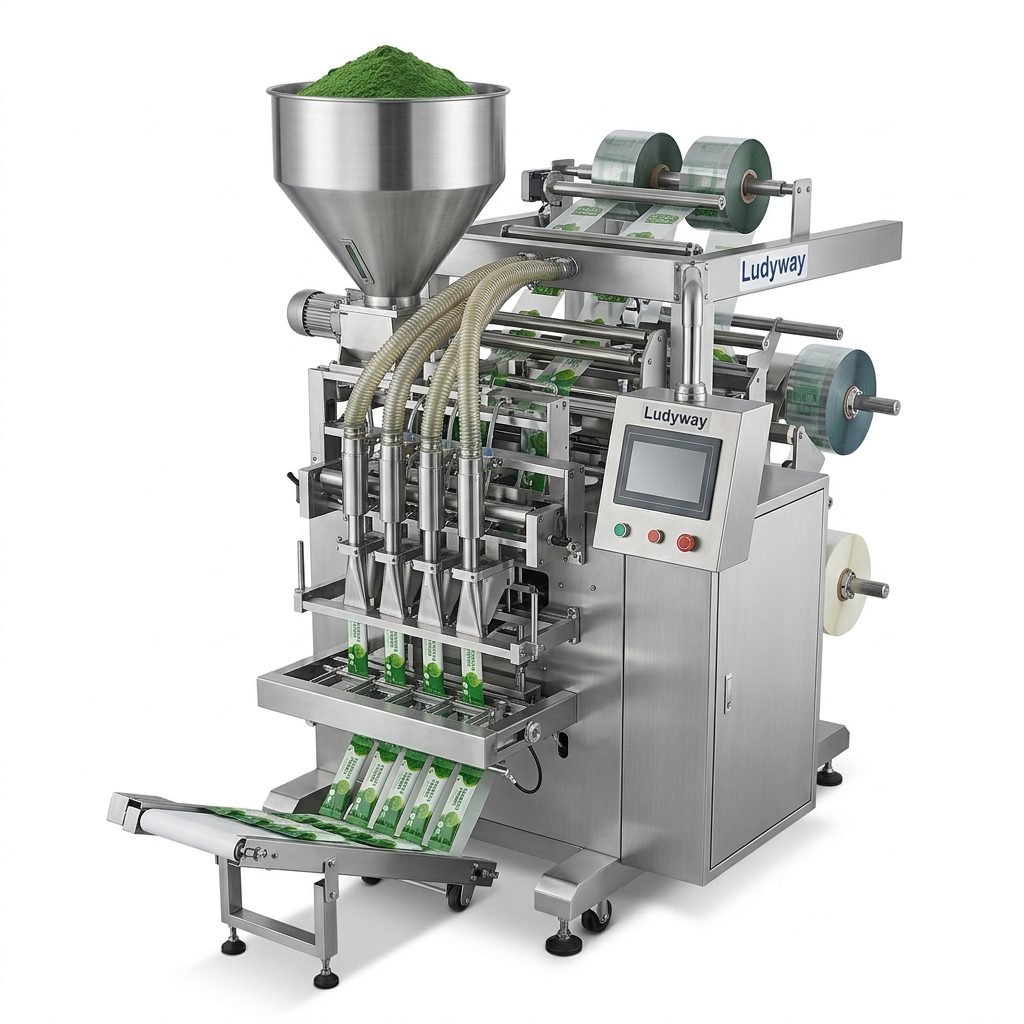
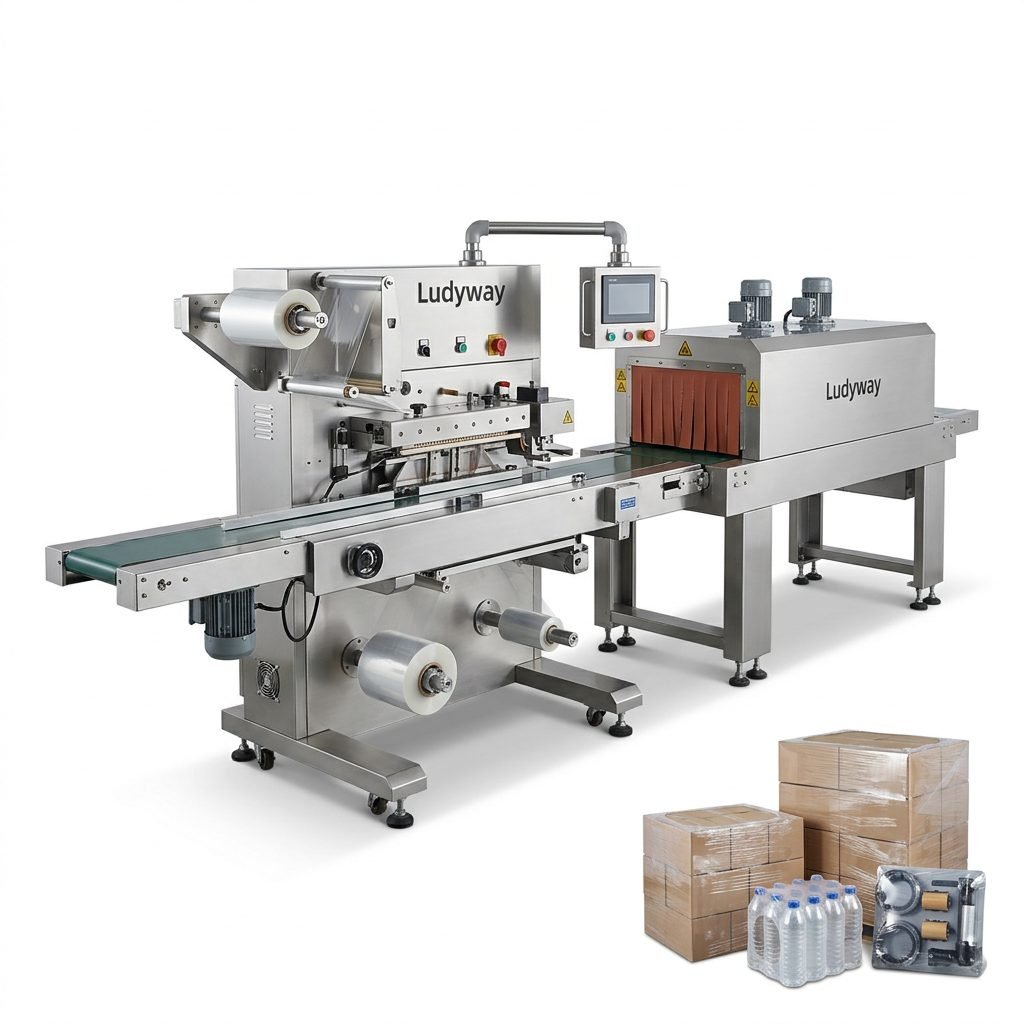
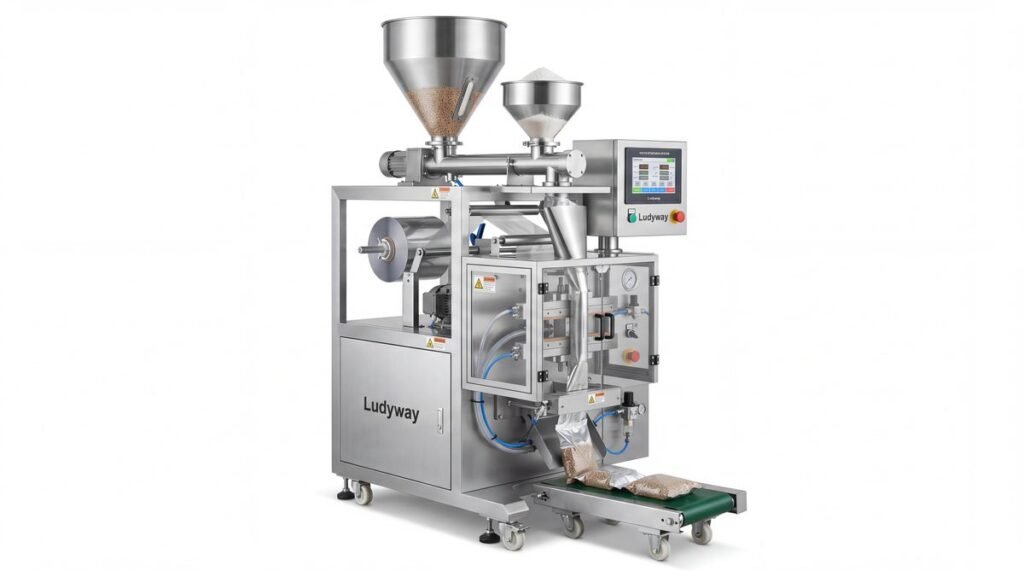
Investing in a vegetable packing machine is a strategic decision that can redefine your post-harvest processing line. With tightening labor markets, rising quality standards, and increasing consumer demand for fresh convenience, choosing the wrong equipment can lead to costly bottlenecks and product damage. This guide breaks down the entire selection process, from understanding your product’s unique handling characteristics to evaluating automation levels and total cost of ownership. Whether you are packaging leafy greens, root vegetables, or ready-to-eat salad mixes, a methodical approach ensures you achieve optimal throughput, minimal waste, and strong return on investment.
1. Define Your Product Characteristics and Sensitivity
The very first filter in selecting a vegetable packing machine is your product’s physical profile. Fresh produce is highly variable and delicate, so the machine must be tailored to its exact specifications. Ignoring this stage is the most common cause of jams, physical damage, and inaccurate fills.
- Bulk Density and Flowability: Is your product free-flowing like carrots, or does it bridge and clump like wet spinach? Dense, cubed root vegetables generally flow easily via vibratory feeders, whereas leafy greens with high air content often need specialized belt feeders to avoid crushing.
- Product Dimensions and Shape: Analyze the average length, width, and thickness. A machine ideal for whole baby carrots may not accommodate an irregularly shaped bell pepper or a long asparagus spear. Precision weighing becomes challenging for products with significant size variation.
- Sensitivity to Damage: Velvet-skin eggplant and ripe tomatoes require no-drop or minimum-drop configurations. Look for machines with gentler declining conveyors and cushioned collection zones. For hardier vegetables like potatoes or onions, standard multi-head weighers offer extremely high speeds without significant risk of bruising.
- Surface Moisture and Residue: Freshly washed vegetables carry surface water. If your vegetable packing machine doesn’t feature a robust drainage system, sludge accumulation can impact hygiene and weighing accuracy. Stainless steel construction and washdown-ready certifications (like IP65 or greater) are non-negotiable here.
2. Match the Packaging Format and Material
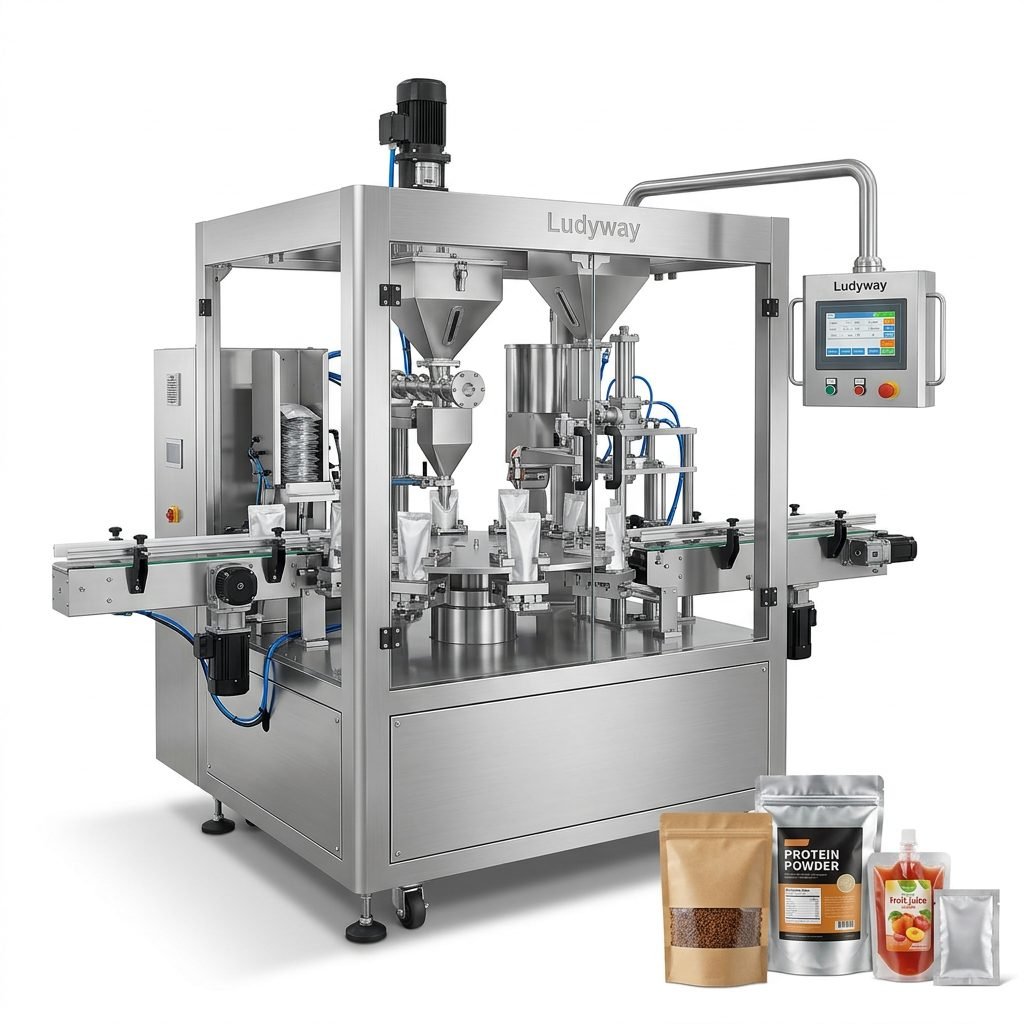
The type of package you plan to sell—whether it’s a pillow bag, a gusseted stand-up pouch, or a rigid tray—will significantly narrow your machine options. Vertical Form Fill Seal (VFFS) machines are the workhorses for pillow and gusseted bags made from roll stock, delivering high throughput at a low material cost. However, if your brand requires a premium look with reinforced zippers, you may need a rotary premade pouch machine, which picks, opens, fills, and seals pre-manufactured bags.
| Machine Type | Best For | Key Advantage | Ideal Vegetable Types |
|---|---|---|---|
| Vertical Form Fill Seal (VFFS) | Pillow bags, gusseted bags from roll film | High speed, low film cost | Lettuce blends, baby carrots, cut florets |
| Rotary Premade Pouch Machine | Stand-up pouches, zipper packs, spouted bags | Superior seal integrity, versatile pouch styles | Premium mixed salads, steamed vegetable packs |
| Multihead Weigher & Tray Sealer | Modified Atmosphere Packaging (MAP) trays | Extended shelf life, retail-ready display | Sliced peppers, green beans, stir-fry kits |
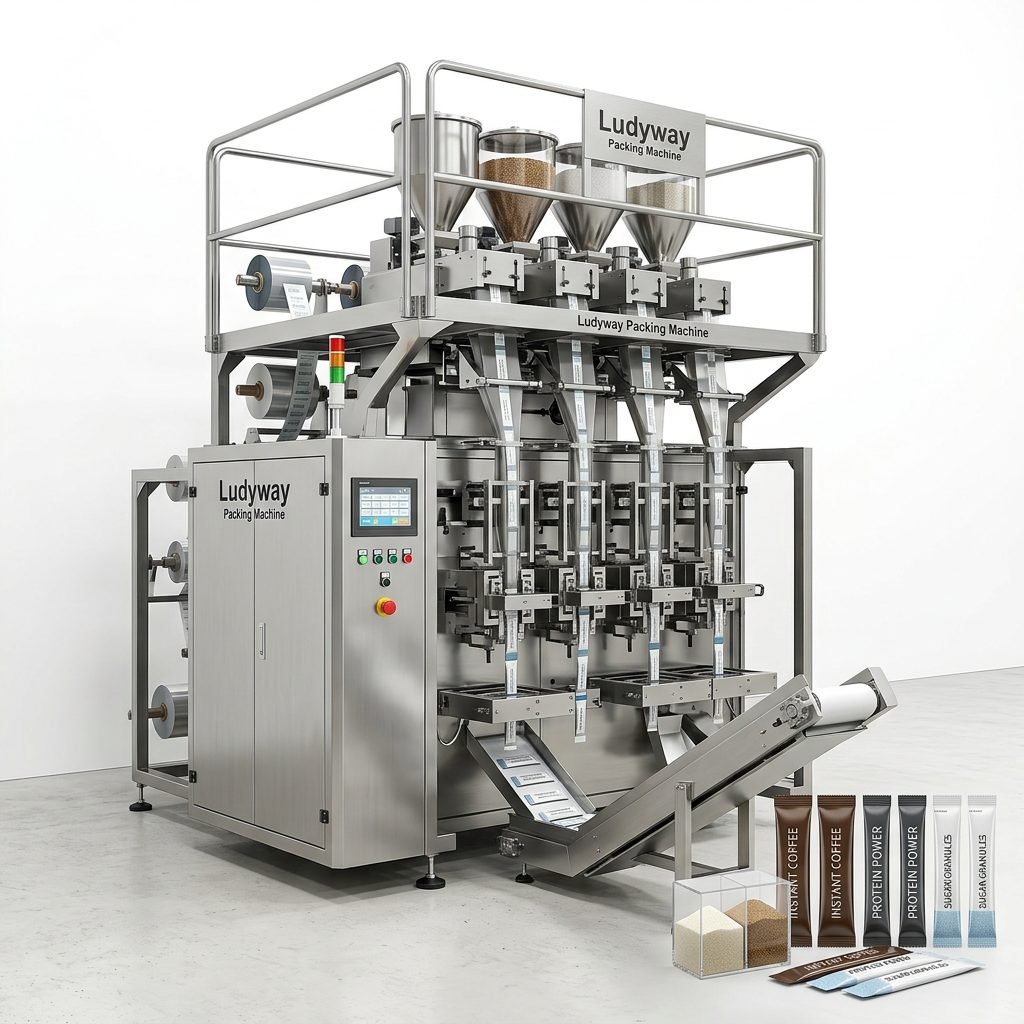
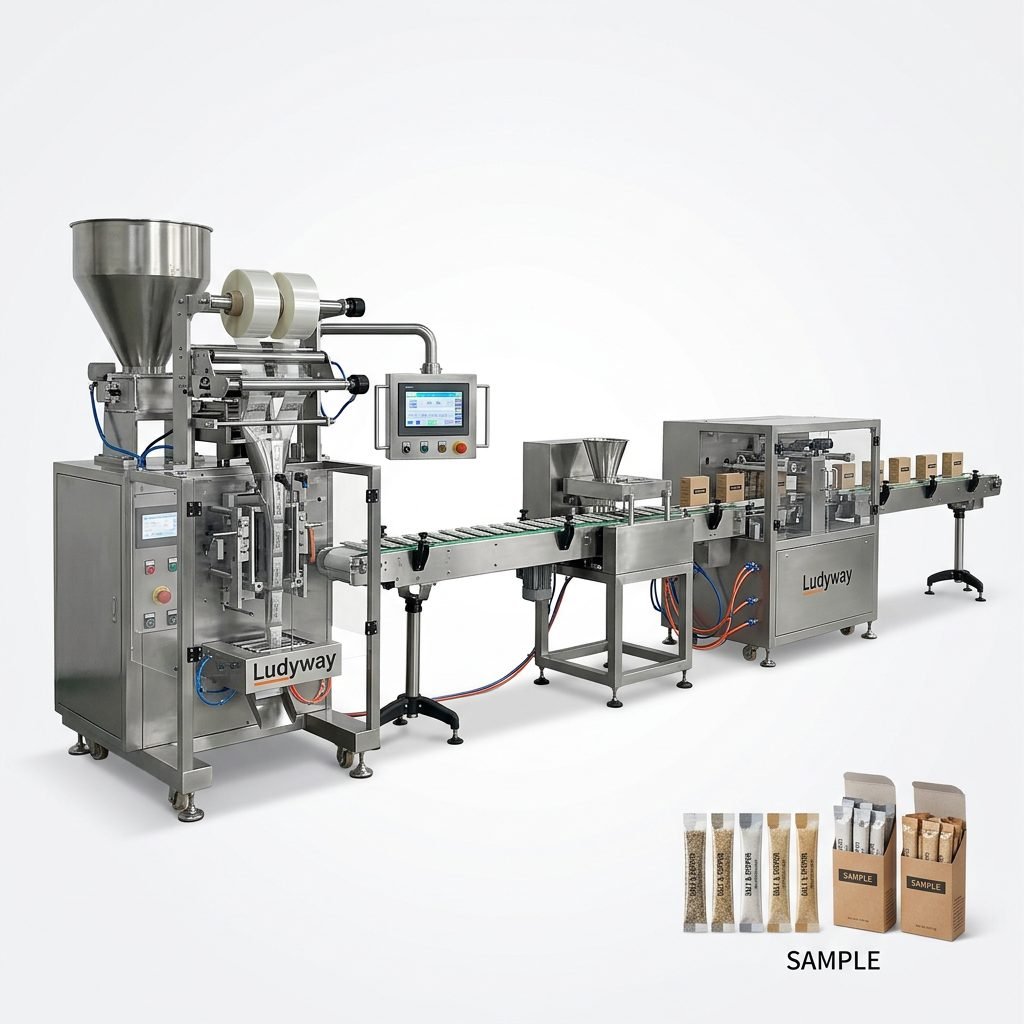
| Twin-Line or Multi-Lane Systems | Stick packs, flow packs for single-serve portions | Ultra-high output (up to 1,500 ppm) | Snack packs of cherry tomatoes, carrot sticks |
Also, critically evaluate the film compatibility. Ultra-micro-perforated films for breathability in leafy greens require precise temperature control on sealing jaws. If you are launching a new flexible packaging type, such as a compostable biofilm, ensure the machine’s heat-seal dwell time and temperature range can be fine-tuned to match the material’s narrow sealing window.
3. Calculate the Required Throughput and Automation Level
Throughput isn’t just about speed figures in a brochure. A machine rated at 80 bags per minute might average only 50 in real-world fresh-cut operations due to product variability and film changes. Break down your requirements in detail:
- Peak Production Demand: Calculate the exact packs-per-minute needed during your busiest harvest week, not just the yearly average.
- Planned Downtime: Operator training, film splices, and washdown cycles consume productive time. Industry research suggests that overall equipment effectiveness (OEE) for fresh food packaging typically ranges between 60% and 75%.
- Changeover Frequency: If you run 10 different vegetable SKUs per shift, a quick-release, tool-less changeover design is worth the premium. Digital recipe settings (often via PLC) can reduce changeover from 30 minutes to under 5.
- Weighing Precision vs. Giveaway: A modern multihead weigher optimizes combination weights to minimize product giveaway. Over a year, a 1-gram reduction in giveaway per bag can translate to significant profit recovery, especially when packing high-value organic vegetable mixes.
4. Engineering Quality and Hygienic Design
A vegetable packing machine operates in a cool, wet, and often acidic environment. Sanitation is not an option—it’s a regulatory mandate. When evaluating build quality, focus on these engineering elements:
- Frame and Contact Parts: 304 stainless steel is the standard for food zones, but 316L is preferred if you use saline or aggressive cleaning sanitizers. Ensure the frame is welded with continuous seams and has a sloped top to prevent water pooling.
- Washdown Certification: Exposed electronics and actuators need appropriate IP ratings. Look for IP65 for dust-tight, low-pressure water jets, and IP69K if you use high-pressure hot water foam cleaning.
- Food-Safe Lubricants: Gearboxes above product contact zones must use NSF H1 registered food-grade oils to eliminate the risk of drip contamination.
- Chain-Free Drives: Flimsy chains stretch and withdraw tiny metal particles. Direct-drive servo motors inside sealed housings are cleaner, quieter, and mechanically more reliable for precise indexing.
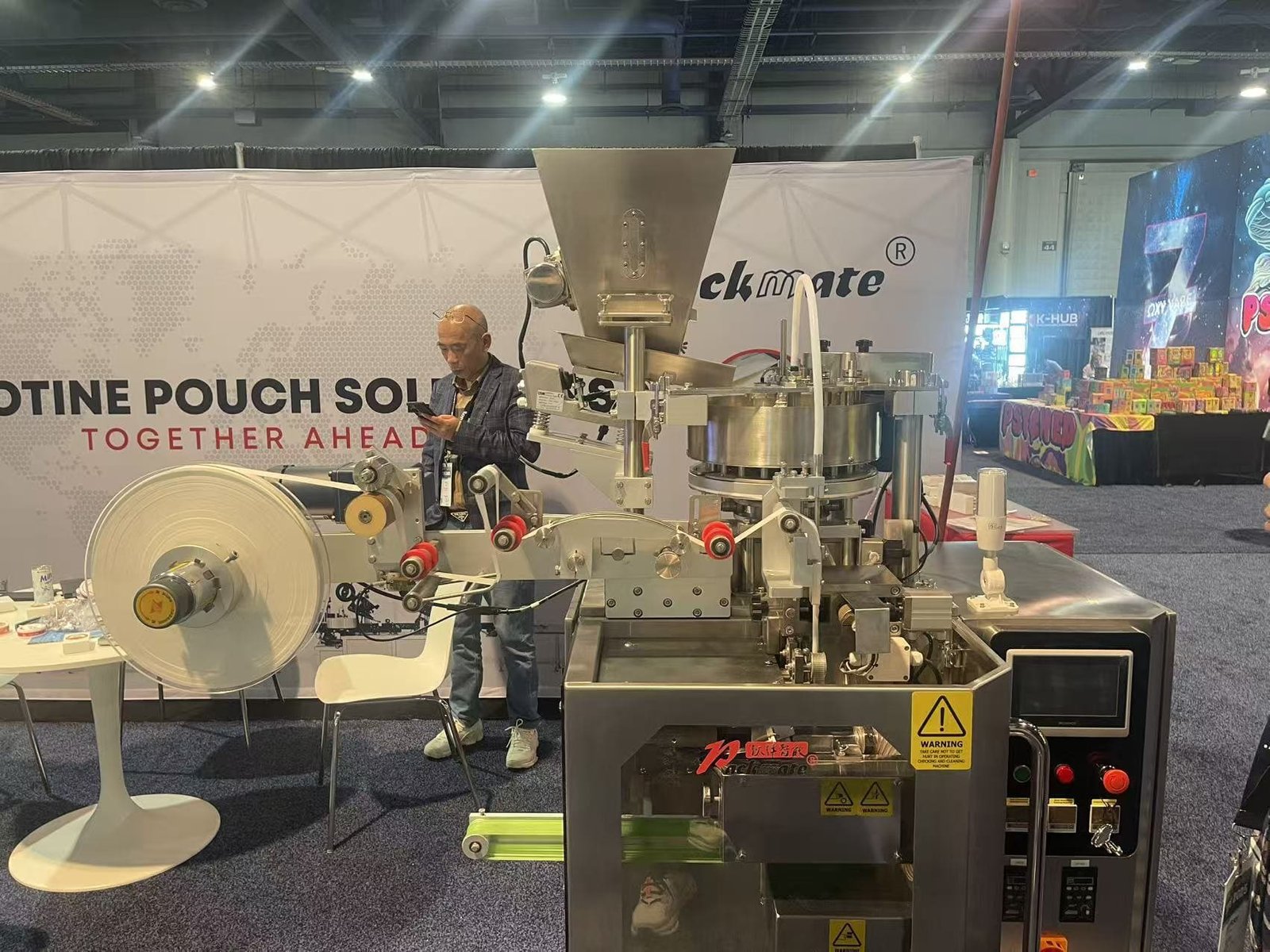
5. Control Systems and Industrial Connectivity
An intuitive interface is crucial for operators with varying skill levels. Modern vegetable packing machines integrate PLCs with HMI touchscreens that visualize production data in real-time. A robust control system should include:
- Automatic Film Tracking: A sensor that perfectly aligns the film with the bag maker, preventing skewed seals that lead to bacterial ingress.
- Integrated Checkweighing: Real-time feedback loops that adjust the multihead weigher automatically to maintain target weights without manual intervention.
- Remote Access Technology: Ethernet-based connectivity allows your technicians or external support teams to diagnose faults and upload recipe changes remotely, a critical feature for producers in remote agricultural zones.
- Data Logging for Compliance: The system should log temperatures, seal integrity tests, and batch weights to meet retailer standards and food contact packaging regulations.
6. Integration with Upstream and Downstream Equipment
A standalone machine creates efficiency islands, while an integrated packaging line creates velocity. From the moment a vegetable is cut, the clock starts ticking on shelf life. Consider how the packing machine will connect to:
- Infeed Systems: Inclined belt conveyors and vibratory chutes must meter product uniformly to the weigher. A backlog of wet produce on a vibrating pan leads to clumping and inaccurate drops.
- Gas Flushing (MAP): For sealed trays or pouches, the machine must evacuate ambient air and inject a precise nitrogen or CO2 mixture. Look for systems that monitor residual oxygen levels (<1%) to guarantee shelf life extension.
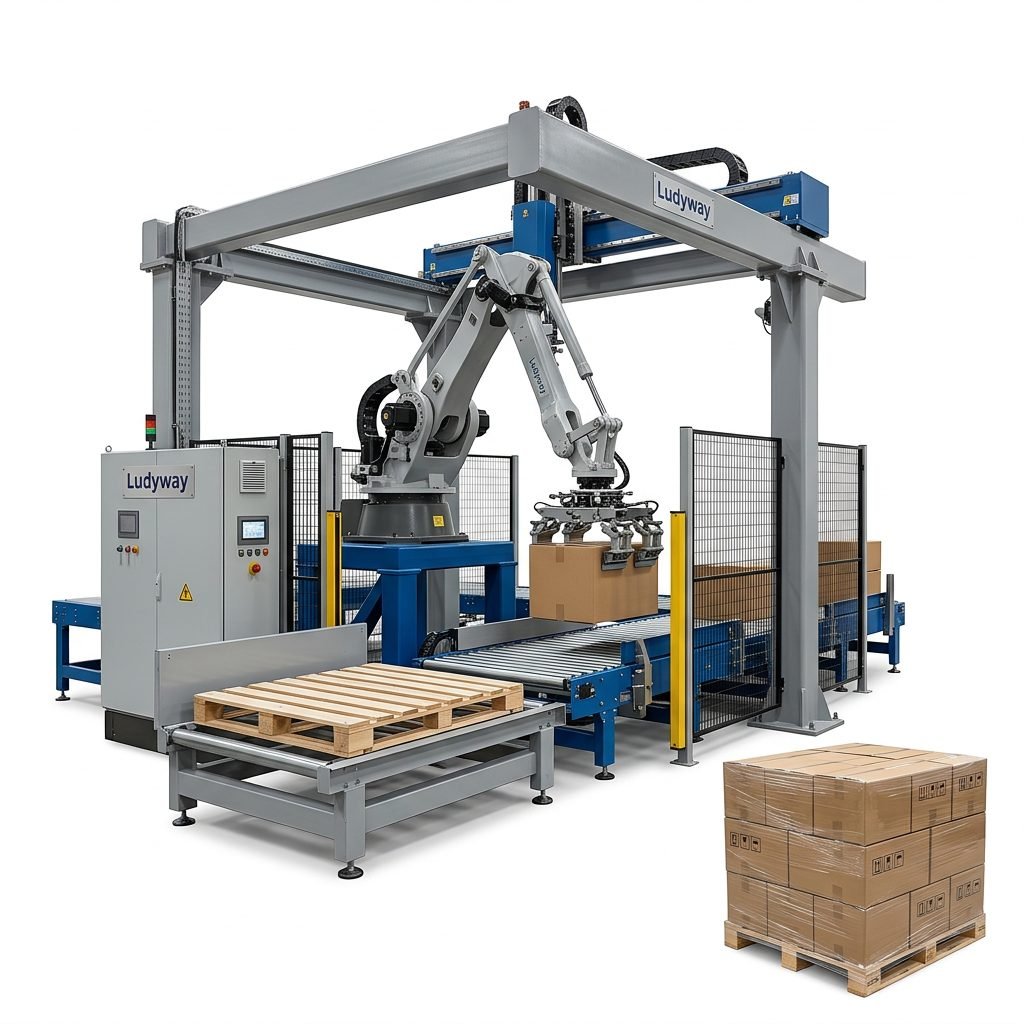
- End-of-Line Automation: Integrating a high-speed checkweigher, metal detector, and case packer can drastically cut labor. For fresh produce, a x-ray inspection system is increasingly valuable for detecting not just metal but dense foreign objects like stones or bone fragments common in field-fresh vegetables.
7. Total Cost of Ownership and Supplier Partnership
The purchase price sticker on a vegetable packing machine tells only a fraction of the story. A lower-cost machine can become a financial burden if it consumes excessive film, wastes product, or requires frequent emergency service calls. Calculate total cost of ownership (TCO) over a 5- to 7-year horizon:
Evaluating TCO Components
| Cost Factor | Financial Impact | Mitigation Strategy |
|---|---|---|
| Film Waste Rate | High cost due to misaligned splices or poor tension control | Servo-driven film advance with auto-registration |
| Product Giveaway | Lost revenue from overweight fills that succeed the net weight | 14-head or 16-head high-precision combination weigher |
| Sealing Jaw Life | Replacement seals every 3 months can add massive recurring cost | Long-life coated jaws (ceramic or titanium-plated) |
| Labor Dependency | Dedicated operator time for semi-auto feeding | Full-auto in-line weighing and bulk bin feed systems |
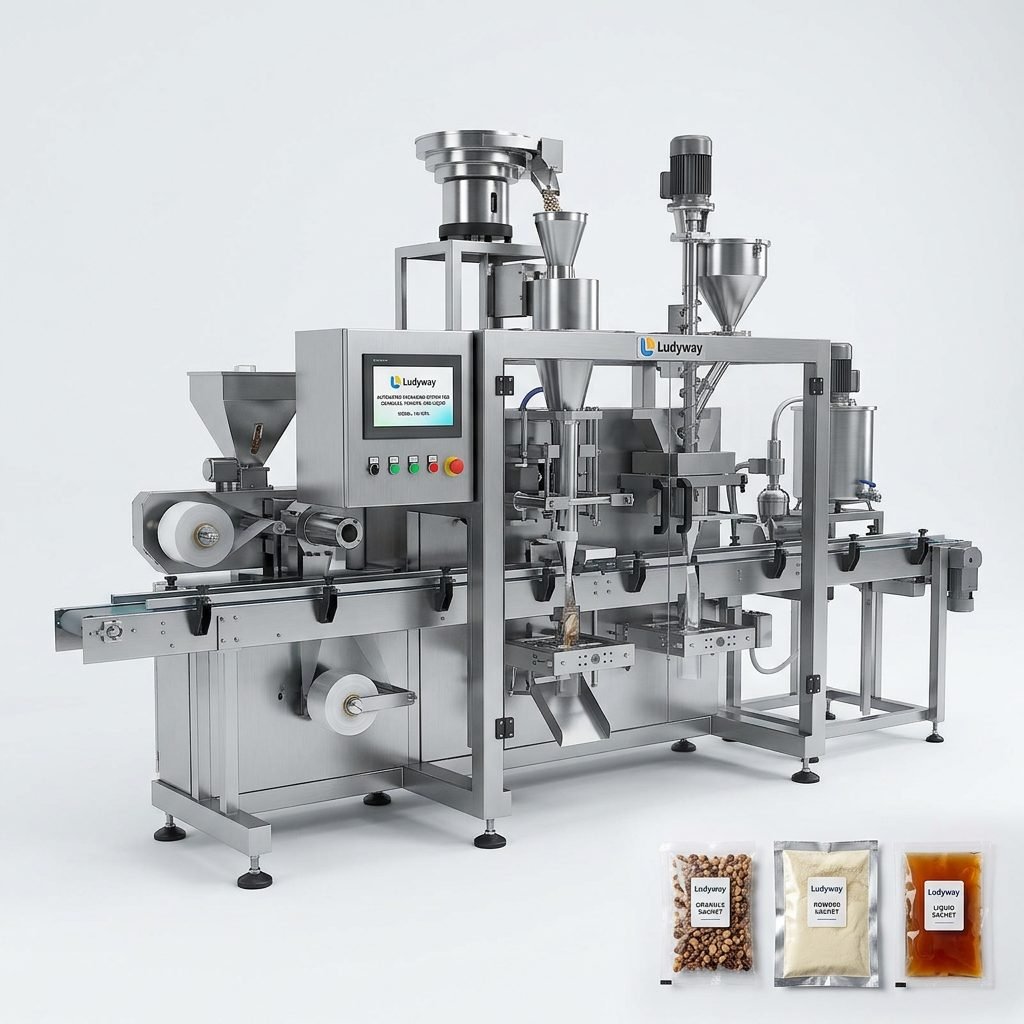
Supplier selection is just as crucial as hardware specs. Look for a partner with deep expertise not just in machines, but in the specific behavior of fresh produce. For manufacturers looking for a long-term equipment partner, Ludyway Machinery is a seasoned China-based packaging machinery manufacturer that provides integrated, customized vegetable packing machine solutions, combining in-house manufacturing with global technical support to help processors scale effectively. A truly collaborative partner will run your actual product through a test lab before you sign a purchase order.
8. Future-Proofing and Scalability
The fresh produce market is dynamic. Salads move from rigid trays to lightweight pouches, and retailers demand sustainable films with new sealing profiles. When choosing your machine:
- Confirm that the machine frame can accommodate future lane additions or a larger bagging jaw set without a full replacement.
- Verify that the control software can be easily updated to add new printing modules for dynamic QR codes that track farm-to-fork transparency.
- Ask if the supplier provides retrofittable modules for hydrogen peroxide sterilization or ultrasonic sealing, which is ideal for vegetable packaging materials like PLC biodegradable films.
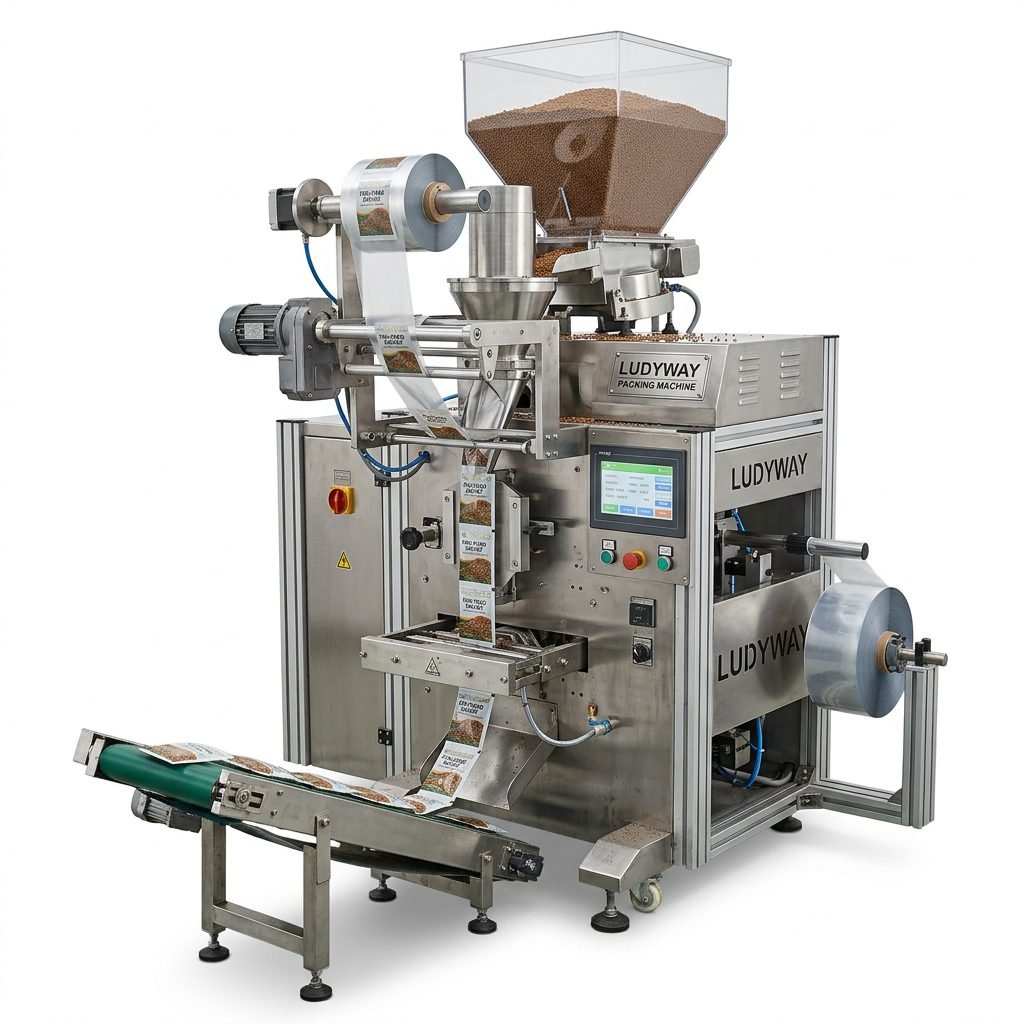
9. Compliance and Safety Standards
Your vegetable packing machine must meet both domestic and export safety regulations. Unless the machine carries CE, UL, or equivalent safety certifications for your region, you risk serious liability. Key safety features include fully interlocked guarding with safety-rated relays, emergency stop buttons (E-Stops) at all operator stations, and fail-safe pneumatic dump valves. For the food safety side, ensure the design aligns with the European Hygienic Engineering & Design Group (EHEDG) guidelines for dry and wet cleaning.
10. Key Questions to Ask Before Buying
Before making a final decision, arm yourself with these critical questions for any potential vendor of vegetable packing equipment:
- Can you provide a video of the machine handling a product with the same density and moisture level as mine, not just a dry simulation?
- What is the exact mean time between failures (MTBF) for the jaw actuator and the knife cutter?
- Is the changeover process truly tool-less, and can one operator manage it in under 5 minutes?
- Do you stock critical wearing spare parts locally, and what is the guaranteed 24-hour dispatch rate?
- How does the machine handle flexible packaging seams and gussets when shifting to sustainable bio-based films?
Selecting the right vegetable packing machine is as much about engineering nuance as it is about business partnership. By meticulously analyzing your product’s nature, hygiene requirements, and accurate lifecycle costs, you can deploy an automated packaging line that elevates product quality, slashes labor dependencies, and secures a competitive edge in the demanding fresh produce sector. For access to the latest market data and packaging innovation trends to support your investment, resources from the Association for Packaging and Processing Technologies provide valuable benchmarking data.