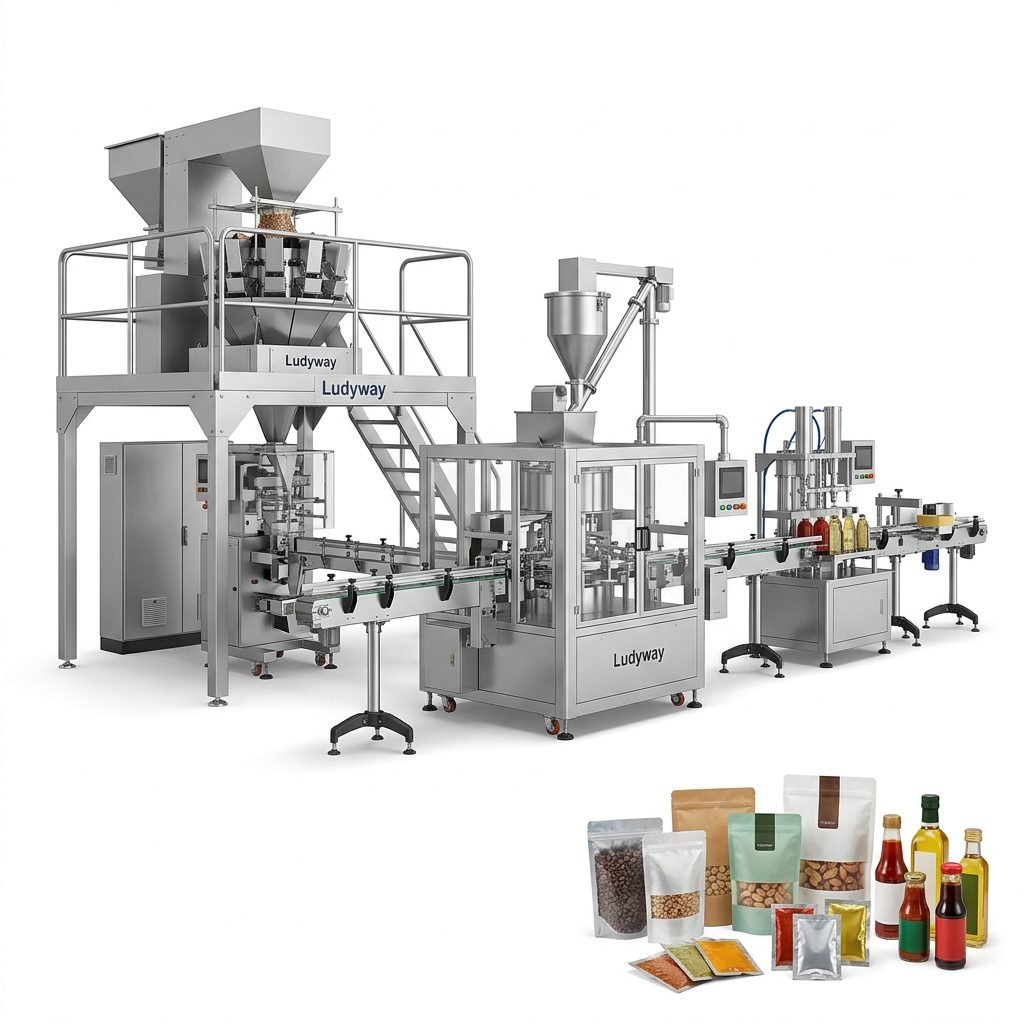
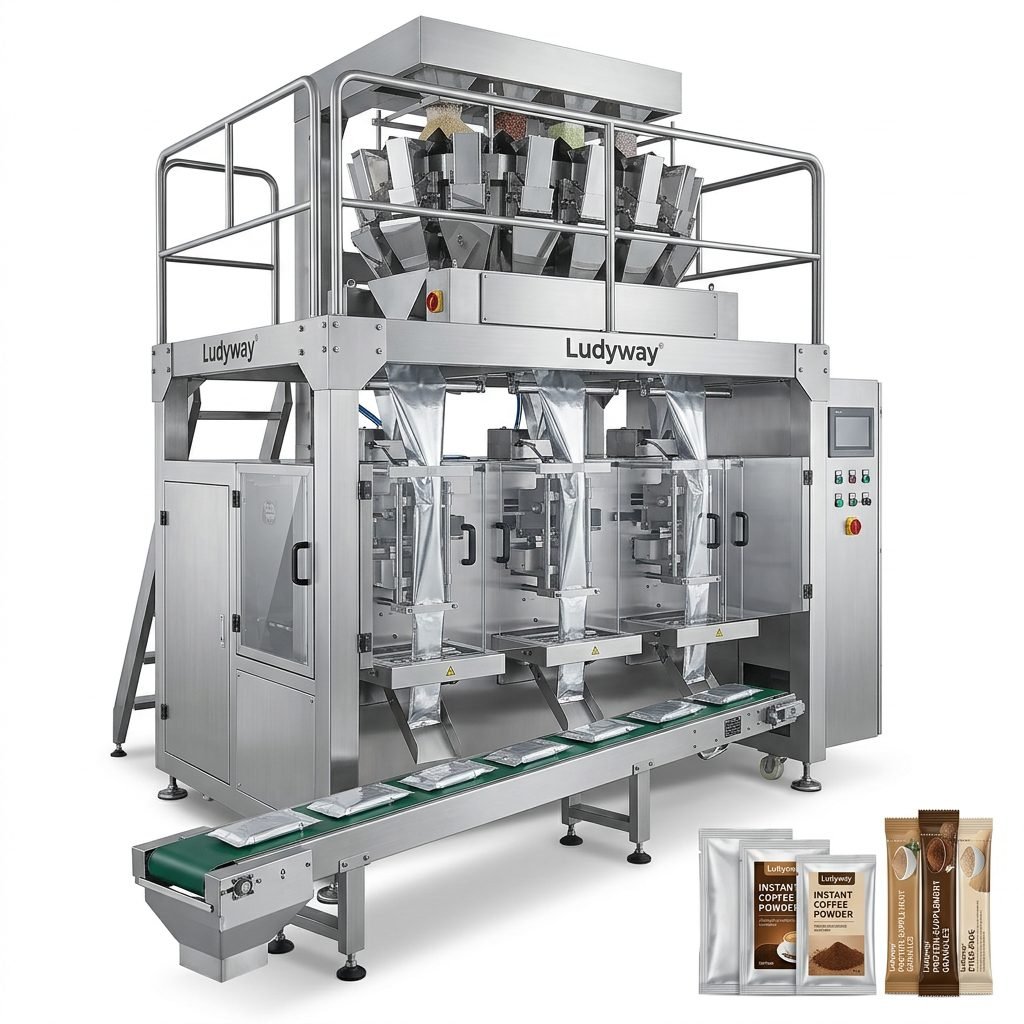
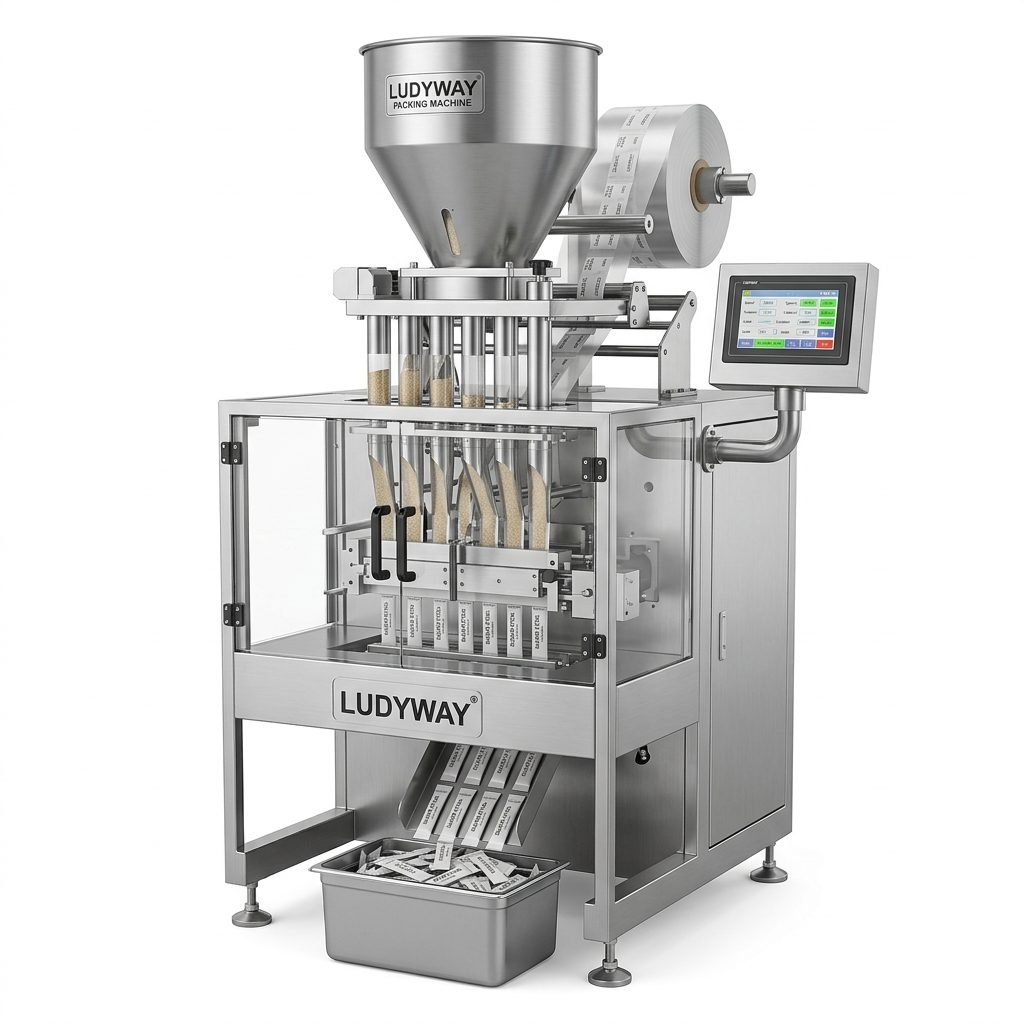
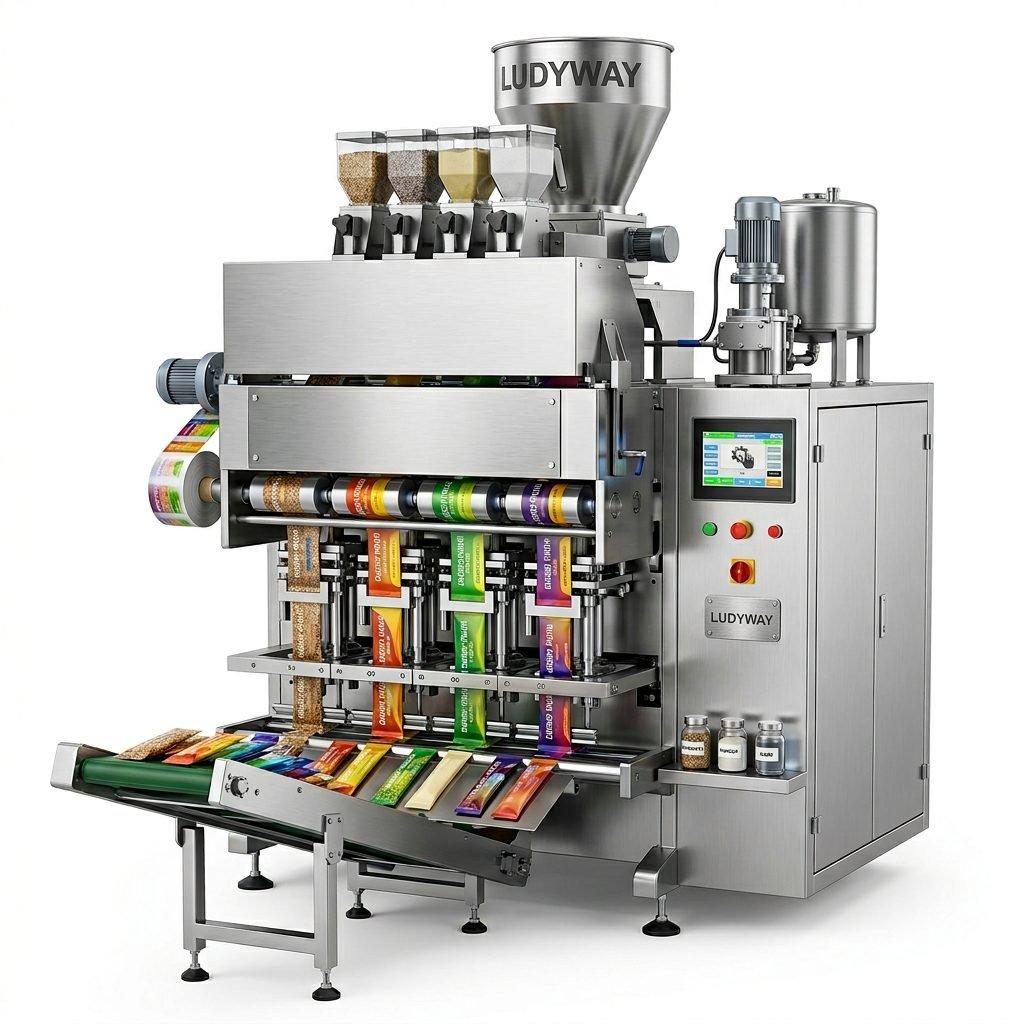
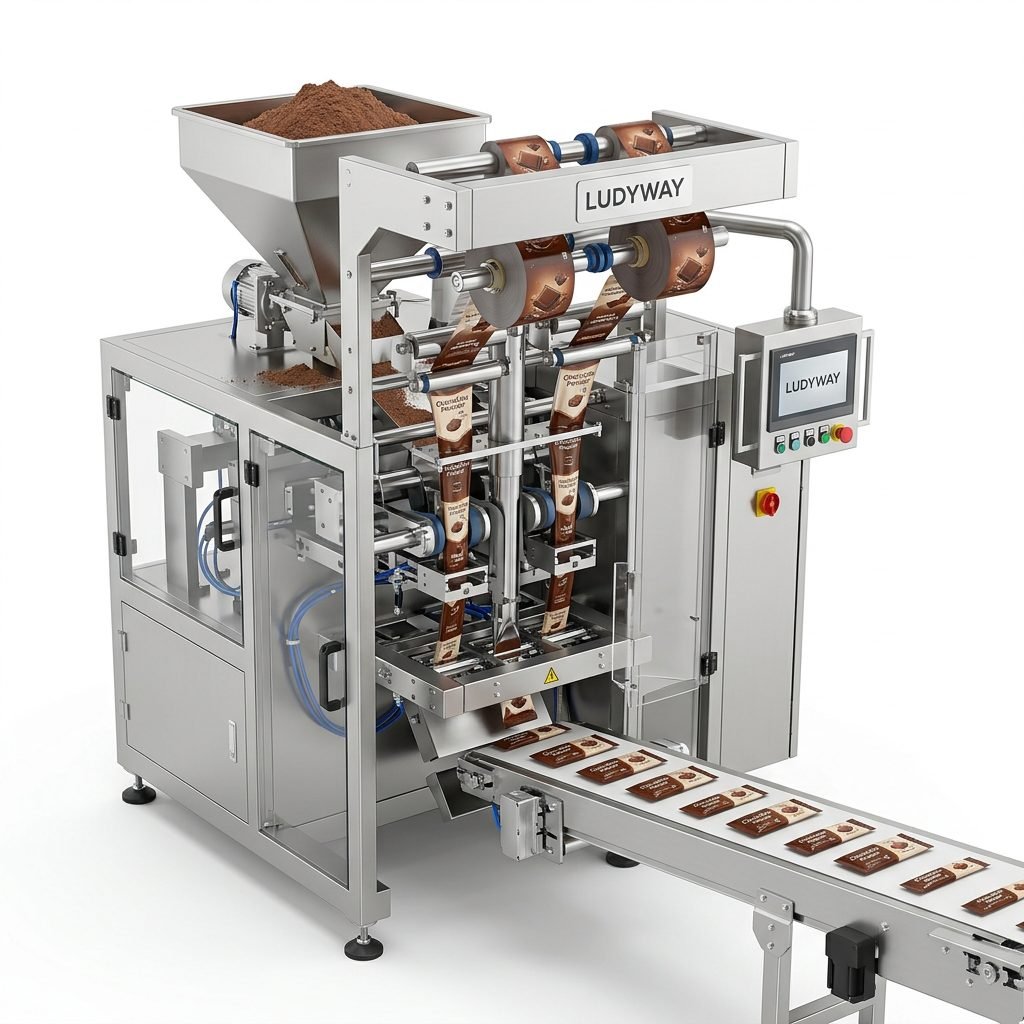
Investing in an automatic pouch packing machine is a strategic decision that directly impacts production efficiency, product quality, and long-term operational costs. Whether you are packaging powders, granules, liquids, or solid products, selecting the right equipment requires a systematic evaluation of your production requirements, product characteristics, and business objectives. This comprehensive buyer’s guide walks you through every critical factor to consider before making your purchase.

Understanding Your Packaging Requirements
Before comparing machine specifications, you need to clearly define what you are packaging and how you want it packaged. The most successful machine selection processes begin with a thorough internal assessment. According to PMMI packaging industry research, manufacturers who conduct detailed requirement analysis before equipment selection experience significantly shorter commissioning times and higher overall equipment effectiveness.
Start by documenting your product characteristics including density, flowability, particle size, moisture content, and temperature sensitivity. These physical properties determine which dosing and filling technologies will work reliably. Additionally, consider your target packaging format — sachets, stick packs, three-side-seal pouches, four-side-seal pouches, stand-up pouches, or gusseted bags — as each format requires specific machine configurations.
Key Specifications to Evaluate
Product Type and Flow Characteristics
Different products demand different handling approaches. Free-flowing granules like sugar or salt can utilize volumetric cup fillers, while cohesive powders such as milk powder or protein supplements often require auger fillers with agitation systems. Liquid products need piston fillers or peristaltic pumps depending on viscosity. Understanding how your product behaves during the filling process is essential for achieving consistent fill accuracy.
The Flexible Packaging Association notes that product-packaging compatibility is one of the most frequently overlooked factors in machine selection, often leading to sealing failures and material waste. Always test your product with the intended packaging film before finalizing machine specifications.
Bag Style and Packaging Format
Your choice of pouch format directly influences the machine type you need:
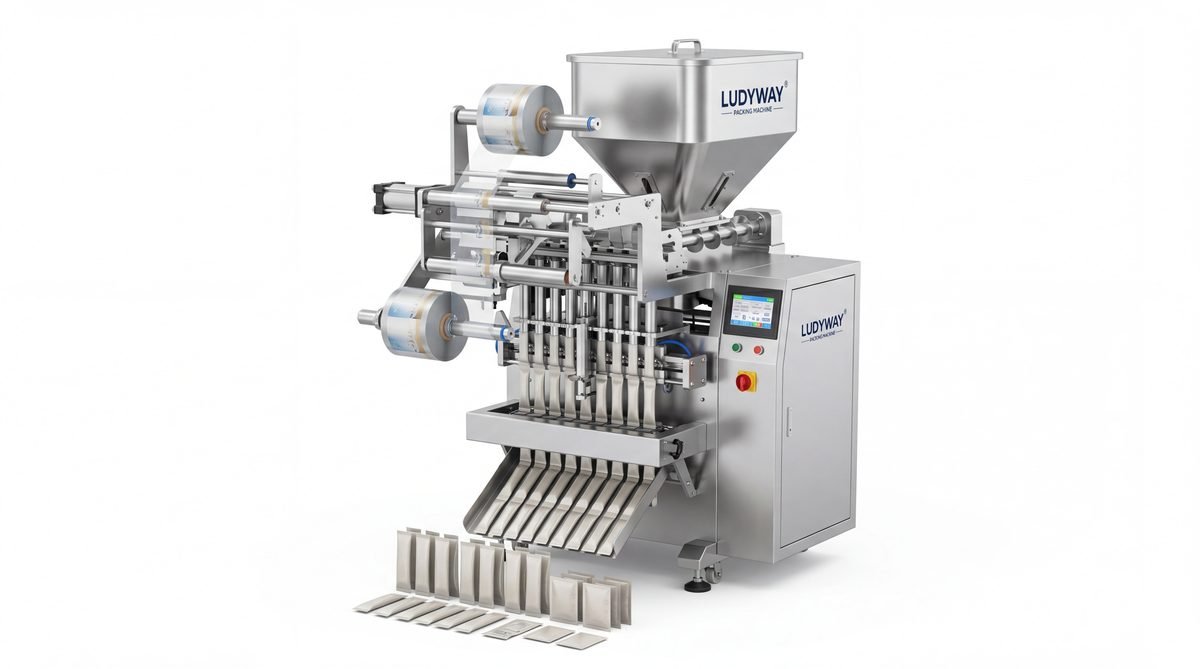
- Stick packs — Narrow, elongated sachets ideal for single-serve powders, sugar, coffee, and nutraceutical products
- Three-side-seal sachets — The most common format for a wide range of products from seasonings to cosmetics
- Four-side-seal pouches — Provide a more premium appearance with flat surfaces suitable for high-quality branding
- Stand-up pouches — Require gusset-forming capabilities and are popular for larger quantity packaging
- Gusseted bags — Used for bulk packaging applications with higher fill volumes
Production Speed and Capacity
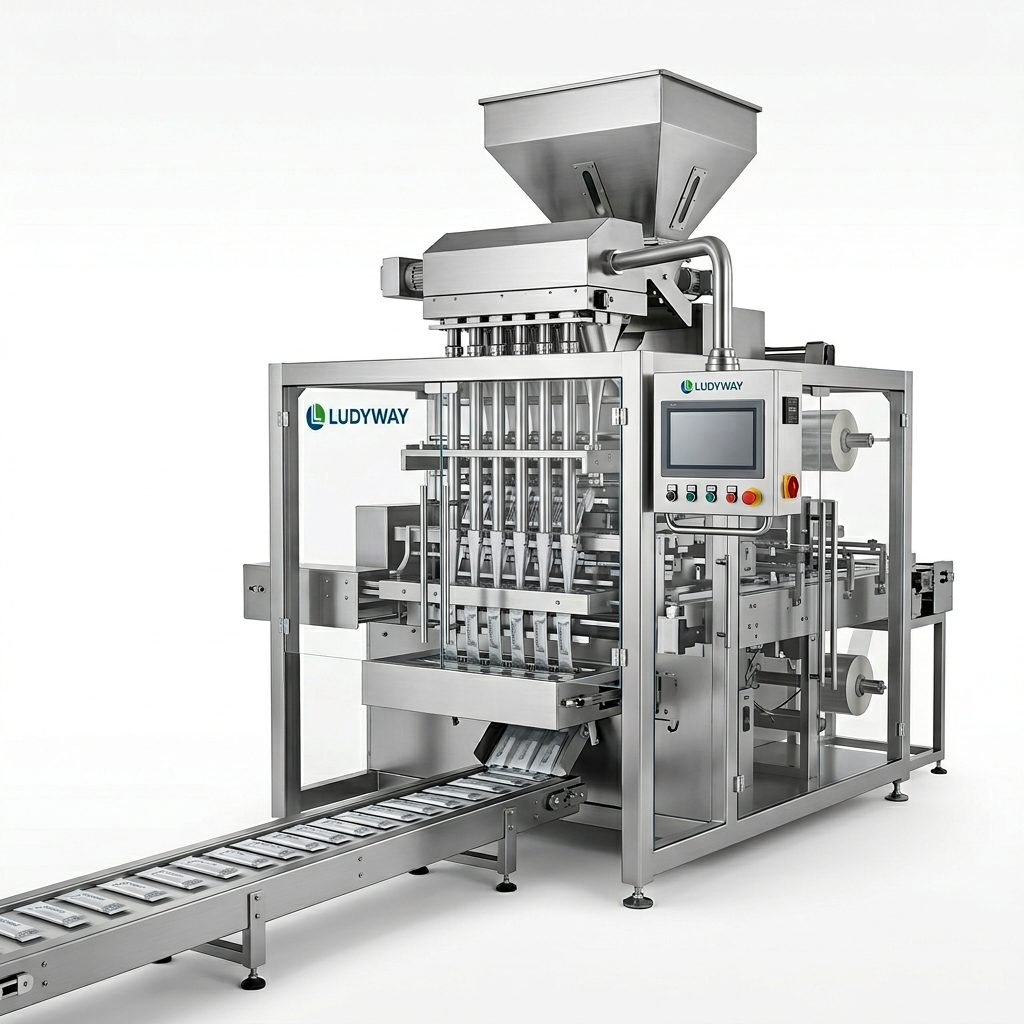
Production speed requirements should be evaluated against current and projected demand. Multi-lane machines can significantly increase output by running multiple packaging lanes simultaneously, often achieving speeds of 400-600 packs per minute or more. Single-lane machines, while slower, offer greater flexibility for frequent product changeovers and smaller batch production. Calculate your required output based on peak production periods rather than average demand to avoid bottlenecks.
Filling Accuracy and Dosing Technology
Fill accuracy affects both product quality and profitability. Auger fillers provide high precision for powders (±0.5-1% accuracy), while volumetric cup fillers offer faster speeds for free-flowing granules at lower cost. Multi-head weighers deliver the highest accuracy for granular products and are ideal for high-value items where overfilling directly impacts margins. Liquid piston fillers handle a broad viscosity range with excellent repeatability.
Machine Type Comparison
The following table provides a comparative overview of common automatic pouch packing machine configurations to help you identify which type best suits your application:
| Machine Type | Best For | Speed Range | Key Advantage |
|---|---|---|---|
| Single-Lane VFFS | Small to medium production, frequent changeovers | 30-120 packs/min | Flexibility and lower investment |
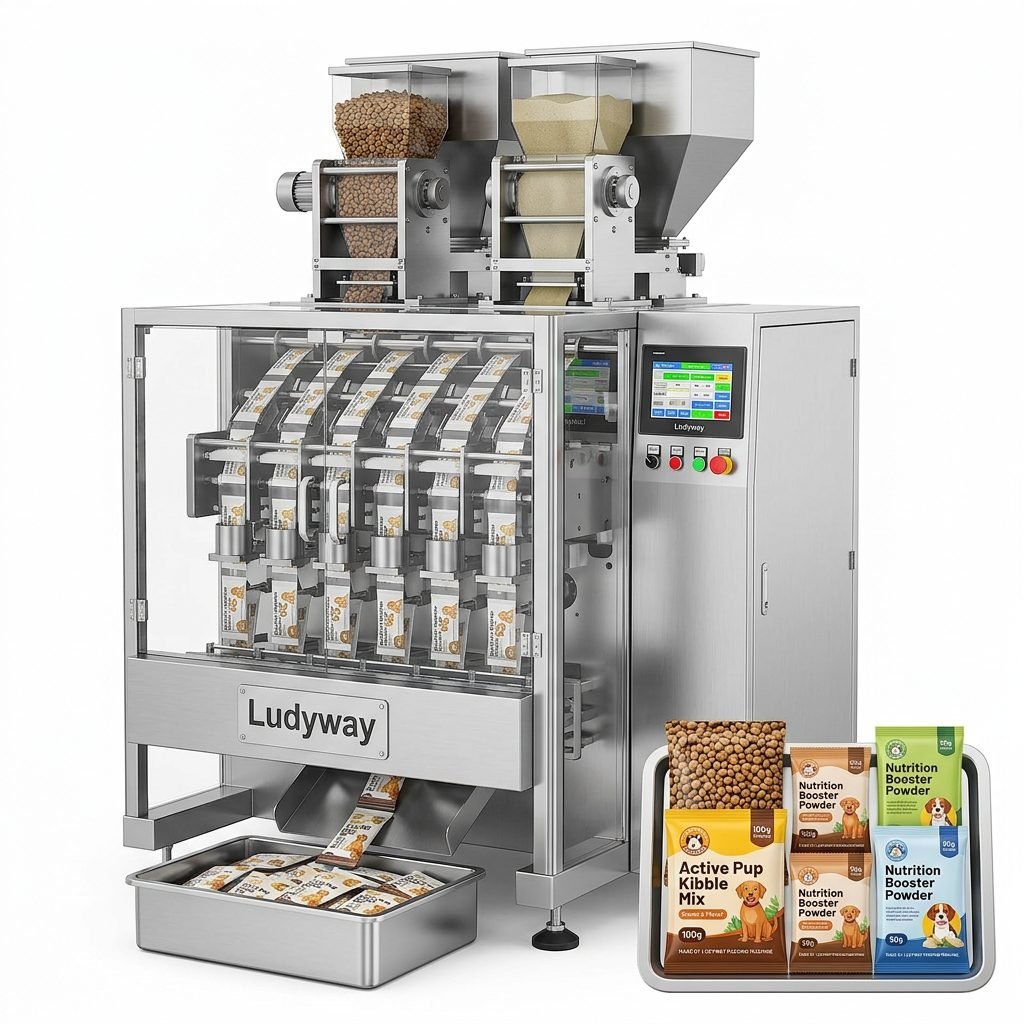
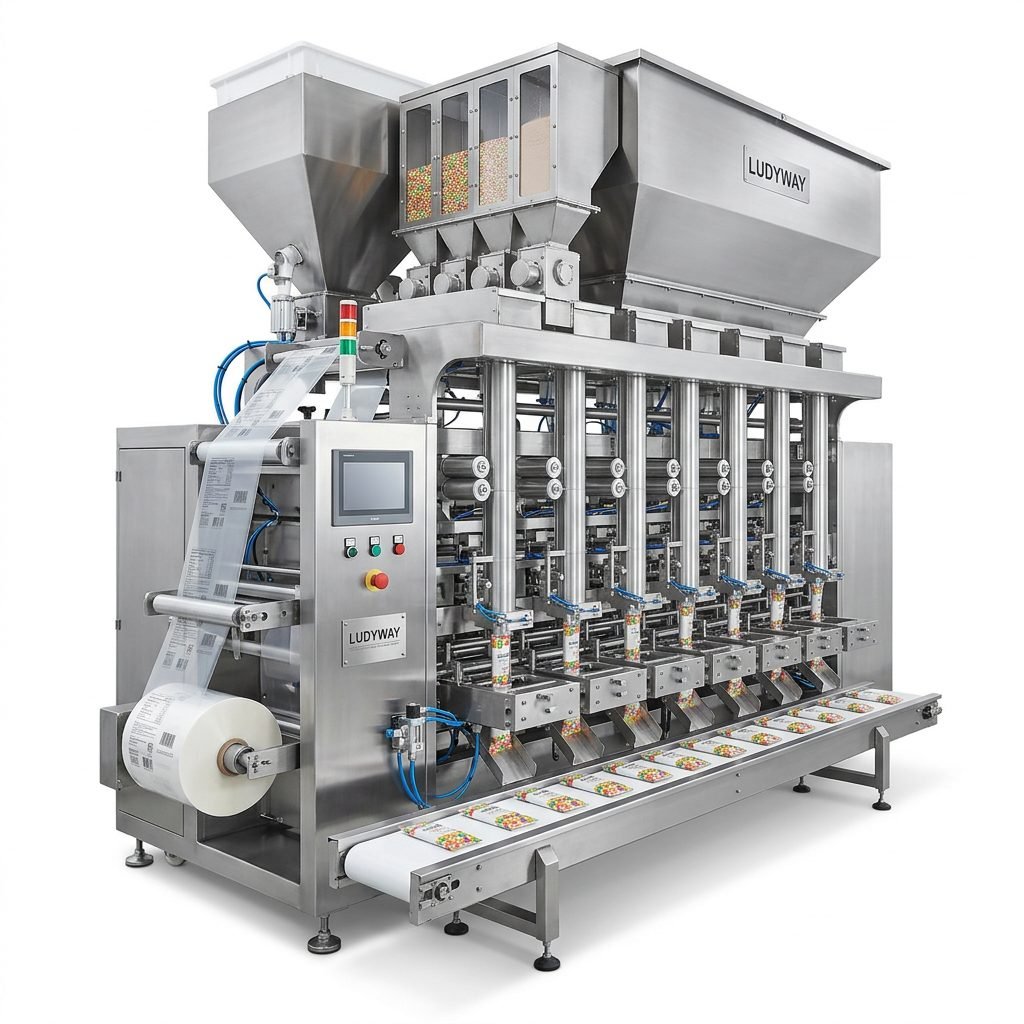
| Multi-Lane VFFS | High-volume production, consistent product runs | 200-600+ packs/min | Maximum throughput per floor area |
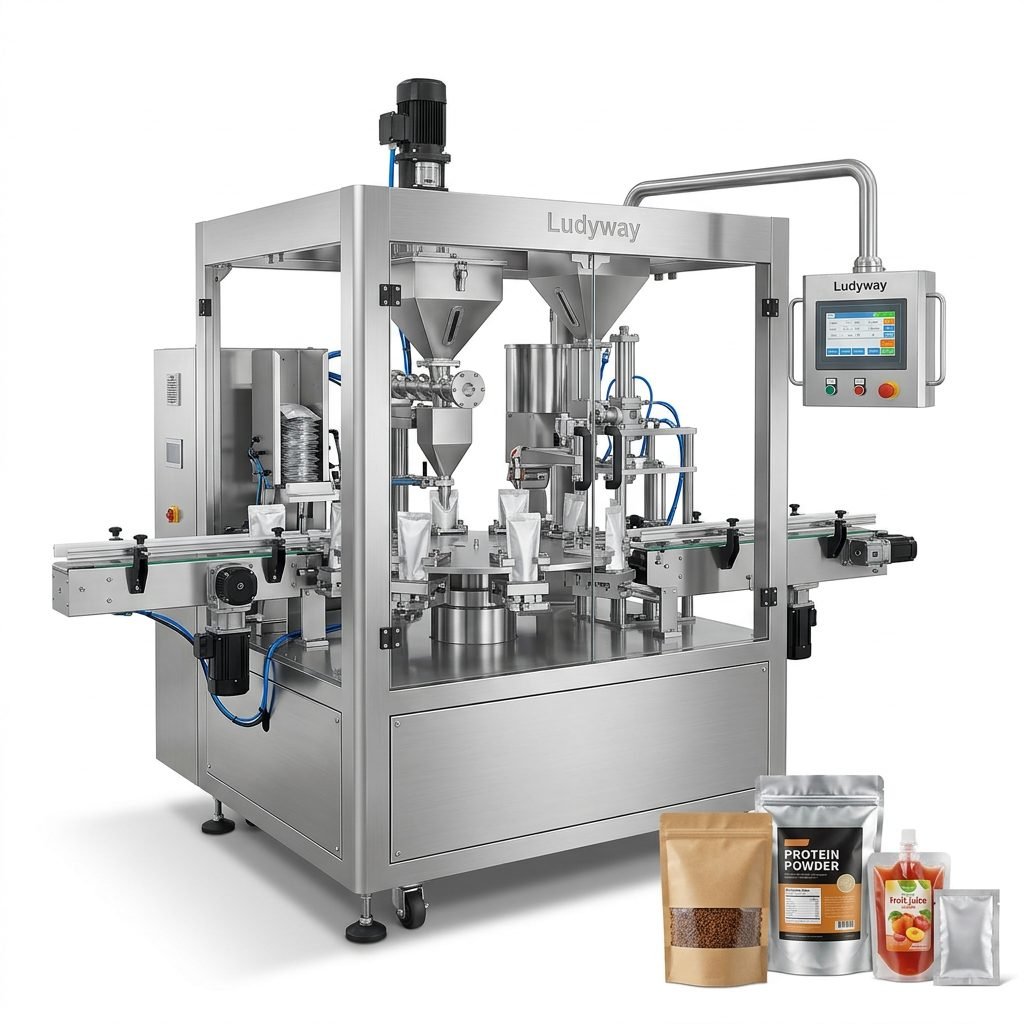
| Premade Pouch Machine | Stand-up pouches, zipper pouches, spouted pouches | 30-80 packs/min | Premium packaging formats |
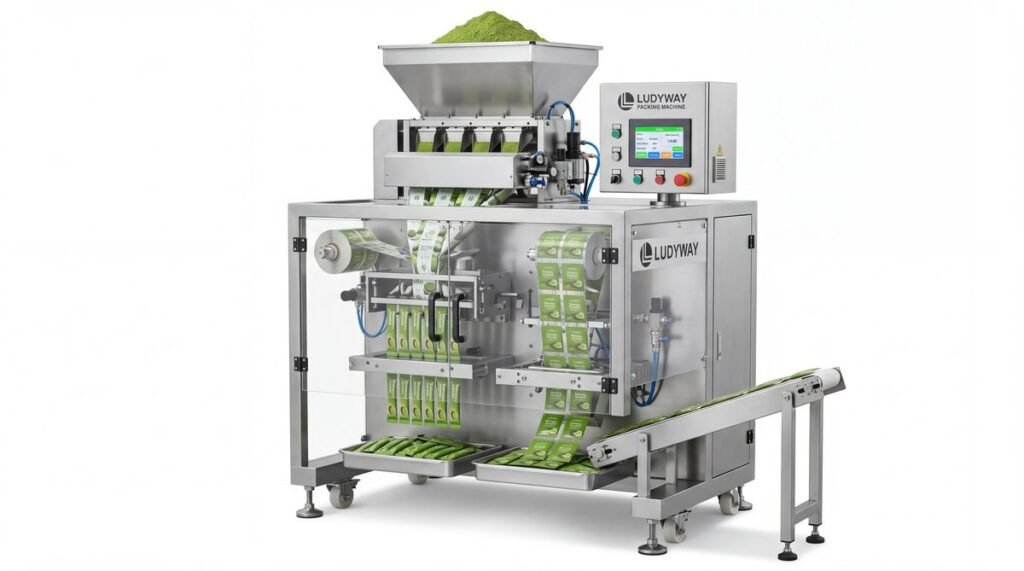
| Stick Pack Machine | Single-serve powders, granules, liquids | 200-500+ sticks/min | Compact format, portion control |
| Horizontal FFS | Solid products, irregular shapes, medical devices | 40-150 packs/min | Handles non-flowable products |
Industry-Specific Considerations
Different industries impose distinct requirements on packaging equipment. Food and beverage applications demand food-grade materials, washdown capabilities, and often nitrogen flushing for extended shelf life. Pharmaceutical packaging requires GMP compliance, validated cleaning procedures, and comprehensive documentation packages including IQ/OQ/PQ protocols. Chemical applications need corrosion-resistant components and explosion-proof configurations for certain products.
The PMMI packaging machinery standards provide valuable guidance on industry-specific requirements that should inform your machine specification process. Always verify that your chosen machine configuration can be certified to the standards applicable in your target markets.

Quality Standards and Regulatory Compliance
When evaluating machine builders, prioritize those with demonstrated quality management systems and international certifications. Machines destined for regulated markets should comply with relevant standards from organizations including ISO, FDA (for food-contact applications), and CE marking requirements for the European market. Request documentation on material traceability, welding certifications, and electrical safety compliance as part of your vendor qualification process.
Refer to the ISO packaging standards for detailed guidance on international requirements applicable to packaging machinery and processes.
Evaluating Total Cost of Ownership
Purchase price alone is an incomplete metric. A comprehensive total cost of ownership (TCO) analysis should account for:
- Initial investment — Machine cost, shipping, installation, and commissioning
- Operational costs — Packaging film consumption rates, energy usage, compressed air requirements
- Labor costs — Number of operators required per shift, skill level requirements
- Maintenance costs — Spare parts availability, preventive maintenance schedules, service contract options
- Downtime costs — Expected OEE (Overall Equipment Effectiveness), changeover times between products
- Film waste — Machine efficiency in minimizing packaging material waste during startup and operation
Higher-quality machines often command a premium upfront but deliver lower lifetime operating costs through reduced waste, fewer unplanned stoppages, and longer service intervals. Factor these savings into your ROI calculations.
Automation and Integration Capabilities
Modern packaging lines increasingly incorporate integrated automation that extends beyond the primary packaging machine. Consider how your pouch packing machine will connect with upstream equipment such as product feeding systems, checkweighers, and metal detectors, as well as downstream systems including cartoning machines, case packers, and palletizing solutions. Machines equipped with Industry 4.0 capabilities — including remote monitoring, production data collection, and predictive maintenance alerts — provide significant operational advantages in today’s competitive manufacturing environment.
Questions to Ask Before Buying
Before making your final decision, ensure you have clear answers to these critical questions:
- What is the maximum and minimum fill volume you need to accommodate?
- How many different products will run on this machine, and what are the changeover time requirements?
- What packaging film materials are compatible with the machine’s sealing system?
- Does the supplier offer factory acceptance testing (FAT) before shipment?
- What is the warranty period and what does it cover?
- Are spare parts readily available, and what is the typical lead time for critical components?
- Does the manufacturer provide installation, training, and ongoing technical support in your region?
- Can the machine be upgraded or reconfigured for future product lines?
Working with a Reliable Packaging Machinery Partner
Selecting the right machine is only part of the equation — choosing the right manufacturing partner is equally important. Look for suppliers with proven engineering expertise, comprehensive pre-sales consultation, and responsive after-sales support. A manufacturer that offers customized solutions rather than only standardized equipment can better address your specific production requirements. Ludyway Machinery, with over 30 years of experience and a 20,000-square-meter manufacturing facility, provides integrated packaging solutions including multi-lane sachet machines, stick pack systems, and complete turnkey packaging lines for manufacturers worldwide. For further insights on packaging machinery market trends and supplier evaluation, consult the 2026 Packaging State of the Industry report from PMMI.
Making Your Final Decision
A systematic approach to machine selection — grounded in a clear understanding of your product, production goals, and operational environment — will lead to a successful packaging investment. Prioritize manufacturers who demonstrate technical competence, industry knowledge, and a commitment to long-term partnership. Request product trials using your actual materials whenever possible, and visit reference installations to observe machines operating under real production conditions. The right automatic pouch packing machine will serve as a reliable production asset for years to come, delivering consistent quality, efficient operation, and the flexibility to adapt as your business grows.