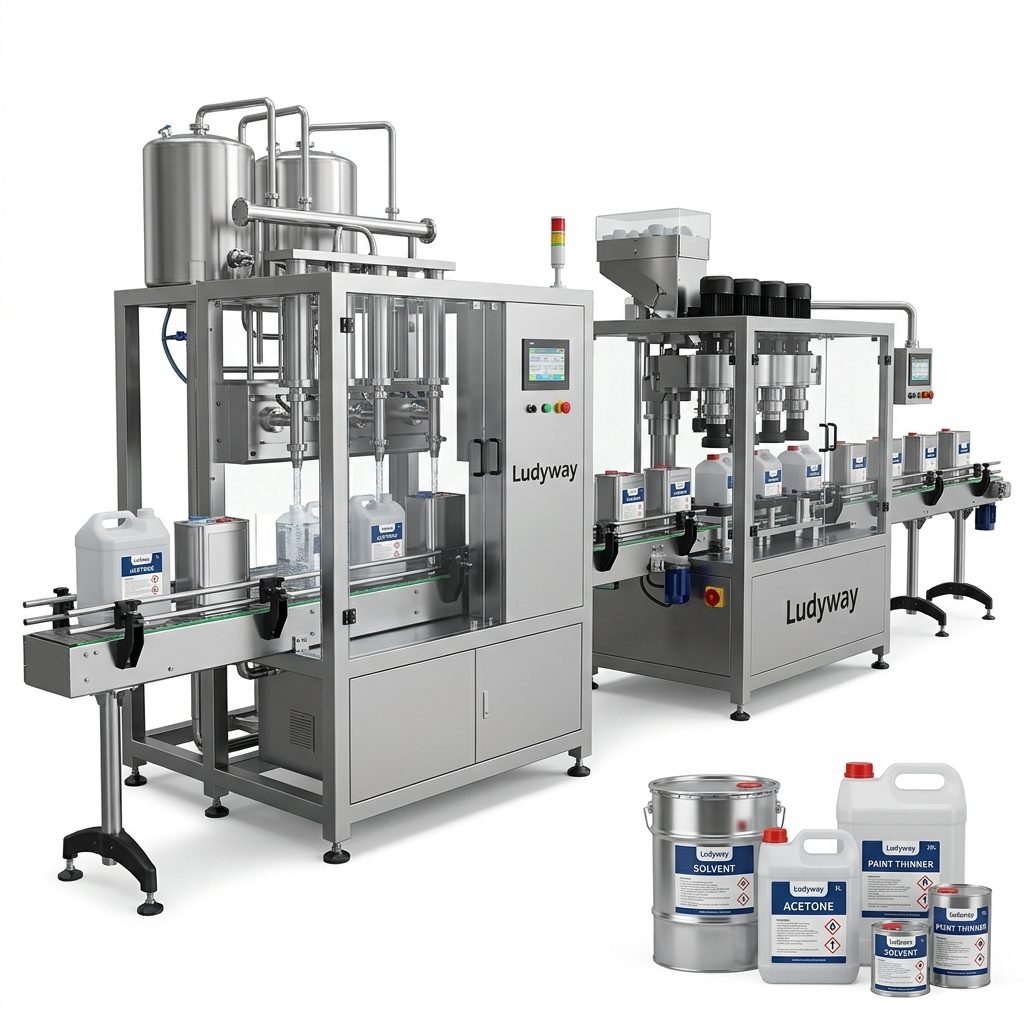
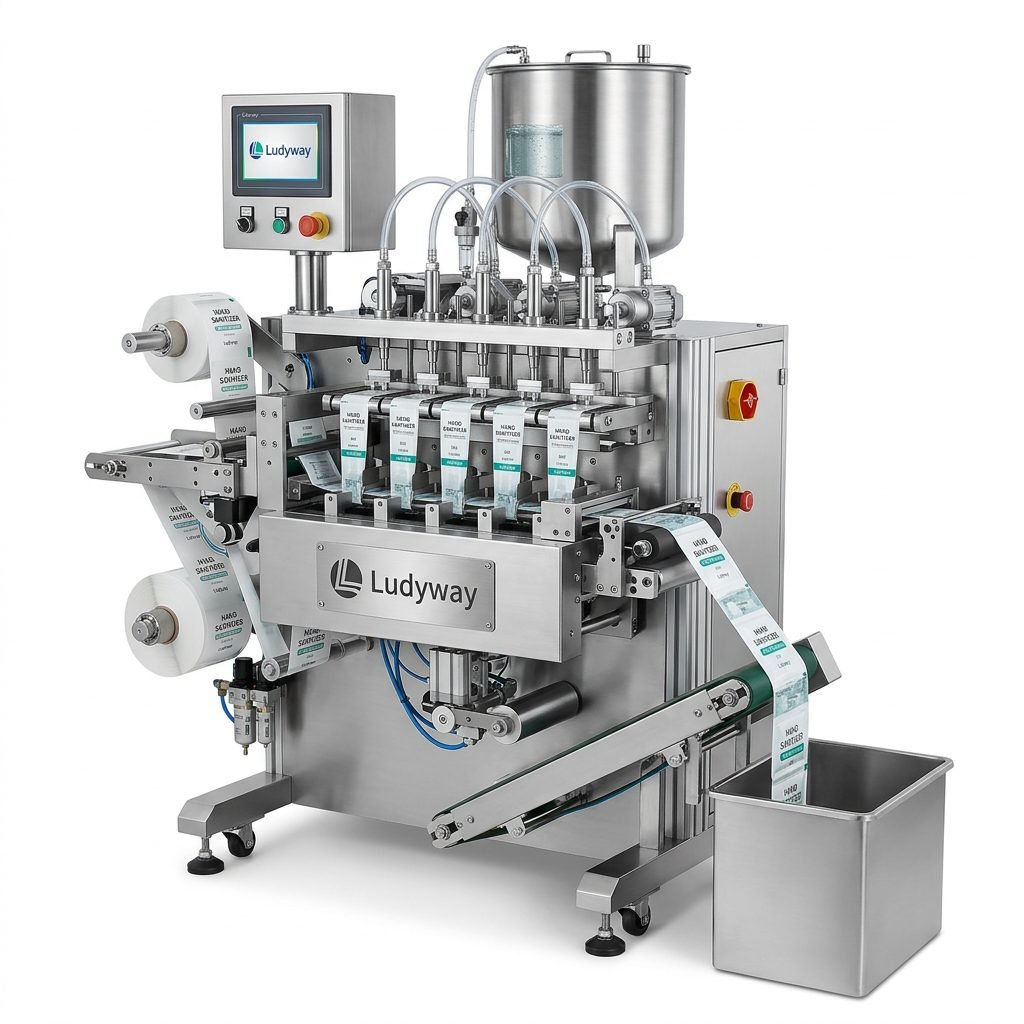
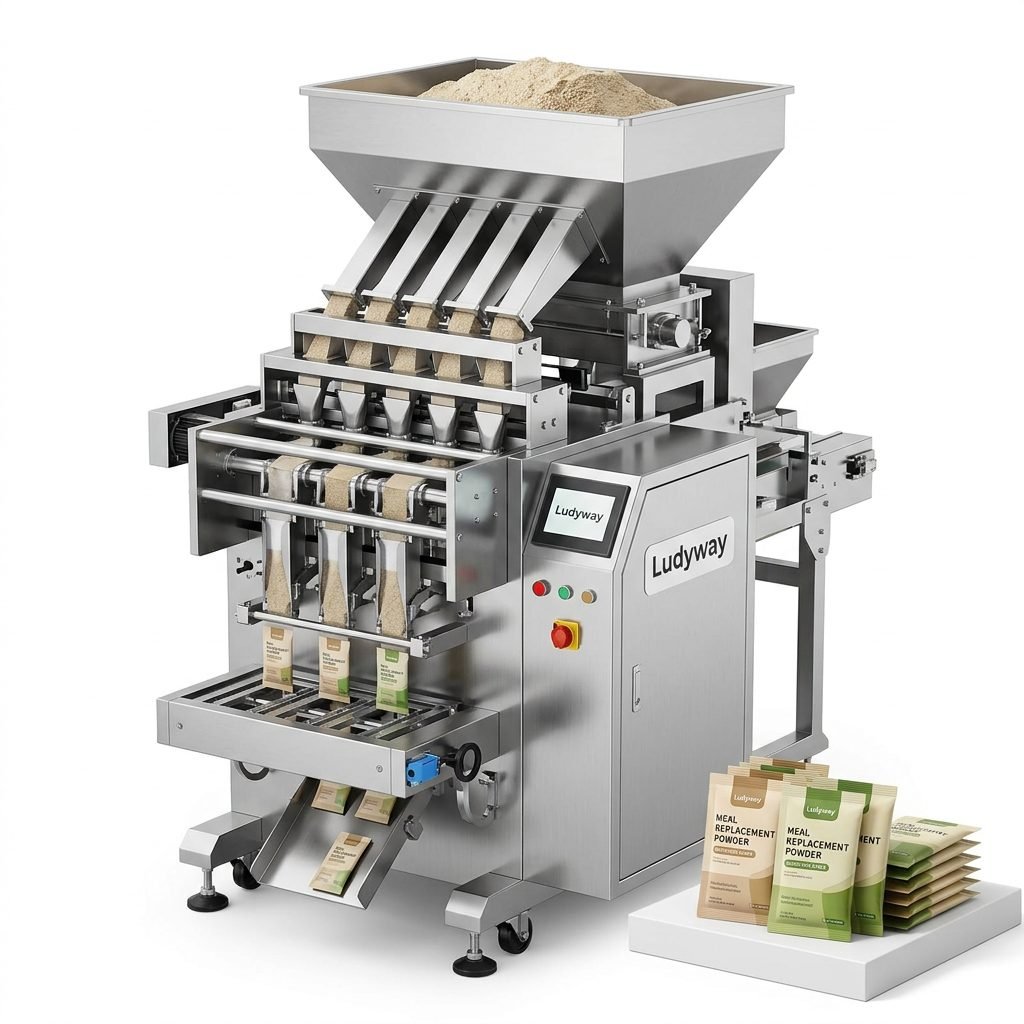
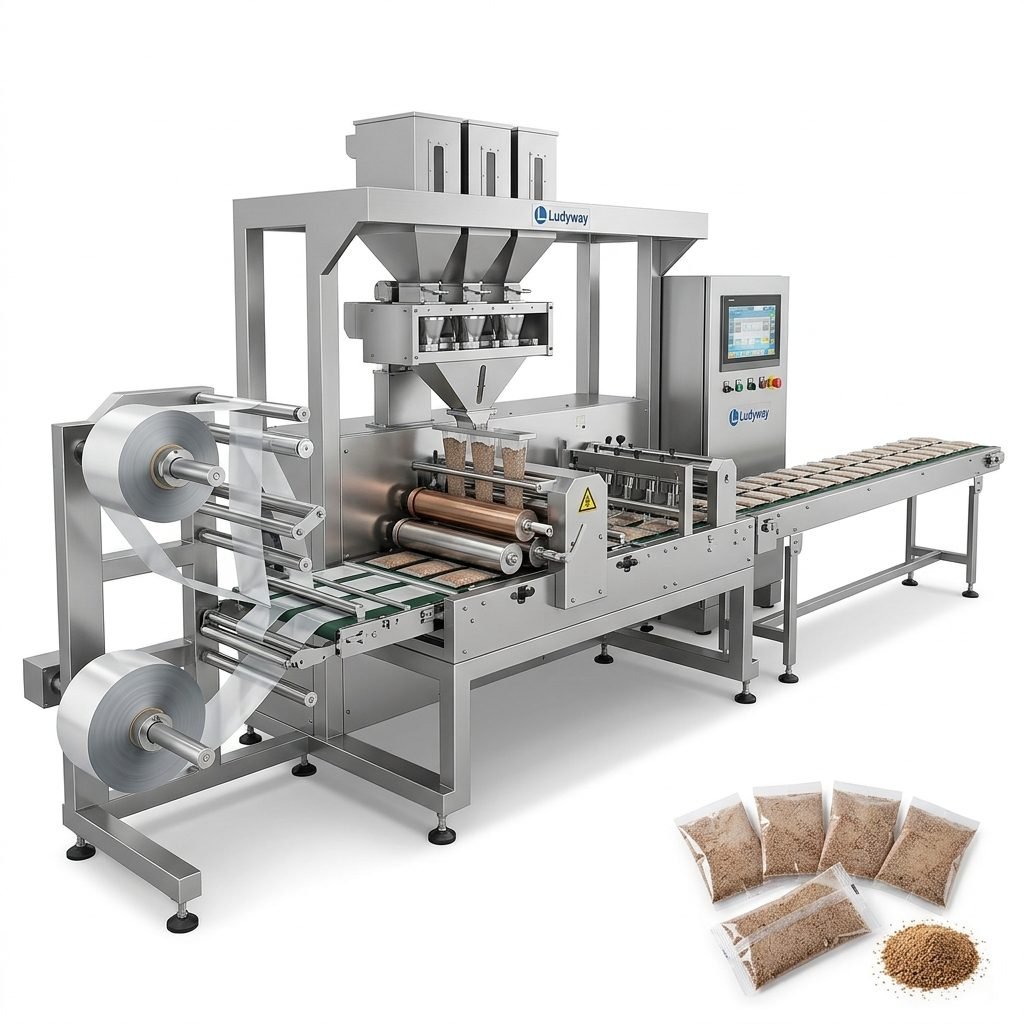
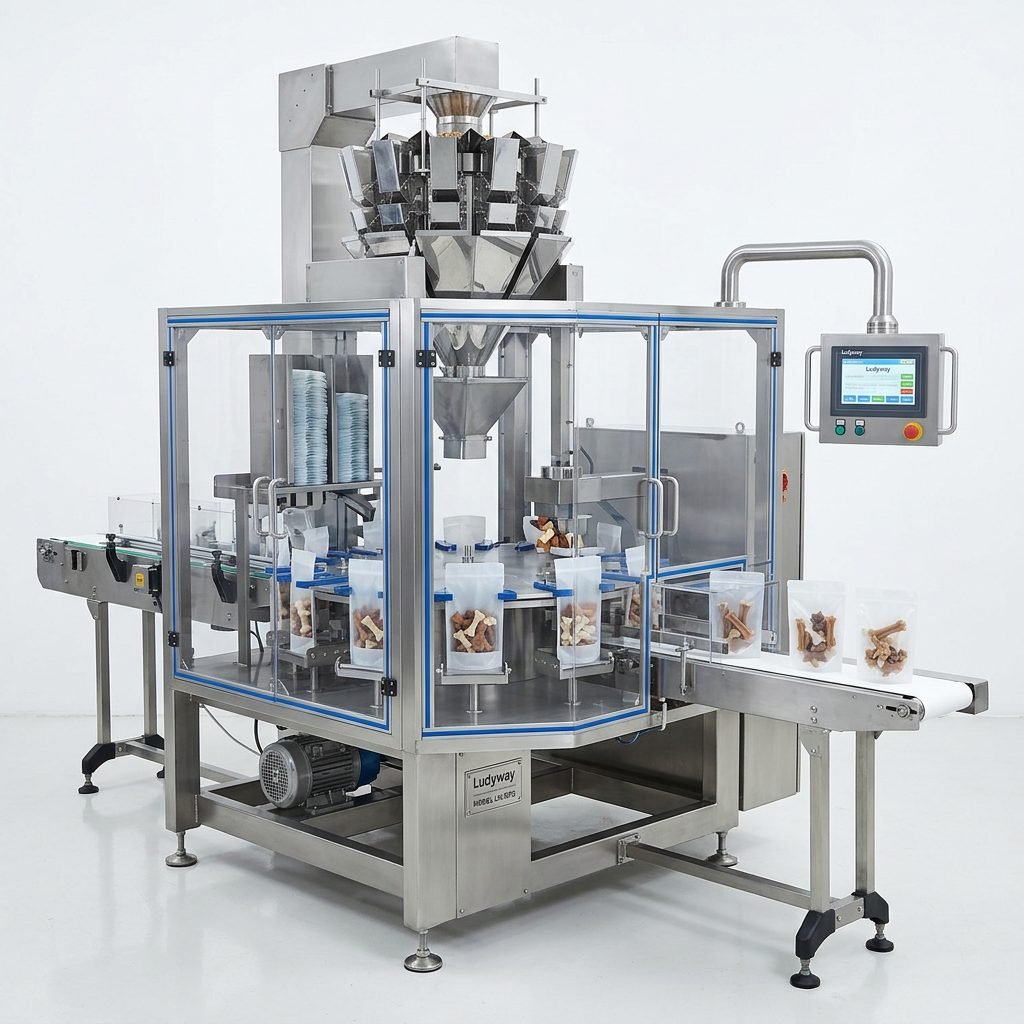
Selecting the right salt packing machine is a critical decision that directly impacts your production efficiency, packaging quality, and long-term operational costs. Salt is a challenging product—it can be fine or coarse, highly hygroscopic, and abrasive. Choosing an unsuitable machine can lead to inaccurate fills, damaged sealing components, and frequent downtime. This guide walks you through the essential factors to consider before you invest.
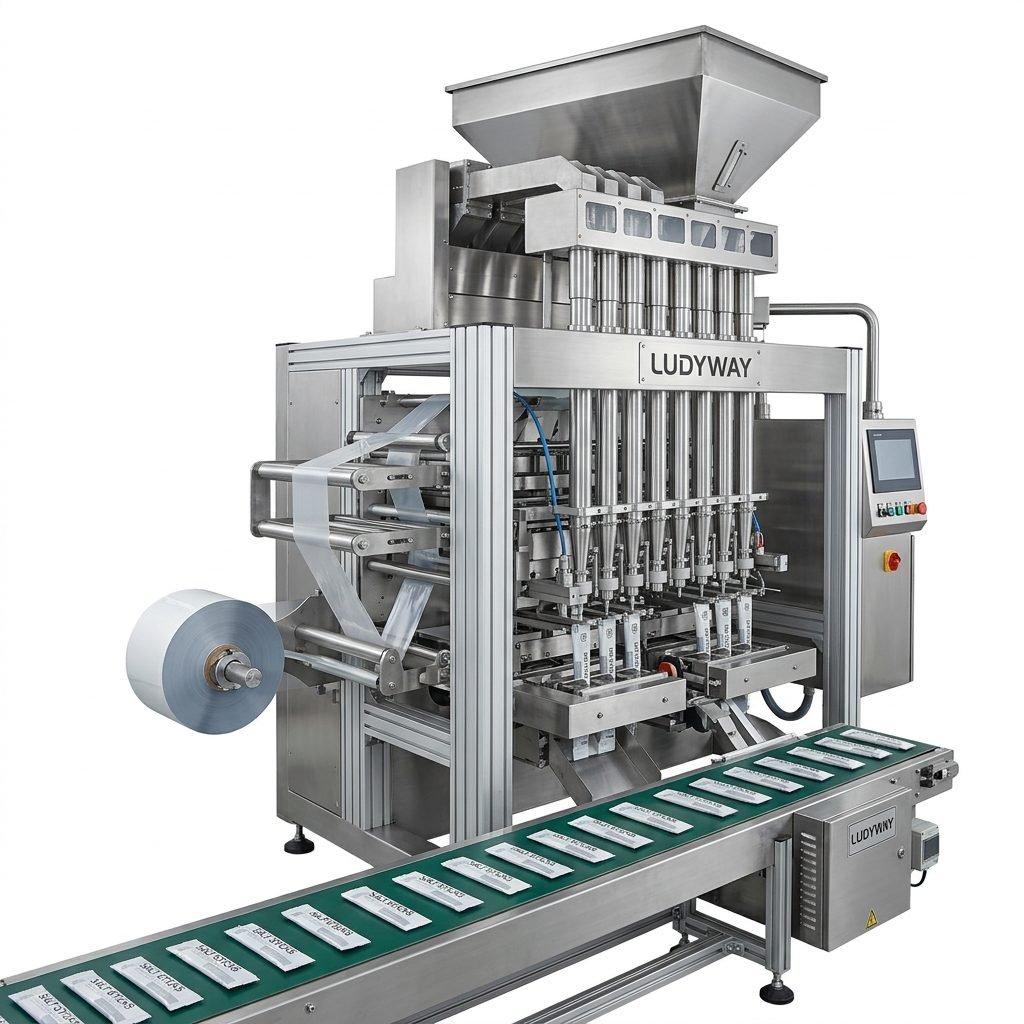
Understand Your Salt Type and Its Flow Characteristics
Not all salt is the same. The physical properties of your product will determine the dispensing and sealing technology you need. A machine built for free-flowing coarse sea salt will struggle with fine, sticky powdered salt.
- Fine Powder Salt: Tends to clump and dust. Requires auger fillers or vacuum-assisted systems and effective dust extraction.
- Granular Salt (Table salt, sea salt flakes): Free-flowing but abrasive. Volumetric cups or multi-head weighers work well, but all contact parts must be durable.
- Moist Sea Salt: Sticky and corrosive. Demands specialized hoppers, agitators, and food-grade stainless steel components.
Define Your Packaging Format and Bag Style
Your packaging format determines the machine architecture. Be clear about the type of packs you need to produce.
| Format | Best For | Machine Type |
|---|---|---|
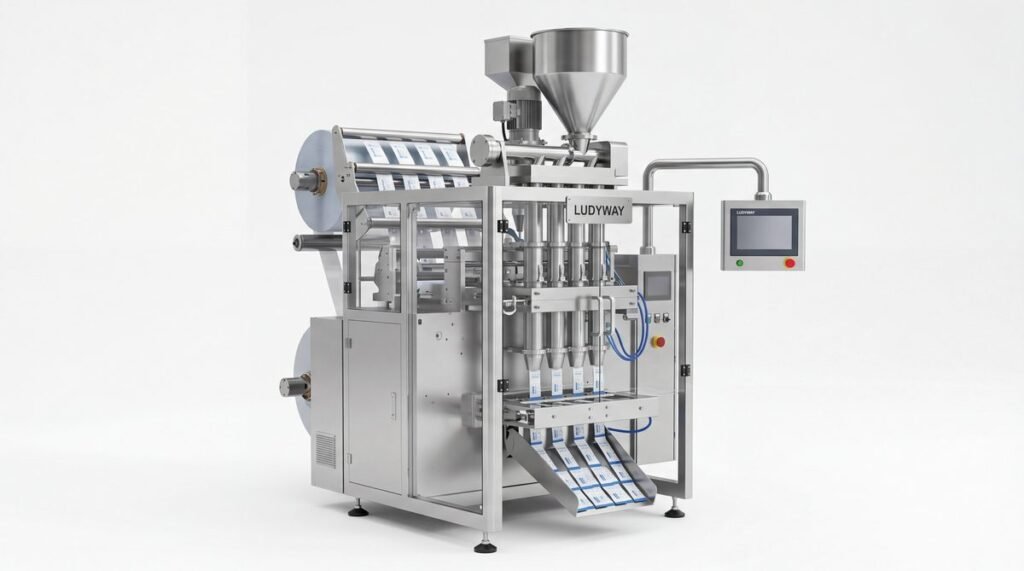
| Stick Packs / Sachets | Single-serve portions, travel/hospitality | Multi-lane stick pack machine |
| Pillow Pouches | Retail bags (1kg, 2kg) | Vertical Form Fill Seal (VFFS) |
| Premade Pouch (Doypack) | Premium retail presentation, zipper options | Rotary pouch machine |
| Bulk Bags | Industrial/wholesale quantities | Open-mouth bagging line |
Calculate Your Required Speed and Output
Matching the machine’s output to your demand is essential. Stick pack machines can produce hundreds of packs per minute, but output varies dramatically based on lane count and pack length.
- Low Volume: A single-lane or 2-lane machine is cost-effective for startups or low-volume specialty salts.
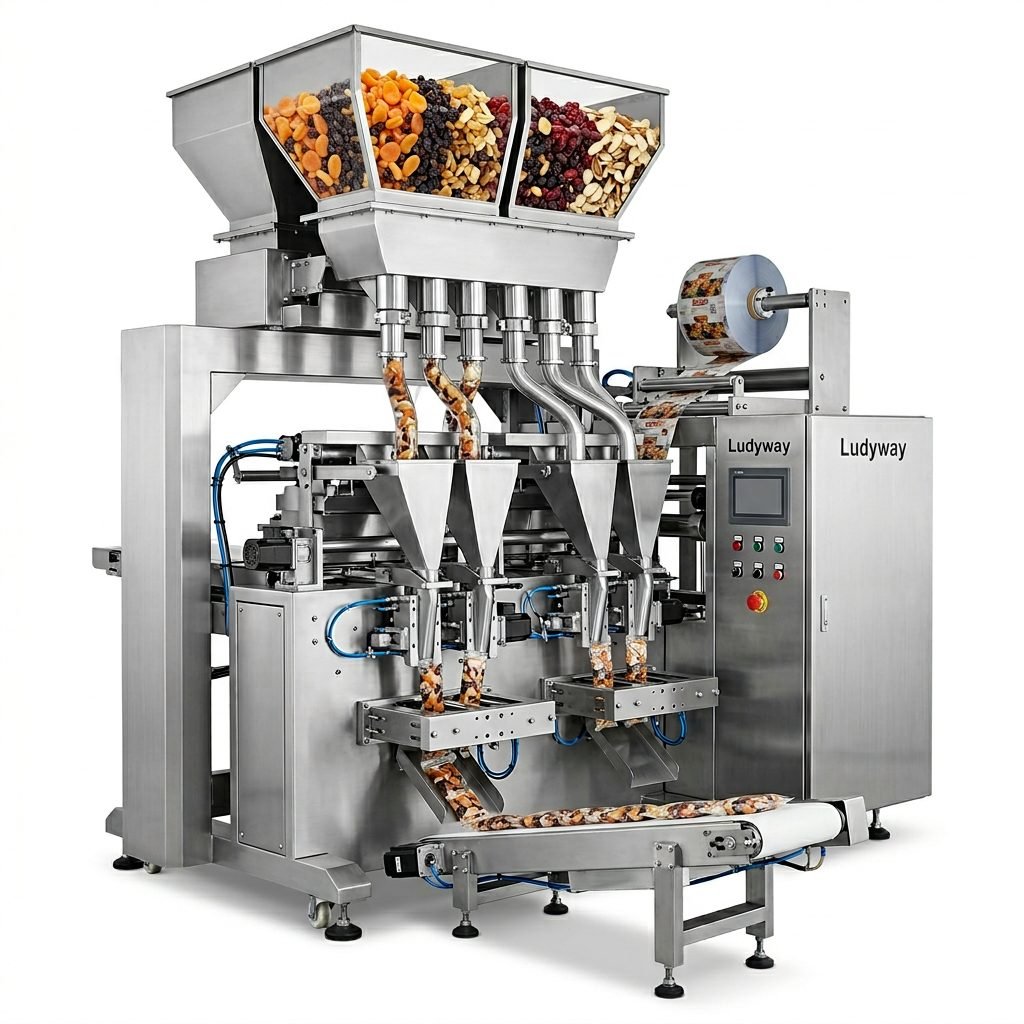
- Medium to High Volume: 4-lane, 6-lane, or 10-lane configurations significantly multiply output within the same footprint.
Always discuss your growth plan. A platform that allows future lane additions can be a strategic investment.
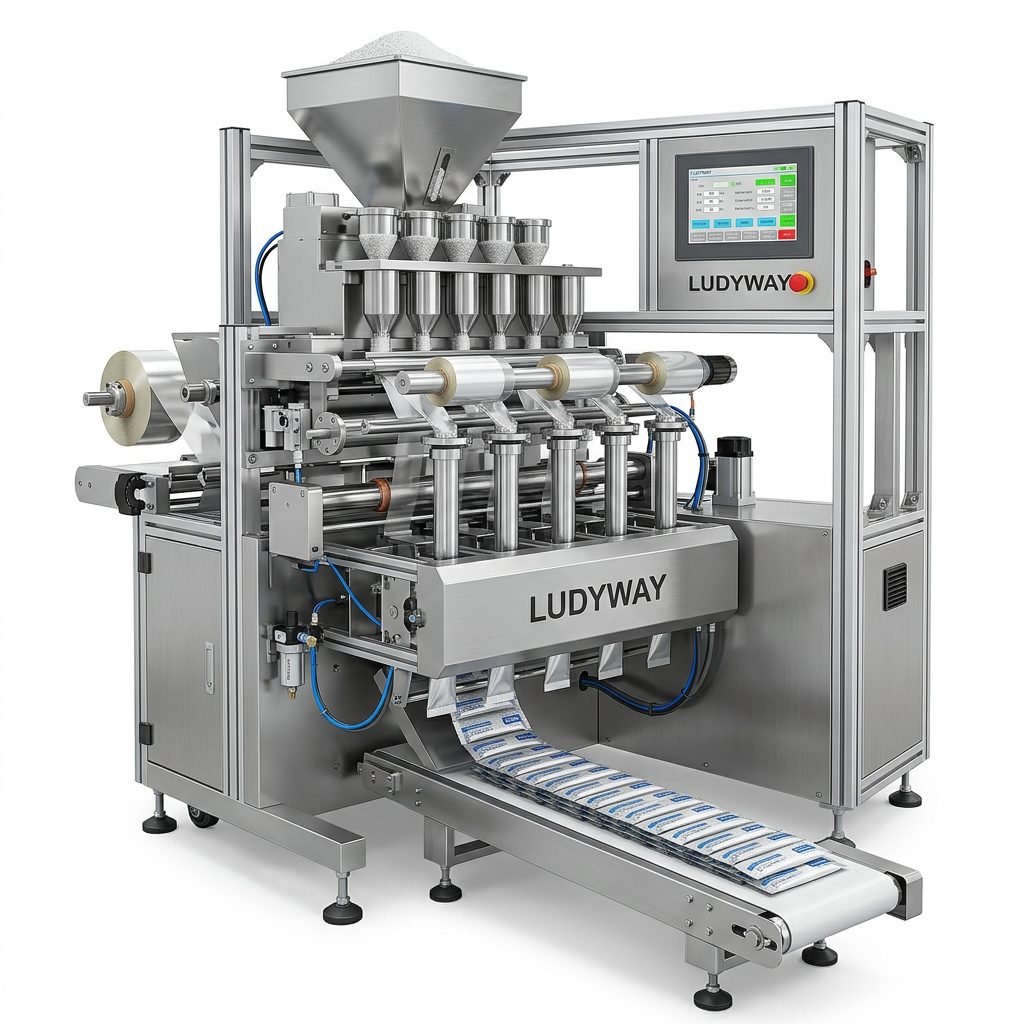
Prioritize Material Strategy to Combat Corrosion
Salt attacks standard steel. Material selection is not optional; it’s the difference between a machine that lasts 10 years and one that rusts in 6 months. Corrosion resistance is the highest priority for any salt packaging machinery.
- Contact Parts: Must be SS 316L stainless steel. This material is specifically suited to high-chloride environments.
- Frame & Covers: SS 304 is an acceptable minimum standard for the machine body.
- Sealing Jaws: Look for specially coated or hardened materials to resist wear from abrasive salt dust.
Specific Features Your Salt Machine Must Have
Beyond the basics, certain features are non-negotiable for reliable salt packaging. Ensure your prospective machine includes these solutions.
Aggressive Dust Management System
Fine salt dust is a machine killer. It contaminates seals and accelerates wear. A vacuum dust extraction system at the filling station is critical to keep the sealing area clean and ensure hermetic closures.
Positive and Consistent Filling Mechanism
Vacuum- or pressure-based systems or precision augers often outperform purely volumetric methods for fine or variable-density salt. Consistent fill weight is a key compliance requirement, especially in regulated markets.
Serrated or Knurled Sealing Jaws
Salt crystals caught in the seal are a common cause of leakers. Specialized jaw designs help displace product during the sealing moment, resulting in stronger, more reliable seals.
Compare Machine Types: Stick Pack vs. VFFS vs. Pouch
The right machine type depends heavily on your target market and factory layout.
- Multi-Lane Stick Pack Machine: The gold standard for high-output sachet production. A 10-lane line can efficiently fill an entire order in a single shift. Highly efficient for portion packs. View an example of a high-speed salt stick pack line.
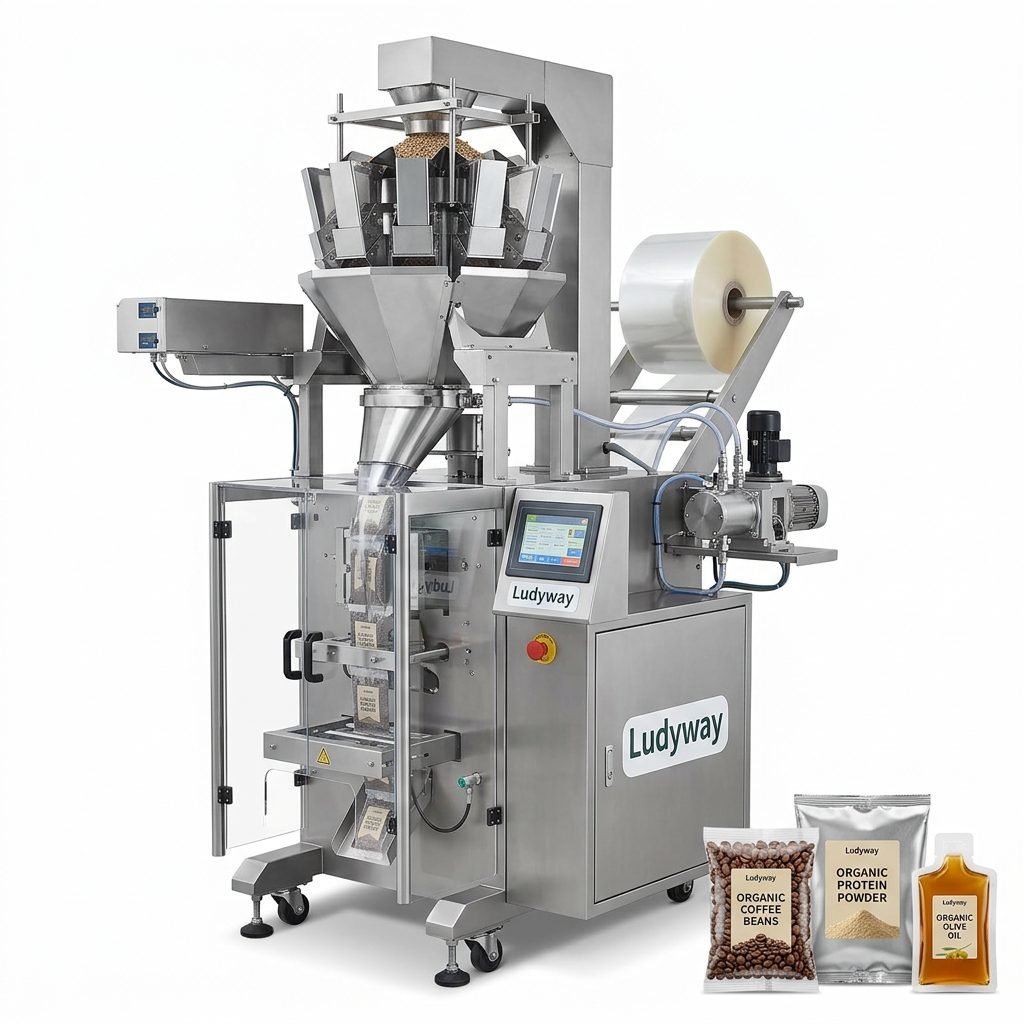
- VFFS (Vertical Form Fill Seal) Machine: Ideal for larger bag formats. One machine can handle a wide range of sizes, from small pouches to family-sized bags. A flexible VFFS is excellent for co-packers.
- Premade Pouch Machine: Best for premium branding and sustainable packaging trends. This machine type accommodates resealable zippers, spouts, and recyclable film structures with greater ease.
A Strategic Partnership for Complex Requirements
Sometimes a standard off-the-shelf machine isn’t the right fit. This is particularly true for manufacturers handling unique salt blends, requiring a combination of different packaging formats, or aiming for fully automated turnkey lines. A partner with strong custom engineering capabilities is crucial in such scenarios.
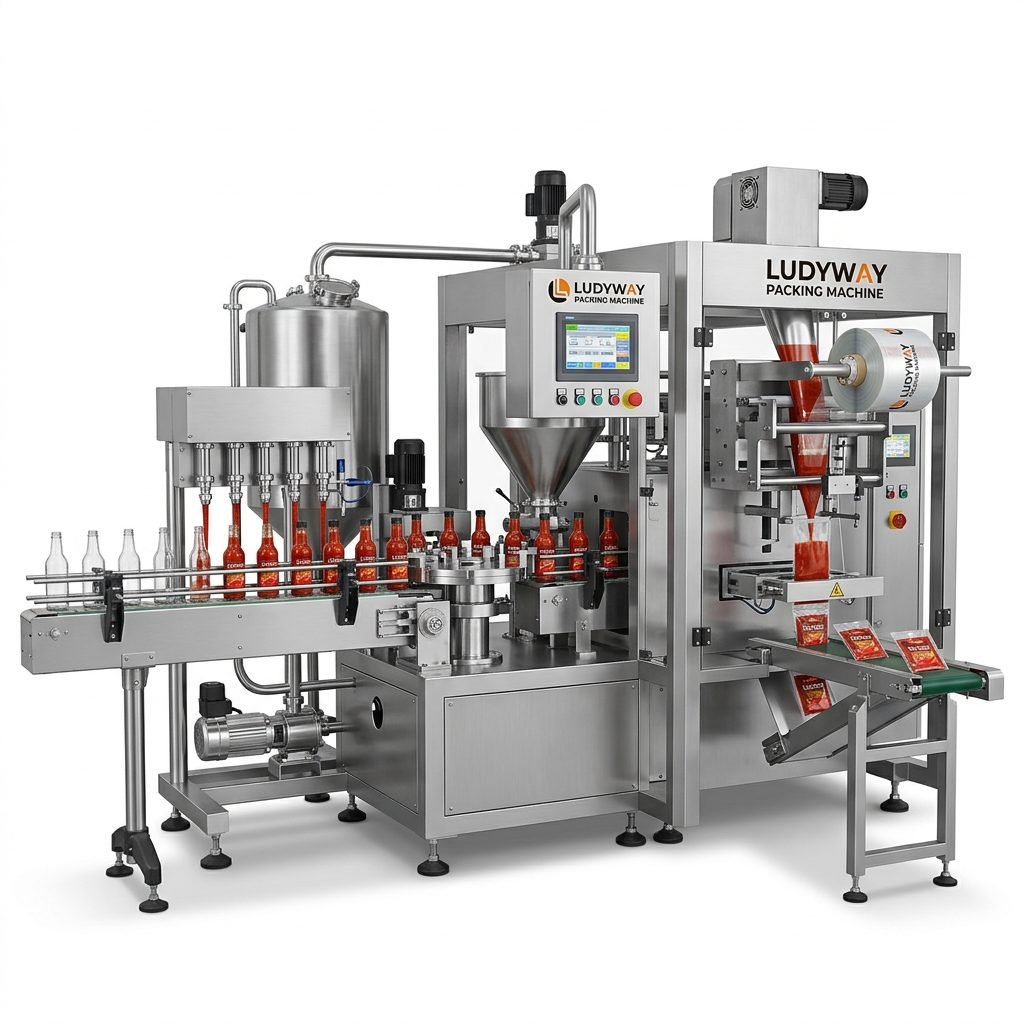
Ludyway, a China-based packaging machinery manufacturer, has been providing integrated packaging solutions for over 30 years. From a single automatic machine to a complete integrated system encompassing feeding, dosing, coding, and cartoning, working with an experienced partner simplifies project management and ensures all the elements of your line communicate properly. Their in-house team addresses challenges from corrosive material handling to high-speed multi-lane packaging machinery integration.
Evaluate After-Sales Support and Global Service
Technical support is a crucial part of your purchase, especially for lines running at high speeds. Downtime directly affects revenue. When evaluating potential suppliers, consider the following.
| Support Area | What to Confirm |
|---|---|
| Remote Diagnostics | Does the supplier offer remote troubleshooting to resolve issues quickly without an on-site visit? |
| Spare Parts Network | Is there a comprehensive spare parts list, and can parts be shipped globally on short notice? A well-documented spare parts program is a must for the flexible packaging industry. |
| Ongoing Technical Support | Can you access engineers for training and maintenance advice throughout the machine’s lifecycle? |
Conduct a Production Floor Check
Before finalizing your order, review these practical points to ensure the machine will work seamlessly in your facility.
- Factory Floor Space: Measure your space, including the infeed and outfeed areas. A multi-lane machine requires sufficient room for film roll loading and finished product collection.
- Utility Requirements: Confirm electrical requirements (voltage, phase) and the needed compressed air pressure and volume.
- Operator Skill Level: Opt for a machine with an intuitive touchscreen HMI and recipe storage if multiple staff will run it. This reduces training time and errors.
- Regulatory Standards Compliance: Ensure the equipment can meet applicable regional standards, including FDA food packaging standards, if exporting to those markets. Certifications should be verifiable.
Selecting a salt packaging solution is a significant long-term investment. Focusing on material quality, precise dosing, and expert engineering support will help you avoid future operational issues and ensure consistent packaging results for years to come.