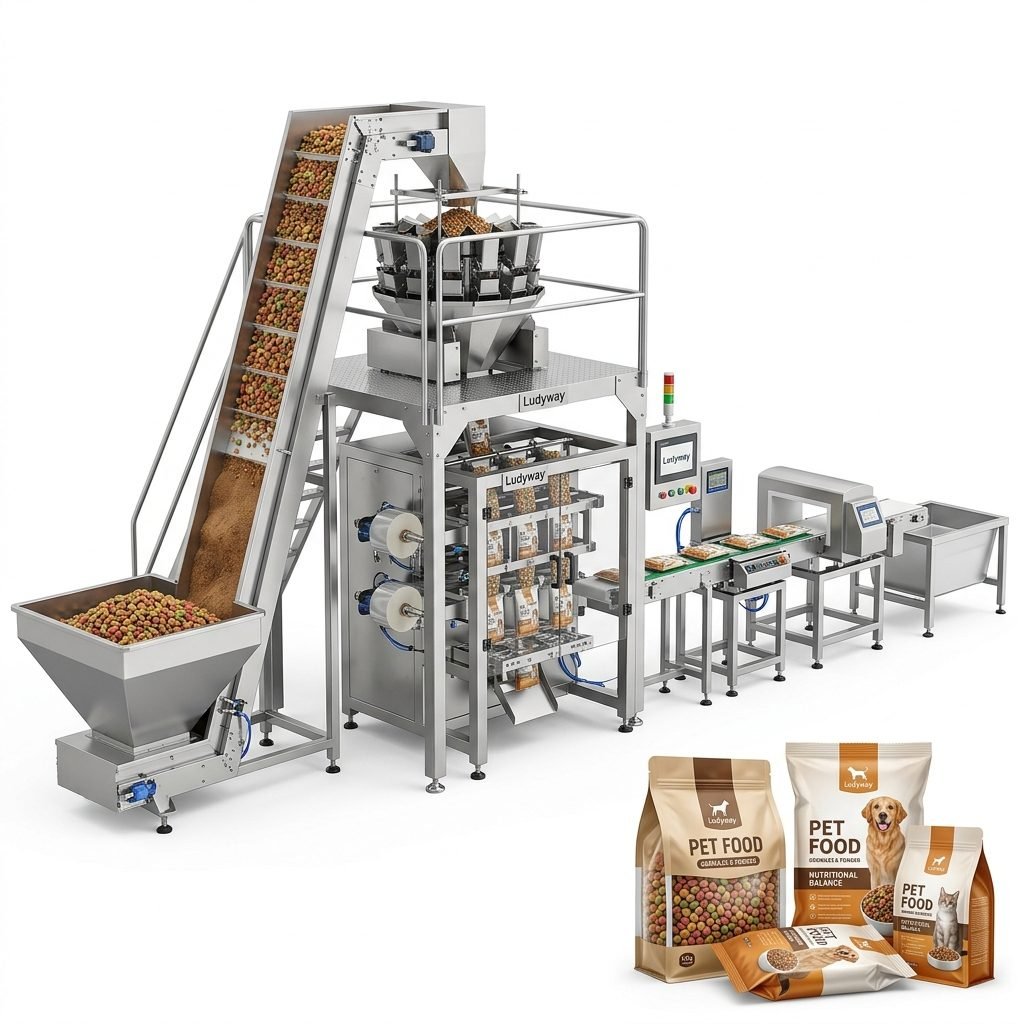
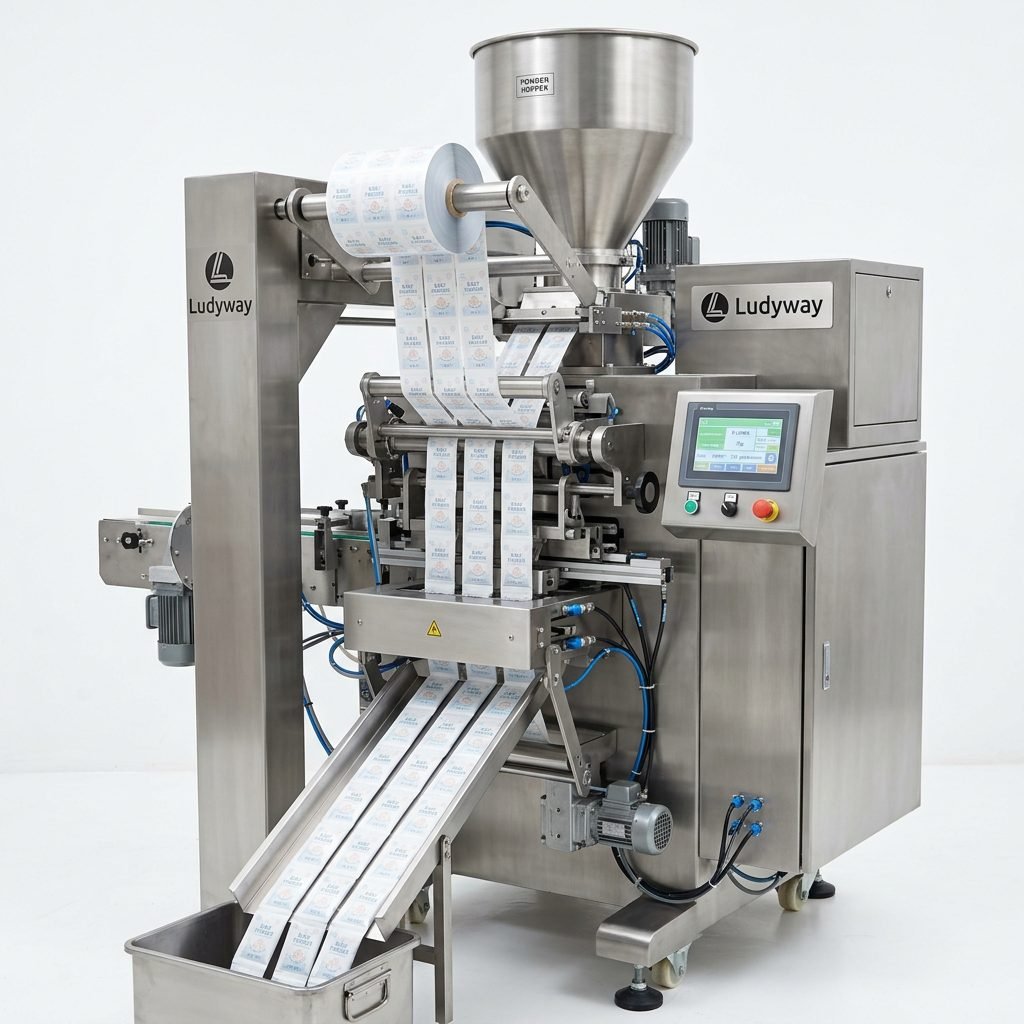
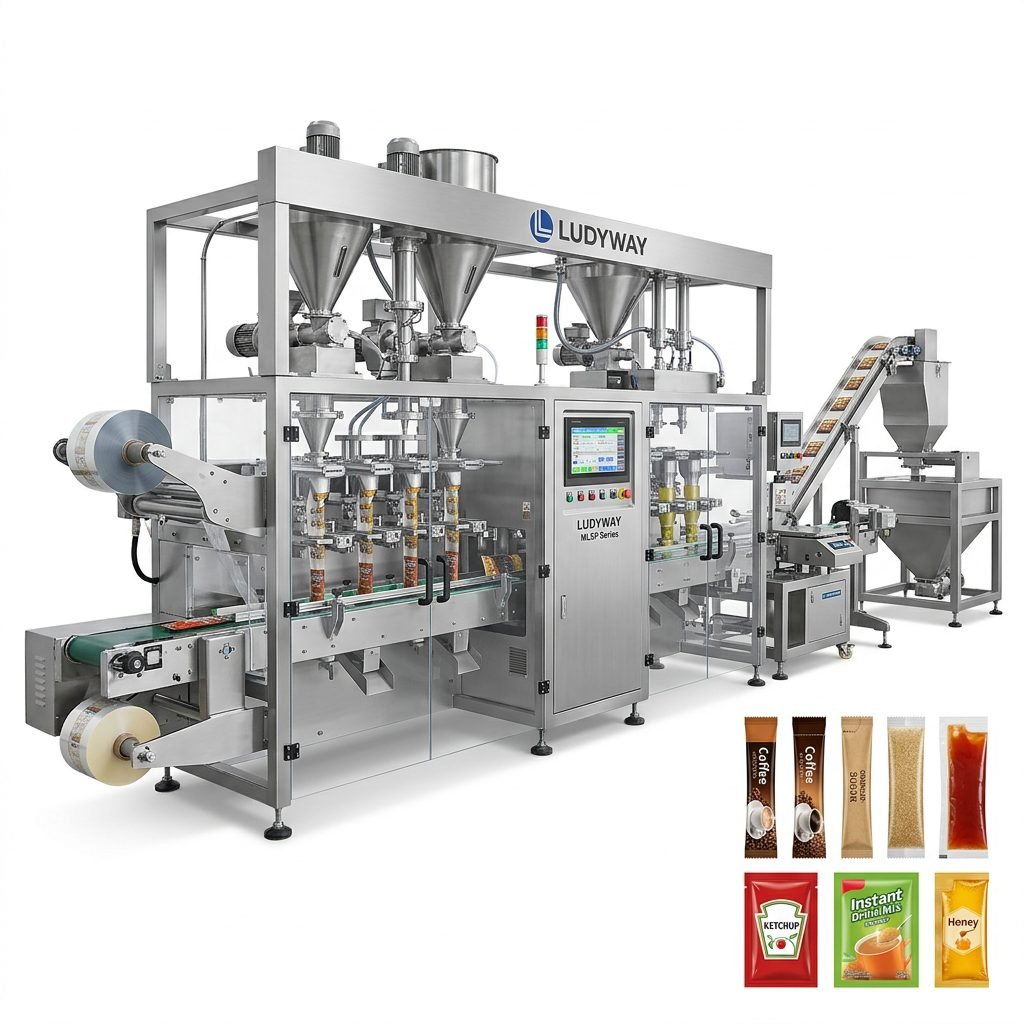
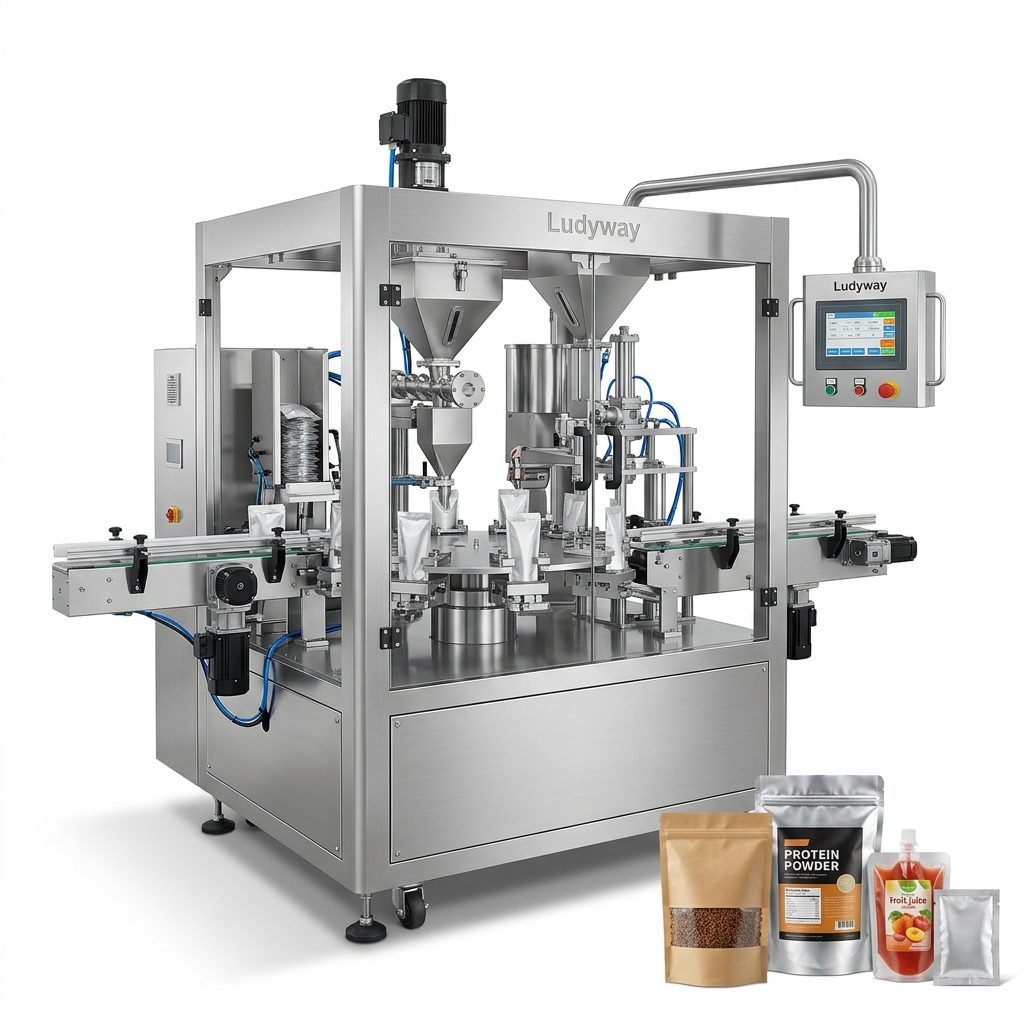
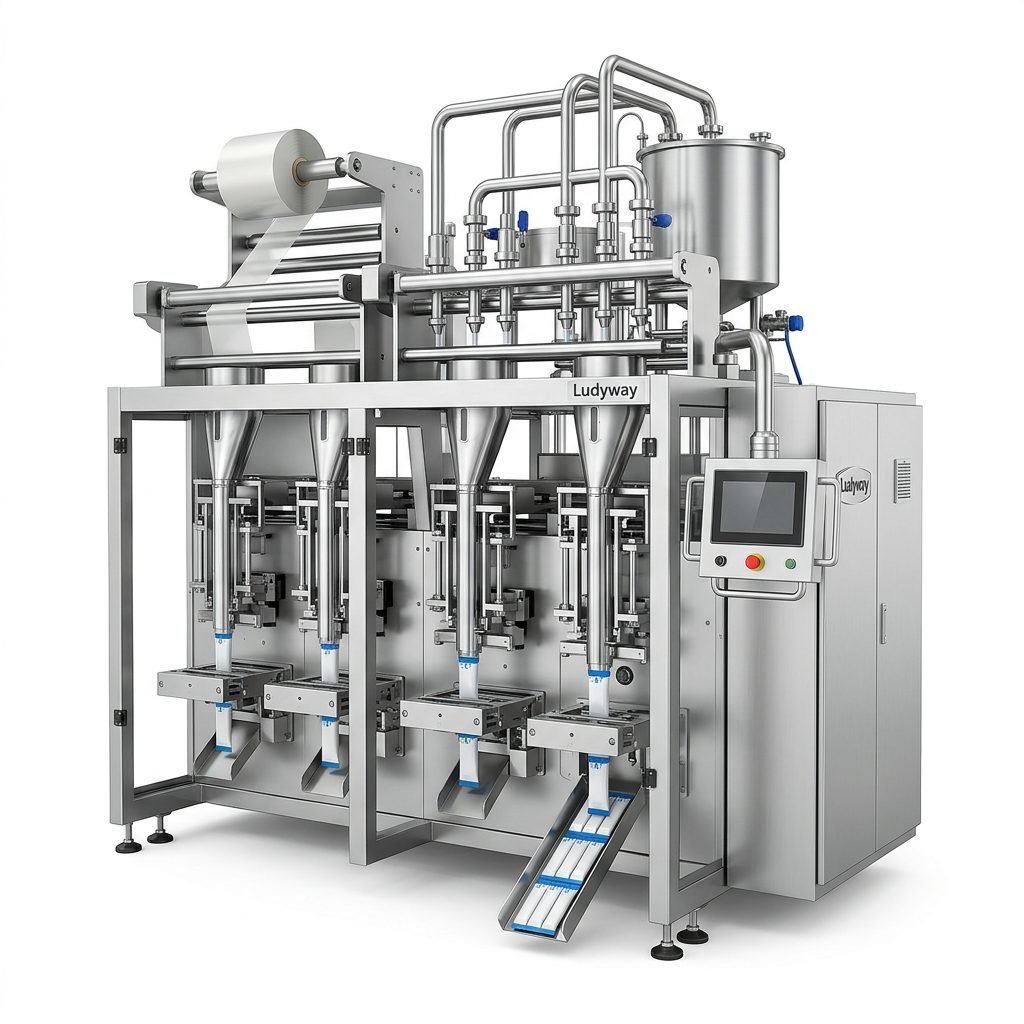
Investing in a paper packing machine is a strategic decision that directly impacts your production efficiency, packaging quality, and long-term operational costs. Whether you are packaging paper napkins, tissues, paper cups, stationery, or industrial paper products, selecting the right equipment requires a clear understanding of your production goals, material characteristics, and automation needs. This guide walks you through every critical factor to help you make a confident, informed purchase.
Understanding Your Paper Packaging Requirements
Before comparing machine specifications, start by defining exactly what you need to package. Paper products vary widely — from delicate tissue sheets to rigid paperboard items — and each requires a different handling and wrapping approach. Ask yourself these foundational questions:
- What is the product type? (e.g., paper napkins, tissue packs, paper cups, envelopes, paper bags, cardboard sheets)
- What is the packaging format? (e.g., flow wrap, shrink wrap, bag-in-box, sachet, stick pack, pouch)
- What are the dimensions and weight of the individual product and the finished pack?
- What is your target production speed? (packs per minute, bundles per hour)
- Will the machine handle multiple SKUs with quick changeovers?
- What level of automation do you currently need — and what might you need in two years?
Clarity on these points prevents overspending on unnecessary features or, equally risky, underinvesting in a machine that cannot scale with your business. According to the latest packaging industry state of the industry report, manufacturers increasingly prioritize flexible, modular equipment that can adapt to evolving product lines and packaging formats.
Types of Paper Packing Machines
Not all paper packing machines are built the same. The right type depends heavily on your product, packaging material, and desired output. Below is a comparison table highlighting the most common machine categories and their typical applications.
| Machine Type | Best For | Key Advantage | Typical Speed |
|---|---|---|---|
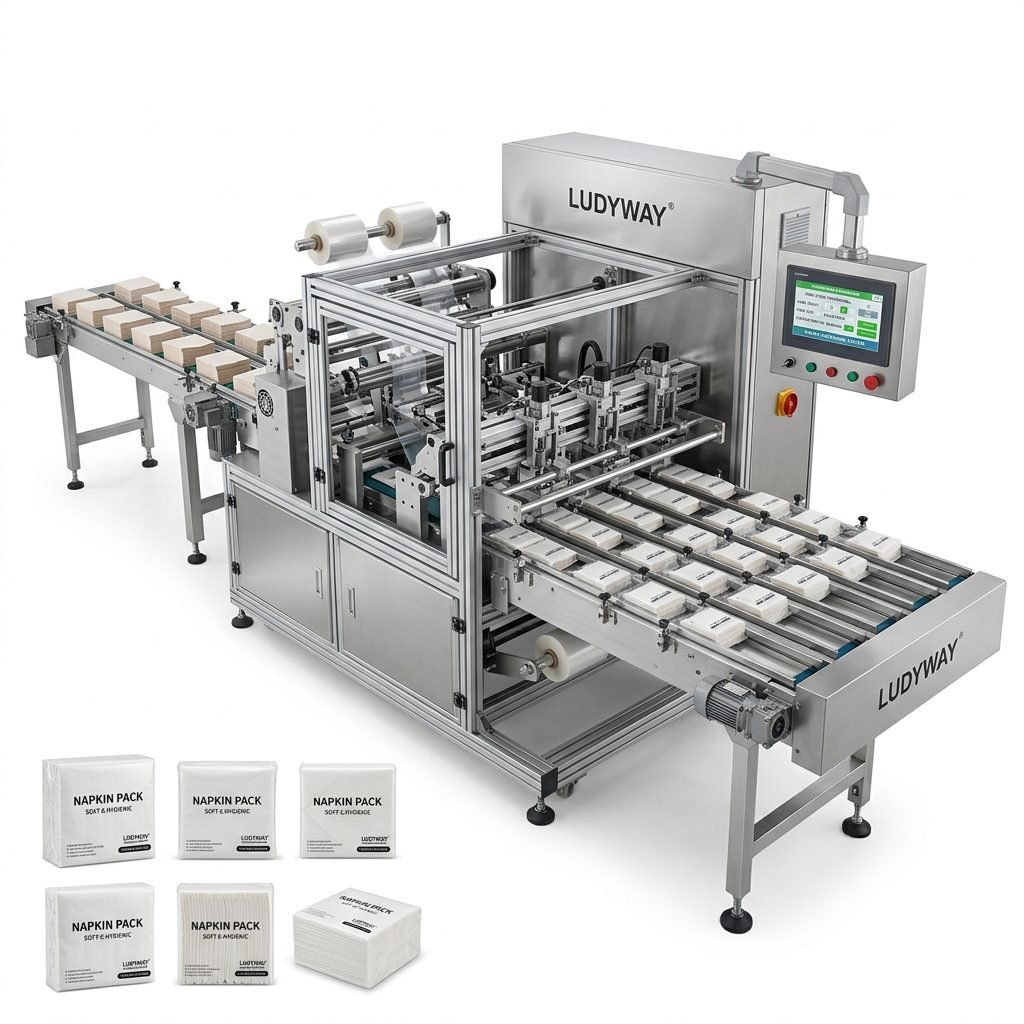
| Flow Wrapping Machine | Paper napkins, tissue packs, paper plates, stationery sets | High-speed continuous motion; excellent seal integrity | 50–300 packs/min |
| Shrink Wrapping Machine | Paper reams, bulk paper products, multi-pack bundles | Tight, protective wrap; cost-effective film usage | 10–80 bundles/min |
| Sachet & Stick Pack Machine | Single-use paper-based sachets, sample packs, small paper items | Compact packaging; precise filling for small formats | 30–200 sachets/min per lane |
| Pouch Packing Machine | Paper bags, envelopes, larger paper products, gusseted packs | Versatile bag styles; handles thicker paper materials well | 20–120 pouches/min |
| Cartoning Machine | Paper boxes, folded cartons, pre-made paper packaging | High structural integrity; ideal for retail-ready packaging | 40–200 cartons/min |
Understanding these categories helps narrow your search. Many manufacturers also offer multi-lane configurations, which multiply throughput by running several lanes simultaneously — a critical feature for high-volume paper packaging operations.
Production Speed and Capacity Considerations
Production speed is often the first specification buyers check, but it should never be evaluated in isolation. A machine’s stated maximum speed may not reflect real-world performance with your specific paper product. Key speed-related factors to analyze include:
- Sustained running speed versus peak speed — can the machine maintain its rated output over an 8-hour shift?
- Product feeding method — manual loading, automatic infeed conveyor, or robotic pick-and-place?
- Changeover time — how quickly can you switch between different paper sizes or pack formats?
- Film or paper material roll change speed — automatic splicing systems significantly reduce downtime.
- Integration with upstream and downstream equipment — such as collators, conveyors, and case packers.
As the packaging machinery market intelligence shows, demand for faster, more automated paper packaging systems continues to grow across food service, hygiene, and e-commerce sectors. Investing in a machine that exceeds your current speed requirements by 15–20% provides valuable headroom for growth without overcapitalizing.
Paper Material Compatibility
Paper is not a single material — it spans a wide spectrum from lightweight tissue (15–20 gsm) to heavy kraft paper (80–150 gsm) and coated paperboard. Your chosen paper packing machine must handle your specific substrate without tearing, jamming, or compromising seal quality. Pay close attention to:
- Paper thickness range — Ensure the machine’s forming, cutting, and sealing stations accommodate your material range.
- Surface finish — Coated, waxed, or laminated papers require specific sealing technologies (heat, ultrasonic, or cold seal).
- Paper source — Roll-fed or sheet-fed? Roll-fed machines generally offer higher speeds and lower material cost per unit.
- Eco-friendly and recyclable papers — These materials are increasingly in demand; confirm machine compatibility with biodegradable films and paper combinations.
- Dust and fiber generation — Paper products can create dust; look for machines with enclosed drives and easy-clean designs.
Automation Level and Control Systems
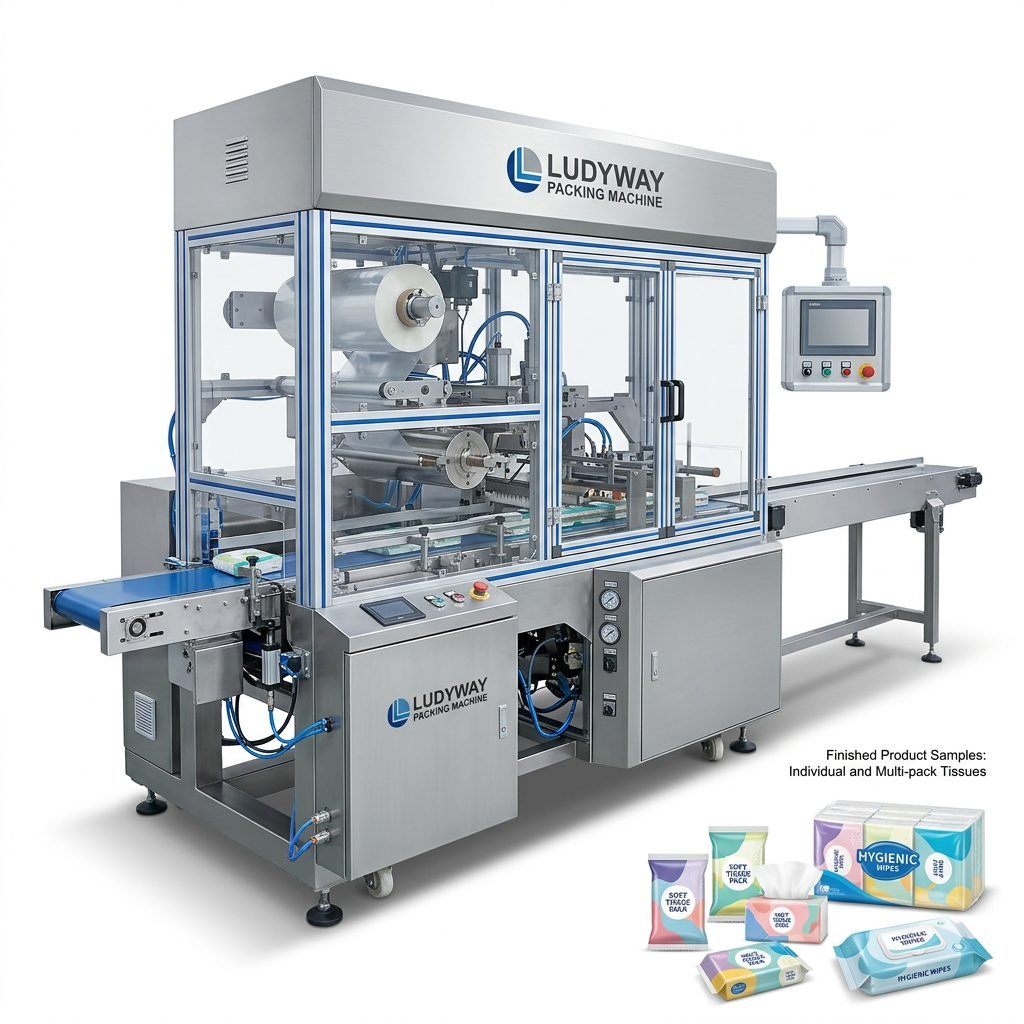
Automation in paper packaging spans from semi-automatic machines requiring manual product placement to fully integrated turnkey lines with robotic handling, vision inspection, and automated case packing. The right level depends on your labor costs, production volume, and quality requirements. Evaluate these automation features:
| Automation Feature | Benefit for Paper Packaging |
|---|---|
| Servo-driven motion control | Precision positioning for delicate paper products; reduces waste and mis-feeds |
| Automatic splicing and roll change | Eliminates downtime during material replenishment; essential for high-speed lines |
| Vision inspection and rejection | Detects misaligned wraps, incomplete seals, or missing products before shipment |
| Touchscreen HMI with recipe memory | Enables fast changeovers between product sizes; reduces operator training time |
| Remote monitoring and diagnostics | Allows real-time troubleshooting and performance tracking from anywhere |
Machine Build Quality and International Standards
Paper dust, continuous high-speed operation, and the need for consistent seal quality put significant demands on machinery. A well-built paper packing machine should feature robust frame construction, corrosion-resistant components, and compliance with relevant international standards. When evaluating build quality, consider:
- Frame material and rigidity — Stainless steel or heavy-gauge powder-coated steel resists vibration and extends machine life.
- Sealing system design — Consistent temperature control and uniform pressure are critical for paper-based packaging materials.
- Safety compliance — CE, UL, or equivalent certifications ensure the machine meets electrical and mechanical safety requirements.
- Hygienic design — Important for tissue, napkin, and food-contact paper packaging; look for sloped surfaces, minimal crevices, and easy-access cleaning panels.
- Component sourcing — Machines using brand-name PLCs, servo motors, pneumatics, and sensors typically offer better reliability and spare parts availability.
The flexible packaging industry association provides valuable guidance on material and machinery standards that also apply to paper-based flexible packaging applications.
Budget, ROI, and Total Cost of Ownership
The purchase price of a paper packing machine is only one component of its total cost. A thorough financial evaluation should account for the full lifecycle, including installation, training, maintenance, spare parts, and energy consumption. Key cost factors include:
- Initial capital expenditure — Machine price plus shipping, import duties, and installation.
- Operational costs — Electricity, compressed air, packaging material waste, and labor requirements.
- Maintenance and spare parts — Availability and cost of wear components such as sealing belts, cutting blades, and sensors.
- Downtime cost — Lost production during repairs or changeovers; faster, more reliable machines often deliver higher ROI despite a higher upfront price.
- Expected service life — A well-maintained machine from a reputable manufacturer can operate efficiently for 10–15 years or more.
A machine that reduces packaging material waste by just 2–3% or increases throughput by 10% can deliver a full return on investment within 12–18 months in many paper packaging operations. Calculate your projected payback period carefully before making a decision.
Choosing the Right Packaging Machinery Partner
The manufacturer you choose is as important as the machine itself. A reliable partner provides more than equipment — they offer engineering expertise, customization capabilities, installation support, training, and long-term technical service. Look for a supplier with:
- Proven experience in paper packaging — Not all packaging machines handle paper products well; sector-specific experience matters.
- In-house manufacturing and engineering — Companies that design and build their own machines can offer better customization and faster technical support.
- Global service capabilities — If you operate in multiple regions, ensure your supplier can provide timely support wherever your facilities are located.
- References and case studies — Ask for examples of similar paper packaging installations and speak with existing customers if possible.
- Customization and flexibility — Can the machine be configured to your exact product dimensions, packaging material, and production layout?
- After-sales support commitment — Clarify warranty terms, spare parts availability, remote assistance options, and on-site service response times.
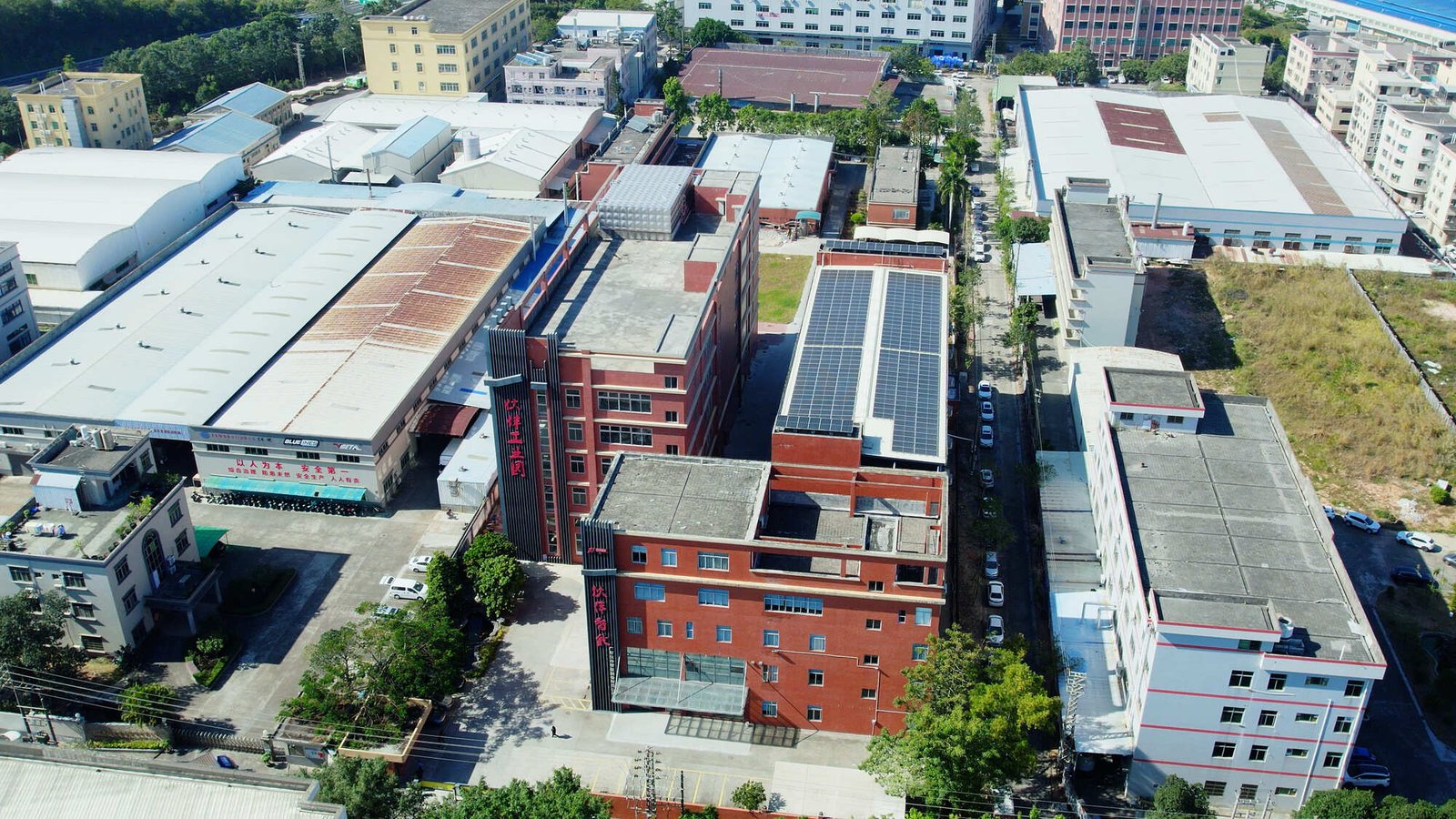
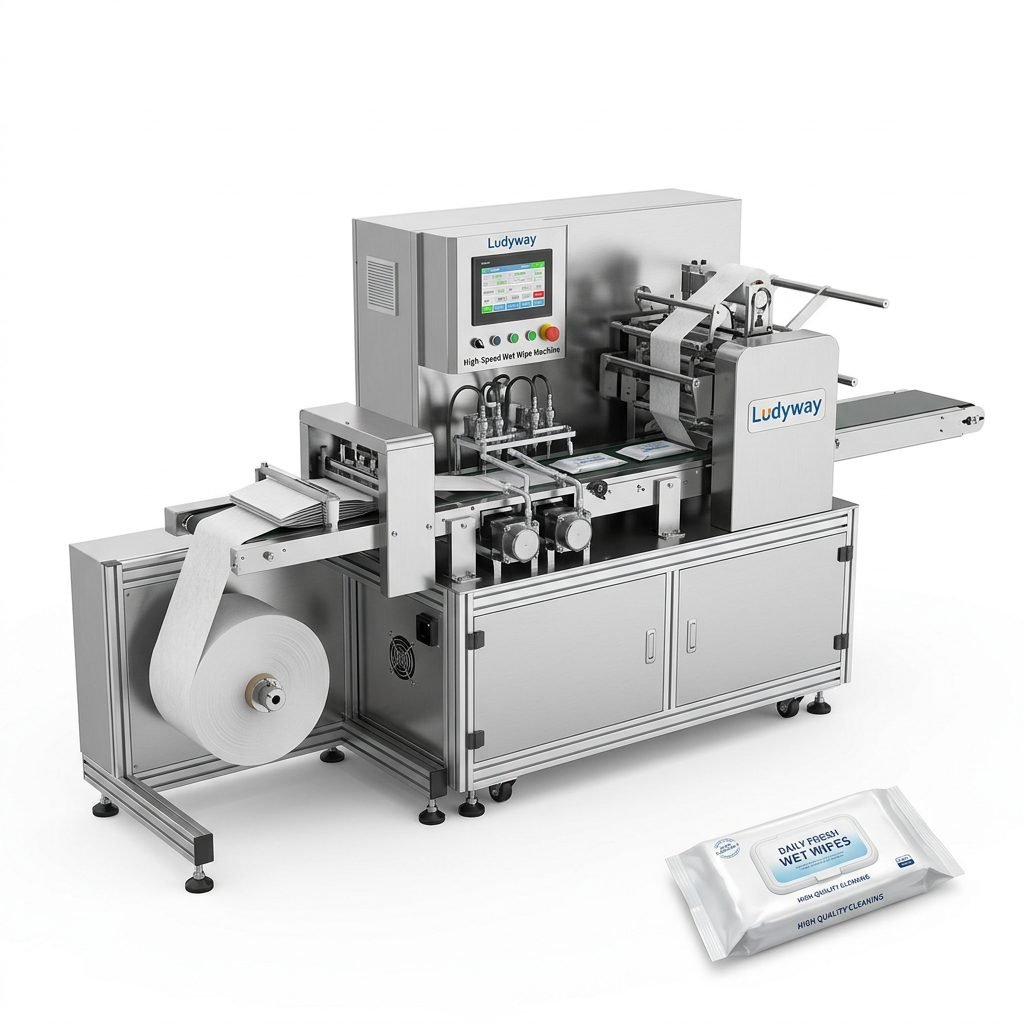
For manufacturers seeking a seasoned OEM partner, Ludyway Machinery brings over 30 years of packaging machinery experience, a 20,000-square-meter manufacturing facility, and a portfolio of more than 50 packaging machine models configured for diverse paper, tissue, and hygiene product applications. With engineering teams focused on customization and turnkey line integration, and a growing global presence serving customers in over 100 countries, Ludyway’s approach centers on matching the right machine configuration to each customer’s specific production requirements, from individual paper packing machine units to fully automated multi-lane packaging lines.
Installation, Training, and Ongoing Support
Even the best machine will underperform without proper installation and operator training. Before finalizing your purchase, confirm what support the manufacturer provides during and after commissioning:
- Installation and commissioning — Is on-site technical support included, and how long does the process typically take?
- Operator and maintenance training — Comprehensive training reduces startup delays and prevents operator errors that cause downtime or damage.
- Documentation — Ensure you receive detailed manuals, electrical schematics, and maintenance schedules in a language your team can use.
- Remote technical support — Many issues can be diagnosed and resolved remotely, saving time and travel costs.
- Spare parts availability — Ask about recommended spare parts lists, lead times for critical components, and whether the supplier maintains regional parts inventory.
Future-Proofing Your Investment
Packaging trends evolve — sustainability regulations tighten, consumer preferences shift toward eco-friendly paper packaging, and automation becomes increasingly intelligent. When selecting a paper packing machine, consider how well it can adapt to future requirements:
- Can it handle recycled and recyclable paper materials as regulations around single-use plastics expand?
- Is the control system upgradeable to support Industry 4.0 features like OEE tracking, predictive maintenance, and cloud-based monitoring?
- Can the machine be reconfigured or expanded with additional modules — such as automatic cartoning, case packing, or palletizing — as your production grows?
- Does the supplier offer a clear upgrade path rather than forcing a complete machine replacement when needs change?
Making the Final Decision
Selecting the right paper packing machine is a multi-faceted decision that balances technical specifications, production requirements, budget, and long-term partnership. To summarize the evaluation framework:
- Define your product and packaging specifications with precision — dimensions, materials, formats, and target speeds.
- Match the machine type (flow wrap, shrink, sachet, pouch, cartoning) to your application.
- Evaluate speed, automation level, and paper material compatibility against both current and anticipated future needs.
- Compare build quality, safety certifications, and component sourcing across shortlisted machines.
- Calculate total cost of ownership, not just the purchase price — factor in energy, waste, labor, maintenance, and expected service life.
- Assess the manufacturer’s experience, customization capability, global support network, and long-term partnership potential.
- Plan for installation, training, spare parts, and ongoing technical support before signing the purchase agreement.
A thoughtful selection process leads to a machine that not only meets today’s production demands but also supports your growth for years to come. Take the time to visit manufacturer facilities, see machines running with similar paper products, and speak with existing users. The right paper packing machine is an investment in efficiency, quality, and competitive advantage.