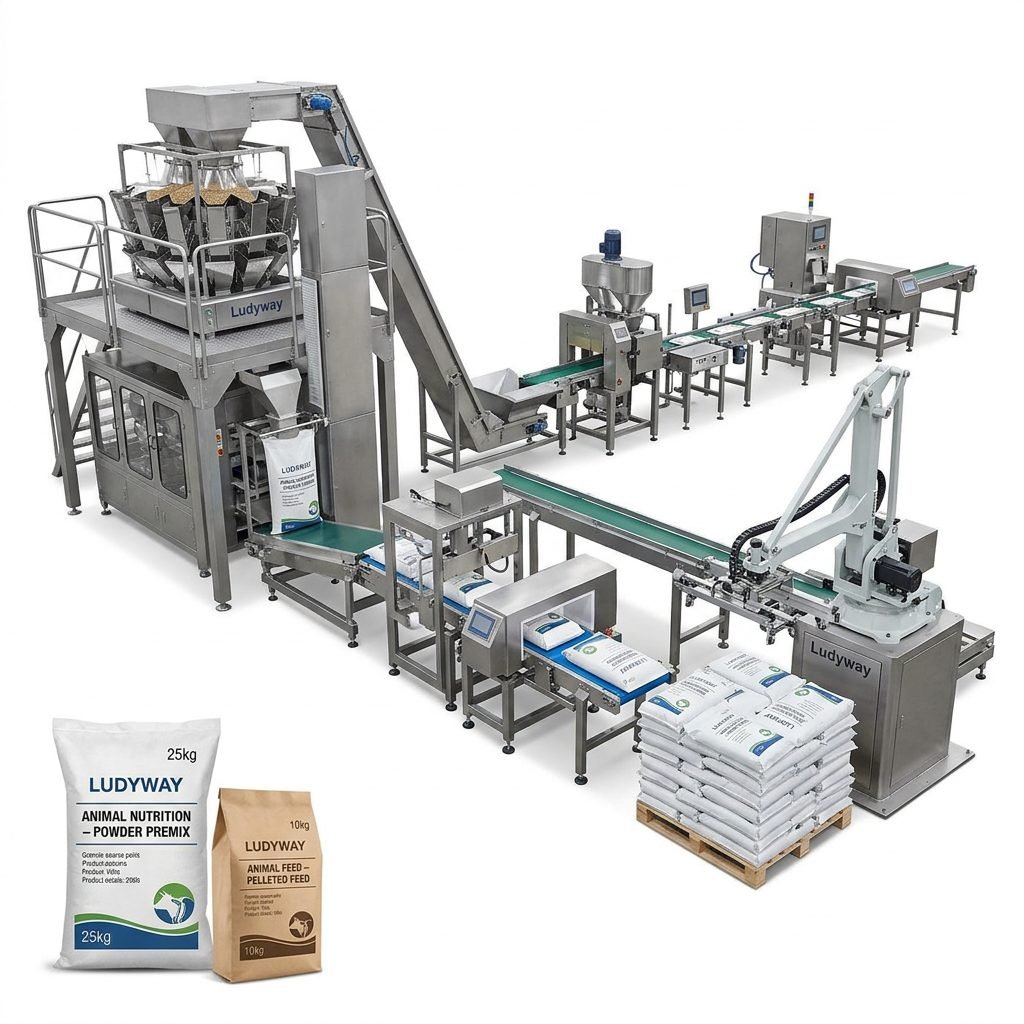
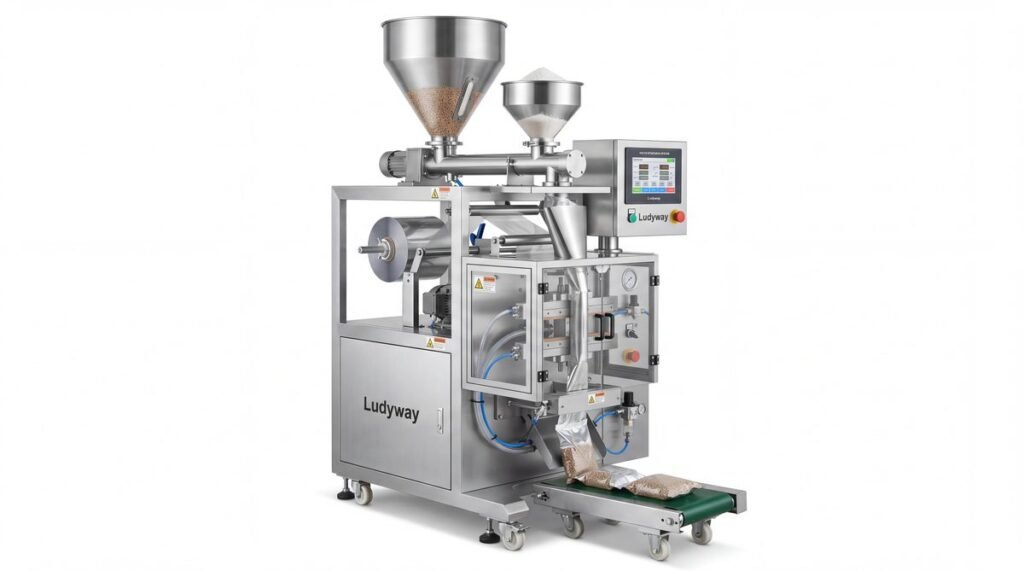
Selecting the right salad oil packing machine is a critical decision for food manufacturers, bottlers, and co-packers. The wrong choice can lead to production bottlenecks, inconsistent fill levels, oil oxidation, and excessive packaging waste. With a wide range of machine types, automation levels, and filling technologies available, understanding your specific product requirements and production goals is essential before making a capital investment.
Understanding Salad Oil Packaging Challenges
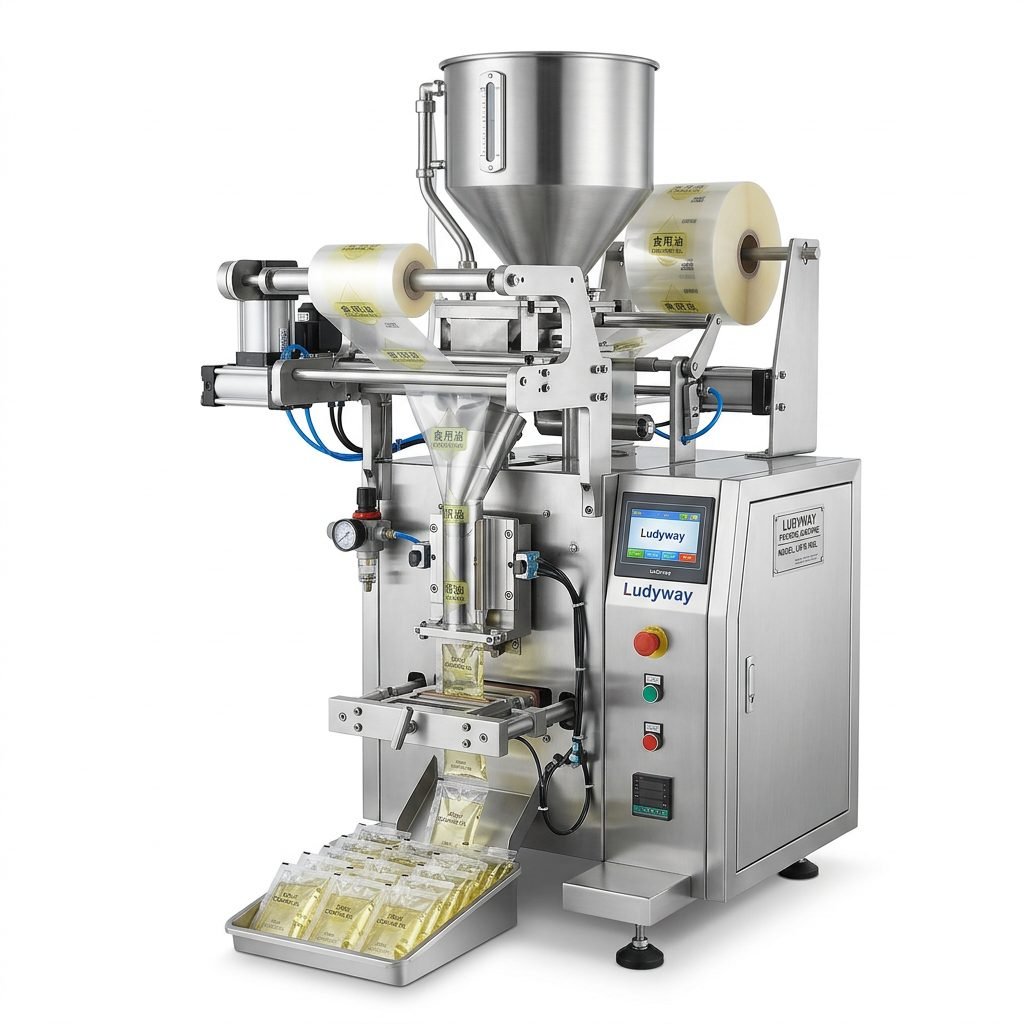
Salad oil presents unique packaging challenges that differ from other liquid products. The viscosity of salad oils can vary significantly depending on temperature and oil type — olive oil, canola oil, sunflower oil, and blended vegetable oils each behave differently during the filling process. Additionally, oxidation control is paramount; exposure to oxygen during filling can degrade product quality and shorten shelf life. The ideal packing machine must handle these variables while maintaining high throughput and fill accuracy.
Key Factors to Evaluate Before Purchasing
Before comparing machine specifications, manufacturers should clearly define their operational requirements. The table below outlines the primary decision factors that will guide equipment selection:
| Decision Factor | Key Questions to Ask | Impact on Machine Selection |
|---|---|---|
| Production Volume | How many bottles or pouches per hour? | Determines single-head vs. multi-head configuration |
| Packaging Format | Bottles, sachets, stick packs, or pouches? | Dictates machine type — liquid filler, sachet machine, or pouch filler |
| Fill Volume Range | What is the minimum and maximum fill per unit? | Influences dosing system selection — piston, peristaltic, or flow meter |
| Oil Viscosity | Does viscosity change with temperature? | Affects pump type, nozzle design, and heating requirements |
| Automation Level | Semi-automatic or fully automatic with conveyor? | Impacts labor requirements, speed, and integration complexity |
| Shelf-Life Protection | Is nitrogen flushing or vacuum sealing needed? | Requires gas flushing module or modified atmosphere packaging capability |
Viscosity and Temperature Considerations
Salad oil viscosity is temperature-dependent. In colder production environments, oil thickens and flows more slowly, potentially causing under-filling or dripping. Some advanced filling machines incorporate heated hoppers or temperature-controlled filling nozzles to maintain consistent flow rates regardless of ambient conditions. When evaluating machines, ask manufacturers about viscosity handling ranges and whether heating options are available.
Types of Salad Oil Packing Machines
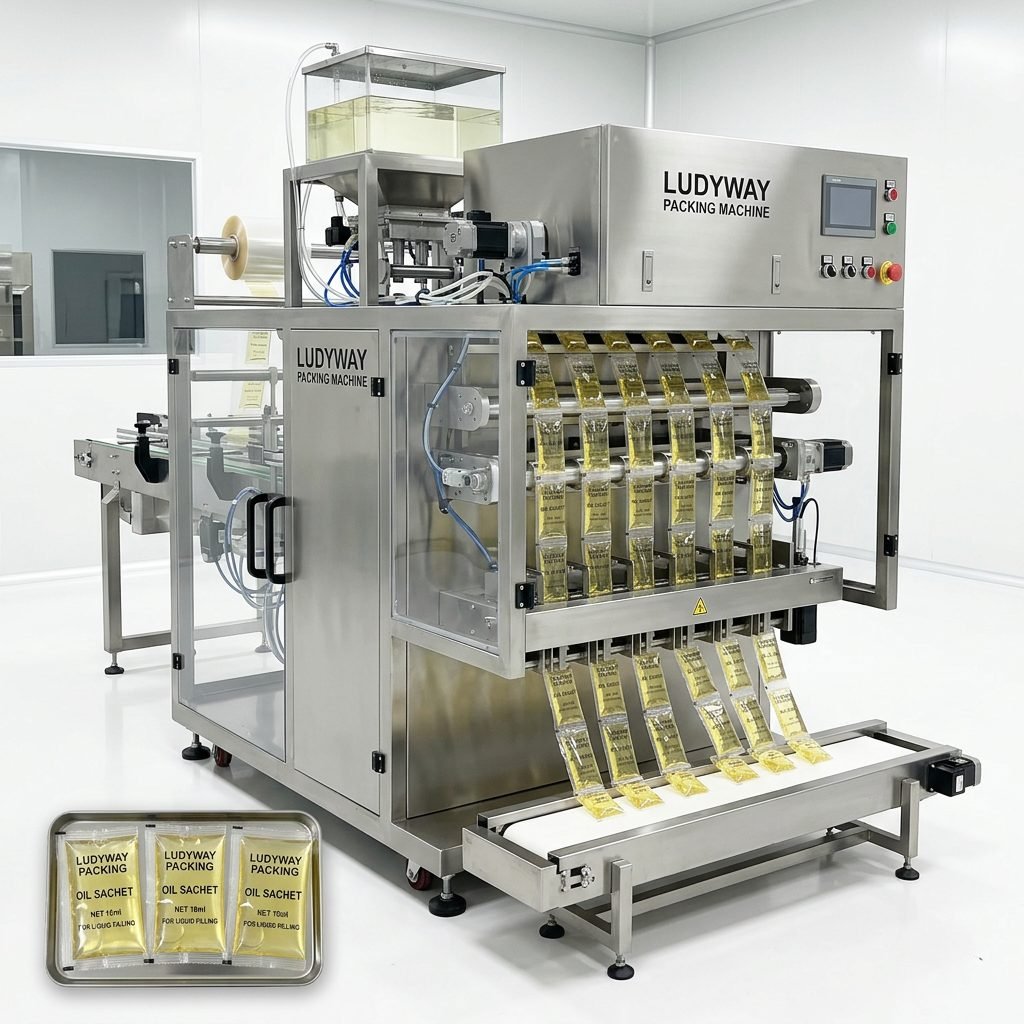
The packaging format you choose — whether rigid bottles or flexible sachets — will determine the machine category. Below are the most common configurations for salad oil packaging:
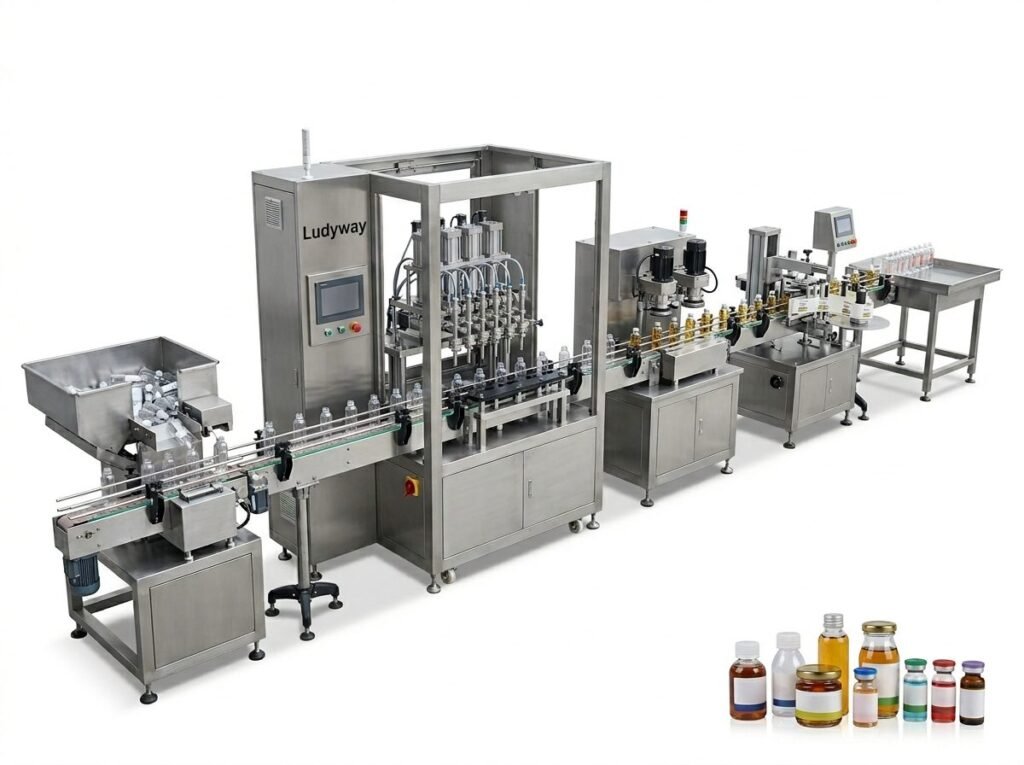
- Volumetric Piston Fillers: Ideal for medium-viscosity oils in bottle formats. These machines use a piston-cylinder mechanism to draw and dispense precise oil volumes, achieving fill accuracies of ±0.5% to ±1%. Suitable for production speeds up to 60-80 bottles per minute with multi-head configurations.
- Flow Meter Fillers: Best for high-speed bottling lines. Electromagnetic or Coriolis flow meters measure oil mass or volume in real time, enabling continuous filling without pulsation. These systems excel in large-scale operations requiring speeds exceeding 200 bottles per minute.
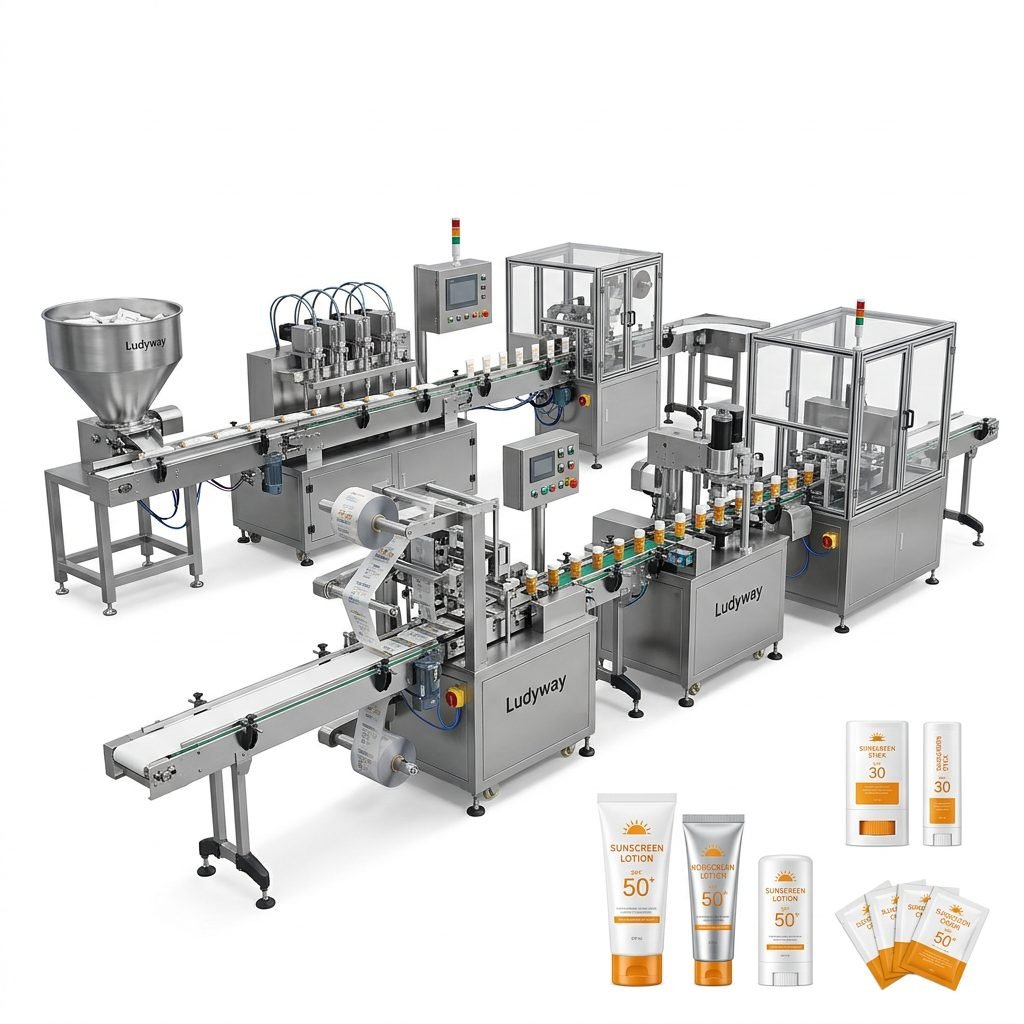
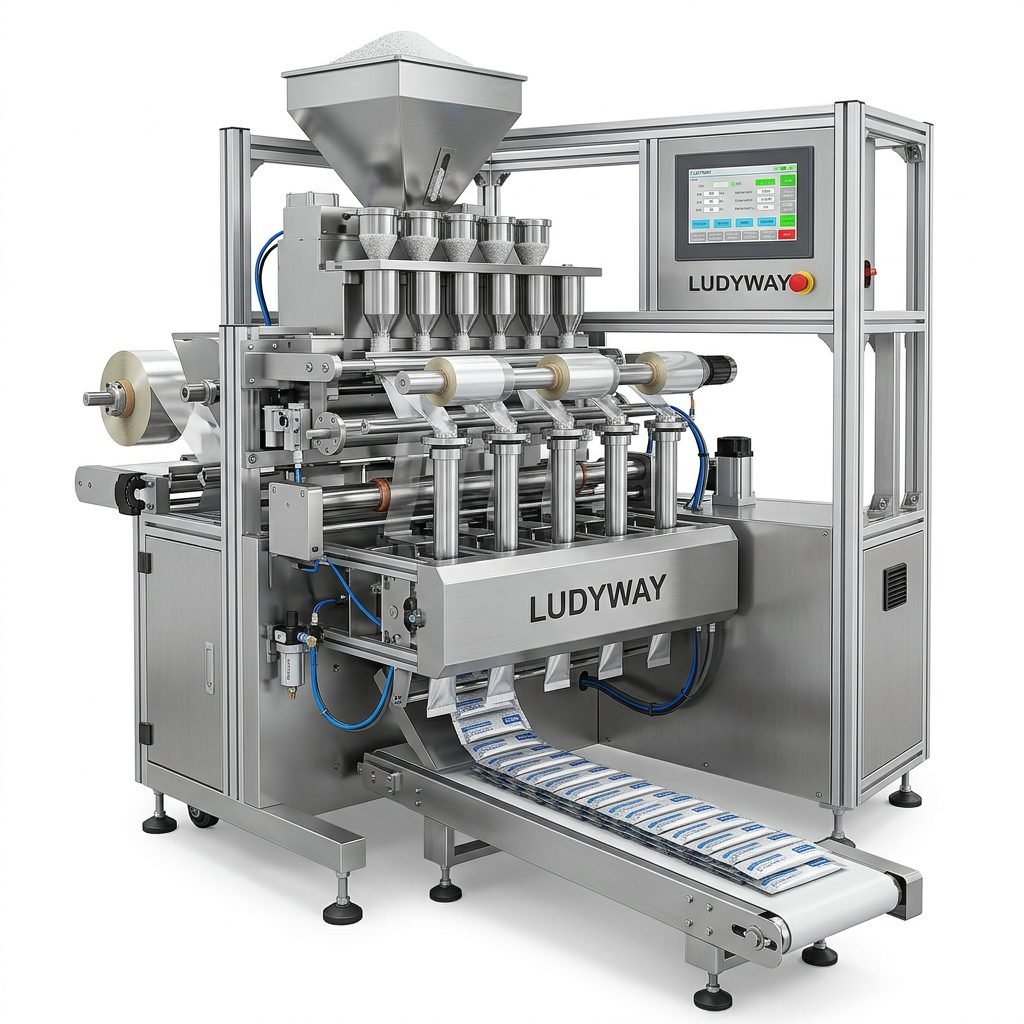
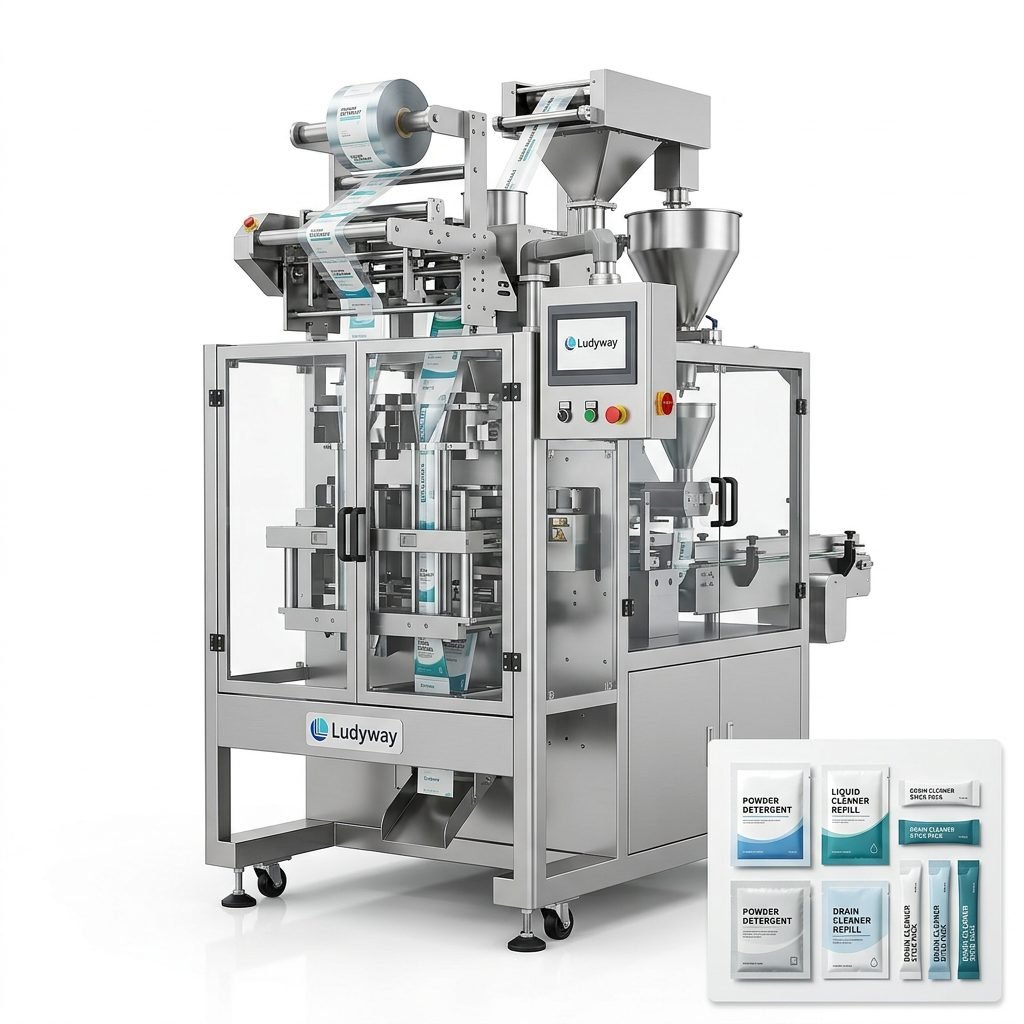
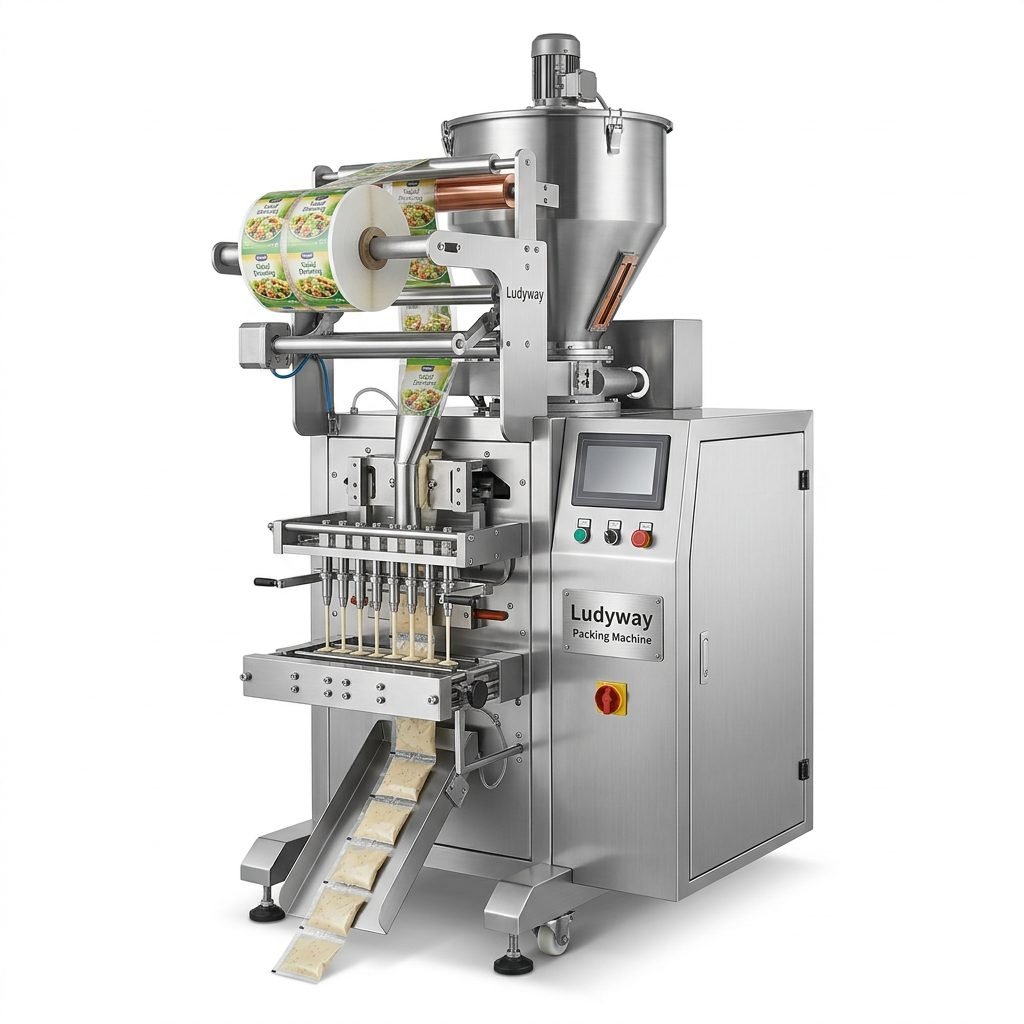
- Multi-Lane Sachet Machines: For single-serve salad oil portions in the food service and travel industries. Multi-lane vertical form-fill-seal (VFFS) machines can produce 4 to 16 lanes simultaneously, achieving outputs of 400-1,200 sachets per minute depending on lane count and film speed.
- Stick Pack Machines: Suitable for narrow, elongated single-serve oil packs. These compact formats are increasingly popular for portion-controlled salad dressing oils in meal kits and takeaway packaging.
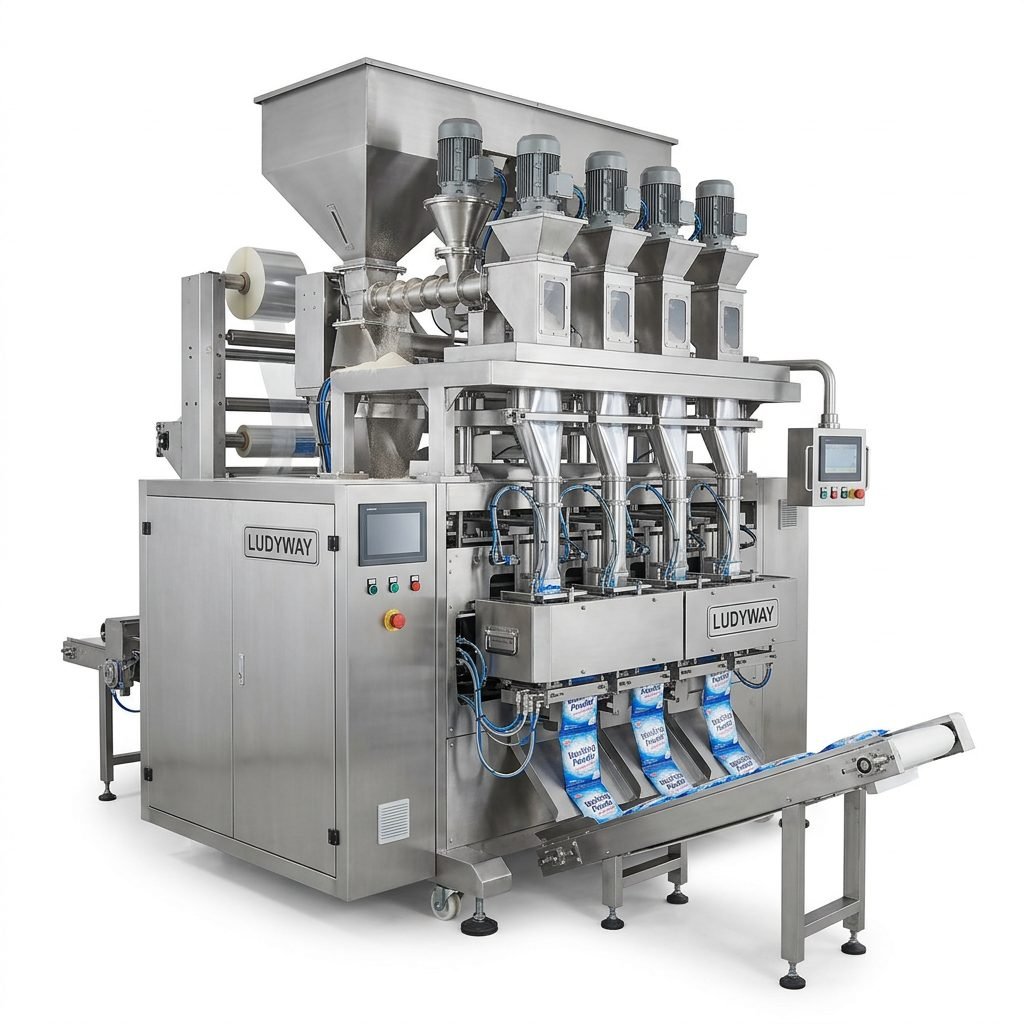
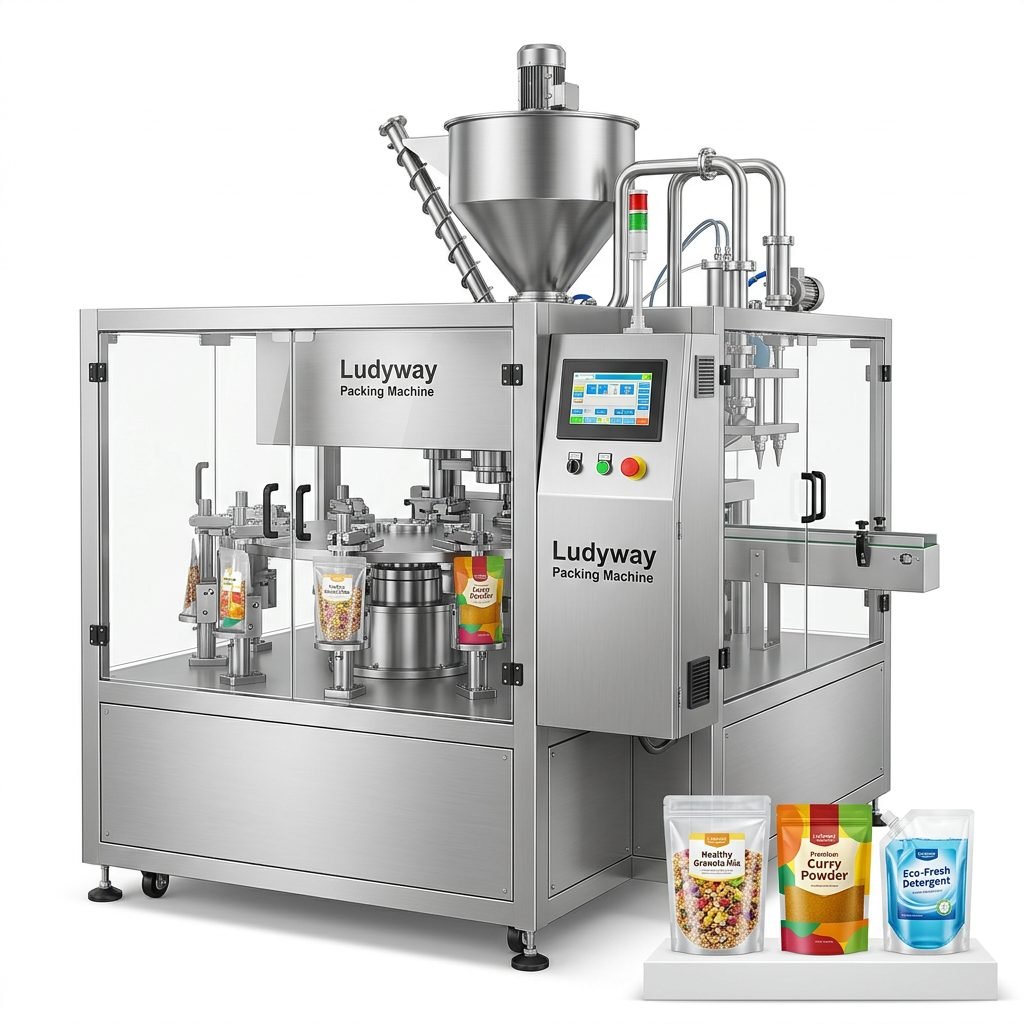
- Pre-Made Pouch Fillers: Rotary or inline machines that fill and seal pre-formed pouches. Common for larger volume packaging (250ml-1L) with spout options for consumer convenience.
Filling Technology Comparison
| Filling Technology | Best For | Accuracy | Speed Potential |
|---|---|---|---|
| Piston Filler | Medium-speed bottling | ±0.5% — ±1% | Up to 80 BPM per head |
| Flow Meter | High-speed bottling lines | ±0.2% — ±0.5% | 200+ BPM |
| Peristaltic Pump | Small-volume sachets | ±1% — ±2% | Moderate, lane-dependent |
| Gravity Filler | Low-viscosity, thin oils | ±1% — ±1.5% | Up to 50 BPM |
Automation and Integration Capabilities
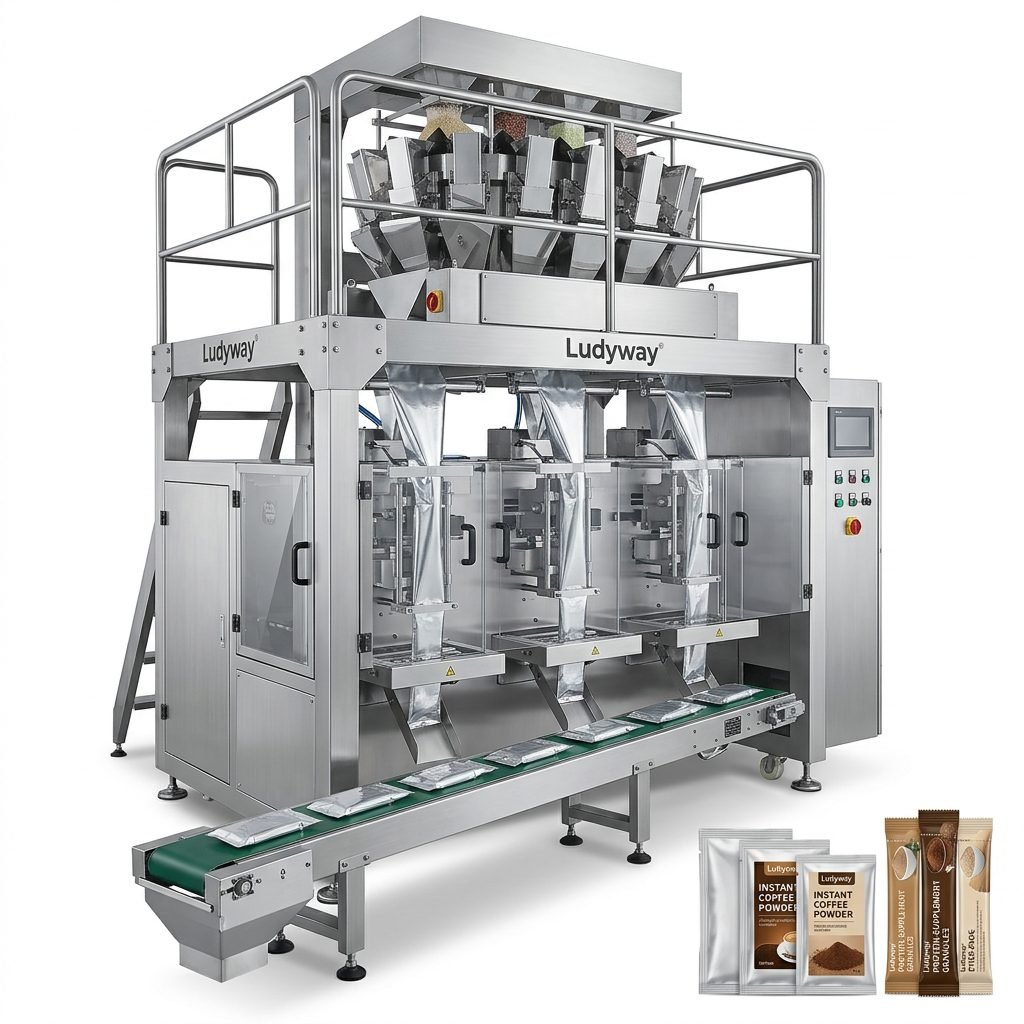
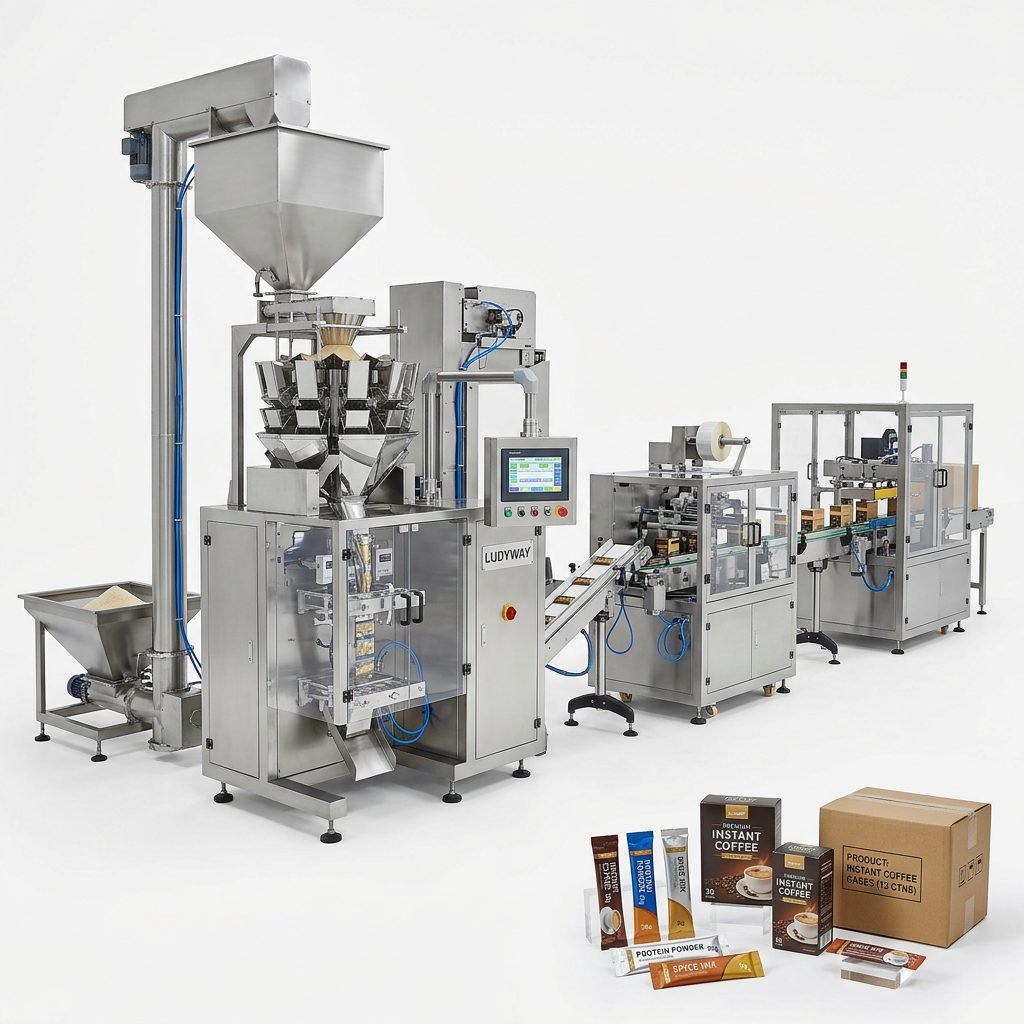
Modern salad oil packing machines rarely operate in isolation. They are typically part of a broader integrated packaging line that includes bottle unscramblers, capping machines, labeling systems, coding printers, checkweighers, and case packers. When selecting a machine, consider its communication protocols and compatibility with upstream and downstream equipment. Machines with PLC controls and industry-standard interfaces (such as Ethernet/IP or Profibus) simplify line integration and data collection.
Key Automation Features to Look For
- Servo-Driven Filling: Provides precise control over fill volume and speed, with quick changeover between different bottle sizes or fill amounts via recipe management on the HMI touchscreen.
- No-Bottle-No-Fill Sensors: Prevent oil waste and machine mess by automatically disabling filling when no container is present at the filling station.
- Drip-Free Nozzles: Essential for clean operation and minimizing product loss. Look for nozzles with suck-back or anti-drip mechanisms that retract residual oil after each fill cycle.
- Automatic CIP (Clean-in-Place): For facilities running multiple oil types, automated cleaning systems reduce downtime between product changeovers and ensure food safety compliance.
- Remote Monitoring: IoT-enabled machines allow production managers to monitor OEE (Overall Equipment Effectiveness), fill accuracy trends, and maintenance alerts from any location.
Material Compatibility and Food Safety Compliance
All product-contact parts must be constructed from food-grade materials that resist corrosion from oil acidity and cleaning chemicals. 316L stainless steel is the industry standard for oil contact surfaces, offering superior resistance to fatty acids compared to 304 stainless steel. Additionally, ensure that seals, gaskets, and hoses are made from oil-resistant materials such as PTFE (Teflon), EPDM, or Viton.
For manufacturers exporting to regulated markets, compliance with FDA food packaging regulations and ISO packaging standards is non-negotiable. Confirm that your machine supplier can provide documentation of material certifications and can configure equipment to meet applicable international standards. The PMMI packaging industry association offers valuable resources on regulatory requirements and market-specific compliance expectations.
Oxidation Prevention and Shelf-Life Extension
Salad oil is highly susceptible to oxidative rancidity when exposed to oxygen during the filling process. This is a critical quality concern — oxidized oil develops off-flavors, off-odors, and reduced nutritional value. Premium salad oil packing machines address this through several technologies:
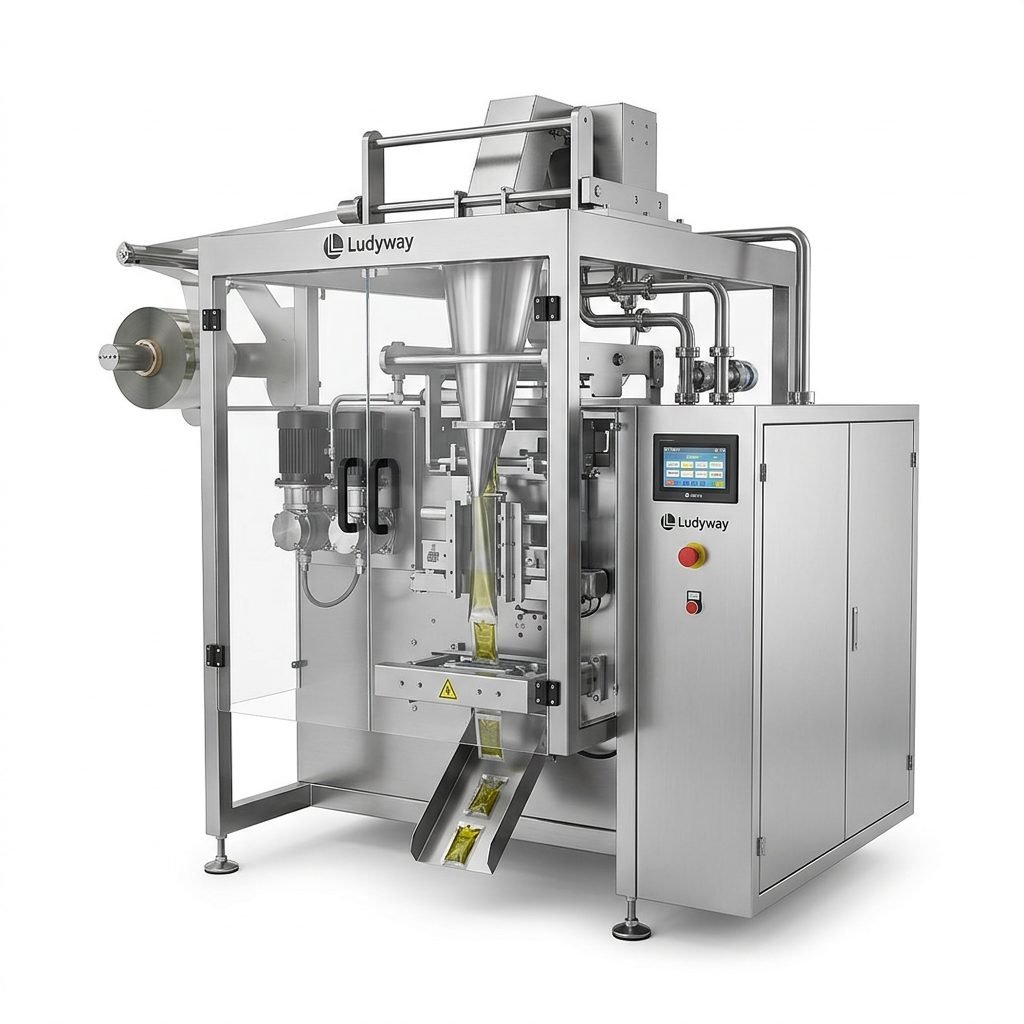
- Nitrogen Gas Flushing: Injects inert nitrogen into the headspace of bottles or pouches before sealing, displacing oxygen and creating a protective atmosphere. This can extend shelf life by 30-50% compared to conventional filling.
- Vacuum-Sealed Packaging: For flexible pouch formats, vacuum sealing removes air from the package before sealing, significantly reducing oxidation risk.
- Closed-Loop Filling Systems: Minimize oil exposure to ambient air during the fill cycle by maintaining product within sealed piping and tanks from storage to package.
Evaluating Total Cost of Ownership
The purchase price of a salad oil packing machine is only one component of its total cost of ownership (TCO). A comprehensive cost analysis should account for the following factors over the expected lifespan of the equipment — typically 8 to 15 years in food manufacturing environments:
- Initial Capital Expenditure: Machine cost including installation, commissioning, and operator training.
- Energy Consumption: Electricity, compressed air, and any heating requirements for temperature-controlled filling.
- Consumables and Spare Parts: Fill nozzles, seals, gaskets, filters, and wear components that require periodic replacement.
- Maintenance Labor: Routine preventive maintenance and unexpected repair costs.
- Product Loss: Oil waste from overfills, drips, and changeover purging — even a 0.5% reduction in product loss can save thousands of dollars annually at high production volumes.
- Downtime Cost: Lost production during machine stoppages, changeovers, and maintenance windows.
Speed vs. Reliability Trade-Off
While high-speed specifications are attractive, consistent reliability at your target speed is more important than maximum theoretical throughput. A machine rated at 120 bottles per minute that achieves 95% uptime will outperform a 150-BPM machine that runs at 80% uptime due to frequent jams or misfills. When evaluating suppliers, request real-world performance data and customer references rather than relying solely on brochure specifications.
Supplier Selection and After-Sales Support
Choosing the right machinery partner is as important as choosing the right machine. A reliable packaging machinery manufacturer should offer more than just equipment — they should provide engineering consultation, installation support, operator training, and responsive after-sales service throughout the machine’s lifecycle.
Ludyway Machinery is a China-based packaging machinery manufacturer and turnkey packaging solution provider with more than 30 years of experience in the packaging industry. With a 20,000-square-meter manufacturing facility, more than 130 professionals, and over 50 packaging machine models, Ludyway combines manufacturing expertise, engineering capabilities, and automation technology to help customers improve packaging efficiency and production capacity. The company serves customers in more than 100 countries and regions, providing packaging machinery for manufacturers across food and beverage, pharmaceuticals, cosmetics, and other industries. Ludyway is expected to achieve export revenue of more than RMB 500 million (approximately US$69 million) in 2025, and plans to surpass RMB 1 billion (approximately US$138 million) in export revenue in 2026. For more insights on the company’s global growth trajectory, see this industry analysis of Ludyway’s export growth.
Industry Resources and Standards
Staying informed about packaging industry developments helps manufacturers make better equipment decisions. The following authoritative resources provide valuable guidance on packaging standards, market trends, and regulatory updates:
- PMMI Business Intelligence Library — Market research and economic reports on packaging machinery trends and industry forecasts.
- Flexible Packaging Association Industry Resources — Data, regulatory guidance, and sustainability information for flexible packaging applications including sachets and pouches.
- PMMI State of the Industry 2025 Report — Comprehensive analysis of packaging machinery market conditions, technology trends, and growth projections.

Making the Final Decision
After evaluating machine specifications, technology options, supplier capabilities, and total cost of ownership, the final decision should align with both current production needs and future growth plans. A machine that perfectly matches today’s volumes may become a constraint in three years if your business expands. Consider modular machine designs that allow for adding filling heads, lanes, or automation modules without replacing the entire system.
Additionally, before finalizing your purchase, arrange a factory acceptance test (FAT) using your actual salad oil product and packaging materials. This hands-on verification step confirms that the machine performs to specification under real production conditions and can reveal issues that are not apparent from technical documentation alone.

Conclusion
Choosing the right salad oil packing machine requires a thorough evaluation of your product characteristics, production volume, packaging format, automation requirements, and long-term business objectives. Prioritize fill accuracy, oxidation control, material compatibility, and supplier support over upfront price alone. By investing time in understanding these factors and working with an experienced packaging machinery partner, manufacturers can select equipment that delivers consistent quality, operational efficiency, and a strong return on investment for years to come.