Investing in a packing strap machine is a significant decision for any manufacturer or distribution center. Whether you are securing cartons, palletizing goods, or bundling products for transit, the right strapping equipment can dramatically improve efficiency, reduce material waste, and lower labor costs. However, with so many models, strap types, and automation levels available, choosing the best machine for your operation requires careful evaluation. This guide walks you through every critical factor to consider before making your purchase.
Understanding Your Strapping Requirements
Before comparing machine specifications, you need to define your operational needs clearly. The wrong machine can lead to bottlenecks, inconsistent strap tension, and unnecessary downtime. Start by answering these questions:
- What type of strap material will you use — polypropylene (PP), polyester (PET), or steel? Each material requires a different sealing mechanism and tensioning system.
- What are your throughput requirements? A manual or semi-automatic machine may suffice for low-volume operations, while high-speed production lines demand fully automatic strapping machines capable of cycling in under 2 seconds per strap.
- What is the size and weight range of your packages? Machines are designed for specific strap widths, tension forces, and arch sizes — matching these to your product dimensions is essential.
- Will the machine integrate with an existing conveyor system, or will it operate as a standalone unit? Integration capability affects both layout planning and automation potential.
According to industry data from the PMMI Business Intelligence Library, demand for automated strapping solutions has grown steadily as manufacturers seek to reduce manual handling and improve line consistency. Understanding your current and projected production volumes will help you select a machine that scales with your business.
Types of Packing Strap Machines
The market offers several distinct categories of strapping equipment, each suited to different operational environments. Selecting the right type is the foundation of a successful investment.
| Machine Type | Best For | Key Advantage | Typical Strap Material |
|---|---|---|---|
| Manual Strapping Tools | Low-volume, portable use | Lowest upfront cost; no power required | PP, PET, steel |
| Semi-Automatic Machines | Medium-volume operations | Operator-initiated cycle with automatic tension and seal | PP, PET |
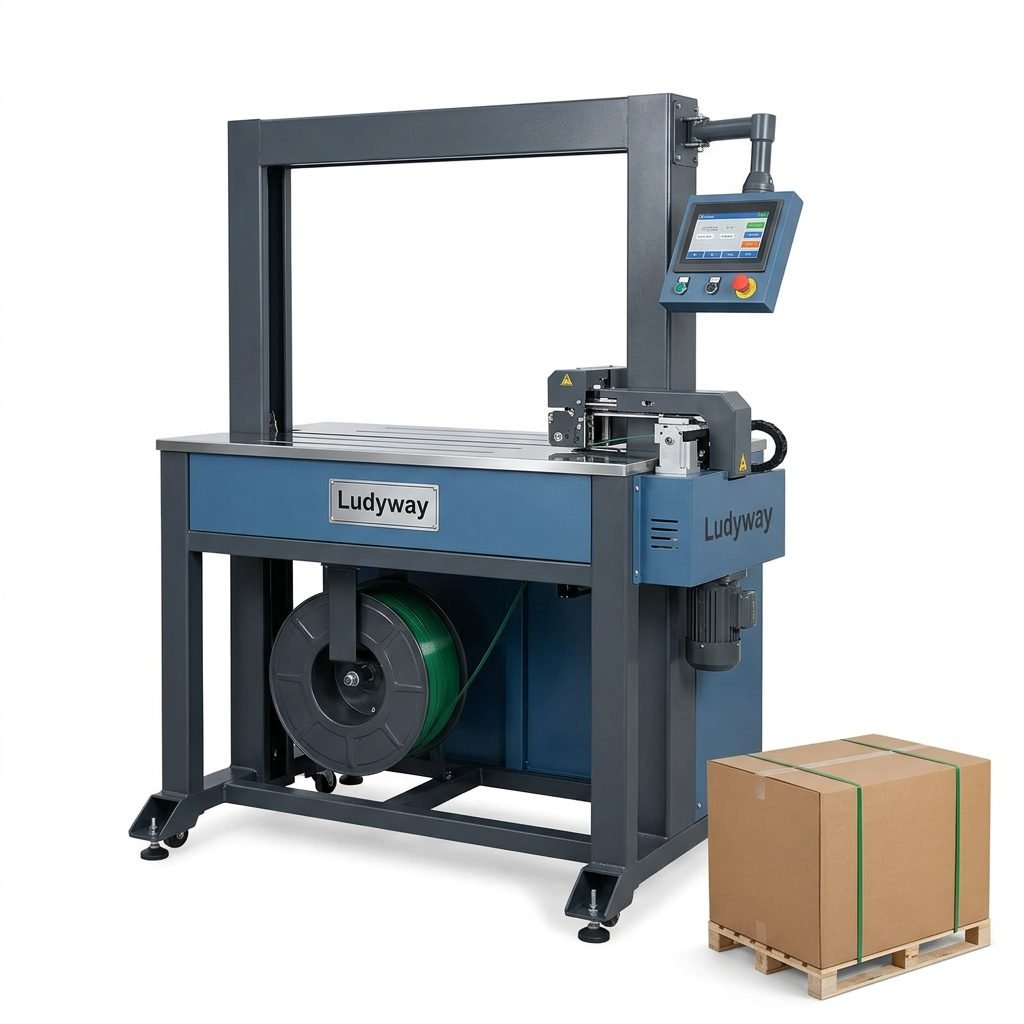
| Fully Automatic Strapping Machines | High-volume production lines | In-line operation; no operator required per cycle | PP, PET |
| Pallet Strapping Machines | Palletized loads, heavy goods | High-tension capability for load stability | PET, steel |
| Arch Strapping Machines | Fixed-position bundling, conveyor integration | Consistent strap placement; compact footprint | PP, PET |
Each category serves a distinct purpose. For example, a distribution center shipping mixed pallets may benefit most from a pallet strapping machine with adjustable tension control, while an e-commerce fulfillment center may find a compact arch strapping machine integrated into their conveyor line more practical. The PMMI packaging industry resources provide additional technical guidance on matching equipment categories to specific applications.
Key Features to Evaluate
Not all packing strap machines are built with the same capabilities. When comparing models, pay close attention to the following technical specifications and features that directly impact performance and reliability.
Tension Control and Consistency
Strap tension is the single most important parameter for load security. Too little tension and your packages may shift during transit; too much and you risk damaging the product or the packaging. Look for machines with adjustable tension settings and, ideally, digital tension readouts that allow operators to set and maintain precise tension levels across every cycle. Advanced models offer electronic tension control with feedback loops that compensate for variations in package dimensions.
Sealing Method
The sealing mechanism affects both strap joint strength and ongoing consumable costs. Common methods include:
- Heat sealing — Most common for PP and PET straps; creates a strong, reliable bond through thermal fusion of strap layers.
- Friction welding — High-frequency vibration generates heat at the strap interface; popular for PET strapping due to excellent joint strength.
- Mechanical sealing — Uses metal seals or clips; typically found in steel strapping applications and heavy-duty industrial settings.
The choice of sealing method should align with your strap material and the load requirements of your shipped products. Flexible Packaging Association industry resources offer detailed comparisons of strap material properties and sealing compatibility.
Arch Size and Clearance
The machine’s arch dimensions determine the maximum package size it can accommodate. Measure your largest typical package and add at least 10-15% clearance to ensure smooth operation. For operations handling multiple package sizes, consider machines with adjustable arch heights or models designed with generous clearance. An undersized arch will create constant jams and operator frustration.
Strap Feeding and Coil Capacity
Frequent strap coil changes reduce productivity. Evaluate the machine’s coil capacity and the ease of loading new coils. Some automatic machines feature dual-coil systems that allow non-stop operation — while one coil is being consumed, the standby coil is ready to feed without interruption. This feature is particularly valuable in high-volume environments where every minute of downtime affects throughput.
Budget and ROI Considerations
The purchase price of a strapping machine is only one component of its total cost of ownership. A comprehensive cost analysis should account for:
- Initial equipment cost — Manual tools may cost a few hundred dollars, while fully automatic in-line systems can range from $5,000 to over $50,000 depending on features and throughput capacity.
- Strap material costs — PP strap is generally the most economical, while PET and steel carry higher per-meter costs but offer superior strength for heavy loads.
- Maintenance and spare parts — Consider the availability of replacement parts, the frequency of scheduled maintenance, and whether the supplier offers service contracts.
- Labor savings — Automating strapping operations can reduce labor requirements by 50-80% compared to manual methods, often delivering full ROI within 12-24 months.
- Energy consumption — Modern servo-driven machines are significantly more energy-efficient than older pneumatic or hydraulic models.
According to the 2025 State of the Industry report from PMMI, packaging machinery investments are increasingly evaluated on total lifecycle cost rather than upfront price alone. This shift reflects a broader industry trend toward long-term operational efficiency over short-term capital savings.
Choosing the Right Supplier
The quality and reliability of your strapping machine depend heavily on the manufacturer you choose. A reputable supplier should provide more than just equipment — they should offer application expertise, installation support, and responsive after-sales service.
Key Supplier Evaluation Criteria
- Industry experience — How long has the manufacturer been producing strapping equipment? Do they understand the specific challenges of your industry?
- Customization capability — Can the supplier configure the machine to your specific package dimensions, strap preferences, and line speed requirements?
- Technical support and training — Does the supplier offer operator training, installation assistance, and ongoing technical support?
- Spare parts availability — Are critical spare parts readily available? What are the typical lead times for replacement components?
- Global service network — For companies with multiple facilities or international operations, a supplier with a broad service presence is advantageous.
- Warranty and service agreements — Review warranty terms carefully and consider whether an extended service agreement aligns with your operational risk profile.
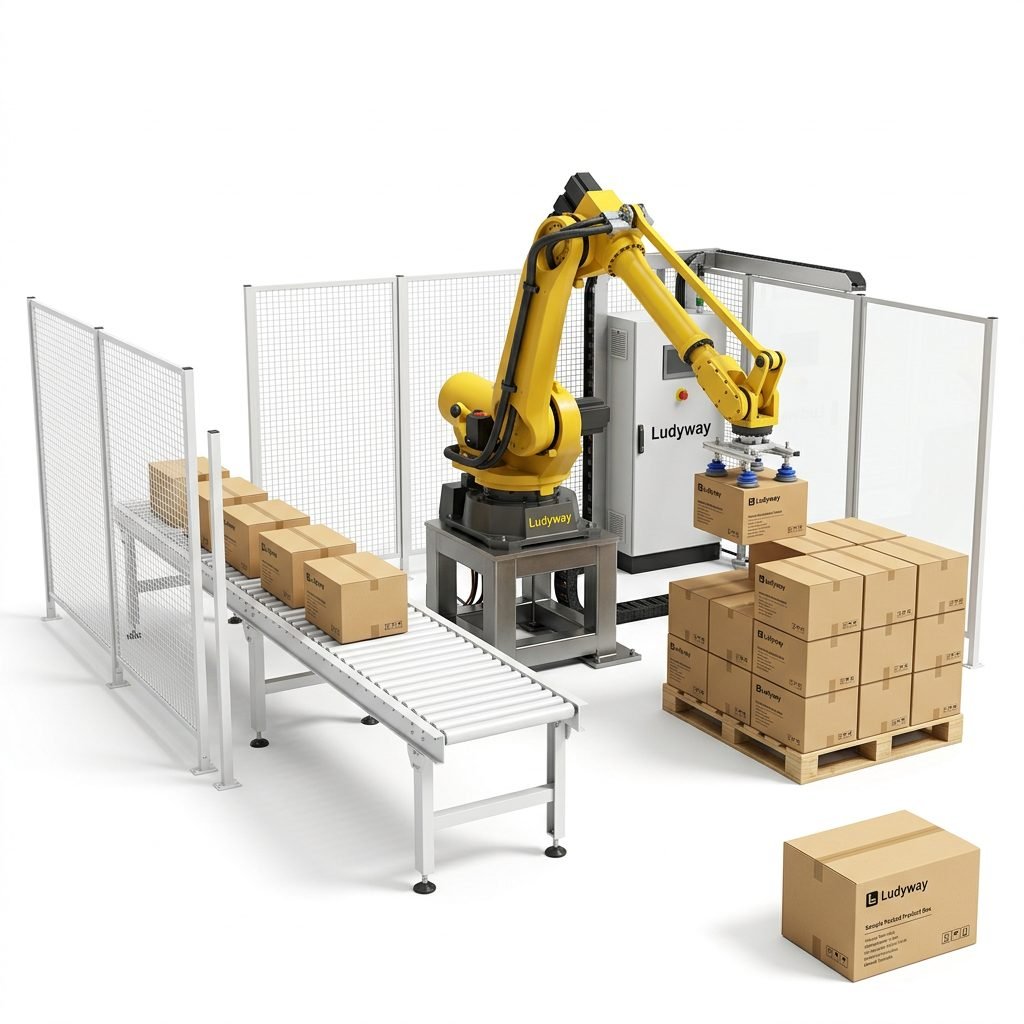
For manufacturers seeking a comprehensive packaging machinery partner, Ludyway Machinery — a China-based packaging machinery manufacturer with more than 30 years of experience — offers automated strapping solutions alongside a broad portfolio of packaging equipment. The company provides customized configurations, integrated packaging systems, and technical support across more than 100 countries, helping manufacturers improve packaging efficiency and operational consistency.
Standards and Compliance
Depending on your industry and target markets, your strapping equipment may need to meet specific safety and quality standards. Relevant certifications can include CE marking for European markets, UL listing for North American electrical safety, and compliance with ISO packaging standards. For pharmaceutical and medical device applications, additional validation requirements may apply. Always confirm that the supplier can provide appropriate documentation and certification for your regulatory environment.
Testing and Validation
Before committing to a machine, request product samples or a live demonstration using your actual packaging materials and products. This step is critical — strap performance can vary significantly based on package surface characteristics, corner configurations, and load composition. Many suppliers offer factory acceptance testing (FAT) or remote video demonstrations to help you validate machine performance against your specific requirements.
Installation, Training, and Ongoing Support
A successful strapping machine implementation extends beyond the equipment purchase. Plan for proper installation, including any necessary modifications to your conveyor systems, power supply, and floor layout. Comprehensive operator training reduces the learning curve and helps prevent common operational errors that can damage the machine or compromise strap quality.
Establish a preventive maintenance schedule from day one. Regular cleaning of the strap path, inspection of heating elements, and lubrication of mechanical components will extend the machine’s service life and maintain consistent performance. Document all maintenance activities and track key performance indicators such as strap break rates, cycle times, and unplanned downtime to identify issues before they affect production.
Final Decision Checklist
To summarize, here is a practical checklist to guide your packing strap machine selection process:
- Define your strap material (PP, PET, or steel) based on load weight, shipping conditions, and sustainability requirements.
- Calculate required throughput — straps per hour, peak demand periods, and future growth projections.
- Confirm machine compatibility with your package dimensions, including minimum and maximum sizes.
- Evaluate sealing technology (heat seal, friction weld, or mechanical) for joint strength and reliability.
- Assess integration requirements — standalone operation versus conveyor line integration.
- Compare total cost of ownership including equipment, consumables, maintenance, and labor.
- Review supplier credentials — industry experience, technical support, spare parts availability, and warranty terms.
- Request product testing with your actual materials before finalizing the purchase.
By following a structured evaluation process and prioritizing features that directly impact your operational efficiency, you can select a strapping machine that delivers reliable performance, reduces packaging costs, and supports your production goals for years to come. For further reading on packaging machinery selection and industry trends, the Flexible Packaging Association and PMMI provide extensive educational resources and market intelligence for packaging professionals.