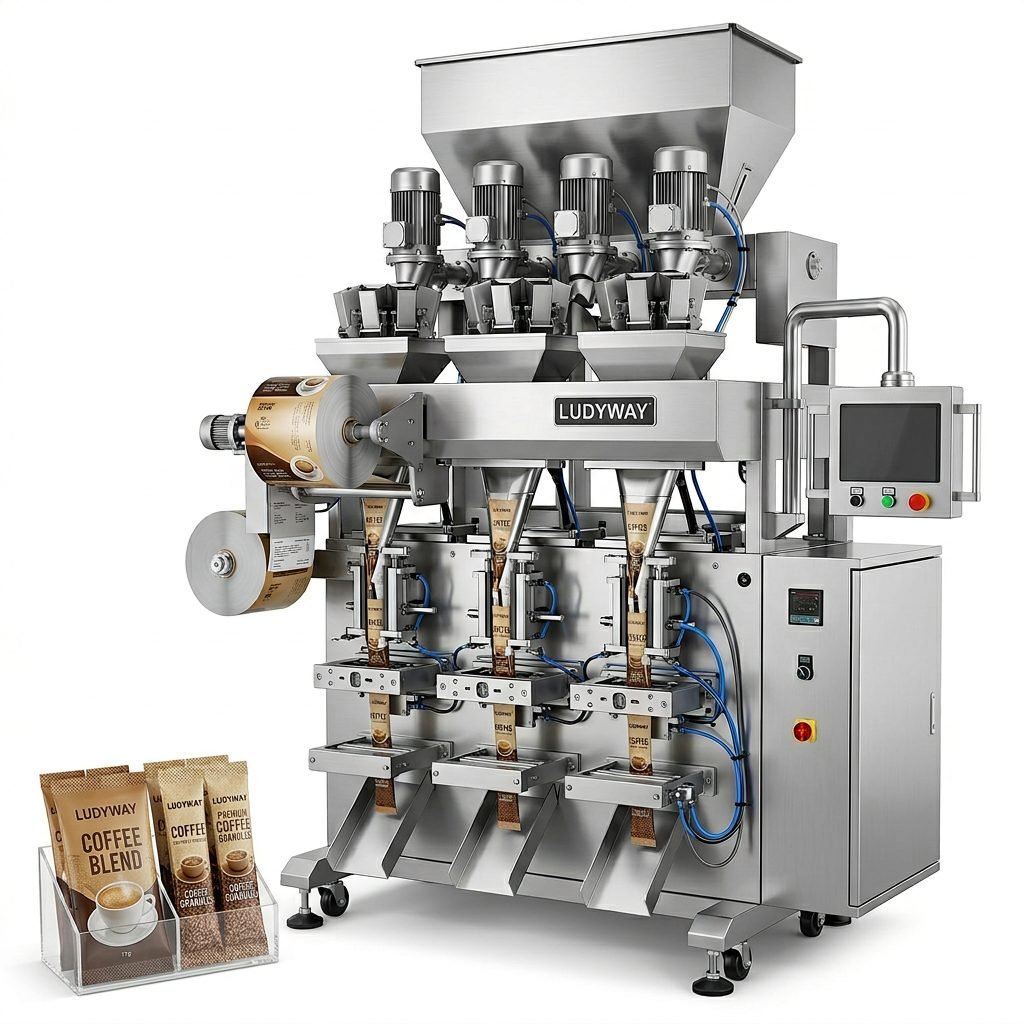
Investing in a candy packing machine is a significant decision that directly impacts your production efficiency, product quality, and bottom line. Whether you are packaging hard candies, gummies, lollipops, chocolates, or toffees, the right equipment can streamline your operations and reduce labor costs. However, with so many options available on the market, identifying the machine that best fits your specific needs requires a systematic approach. This guide walks you through the essential factors to consider before making a purchase.
1. Understand Your Candy Product Characteristics
Not all candies are created equal, and your packaging machine must be compatible with the physical properties of your product. The shape, size, weight, texture, and fragility of your candy will dictate the type of feeding system, handling mechanism, and sealing technology required.
- Hard candies – Typically individually wrapped using twist, fold, or pillow-pack methods. Machines need precise feeding to avoid jams.
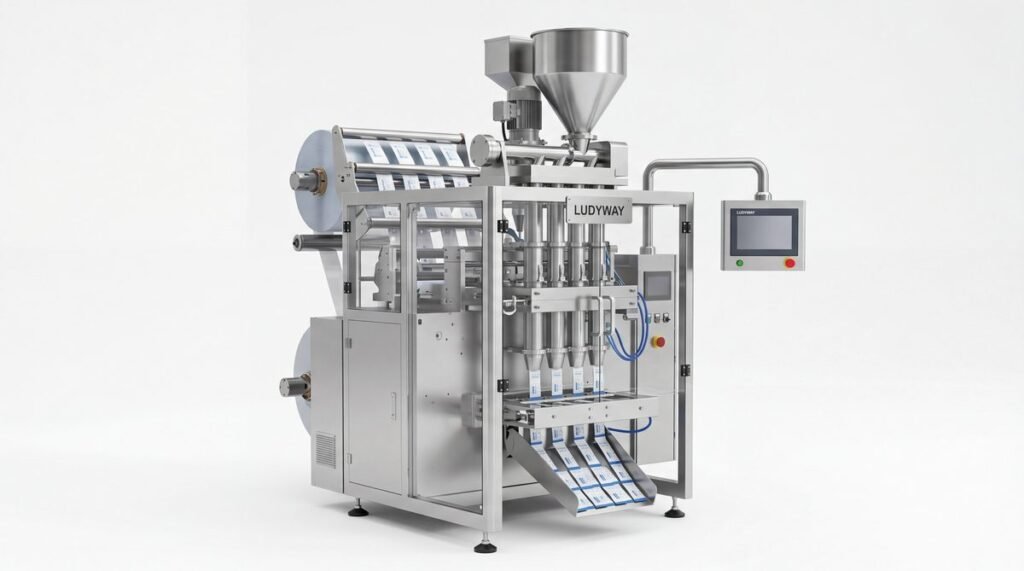
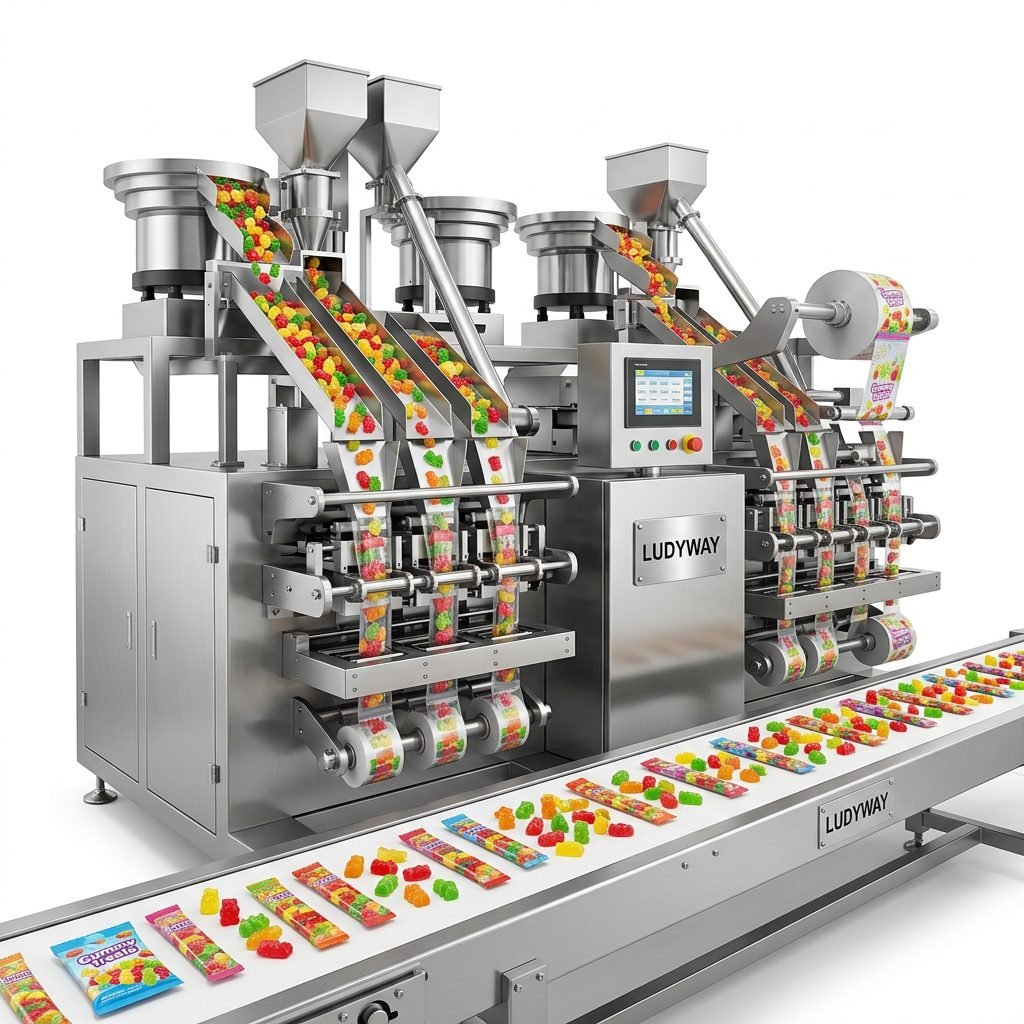
- Gummies and jellies – Often sticky and prone to clumping. Multi-lane stick pack or sachet machines with non-stick surfaces work best.
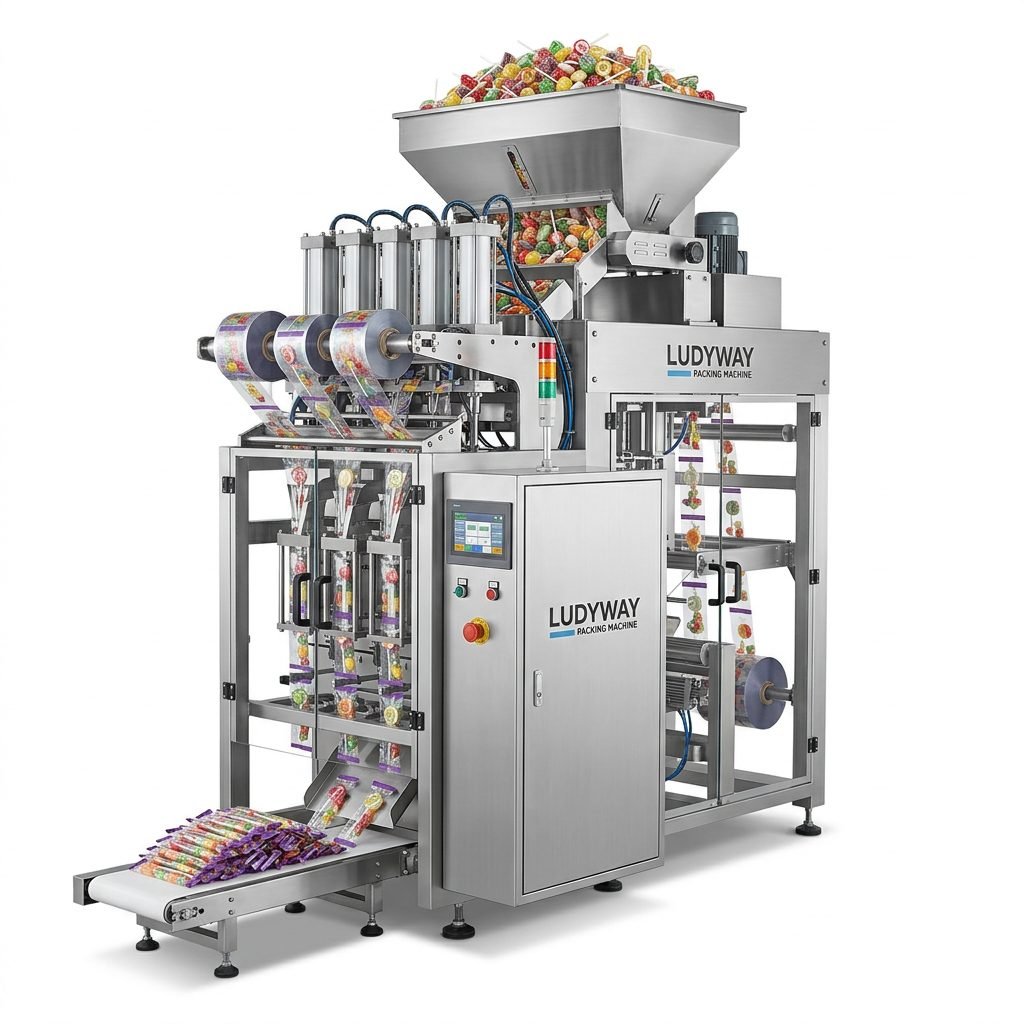
- Lollipops – Require specialized wrapping heads that can accommodate the stick while sealing the candy head securely.
- Chocolates and truffles – Temperature-sensitive items demand gentle handling and sometimes modified atmosphere packaging (MAP) for extended shelf life.
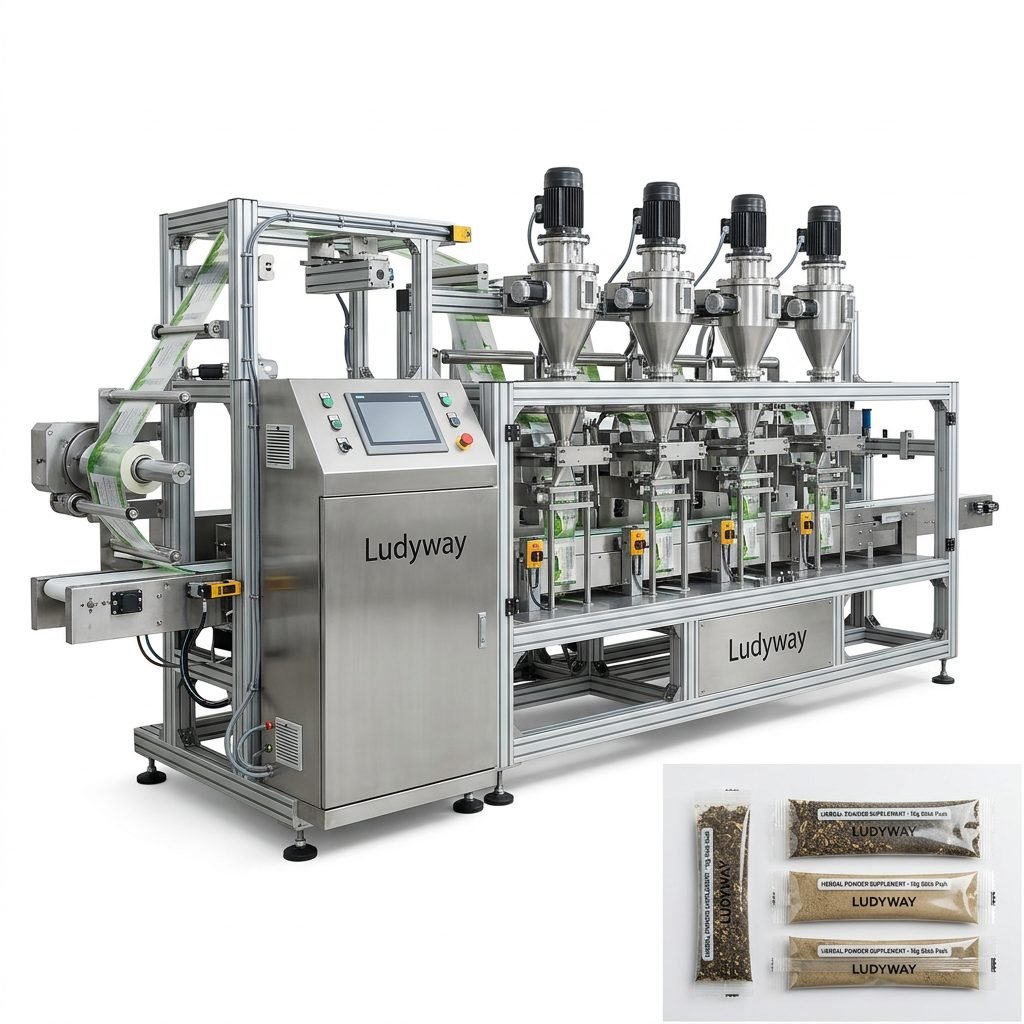
- Powder-based candies – Products like drink mixes or effervescent candy powders are best handled by vertical form-fill-seal (VFFS) or multi-lane sachet machines.
Before contacting any packaging machinery supplier, prepare a detailed specification sheet covering your product dimensions, production volume, and packaging material preferences.
2. Determine Your Required Production Speed and Capacity
Production speed is measured in pieces per minute (ppm) or packs per minute, and it is one of the most critical specifications to evaluate. Your required output will depend on your current and projected market demand. Entry-level machines may handle 30–100 ppm, while high-speed industrial systems can exceed 1,000 ppm across multiple lanes.
When calculating capacity, consider:
- Current daily output – What is your peak production requirement per shift?
- Future growth – Will you need to scale up within the next 3–5 years?
- Changeover frequency – If you run multiple candy SKUs, look for machines with quick-change features and tool-less adjustments.
According to PMMI packaging industry data, manufacturers increasingly prioritize flexibility and rapid changeover capabilities to accommodate shorter production runs and diversified product lines.
3. Choose the Right Packaging Format and Bag Style
The packaging format you select affects not only machine choice but also shelf presence, consumer convenience, and material costs. Common candy packaging formats include:
| Packaging Format | Best Suited For | Key Advantages |
|---|---|---|
| Pillow Pack / Flow Wrap | Hard candies, chocolate bars, toffees | High speed, cost-effective, excellent barrier properties |
| Twist Wrap | Hard candies, caramels | Traditional appearance, easy consumer opening |
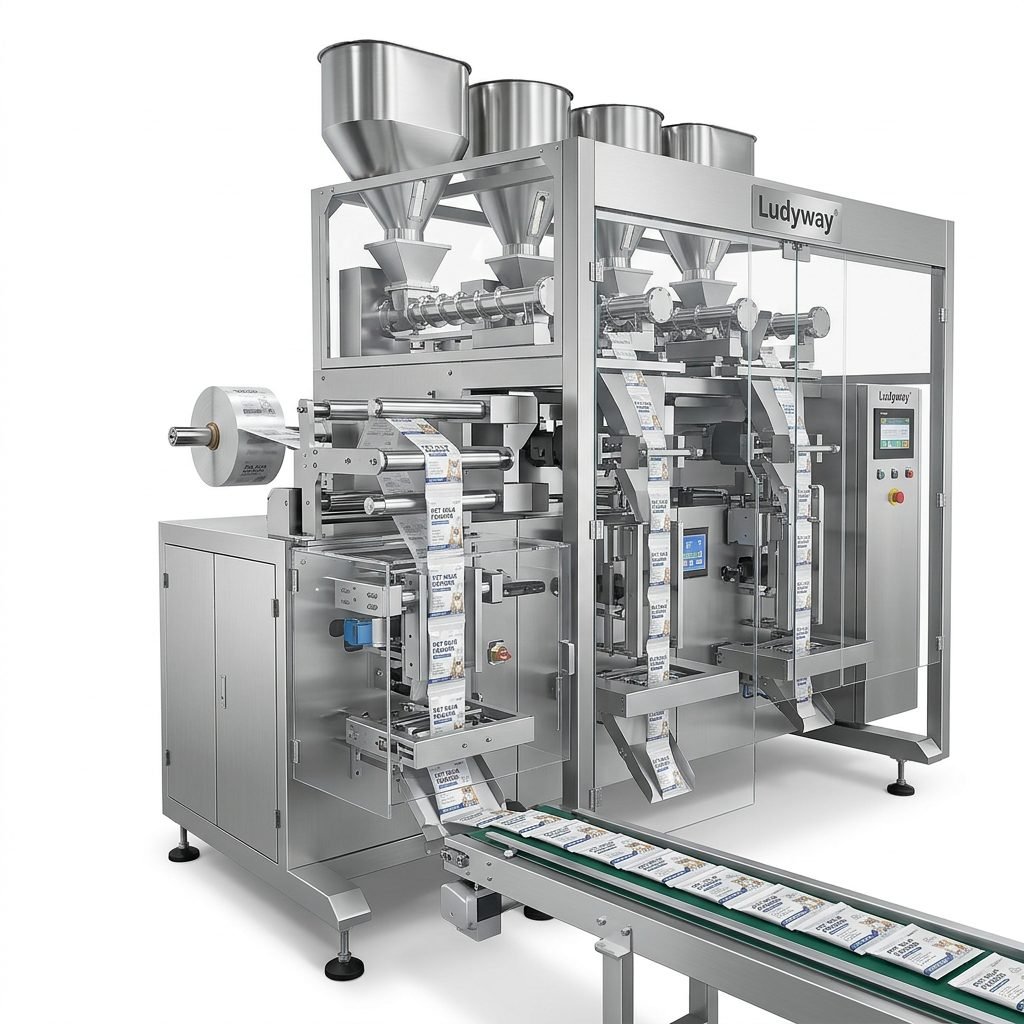
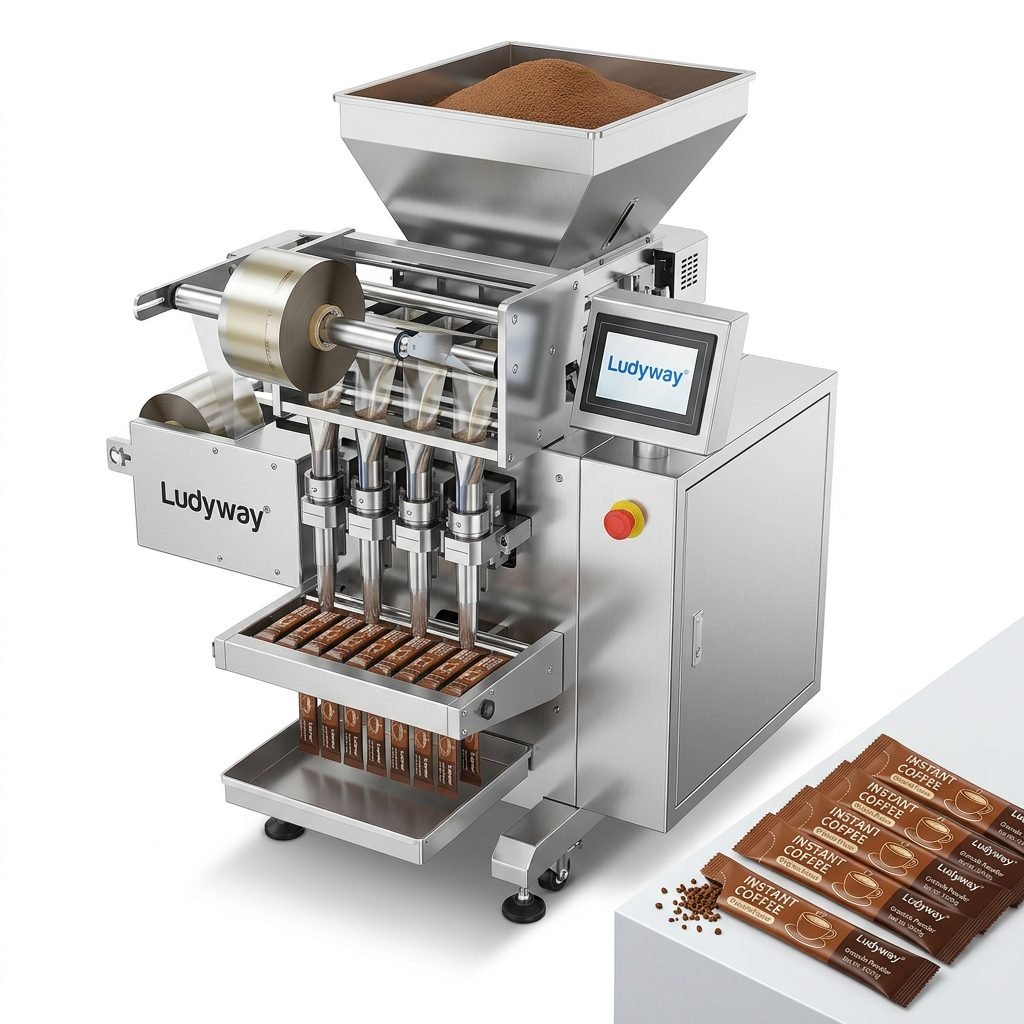
| Stick Pack / Sachet | Powdered candies, gummies, mints | Portion control, multi-lane high output, compact footprint |
| Stand-Up Pouch | Gummies, jellies, premium chocolates | Excellent shelf visibility, resealable options |
| Double Twist / Bunch Wrap | Hard candies, lollipops | Classic candy shop appearance, festive appeal |
When selecting your packaging format, also factor in flexible packaging material compatibility. Some films and laminates work better with heat-seal systems, while others require ultrasonic or cold-seal technology.
4. Evaluate Automation Level and Integration Needs
Modern candy packaging lines range from semi-automatic tabletop units to fully integrated turnkey systems. Your choice should align with your labor availability, budget, and factory layout.
- Semi-automatic machines – Require manual product feeding but automate the wrapping or sealing process. Suitable for startups and small-batch producers.
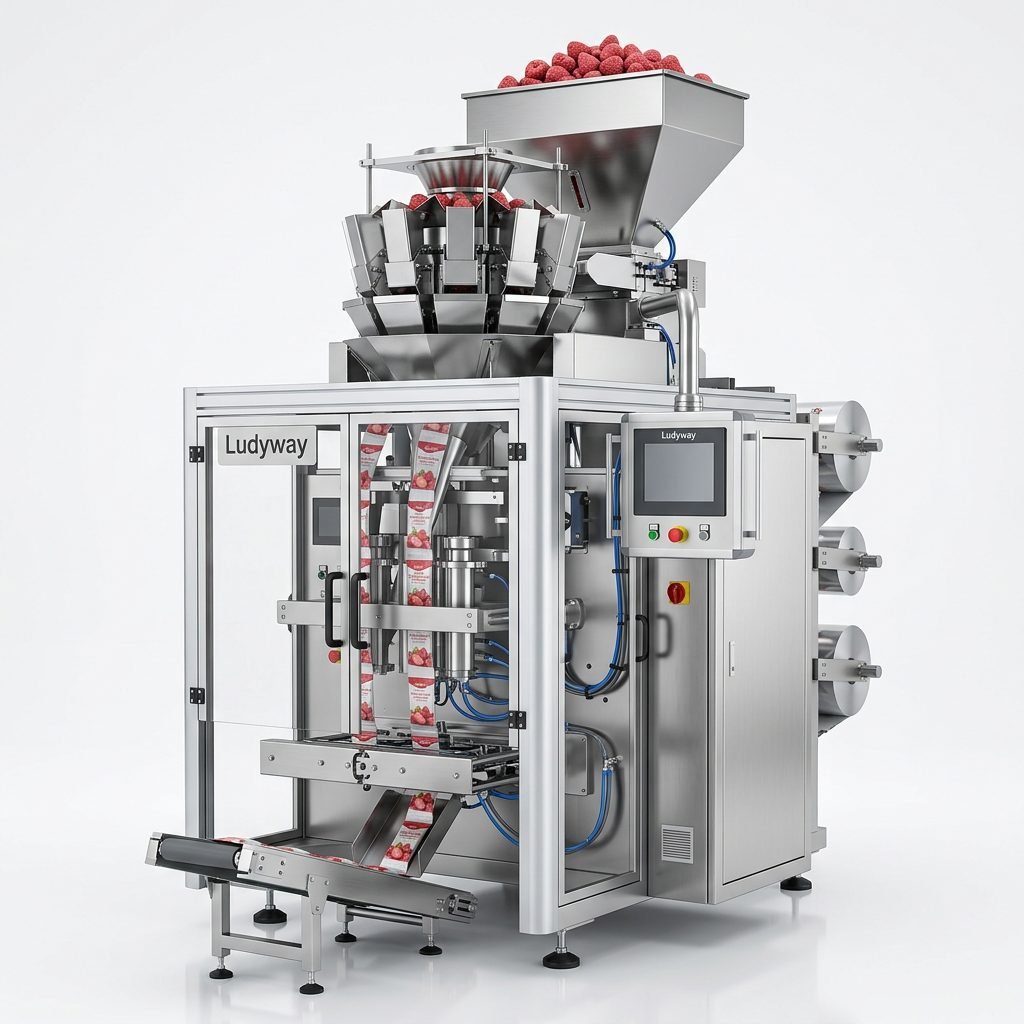
- Fully automatic machines – Handle product feeding, wrapping, sealing, coding, and discharge without operator intervention. Ideal for medium to high-volume production.
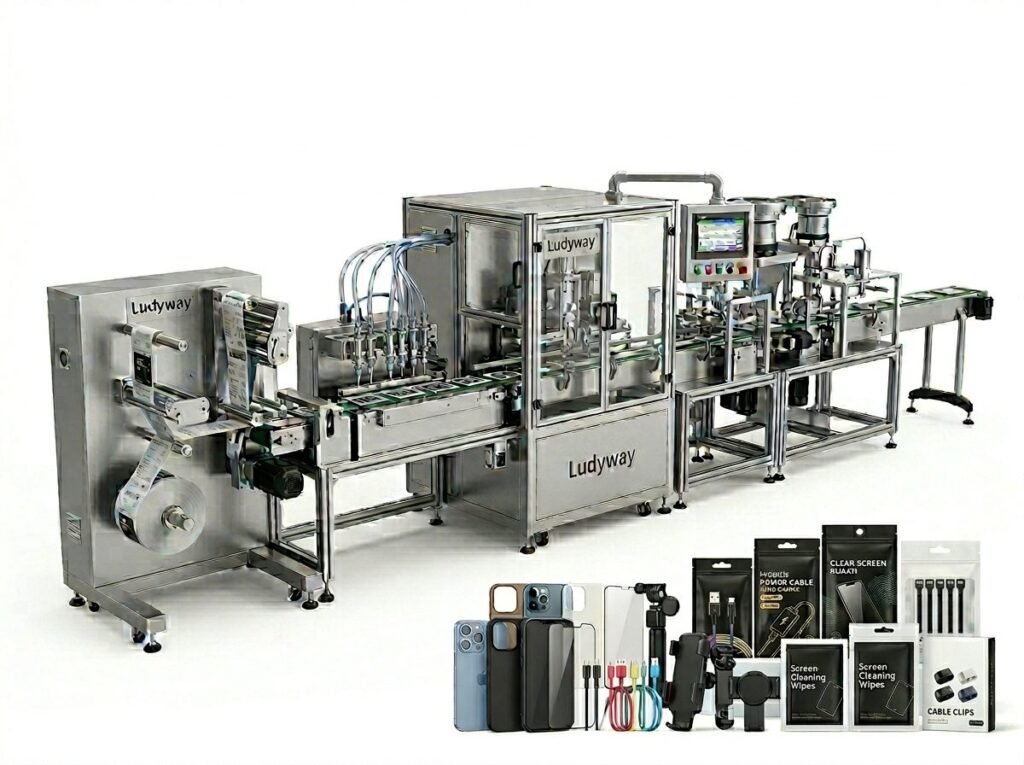
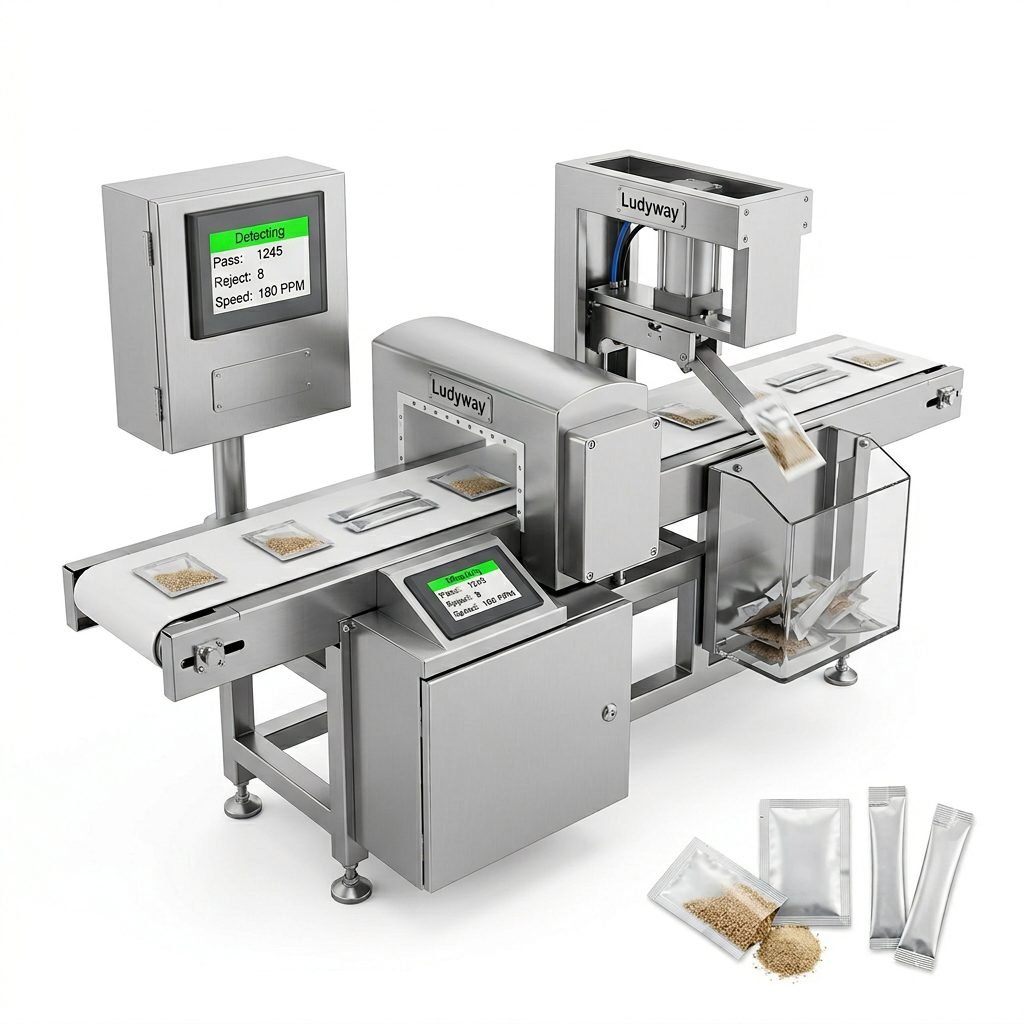
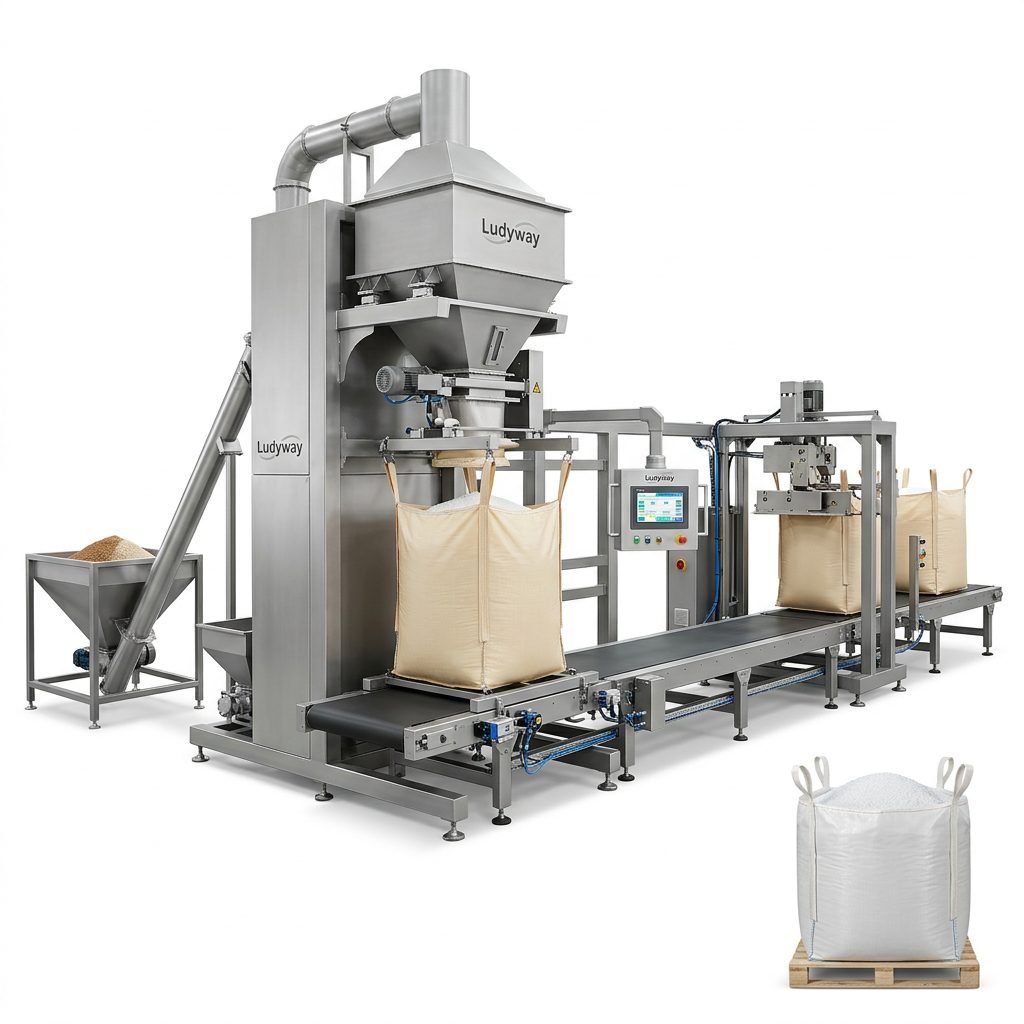
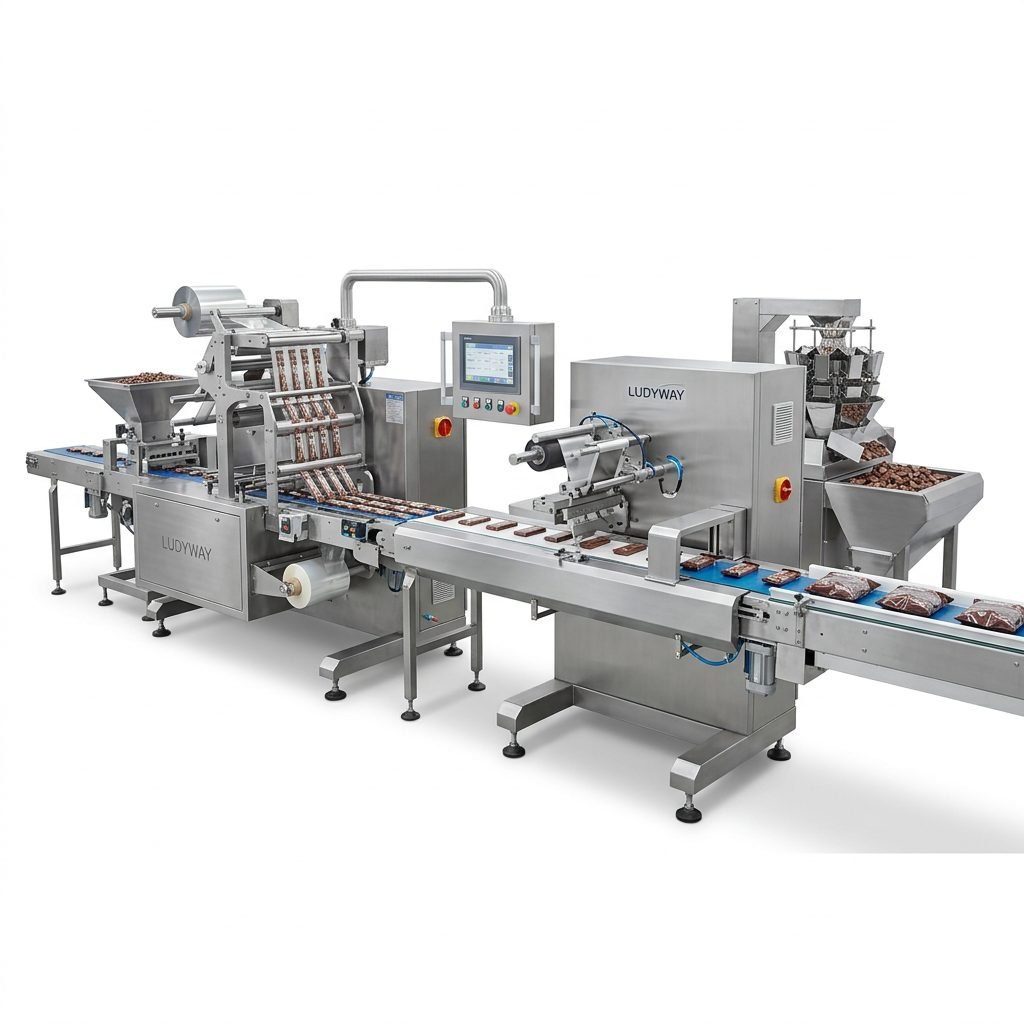
- Integrated packaging lines – Connect multiple stages including feeding, weighing, filling, sealing, checkweighing, metal detection, coding, cartoning, and palletizing into one seamless system.
A well-designed automated line can reduce labor costs by up to 60% while improving consistency and hygiene standards. For manufacturers looking at complete turnkey packaging solutions, working with an experienced packaging machinery partner that offers engineering, installation, and after-sales support under one roof can simplify project management significantly.
5. Consider Material Compatibility and Sealing Technology
The sealing system is the heart of any candy packing machine. The type of film or laminate you use—whether it is polypropylene (PP), polyethylene (PE), metallized film, paper-based material, or biodegradable options—must be compatible with the machine’s sealing mechanism.
| Sealing Technology | Material Compatibility | Best Applications |
|---|---|---|
| Heat Sealing | Thermoplastic films (PP, PE, laminated films) | Most common for flow wrap and pillow pack applications |
| Cold Sealing | Pressure-sensitive coated films | Heat-sensitive products like chocolates |
| Ultrasonic Sealing | Various films including some biodegradable materials | Clean seal, reduced energy consumption, no heat damage |
| Twist Wrapping | Wax paper, cellophane, twist film | Hard candies and toffees with traditional presentation |
Always request sample testing with your actual product and preferred packaging material before finalizing a machine purchase. This helps identify potential issues early and ensures the equipment performs as expected under real production conditions.
6. Assess Hygiene, Cleanability, and Compliance Requirements
Food safety regulations demand that candy packaging equipment meets strict hygiene standards. Machines should be constructed with food-grade stainless steel contact parts, have minimal crevices where product residue can accumulate, and support easy cleaning and sanitation procedures. Depending on your market, you may need equipment that complies with FDA food packaging regulations, EU directives, or other regional standards.
Key hygiene features to look for include:
- Stainless steel construction for all product contact surfaces
- Tool-free disassembly for rapid cleaning and changeover
- IP-rated electrical enclosures for washdown environments
- Closed-frame design to prevent contamination from lubricants
- Validated sanitation protocols and documentation support
7. Budget Planning and Total Cost of Ownership
The purchase price of a candy packing machine is only one part of the overall investment. A comprehensive cost analysis should account for the total cost of ownership (TCO) over the machine’s expected lifespan. Beyond the initial capital expenditure, consider the following recurring and hidden costs:
- Consumables – Packaging film, sealing components, lubricants, and wear parts
- Energy consumption – Electrical and compressed air requirements
- Maintenance and spare parts – Availability, cost, and lead time for replacement components
- Operator training – Initial and ongoing training requirements
- Downtime costs – Lost production during maintenance or repairs
- Technical support – Availability of remote assistance and on-site service
8. Machine Footprint and Factory Integration
The physical dimensions of your candy packing machine must fit within your existing or planned production floor layout. Measure available space carefully, including clearance for operator access, material loading, maintenance, and integration with upstream and downstream equipment such as feeders, conveyors, checkweighers, and cartoners.
Some multi-lane stick pack and sachet machines offer a compact vertical design that can significantly reduce floor space requirements while delivering high output through parallel lane operation. This is particularly valuable for manufacturers in regions where factory space comes at a premium.
9. Supplier Evaluation and After-Sales Support
Choosing the right equipment is only half the equation; selecting the right supplier is equally important. A reliable packaging machinery manufacturer should offer comprehensive support throughout the equipment lifecycle. Evaluate potential suppliers based on:
- Industry experience – How many years has the supplier been manufacturing candy packaging equipment?
- Engineering capabilities – Can they customize machines to your specific product and packaging requirements?
- Service network – Do they provide technical support, spare parts, and field service in your region?
- Client references – Can they provide case studies or testimonials from similar candy manufacturers?
- Certifications – Does their equipment meet applicable international standards for safety and quality?
Companies like Ludyway Machinery, with over 30 years of experience in manufacturing automated packaging equipment and turnkey solutions, exemplify the kind of comprehensive partner that can support manufacturers from machine selection through installation, commissioning, and long-term technical service. With a 20,000-square-meter facility, more than 130 professionals, and a portfolio of over 50 packaging machine models, experienced manufacturers can provide customized configurations tailored to specific candy products and production goals.

10. Testing, Validation, and Final Decision
Before signing a purchase agreement, insist on a factory acceptance test (FAT) using your actual product samples and packaging materials. This hands-on evaluation reveals how the machine handles your specific candy under production-like conditions. Key performance indicators to monitor during testing include:
- Actual output speed versus rated capacity
- Seal integrity and package appearance quality
- Product waste and film waste rates
- Changeover time between different product formats
- Noise levels and operator ergonomics
- Ease of cleaning and maintenance access
A thorough testing process reduces the risk of post-installation surprises and ensures the machine meets your operational expectations from day one. Combined with a clear understanding of the factors outlined in this guide—from product characteristics and packaging format to automation level and supplier capability—you will be well-positioned to select the right candy packing machine that supports your production goals and business growth for years to come.