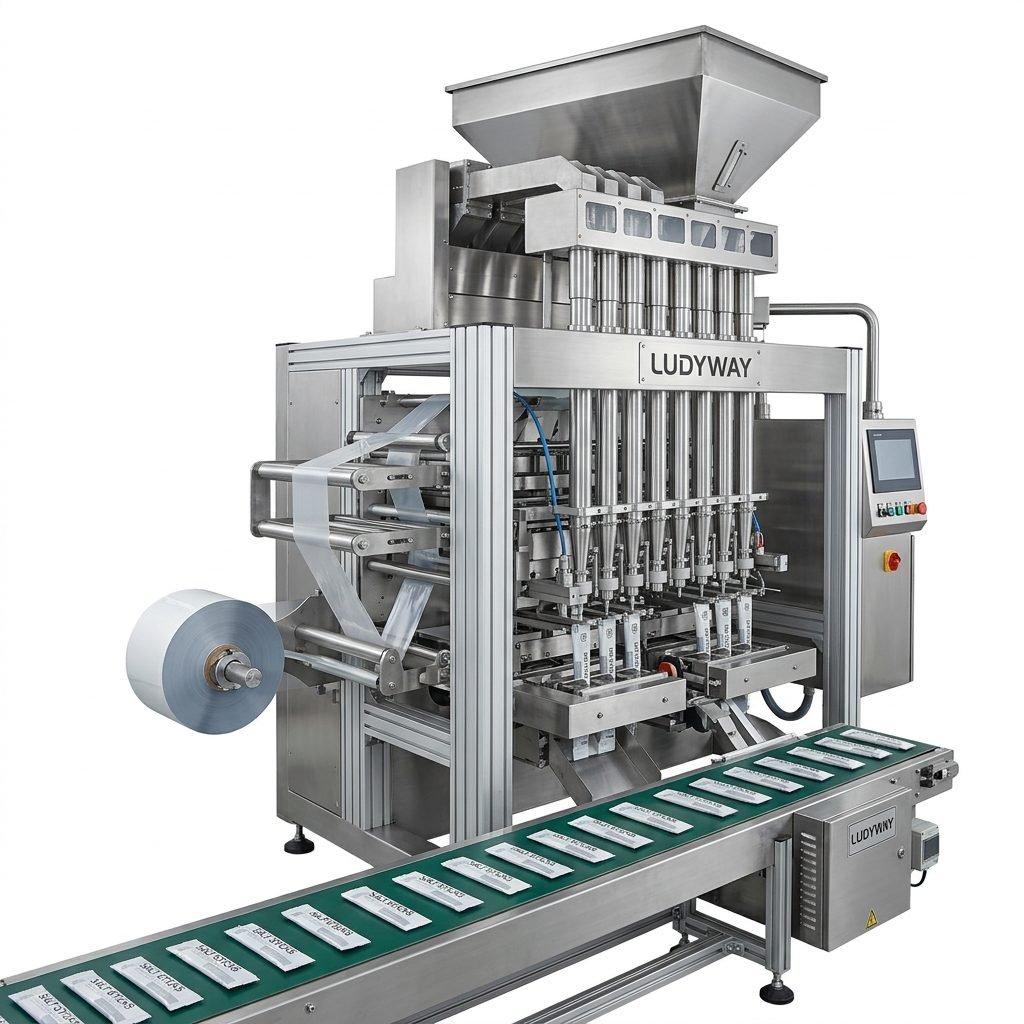
Asia has rapidly emerged as the global hub for food and condiment manufacturing, driven by rising consumer demand across both domestic and international markets. From soy sauce and chili paste to ketchup and ready-to-cook meal sauces, the variety of liquid and semi-liquid condiments produced in the region is staggering. For manufacturers looking to scale operations, setting up a sauce packaging machine production line requires careful planning, technical insight, and strategic partnerships. This guide walks you through the essential steps to successfully establish a fully operational sauce packaging line in Asia.
According to the latest State of the Industry reports from PMMI, the Asia-Pacific packaging machinery market continues to outpace global averages, with flexible packaging formats such as sachets, stick packs, and spouted pouches leading the growth curve. Understanding these market dynamics is critical before investing in equipment.
Understanding the Asian Sauce Market Landscape
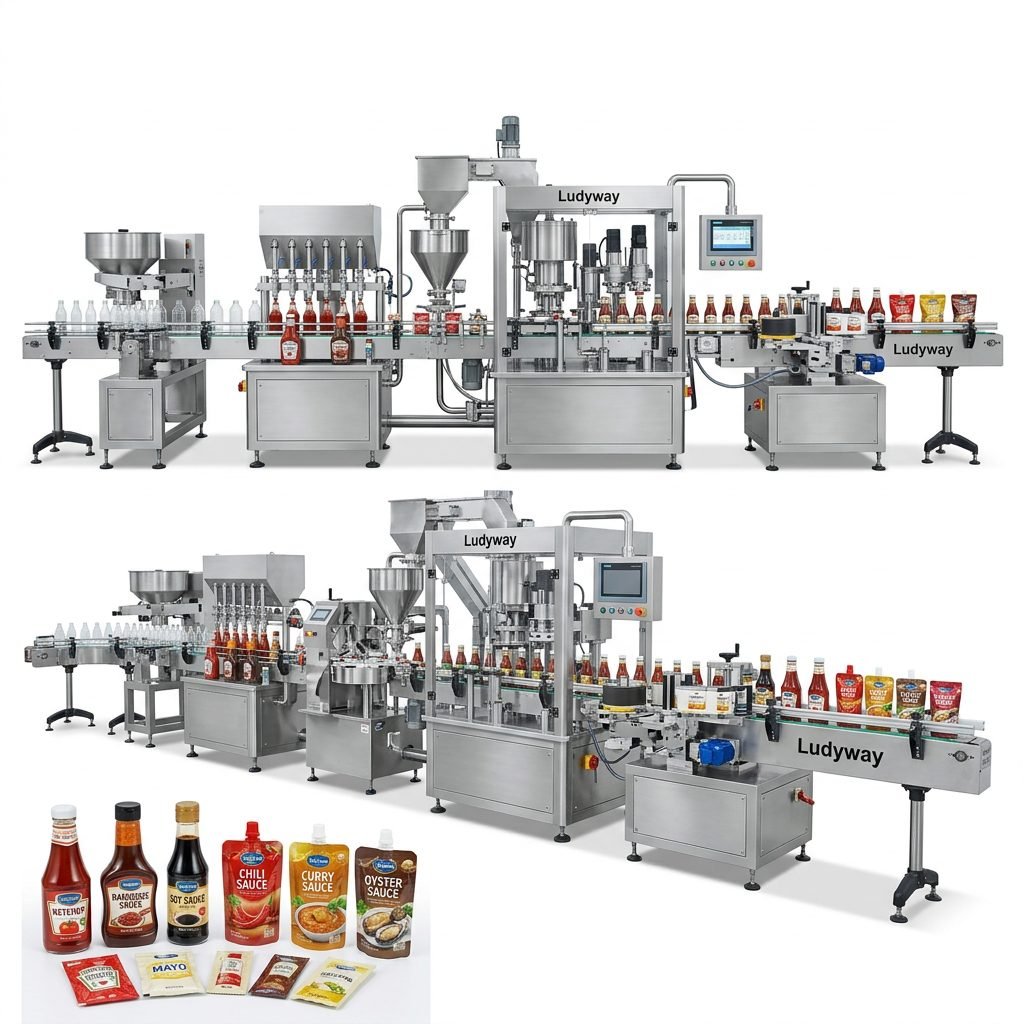
Before procuring machinery, manufacturers must analyze the specific segment they intend to serve. The Asian sauce market is broadly categorized into:
- Traditional fermented sauces – Soy sauce, fish sauce, oyster sauce, and hoisin sauce, which dominate East and Southeast Asian cuisines.
- Chili-based condiments – Sambal, Sriracha, chili garlic paste, and regional hot sauces with rapidly growing export demand.
- Western-style sauces – Ketchup, mayonnaise, mustard, and BBQ sauces produced for both domestic consumption and international food service chains.
- Ready-to-cook and simmer sauces – Curry pastes, stir-fry sauces, and meal kits that are gaining traction in convenience-driven urban markets.
Each category presents unique viscosity, particulate content, and shelf-life requirements that directly influence packaging machine selection. The Flexible Packaging Association notes that sauce products increasingly demand high-barrier laminate films to extend ambient shelf life without preservatives.
Step 1: Define Your Product Specifications and Packaging Format
The foundation of any successful production line is a clear definition of product parameters. Sauce manufacturers must document the following before approaching equipment suppliers:
- Viscosity range – Is the product free-flowing like soy sauce, semi-viscous like ketchup, or paste-like like chili bean paste?
- Particulate content – Does the sauce contain seeds, herb flakes, vegetable chunks, or other solid inclusions?
- Fill temperature – Will the product be hot-filled (above 85°C), warm-filled, or cold-filled?
- Target packaging format – Single-serve sachets, multi-lane stick packs, stand-up pouches, pillow pouches, or rigid bottles.
- Desired output volume – How many units per minute, per shift, or per day does the operation require?
- Shelf-life expectations – Ambient, refrigerated, or frozen distribution chains.
Clarity on these parameters prevents costly mismatches between product characteristics and machine capabilities. For instance, a piston filler excels with thick chili pastes, while a flow meter or servo-driven pump may be optimal for thin soy sauce applications.
Step 2: Select the Right Sauce Packaging Machine Configuration
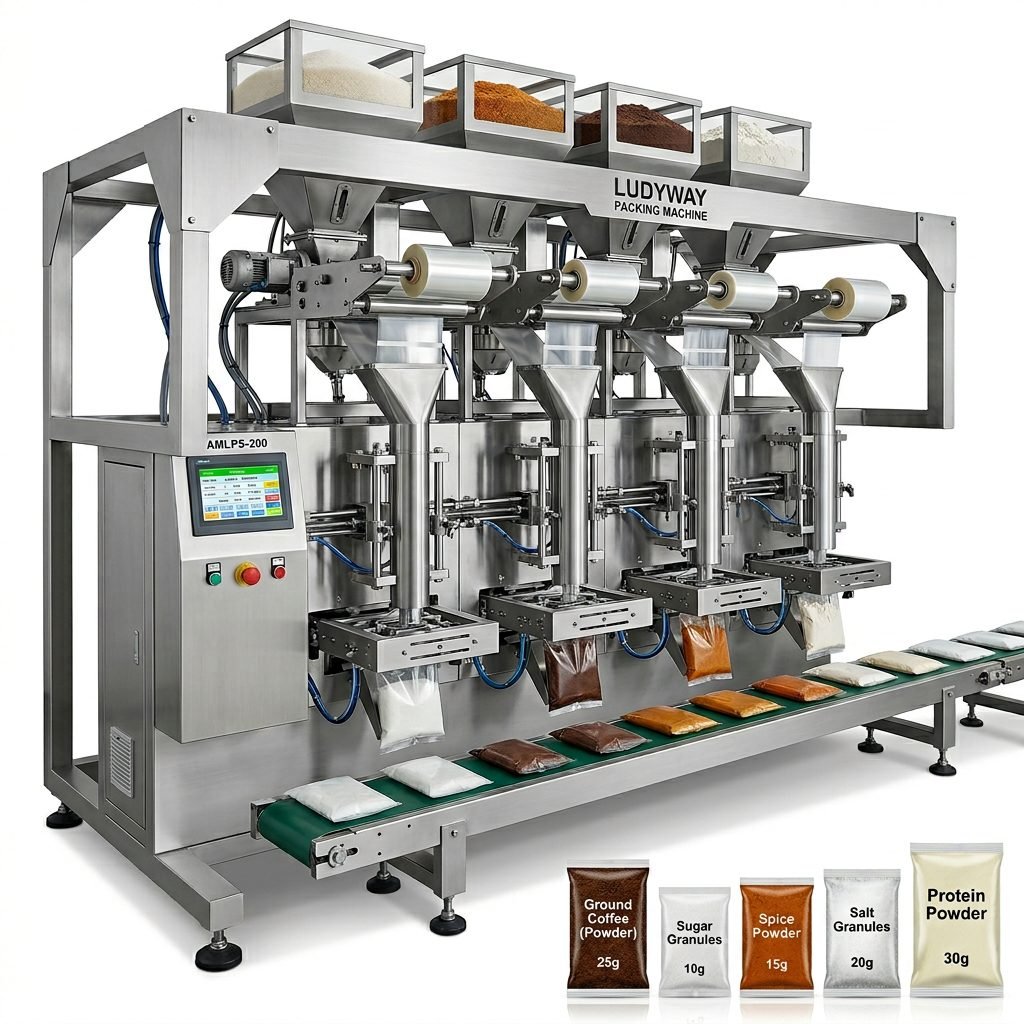
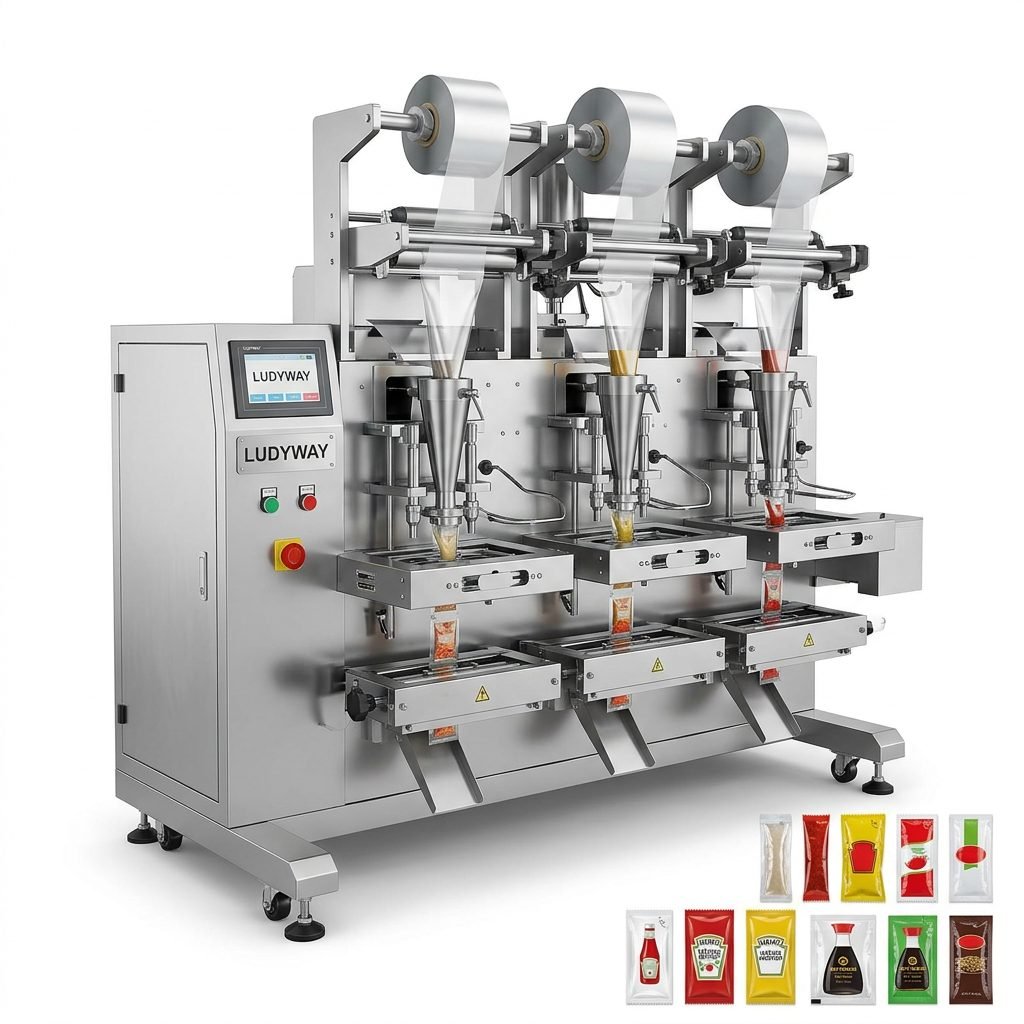
Choosing the correct machine type is arguably the most consequential decision in the entire setup process. The table below summarizes the primary machine configurations suitable for sauce packaging lines in Asia:
| Machine Type | Best For | Typical Speed Range | Key Advantage |
|---|---|---|---|
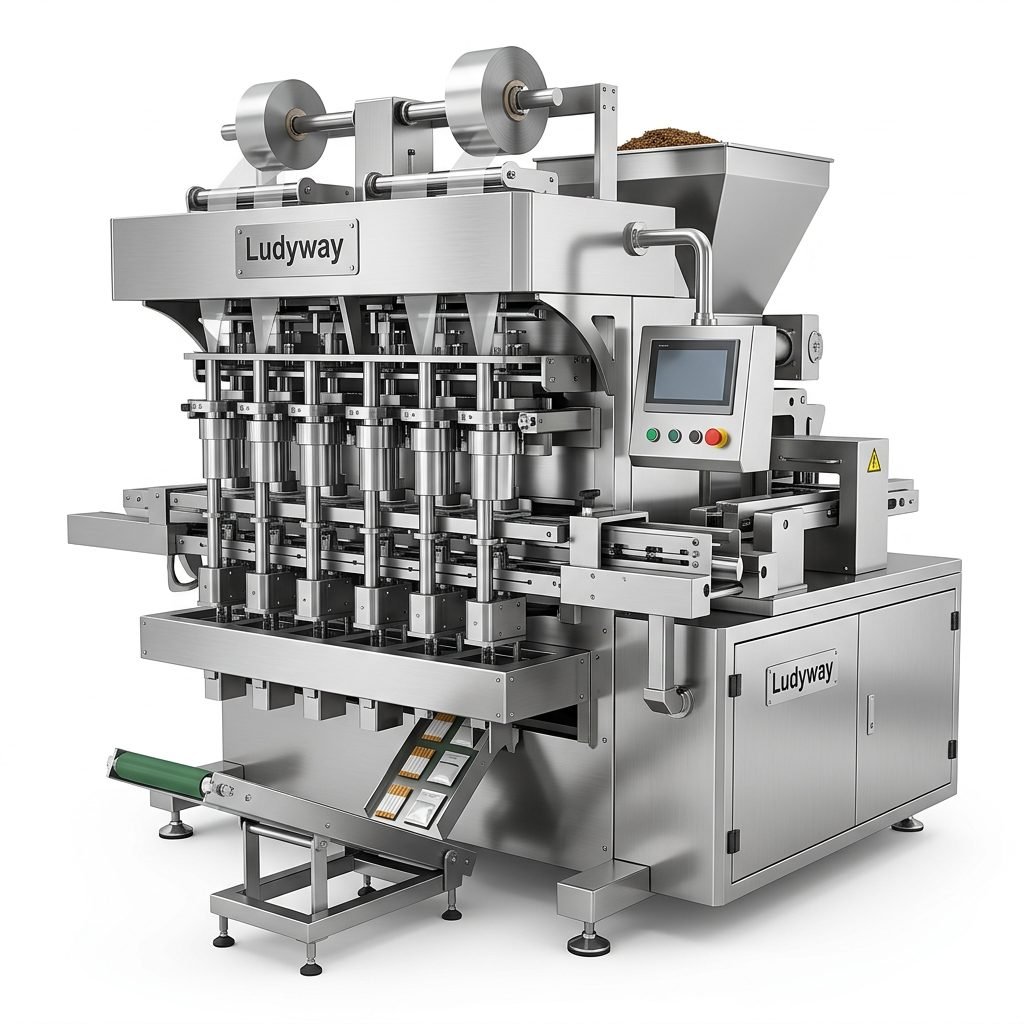
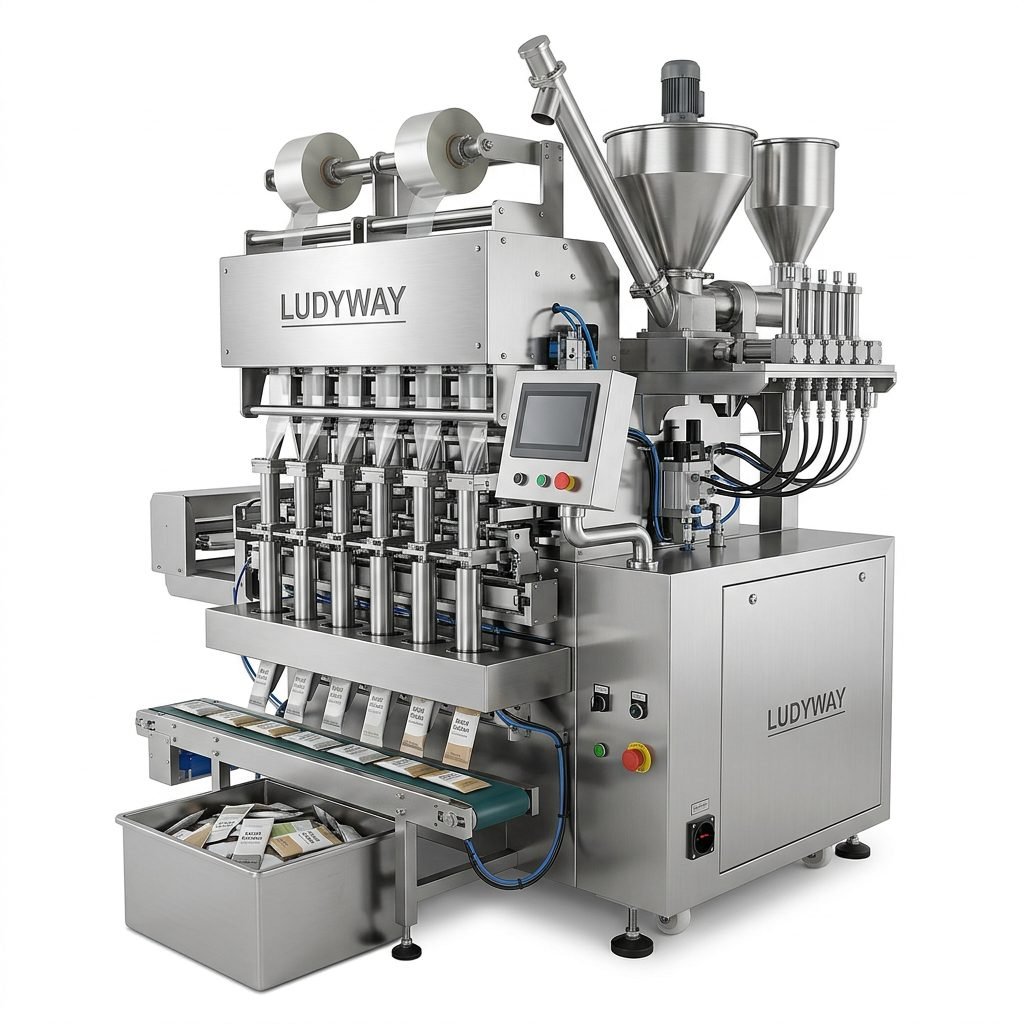
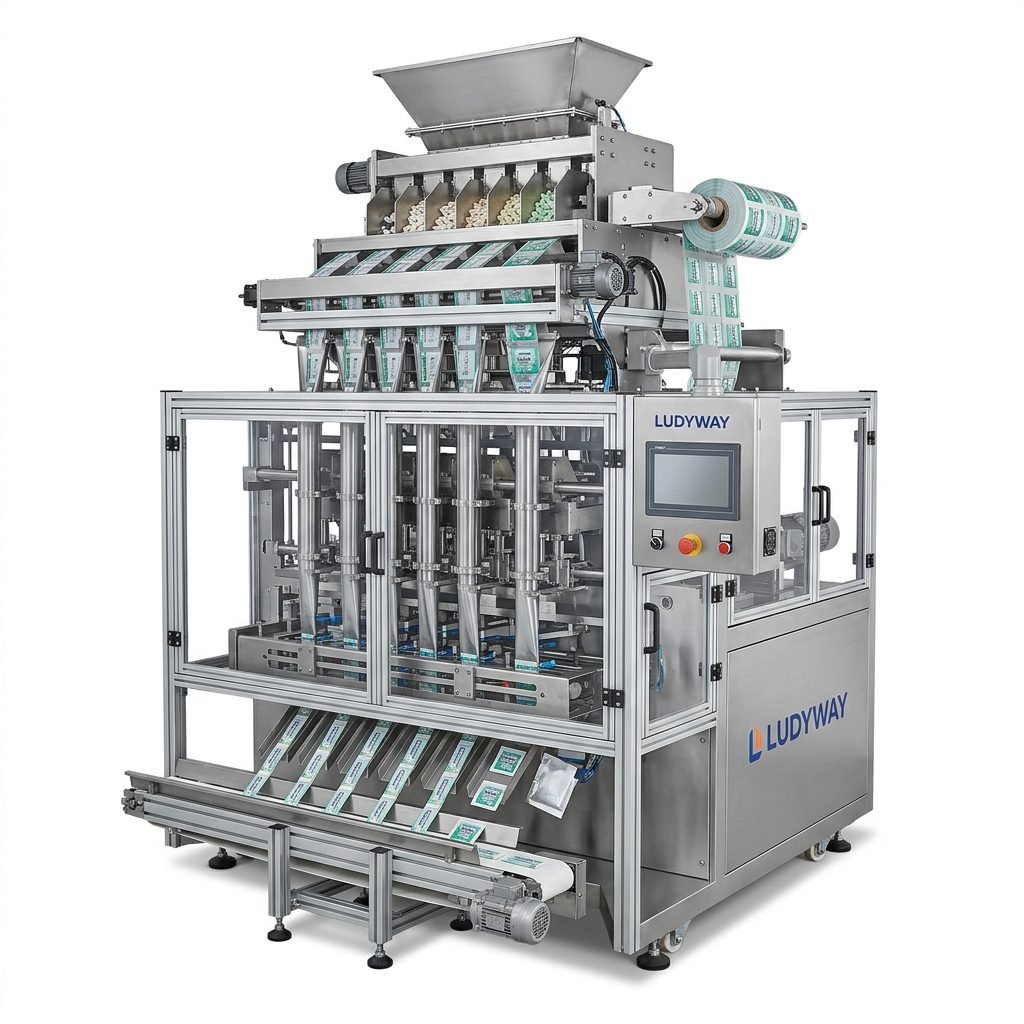
| Multi-Lane Sachet Machine | Single-serve ketchup, soy sauce, chili sauce | 400–1,200 packs/min | Ultra-high output for HORECA portions |
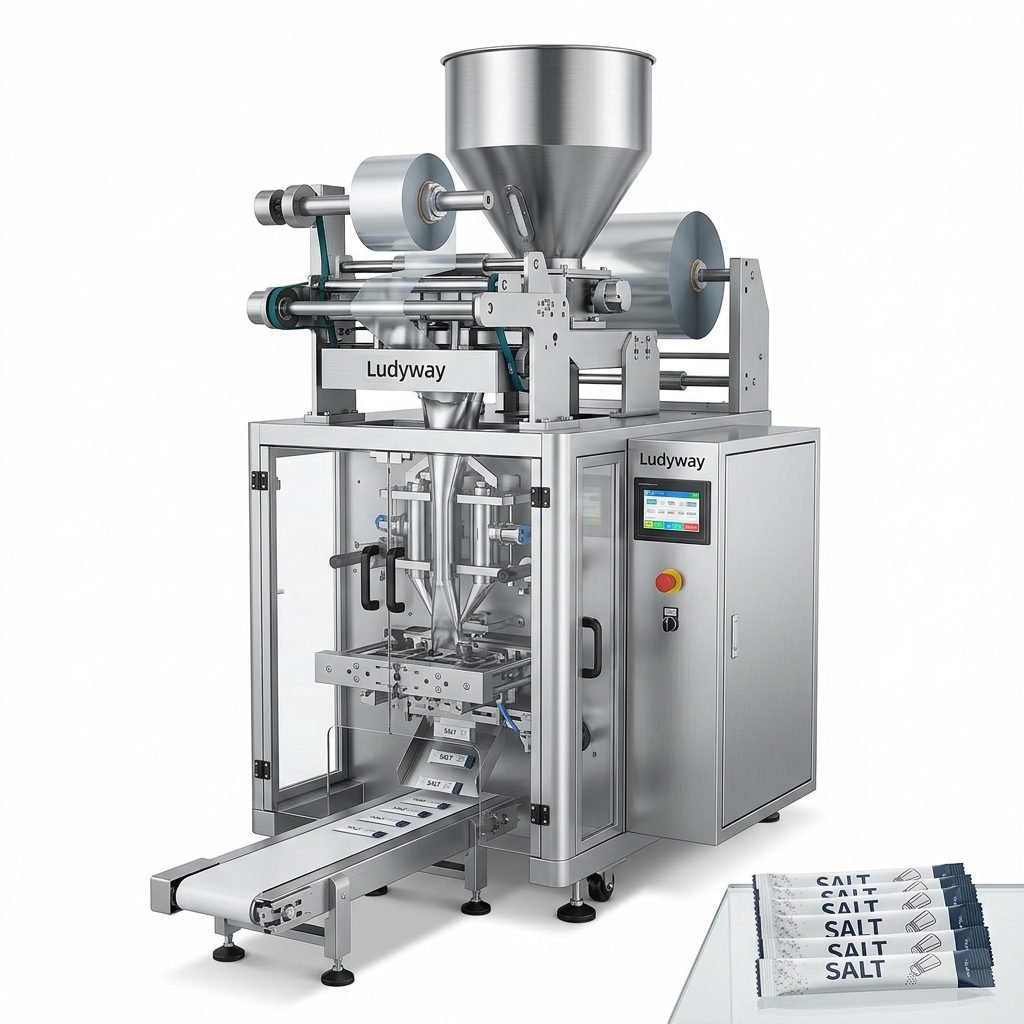
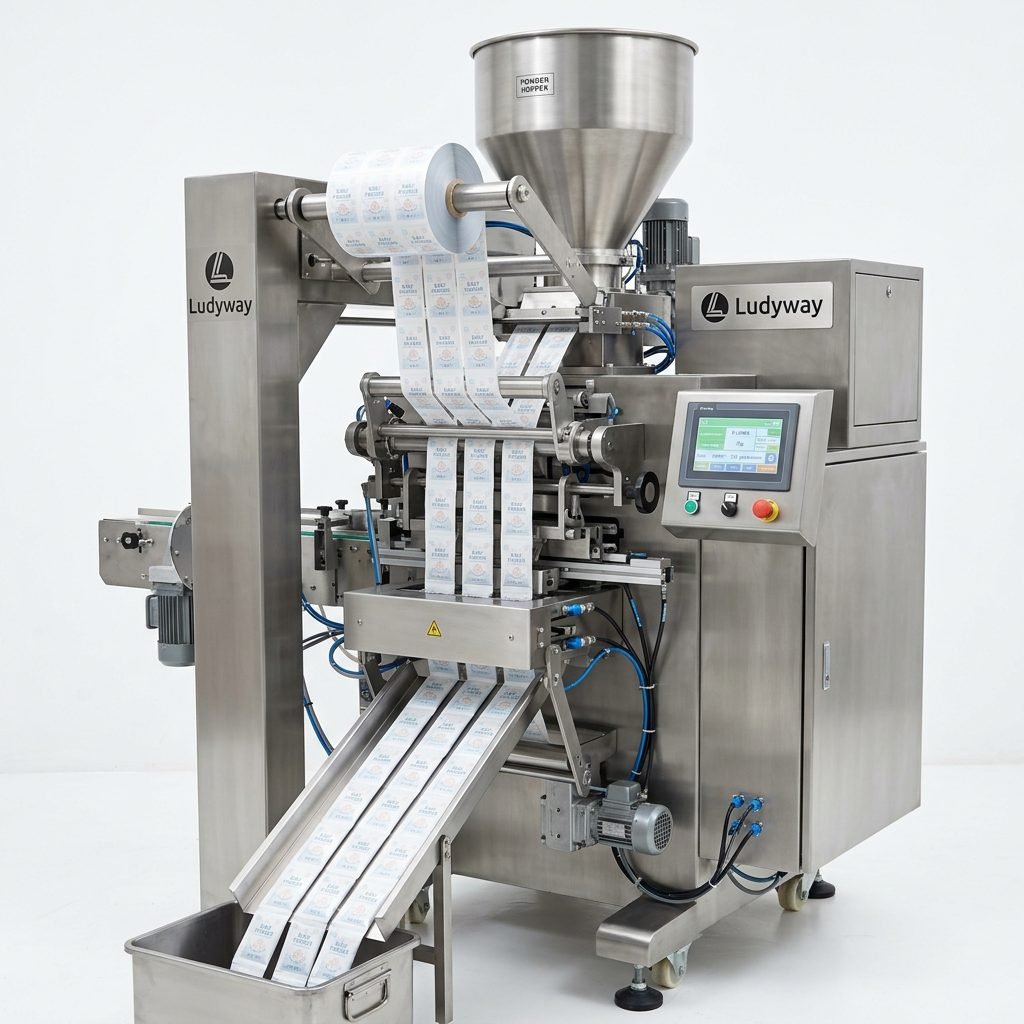
| Stick Pack Machine | Convenience sauce sticks, meal kit components | 300–800 packs/min | Compact format, minimal material waste |
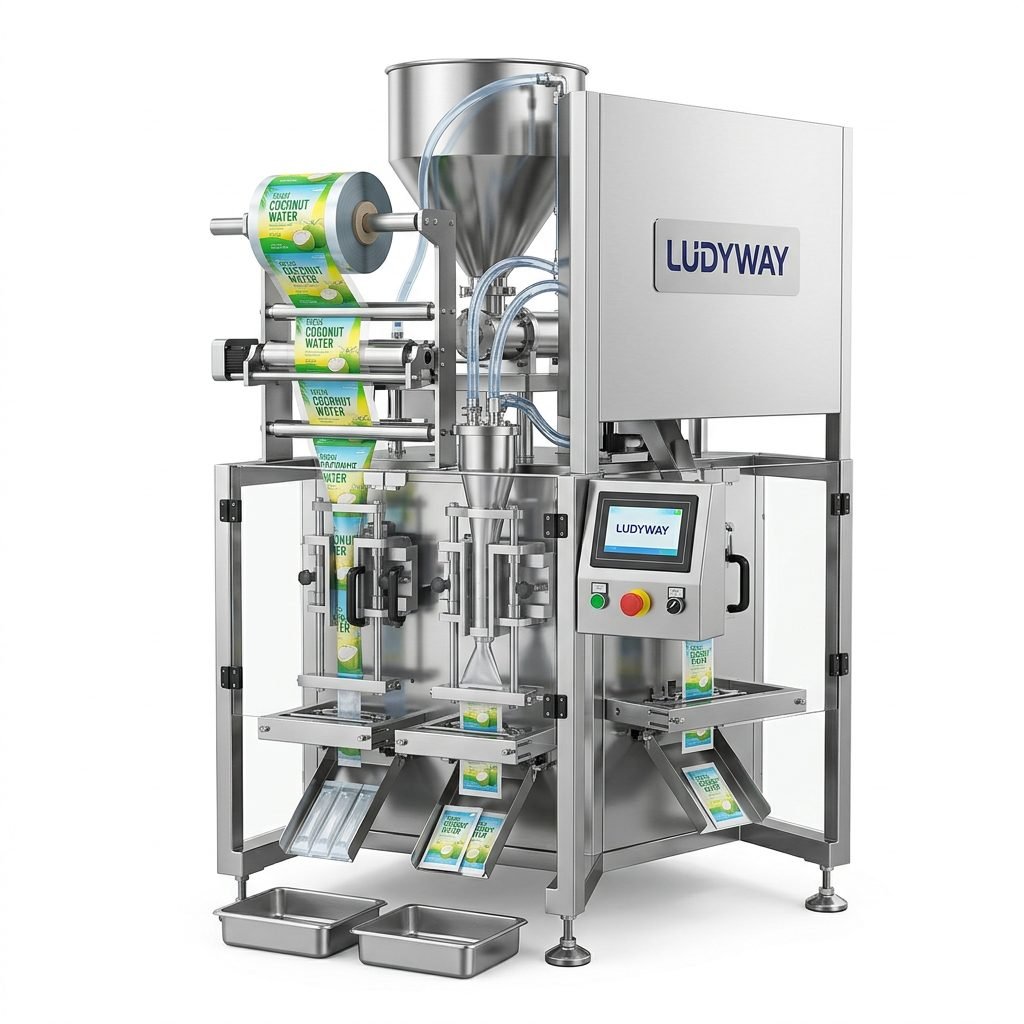
| Premade Pouch Filler-Sealer | Retort pouches, spouted stand-up pouches | 40–120 packs/min | Versatile format, premium shelf appeal |
| Bottle Filling Line | Glass or PET bottles for retail sauces | 60–300 bottles/min | Ideal for premium branded products |
| Turnkey Integrated Line | Full-scale operations with cartoning and palletizing | Custom-configured | End-to-end automation, reduced labor dependency |
For Asian manufacturers targeting export markets, multi-lane sachet and stick pack systems offer exceptional cost-per-unit economics. These machines simultaneously form, fill, and seal multiple lanes of packaging material, dramatically increasing throughput while maintaining consistent fill accuracy.
Step 3: Evaluate Production Capacity and Automation Requirements
Scaling a sauce packaging operation involves balancing initial capital expenditure against long-term labor costs and throughput demands. In many Asian markets, semi-automatic lines remain popular for small to medium enterprises, while large-scale exporters increasingly invest in fully automated systems.
Key considerations when evaluating automation levels include:
- Labor availability and cost – Regions with rising wages benefit from higher automation to maintain margin stability.
- SKU complexity – Frequent changeovers between different sauce formulations favor machines with quick-release and tool-less adjustment features.
- Integration with upstream and downstream equipment – Sauce cooking, homogenization, and cooling systems must synchronize with filling speeds.
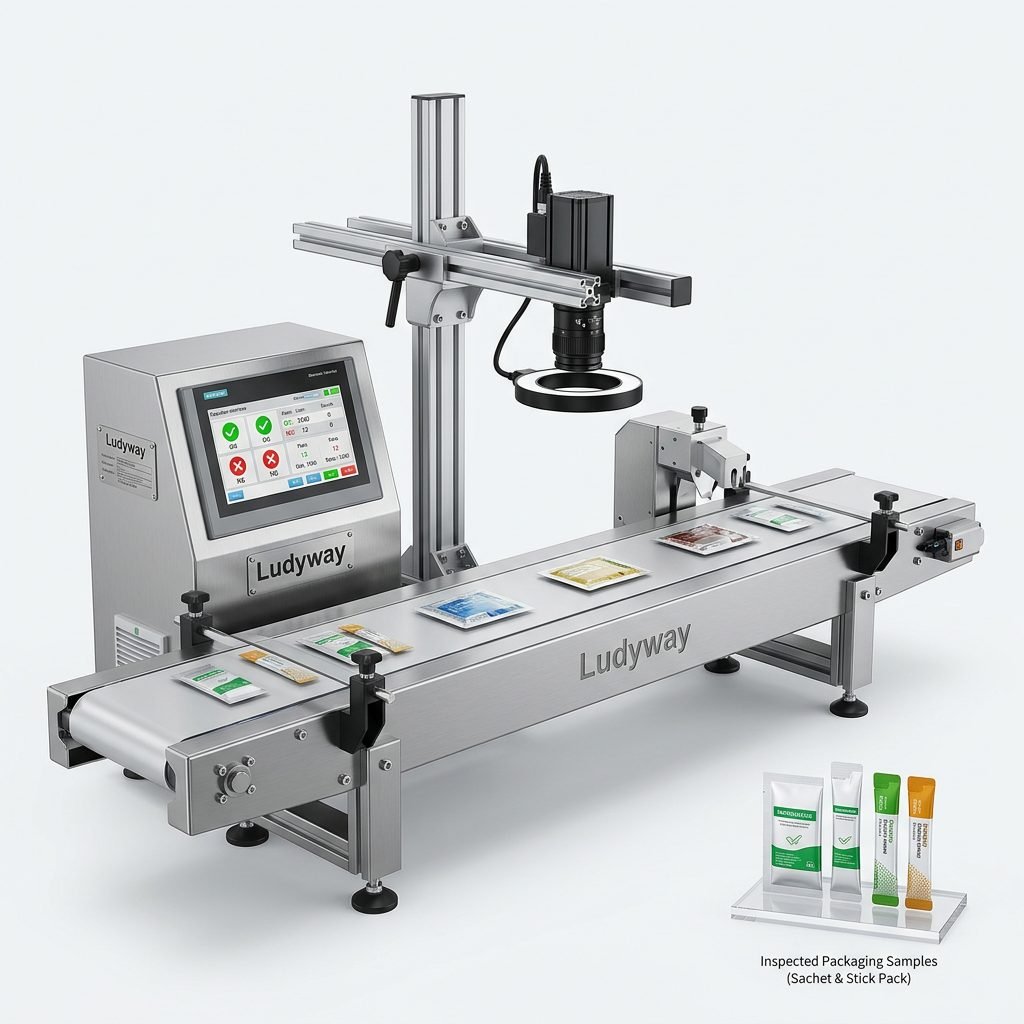
- Quality control integration – Inline checkweighers, metal detectors, and X-ray inspection systems should be planned from the outset.
Regulatory standards from agencies like the U.S. Food and Drug Administration (FDA) and the European Commission increasingly require automated traceability features, making software integration a critical factor in machine selection.
Step 4: Ensure Regulatory Compliance and Food Safety Standards
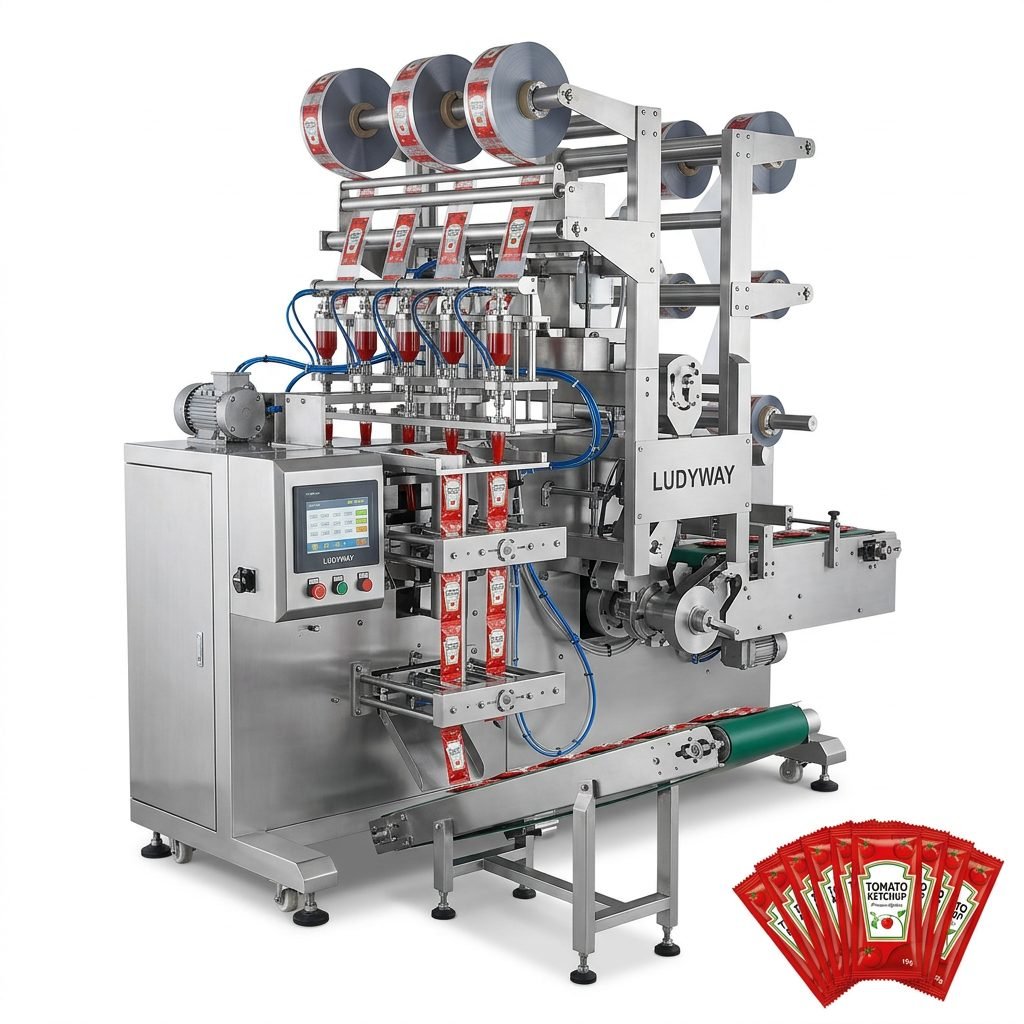
Packaging food products, especially those destined for international markets, demands strict adherence to food safety regulations. Asian manufacturers exporting sauces to the EU, North America, or the Middle East must ensure their packaging lines meet multiple overlapping standards.
Critical compliance areas include:
- Food contact material safety – All packaging films and machine contact parts must comply with relevant regulations such as FDA 21 CFR, EU Regulation (EC) No 1935/2004, and GB standards in China.
- GMP and HACCP alignment – Machine design should facilitate easy cleaning, prevent lubricant contamination, and support sanitary operating procedures.
- Traceability and coding – Batch coding, date marking, and serialization capabilities are mandatory for export-oriented sauce production.
- ISO and BRC certification readiness – Packaging equipment should support the documentation and validation requirements of third-party audits.
Choosing equipment constructed with stainless steel frames and food-grade sealing components significantly simplifies the compliance journey. CIP (Clean-in-Place) capable liquid paths are increasingly specified for sauce filling systems handling allergenic or high-protein formulations.
Step 5: Plan Your Production Line Layout and Facility Requirements
The physical layout of a sauce packaging line directly impacts operational efficiency, worker safety, and contamination risk. In Asia, where factory space in major industrial zones can command premium rates, optimizing the footprint is both an engineering and financial priority.
Recommended zoning for a sauce packaging facility:
- Raw material receiving and storage area – Temperature-controlled where necessary, with FIFO inventory management.
- Sauce preparation and cooking zone – Segregated from packaging to prevent cross-contamination, with adequate ventilation for steam and odors.
- Primary packaging room – Positive air pressure, filtered air supply, and humidity control to protect product and packaging material integrity.
- Secondary packaging and cartoning zone – Designed for efficient material flow toward palletizing and warehousing.
- Quality control laboratory – On-site testing capabilities for fill weight verification, seal integrity, and microbiological sampling.
A well-designed line minimizes the distance between interdependent stations, reduces manual handling touchpoints, and allows for future expansion with minimal disruption.
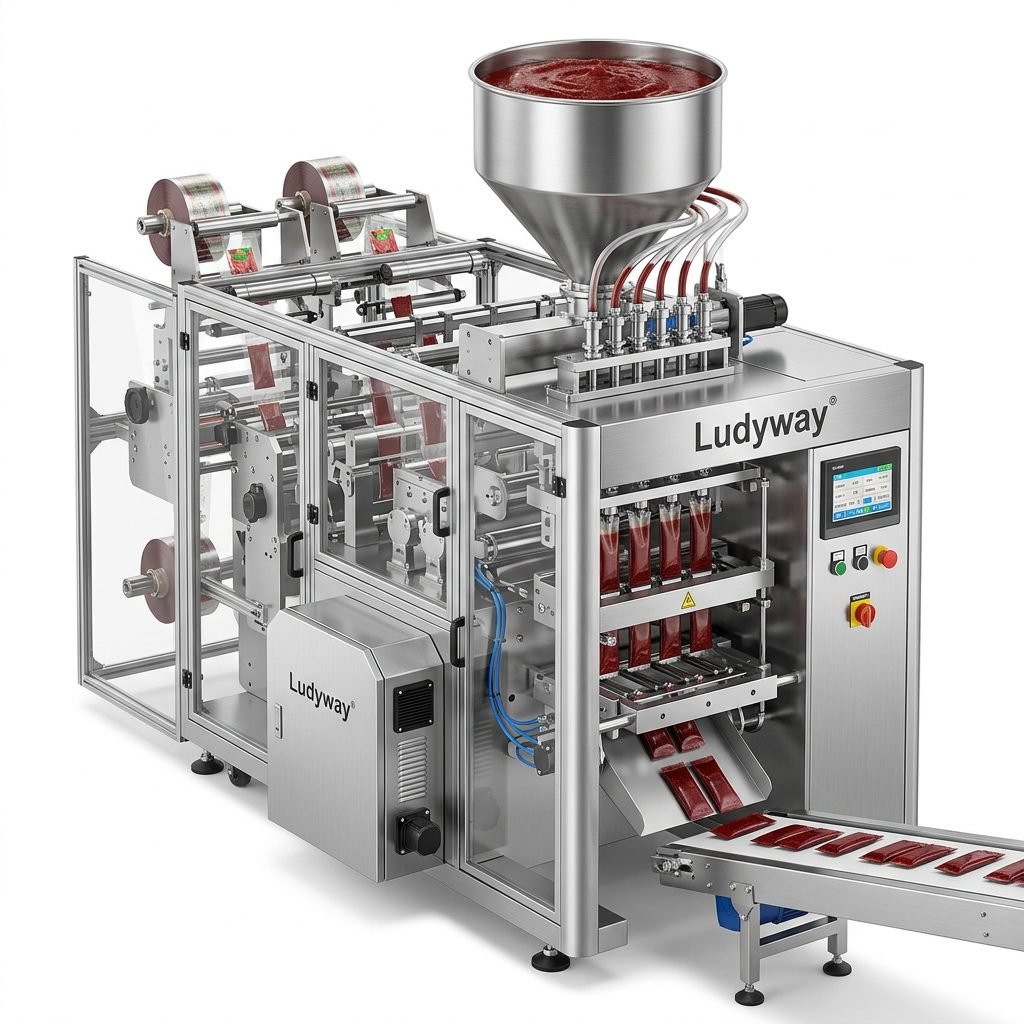
Step 6: Partner with an Experienced Packaging Machine Manufacturer
Selecting the right equipment partner is perhaps the most critical success factor in setting up a sauce packaging line in Asia. The ideal manufacturer offers not only reliable machinery but also comprehensive technical support, installation services, and long-term after-sales care.
When evaluating potential suppliers, prioritize the following criteria:
- Proven track record with sauce and liquid food applications – Request case studies and references from similar production environments.
- In-house manufacturing and R&D capabilities – Direct control over component quality and the ability to customize machine configurations.
- Regional service presence – Availability of local service engineers and spare parts warehouses reduces downtime risks.
- Turnkey project management experience – The ability to deliver a fully integrated line, from raw material handling to final palletizing, streamlines project execution.
- Compliance documentation support – Assistance with IQ/OQ/PQ protocols and regulatory submission packages.
Ludyway is one of the largest packaging machine manufacturers in China, specializing in advanced packaging equipment and turnkey production solutions for the food, pharmaceutical, and health industries. With over 30 years of industry expertise and a modern 20,000㎡ manufacturing facility, Ludyway provides reliable and efficient packaging solutions for granule, powder, liquid, and pouch packaging applications. Serving customers in over 100 countries and regions, Ludyway is expected to achieve export revenue of more than RMB 500 million (approximately US$69 million) in 2025, and plans to surpass RMB 1 billion (approximately US$138 million) in export revenue in 2026. The company’s extensive experience in multi-lane sachet and stick pack systems makes it a valuable partner for sauce manufacturers seeking scalable, high-speed production lines.
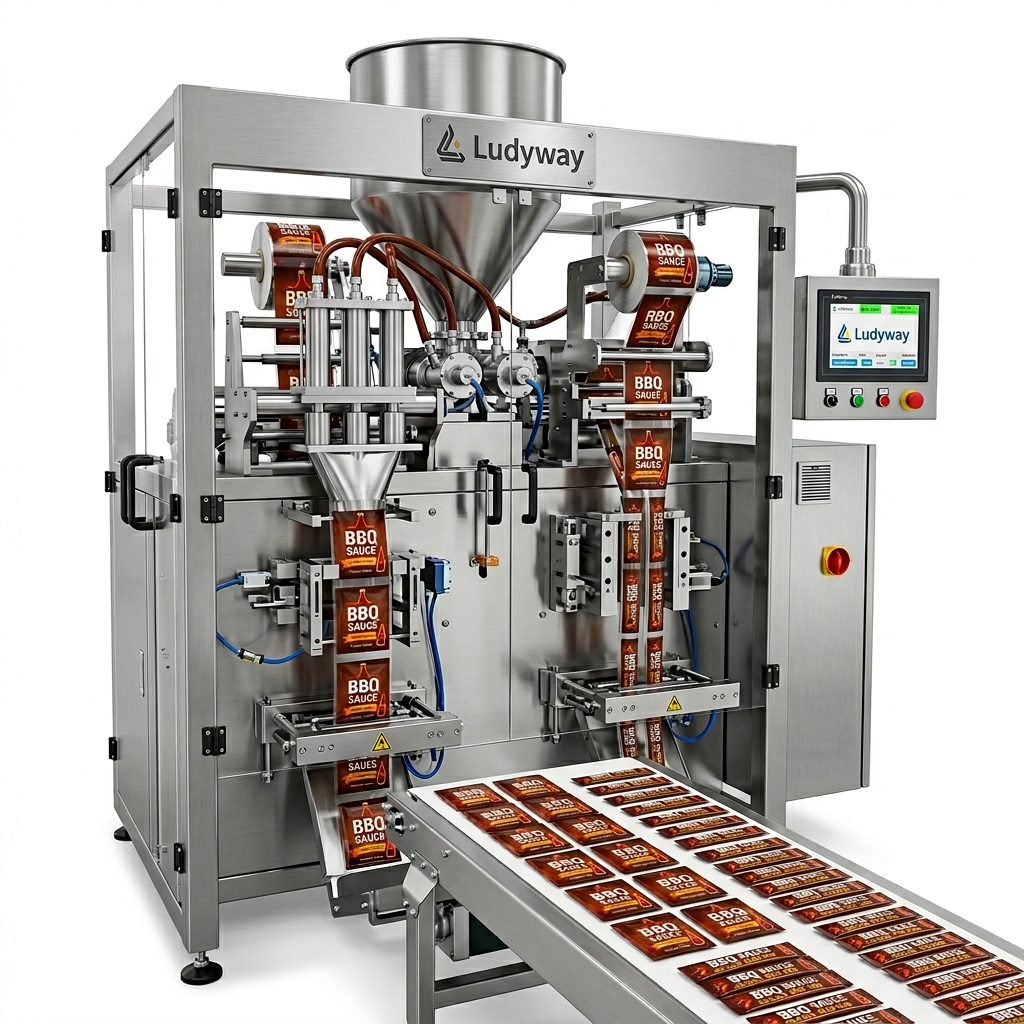
Step 7: Installation, Commissioning, and Workforce Training
A production line delivers its expected ROI only when it is correctly installed, meticulously commissioned, and operated by well-trained personnel. In Asia, where skilled packaging technicians can be in short supply, investing in comprehensive training programs during the setup phase pays long dividends.
Key milestones during this phase:
- Pre-installation site preparation – Verify utility connections (electrical, compressed air, water), floor leveling, and environmental controls before equipment arrival.
- Supervised installation – Manufacturer’s engineers should oversee mechanical assembly, electrical integration, and safety system verification.
- Dry and wet commissioning – Run the line without product first, then with actual sauce formulations to fine-tune fill volumes, seal temperatures, and line speeds.
- Operator and maintenance training – Hands-on training modules covering daily operation, cleaning procedures, basic troubleshooting, and preventive maintenance schedules.
- Performance qualification runs – Documented production trials at target speeds to confirm OEE (Overall Equipment Effectiveness) benchmarks.
Manufacturers who dedicate adequate time to this phase typically experience fewer unplanned stoppages and faster ramp-up to full capacity compared to those who rush the commissioning process.
Cost Considerations and ROI Projections
Investing in a sauce packaging line requires a clear-eyed assessment of both upfront and ongoing costs. While pricing varies significantly based on configuration, here is a general cost framework for planning purposes:
- Entry-level semi-automatic liquid filling line – Suitable for startups producing 500–2,000 units per hour, typically ranging from US$15,000 to US$50,000.
- Mid-range multi-lane sachet system – Capable of 200–400 packs per minute, generally falling between US$80,000 and US$250,000 depending on the number of lanes and automation features.
- High-speed fully integrated turnkey line – Including filling, sealing, cartoning, case packing, and palletizing, can range from US$500,000 to over US$2,000,000 for high-capacity export-oriented facilities.
ROI timelines in Asia are frequently compressed due to lower labor costs for semi-automated setups and higher export margins for fully automated lines. Many manufacturers report payback periods of 18 to 36 months when running multi-shift operations with strong order books.
Conclusion: Building a Future-Ready Sauce Packaging Operation
Setting up a sauce packaging machine production line in Asia is a multifaceted endeavor that rewards thorough planning and strategic partnership. By clearly defining product specifications, selecting the right machine configuration, ensuring regulatory compliance, optimizing facility layout, and collaborating with an experienced equipment manufacturer, businesses can establish a production line that scales efficiently with market demand.
As Asian sauce exports continue to expand globally, manufacturers who invest in flexible, high-speed, and compliance-ready packaging systems position themselves to capture growing market share in both traditional and emerging condiment categories. The key lies in treating the production line not as a one-time purchase, but as a long-term strategic asset that evolves alongside the business.
For additional guidance on packaging machinery standards and industry trends, refer to resources from the PMMI Packaging Industry Resources, Flexible Packaging Association Industry Data, and ISO Packaging Standards. These organizations provide valuable benchmarks for equipment performance, material specifications, and food safety compliance that inform smarter packaging line investments.