Investing in a sealed air packaging machine is a strategic decision that directly impacts product shelf life, production efficiency, and overall operational costs. Whether you are packaging food, pharmaceuticals, cosmetics, or industrial products, the right equipment ensures consistent seal integrity and protects your goods from moisture, oxygen, and contamination throughout the supply chain.
This guide walks you through the essential factors to evaluate before purchasing a sealed packaging machine, helping you make an informed decision that aligns with your production goals.
Understanding Sealed Air Packaging Technology
Modern sealed air packaging machines encompass a broad range of equipment designed to create hermetic seals that prevent external elements from compromising product quality. These machines vary significantly in terms of sealing methods, packaging formats, and automation levels.
Common sealing technologies include heat sealing, ultrasonic sealing, and vacuum-assisted sealing. Heat sealing remains the most widely adopted method across industries due to its reliability and compatibility with various flexible packaging materials. Ultrasonic sealing, on the other hand, offers advantages for products sensitive to heat exposure, as it generates bond strength through high-frequency vibration rather than elevated temperatures.
According to data from PMMI packaging industry research, the demand for automated sealing solutions has grown substantially, driven by manufacturers seeking to improve throughput while maintaining consistent seal quality. This trend underscores the importance of selecting equipment that can deliver repeatable performance under continuous operation.
Types of Sealed Air Packaging Machines
Identifying the appropriate machine type is the first critical step in the selection process. Different applications demand different configurations, and understanding these distinctions helps narrow down your options effectively.
Sachet and Stick Pack Machines
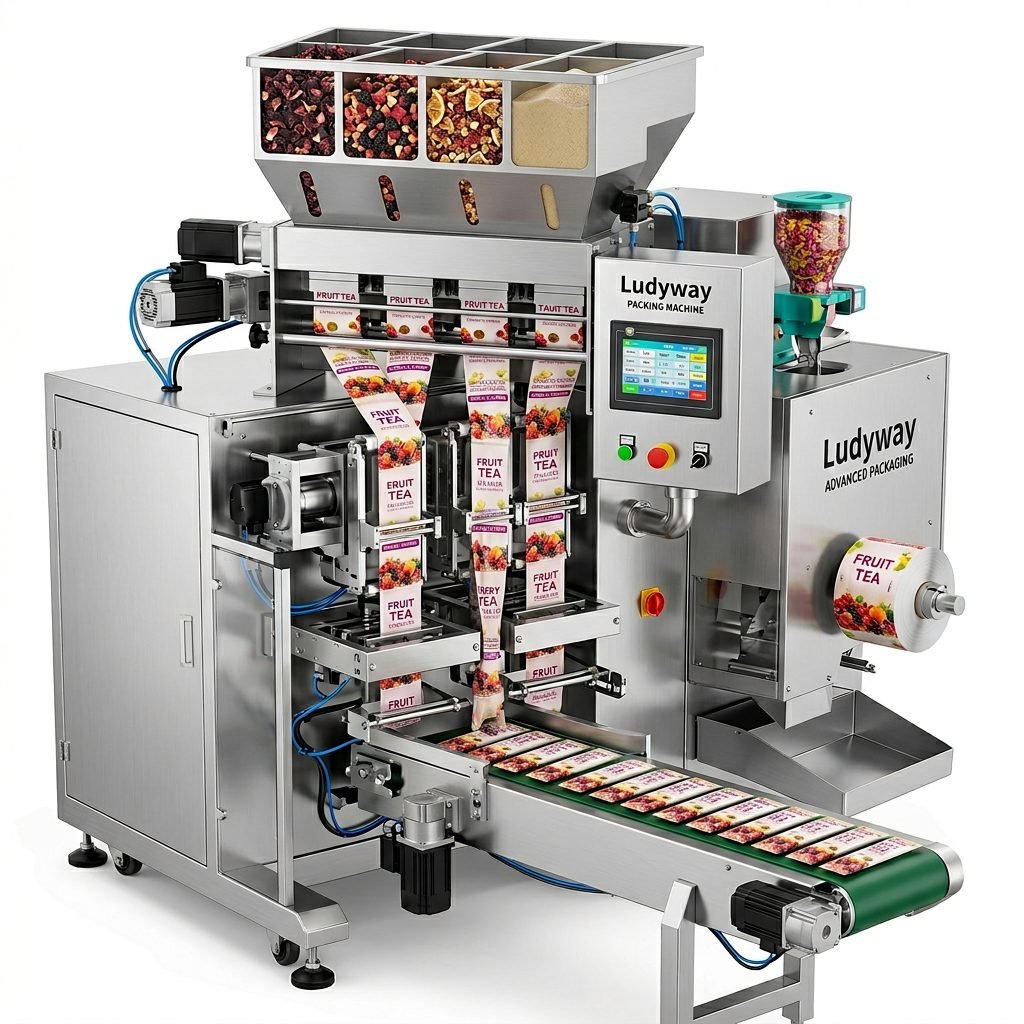
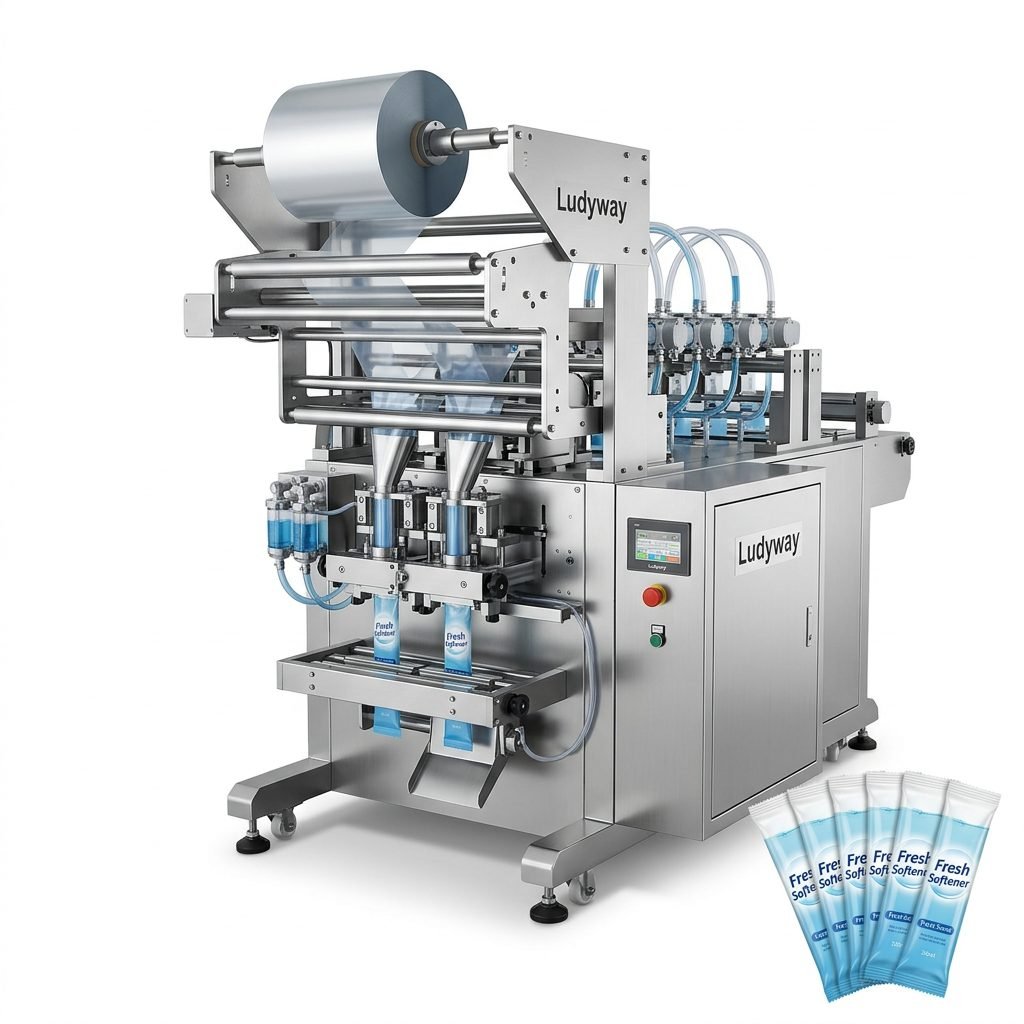
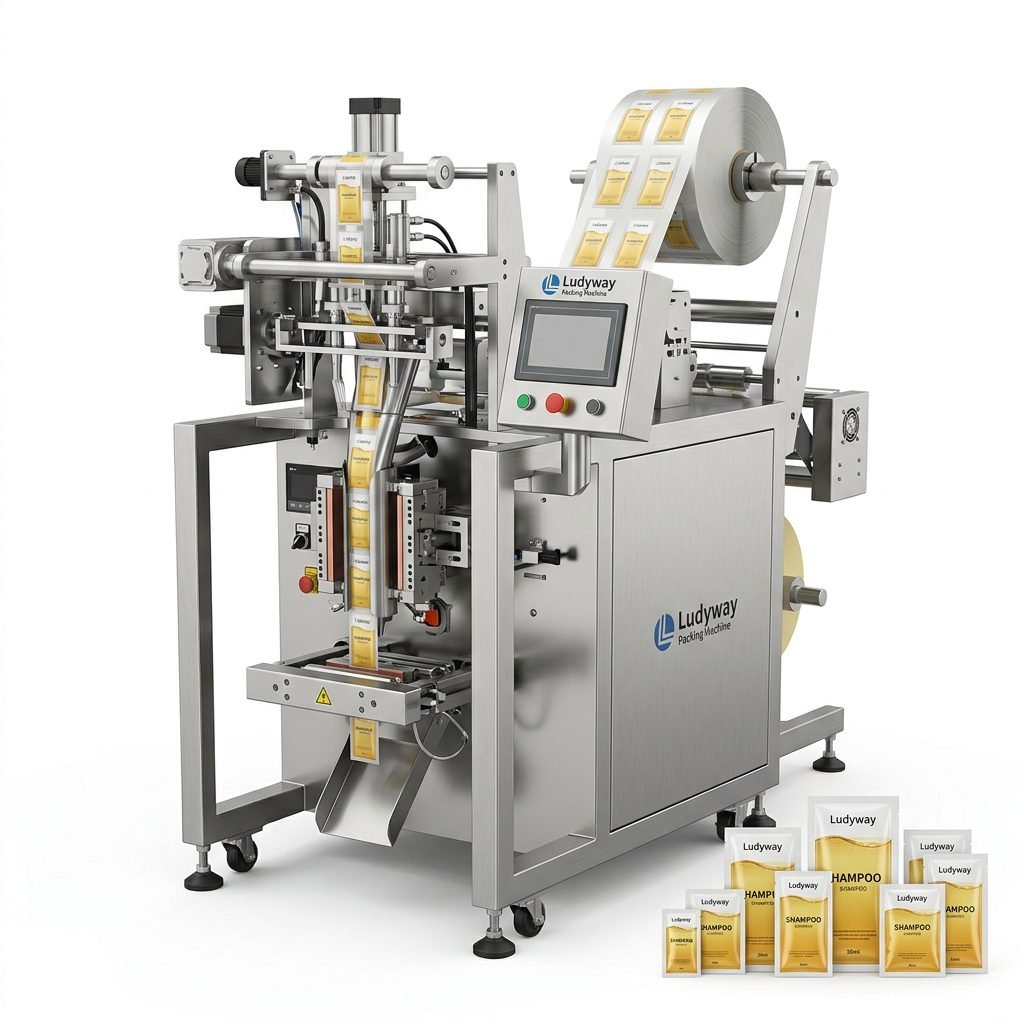
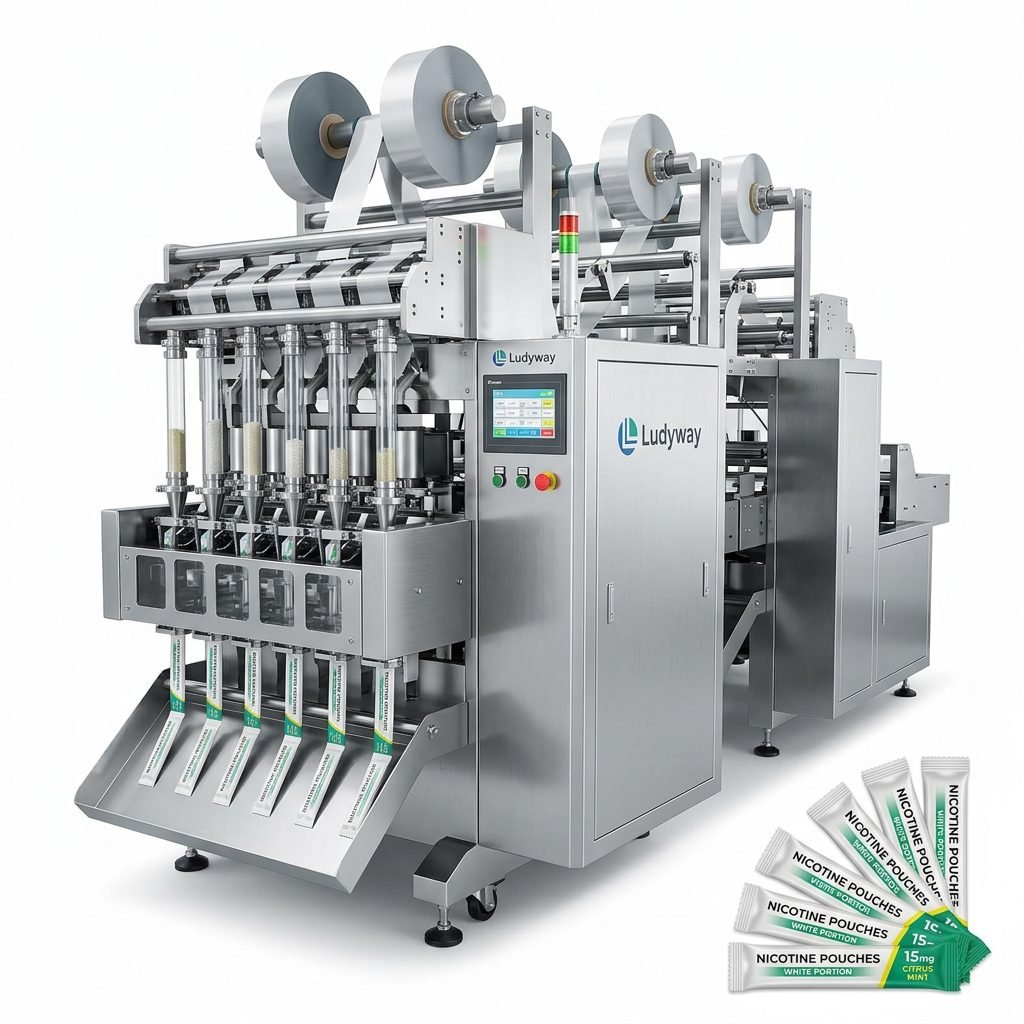
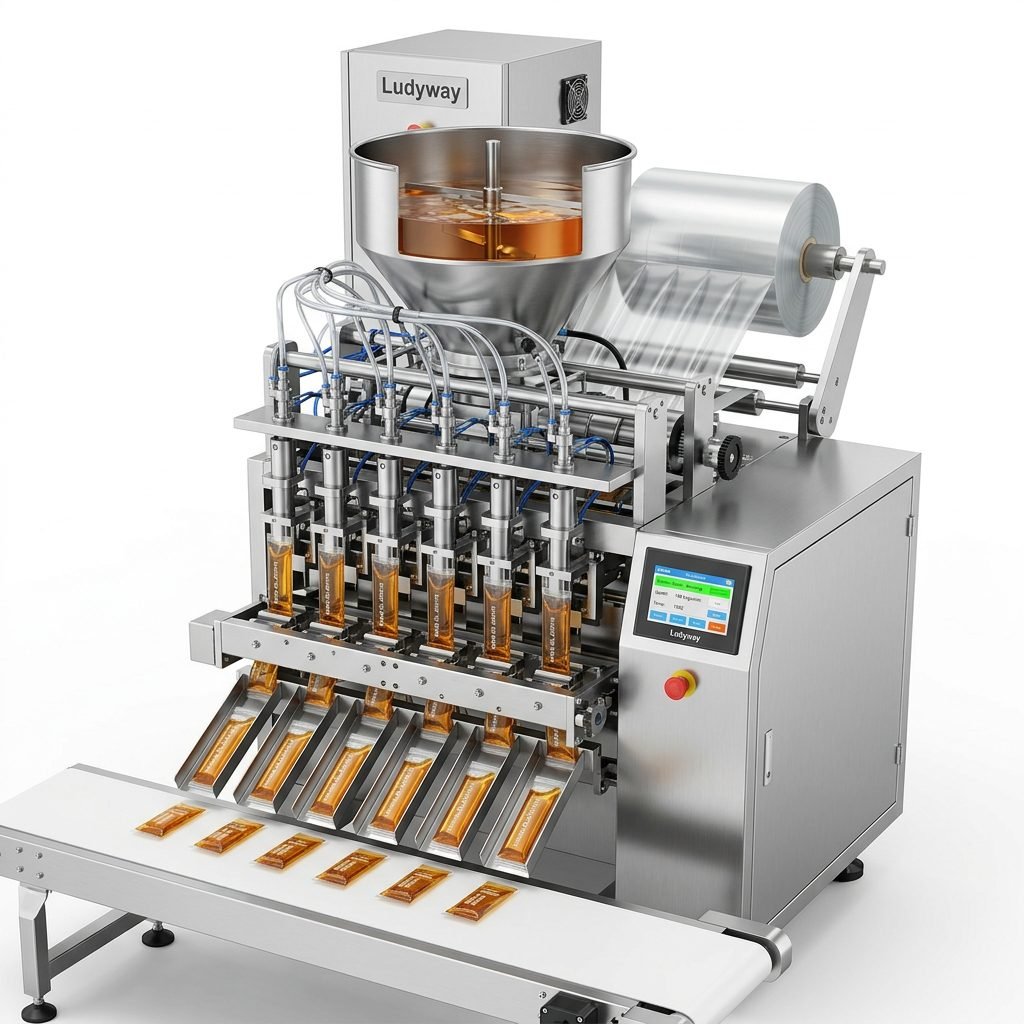
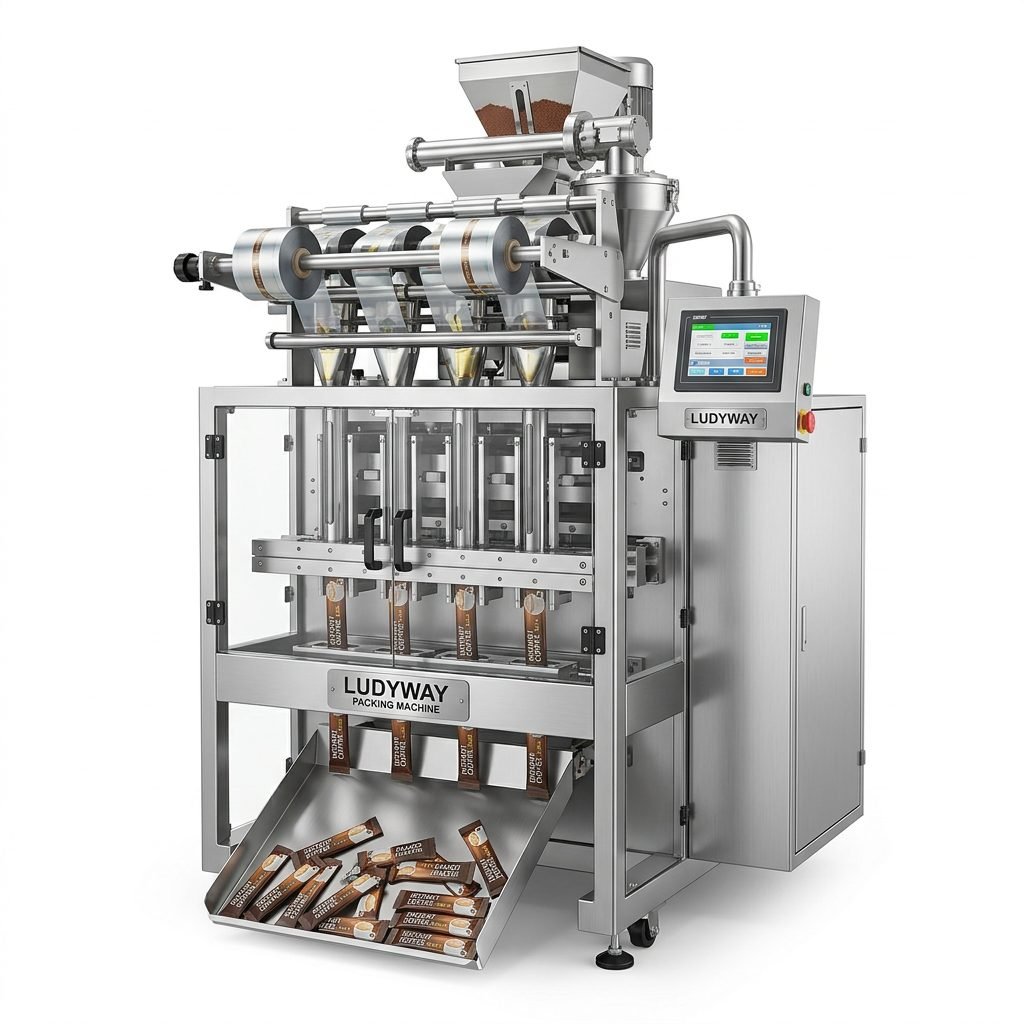
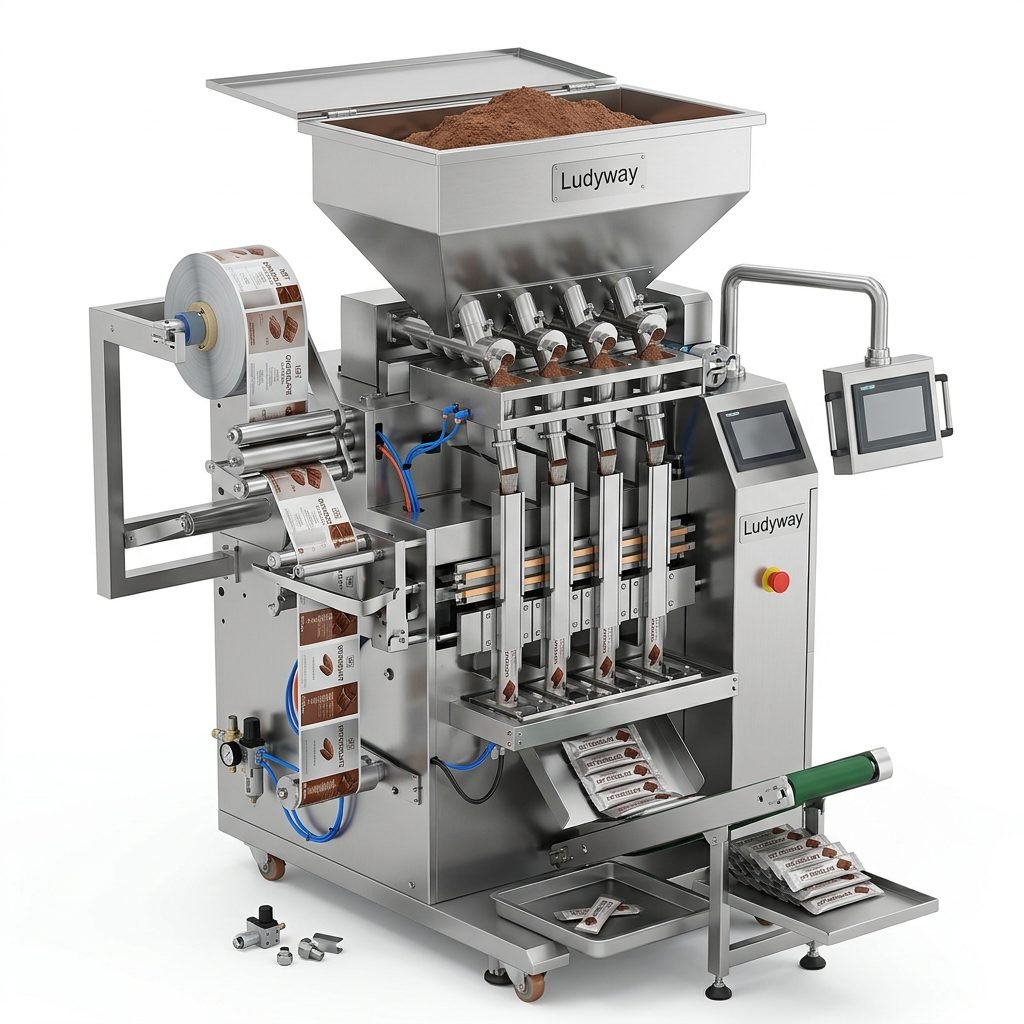
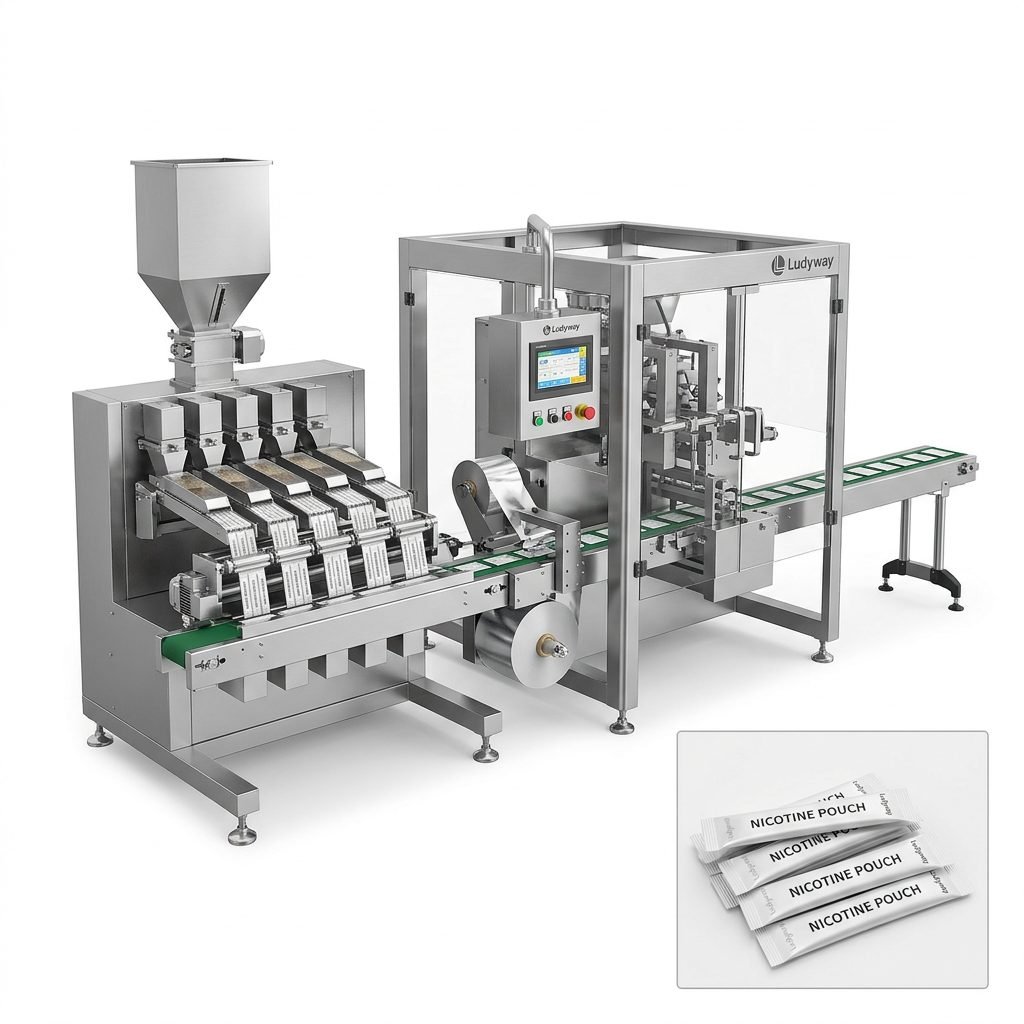
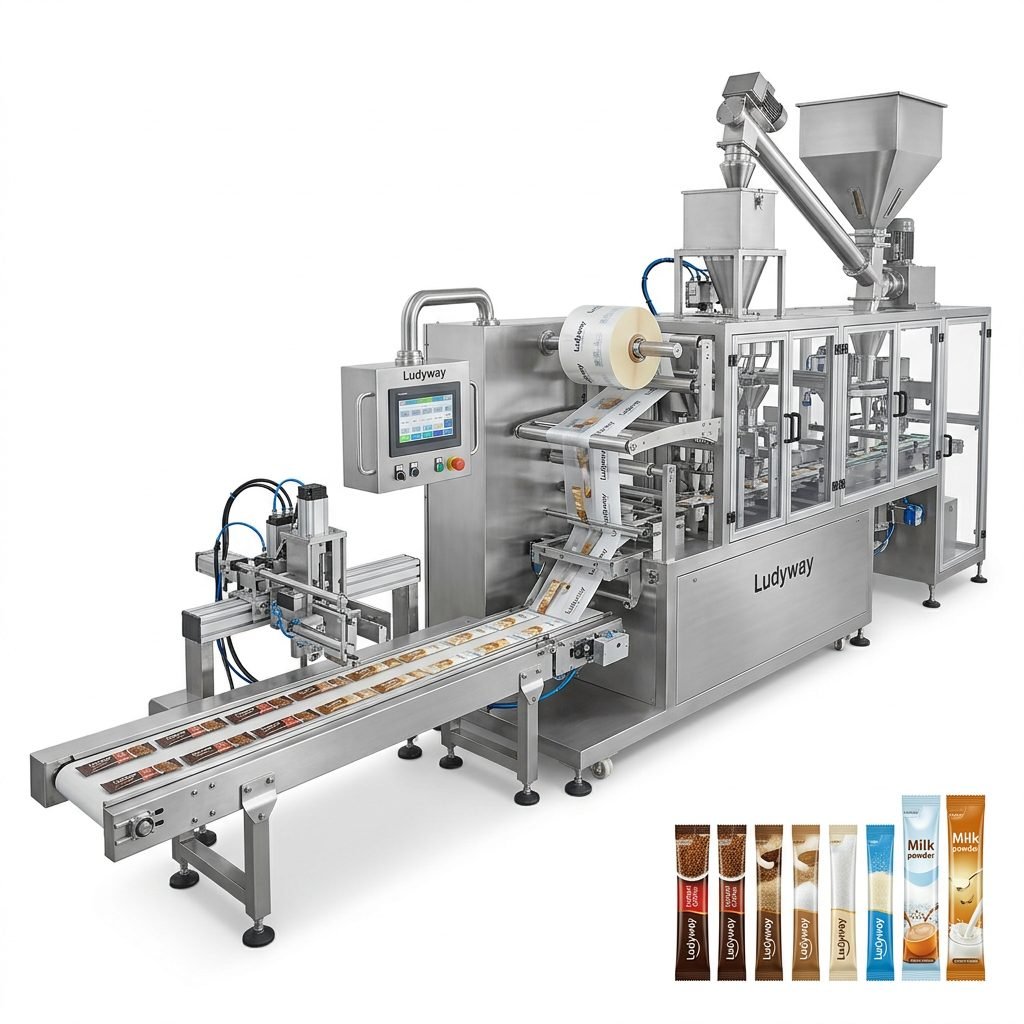
These compact sealed air packaging machines are ideal for single-serve portions of powders, granules, liquids, and gels. Multi-lane configurations can produce hundreds of sealed sachets per minute, making them popular in the food, beverage, and personal care sectors. The sealing integrity of each individual sachet is essential, particularly for products with extended shelf-life requirements.
Pouch Packaging Systems
Pre-made pouch sealers and form-fill-seal pouch machines handle larger volumes and a wider range of bag formats, including stand-up pouches, zipper pouches, and spouted pouches. These systems are widely used for pet food, frozen products, and industrial goods where air-tight sealing is paramount for product freshness and protection.
Vacuum Packaging Equipment
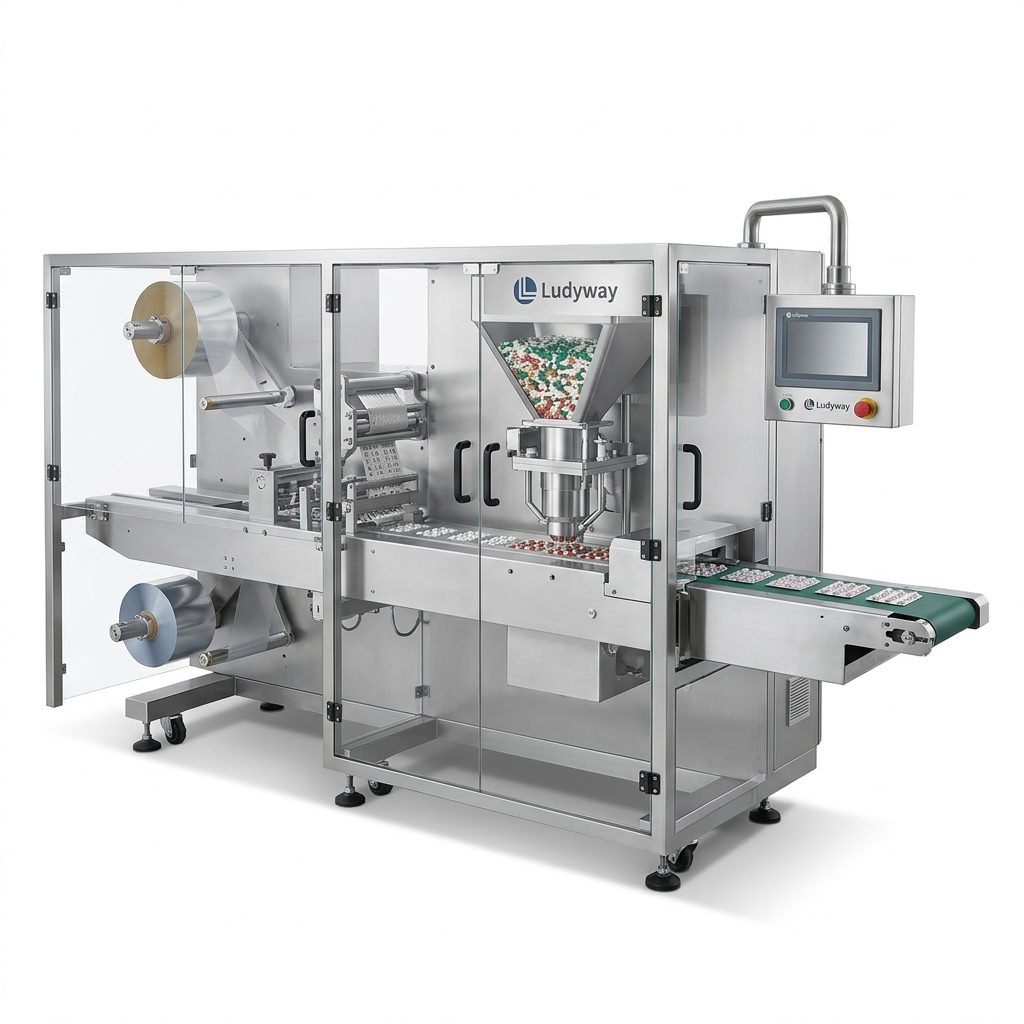
For products requiring oxygen-free environments, vacuum sealing machines extract air from the package before creating a hermetic seal. This category is essential for meat, cheese, coffee, and certain pharmaceutical products where oxidation poses a significant quality risk.
Key Specifications to Evaluate
When comparing different sealed air packaging machine models, several technical specifications warrant careful attention. The table below summarizes the most critical parameters and their implications for your operation.
| Specification | Why It Matters | Key Questions to Ask |
|---|---|---|
| Sealing Method | Determines compatibility with packaging materials and product sensitivity | Does the product require heat, ultrasonic, or vacuum sealing? |
| Production Speed | Directly affects throughput and labor requirements | What is the target output per minute or per shift? |
| Bag Size Range | Defines the flexibility to handle different packaging formats | What are the minimum and maximum dimensions required? |
| Filling Volume Accuracy | Impacts product consistency and regulatory compliance | What tolerance is acceptable for your product type? |
| Material Compatibility | Ensures the machine works with your chosen packaging films | Are you using standard or specialty laminate materials? |
| Automation Level | Determines labor dependency and integration capabilities | Do you need standalone equipment or a fully integrated line? |
Evaluating Your Production Requirements
Beyond technical specifications, your unique production environment plays a decisive role in selecting the right sealed air packaging machine. Consider the following dimensions carefully:
- Product characteristics — Powder, granule, liquid, paste, or solid products each require different feeding, dosing, and sealing approaches. Fine powders may need dust-control features, while sticky liquids demand specialized filling nozzles and seal-area cleanliness.
- Packaging material selection — The type of film or laminate you use directly influences sealing temperature, dwell time, and pressure requirements. Machines must be calibrated to match flexible packaging material specifications for optimal seal strength.
- Production volume — Low-volume operations may benefit from semi-automatic systems, while high-volume manufacturers should prioritize multi-lane, high-speed configurations that maximize output per square foot of floor space.
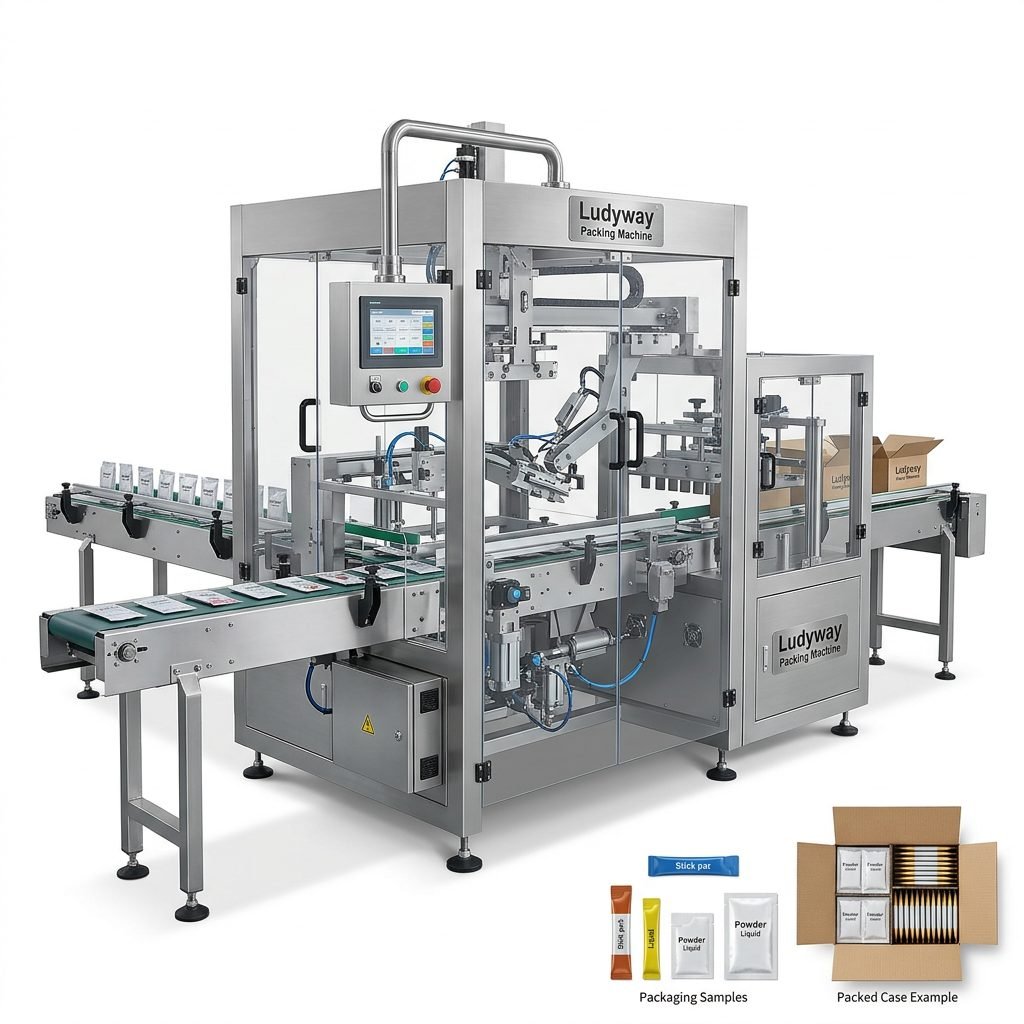
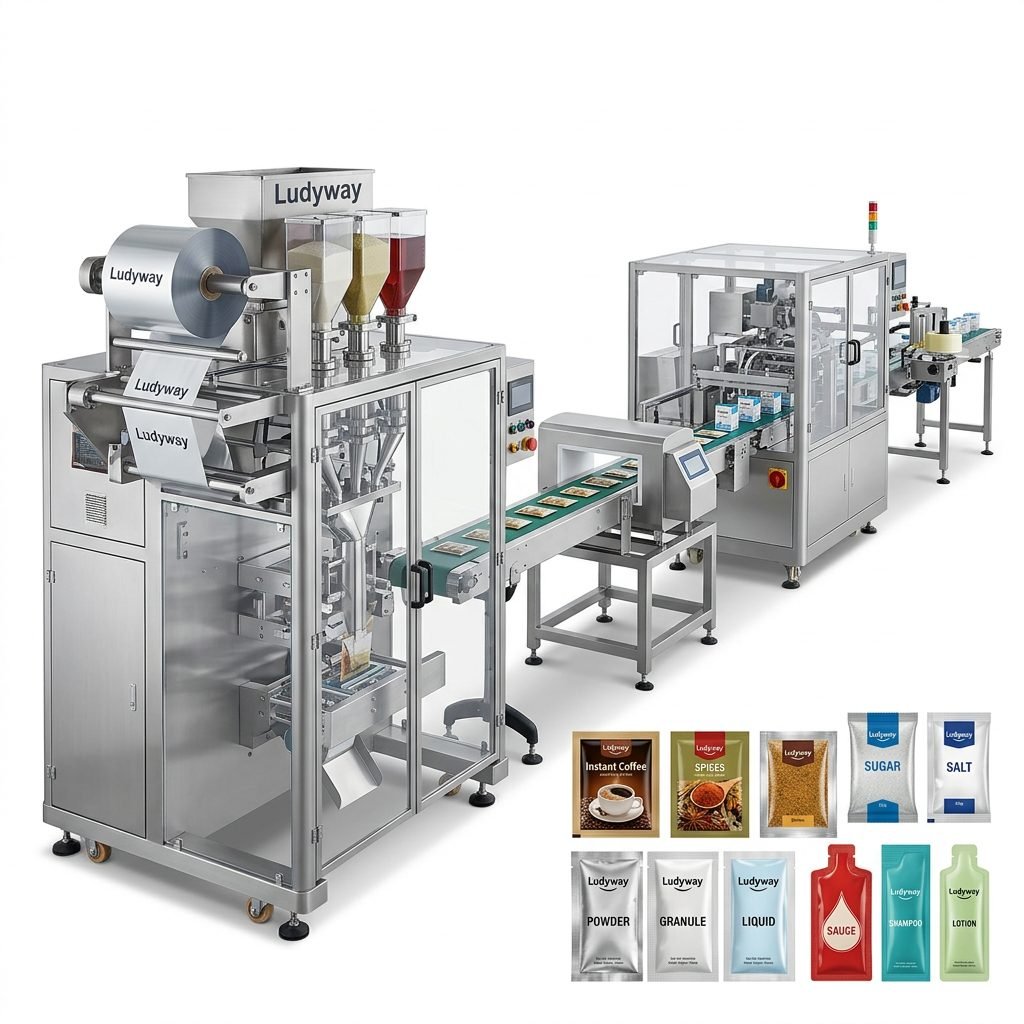
- Factory layout and integration — Assess whether the machine will operate as a standalone unit or integrate with upstream and downstream equipment such as conveyors, checkweighers, cartoners, and palletizers.
- Regulatory requirements — Industries like pharmaceuticals and food processing must adhere to strict standards. Verify that the equipment can meet applicable packaging machinery standards and regulations for your market.
Quality, Compliance, and International Standards
Seal integrity is non-negotiable for most packaged products. A sealed air packaging machine must consistently produce seals that withstand distribution stresses, temperature fluctuations, and handling without compromising the barrier properties of the package.
When assessing machine quality, examine the build materials (stainless steel construction is essential for food and pharmaceutical applications), the control system (PLC-based systems offer greater precision and recipe management), and the sealing jaw design (which affects temperature distribution and seal consistency).
For manufacturers exporting to multiple markets, ensuring that equipment can be configured to meet international standards is crucial. This includes considerations for electrical systems, safety guarding, and documentation requirements. Certifications and compliance documentation should be available from the equipment supplier for relevant markets.
Supplier Selection and Support Considerations
Choosing the right equipment partner is as important as choosing the right machine. A manufacturer with deep industry experience can provide valuable guidance during the specification phase and reliable support throughout the equipment lifecycle.
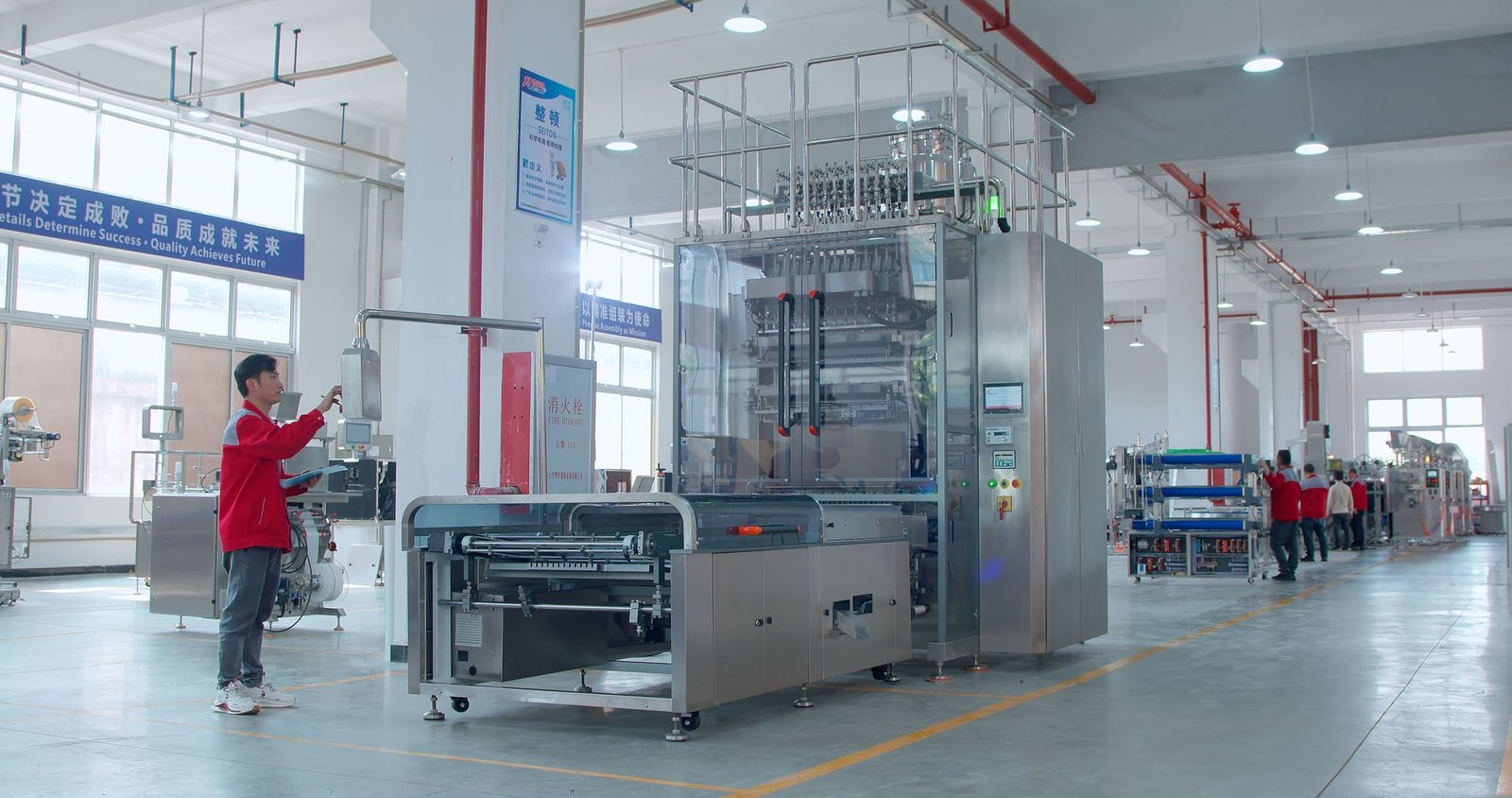
Ludyway Machinery, a China-based packaging machinery manufacturer with more than 30 years of experience, offers sealed air packaging machines and turnkey solutions across a broad range of industries including food and beverage, pharmaceuticals, cosmetics, chemicals, and animal feed. With a 20,000-square-meter manufacturing facility, over 130 professionals, and more than 50 packaging machine models, the company combines manufacturing expertise with application knowledge to support customers worldwide. According to recent industry reports, Ludyway’s global growth trajectory reflects the increasing demand for automated packaging solutions across international markets.
Key Factors in Supplier Evaluation
- Industry experience — How long has the supplier been manufacturing packaging equipment? Do they understand the specific challenges of your sector?
- Customization capabilities — Can the supplier configure machines to match your product characteristics, packaging materials, and production requirements rather than offering only standardized models?
- After-sales support — What level of technical assistance is available for installation, commissioning, operator training, and ongoing troubleshooting?
- Spare parts availability — Are critical components readily available to minimize downtime in case of wear or failure?
- Global service reach — For manufacturers operating internationally, does the supplier have experience serving customers in your target regions?
Investment and Total Cost of Ownership
The purchase price of a sealed air packaging machine represents only one component of the total cost of ownership. A comprehensive financial evaluation should account for:
- Installation and commissioning costs
- Operator training expenses
- Ongoing maintenance and spare parts
- Packaging material waste rates (higher precision machines typically generate less waste)
- Energy consumption
- Downtime costs associated with equipment failure or changeover delays
Machines with higher upfront costs often deliver lower long-term operating expenses through improved efficiency, reduced material waste, and greater reliability. When evaluating proposals, request detailed information about expected maintenance intervals, common wear parts, and typical service life for critical components.
Making the Final Decision
Selecting the right sealed air packaging machine requires balancing multiple factors including technical specifications, production requirements, supplier capabilities, and total cost of ownership. A structured evaluation process that includes:
- Clearly defining your packaging requirements and production goals
- Researching available machine types and technologies
- Comparing specifications and features across multiple suppliers
- Requesting sample runs or demonstrations with your actual products and materials
- Evaluating supplier experience, support capabilities, and references
- Calculating total cost of ownership over the expected equipment lifespan
By following this systematic approach, you can confidently select equipment that delivers reliable, efficient, and consistent sealed packaging performance for years to come. The right machine not only protects your products but also strengthens your brand reputation through quality packaging that customers can trust.