Investing in an automatic box packing machine is a significant decision that impacts your production efficiency, labor costs, and product quality. Whether you are upgrading from manual packaging or expanding an existing automated line, selecting the right equipment requires careful evaluation of multiple factors. This guide walks you through the essential considerations to help you make an informed purchasing decision.
From packaging industry standards to machine configuration options, understanding the full picture before committing to a supplier can save you from costly mistakes and downtime. Below, we break down the key areas you need to assess.
1. Understanding Your Product and Package Specifications
Before evaluating any automatic box packing machine, you must clearly define what you are packaging. The characteristics of your product directly determine which type of machine will work best for your operation.
Key Product Characteristics to Evaluate
- Product dimensions and weight — Length, width, height, and weight range of individual units and the final boxed product
- Product fragility — Whether products require gentle handling, special insertion methods, or protective wrapping during the boxing process
- Product shape consistency — Uniform products allow for simpler automation; irregular shapes may need specialized feeding and loading systems
- Primary packaging type — Sachets, stick packs, pouches, blister packs, bottles, tubes, or flow-wrapped items each require different boxing approaches
Box and Carton Specifications
Your box format is equally important. Consider whether you need a machine that handles:
- Standard corrugated cartons or shelf-ready packaging
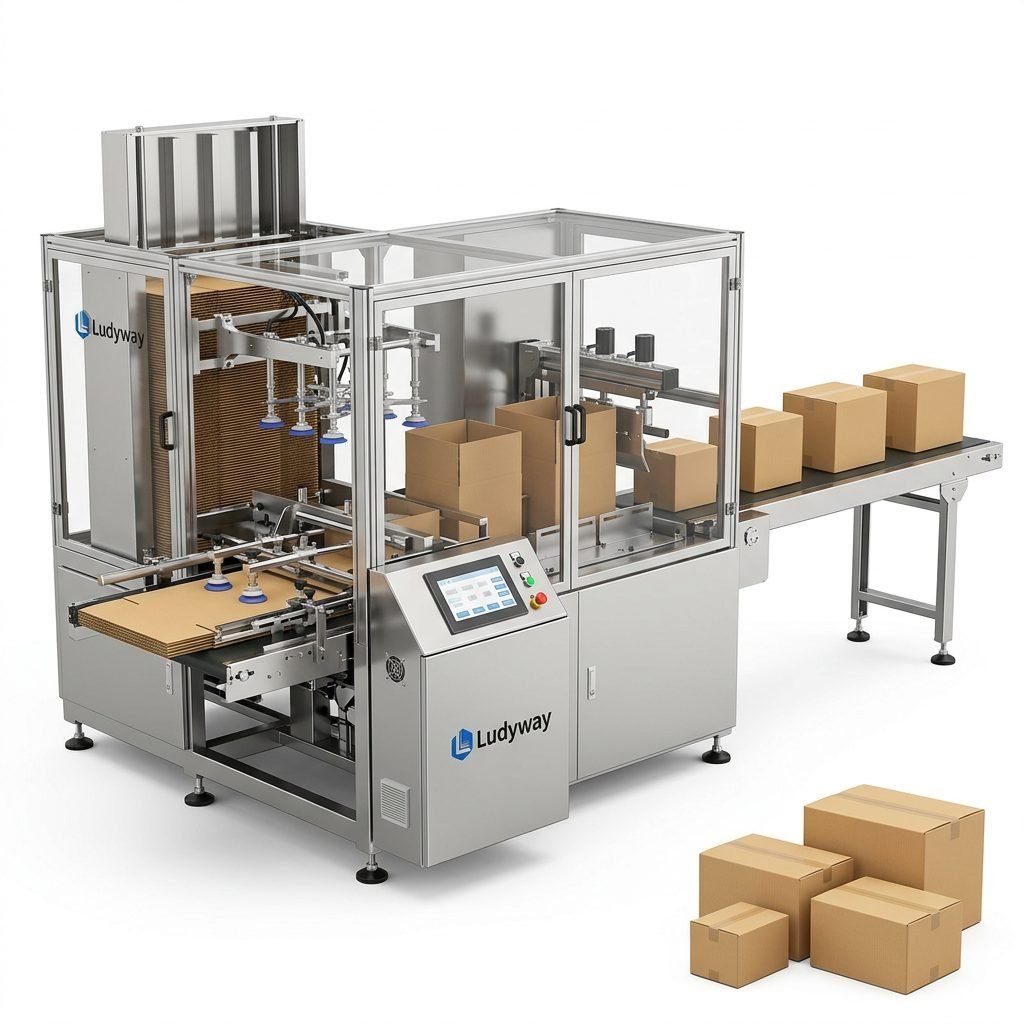
- Pre-glued cartons that require erecting, or flat blanks formed in-line
- Multiple box sizes with quick-changeover capabilities
- Special closure types such as tuck-in, glue-seal, or hot-melt adhesive
2. Defining Production Speed and Automation Requirements
Production speed is one of the most critical specifications when choosing an automatic box packing machine. Your required throughput — measured in boxes per minute — should align with both current needs and future growth projections.
When evaluating speed requirements, ask yourself:
- What is your current peak production volume per shift?
- Do you anticipate production growth within the next 3–5 years?
- How does the boxing machine integrate with upstream equipment speeds?
- What level of operator intervention is acceptable in your workflow?
Automation level is another key decision point. Machines range from semi-automatic models requiring manual product loading to fully automatic systems with integrated product feeding, collating, box erecting, loading, and sealing. Higher automation reduces labor dependency but requires a larger initial investment.
3. Evaluating Machine Configuration Options
Different automatic box packing machine configurations suit different applications. Understanding the main types helps narrow down your options based on your product, speed, and budget requirements.
| Machine Type | Best For | Typical Speed Range | Key Advantage |
|---|---|---|---|
| Horizontal Cartoner | Sachets, pouches, blister packs, bottles | 30–300+ boxes/min | Versatile, handles multiple formats |
| Vertical Cartoner | Granules, powders, free-flowing products | 20–150 boxes/min | Compact footprint, gravity-assisted loading |
| Wrap-Around Cartoner | Beverage cans, bottles, multi-packs | 15–200+ packs/min | Tight pack, reduced material usage |
| Top-Load Cartoner | Fragile products, trays, display boxes | 10–120 boxes/min | Gentle product handling |
| End-Load Cartoner | Tubes, jars, rigid containers | 15–250 boxes/min | Simple mechanical design, reliable |
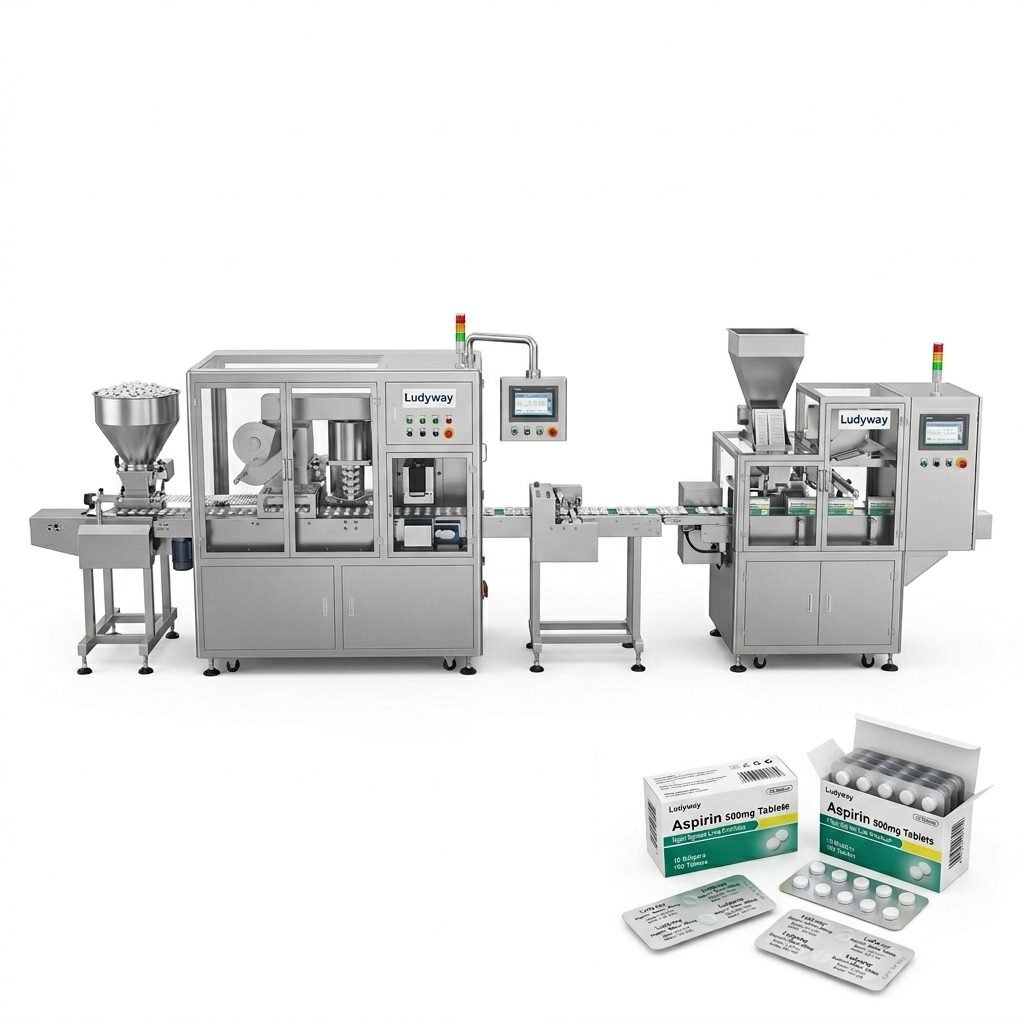
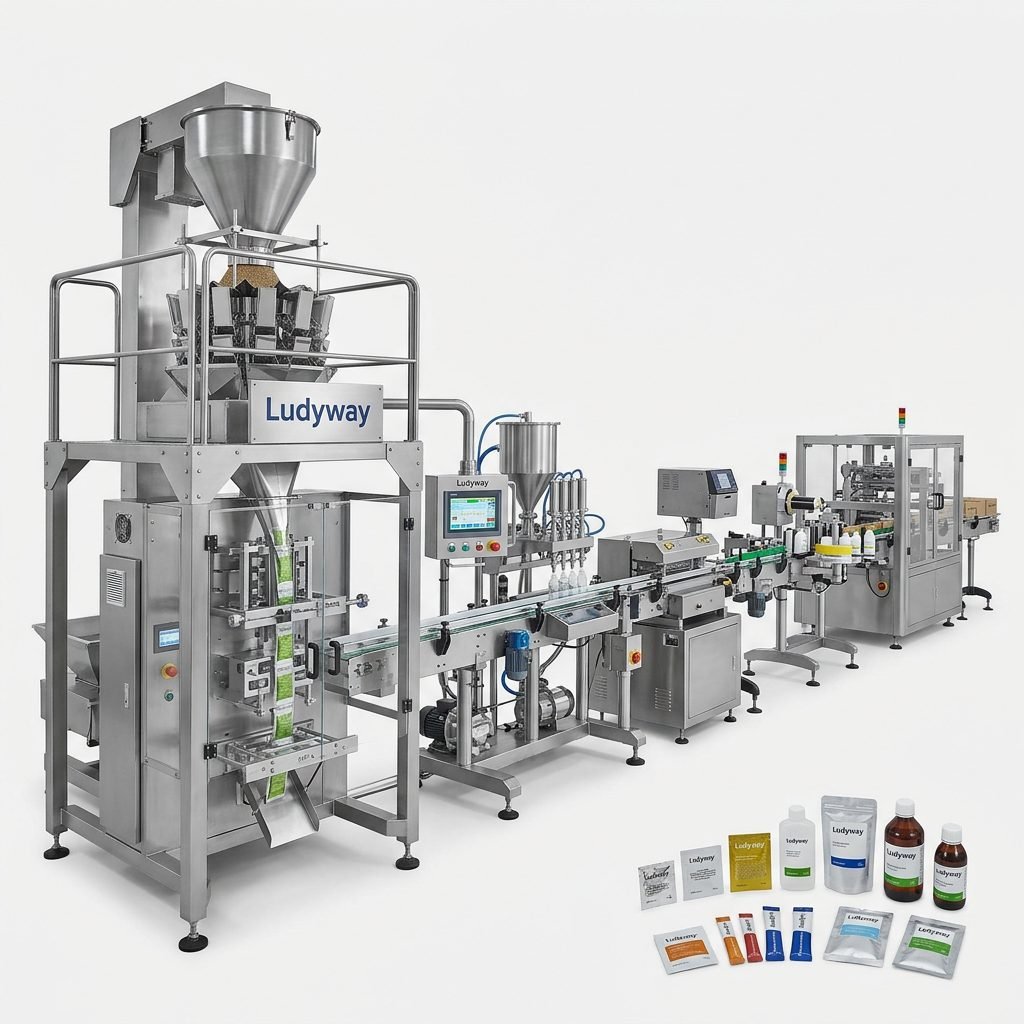
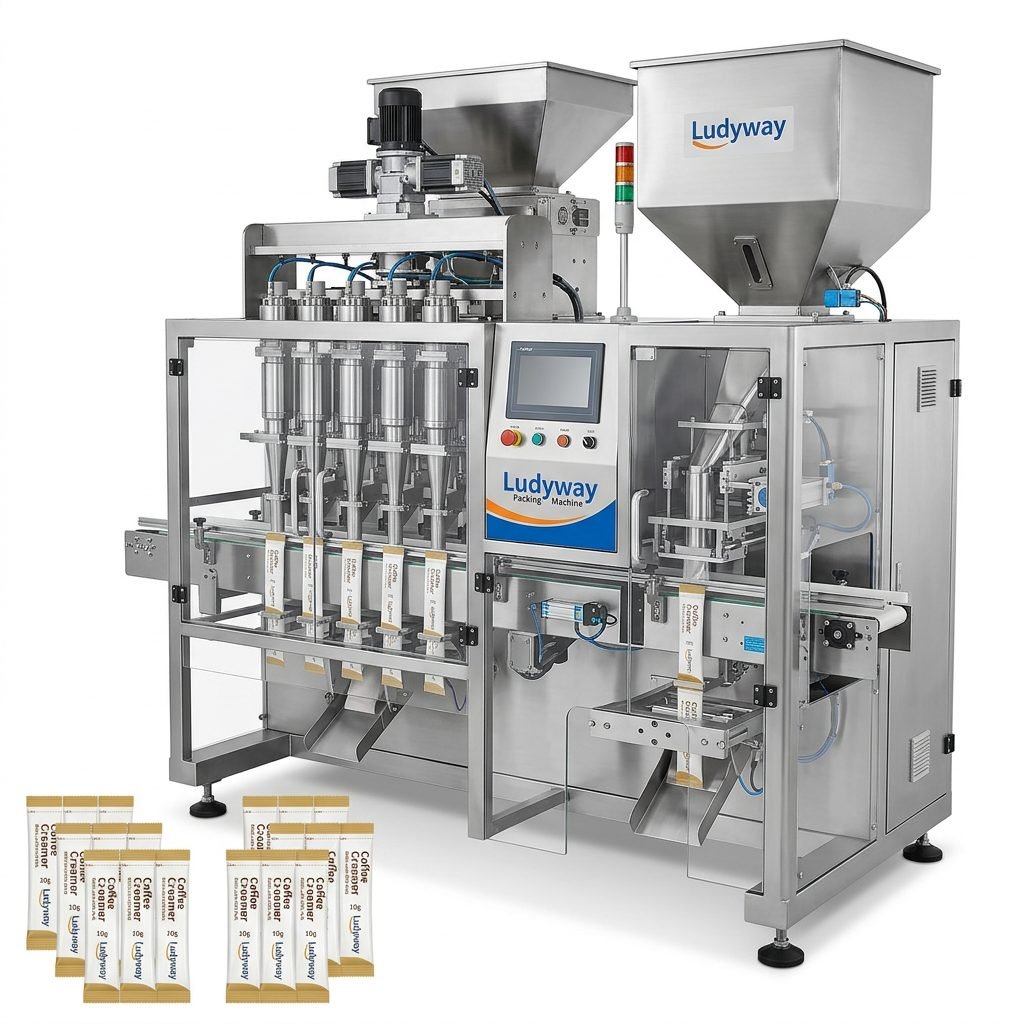
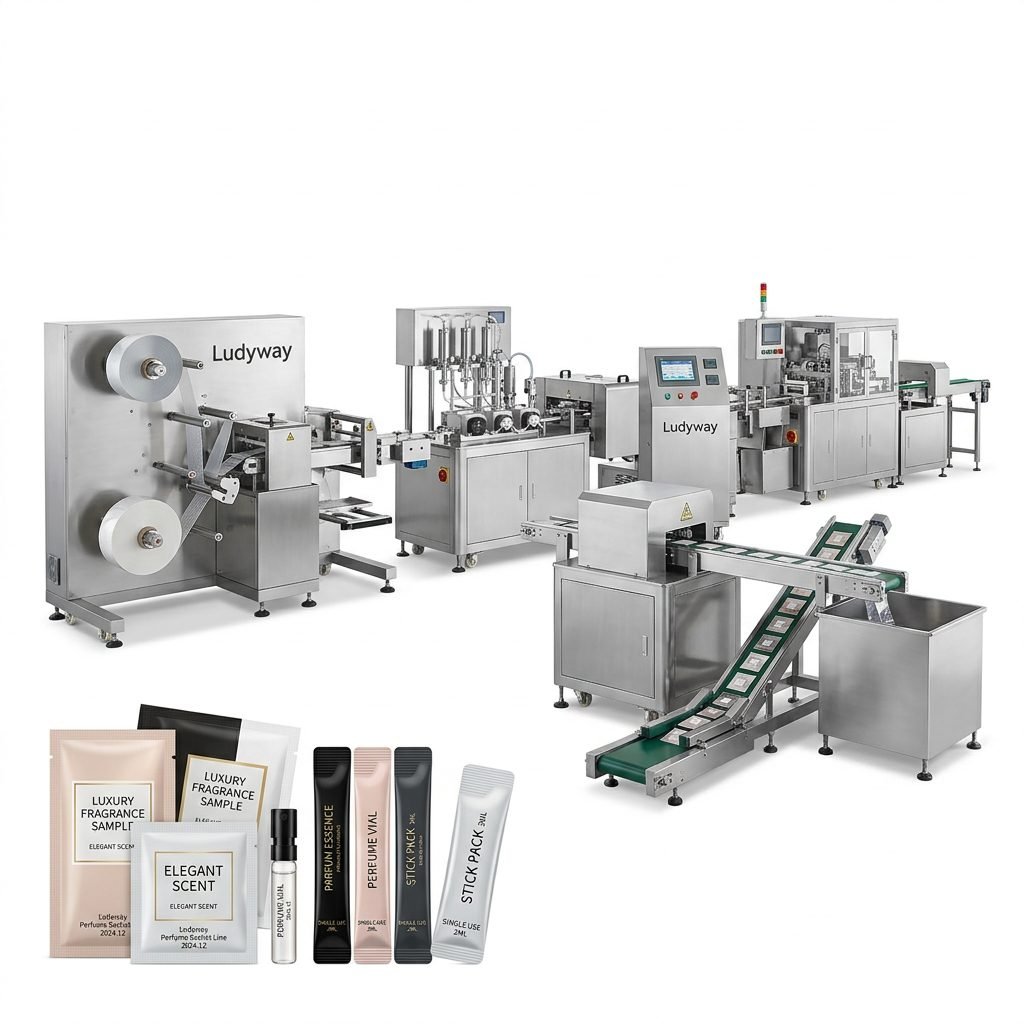
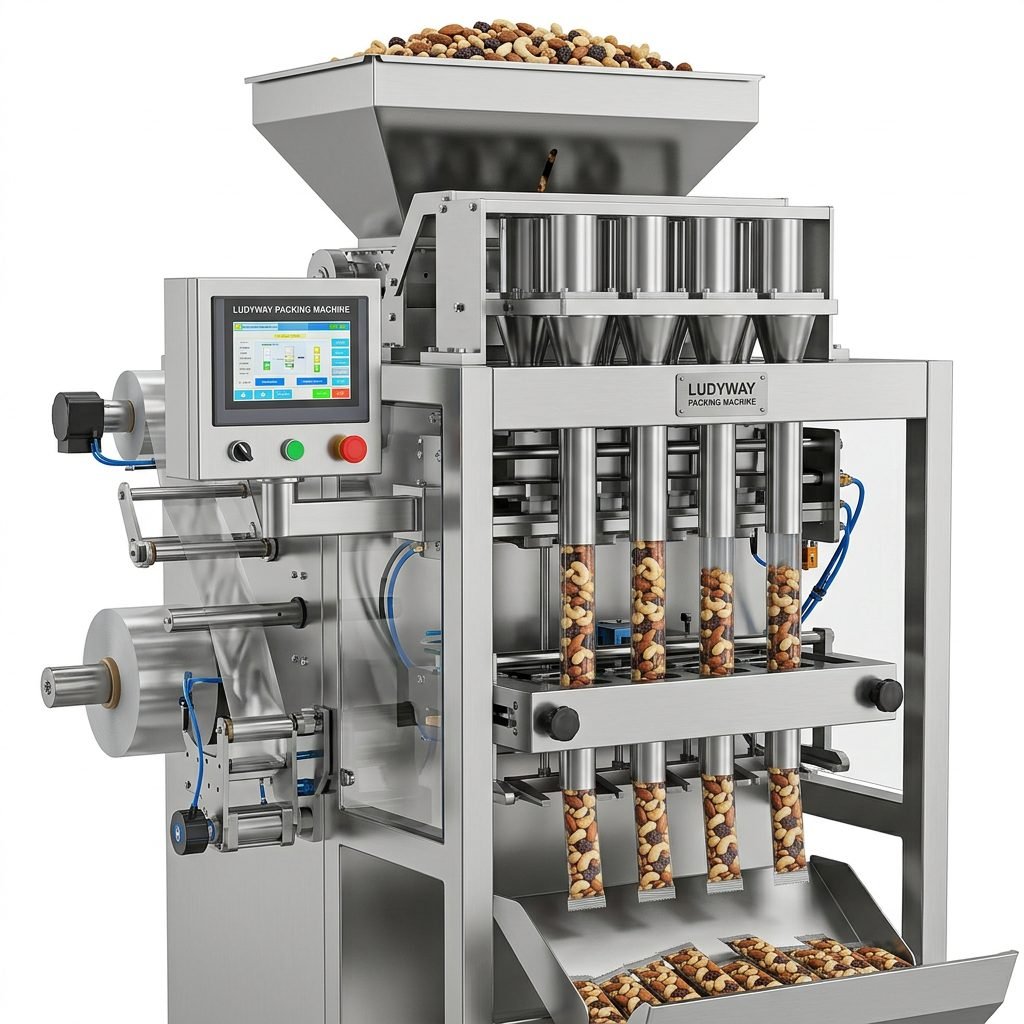
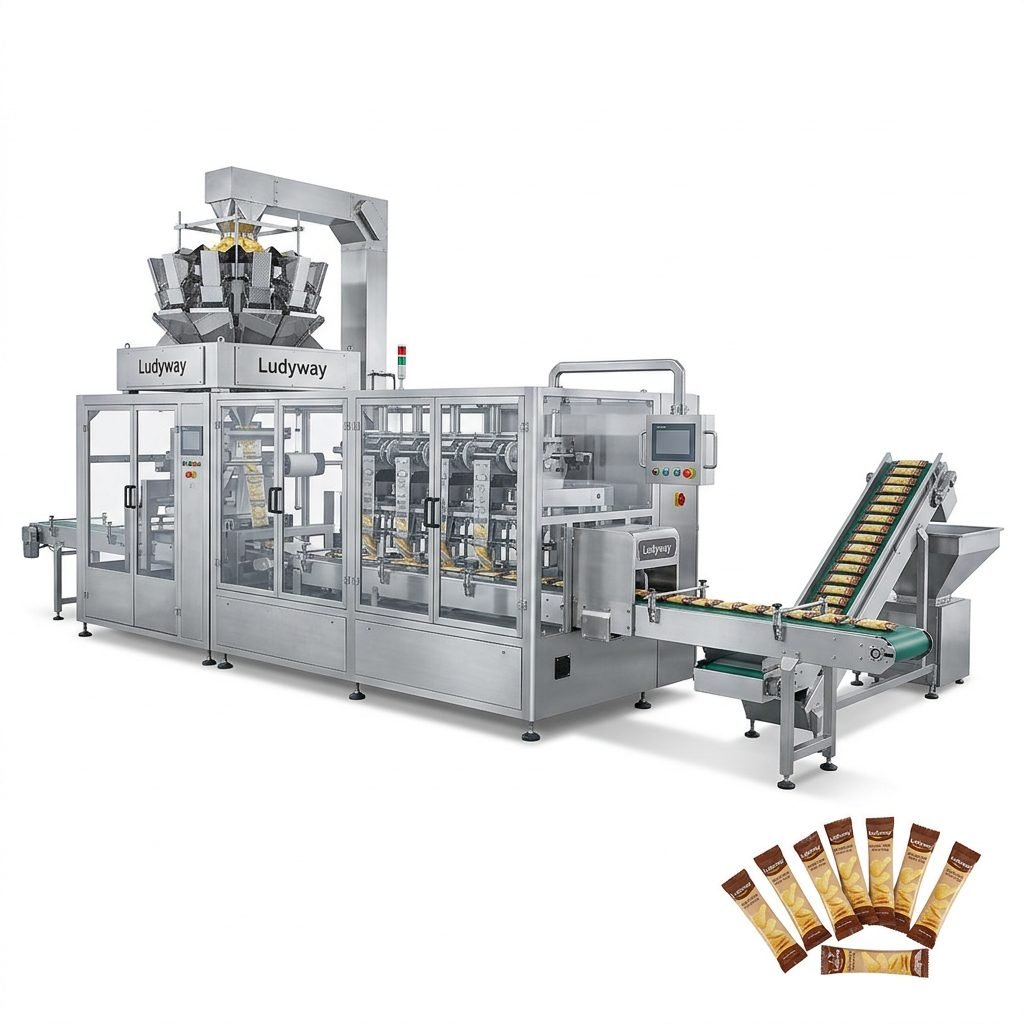
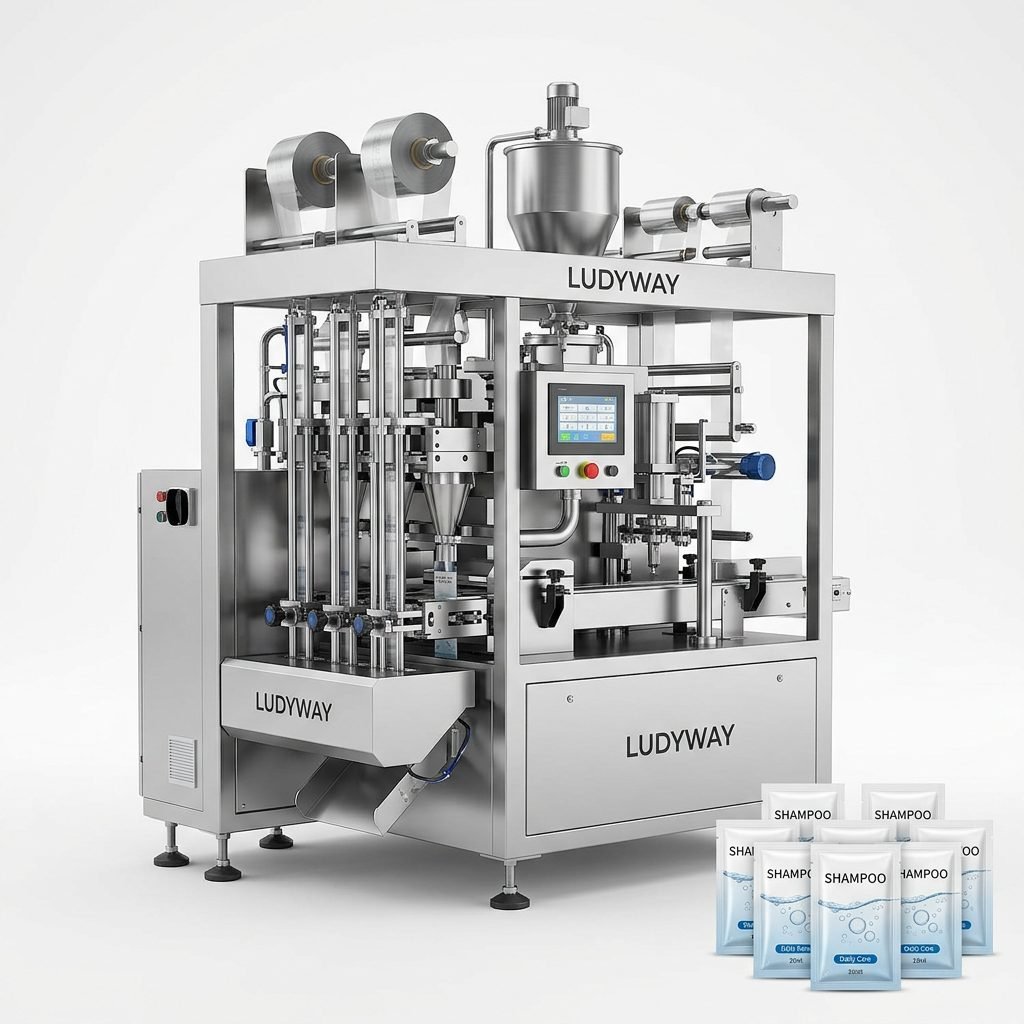
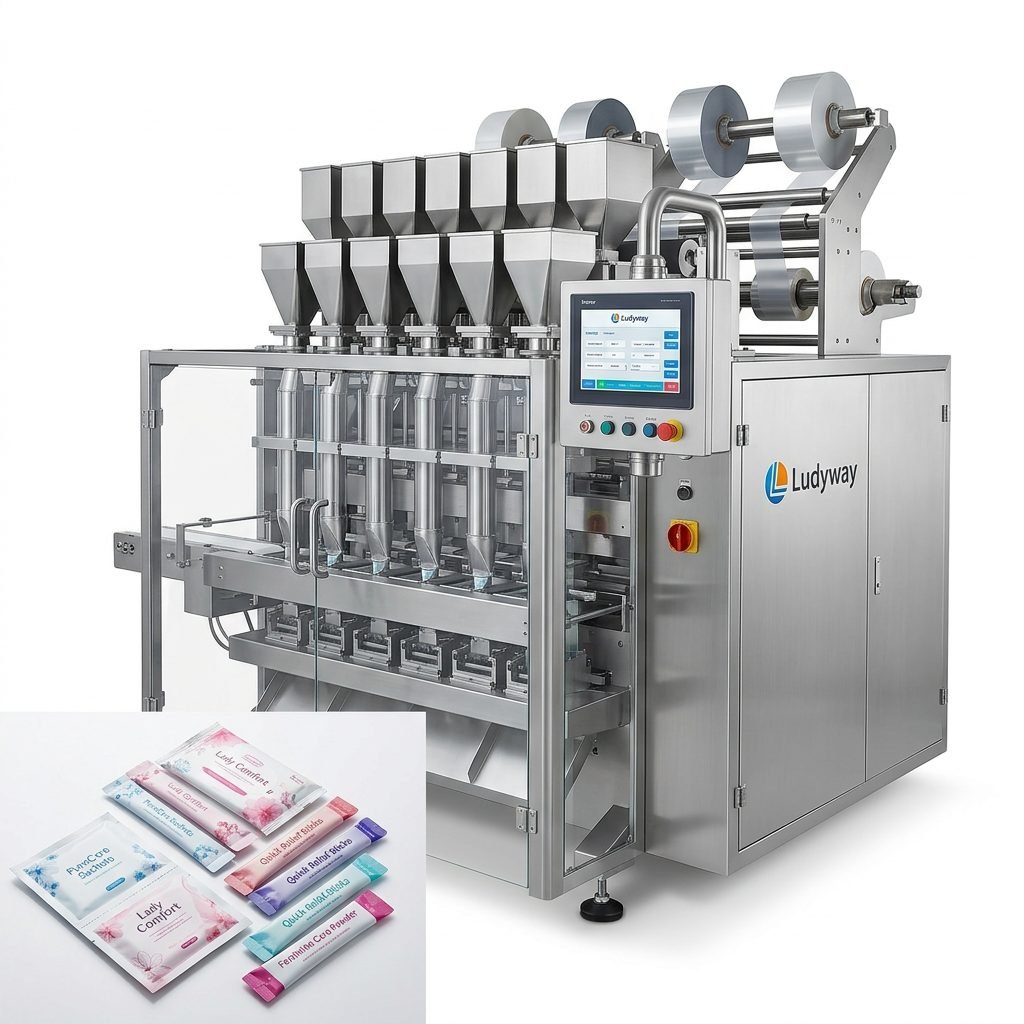
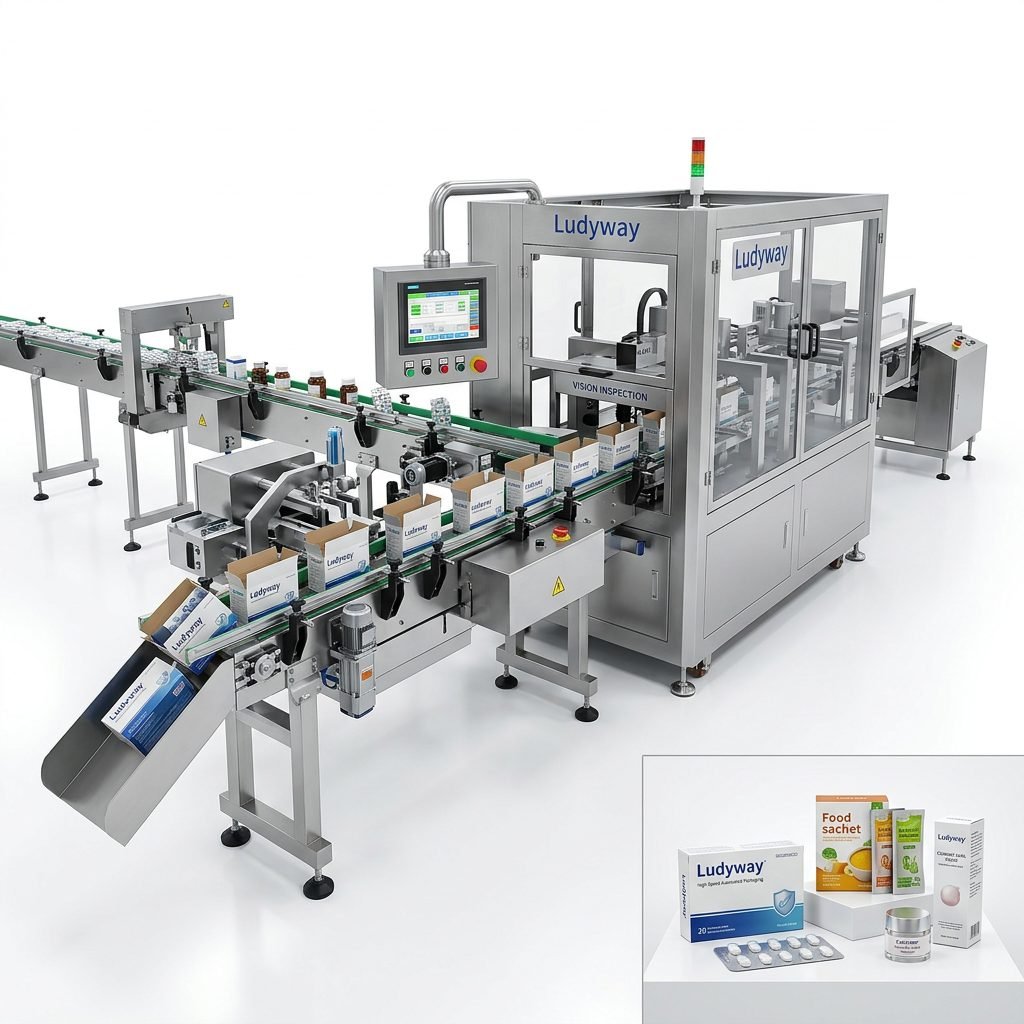
Important: Many manufacturers offer combination systems that integrate cartoning with upstream packaging — such as a sachet or stick pack machine feeding directly into the box packing unit. This integrated approach can significantly reduce material handling and labor costs.
4. Space, Integration, and Factory Layout Considerations
An automatic box packing machine must fit within your existing factory footprint and integrate smoothly with upstream and downstream equipment. Before finalizing your choice, evaluate the following layout factors:
- Available floor space — Measure the installation area including clearance for operation, maintenance access, and material loading
- Ceiling height — Some cartoners with overhead product feeding or large magazine capacities require additional vertical clearance
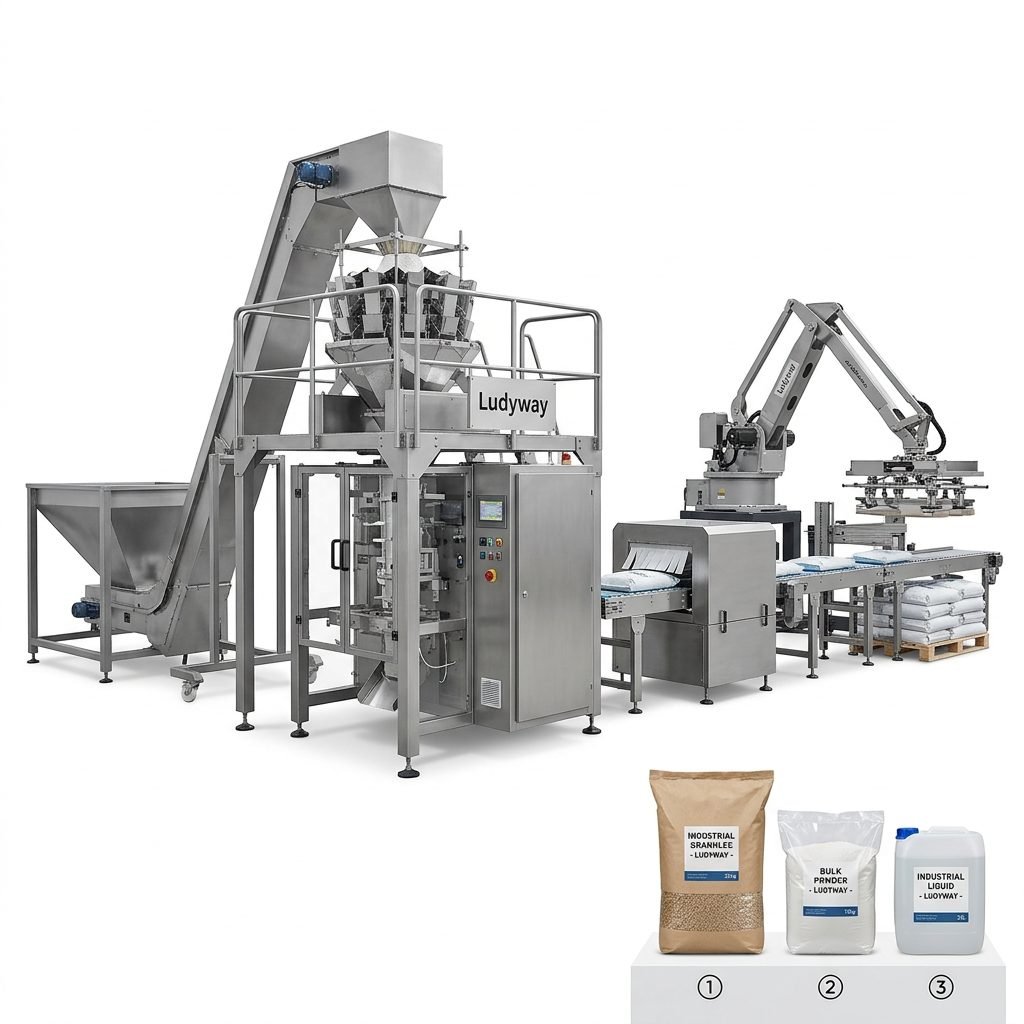
- Line integration — The machine must communicate with upstream fillers, checkweighers, metal detectors, and downstream palletizing systems
- Material flow — Consider how carton blanks enter the machine and how finished boxes exit to conveyors or case packers
- Utility requirements — Confirm electrical supply, compressed air availability, and any vacuum or extraction needs
When planning your layout, refer to packaging machinery market research for industry benchmarks on line efficiency and integration best practices. A well-planned installation minimizes disruption during commissioning and ensures optimal performance from day one.
5. Quality Standards and Compliance Requirements
Depending on your industry and target markets, your automatic box packing machine may need to comply with specific regulations and standards. This is particularly critical for food, pharmaceutical, and medical device manufacturers.
Key Standards to Consider
- FDA food packaging regulations — Required for food-grade packaging operations in the U.S. market
- ISO 11607 — Packaging for terminally sterilized medical devices, essential for pharmaceutical applications
- CE marking — Mandatory for machinery sold in the European Economic Area
- GAMP guidelines — Important for pharmaceutical validation and automated system compliance
- ISO packaging standards — Covers general packaging requirements across industries
Pro tip: Always request compliance documentation from your equipment supplier before purchase. Confirm that certifications are valid for your specific machine configuration and intended market.
6. Customization vs. Standard Machine Options
While standard automatic box packing machines can serve many applications, some operations require customized configurations. Understanding the trade-offs helps you decide which approach best fits your needs.
Standard machines offer faster delivery, lower upfront cost, and proven reliability based on established designs. Customized solutions, on the other hand, provide tailored functionality for unique products, special box formats, or specific production line constraints.
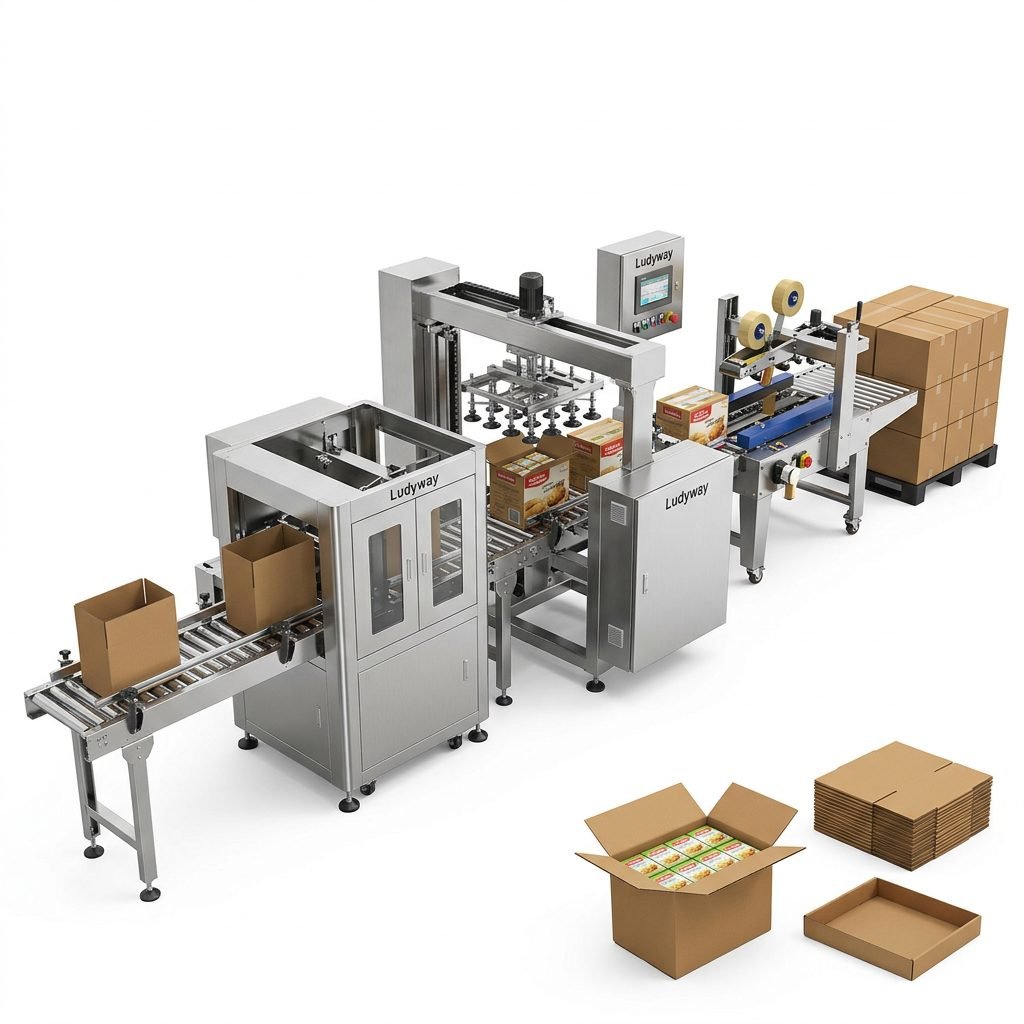
As an example, Ludyway Machinery, a packaging machinery manufacturer with over 30 years of experience, provides customized packaging machinery and engineering solutions for manufacturers worldwide. The company’s technical team evaluates each customer’s product and packaging requirements to recommend an appropriate machine configuration or complete packaging line — an approach particularly valuable for manufacturers looking to introduce new packaging formats or automate manual processes.
When considering customization, evaluate:
- Whether a standard machine can be adapted with modular add-ons rather than full custom engineering
- The long-term flexibility of a custom solution if your product range changes
- Lead time implications for custom-designed equipment versus off-the-shelf machines
7. After-Sales Support and Technical Service
The relationship with your equipment supplier extends well beyond installation. Reliable after-sales support is essential for maintaining production uptime and maximizing the lifespan of your automatic box packing machine.
What to Look for in a Supplier’s Support Program
- Installation and commissioning — On-site setup, testing, and integration with existing lines
- Operator training — Comprehensive training for machine operators and maintenance personnel
- Spare parts availability — Local or regional parts inventory with fast dispatch capability
- Remote technical support — Ability to diagnose issues and guide troubleshooting via remote connection
- Preventive maintenance programs — Scheduled service visits to prevent unexpected downtime
- Warranty coverage — Clear terms on what is covered and for how long
A supplier’s global service capability matters if you operate in multiple locations. Confirm that your supplier can provide support across all regions where your equipment will be installed.
8. Total Cost of Ownership and ROI Analysis
The purchase price of an automatic box packing machine is only part of the financial equation. A comprehensive cost analysis should include all factors that contribute to the total cost of ownership over the machine’s expected service life.
| Cost Category | What to Include | Typical % of TCO |
|---|---|---|
| Initial Purchase | Machine price, shipping, import duties, installation | 55–70% |
| Operational Costs | Energy consumption, compressed air, consumables (adhesives, tape) | 5–10% |
| Maintenance & Spare Parts | Scheduled service, replacement parts, unexpected repairs | 10–15% |
| Labor | Operator wages, training time, supervisory overhead | 10–20% |
| Downtime Risk | Lost production during repairs, changeover inefficiencies | Variable |
Calculate your expected ROI by comparing the cost savings from reduced labor, increased throughput, and lower material waste against the total investment. Many manufacturers achieve full payback within 18–36 months when transitioning from manual to automated boxing operations.
9. Steps to Selecting the Right Supplier
Choosing the right partner for your automatic box packing machine investment is as important as the technical specifications themselves. Follow these steps to evaluate and select a reliable supplier:
Supplier Evaluation Checklist
- Review industry experience — Look for suppliers with proven experience in your specific industry (food, pharma, cosmetics, chemicals, etc.)
- Request reference installations — Ask for case studies or customer references with applications similar to yours
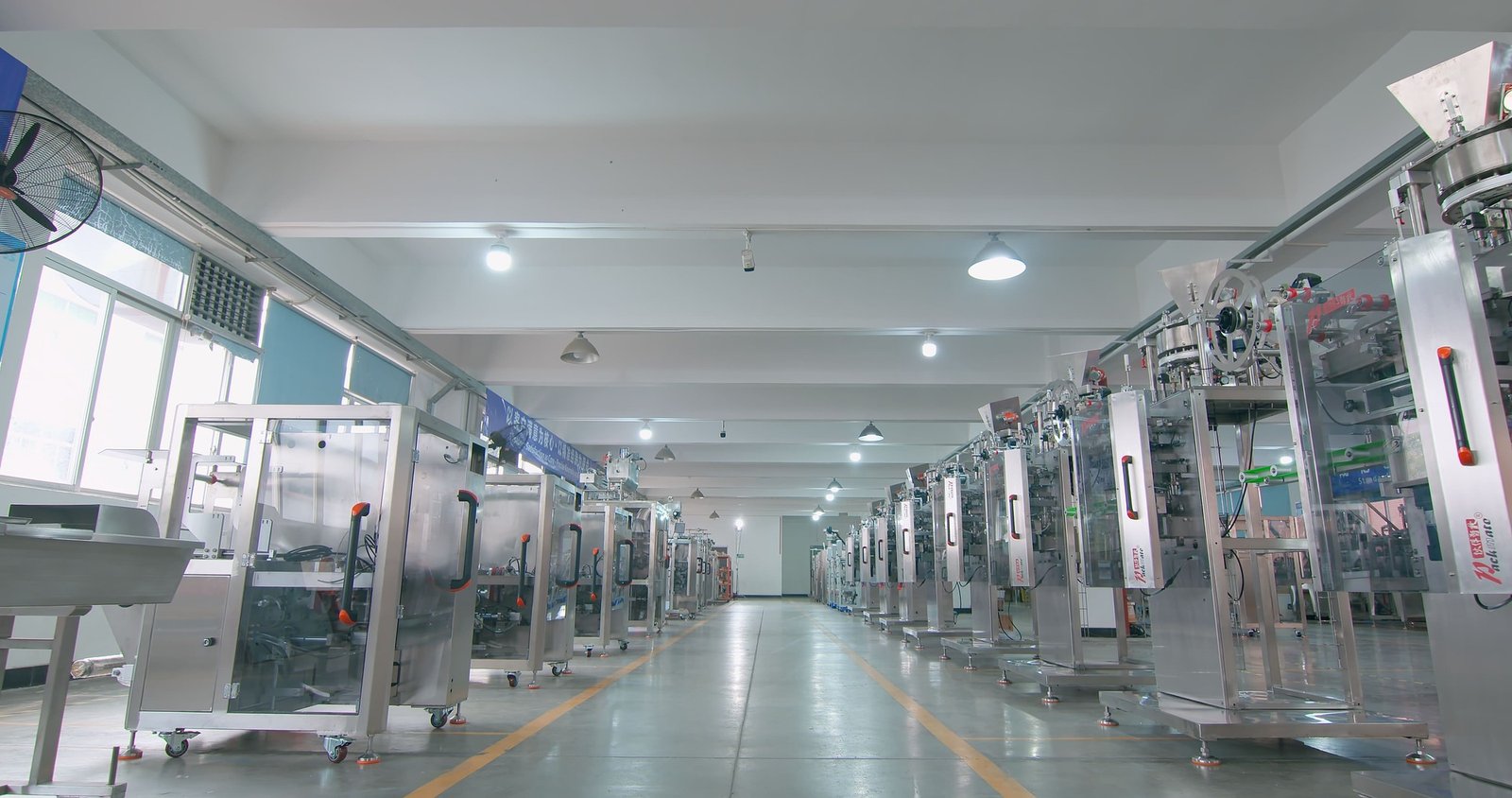
- Visit manufacturing facilities — When possible, inspect the supplier’s production facility and observe machines in operation
- Conduct product trials — Send samples of your products and packaging materials for machine testing before committing
- Evaluate customization capabilities — Confirm the supplier can engineer solutions specific to your needs if standard machines are not suitable
- Assess global support coverage — Ensure the supplier can provide technical service in all locations where the equipment will operate
- Compare warranty and service terms — Look beyond the warranty period to understand long-term support commitments
10. Future-Proofing Your Investment
An automatic box packing machine is a long-term capital investment. Taking steps to future-proof your purchase ensures that your equipment remains valuable and efficient as your business evolves.
Strategies for Long-Term Flexibility
- Choose modular designs — Machines with modular components can be upgraded or reconfigured as needs change
- Plan for capacity expansion — Select a machine that can accommodate higher speeds or additional product formats through field upgrades
- Ensure connectivity readiness — Modern machines should support Industry 4.0 protocols for data collection, remote monitoring, and integration with plant management systems
- Verify spare parts longevity — Confirm that critical components will remain available for the machine’s expected service life
- Keep changeover flexibility — If you may introduce new product sizes or box formats, ensure the machine supports quick-change tooling
For additional guidance on packaging machinery standards and regulations, refer to PMMI’s comprehensive resource library. The Flexible Packaging Association also offers valuable insights on flexible packaging industry data that can inform your packaging strategy.
Final Thoughts: Selecting the right automatic box packing machine requires balancing technical specifications, budget, supplier capabilities, and long-term business goals. By methodically evaluating each factor outlined in this guide — from product characteristics and speed requirements to compliance standards and total cost of ownership — you can approach the purchasing decision with confidence. The right machine, supported by a reliable partner, will deliver consistent performance, protect your products, and contribute to your manufacturing efficiency for years to come.