Setting up a ketchup packaging machine production line in South America presents a unique opportunity to tap into one of the fastest-growing condiment markets in the world. Whether you are launching a new brand or scaling up an existing tomato processing facility, choosing the right equipment and understanding local requirements are critical to your long-term success. This guide walks you through the essential steps, machine configurations, and regional considerations to build a high-efficiency, compliant, and profitable packaging operation.
Why South America is a Prime Market for Ketchup Packaging
The demand for portion-packed and bottled ketchup across Brazil, Argentina, Colombia, Chile, and Peru has surged due to expanding quick-service restaurant chains, growing retail penetration, and increasing exports. Establishing a local ketchup packaging production line near raw material sources reduces logistics costs and allows you to respond faster to regional taste preferences and packaging regulations. Key drivers include:
- Foodservice growth: Fast-food chains require millions of single-serve sachet packs monthly.
- Retail expansion: Supermarkets demand diverse formats — from mini stick packs to family-size pouches.
- Export potential: South American ketchup products are increasingly shipped to neighboring countries under trade agreements like Mercosur.
Core Equipment for a Complete Ketchup Packaging Line
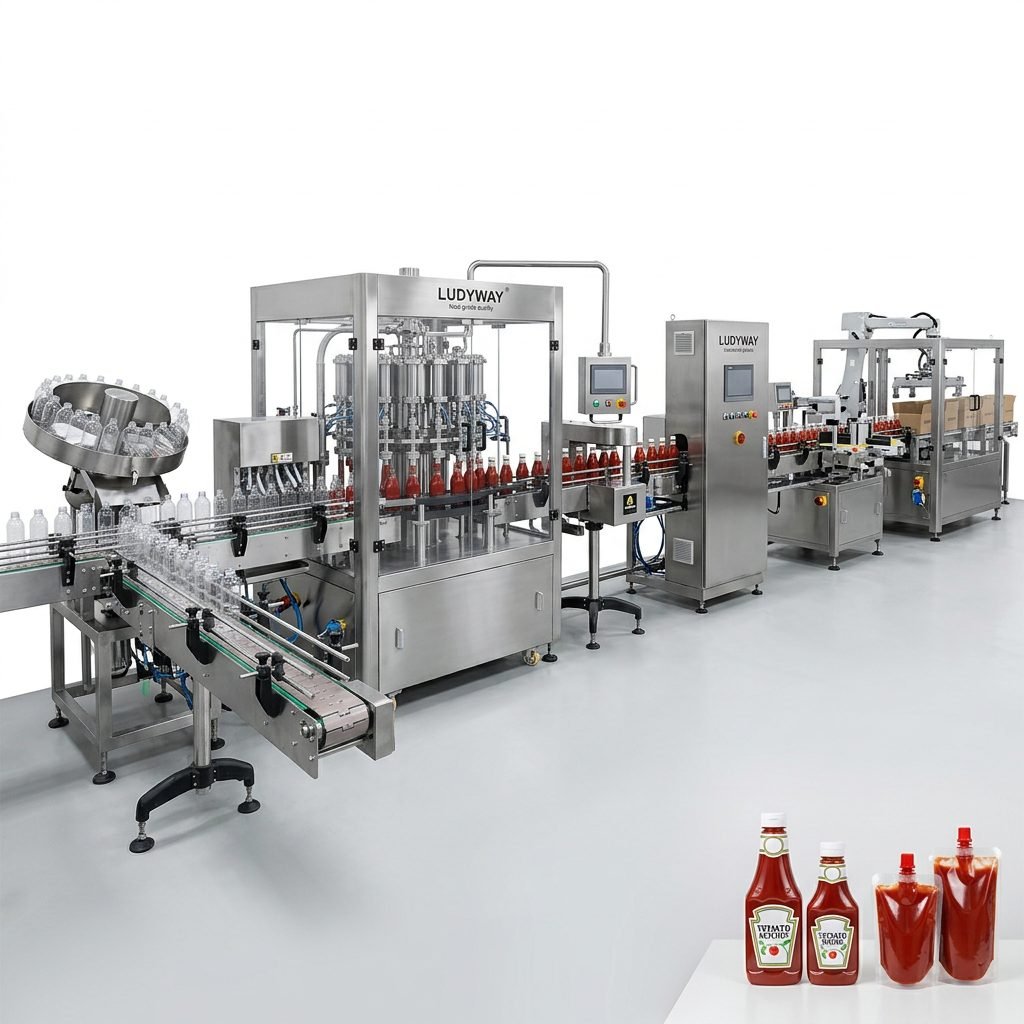
A fully integrated ketchup packaging machine production line goes beyond a single filling machine. It involves multiple synchronized stations that handle everything from product feeding to final case packing. Below is a breakdown of typical line components:
| Machine Type | Function | Key Feature |
|---|---|---|
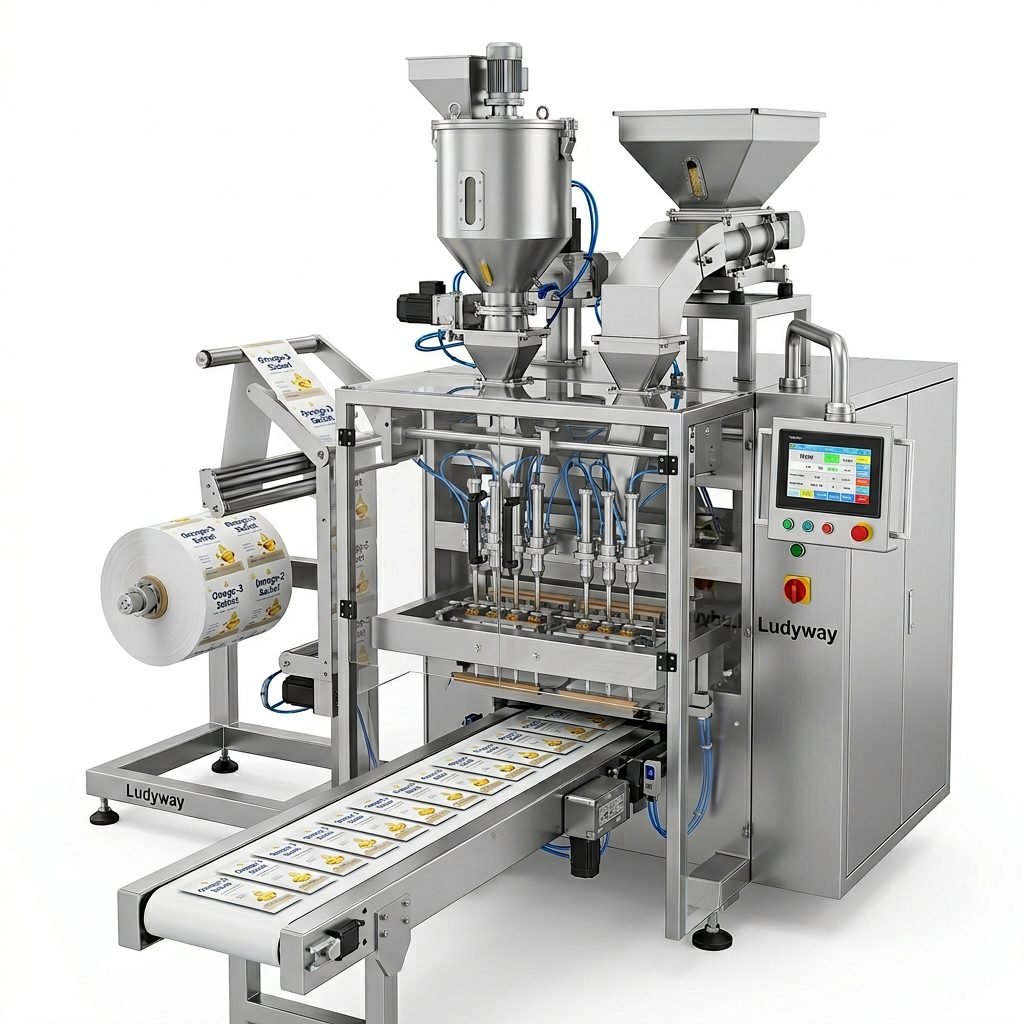
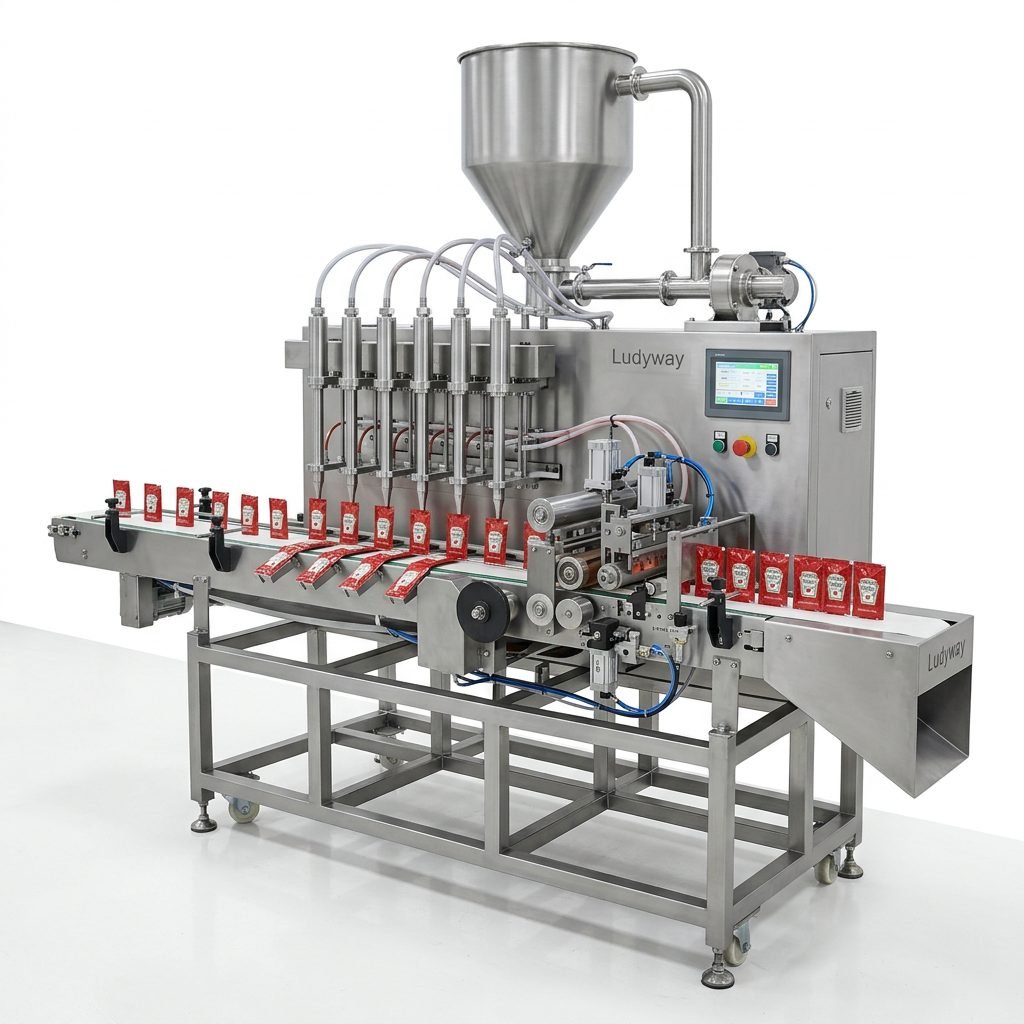
| Liquid Filling Machine | Precise dosing of ketchup into sachets, stick packs, or bottles | Servo-driven piston or gravity filling with anti-drip nozzles |
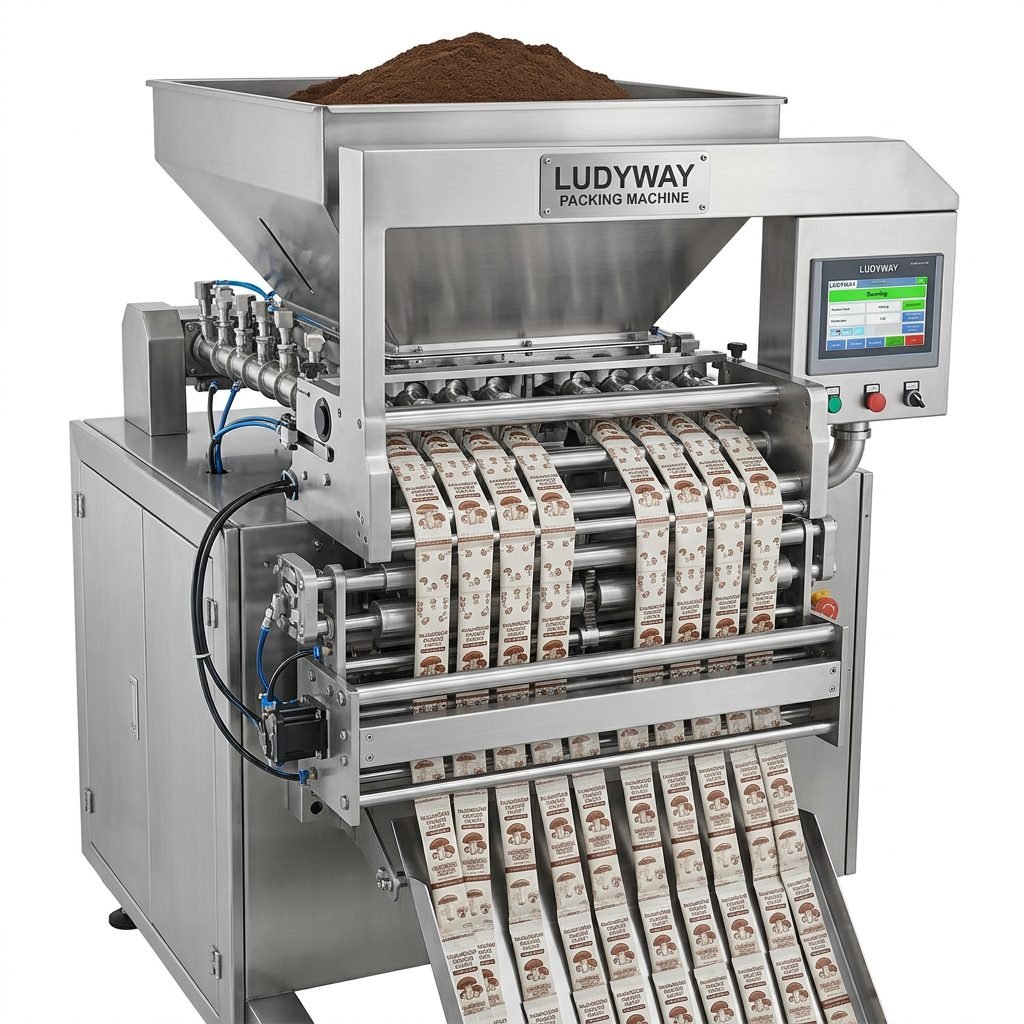
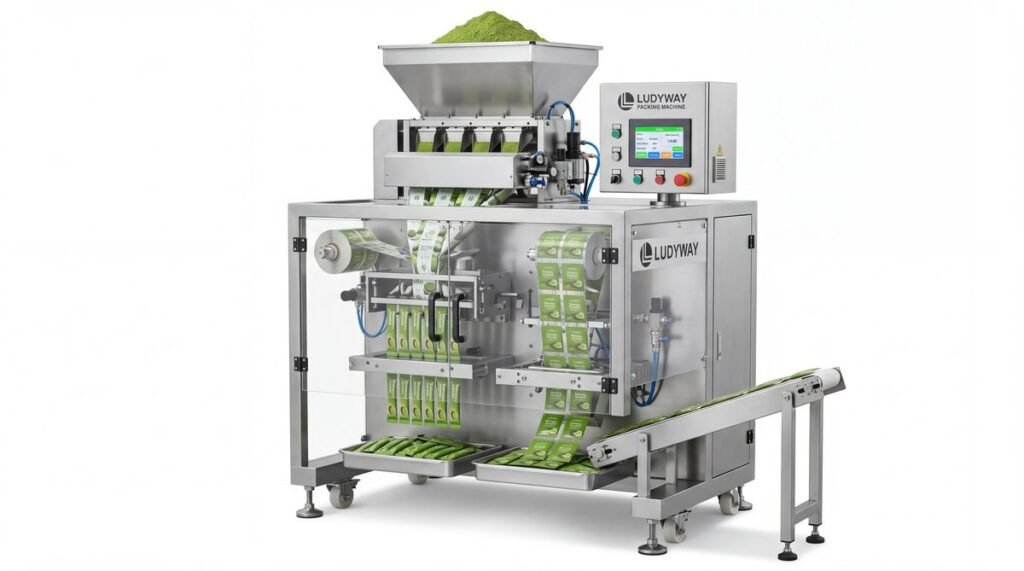
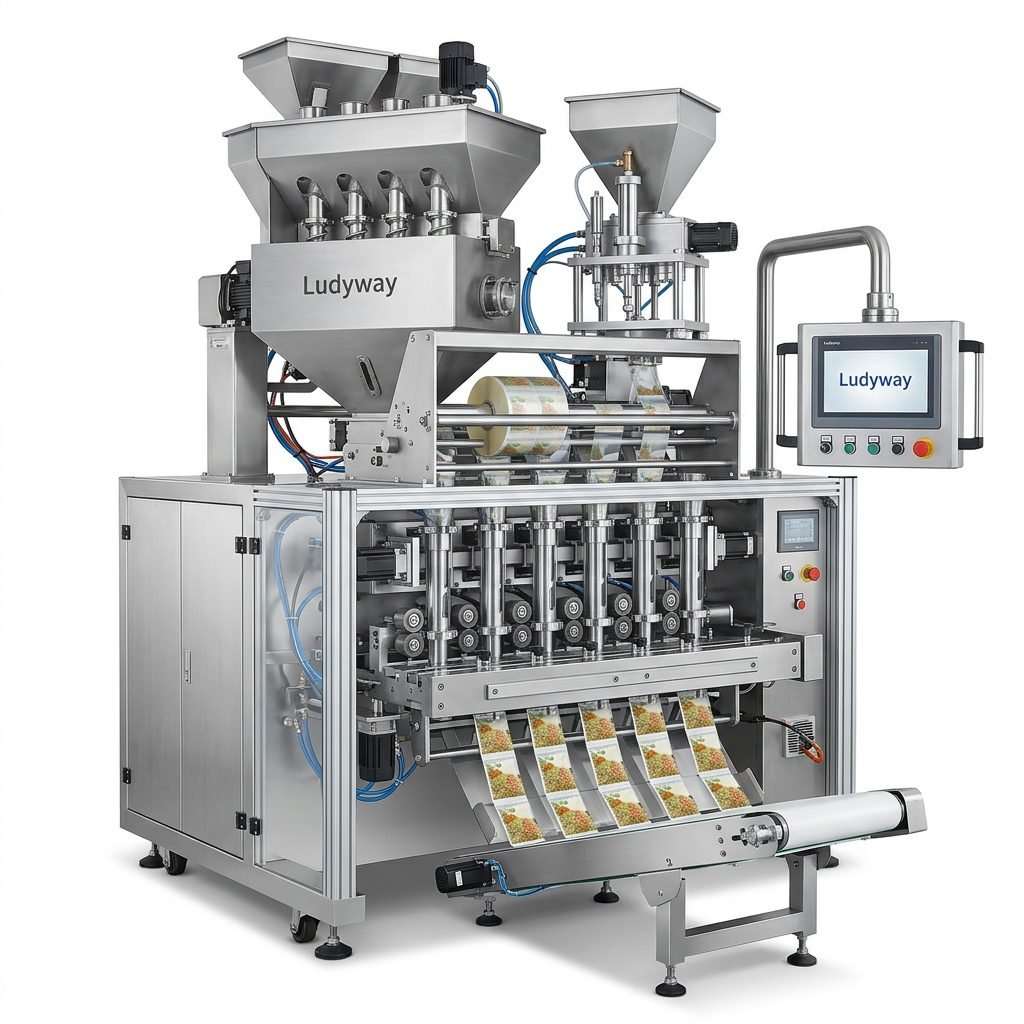
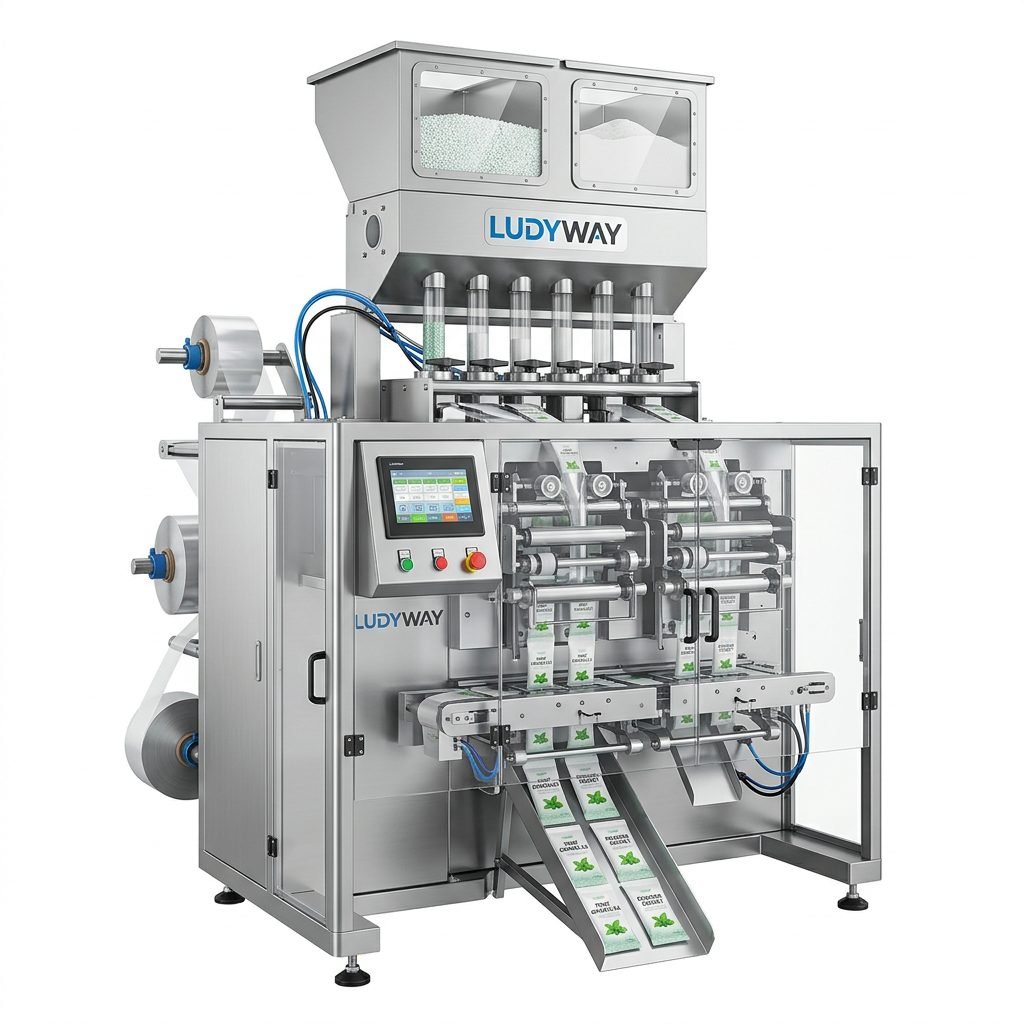
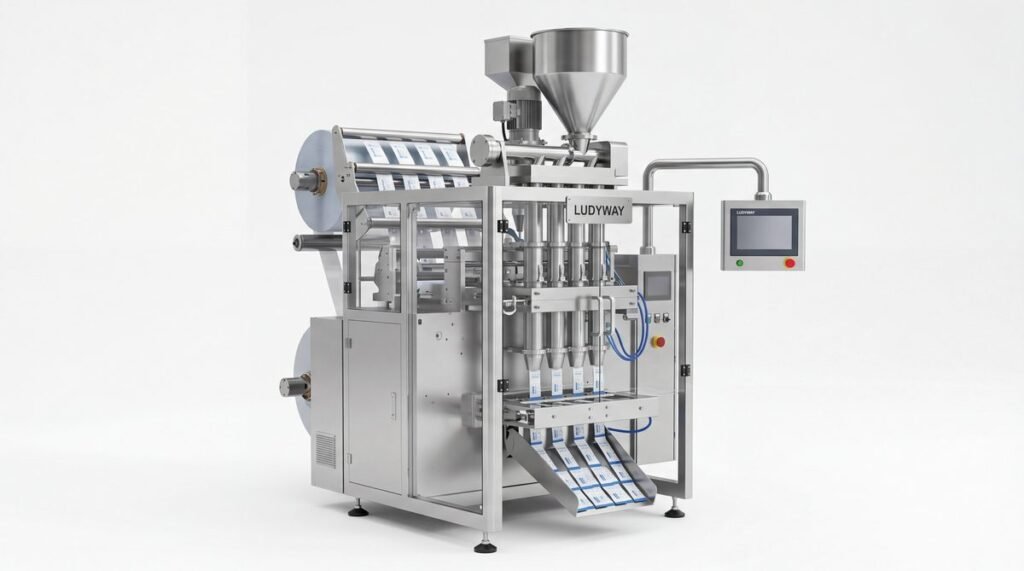
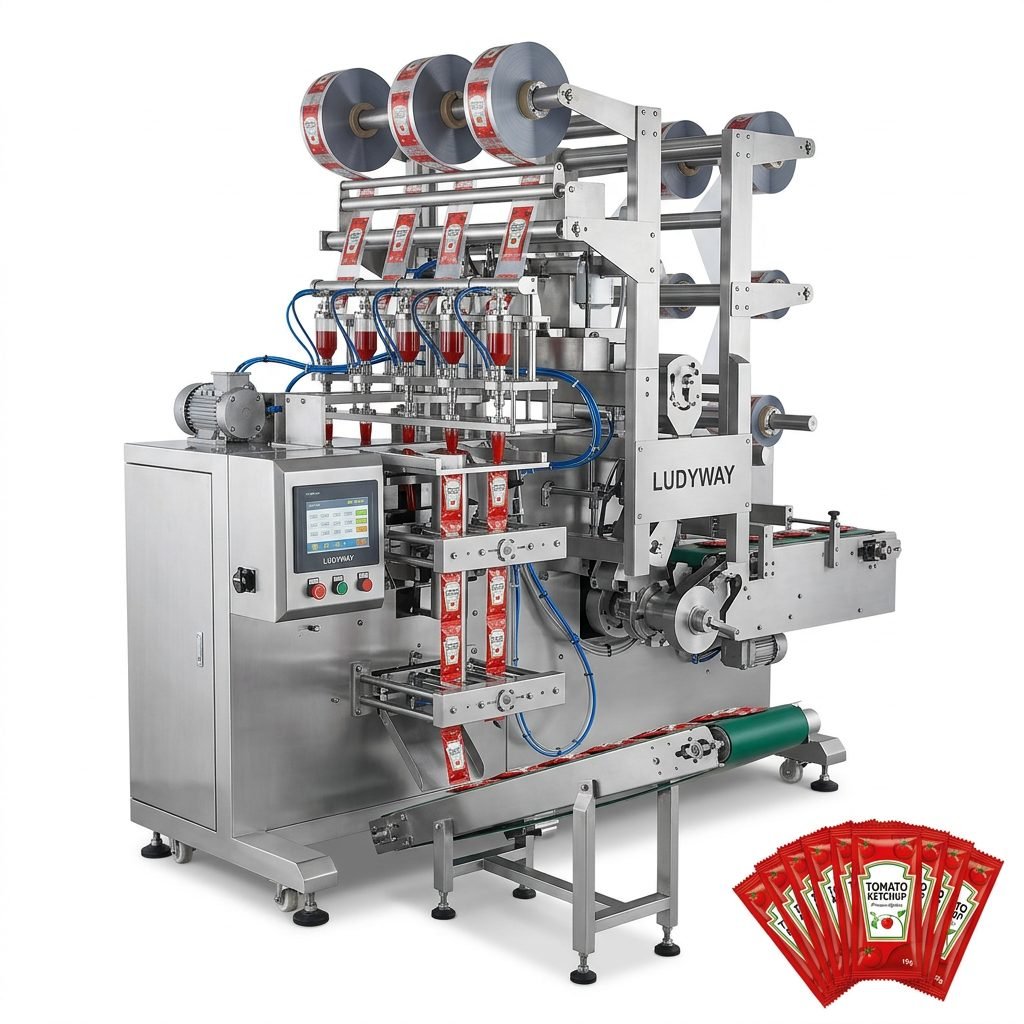
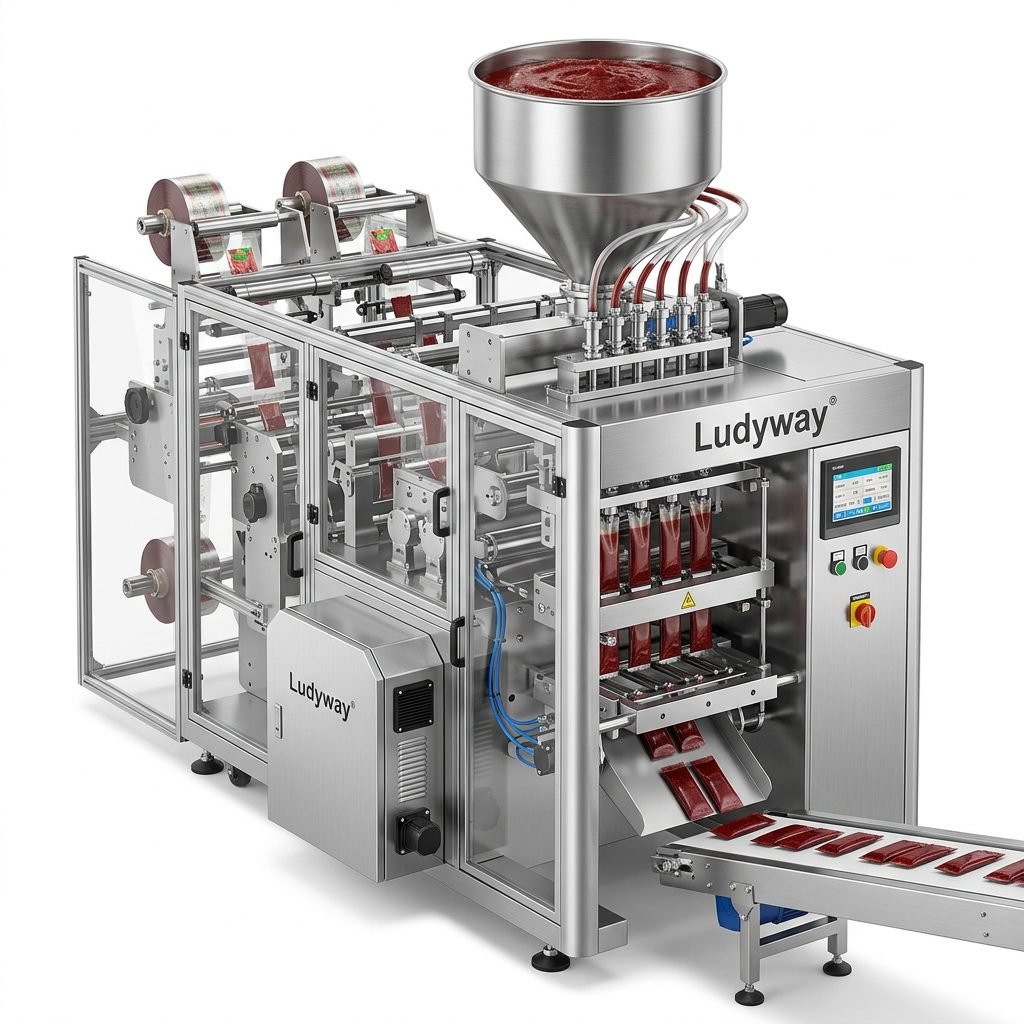
| Multi-Lane Sachet Packer | Forms, fills, and seals multiple sachets simultaneously | 4 to 12 lanes for high-output production |
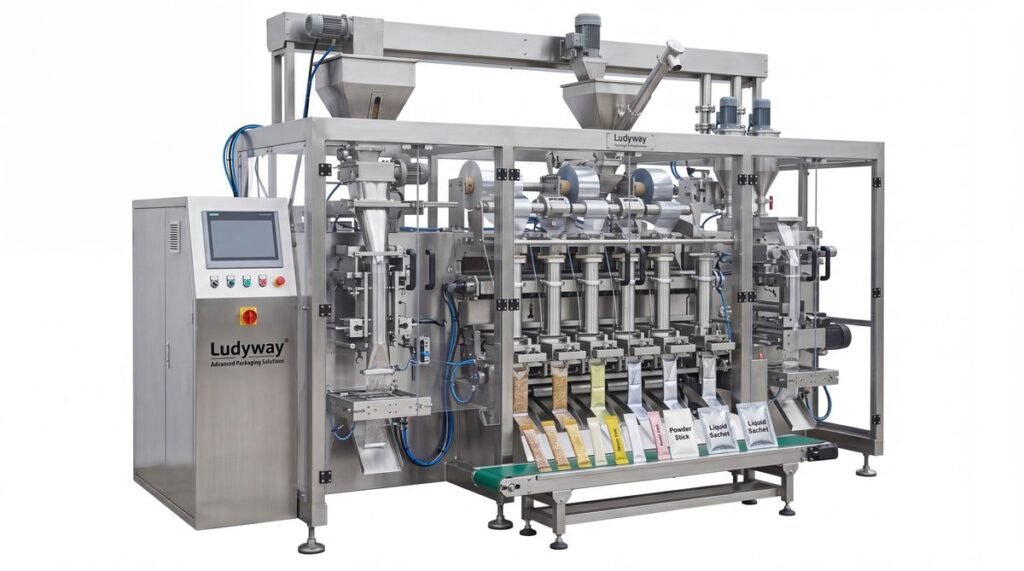
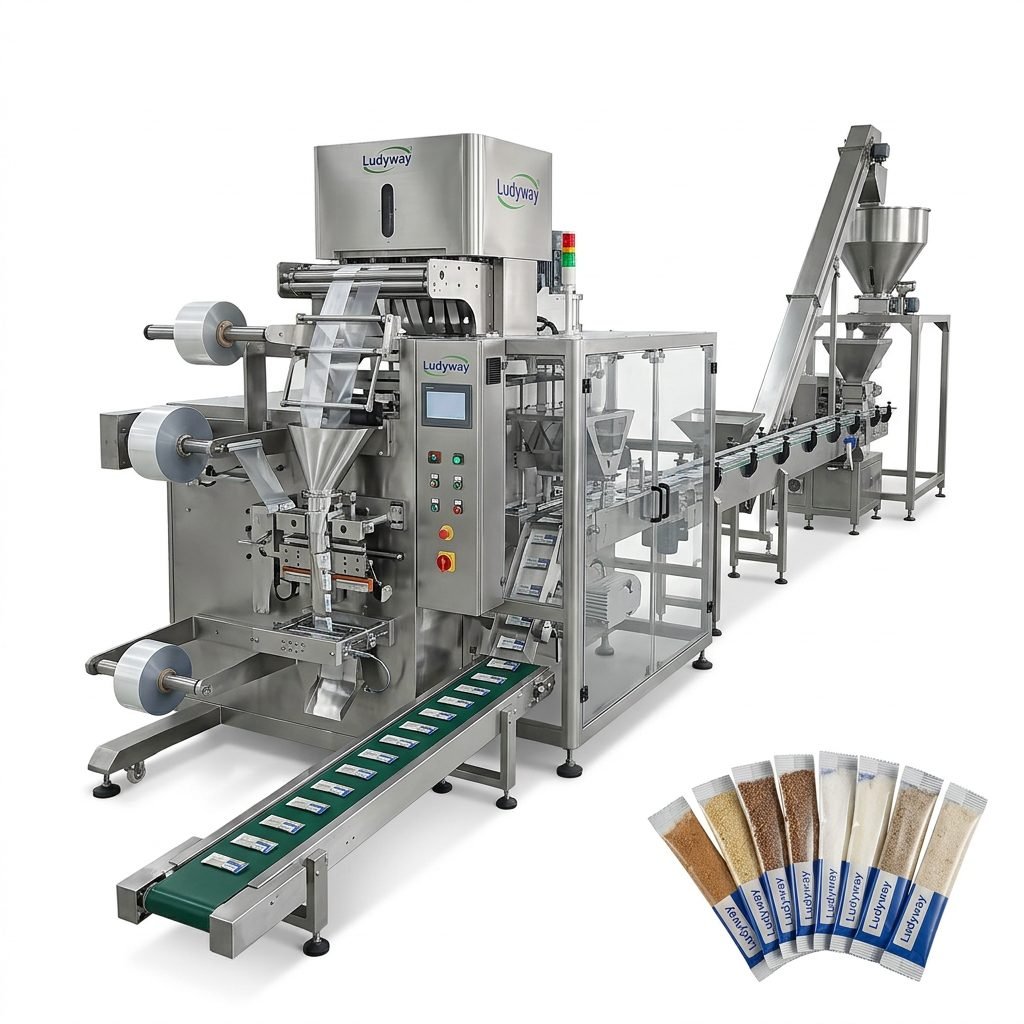
| Stick Pack Machine | Produces slender, easy-tear ketchup stick packs | Ideal for single-serve foodservice portions |
| Bottle Filling & Capping Line | Handles glass or plastic bottles with screw caps or flip-tops | Rotary or inline configuration up to 200 bottles per minute |
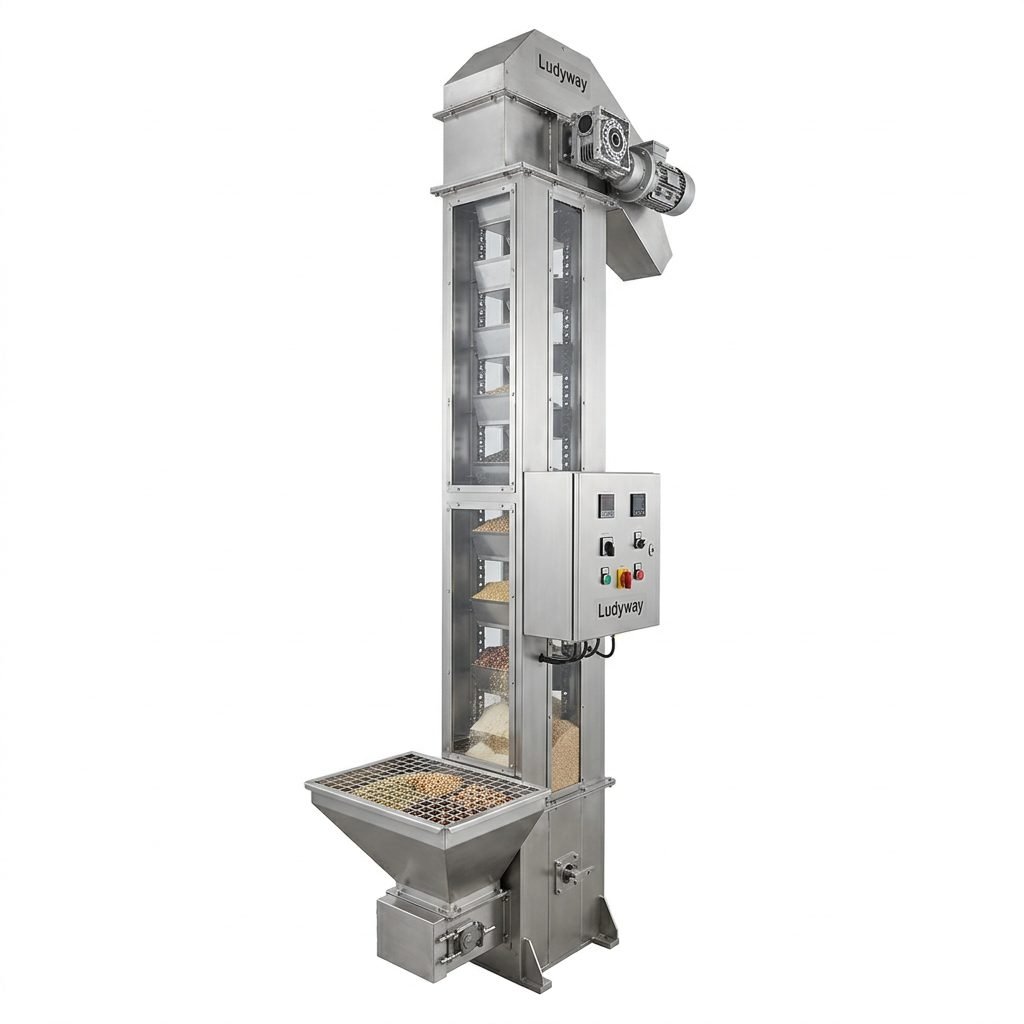
| Conveyor & Integration Systems | Connects all machines and transports product between stations | Stainless steel, washdown-ready design |
| End-of-Line Packaging | Cartoning, case packing, and palletizing | Fully automated for labor cost reduction |
Step-by-Step Production Line Setup Process
Follow this structured approach to set up your ketchup packaging line efficiently while avoiding costly delays:
- Define Your Product Format: Decide between sachets (3g–20g), stick packs (5g–15g), pouches (100g–500g), or bottles (200ml–1L). Your format determines the primary filling technology required.
- Calculate Required Output Capacity: Determine units per minute or per shift. Multi-lane machines can deliver 400–1,200 sachets per minute, while bottle lines may run at 60–200 bottles per minute.
- Plan Factory Layout and Utilities: Ensure adequate space for raw material staging, machine placement, operator walkways, and finished goods storage. Verify electrical supply matches machine requirements — many South American regions operate on 220V/60Hz or 380V/50Hz three-phase power.
- Source Compatible Packaging Materials: Ketchup requires high-barrier laminated films to protect against oxygen and light degradation. Work with local or international film suppliers who meet food contact substance regulations.
- Install and Commission Equipment: Professional installation teams should handle machine positioning, leveling, electrical wiring, and pneumatic connections. Conduct dry runs and product trials before full production.
- Train Operators and Maintenance Staff: Comprehensive training ensures smooth daily operation and reduces downtime. Provide documentation in Spanish or Portuguese as needed.
- Implement Quality Control Protocols: Set up checkweighing, seal integrity testing, and metal detection stations to meet export-quality standards.
Key Regulatory and Compliance Considerations for South America
Each country in South America has distinct food packaging regulations. Before installing your ketchup packaging machine production line, familiarize yourself with:
- ANVISA (Brazil): Governs food contact materials and hygienic design requirements for packaging equipment.
- INVIMA (Colombia): Requires registration and inspection of food processing and packaging facilities.
- SENASA (Argentina): Oversees food safety standards and packaging material compliance.
- Mercosur Technical Regulations: Harmonized standards that apply across member states, simplifying cross-border trade.
Reference global best practices such as ISO packaging standards and guidelines from the Flexible Packaging Association to ensure your line meets international benchmarks.
Optimizing Efficiency with Turnkey Automation
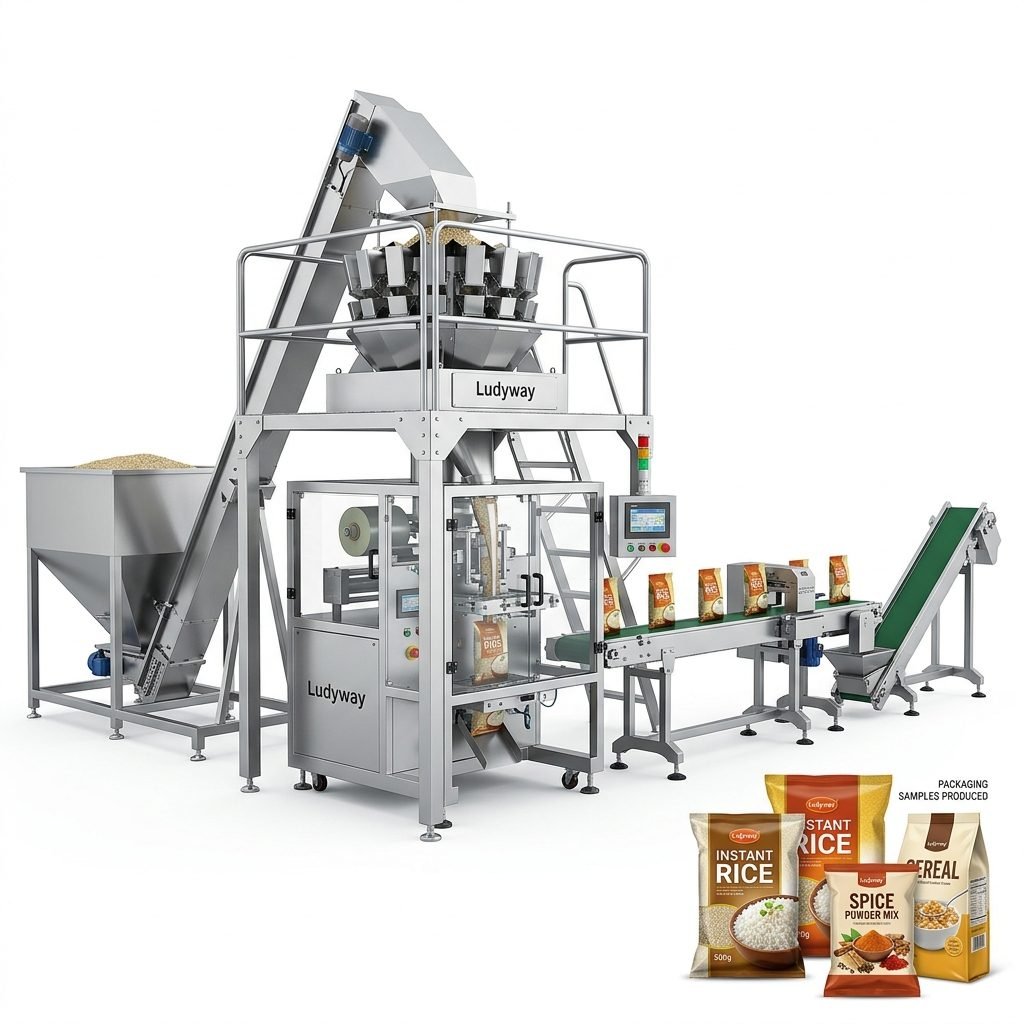
A turnkey ketchup packaging solution integrates all upstream and downstream processes — from raw ketchup holding tanks to palletized finished goods. Benefits of a fully automated line include:
| Automation Feature | Impact on Production |
|---|---|
| In-line CIP (Clean-in-Place) | Reduces cleaning downtime by up to 60% while ensuring food safety |
| Servo-Driven Filling | Achieves ±0.5% fill accuracy, minimizing product giveaway |
| Vision Inspection Systems | Automatically rejects improperly sealed or misprinted packages |
| Centralized PLC Control | Allows one operator to monitor and adjust the entire line from a single HMI |
Maintenance, Spare Parts, and After-Sales Support in Latin America
Equipment reliability is paramount when operating in regions where technical support may be geographically distant. Establish a maintenance plan that includes:
- Preventive maintenance schedules based on machine hours or production cycles.
- Local spare parts inventory for critical wearing components such as seals, heating elements, and cutting blades.
- Remote diagnostic capability allowing manufacturer engineers to troubleshoot via internet connection.
- Spanish and Portuguese technical documentation for on-site teams.
Choosing the Right Packaging Machine Partner
When selecting a supplier for your ketchup packaging machine production line, prioritize manufacturers with proven international project experience, particularly in South American markets. A reliable partner should offer factory acceptance testing, on-site installation supervision, and long-term technical support. Ludyway, one of the largest packaging machine manufacturers in China with over 30 years of experience and a 20,000㎡ modern production facility, provides advanced ketchup packaging solutions — including multi-lane sachet machines, stick pack systems, and fully automated turnkey lines — serving customers in more than 100 countries worldwide.
For more insights on global packaging machinery trends, explore resources from PMMI Business Intelligence and the PACK EXPO International event, where the latest packaging innovations are showcased.
Frequently Asked Questions About Ketchup Packaging Lines
What is the ideal filling temperature for ketchup during packaging?
Ketchup is typically filled at ambient to warm temperatures (20°C–50°C) depending on the recipe and preservative system. Hot-fill processes (above 85°C) may be used for extended shelf life but require compatible film materials and cooling sections.
How do I prevent sauce splashing and contamination during high-speed filling?
Modern filling machines use bottom-up or sub-surface filling nozzles that rise gradually as the container fills, minimizing splashing. Additionally, enclosed filling zones with laminar airflow help maintain hygienic conditions per GMP standards.
Can one machine handle both ketchup and mayonnaise packaging?
Yes. Many liquid packaging machines can switch between ketchup, mayonnaise, mustard, and other viscous sauces by changing filling parameters, nozzles, and film rolls. Quick-changeover designs allow format swaps in under 30 minutes.
By carefully planning each phase — from equipment selection to regulatory compliance and after-sales support — your ketchup packaging machine production line in South America can achieve high throughput, consistent product quality, and rapid return on investment. The growing regional demand for convenience-packed condiments makes now an ideal time to invest in advanced, automated packaging technology tailored to local market needs.