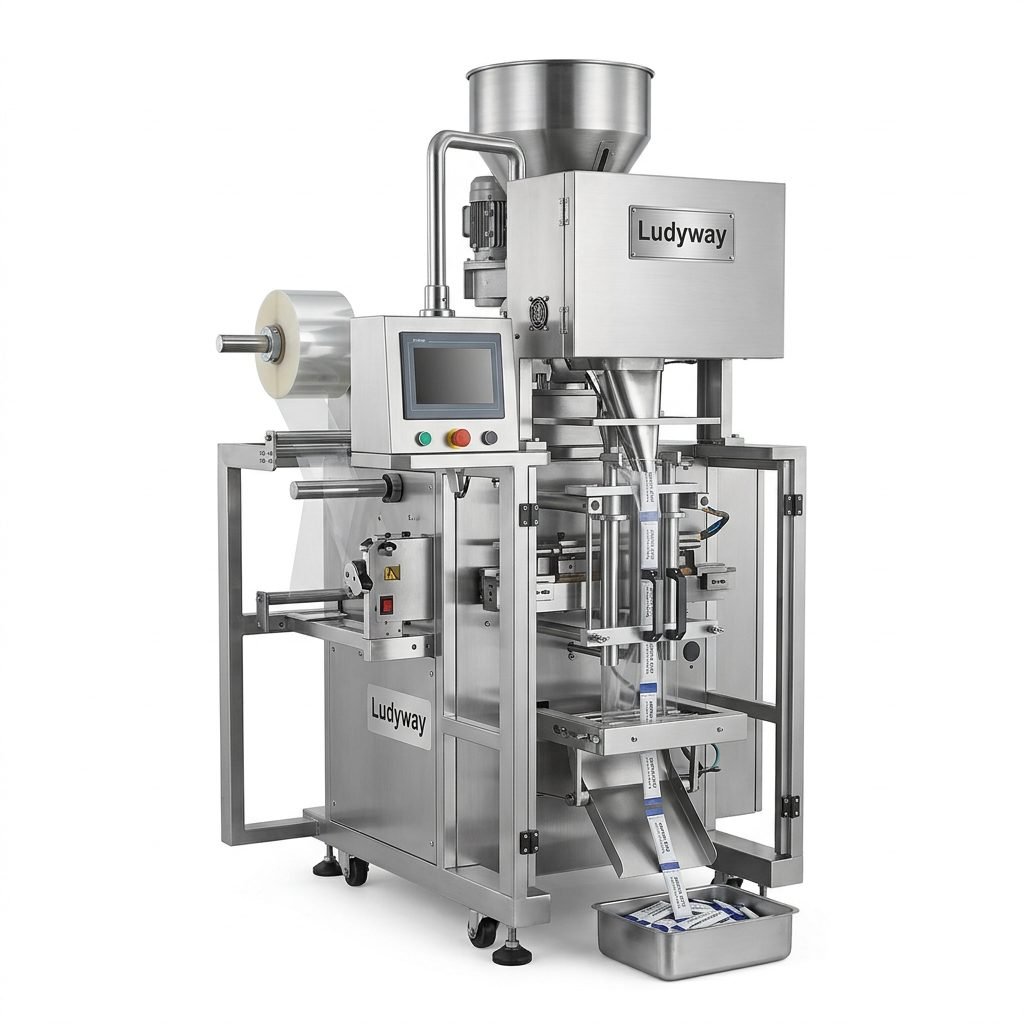
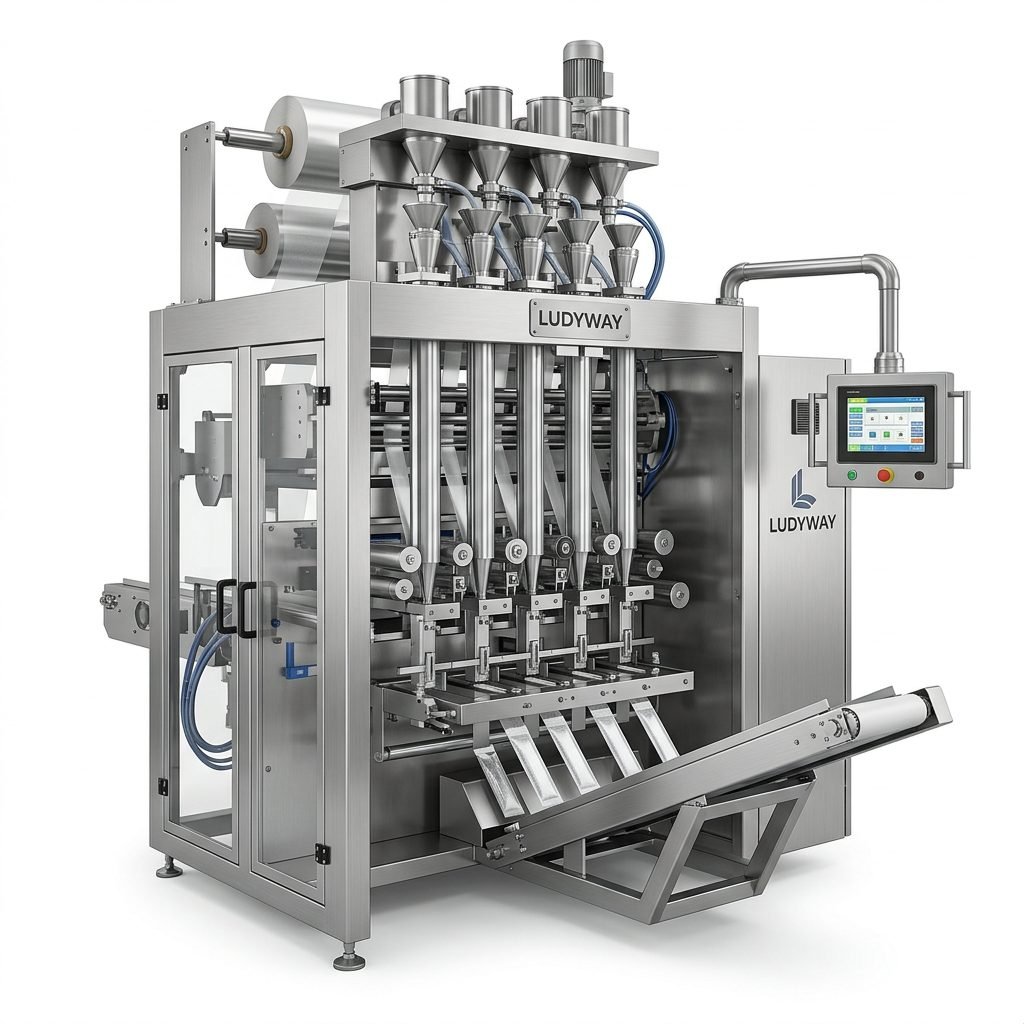
In the fast-paced world of manufacturing, efficiency, accuracy, and product integrity are paramount. For industries handling powders, granules, liquids, and pharmaceuticals, unit dose packaging has emerged as a critical solution. This guide delves into the world of unit dose packaging machines, exploring their various types, significant benefits, and providing a clear framework for selecting the ideal system for your production needs.
Understanding Unit Dose Packaging
Unit dose packaging refers to the method of packaging a single, pre-measured quantity of a product intended for one-time use. This format is ubiquitous in pharmaceuticals (single pills or powder sachets), food & beverage (coffee sticks, condiment packets), and nutraceuticals (supplement powders). The machinery that automates this process—the unit dose packaging machine—is engineered for high-speed, precise dosing and sealing, ensuring consistent portion control and enhanced shelf life.
Core Advantages at a Glance
→ Precision Dosing: Eliminates human error, guaranteeing exact product weight or volume in every unit.
→ Hygiene & Safety: Creates a hermetic seal, protecting contents from moisture, contamination, and tampering.
→ Operational Efficiency: Dramatically increases output speeds compared to manual packaging, reducing labor costs.
→ Reduced Waste: Precise portion control minimizes product giveaway and material usage.
Primary Types of Unit Dose Packaging Machines
The choice of machine is largely dictated by the product form and the desired packet style. Here are the most common systems:
1. Stick Pack Packaging Machines
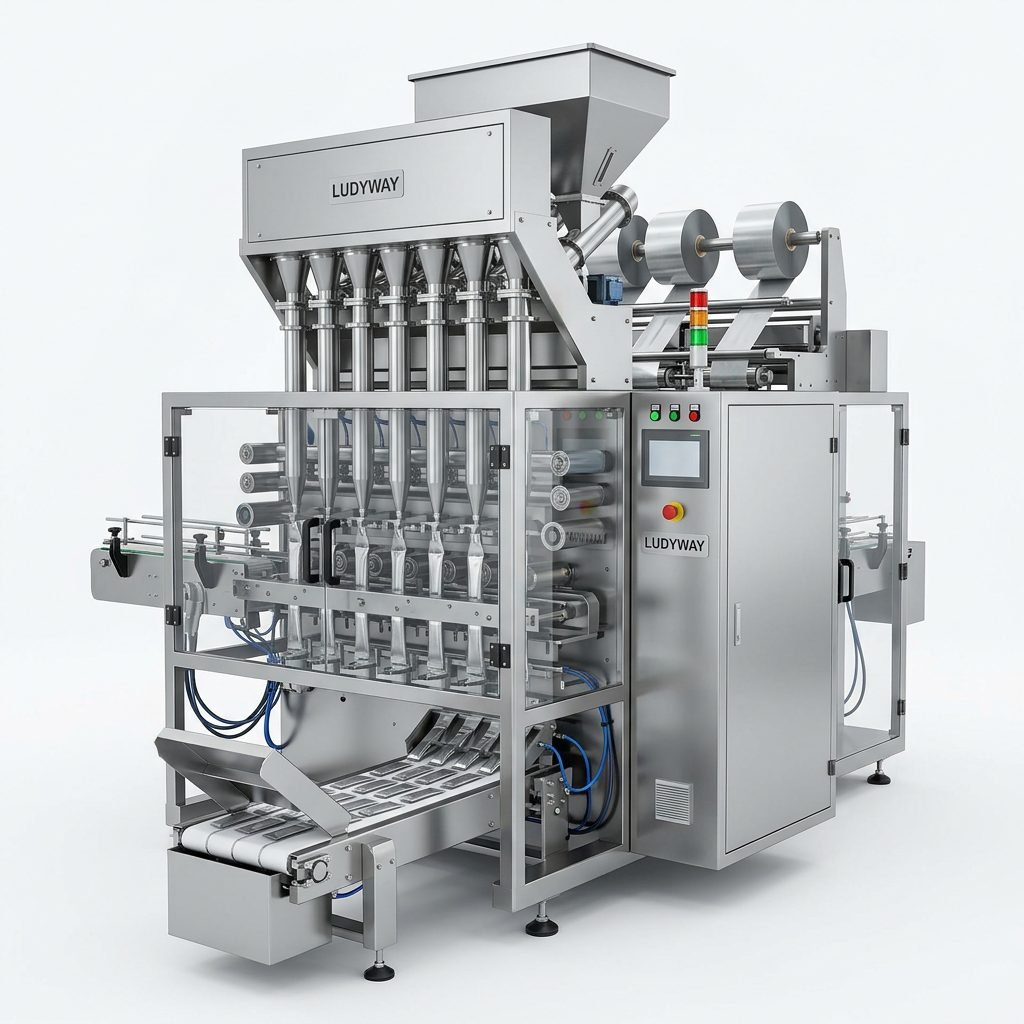
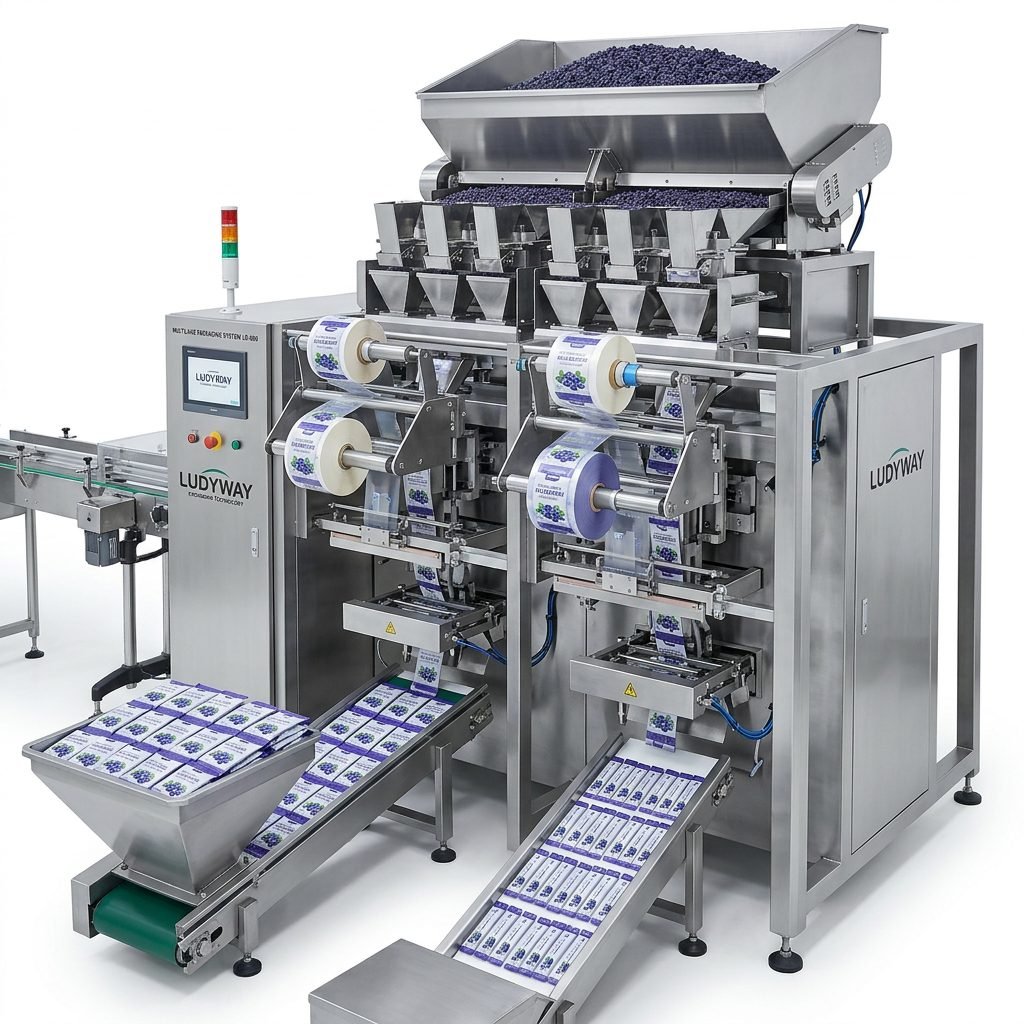
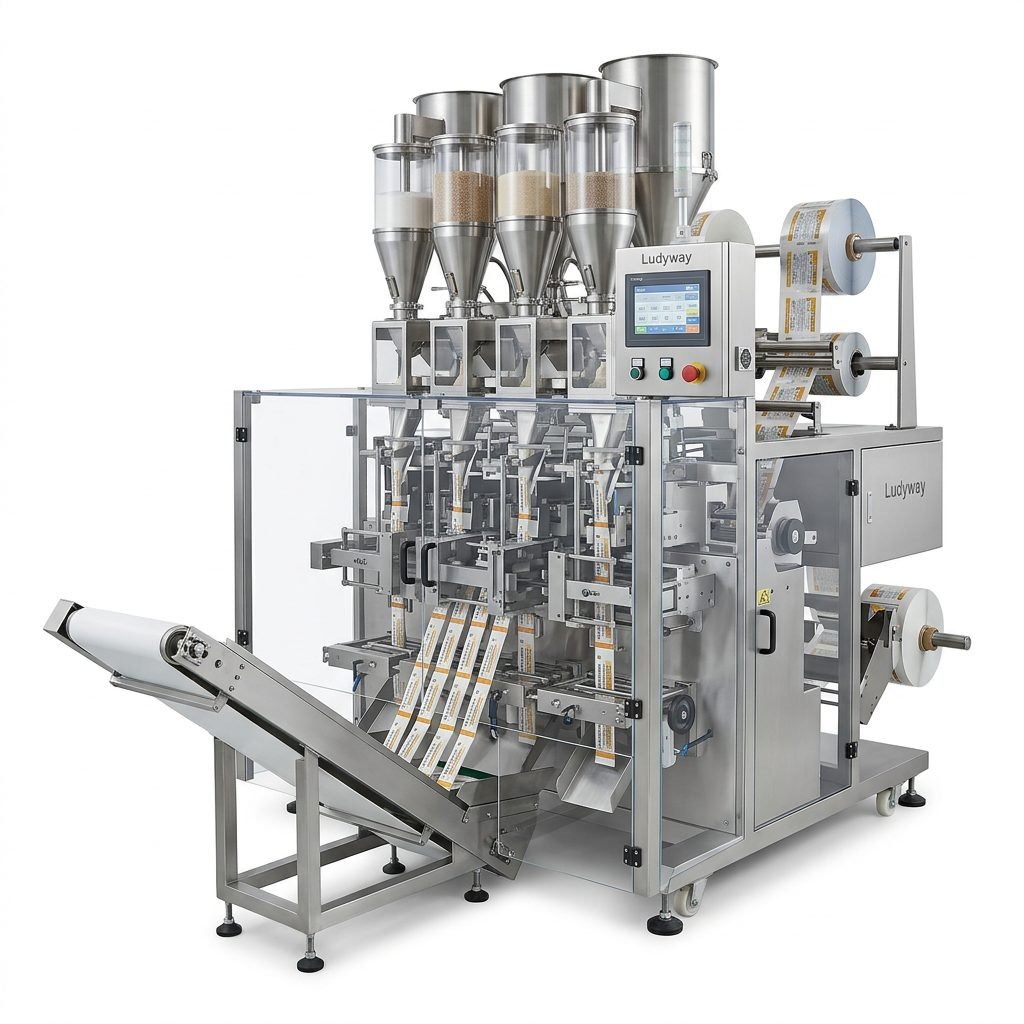
Ideal for free-flowing powders and granules like instant coffee, sugar, or protein supplements. These machines form, fill, and seal long, slender packets from a roll of laminated film. They are known for their compact packet shape, which is easy to store, transport, and use. Modern multi-lane stick pack machines can produce several sticks simultaneously, achieving exceptionally high output rates.
2. Sachet (Pouch) Packaging Machines
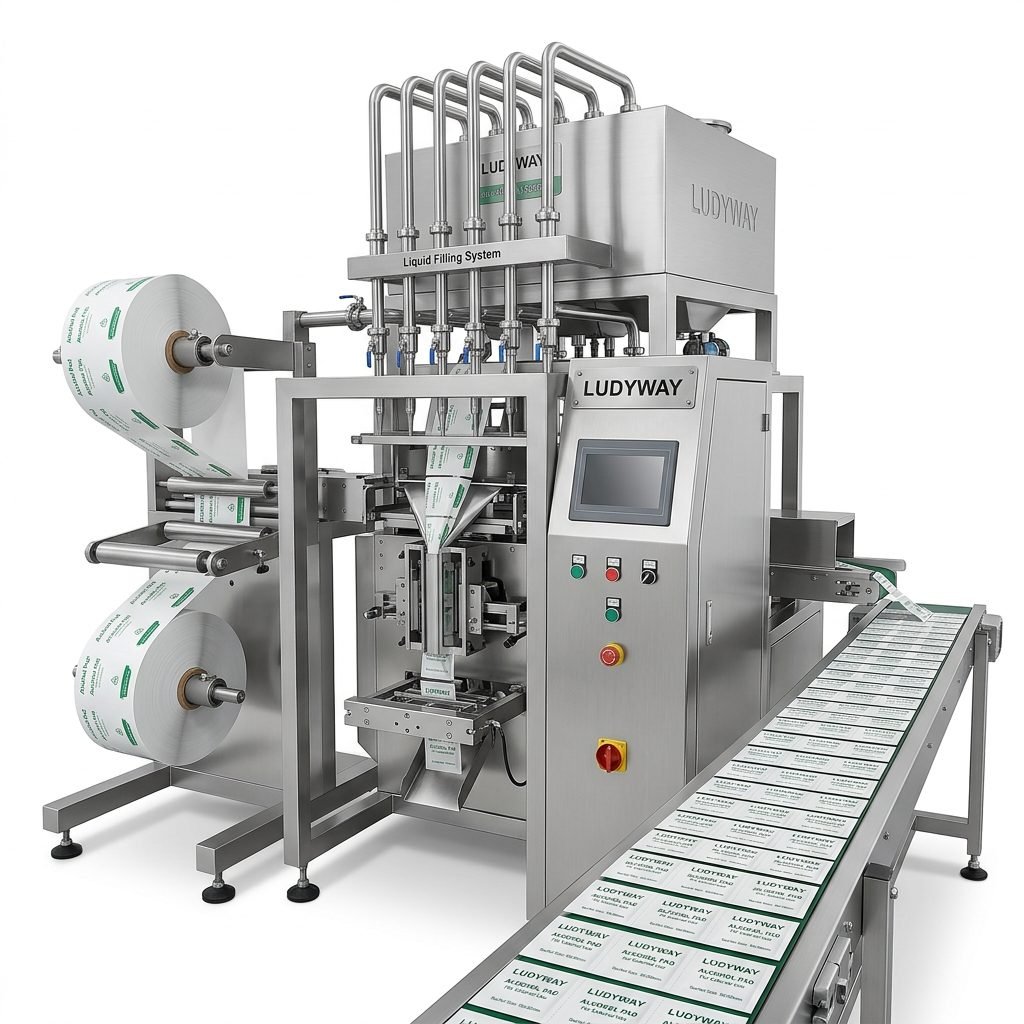
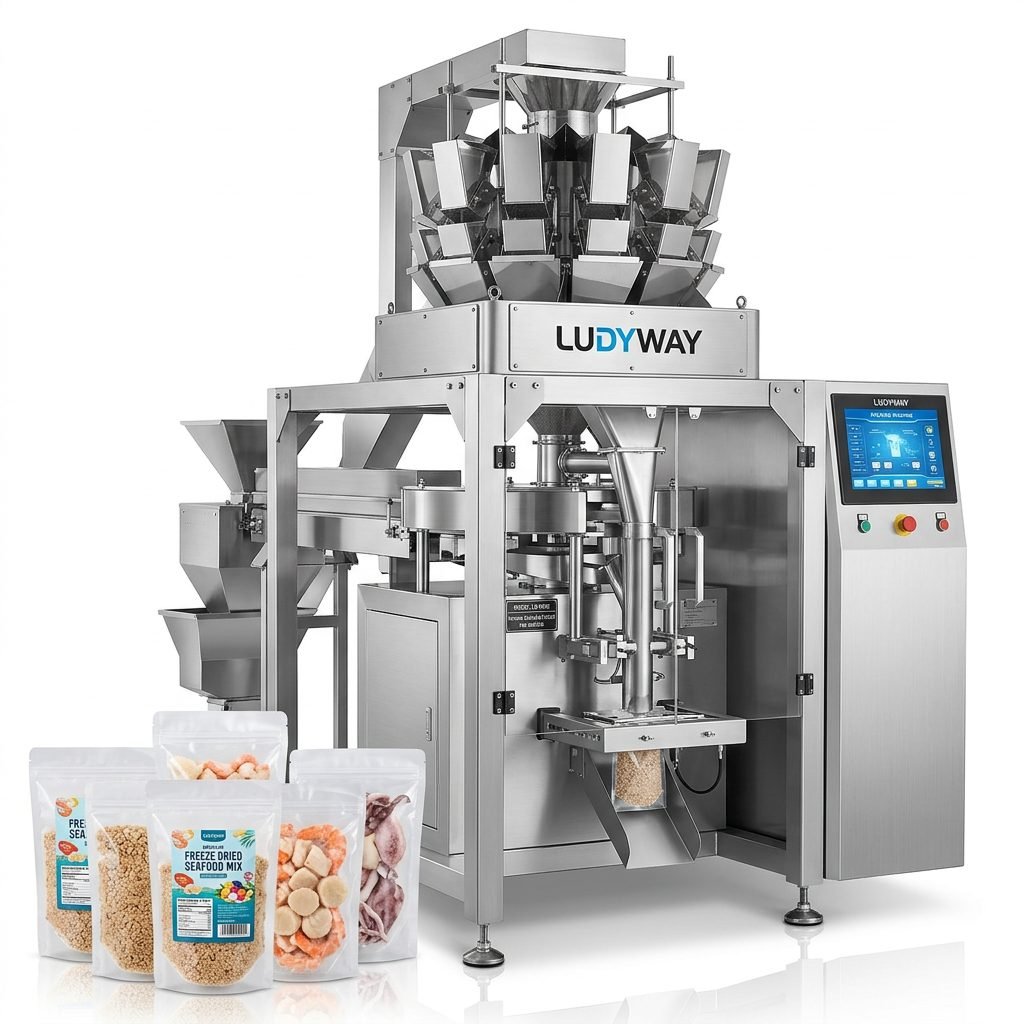
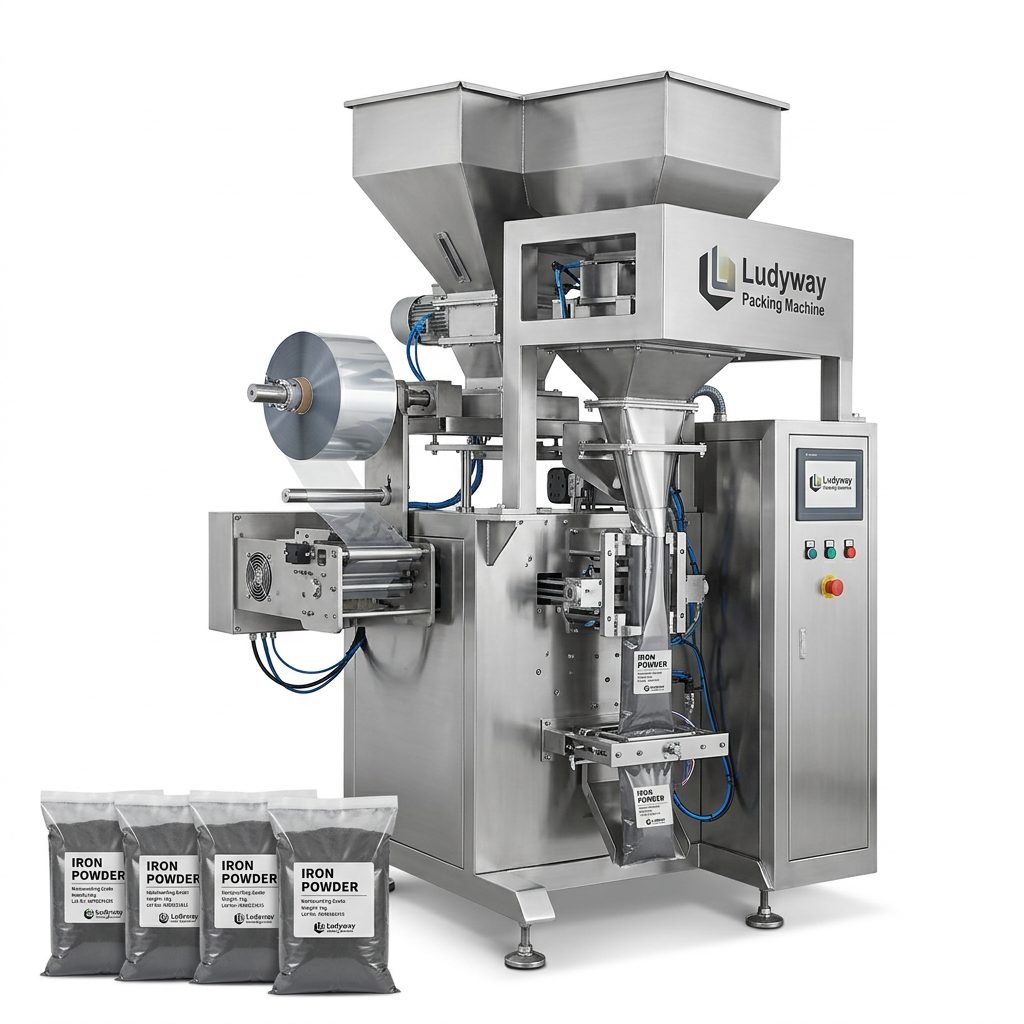
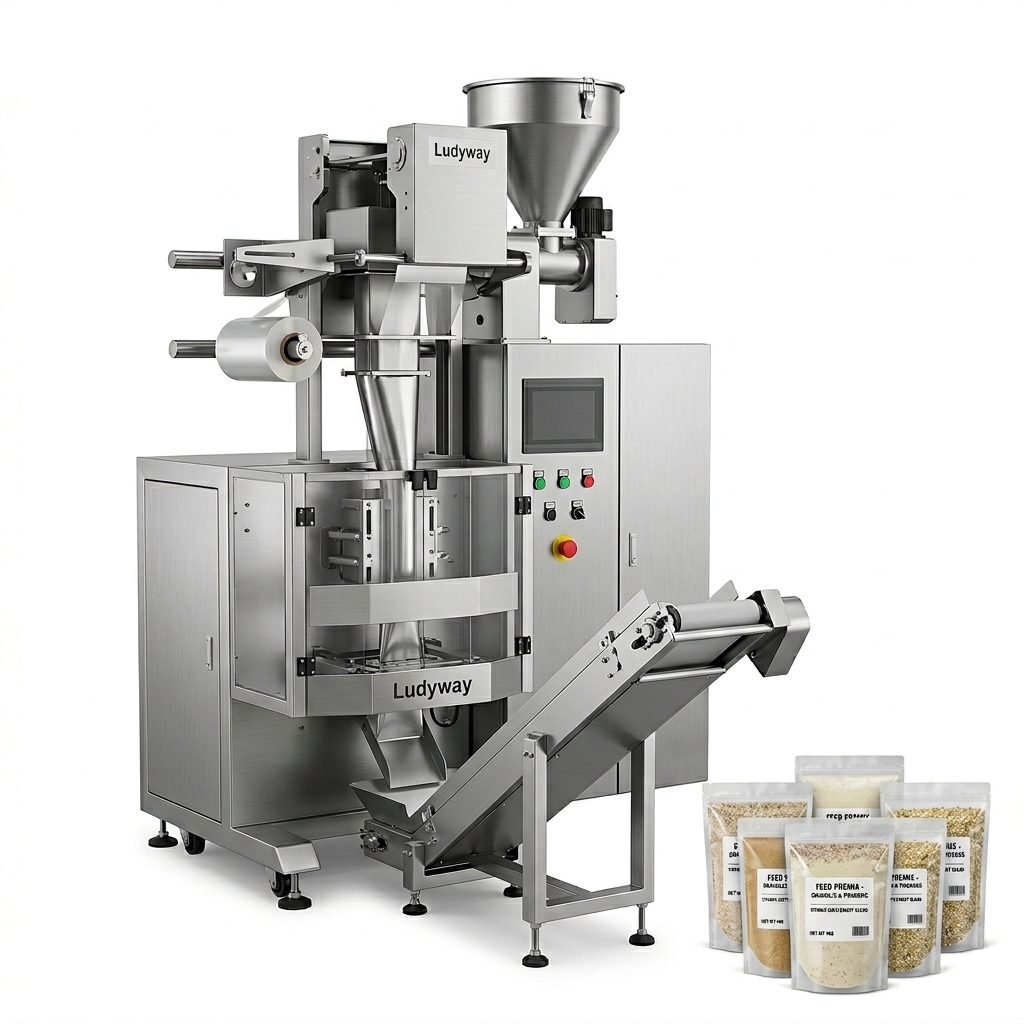
This is a broader category for creating small pouches. They can handle a wider range of products, including finer powders, viscous liquids (like sauces or shampoo samples), and even small solids. Sachets can be three-side sealed or four-side sealed (pillow packs). Systems range from simple vertical form-fill-seal (VFFS) machines to sophisticated rotary models for liquid filling.
3. Blister Packaging Machines
Primarily used in the pharmaceutical industry for tablets and capsules. The machine forms a plastic blister cavity, places the product inside, and seals it with a lidding foil or paper. This provides excellent product visibility, protection, and compliance with child-resistant requirements.
4. Ampoule, Vial, and Bottle Fillers
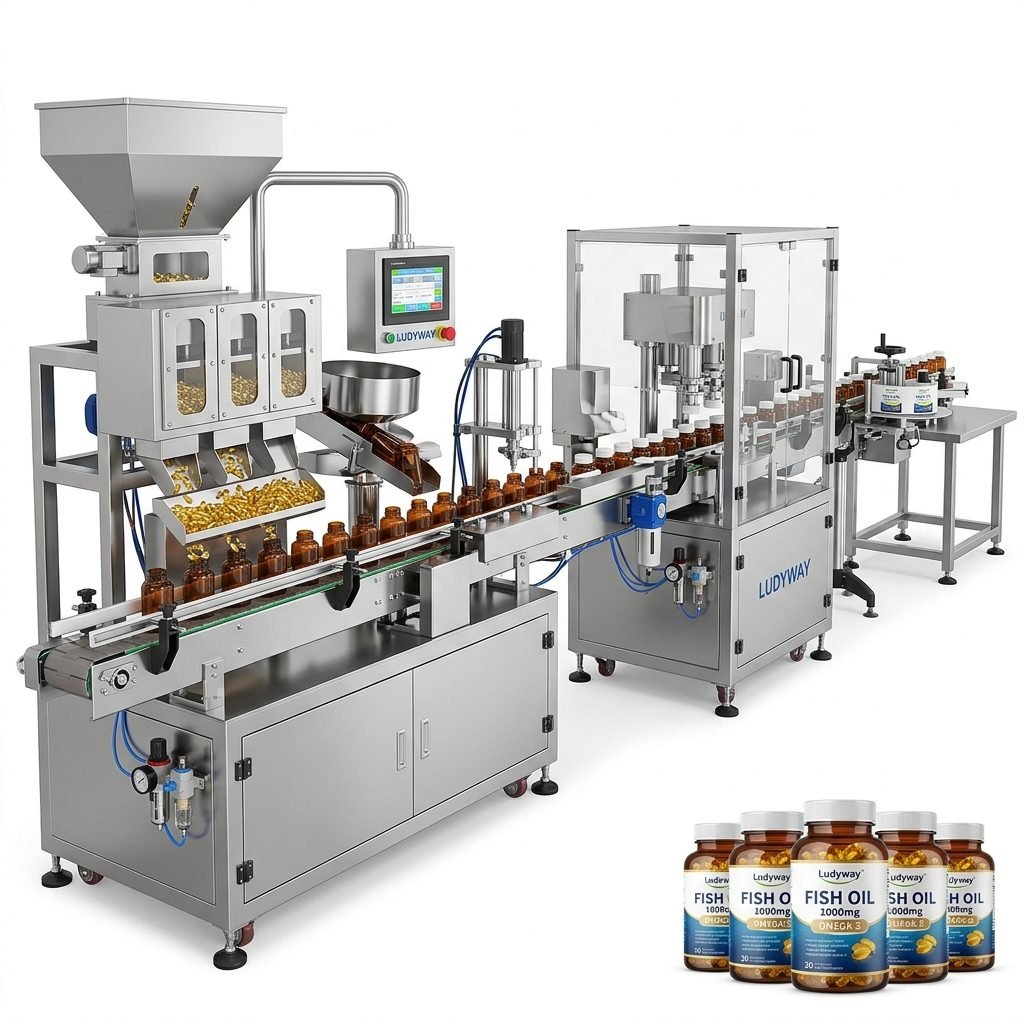
For liquid unit doses, such as vaccines, injectables, or oral syrups. These are automated filling and sealing lines that handle glass or plastic containers, ensuring sterile, precise liquid filling followed by capping or crimping.
Choosing Between Stick Pack and Sachet
Your product’s characteristics are the deciding factor. Stick packs are best for highly flowable dry products where a sleek, space-saving format is desired. Sachets offer more versatility in shape and size and can accommodate products with slightly poorer flow or small amounts of liquid. Consulting with a packaging machine expert is crucial for this decision.
Key Benefits of Automating with Unit Dose Systems
Investing in an automated unit dose packaging line delivers multifaceted returns beyond just speed.
Enhanced Product Quality and Consistency
Automation removes variability. Every single dose is identical in weight and appearance, which is non-negotiable in pharmaceuticals and a strong quality marker in consumer goods. Consistent sealing integrity also ensures the promised shelf life is achieved.
Significant Cost Reduction Over Time
While the initial investment is required, the long-term savings are substantial. Reduced labor costs, minimized product loss from overfilling, and lower rates of packaging material waste contribute to a strong return on investment (ROI).
Improved Safety and Compliance
For pharmaceuticals and food, traceability and compliance are critical. Automated systems provide better control over the production process, support serialization requirements, and reduce the risk of contamination associated with manual handling.
Scalability and Market Responsiveness
Automated lines can be scaled up with additional lanes or integrated into larger production systems. They allow manufacturers to respond quickly to market demand for single-serve, portable, and hygienic product formats.
How to Choose the Right Unit Dose Packaging System
Selecting the correct machine is a strategic decision. Follow this structured approach:
Step 1: Analyze Your Product
This is the foundation. Define the product’s physical state (powder, granule, liquid, solid), its flow characteristics, density, and any special handling requirements (hygroscopic, abrasive, sterile).
Step 2: Define Output Requirements
Determine your required production speed (packs per minute/hour). Consider both current needs and projected growth. A multi-lane stick pack machine might be necessary for high-volume production.
Step 3: Select Packaging Materials
The machine must be compatible with your chosen film or lidding material. Consider barrier properties (for moisture, oxygen), printability, and sustainability goals. Your machine supplier should offer material guidance.
Step 4: Evaluate Machine Features & Flexibility
Look for features like quick changeover capabilities for different pack sizes, user-friendly PLC touchscreen controls, robust servo motors for precision, and easy-clean design (especially for food/pharma).
Step 5: Assess Supplier Credibility and Support
Partner with a supplier with proven experience. Look for a company with strong engineering capabilities and a track record of providing reliable solutions. Evaluate their after-sales service, availability of spare parts, and technical support. A provider like Ludyway Machinery, which offers customized production solutions backed by decades of industry experience, can be a valuable partner in ensuring a successful integration.
Checklist for Your Final Decision
✓ Product-machine compatibility test conducted.
✓ Required output speed and efficiency validated.
✓ Total cost of ownership (machine, maintenance, operation) calculated.
✓ Supplier’s installation, training, and warranty terms clarified.
✓ Future scalability and potential for line integration considered.
Frequently Asked Questions (FAQs)
What is the main difference between a stick pack and a sachet pack machine?
The primary difference lies in the final packet shape and optimal product type. Stick pack machines create long, narrow tubes ideal for free-flowing powders. Sachet machines create broader pouches (square, rectangular) and can handle a wider viscosity range, including some liquids and cohesive powders.
Can one machine handle different types of products?
Many machines offer flexibility within a product category (e.g., different powder densities). However, switching from, say, a fine powder to a viscous liquid typically requires significant component changes or a different machine type. Always discuss product range with your supplier.
How important is after-sales service when purchasing a packaging machine?
It is critically important. Reliable technical support, readily available spare parts, and responsive service minimize costly downtime. Choose a supplier known for strong customer support and long-term partnership, not just a equipment sale.
What are the key maintenance requirements for a unit dose packaging machine?
Regular daily cleaning, periodic lubrication of moving parts as per the manual, and inspection of seals and wear parts (like filling augers or forming shoulders) are essential. Proper maintenance ensures consistent performance, longevity, and hygienic operation.
Are automated unit dose systems suitable for small-batch or start-up production?
Yes. While high-speed multi-lane systems cater to large volume, there are modular and smaller-scale automated machines designed for lower output requirements, offering a viable path to automation for growing businesses without the need for a massive initial investment.