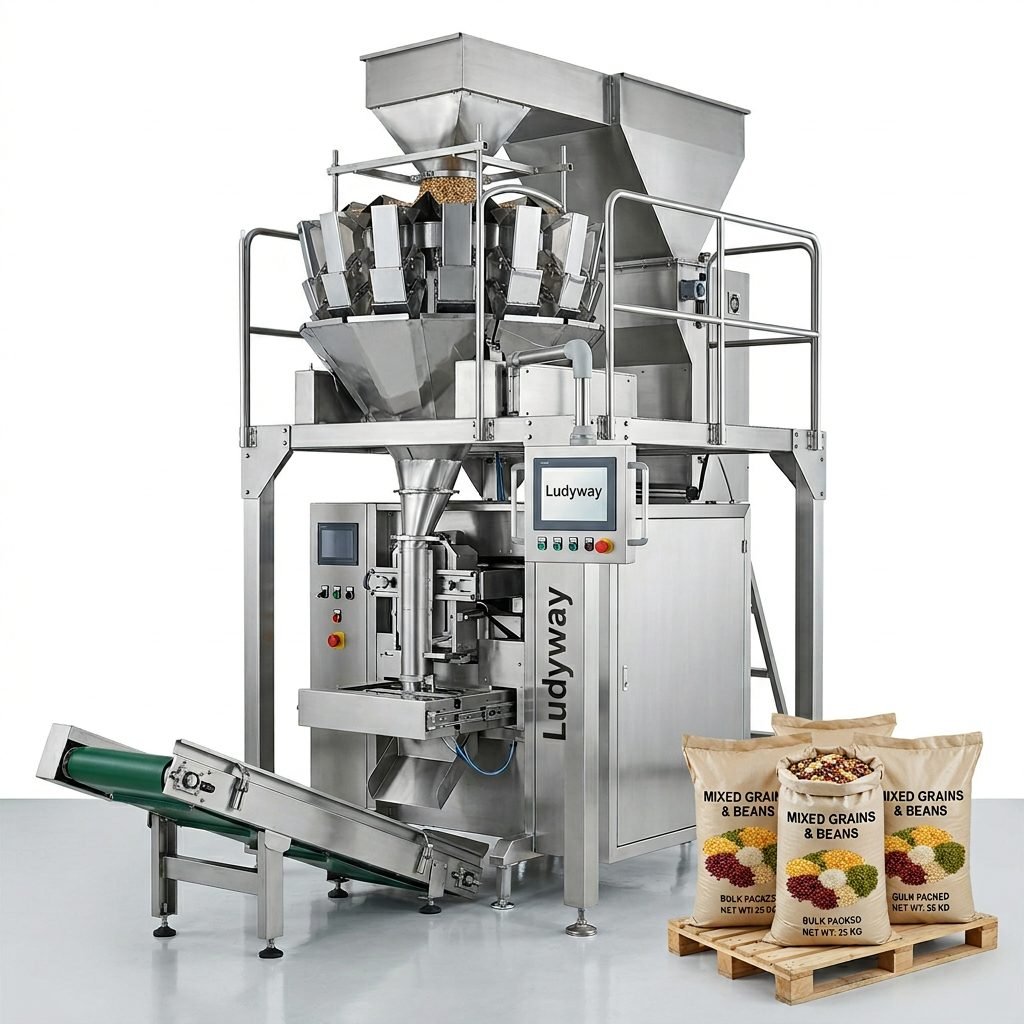
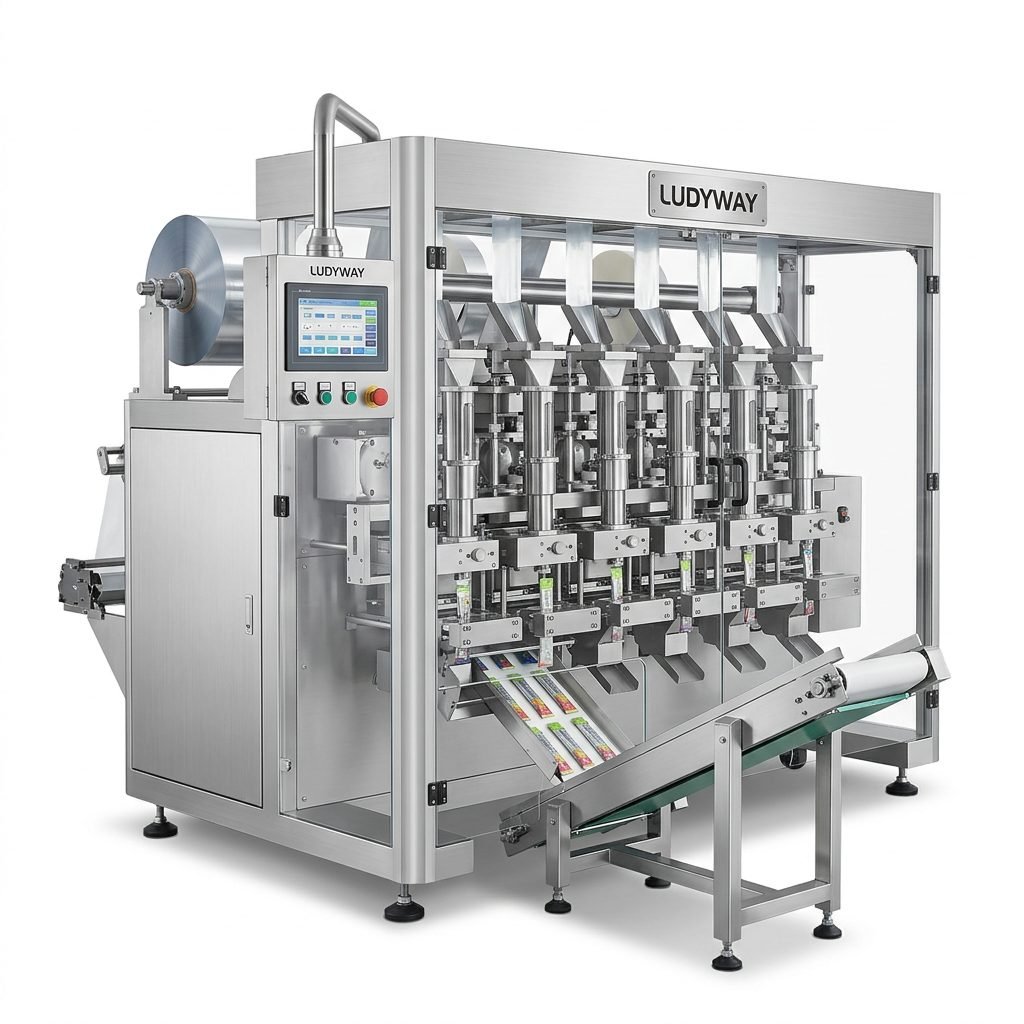
Investing in a tape and reel packaging machine is a critical decision for electronics manufacturers, component distributors, and contract packagers. The right equipment can significantly improve throughput, reduce labor costs, and ensure consistent package quality—while the wrong choice can lead to bottlenecks, component damage, and costly rework. This guide walks you through the essential factors to consider when selecting a tape and reel packaging solution for your production environment.
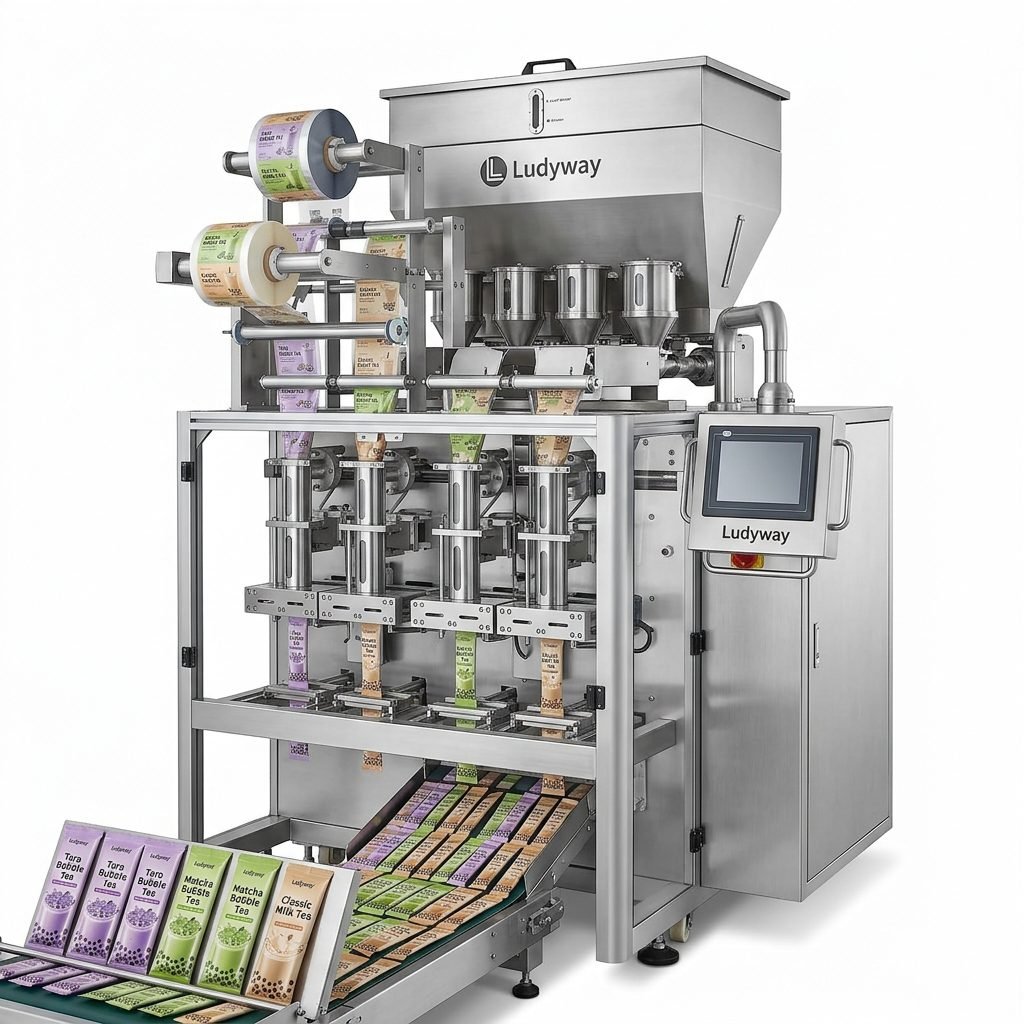
Understanding Tape and Reel Packaging Technology
Tape and reel packaging is the industry-standard method for storing and transporting surface-mount devices (SMDs), semiconductors, connectors, and other electronic components. The process involves sealing components into carrier tape pockets and winding the tape onto standardized reels, providing protection during shipping and enabling compatibility with automated pick-and-place assembly equipment.
Modern tape and reel packaging machines range from semi-automatic benchtop units to fully automated inline systems capable of processing thousands of components per hour. Selecting the appropriate level of automation depends on your production volume, component diversity, and quality requirements.
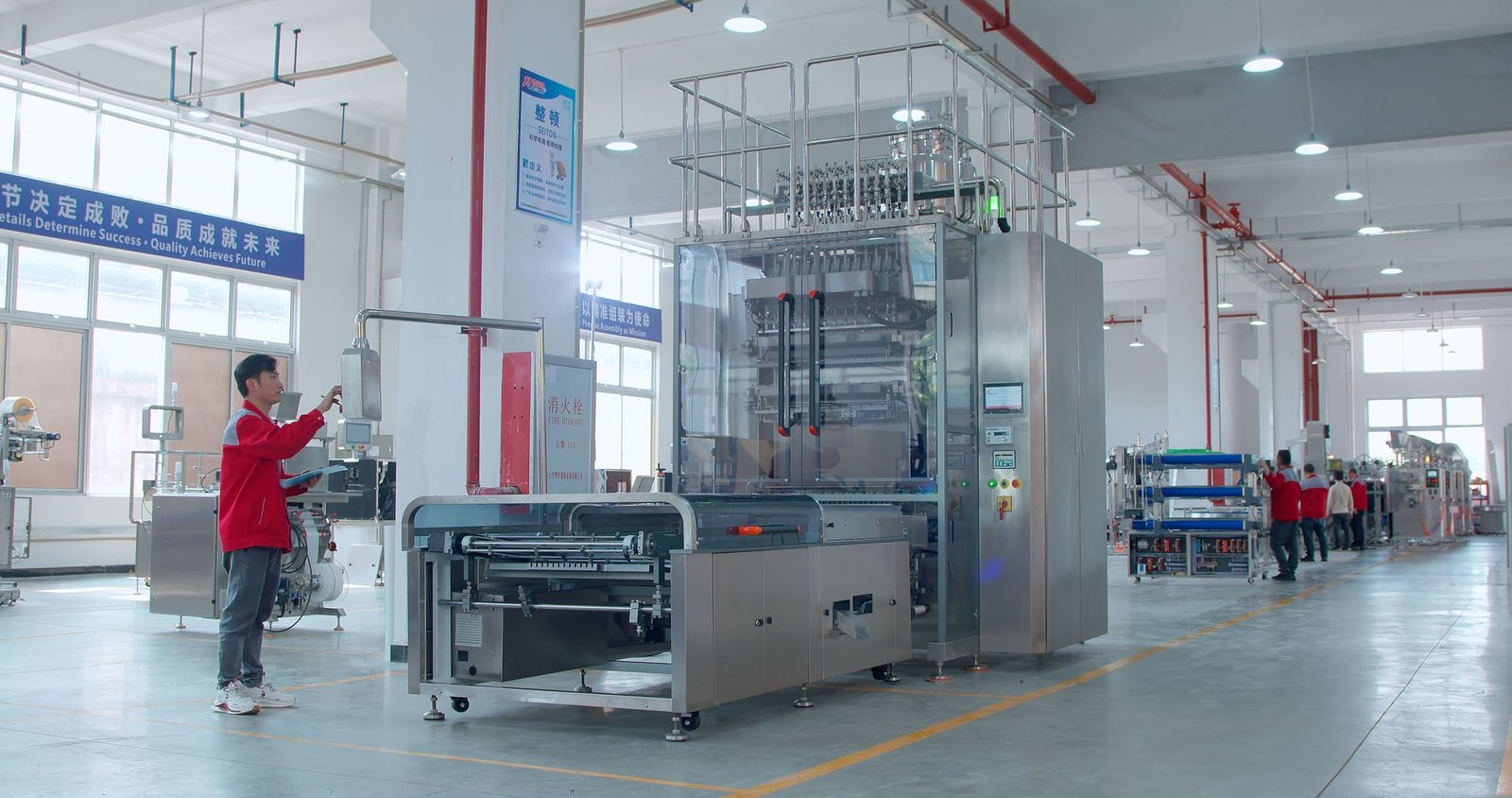
Key Factors to Evaluate Before Purchasing
1. Component Compatibility and Changeover Flexibility
Your tape and reel packaging machine must accommodate the full range of components you process. Critical specifications include:
- Pocket size range — width, depth, and pitch capabilities
- Component types — passive components, ICs, connectors, LEDs, odd-form parts
- Carrier tape materials — conductive, non-conductive, transparent, and heat-sealable tapes
- Cover tape compatibility — heat-activated and pressure-sensitive options
- Changeover time — rapid tooling changes minimize downtime between batches
2. Throughput and Speed Requirements
Production speed directly impacts your return on investment. Entry-level machines may process 2,000–5,000 units per hour (UPH), while high-speed automated systems can exceed 40,000 UPH. Calculate your current and projected volume needs over a three-to-five-year horizon to avoid outgrowing your equipment prematurely.
3. Inspection and Quality Control Features
Component integrity is paramount. Look for machines with integrated quality inspection capabilities including:
- Vision-based component orientation verification
- Seal integrity testing
- Pocket presence and emptiness detection
- Marking and labeling accuracy checks
- Peel-back force measurement for cover tape adhesion
Comparing Tape and Reel Machine Categories
The market offers several distinct categories of tape and reel packaging equipment, each suited to different operational scales and requirements. The table below summarizes the primary options:
| Machine Type | Best For | Typical UPH Range | Automation Level |
|---|---|---|---|
| Semi-Automatic Benchtop | Low-volume, high-mix production | 1,000–5,000 | Manual loading, auto-seal |
| Fully Automatic Inline | Medium to high-volume dedicated lines | 10,000–40,000+ | Auto-feed, auto-seal, auto-inspect |
| Multi-Lane Systems | Ultra-high-volume, single-component type | 40,000–100,000+ | Fully automated with parallel lanes |
| Custom/Integrated Lines | Specialized components, odd-form parts | Application-dependent | Tailored automation configuration |
Technical Specifications That Matter
Sealing Technology
The sealing mechanism is the heart of any tape and reel machine. Heat-seal systems use heated shoes or rollers to bond cover tape to carrier tape, while pressure-sensitive systems apply mechanical pressure. Heat-seal methods generally provide stronger, more consistent seals but require precise temperature control to avoid component damage. Verify that the machine’s sealing parameters are adjustable and repeatable across production runs.
Indexing Accuracy and Pitch Control
Precise pocket indexing ensures components align correctly with pick-and-place nozzles. Modern machines use servo-driven indexing mechanisms with closed-loop feedback for accuracy within ±0.05mm. For fine-pitch components below 0.5mm pitch, this precision becomes non-negotiable.
Reel Handling and Winding
Consistent winding tension prevents component shifting and tape deformation. Look for machines with:
- Programmable tension control with real-time monitoring
- Automatic reel changeover capabilities for continuous operation
- Compatibility with industry-standard reel sizes (7-inch, 13-inch, 15-inch)
- Anti-static features to protect sensitive components
Industry Standards and Compliance
Your equipment should conform to relevant packaging machinery standards and industry specifications. Key standards governing tape and reel packaging include EIA-481 for carrier tape dimensions, EIA-541 for cover tape specifications, and various ISO packaging standards. Compliance ensures your packaged components will be accepted by downstream users and compatible with their automated assembly equipment.
Evaluating Total Cost of Ownership
Purchase price is only one component of total cost. Consider these ongoing expenses when comparing tape and reel packaging solutions:
- Consumables — carrier tape, cover tape, and reels vary significantly in cost
- Maintenance — preventive maintenance schedules and spare parts availability
- Operator training — complexity of setup, programming, and troubleshooting
- Energy consumption — particularly relevant for heat-seal systems
- Downtime cost — reliability track record and mean time between failures (MTBF)
Working with Equipment Manufacturers
Choosing the right manufacturing partner is as important as selecting the right machine. Experienced packaging machinery manufacturers provide not only equipment but also application engineering support, installation assistance, operator training, and after-sales service. Look for suppliers with a demonstrated track record in electronics packaging, references from customers with similar applications, and the ability to support global operations if your production spans multiple locations.
Questions to Ask Potential Suppliers
- What is your experience with components similar to ours?
- Can you provide documented MTBF data for your equipment?
- What training and documentation do you include?
- How do you handle spare parts and emergency service requests?
- Can the machine accommodate our future product roadmap?
Integration with Existing Production Lines
Your tape and reel machine should integrate smoothly with upstream and downstream processes. Consider how the equipment will interface with component feeders, inspection systems, labeling stations, and warehouse management software. Turnkey packaging solutions that include pre-integrated modules can simplify deployment and reduce integration risks.
Making the Final Decision
Before committing to a purchase, request machine demonstrations using your actual components whenever possible. Evaluate not only the machine’s performance during steady-state operation but also its behavior during startups, changeovers, and error recovery scenarios. A machine that performs well under ideal conditions may struggle with real-world variability.
Additionally, review the supplier’s flexible packaging industry resources and technical documentation. A manufacturer that invests in comprehensive documentation and provides transparent specifications typically delivers more reliable equipment and better long-term support.
For manufacturers seeking a packaging machinery partner with three decades of engineering experience, Ludyway Machinery provides customized automated packaging equipment and integrated solutions for global electronics and industrial markets. Their approach combines application expertise with manufacturing capabilities to help customers achieve consistent, high-quality packaging results.
Key Takeaways
- Match machine automation level to your current and projected production volumes
- Prioritize sealing technology and indexing accuracy for component protection
- Verify compatibility with industry standards including EIA-481 and EIA-541
- Evaluate total cost of ownership beyond the initial purchase price
- Select a manufacturer with proven experience and comprehensive technical support capabilities
- Test equipment with your actual components before finalizing your decision
By carefully evaluating these factors and working with an experienced equipment partner, you can select a tape and reel packaging machine that delivers reliable performance, protects your components, and supports your production goals for years to come. For further reading, the PMMI State of the Industry reports provide valuable market insights and technology trends shaping the packaging machinery sector.