Investing in the right chocolate packing machine is a critical decision that directly impacts your production efficiency, product quality, and bottom line. Whether you are packaging chocolate bars, truffles, pralines, or cocoa powder, the equipment you choose must align with your specific product characteristics, throughput goals, and long-term business strategy. This comprehensive buyer’s guide walks you through every essential factor to evaluate before making your purchase.
Understanding Different Types of Chocolate Packaging Machines
Before diving into specifications, it is important to understand the primary categories of chocolate packaging equipment available on the market. Each type serves distinct packaging formats and production environments.
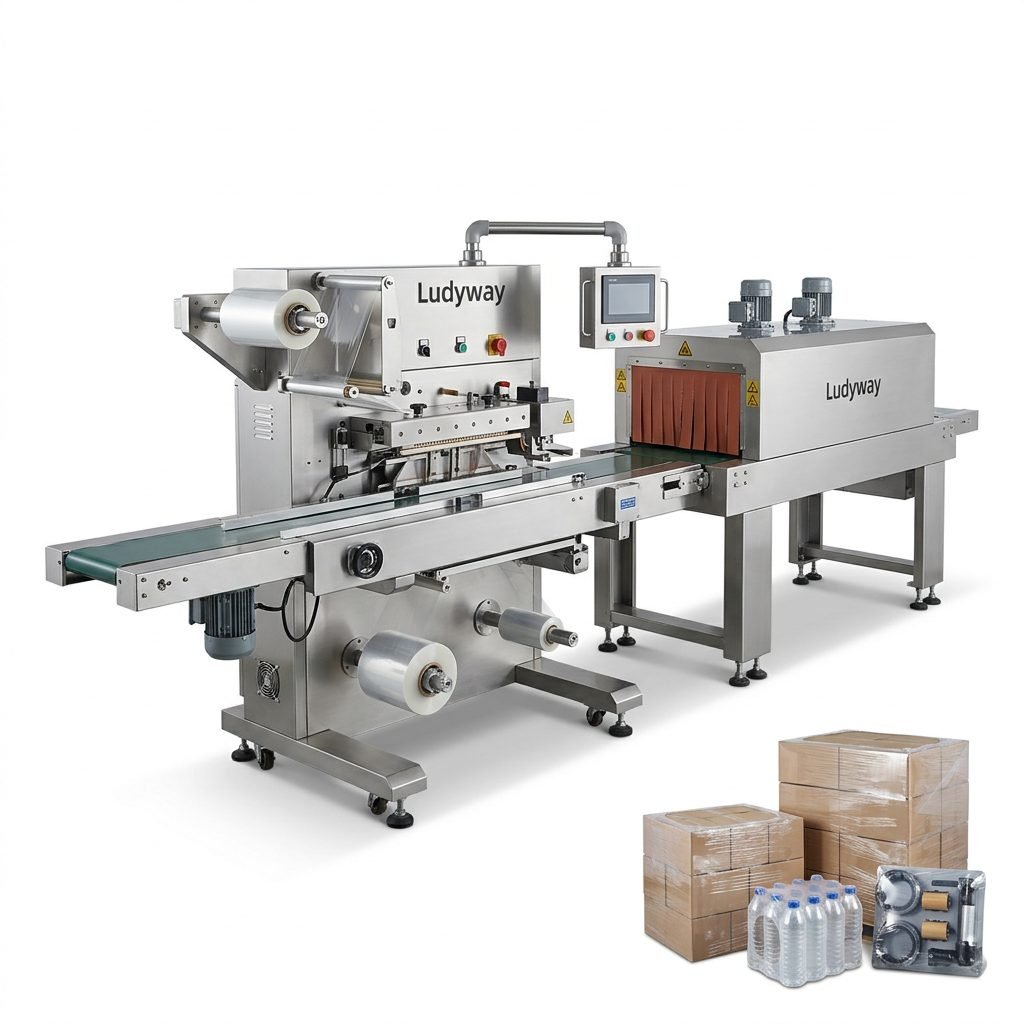
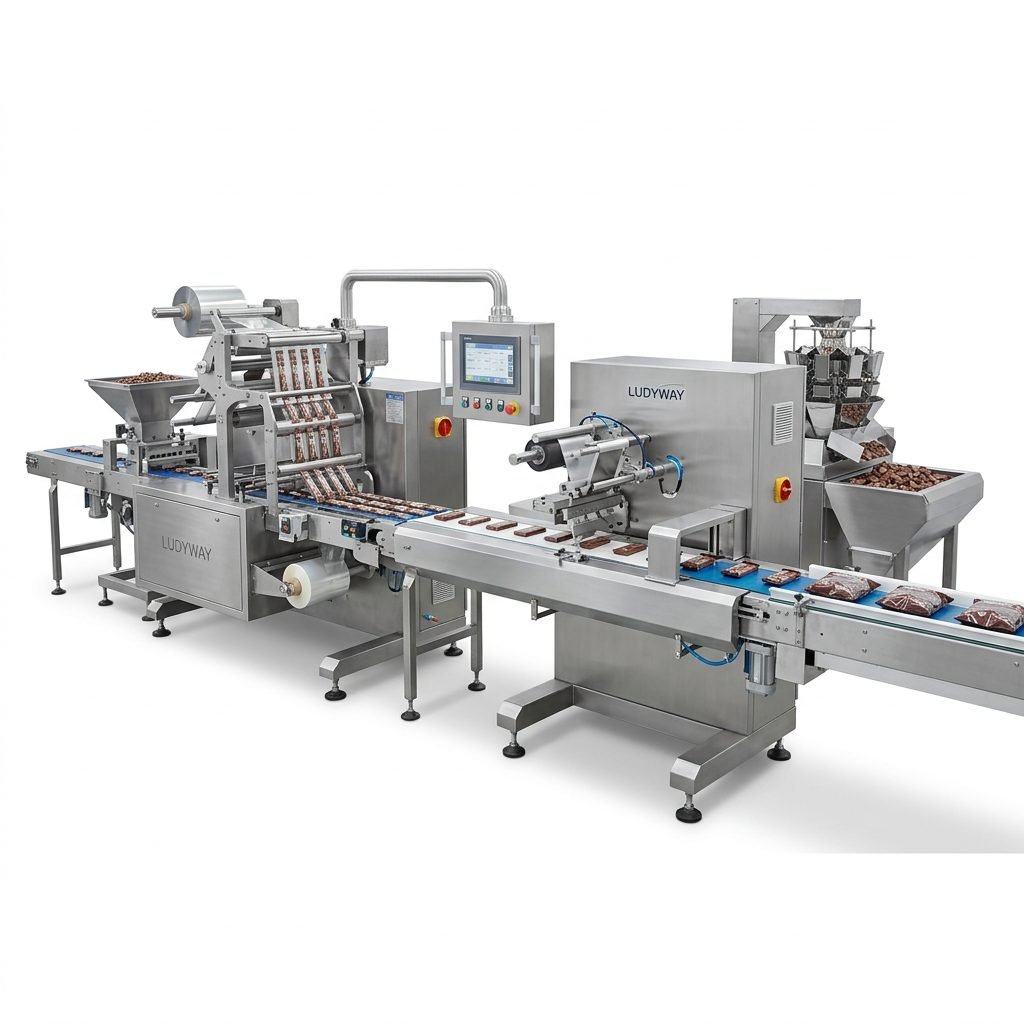
- Flow Wrapping Machines: Ideal for chocolate bars, tablets, and individual pieces. These machines wrap products in a continuous film, providing a tight, protective seal suitable for high-speed production lines.
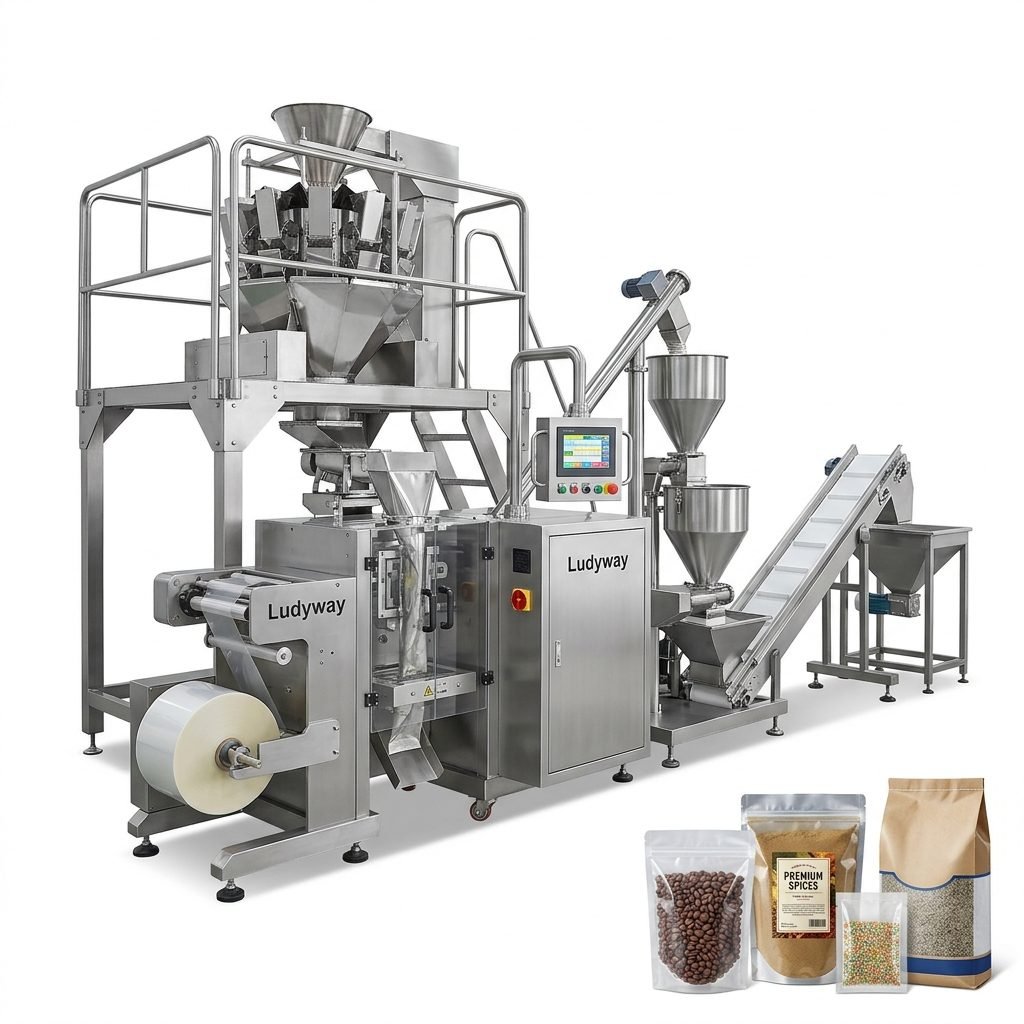
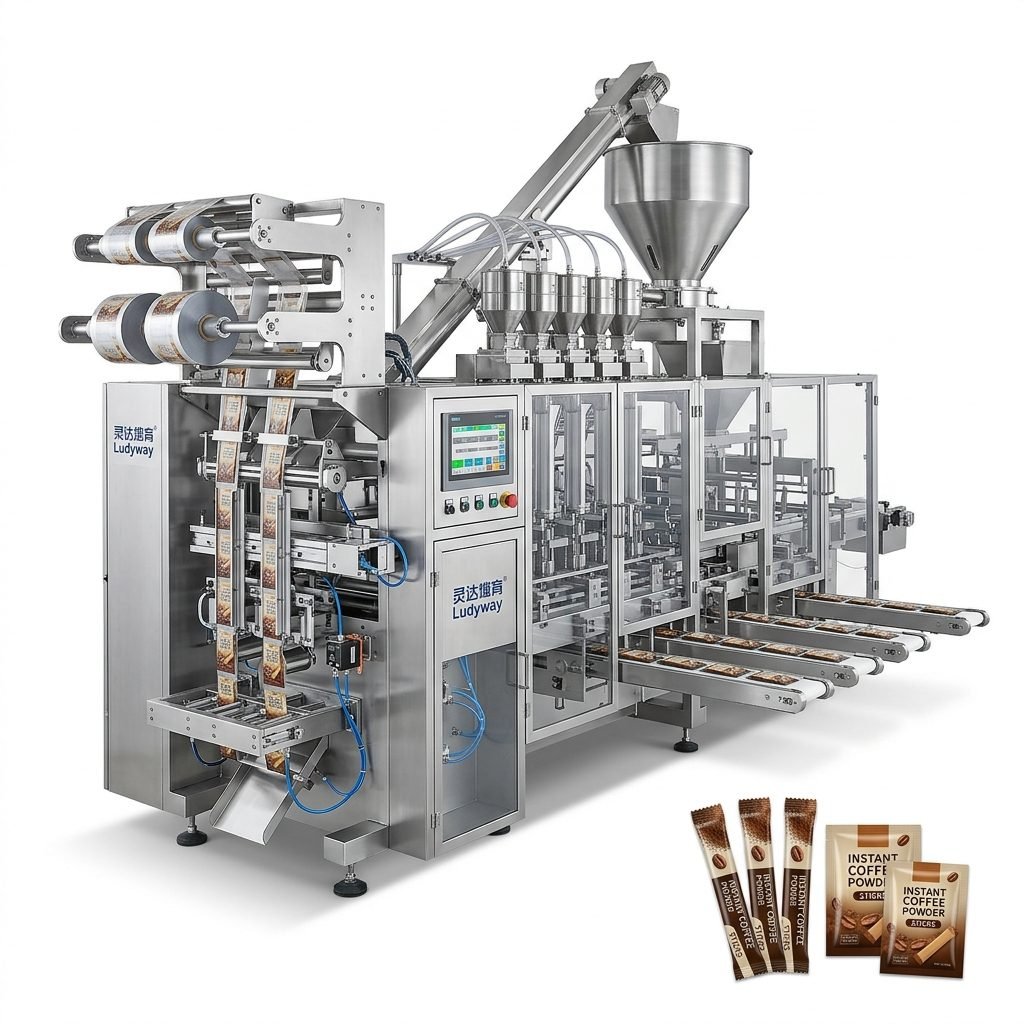
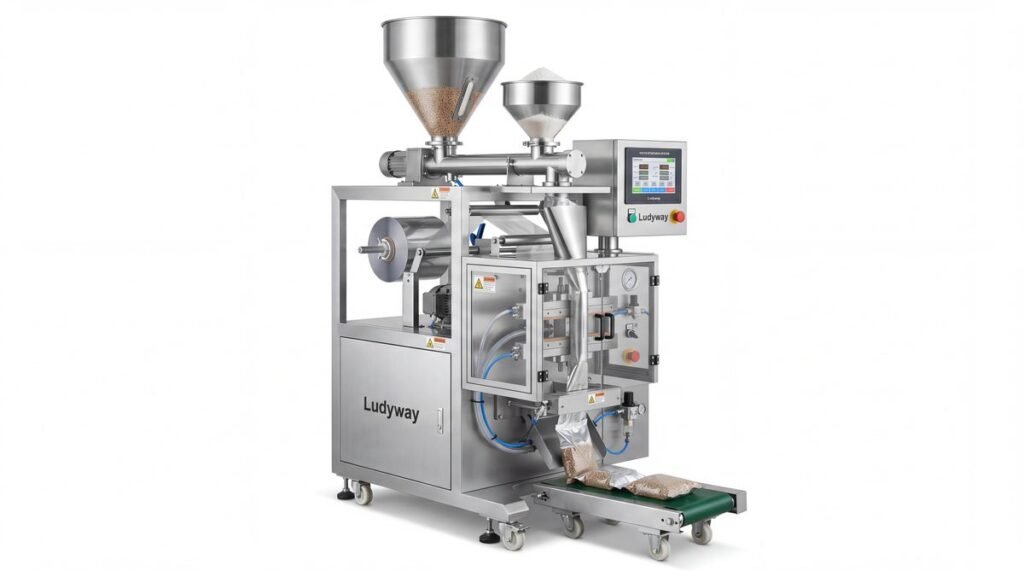
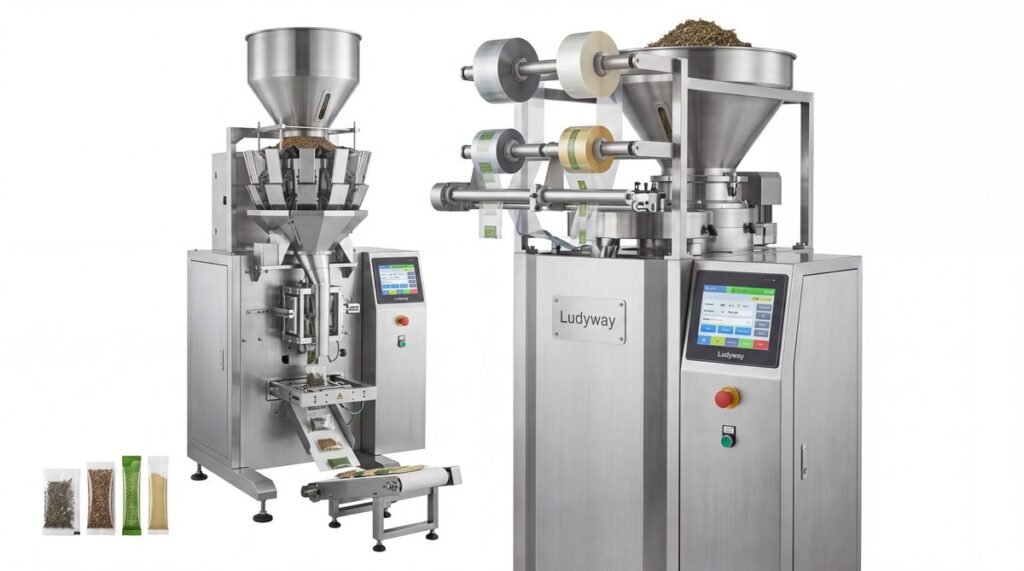
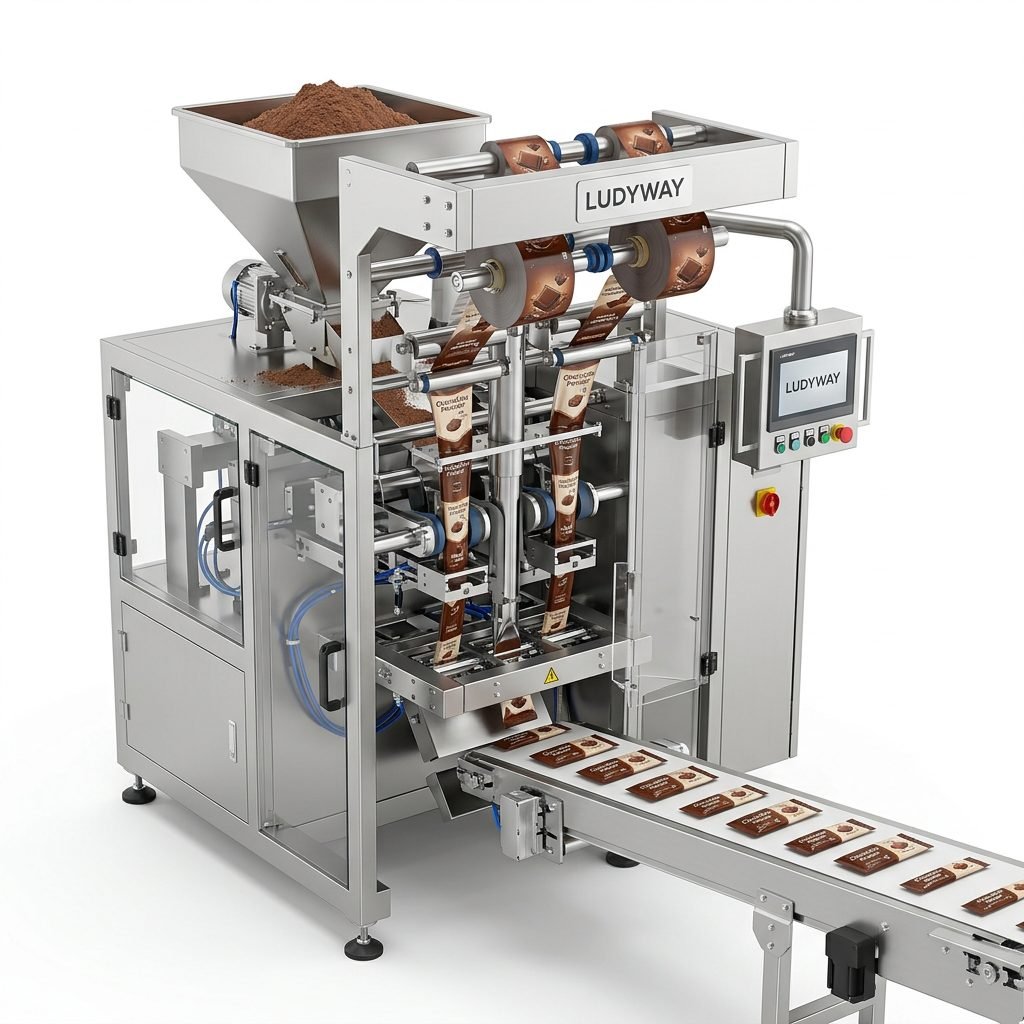
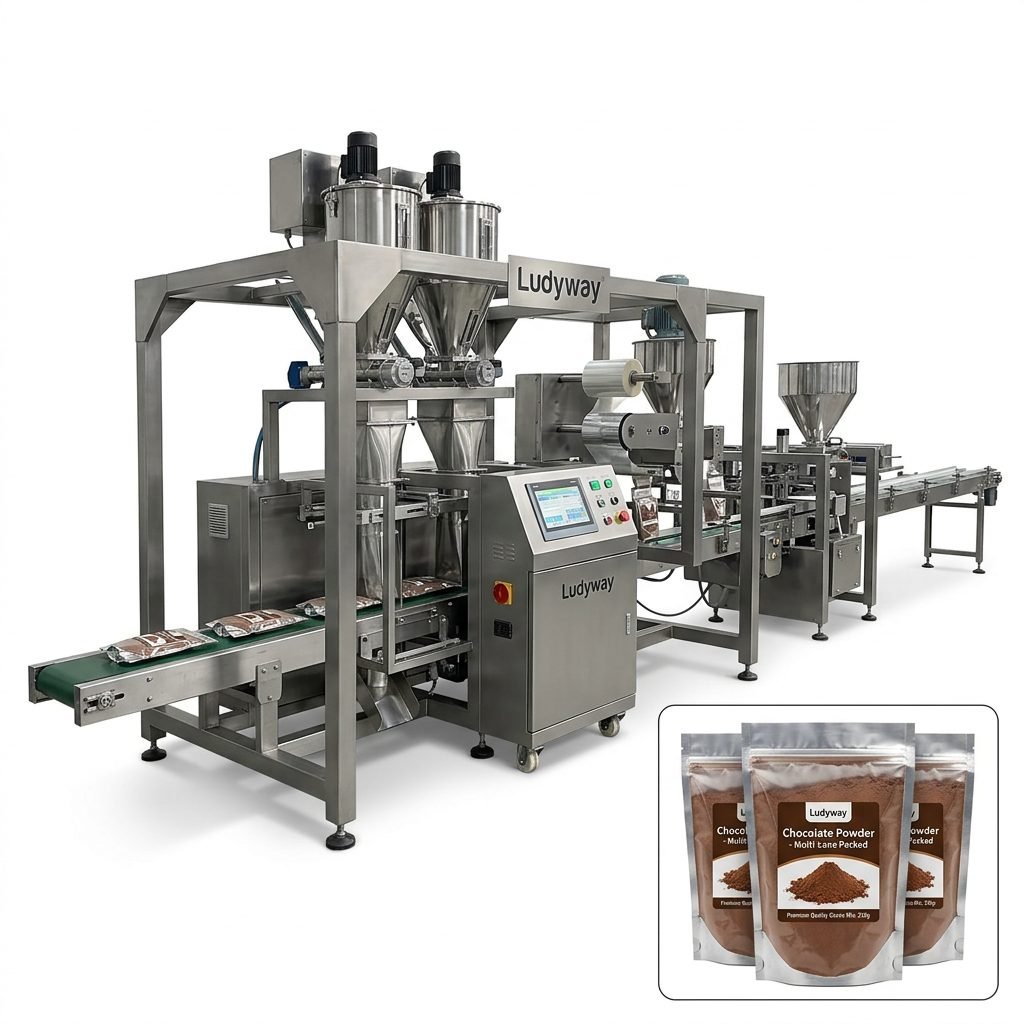
- Vertical Form Fill Seal (VFFS) Machines: Commonly used for packaging chocolate powders, granules, and small chocolate chips into sachets, stick packs, or pouches. They are versatile and support multi-lane configurations for higher output.
- Horizontal Form Fill Seal (HFFS) Machines: Suitable for larger chocolate products and multi-pack arrangements, offering excellent seal integrity and compatibility with various film materials.
- Tray Sealing and Thermoforming Machines: Designed for chocolate assortments and boxed chocolates, these machines create formed trays and seal them with lidding film, preserving product shape and extending shelf life.
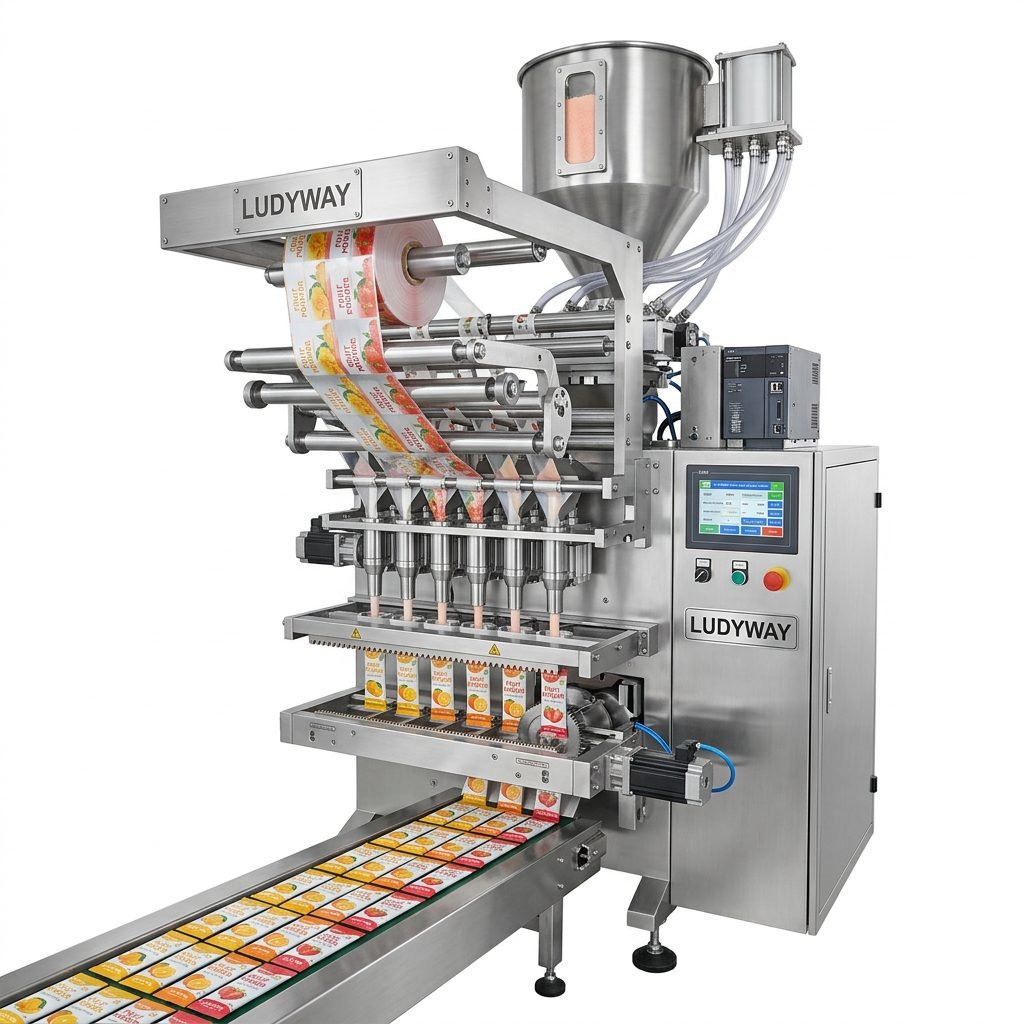
- Multi-Lane Stick Pack Machines: Perfect for single-serve chocolate powder portions, hot chocolate mixes, and small granular chocolate inclusions. They deliver high-speed filling with precise dosing.
Key Factors to Consider When Choosing a Chocolate Packing Machine
Product Characteristics and Packaging Format
Your chocolate product’s physical properties determine the most appropriate packing machine configuration. Evaluate the following:
- Product form: Solid bars, molded pieces, truffles, powder, granules, or liquid chocolate require different feeding, dosing, and sealing mechanisms.
- Product dimensions and weight: Machine tooling and forming parts must match your specific product size and target fill weight.
- Packaging style: Determine whether you need pillow packs, gusseted bags, sachets, stick packs, flow wraps, or tray-sealed formats.
- Shelf-life requirements: Consider whether modified atmosphere packaging (MAP) or nitrogen flushing is necessary to maintain freshness and prevent oxidation.
Production Speed and Capacity Requirements
Matching machine throughput to your production goals is essential for operational efficiency. A chocolate packing machine that is too slow creates bottlenecks; one that is too fast may represent unnecessary capital expenditure. Assess your current and projected output needs carefully. Multi-lane configurations can significantly increase output for powder and granular chocolate products without proportionally increasing floor space. When evaluating speed specifications, always confirm whether the stated output reflects sustainable running speeds under real production conditions.
Packaging Material Compatibility
Modern chocolate packaging relies on a variety of flexible materials, including laminated films, metallized BOPP, cold-seal films, and paper-based structures. Your machine must be compatible with your chosen flexible packaging materials. Key considerations include heat-seal versus cold-seal capability, film thickness range, registered print film handling for branded packaging, and easy-open or resealable feature integration. Material compatibility directly affects seal quality, machine efficiency, and waste rates.
Technical Specifications and Features to Evaluate
Filling and Dosing Accuracy
Precision dosing is critical for chocolate products where consistent weight and portion control are directly tied to regulatory compliance and profitability. Overfilling increases product giveaway, while underfilling risks non-compliance and customer dissatisfaction. For powder and granule applications, auger fillers, volumetric cup fillers, and multi-head weighers each offer different accuracy profiles. For solid chocolate pieces, count-based feeding systems or weigh-based solutions should be evaluated based on product fragility and speed requirements.
Automation Level and Integration Capabilities
Today’s chocolate packaging machinery ranges from semi-automatic units requiring significant operator involvement to fully automated systems that handle feeding, dosing, sealing, coding, inspection, and cartoning with minimal human intervention. When assessing automation options, consider:
- Available labor resources and skill levels in your facility
- Integration with upstream chocolate manufacturing and downstream secondary packaging
- Compatibility with packaging line integration standards and industrial communication protocols
- Changeover time between different product formats or packaging materials
- Remote monitoring and data collection capabilities for production analytics
| Machine Feature | Why It Matters for Chocolate | Typical Specification Range |
|---|---|---|
| Temperature Control | Prevents melting during sealing; maintains product integrity | 15°C – 25°C operating environment |
| Sealing System | Cold seal options protect heat-sensitive chocolate products | Heat seal: 100°C – 200°C; Cold seal: ambient |
| Dosing Accuracy | Minimizes product giveaway; ensures regulatory compliance | ±0.5% – ±2% depending on technology |
| Multi-Lane Capability | Multiplies output for powder and granule chocolate products | 4 – 20 lanes common |
| Changeover Time | Reduces downtime between product or format changes | 15 – 60 minutes typical |
Industry Standards and Compliance
Chocolate packaging falls under food contact and safety regulations that vary by target market. Equipment should be designed for compliance with FDA food packaging regulations for the U.S. market and relevant EU directives for European distribution. Key standards to verify include food-grade materials for all product contact surfaces, sanitary design features that facilitate cleaning and prevent contamination, and compliance with ISO packaging standards where applicable. Third-party certifications and documented compliance can simplify market entry and regulatory audits.
Cost Considerations and ROI Analysis
The purchase price of a chocolate packing machine is only one element of the total cost of ownership. A thorough financial evaluation should account for:
- Initial capital investment: Machine cost, tooling, and installation
- Operational expenses: Labor, energy consumption, packaging material waste
- Maintenance costs: Spare parts availability, service contracts, and technical support
- Productivity gains: Increased throughput, reduced giveaway, lower rework rates
- Downtime risk: Reliability track record and mean time between failures (MTBF)
- Scalability potential: Ability to add lanes or modules as production grows
Calculating the payback period and return on investment helps justify the capital decision and aligns equipment selection with financial objectives. Higher initial investment in robust, reliable equipment often yields lower lifetime costs through reduced downtime and higher sustained output.
Working with a Reliable Packaging Machinery Partner
Selecting the right equipment manufacturer is as important as choosing the machine itself. A trusted partner provides application expertise, customization capabilities, and ongoing technical support that extends well beyond the initial purchase. Look for manufacturers with proven experience in chocolate and confectionery packaging, a track record of successful installations in your target markets, and comprehensive after-sales service including remote technical assistance and spare parts support. Companies like Ludyway Machinery, with more than 30 years of industry experience and over 50 packaging machine models, combine manufacturing expertise with application knowledge to help customers improve packaging efficiency and operational consistency across diverse product categories.
Frequently Asked Questions About Chocolate Packing Machines
What type of chocolate packing machine is best for small businesses?
For small-scale chocolate producers, semi-automatic flow wrappers or compact vertical form fill seal machines offer a practical balance between investment cost and productivity. These machines can handle moderate volumes while maintaining professional packaging quality. Entry-level multi-lane options may also be suitable for single-serve powder or granule chocolate products where output demands are growing.
How do I prevent chocolate from melting during the packaging process?
Temperature management is critical in chocolate packaging. Machines designed for chocolate applications typically incorporate temperature-controlled sealing systems, climate-controlled enclosures for sensitive components, and the option of cold-seal technology that eliminates heat exposure entirely. Ensuring appropriate factory environmental controls and selecting equipment with proven thermal management features are both essential measures.
Can one machine handle both chocolate bars and chocolate powder?
Generally, solid chocolate bars and chocolate powders require different machine configurations due to distinct feeding, dosing, and sealing requirements. However, some versatile VFFS platforms can be converted between formats with appropriate tooling changes. Discussing your full product range with equipment suppliers helps identify whether a single platform or multiple dedicated machines represent the better long-term solution.
What maintenance is required for chocolate packaging equipment?
Regular maintenance includes daily cleaning of product contact surfaces to prevent chocolate buildup, periodic inspection of sealing components and temperature controls, lubrication of mechanical parts per manufacturer specifications, and scheduled replacement of wear items such as sealing jaws, belts, and cutting blades. Equipment designed with sanitary features and tool-free access points simplifies these routine tasks and reduces maintenance downtime.
Selecting the right chocolate packing machine requires careful evaluation of your product specifications, production goals, budget parameters, and long-term growth plans. By thoroughly assessing machine types, technical capabilities, compliance requirements, and manufacturer support, you can make an informed decision that delivers reliable performance and strong return on investment for years to come. For further guidance on packaging machinery selection and packaging industry resources, consulting with experienced equipment providers and industry associations is highly recommended.