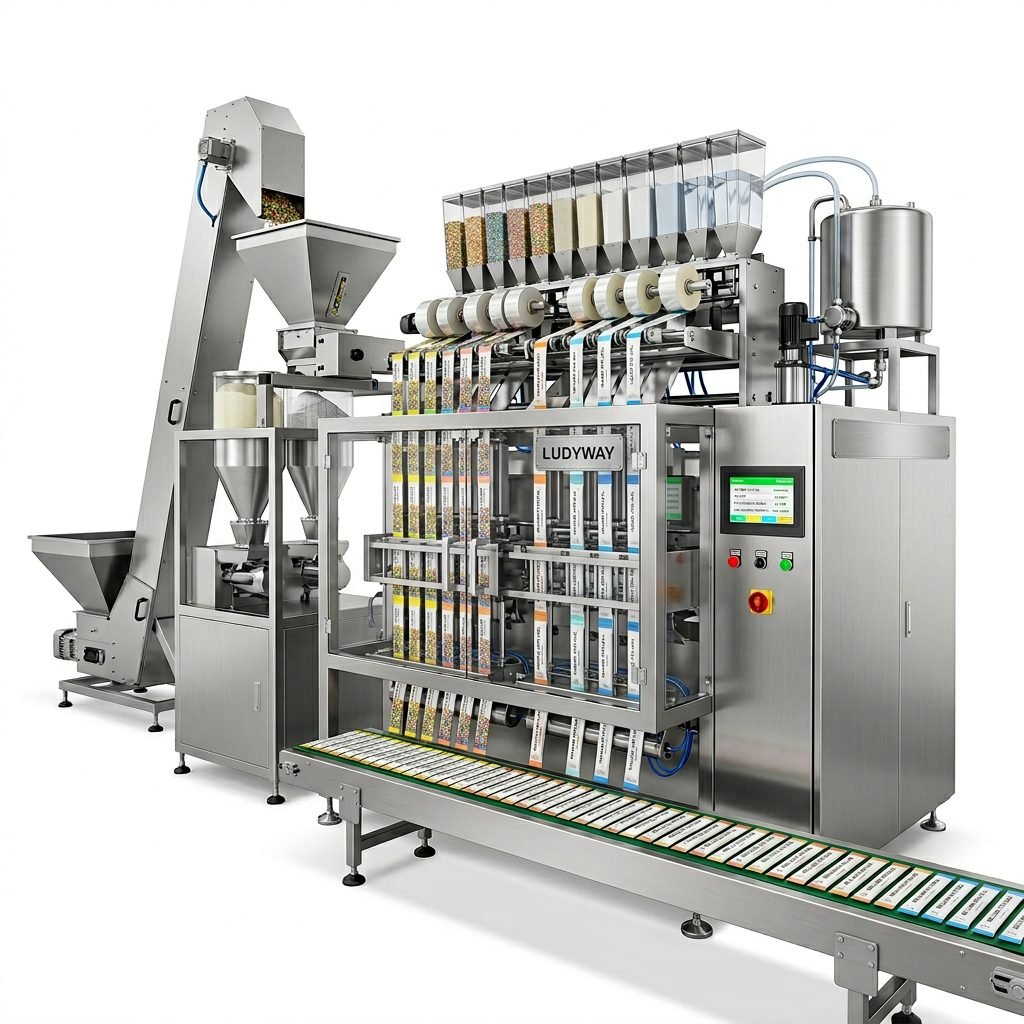
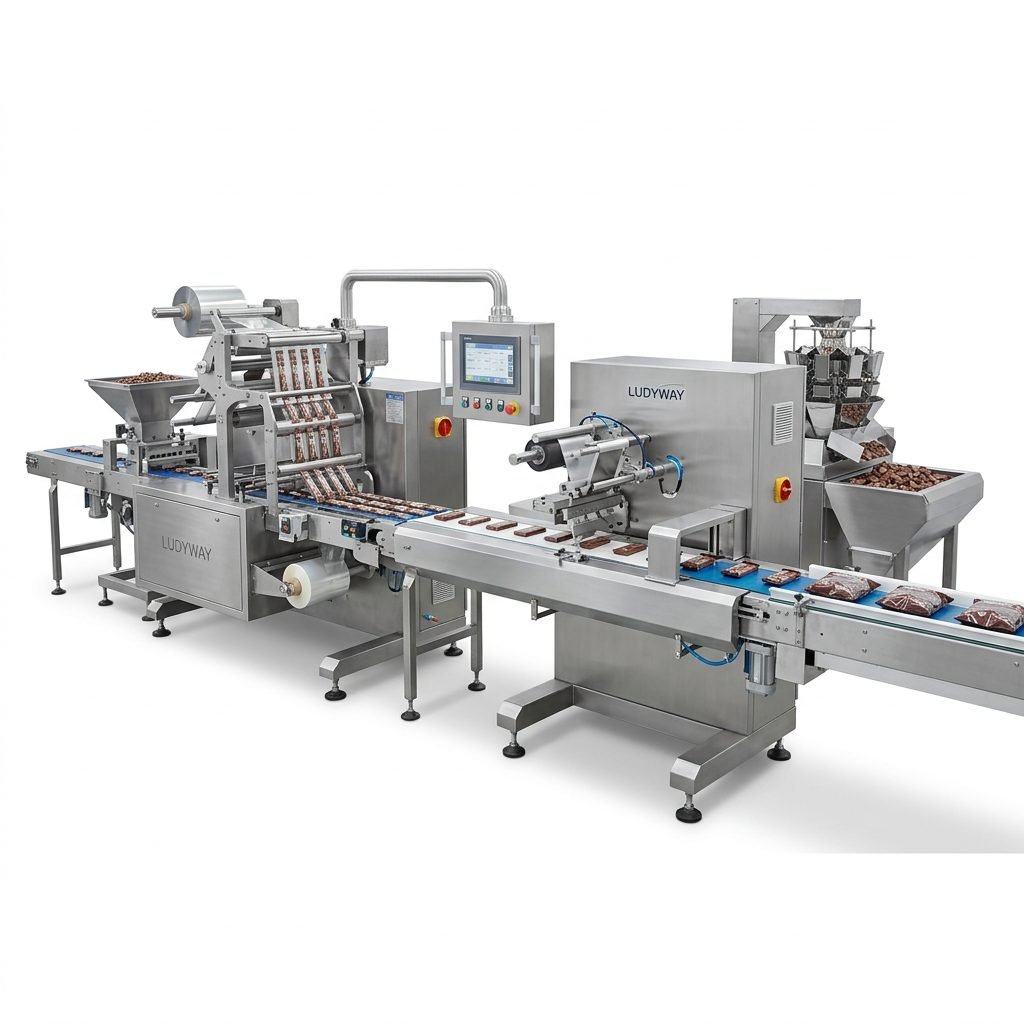
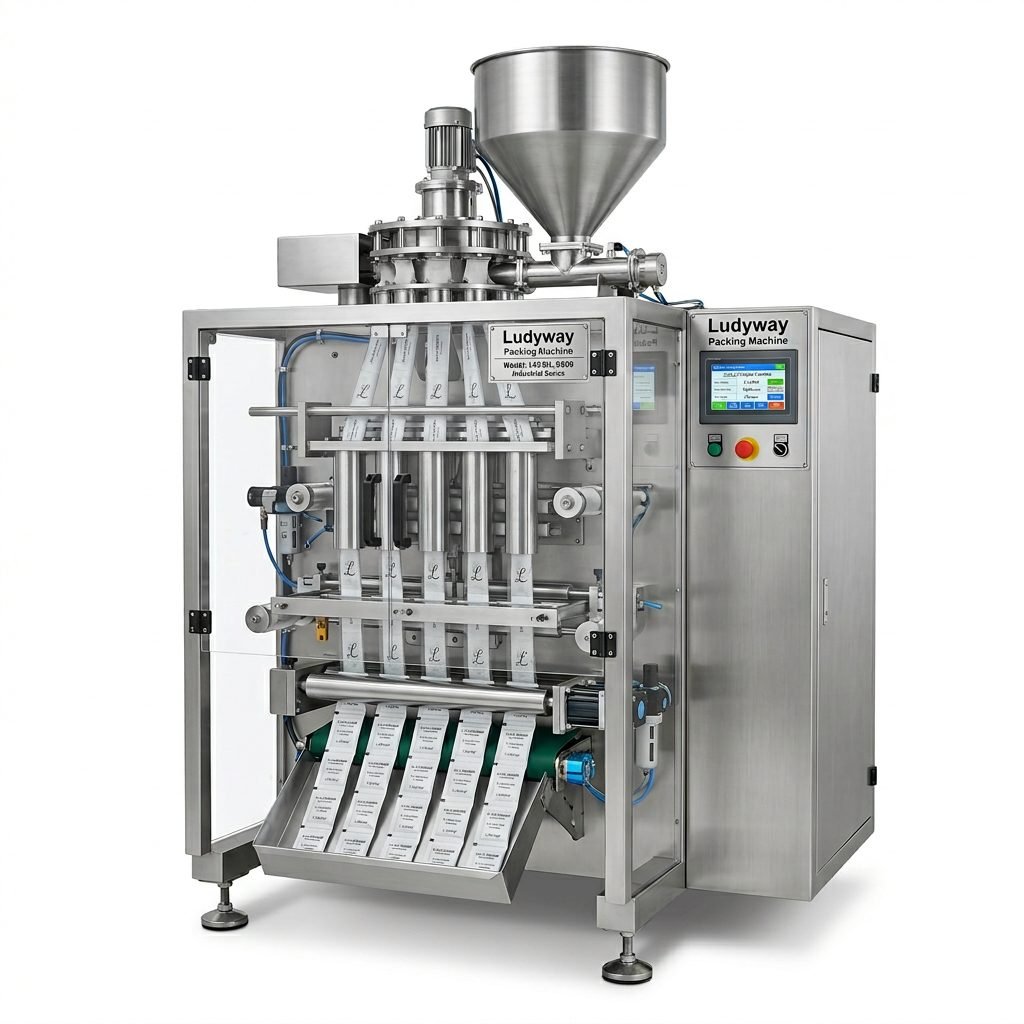
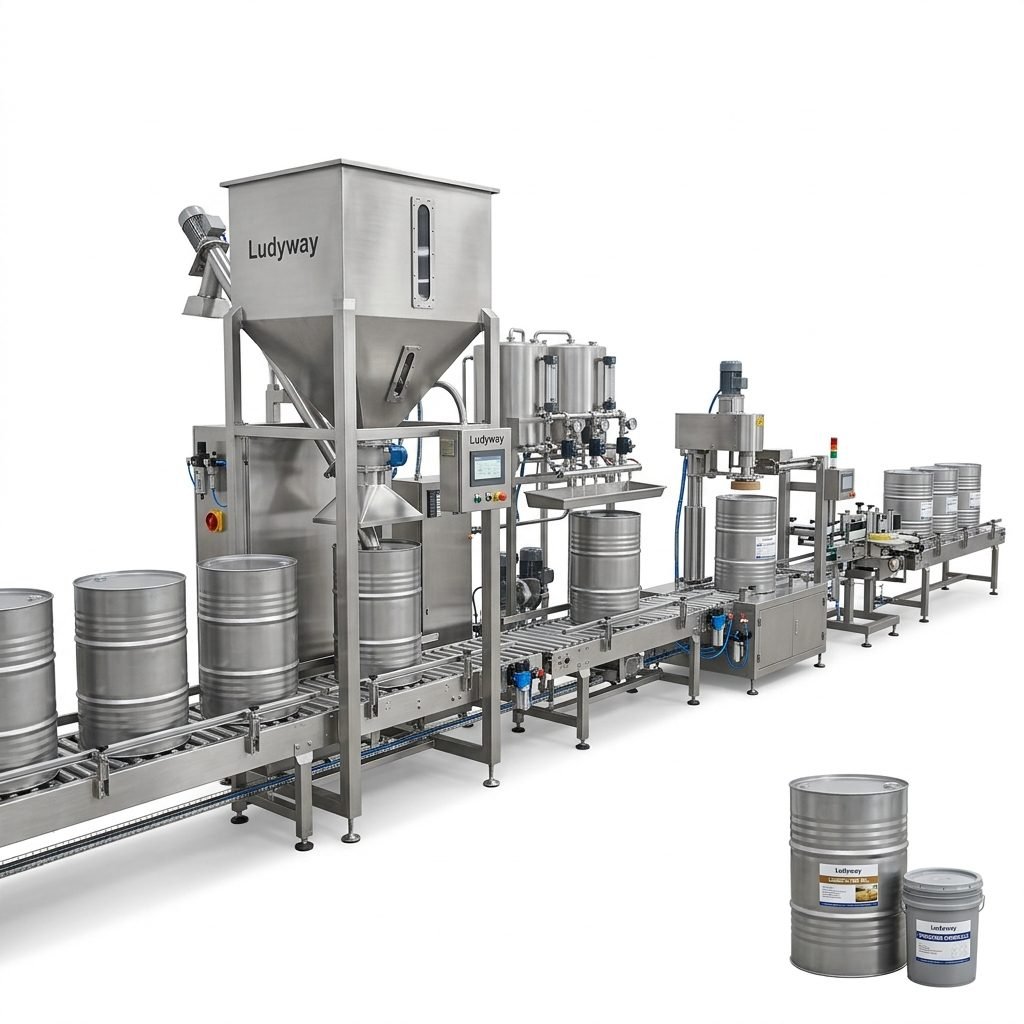
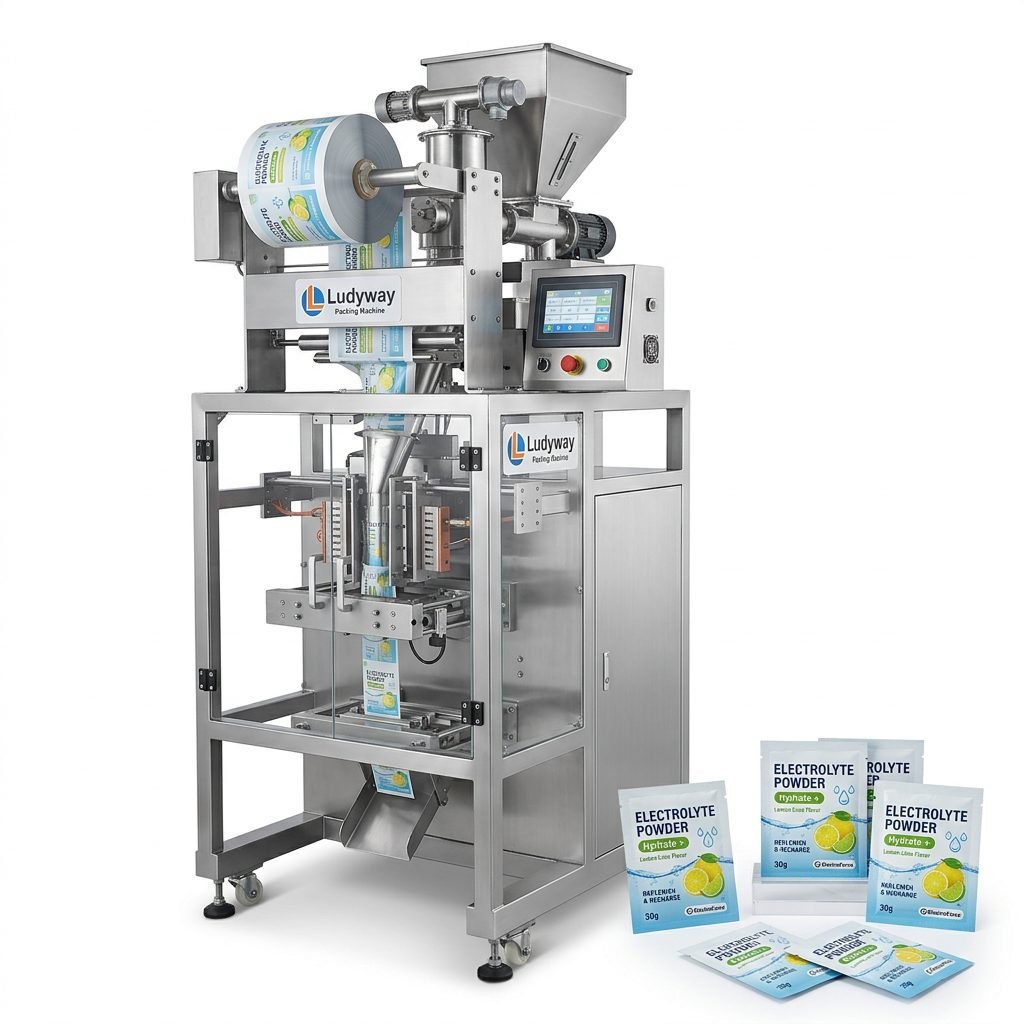
Selecting the right air packaging machine is one of the most critical procurement decisions for manufacturers handling powders, granules, or fragile products. Unlike conventional filling equipment, air packaging systems use pressurized air to convey, dose, and fill materials with exceptional precision and minimal product damage. Whether you are upgrading an existing production line or building a new facility, choosing a machine that aligns with your product characteristics, throughput targets, and regulatory requirements will directly impact your operational efficiency and long-term profitability.
This guide walks you through the essential factors to evaluate, helping you make an informed investment that supports your production goals. For insights on broader packaging machinery trends, the PMMI Business Intelligence Library offers extensive industry data that can complement your research.
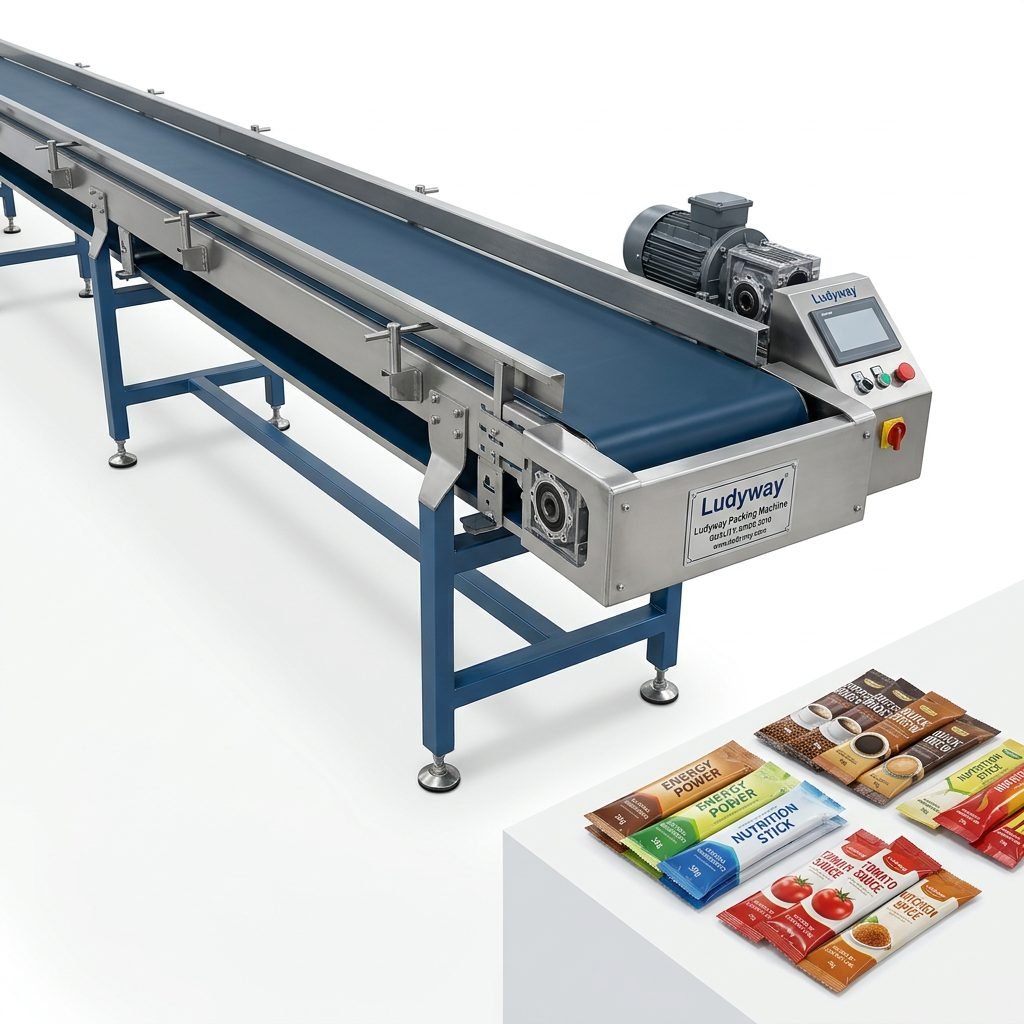
Understanding Air Packaging Machines and Their Core Functions
An air packaging machine utilizes compressed air technology to handle, transport, and fill products into various packaging formats. These machines are particularly well-suited for applications involving fine powders, dusty materials, lightweight granules, and products that require gentle handling to preserve particle integrity. The air-assisted dosing mechanism minimizes product waste, reduces dust emissions, and delivers consistent fill weights even at high speeds.
Common applications span multiple industries including food and beverage, pharmaceuticals, nutraceuticals, chemicals, cosmetics, and agricultural products. The technology is especially valuable when packaging materials that are cohesive, aeratable, or prone to bridging in traditional auger or gravity-based systems. According to PMMI’s 2026 State of the Industry report, demand for automated precision filling equipment continues to grow as manufacturers prioritize efficiency and product consistency.
Key Factors to Consider Before Purchasing
1. Product Characteristics and Material Behavior
Your product’s physical properties should be the starting point for any equipment evaluation. The way a material flows, aerates, compacts, or segregates will determine which air packaging technology is appropriate. Consider the following product attributes:
- Particle size distribution – Fine powders behave differently than coarse granules in air-conveyed systems.
- Bulk density and compressibility – These affect how the material settles during filling and influence dosing accuracy.
- Moisture content and hygroscopicity – Materials that absorb moisture may require closed-loop air handling to prevent clumping.
- Flow properties – Cohesive or sticky products may need specialized air-assisted discharge mechanisms.
- Fragility – Friable products benefit from the gentle conveying action of air-based systems compared to mechanical alternatives.
2. Packaging Format and Material Compatibility
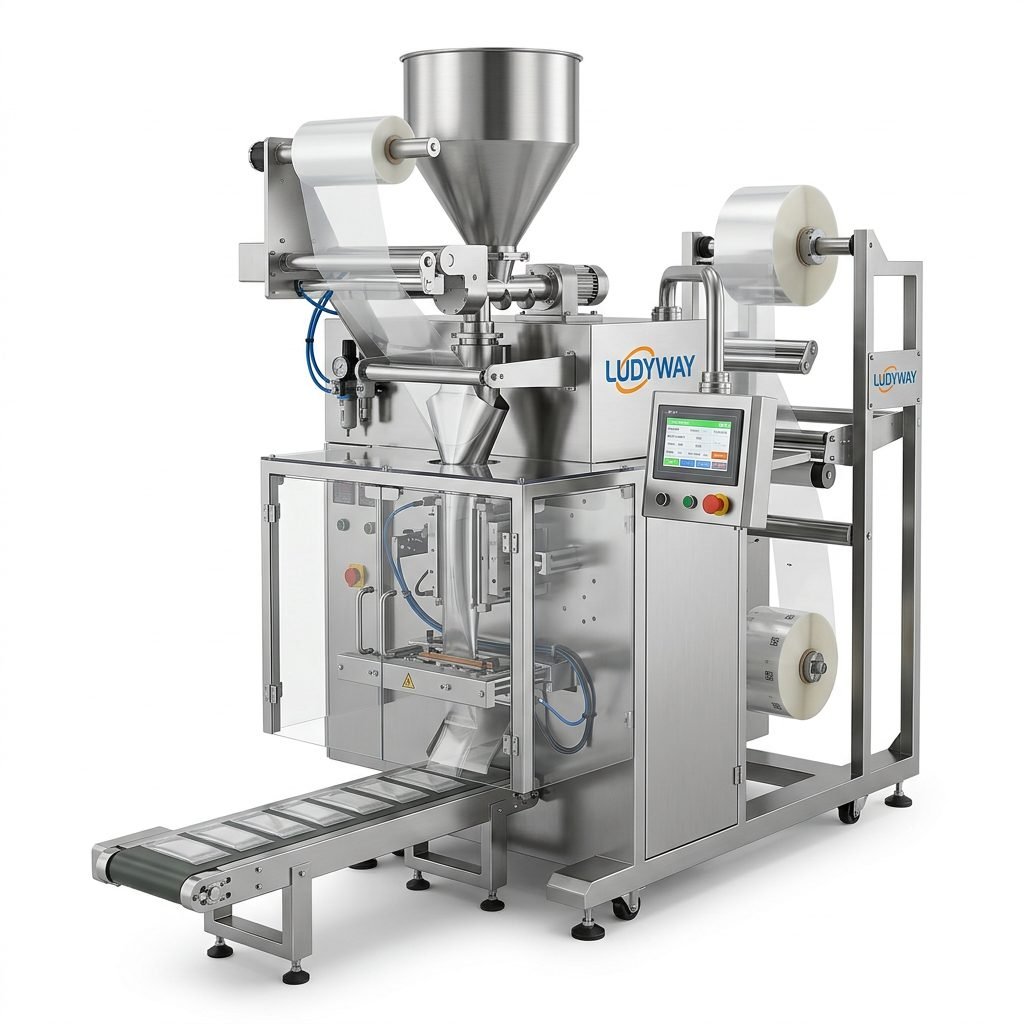
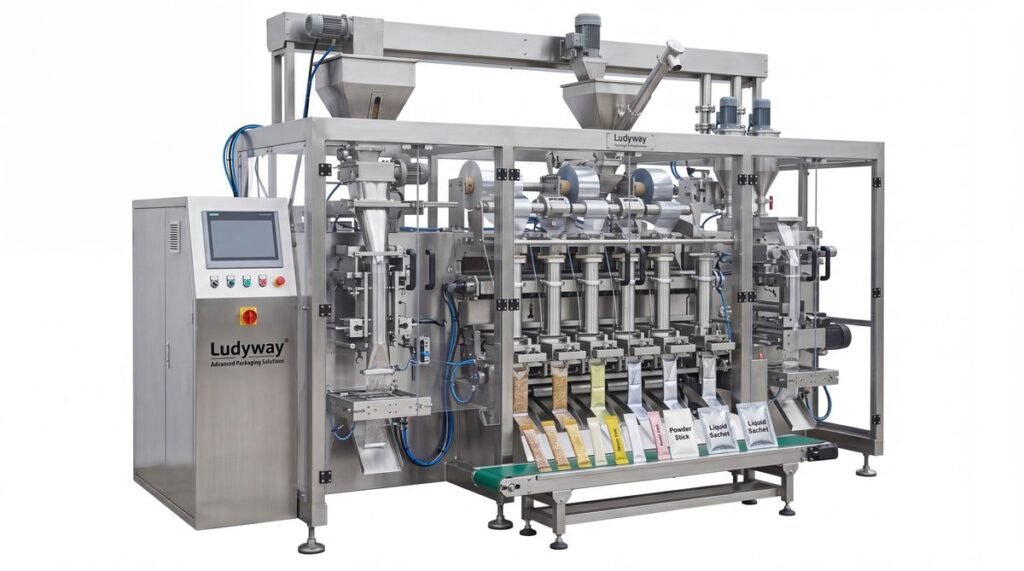
Air packaging machines can be configured for multiple packaging formats including sachets, stick packs, pouches, bags, and even rigid containers. Your choice of flexible packaging materials will influence machine specifications related to sealing temperature, dwell time, and film tension control. Ensure the equipment you evaluate can handle your current packaging materials while allowing flexibility for future format changes.
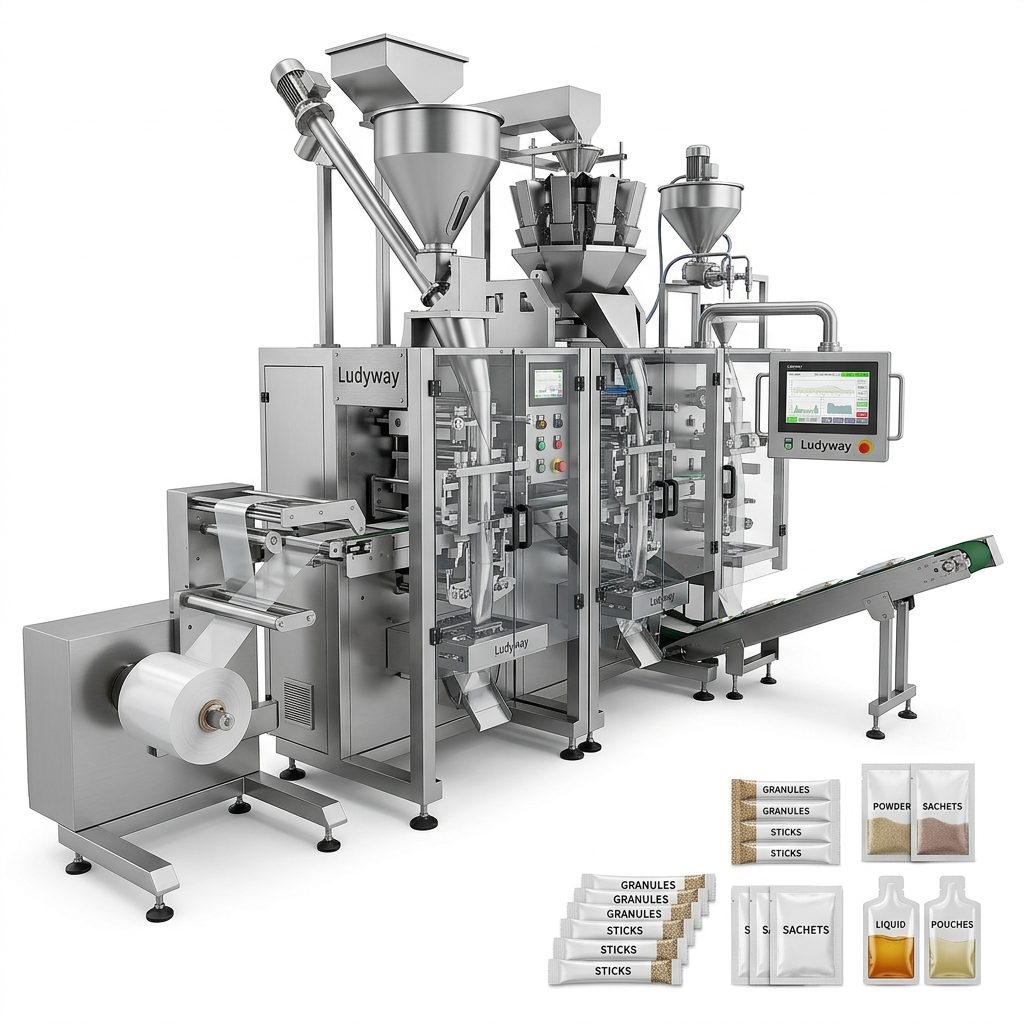
3. Production Speed and Output Requirements
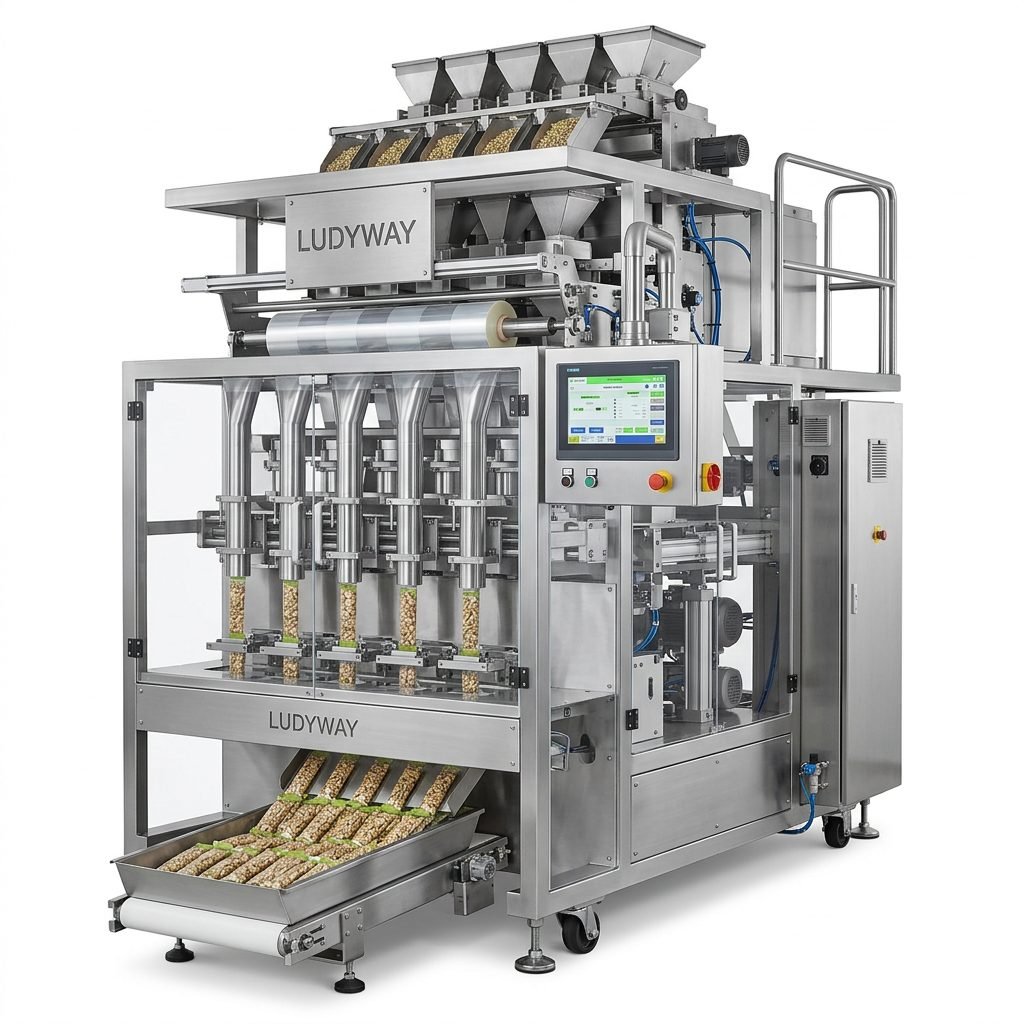
Throughput requirements vary significantly between manufacturers. A small-scale operation may need 30 to 60 packs per minute, while a high-volume facility might require multi-lane systems producing several hundred units per minute. When evaluating an air packaging machine, confirm the rated speed matches your current needs with room for scaling. Multi-lane configurations can multiply output without proportionally increasing floor space, making them an efficient choice for growing businesses.
4. Automation Level and Integration Capabilities
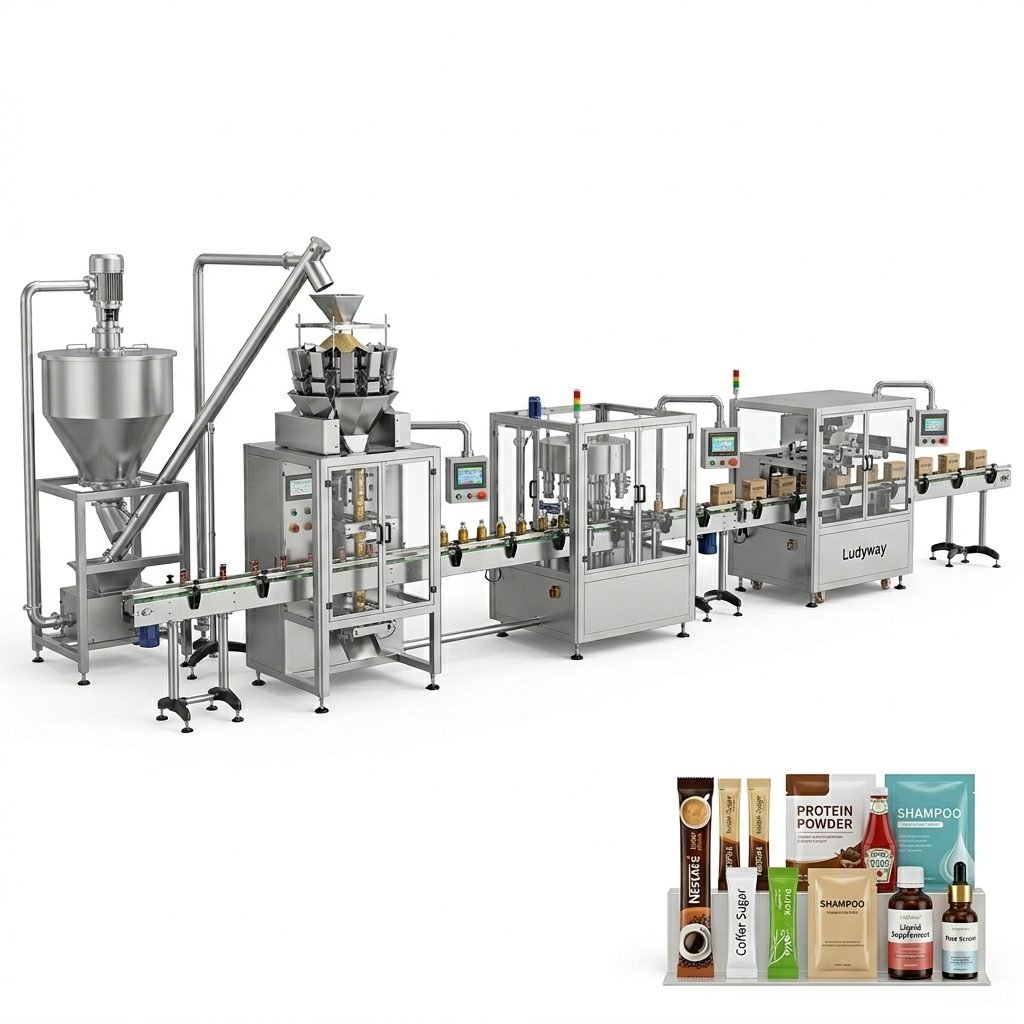
Modern air packaging equipment ranges from semi-automatic standalone units to fully integrated turnkey packaging lines. Higher automation levels reduce labor costs and improve consistency but require a larger initial investment. Consider how the machine will integrate with upstream and downstream equipment such as feeders, checkweighers, metal detectors, coding systems, and cartoning machines. A well-designed system from packaging industry standards ensures seamless data exchange and coordinated operation across the entire line.
Critical Technical Specifications to Evaluate
The following table summarizes key technical parameters you should compare when assessing different air packaging machine models:
| Specification | Why It Matters | Evaluation Criteria |
|---|---|---|
| Filling Accuracy | Directly affects product give-away and profitability | ±0.5% to ±1.5% depending on product type |
| Dosing Range | Determines the product weight range the machine can handle | Match to your current and anticipated product portfolio |
| Air Consumption | Impacts ongoing operational costs | Cubic meters per hour at rated pressure |
| Sealing Temperature Range | Must be compatible with your packaging film | Check against film manufacturer specifications |
| Changeover Time | Affects production flexibility and downtime | Target under 30 minutes for frequent product changes |
| Control System | User interface quality affects operator efficiency | PLC-based with touchscreen HMI and recipe management |
Assessing Build Quality and Compliance Standards
Construction materials and manufacturing quality directly influence machine longevity, hygiene, and regulatory compliance. For food and pharmaceutical applications, stainless steel contact parts and sanitary design principles are essential. Verify that the equipment can be configured to meet relevant standards such as those outlined by the FDA for food contact substances or ISO packaging standards for your target markets.
Key compliance considerations include:
- GMP compliance for pharmaceutical and nutraceutical production environments
- CE marking for equipment destined for European markets
- UL certification for electrical components in North American installations
- IP ratings appropriate for your production environment (washdown requirements)
- ATEX compliance if handling potentially explosive dust atmospheres
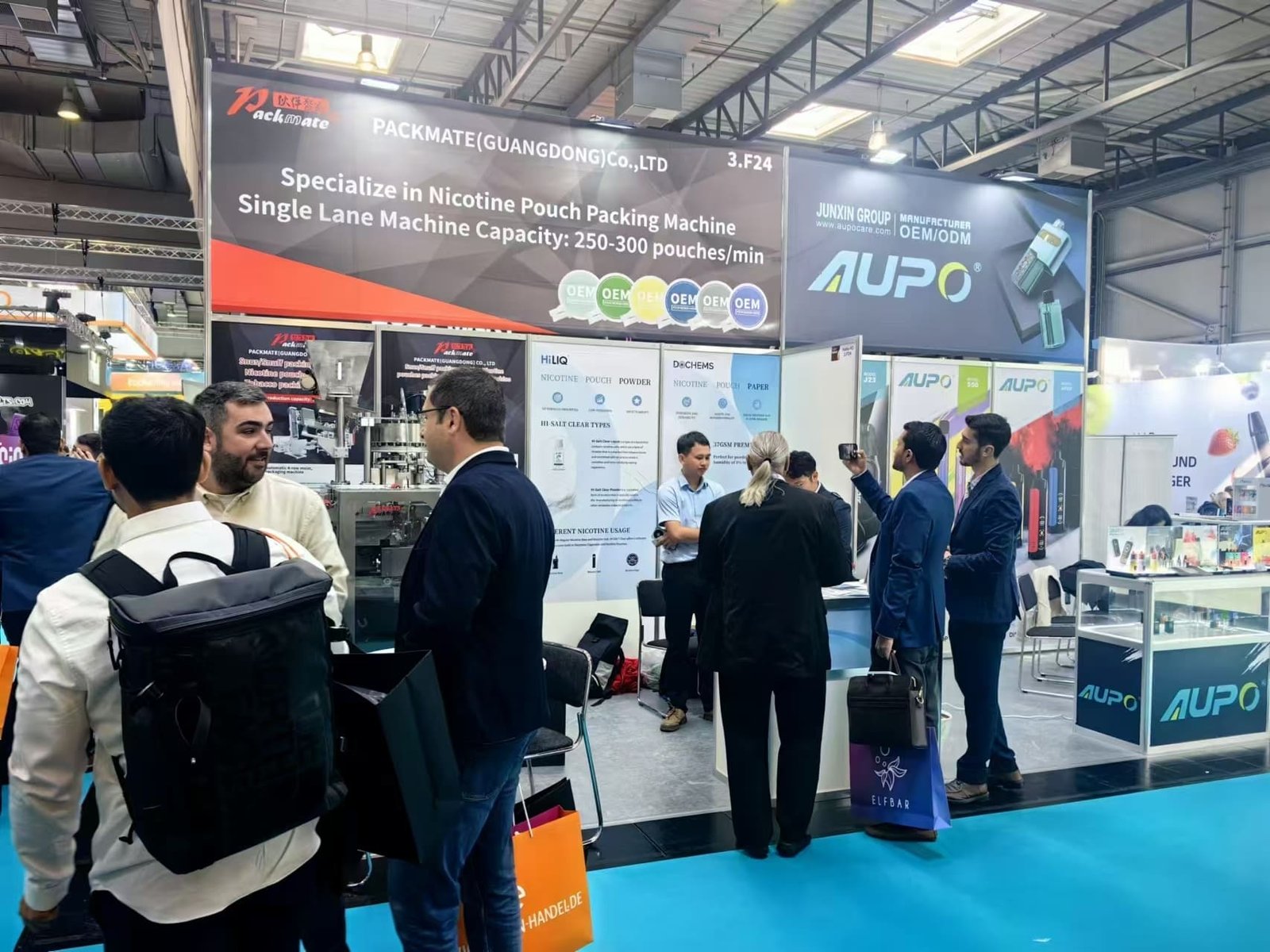
Evaluating Total Cost of Ownership
The purchase price of an air packaging machine represents only one component of the total cost equation. A comprehensive financial analysis should account for the following elements over the expected service life of the equipment:
Direct Costs
- Equipment purchase and installation
- Facility modifications (compressed air infrastructure, electrical, ventilation)
- Initial spare parts inventory
- Operator training and documentation
Ongoing Operational Costs
- Compressed air consumption and energy usage
- Consumable replacement parts (sealing bands, filters, gaskets)
- Preventive maintenance labor and materials
- Packaging material waste during startups and changeovers
Hidden Cost Factors
- Production downtime during equipment servicing
- Product give-away from inconsistent filling
- Rework and quality rejects from poor seals or contamination
- Opportunity cost of delayed market entry during extended commissioning
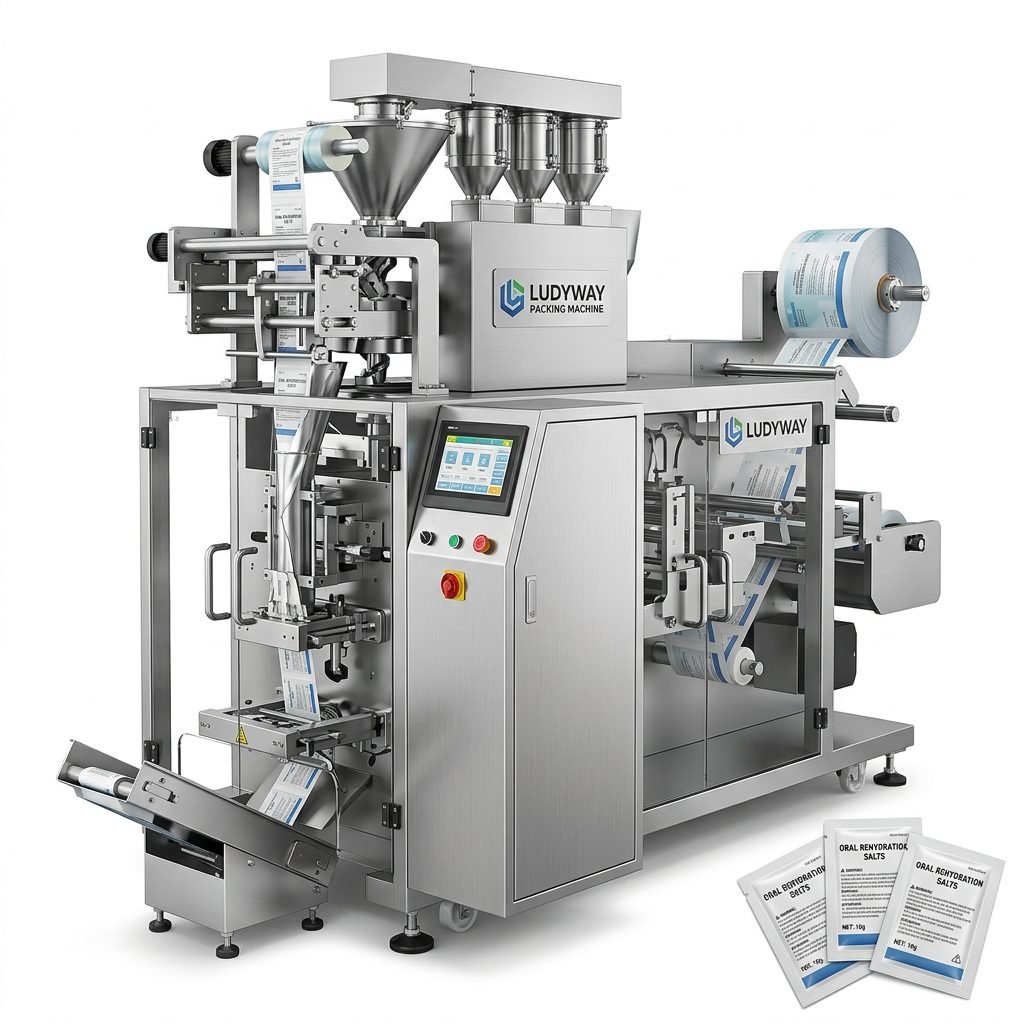
Manufacturers such as Ludyway Machinery, a China-based packaging machinery manufacturer with over 30 years of industry experience, work with customers to configure equipment that balances upfront investment with long-term operational efficiency. With a 20,000-square-meter facility and more than 50 packaging machine models, the company provides integrated solutions that help manufacturers optimize both capital expenditure and ongoing costs.
Supplier Evaluation and Due Diligence
Choosing the right equipment partner is as important as selecting the right machine. A thorough supplier evaluation should examine:
- Industry experience – How long has the manufacturer been producing air packaging equipment? Do they understand your specific application?
- Reference installations – Request case studies or customer references from similar industries and production scales.
- Technical support capabilities – What remote and on-site support options are available? What are typical response times?
- Spare parts availability – Are critical components stocked regionally? What are the lead times for non-stock items?
- Customization engineering – Can the supplier modify standard designs to match your unique requirements?
- Factory acceptance testing – Does the manufacturer offer pre-delivery testing with your actual products?
Industry associations such as the PMMI – Association for Packaging and Processing Technologies and the Flexible Packaging Association provide directories and resources that can help identify reputable equipment manufacturers. Additionally, attending trade events like PACK EXPO International offers the opportunity to see equipment in operation and meet suppliers face-to-face.
Installation, Commissioning, and Validation
A well-planned installation process sets the foundation for reliable long-term operation. Before the equipment arrives, prepare your facility with adequate compressed air capacity, proper electrical connections, and sufficient space for operation and maintenance access. The commissioning phase should include:
- Mechanical installation and alignment – Ensure the machine is properly leveled and connected to utilities.
- Dry testing – Run the equipment without product to verify mechanical and control functions.
- Product testing – Conduct filling trials with your actual products to validate dosing accuracy and seal integrity.
- Operator training – Train production staff on normal operation, changeover procedures, troubleshooting, and safety protocols.
- Performance qualification – Document that the machine consistently meets agreed-upon specifications under production conditions.
For pharmaceutical applications, additional validation activities may be required to comply with ISO 11607 packaging validation requirements and other regulatory frameworks.
Future-Proofing Your Investment
Packaging requirements evolve as product lines expand, regulations change, and consumer preferences shift. When selecting an air packaging machine, look for modular designs that allow future upgrades without replacing the entire system. Features that support long-term adaptability include:
- Modular dosing systems that can be swapped for different product types
- Expandable lane configurations to increase throughput capacity
- Software-upgradable control systems with remote diagnostics capabilities
- Tool-free changeover components that reduce downtime during format changes
- Compatibility with sustainable packaging materials as the industry moves toward stricter packaging waste regulations
Investing in equipment that can adapt to changing market conditions protects your capital expenditure and extends the useful life of your packaging line. As global packaging machinery demand continues to grow, manufacturers are increasingly prioritizing flexible, scalable solutions that support both current production needs and future business expansion.
Making the Final Decision
After evaluating technical specifications, supplier qualifications, total cost of ownership, and future flexibility, consolidate your findings into a structured comparison. Create a weighted decision matrix that prioritizes the factors most critical to your operation. Engage stakeholders from production, engineering, quality assurance, and procurement to ensure all perspectives are considered.
Remember that the lowest purchase price rarely delivers the best long-term value. A slightly higher upfront investment in a well-engineered air packaging machine with strong manufacturer support often yields significantly better returns through higher uptime, lower waste, consistent quality, and reduced maintenance costs over the equipment’s service life. Taking the time to conduct thorough due diligence will help you select a packaging solution that supports your manufacturing goals for years to come.