For butchers, the quality of packaging is a direct reflection of the quality of the product on the shelf. Whether you are handling prime cuts, fresh sausages, ground meat, or aged steaks, a reliable vacuum packing machine is the backbone of your preservation strategy. Without proper vacuum sealing, meat is susceptible to oxidation, freezer burn, bacterial growth, and moisture loss, all of which degrade value and taste. This guide walks you through the critical factors to consider when selecting the best equipment for your shop, processing facility, or food service operation.
Understanding the Core Benefits for Butchers
Before diving into technical specifications, it is essential to understand why vacuum packing has become non-negotiable in modern meat processing. First and foremost, oxygen is the enemy. By extracting air from the package, you significantly slow down the growth of aerobic bacteria and mold. This simple process can extend the shelf life of fresh red meat from a few days to several weeks. Furthermore, vacuum packaging prevents the dehydration of meat during freezing, effectively eliminating freezer burn and preserving texture. For butchers utilizing modified atmosphere packaging (MAP), selecting a machine capable of gas flushing is vital for maintaining the vibrant red color of myoglobin that consumers associate with freshness.
Types of Vacuum Packing Machines for Meat Processing
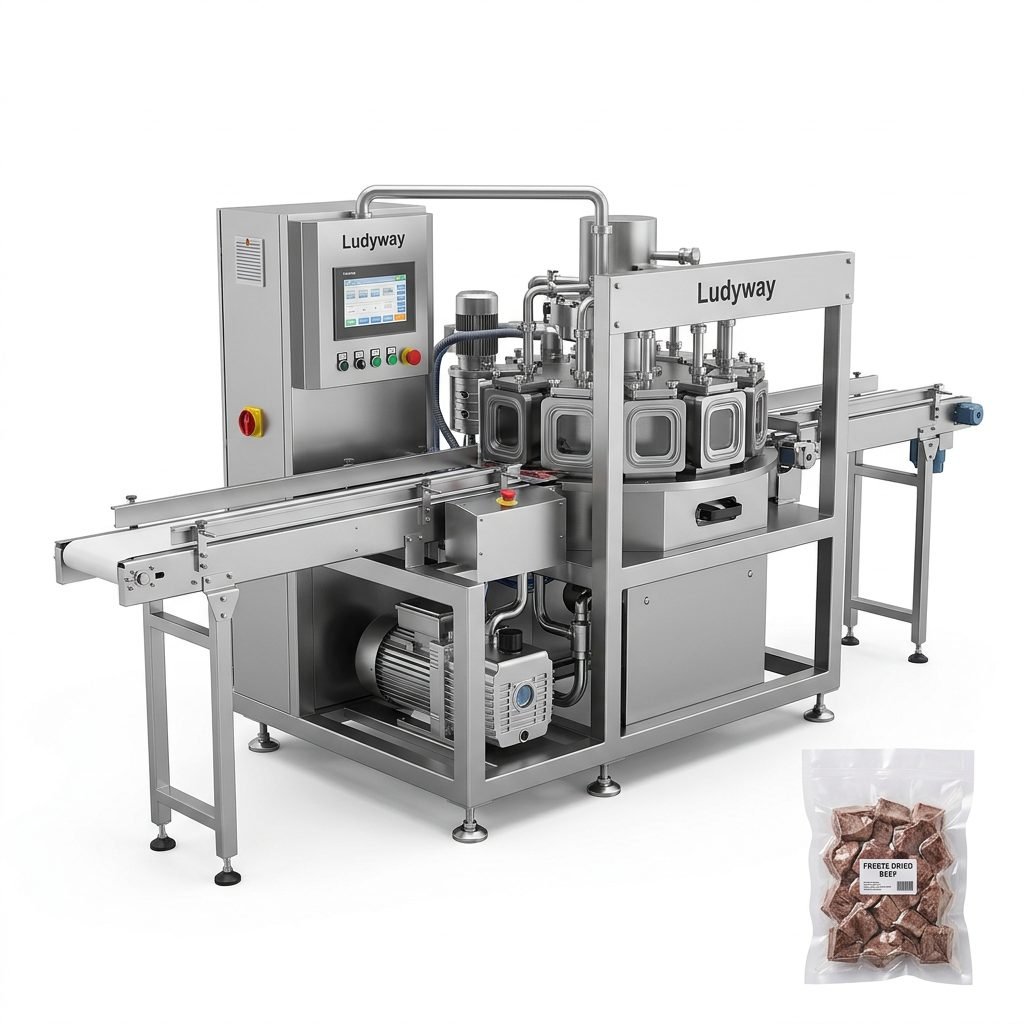
Selecting the right type of machine depends entirely on your production volume and the physical nature of the products. The two primary categories dominating butcher shops and meat processing plants are chamber machines and external suction machines, though high-output facilities often require fully automated thermoforming lines.
| Machine Type | Best Application | Key Advantage |
|---|---|---|
| Chamber Vacuum Sealer | Steaks, roasts, liquid-rich marinades, and bulk primals | Superior vacuum levels (up to 99.8%), handles liquids with ease using vacuum pouches |
| External Suction Sealer | Light-duty cuts, small portions, retail front-of-house use | Compact footprint, lower upfront cost, uses textured or embossed bags |
| Double Chamber Machine | High-volume butchery with continuous workflow needs | Non-stop operation: one chamber loads while the other seals, doubling throughput |
Critical Technical Specifications
Not all machines are built equally. When investing in butchery equipment, durability and hygiene are paramount. Pay close attention to the following components:
- Vacuum Pump Strength: Measured in cubic meters per hour (m³/h). For a busy butcher shop running multiple cycles per minute, you need an oil pump (like a Busch pump) with high-duty cycles. Dry piston pumps are fine for lighter retail but overheat quickly in continuous heavy use.
- Sealing Bar Width: A wide seal bar (8mm to 10mm) is critical for heavy bone-in cuts or sharp-edged frozen products to prevent micro-leaks during handling and transport.
- Construction Material: The machine body must be entirely made of 304 stainless steel to withstand aggressive alkaline washdowns required by food safety standards.
- Chamber Height: If you pack whole primals or thick tomahawk steaks, a high-lidded chamber with a variable-height stop is necessary to prevent crushing the product during the vacuum cycle.
Matching the Machine to Your Workflow
The biggest mistake a butcher can make is buying a machine that is either too slow for demand or too complex for the staff. Evaluate your production line honestly. If your output is less than 50 packages a day, a heavy-duty single-chamber unit is sufficient. However, if you are splitting and packing quarters or supplying multiple retail locations, you must look at automated systems.
Questions to Ask Your Supplier
- What is the maximum cycle time per minute?
- Can the machine handle “double-seal” functions for high-security packaging?
- Is there a soft-start (SoftAir) function to protect soft terrines or patties from crushing?
- Are the protective lids made of unbreakable polycarbonate for visibility and safety?
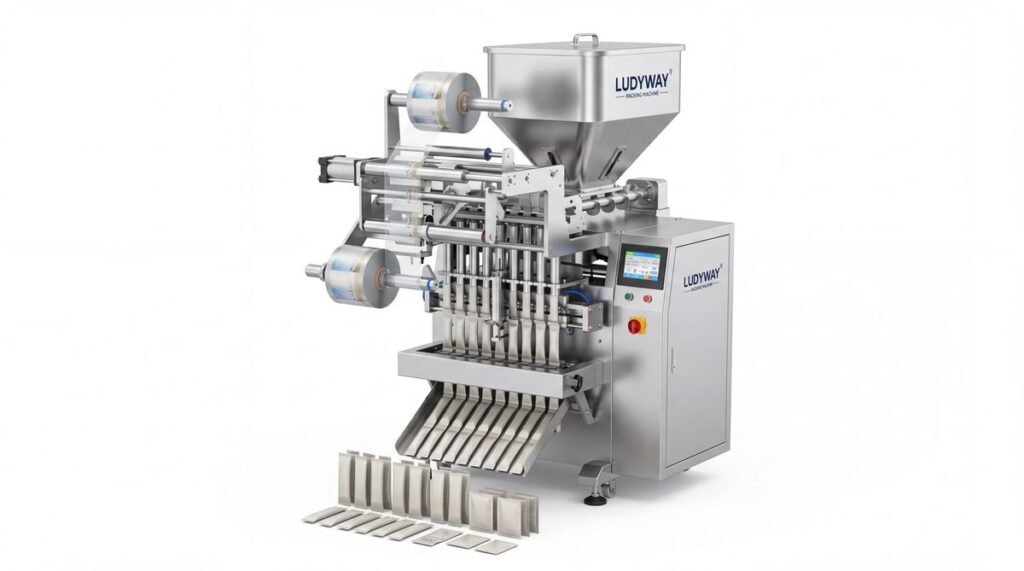
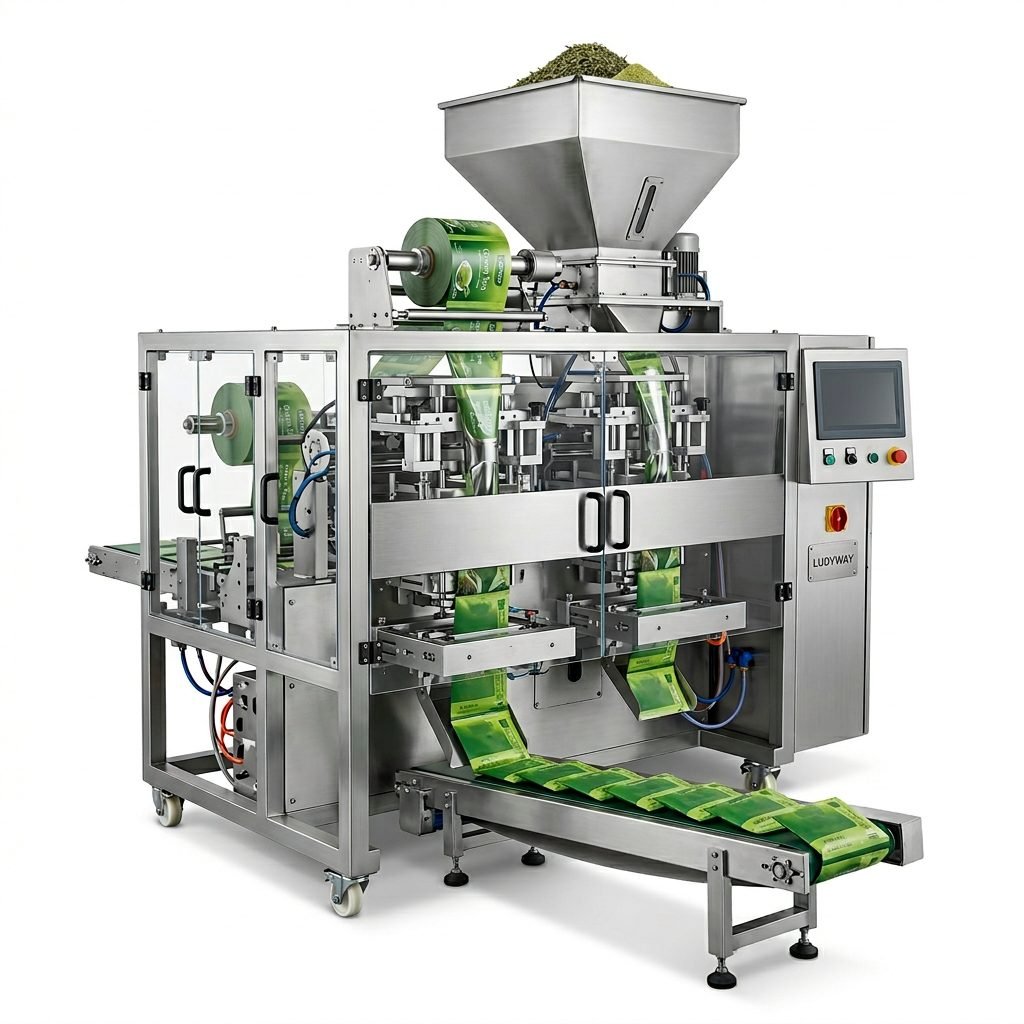
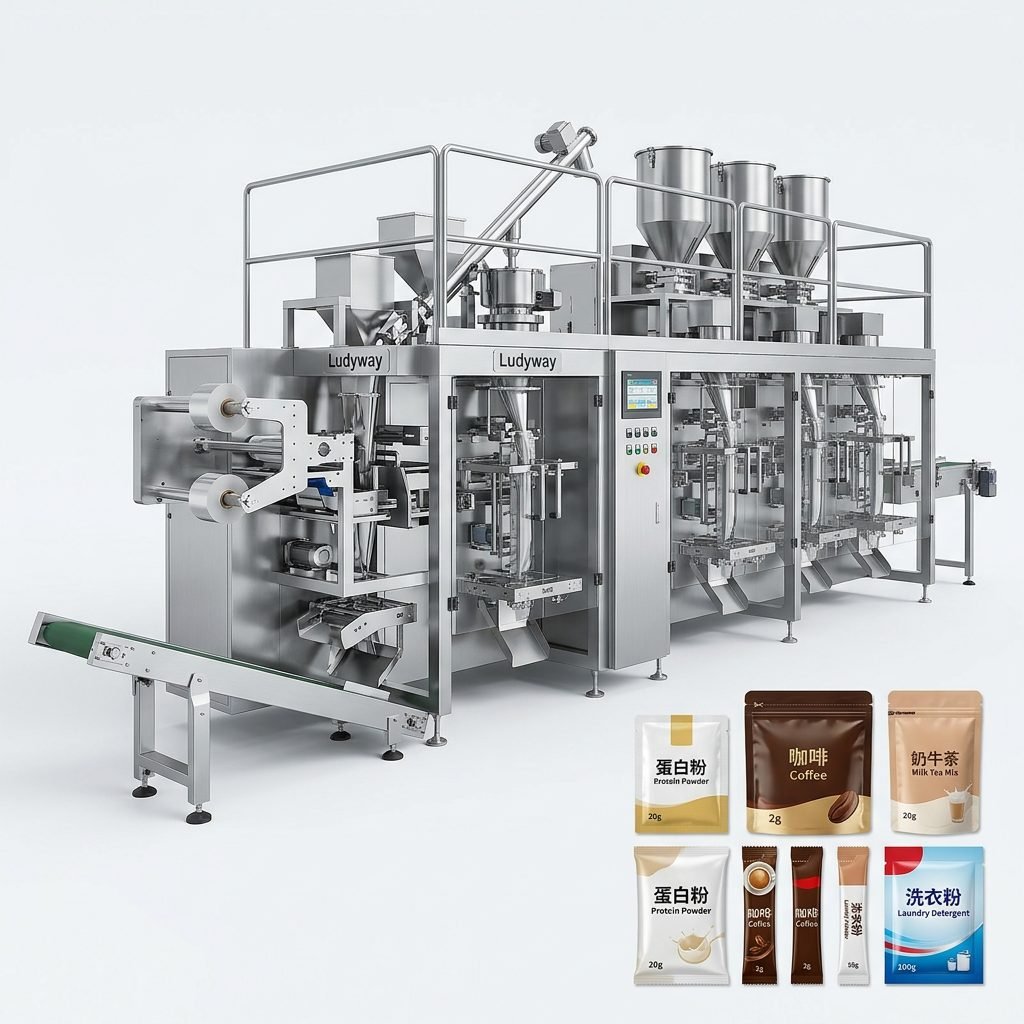
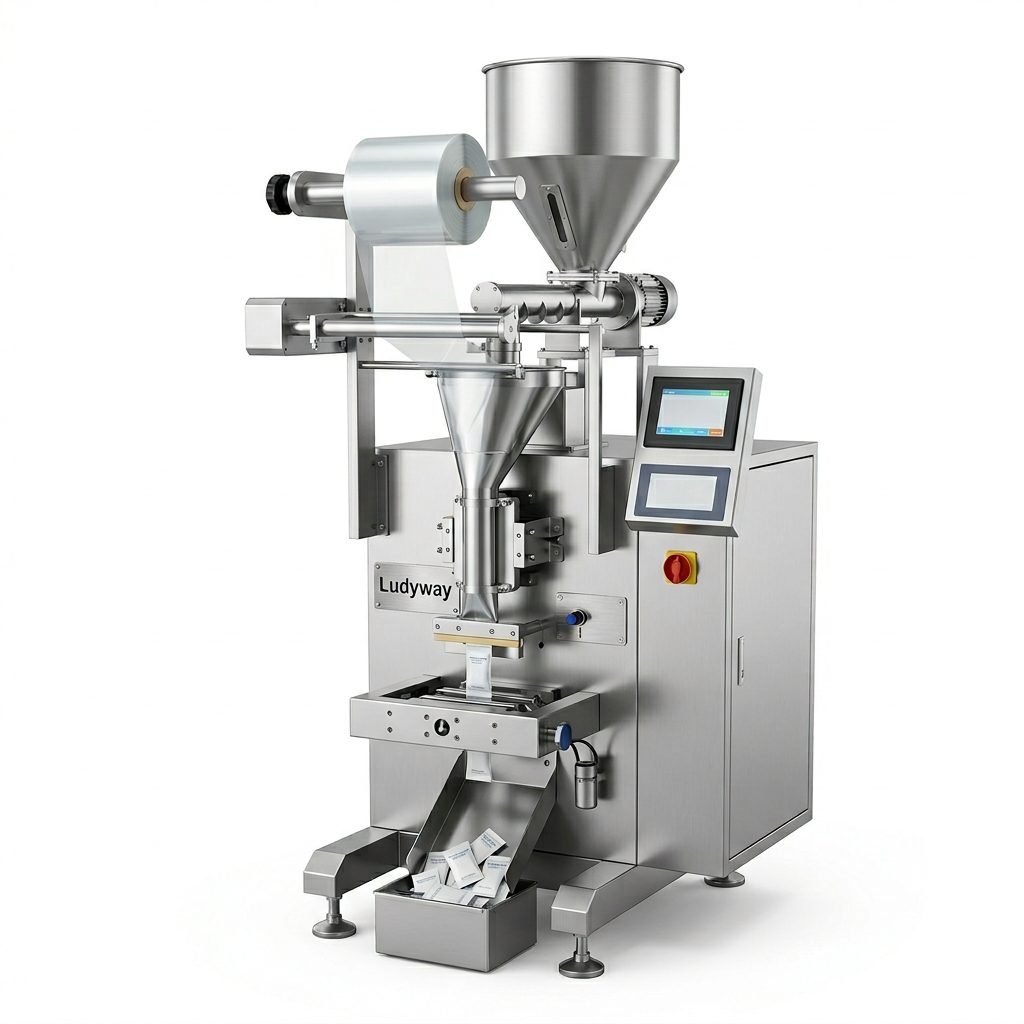
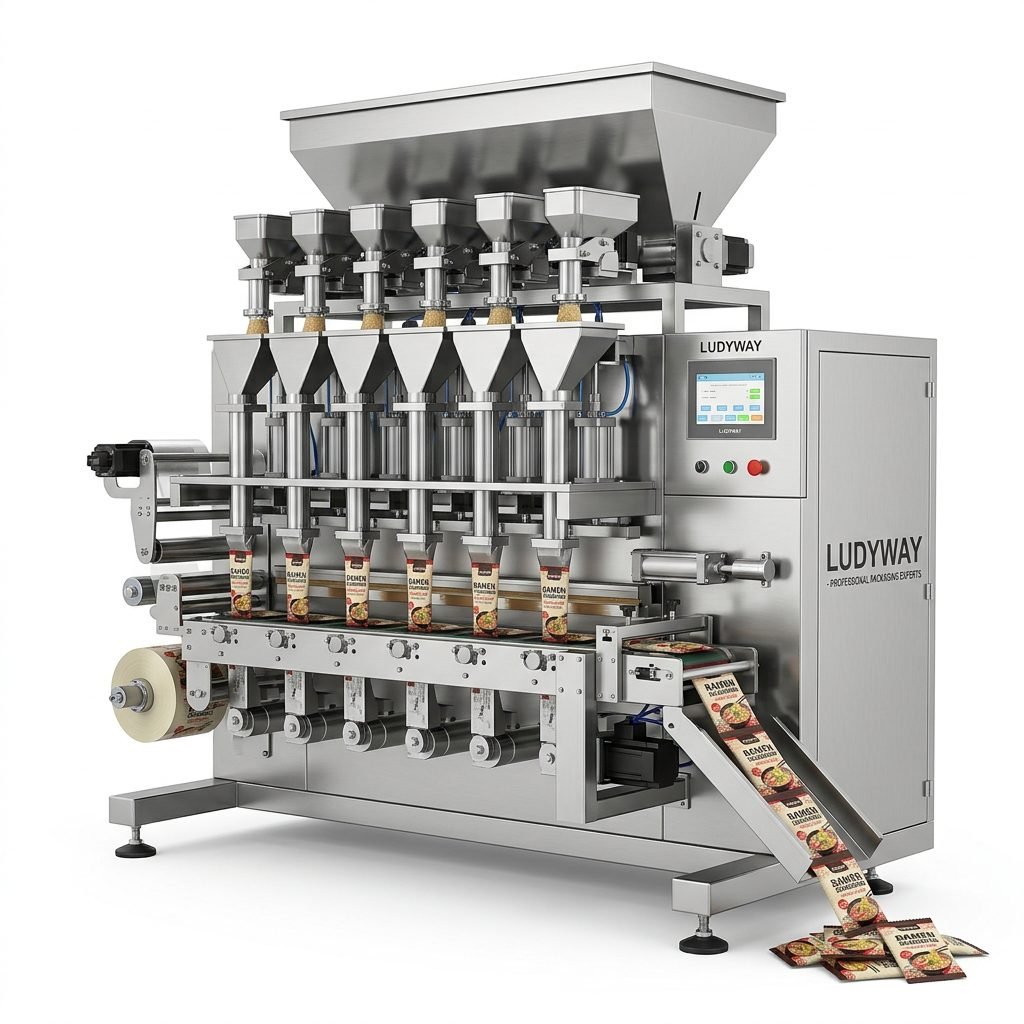
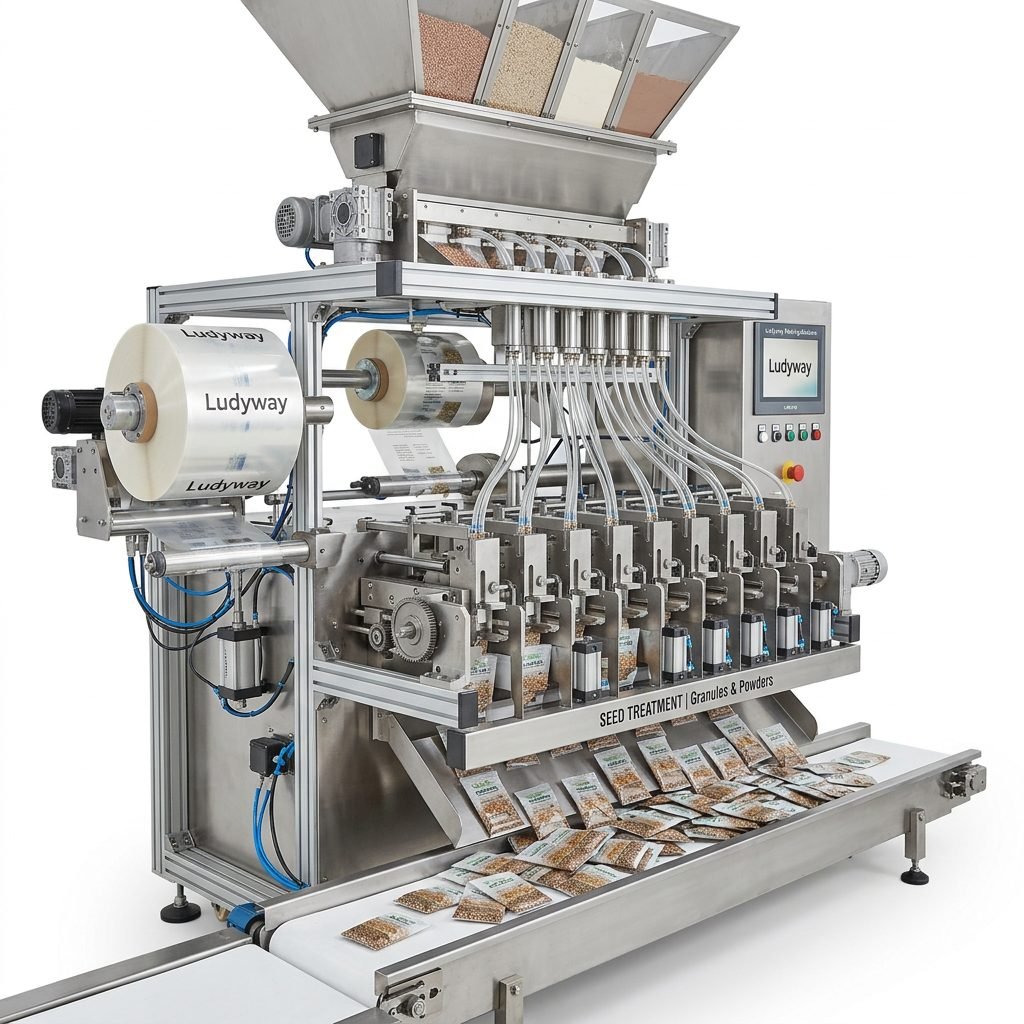
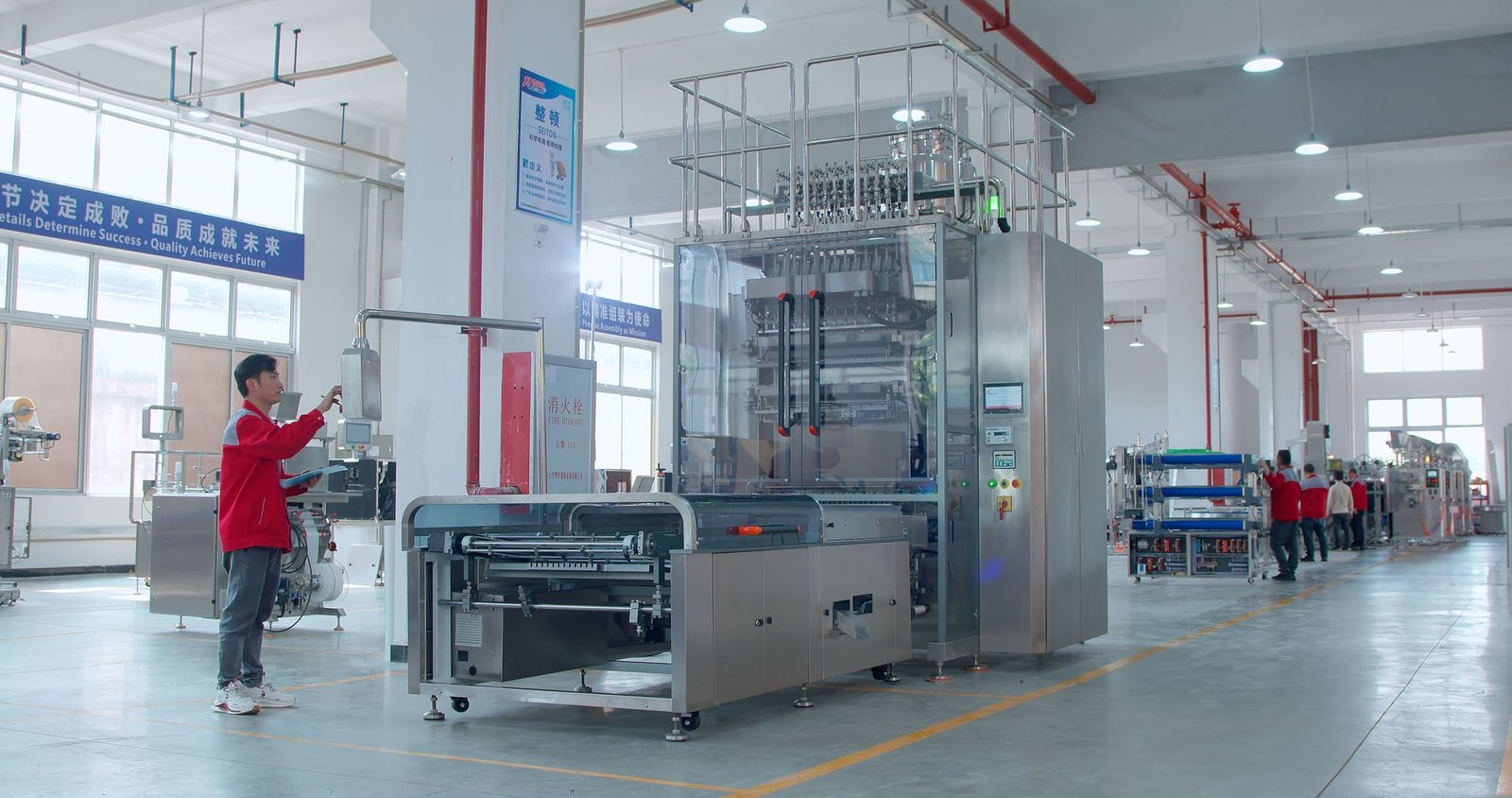
For large-scale operations processing thousands of units daily, linear automatic packaging lines become necessary. Solutions like multi-lane stick pack and sachet systems can vacuum seal pre-portioned meat snacks, jerky, or bone broth powders at high speeds. However, for primal cuts, the integrity of the seal and the quality of the vacuum remain the absolute priority over speed.
The Role of Bag Compatibility and Cost
Vacuum bags represent an ongoing operational cost. Chamber machines offer a significant long-term saving because they use flat, non-channeled bags that are 40% cheaper than the textured embossed bags required by external suction sealers. If you are packaging high-value meat like dry-aged Wagyu or Bresaola, you might also require the ability to run barrier shrink bags that provide a tight, airtight, puncture-resistant second skin, enhancing product presentation and shelf life.
| Feature | Chamber Machine (Pro) | External Sealer (Consumer/Small Biz) |
|---|---|---|
| Bag Cost | Low (Smooth, standard vacuum pouches) | High (Must use specialty embossed/textured rolls) |
| Liquid Packaging | Excellent (Vacuum and seal before liquid escapes) | Poor (Liquids travel up the bag, ruining the seal) |
| Bone-in Product Safety | Superior (Robust seals, double sealing options) | Moderate (Higher risk of puncture causing seal failure) |
Maintenance and Build Quality
In a busy butcher environment, downtime directly translates to spoiled product and lost revenue. A high-quality machine should have easy-access control panels and externally reachable pump oil windows for quick visual checks. Investing in a machine with IP65-rated controls ensures resistance to dust and moisture. Remember that regular cleaning of the sealing bar and silicone holders is essential; burnt residue on the heating element is the leading cause of poor seal integrity. As you scale, partnering with a provider that offers technical support and rapid spare parts delivery becomes critical. Companies with extensive manufacturing experience, such as Ludyway Machinery, often design their systems with quick-changeable components and modular architectures to minimize downtime and adapt to changing butchery demands.
Hygiene and Safety Compliance
The meat industry is tightly regulated. Your vacuum sealer must support Hazard Analysis Critical Control Point (HACCP) protocols. Look for rounded corners inside the chamber to prevent bacterial harborage and removable sealing bars for sanitization. The vacuum pump itself should be maintenance-friendly, with easily accessible oil filters if you are using an oil pump. Some modern machines integrate sensors that detect if the vacuum level has dropped below a safe threshold, alerting the operator before a faulty batch is produced. Compliance with international standards like ISO packaging standards is a strong indicator of build quality.
Final Verdict
Choosing the best vacuum packing machine boils down to balancing product integrity, production speed, and operational cost. For butchers, the chamber vacuum sealer remains the undisputed champion for handling the rigors of bone-in cuts, high-moisture marinades, and heavy daily usage. While the initial investment is higher than a snorkel-type sealer, the savings on bag costs, the reduction in spoiled goods, and the superior presentation make it the only logical choice for a serious meat professional. Before making a final decision, always test the machine with your actual product formats—especially if you handle delicate items like sous-vide-ready portions or high-value aged cuts.