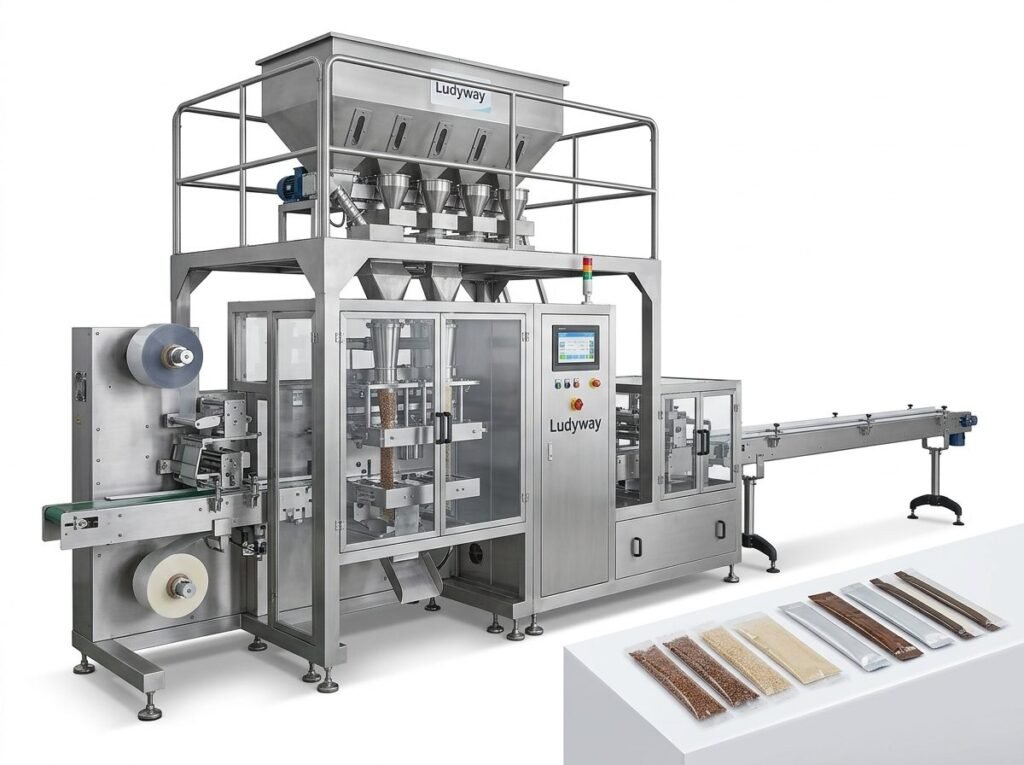
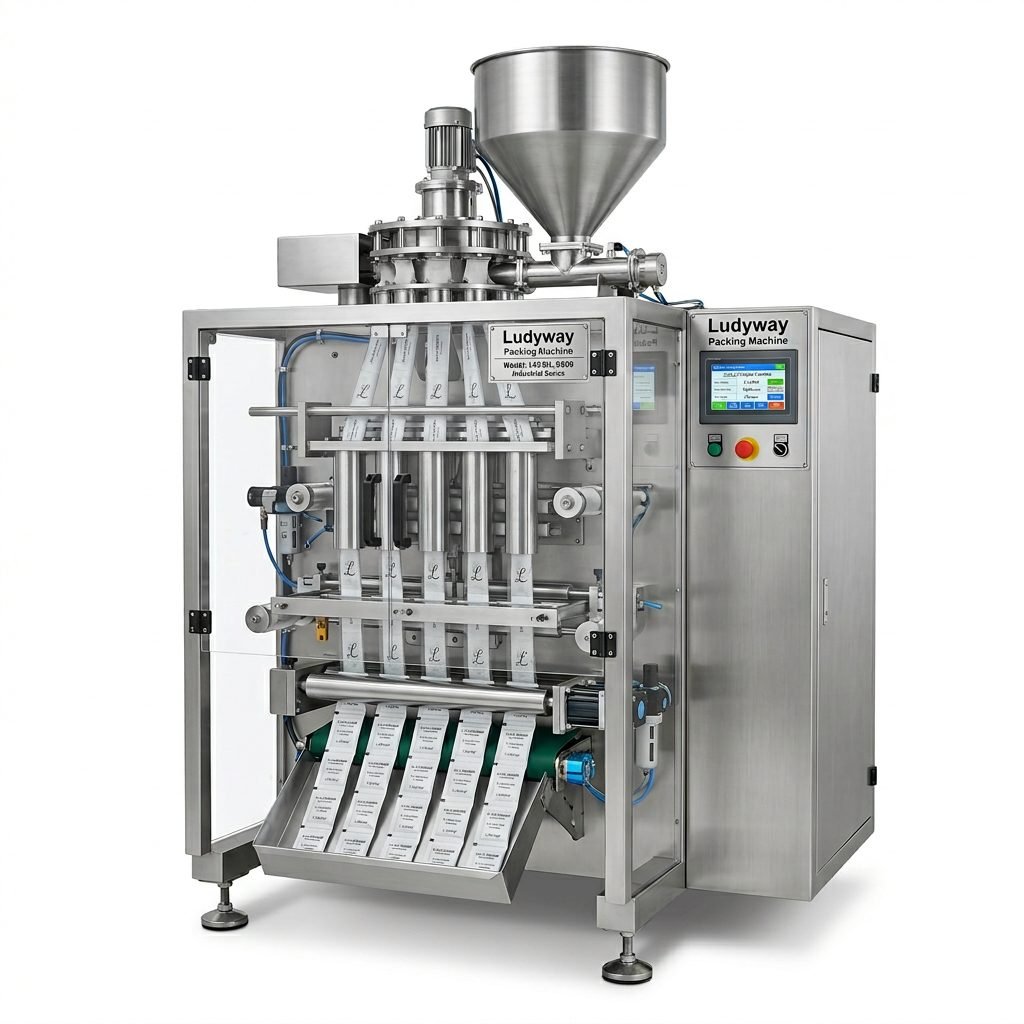
Investing in the right soap packaging machine is one of the most important decisions you’ll make for your manufacturing line. Whether you’re producing bar soap, liquid hand wash, or specialty cleansing products, the efficiency, accuracy, and reliability of your packaging equipment directly affect your production capacity, product quality, and bottom line. This guide walks you through everything you need to know to choose the right soap packaging machine for your specific application.
Before you start comparing machine models, specifications, or quotes, it’s essential to understand your own production requirements clearly. Different soap products call for different packaging formats, filling technologies, and automation levels. Getting these requirements right from the start will help you avoid costly mistakes and select equipment that fits your short-term needs and long-term growth plans.
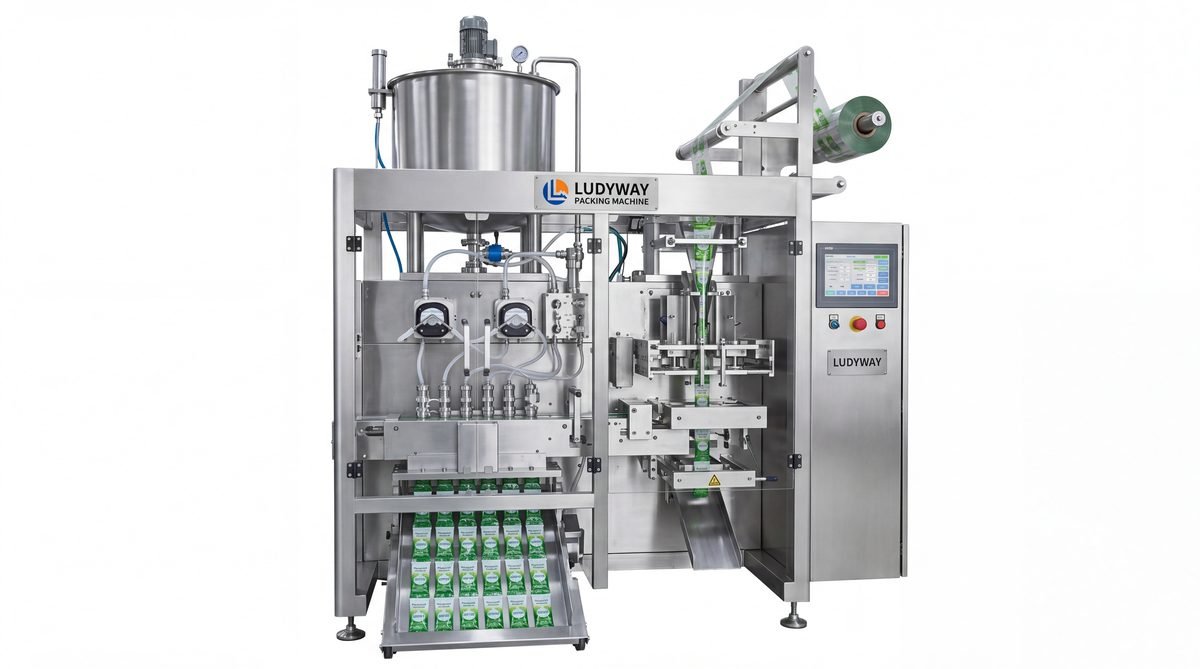
Understanding Your Soap Product and Packaging Requirements
The first step is to define exactly what you need to package. Soap comes in many forms, and each requires a different approach to packaging machinery. Here are the key product characteristics you should evaluate:
- Product form: Solid bar soap, liquid soap, gel soap, powder detergent, or soap flakes. Each physical form requires a completely different filling and sealing mechanism.
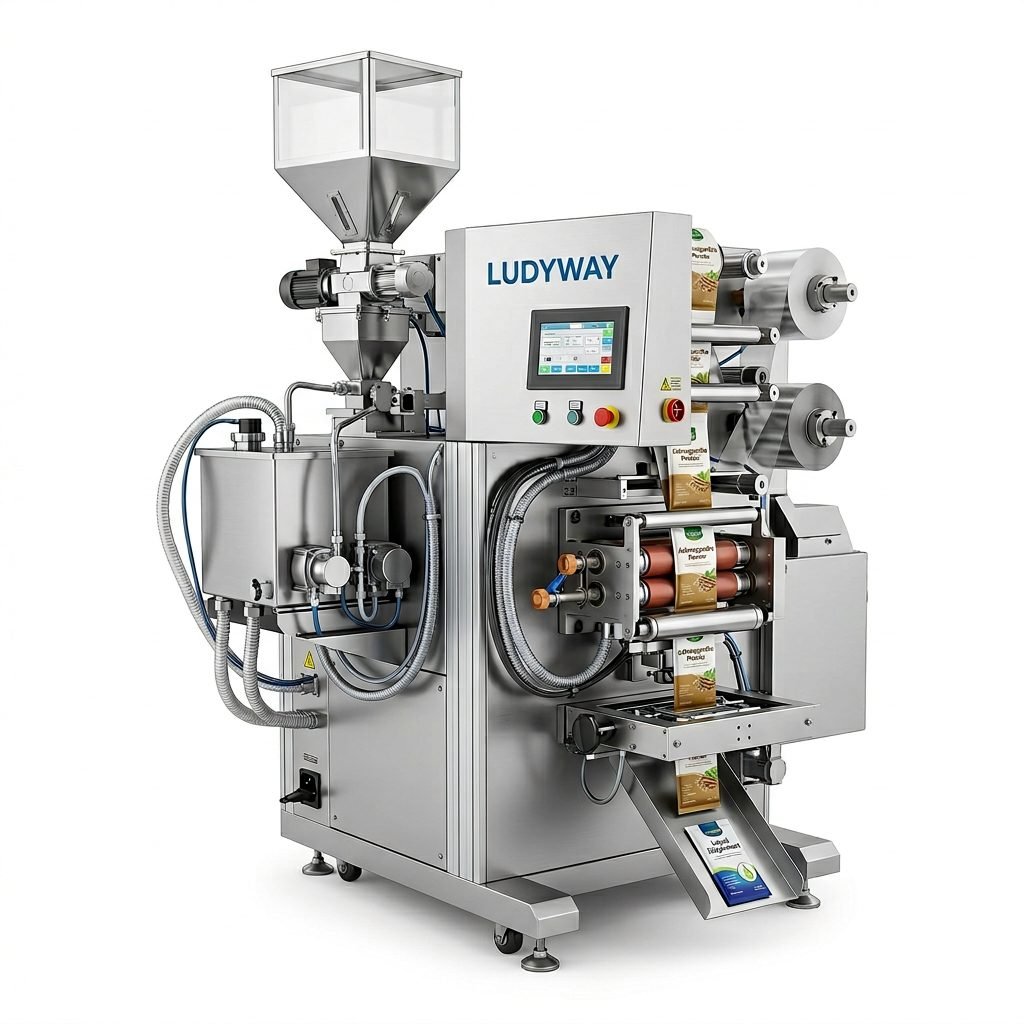
- Viscosity: For liquid and gel soaps, viscosity determines the type of filling system needed. High-viscosity liquids require piston fillers or positive displacement pumps, while low-viscosity products can use gravity or volumetric filling.
- Packaging format: Sachets, stick packs, pouches, bottles, tubes, or flow-wrapped bars. Your target market and distribution channels usually dictate this choice.
- Packaging material: Laminated films, aluminum foil, paper-based materials, or plastic containers. The machine must be compatible with your chosen packaging substrate.
- Bag or sachet size range: Single-use sample sachets, standard retail pouches, or bulk refill packs. The machine’s forming and sealing capabilities must match your size requirements.
Production Speed and Capacity Considerations
Your current and projected production volumes will heavily influence which machine category is appropriate. Matching machine speed to actual demand is critical — undersized equipment creates bottlenecks, while oversized machines waste capital and floor space. Consider these factors:
- Output rate: Measured in sachets per minute, pouches per minute, or bottles per minute depending on format. Define your minimum acceptable throughput.
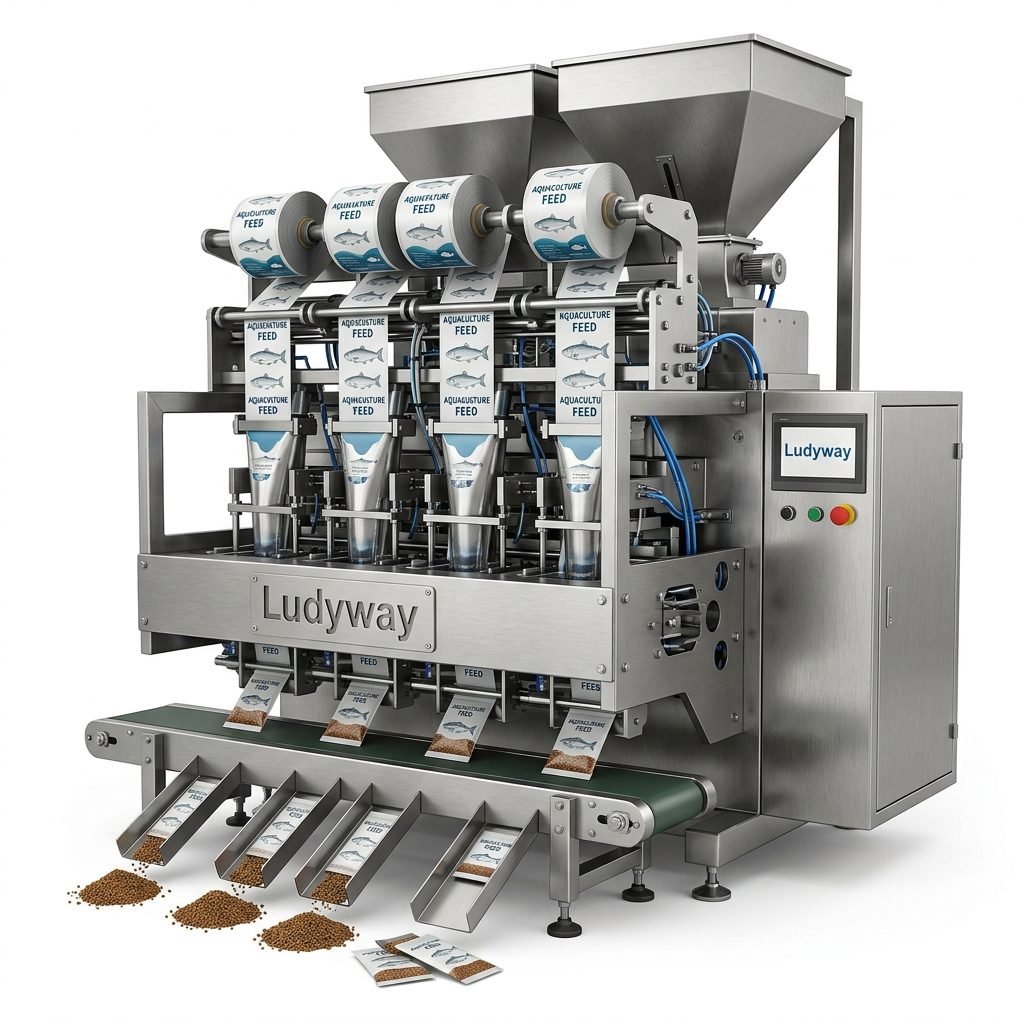
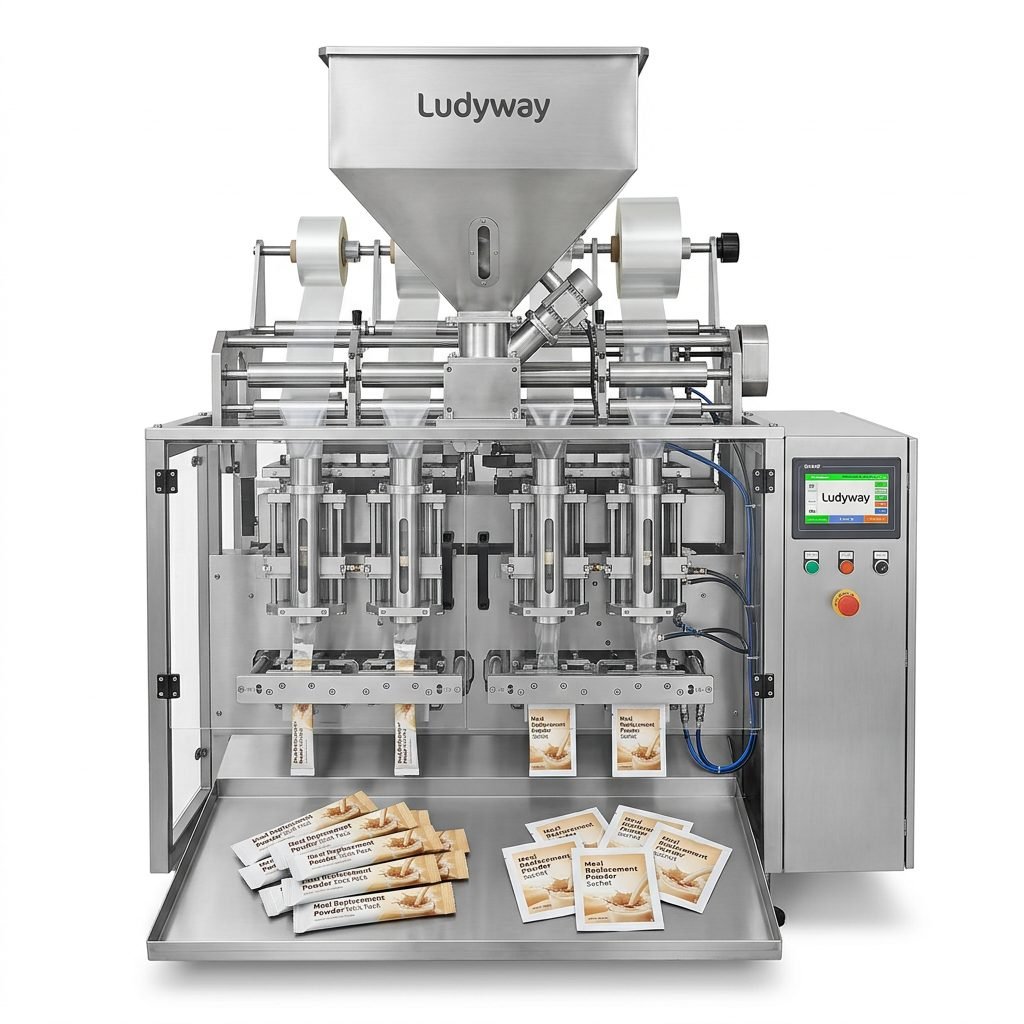
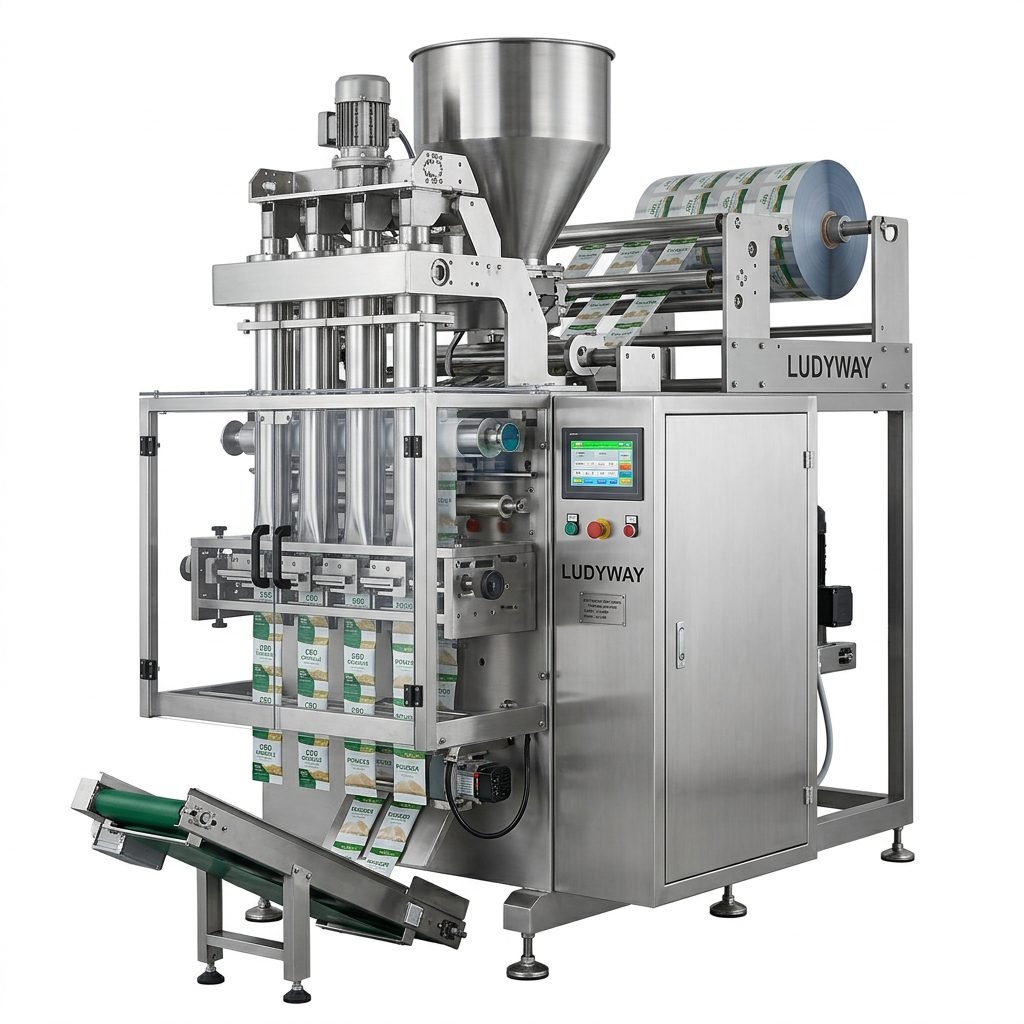
- Multi-lane capability: For sachet and stick pack production, multi-lane machines can run 4, 6, 8, 10, or more lanes simultaneously, multiplying output.
- Shift structure: How many hours per day and days per year will the machine run? This affects durability requirements and maintenance scheduling.
- Changeover frequency: If you need to switch between different bag sizes, product formulations, or packaging materials frequently, prioritize machines designed for quick and easy changeover.
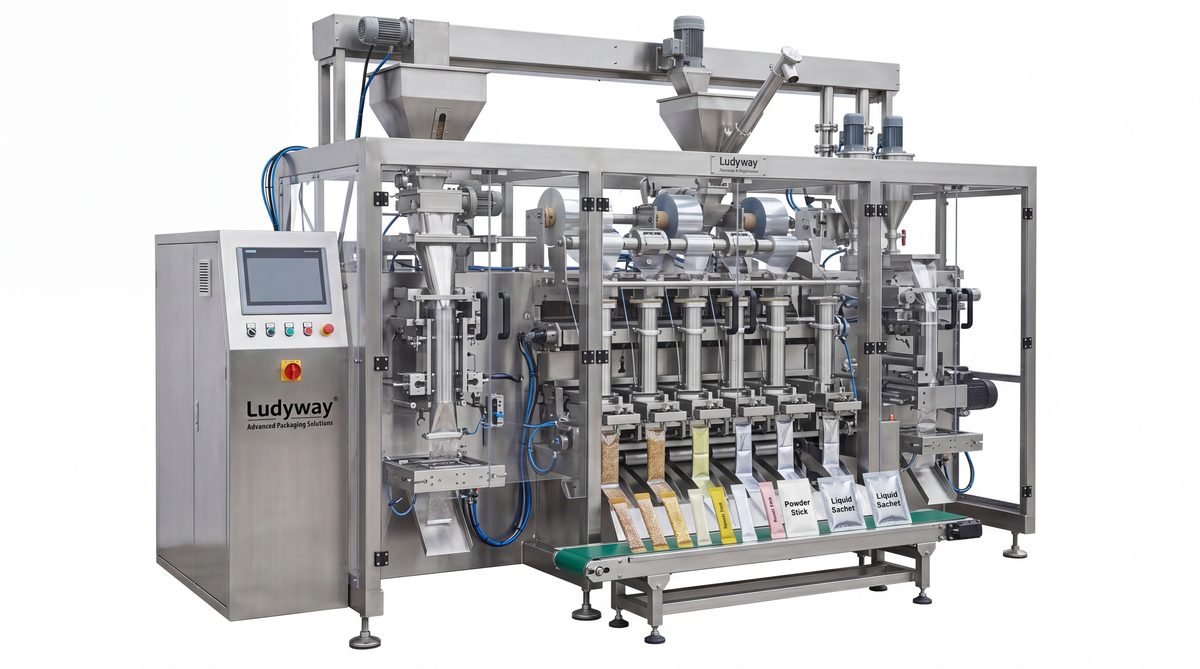
Machine Configuration: Key Technical Features to Evaluate
Once you understand your product and production requirements, you can start evaluating specific machine configurations and technical features. Here are the most important aspects to examine closely:
Filling and Dosing System
The filling system is the heart of any soap packaging machine, especially for liquid and gel products. Accuracy and consistency in fill volume are non-negotiable for regulatory compliance, cost control, and customer satisfaction. For bar soap, the focus shifts to feeding, orienting, and wrapping mechanisms.
| Product Type | Recommended Filling Technology | Key Advantages |
|---|---|---|
| Liquid hand soap | Piston filler, flow meter, or gravity filler | High accuracy, handles low to medium viscosity |
| Gel soap / shower gel | Positive displacement pump or piston filler | Handles high viscosity, drip-free filling |
| Soap powder / detergent | Auger filler or multi-head weigher | Accurate weight-based filling for dry products |
| Bar soap | Flow wrapper or overwrapping machine | High-speed wrapping with registered film |
Sealing Technology
Seal integrity is critical for soap products, as leaks and contamination can ruin entire batches and damage your brand reputation. Look for machines with precise temperature control, adjustable pressure settings, and consistent seal quality across all lanes. For liquid packaging, vertical or horizontal sealing jaws with embossing or knurling patterns can provide stronger, more reliable seals.
Automation and Control Systems
Modern packaging machinery comes with varying levels of automation. Consider how integrated you need your packaging line to be:
- Semi-automatic: Requires operator involvement for loading products or initiating cycles. Suitable for lower volumes or frequent product changes.
- Fully automatic: Minimal operator intervention; the machine handles product feeding, filling, sealing, cutting, and discharge automatically. Ideal for medium to high production volumes.
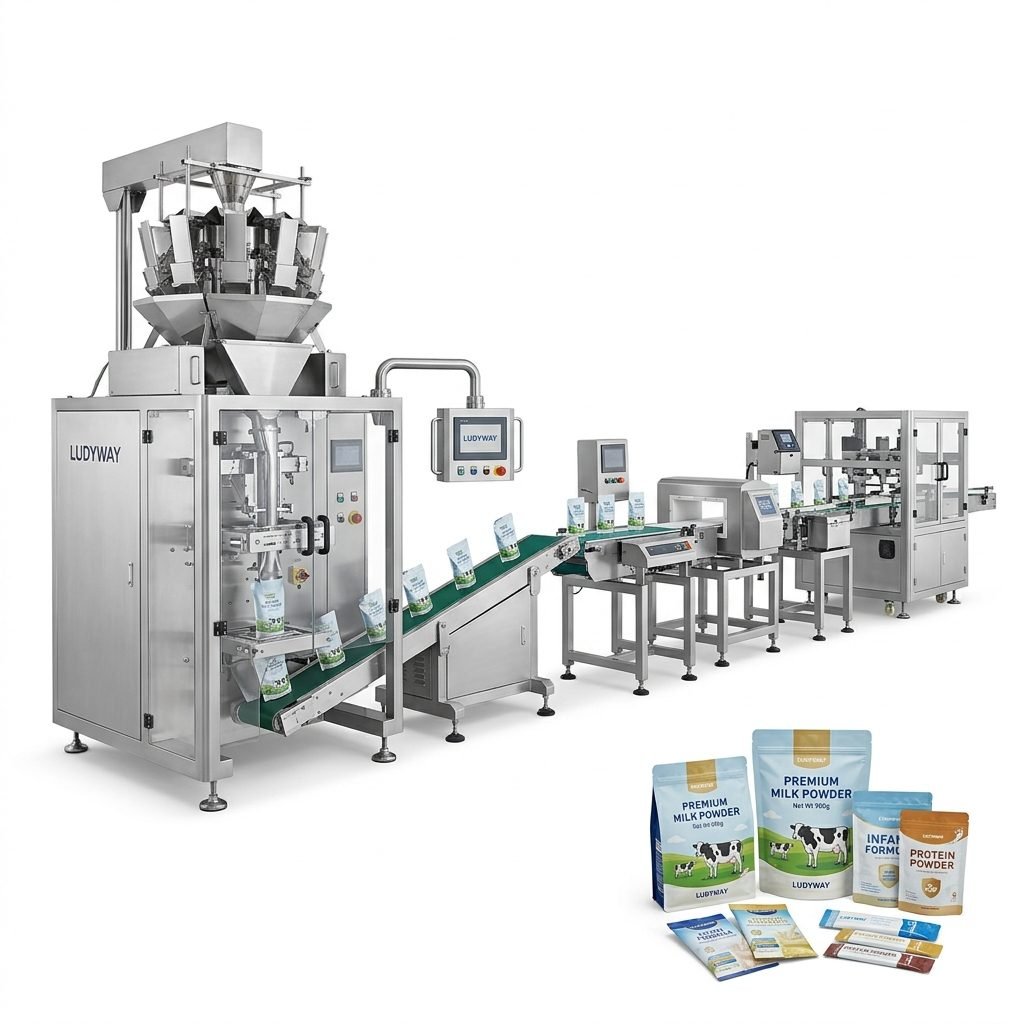
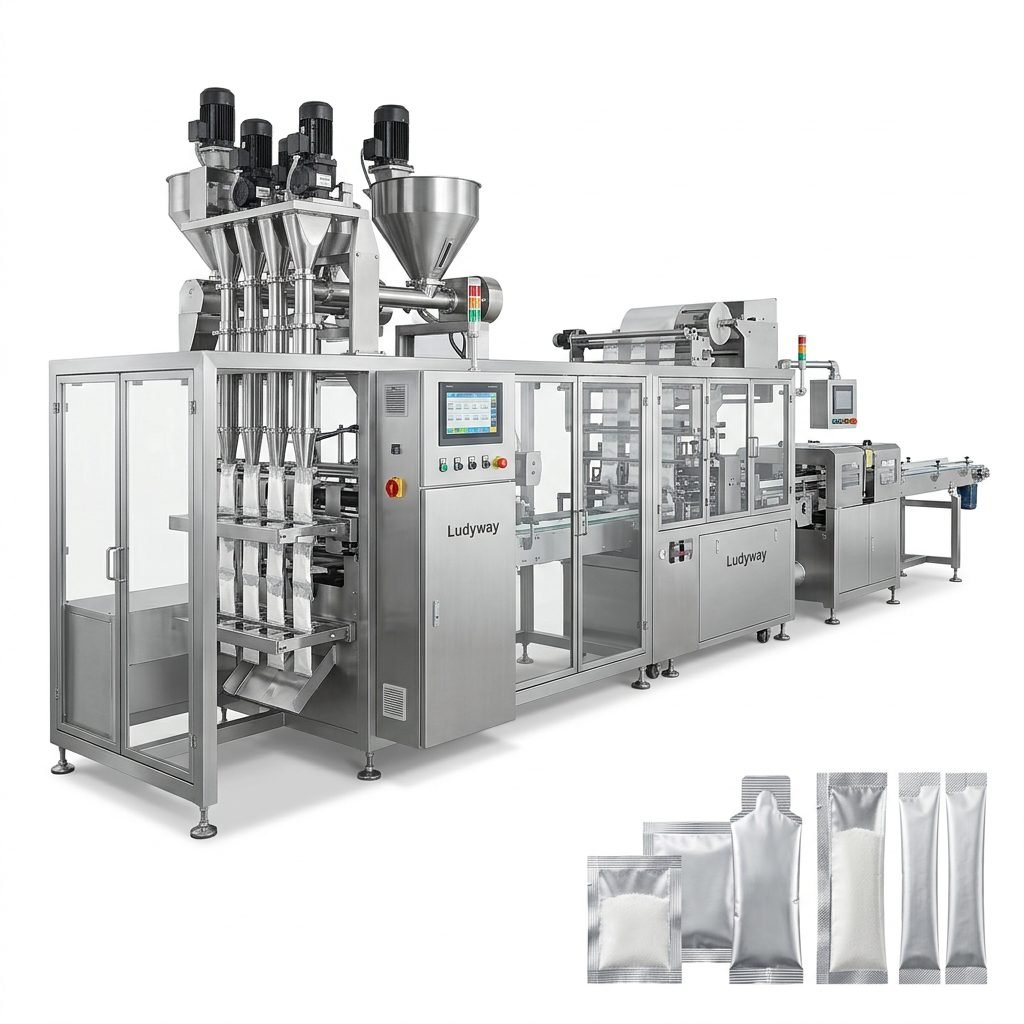
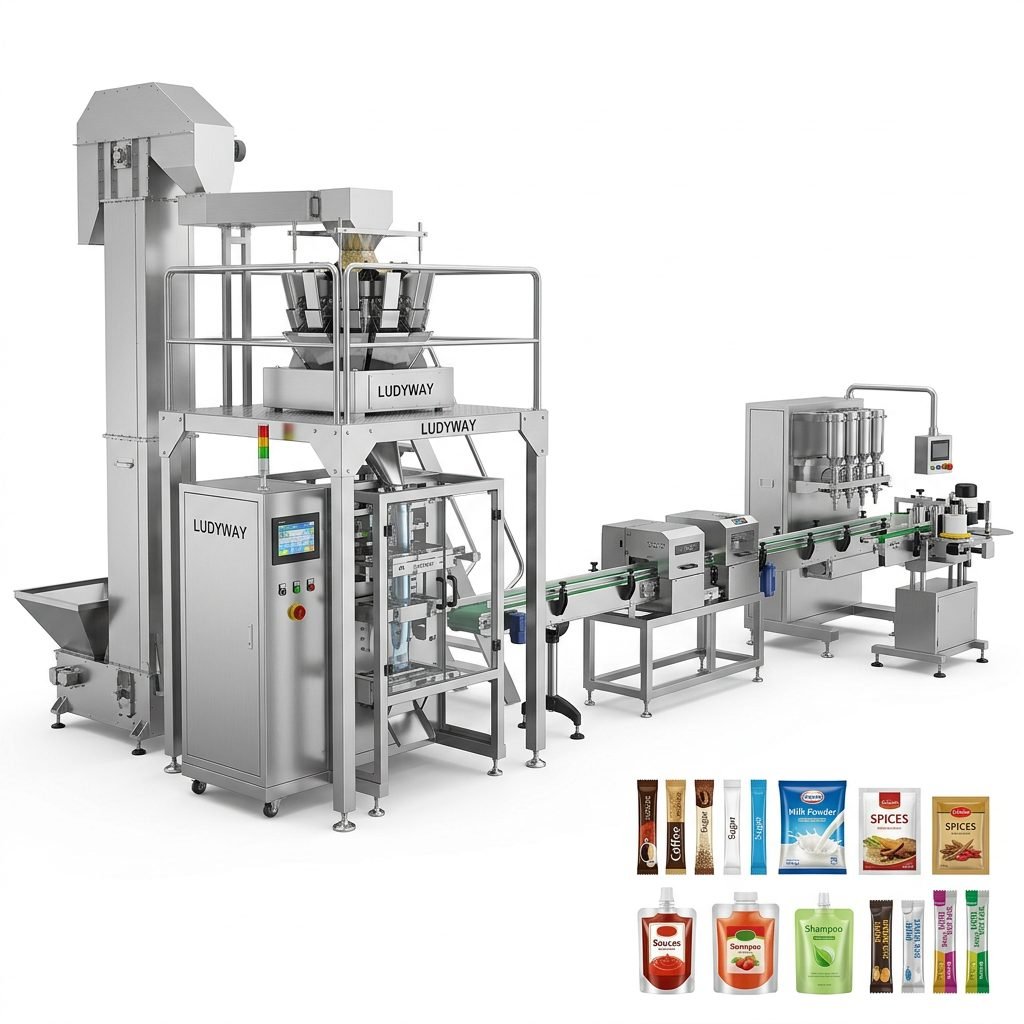
- Turnkey packaging lines: Integrate multiple packaging stages — including feeding, dosing, filling, sealing, coding, inspection, cartoning, and palletizing — into one coordinated system monitored through a central control panel.
Material Compatibility and Machine Construction
Soap products can be chemically active, especially those with high pH or strong surfactants. Machine components that come into contact with the product — such as filling nozzles, hoppers, and seals — must be constructed from corrosion-resistant materials such as 316L stainless steel, PTFE, or food-grade polymers. Frame and exterior construction should also use stainless steel for hygiene, durability, and cleanability.
Standards, Certifications, and Regulatory Compliance
Depending on your market and product claims, your soap packaging machine may need to meet specific standards. GMP compliance is essential for pharmaceutical or medicated soap applications. CE certification is required for European markets, and UL compliance may be required for North America. Verify that the machine manufacturer can provide the necessary documentation and can configure equipment to meet applicable ISO packaging standards.
After-Sales Support and Global Service
Packaging machinery is a long-term investment, and the availability of technical support can significantly impact your operational uptime. Before finalizing a purchase, evaluate the manufacturer’s global service infrastructure, spare parts availability, remote troubleshooting capabilities, and installation and commissioning support. Equipment from suppliers with established international service networks helps reduce the risk of extended downtime and operational disruption.

Customization and Scalability
Your packaging needs will likely evolve over time. Choosing a machine platform that can be customized, upgraded, or expanded helps protect your initial investment. Modular designs that allow you to add lanes, upgrade filling systems, integrate coding and inspection equipment, or connect to downstream packaging automation later are especially valuable for manufacturers planning for growth.
For manufacturers looking for a versatile approach, Ludyway Machinery provides customized packaging machinery and engineering solutions designed around specific product characteristics, production volumes, and factory requirements. This approach helps ensure the equipment fits both current operations and future expansion plans.
Budget, ROI, and Total Cost of Ownership
When evaluating cost, look beyond the initial purchase price. Factor in installation and commissioning, operator training, ongoing maintenance, spare parts, energy consumption, film or material waste rates, and expected service life. A slightly more expensive machine with higher efficiency, lower waste, and better reliability can deliver significantly lower total cost of ownership over its operational lifetime.
Selecting the right soap packaging machine requires careful evaluation of your product type, production volume, packaging format, automation needs, and long-term business goals. By thoroughly assessing these factors and working with experienced suppliers who offer customization, engineering support, and global service capabilities, you can implement a packaging solution that supports reliable, efficient, and scalable production for years to come.