Investing in an automatic pill packaging machine is a critical decision for pharmaceutical manufacturers, nutraceutical companies, and contract packagers. The right equipment can dramatically improve production efficiency, ensure dosage accuracy, and maintain stringent regulatory compliance. However, with dozens of machine types, configurations, and suppliers available, making the wrong choice can lead to costly downtime, product waste, and compliance risks.
This comprehensive buyer’s guide walks you through every essential factor to consider when selecting an automatic pill packaging machine, from understanding your production requirements to evaluating long-term service and support.
Understanding Automatic Pill Packaging Machine Types
Before evaluating specific models, it’s essential to understand the main categories of pill packaging equipment available on the market. Each type serves different production scales and packaging formats.
Blister Packaging Machines
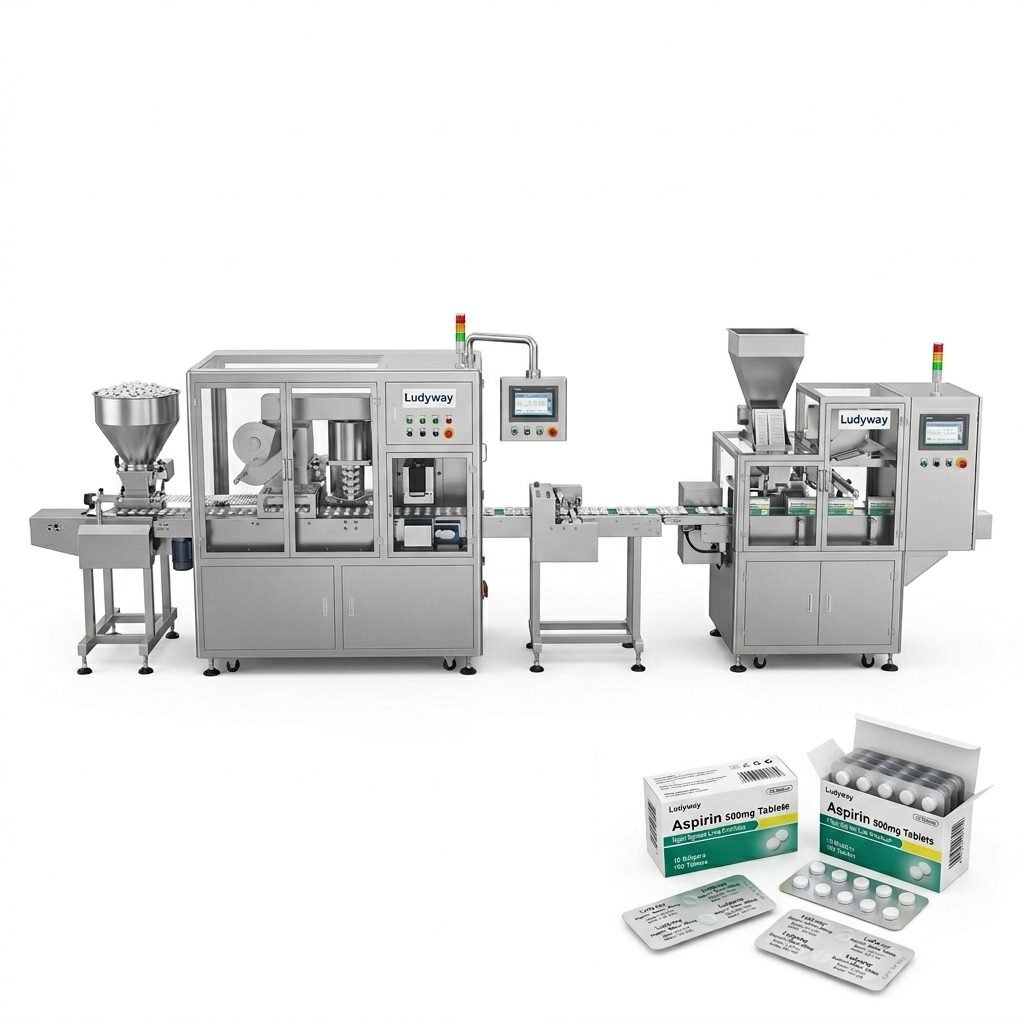
Blister packaging remains the most common format for solid-dose pharmaceuticals. These machines form cavities in a thermoformable web, fill them with pills, and seal with a lidding material. According to PMMI’s packaging machinery market research, blister packaging accounts for a significant portion of pharmaceutical packaging equipment sales globally. Key subtypes include:
- Thermoform blister machines: Heat-form plastic cavities for tablet and capsule packaging
- Cold-form blister machines: Use pressure-forming for moisture-sensitive products
- Continuous-motion blister lines: Designed for high-volume production exceeding 500 blisters per minute
Bottle Filling and Counting Lines
For solid-dose products destined for bottles, electronic counting and filling systems provide high accuracy and throughput. Modern systems integrate counting heads, cotton insertion, capping, induction sealing, and labeling into a single automated line. These systems are particularly popular in the nutraceutical and dietary supplement sectors.
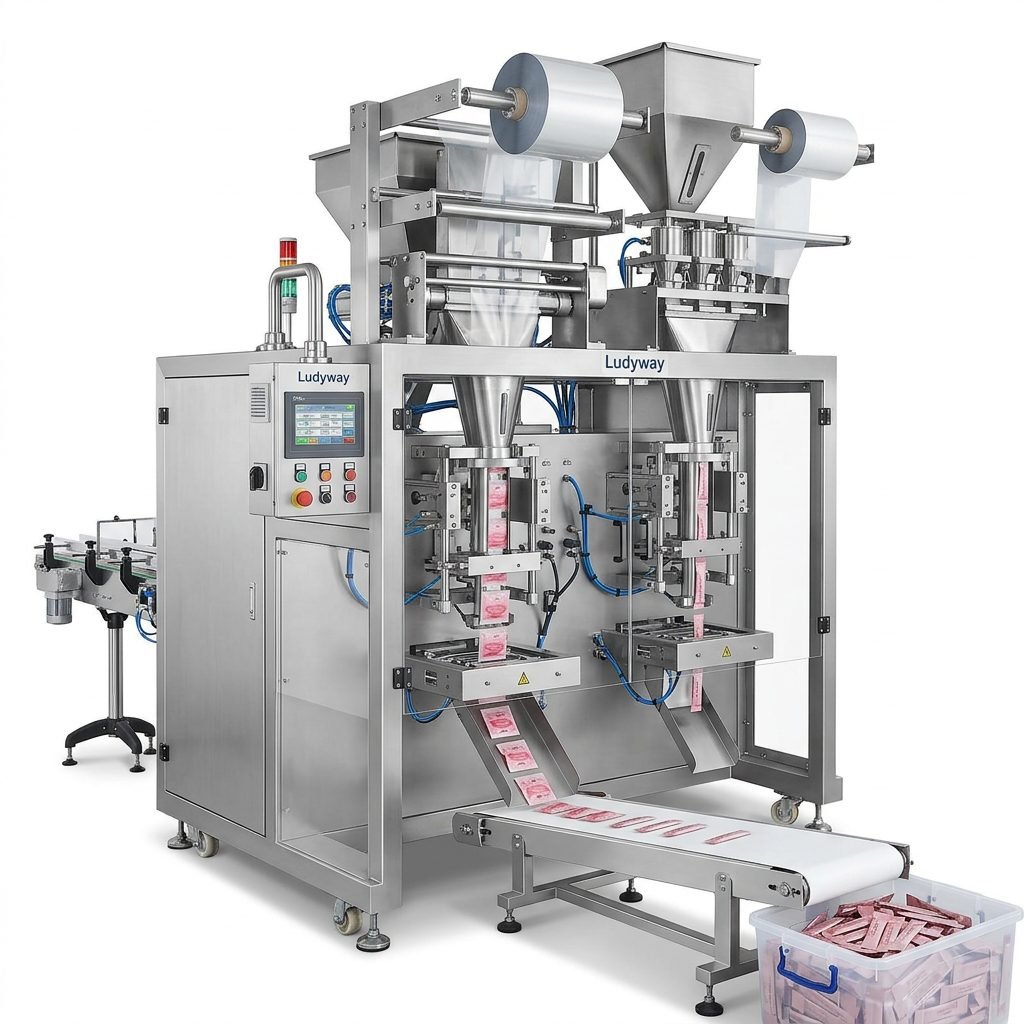
Stick Pack and Sachet Packaging Machines
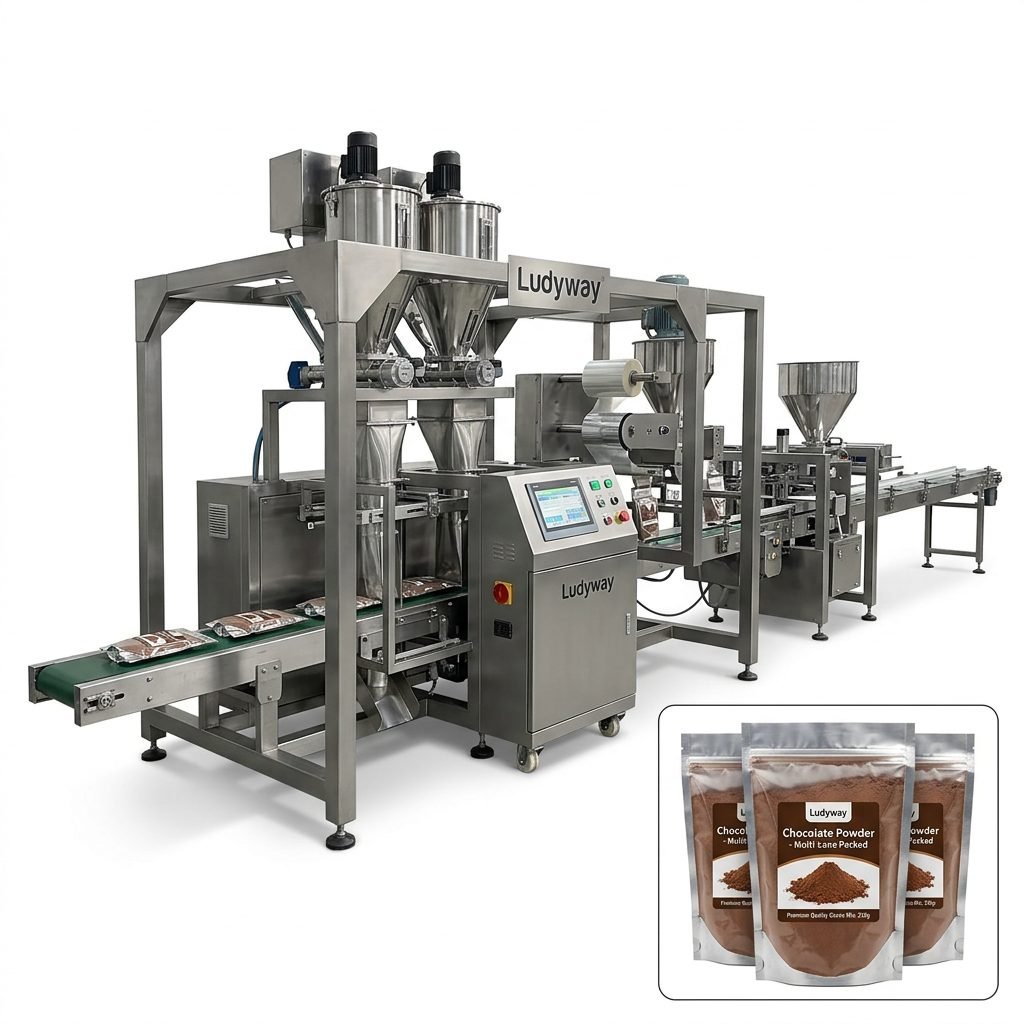
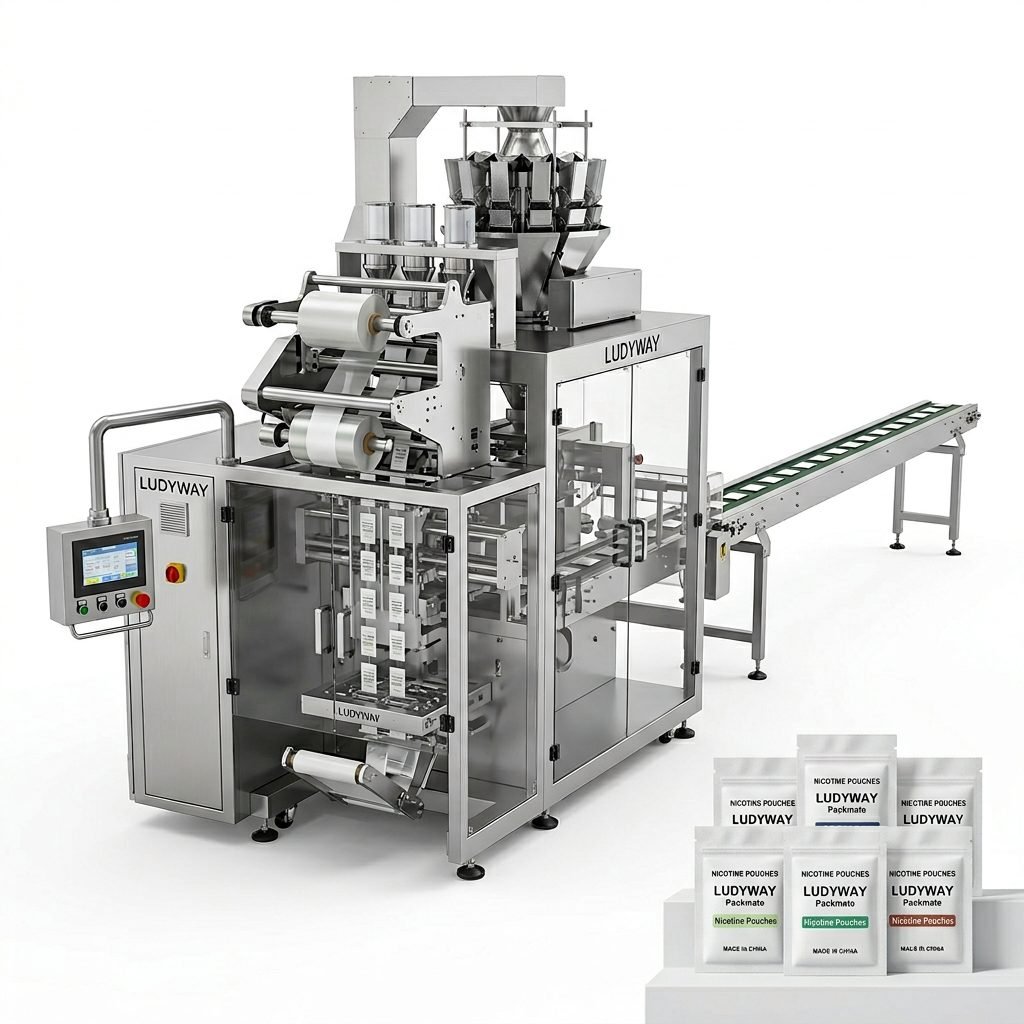
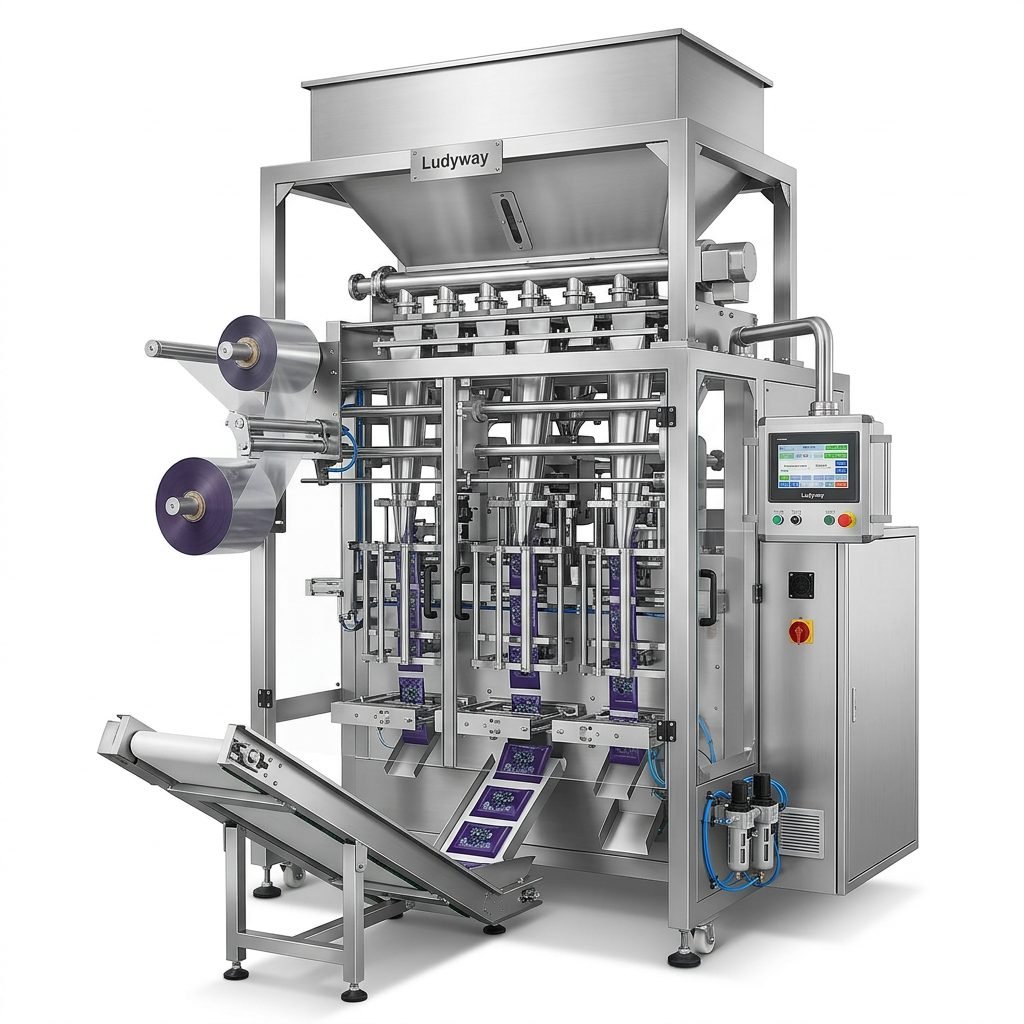
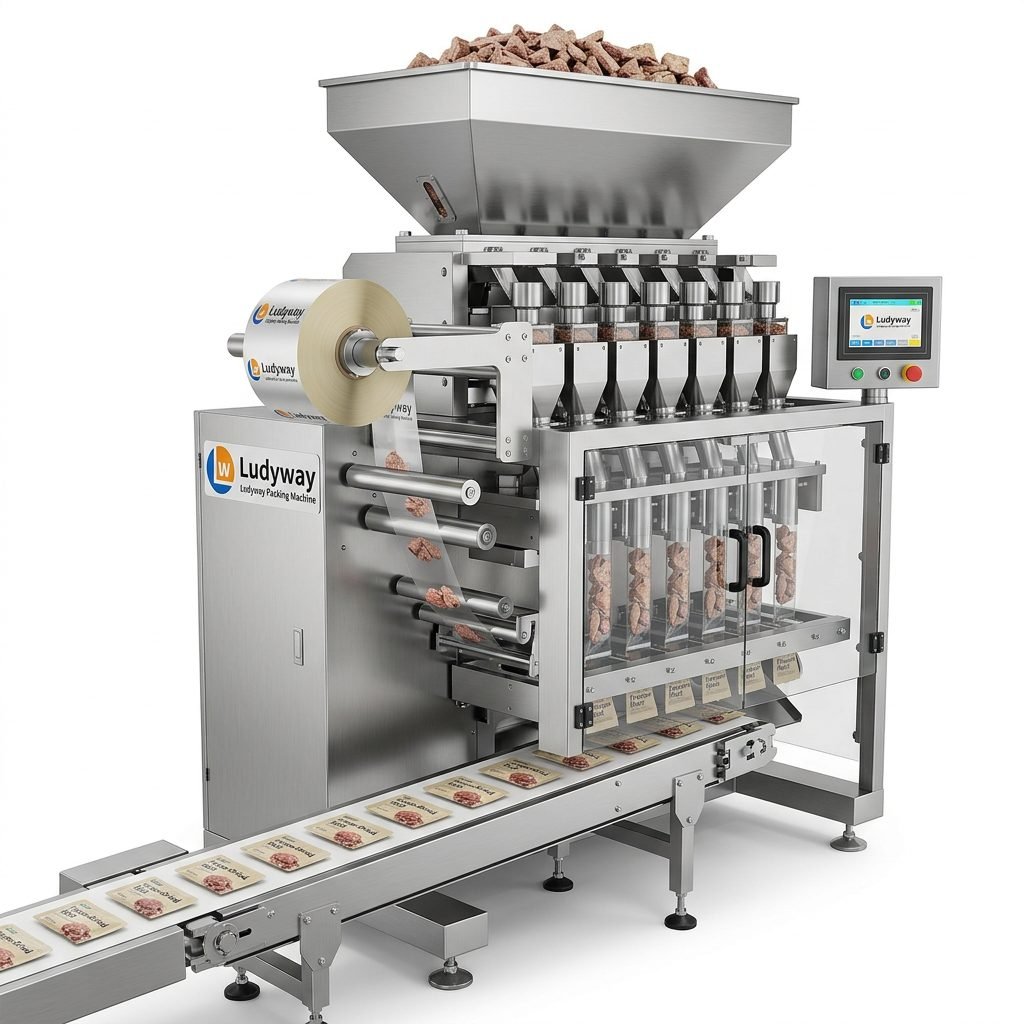
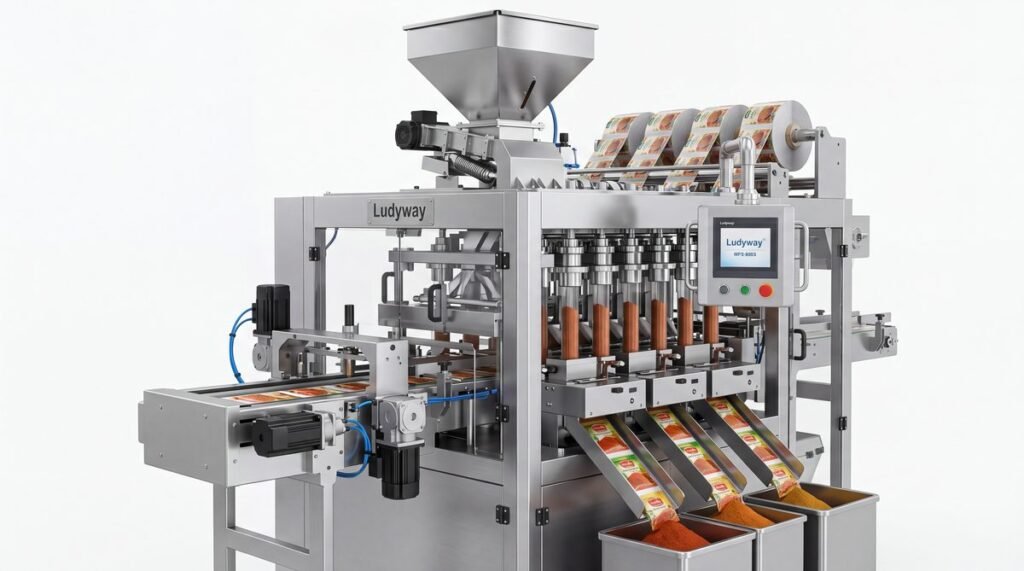
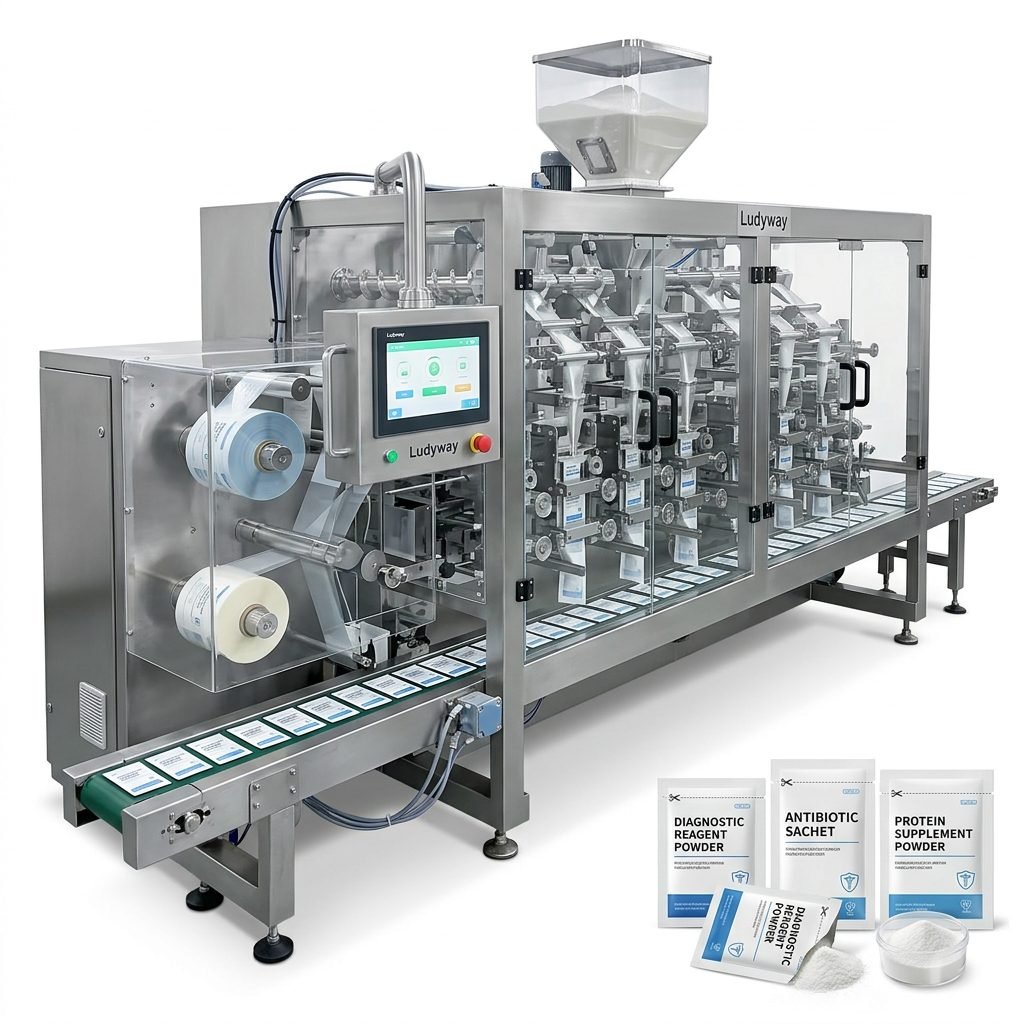
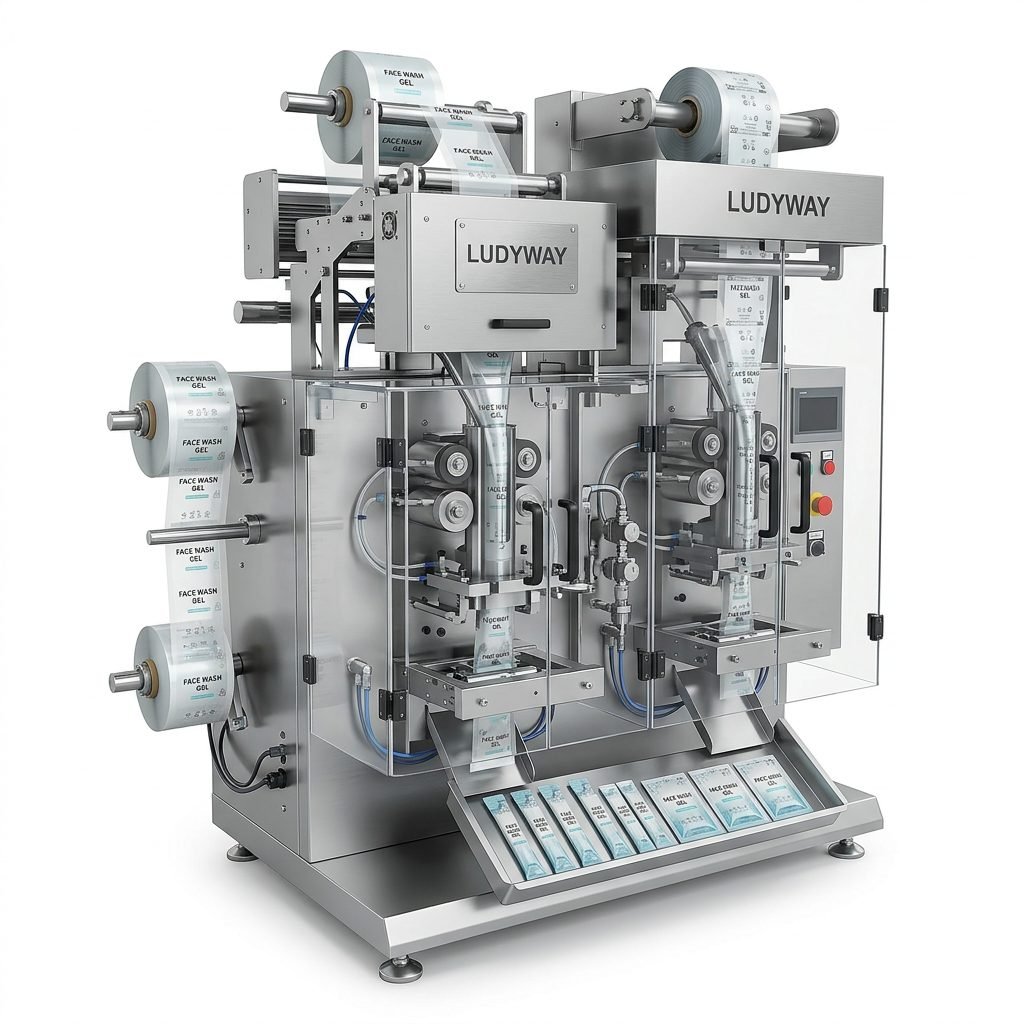
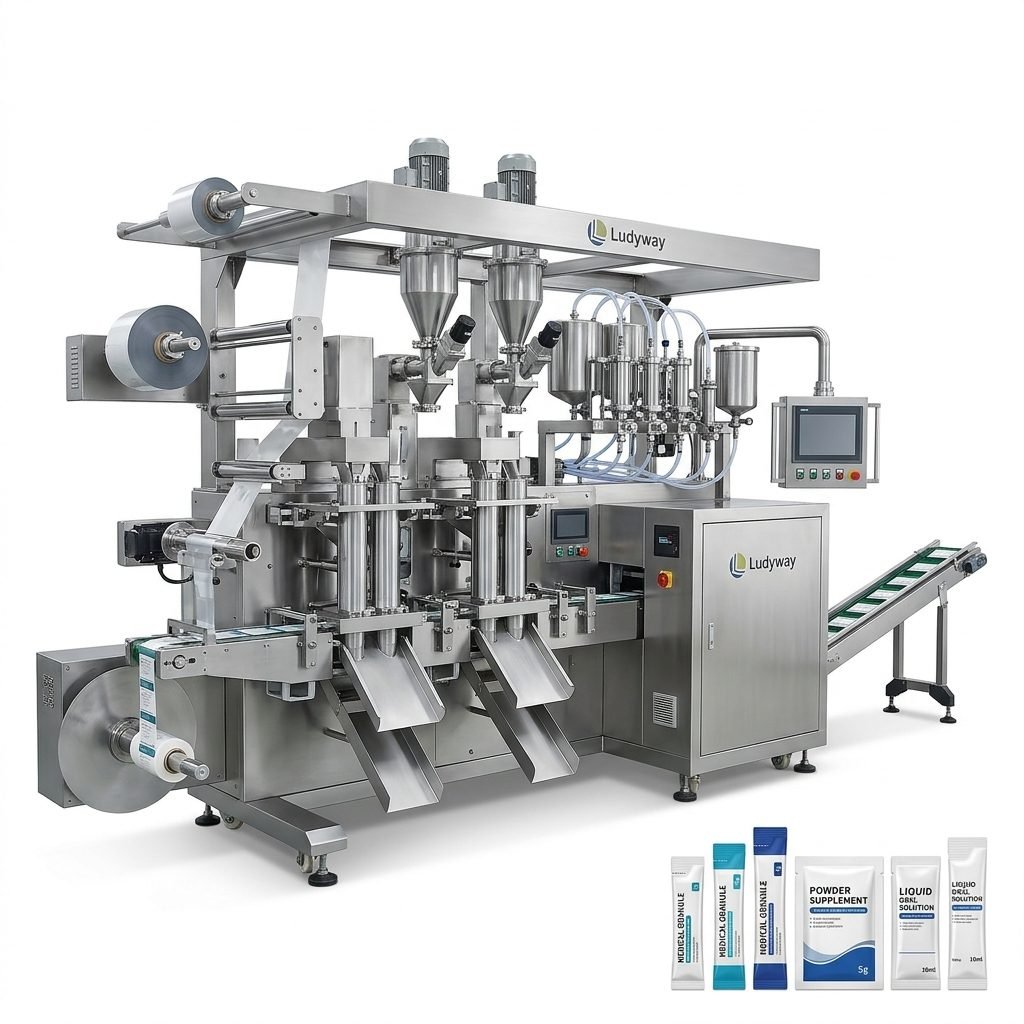
Multi-lane stick pack and sachet machines offer an increasingly popular format for single-dose powder and granule products, including powdered supplements, oral rehydration salts, and effervescent formulations. These machines can produce 40-80 lanes simultaneously, achieving outputs of 1,000+ packs per minute.
Key Factors to Consider When Choosing Your Machine
Selecting the right automatic pill packaging machine requires a thorough assessment of your current and future production needs. The following factors should guide your evaluation process.
Production Volume and Speed Requirements
Your expected output is one of the most important technical specifications. Consider both your current production volume and projected growth over the next 3-5 years. Machines are generally classified into three tiers:
| Production Tier | Output Range | Typical Applications |
|---|---|---|
| Entry-Level | 30-80 packs/min | Small-batch production, clinical trial materials, specialty products |
| Mid-Range | 100-300 packs/min | Medium-volume generic pharmaceuticals, regional distribution |
| High-Speed | 400-1,500+ packs/min | Large-scale manufacturing, global export markets, OTC products |
Product Characteristics and Compatibility
Not all pills are created equal. Your machine must be compatible with the specific characteristics of your products, including:
- Pill size and shape: Round tablets, oblong caplets, softgels, and irregular shapes each require different tooling and feeding mechanisms
- Fragility and friability: Delicate pills prone to chipping or breaking need gentle handling systems
- Moisture sensitivity: Hygroscopic products may require cold-form blister packaging or desiccant integration
- Light sensitivity: Opaque or UV-protective packaging materials may be necessary
Packaging Format Flexibility
Consider whether you need a machine dedicated to a single format or one that offers changeover flexibility. Machines with quick-change tooling and servo-driven adjustments can switch between blister sizes, bottle diameters, or sachet lengths in minutes rather than hours. This is especially valuable for contract manufacturers serving multiple clients.
Regulatory Compliance and Quality Standards
Pharmaceutical packaging is one of the most heavily regulated manufacturing activities. Your chosen machine must support compliance with applicable regulations in your target markets.
cGMP Compliance
Current Good Manufacturing Practice (cGMP) requirements set by the FDA mandate rigorous controls over packaging processes. Look for machines with features that support cGMP compliance, including validated cleaning protocols, audit trail capabilities, and materials certified for pharmaceutical contact.
Serialization and Track-and-Trace
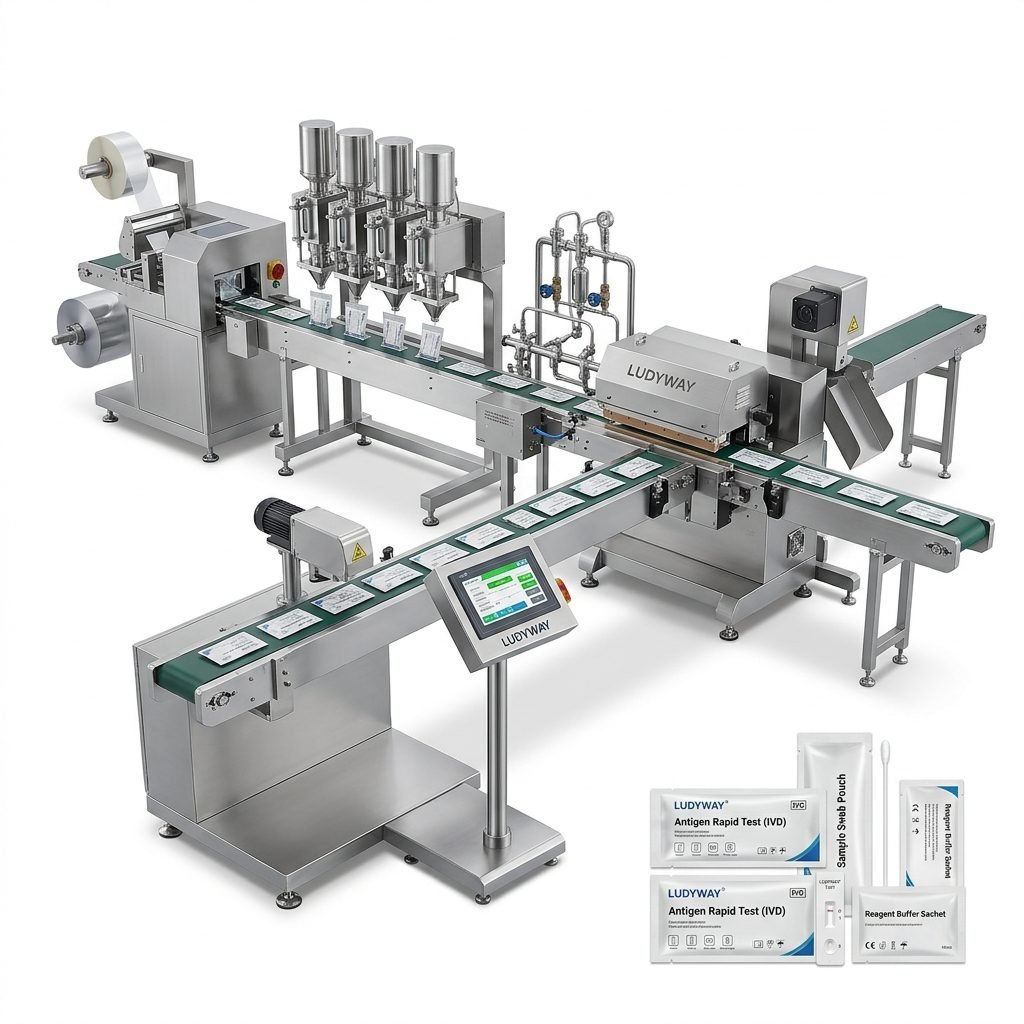
The Drug Supply Chain Security Act (DSCSA) in the United States and the EU Falsified Medicines Directive require pharmaceutical products to carry unique identifiers for traceability. Ensure your packaging machine can integrate serialization equipment or comes with built-in serialization capabilities.
ISO Standards and Validation
Machines should be designed to support validation in accordance with ISO 11607 standards for packaging for terminally sterilized medical devices, where applicable. Consider whether the supplier provides Installation Qualification (IQ), Operational Qualification (OQ), and Performance Qualification (PQ) documentation packages.
Automation Features and Integration Capabilities
Modern pill packaging machines offer varying levels of automation. Understanding which features deliver the best return on investment for your operation is essential.
Vision Inspection Systems
Automated vision inspection can verify tablet presence, detect broken or partial tablets, confirm proper blister seal integrity, and check label accuracy at production speeds. According to PMMI’s 2025 State of the Industry report, integrated inspection systems are among the fastest-growing automation features in pharmaceutical packaging.
Line Integration and SCADA Connectivity
Evaluate how easily the machine integrates with upstream equipment such as tablet presses, dedusters, and metal detectors, as well as downstream cartoners, case packers, and palletizers. Machines with standardized communication protocols enable real-time production monitoring through SCADA or MES platforms.
Quick Changeover and Recipe Management
Servo-driven adjustments and stored recipe parameters can reduce changeover times to under 10 minutes. This is particularly important for manufacturers producing multiple SKUs or serving contract packaging customers with diverse requirements.
Cost Considerations and ROI Analysis
The purchase price of a machine is only one component of total cost of ownership. A thorough financial analysis should account for the following factors:
- Capital expenditure: Initial machine cost including tooling, installation, and facility modifications
- Operational costs: Labor requirements, energy consumption, compressed air usage, and consumables
- Packaging material costs: Different machines have varying material utilization rates and waste percentages
- Maintenance and spare parts: Estimated annual maintenance costs and spare parts availability
- Downtime risk: The cost of unplanned production stoppages and service response times
Evaluating Machine Suppliers
Choosing the right equipment partner is as important as choosing the right machine. A supplier with deep industry expertise and global service capabilities can make a significant difference in your packaging operation’s long-term success. Firms such as Ludyway Machinery, with over 30 years of experience and more than 50 packaging machine models, demonstrate how established manufacturers combine engineering expertise with turnkey solution capabilities to serve customers in over 100 countries.
Key supplier evaluation criteria include:
- Industry experience: How many years has the supplier served the pharmaceutical sector?
- Technical support: Is remote and on-site support available in your region?
- Customization capability: Can the supplier adapt machines to your specific requirements?
- References and case studies: Request examples of installations similar to your application
- Spare parts availability: What is the typical lead time for critical spare parts?
Factory Acceptance Testing (FAT) and Commissioning
Before shipment, conduct a thorough FAT at the supplier’s facility to verify machine performance against agreed specifications. After installation, ensure comprehensive commissioning includes operator training and production support during the ramp-up phase.
Future-Proofing Your Investment
The pharmaceutical packaging landscape continues to evolve rapidly. According to PMMI’s 2026 State of the Industry report, key trends shaping the market include sustainability initiatives, increasing use of recyclable and biodegradable packaging materials, advanced serialization requirements, and the growth of personalized medicine. When selecting your machine, consider whether the platform can accommodate these emerging requirements through modular upgrades or retrofits.
Common Mistakes to Avoid
Avoid these frequent pitfalls when purchasing an automatic pill packaging machine:
- Underestimating future capacity needs: A machine running at 90% capacity leaves little room for growth
- Overlooking material compatibility: Not all machines handle all packaging materials equally well
- Neglecting operator training: Even the most advanced machine underperforms without properly trained operators
- Focusing solely on price: The lowest upfront cost often results in higher total cost of ownership
- Ignoring after-sales support: Verify service response times and spare parts availability before purchasing
Making Your Final Decision
Selecting the right automatic pill packaging machine requires balancing technical specifications, regulatory requirements, financial considerations, and supplier capabilities. Start by clearly defining your product characteristics, production volume targets, and packaging format requirements. Then evaluate machines against objective criteria including speed, accuracy, changeover flexibility, and compliance features.
Engage with multiple suppliers to compare proposals, request product demonstrations, and visit reference installations where possible. The Flexible Packaging Association and PMMI industry resources provide additional guidance on packaging technology selection and market trends that can inform your decision.
A well-chosen packaging machine will serve as a foundation for your pharmaceutical production operation for years to come. Taking the time to conduct thorough due diligence upfront pays dividends in reliable performance, regulatory confidence, and production efficiency over the equipment’s lifetime.
Ready to explore automatic pill packaging solutions tailored to your production requirements? Contact an experienced packaging machinery partner to discuss your specific application and receive expert guidance on selecting the optimal equipment configuration for your pharmaceutical or nutraceutical manufacturing operation.