Investing in an airtight packaging machine is a critical decision for manufacturers across the food, pharmaceutical, cosmetic, and chemical industries. The right equipment directly impacts product shelf life, production efficiency, and regulatory compliance. With a wide range of machine types, configurations, and technical specifications available, the selection process can feel overwhelming without a clear evaluation framework. This guide walks you through the essential factors to consider when choosing an airtight packaging solution that matches your production goals.
Understanding Airtight Packaging Machine Types
Before evaluating technical specifications, it is essential to understand the primary categories of airtight packaging equipment available on the market. Each type serves different product formats and production environments.
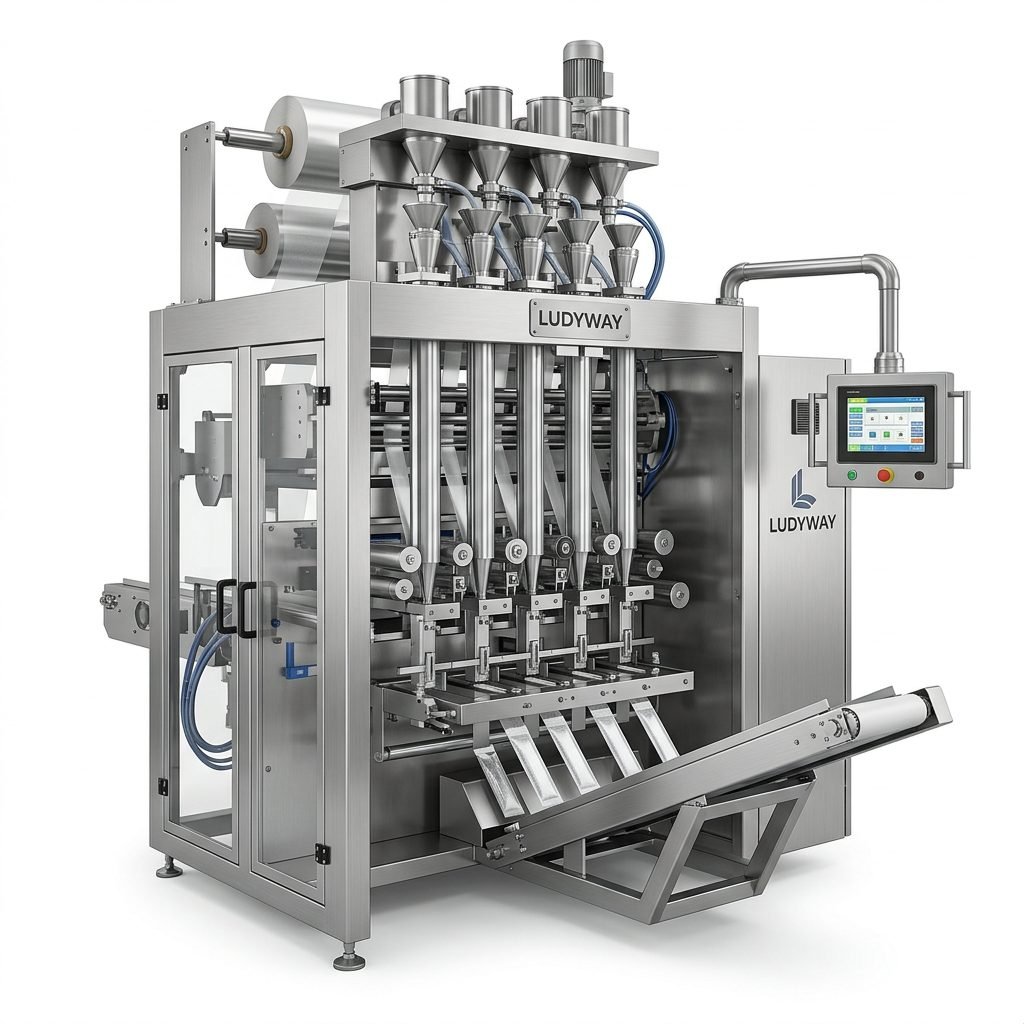
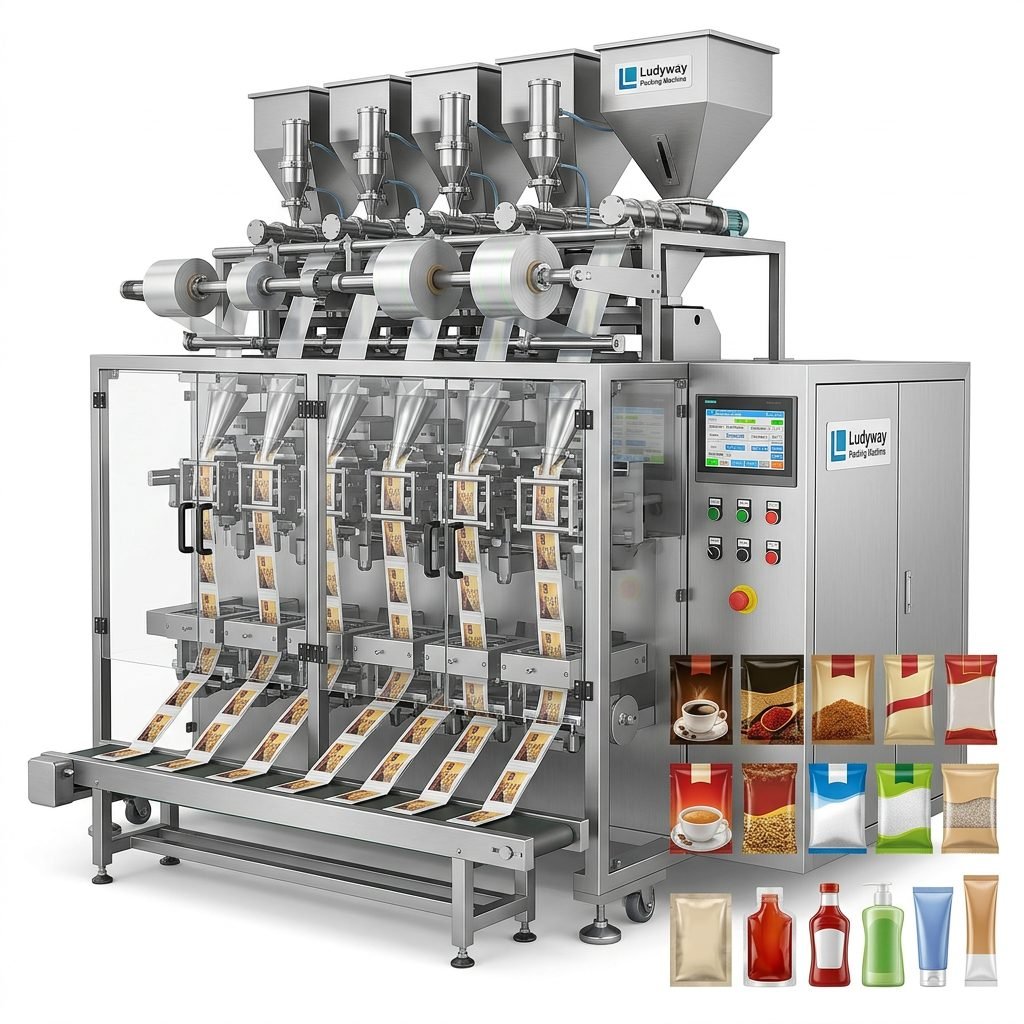
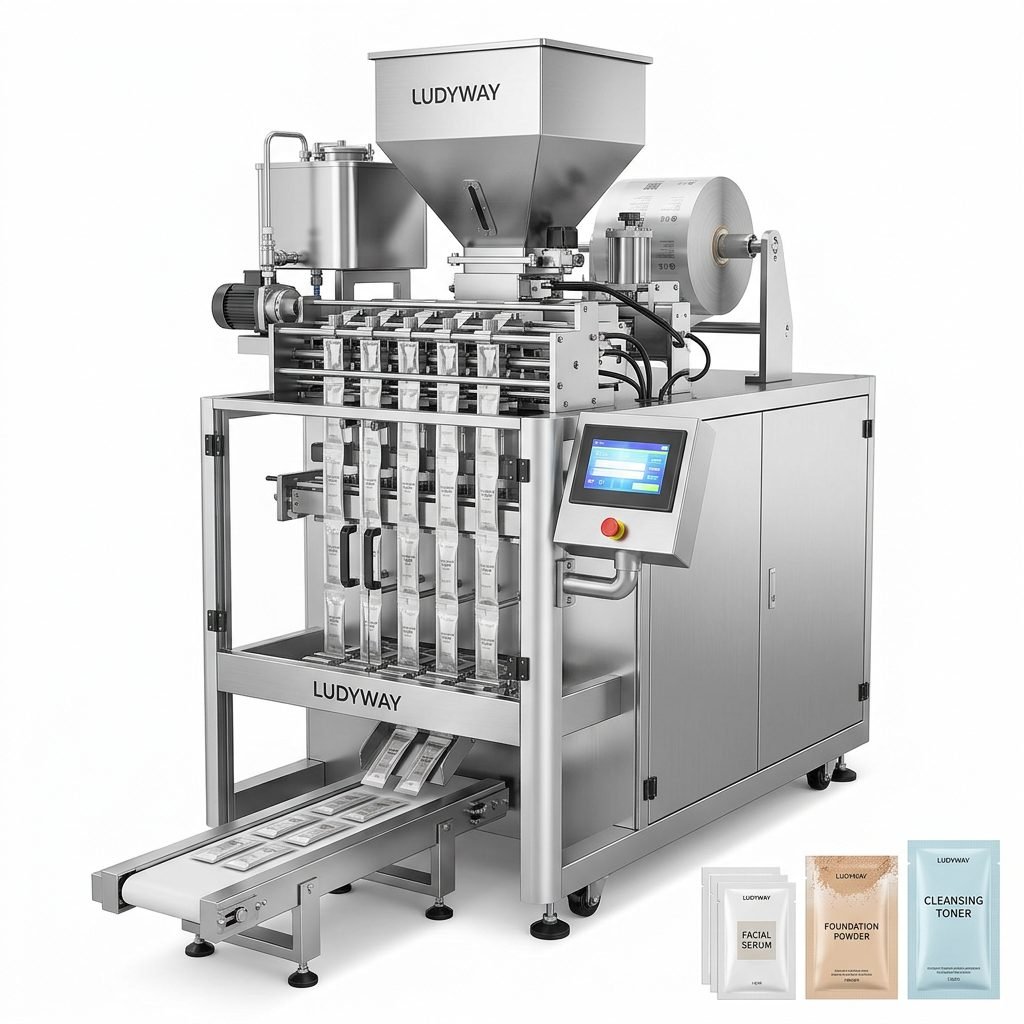
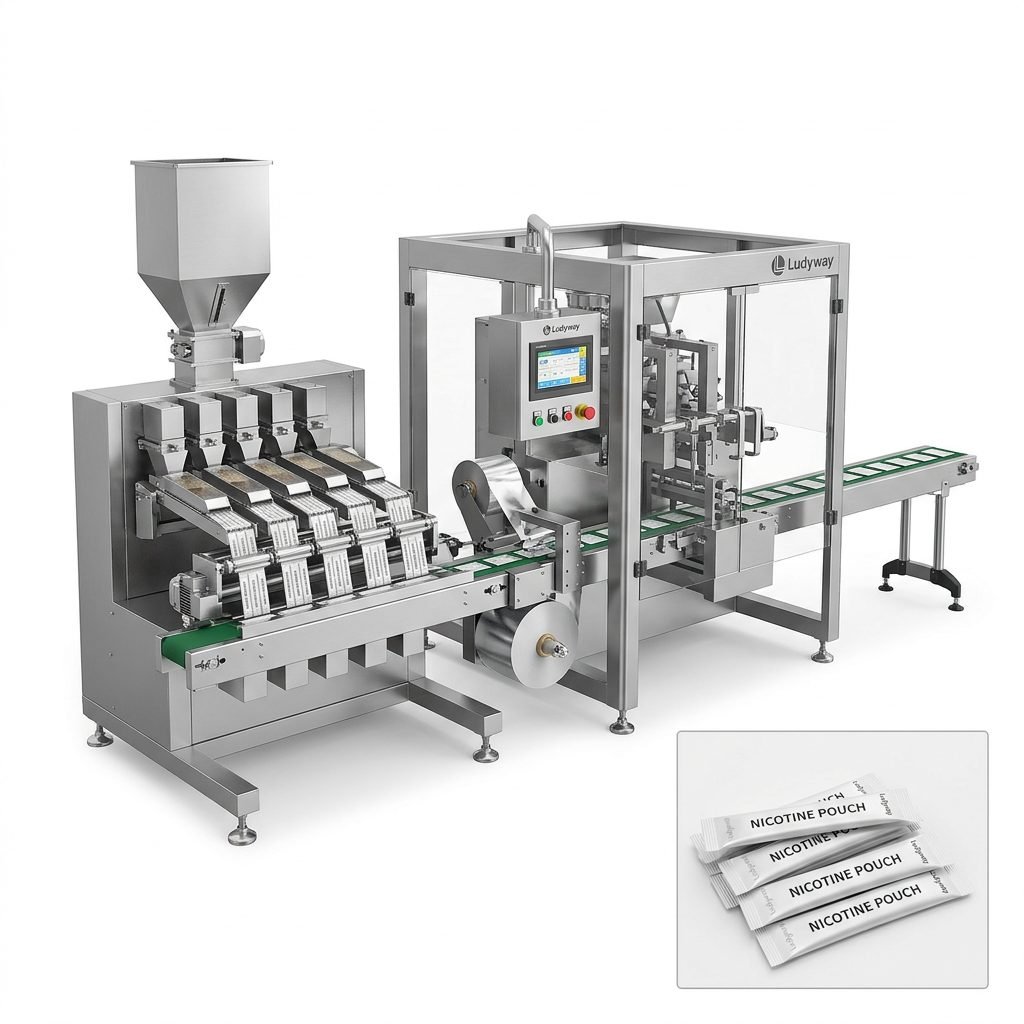
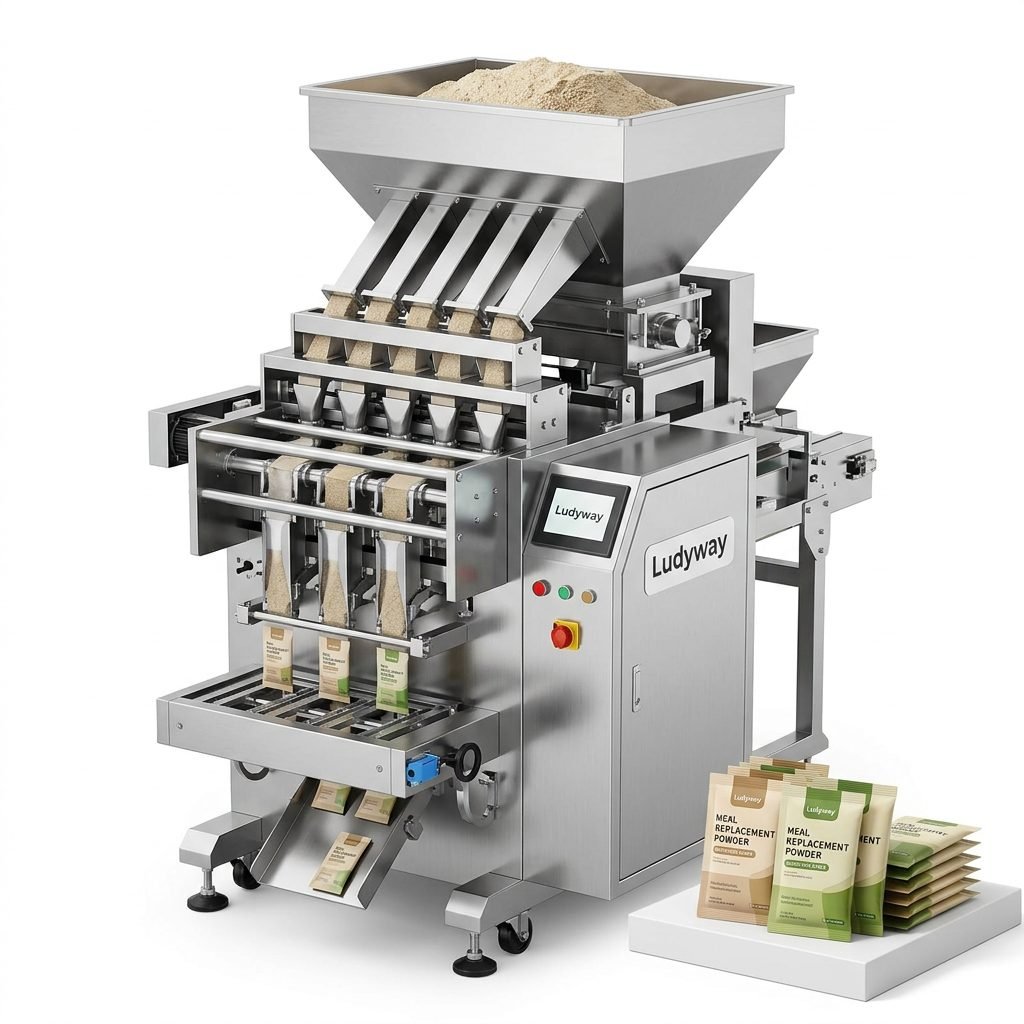
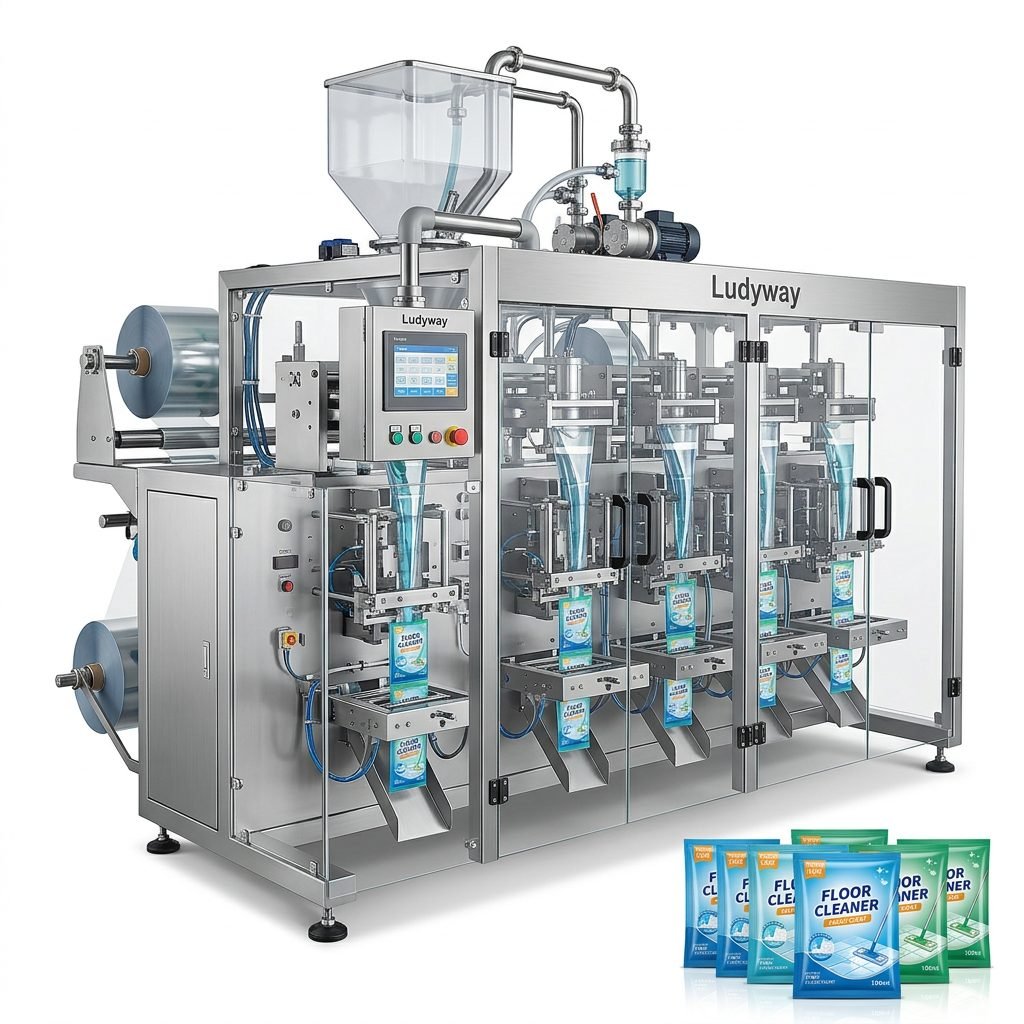
Sachet and stick pack machines are among the most widely used for single-dose airtight packaging. These machines create hermetically sealed pouches ideal for powders, granules, and liquids. Multi-lane sachet packaging systems can significantly increase output by running multiple lanes simultaneously, making them popular for high-volume consumer goods.
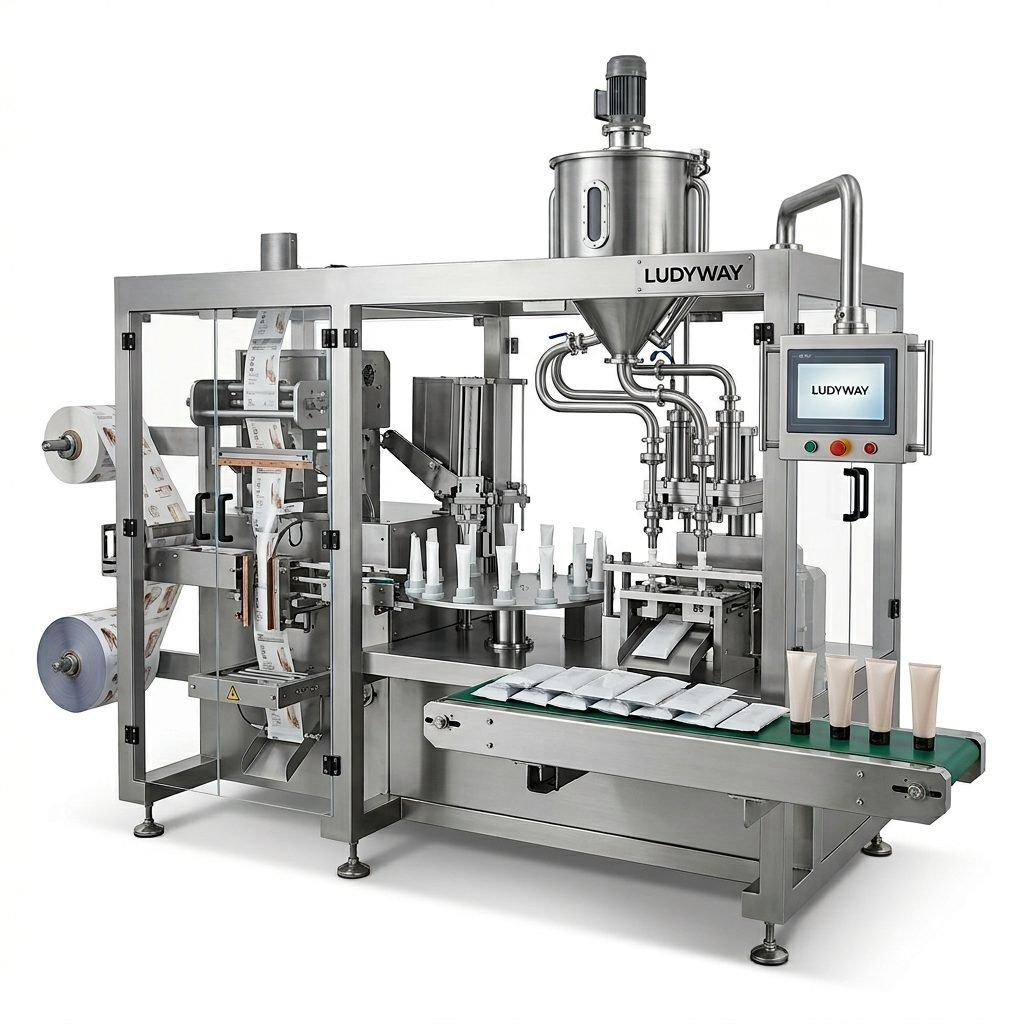
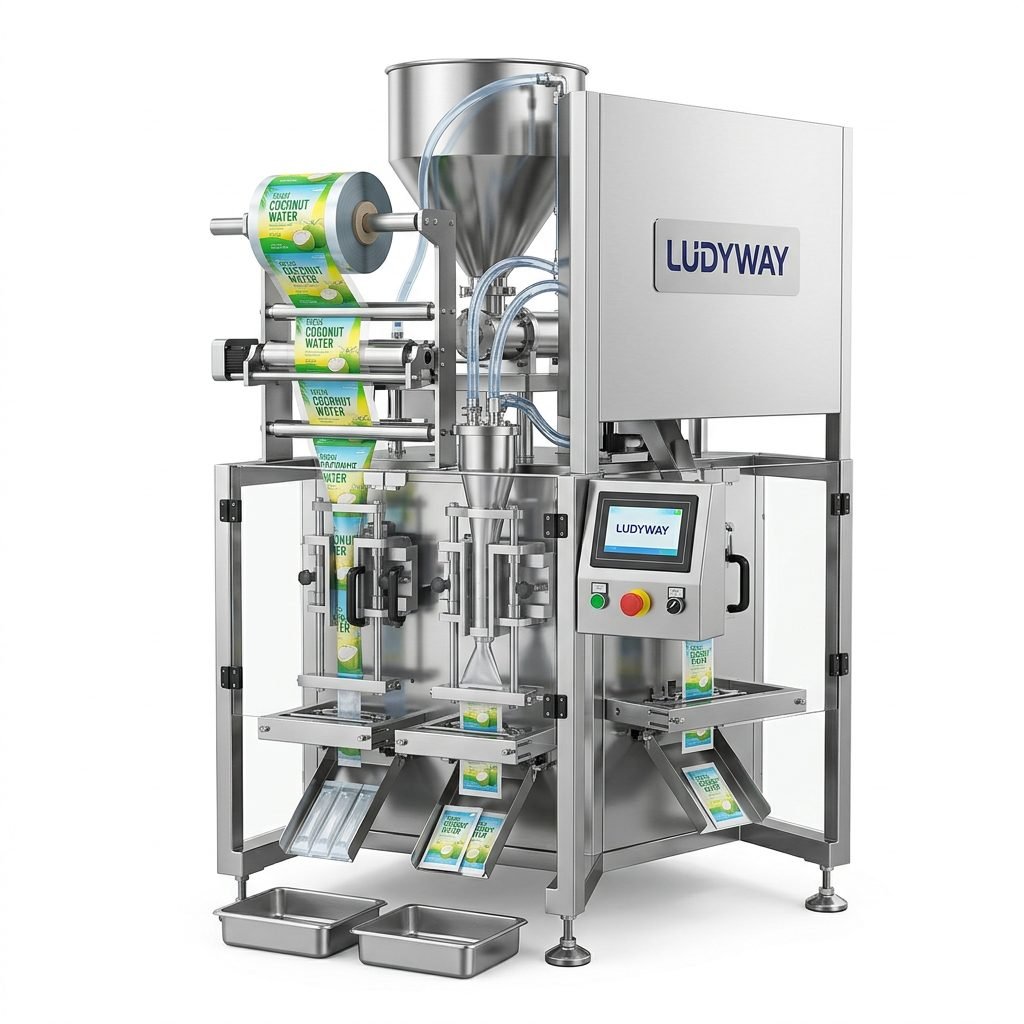
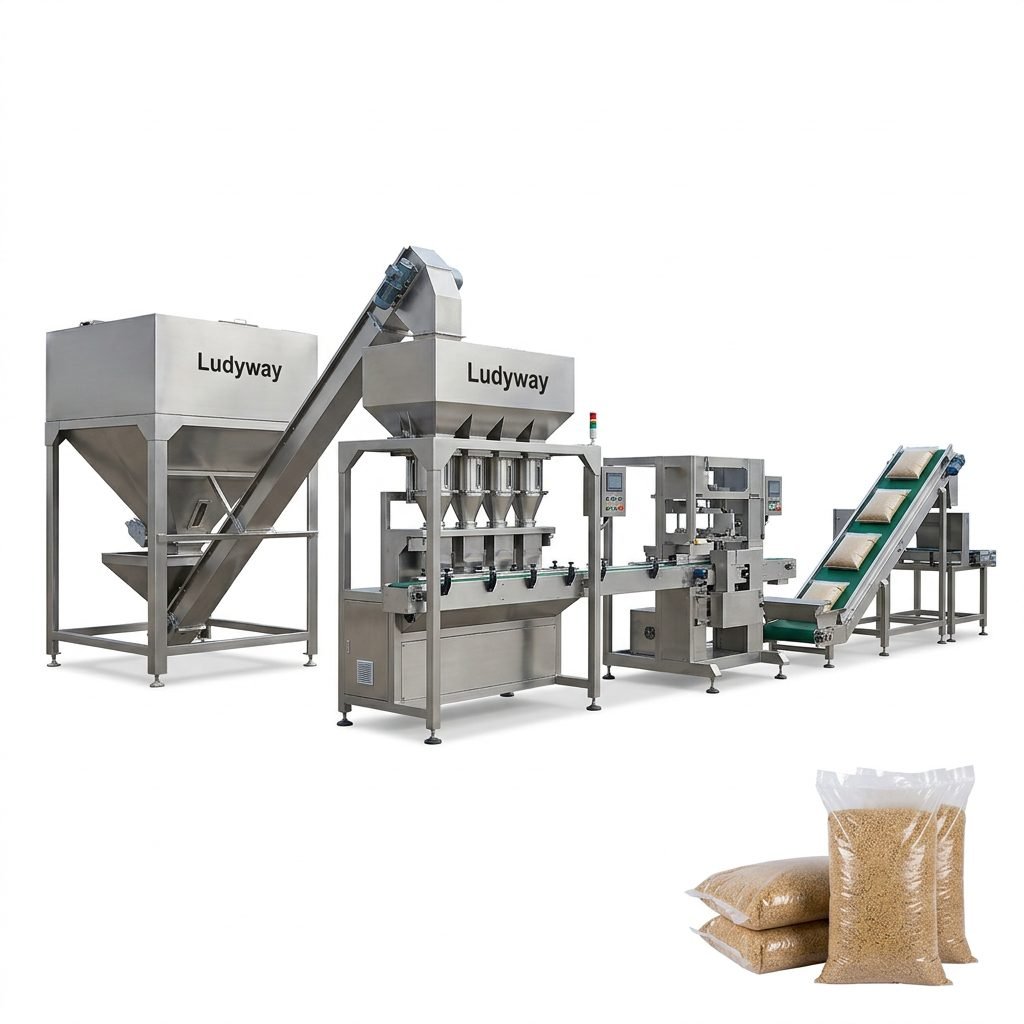
Pouch packaging machines handle larger bag formats and are commonly used for products ranging from pet food to industrial chemicals. These machines offer flexibility in bag styles, including stand-up pouches, zipper pouches, and flat pouches, all with airtight sealing capabilities.
Vacuum packaging machines remove air from the package before sealing, providing an extended shelf life for oxygen-sensitive products. According to the PMMI Business Intelligence reports, vacuum packaging continues to grow in food and pharmaceutical sectors due to increasing demand for product freshness and safety.
Key Factors for Selecting Airtight Packaging Equipment
Choosing the right airtight packaging machine requires evaluating multiple interconnected factors. The following table summarizes the core considerations that should guide your decision-making process.
| Selection Factor | Key Questions to Ask | Impact on Equipment Choice |
|---|---|---|
| Product Characteristics | Is your product a powder, granule, liquid, or paste? What is its flowability and sensitivity to moisture or oxygen? | Determines the dosing system type, sealing technology, and material compatibility requirements. |
| Production Speed | How many units per minute do you need? Will this scale in the future? | Influences whether single-lane or multi-lane configurations are appropriate. |
| Packaging Material | What film or laminate will you use? Does it require specific sealing temperatures? | Affects sealing jaw design, temperature control systems, and machine compatibility. |
| Bag Size and Format | What are the dimensions and styles of your target packages? | Dictates machine frame size, sealing width, and format changeover capabilities. |
| Seal Integrity Requirements | What level of airtightness is required? Are there regulatory standards to meet? | Determines sealing technology, quality inspection systems, and validation protocols. |
| Cleanroom Compatibility | Does your production require a specific hygiene level or cleanroom classification? | Influences machine construction materials, enclosure design, and accessibility for sanitation. |

Product Compatibility and Material Considerations
Product characteristics heavily influence which airtight packaging machine will perform optimally. Powders with fine particle sizes may require specialized dosing systems to prevent dusting and ensure accurate fill weights. Hygroscopic products that readily absorb moisture demand packaging machines with exceptional seal integrity and potentially nitrogen flushing capabilities. The Flexible Packaging Association provides extensive resources on material compatibility and barrier properties that can inform your packaging material selection.
Seal integrity is non-negotiable for airtight packaging applications. Even minor seal defects can compromise product quality, lead to customer complaints, and create regulatory issues in pharmaceutical and food sectors. Modern packaging machines incorporate advanced sealing technologies including heat sealing, ultrasonic sealing, and impulse sealing, each suited to different film types and production speeds.
Packaging Material Compatibility Guide
- Heat-sealable laminates: Most common for sachet and stick pack applications; compatible with standard heat-sealing jaw systems
- Aluminum foil laminates: Provide excellent barrier properties for oxygen-sensitive products; require precise temperature control
- Polyethylene-based films: Cost-effective for general applications; may require modified sealing parameters
- Compostable and recyclable films: Growing demand driven by EU packaging regulations; may require specialized sealing technology
- Multi-layer barrier films: Ideal for extended shelf life; compatible with most industrial sealing systems
Production Capacity and Automation Level
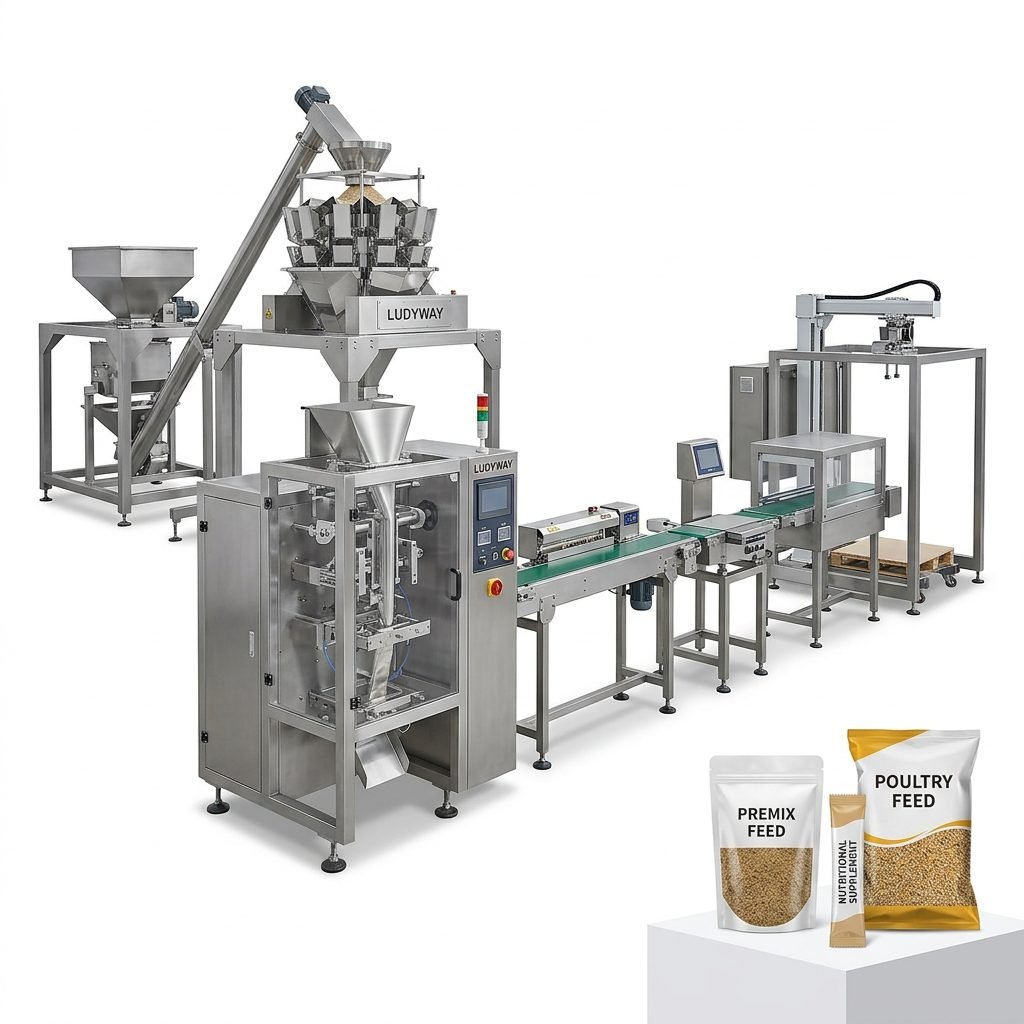
Your current and projected production volumes should drive the capacity selection for your airtight packaging machine. A machine that cannot meet your throughput requirements creates bottlenecks, while an oversized machine represents unnecessary capital expenditure. Multi-lane configurations offer a scalable approach, allowing manufacturers to increase output without proportionally increasing floor space. For reference, PMMI’s 2025 State of the Industry report highlights that automation adoption in packaging continues to accelerate, with manufacturers seeking integrated solutions that connect filling, sealing, coding, and cartoning into seamless production lines.
Automation Features to Evaluate
- Automatic film feeding and tension control: Ensures consistent packaging quality and reduces material waste
- Servo-driven dosing systems: Provide precise fill accuracy and quick changeover between product batches
- Integrated inspection systems: Include seal integrity checkers, weight verification, and metal detection
- Automated reject mechanisms: Remove non-conforming packages without stopping production
- Data collection and reporting: Support quality management and regulatory compliance documentation
Industry-Specific Requirements and Compliance
Different industries impose distinct requirements on airtight packaging equipment. Pharmaceutical applications must comply with stringent ISO packaging standards including ISO 11607 for terminally sterilized medical devices. Food packaging machinery must meet FDA food contact substance regulations and facilitate sanitation protocols. Cosmetic and chemical applications may have different material compatibility and safety requirements.
When evaluating manufacturers, verify that their equipment can be configured to meet applicable standards for your target markets. Documentation, validation support, and certification packages vary significantly between suppliers and should be assessed early in the selection process.
Evaluating Manufacturer Capabilities and Support
Beyond the machine specifications, the manufacturer’s engineering capabilities and service infrastructure are equally important. A packaging machine represents a long-term investment, and the relationship with your equipment supplier extends well beyond the initial purchase. Consider factors including installation support, operator training, spare parts availability, and technical troubleshooting responsiveness.
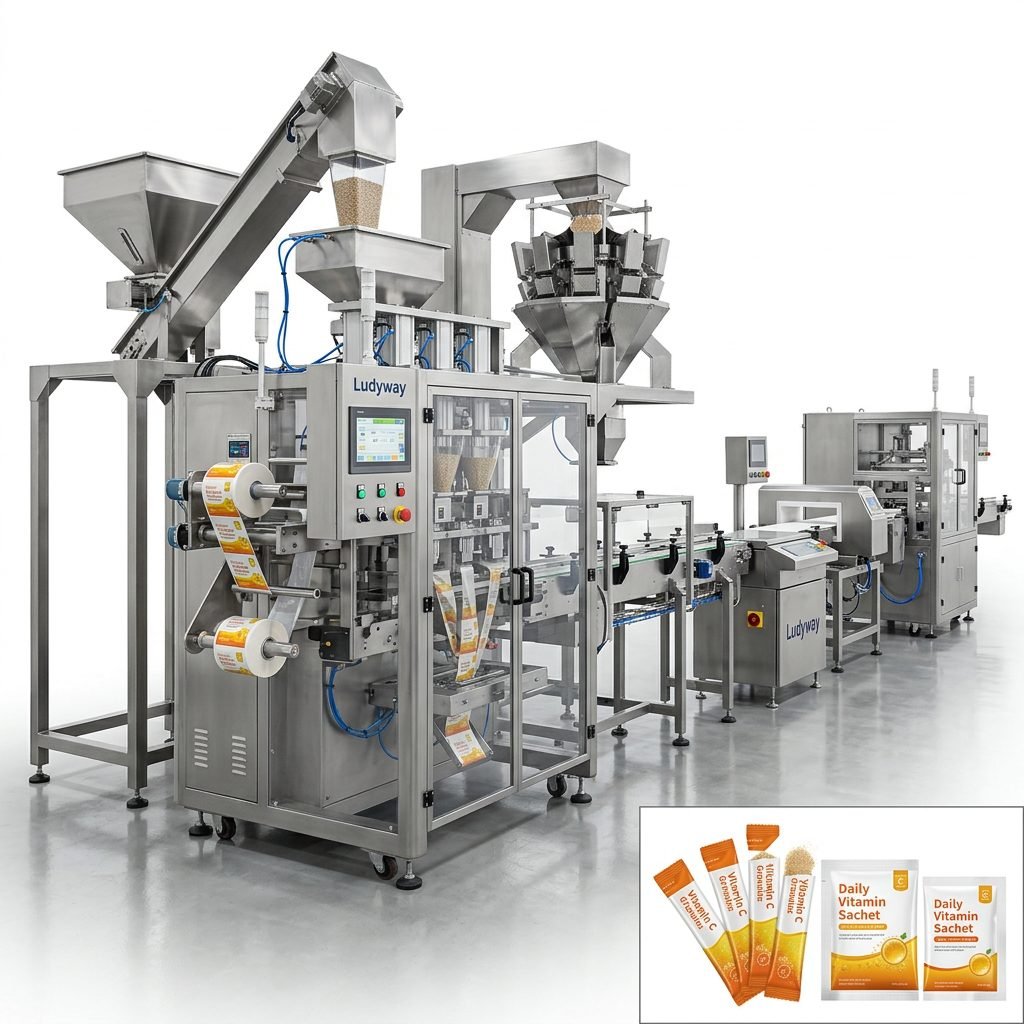
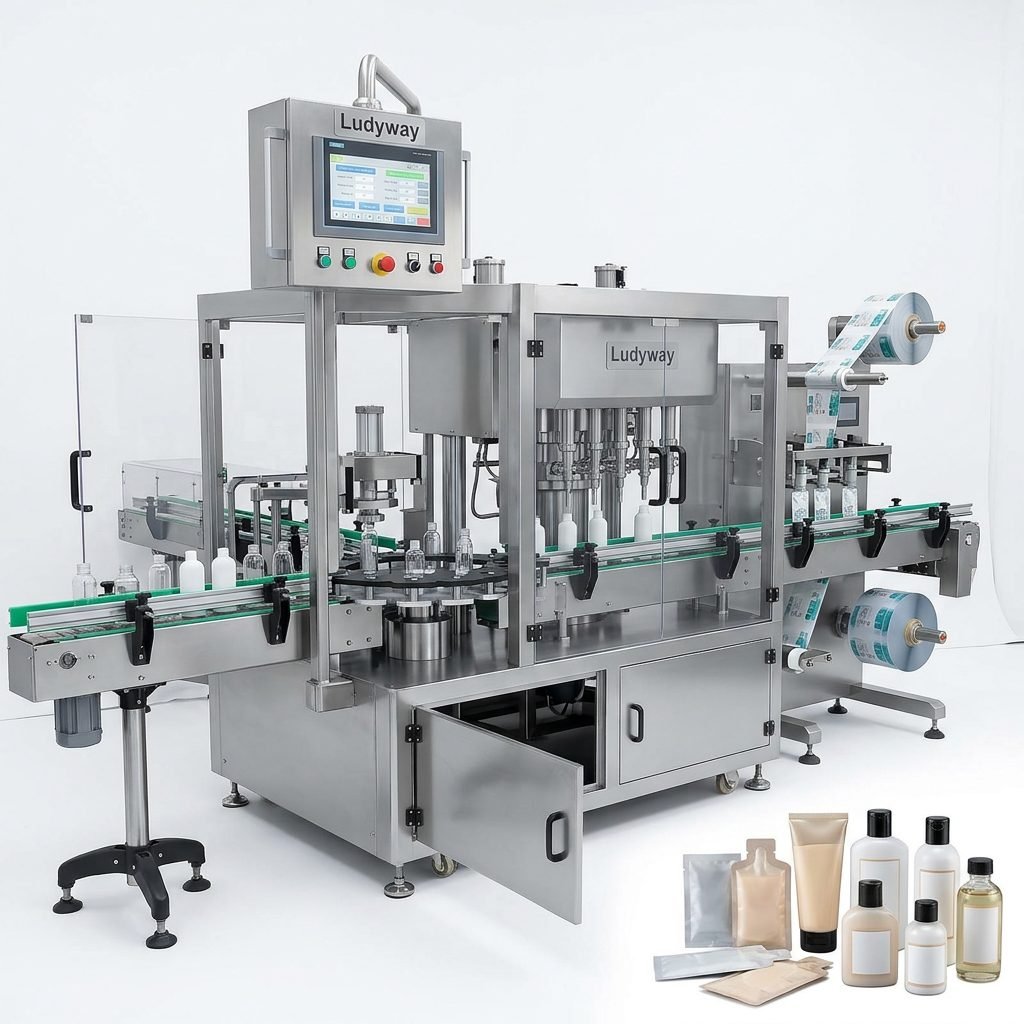
For manufacturers seeking a comprehensive packaging machinery partner, Ludyway Machinery offers more than 30 years of industry experience with a 20,000-square-meter manufacturing facility and over 50 packaging machine models covering powder, granule, liquid, stick pack, sachet, and pouch applications. The company provides integrated packaging systems and turnkey packaging solutions that can connect multiple stages of the packaging process, from dosing and filling to sealing, coding, inspection, and cartoning.

Total Cost of Ownership Analysis
The purchase price of an airtight packaging machine is only one component of its total cost. A thorough total cost of ownership (TCO) analysis should account for the following elements over the expected service life of the equipment:
| Cost Category | Description | Typical TCO Percentage |
|---|---|---|
| Initial Equipment Cost | Machine purchase price including customization and integration | 40-50% |
| Installation and Commissioning | Site preparation, installation labor, commissioning, and validation | 5-10% |
| Consumables and Materials | Packaging film, spare parts, lubricants, and other consumables | 20-30% |
| Maintenance and Repairs | Preventive maintenance, unexpected repairs, and technical support | 10-15% |
| Energy and Utilities | Electricity, compressed air, and other utility costs | 3-5% |
| Operator Training | Initial training and ongoing skill development | 2-3% |

Seal Integrity Testing and Quality Assurance
For airtight packaging applications, seal integrity verification is a critical quality control requirement. Modern packaging lines incorporate both online and offline testing methods to ensure consistent seal quality throughout production runs. Industry resources from the Flexible Packaging Association provide guidance on testing methodologies and acceptance criteria for different package types and industries.
Common Seal Testing Methods
- Vacuum decay testing: Non-destructive method that detects micro-leaks by measuring vacuum loss over time
- Dye penetration testing: Destructive method using colored dye to identify seal channel leaks
- Burst testing: Measures the pressure required to rupture package seals
- Peel strength testing: Quantifies the force needed to separate sealed layers
- Visual inspection systems: Camera-based detection of seal defects at production speeds
Integration with Existing Production Infrastructure
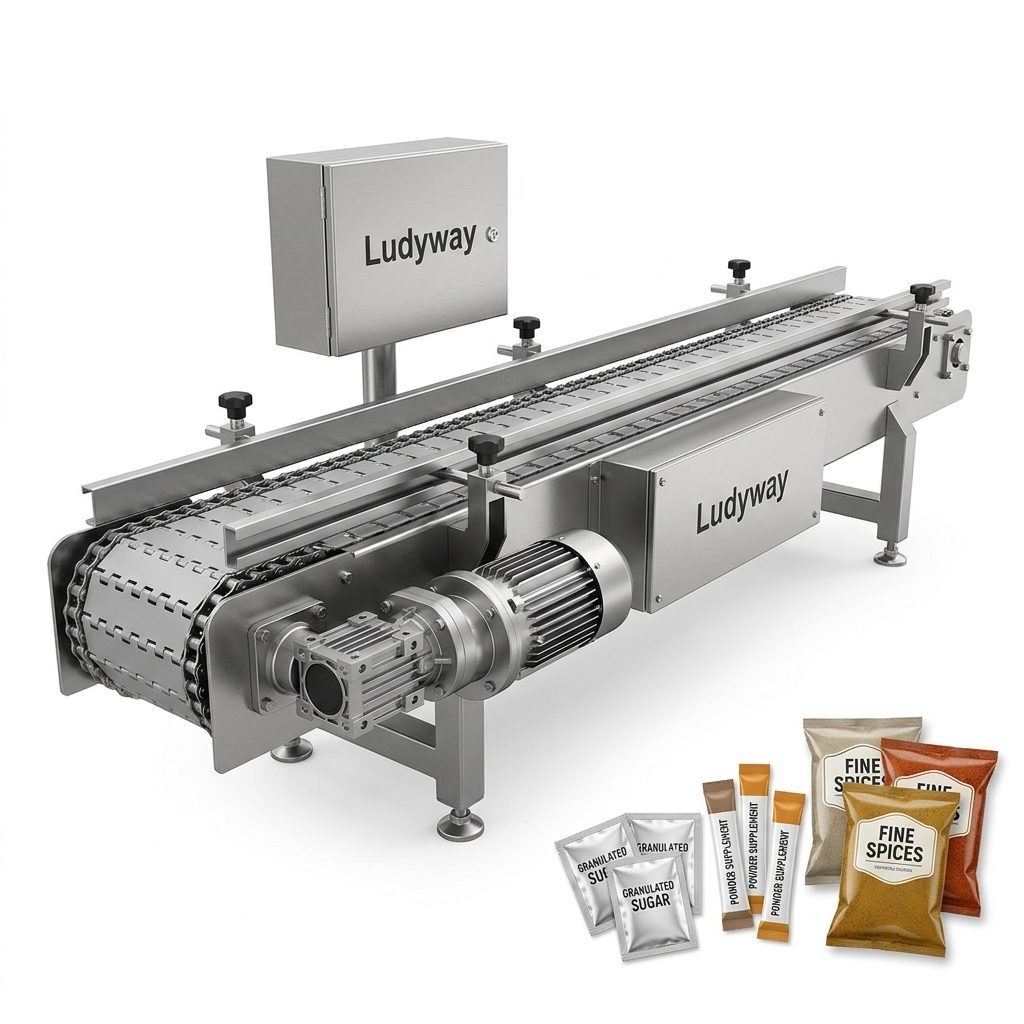
A new airtight packaging machine rarely operates in isolation. It must integrate with upstream processes such as product feeding, weighing, and mixing, as well as downstream operations including coding, labeling, cartoning, and palletizing. When evaluating equipment, consider the compatibility of communication protocols, physical interfaces, and data systems with your existing factory infrastructure. Manufacturers with experience in integrated packaging systems can help streamline this integration and reduce project risk.
Making the Final Decision
Selecting the ideal airtight packaging machine requires balancing technical requirements, production goals, budget constraints, and long-term operational considerations. Start by clearly defining your product characteristics, target output, and quality requirements. Then evaluate machine configurations, manufacturer capabilities, and total cost of ownership. Request references, conduct factory acceptance tests, and review documentation thoroughly before finalizing your decision.
For the latest industry data and market trends that may influence your equipment investment, consult the PMMI State of the Industry reports and resources from the Flexible Packaging Association’s knowledge hub. A well-informed decision today will support your production efficiency and product quality for years to come.
With proper evaluation and the right manufacturing partner, an airtight packaging machine becomes a strategic asset that enhances product protection, extends shelf life, improves operational consistency, and supports your brand’s reputation in the marketplace.