Investing in an atta packing machine is a critical decision for flour millers, food manufacturers, and grain processing businesses. The right equipment can dramatically improve your production efficiency, packaging accuracy, and shelf appeal while reducing labor costs and material waste. However, with so many configurations, automation levels, and technical specifications available, the selection process can feel overwhelming. This guide walks you through every factor you need to evaluate before making your purchase.
Understanding Atta Packaging Requirements
Whole wheat flour (atta) presents unique packaging challenges due to its fine particle size, tendency to become airborne, and moisture sensitivity. Unlike coarse grains or free-flowing granules, atta requires precision dosing systems that can handle dusty, cohesive powders without clogging or inconsistent fills. The ideal machine must also protect product freshness through reliable sealing and, in many cases, modified atmosphere packaging capabilities.
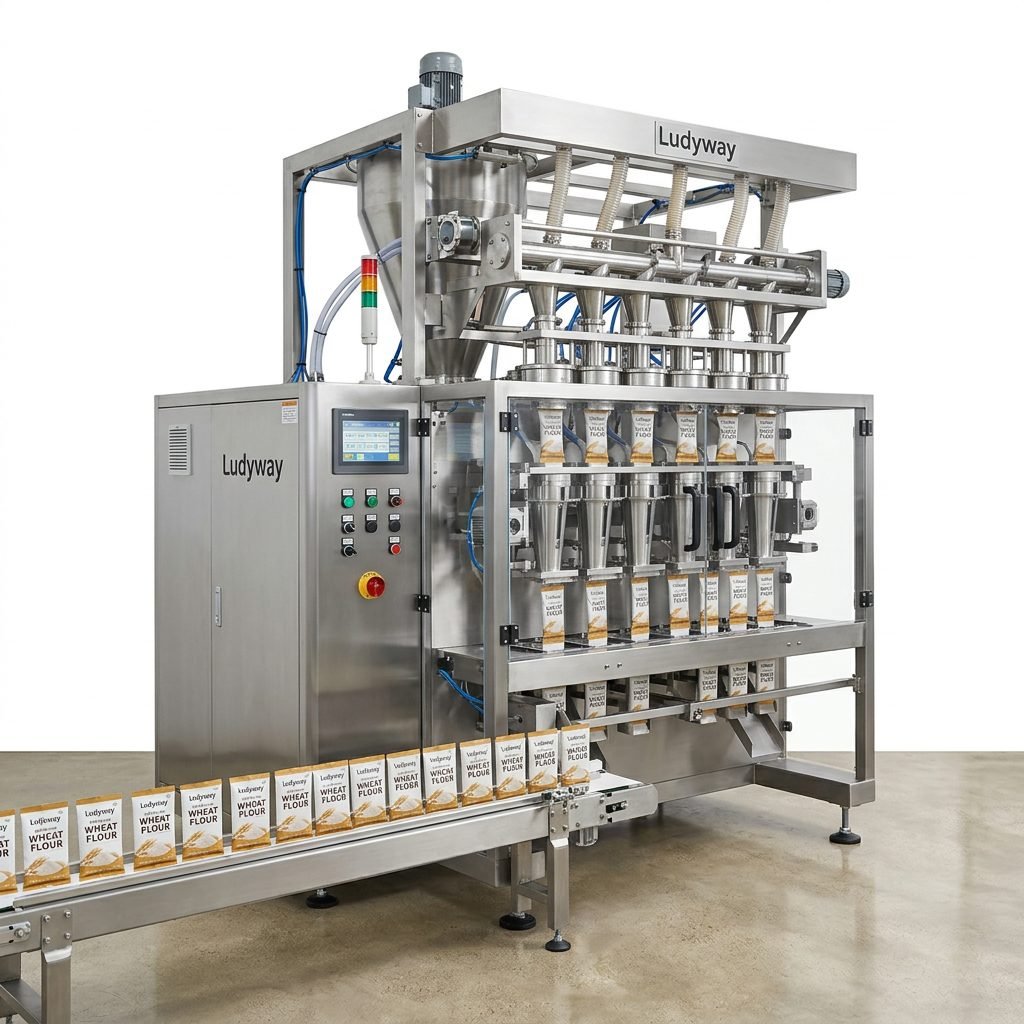
Key Factors to Evaluate Before Buying
Before comparing specific packaging machinery models, you need to clearly define your operational requirements. Start by documenting your current and projected production volumes, target bag formats, and available factory floor space. This foundational information will immediately narrow your options and help you communicate effectively with equipment suppliers.
1. Production Capacity and Speed Requirements
Your required output rate, typically measured in packs per minute (PPM), is the single most important specification. A small-scale mill might only need 30-40 packs per minute, while large industrial operations may require high-speed systems capable of 80-120 PPM or more. Matching machine speed to your actual demand avoids both bottlenecks and unnecessary capital expenditure.
2. Packaging Format and Bag Style
Atta can be packaged in various formats, each requiring different machine configurations:
- Pillow pouches – The most common format for retail flour packaging, offering cost-effective material usage.
- Gusseted bags – Provide better shelf stability and a premium appearance, ideal for standing on store shelves.
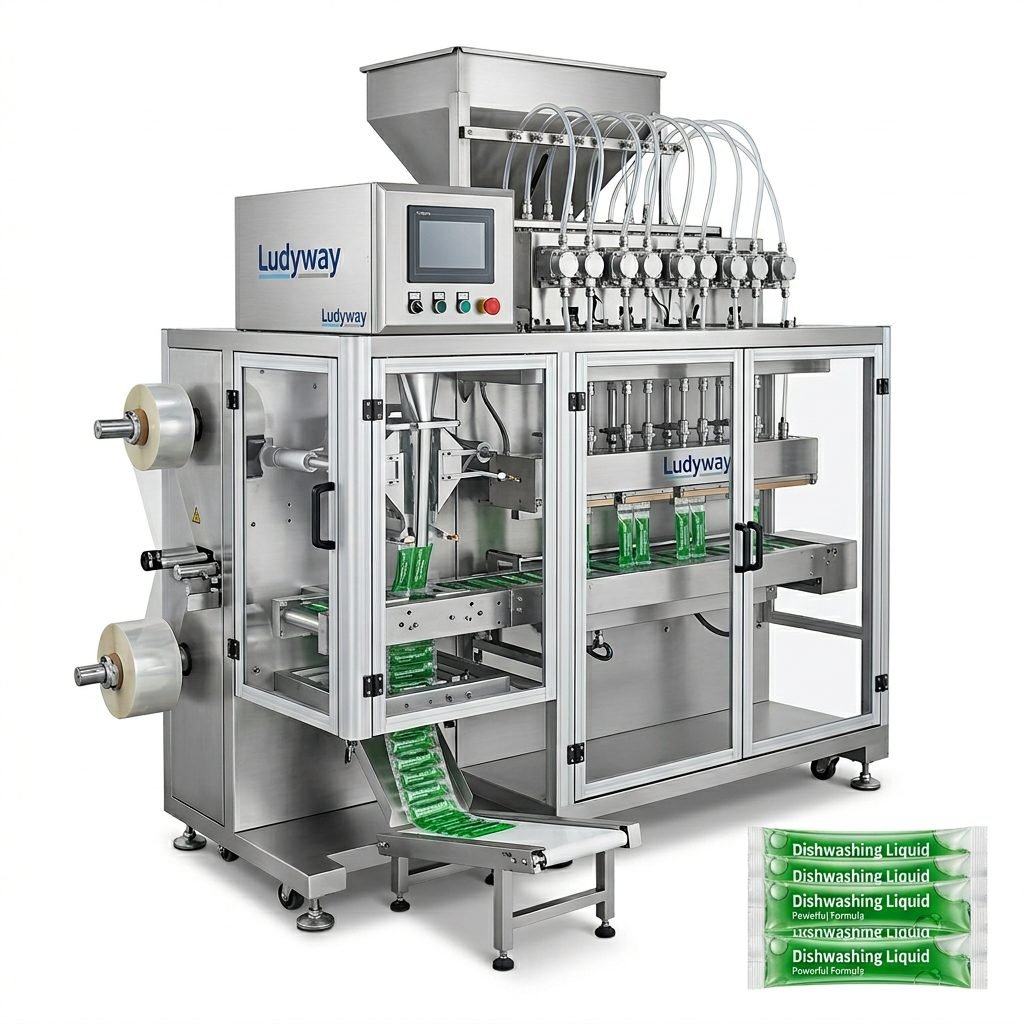
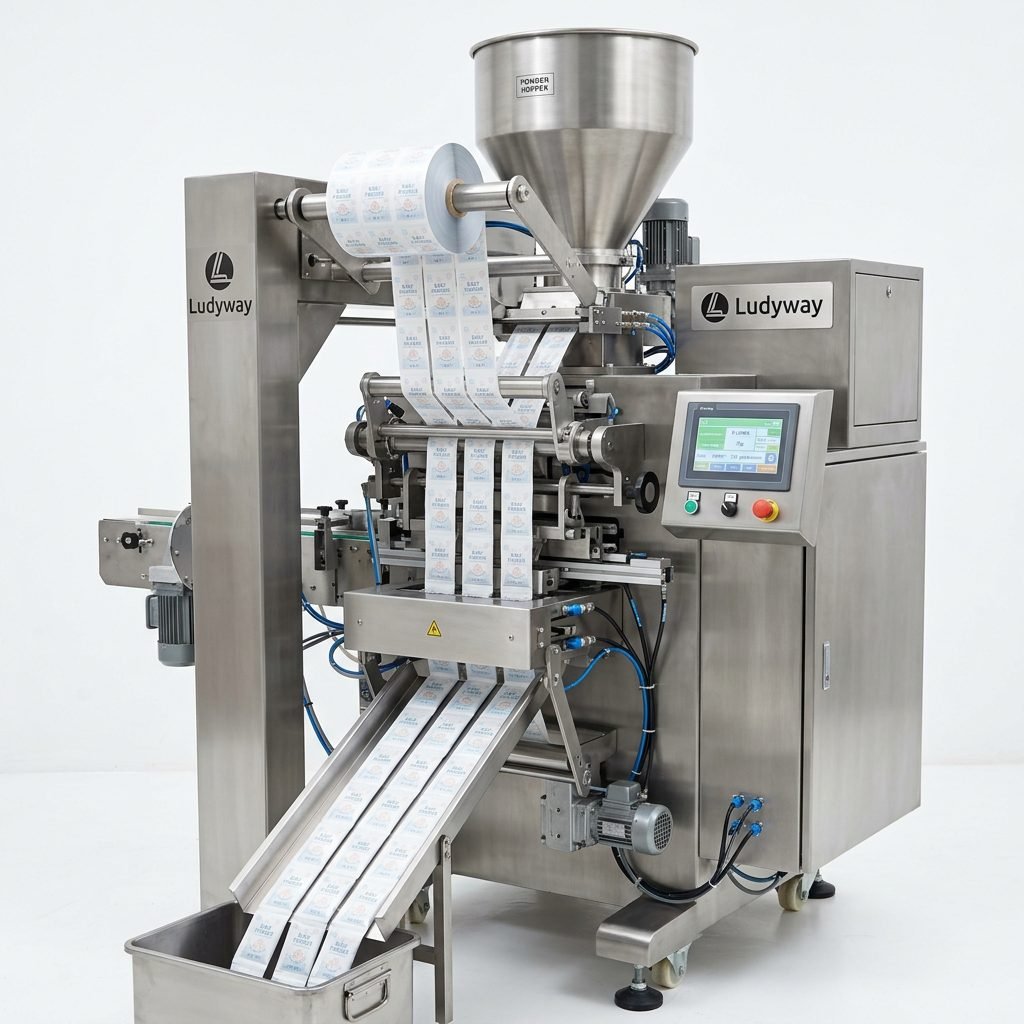
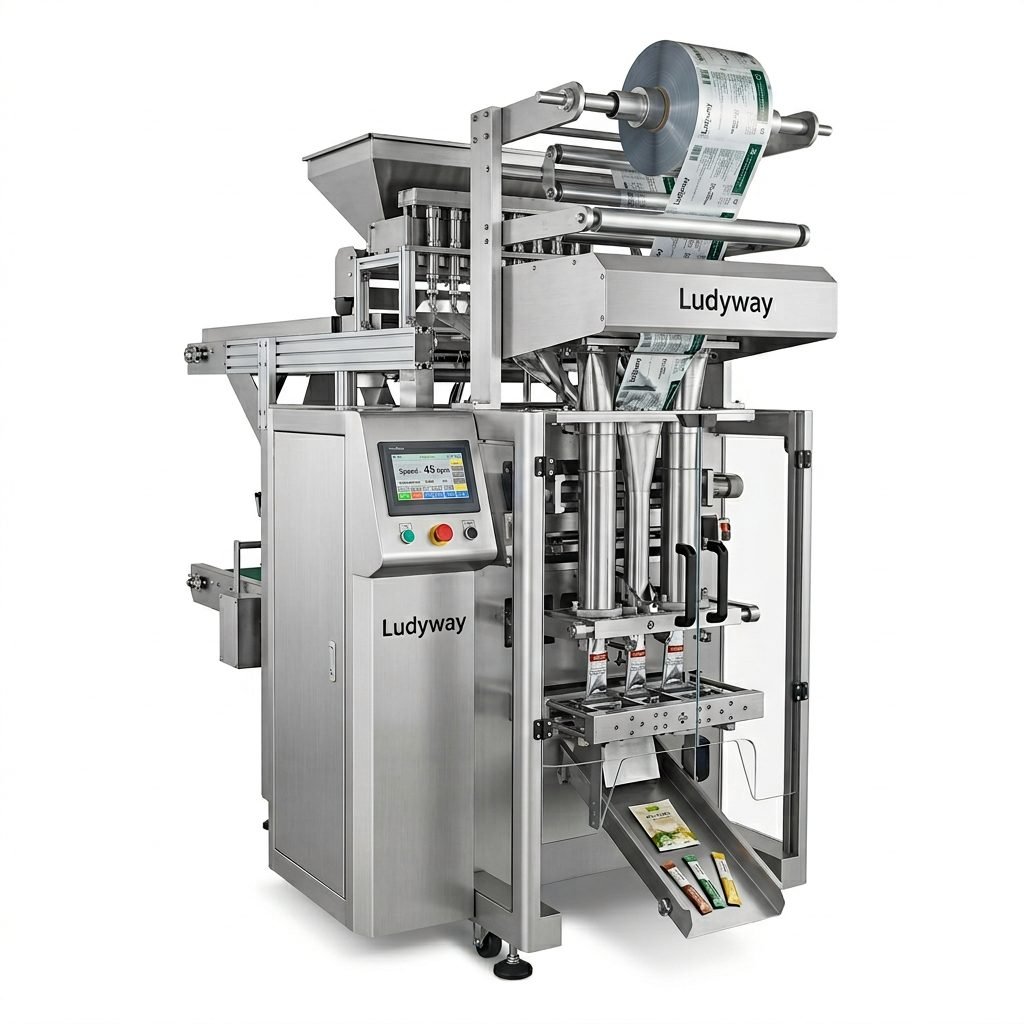
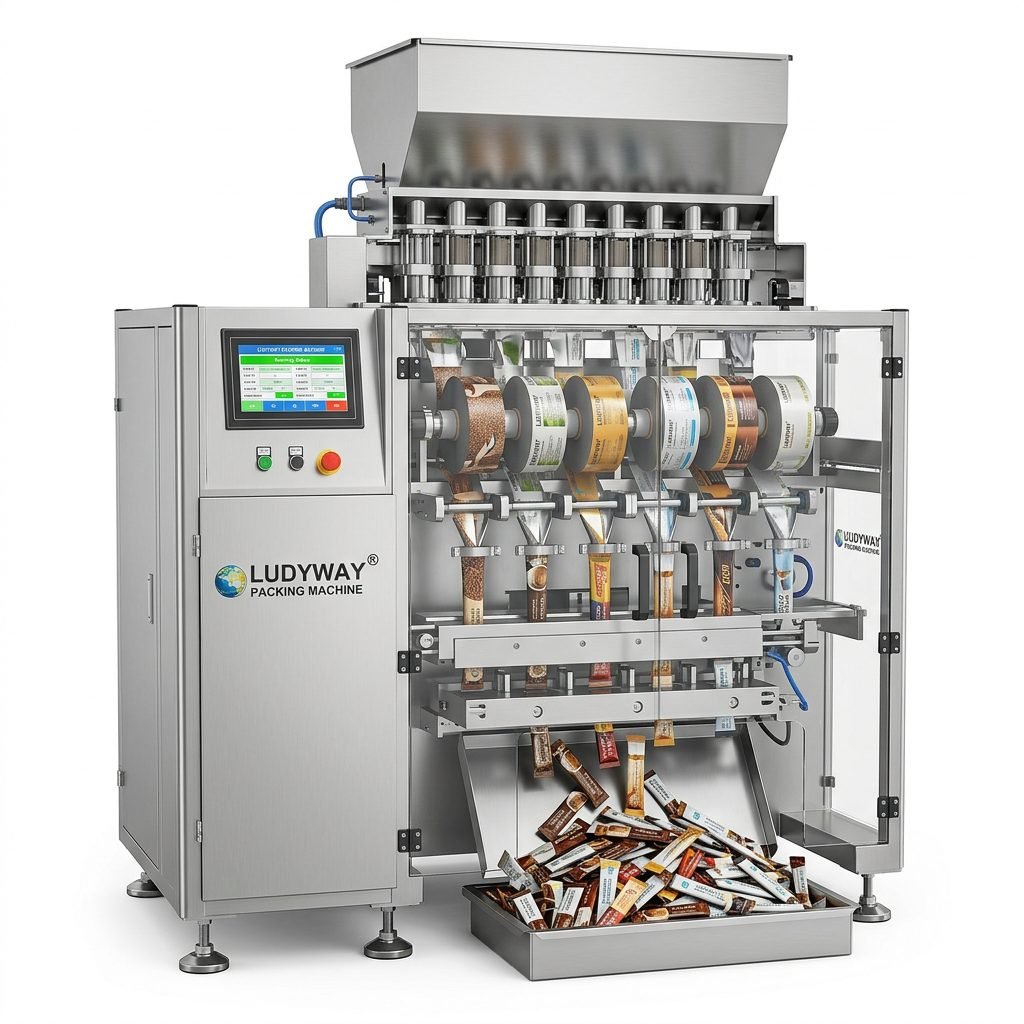
- Stick packs and sachets – Popular for single-serve and travel-sized portions, often produced on multi-lane stick pack machines for higher output.
- Pre-made pouches – Offer excellent branding opportunities with zipper closures and tear notches for consumer convenience.

Essential Technical Specifications to Compare
Once you know your basic format and speed needs, dig deeper into the engineering capabilities that separate reliable, long-lasting equipment from budget alternatives that may cost more in downtime and maintenance over their lifetime.
Filling and Dosing Accuracy
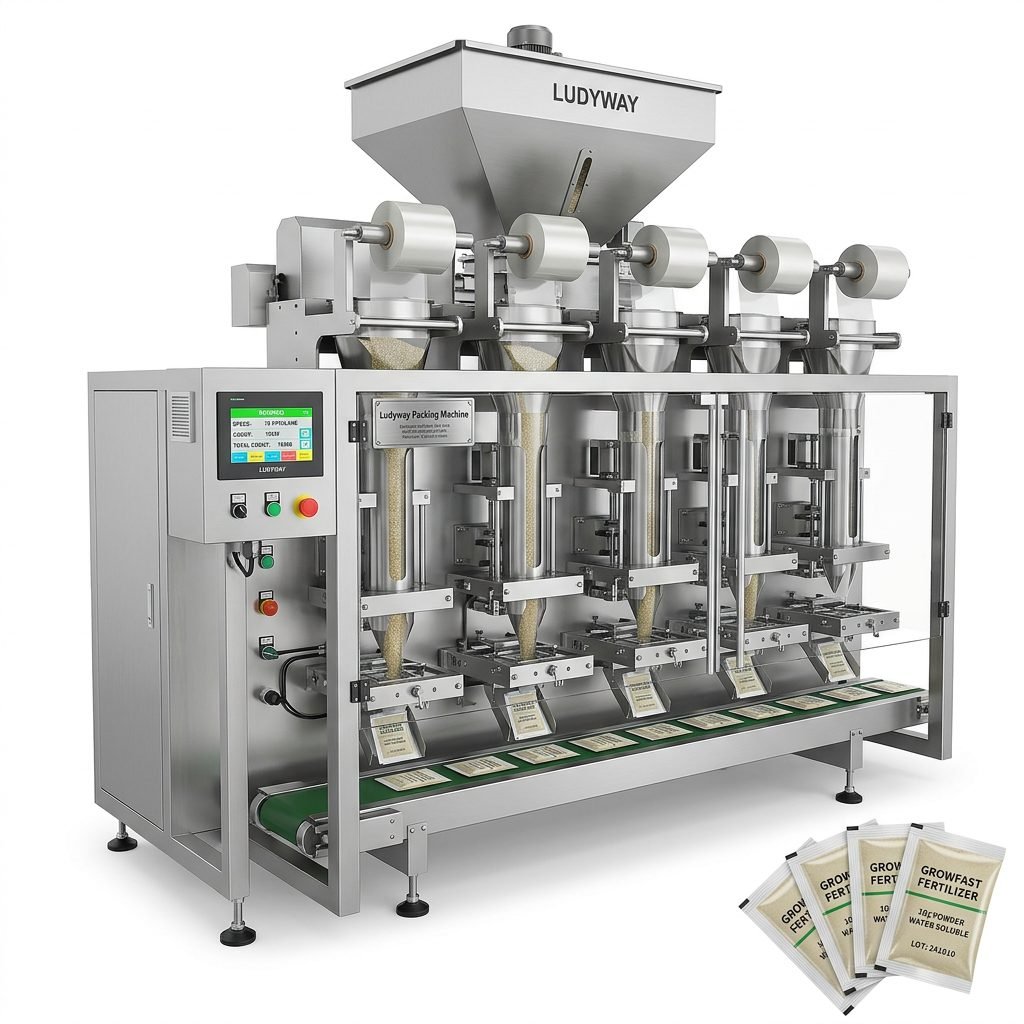
For atta and other powders, auger fillers are widely used because they handle dusty products effectively while maintaining consistent fill weights. Volumetric cup fillers offer a simpler, lower-cost alternative for free-flowing products but may struggle with the inconsistent density sometimes found in whole wheat flour. Multi-head weighers provide the highest accuracy and speed combination for larger bag formats, though they represent a higher initial investment.
Sealing System Integrity
A robust sealing system is non-negotiable for atta packaging. Poor seals lead to product leakage, contamination, and customer complaints that can damage a brand’s reputation. Look for machines with precise temperature control, adjustable sealing pressure, and consistent dwell time. For extended shelf life, consider equipment that supports nitrogen flushing or vacuum sealing to reduce oxygen content inside the package.
Material Compatibility and Changeover Flexibility
Your machine should handle the packaging materials you plan to use, whether that’s laminated films, metallized BOPP, paper-plastic composites, or biodegradable alternatives. If you produce multiple SKUs with different bag sizes or film types, rapid changeover capability becomes crucial. The best machines allow format changes in under 15 minutes with minimal tools.
Automation Levels and Integration Potential
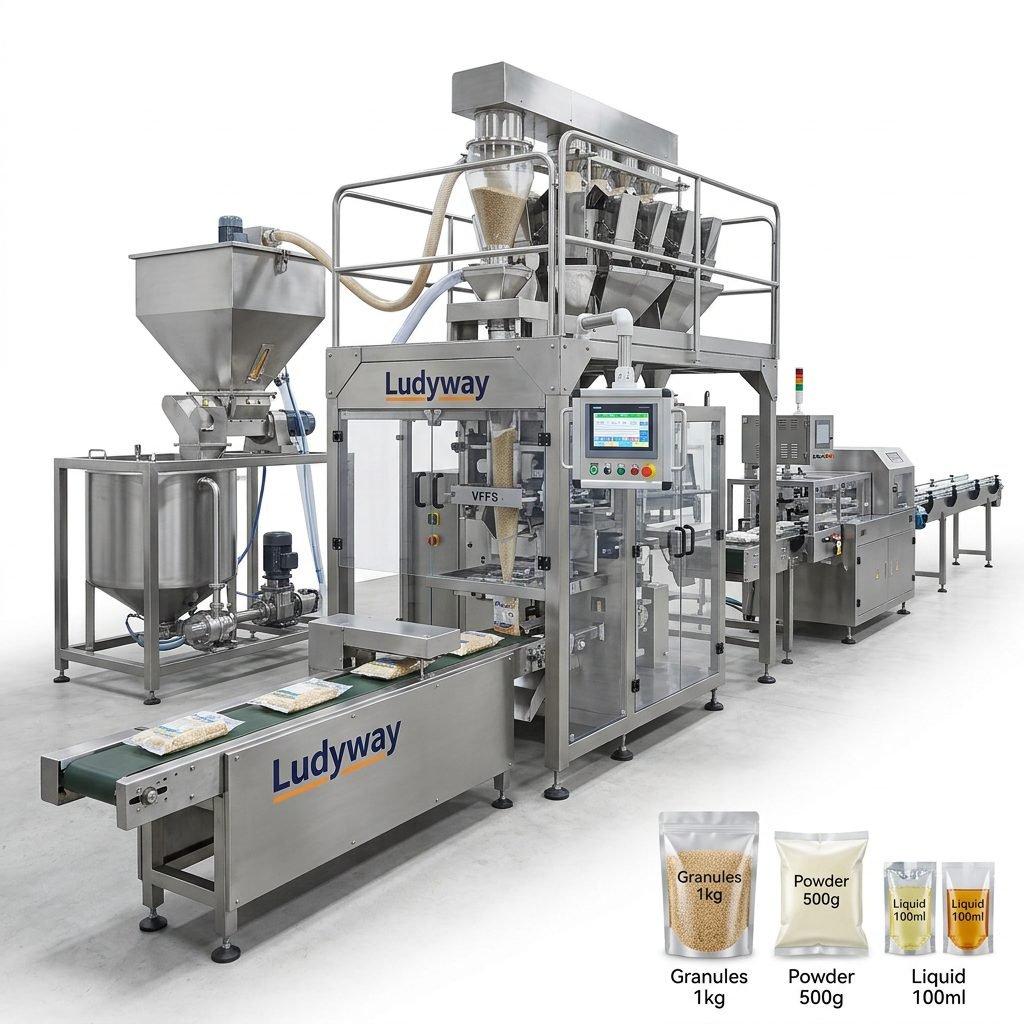
Modern atta packing machines range from semi-automatic units requiring manual bag placement to fully automated systems that integrate with upstream milling equipment and downstream cartoning or palletizing stations. The right level depends on your labor availability, consistency requirements, and long-term growth plans.
| Automation Level | Best For | Typical Speed Range | Relative Investment |
|---|---|---|---|
| Semi-Automatic | Small mills, startups, niche products | 15-30 PPM | Low |
| Automatic Single-Lane | Mid-size production, regional brands | 30-60 PPM | Medium |
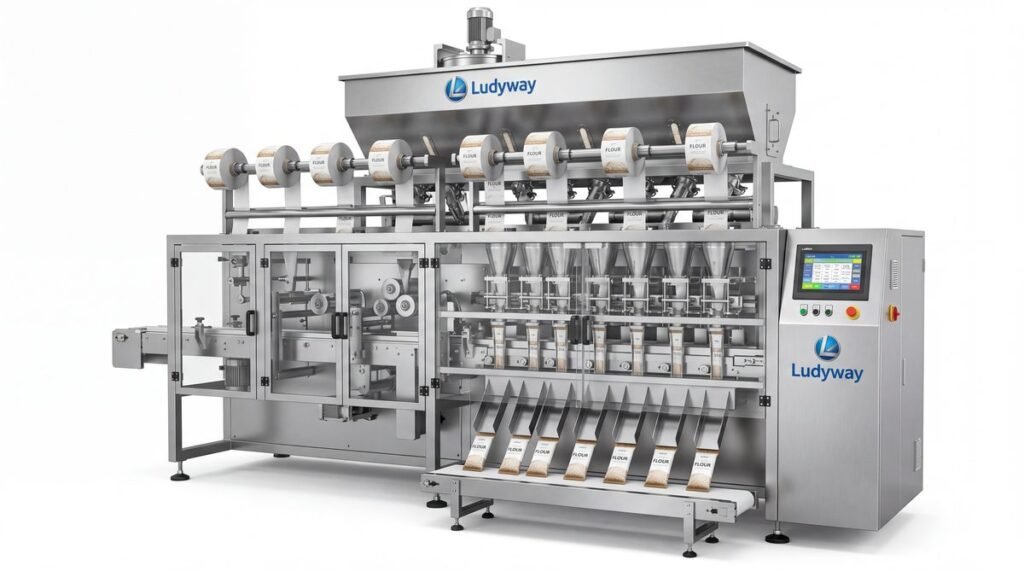
| High-Speed Multi-Lane | Large-scale operations, export markets | 80-200+ PPM | High |
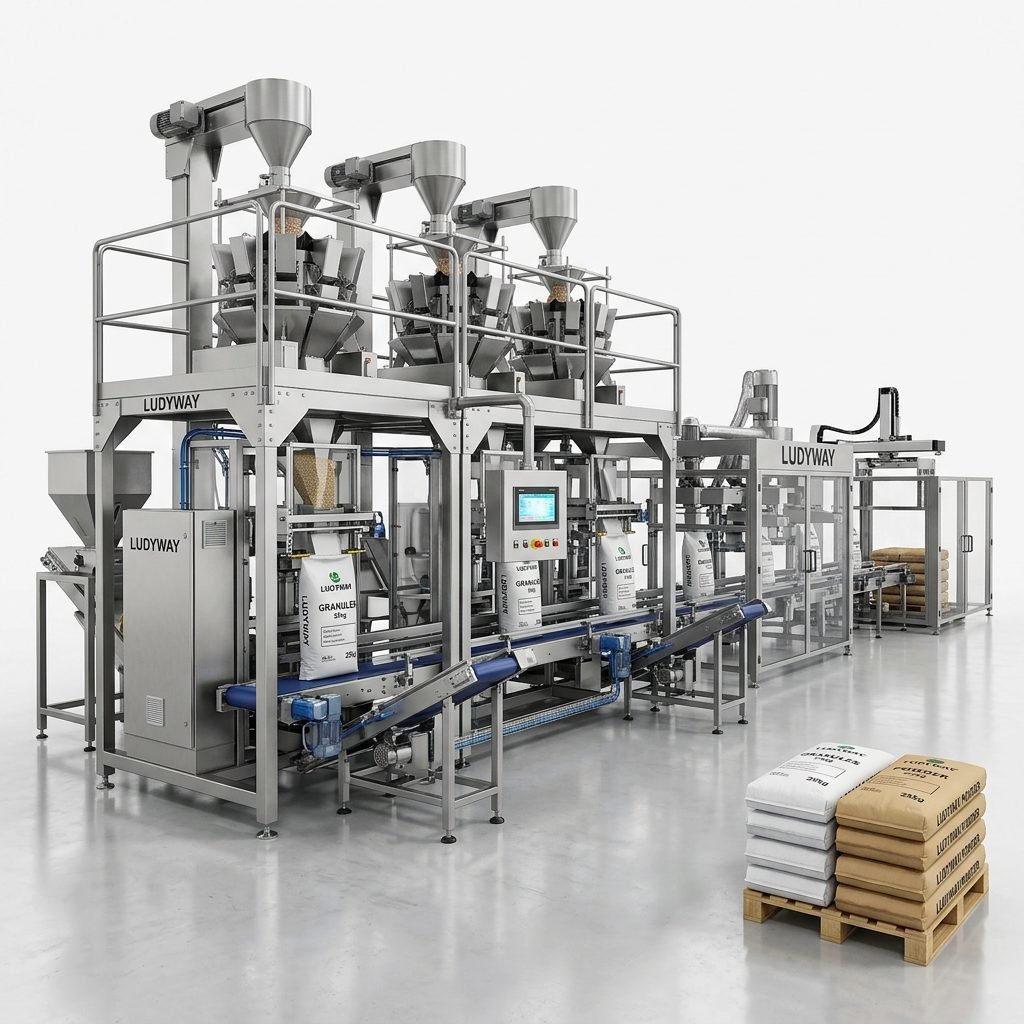
| Turnkey Production Line | Fully integrated factory setups | Customized | Highest |
Regulatory Compliance and Build Quality
For food applications, the machine’s construction materials and design must meet food safety standards. Stainless steel product contact parts are essential for corrosion resistance and easy cleaning. Look for certifications relevant to your target markets, including CE marking for European compliance, FDA-approved materials for the U.S. market, and adherence to GMP (Good Manufacturing Practices) guidelines.
Hygienic Design Features
- Tool-free disassembly for rapid cleaning and product changeover
- Sloped surfaces to prevent product accumulation
- Sealed bearings and protected electrical enclosures
- Dust extraction ports to manage airborne flour particles
- CIP (Clean-in-Place) compatibility for advanced sanitation protocols
Evaluating Total Cost of Ownership
The purchase price is only one component of your long-term investment. A comprehensive cost analysis should factor in:
- Energy consumption – High-efficiency motors and drives can reduce operating costs significantly over time.
- Film material waste – Machines with precise film registration and minimal startup/sealing waste generate measurable savings.
- Spare parts availability – Choose a manufacturer with established global packaging machinery manufacturer support networks to avoid extended downtime.
- Operator training requirements – Intuitive HMI interfaces and automated adjustments reduce dependency on specialized technicians.
- Maintenance intervals – Longer intervals between scheduled service translate directly to higher machine availability.
Supplier Selection: Beyond the Equipment
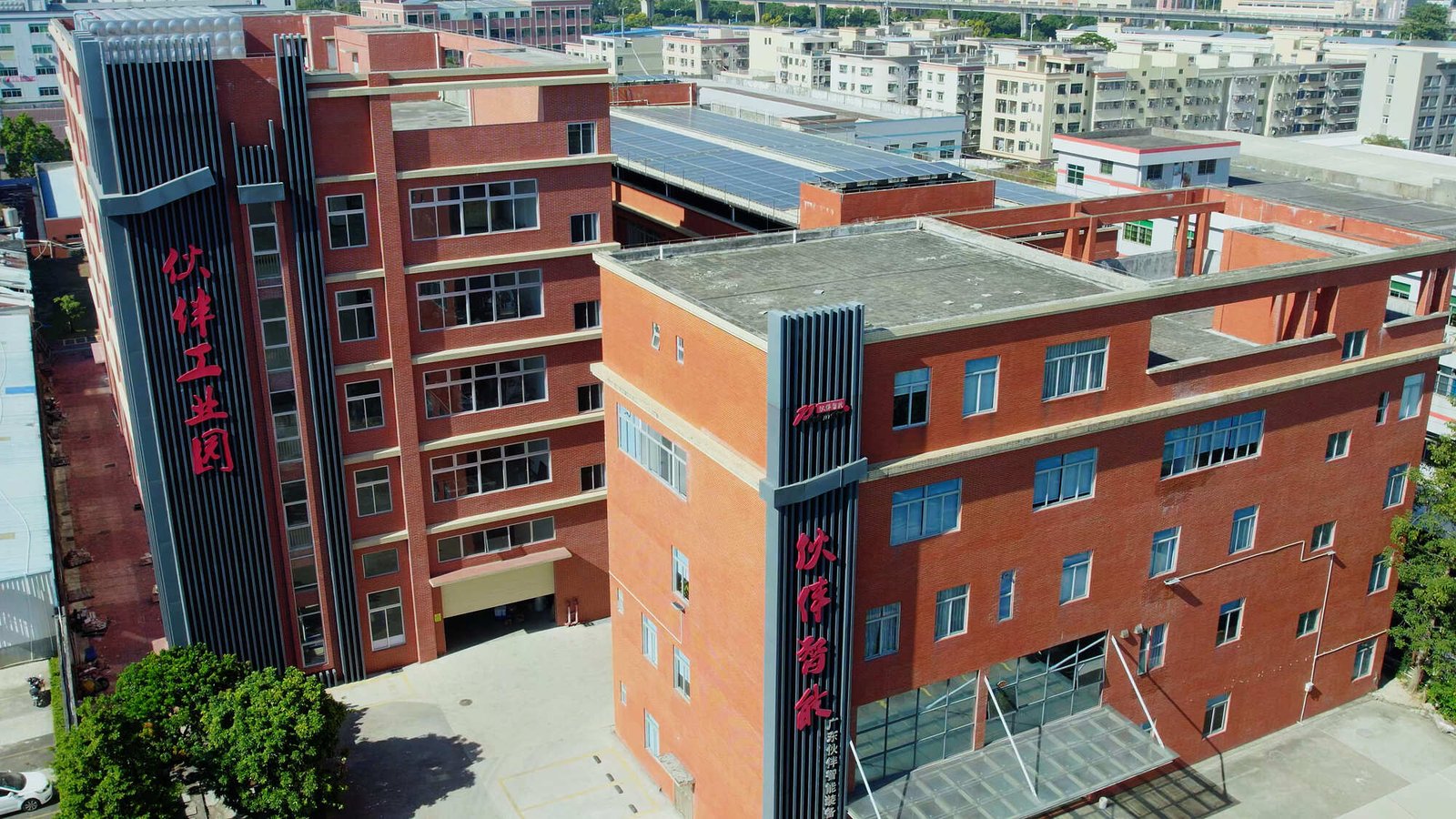
The relationship with your machinery supplier matters as much as the equipment itself. A manufacturer with 30 years of experience in the packaging industry, such as Ludyway Machinery, brings not only proven machine designs but also application knowledge that helps avoid common pitfalls. Look for a partner that offers pre-sales technical consultation, factory acceptance testing, installation support, and responsive after-sales service.
Questions to Ask Potential Suppliers
- Can you provide references from other atta or flour packaging clients?
- What is the typical lead time for a machine configured to our specifications?
- Do you offer remote diagnostics and technical support in our language?
- How do you handle spare parts orders and what are typical delivery times?
- Can your engineering team assist with turnkey packaging line design if we expand in the future?
Advanced Features Worth Considering
Depending on your product positioning and market requirements, several optional features can add significant value to your atta packing machine investment:
Modified Atmosphere Packaging (MAP)
Nitrogen flushing displaces oxygen from the package before sealing, dramatically extending shelf life. This is particularly important for whole wheat flour, which contains natural oils that can become rancid when exposed to air over time. For food packaging applications targeting export markets with long transit times, MAP capability is often a competitive requirement.
Inline Quality Control Systems
Integrating checkweighers, metal detectors, and vision inspection systems into your packaging line ensures every package meets weight, safety, and appearance standards before leaving your facility. These systems can automatically reject non-conforming packages, protecting your brand reputation and reducing customer complaints.
Data Connectivity and Industry 4.0 Readiness
Modern packaging machinery increasingly includes IIoT (Industrial Internet of Things) capabilities that enable real-time production monitoring, predictive maintenance alerts, and integration with enterprise resource planning systems. These features provide actionable data for continuous improvement and operational transparency.
Making the Final Decision
After collecting technical proposals from multiple suppliers, create a structured comparison matrix that weighs your specific priorities. The lowest price rarely represents the best value. Instead, focus on total lifecycle cost, production reliability, and the supplier’s long-term support commitment. Request sample packaging trials using your actual atta product to verify machine performance before finalizing your order.
Selecting the right atta packing machine is a strategic investment that directly impacts your product quality, brand perception, and bottom line. By systematically evaluating your requirements against the criteria outlined in this guide, you can confidently choose equipment that will serve your business reliably for many years. For manufacturers seeking customized packaging solutions backed by global support infrastructure, consulting with an experienced provider that offers both individual machines and complete turnkey lines ensures your packaging operation can scale as your business grows.
Further Reading: