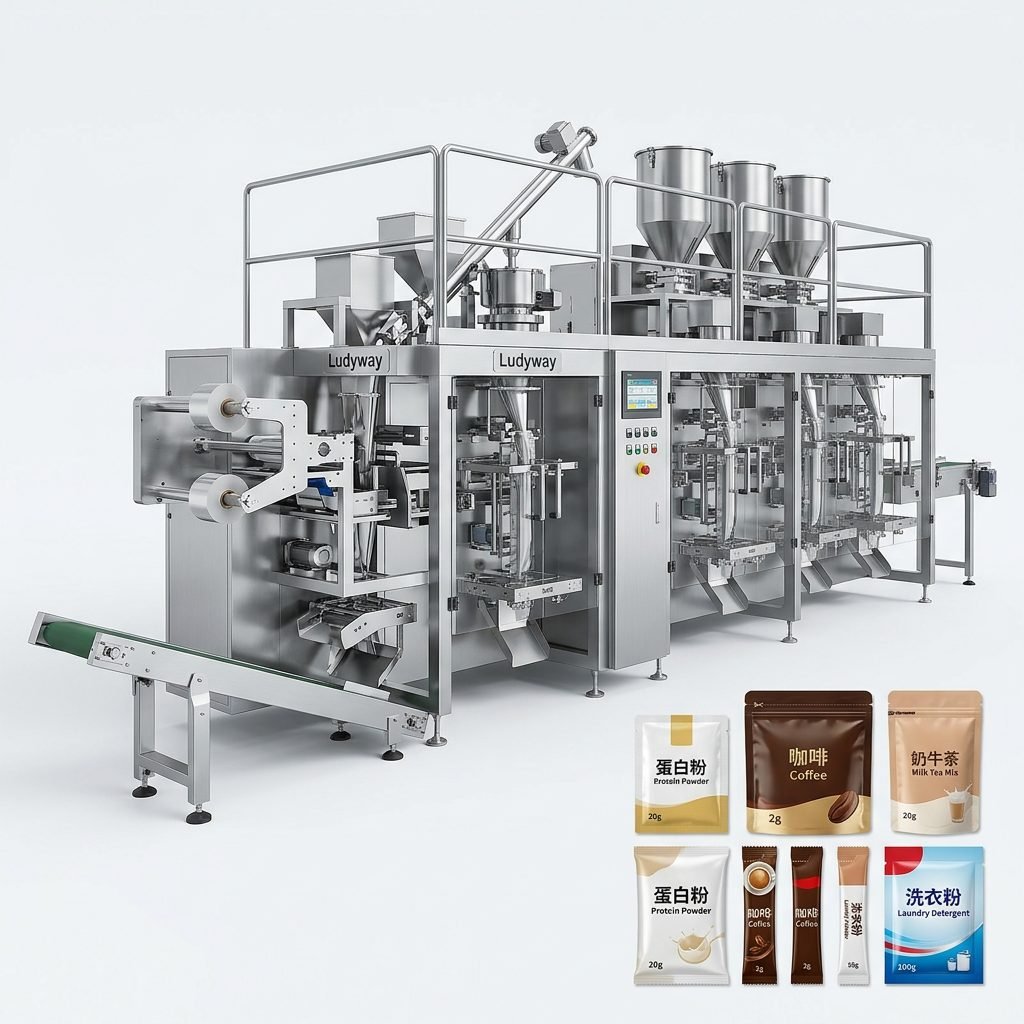
Selecting the right small spice packing machine is a critical decision for manufacturers looking to improve packaging efficiency, maintain product freshness, and scale production. With a wide range of equipment available—from semi-automatic units to fully automated multi-lane systems—understanding key selection criteria helps buyers match machine capability with business requirements. This guide examines essential factors to consider when choosing a spice packaging solution.
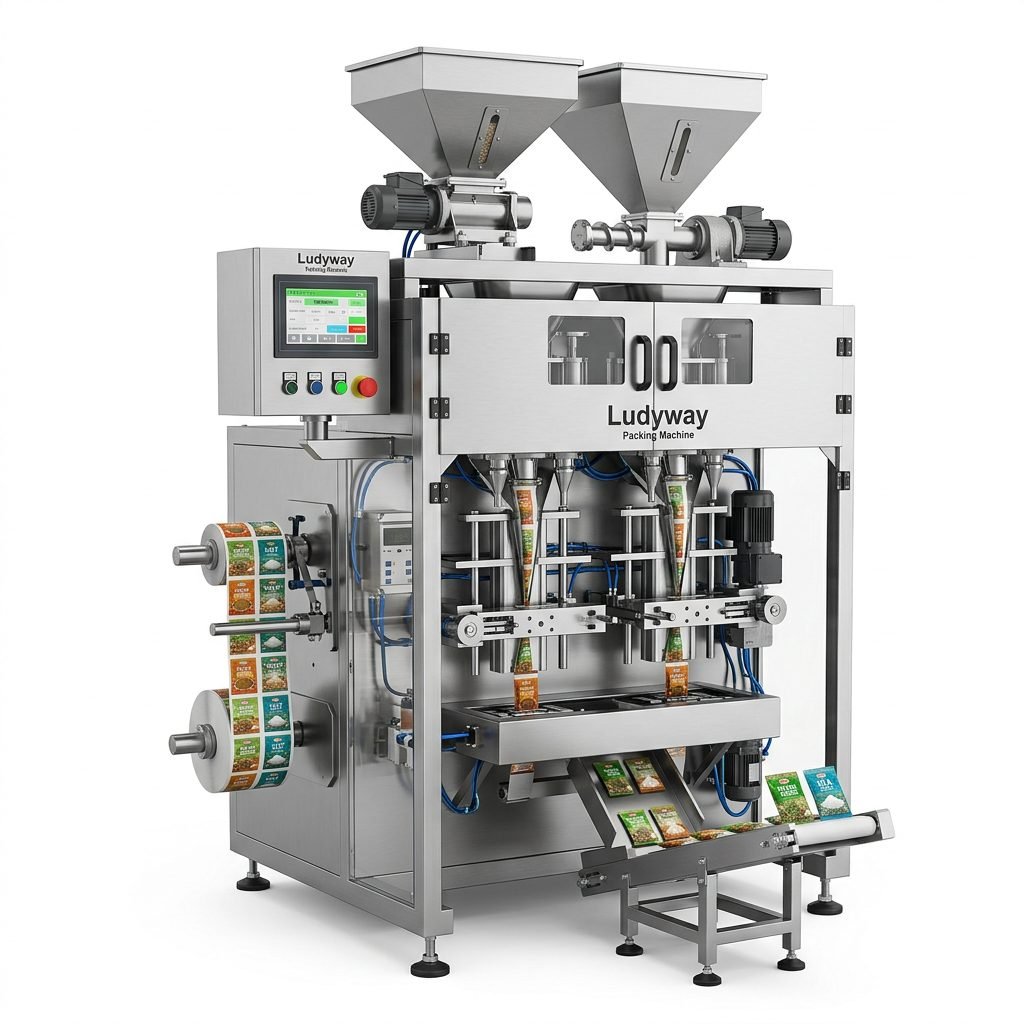
Why Choosing the Right Spice Packaging Machine Matters
Spices present unique packaging challenges. Many spices are hygroscopic (absorbing moisture from the air), sensitive to light and oxygen, and vary widely in particle size and flow characteristics. A poorly selected machine can lead to inconsistent fill weights, damaged packaging, product degradation, and costly downtime. The right equipment ensures product integrity, accurate dosing, reliable sealing, and production consistency across every run.
Key Factors to Evaluate Before Purchasing
1. Product Characteristics and Flow Properties
Understanding your spice’s physical properties is the first step. Different spices behave differently during filling:
- Free-flowing powders (turmeric, chili powder, onion powder) typically work well with volumetric cup fillers or auger fillers.
- Cohesive or sticky powders (garlic powder, ginger powder, some curry blends) may require agitated hoppers, mechanical stirrers, or specialized auger designs to prevent bridging and ensure consistent flow.
- Granular spices (pepper, cumin seeds, coriander seeds, oregano) often suit multi-head weigher systems for high-speed, precision filling.
- Mixed particle sizes (seasoning blends with herbs and salt crystals) can segregate during vibration; gentle handling and appropriate feeder selection are essential.
Always test your specific product on the intended machine before finalizing a purchase. Reputable manufacturers offer product testing to validate performance.

2. Target Packaging Format and Bag Style
Small spice packing machines can produce various packaging formats. Your choice directly affects the machine configuration:
| Packaging Format | Common Applications | Recommended Machine Type |
|---|---|---|
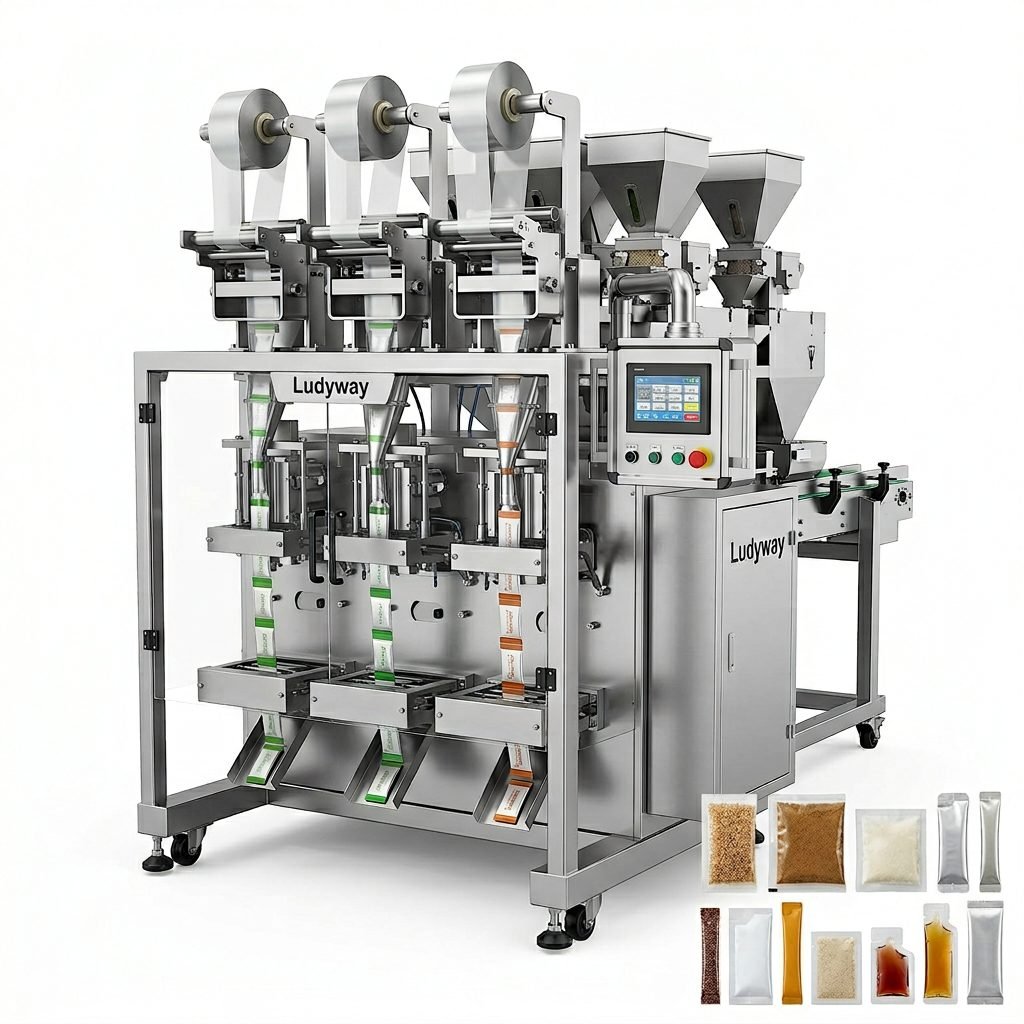
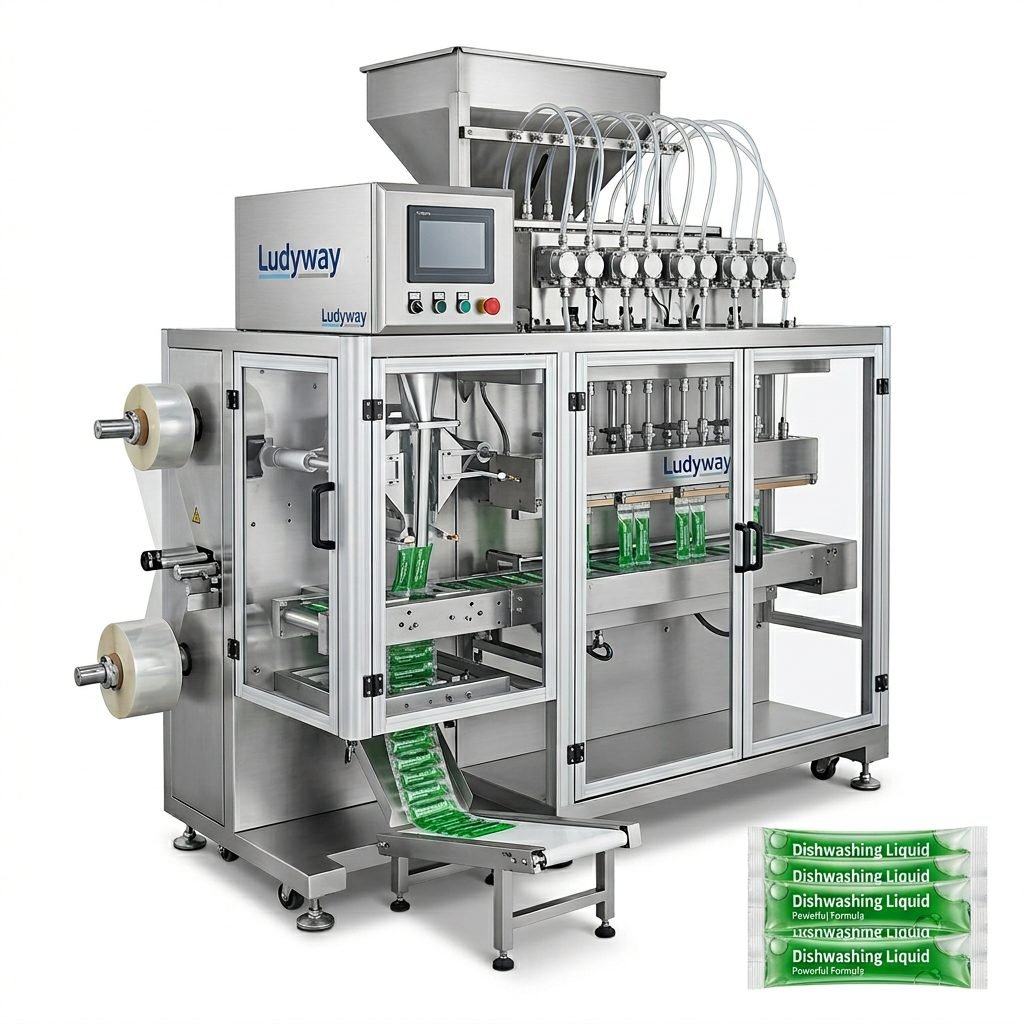
| Stick packs | Single-serve spice portions, travel packs, samples | Multi-lane stick pack machine |
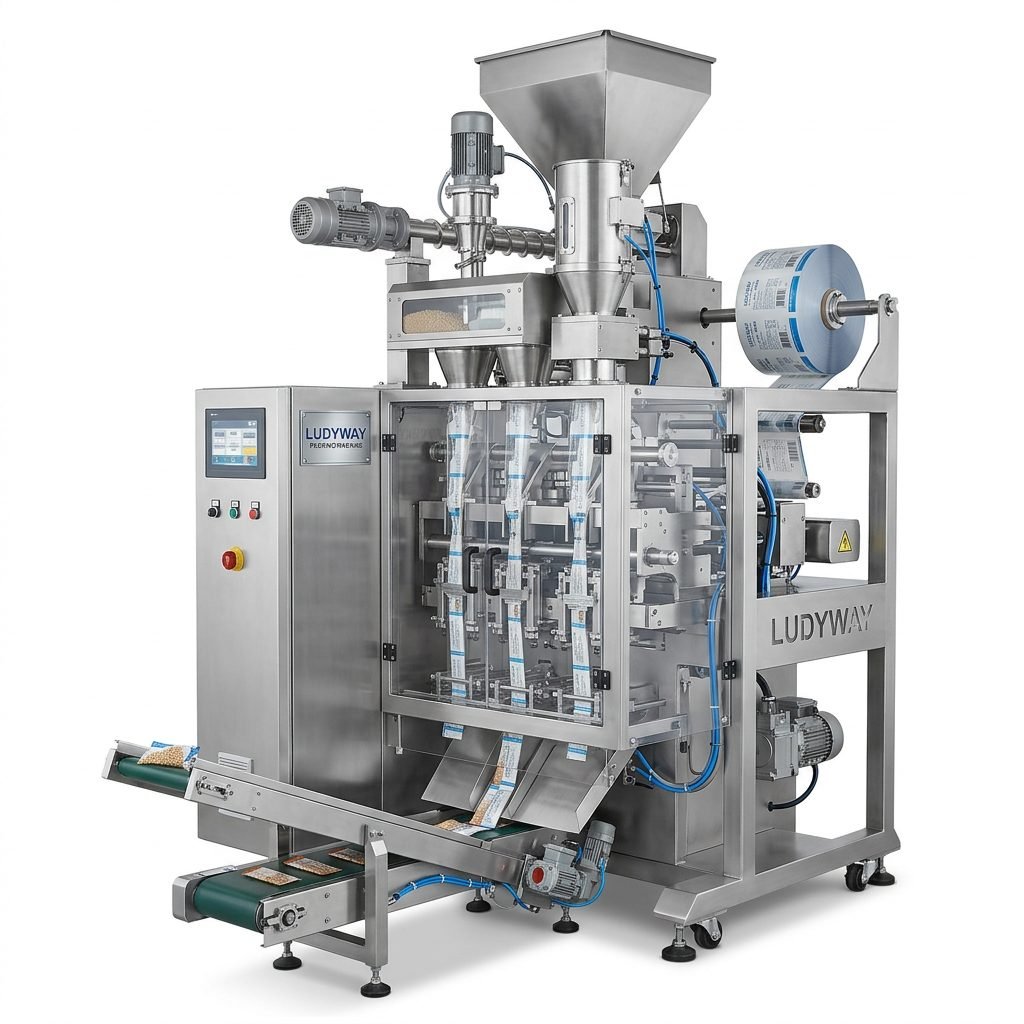
| Sachets / flat pouches | Small retail spice packs, food service portions | Vertical form fill seal (VFFS) sachet machine |
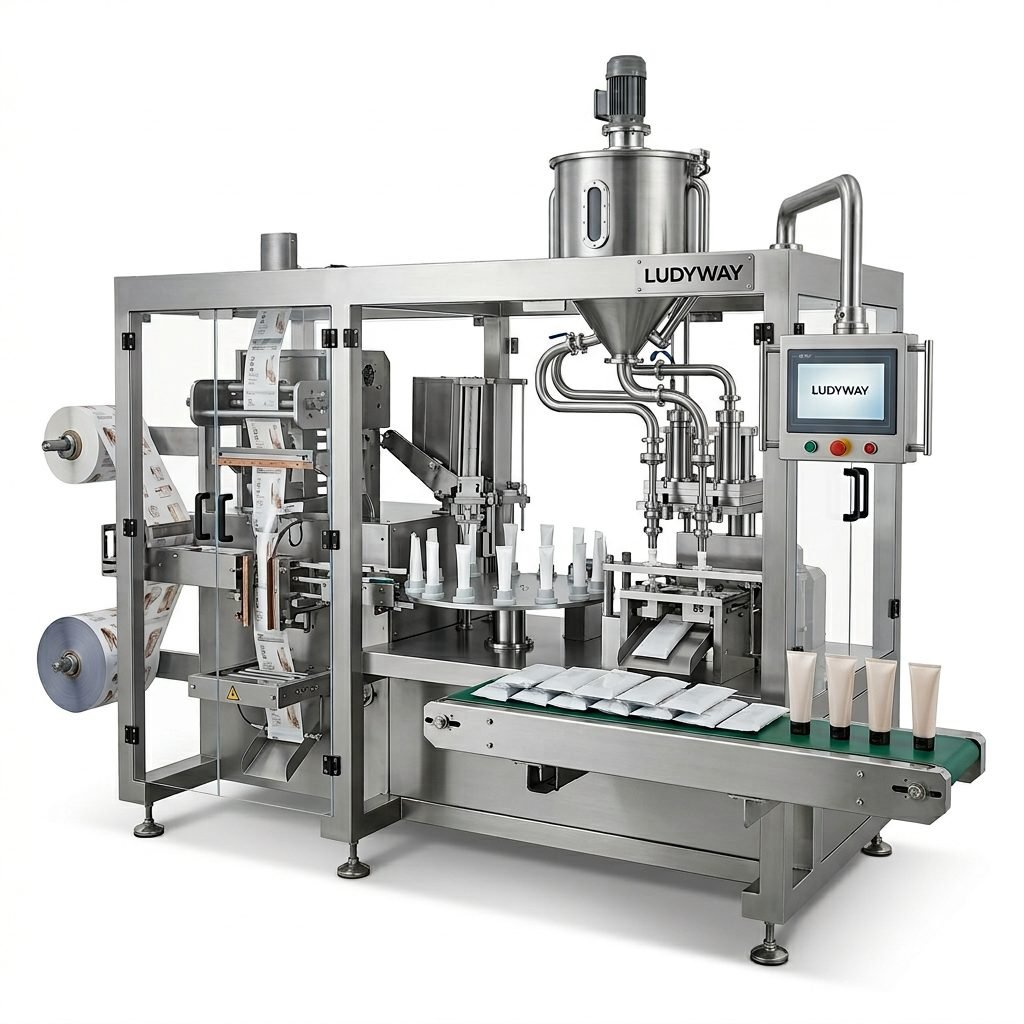
| Stand-up pouches | Premium retail spice packaging | Rotary or premade pouch filler-sealer |
| Pillow bags | Bulk spice packaging for food manufacturers | VFFS machine with heat-seal jaws |
3. Production Speed and Capacity Requirements
Consider both current and projected production volumes. A machine that matches today’s output may become a bottleneck within 12-18 months. Key speed metrics include:
- Packs per minute (ppm) for individual lanes
- Total output for multi-lane configurations
- Changeover time between different spice blends or packaging formats
- Uptime reliability and ease of maintenance
For small to medium operations, a single-lane or 4-6 lane machine may suffice. High-volume producers serving retail chains often require 10-lane or higher multi-lane systems capable of producing hundreds of packs per minute.
4. Filling Accuracy and Dosing Technology
Accurate filling is crucial for both regulatory compliance and cost control. Overfilling by just 1-2% on high-volume spice production can significantly impact annual profitability. Common dosing systems include:
- Auger fillers: Ideal for powders, offering good accuracy with adjustable speed and rotation.
- Volumetric cup fillers: Suitable for free-flowing granules and powders at moderate speeds.
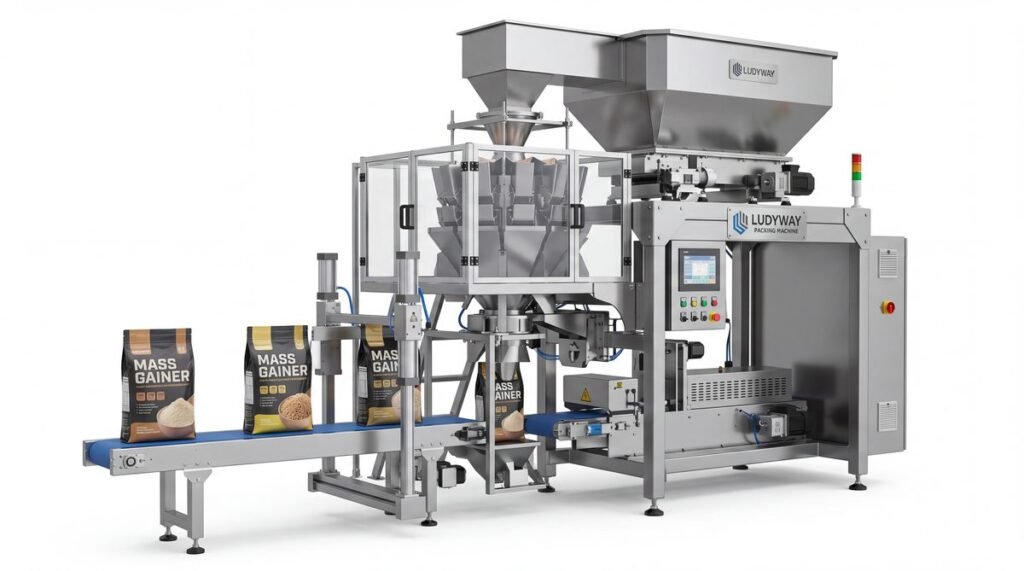
- Multi-head weighers: Provide superior accuracy for granular and non-uniform products, especially at high speeds.
- Linear weighers: A cost-effective alternative for smaller operations needing reliable weight-based filling.
Consult resources from PMMI’s business intelligence library for industry data on packaging machinery performance benchmarks.
5. Packaging Material Compatibility
Spice packaging often requires multi-layer barrier films to protect against moisture, oxygen, and light. Verify the machine’s sealing system is compatible with your chosen materials, including:
- Metallized BOPP or PET laminates
- Aluminum foil laminates
- Biodegradable or compostable films (check heat-seal temperature requirements)
- Paper-based packaging with barrier coatings
Sealing integrity directly affects shelf life. Look for machines with adjustable temperature control, dwell time settings, and consistent jaw pressure. The Flexible Packaging Association offers detailed guidance on film selection for food products.
Comparing Machine Types: Semi-Automatic vs. Fully Automatic
| Feature | Semi-Automatic Machine | Fully Automatic Machine |
|---|---|---|
| Initial investment | Lower upfront cost | Higher capital expenditure |
| Labor requirement | Requires operator for feeding, triggering, or bag handling | Minimal operator intervention; automated feeding and discharge |
| Output speed | 15-40 packs per minute (single lane) | 40-400+ packs per minute (multi-lane capable) |
| Consistency | Dependent on operator skill | High repeatability with electronic controls |
| Scalability | Limited; adding capacity requires more units and operators | Easier to scale; multi-lane systems handle growth |
| Best suited for | Startups, small batches, niche products | Established brands, contract packagers, high-volume export |
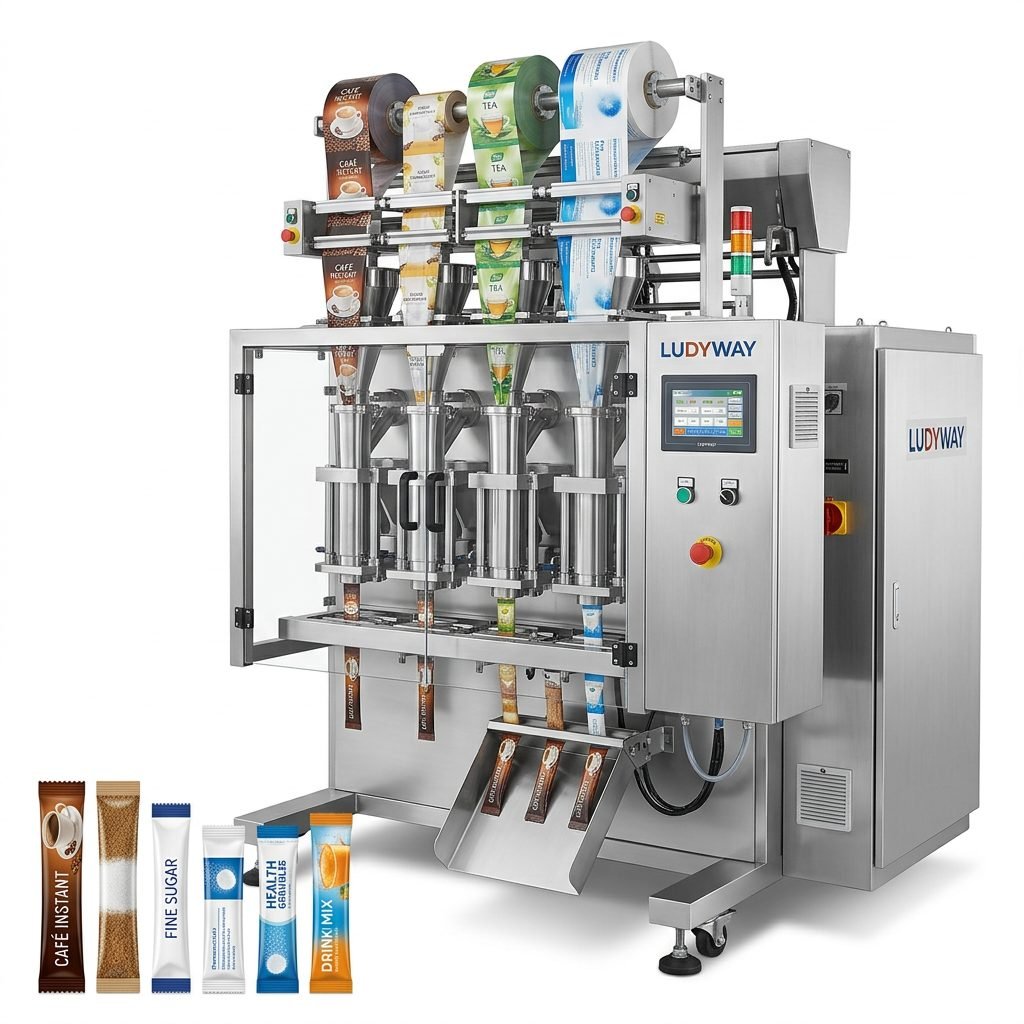
Additional Features That Add Value
Modern small spice packing machines can include integrated features that improve efficiency, quality control, and compliance:
- Nitrogen flushing systems for oxygen-sensitive spices to extend shelf life.
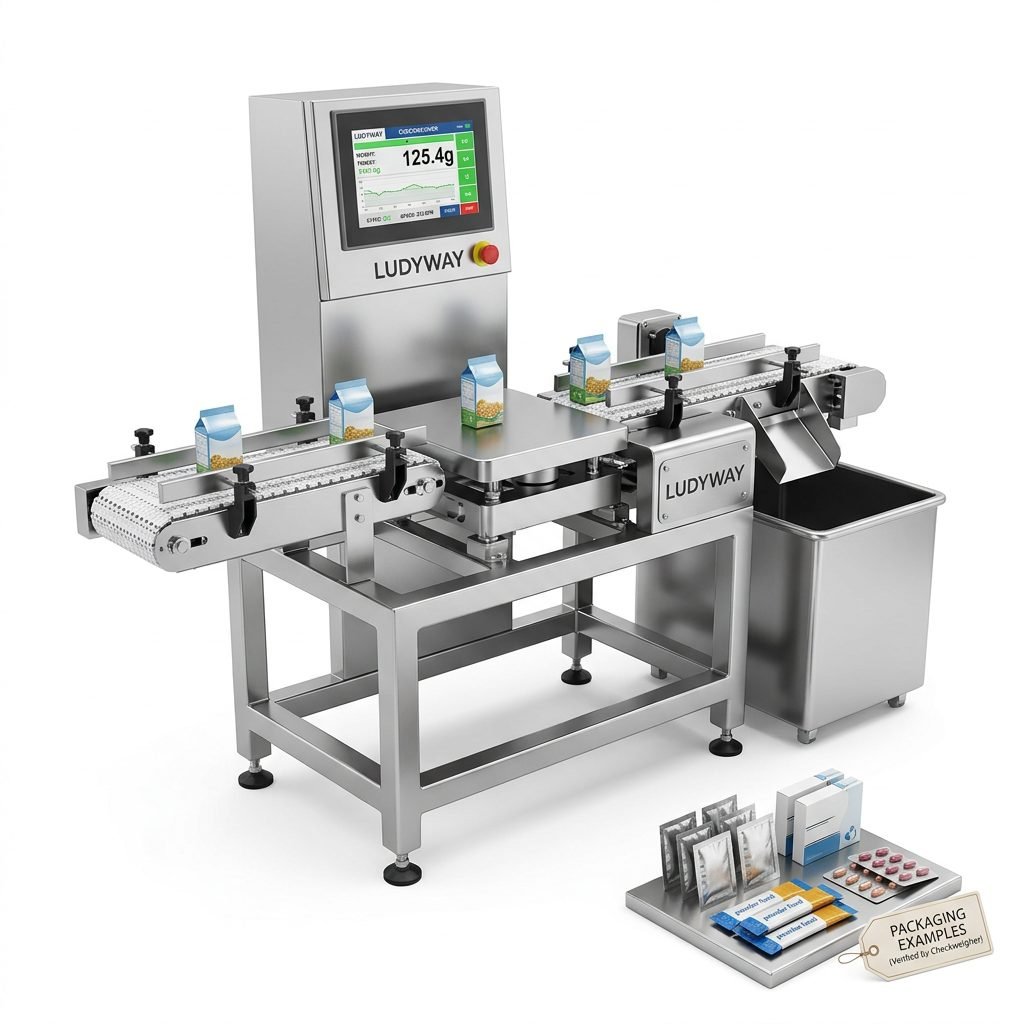
- Inline checkweighers for real-time fill weight verification and automatic rejection of out-of-spec packs.
- Metal detection integrated into the packaging line for food safety compliance.
- Date coding and batch printing (thermal transfer, inkjet, or laser) for traceability.
- Easy-clean designs with tool-free disassembly for quick product changeovers and allergen management.
- Servo-driven controls for precise film registration, sealing temperature, and filling accuracy.
Budget Considerations and ROI Analysis
The cost of a small spice packing machine varies significantly based on automation level, lane count, and integrated features. When evaluating investment, consider these factors beyond the purchase price:
- Labor savings: Automated systems can replace multiple manual packing stations.
- Material waste reduction: Precision filling and sealing reduce product giveaway and film scrap.
- Throughput gains: Higher output per shift with consistent quality.
- Maintenance costs: Factor in spare parts availability and typical service intervals.
- Energy consumption: Compare efficiency ratings for continuous operation.
Industry resources such as the PMMI State of the Industry report provide valuable benchmarks for packaging machinery investment and market trends.
Supplier Selection: What to Look For
Choosing the right equipment supplier is as important as choosing the right machine. Evaluate potential partners on:
- Industry experience and references specifically in spice or powder packaging.
- Product testing capability: Can they run your actual spice blend on their demo equipment?
- Customization engineering: Can the machine be configured to match your specific dosing requirements, packaging format, and factory layout?
- After-sales support: Installation, commissioning, operator training, and spare parts availability in your region.
- Compliance documentation: Certifications, safety standards, and material compliance relevant to your target markets, including FDA food contact requirements and ISO packaging standards.

Integration with Existing Production Lines
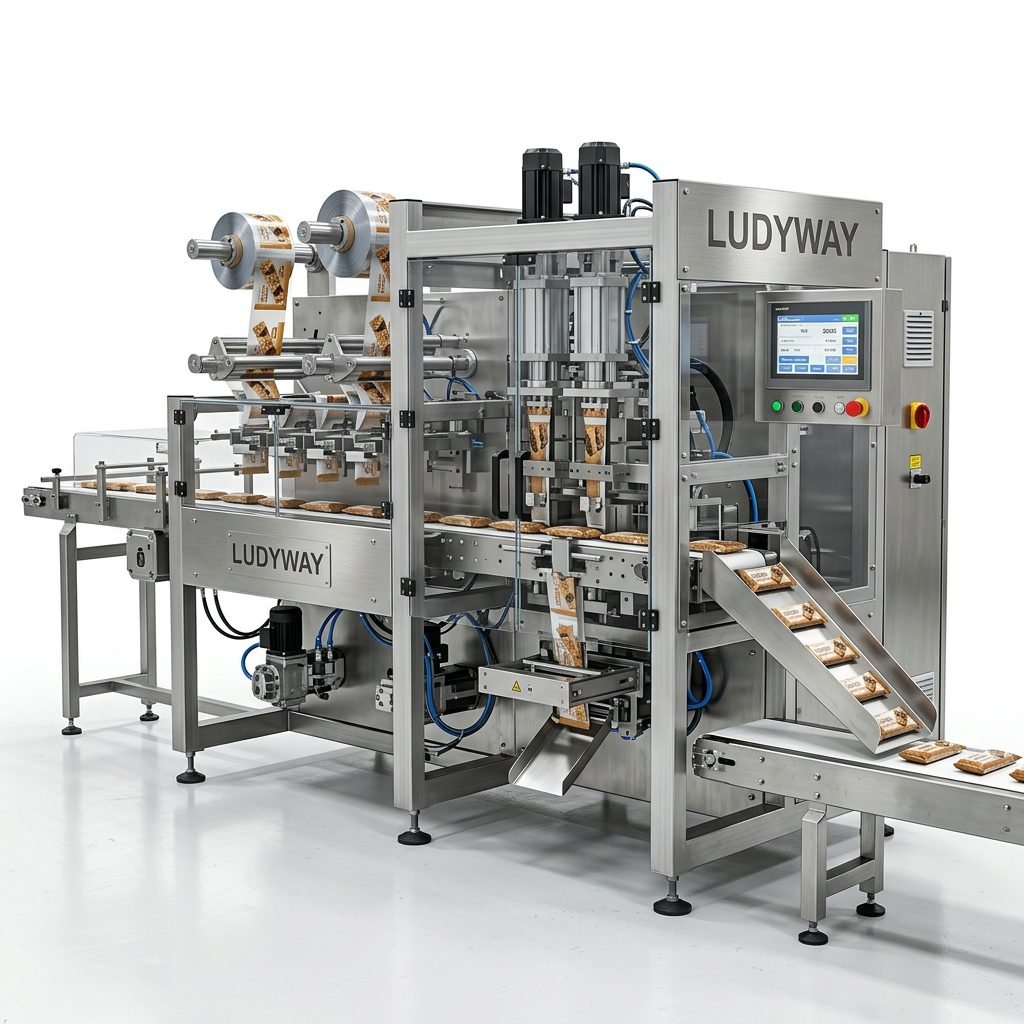
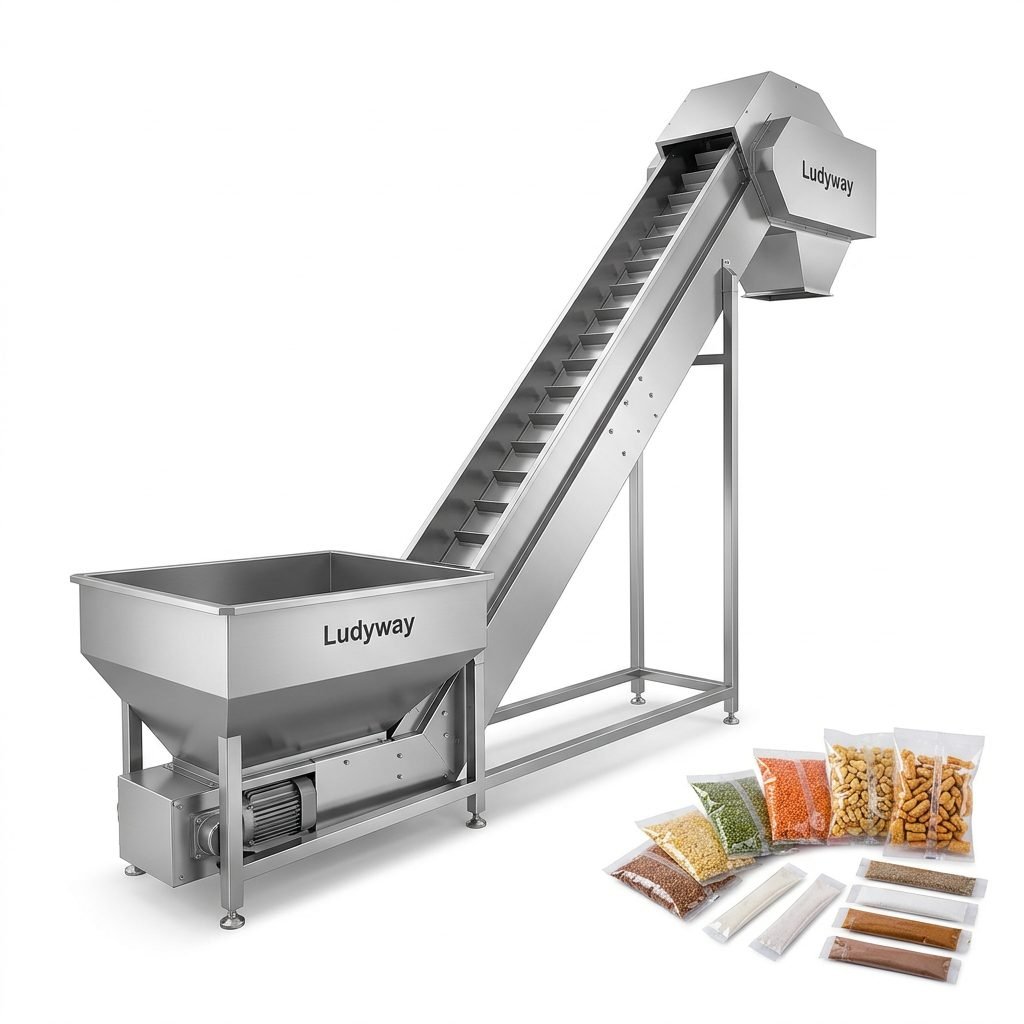
Consider how the new spice packing machine will fit into your overall production flow. A turnkey packaging solution may include upstream feeding systems (bucket elevators, vacuum conveyors) and downstream equipment (checkweighers, metal detectors, cartoning machines, case packers). Verify that controls and communication protocols are compatible with your existing equipment. Many manufacturers, including Ludyway Machinery, provide integrated packaging systems and complete turnkey production line solutions that connect multiple stages of the packaging process, enabling customers to work with a single partner for equipment selection, system integration, and technical support.
Future-Proofing Your Investment
When selecting a small spice packing machine, think beyond immediate needs:
- Can the machine accommodate additional lanes if production grows?
- Is the control system modular and upgradeable for future automation features?
- Does the design allow for quick format changeovers as product lines expand?
- Can the machine handle sustainable packaging materials as regulatory requirements evolve? Refer to European Commission packaging regulations for insights on material trends.
Common Mistakes to Avoid
- Choosing based on price alone: Budget machines may lack critical features, accuracy, or durability for continuous spice packaging.
- Underestimating product testing: Never assume a machine will handle your spice without a proper trial run.
- Ignoring after-sales support: A machine with excellent specifications is still a risk if technical support and spare parts are inaccessible.
- Overlooking operator training needs: Even automated equipment requires skilled operators for setup, monitoring, and maintenance.
- Not planning for packaging material supply: Confirm consistent availability of compatible films before committing to a specific machine design.
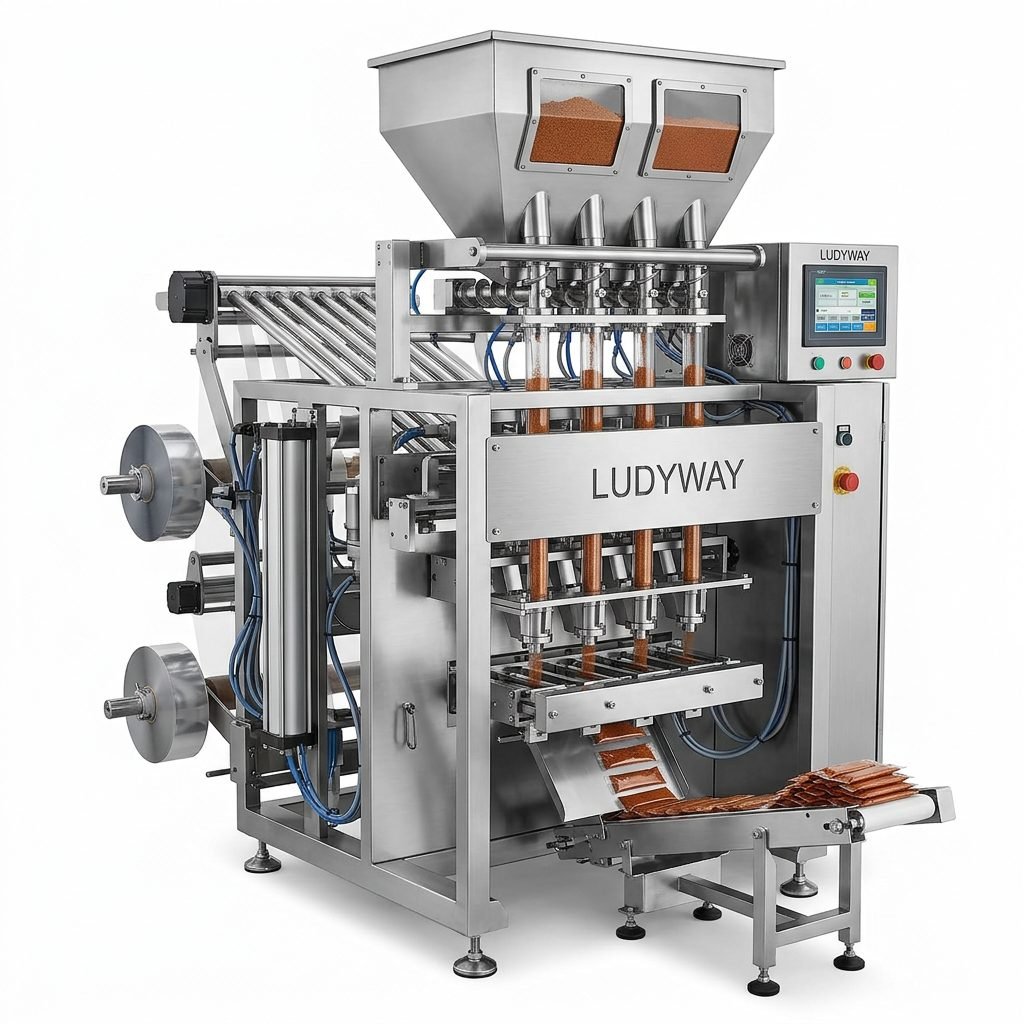
Final Checklist for Buyers
- Define your product characteristics (particle size, flowability, moisture sensitivity).
- Determine target packaging format and bag dimensions.
- Calculate current and projected production volumes.
- Identify required filling accuracy and acceptable tolerance levels.
- Confirm packaging material compatibility and availability.
- Evaluate machine options through product testing and supplier demonstrations.
- Assess supplier track record, technical support, and spare parts availability.
- Plan for integration with existing or future packaging line equipment.
- Review total cost of ownership, including maintenance and operating costs.
- Verify regulatory compliance and certification requirements for your markets.
Selecting the right small spice packing machine is a strategic investment that impacts product quality, operational efficiency, and long-term growth. By carefully evaluating product characteristics, production requirements, machine capabilities, and supplier credentials, buyers can make informed decisions that support their business objectives. For further insights on packaging machinery standards and industry trends, explore resources from PMMI – The Association for Packaging and Processing Technologies and the Flexible Packaging Association.