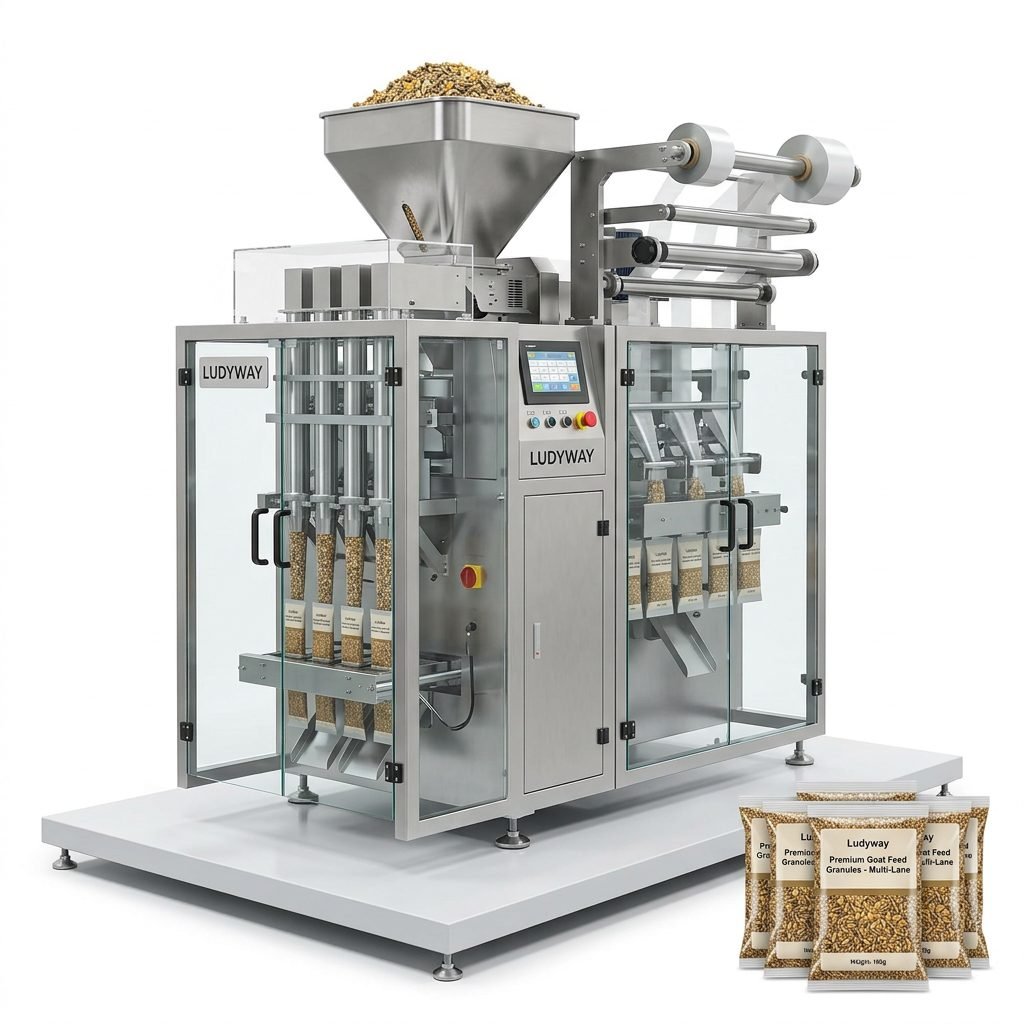
Investing in a polythene packing machine is a significant decision for any manufacturer handling powders, granules, liquids, or solid products. The right equipment can dramatically improve production efficiency, reduce material waste, and ensure consistent package quality. However, with dozens of machine types, configurations, and technical specifications available, making the wrong choice can lead to costly downtime, packaging defects, and operational bottlenecks.
This comprehensive buyer’s guide walks you through the essential factors to consider when selecting a polythene packing machine — from understanding your production requirements to evaluating automation levels and after-sales support. Whether you are upgrading an existing line or building a new packaging operation, these insights will help you make an informed, future-proof investment.
Understanding Your Production Requirements
Before comparing machine specifications, start with a thorough assessment of your production environment and packaging goals. The most technically advanced machine will underperform if it does not align with your specific operational needs.
Product Characteristics
The physical properties of your product directly determine which filling system and machine configuration will work best. Key product attributes to evaluate include:
- Flow characteristics: Free-flowing granules require different dosing mechanisms than cohesive powders or sticky pastes
- Particle size and distribution: Fine powders may require dust-controlled filling systems to prevent product loss and environmental contamination
- Bulk density: Affects filling volume calculations and hopper capacity requirements
- Moisture sensitivity: Hygroscopic products may need sealed filling chambers or nitrogen flushing capabilities
- Temperature sensitivity: Heat-sensitive products require careful sealing temperature control
Production Volume and Speed Requirements
Your target output capacity — measured in bags per minute (BPM) or packs per hour — should be realistic and account for future growth. Consider both current demand and projected scaling needs over the next 3-5 years. A machine operating at maximum rated speed may experience more wear and require more frequent maintenance than one running at 70-80% of its capacity.
Types of Polythene Packing Machines
Polythene packaging machinery comes in several primary configurations, each suited to specific packaging formats and production environments. Understanding these categories will help you narrow down your options effectively.
| Machine Type | Best For | Packaging Formats | Typical Speed Range |
|---|---|---|---|
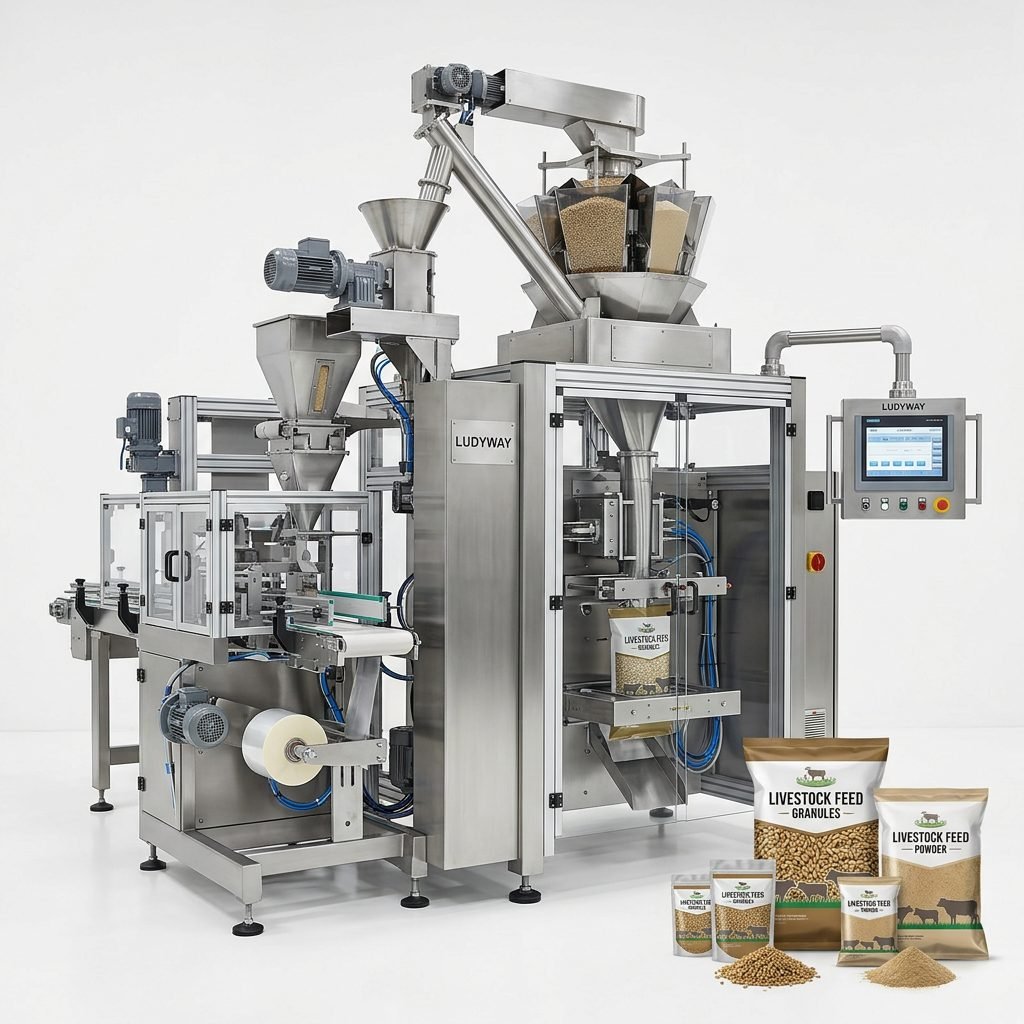
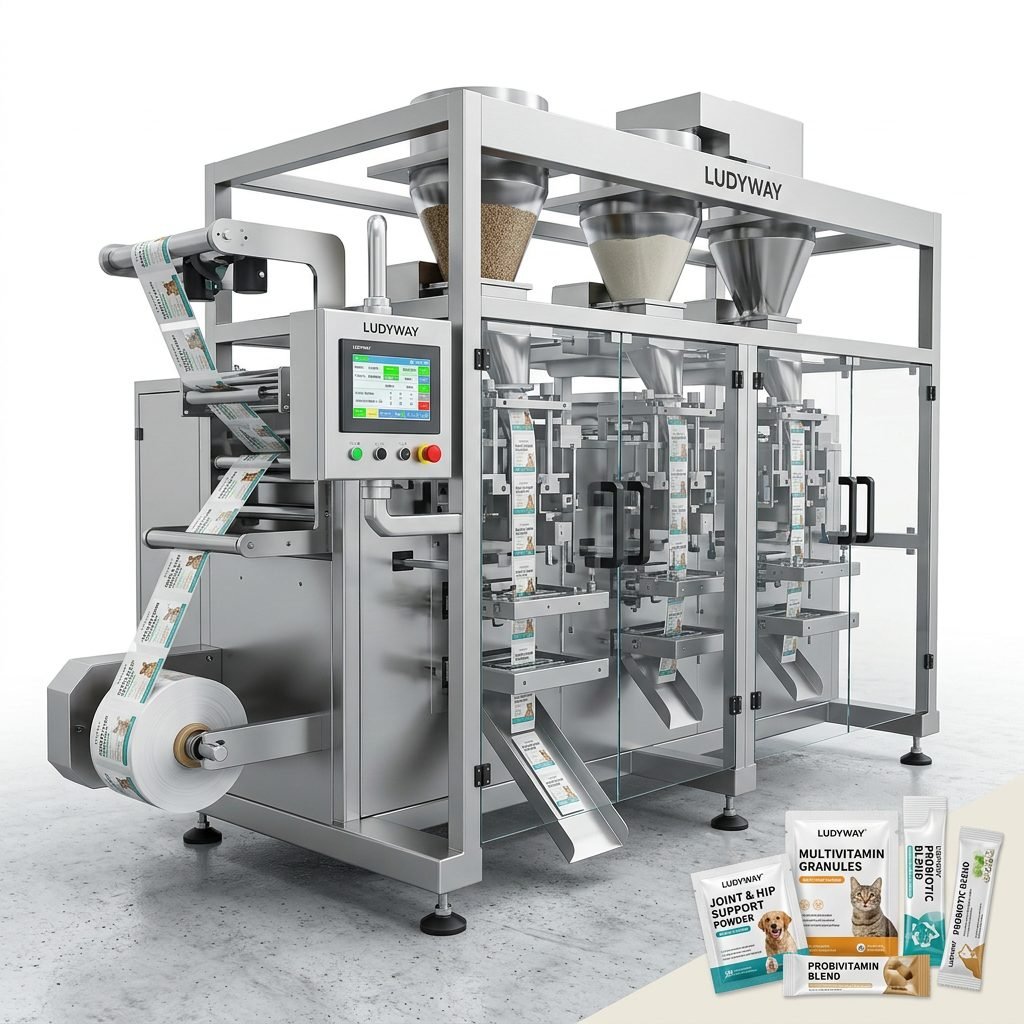
| Vertical Form Fill Seal (VFFS) | Granules, powders, snacks, confectionery | Pillow bags, gusseted bags, block-bottom bags | 30-120 BPM |
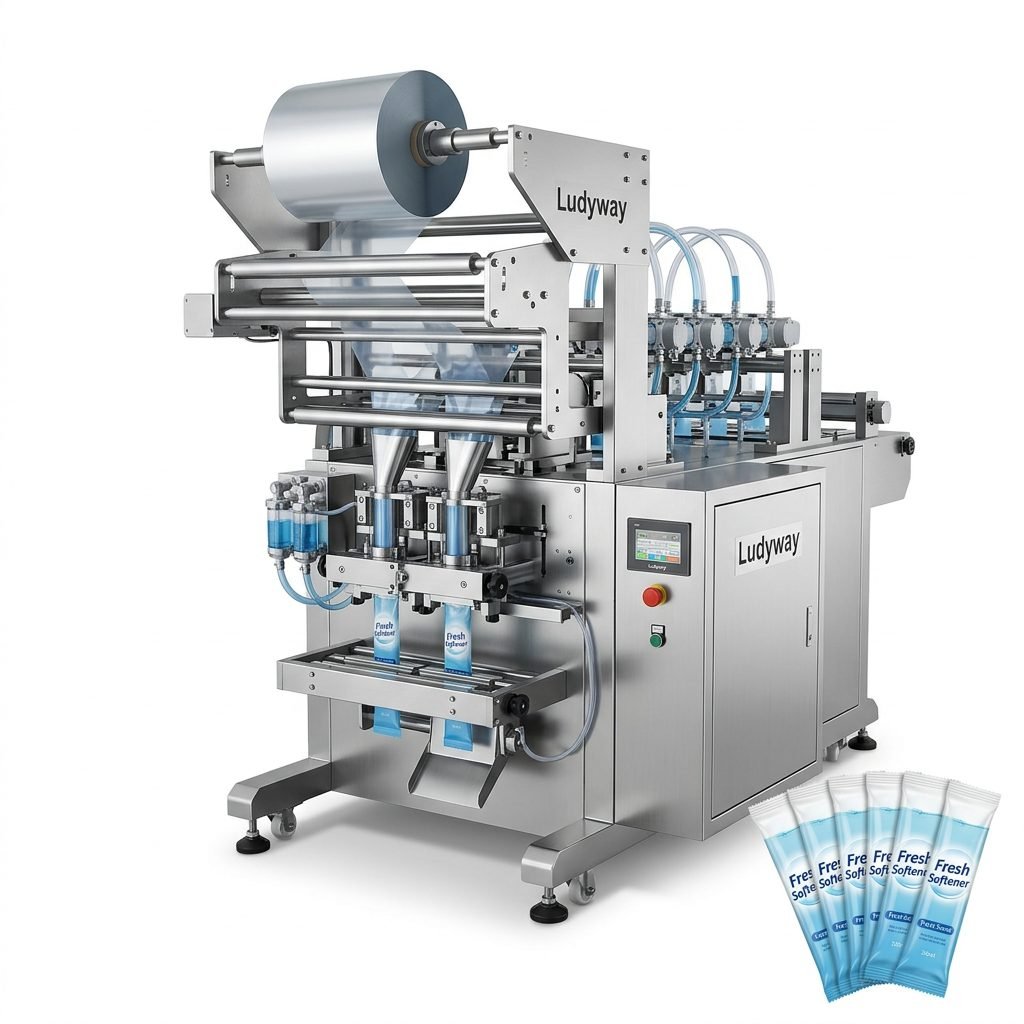
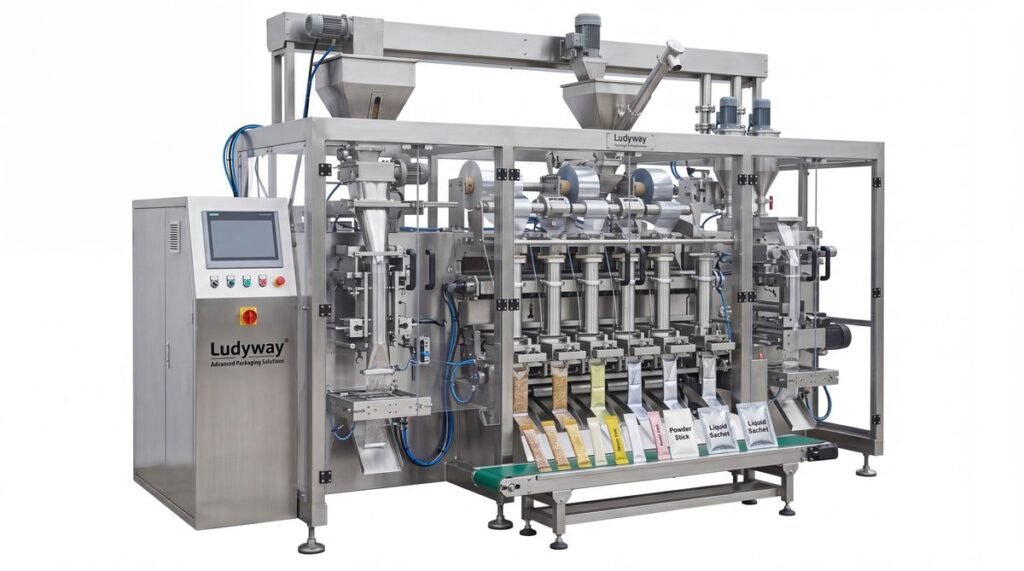
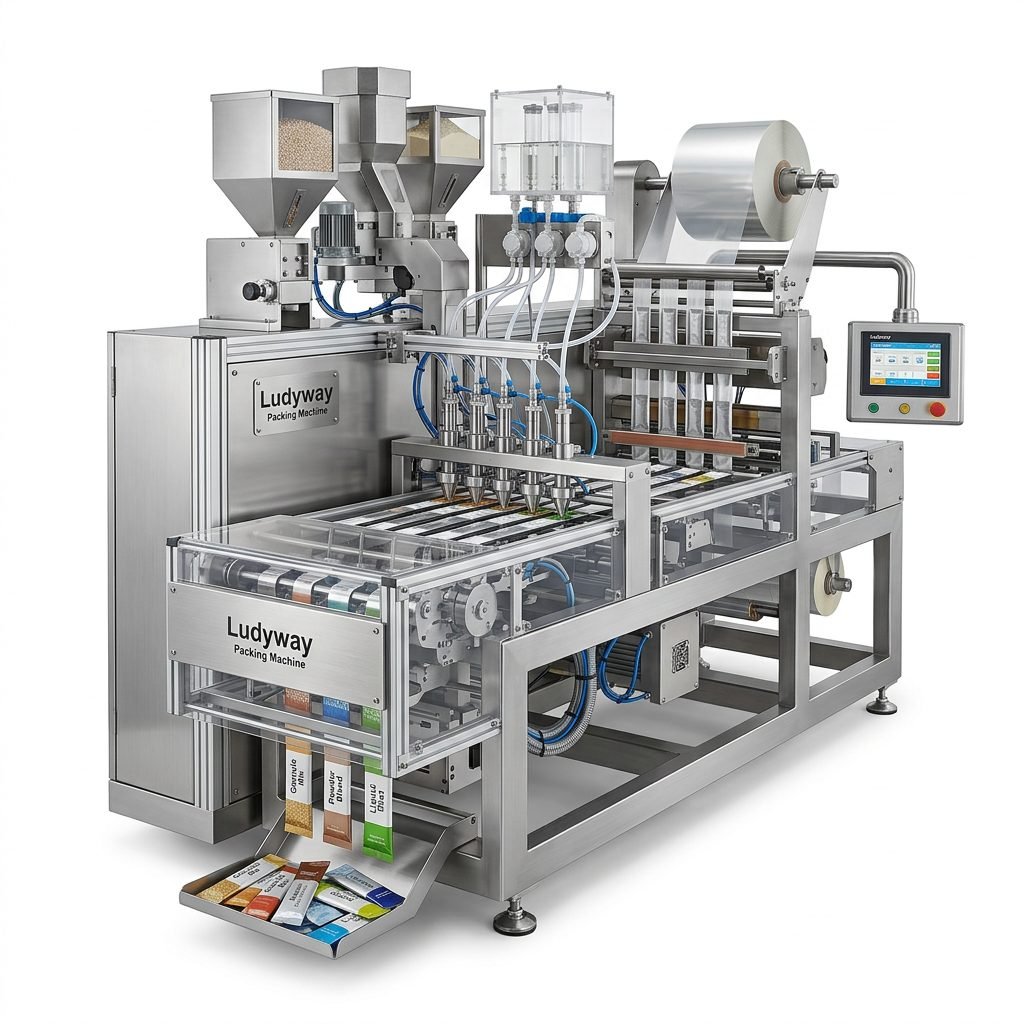
| Multi-Lane Stick Pack Machine | Single-serve powders, supplements, instant beverages | Stick packs, sachets (4-20 lanes) | 200-600+ packs/min |
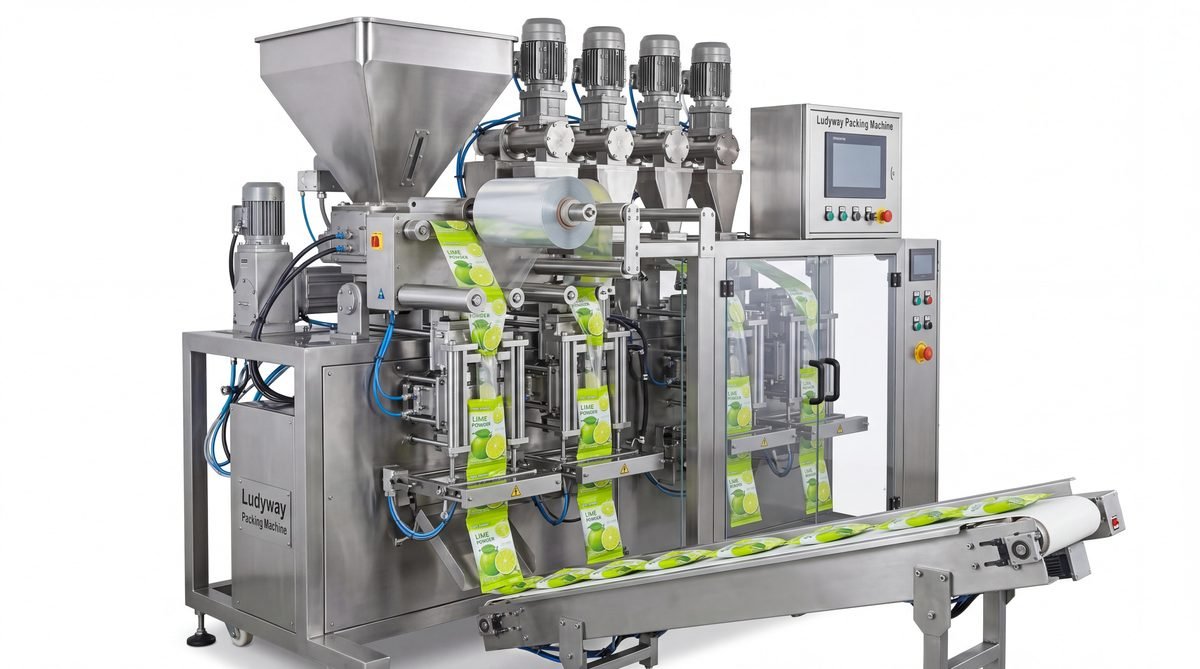
| Premade Pouch Machine | Liquids, pastes, retort products | Stand-up pouches, zipper pouches, spouted pouches | 20-60 BPM |
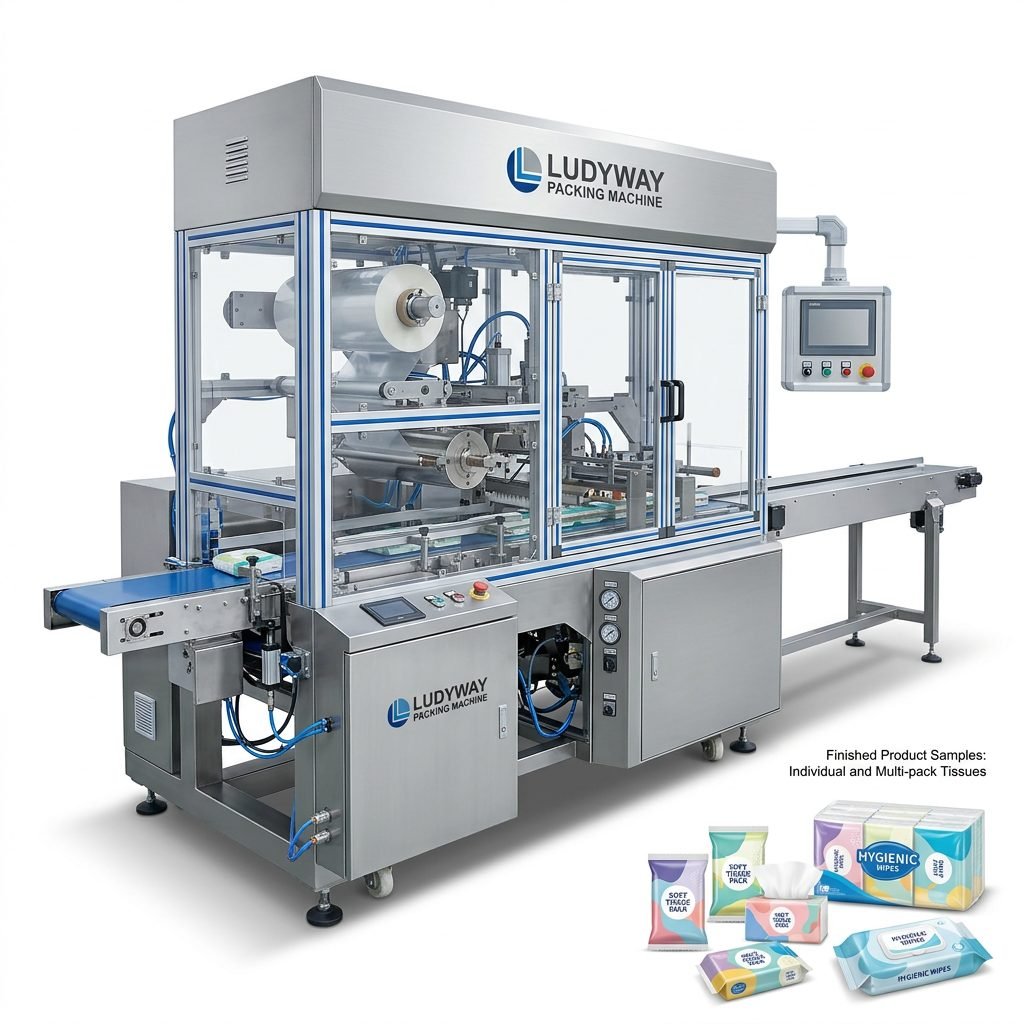
| Horizontal Form Fill Seal (HFFS) | Solid products, baked goods, hardware items | Flow wrap, pillow packs | 40-150 BPM |
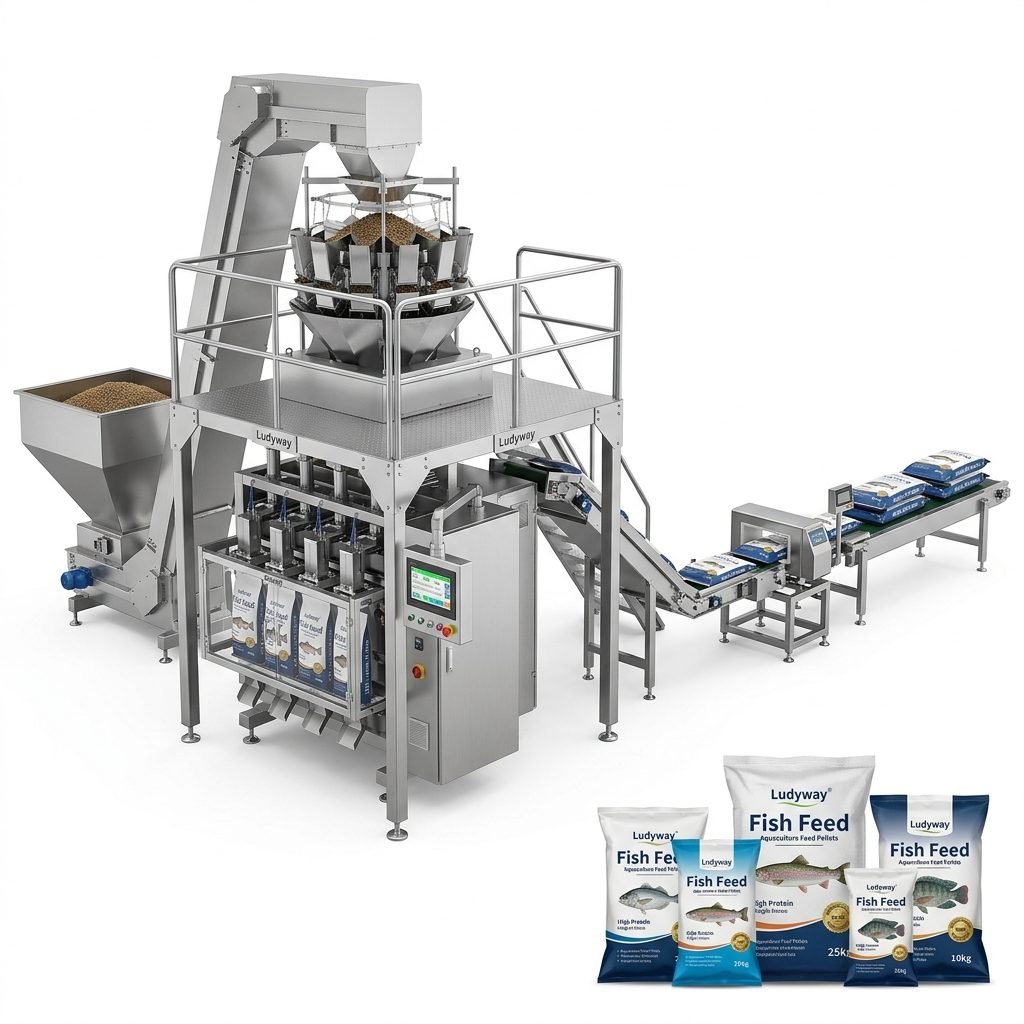
| Bulk Bagging System | Industrial powders, fertilizers, animal feed | 5kg-50kg bags, big bags | 3-15 BPM |
Key Technical Specifications to Evaluate
Once you have identified the appropriate machine type, dive deeper into the technical specifications that determine machine performance, reliability, and suitability for your specific application.
Filling System and Accuracy
The filling mechanism is the heart of any polythene packing machine. Common filling technologies include:
- Auger fillers — Ideal for fine powders and consistent-density products; offers dosing accuracy of ±1% or better
- Volumetric cup fillers — Cost-effective for free-flowing granules with uniform particle size
- Multi-head weighers — Provide the highest accuracy for solid products and irregular shapes; commonly used in snack and confectionery packaging
- Piston fillers — Suited for liquid and viscous products with precise volume control
- Net weight fillers — Weigh each fill independently for maximum accuracy in bulk bagging applications
Sealing Technology
Seal integrity is critical for product protection, shelf life, and consumer safety. Evaluate the sealing system based on your packaging material structure — whether single-layer polyethylene, multi-layer laminates, or barrier films. Temperature-controlled sealing jaws with adjustable pressure and dwell time provide consistent, leak-proof seals across varying production speeds. For applications requiring modified atmosphere packaging (MAP) or vacuum sealing, confirm that the machine supports gas flushing and hermetic seal capabilities.
Automation Level and Integration
Modern polythene packing machines range from semi-automatic units requiring significant operator involvement to fully automatic systems integrated with upstream and downstream equipment. Your choice should reflect your labor availability, production volume, and quality control requirements.
Manual vs. Semi-Automatic vs. Fully Automatic
- Manual machines: Lowest initial investment; suitable for small-batch production, startups, or markets with low labor costs. Operator handles bag placement, filling initiation, and product removal.
- Semi-automatic machines: Automate the filling and sealing processes while requiring manual bag placement or product loading. A practical middle-ground for medium-volume production.
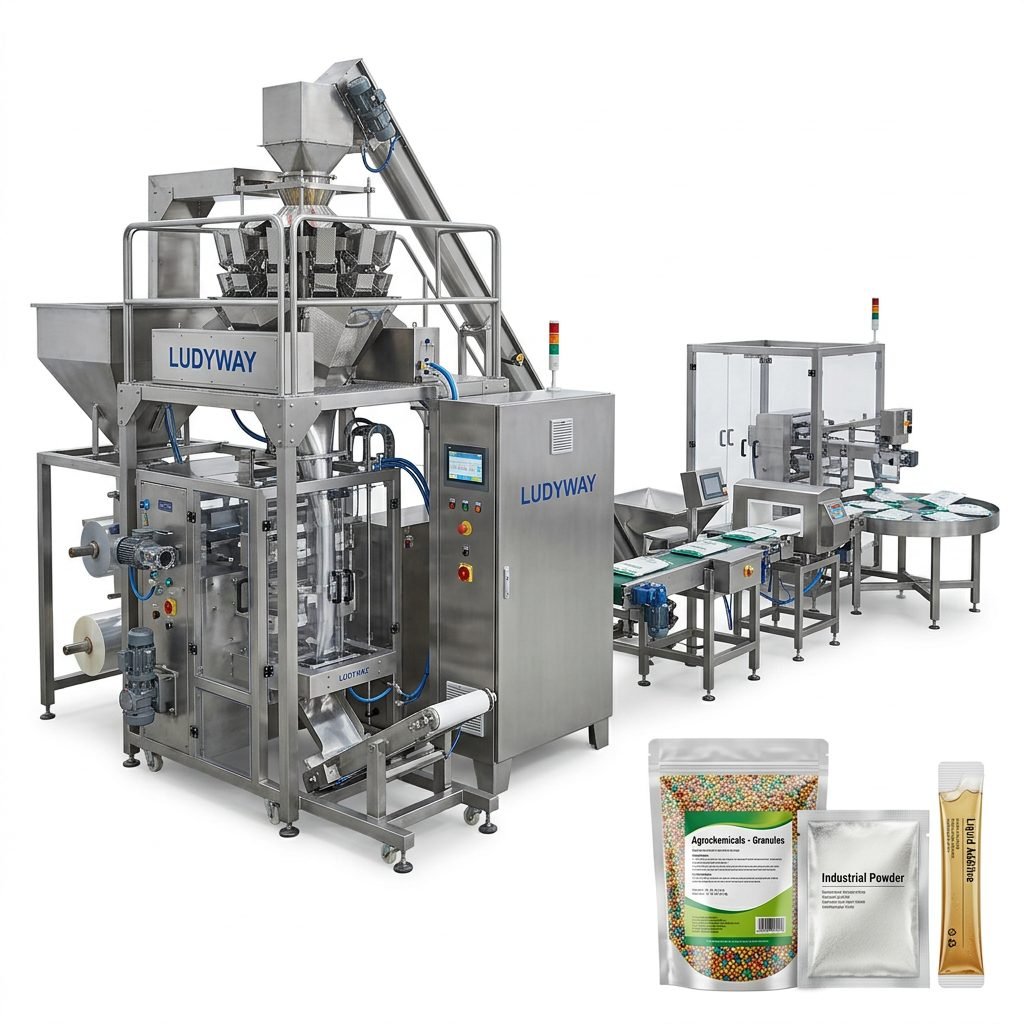
- Fully automatic machines: Handle the complete packaging cycle — from film unwinding and bag forming to filling, sealing, coding, and discharge — with minimal human intervention. Essential for high-speed, high-volume operations where consistency and efficiency are paramount.
Line Integration Capabilities
If you are building or expanding a complete packaging line, consider how the polythene packing machine will interface with upstream equipment (such as feeding systems, conveyors, and checkweighers) and downstream equipment (such as cartoning machines, case packers, and palletizers). Machines with standardized communication protocols and modular design simplify integration and future expansions. For more information on packaging line integration and industry best practices, refer to resources from the PMMI – Association for Packaging and Processing Technologies and the Flexible Packaging Association.
Material Compatibility and Machine Construction
The construction quality of a polythene packing machine directly impacts its longevity, hygiene compliance, and suitability for specific industries. Key construction considerations include:
- Frame and contact parts material: 304 or 316 stainless steel is essential for food, pharmaceutical, and cosmetic applications requiring corrosion resistance and cleanability
- Film compatibility: Verify that the machine handles your specific polythene film type, thickness range, and structure — including mono-layer PE, multi-layer laminates, and recyclable film structures
- Washdown capability: For dairy, meat, and ready-to-eat food applications, IP65 or higher-rated machines with sloped surfaces and minimal crevices support effective sanitation
- Dust and vapor management: Powder packaging applications benefit from integrated dust extraction and sealed electrical enclosures
After-Sales Support, Spare Parts, and Service
A polythene packing machine is a long-term investment, and the quality of after-sales support can make a substantial difference in total cost of ownership and operational uptime. Before committing to a purchase, evaluate the following:
- Spare parts availability: Confirm that critical spare parts are stocked regionally and can be dispatched quickly to minimize downtime
- Technical support responsiveness: Ask about remote diagnostic capabilities, response time commitments, and availability of on-site service engineers
- Operator training: Comprehensive training programs ensure your team can operate, clean, and perform basic maintenance on the equipment correctly from day one
- Warranty terms: Review coverage duration, included components, and any conditions that may affect warranty validity
- Documentation and compliance: Machines should be supplied with complete technical documentation, including electrical schematics, maintenance schedules, and applicable certifications such as CE marking for ISO packaging standards compliance
Budget Considerations: Total Cost of Ownership
Purchase price alone is an incomplete metric for evaluating polythene packing machines. A comprehensive total cost of ownership (TCO) analysis should account for:
- Initial capital expenditure (machine cost, shipping, installation, commissioning)
- Operating costs: Energy consumption, compressed air requirements, consumable parts (sealing bands, cutting blades, filters)
- Maintenance costs: Preventive maintenance labor, replacement parts, and potential production losses during downtime
- Film waste rates: Machines with precise film registration and tension control minimize material waste — a significant ongoing saving
- Labor requirements: Fully automatic machines reduce direct labor costs but may require higher-skilled operators or technicians
A machine with a higher upfront cost but lower operating and maintenance expenses often delivers better long-term value than a budget alternative with hidden ongoing costs.
Regulatory Compliance and Industry Standards
Depending on your industry and target markets, your polythene packing machine may need to meet specific regulatory requirements. Food manufacturers must comply with FDA food packaging regulations, while pharmaceutical operations face GMP and validation requirements. Medical device packaging must adhere to standards such as ISO 11607 for terminally sterilized devices. The PMMI State of the Industry reports offer valuable insights into evolving packaging machinery standards and market trends. Discuss your compliance needs with potential suppliers early in the selection process to ensure the proposed equipment meets all applicable requirements.
Making the Final Decision: Partner Selection Matters
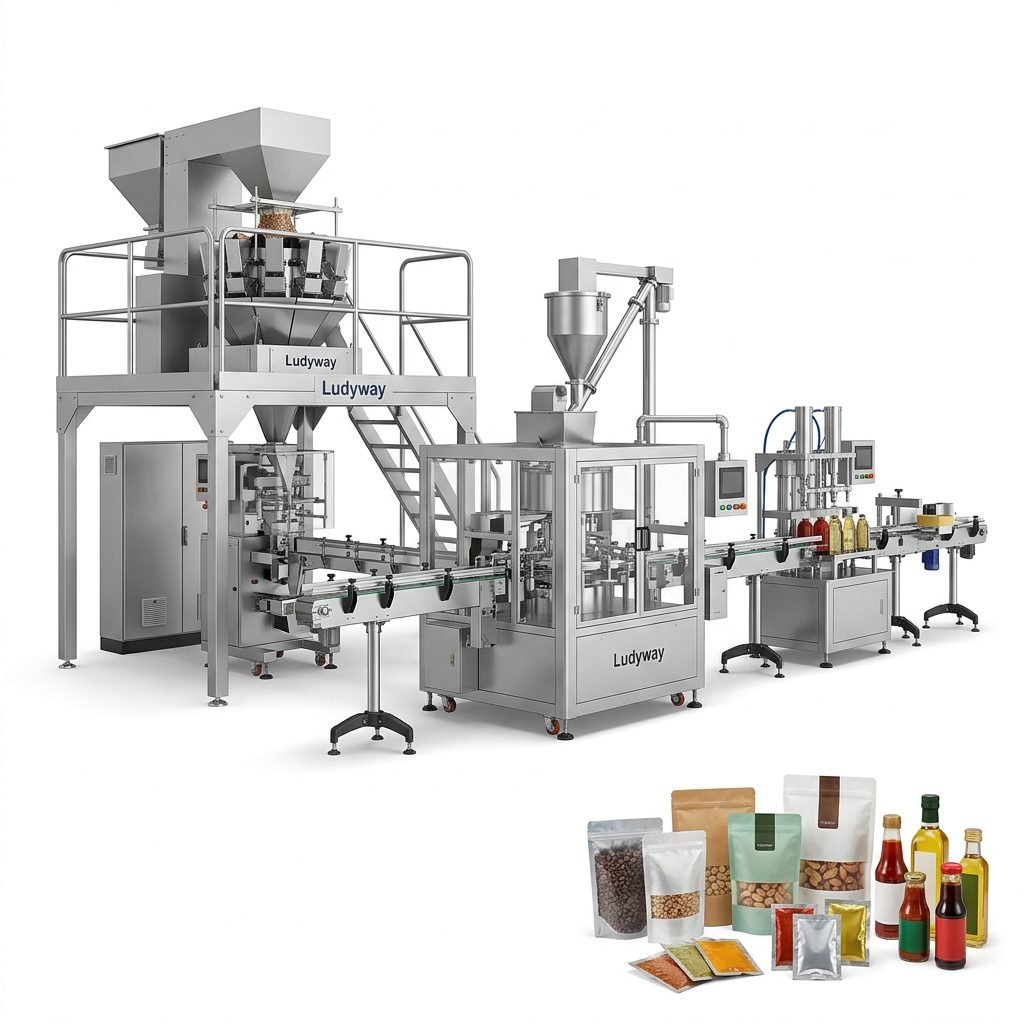
Choosing the right polythene packing machine ultimately comes down to more than specifications and price — it is about selecting the right manufacturing partner. A supplier with deep industry experience, engineering capabilities, and a commitment to long-term support can help you navigate technical challenges and scale your packaging operations effectively. Companies like Ludyway Machinery, a China-based packaging machinery manufacturer with over 30 years of experience and a 20,000-square-meter manufacturing facility, illustrate the value of working with an established partner that offers comprehensive solutions — from individual machines to complete turnkey packaging lines — backed by global technical support and customized engineering services.
Take the time to visit supplier facilities when possible, run product trials on actual equipment, and speak with existing customers about their experiences. A well-chosen polythene packing machine will serve as a reliable production asset for many years, while a poorly matched one can become a persistent source of frustration and unplanned expense. By systematically evaluating your requirements against the factors outlined in this guide, you position yourself to make a confident, well-informed investment decision.