Investing in a peanut packing machine is a strategic decision that directly impacts your production efficiency, product quality, and bottom line. Whether you are packaging raw peanuts, roasted varieties, coated snacks, or peanut-based powders, selecting the right equipment requires careful evaluation of your product characteristics, production goals, packaging formats, and operational environment. This guide walks you through every critical factor to help you make an informed purchase decision.
Peanut packaging presents unique challenges. The irregular shape and size of peanuts, potential for breakage during handling, oil content affecting seal integrity, and varying packaging formats—from small sachets to bulk bags—all demand specialized machinery. Understanding these variables before contacting suppliers will save you time and ensure you invest in a system that aligns with your long-term business objectives.
Understanding Your Peanut Packaging Requirements
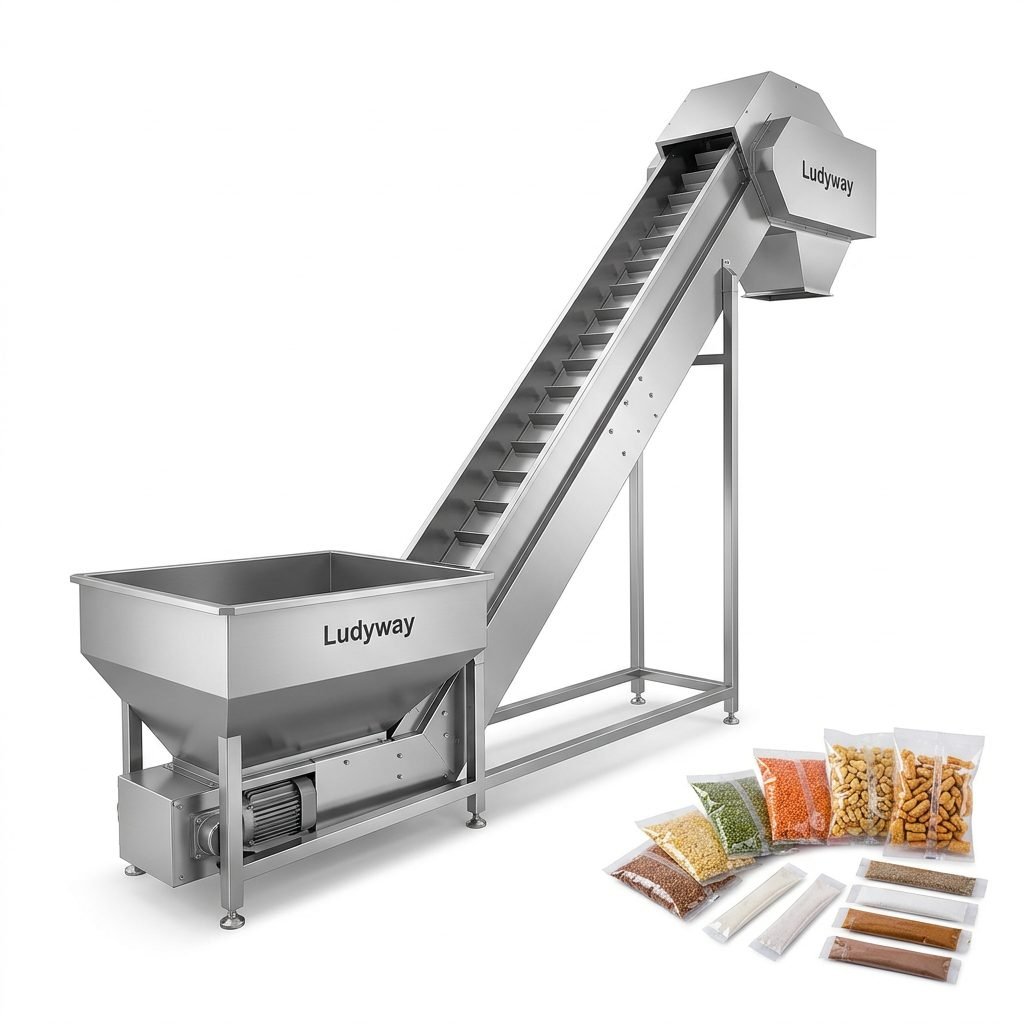
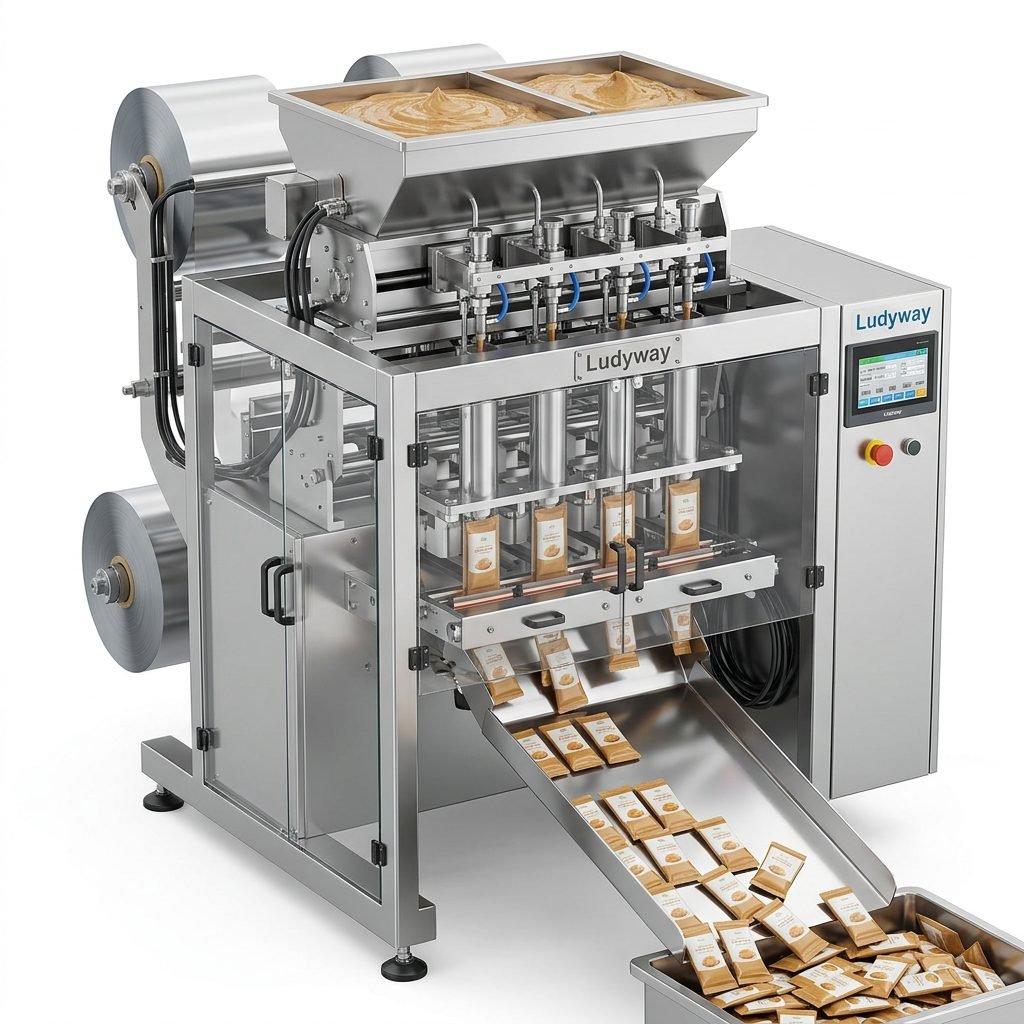
Before comparing machine specifications, define your packaging needs clearly. Different peanut products require different handling approaches. Whole peanuts need gentle conveying and filling systems to minimize breakage. Peanut granules or crushed peanuts may require auger fillers or multi-head weighers for precise portion control. Peanut butter and paste products demand liquid filling technology with heated hoppers and positive displacement pumps.
Key questions to answer at this stage include:
- What is your target packaging format—stick packs, sachets, premade pouches, or bulk bags?
- What is your desired output speed in packs per minute?
- What packaging material will you use—laminated films, aluminum foil, or biodegradable options?
- Do you need additional functions such as gas flushing for extended shelf life?
- What are your facility’s space constraints and utility requirements?
Main Types of Peanut Packing Machines
The market offers several machine configurations, each suited to different production scales and packaging styles. Understanding their differences will help you narrow your options quickly.
Vertical Form Fill Seal (VFFS) Machines
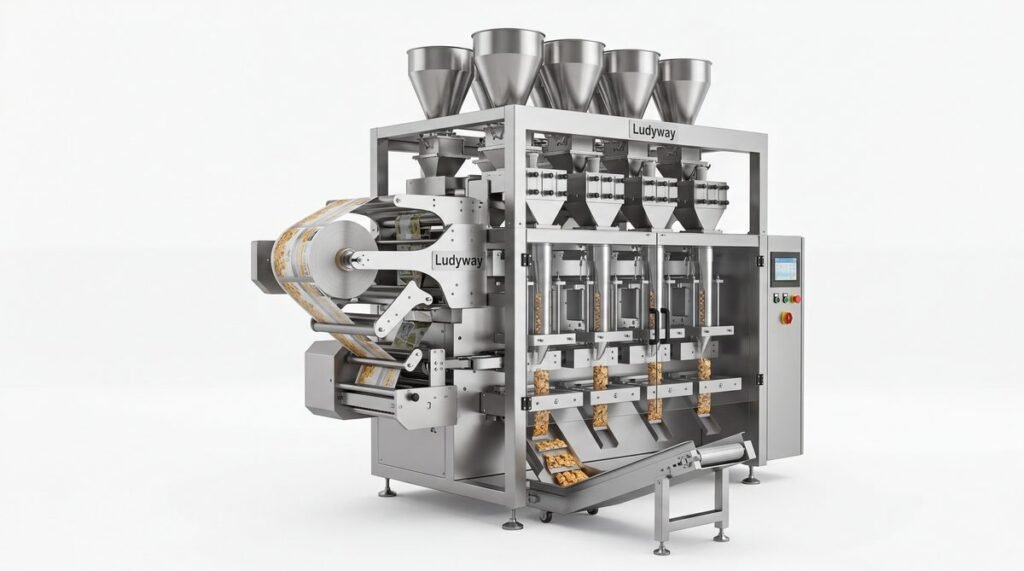
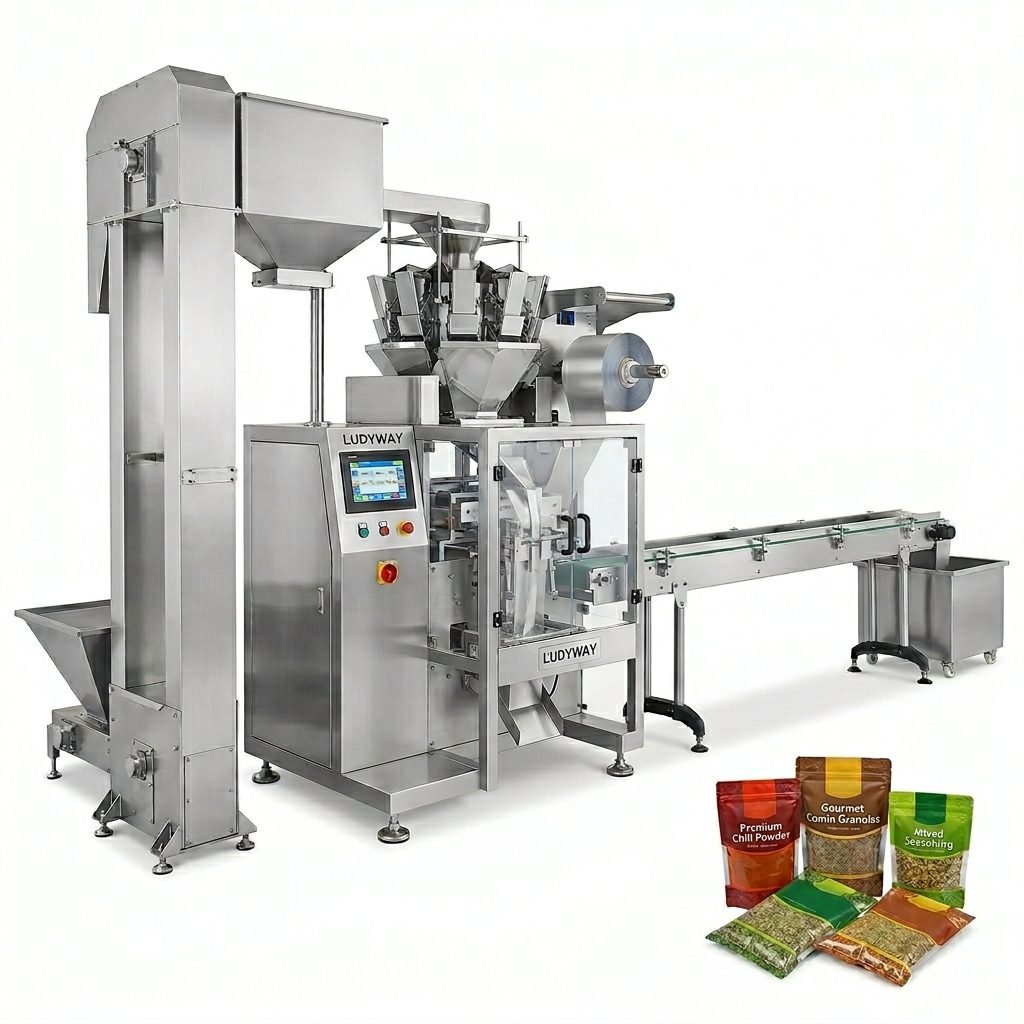
VFFS machines are among the most common choices for granule and snack packaging. They form a bag from a flat roll of film, fill it with product, and seal it—all in a vertical, continuous motion. For peanut packaging, VFFS systems excel at producing pillow bags, gusseted bags, and quad-seal bags. They are ideal for medium to high-speed operations and can handle a wide range of bag sizes. When selecting a VFFS machine, pay attention to the jaw design and sealing temperature control, as peanut oils can compromise seal integrity if not properly managed.
Multi-Lane Stick Pack Machines
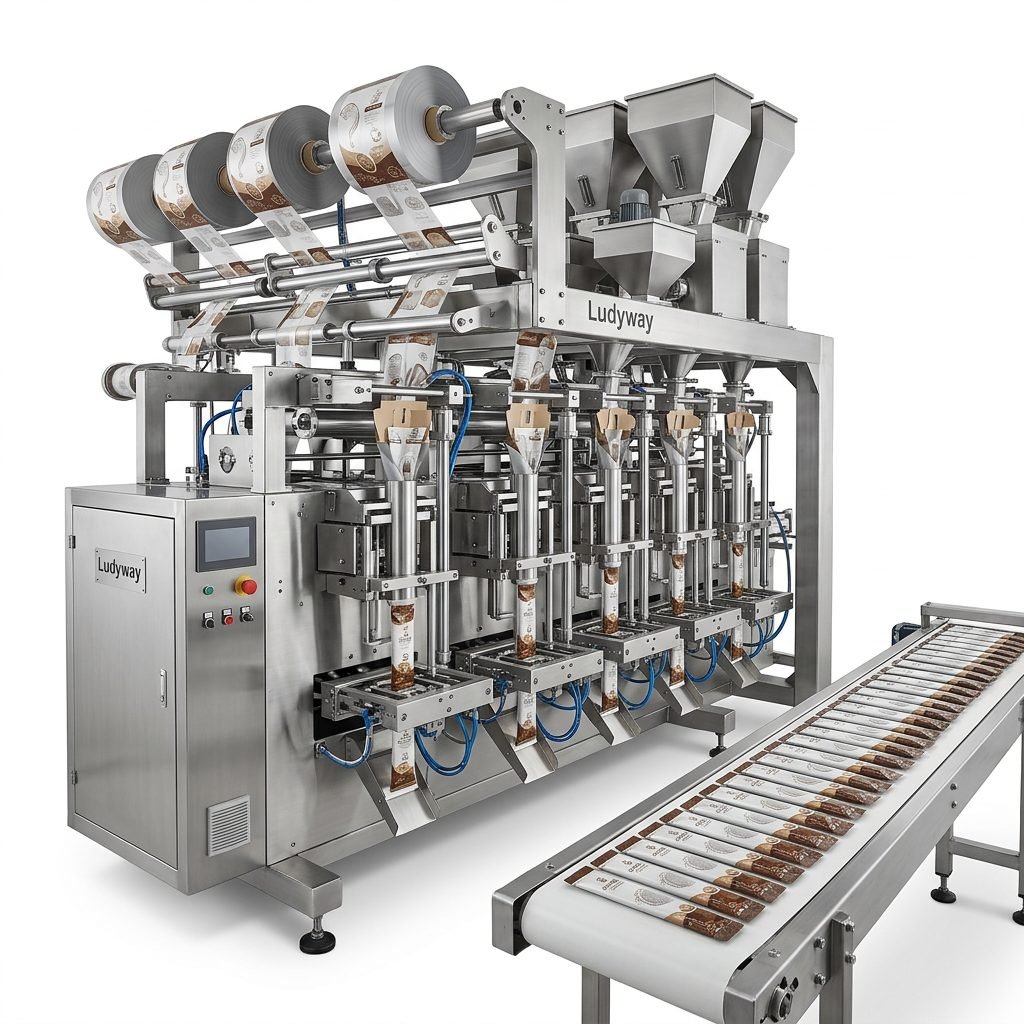
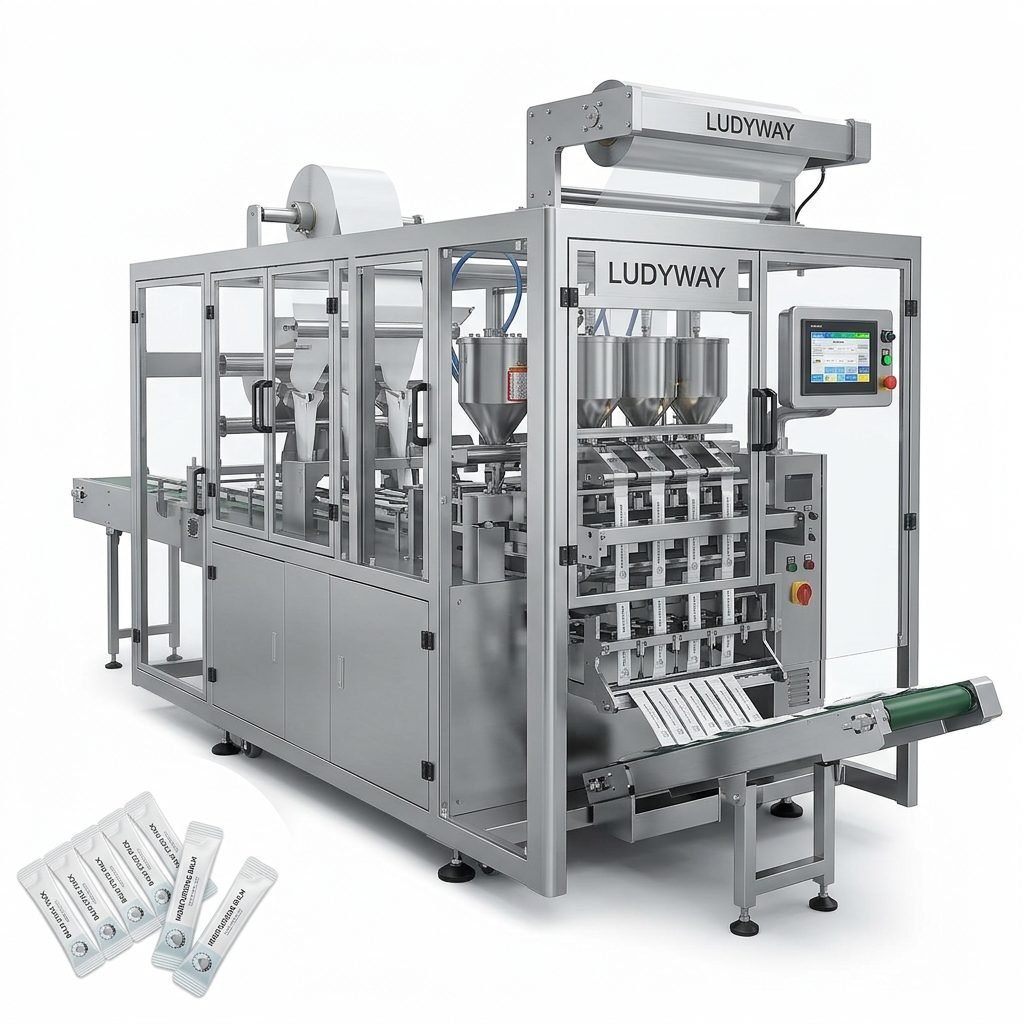
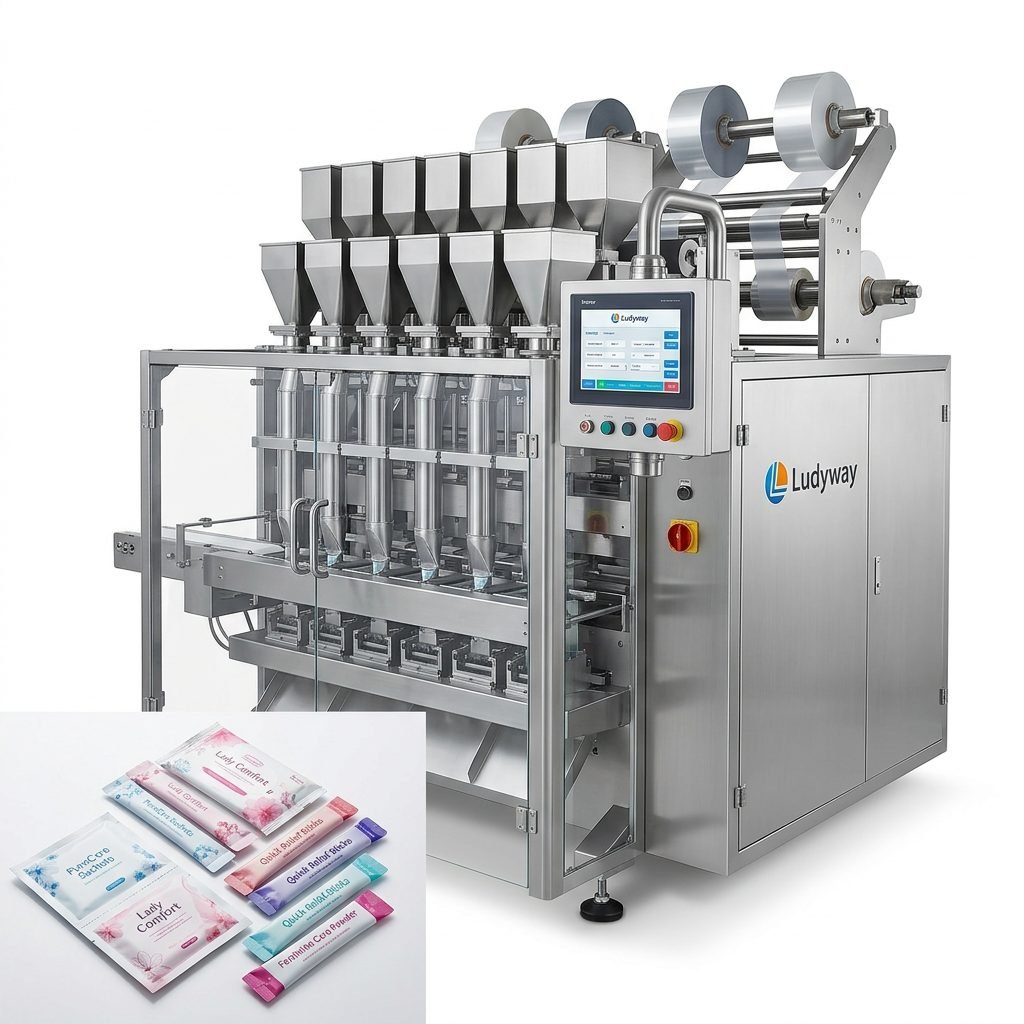
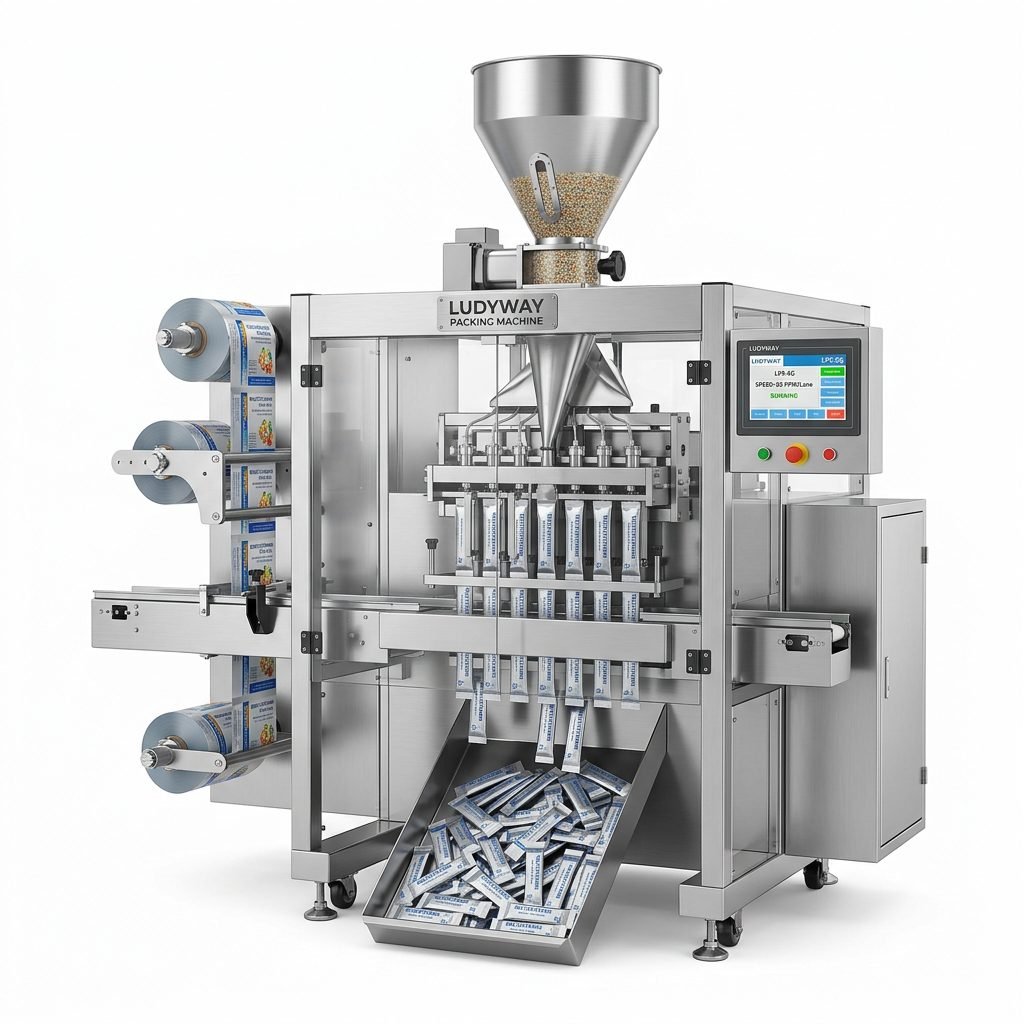
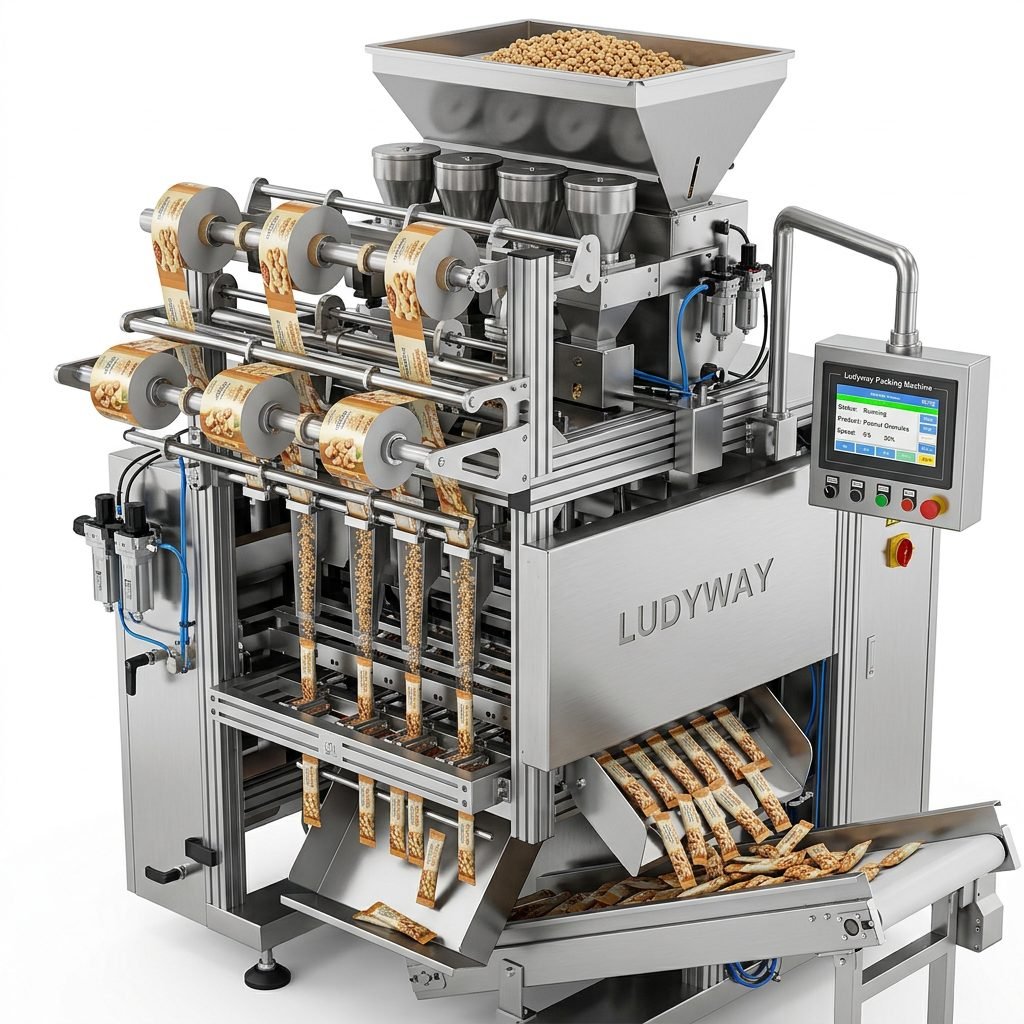
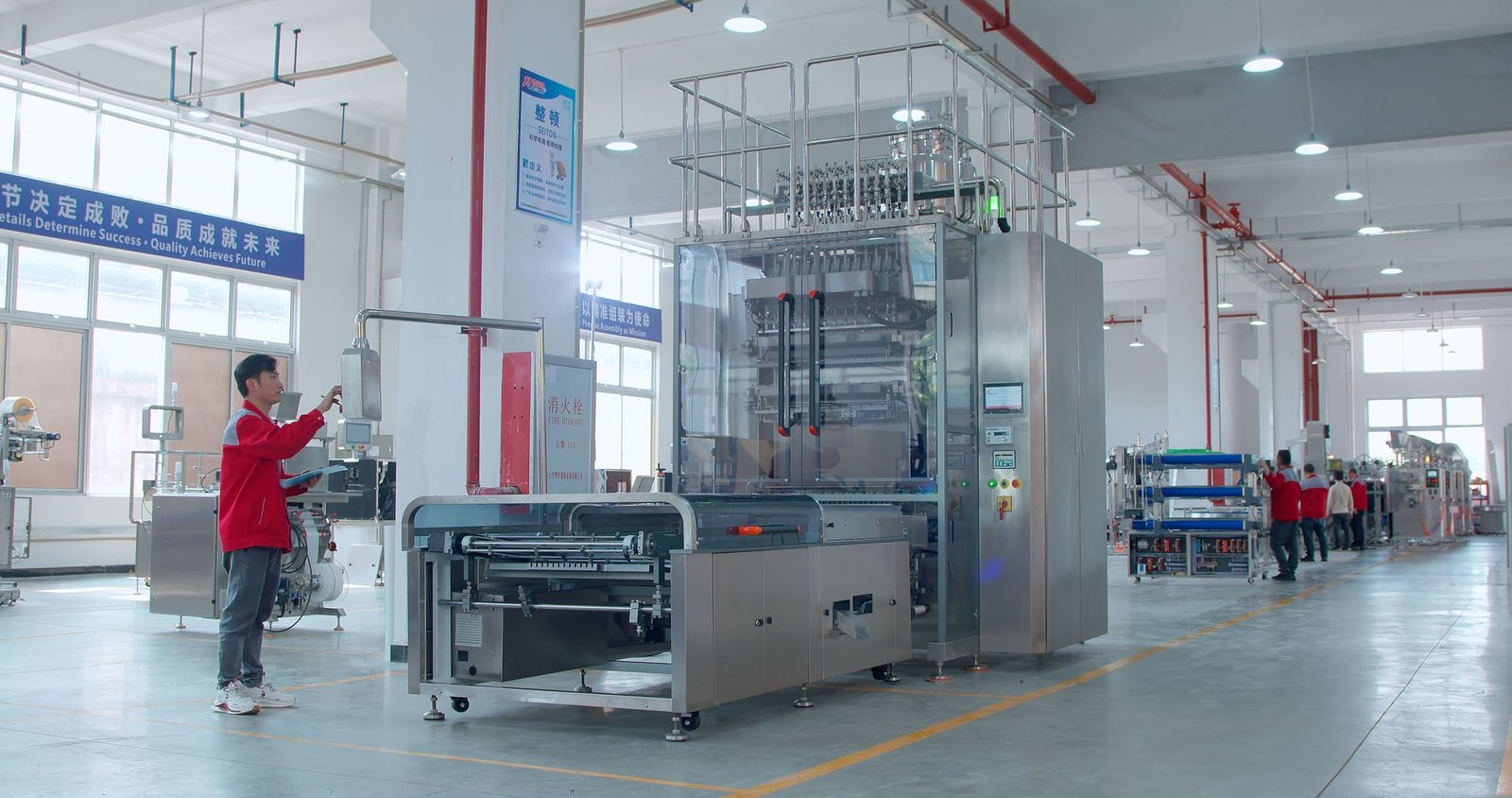
For single-serve portions of peanuts or peanut-based snacks, multi-lane stick pack machines offer unmatched efficiency. These systems run multiple lanes simultaneously, producing narrow, elongated sachets at very high speeds. A well-configured multi-lane machine can produce hundreds of stick packs per minute, making them popular for convenience-store products, airline snacks, and portion-controlled packaging. The key advantage is throughput per square meter of factory floor space.
Premade Pouch Packaging Machines
If your brand uses stand-up pouches, zipper bags, or spouted pouches for premium peanut products, a rotary or inline premade pouch machine is the right choice. These machines pick up pre-formed pouches, open them, fill them, and seal them. They offer excellent presentation quality and are compatible with a variety of pouch styles. For peanut products sold in retail environments, the shelf appeal of a well-filled stand-up pouch can justify the higher per-unit packaging cost.
Key Factors for Machine Selection
Once you have identified the general machine type, evaluate these specific factors to ensure the equipment meets your operational requirements. The table below compares critical parameters across the three main machine categories for peanut packaging applications.
| Parameter | VFFS Machines | Multi-Lane Stick Pack | Premade Pouch Machines |
|---|---|---|---|
| Speed Range | 30-120 packs/min | 200-600+ packs/min | 20-80 packs/min |
| Bag Formats | Pillow, gusseted, quad-seal | Stick packs, narrow sachets | Stand-up, zipper, spouted pouches |
| Product Suitability | Whole peanuts, granules | Small portions, powders, granules | Premium retail products |
| Changeover Time | Moderate | Low to moderate | Fast |
| Initial Investment | Medium | Medium to high | Medium to high |
Speed and Output Capacity
Production speed is often the first specification buyers check, but real-world output depends on multiple factors. The fill weight, bag size, product flow characteristics, and operator skill all influence actual throughput. When comparing machines, ask suppliers for demonstrated speeds with products similar to yours rather than theoretical maximums. Also consider whether you need the maximum speed today or whether the machine can be upgraded later as your business grows.
Filling Accuracy and Dosing Technology
Accurate filling is critical for both regulatory compliance and cost control. Overfilling by even a few grams per pack adds up to significant product loss over millions of units. For whole peanuts, multi-head weighers provide the best combination of speed and accuracy. For peanut powders and granules, auger fillers or volumetric cup fillers are common, with the former offering better precision. Verify the stated accuracy figures with your specific product during factory acceptance testing.
Material and Bag Format Flexibility
Packaging material trends are evolving rapidly, with growing demand for flexible packaging that is recyclable or made from renewable materials. Your chosen machine should be compatible with a range of film types and thicknesses. The sealing system—whether heat-seal, ultrasonic, or impulse—must be capable of producing hermetic seals even with challenging materials. This is especially important for peanut products where oil migration can weaken seals over time.
Evaluating Machine Quality and Compliance
The structural integrity and component quality of your peanut packing machine determine its longevity and maintenance costs. Look for machines built with stainless steel frames in product contact areas, particularly if you handle salted or oil-rich peanut products that can be corrosive. The machine should meet relevant food safety standards, and if you export to multiple markets, verify that the equipment complies with packaging machinery standards applicable in your destination countries.
For manufacturers requiring comprehensive support beyond individual equipment, companies like Ludyway Machinery offer integrated packaging solutions that cover everything from initial consultation and machine configuration through installation, commissioning, and after-sales technical support. With a 20,000-square-meter manufacturing facility and more than 50 packaging machine models, working with an experienced partner can streamline the entire procurement process, especially when customized configurations or turnkey production lines are needed.
Automation and Integration Capabilities
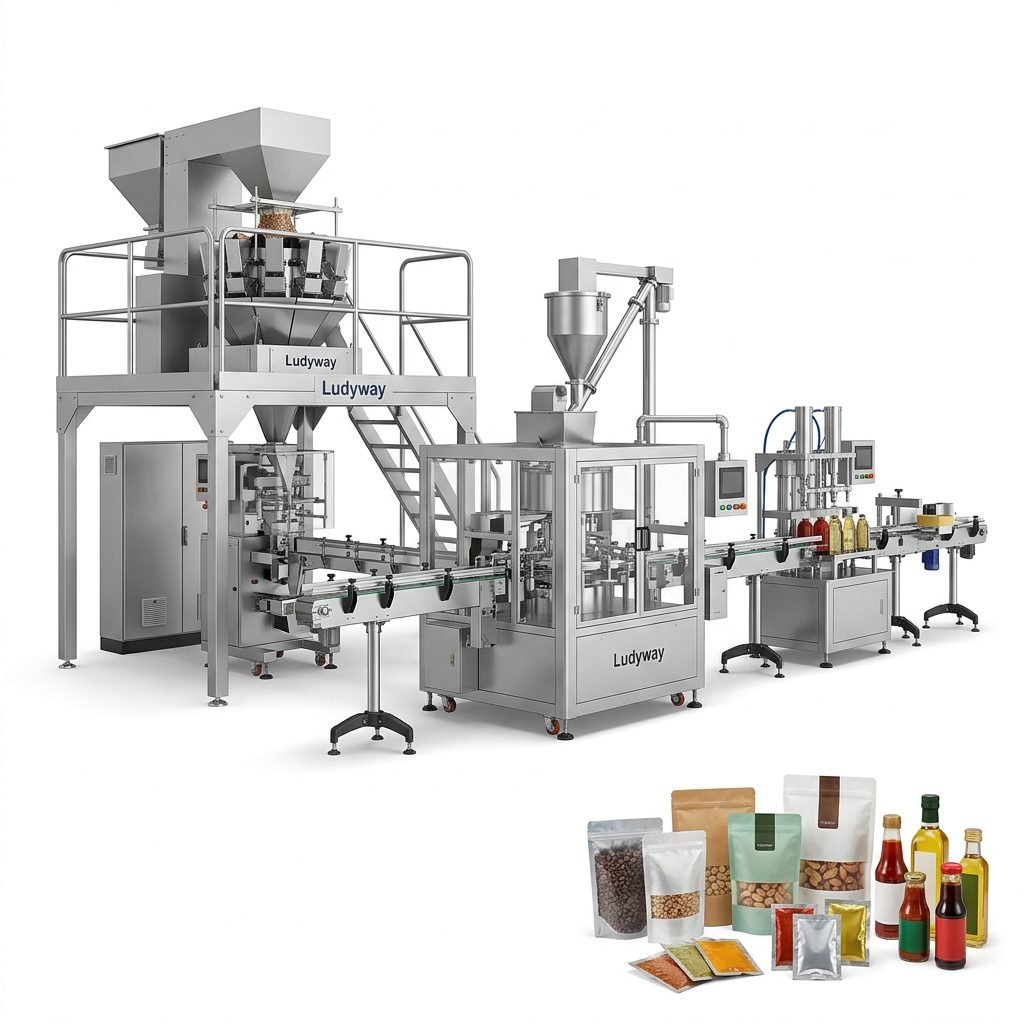
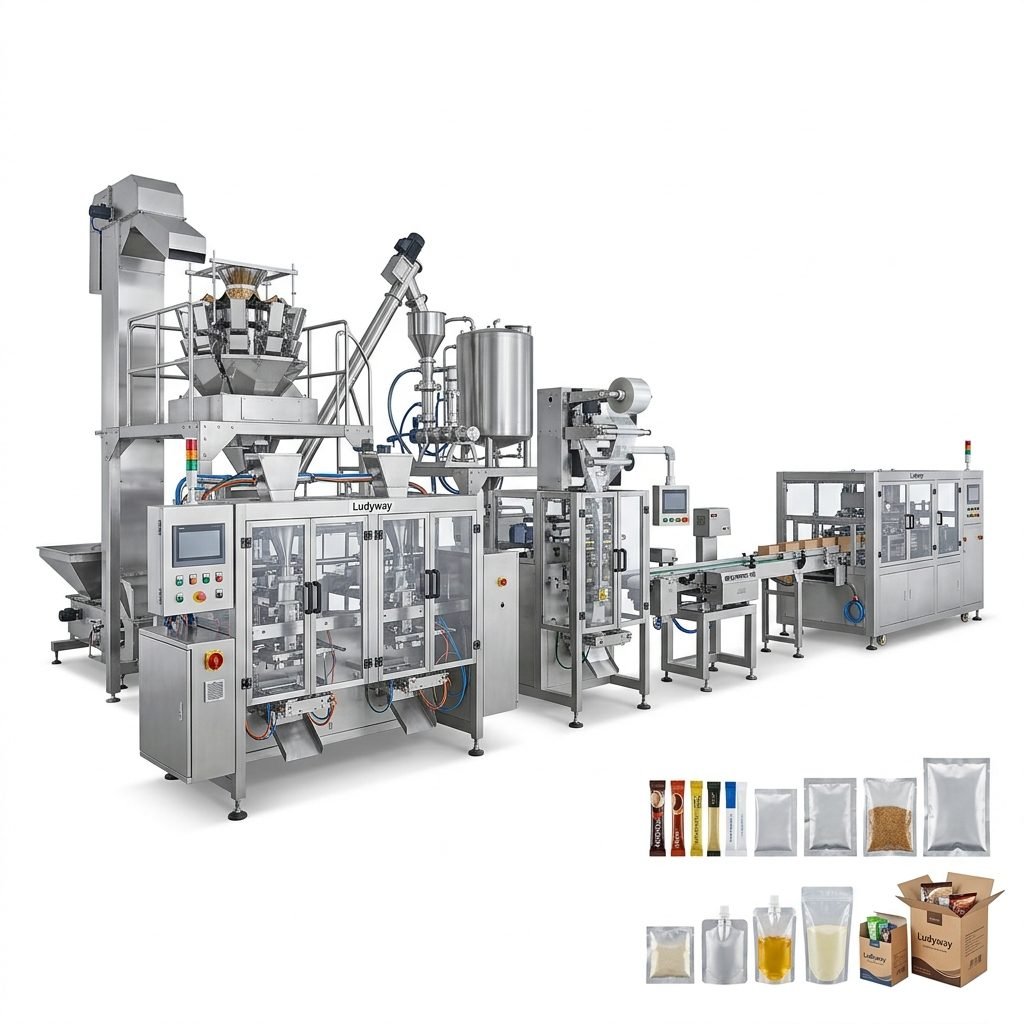
Modern peanut packaging lines rarely consist of standalone machines. Consider how your new packing machine will integrate with upstream equipment such as roasters, seasoning systems, and conveyors, as well as downstream equipment including checkweighers, metal detectors, coding printers, and cartoning or case packing systems. A machine with open communication protocols and modular design will be easier to incorporate into a fully automated production line, whether you are starting small or planning a large-scale operation.
Cost Considerations and Return on Investment
The purchase price of a peanut packing machine is only part of the total cost of ownership. When calculating your budget, factor in the following elements:
- Installation and commissioning — including any facility modifications needed
- Operator training — ensuring your team can run the machine efficiently
- Spare parts inventory — critical wear components that should be kept on hand
- Maintenance contracts — preventative maintenance to avoid unplanned downtime
- Energy consumption — particularly for machines with heated sealing systems
- Packaging material waste — machines with better film registration and tension control waste less material during startups and changeovers
A higher-quality machine with a higher upfront cost often delivers lower total cost of ownership over a 5-10 year operating period through reduced downtime, less product giveaway, and longer service life. When evaluating quotations, ask suppliers to provide detailed lifecycle cost estimates rather than focusing solely on the equipment price.
Making Your Final Decision
Selecting the right peanut packing machine requires balancing technical requirements, budget constraints, and long-term business goals. Start by thoroughly defining your product and packaging specifications, then evaluate machine types that match your format and speed needs. Request sample runs with your actual product whenever possible, as this reveals real-world performance that specification sheets cannot capture. Visit the manufacturer’s facility if practical, or arrange a video demonstration of the machine in operation. Finally, consider the supplier’s reputation, technical support capabilities, and willingness to provide references from customers in your industry. A well-chosen peanut packing machine will serve as a reliable production asset for many years, supporting your brand’s growth and profitability.