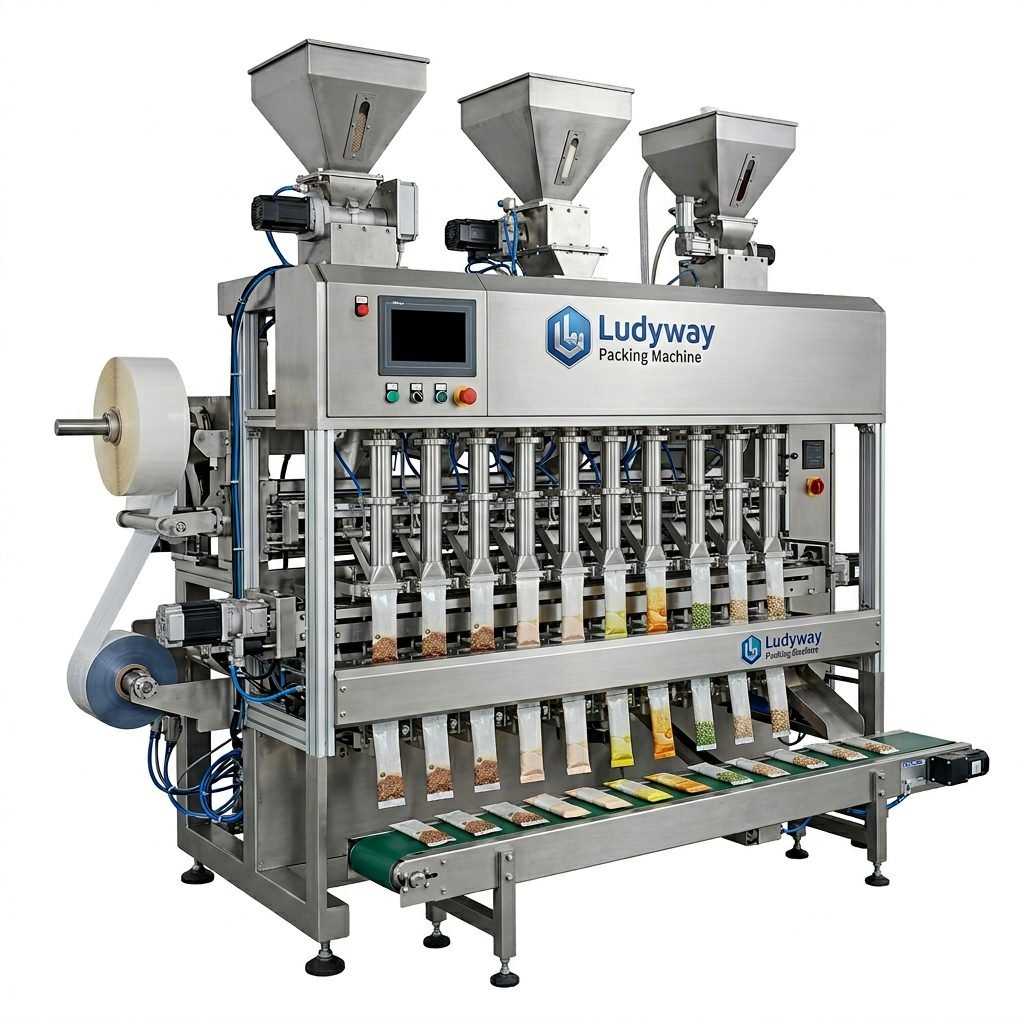
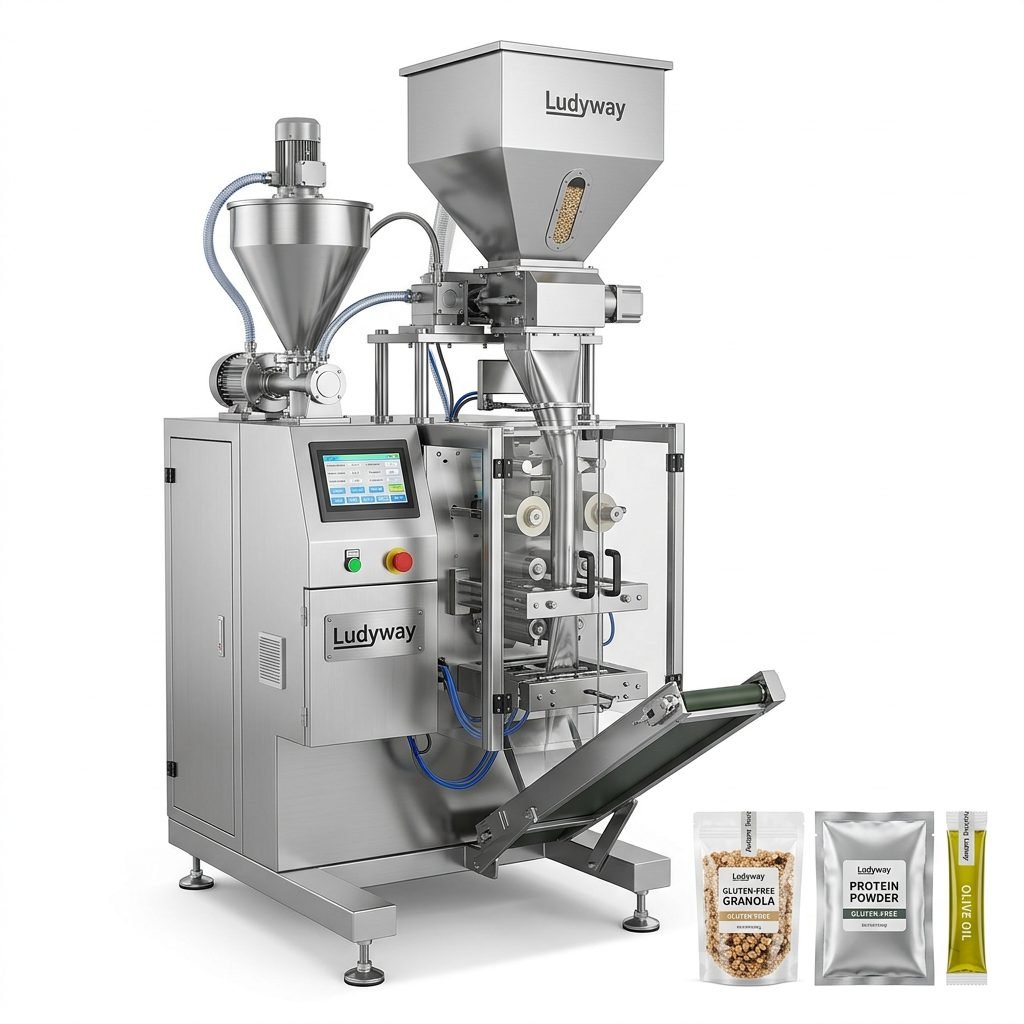
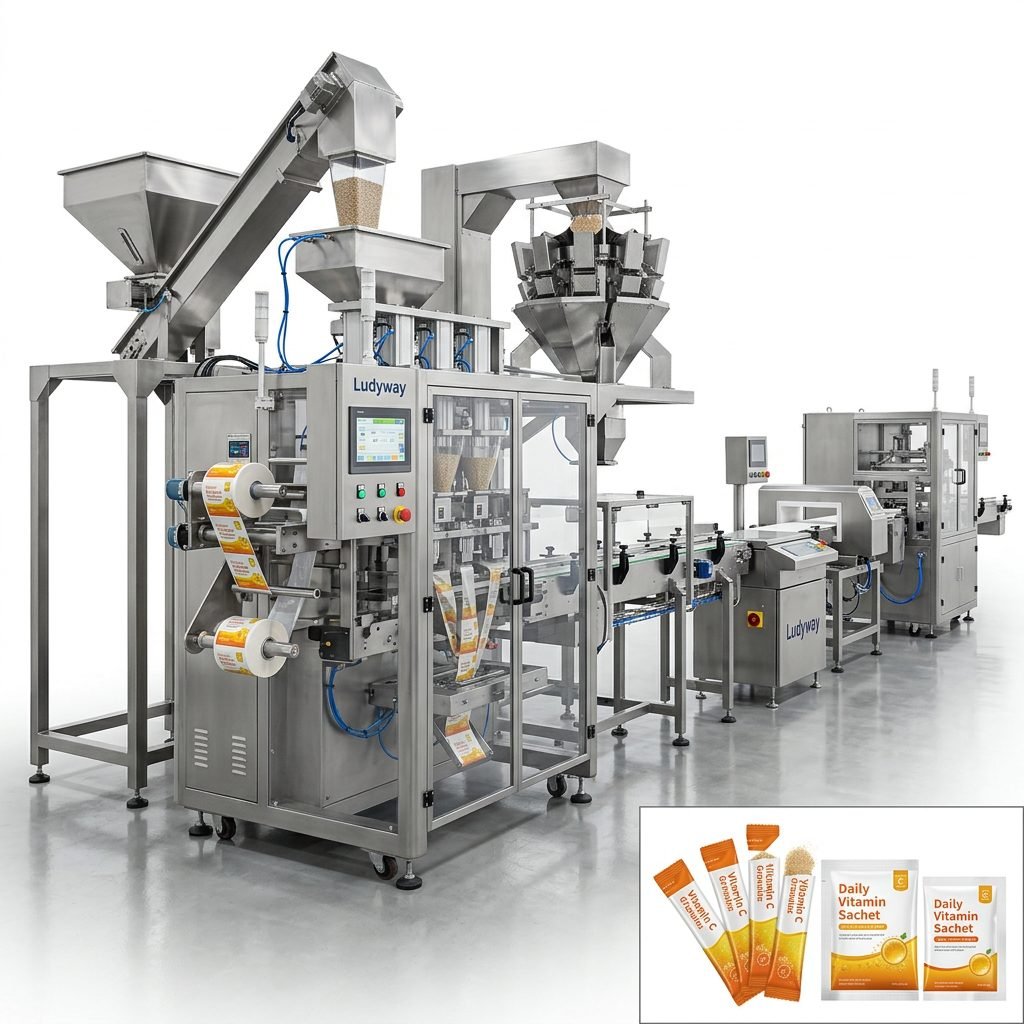
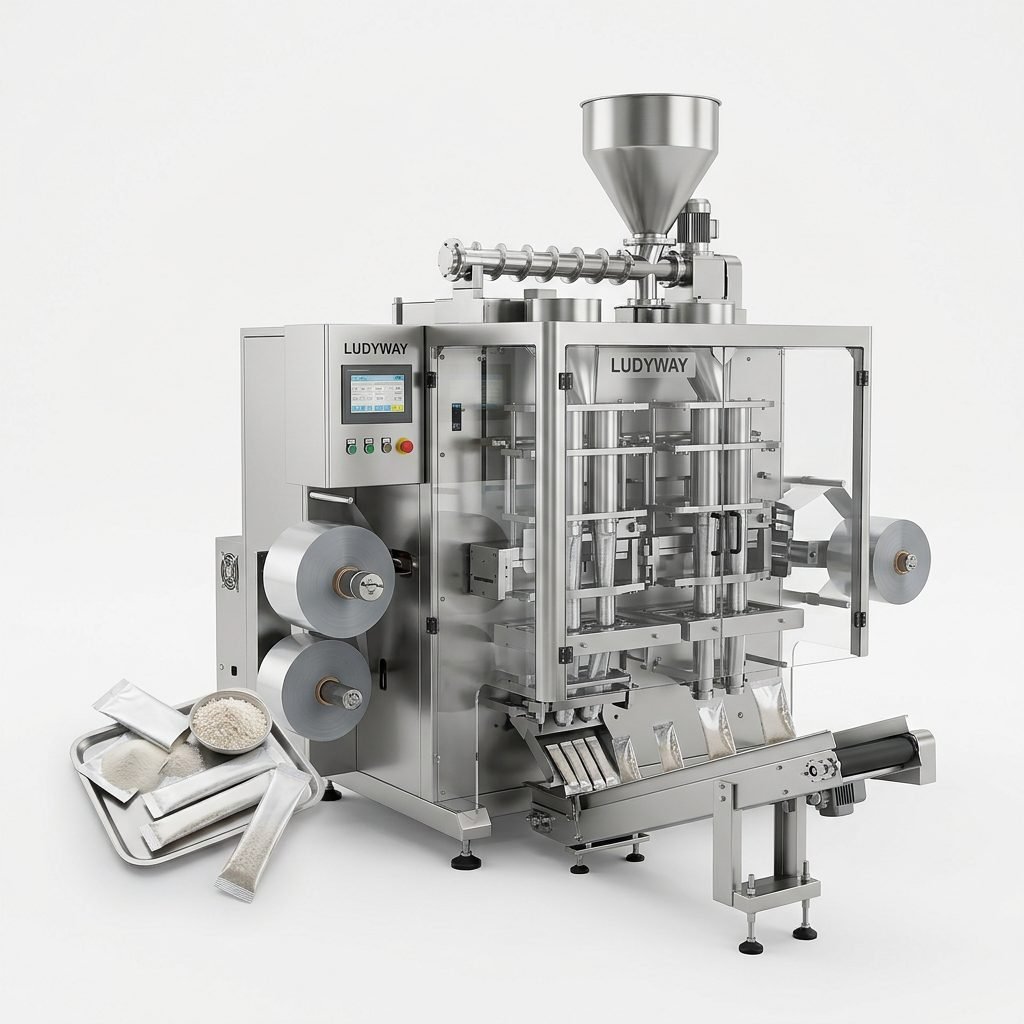
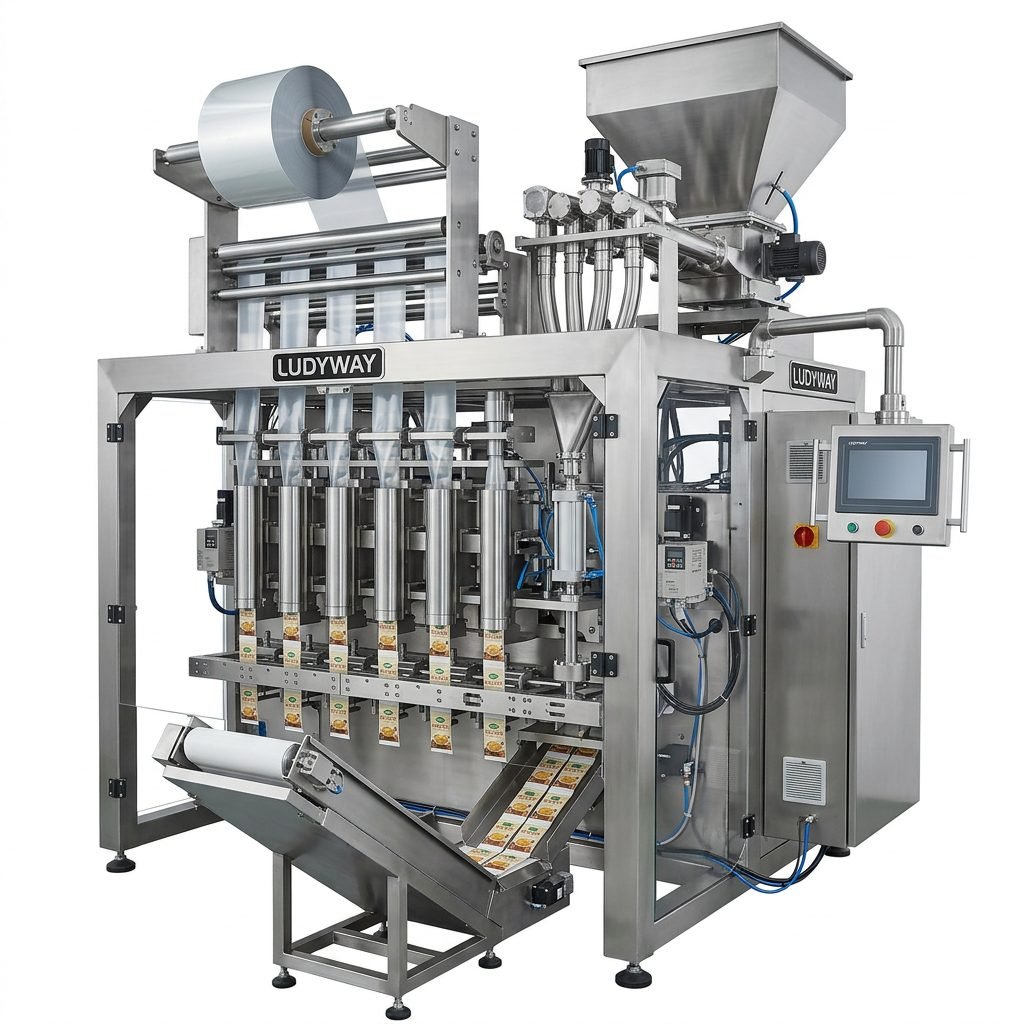
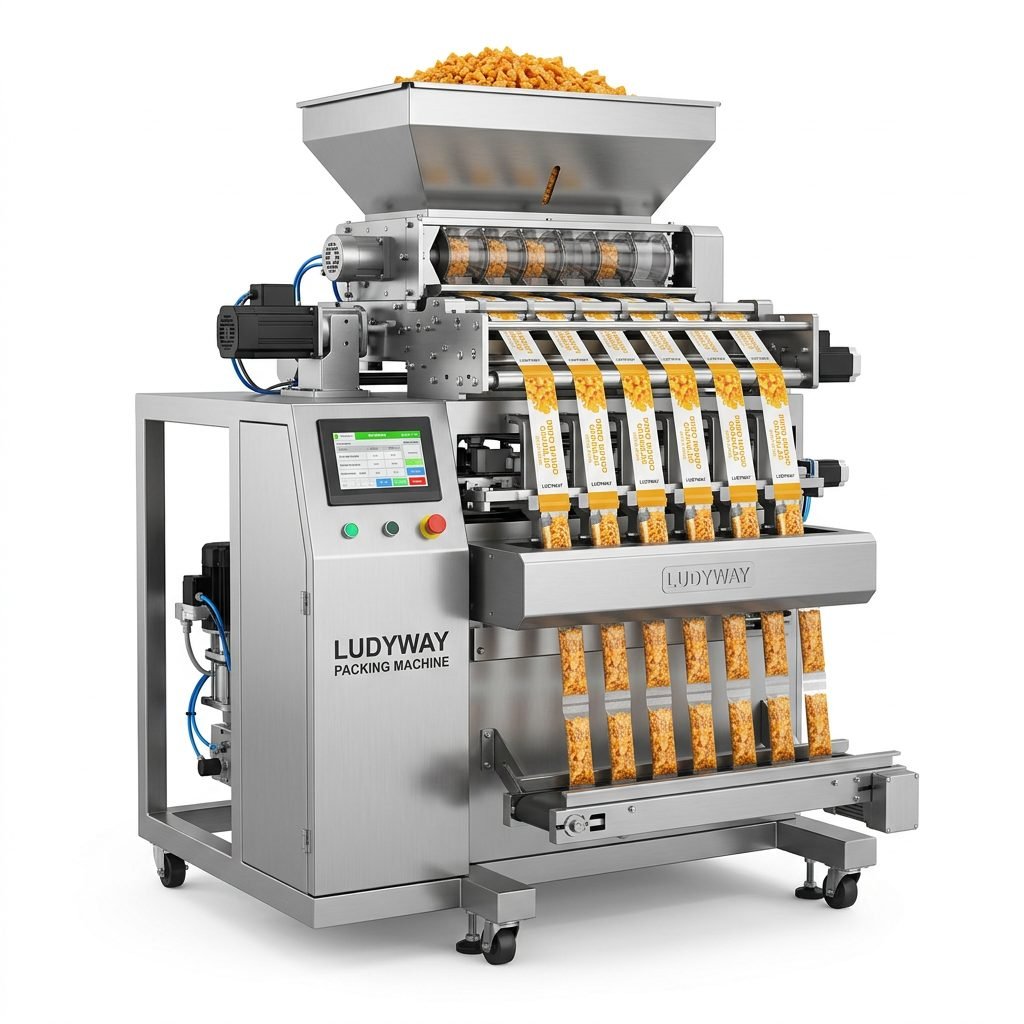
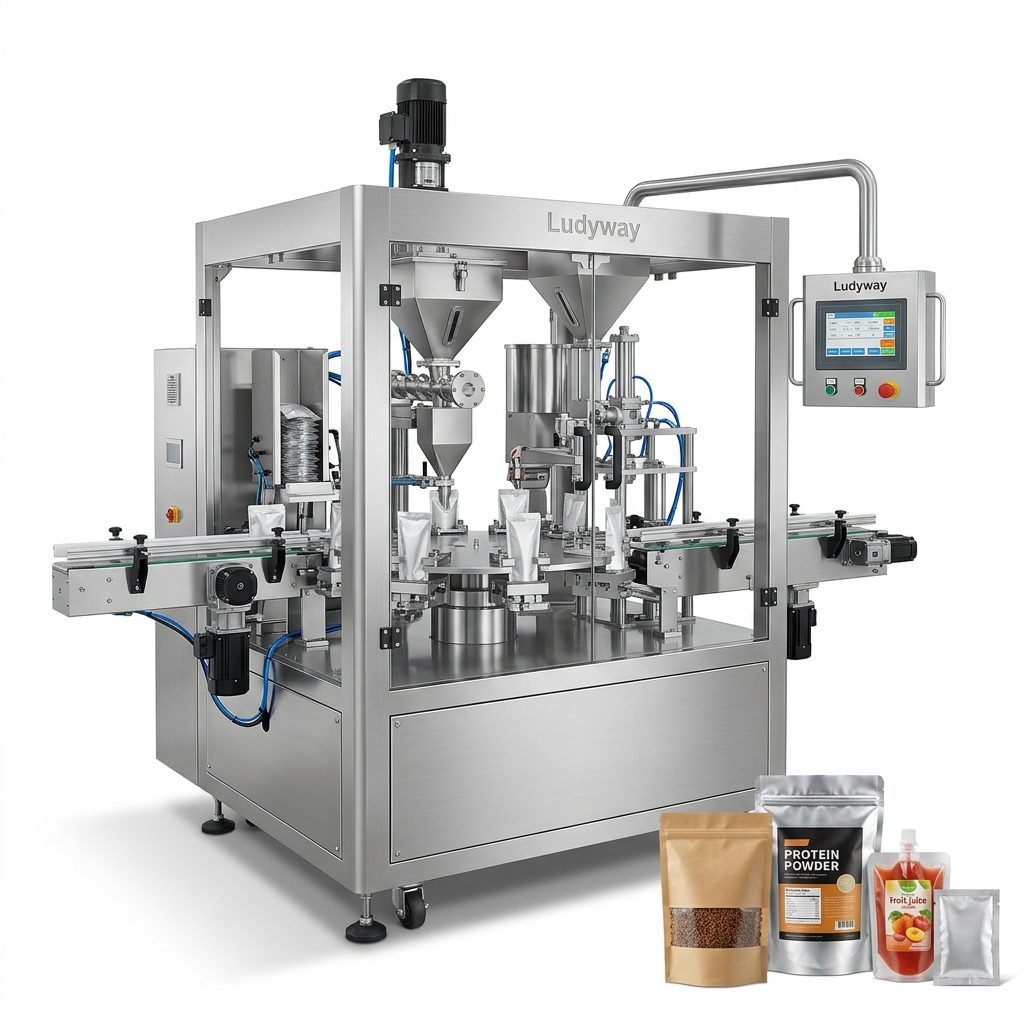
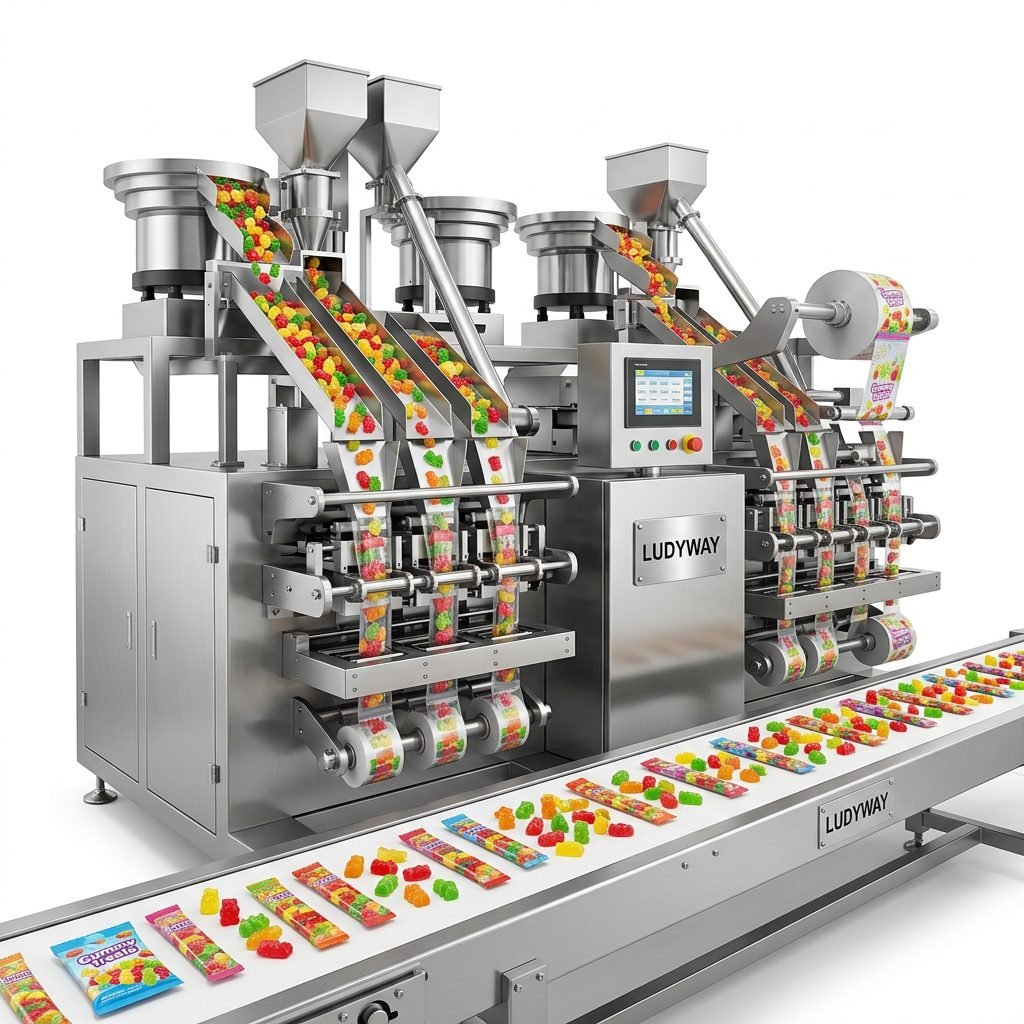
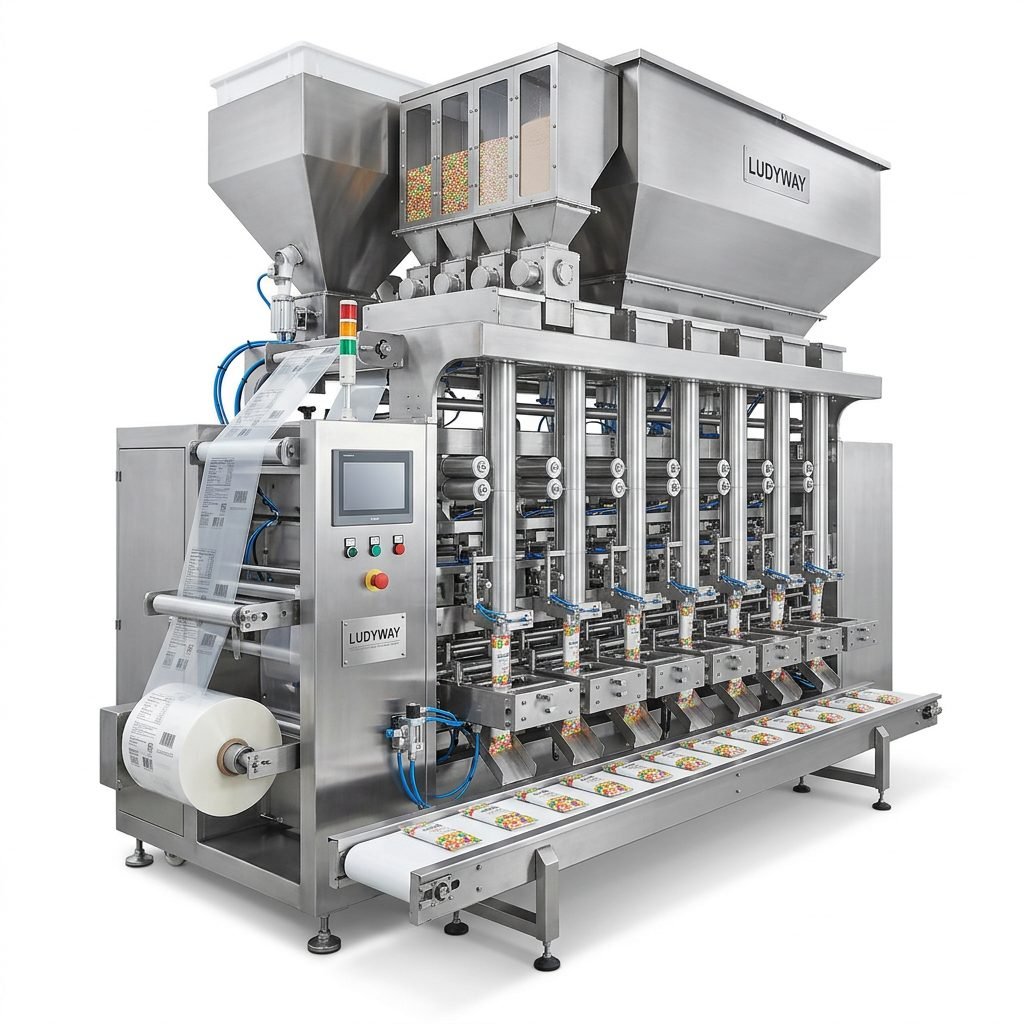
Gummy bear packaging machines are precision-engineered systems designed to handle sticky, heat-sensitive confectionery products at high speeds. Whether you operate a packaging machinery line for multi-lane stick packs or single-serve sachets, consistent maintenance is the cornerstone of reliable performance. Without a structured care routine, even the most robust equipment can suffer from product buildup, seal failures, and unplanned downtime that directly impacts your bottom line.
This guide walks you through essential maintenance practices that extend equipment lifespan, preserve seal integrity, and keep your gummy packaging operation running at peak efficiency. From daily cleaning checklists to annual overhauls, every step is designed to protect your investment and ensure consistent product quality.
Why Routine Maintenance Matters for Gummy Packaging Equipment
Gummy candies present distinct challenges for packaging machinery. Residual sugars, gelatin-based formulations, and sticky dust particles accumulate on sealing jaws, forming tubes, and filling nozzles over time. When left unchecked, these deposits cause uneven heat sealing, inaccurate fill weights, and film tracking issues that generate excessive waste. A proactive maintenance approach reduces emergency repairs and helps you comply with food packaging safety standards that govern confectionery production environments.
Daily Cleaning and Sanitation Procedures
Daily cleaning is your first line of defense against contamination and mechanical wear. Establish a standardized end-of-shift routine that every operator follows without exception. The goal is to remove product residue before it hardens and becomes far more difficult to clean.
Key Daily Cleaning Tasks
- Sealing jaw surfaces: Wipe down all sealing faces with a food-grade cleaner to remove sugar residue and gelatin buildup that interferes with heat transfer.
- Forming tube and shoulder: Clean the film-forming area thoroughly, paying special attention to any sticky deposits that can cause film snagging or misalignment.
- Filling nozzles and hoppers: Disassemble and rinse product contact parts to prevent clogging from gummy dust or partially melted material.
- Film path rollers: Inspect and wipe all rollers along the film path to ensure smooth, consistent film movement without drag.
- Sensor lenses: Clean photoelectric sensors and registration mark detectors with a soft, lint-free cloth to maintain accurate film tracking.
- Floor area around the machine: Sweep and sanitize the surrounding floor to prevent contamination from airborne particles.
Weekly Component Inspection Checklist
A deeper weekly inspection catches emerging issues before they escalate into costly failures. Document every inspection and maintain a logbook that tracks component condition over time. This data becomes invaluable when planning preventive part replacements.
Critical Inspection Points
- Heating elements and thermocouples: Verify actual temperatures against setpoints using a calibrated external thermometer. Temperature deviations as small as 3-5°C can compromise seal quality on gummy packaging films.
- Sealing jaw alignment: Check that upper and lower jaws meet with even pressure across the entire sealing surface. Misalignment causes inconsistent seals and increased film waste.
- Pull belts and film transport: Examine belts for wear, cracks, or stretching. Inconsistent film tension leads to registration errors and package length variations.
- Pneumatic connections and hoses: Listen for air leaks and inspect all fittings. Low air pressure affects jaw movement timing and can result in partial seals.
- Electrical connections: Tighten any loose terminal connections and look for signs of overheating or corrosion on control panels.
- Safety guards and interlocks: Test all safety mechanisms to ensure they function correctly and protect operators as intended.
Lubrication Best Practices for Confectionery Packaging Machines
Proper lubrication reduces friction on moving parts while preventing contamination of food-contact surfaces. Gummy packaging environments demand food-grade lubricants that meet international packaging standards for incidental food contact. Using the wrong lubricant type can lead to product recalls and regulatory violations.
Lubrication Guidelines
- Use only NSF H1 registered food-grade lubricants on any component that could potentially contact the product or packaging material.
- Apply grease sparingly to bearing housings every 200-300 operating hours, wiping away any excess that could attract dust.
- Oil chains and sprockets weekly, ensuring even coverage without over-application that leads to dripping.
- Never lubricate sealing jaw pivot points with spray lubricants that can migrate onto sealing surfaces.
- Maintain a lubrication schedule chart and train operators to recognize signs of inadequate lubrication such as squeaking, increased motor current draw, or visible wear on sliding surfaces.
Common Troubleshooting Scenarios and Solutions
When production issues arise, systematic troubleshooting minimizes downtime. Below are frequent problems encountered on gummy bear packaging lines and their typical root causes. Always follow lockout-tagout procedures before performing any diagnostic work inside the machine.
Problem: Intermittent or Weak Seals
- Likely cause: Temperature fluctuation, contaminated sealing surfaces, or worn jaw coating.
- Solution: Verify temperature controller calibration, thoroughly clean sealing jaws, and inspect the non-stick coating for scratches or peeling. Replace jaw assemblies if coating damage is evident.
Problem: Inconsistent Package Length
- Likely cause: Film slippage, faulty registration sensor, or incorrect pull belt tension.
- Solution: Clean all rollers in the film path, recalibrate the registration sensor, and adjust pull belt tension according to the machine manual specifications.
Problem: Product Jamming in Filling Nozzles
- Likely cause: Gummy product sticking together due to moisture or static, or nozzle temperature too high causing product melting.
- Solution: Control ambient humidity in the packaging area, install anti-static equipment if needed, and verify nozzle cooling systems are functioning correctly.
Preventive Maintenance Schedule Overview
A structured preventive maintenance program transforms your approach from reactive to proactive. Use the table below as a framework, adjusting frequencies based on your specific production volume and operating environment. Always refer to your equipment manual for model-specific requirements and consult packaging industry resources for best practice updates.
| Maintenance Task | Frequency | Responsible Role | Key Notes |
|---|---|---|---|
| Surface cleaning and product residue removal | Every shift / Daily | Machine Operator | Use food-grade cleaning agents only |
| Sealing jaw and thermocouple inspection | Weekly | Maintenance Technician | Document temperature readings in logbook |
| Lubrication of bearings, chains, and pivot points | Every 200-300 hours | Maintenance Technician | NSF H1 food-grade lubricants only |
| Film path roller and belt inspection | Bi-weekly | Maintenance Technician | Replace worn belts before failure occurs |
| Pneumatic system leak check and filter replacement | Monthly | Maintenance Supervisor | Drain moisture traps and check air pressure |
| Electrical connection tightening and insulation testing | Quarterly | Qualified Electrician | Inspect for overheating or corrosion |
| Complete mechanical overhaul and calibration | Annually | Manufacturer or Authorized Service Team | Replace worn parts, recalibrate all sensors |
| Safety system and interlock verification | Every 6 months | Safety Officer | Document all test results for compliance |

Spare Parts Inventory Management
Nothing extends unplanned downtime like waiting for a replacement part to arrive. Maintain an inventory of critical spare parts based on your machine model, production volume, and manufacturer recommendations. Essential spares for gummy packaging machines typically include sealing jaws, heating cartridges, thermocouples, pull belts, cutting blades, and sensor assemblies. Review your spare parts stock quarterly and reorder before depletion levels become critical.
The Importance of Professional Support and Training
Even with a robust in-house maintenance program, certain tasks require specialized expertise. Annual overhauls, major component replacements, and control system upgrades benefit from manufacturer-trained technicians who understand the intricacies of your specific equipment. For complex repairs or performance optimization, partnering with experienced manufacturers like Ludyway ensures your gummy packaging line receives proper care backed by decades of engineering knowledge and genuine OEM parts. Investing in operator training also pays dividends; well-trained staff catch minor issues early and operate equipment within designed parameters, significantly reducing wear-related failures.
Documentation and Continuous Improvement
Every maintenance action, inspection finding, and part replacement should be documented in a centralized system. This historical record reveals patterns that inform better decision-making. Track metrics such as mean time between failures (MTBF), seal rejection rates, and unscheduled downtime hours. Review these metrics monthly with your production and maintenance teams to identify opportunities for process improvement. Over time, this data-driven approach refines your maintenance strategy and maximizes the return on your packaging equipment investment.
Consistent, well-documented maintenance practices keep your gummy bear packaging machine producing at its designed capacity while protecting product quality and brand reputation. A disciplined approach to daily cleaning, weekly inspections, scheduled lubrication, and professional servicing creates a foundation of reliability that supports long-term operational success.