Investing in a chamber vacuum packaging machine is a strategic decision for food processors, pharmaceutical manufacturers, and industrial operators seeking reliable vacuum sealing performance. Unlike external suction sealers, chamber vacuum sealers remove air from the entire chamber, creating a consistent vacuum environment that handles liquids, powders, and delicate products with precision. This guide walks you through every critical factor to evaluate before making your purchase.

Understanding How Chamber Vacuum Packaging Machines Work
A chamber vacuum packaging machine operates by placing the entire product—bag and all—inside a sealed chamber. When the lid closes, air is evacuated from the chamber, equalizing pressure inside and outside the bag. This prevents liquids from being drawn out during the sealing process, making chamber vacuum sealers ideal for moist foods, marinated meats, liquid-rich products, and delicate powders that would be problematic with nozzle-style or external suction machines.
The core advantage lies in the pressure differential: because air is removed from both the chamber and the bag simultaneously, the product remains stable. Once the target vacuum level is achieved, the heat seal bar activates, hermetically sealing the bag before the chamber vents to atmosphere. This process ensures consistent, repeatable seals across production cycles—a critical requirement for regulated industries such as food processing and pharmaceuticals. According to PMMI packaging industry research, vacuum packaging technology continues to evolve with improved automation and control features.
Key Factors to Evaluate Before Purchasing
Selecting the right chamber vacuum packaging machine requires balancing technical specifications with your operational realities. Below are the essential evaluation criteria that experienced buyers prioritize:
1. Pump Type and Vacuum Performance
The vacuum pump is the heart of any chamber machine. Your choice directly impacts sealing speed, maintenance intervals, and long-term reliability. Two primary pump technologies dominate the market:
- Oil-lubricated rotary vane pumps: Offer deep vacuum levels (typically 99.8% or better) and faster cycle times. These pumps are preferred for high-volume operations where speed matters. However, they require regular oil changes and maintenance.
- Dry (oil-free) pumps: Eliminate the need for oil maintenance and are ideal for clean environments such as pharmaceutical and electronics packaging. While they may achieve slightly lower ultimate vacuum levels, advancements in dry pump technology have narrowed the performance gap significantly.
Consider the ISO packaging standards relevant to your product category when evaluating vacuum specifications, as certain regulated products require documented vacuum consistency.
2. Chamber Dimensions and Configuration
Chamber size determines both throughput and product flexibility. Machines are available in configurations ranging from compact tabletop units for small-scale operations to large double-chamber industrial systems. Key dimensional considerations include:
- Chamber depth: Accommodates taller products such as whole poultry, large cuts of meat, or bulk ingredient blocks.
- Seal bar length: Dictates the maximum bag width. Common sizes range from 320mm to over 1,000mm for industrial applications.
- Twin vs. single chamber: Double-chamber machines allow loading in one chamber while the other completes its cycle, significantly boosting throughput.
3. Seal Bar Quality and Configuration
The seal bar is where the actual package integrity is created. A high-quality seal bar delivers consistent heat distribution across the entire sealing surface, preventing weak spots that could compromise product shelf life. Evaluate these seal bar characteristics:
- Sealing width: Wider seals (3mm to 10mm) provide stronger, more reliable closure for heavier products or extended shelf-life requirements.
- Single vs. double seal bars: Dual seal bars inside a single chamber double productivity by allowing two bags to be sealed simultaneously.
- Replaceable sealing elements: Machines with easily serviceable heat strips and PTFE covers reduce downtime and maintenance costs.
Comparing Chamber Vacuum Machine Specifications
The table below summarizes typical specification ranges across different machine categories to help you benchmark options:
| Specification | Compact / Tabletop | Mid-Range Single Chamber | Industrial Double Chamber |
|---|---|---|---|
| Chamber Size (mm) | 280 × 350 × 100 | 500 × 600 × 180 | 550 × 900 × 220 (per chamber) |
| Seal Bar Length | 320 mm (single) | 500–600 mm (1–2 bars) | 800–1,100 mm (2–4 bars) |
| Pump Type | Dry or small oil pump | Oil-lubricated rotary vane | High-capacity oil pump (dual pump options) |
| Cycle Time | 25–40 seconds | 20–35 seconds | 15–25 seconds (alternating chambers) |
| Typical Applications | Small-scale food, R&D labs | Restaurants, medium processors | Large food plants, co-packers, industrial |
Control Systems and Automation Features
Modern chamber vacuum packaging machines offer varying degrees of control sophistication. The right choice depends on your production complexity and operator skill levels:
Programmable Vacuum and Gas Flush Cycles
Advanced machines feature digital control panels that allow operators to precisely set vacuum time, sealing time, and cooling time. For modified atmosphere packaging (MAP) applications, integrated gas flush systems replace air with inert gases such as nitrogen or CO₂, extending product shelf life significantly. The Flexible Packaging Association provides valuable data on MAP adoption trends and material compatibility considerations.
Sensor-Based Vacuum Control
Entry-level machines rely on timed vacuum cycles, while premium models use vacuum sensors to monitor actual chamber pressure in real time. Sensor-controlled systems deliver more consistent results across varying product loads and are essential for sensitive products where over-vacuuming could cause damage or package deformation.
Material Compatibility and Packaging Applications
Chamber vacuum machines work with a broad range of packaging materials, but understanding compatibility ensures optimal results. The most common materials include:
- PA/PE (polyamide/polyethylene) bags: Excellent oxygen barrier, high puncture resistance, suitable for meat, cheese, and processed foods.
- Aluminum laminate pouches: Provide near-zero gas transmission, ideal for pharmaceutical products, sensitive powders, and long-shelf-life applications.
- Vacuum skin packaging films: Used for retail-ready products where the film conforms tightly to the product shape, enhancing visual appeal.
According to FDA food packaging regulations, materials intended for food contact must meet specific safety standards. Always verify that your packaging materials comply with relevant regulations in your target markets.
Total Cost of Ownership Considerations
Purchase price represents only one component of the total cost equation. Evaluating long-term operational costs often reveals significant differences between seemingly comparable machines:
- Energy consumption: Oil pump machines typically draw more power. Compare motor ratings and duty cycles for your expected production volumes.
- Consumable parts: Seal bars, PTFE tape, vacuum oil, and gaskets require periodic replacement. Availability and pricing of these parts vary by manufacturer.
- Maintenance labor: Oil changes, chamber cleaning, and seal bar inspection intervals affect staffing requirements.
- Expected service life: Industrial-grade machines with robust stainless steel construction often deliver 10–15 years of service, while lighter-duty units may require replacement sooner.
Industry-Specific Application Requirements
Different industries impose unique demands on vacuum packaging equipment. Understanding your sector’s specific needs helps narrow down machine options effectively:
Food Processing
Meat, poultry, seafood, cheese, and prepared foods represent the largest application segment. Food-grade machines must feature stainless steel construction, easy-clean chamber designs, and compatibility with food-safe lubricants. Many food processors benefit from machines with sloping chamber floors that channel liquids away from the seal area, preventing contamination and seal failures during production runs.
Pharmaceutical and Medical Device Packaging
Pharmaceutical applications demand validatable vacuum levels, documented cycle parameters, and compliance with ISO 11607 for terminally sterilized medical devices. Machines intended for pharmaceutical use often include data logging capabilities, audit trails, and user access controls as standard features. Refer to ISO 11607 packaging standards for detailed requirements applicable to medical device packaging.
Electronics and Industrial Components
Moisture-sensitive electronic components, precision metal parts, and industrial additives benefit from vacuum packaging that prevents oxidation and corrosion. Dry pumps are strongly preferred in electronics applications to eliminate the risk of oil vapor contamination. Nitrogen back-flushing capabilities are commonly required for extended component protection.
Evaluating Build Quality and Manufacturer Support
Chamber vacuum packaging machines represent a significant capital investment, making manufacturer reputation, warranty coverage, and after-sales support critical decision factors. Look for manufacturers that provide:
- Comprehensive warranty coverage on both the machine structure and vacuum pump
- Readily available spare parts with reasonable lead times
- Technical documentation including installation manuals and maintenance schedules
- Remote diagnostic capabilities for faster troubleshooting
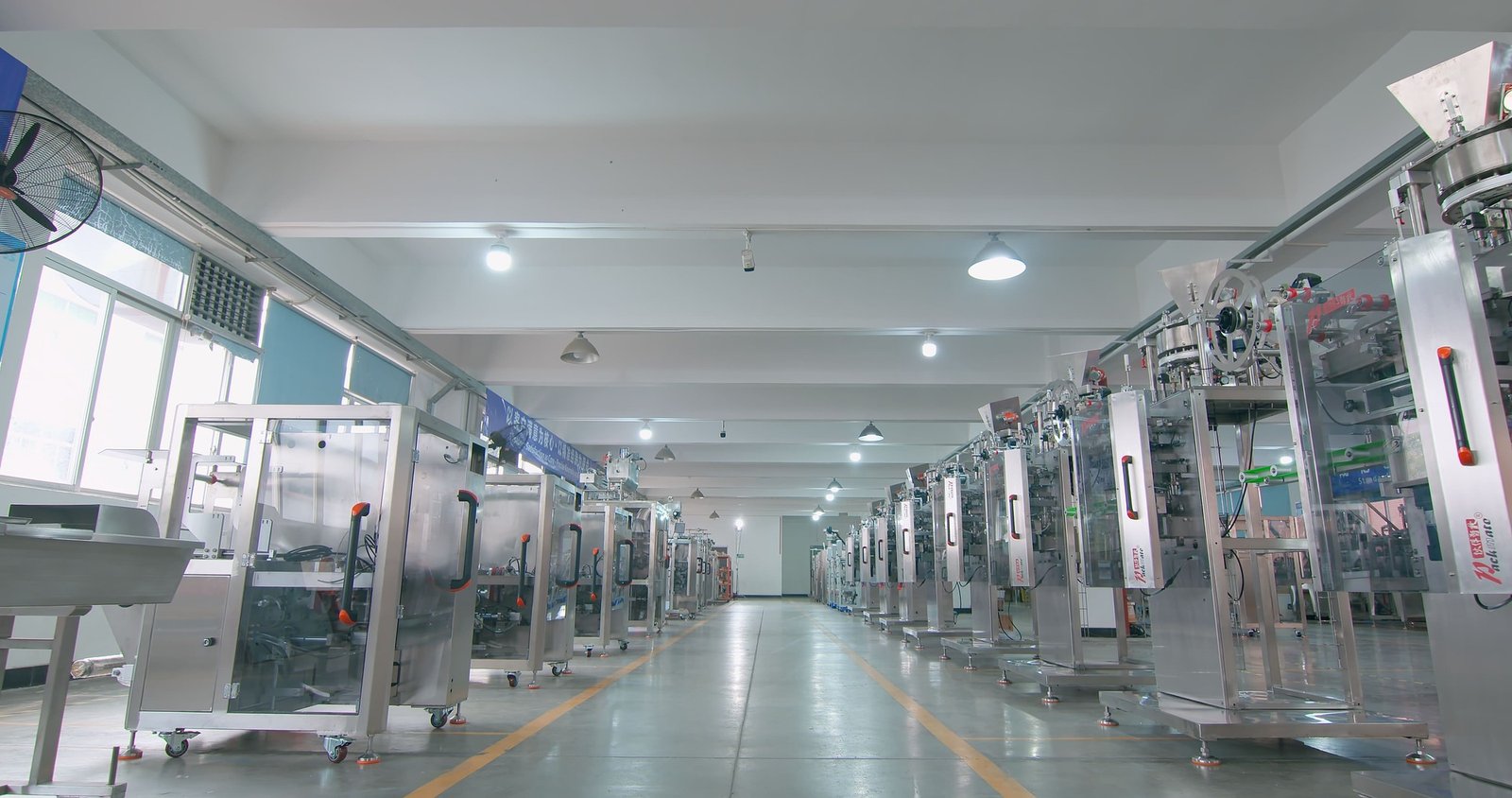
For example, Ludyway Machinery, a China-based packaging machinery manufacturer with over 30 years of industry experience, provides integrated packaging solutions and technical support covering machine selection, system integration, installation, commissioning, and after-sales service for customers across more than 100 countries. When evaluating suppliers, prioritize those with demonstrated engineering capabilities and global service networks that match your operational footprint. The PMMI packaging industry resources offer additional guidance on supplier evaluation criteria.
Installation Requirements and Facility Preparation
Proper installation ensures optimal machine performance from day one. Before your machine arrives, address these facility considerations:
- Electrical requirements: Verify voltage, phase, and amperage specifications. Industrial machines may require dedicated circuits or three-phase power.
- Compressed air supply: Some chamber machines with gas flush or pneumatic lid assist require a clean, dry compressed air source at specified pressure and flow rates.
- Ventilation: Oil-lubricated pumps generate heat and may release oil mist. Adequate ventilation protects both operators and product quality.
- Floor space and workflow: Allow clearance for lid opening, operator movement, and integration with upstream and downstream processes such as conveying, labeling, and cartoning.
Making the Final Decision: Your Purchasing Checklist
As you evaluate different chamber vacuum packaging machines, use this concise checklist to guide your comparison:
- Verify vacuum pump type (oil vs. dry) matches your maintenance capabilities and application cleanliness requirements.
- Confirm chamber dimensions accommodate your largest expected product size with adequate clearance.
- Assess seal bar configuration (single, double, length) against your throughput targets and bag sizes.
- Evaluate control system features including programmability, sensor feedback, gas flush options, and data logging needs.
- Check material construction (304 or 316 stainless steel) for durability and compatibility with your cleaning procedures.
- Review warranty terms and confirm spare parts availability in your region.
- Calculate total cost of ownership including consumables, energy, and maintenance labor over the expected service life.
- Request references from manufacturers for installations in your specific industry segment.
Selecting the right chamber vacuum packaging machine involves balancing technical specifications, operational demands, and long-term support considerations. By systematically evaluating each factor outlined in this guide, you can confidently choose a machine that delivers reliable performance, consistent seal quality, and strong return on investment for your packaging operation. For deeper market insights, the PMMI State of the Industry report provides valuable data on packaging machinery trends and market forecasts.