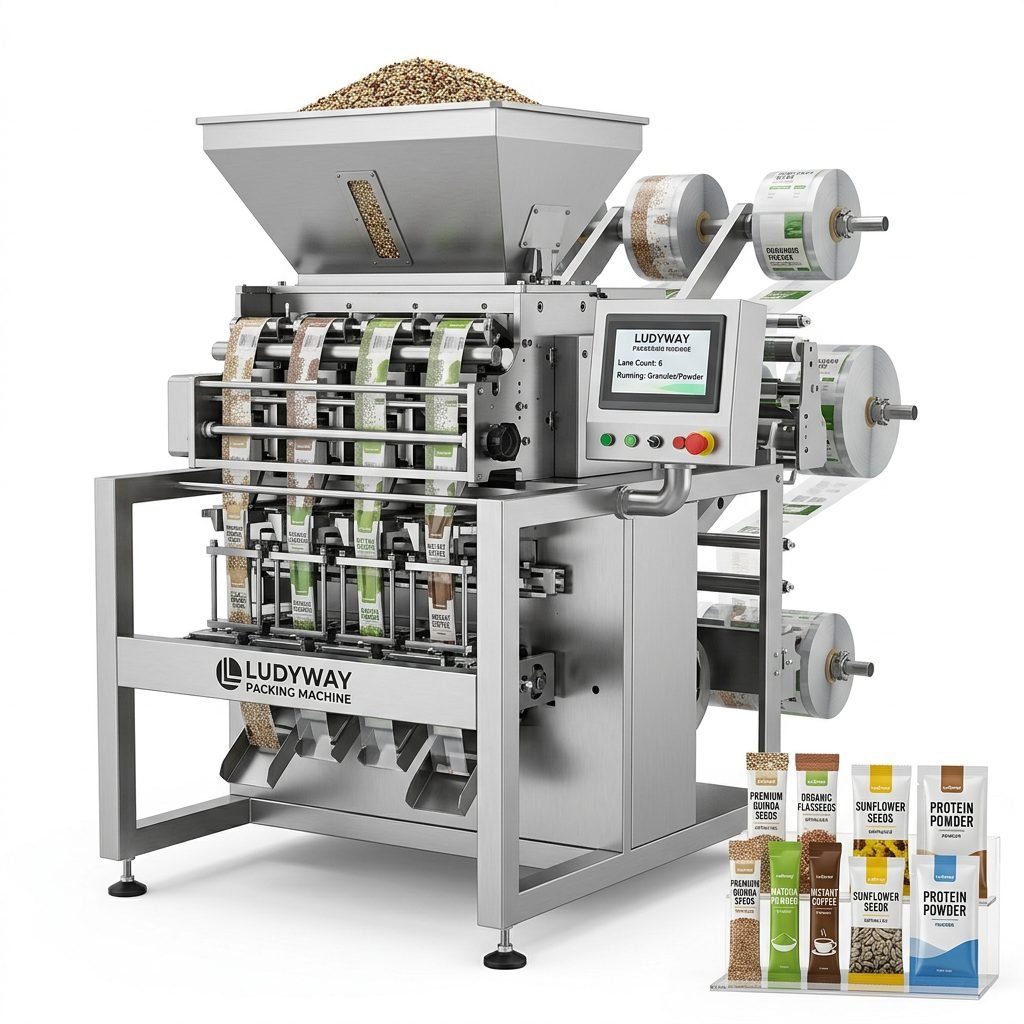
In the competitive world of liquid soap manufacturing, efficient and attractive packaging is crucial for product success and brand recognition. A Liquid Soap Packaging Machine is the cornerstone of this process, automating the filling, sealing, and labeling of bottles, sachets, or pouches. Choosing the right machine directly impacts your production speed, product consistency, and overall operational costs. This guide explores the various types of machines, their working processes, and provides a detailed framework to help you select the perfect equipment for your specific needs.
Understanding Different Types of Liquid Soap Packaging Machines
The market offers a variety of packaging machines, each suited for different production scales, container types, and soap viscosities. Understanding these categories is the first step toward making an informed decision.
1. Based on Automation Level
Fully Automatic Machines: These are high-speed, integrated systems that handle the entire packaging process—from bottle unscrambling and filling to capping and labeling—with minimal human intervention. Ideal for large-scale production lines with high output requirements.
Semi-Automatic Machines: These require an operator to manually place containers or initiate certain cycles. They offer a great balance between cost and efficiency for small to medium-sized businesses looking to scale gradually.
Manual Machines: Operated entirely by hand, these are the most affordable option, suitable for startups, very low-volume production, or pilot batches.
2. Based on Packaging Form
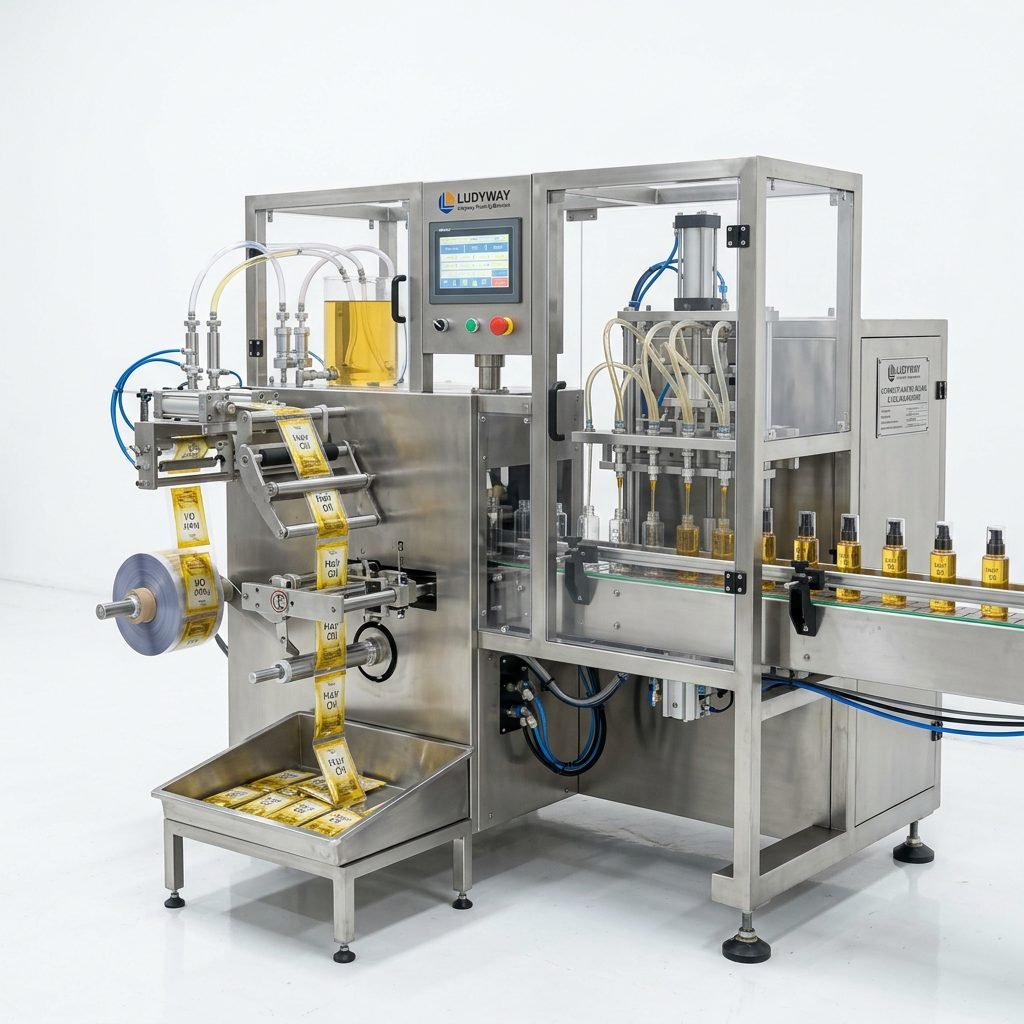
Bottle Fillers: The most common type, designed for filling liquid soap into various bottle shapes and sizes (plastic, glass, HDPE). They can be rotary or in-line machines.
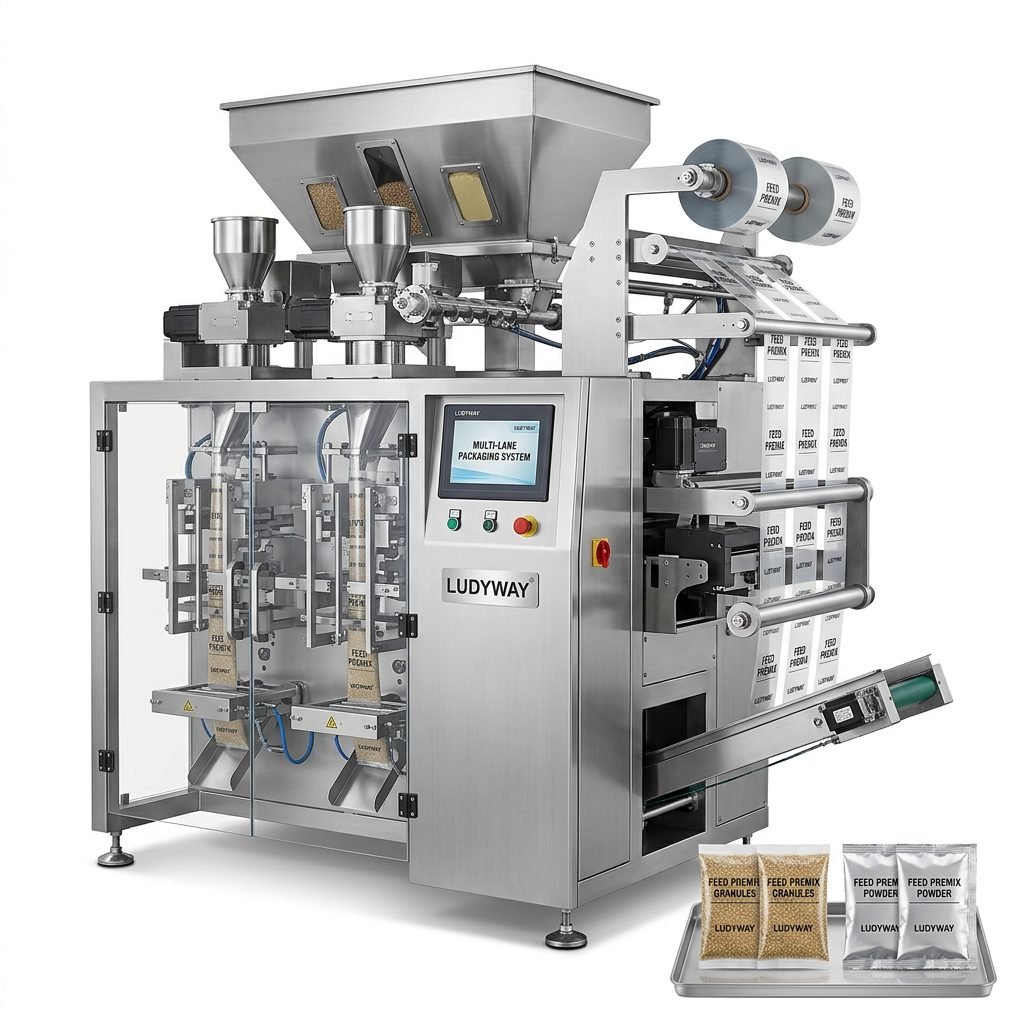
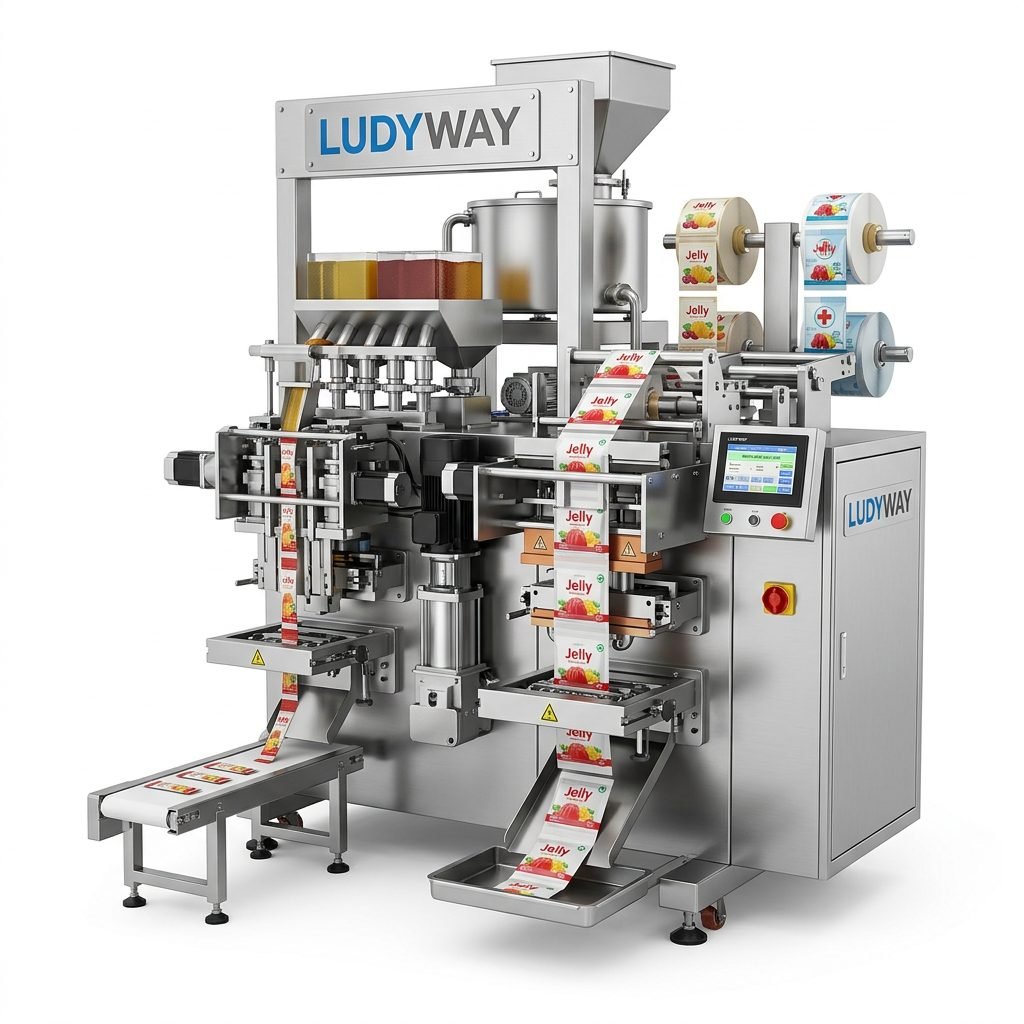
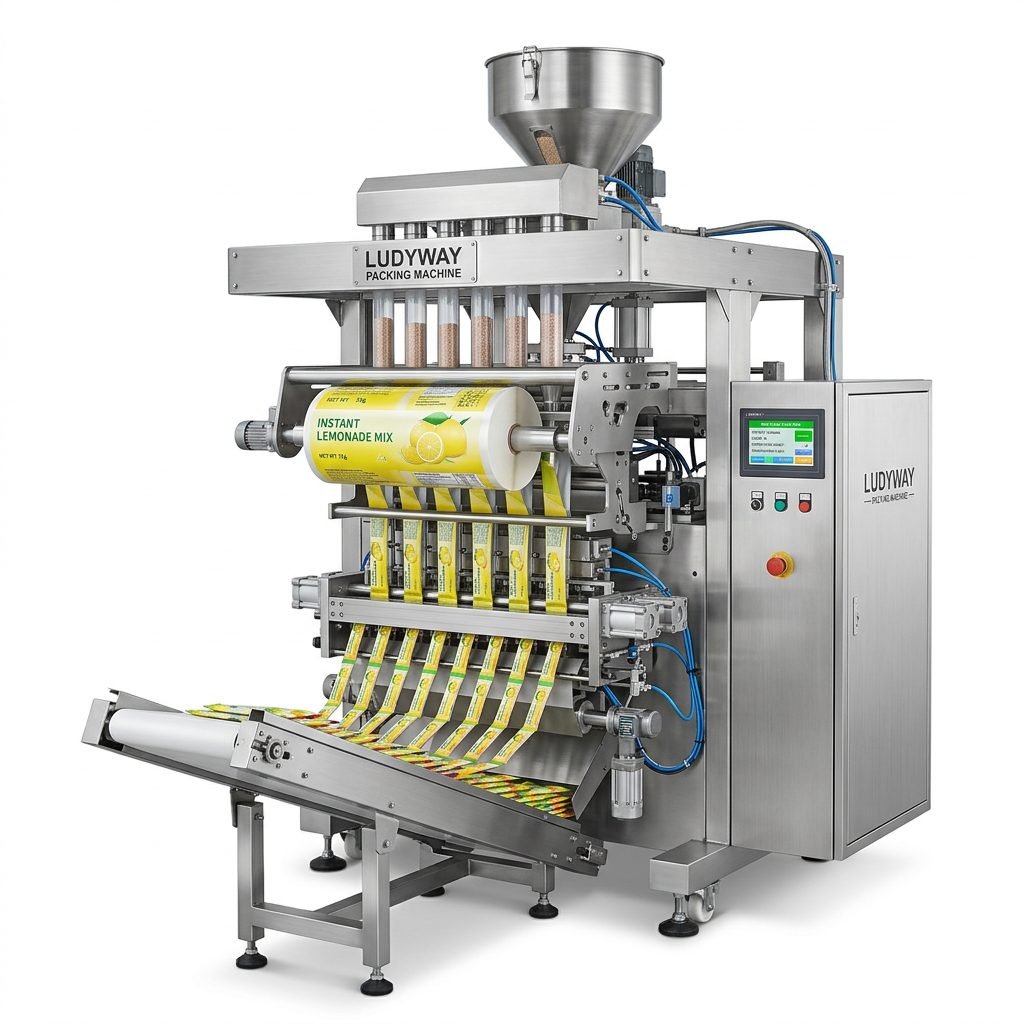
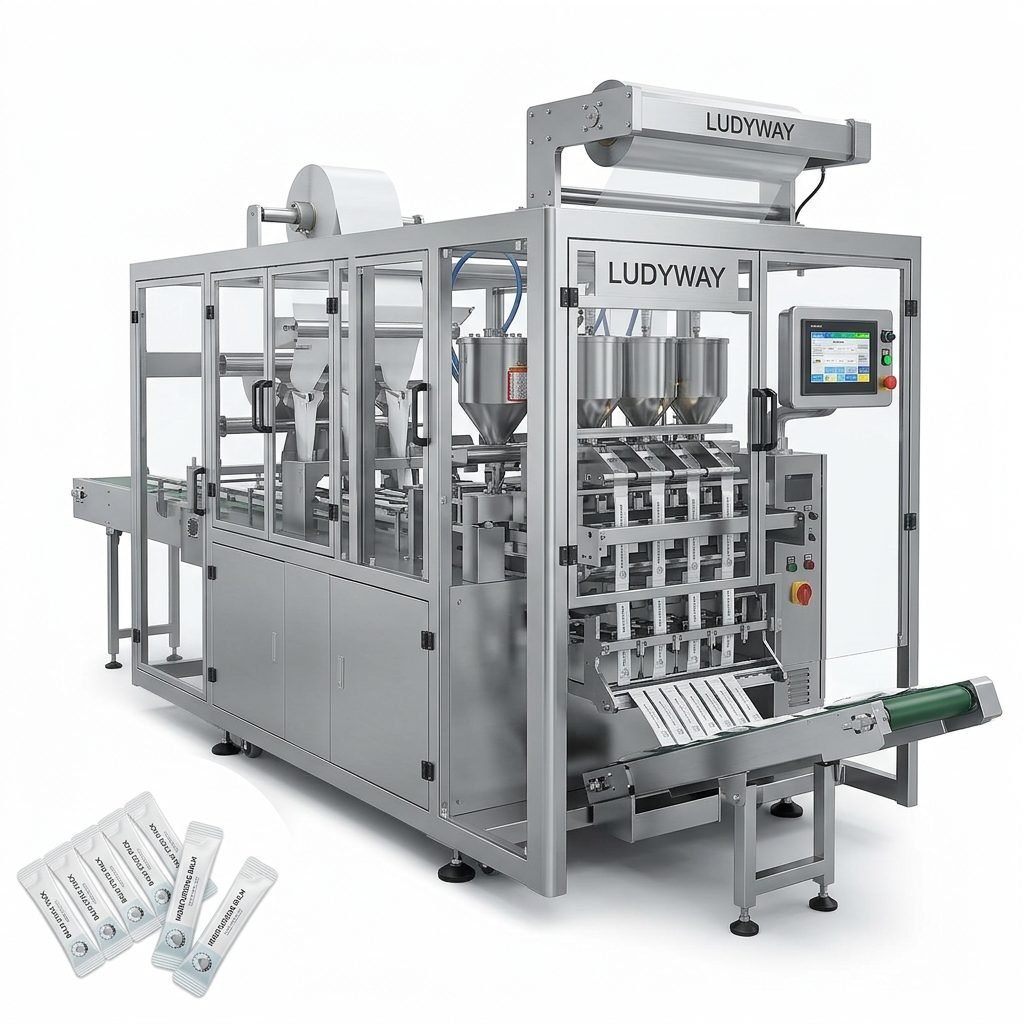
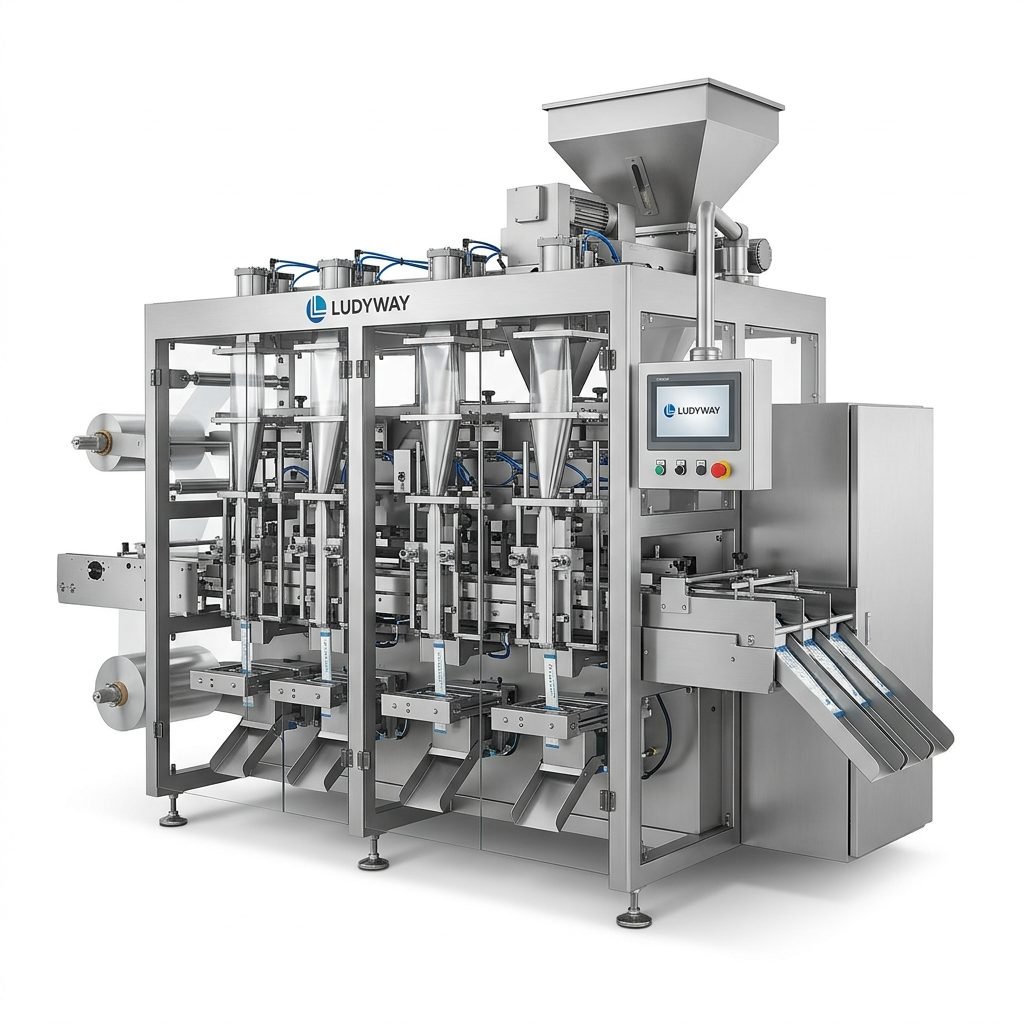
Pouch/Sachet Packaging Machines: These machines form, fill, and seal single-use pouches or sachets from a roll of film. Perfect for travel-sized samples, hotel amenities, or portion-controlled products.
Bag-in-Box Fillers: Used for packaging larger volumes of liquid soap into a plastic bag placed inside a corrugated box, commonly used for bulk commercial or industrial refills.
3. Based on Filling Technology
Volumetric Fillers: Use pistons or pumps to dispense a pre-set volume of liquid. Highly accurate for a wide range of viscosities.
Gravity Fillers: Rely on gravity to fill containers. Best for thin, free-flowing liquids.
Pump Fillers: Use rotary or peristaltic pumps to transfer liquid. Excellent for foamy, viscous, or shear-sensitive products.
Net Weight Fillers: The most precise, filling by weight instead of volume. Ideal for high-value products where exact fill weight is critical.
The Working Process of a Typical Automatic Packaging Line
An integrated automatic line is a symphony of coordinated steps. Here’s a breakdown of a standard workflow for bottle packaging:
Step 1: Container Unscrambling & Cleaning
Empty bottles are fed from a bulk hopper into an unscrambler, which orients them correctly. They may then pass through an air-cleaning station to remove any dust or particles.
Step 2: Precision Filling
Bottles are indexed into the filling station. Based on the machine type, precise amounts of liquid soap are dispensed. Modern machines use servo motors and PLC controls to ensure fill accuracy within ±0.5% or better.
Step 3: Capping or Sealing
Filled containers move to the capping station, where screw caps, pump dispensers, or flip-top closures are applied and tightened to a specific torque. For pouches, this step involves heat sealing the film.
Step 4: Labeling & Coding
Bottles receive labels (wrap-around, front & back, or spot labels). A coding printer, such as an inkjet or laser coder, imprints the batch number, expiry date, or barcode.
Step 5: Inspection & Discharge
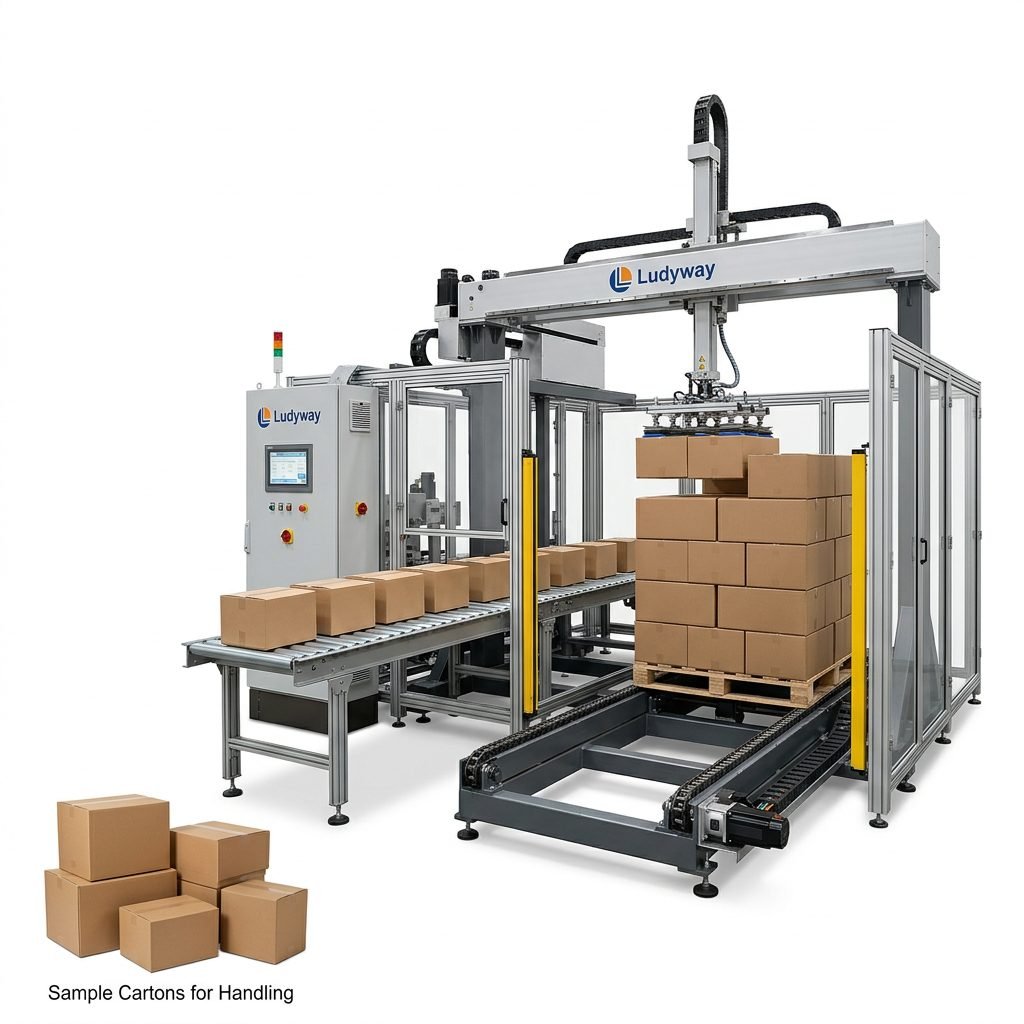
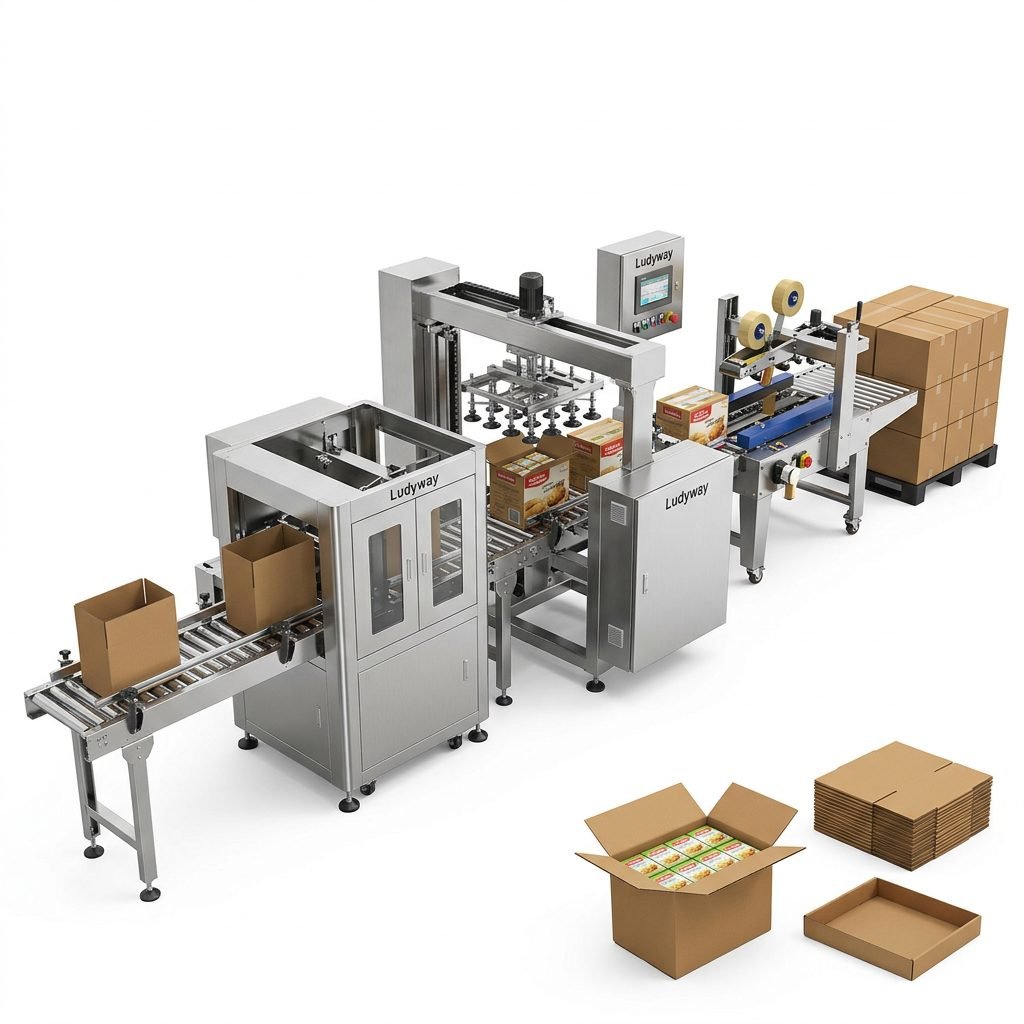
Final inspection systems (checkweighers, cap detectors, vision systems) reject any underfilled, uncapped, or mislabeled bottles. Accepted products are then discharged onto a conveyor for cartoning or palletizing.
How to Choose the Right Liquid Soap Packaging Machine
Selecting a machine is a significant investment. Consider these key factors to find a solution that aligns with your business goals.
1. Assess Your Production Requirements
- Output Speed (BPM/PPH): Calculate your required output per minute or hour. Factor in future growth to avoid under-specifying.
- Container Details: Precisely define bottle/pouch material, shape, size range, and closure type. The machine must handle your specific containers.
- Product Characteristics: Consider the soap’s viscosity, foaminess, abrasiveness, and temperature. This dictates the best filling technology (e.g., pump filler for viscous soap).
2. Evaluate Machine Features & Build Quality
- Construction Material: Contact parts should be made of food-grade stainless steel (SS304 or SS316) for corrosion resistance and easy cleaning, ensuring compliance with health standards.
- Control System: A user-friendly PLC with HMI Touchscreen allows for easy recipe changes, parameter adjustments, and.
- Changeover Flexibility: How quickly and easily can you switch between different bottle sizes or products? Look for machines with quick-change parts.
- Accuracy & Waste Reduction: High fill accuracy minimizes product giveaway. Check the machine’s stated accuracy specifications.
3. Consider Supplier Credentials and Support
Partnering with a reliable supplier is as important as the machine itself. Look for a company with a proven track record in the industry. For instance, Ludyway Machinery, with over 30 years of industry experience, exemplifies a supplier that offers more than just equipment. They provide complete turnkey solutions, from initial consultation to after-sales service. Evaluate their technical support, availability of spare parts, warranty terms, and training offerings. A supplier with a large portfolio, like one offering over 50 intelligent packaging machine models, can often provide a more tailored solution.
4. Analyze Total Cost of Ownership (TCO)
Look beyond the initial purchase price. Calculate the TCO, which includes:
✓ Energy consumption
✓ Maintenance costs and spare part availability
✓ Required operator skill level
✓ Potential for future upgrades or integration
Investing in a robust, slightly more expensive machine from a reputable supplier like an established international brand often leads to lower long-term costs and higher uptime.
Frequently Asked Questions (FAQs)
Q1: What is the typical accuracy range for a liquid soap filling machine?
A: A high-quality automatic filling machine can achieve volumetric accuracy within ±0.5% to ±1.0% of the target fill volume. Net weight fillers offer even higher precision, often within ±0.1 grams.
Q2: Can one machine handle different viscosities of liquid soap (e.g., hand soap vs. dish soap)?
A: Yes, but the filling technology must be appropriate. A piston or pump filler is versatile enough to handle a wide range of viscosities by adjusting pump speed or piston stroke. It’s crucial to discuss your full product range with the supplier during the selection process.
Q3: How important is the material of construction for the machine?
A> Extremely important. For hygiene, durability, and compliance, all parts in contact with the product should be made of food-grade or pharmaceutical-grade stainless steel. This prevents contamination, resists corrosion from soap chemicals, and allows for thorough cleaning and sanitization.
Q4: What kind of maintenance does a liquid soap packaging machine require?
A: Regular maintenance is key. Daily cleaning of product contact parts, weekly checks of seals and gaskets, and periodic lubrication of moving parts as per the manufacturer’s manual are essential. Choosing a supplier that provides clear manuals and readily available spare parts minimizes downtime.
Q5: Is it possible to get a customized machine for a unique bottle shape?
A> Absolutely. Reputable manufacturers and suppliers often offer customization. This can include special grippers for unconventional bottle shapes, customized filling nozzles to prevent splash, or integration of specific downstream equipment like unique labelers. Discuss your specific requirements in detail during the quoting phase.