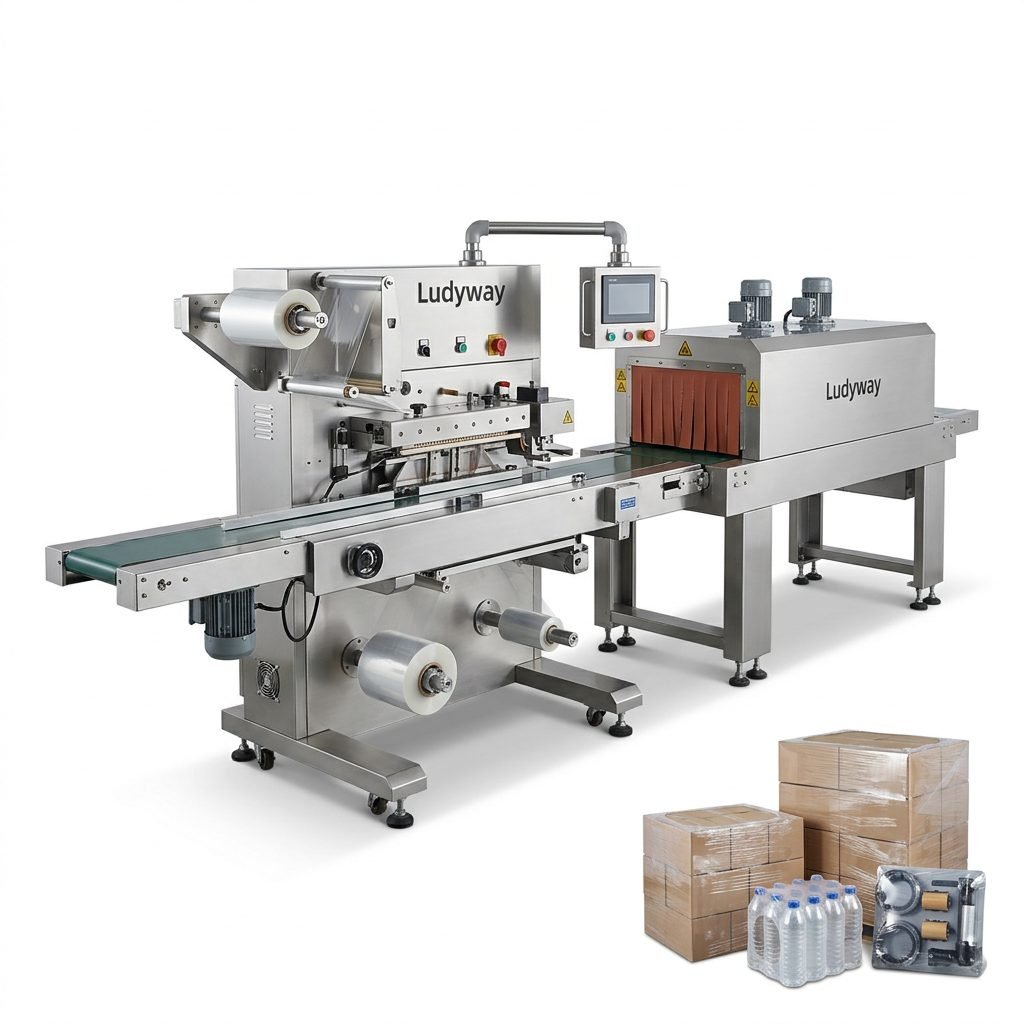
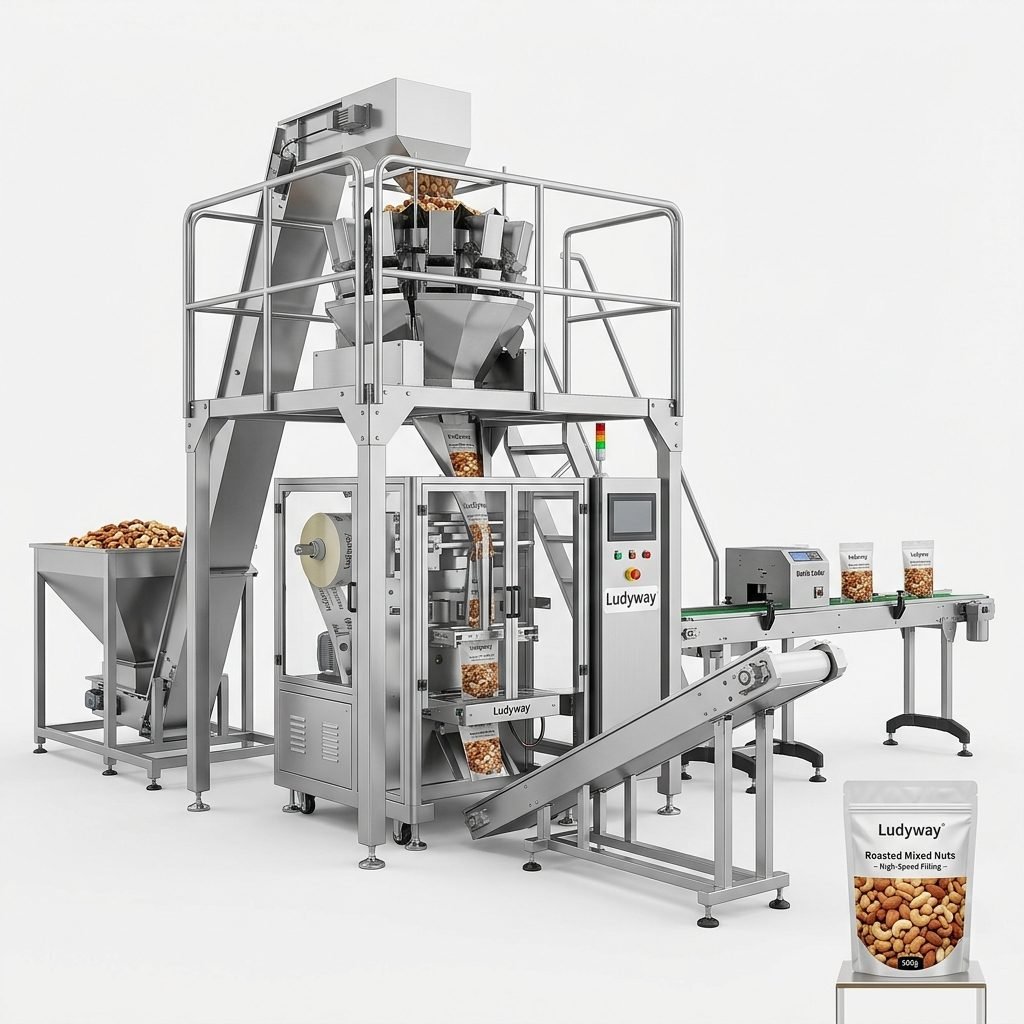
Selecting the right milk pouch packing machine is a critical decision that directly impacts production efficiency, product shelf life, and overall operational costs. Whether you are packaging fresh milk, flavored dairy drinks, or milk powder into pillow pouches or stand-up formats, understanding the key technical and operational factors is essential. This guide provides a structured framework to evaluate automatic milk pouch packaging equipment, helping you match machine capabilities to your specific production goals.
Understanding Your Production Requirements
Before comparing machine models, clearly define your operational parameters. Production speed is often the first filter, but it is not the only one. Consider these core variables:
- Target output: Measured in pouches per minute (ppm) or packs per hour. High-speed multi-lane machines can exceed 400-600 ppm, while single-lane models suit smaller dairies.
- Pouch format and dimensions: Pillow pouches, gusseted bags, or stand-up pouches with specific width and length ranges.
- Product characteristics: Liquid milk, viscous flavored milk, or dry milk powder each require different filling systems — volumetric piston fillers, flow meters, or auger fillers.
- Packaging film material: Multi-layer polyethylene (PE) films, laminated structures, or biodegradable materials demand compatible sealing temperature and pressure controls.
Pouch Format and Film Compatibility
The type of pouch you plan to produce dictates the machine’s forming, filling, and sealing configuration. Most dairy applications use pillow pouches for fresh milk due to cost efficiency and high-speed capability. However, for premium or value-added milk products, stand-up pouches with zippers or spouts are increasingly popular. Ensure the machine supports flexible pouch packaging with the film thickness and seal integrity required for liquid containment and extended shelf life. Look for adjustable sealing jaws with precise temperature control to prevent leakage and ensure consistent seal strength across production runs.
Key Technical Specifications to Evaluate
| Specification | Why It Matters |
|---|---|
| Filling Range | Must match your target pouch volume (e.g., 100ml to 1000ml) with acceptable accuracy (±1-2%). |
| Sealing System | Constant heat sealing with servo-driven pressure control ensures hermetic seals for liquid products. |
| Lane Configuration | Multi-lane machines increase output without proportionally increasing floor space or labor. |
| Automation Level | Fully automatic models integrate film unwinding, forming, filling, sealing, coding, and cutting. |
| CIP/SIP Compatibility | Clean-in-place and sterilize-in-place features are critical for dairy hygiene and food safety compliance. |
Filling Technology for Liquid Milk Products
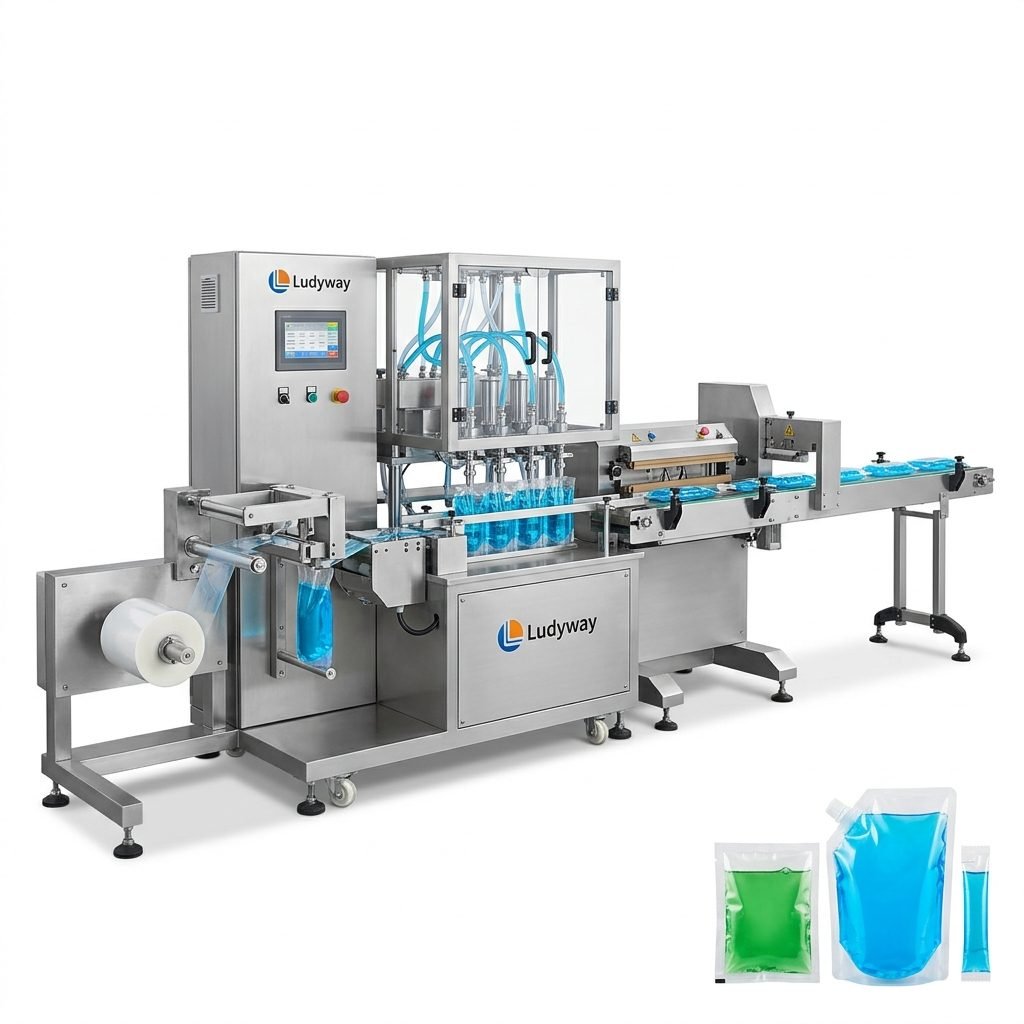
Filling accuracy and hygiene are paramount in dairy operations. Piston fillers offer high precision for viscous products, while electromagnetic flow meters excel with low-viscosity fresh milk. For extended shelf life (ESL) or aseptic packaging, the entire filling path must be sterilizable and enclosed. Many modern liquid packaging machines integrate servo-driven pumps and no-drip nozzles to minimize product waste. When evaluating equipment, verify that the filling system can handle your specific product temperature — cold filling for pasteurized milk often requires different sealing dynamics than ambient or hot filling processes.
Hygiene and Food Safety Standards
Dairy packaging equipment must comply with stringent food safety regulations. Look for machines constructed with 304 or 316L stainless steel contact parts, IP65 or higher washdown ratings, and designs that minimize product contact areas and bacterial growth points. Compliance with FDA food contact regulations and relevant ISO standards ensures your packaging line meets international market requirements. Machines designed for easy disassembly and cleaning reduce downtime between product changeovers and lower the risk of cross-contamination.
Milk Powder Packaging Considerations
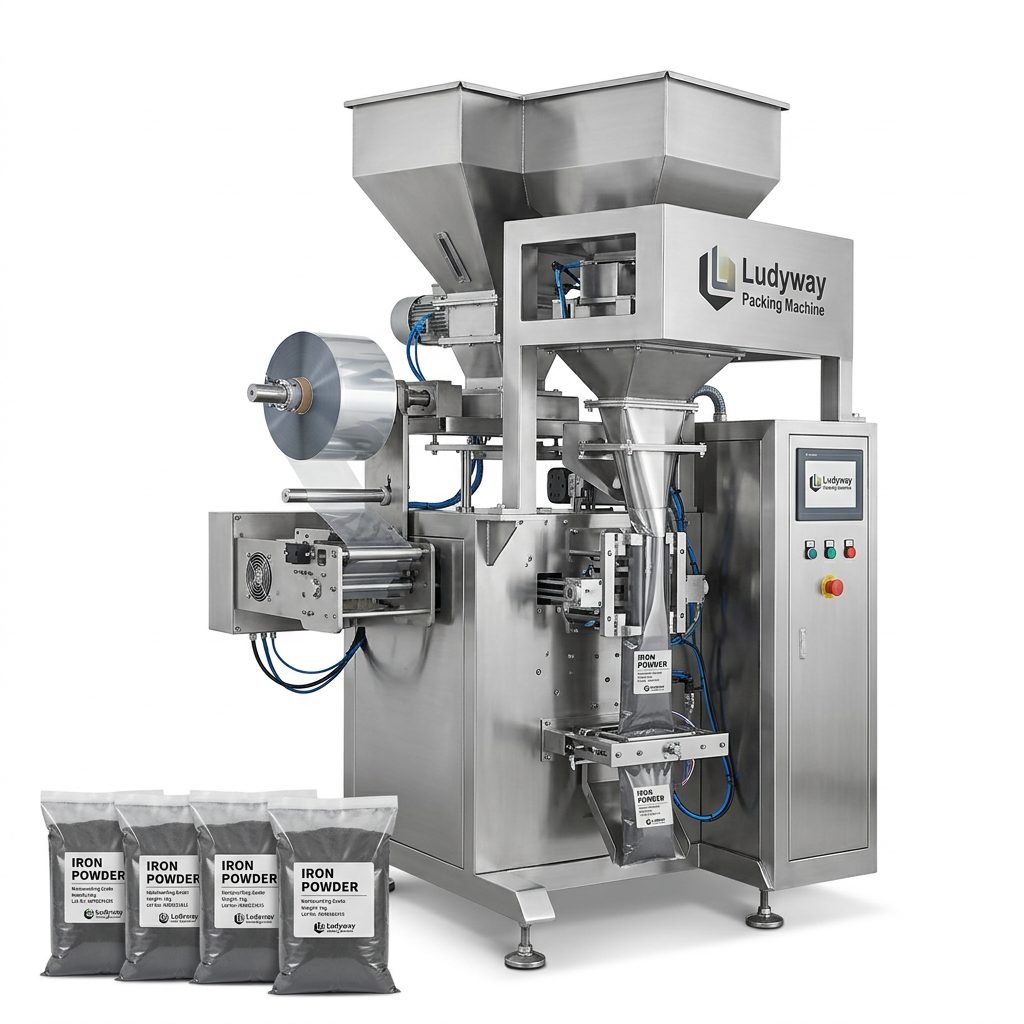
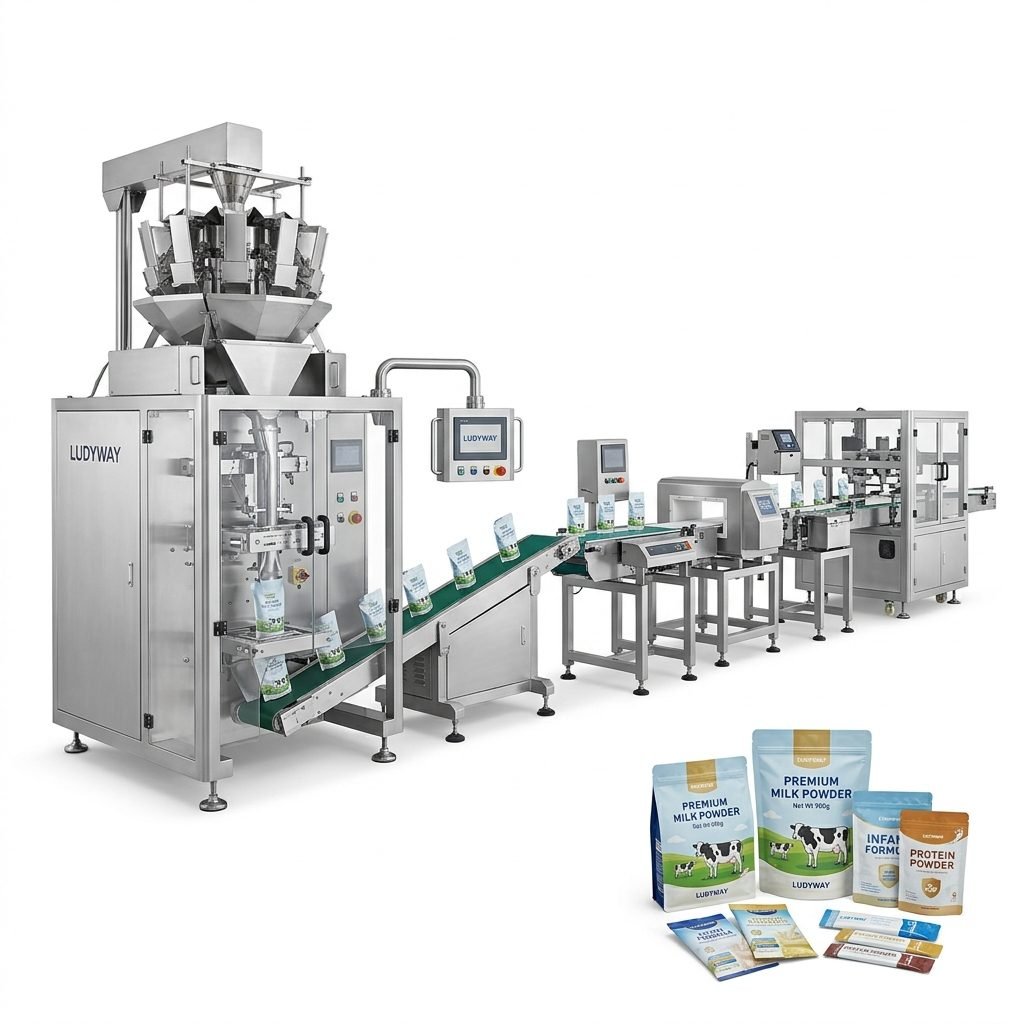
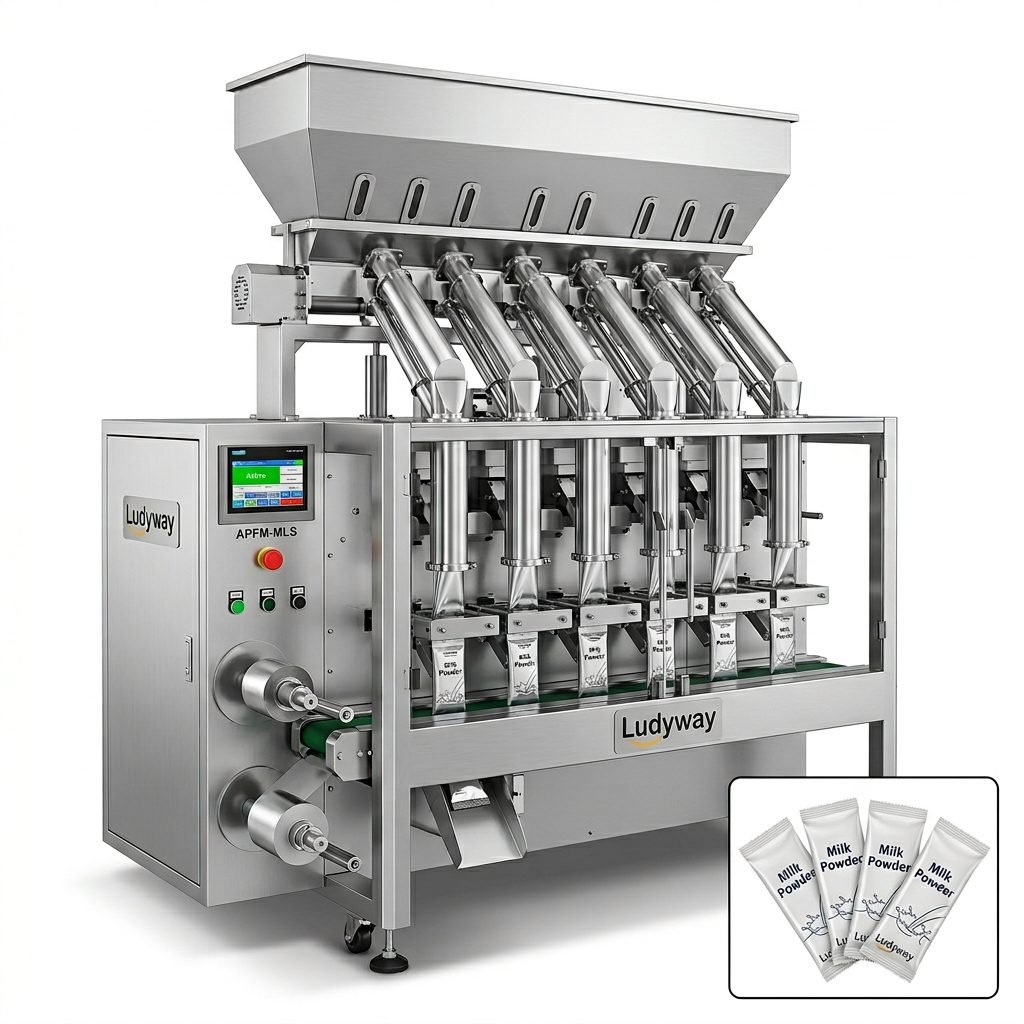
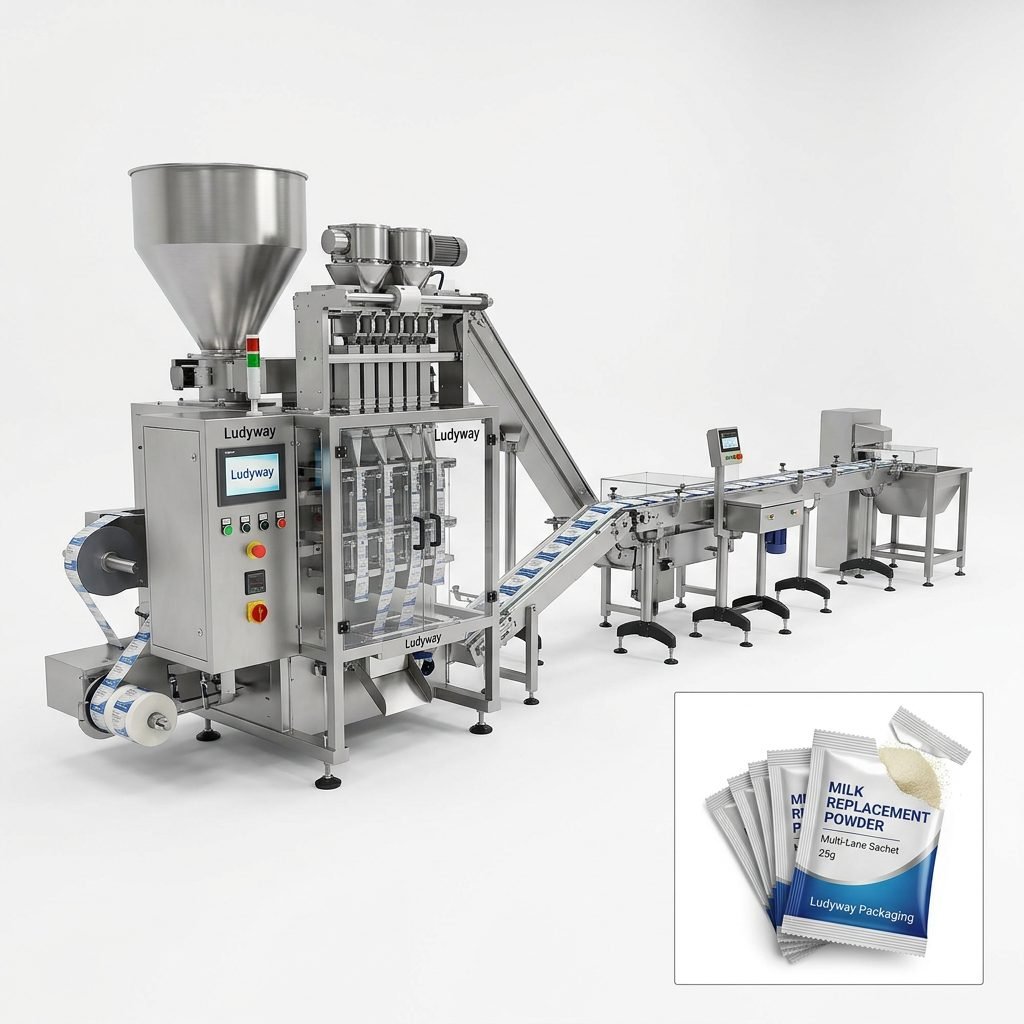
For dry milk powder applications, the primary challenges shift from liquid handling to powder dosing accuracy and dust control. Auger fillers and multi-head weighers are common choices. An auger filler excels with fine, non-free-flowing powders, delivering consistent densities per pouch. A well-designed powder packaging machine will include dust extraction systems to keep the sealing area clean, ensuring strong, uncontaminated seals. Consider also the packaging material: foil laminates provide excellent moisture and oxygen barriers, crucial for preserving milk powder freshness and preventing clumping in high-humidity environments.
Integrated Features and Line Automation
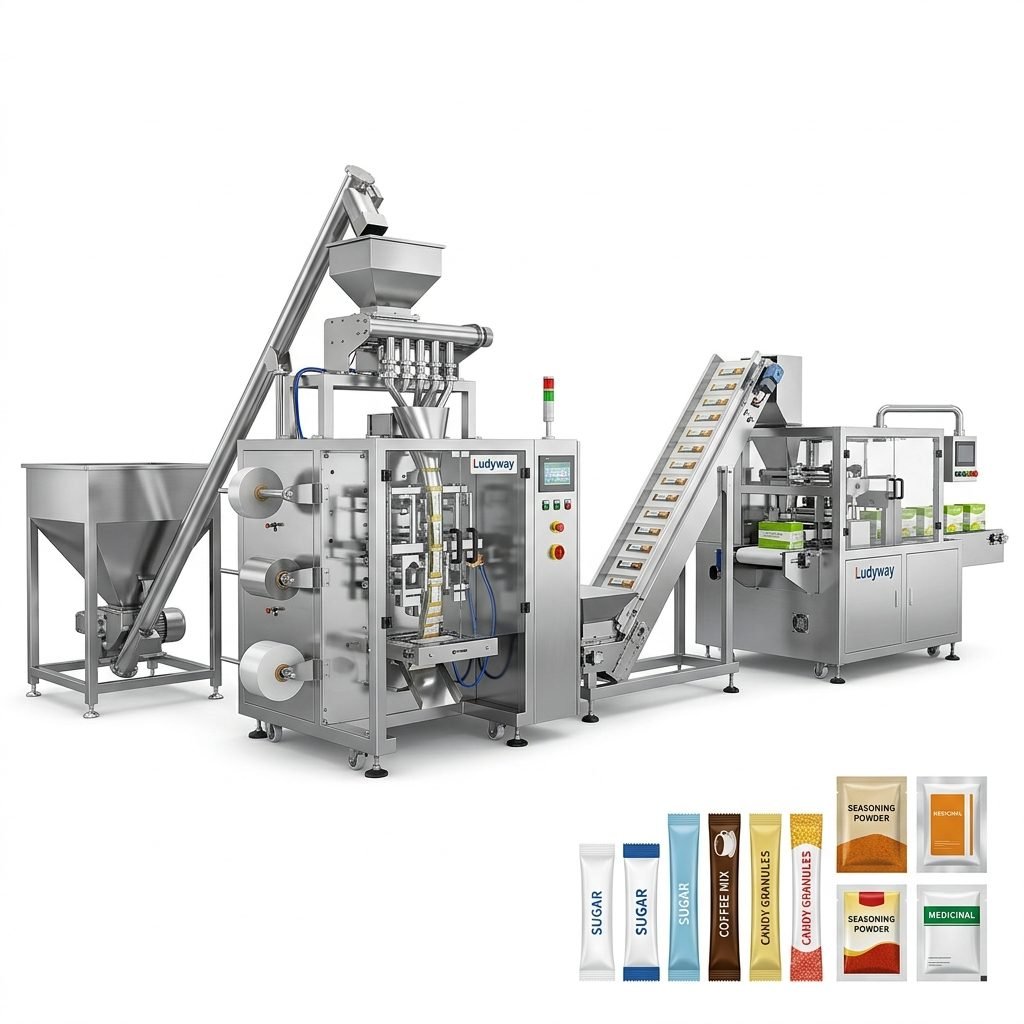
Modern milk pouch packing machines are rarely standalone units. To maximize return on investment, evaluate how the machine integrates with upstream and downstream equipment. Common integrations include:
- Inline coding and marking: Date codes, batch numbers, and barcodes applied immediately after sealing.
- Pouch collection and collating systems: Automatic counting, stacking, and conveyors feeding into cartoning machines.
- Checkweighers and metal detectors: Inline quality control to reject underweight or contaminated pouches automatically.
Seamless integration reduces manual handling, lowers labor costs, and improves overall packaging line efficiency.
Evaluating Machine Build Quality and Durability
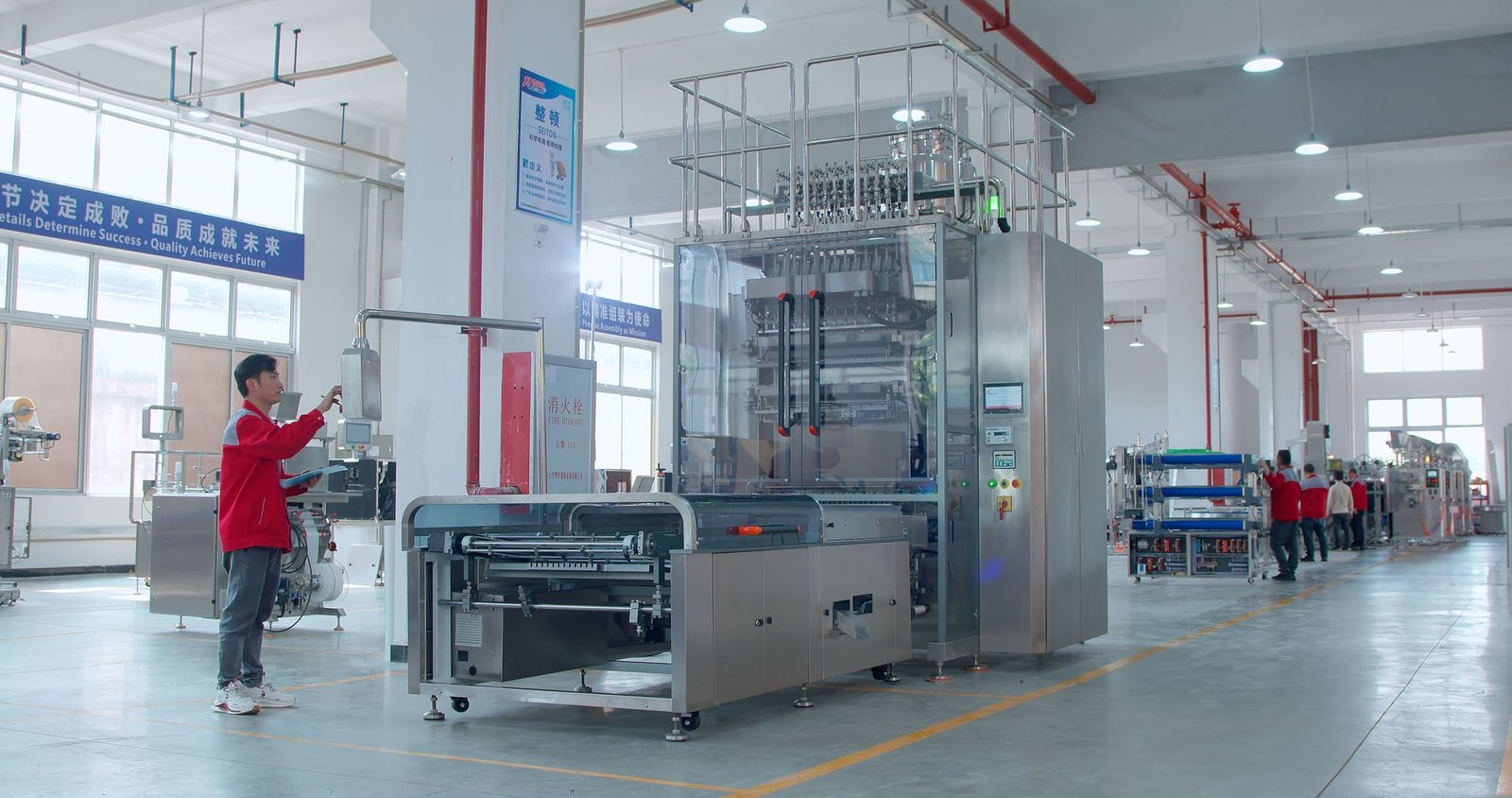
A milk pouch packaging machine represents a significant capital investment, and its long-term reliability depends on robust construction. Examine the frame rigidity, quality of electrical and pneumatic components, and the reputation of the controller system (such as PLC and HMI brands). Machines built with branded automation components (Siemens, Omron, Mitsubishi, Schneider) tend to offer greater reliability and easier access to spare parts. Pay attention to the accessibility of wear parts like sealing jaws, cutting blades, and belts — easy access speeds maintenance and reduces downtime.
After-Sales Support and Service Network
Technical support availability can be a decisive factor. Before finalizing a purchase, clarify the scope of installation, commissioning, and training provided. Confirm remote diagnostic capabilities, local service engineer availability, and the typical lead time for critical spare parts. A manufacturer with a global service footprint can significantly reduce the risk of extended production stoppages.
Total Cost of Ownership vs. Initial Price
Focusing solely on the machine’s upfront cost can be misleading. A lower-priced machine may incur higher expenses over time through increased film waste, energy consumption, maintenance frequency, and shorter service life. Calculate the total cost of ownership over 5-7 years, factoring in film utilization efficiency, expected yield rates, spare parts costs, and downtime impact. A high-performance machine with superior film tracking and precise temperature control often delivers a lower cost per pouch despite a higher initial investment.
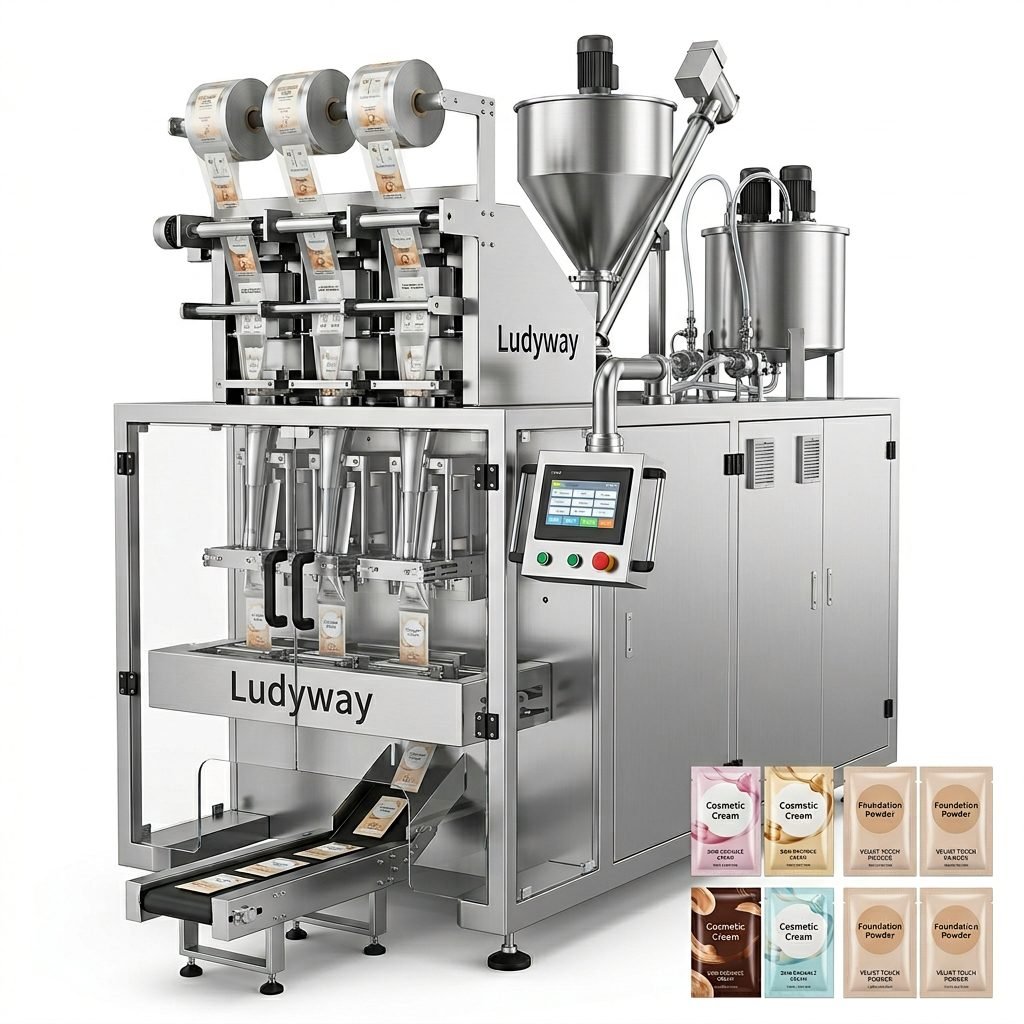
Companies like Ludyway Machinery provide integrated packaging solutions, combining hardware, automation, and application knowledge to help milk producers configure lines that balance throughput, accuracy, and long-term reliability.
Steps to Making the Final Decision
- Define your specifications clearly: Pouch style, fill volume range, target speed, and floor space constraints.
- Shortlist suppliers based on industry experience, machine specifications, and customer references specifically in dairy packaging.
- Request sample runs or factory acceptance tests (FAT) using your actual film and product to verify performance claims.
- Compare warranty terms, service level agreements, and spare parts availability across your shortlisted options.
- Visit reference installations in similar dairy applications whenever possible to observe real-world operation and speak directly with users.
Choosing the right milk pouch packing machine requires balancing technology, hygiene, throughput, and total lifetime value. By methodically evaluating these factors, you can select equipment that supports your production goals for years to come.