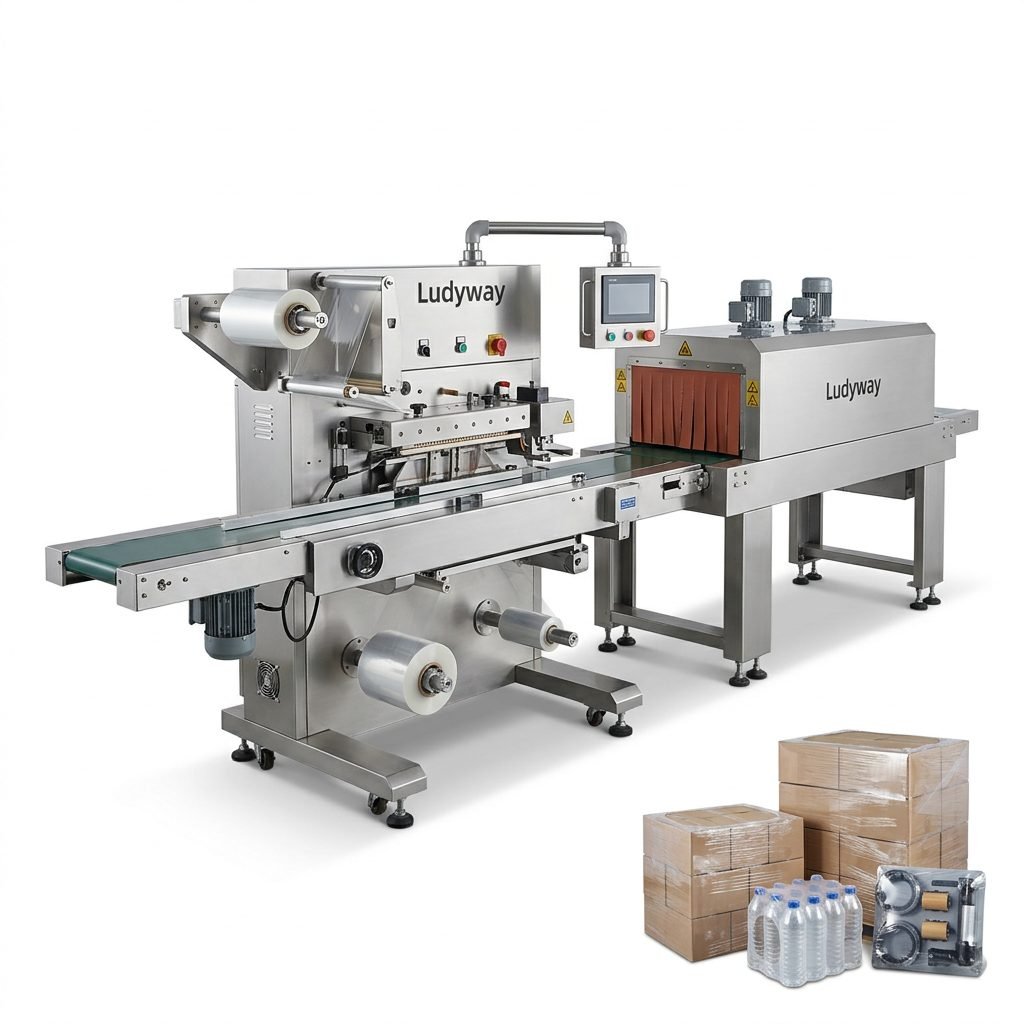
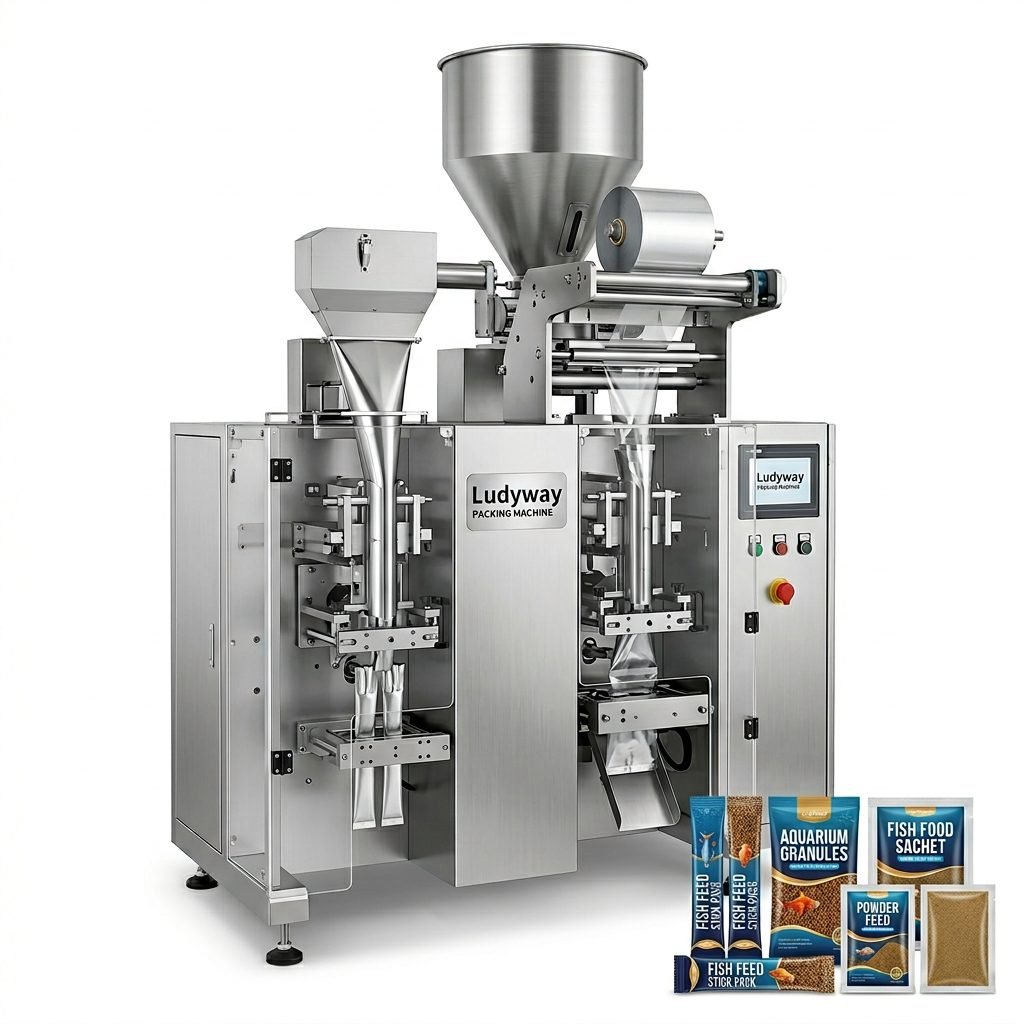
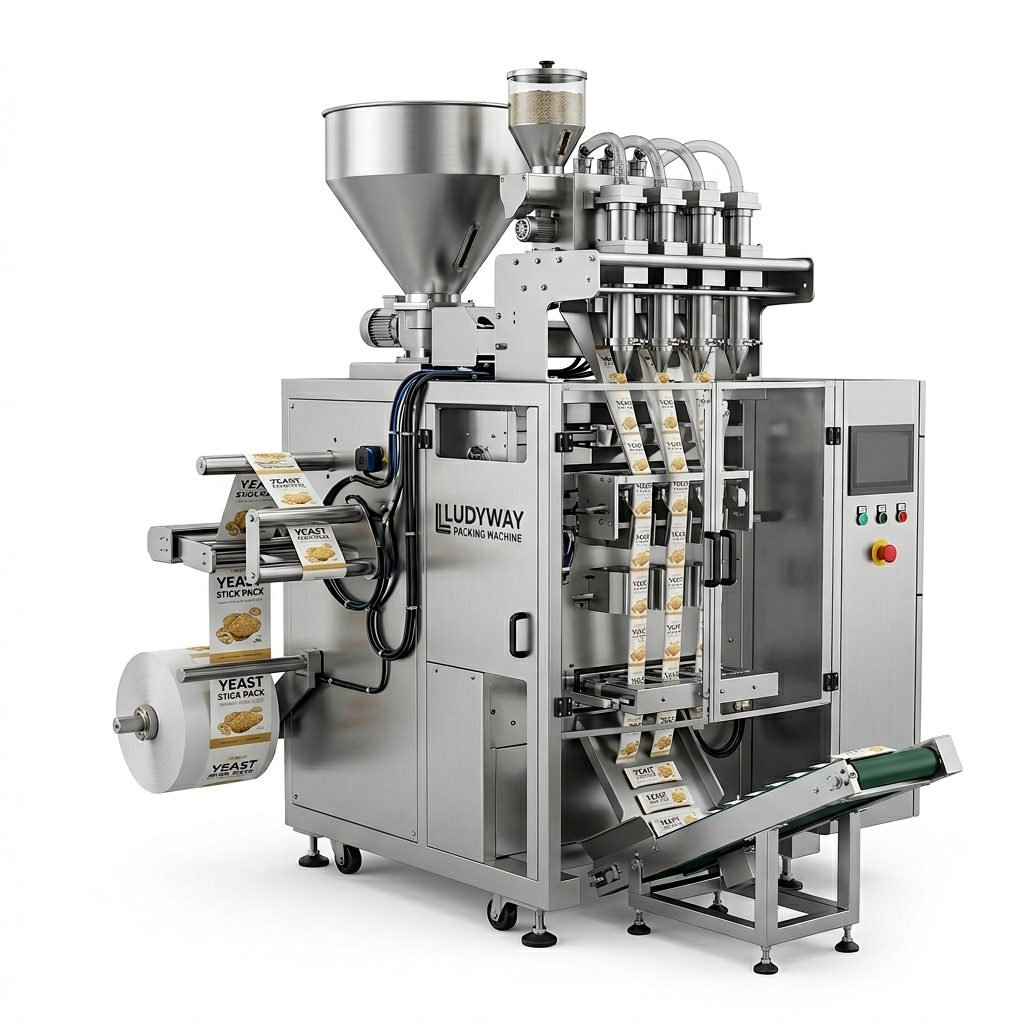
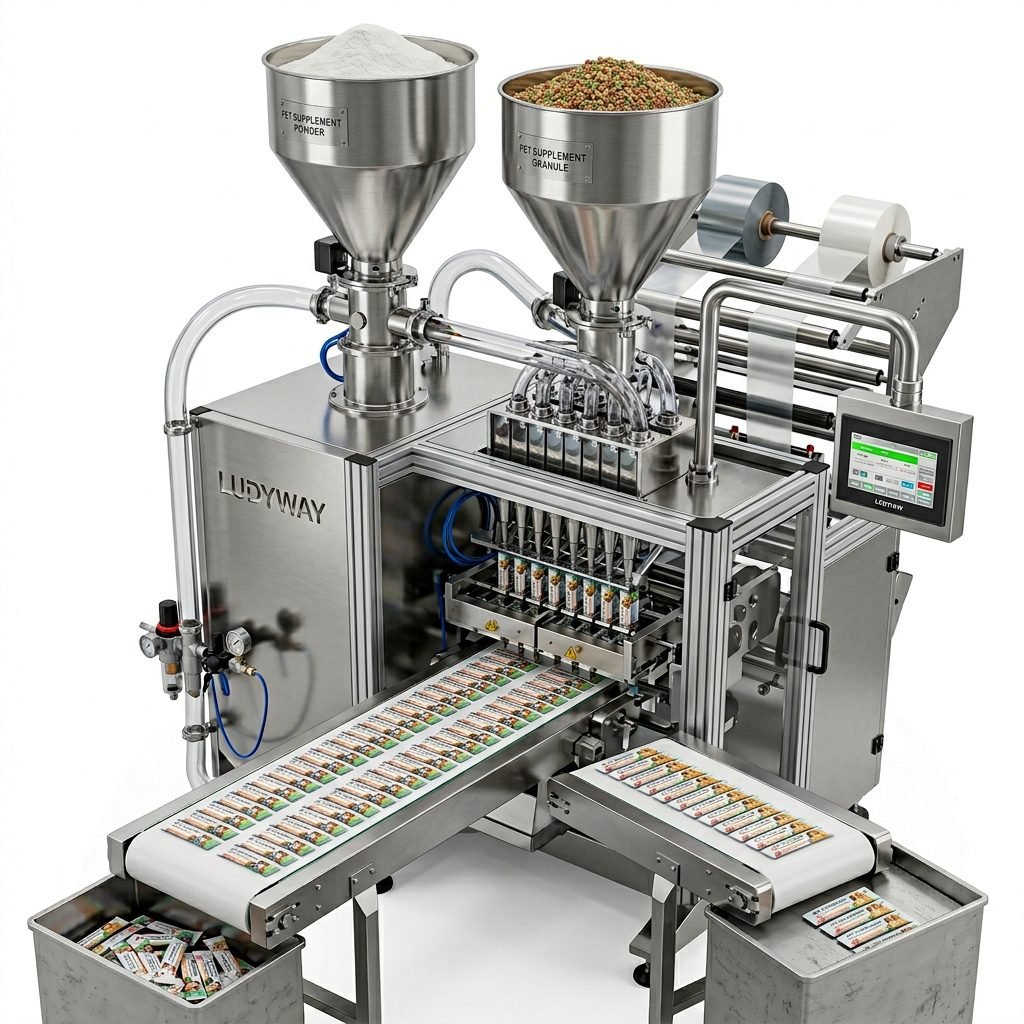
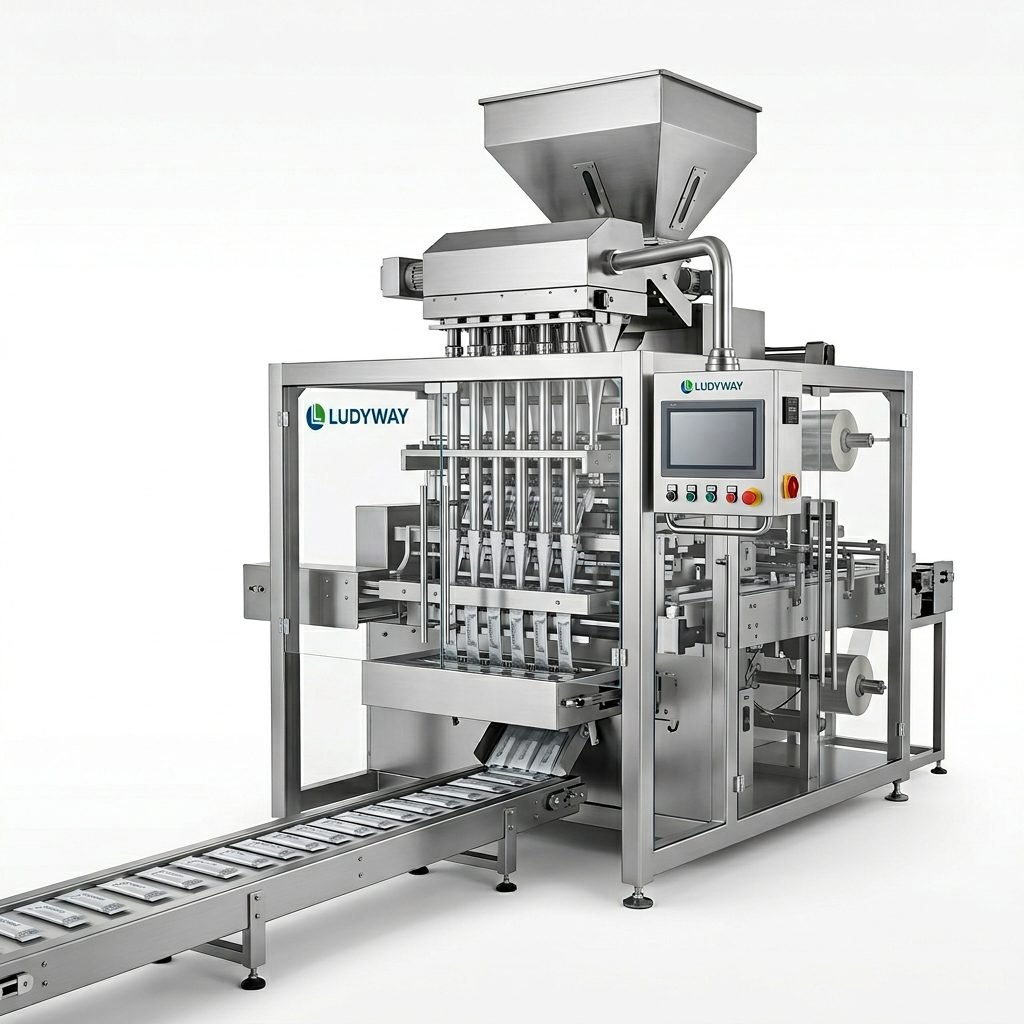
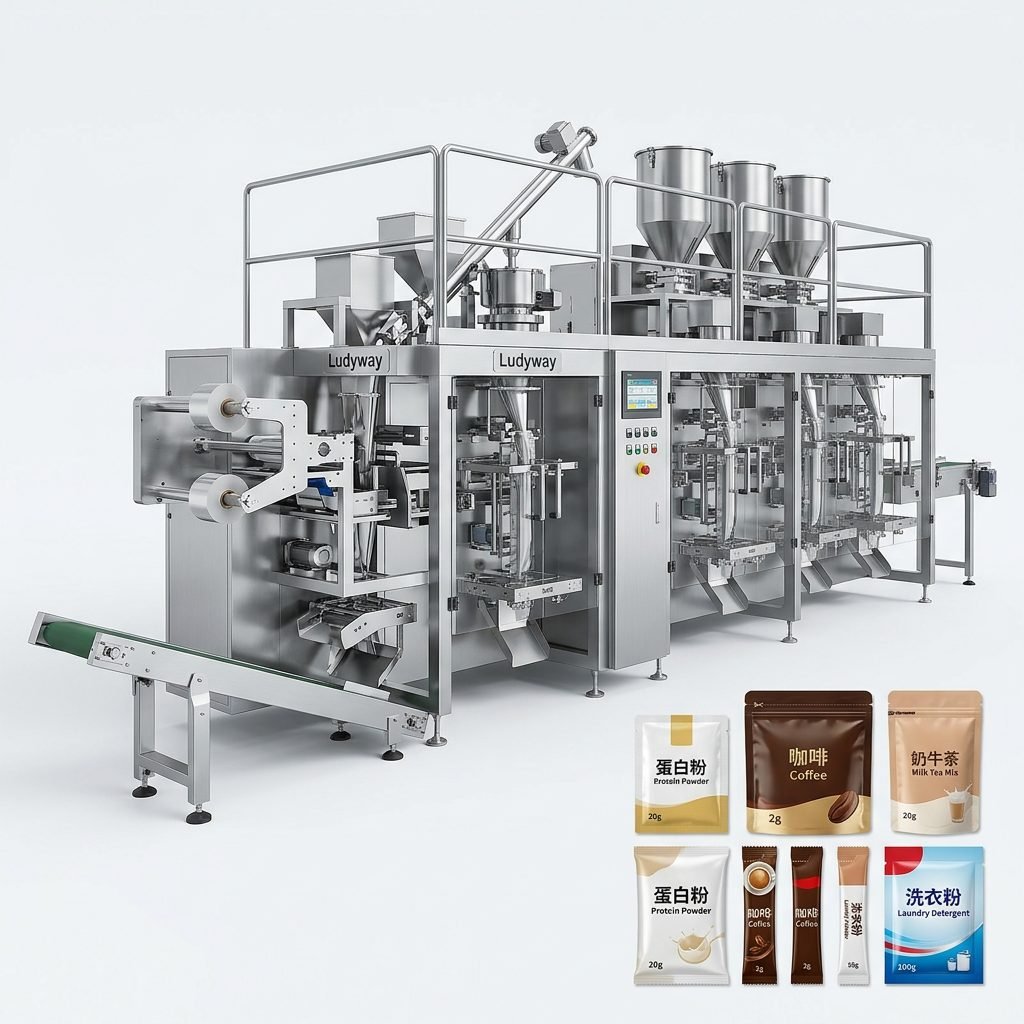
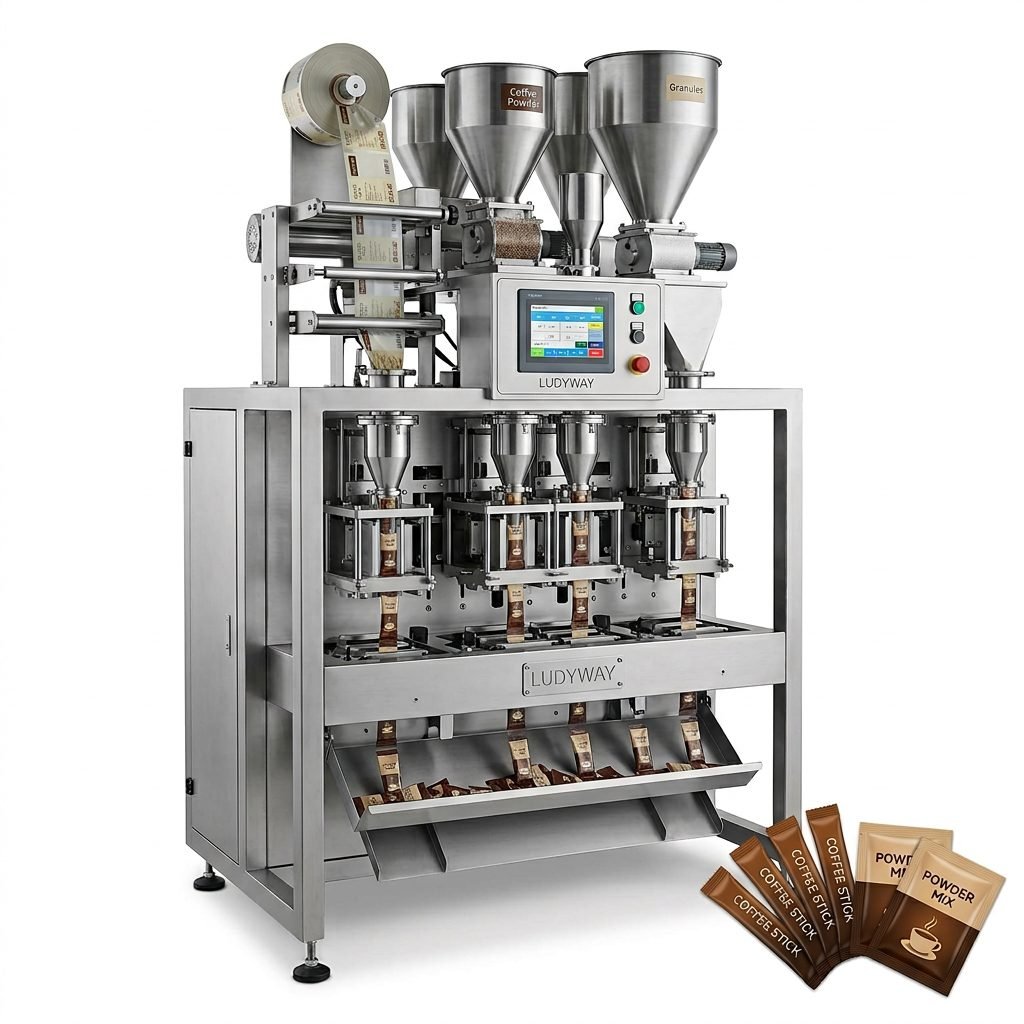
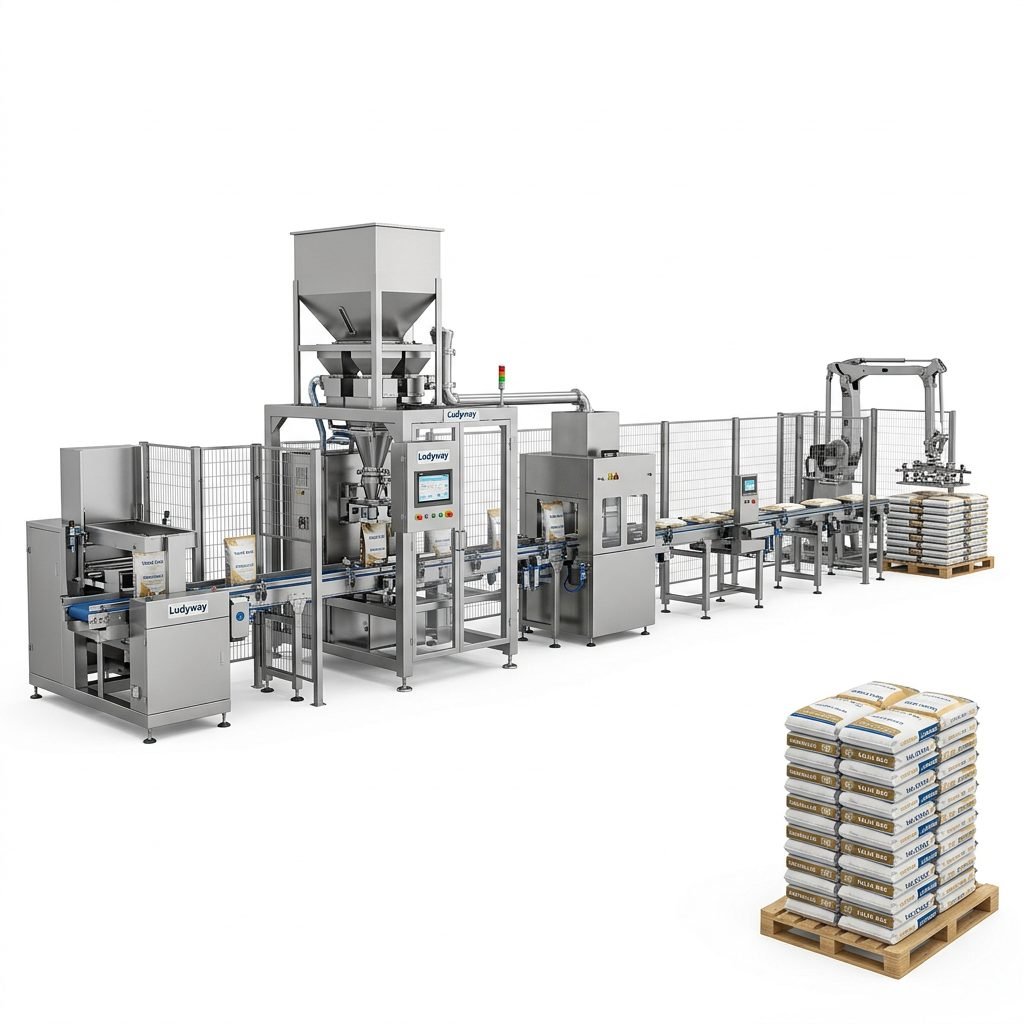
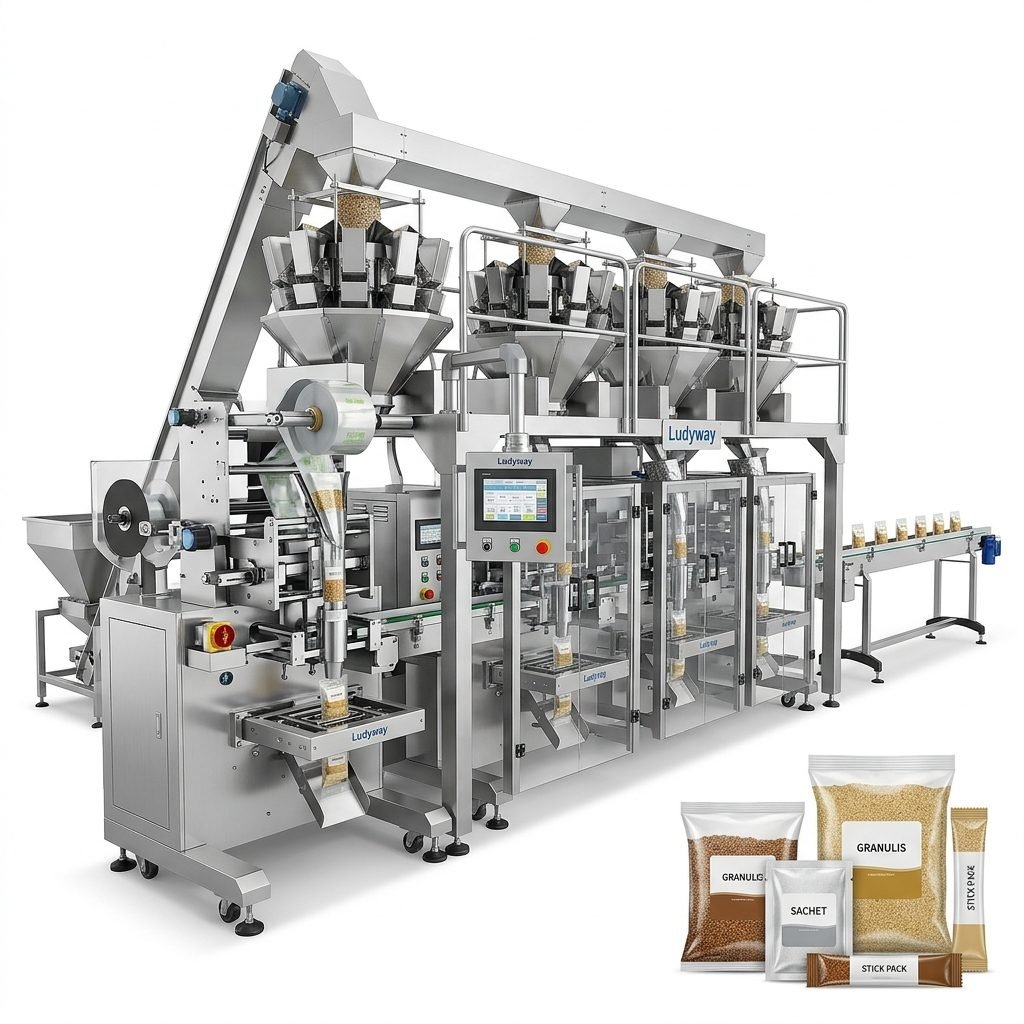
Regular and proper maintenance of your automatic grocery packing machine is one of the most effective ways to prevent unexpected downtime and ensure consistent packaging quality. Without a structured maintenance routine, even the most robust equipment can experience performance degradation, leading to costly production delays and product waste. This comprehensive guide walks you through the essential steps for maintaining your automatic grocery packing machine at peak efficiency.
Why Preventive Maintenance Matters for Packaging Equipment
An automatic grocery packing machine operates under demanding conditions, handling various product types, packaging materials, and high-speed outputs on a daily basis. Over time, components such as sealing jaws, cutting blades, sensors, and conveyor belts experience natural wear and tear. Implementing a proactive maintenance schedule not only extends the lifespan of your equipment but also reduces total cost of ownership by minimizing emergency repairs. Industry data from organizations like PMMI consistently highlights that well-maintained packaging machinery achieves significantly higher OEE (Overall Equipment Effectiveness) scores compared to equipment maintained on a reactive basis.
Daily Cleaning Protocols for Optimal Machine Hygiene
One of the most overlooked yet critical aspects of maintaining an automatic grocery packing machine is the daily cleaning routine. Food particles, dust, and packaging material residues can accumulate rapidly, especially in high-volume production environments. Here are the key cleaning tasks to perform at the end of each shift:
- Remove product residues from all contact surfaces, including hoppers, feeders, and filling nozzles, using food-grade cleaning agents.
- Clean the sealing jaws and cutting blades thoroughly to prevent residue buildup that can compromise seal integrity and lead to leaking packages.
- Wipe down sensors and photo-eyes with a soft, lint-free cloth to maintain accurate detection and prevent false readings that could trigger unnecessary machine stoppages.
- Clear debris from conveyor belts and check for any signs of misalignment or fraying edges that could affect product transport.
- Empty and clean the dust collection system if your machine is equipped with one, as clogged filters can reduce suction efficiency and affect overall machine performance.

Lubrication Best Practices for Moving Components
Proper lubrication is essential for the smooth operation of any packaging machine. Each automatic grocery packing machine has specific lubrication points that require regular attention according to the manufacturer’s guidelines. Key areas to focus on include:
- Bearings and bushings on rotating shafts and drive mechanisms
- Linear guide rails used in the filling and sealing stations
- Chain drives and sprockets that transfer motion between different machine sections
- Cam followers and linkages in the forming and cutting assemblies
Always use food-grade lubricants that comply with NSF H1 or H2 standards when lubricating components that may come into incidental contact with food products. Over-lubrication can be just as damaging as under-lubrication, attracting dust and creating a grinding paste that accelerates wear.
Choosing the Right Lubricant Type
Different machine zones may require different lubricant viscosities. High-temperature areas near sealing stations demand lubricants with excellent thermal stability, while high-speed mechanical components benefit from low-viscosity oils that reduce friction without creating excessive drag. Consult your equipment manual or contact your packaging machine manufacturer for precise lubrication specifications.
Inspecting and Maintaining the Sealing System
The sealing system is arguably the most critical subsystem in an automatic grocery packing machine. A compromised seal can lead to product spoilage, customer complaints, and regulatory issues. Regular inspection should cover the following elements:
- Sealing jaw temperature calibration – Check that actual jaw temperatures match setpoint values using an infrared thermometer. Deviations greater than ±3°C warrant recalibration.
- Teflon tape or sealing band condition – Replace worn or damaged sealing bands immediately to prevent inconsistent seal quality and potential film sticking.
- Pressure uniformity – Verify that sealing pressure is evenly distributed across the entire jaw length. Uneven pressure creates weak spots that may fail during transport or shelf storage.
- Cooling zone functionality – Ensure that cooling plates or air cooling systems are operating correctly to set the seal before the package exits the sealing station.
Electrical System and Sensor Maintenance
Modern automatic grocery packing machines rely heavily on electronic controls, PLC systems, and an array of sensors to maintain precise operation. Electrical maintenance should be performed by qualified technicians and include the following checks:
- Inspect all wiring harnesses and connectors for signs of wear, corrosion, or loose connections that could cause intermittent faults.
- Verify sensor alignment and sensitivity for registration mark sensors, product detection sensors, and safety interlocks.
- Check control panel cooling fans and filters regularly to prevent overheating of sensitive electronic components.
- Backup PLC programs and parameter settings periodically to ensure quick recovery in the event of a controller failure.
According to PMMI business intelligence reports, electrical issues account for a significant percentage of unplanned downtime in packaging operations, making this area a high priority for preventive maintenance programs.

Preventive Maintenance Schedule Overview
A structured maintenance schedule ensures that no critical task is overlooked. The table below outlines a recommended maintenance framework for an automatic grocery packing machine operating in a typical production environment:
| Maintenance Interval | Key Tasks | Responsible Personnel | Estimated Duration |
|---|---|---|---|
| Daily | Clean product contact surfaces, inspect sealing quality, check sensor function, verify emergency stops | Machine Operator | 20-30 minutes |
| Weekly | Lubricate moving parts, inspect belts and chains, clean filters, check pneumatic system pressure | Maintenance Technician | 1-2 hours |
| Monthly | Calibrate temperature controllers, inspect electrical connections, check gearbox oil levels, test safety systems | Maintenance Technician | 3-4 hours |
| Quarterly | Replace wear parts (sealing bands, cutting blades), deep clean all machine sections, update software backups | Senior Technician | 1 full shift |
| Annually | Complete machine overhaul, replace all wear components, recalibrate all systems, conduct full safety audit | Manufacturer Service Team | 2-3 days |
Troubleshooting Common Issues Before They Escalate
Being able to diagnose and address minor issues quickly can prevent them from escalating into major breakdowns. Below are some common problems encountered with automatic grocery packing machines and their likely causes:
- Inconsistent seal quality: Check sealing jaw temperature, pressure settings, and the condition of Teflon tape or sealing bands. Also verify that the packaging film specification matches the machine’s requirements.
- Product weight variations: Inspect the weighing or volumetric filling system for product buildup, recalibrate load cells if necessary, and verify that product flow characteristics have not changed.
- Film tracking or misalignment issues: Examine the film roll mounting, tension control system, and guide rollers for proper alignment. Worn roller bearings are a common culprit.
- Excessive machine vibration: Check for loose mounting bolts, worn drive belts, unbalanced rotating components, or deteriorated vibration dampening mounts.
- Intermittent sensor faults: Clean sensor lenses thoroughly, check cable connections for looseness, and verify that the sensor mounting bracket has not shifted due to vibration.
Reference resources such as the State of the Industry reports from PMMI provide valuable benchmarking data that can help you assess whether your maintenance performance aligns with industry standards.
When to Call in Professional Service Support
While many maintenance tasks can be handled by in-house teams, certain situations require the expertise of specialized technicians. These include major component replacements, control system upgrades, complete machine realignment after a collision, and annual comprehensive overhauls. Establishing a service agreement with a reputable provider ensures priority response times and access to genuine spare parts.
Spare Parts Management Strategy
An effective spare parts inventory is essential for minimizing downtime when repairs are needed. At a minimum, your on-site spare parts inventory for an automatic grocery packing machine should include:
- Sealing bands and Teflon tape – These are high-wear items that should always be available in sufficient quantities.
- Cutting blades and knife assemblies – Dull blades produce ragged cuts and increase film waste.
- Drive belts of all sizes used throughout the machine
- Common sensor types including photoelectric sensors, proximity sensors, and temperature probes
- Heating elements and thermocouples for the sealing system
- Pneumatic seals, O-rings, and gaskets for cylinders and valves
- Filter elements for air, oil, and dust collection systems
Maintaining a well-organized spare parts inventory with clear labeling and documented reorder points helps ensure that critical components are always available when needed. Work closely with your equipment supplier to identify the recommended spare parts list specific to your machine model.
Operator Training and Engagement in Maintenance
The machine operator is your first line of defense in identifying potential issues before they become serious problems. Comprehensive operator training should cover:
- Daily inspection checklists with clear pass/fail criteria for each item
- Basic cleaning procedures that protect sensitive components while effectively removing product residues
- Early warning signs of common problems such as unusual noises, vibrations, or odor from overheating components
- Proper startup and shutdown sequences that minimize mechanical stress on the equipment
- Documentation practices for recording observations and maintenance activities in the machine log
Well-trained operators who take ownership of their equipment contribute significantly to the overall reliability and longevity of the automatic grocery packing machine.
Documentation and Record Keeping
Accurate maintenance records are invaluable for tracking equipment performance over time and identifying patterns that may indicate developing problems. Every maintenance activity, whether routine or corrective, should be documented with the following information:
- Date and time of the maintenance activity
- Name of the person performing the work
- Detailed description of the task completed
- Parts replaced or materials used
- Any observations or anomalies noted during the work
- Follow-up actions required, if any
Digital maintenance management systems offer significant advantages over paper logs, including automated scheduling, inventory tracking, and data analysis capabilities that support continuous improvement of your maintenance program. Resources from organizations like the Flexible Packaging Association offer additional guidance on best practices for packaging equipment management.
Seasonal Considerations for Machine Maintenance
Environmental conditions can have a significant impact on the performance of an automatic grocery packing machine. During hot and humid summer months, condensation can form on cooled machine surfaces and affect product flow characteristics. In cold winter conditions, lubricants may thicken and packaging films may become less flexible. Adjust your maintenance practices seasonally by:
- Increasing inspection frequency during extreme weather periods
- Verifying that climate control systems in the packaging area are functioning correctly
- Checking for condensation-related corrosion on exposed metal surfaces
- Adjusting lubricant viscosity grades if significant seasonal temperature swings are expected
Partnering with a Reliable Equipment Manufacturer
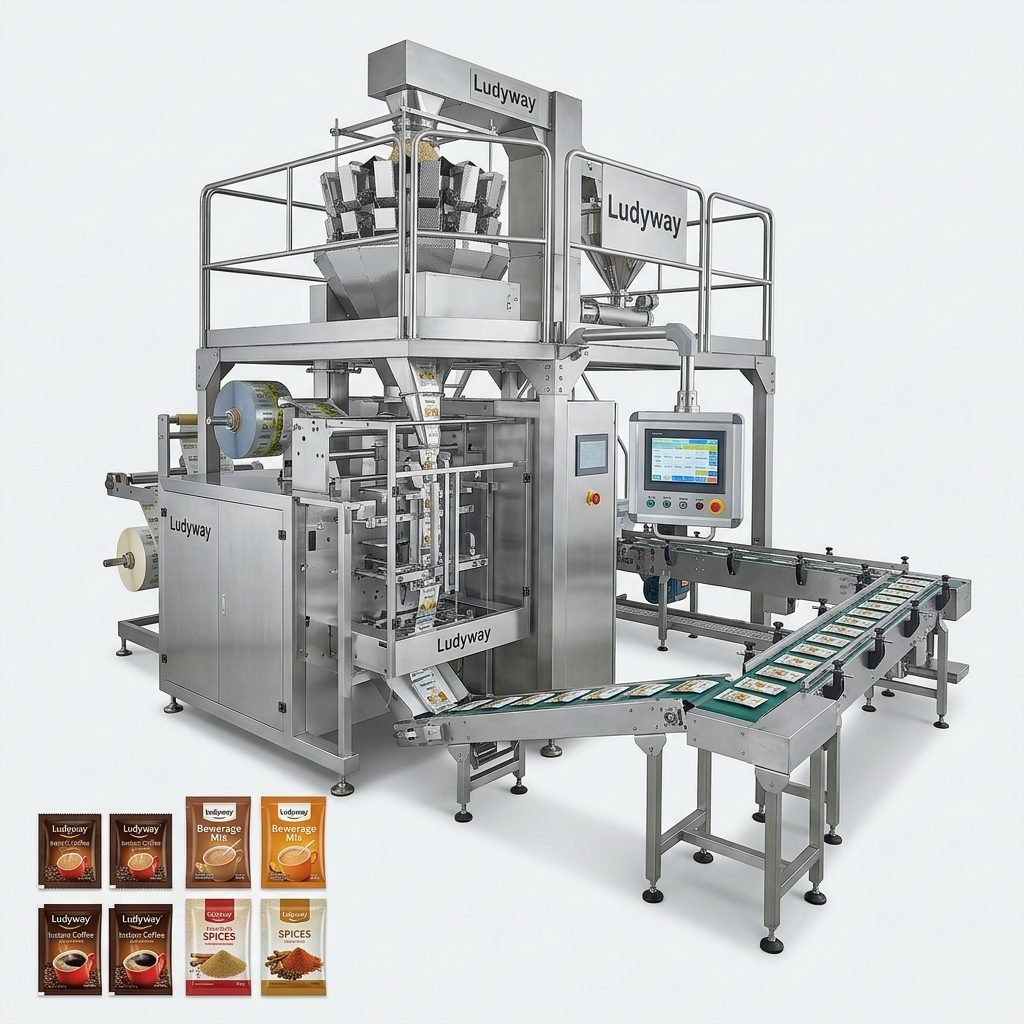
Long-term machine reliability starts with choosing the right equipment partner. A manufacturer with extensive experience, comprehensive after-sales support, and readily available spare parts can make a substantial difference in your total cost of ownership. Ludyway, with over 30 years of industry expertise and a 20,000㎡ modern production facility, is one of the largest packaging machine manufacturers in China, offering more than 50 intelligent packaging machine models and serving customers in over 100 countries. Their engineering team provides professional technical support and customized production lines that help businesses achieve reliable, efficient, and cost-effective packaging operations. For more insights on packaging industry trends, visit PMMI packaging industry resources or explore ISO packaging standards for internationally recognized guidelines on packaging equipment quality and safety.
Conclusion: Building a Culture of Proactive Maintenance
Maintaining an automatic grocery packing machine is not a one-time effort but an ongoing commitment to operational excellence. By implementing the daily, weekly, monthly, quarterly, and annual maintenance practices outlined in this guide, you can significantly reduce unplanned downtime, extend equipment life, and maintain consistent packaging quality. A proactive maintenance culture—supported by trained operators, adequate spare parts inventory, thorough documentation, and a strong partnership with your equipment manufacturer—creates the foundation for long-term packaging success. Start by assessing your current maintenance practices against the recommendations provided here and prioritize the areas that will deliver the greatest immediate impact on your production reliability.