Investing in a tube packaging machine is a critical decision that impacts production efficiency, product quality, and long-term operational costs. Whether you are filling cosmetic creams, pharmaceutical ointments, food pastes, or industrial sealants, the right equipment can transform your packaging line. This comprehensive buyer’s guide walks you through the essential factors to evaluate before making a purchase, helping you avoid costly mistakes and select a machine that aligns with your specific requirements.

Understanding Tube Packaging Machine Types
Before comparing specifications, it is essential to understand the different categories of tube filling and sealing machines available on the market. Each type serves distinct production needs and product characteristics.
Automatic vs. Semi-Automatic Machines
Automatic tube packaging machines handle the entire process—from tube loading, filling, sealing, coding, to ejection—with minimal operator intervention. These are ideal for medium to high-volume production environments. Semi-automatic models require manual tube loading but automate the filling and sealing stages, offering a cost-effective entry point for smaller operations.
Tube Material Compatibility
Modern machines accommodate a variety of tube materials, including:
- Plastic tubes (LDPE, HDPE, PP) — common in cosmetics and personal care
- Laminated tubes (ABL and PBL) — offering superior barrier properties for flexible packaging applications
- Aluminum tubes — widely used in pharmaceuticals and industrial products
- Co-extruded tubes — combining multiple layers for enhanced protection
Key Factors to Evaluate When Choosing a Tube Packaging Machine
1. Production Capacity and Speed Requirements
Your current and projected output should guide capacity selection. Tube filling speeds typically range from 30 to over 200 tubes per minute, depending on the automation level and tube size. Consider not only your immediate needs but also scalability for future growth. Underestimating capacity can create bottlenecks, while overestimating leads to unnecessary capital expenditure.
2. Filling Accuracy and Dosing Technology
Precision in filling directly affects product consistency, regulatory compliance, and material waste. Different dosing systems suit different product viscosities:
| Dosing System | Best For | Accuracy Level |
|---|---|---|
| Piston Filling | Creams, pastes, thick gels | ±0.5% – ±1% |
| Peristaltic Pump | Low to medium viscosity liquids | ±1% – ±2% |
| Gear Pump | Oils, serums, liquid formulations | ±0.5% – ±1% |
| Net Weight Filling | High-value products requiring precision | ±0.1% – ±0.5% |
3. Sealing Technology and Quality
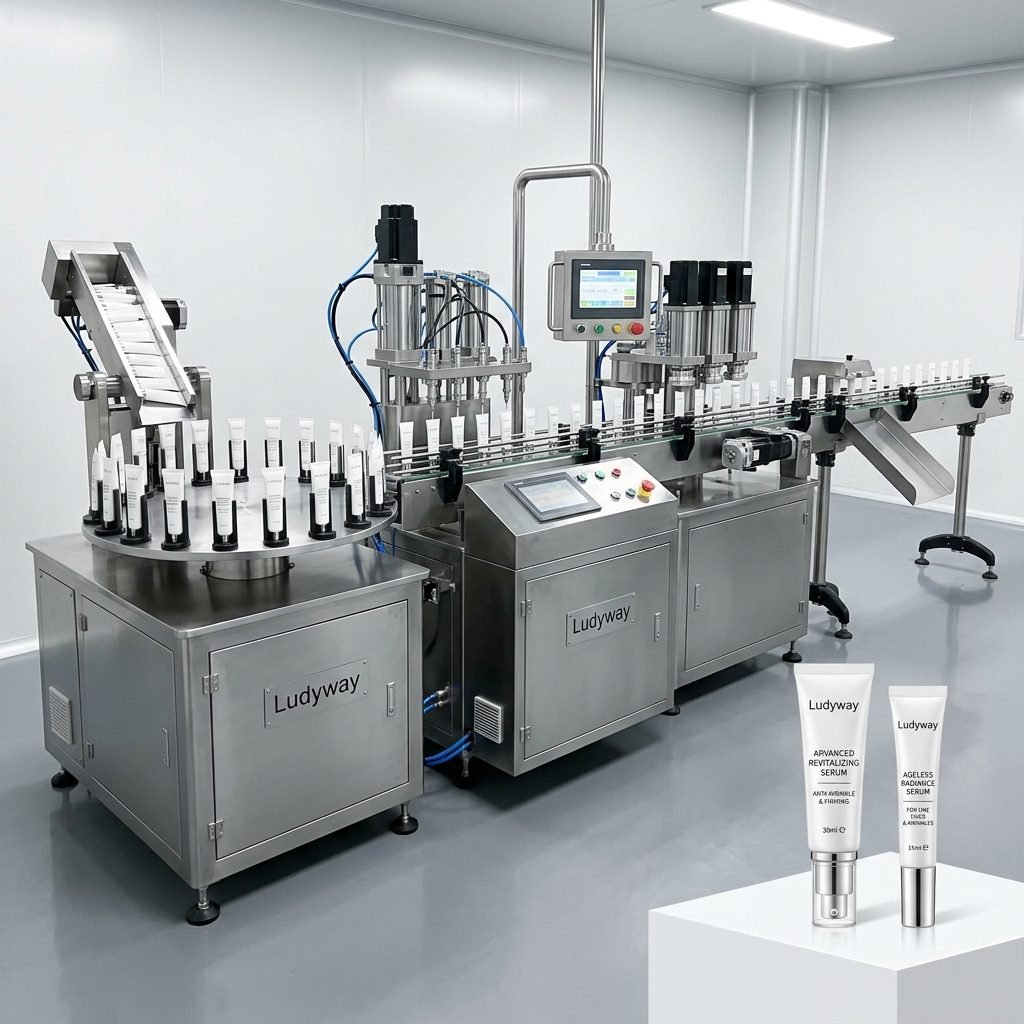
The sealing method must be compatible with your tube material. Hot air sealing works well for plastic and laminated tubes, while hot jaw sealing is standard for plastic tubes. Ultrasonic sealing offers advantages for certain applications, including reduced energy consumption and hermetic seal integrity. For aluminum tubes, folding and crimping mechanisms are used. Always request seal integrity testing data from your equipment supplier.
4. Changeover Flexibility and Downtime
If your production line handles multiple SKUs with varying tube sizes, quick changeover capability becomes crucial. Modern servo-driven machines can complete size changeovers in under 15 minutes, compared to 45-60 minutes on older mechanical systems. Look for features such as:
- Digital recipe management with stored parameters
- Tool-free adjustment mechanisms
- Automatic tube size recognition
- Quick-release components for cleaning and maintenance
Industry-Specific Considerations
Pharmaceutical and Healthcare
For pharmaceutical applications, compliance with FDA packaging regulations and cGMP guidelines is mandatory. Machines must support validated cleaning protocols, tamper-evident sealing, and serialization capabilities. Documentation packages including IQ/OQ/PQ validation protocols should be available from the manufacturer.
Cosmetics and Personal Care
Aesthetic finish and gentle handling are priorities in cosmetic packaging. Machines should prevent product contamination, maintain filling accuracy for premium formulations, and produce wrinkle-free, visually perfect seals. Multi-function machines that can handle different tube shapes and applicator types add operational flexibility.
Food and Beverage
Hygienic design, CIP (Clean-in-Place) compatibility, and ISO packaging standards compliance are essential for food-grade tube filling. Stainless steel construction, sanitary fittings, and easy disassembly for cleaning are non-negotiable requirements for food safety.
Automation and Integration Capabilities
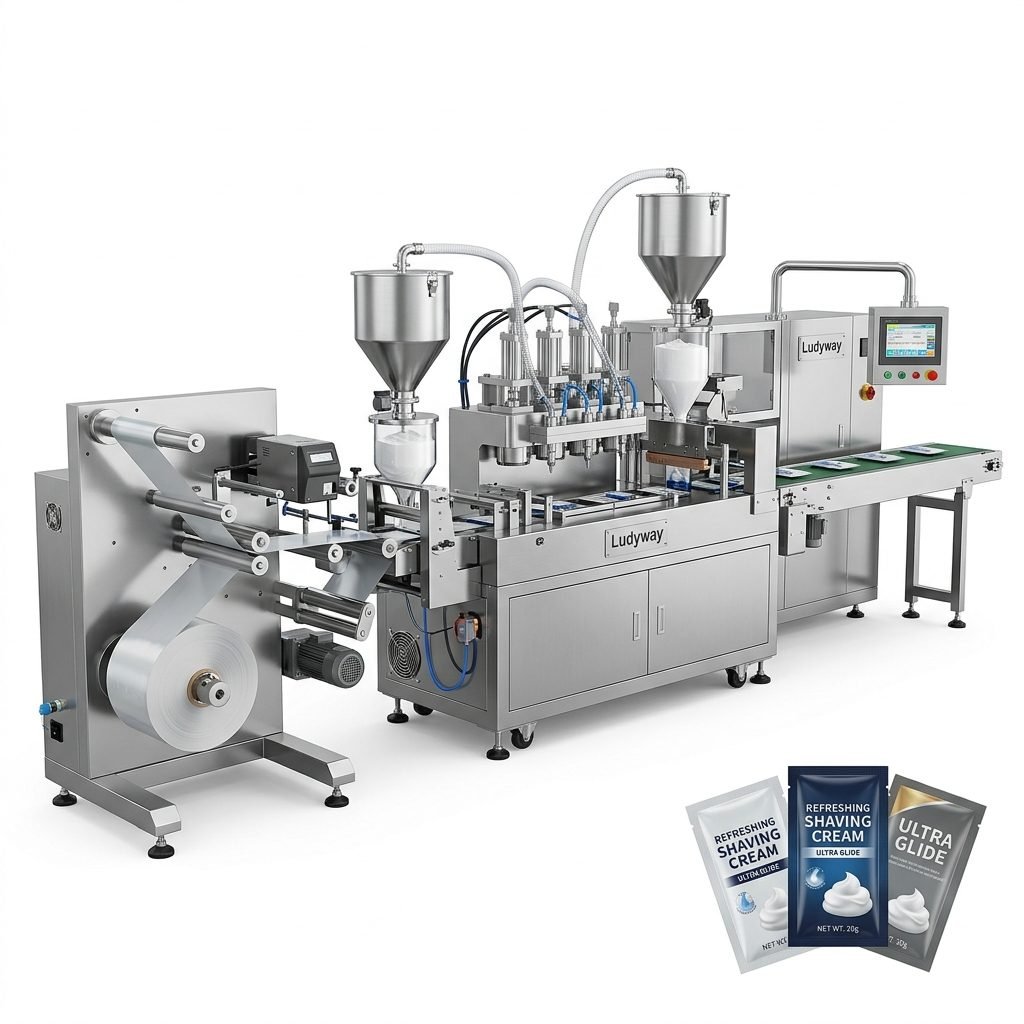
Today’s smart packaging lines go beyond standalone machines. Consider how your tube packaging equipment will integrate with upstream and downstream systems:
Upstream Integration
- Automatic tube feeding and orientation systems
- Product hoppers with level sensors and agitators
- Inline quality inspection stations
Downstream Integration
- Automatic cartoning machines for secondary packaging
- Coding and serialization systems for track-and-trace compliance
- Case packing and palletizing solutions
- Conveyor systems with accumulation and reject functions
Budget, ROI, and Total Cost of Ownership
The purchase price is only one component of the overall investment. A thorough total cost of ownership (TCO) analysis should account for:
- Initial capital expenditure — machine cost, installation, and commissioning
- Operational costs — labor requirements, energy consumption, consumables
- Maintenance expenses — spare parts availability, service contracts, technician training
- Downtime costs — reliability track record and mean time between failures (MTBF)
- Material waste — filling accuracy and rejected tube rates
Higher-quality machines often deliver lower TCO over a 5-10 year lifecycle despite a higher upfront investment, thanks to reduced downtime, less waste, and longer service life.
Selecting the Right Manufacturing Partner
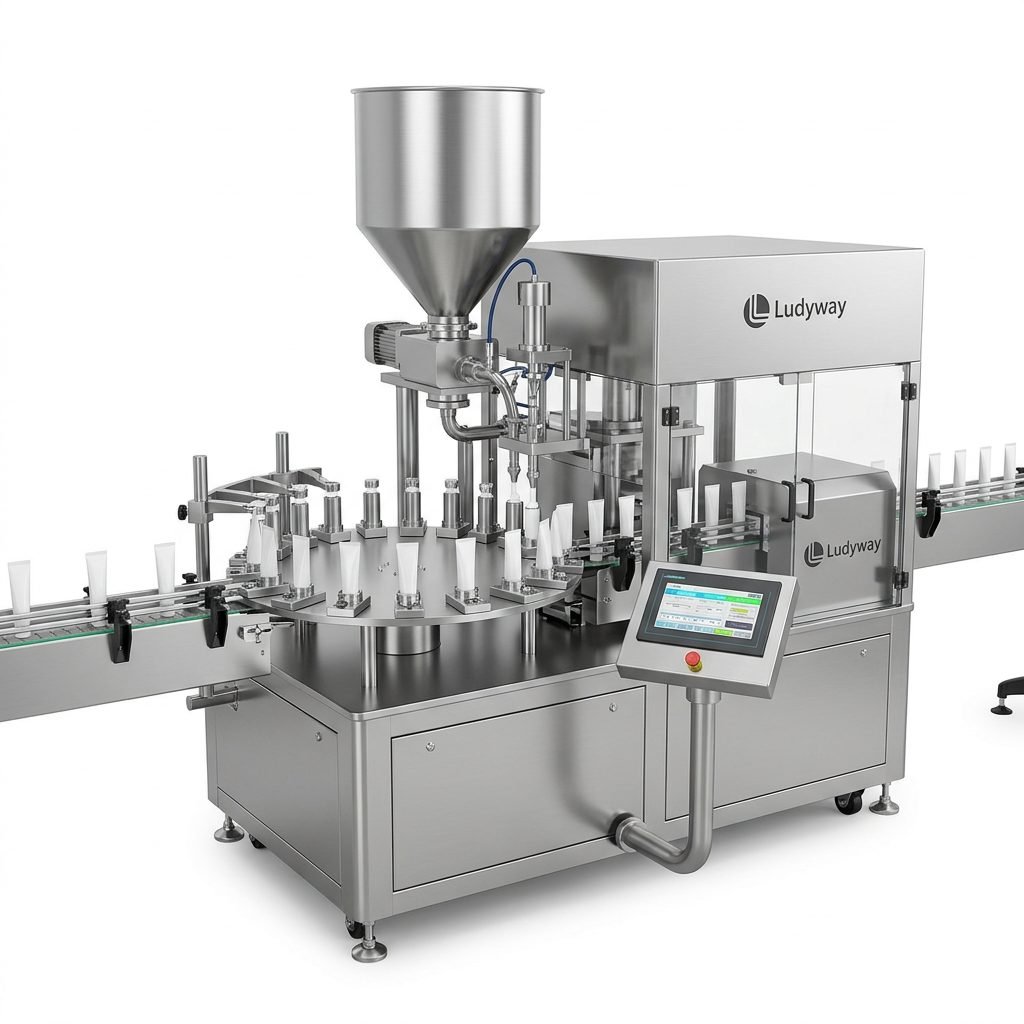
Beyond technical specifications, the relationship with your equipment manufacturer significantly influences long-term success. Leading packaging machinery manufacturers like Ludyway combine decades of engineering expertise with comprehensive after-sales support, offering customized solutions that address specific product characteristics and production goals rather than relying solely on standardized configurations.

When evaluating potential suppliers, consider the following critical criteria:
| Evaluation Criterion | Key Questions to Ask |
|---|---|
| Industry Experience | How many installations in your specific industry? Can they provide references? |
| Customization Capability | Can the machine be configured for your tube size, product viscosity, and output needs? |
| After-Sales Support | What is the warranty period? How quickly can spare parts be shipped to your location? |
| Training and Documentation | Is operator and maintenance training included? Are manuals available in your language? |
| Remote Support | Does the supplier offer remote diagnostics and troubleshooting capabilities? |
Technology Trends Shaping Tube Packaging
Staying informed about packaging industry trends helps future-proof your investment. Key developments include:
- Servo-driven motion control for higher precision and reduced energy consumption
- Sustainable packaging compatibility — machines designed for recyclable mono-material tubes and reduced material thickness
- IoT-enabled predictive maintenance — sensors and analytics that forecast component wear before failures occur
- Augmented reality (AR) for remote assistance and operator training
- Integrated vision inspection for real-time quality assurance and automatic rejection
Making the Final Decision: A Practical Checklist
Before finalizing your purchase, use this checklist to systematically evaluate your options and ensure no critical factor is overlooked.
Pre-Purchase Verification Checklist
- Product testing: Have you conducted filling trials with your actual product and tube samples?
- Site requirements: Have you verified floor space, utility connections, and environmental conditions?
- Regulatory compliance: Does the machine meet all applicable standards for your target markets?
- Operator requirements: How many operators are needed, and what skill level is required?
- Spare parts strategy: What critical spare parts should be kept in inventory?
- Service accessibility: Can local technicians service the equipment, or is remote support sufficient?
Choosing the right tube packaging machine requires balancing technical specifications, production needs, budget constraints, and long-term partnership considerations. By systematically evaluating machine types, dosing technologies, sealing methods, automation capabilities, and supplier qualifications, you can make an informed decision that supports your business goals for years to come. Investing time in thorough evaluation upfront prevents costly disruptions and ensures a packaging solution that grows with your business.