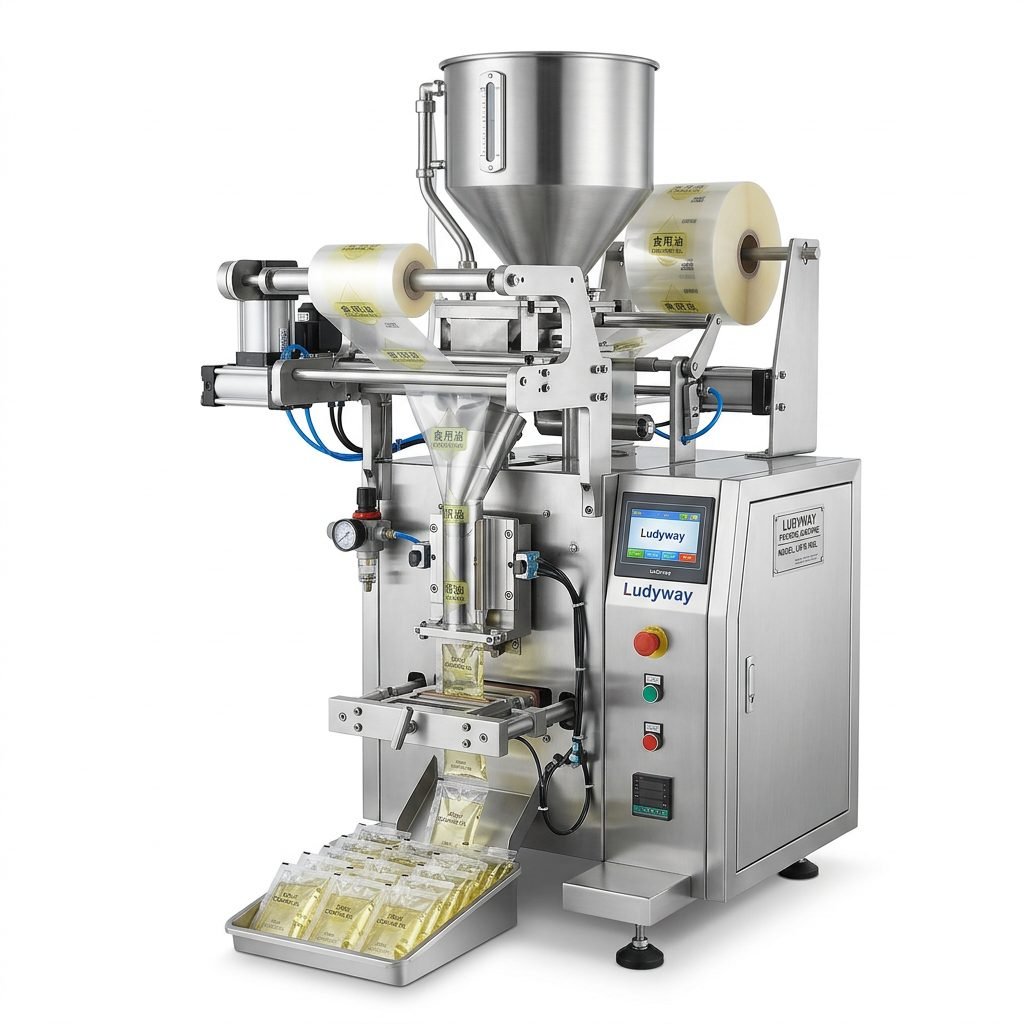
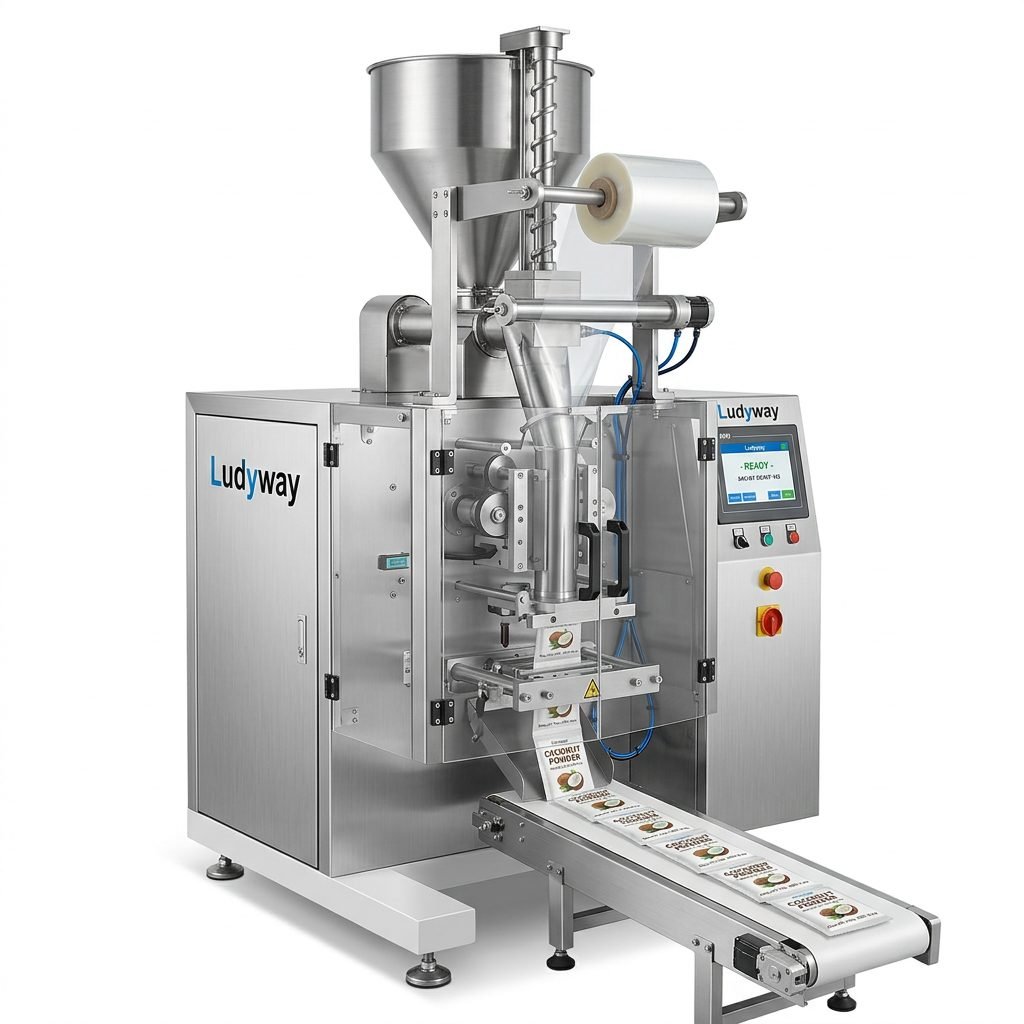
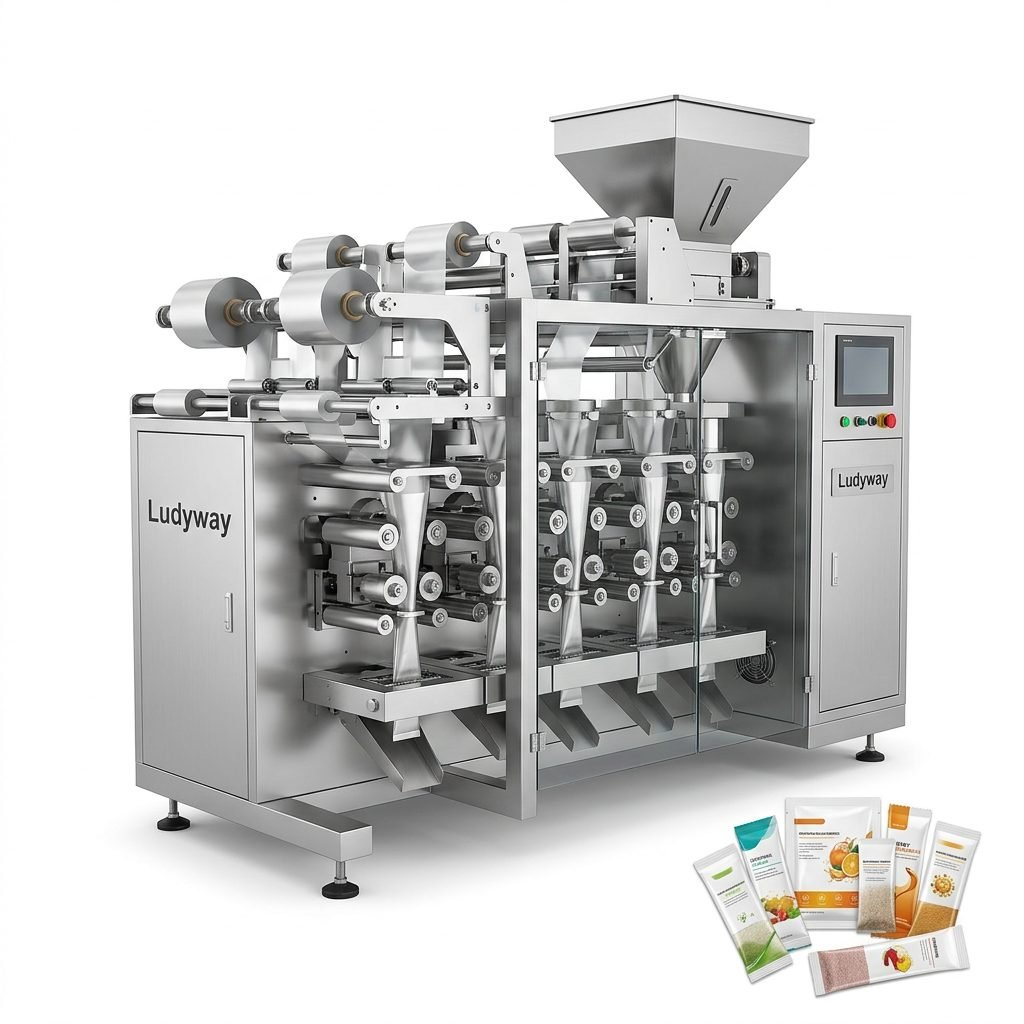
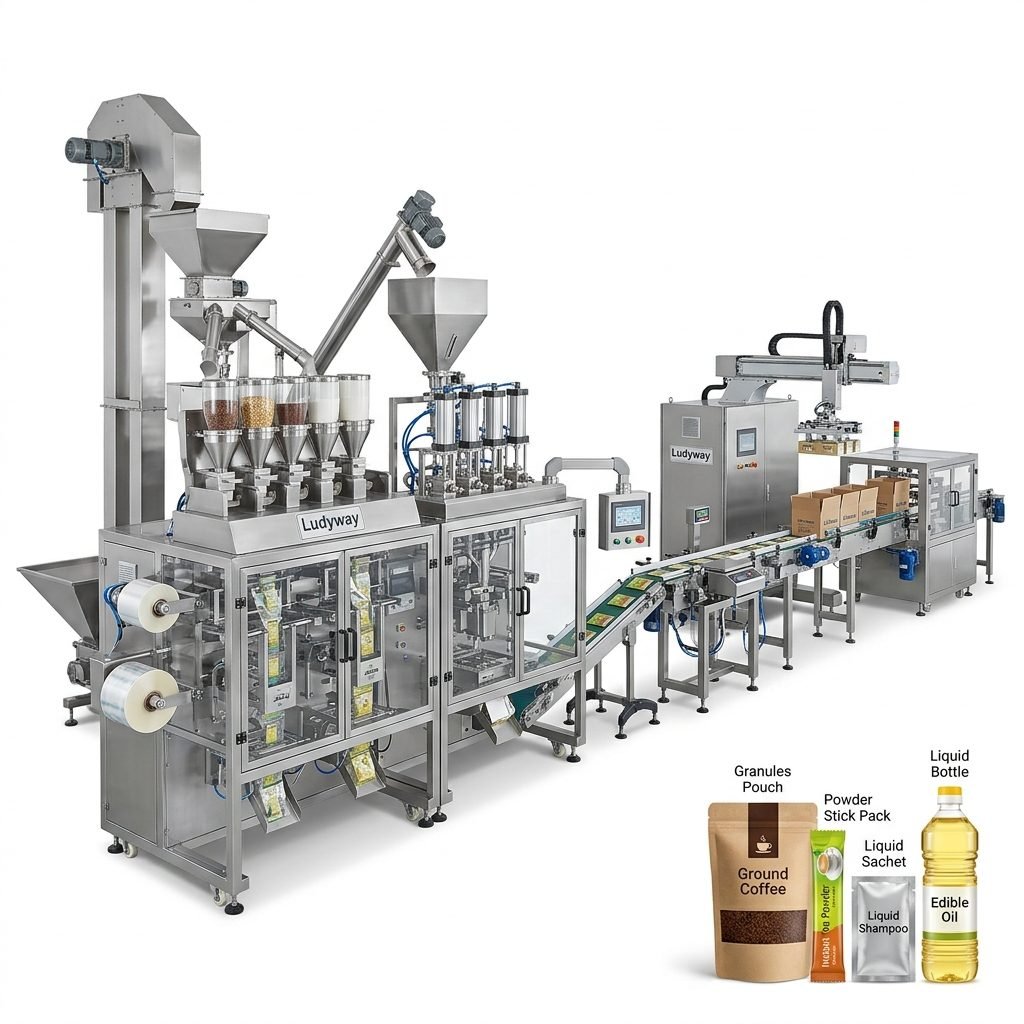
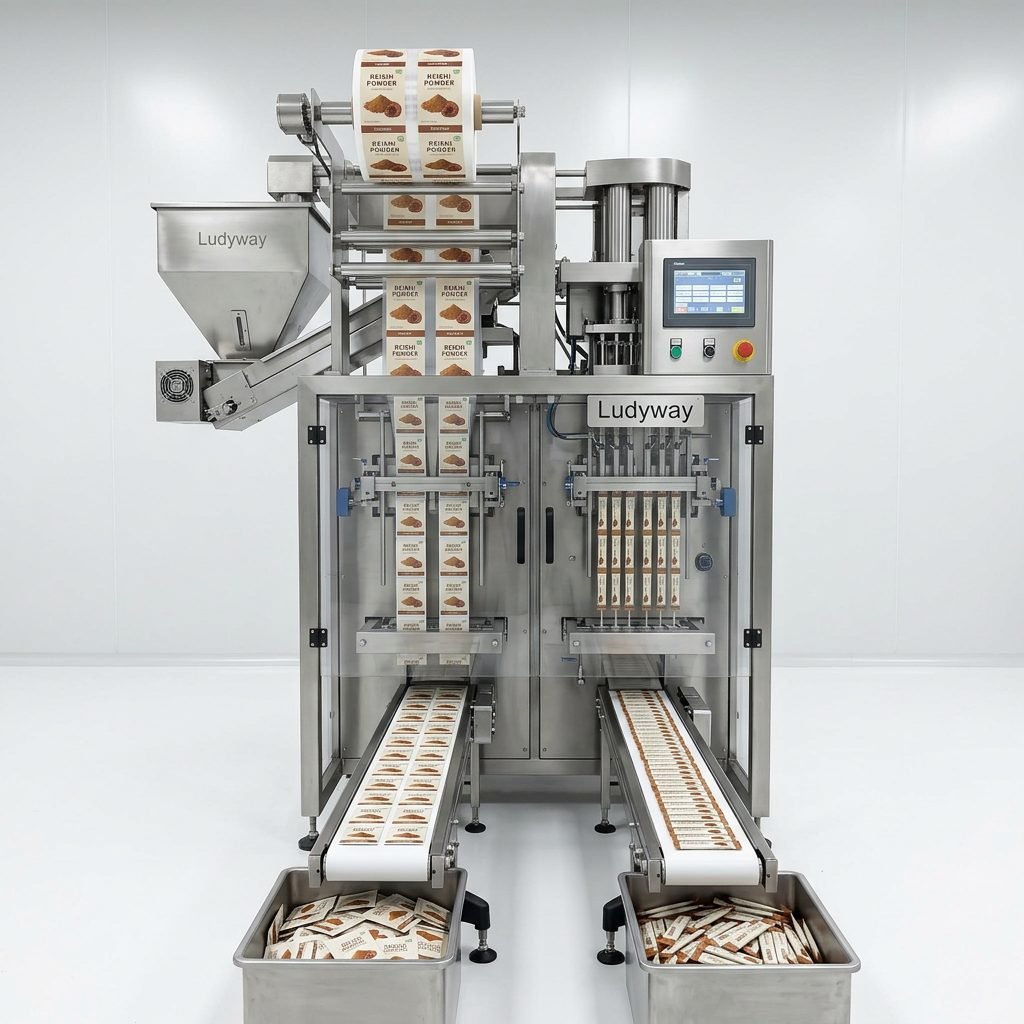
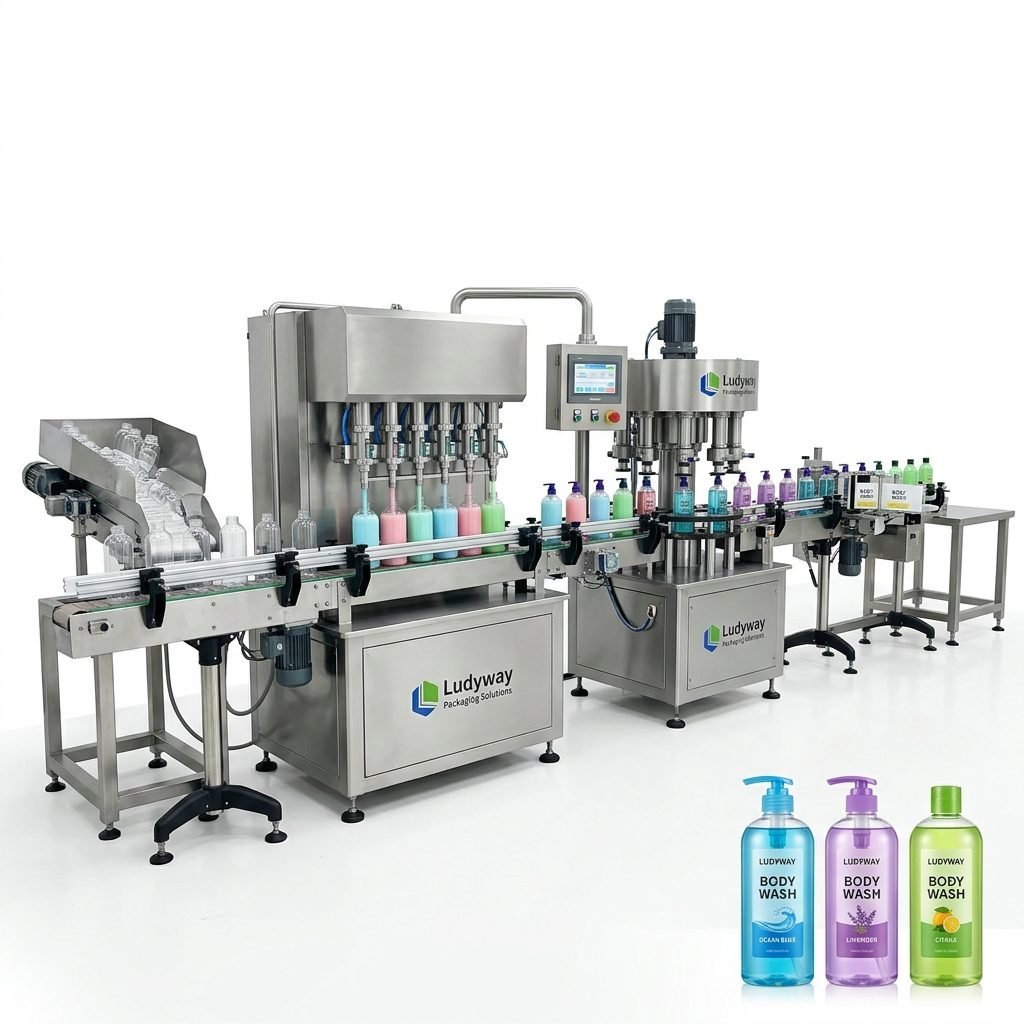
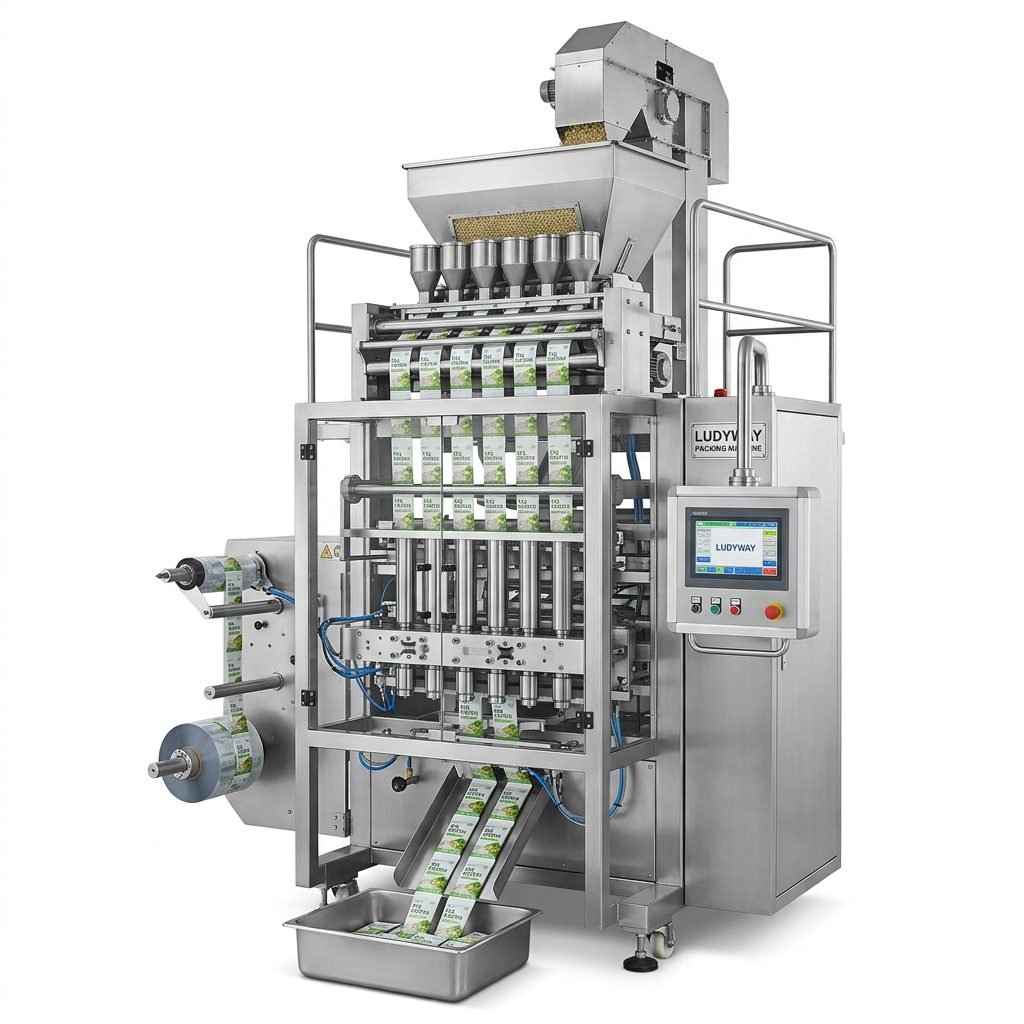
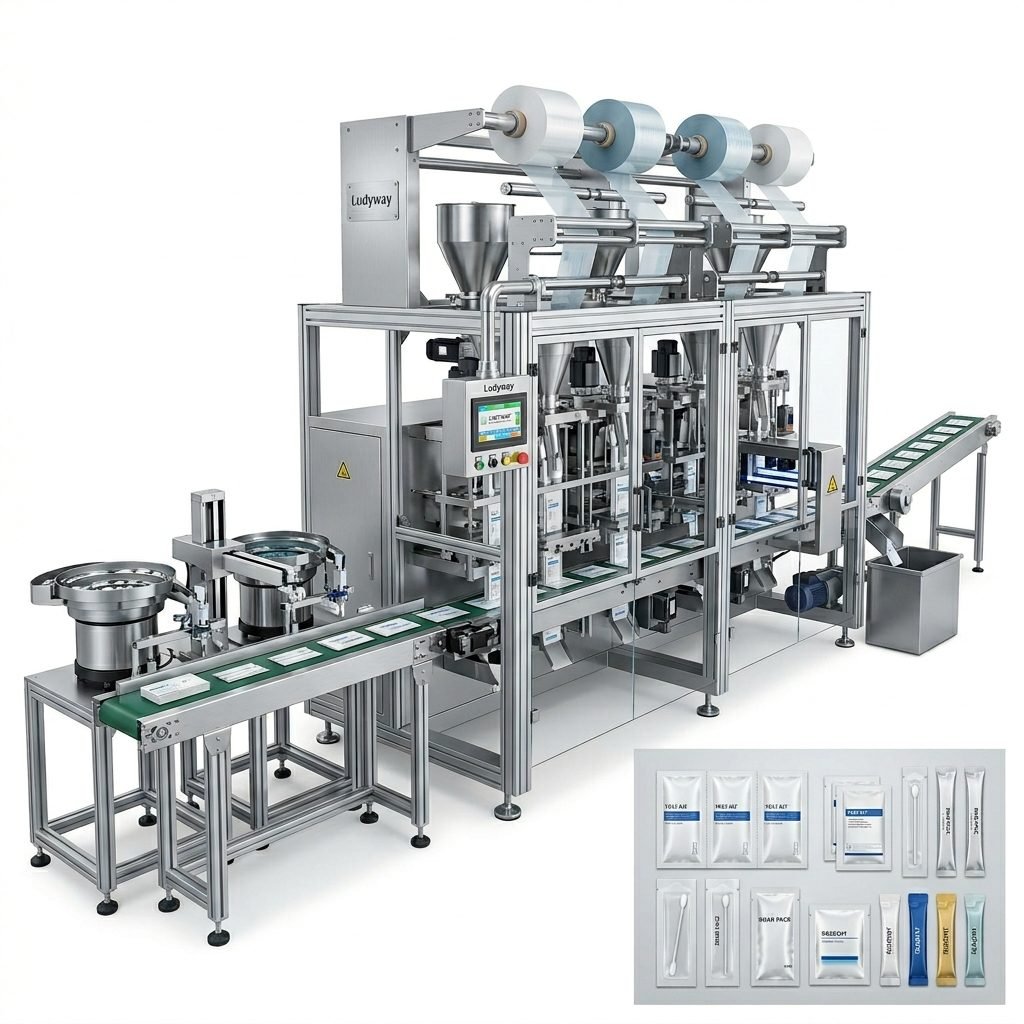
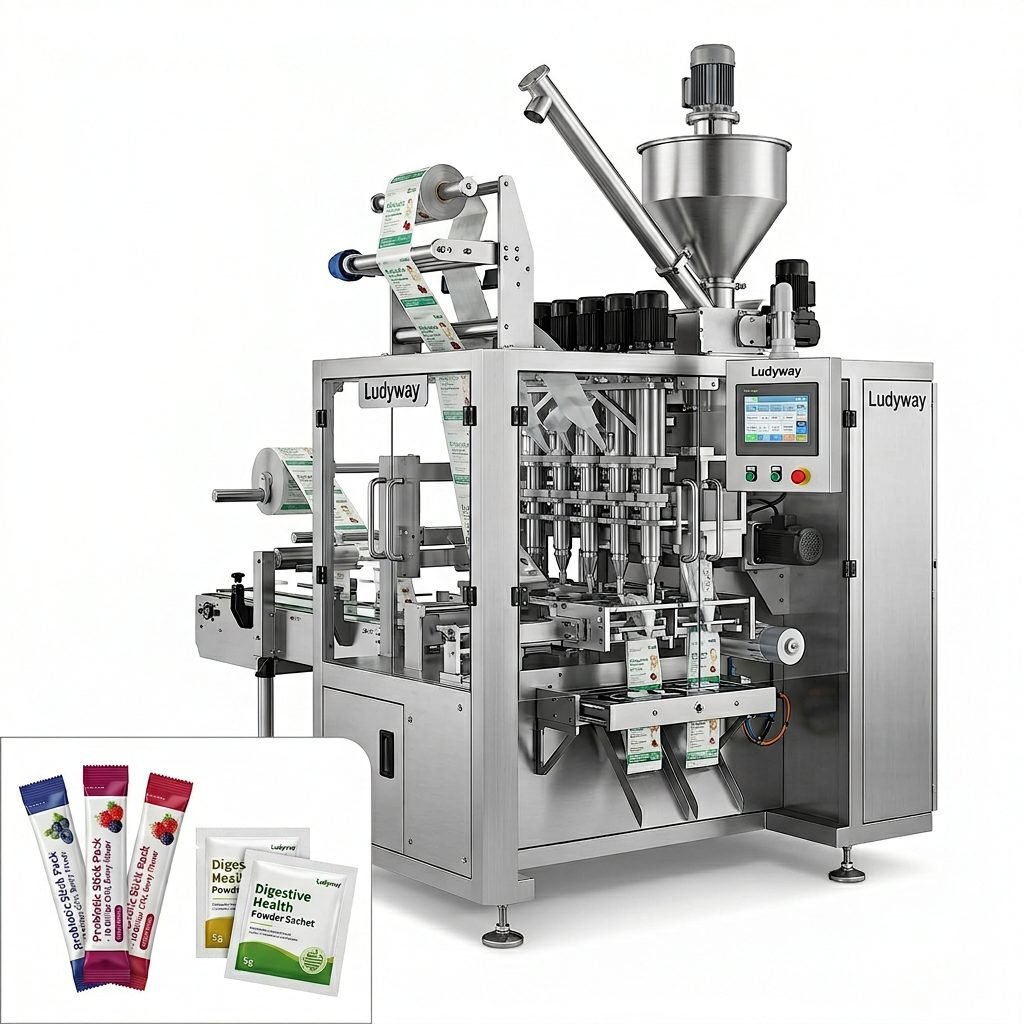
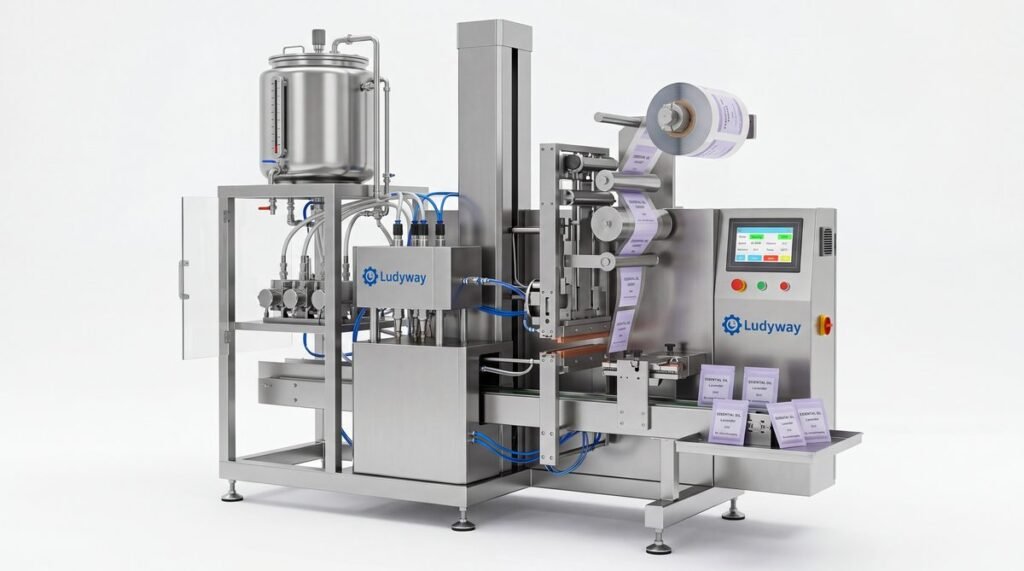
Investing in a strip packing machine is a strategic decision that directly affects your production efficiency, product quality, and operational costs. Whether you are packaging powders, granules, liquids, or solid-dose products, the right equipment can streamline your entire packaging workflow. This guide walks you through the essential factors to consider before making your purchase.
1. Understand Your Product Characteristics
The very first step is a thorough analysis of the product you intend to package. Strip packing machines are not one-size-fits-all; their dosing, sealing, and forming mechanisms must be compatible with your specific material.
- Flow Properties: Is your product a free-flowing granule, a cohesive powder, a viscous liquid, or a fragile solid? Each demands a different feeding and dosing system.
- Sensitivity: Products sensitive to moisture or oxygen require machines with superior airtight sealing capabilities and the option for nitrogen flushing or vacuum packaging.
- Particle Size and Density: Variations in bulk density and particle size can impact dosing accuracy. High-precision auger fillers or volumetric cup fillers need to be selected accordingly.
- Cleanliness and Hygiene: For food and pharmaceutical applications, strict adherence to FDA food packaging standards and GMP regulations is non-negotiable without exception.
2. Define Your Target Packaging Format and Bag Styles
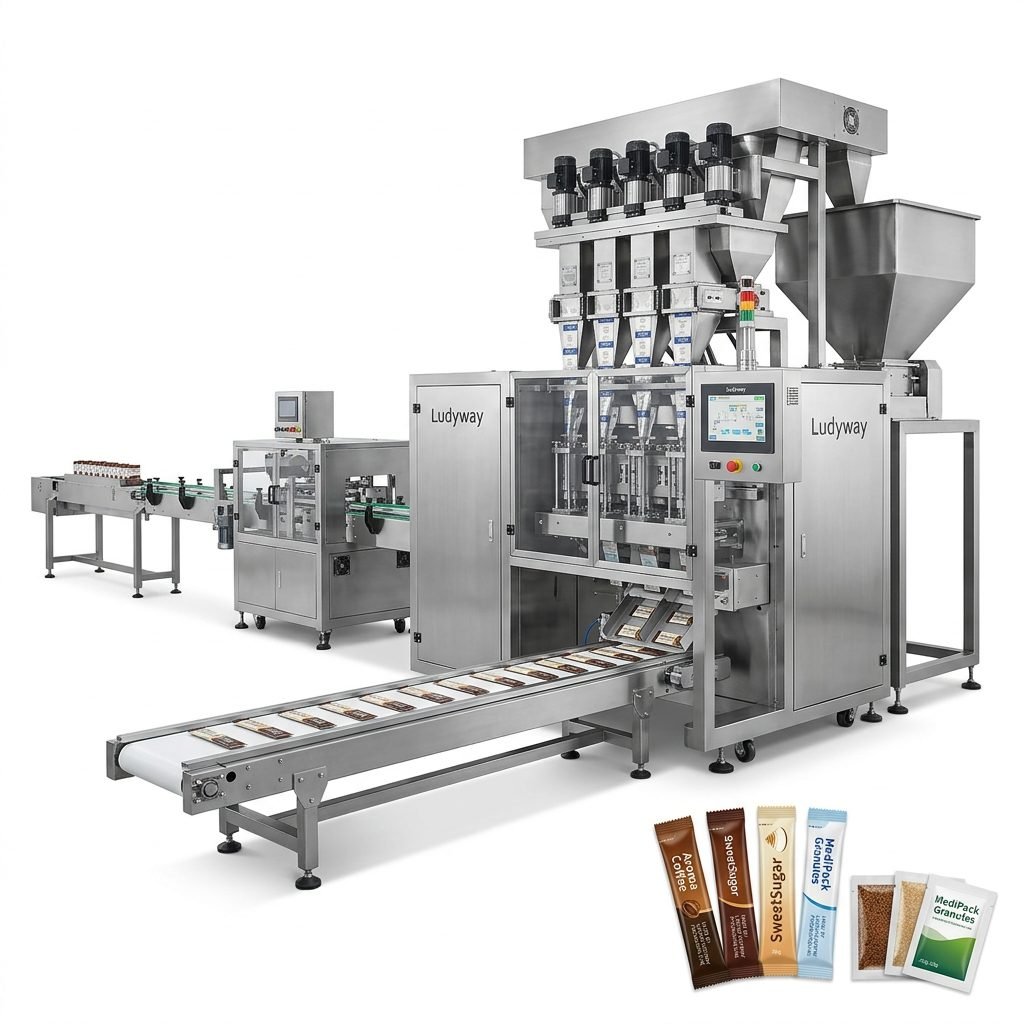
Strip packaging encompasses several formats, and your machine’s tooling must match your branding and functional requirements. Consider which style aligns with your market needs.
- Single-Serve Stick Packs: Ideal for powders, instant drinks, and supplements. They offer excellent portability and portion control for consumers.
- Multi-Lane Sachets: Used extensively for liquid concentrates, sauces, and cosmetic cream samples. The number of lanes directly correlates with your production output capacity.
- Four-Side-Seal vs. Three-Side-Seal: A four-side-seal provides a symmetrical, premium look, while a three-side-seal is a common and cost-effective option for various products.
- Easy-Tear Features: For user convenience, evaluate machines capable of creating laser-scored or micro-notch tear openings, which are critical for sectors like flexible packaging innovations.
3. Evaluate Production Speed and Real-World Efficiency
When assessing capacity, look beyond the theoretical maximum cycles per minute. The Overall Equipment Effectiveness (OEE) is what truly impacts your bottom line. A manufacturer claiming 400 packs per minute is useless if constant film breaks or misalignments stop the line.
| Production Volume | Recommended Machine Type | Typical Output Range |
|---|---|---|
| Low / Pilot Scale | Single-Lane Vertical FFS | 30–80 packs/min |
| Medium Industrial | 4–8 Lane Stick Pack Machine | 200–600 packs/min |
| High-Speed Integration | 12–16 Lane Sachet Systems | 800–1,500+ packs/min |
Ensure the machine’s film tracking controls (photocell registration) and sealing dwell time can maintain integrity at your desired speed without wrinkle formation or leakage.
4. Assess Packaging Material Compatibility
The choice of packaging film is directly linked to your product’s shelf-life requirements. Your strip packing machine must handle the film’s gauge, stiffness, and heat-seal properties effectively.
- Laminated Foils: Provide excellent barrier protection against light, moisture, and oxygen. Often used for pharmaceutical tablets and hygroscopic powders.
- Polyethylene (PE) and Polypropylene (PP): Common in liquid sachets and food applications. Verify that the machine’s sealing temperature control is precise enough to prevent scorching or weak seals.
- Paper-Based Laminates: Sustainable and biodegradable options are gaining traction. Machines may need specific heat-seal jaws or ultrasonic sealing technology to process these materials correctly.
- Film Waste Reduction: Modern machines minimize non-recyclable laminate waste through precise indexing, a feature highlighted by entities like the EPA’s sustainable materials management guidelines.
5. Dosing Accuracy and Filling Technology
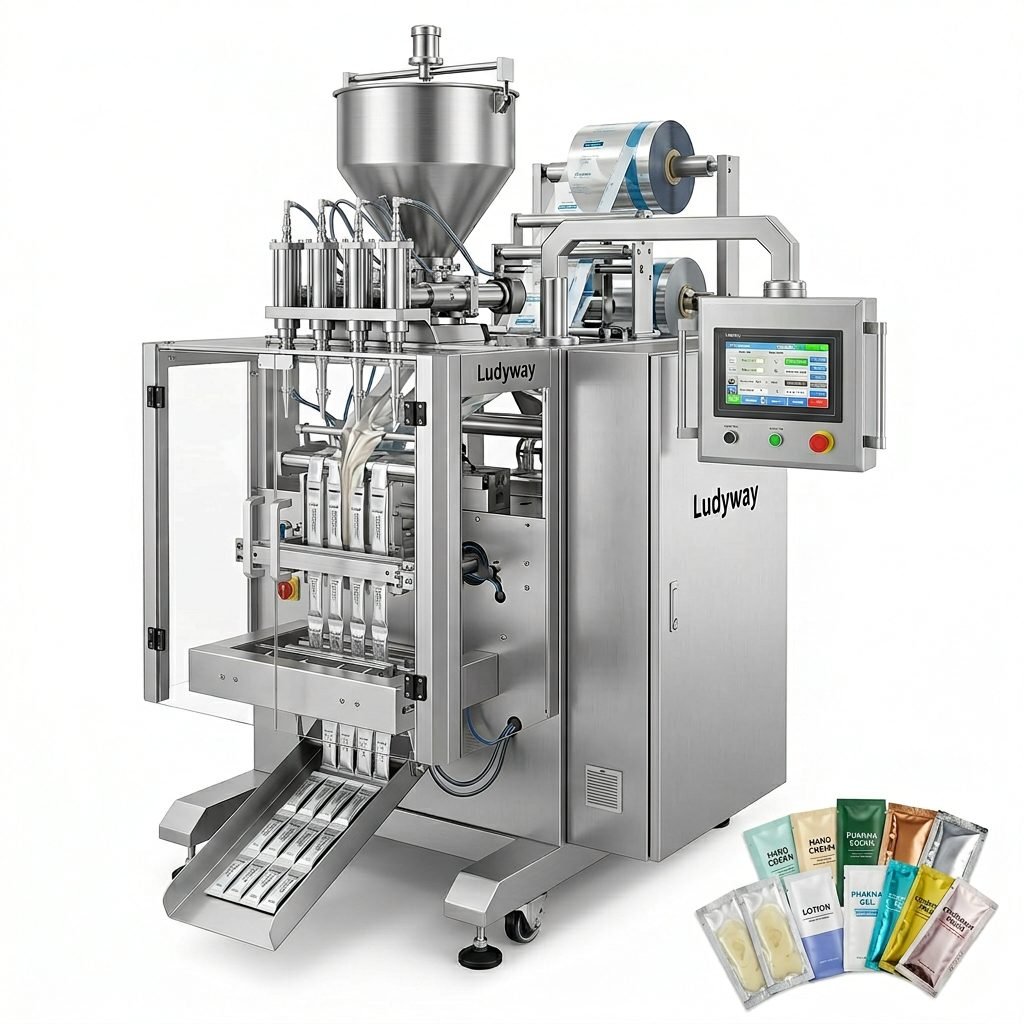
Product giveaway can eat into your profit margins significantly. The dosing mechanism is the heart of the strip packing machine. Selecting the incorrect technology can lead to inconsistent fills and regulatory non-compliance, particularly in the pharmaceutical sector.
Common Dosing Systems
- Auger Fillers: Perfect for fine, non-free-flowing powders like flour, protein mixes, and pharmaceutical actives. They provide high accuracy by volume.
- Volumetric Cup Fillers: Best suited for uniform, free-flowing granules such as sugar, salt, and seeds. They are simple to clean and maintain.
- Piston Pumps: Used for liquids, pastes, and creams. They can handle a wide viscosity range, from water-thin serums to thick hand lotions.
- Net Weighing Systems: For high-value products, multi-head weighers offer the highest accuracy by measuring weight directly, ensuring compliance with ISO packaging standards.
6. Machine Construction and Compliance Standards
The hygiene, safety, and longevity of your equipment are non-negotiable. This is where the engineering quality of a manufacturer becomes crystal clear.
- Material of Construction: Look for pharmaceutical-grade AISI 304 or 316L stainless steel. Food contact parts must be non-reactive and crevice-free to prevent bacterial contamination.
- Safety Shields and Interlocks: Full guarding with polycarbonate doors and safety interlocks protect operators from moving parts.
- Clean-in-Place (CIP) Compatibility: For liquid packaging, systems designed for tool-less disassembly and CIP functionality drastically reduce changeover and cleaning downtime.
- Certification Readiness: Your supplier should be capable of providing machines that meet CE, UL, or specific GMP design requirements right out of the gate. As a notable example in the sector, Ludyway Machinery configures its equipment to meet applicable international standards, with certifications and compliance documentation available for relevant markets.
7. Upstream and Downstream Line Integration
A strip packing machine rarely operates in isolation. To maximize automation, you must consider how the machine fits into your existing or planned production line.
- Feeding Systems: Will you need an automatic product feed conveyor, bucket elevator, or vacuum feeder to supply the machine hopper?
- Secondary Packaging: Integrating a cartoning machine directly at the machine’s discharge can allow for automatic collation and case packing of finished stick packs or sachets.
- Coding and Inspection: Connectivity for inline thermal transfer printers (TTO) and checkweighers is essential for end-to-end traceability. A reject station should also be integrated to remove non-conforming packs.
- Turnkey Solutions: If managing multiple vendors sounds complex, seek a single partner who can deliver a fully integrated, turnkey packaging line from feeding to finished carton.
8. Supplier Expertise and After-Sales Support
Purchasing the machine is merely the start of the relationship. Evaluate the manufacturer’s global support infrastructure and their ability to respond when your line goes down unexpectedly.
| Support Criterion | Why It Matters |
|---|---|
| Remote Technical Assistance | Immediate fault diagnosis via VPN or augmented reality reduces downtime across time zones. |
| Spare Parts Availability | A robust, localized spare parts inventory prevents a single worn sealing jaw from halting production for weeks. |
| Factory Acceptance Testing (FAT) | Insist on running your actual product and film during the factory test before shipment to validate performance. |
| Market-Specific Knowledge | Suppliers with experience navigating export regulations and voltage requirements in your region ensure a smoother commissioning process. |
9. Cost of Ownership and ROI Analysis
While the upfront capital is easy to quantify, the long-term value comes from understanding the total cost of ownership. A cheaper machine that fails frequently will cost far more in lost production and scrap material.
Key Cost Factors
- Operational Efficiency: Calculate the cost of manual labor reduction. Automating a strip packaging line can typically reduce the headcount required by 60–80% compared to manual or semi-automatic methods.
- Material Waste: Effective film splicing systems and precise tension control minimize plastic laminate waste generated during start-up and splices.
- Maintenance Agreements: Factor in preventive maintenance contracts to protect your investment and ensure consistent output year after year.
Selecting the perfect strip packing machine requires a detailed understanding of your product, material, and output goals. By prioritizing build quality, dosing accuracy, and supplier support over the lowest purchase price, you can secure a reliable system that supports your growth for the next decade. For deeper insights into market trends guiding this technology, the PMMI state of the industry reports offer valuable forecasting data on packaging machinery adoption.