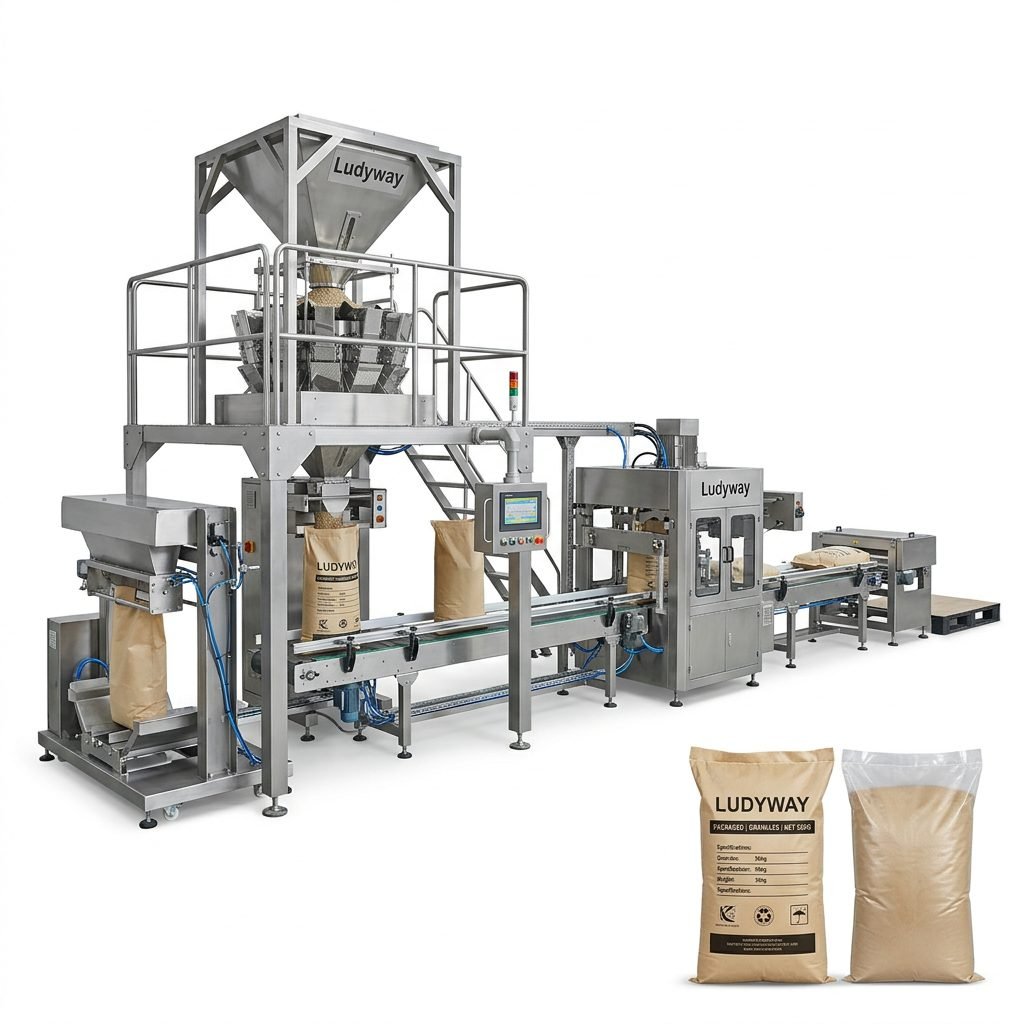
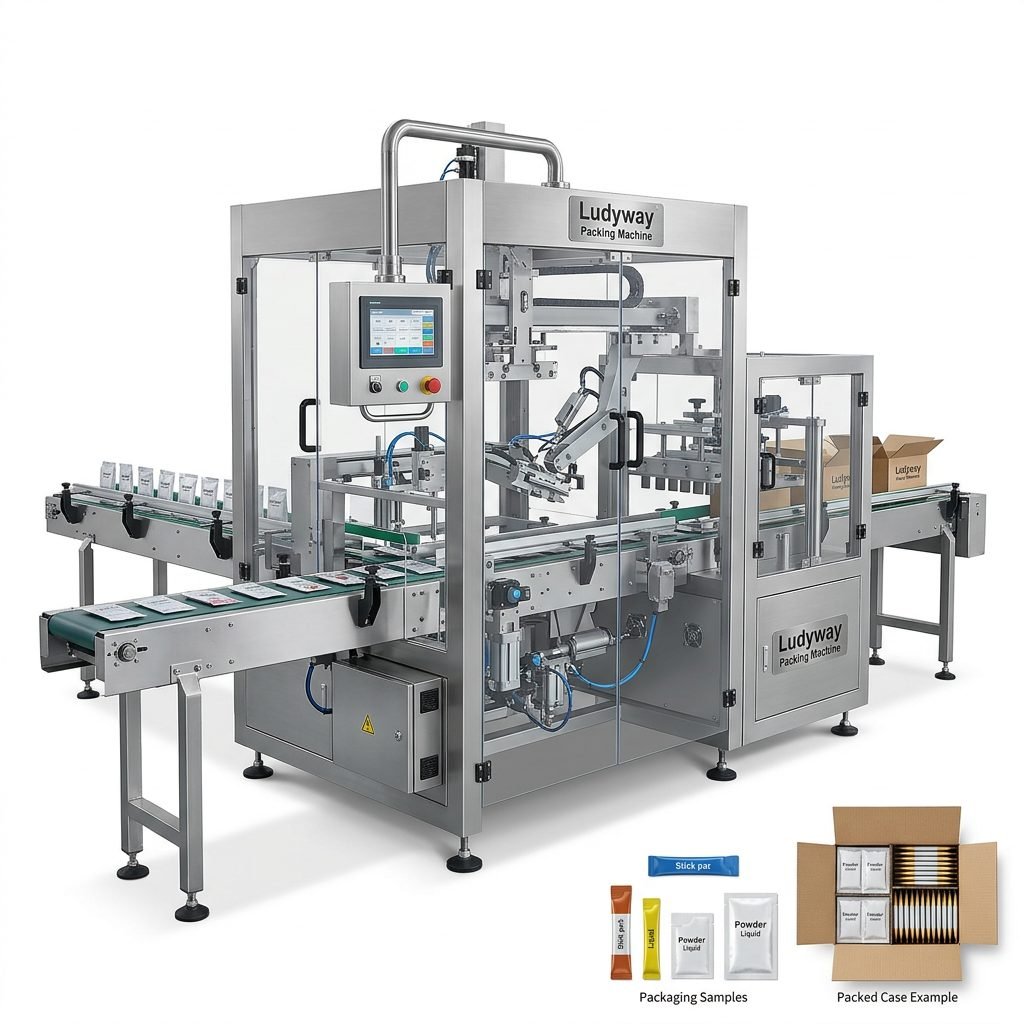
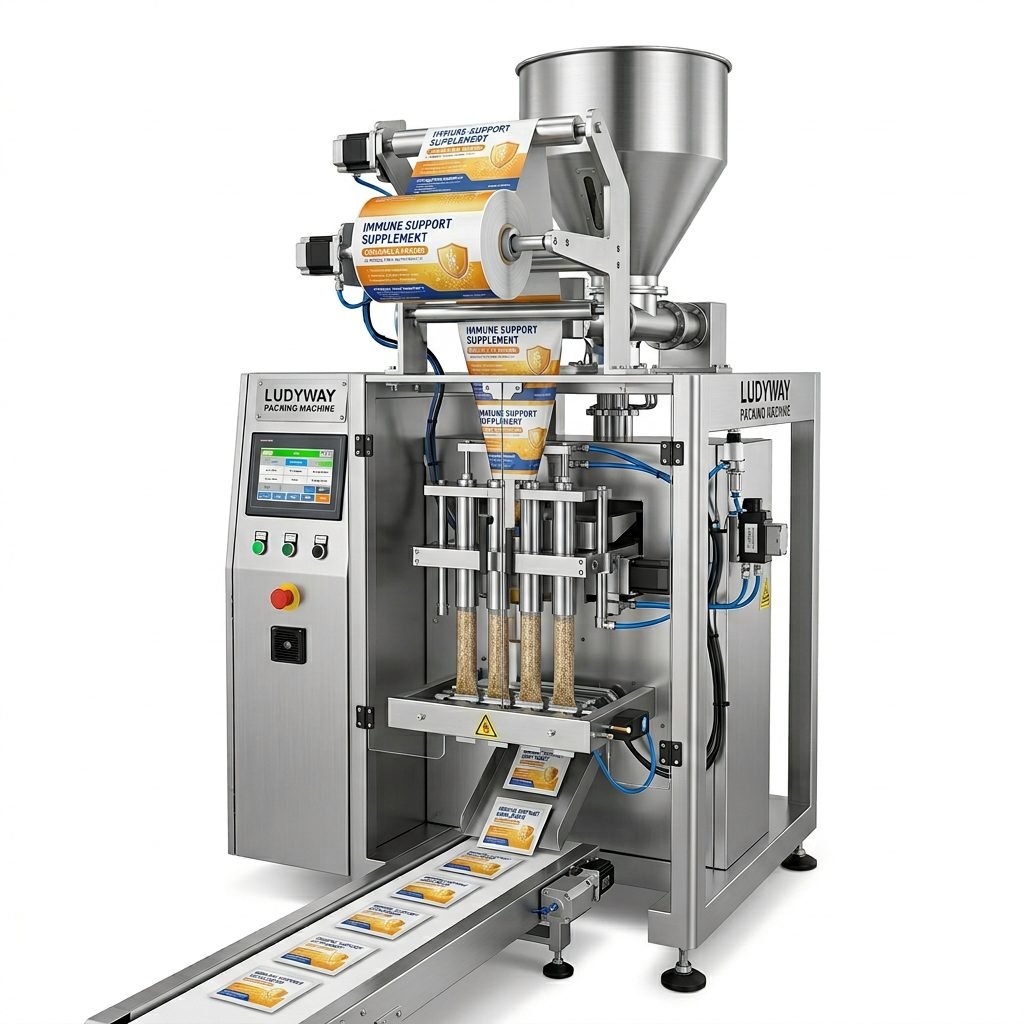
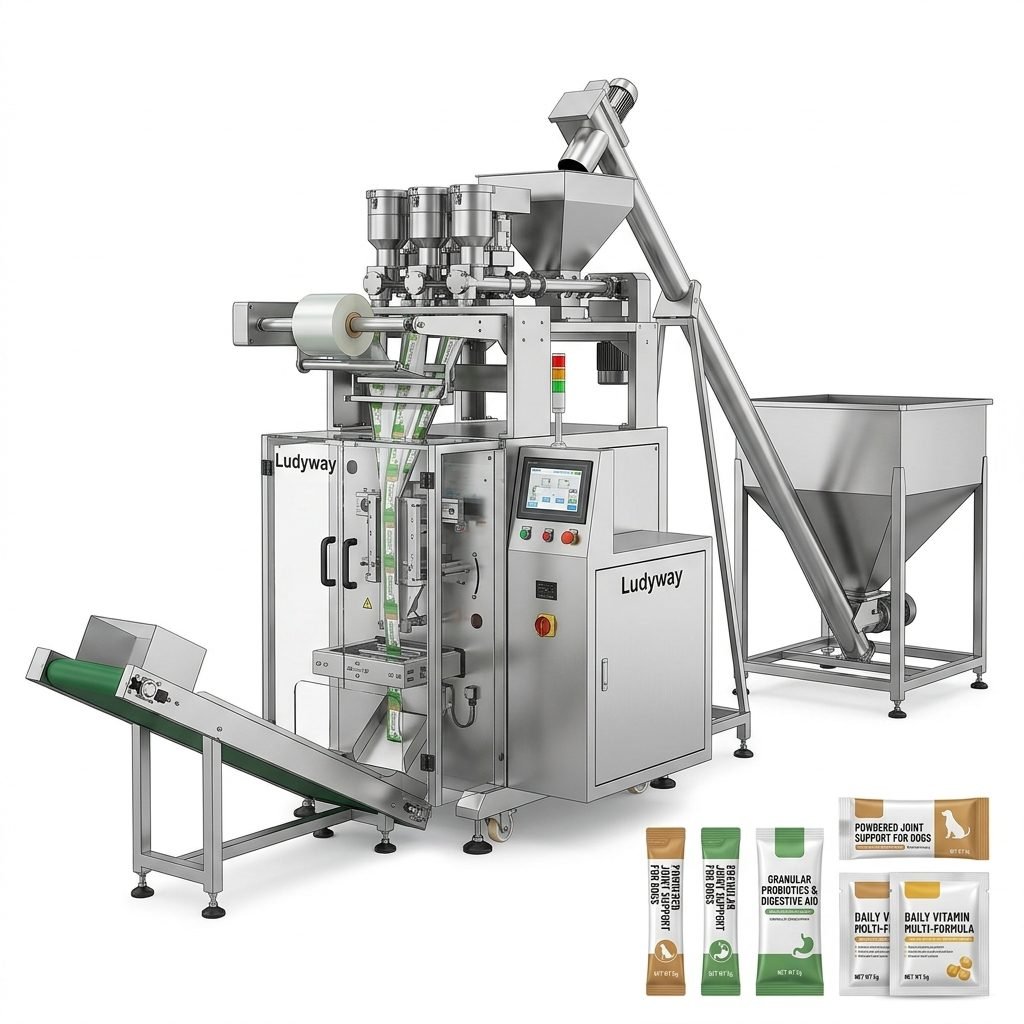
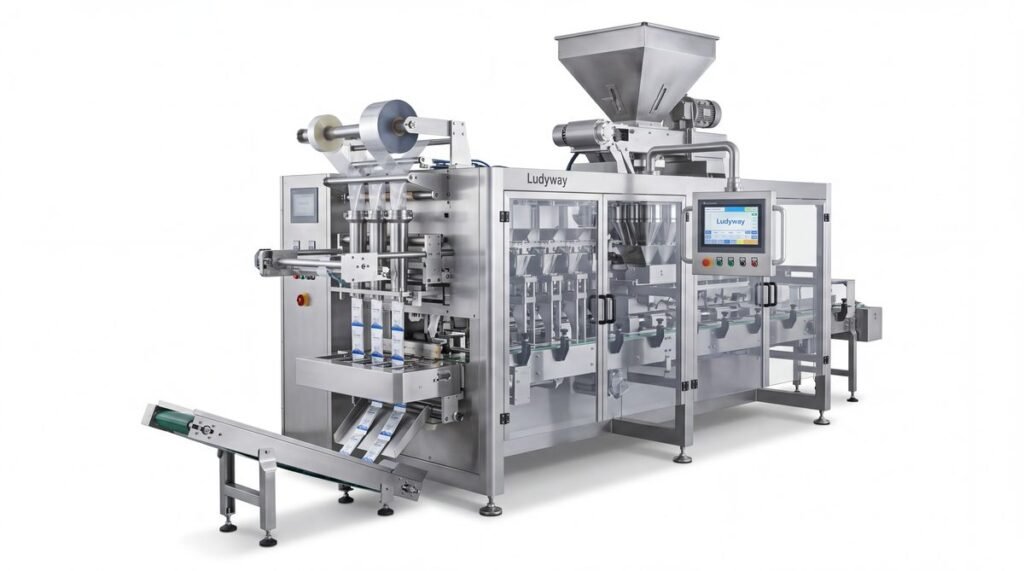
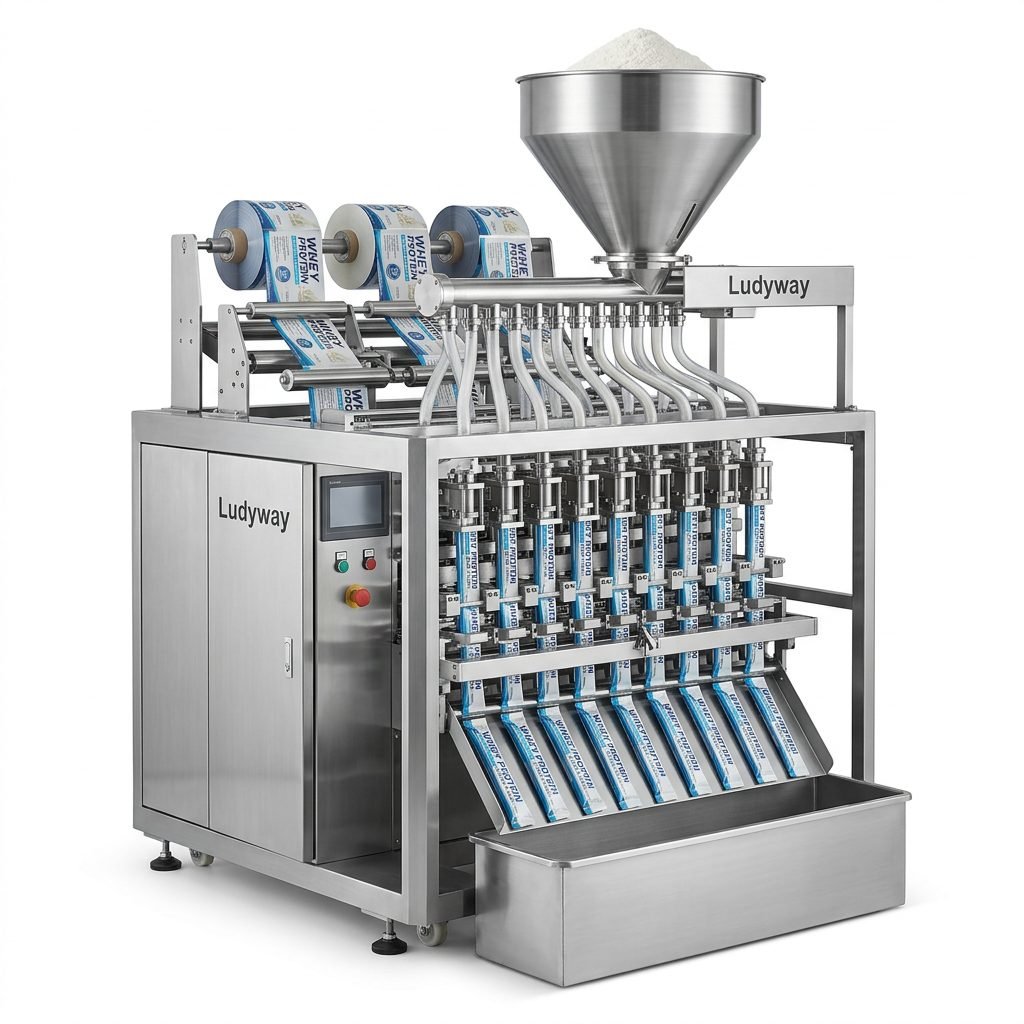
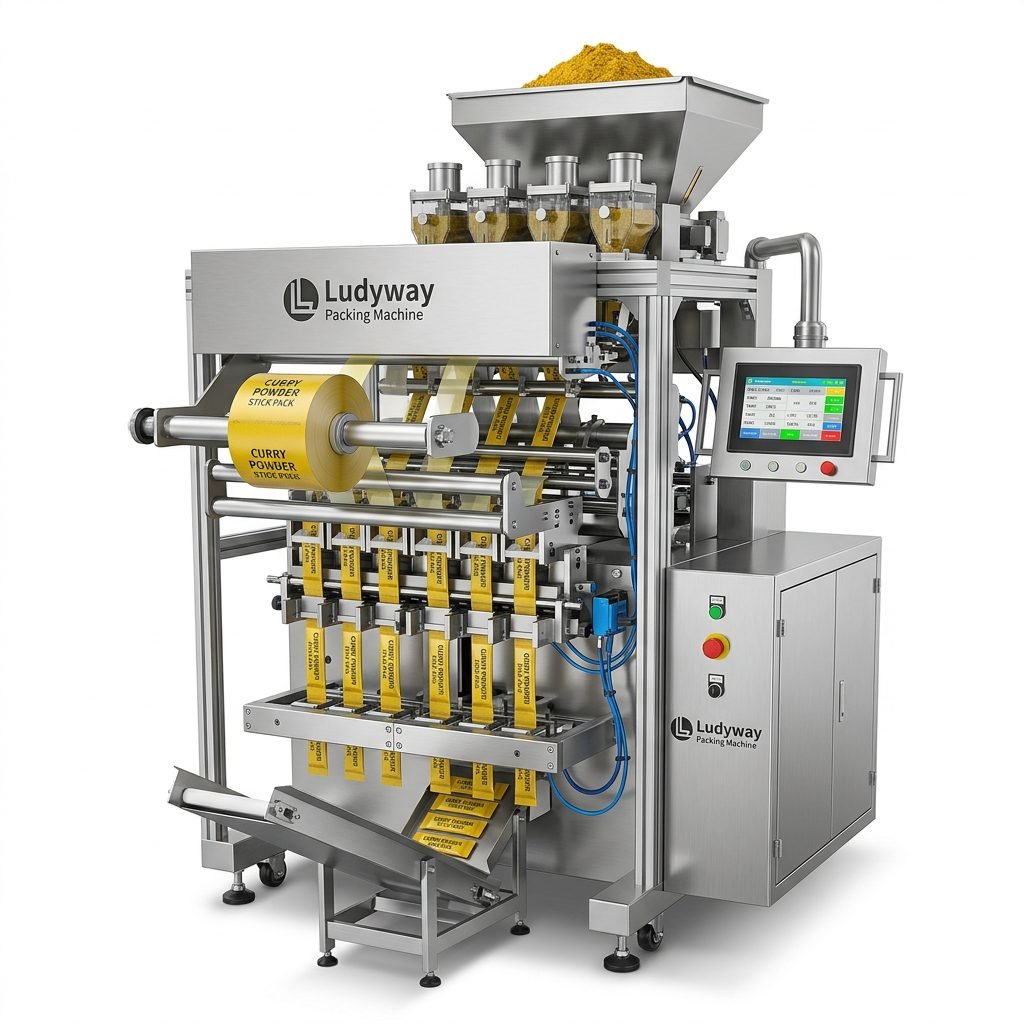
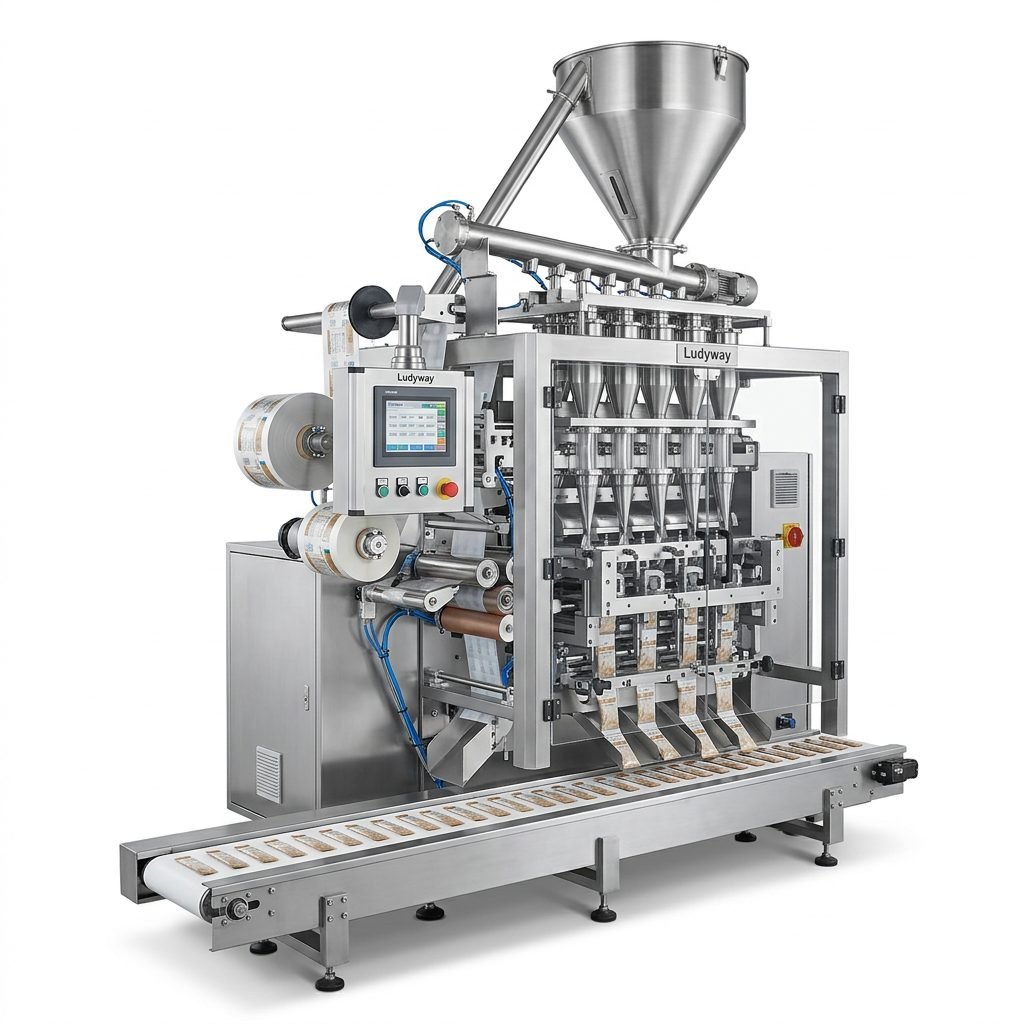
Selecting the right sweet packing machine is one of the most critical investment decisions for confectionery manufacturers. Whether you produce hard candies, chocolates, gummies, chewing gum, or powdered drink mixes, the packaging equipment you choose will directly impact product quality, shelf life, production efficiency, and ultimately your bottom line. This comprehensive guide walks you through the essential factors to consider when evaluating packaging machinery for sweet products, helping you make an informed purchasing decision.
Understanding Your Sweet Product Characteristics
Before comparing machine specifications, you must thoroughly analyze the physical properties of your sweet product. Different confectionery items present unique packaging challenges that directly influence equipment selection.
Product Form and Flowability
- Hard candies and lollipops — Solid, individual pieces requiring gentle handling to prevent breakage and scratching during feeding and wrapping.
- Gummies and jellies — Semi-soft, slightly sticky products that may require specialized feeding systems and non-stick contact surfaces.
- Chocolate bars and pieces — Temperature-sensitive products needing controlled packaging environments to prevent melting or bloom formation.
- Powdered sweet products — Hot chocolate mixes, sweetened beverage powders, and confectionery ingredients requiring precise dosing with minimal dust generation.
- Chewing gum — Individual pieces or sticks that require high-speed wrapping with precise alignment.
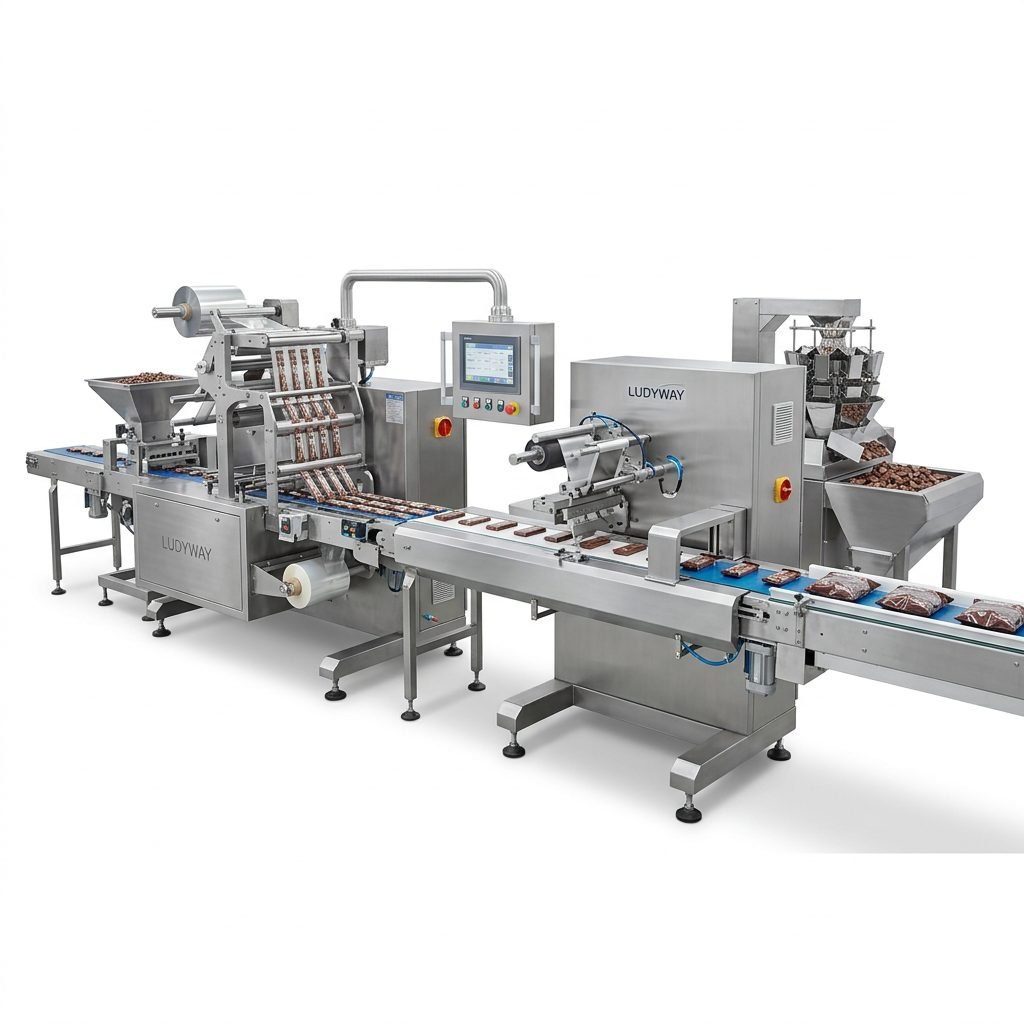
Product Sensitivity Factors
Sweet products often require special consideration for temperature control, moisture protection, and physical integrity. Chocolate-containing products may need packaging in climate-controlled environments. Hygroscopic powders like sugar-based drink mixes demand high-barrier packaging materials and excellent seal integrity to prevent clumping. Fragile items such as delicate chocolate shells or decorated confections require gentle handling mechanisms throughout the packaging process.
Packaging Format Selection for Confectionery
The packaging format you choose must balance consumer appeal, production efficiency, and product protection. Modern flexible packaging solutions offer diverse options for sweet products.
Common Packaging Formats for Sweets
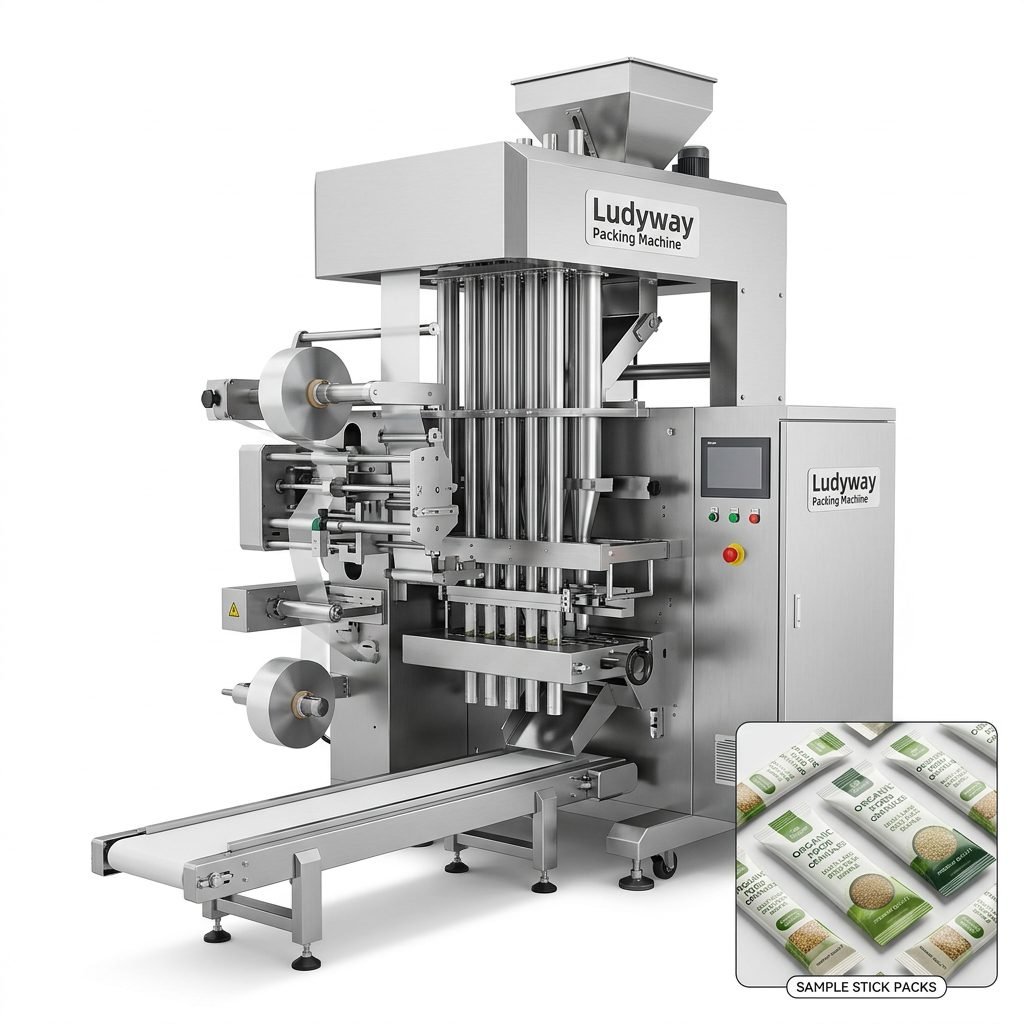
- Stick packs — Ideal for single-serve powdered beverages, sugar sachets, and small candy portions. Excellent for portion control and on-the-go consumption.
- Sachets and flat pouches — Versatile format for various sweet products including chocolate-coated items, small candies, and confectionery mixes.
- Pillow bags — Traditional format for wrapped candies, providing good sealing and branding opportunities.
- Gusseted pouches — Suitable for larger quantities or bulk packaging of loose candies and confectionery items.
- Flow wraps — Popular for chocolate bars and individual confectionery pieces, offering tight wrapping with excellent product visibility options.

Production Speed and Capacity Requirements
Your production volume targets will determine the appropriate machine speed class. Accurate assessment at this stage prevents costly mismatches between equipment capability and business needs.
Speed Categories in Confectionery Packaging
| Speed Category | Output Range (per minute) | Suitable Application |
|---|---|---|
| Low Speed | 30–80 packs | Small-batch artisan chocolates, specialty confectionery |
| Medium Speed | 80–200 packs | Mid-size candy production, regional brands |
| High Speed | 200–500+ packs | Large-scale confectionery manufacturing |
| Multi-Lane Ultra-High Speed | 500–1,200+ packs | Global brands, stick pack and sachet production |
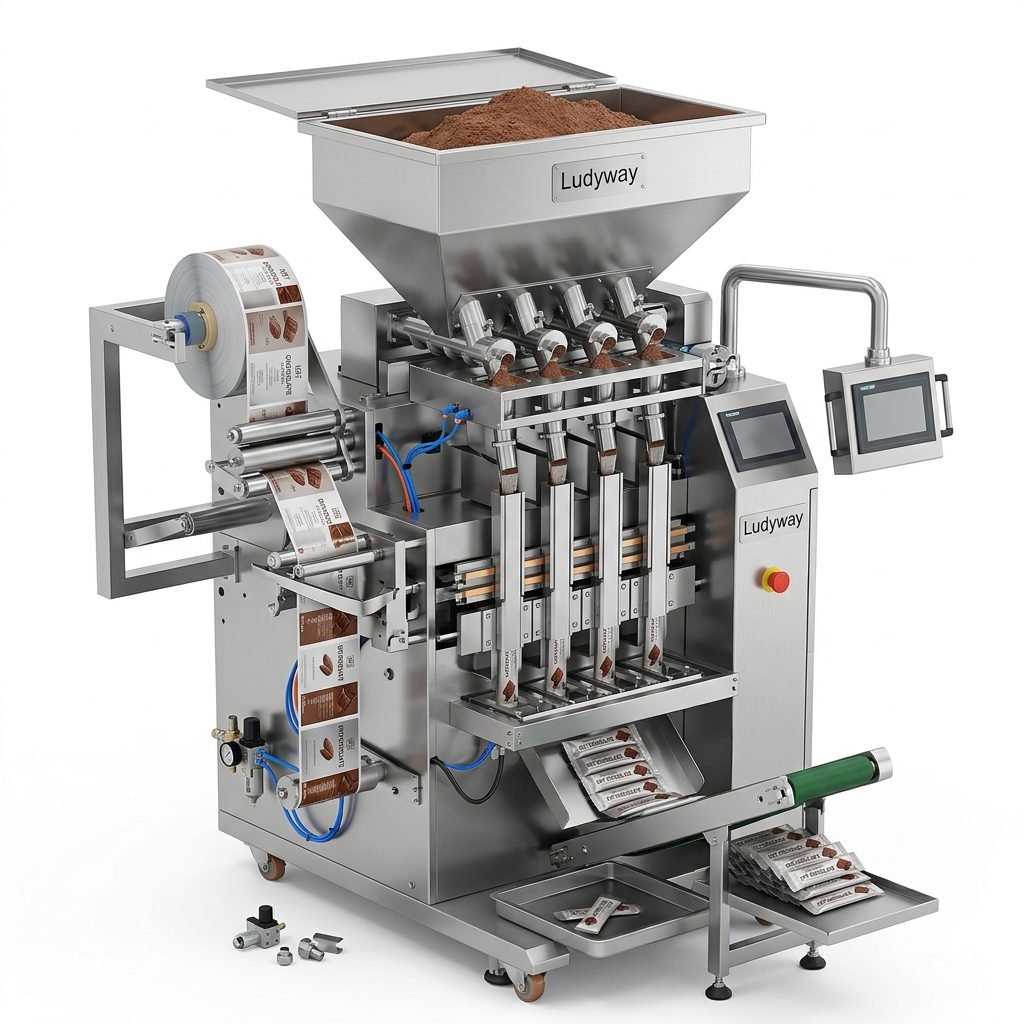
Multi-lane technology allows manufacturers to run several packaging lanes simultaneously, dramatically increasing throughput without proportionally increasing floor space requirements. For sweet products in stick pack format, multi-lane machines running 4 to 14 lanes are increasingly common in competitive markets.
Key Technical Features to Evaluate
Beyond basic specifications, several technical features can significantly impact your sweet packaging operation’s reliability, efficiency, and product quality. Prioritize these features based on your specific product requirements and operational goals.
Filling and Dosing Accuracy
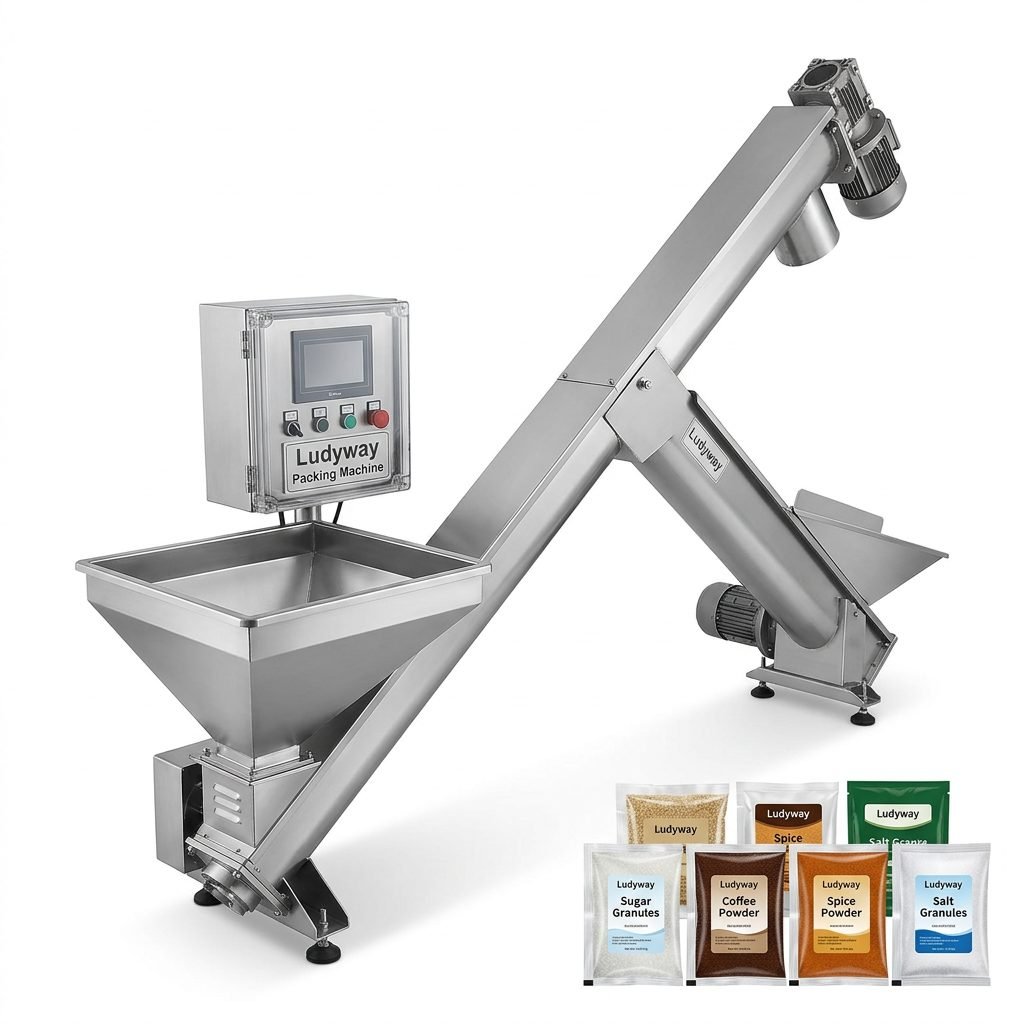
Precision dosing is particularly critical for sweet products where overfilling directly reduces profitability and underfilling risks regulatory non-compliance. Auger fillers work well for powdered sweet products, while volumetric cup fillers handle granular candies efficiently. Combination weighers offer the highest accuracy for solid confectionery pieces at high speeds.
Sealing Integrity and Packaging Material Compatibility
Sweet products, especially those containing sugar or hygroscopic ingredients, demand reliable hermetic sealing to maintain freshness and prevent moisture ingress. Verify that the machine can effectively seal your chosen packaging materials — whether laminated films, metallized structures, or paper-based laminates — with consistent seal strength and minimal leaker rates.
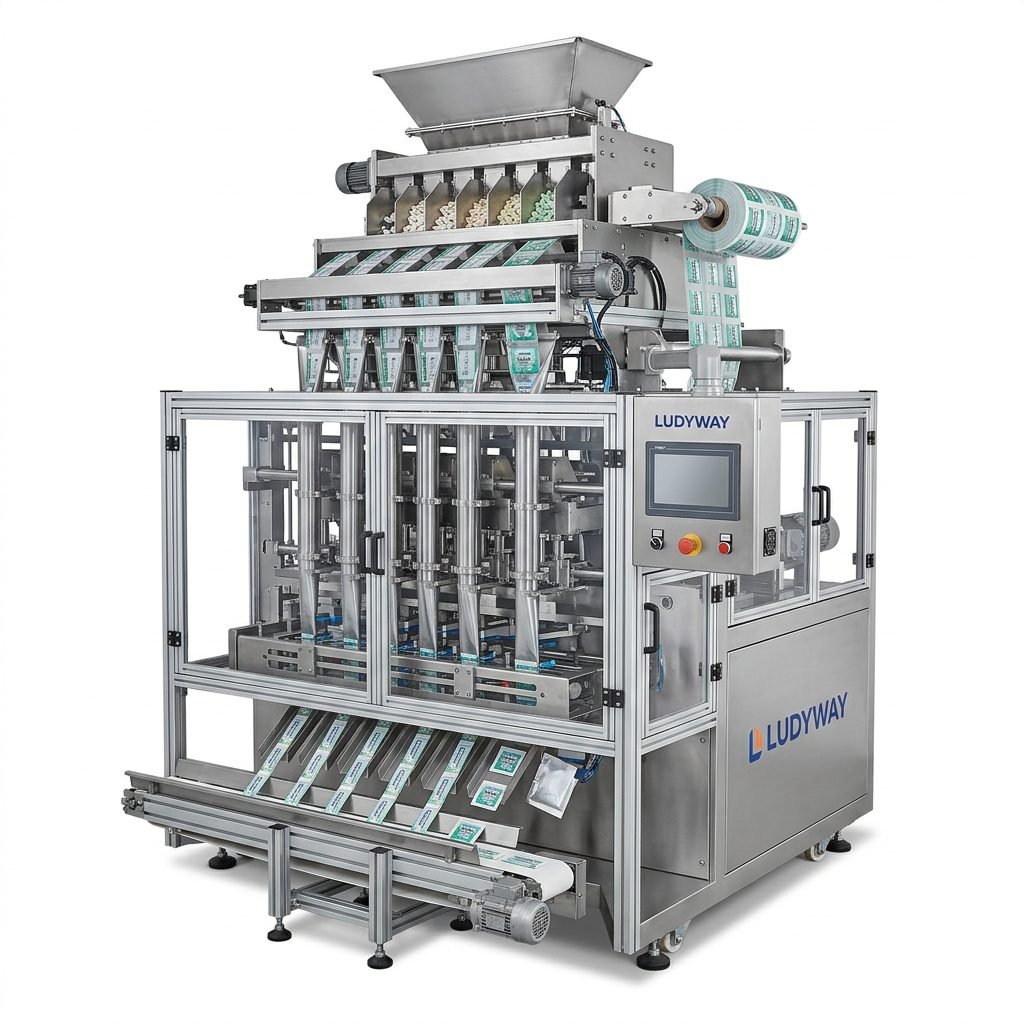
Additional Critical Features
- Easy cleanability and quick changeover — Essential when running multiple sweet product variants or flavors on the same line to prevent cross-contamination and minimize downtime.
- Temperature monitoring and control — Important for chocolate and heat-sensitive confectionery items that may soften or deform during the packaging process.
- Gas flushing capability — Nitrogen flushing extends shelf life for oxygen-sensitive sweet products like chocolate and nut-containing confections.
- Integrated quality inspection — Checkweighers, metal detectors, and vision inspection systems help ensure package integrity and product safety.
- Automation and connectivity — Modern machines with PLC controls, HMI touchscreens, and Industry 4.0 capabilities enable data-driven production management.
Comparing Sweet Packing Machine Configurations
Understanding the available machine configurations helps narrow your options based on your specific production requirements.
| Machine Type | Best For | Key Advantages | Typical Speed Range |
|---|---|---|---|
| Single-Lane VFFS | Versatile sweet packaging, medium output | Flexibility, lower investment cost | 40–120 packs/min |
| Multi-Lane Stick Pack | Single-serve powders, sugar, beverage mixes | High output, compact footprint | 200–1,200+ packs/min |
| Flow Wrapping Machine | Chocolate bars, confectionery bars, gum | Tight wrap, excellent product presentation | 80–400 packs/min |
| Pre-made Pouch System | Premium confectionery, gift packaging | Superior aesthetics, flexible bag styles | 30–100 packs/min |
| Rotary Packaging System | Solid candies, individual wraps | Gentle handling, precise positioning | 100–600 pieces/min |
Budget Considerations and ROI Analysis
Investing in a sweet packing machine requires balancing upfront capital expenditure with long-term operational returns. A thorough ROI analysis should account for the following factors:
Total Cost of Ownership Components
- Initial purchase price — Machine cost varies significantly based on configuration, automation level, and customization requirements.
- Installation and commissioning — Including factory preparation, utilities connection, and integration with upstream and downstream equipment.
- Operator training — Comprehensive training ensures efficient operation and reduces early-stage production issues.
- Spare parts inventory — Maintaining critical spare parts minimizes downtime in case of component wear or failure.
- Ongoing maintenance — Regular preventive maintenance extends equipment life and maintains packaging quality.
- Energy consumption — More efficient machines reduce operational costs over the equipment lifecycle.
Calculating Payback Period
Your sweet packing machine’s payback period depends on labor savings, reduced packaging material waste, increased throughput, and improved product consistency. Manufacturers who switch from manual or semi-automatic packaging to fully automated systems often report payback periods of 12 to 24 months, with faster returns in high-volume operations. Reduced give-away through precise dosing alone can deliver substantial annual savings for sweet products with expensive ingredients.
Choosing a Reliable Packaging Machinery Partner
Beyond machine specifications, your choice of equipment manufacturer significantly impacts long-term success. A capable partner provides engineering support, customization options, and responsive after-sales service throughout the machine lifecycle.
When evaluating suppliers, consider their experience with confectionery and sweet product applications specifically. Companies like Ludyway Machinery, a China-based packaging machinery manufacturer with more than 30 years of industry experience and a 20,000-square-meter manufacturing facility, demonstrate how established suppliers combine engineering expertise with application knowledge across food, confectionery, and related industries. With more than 50 packaging machine models and a team of over 130 professionals serving customers in more than 100 countries, manufacturers with this depth of capability can provide integrated solutions rather than standalone equipment.
Key Supplier Evaluation Criteria
- Industry experience and references — Seek suppliers with proven confectionery packaging experience and verifiable customer references.
- Customization capability — Your sweet products likely have unique characteristics; your machinery partner should offer customized engineering solutions rather than one-size-fits-all equipment.
- Technical support infrastructure — Evaluate remote support capabilities, on-site service availability, spare parts logistics, and operator training programs.
- Quality certifications and standards compliance — Verify that equipment meets relevant international standards for your target markets, including food contact compliance requirements.
- After-sales commitment — A responsive after-sales team with troubleshooting expertise, spare parts availability, and ongoing technical guidance protects your investment over the long term.
Making Your Final Decision
Selecting the right sweet packing machine requires a methodical approach that aligns technical requirements with business objectives. Begin by thoroughly documenting your product specifications, target output, packaging format preferences, and budget parameters. Request detailed proposals from qualified manufacturers and, whenever possible, arrange product trials or factory acceptance tests to verify machine performance with your actual sweet products before finalizing the purchase.
Remember that the packaging industry continues to evolve with advances in automation, sustainability, and smart manufacturing. Choosing equipment that supports future growth — whether through modular design, upgradeable controls, or scalable configurations — ensures your investment remains competitive as market demands shift. With careful evaluation of product characteristics, machine specifications, supplier capabilities, and total cost of ownership, you can select a sweet packing solution that drives efficiency, protects product quality, and supports long-term business growth.