Selecting the right screw packaging machine is a critical decision that directly affects your production efficiency, product quality, and overall operational costs. Whether you are packaging screws, bolts, nuts, or other small hardware components, the right equipment ensures accurate counting, reliable sealing, and consistent throughput. This comprehensive guide walks you through the essential factors to consider when choosing a screw packaging machine, helping you make an informed investment for your manufacturing or distribution operation.
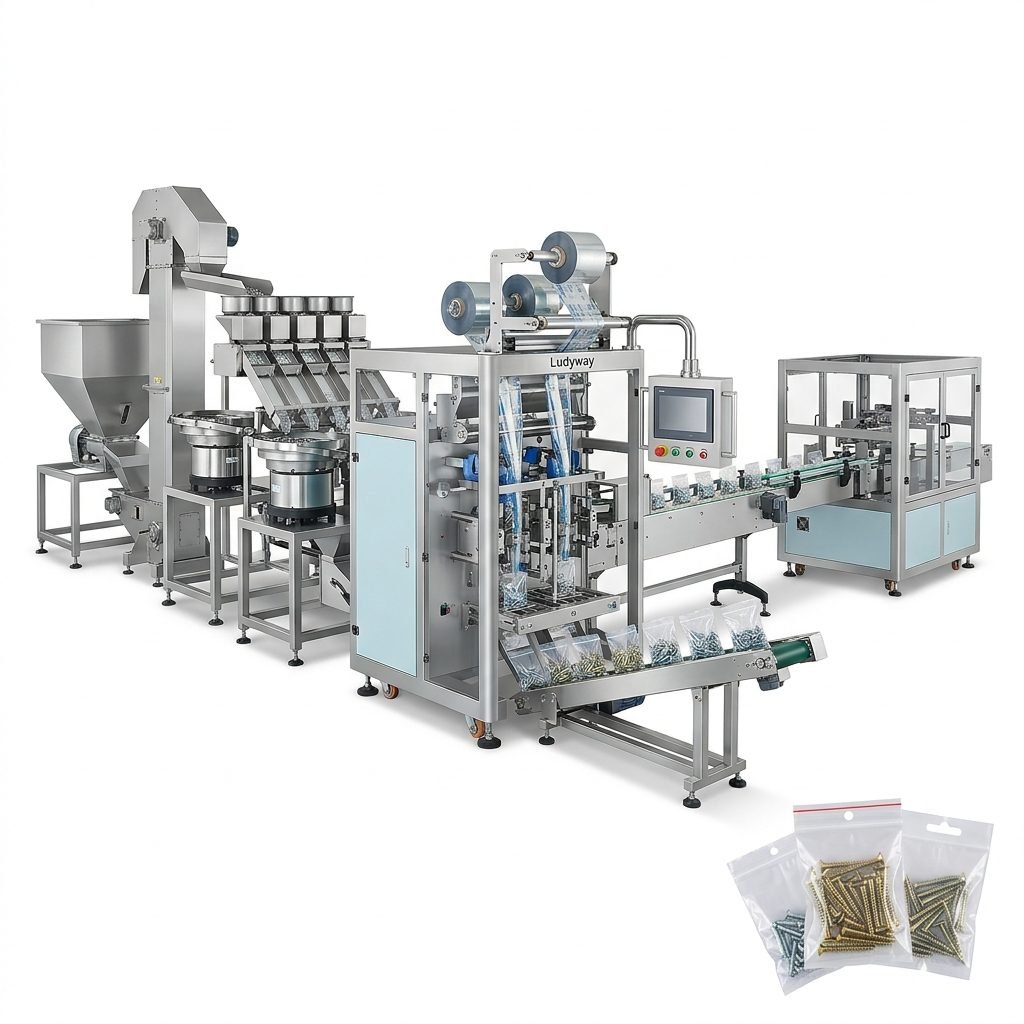
Understanding Screw Packaging Machine Types
Before diving into specifications, it is important to understand the different types of screw packaging machines available on the market. Each type is designed for specific production volumes, packaging formats, and product characteristics.
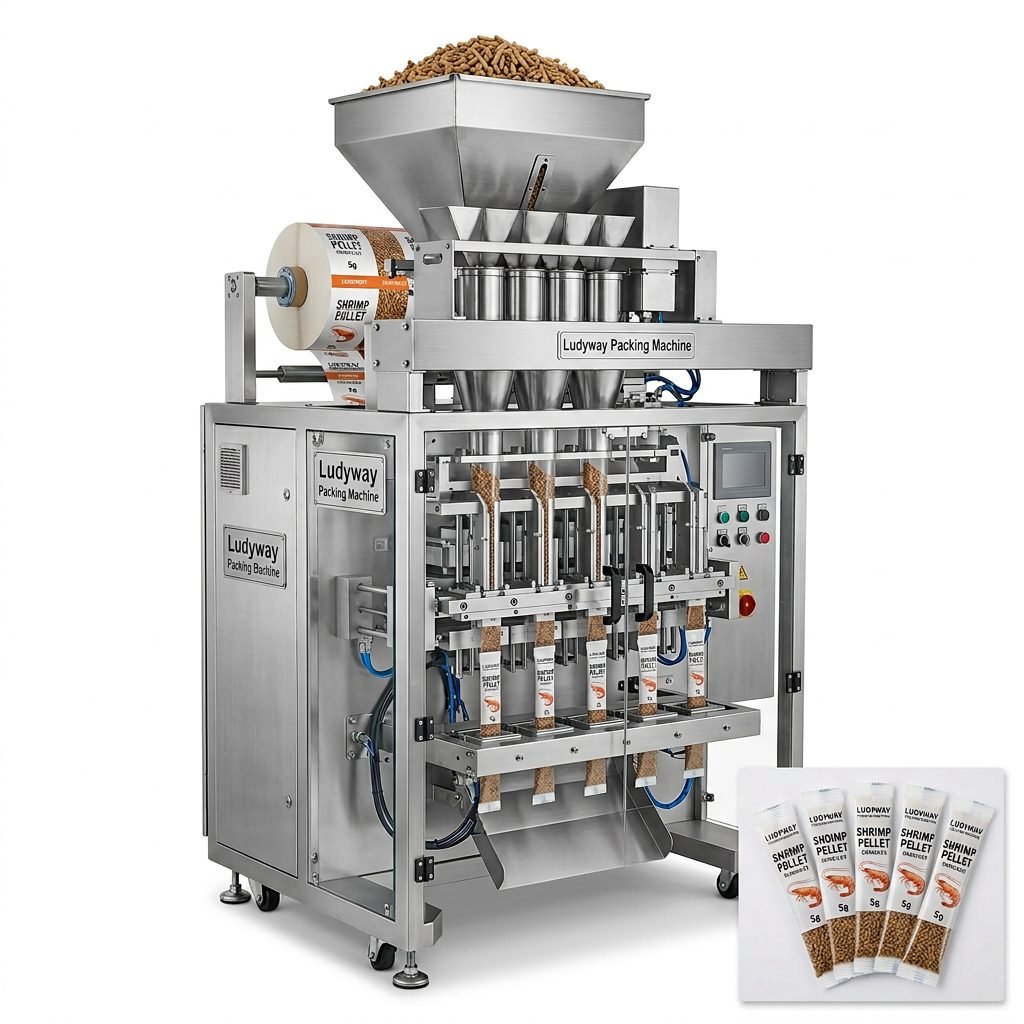
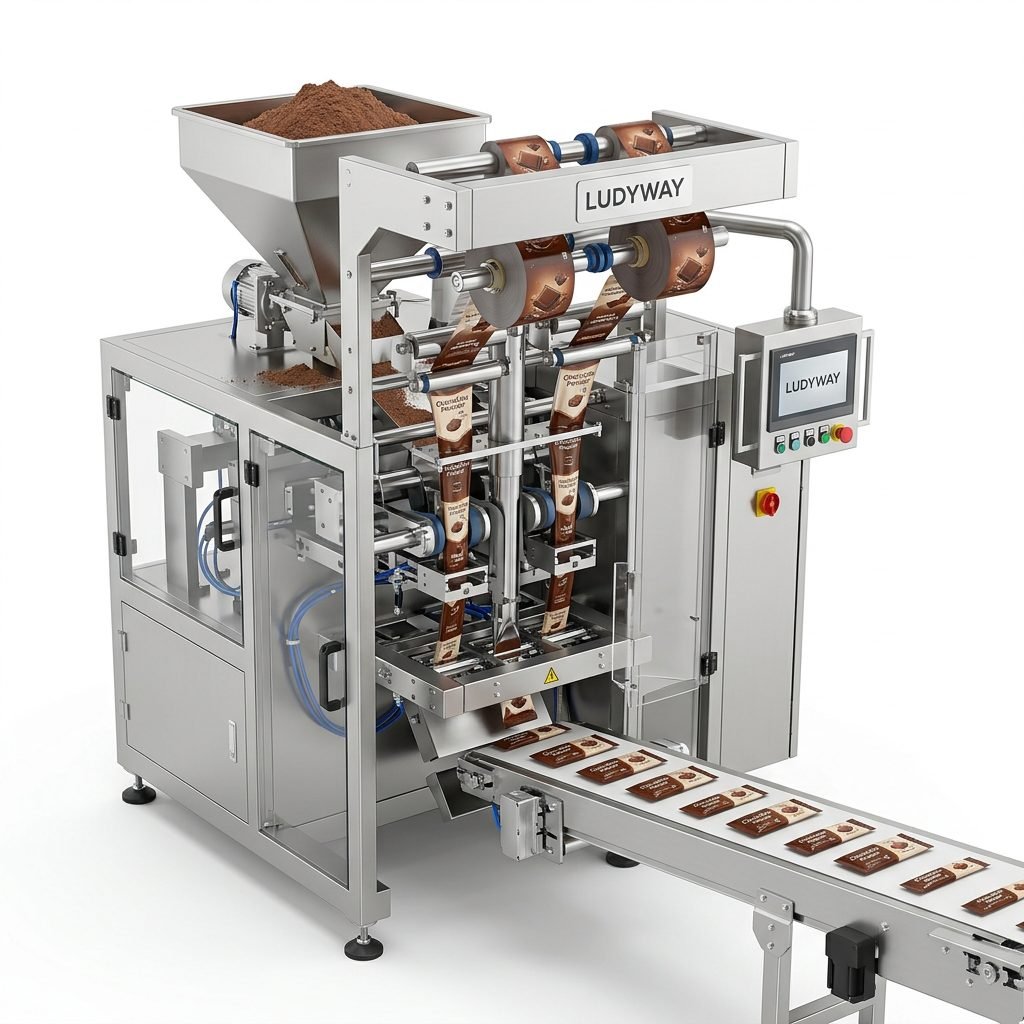
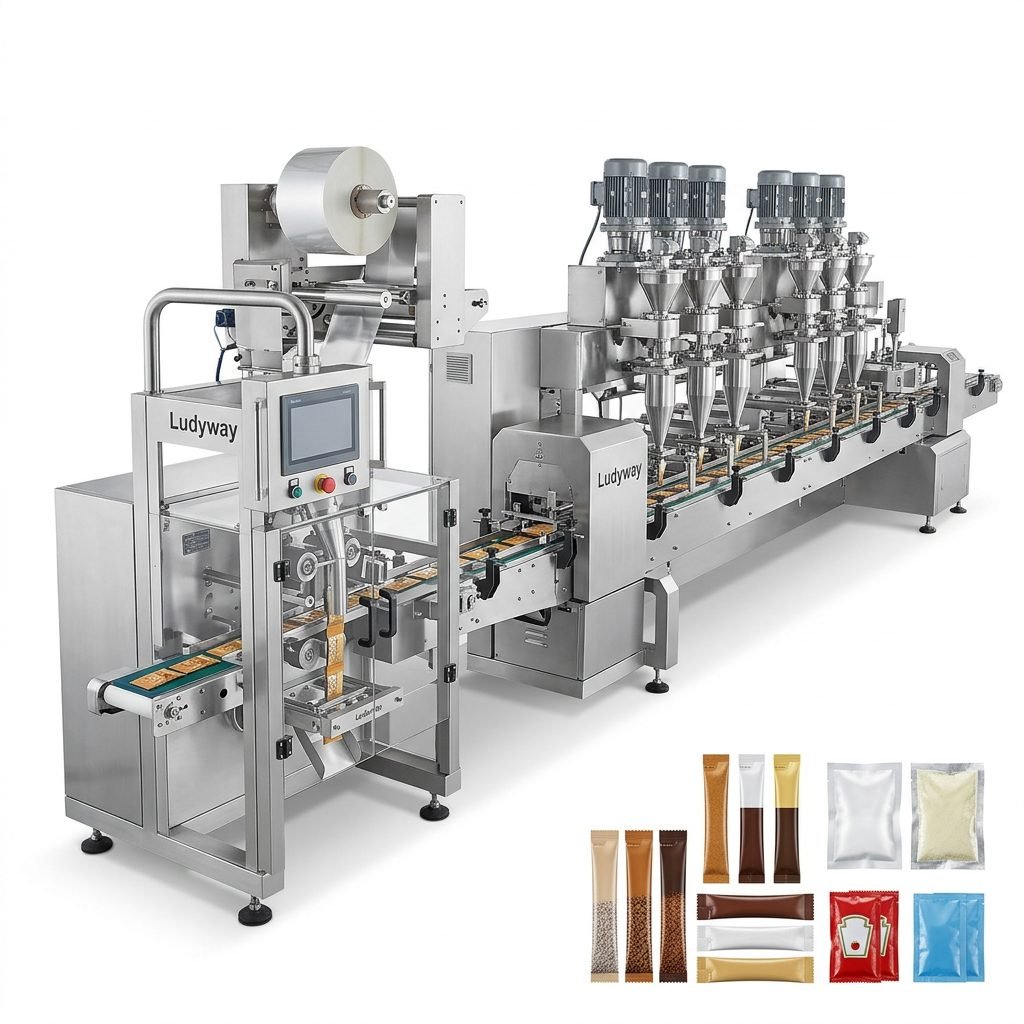
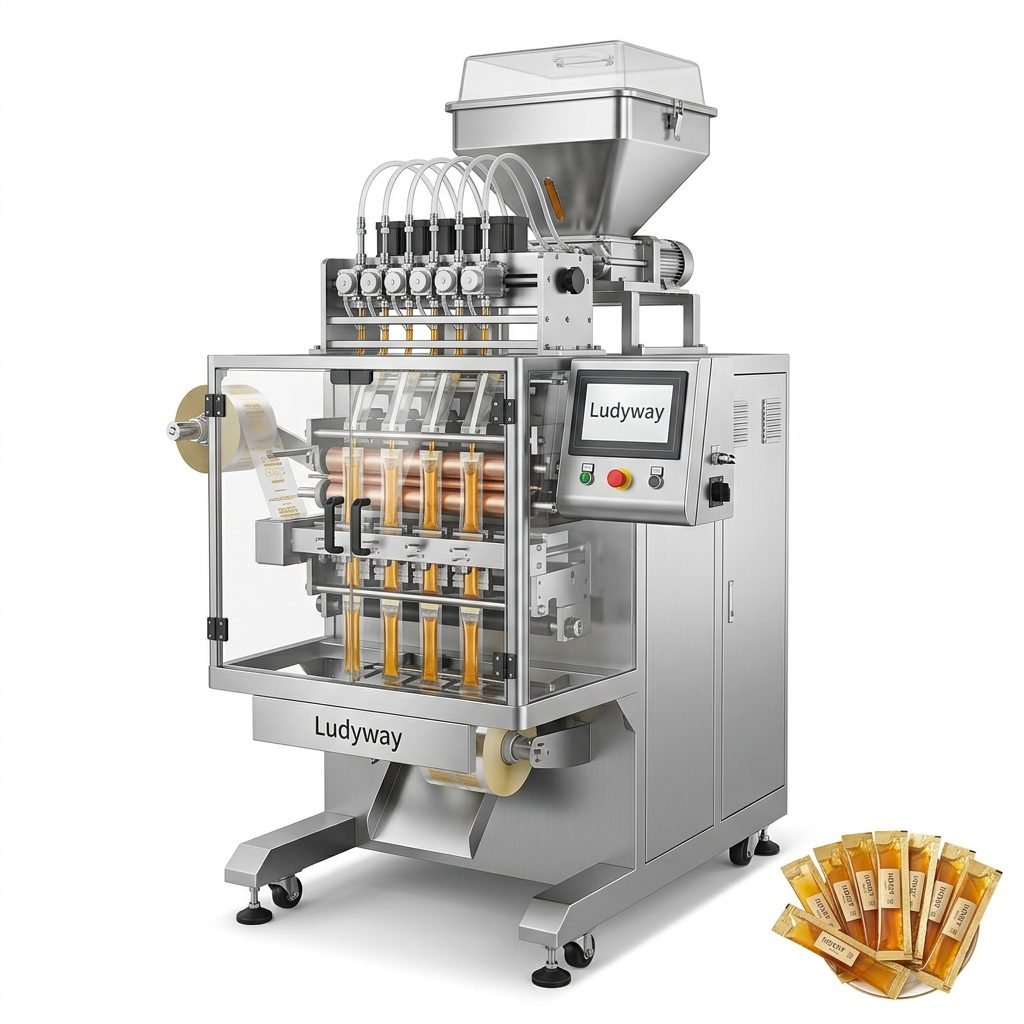
- Multi-Lane Stick Pack Machines: Ideal for high-speed production of individual screw packs. These machines can run multiple lanes simultaneously, significantly increasing output for small to medium-sized screws.
- Premade Pouch Packaging Machines: Designed for filling pre-formed pouches with counted screws. These systems are flexible and suitable for various bag styles including zipper pouches, stand-up pouches, and flat bags.
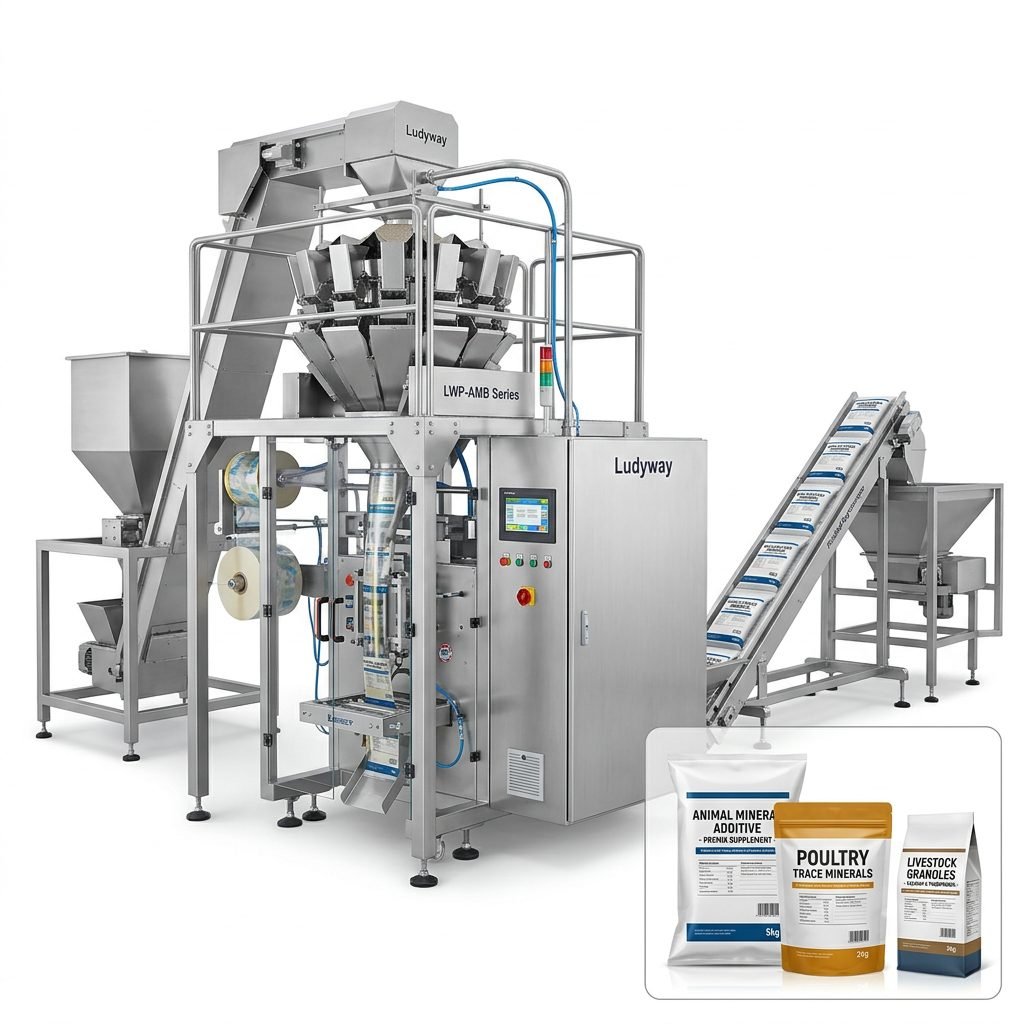
- Vertical Form Fill Seal (VFFS) Machines: Form the bag from roll stock, fill it with screws, and seal it in one continuous process. Excellent for high-volume single-lane or multi-lane applications.
- Counting and Weighing Integrated Systems: Combine precision counting mechanisms with packaging capabilities, ensuring exact piece counts per package for hardware components.
Key Factors to Evaluate Before Purchase
Investing in a screw packaging machine requires careful evaluation of several critical parameters. The following table summarizes the most important factors and what to look for in each category:
| Factor | Key Considerations | Importance |
|---|---|---|
| Product Compatibility | Screw size, shape, material, weight, and head type must match machine specifications | Critical |
| Production Speed | Required packs per minute, shift patterns, and peak demand capacity | High |
| Counting Accuracy | Acceptable error margin, counting technology, and verification systems | Critical |
| Packaging Material | Film type, thickness, barrier properties, and sealability for your application | Medium |
| Automation Level | Manual, semi-automatic, or fully automatic with integrated feeding and cartoning | High |
| Bag Size and Format | Range of bag dimensions, styles supported, and changeover flexibility | Medium |
Counting Technology: Precision Matters
The heart of any screw packaging machine is its counting mechanism. For hardware components like screws, accurate counting is non-negotiable — undercounts lead to customer complaints, while overcounts erode profit margins. Several counting technologies are commonly used:
- Vibratory Bowl Counting: Screws are fed through a vibratory bowl that singulates and counts each piece using optical sensors or infrared detectors. This method is widely used for its reliability and speed.
- Multi-Head Weighing: Combining weight-based verification with count estimation, these systems are suitable for larger screws where individual piece weight is consistent.
- Vision-Based Counting: Advanced camera systems capture and count screws in real time, offering exceptional accuracy even for mixed or irregular shapes.
- Photoelectric Counting: Using light beams to detect each passing screw, this technology provides high-speed counting for small to medium-sized fasteners.
Packaging Speed and Production Capacity
Your current and projected production volume should drive the speed requirements for your machine. Single-lane machines may output 30 to 80 packs per minute, while multi-lane configurations can reach 200 to over 400 packs per minute. When evaluating speed, consider not just the rated maximum, but the sustainable operating speed under real production conditions, including changeover times, material loading, and occasional jam clearing.
Material Compatibility and Packaging Quality
Screw packaging requires durable, puncture-resistant materials to prevent sharp threads from damaging the package during filling, handling, and transportation. Common packaging materials include laminated films with multiple layers of polyethylene, polyester, aluminum foil, or nylon. The machine must be capable of handling your chosen material’s thickness and heat-sealing characteristics without compromising seal integrity. Flexible Packaging Association resources provide valuable guidance on material selection for hardware packaging applications.

Automation and Integration Capabilities
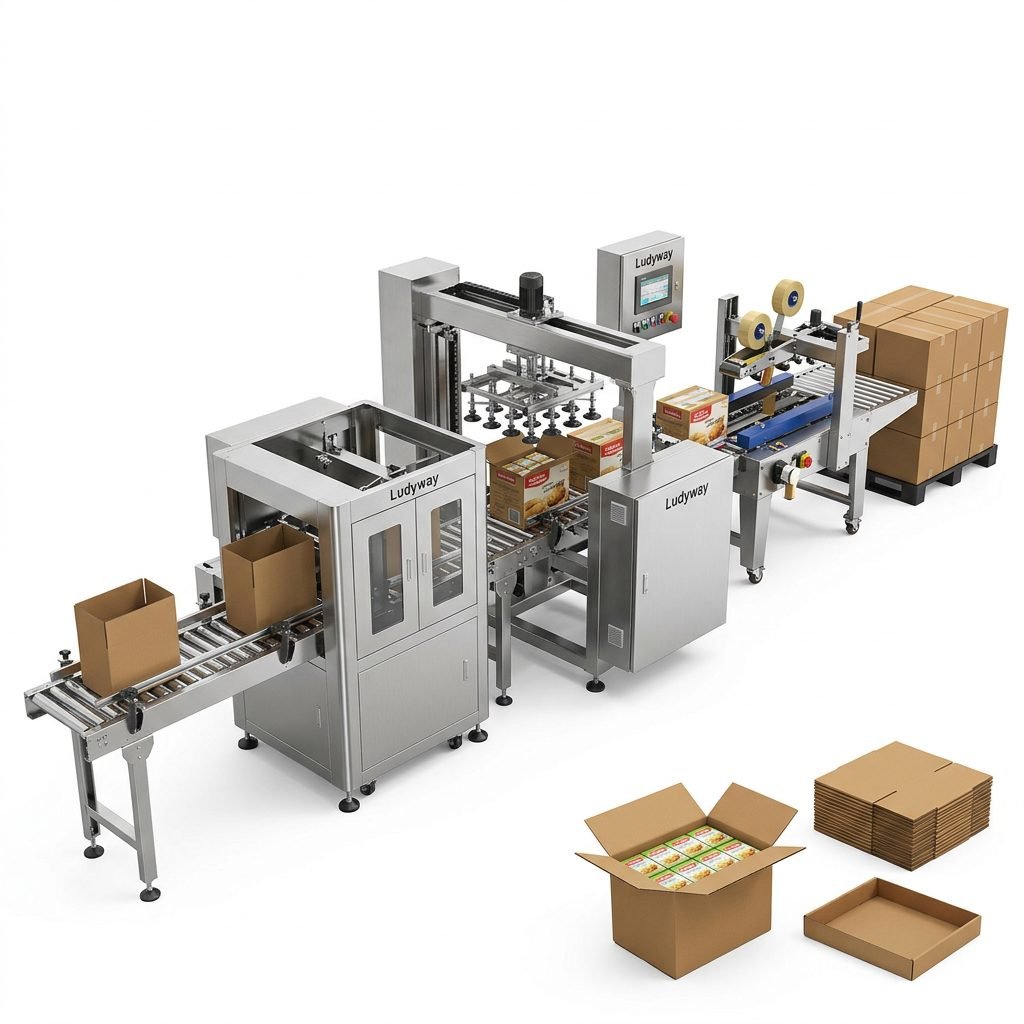
Modern screw packaging machines can be integrated into complete packaging lines that include automatic feeding systems, counting modules, filling stations, sealing units, coding and marking devices, inspection systems, and cartoning or case packing equipment. According to PMMI State of the Industry reports, the trend toward end-of-line automation continues to accelerate, driven by labor challenges and demand for higher throughput. When selecting your machine, assess whether the manufacturer can provide integrated solutions or if you will need to coordinate multiple vendors.
Changeover Flexibility and Downtime
If your operation packages multiple screw sizes, head types, or quantities per pack, quick changeover capability becomes essential. Look for machines with tool-less adjustments, recipe storage for repeatable setups, and easily interchangeable feeding and counting components. Minimizing downtime during product changeovers directly impacts your overall equipment effectiveness (OEE) and return on investment.
Compliance and Industry Standards
Depending on your market and end-use application, your packaging equipment may need to meet specific regulatory standards. For screws used in medical devices, automotive components, or aerospace applications, traceability and documentation requirements may be stringent. Packaging machinery should be capable of being configured to comply with relevant international standards, including those outlined by ISO packaging standards and applicable FDA requirements for food contact packaging where relevant.
Evaluating Total Cost of Ownership
The purchase price is just one component of the total cost of ownership. When comparing machines, factor in these additional costs:
- Installation and Commissioning: Setup, calibration, and initial training expenses
- Operating Costs: Energy consumption, compressed air requirements, and consumable materials
- Maintenance and Spare Parts: Routine service, wear parts replacement, and emergency repairs
- Labor Requirements: Number of operators needed and their skill levels
- Downtime Risk: Lost production during breakdowns and the availability of technical support
Supplier Selection and Technical Support
Choosing the right packaging machinery supplier is as important as choosing the right machine. Look for manufacturers with proven experience in hardware packaging, responsive technical support, and comprehensive after-sales service. A reliable supplier should offer installation assistance, operator training, troubleshooting guidance, and readily available spare parts. Companies like Ludyway Machinery, with more than 30 years of experience and a 20,000-square-meter manufacturing facility, provide integrated packaging solutions and global technical support for manufacturers across diverse industries. Their approach to customized engineering helps ensure the equipment matches specific product characteristics and production requirements.
Testing and Validation Before Commitment
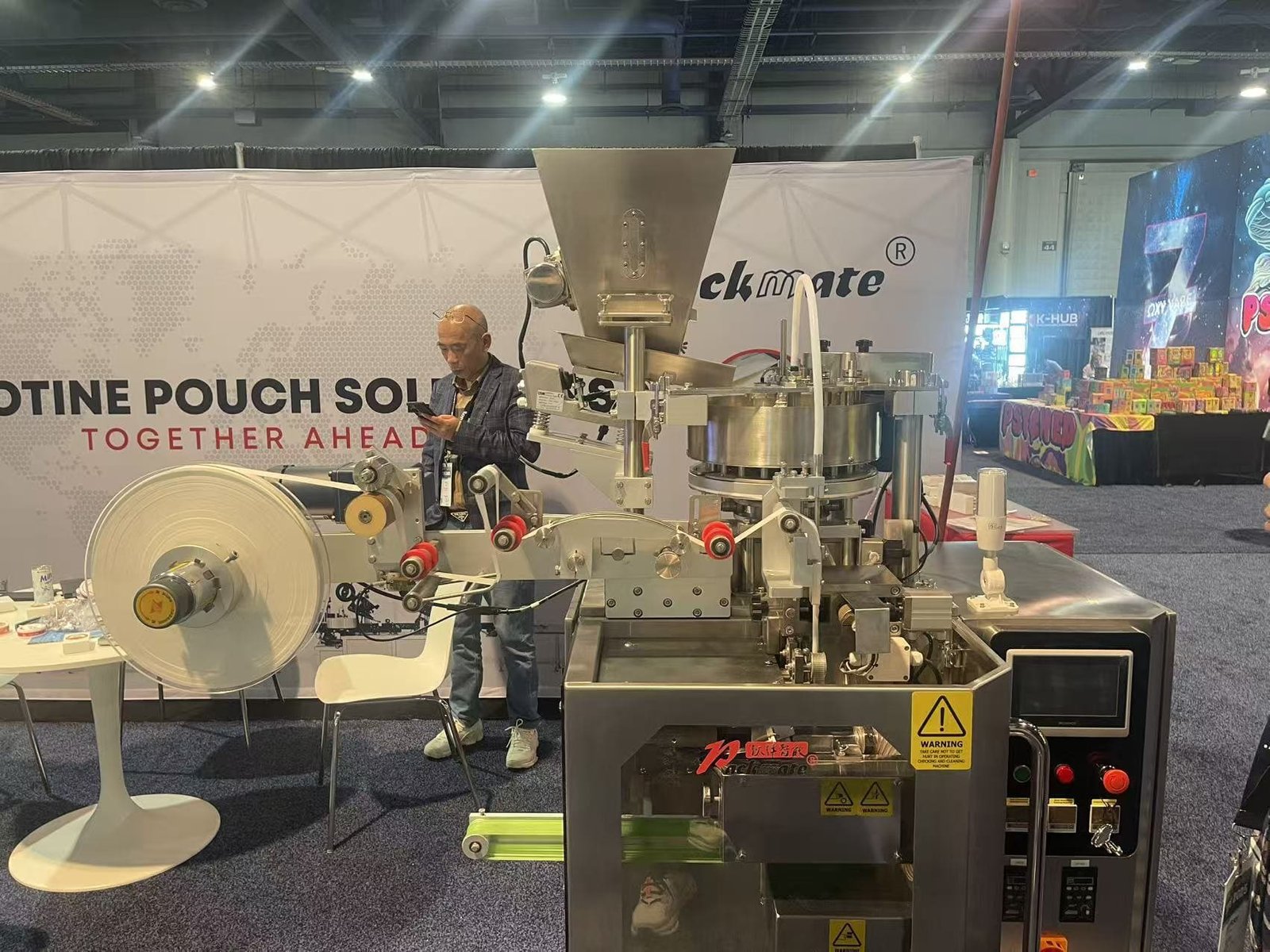
Before finalizing your purchase, it is strongly recommended to conduct product trials using your actual screws and preferred packaging materials. Factory acceptance testing (FAT) allows you to verify counting accuracy, seal quality, production speed, and overall machine performance under realistic conditions. This step significantly reduces the risk of post-installation surprises and ensures the machine delivers as promised. For detailed guidance on packaging validation, refer to PMMI packaging industry resources and technical documentation.
Future-Proofing Your Investment
Consider your long-term business trajectory when selecting a screw packaging machine. A modular platform that allows future upgrades — such as adding lanes, integrating automated cartoning, or incorporating smart factory connectivity — can extend the useful life of your equipment and adapt to evolving market demands. The PACK EXPO International events are excellent venues to see the latest innovations and discuss future-proof solutions with multiple equipment manufacturers in one location.
Making the Final Decision
Selecting the right screw packaging machine is a strategic investment that requires balancing technical specifications, operational requirements, budget constraints, and long-term business goals. By systematically evaluating the factors outlined in this guide — from counting technology and speed requirements to supplier reliability and total cost of ownership — you can confidently choose equipment that delivers consistent, high-quality packaging performance for years to come. The right machine not only protects your products and brand reputation but also drives efficiency gains that strengthen your competitive position in the hardware and fastener industry.