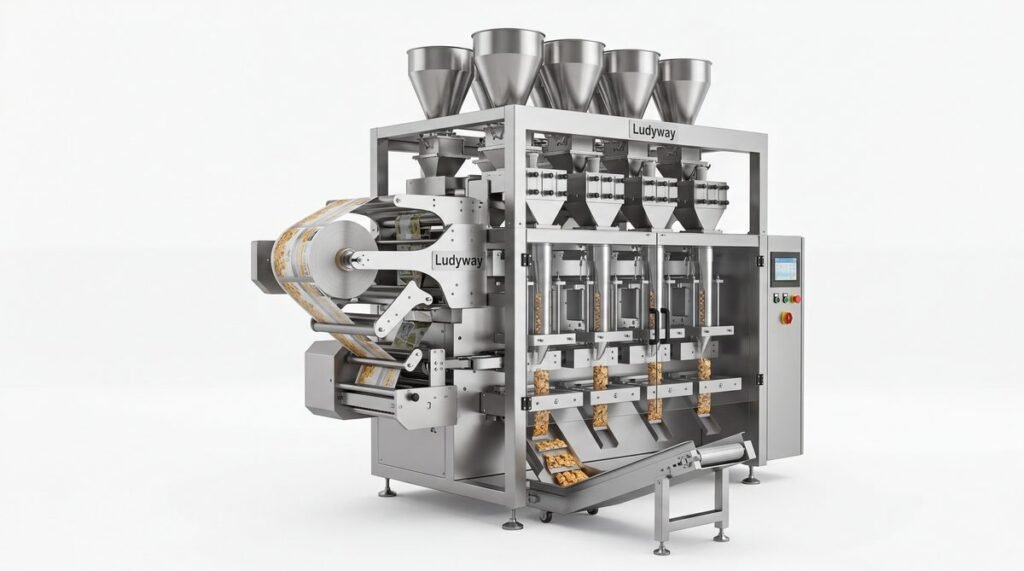
Selecting the right tablet blister packing machine is a critical decision that directly impacts your production efficiency, product integrity, and long-term operational costs. Whether you are upgrading an existing line or setting up a new pharmaceutical packaging facility, understanding the key factors in machine selection helps you avoid costly mistakes. This guide breaks down the essential considerations, from throughput requirements to regulatory compliance, helping you make an informed investment.
Understanding Your Production Requirements
Before evaluating specific models, you must clearly define your production needs. Start by analyzing your current and projected output volumes. A machine that works for small-batch clinical trials may be completely unsuitable for high-volume commercial production. Consider the following parameters carefully.
- Production Speed: Measured in blisters per minute or cycles per minute. High-speed rotary machines can exceed 500 blisters per minute, while intermittent flat-plate machines typically run at 60-200 blisters per minute.
- Blister Format and Size: Determine the maximum forming area, depth of draw, and the number of cavities per blister pack. Multi-lane configurations increase throughput for smaller tablets.
- Material Compatibility: Your machine must handle the specific forming film (PVC, PVDC, Aclar, or aluminum) and lidding material (aluminum foil, paper-backed foil) required for your product’s stability.
- Product Characteristics: Tablet shape, size, and friability affect feeding system design. Dedicated feeding systems are required for capsules, softgels, or irregularly shaped tablets.
Evaluating Machine Technology and Configuration
Blister packaging machinery is broadly categorized into several types. The choice between them depends on your specific application, budget, and flexibility requirements. The table below summarizes the primary machine categories and their typical applications.
| Machine Type | Best For | Typical Speed Range | Key Advantage |
|---|---|---|---|
| Flat-Plate (Intermittent) | Small to medium batches, frequent changeovers | 60-200 blisters/min | Lower cost, high flexibility, easier tooling changes |
| Rotary (Continuous Motion) | High-volume, dedicated product lines | 300-800+ blisters/min | Maximum throughput, superior sealing integrity |
| Thermoforming vs. Cold Forming | Moisture-sensitive products | Varies by configuration | Cold forming with aluminum offers near-complete barrier protection |
| Integrated Blister Lines | Complete packaging with cartoning | 200-500+ blisters/min | Single-source solution, streamlined footprint |
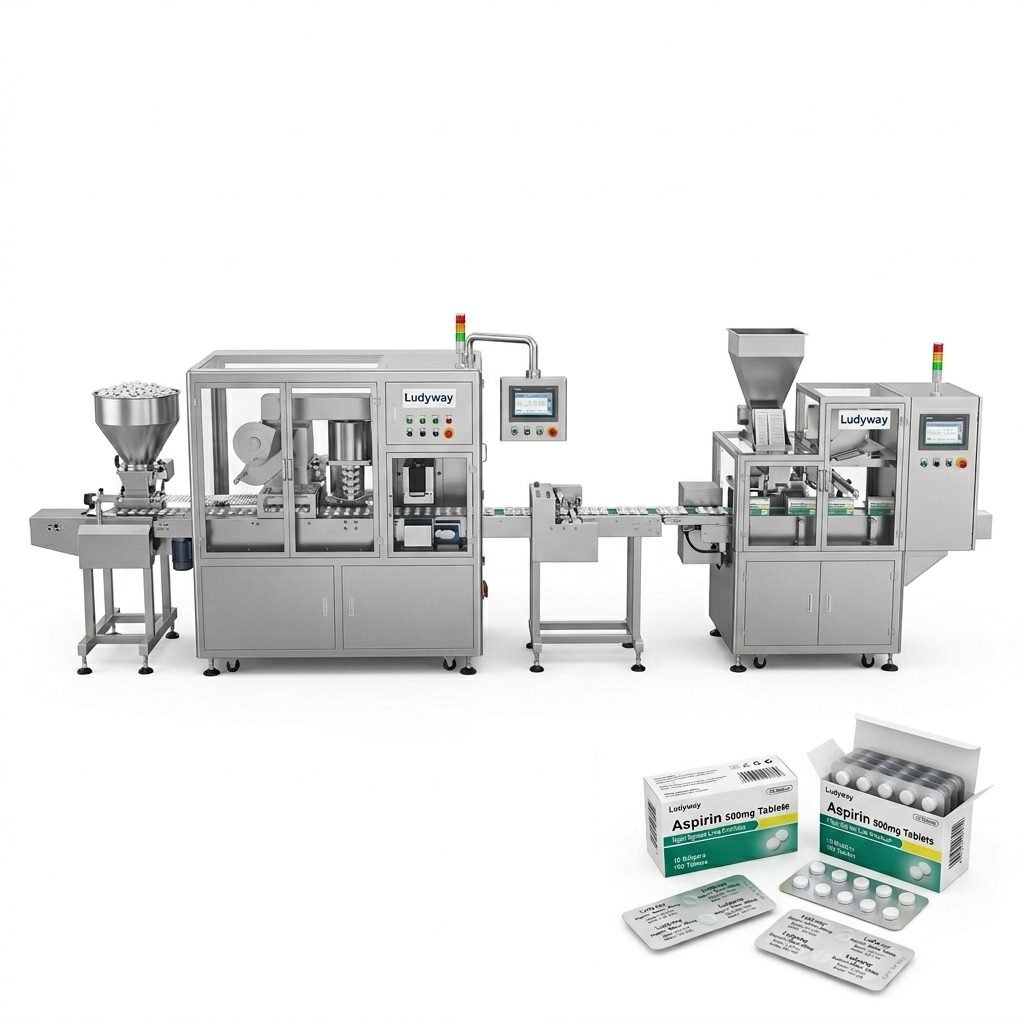
Many manufacturers now offer custom blister packaging solutions that combine forming, filling, sealing, perforating, and embossing in a single automated line. When evaluating configurations, look for machines that support quick changeover features such as servo-driven adjustments and recipe-based settings, which significantly reduce downtime between product runs.
Critical Quality and Compliance Considerations
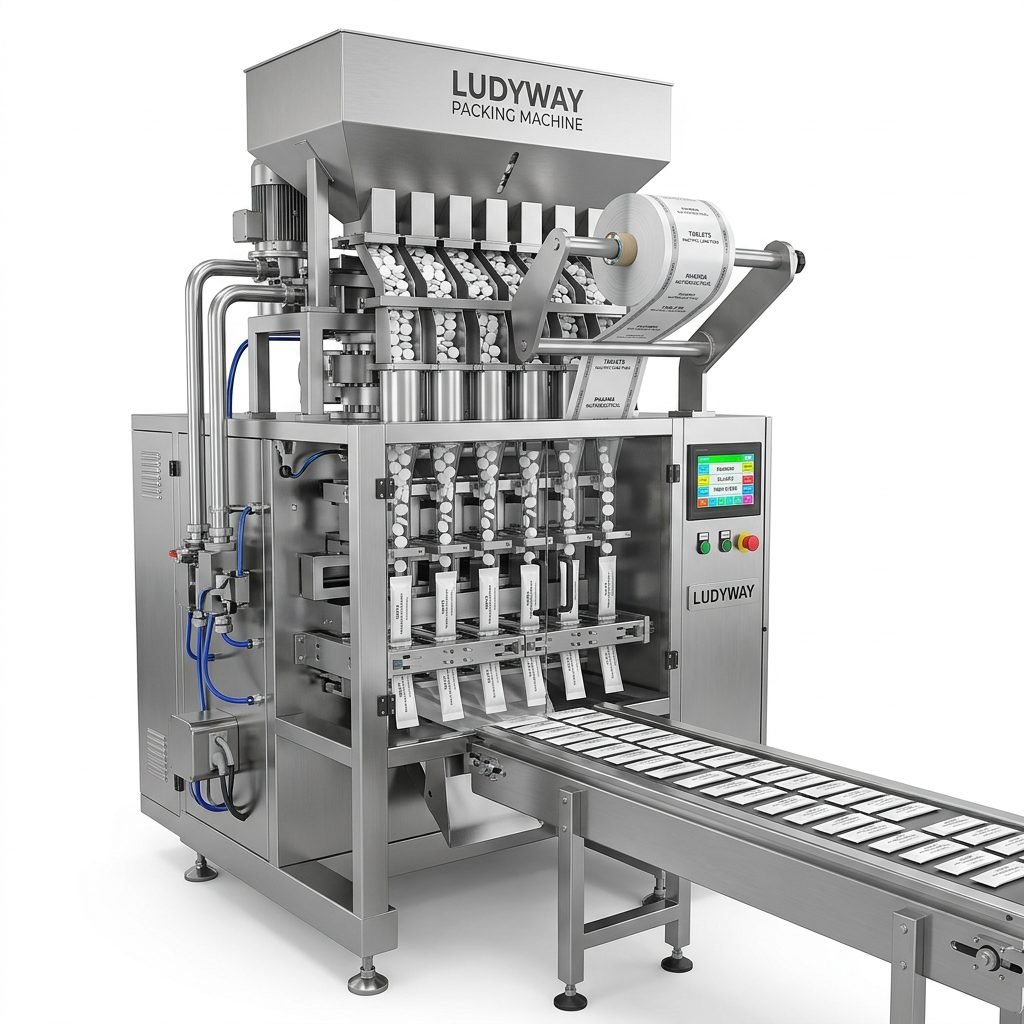
Pharmaceutical packaging is a regulated activity, and your blister packing machine must meet stringent quality standards. According to industry data from PMMI’s State of the Industry reports, regulatory compliance remains one of the top purchasing drivers for pharmaceutical packaging equipment.
Ensure the machine is designed to accommodate current Good Manufacturing Practice (cGMP) requirements. Key features to prioritize include:
- 21 CFR Part 11 Compliance: Electronic records and signatures capability for batch reporting and audit trails.
- Serialization and Track & Trace: Integration with serialization systems for unique device identification, as recommended by FDA packaging regulations.
- Material Traceability: The ability to log and verify forming and lidding material lot numbers during production.
- Vision Inspection Systems: Automated detection of missing tablets, broken tablets, seal defects, and print quality issues.
Assessing Total Cost of Ownership
The purchase price of a blister packing machine represents only a fraction of its total cost of ownership (TCO). A comprehensive TCO analysis should factor in energy consumption, spare parts availability, preventive maintenance schedules, and expected service life. According to PMMI’s 2025 industry analysis, packaging machinery operating costs have become an increasingly important selection criterion.
Evaluate the following cost components over a 7-10 year equipment lifecycle:
- Tooling and Change Parts: Forming dies, sealing rollers, and feeding tracks for each product format.
- Consumables Consumption: Forming film and lidding material waste rates. Precise control systems minimize scrap.
- Maintenance Labor and Parts: Frequency of planned maintenance and mean time between failures (MTBF).
- Validation Support: Installation qualification (IQ), operational qualification (OQ), and performance qualification (PQ) documentation and services.
Supplier Evaluation and Technical Support
Selecting the right machine is inseparable from selecting the right partner. Evaluate potential suppliers on their domain expertise, engineering depth, and after-sales support infrastructure. A manufacturer with dedicated application knowledge in flexible packaging solutions can offer valuable guidance on material compatibility and process optimization.
Key supplier evaluation criteria include the availability of remote diagnostics, local service technicians, responsive spare parts logistics, and comprehensive operator training programs. For pharmaceutical packaging lines, the supplier should also demonstrate experience with validation protocols and regulatory documentation. Ludyway Machinery, with over 30 years of experience and a 20,000-square-meter manufacturing facility, provides customized packaging machinery and integrated solutions designed to meet international standards across global markets.
Integration with Packaging Line Systems
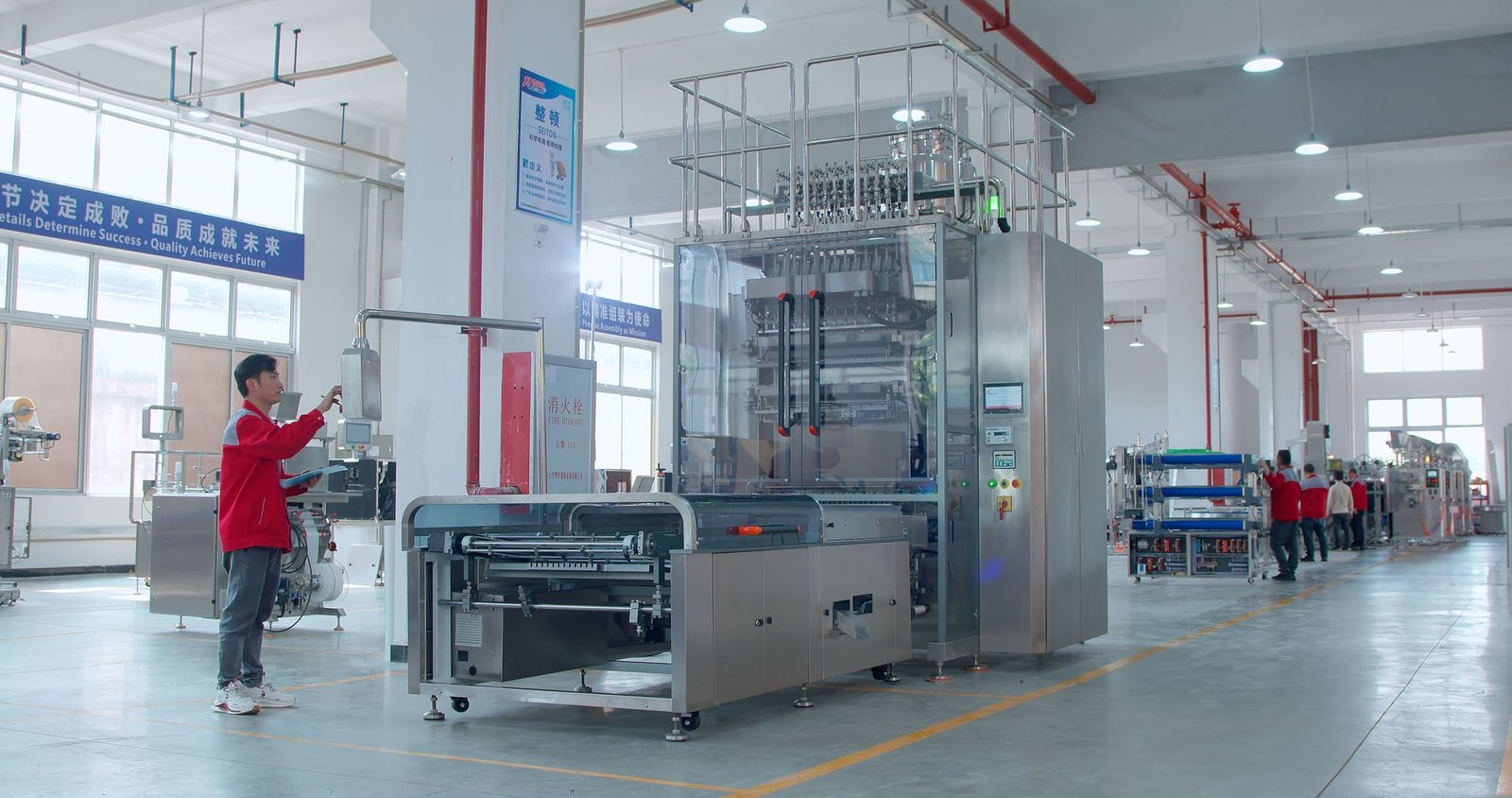
A blister packing machine rarely operates in isolation. Consider how the machine integrates with upstream and downstream equipment. Modern blister lines often connect directly to cartoners, case packers, checkweighers, and palletizing systems. According to ISO packaging standards, line integration should maintain consistent throughput without creating bottlenecks.
Evaluate the machine’s communication protocols (Ethernet/IP, Profibus, OPC UA) and ensure compatibility with your plant’s manufacturing execution system (MES) and enterprise resource planning (ERP) software. The Flexible Packaging Association emphasizes that data connectivity is essential for real-time production monitoring and predictive maintenance strategies.
Making the Final Decision
After narrowing your options, conduct factory acceptance tests (FAT) on the shortlisted machines. Bring your actual products and packaging materials to evaluate performance under realistic conditions. Assess changeover times, operator interface intuitiveness, and accessibility for cleaning and maintenance. Request reference visits to installations of similar applications to verify long-term reliability and supplier support quality.
Investing in the right tablet blister packing machine protects your product quality, ensures regulatory compliance, and positions your operation for efficient growth. By systematically evaluating your production requirements, machine technology, compliance features, total cost of ownership, and supplier capabilities, you can select equipment that delivers reliable performance for years to come.
Related Resources: