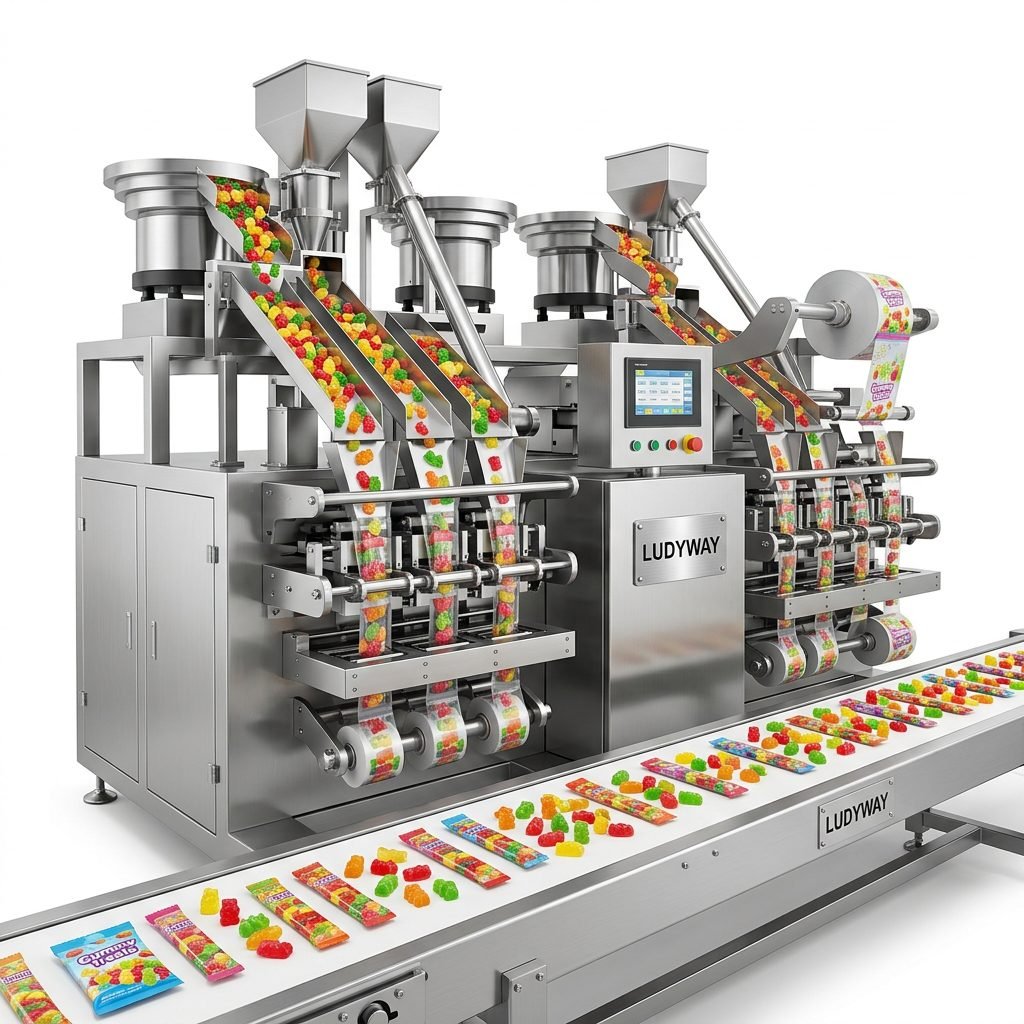
Selecting the right silage packing machine is one of the most critical decisions for modern livestock operations and agricultural contractors. A properly packed silage bale ensures optimal fermentation, minimizes dry matter loss, and protects valuable nutrients for livestock feed. Whether you are switching from individual bale wrapping to a continuous inline system or upgrading your existing agricultural machinery, understanding the core features, technical specifications, and long-term costs of a silage packing machine will directly impact your operational efficiency and profitability. This complete buyer’s guide breaks down the key factors to consider before making your investment.
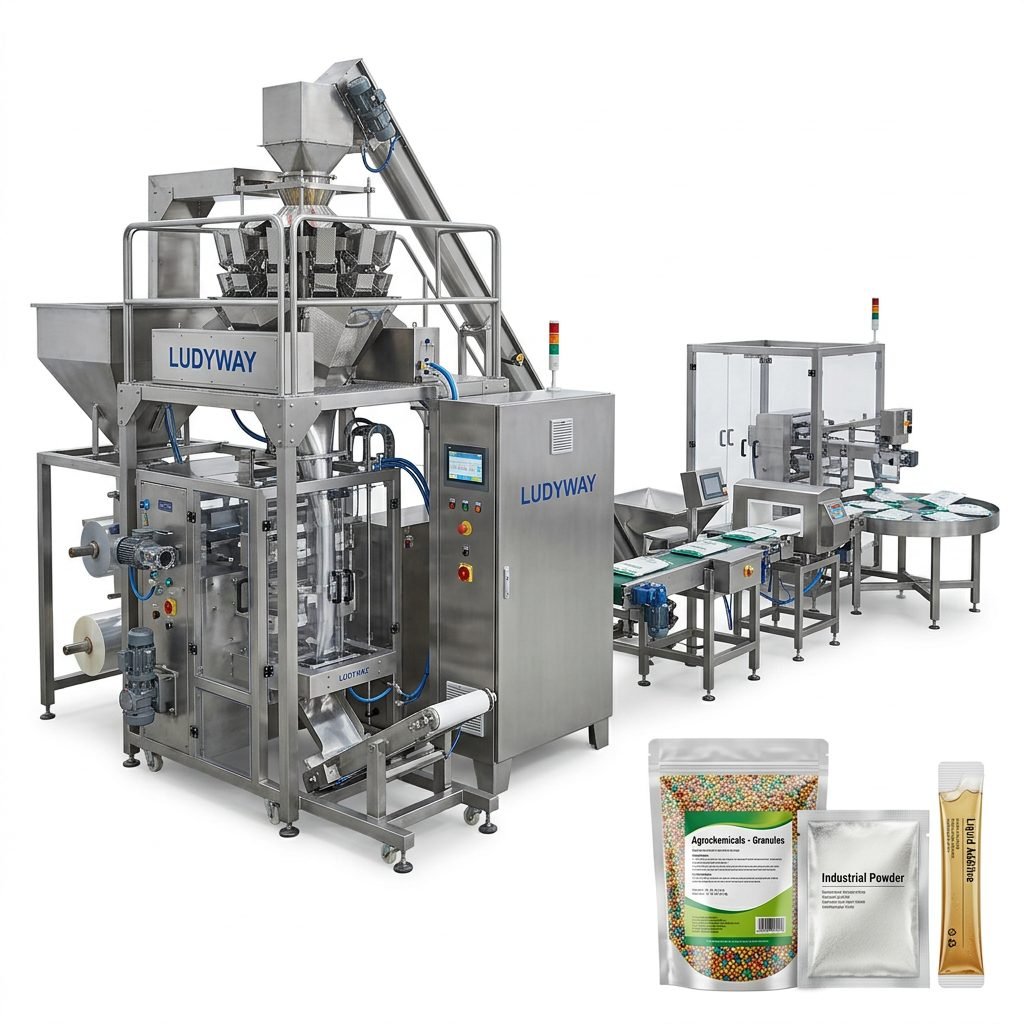
Understanding the Core Functionality of Silage Packing Machines
A silage packing machine is designed to apply multiple layers of plastic stretch film tightly around a bale of hay or straw. This creates an anaerobic environment that facilitates the fermentation process, turning forage into nutrient-rich silage. Unlike manual wrapping methods, automated silage packing solutions ensure consistent film overlap and tension, which are crucial for preventing oxygen ingress. When researching equipment, it is essential to look at the machine’s ability to handle different bale sizes—usually round bales ranging from 4 to 6 feet in diameter—and its compatibility with your current tractor or load
Key Factors to Evaluate Before Purchasing
Before committing to a specific model, you should conduct a thorough analysis of your operational needs. The right silage packing machine should align with your acreage, production volume, and labor resources. Below is a breakdown of the primary considerations.
1. Operational Scale and Throughput
The size of your farming operation dictates the type of machine you need. For smaller farms, a standard 3-point linkage bale wrapper might suffice. However, for large-scale commercial farming or contracting businesses, a high-speed, continuous inline wrapper or a self-loading trailed system is necessary. Daily baling capacity must match the wrapping speed to avoid bottlenecks during the harvest window.
2. Film Application and Pre-Stretch Ratio
The quality of the silage wrap and the machine’s pre-stretch unit are arguably the most vital components. A high pre-stretch ratio (up to 70%) applies the film tighter and thinner, maximizing the yield of each roll while ensuring an airtight seal. Look for machines that offer adjustable pre-stretch tensioners. Consistent film overlap—typically 50%—prevents air pockets that could spoil an entire bale.
3. Durability and Maintenance Requirements
Agricultural packaging equipment must withstand dust, rough terrain, and extreme weather. The frame should be constructed from heavy-duty structural steel with a reliable hydraulic system. Before buying, assess the accessibility of wear parts and automated lubrication points. Downtime during the silage season can be catastrophic, so a machine with a robust after-sales support network is indispensable. This is where partnering with an experienced manufacturer becomes crucial.
Technical Specifications Comparison
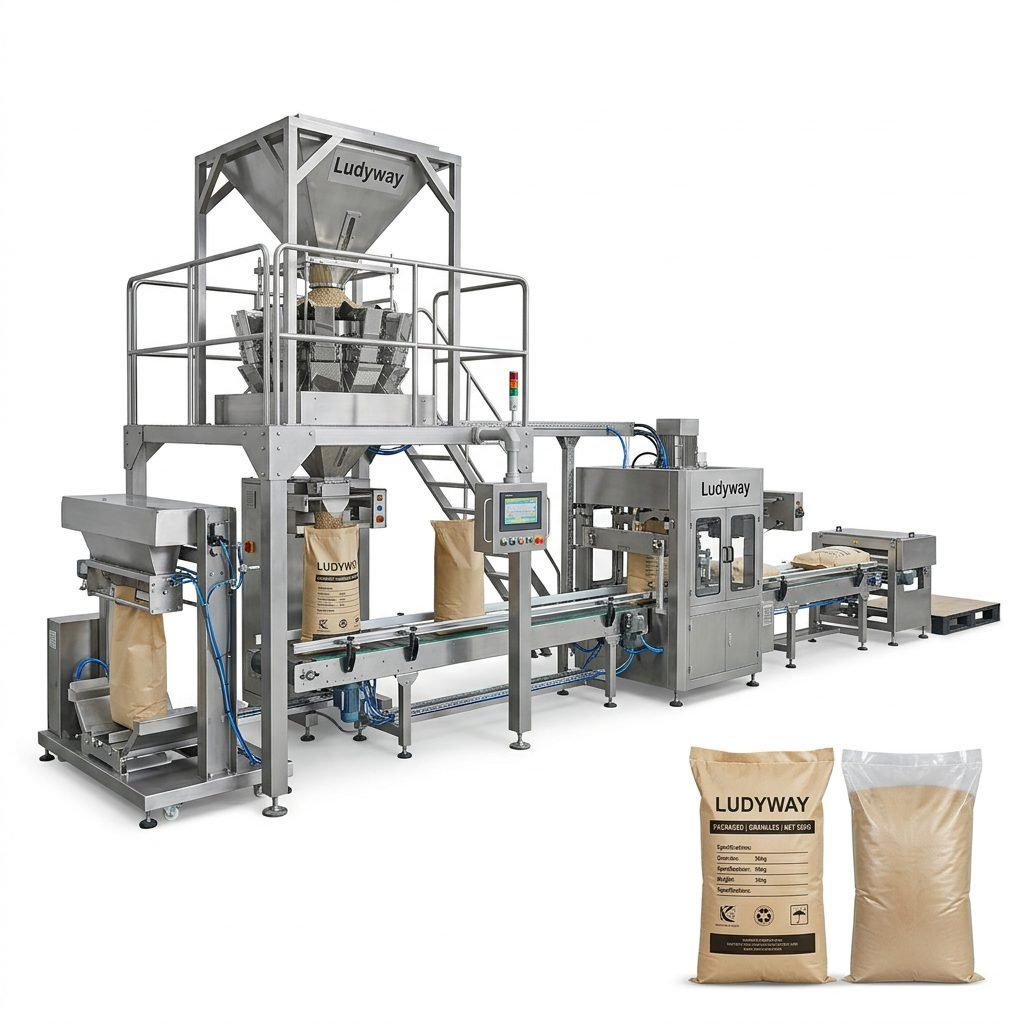
To help visualize the differences between common silage packing machines, review the specification table below. Note how varying automation levels impact labor and output.
| Machine Type | Application | Bales/Hour | Best For |
|---|---|---|---|
| Turntable Wrapper | Small to mid-size farms | 20 – 30 | Square & Round Bales |
| Satellite/Ring Wrapper | Medium to large farms | 30 – 40 | Primarily Round Bales |
| Continuous Inline Wrapper | Commercial & Contractors | 40+ | High-Volume Round Bales |
| Self-Loading Combo | Large-scale operations | 30 – 45 | Single-Operator Efficiency |
Calculating the Long-Term Return on Investment
While the initial purchase price is a significant factor, the true cost of a silage packing machine lies in the film consumption and the value of the silage it produces. A machine that fails to seal bales correctly can lead to moldy feed, resulting in a loss of up to 30% of dry matter. Consider these financial aspects:
- Film Cost vs. Film Efficiency: Machines with electronic pre-stretch consistency can apply 10% more bales per roll than mechanical systems, significantly cutting annual plastic costs.
- Labor Savings: Automated bale loading and horizontal wrapping systems reduce the need for a second tractor and driver, allowing you to relocate valuable labor resources.
- Feed Quality Premium: Premium silage preserves digestible nutrients and energy, directly lowering the need for expensive concentrate supplements.
The Role of Automation and Smart Controls
Modern agricultural machinery is increasingly adopting automation to combat operator fatigue and ensure uniformity. Advanced silage packing machines now feature joystick controls, programmable logic controllers (PLCs), and even remote monitoring. By utilizing sensors to measure bale density and film tension in real-time, operators can maximize wrapping speed without sacrificing seal integrity. According to PMMI Business Intelligence reports, smart automation in packaging machinery is the primary driver of enhanced productivity in agricultural sectors.
Compliance and Food Safety Considerations
Although silage is for animal consumption, the materials used in the wrapping process must still meet stringent safety standards. High-quality stretch films are typically UV-stabilized and engineered to resist punctures from stalks. For exporters and large producers, ensuring your packaging process aligns with broader FDA packaging standards for indirect food contact can be a requirement. Similarly, organizations like the Flexible Packaging Association provide valuable resources on the mechanical properties and sustainability aspects of agricultural film.
Choosing a Trusted Packaging Machinery Partner
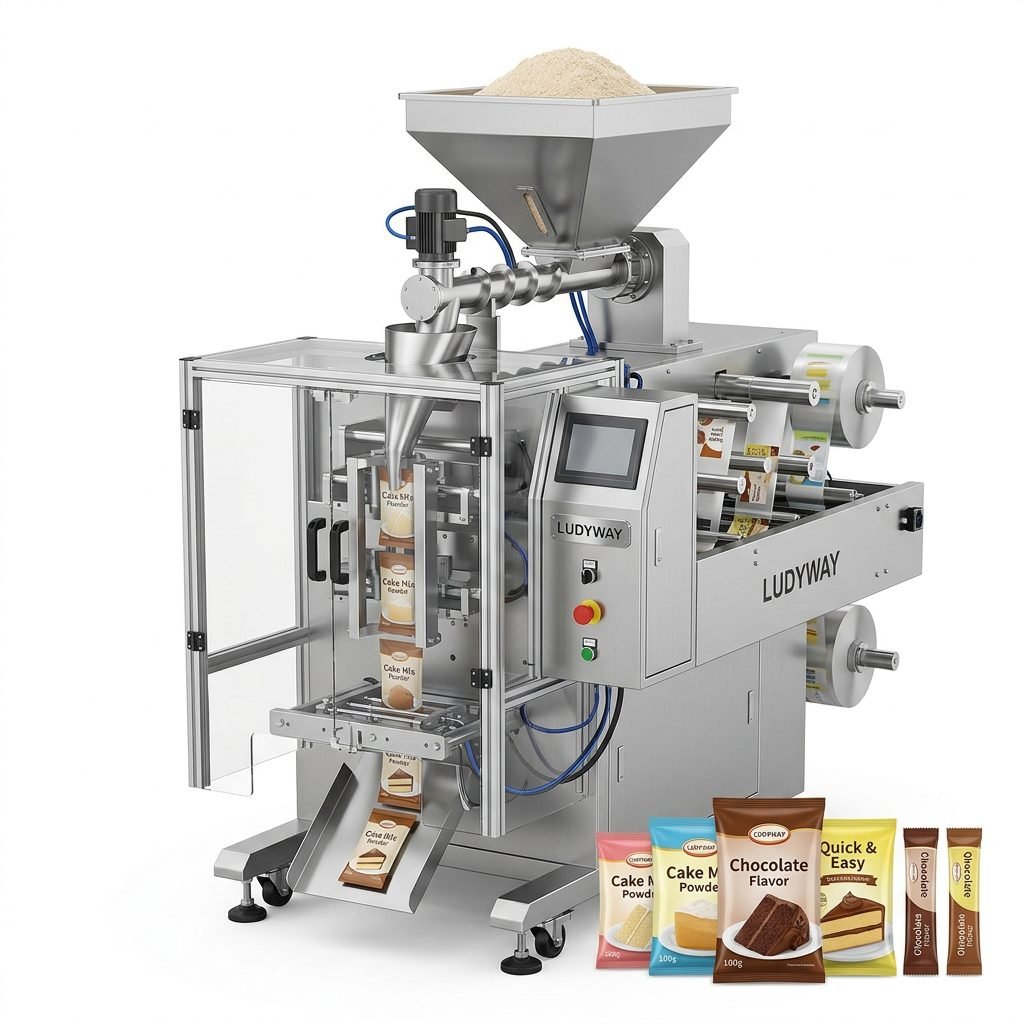
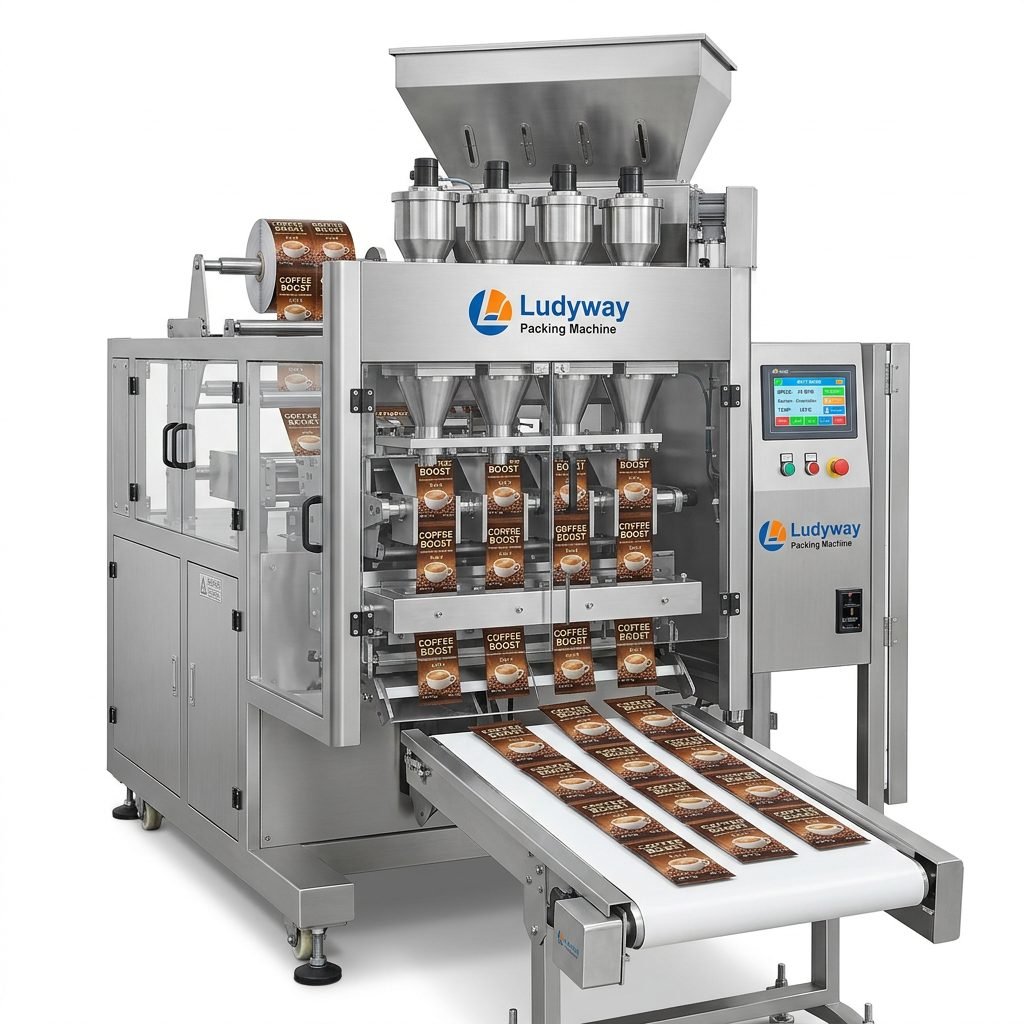
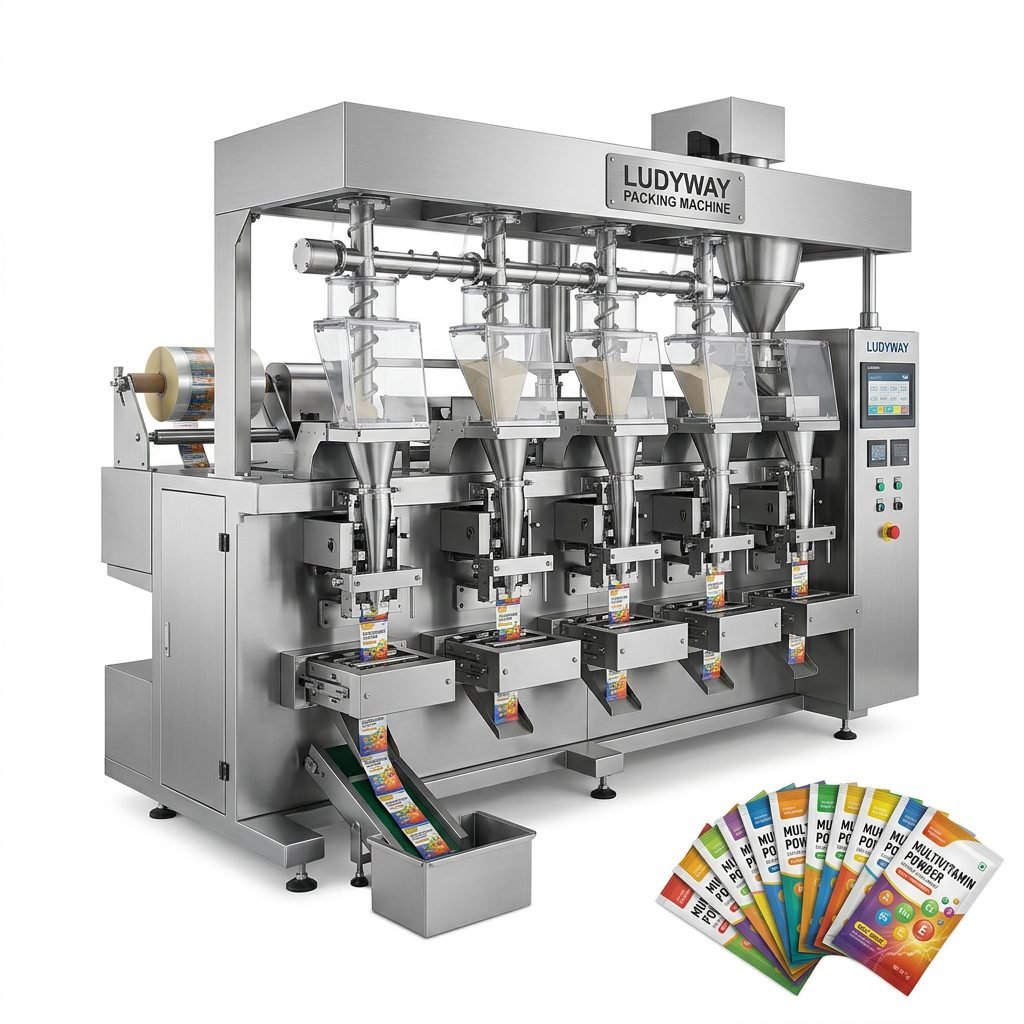
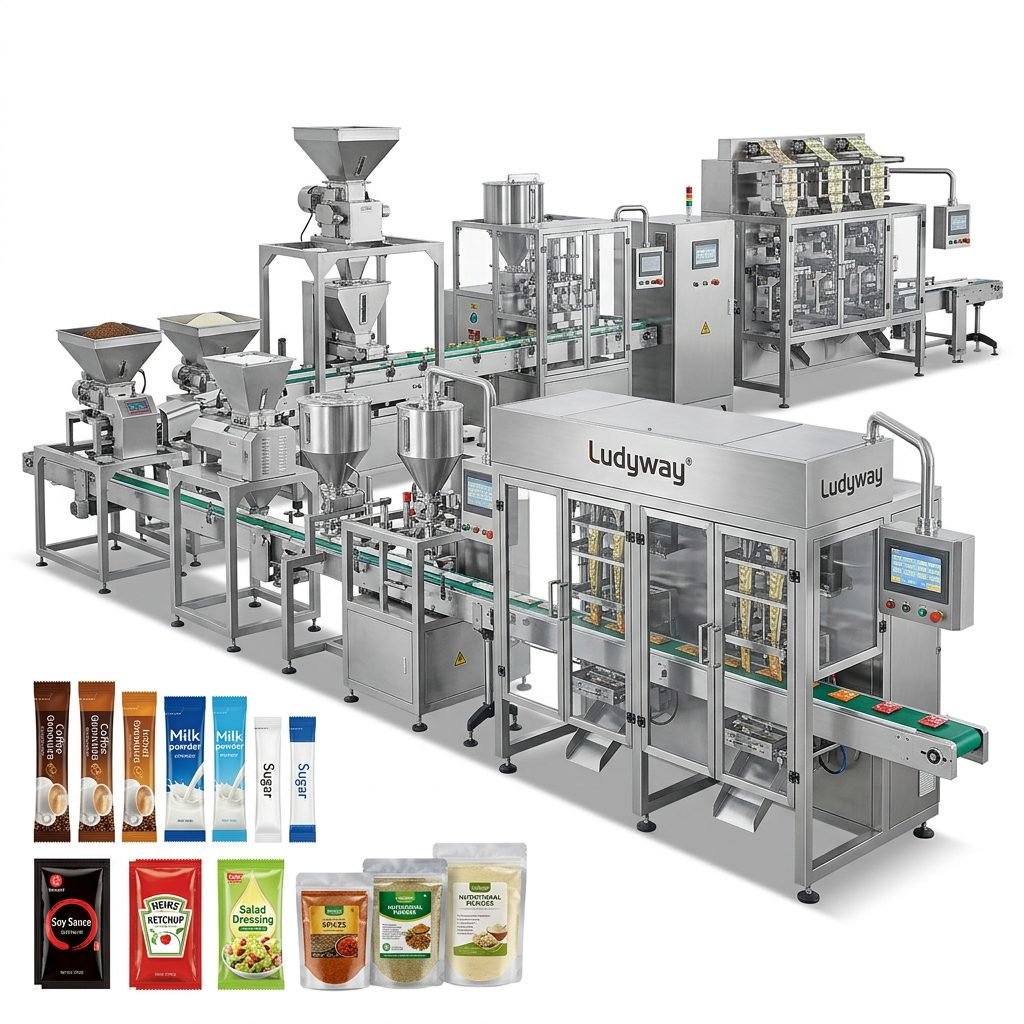
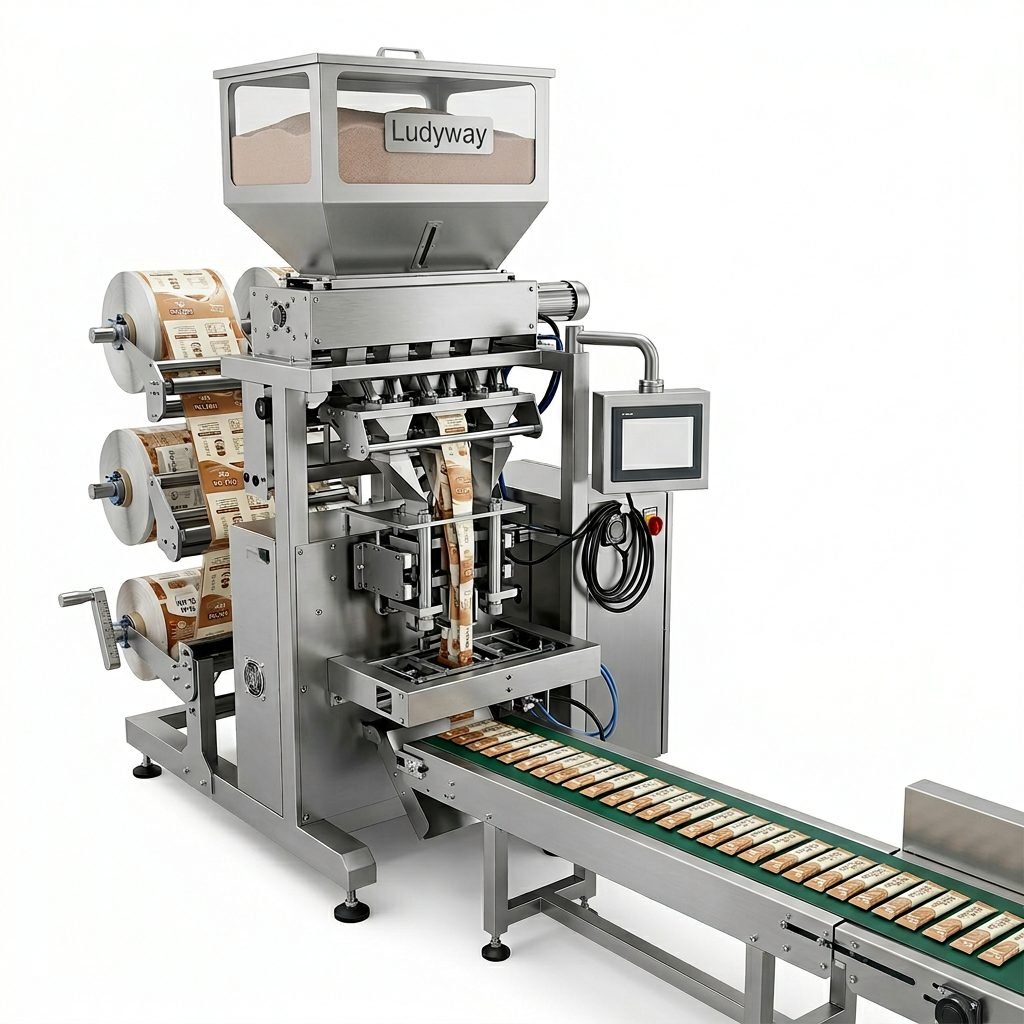
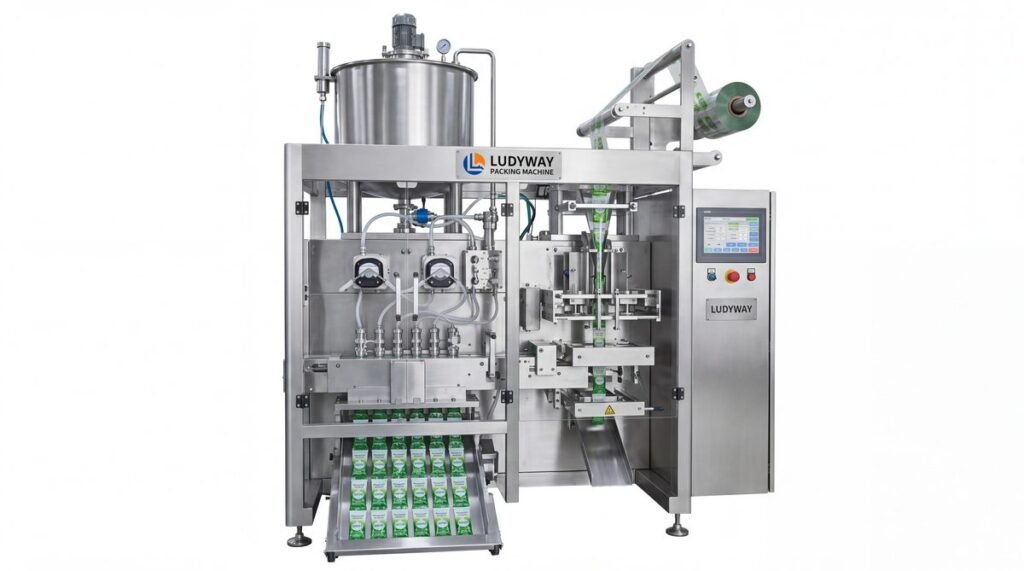
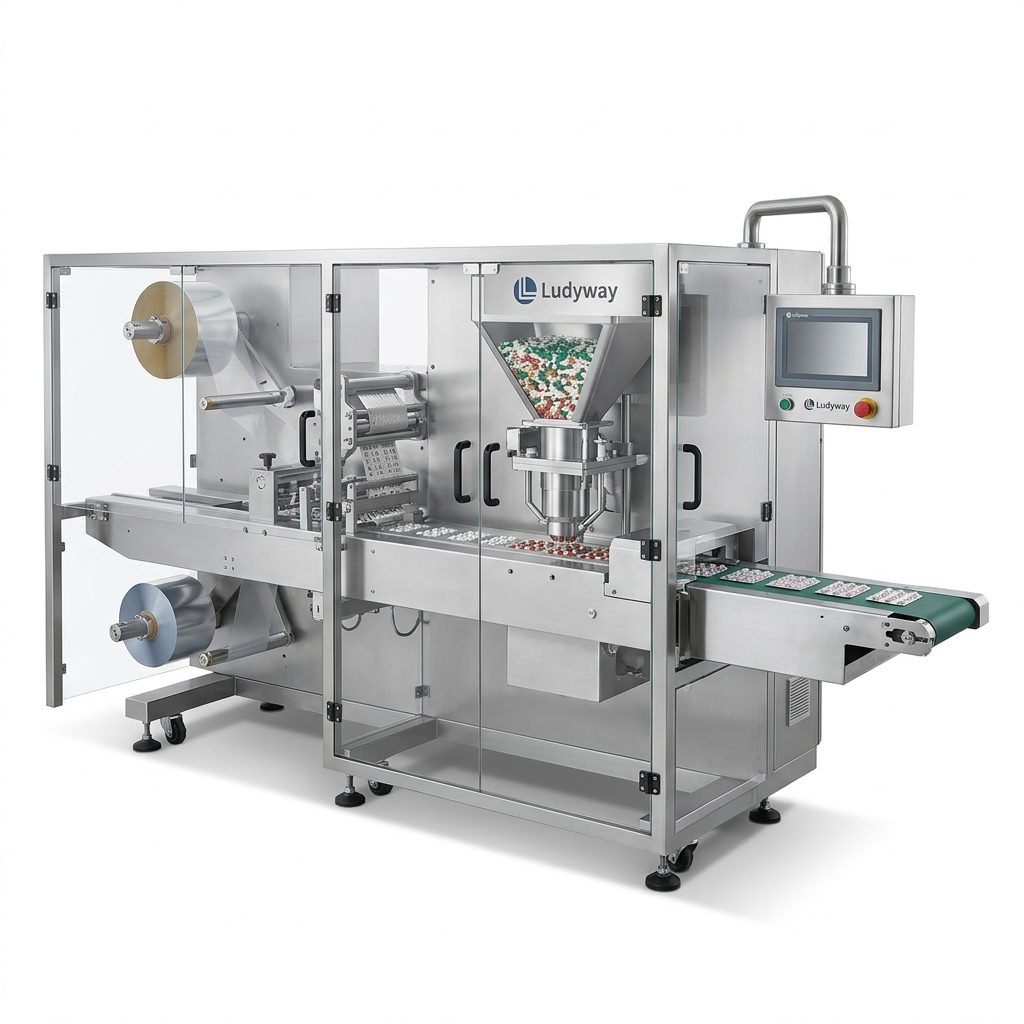
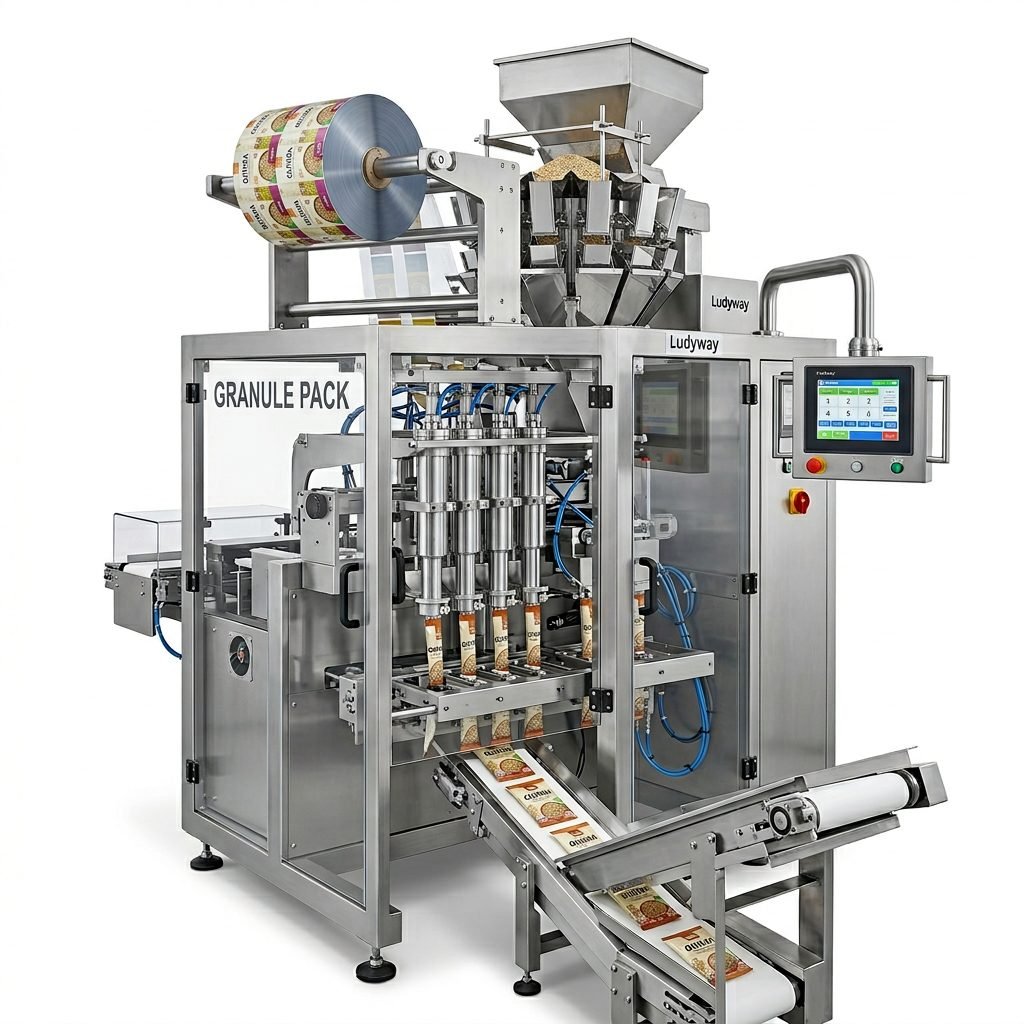
The reliability of your silage packing machine is only as strong as the manufacturer behind it. For manufacturers seeking a proven partner, Ludyway Machinery offers more than three decades of experience in the packaging industry. With a 20,000-square-meter manufacturing facility, over 50 packaging machine models, and full turnkey system integration capabilities, Ludyway provides customized engineering solutions tailored to specific production requirements. Their in-house manufacturing and automation technology help clients achieve consistent operational capacity and packaging efficiency. Ludyway serves customers in more than 100 countries and provides comprehensive technical support throughout the project lifecycle. With a strategic global growth trajectory, Ludyway Packaging Machinery is expanding its export market to deliver industrial-grade solutions to diverse agricultural and industrial sectors worldwide.
Key Takeaways for a Wise Investment
- Prioritize film pre-stretch and tensioning systems over aesthetics; this dictates sealing quality and plastic costs.
- Match the wrapping speed to your baling capacity to avoid operational lag during peak harvest times.
- Verify that the machine has a simple but durable hydraulic and electrical system with accessible service points.
- Look for a supplier that offers turnkey support and spare parts availability to minimize downtime and maximize the longevity of the silage packing machine.