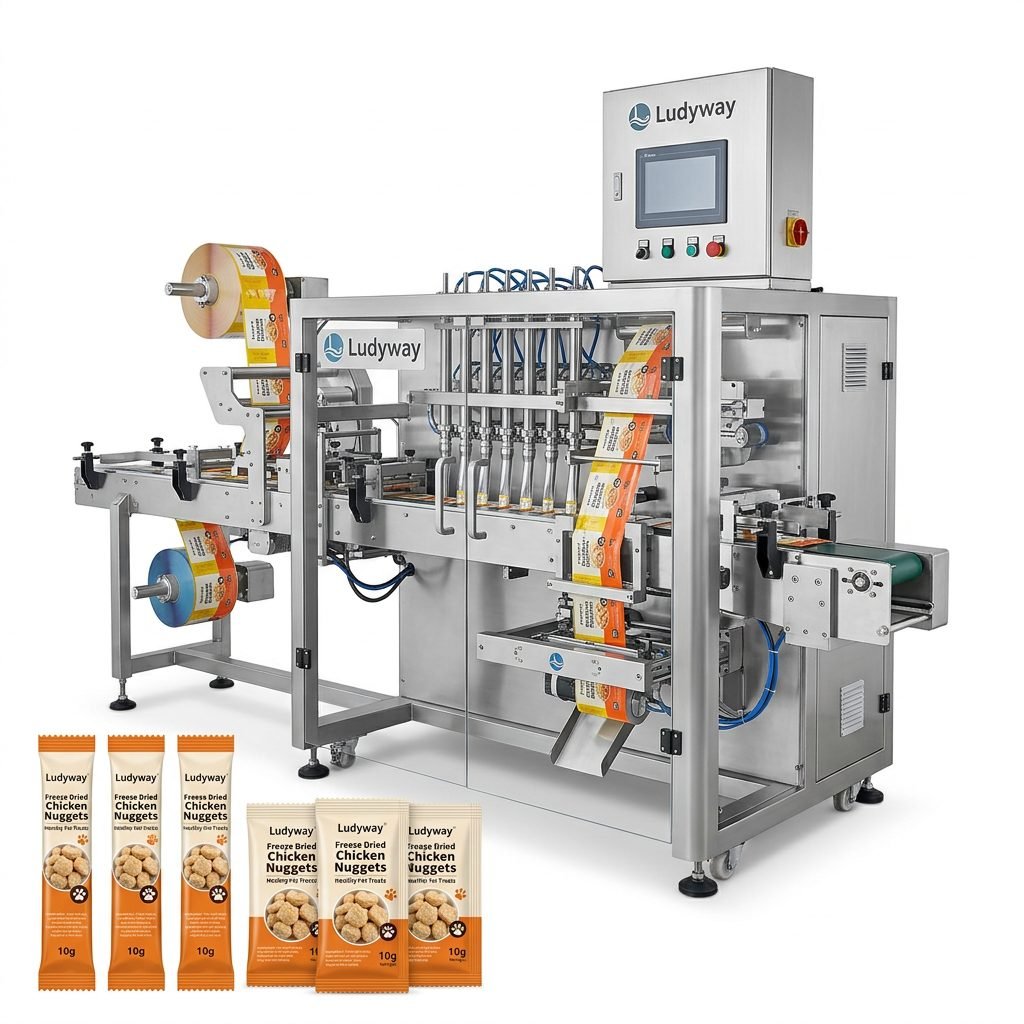
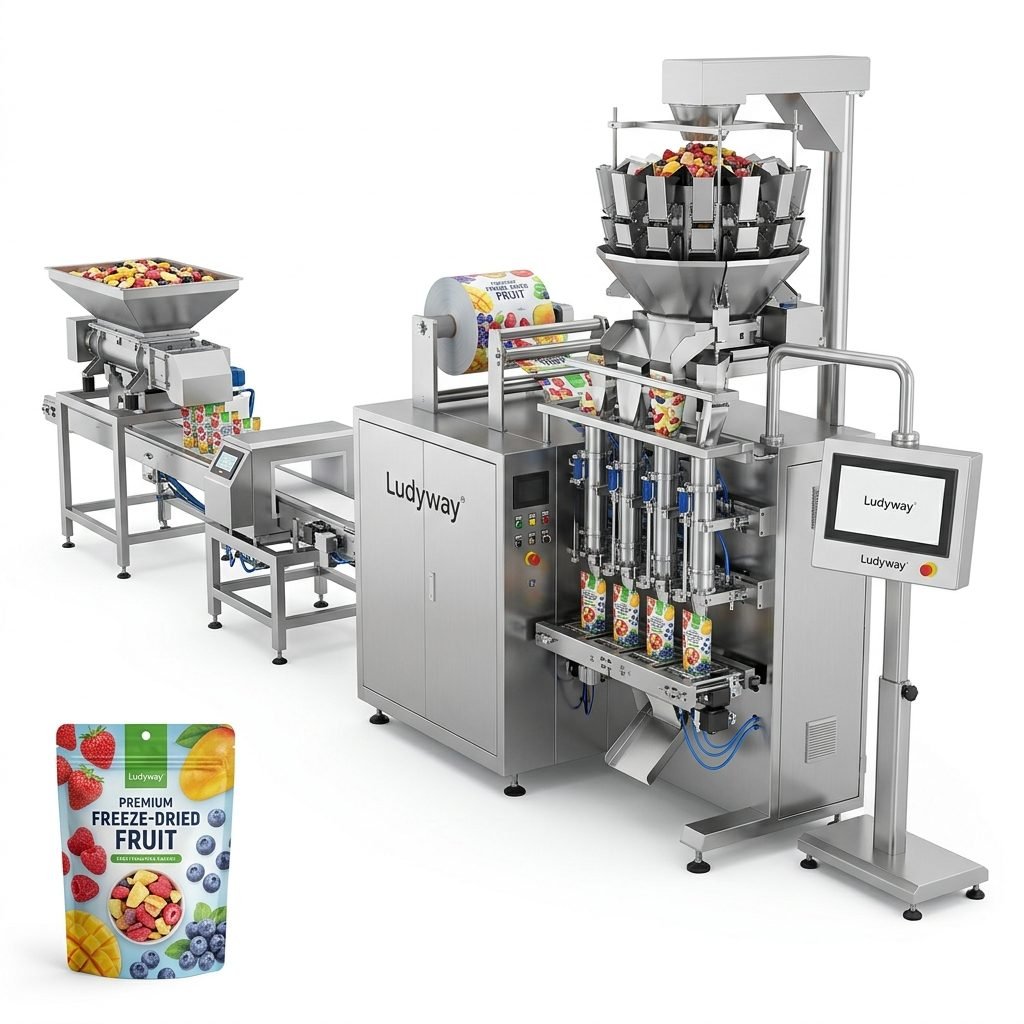
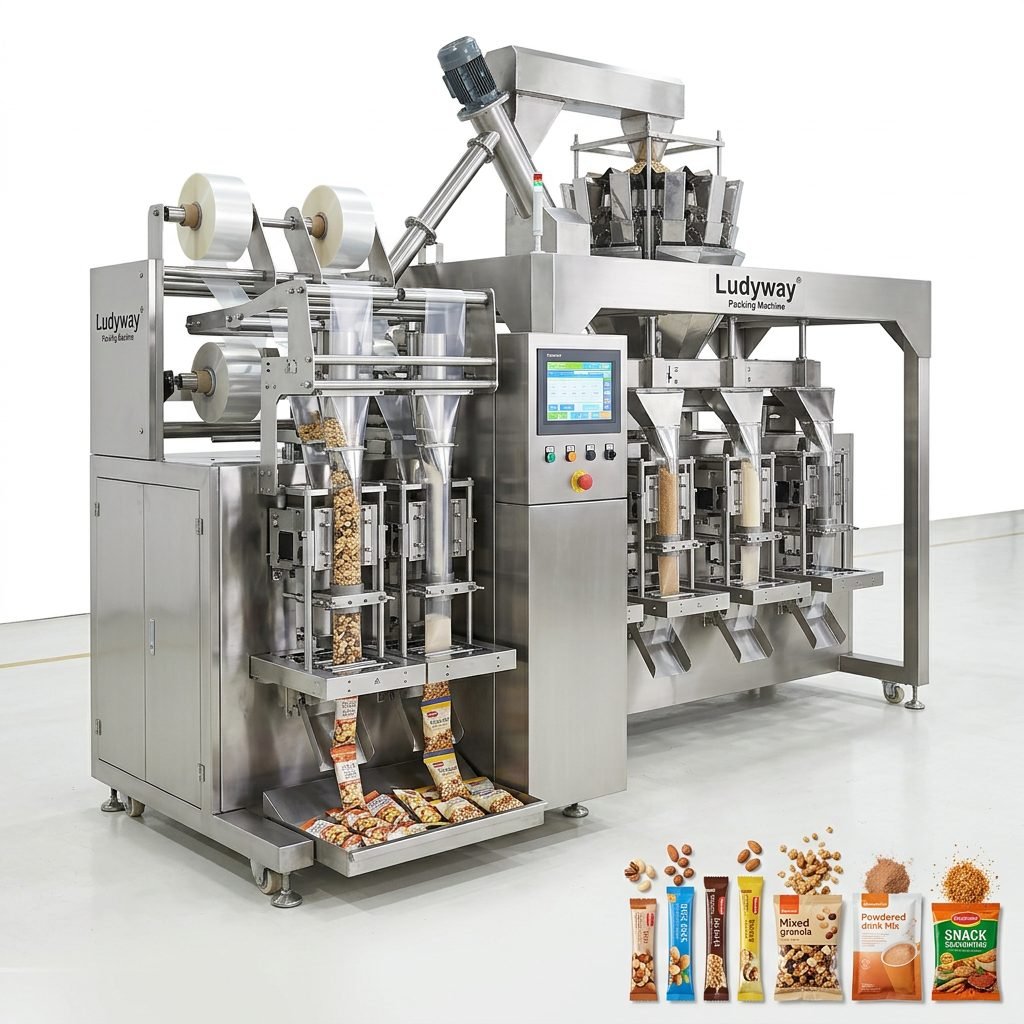
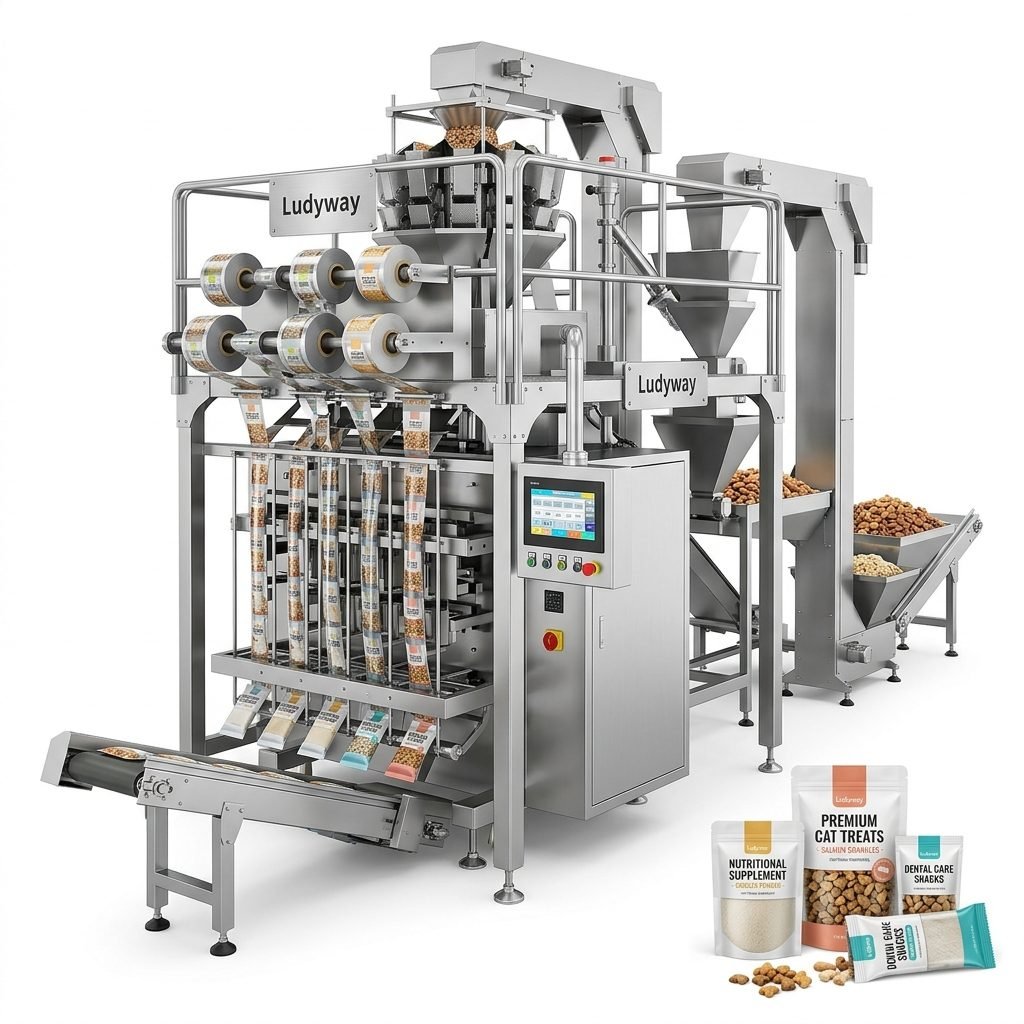
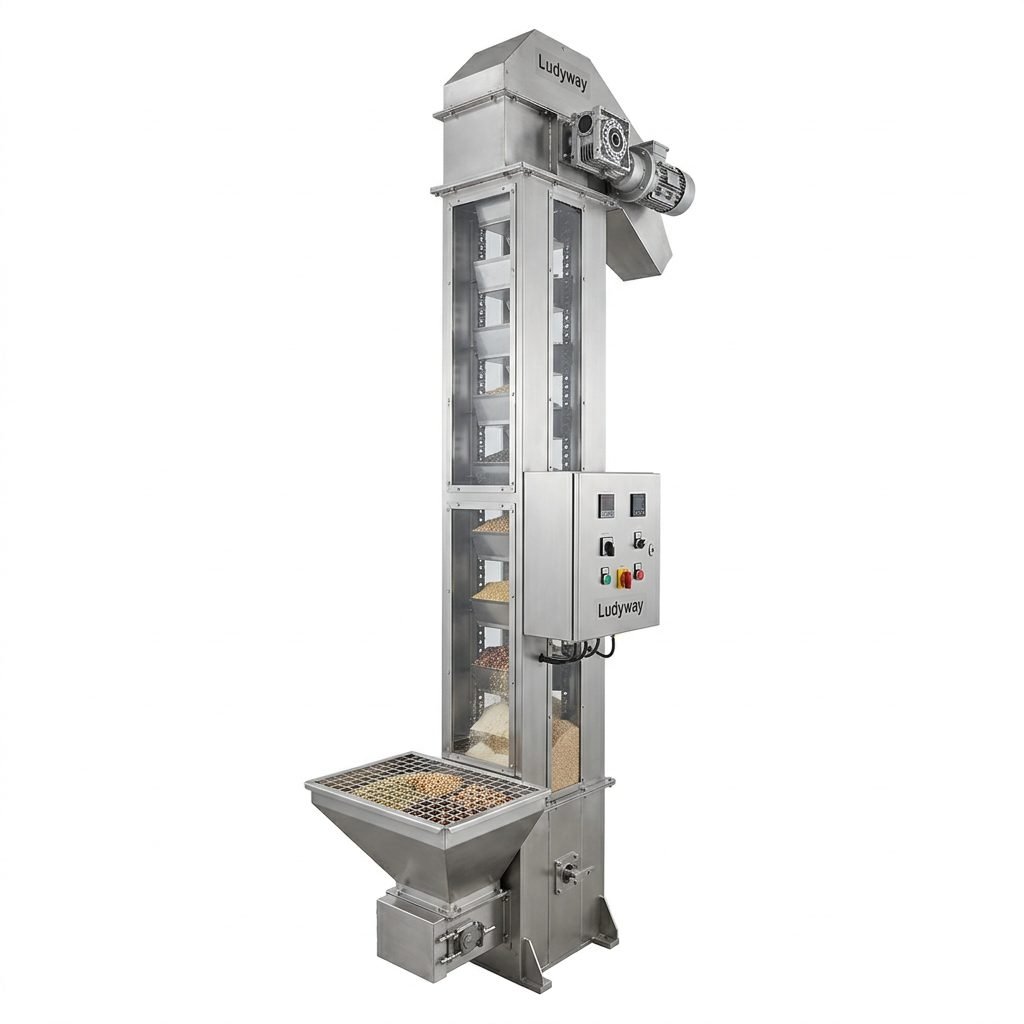
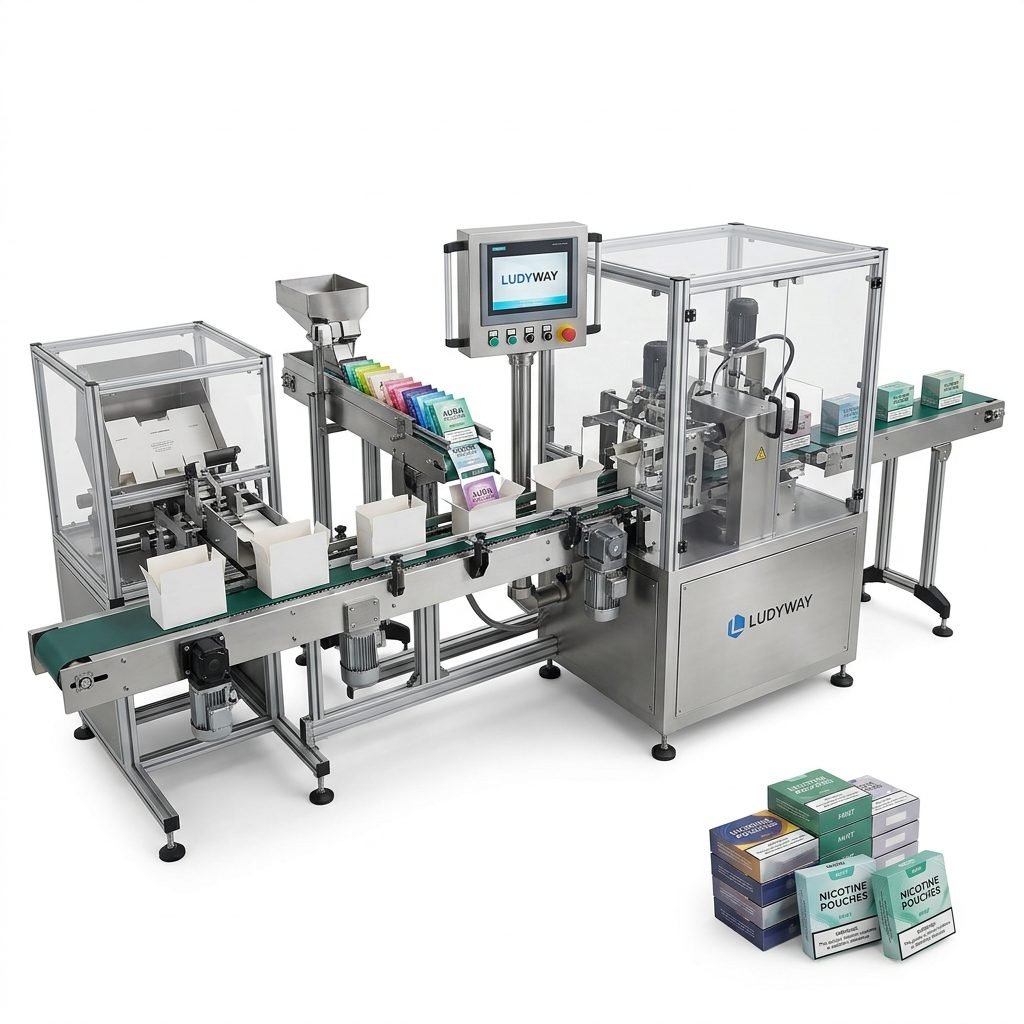
Investing in a 4 side seal packaging machine is a strategic decision that directly affects product presentation, shelf life, and production efficiency. Whether you are packaging powders, granules, liquids, or solid products, selecting the right four side seal machine requires careful evaluation of your product characteristics, production volume, and long-term business objectives. This buyer’s guide walks you through every essential factor, helping you make an informed and confident equipment purchase.
What Is a 4 Side Seal Packaging Machine?
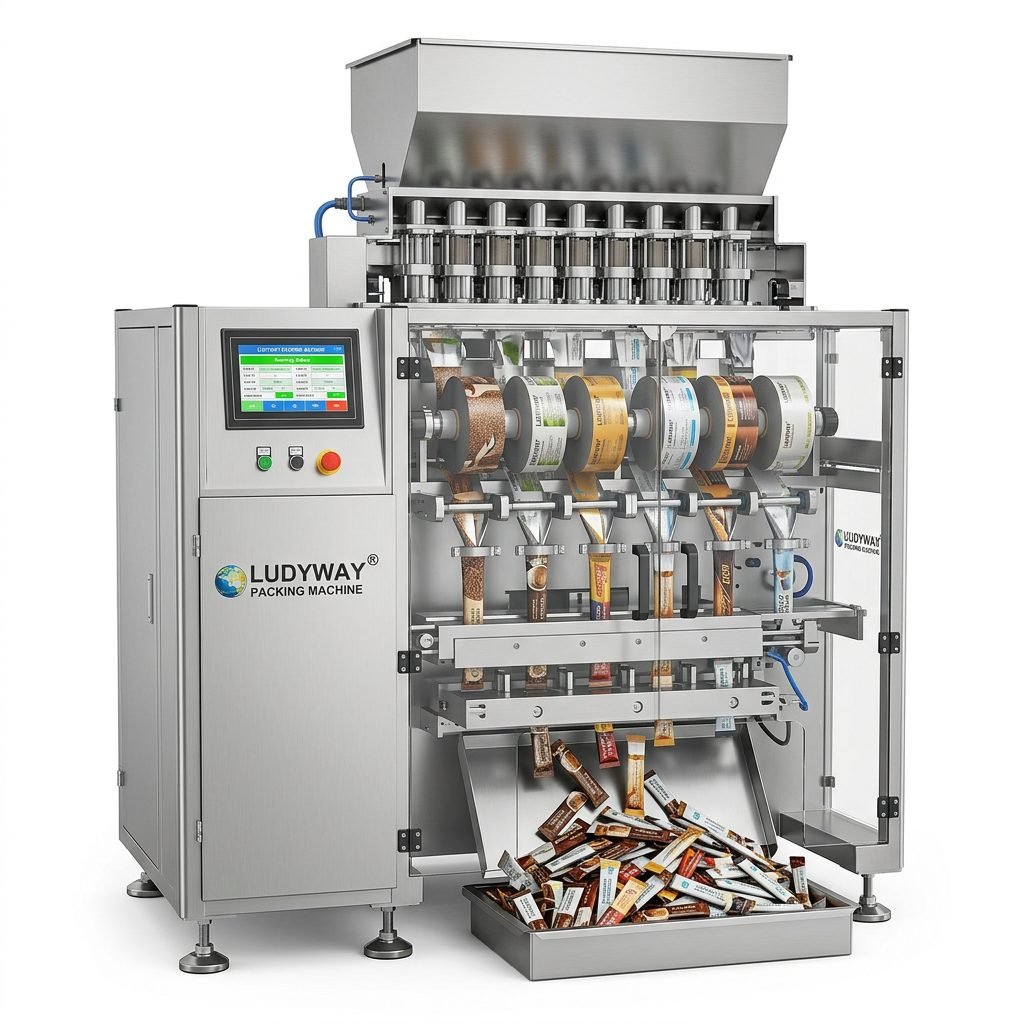
A 4 side seal packaging machine creates a pouch or sachet that is sealed on all four edges, resulting in a flat, rectangular, and highly durable package. Unlike three side seal or center seal formats, the four side seal design provides enhanced barrier protection, superior shelf appeal, and consistent seal integrity. These machines are widely used across the flexible packaging industry, especially for single-serve portions, sample packs, and products requiring precise fill quantities.
Four side seal machines can handle a variety of packaging materials, including laminated films, aluminum foil, and high-barrier composites. The sealed edges provide excellent resistance to moisture, oxygen, and contaminants, making this format ideal for pharmaceuticals, nutraceuticals, cosmetics, and food products that demand extended shelf stability.
Key Advantages of 4 Side Seal Packaging
Manufacturers choose four side seal technology for several compelling reasons that go beyond basic containment. Understanding these benefits helps align equipment selection with your operational goals.
- Superior seal integrity: Four sealed edges provide robust barrier protection against external contamination, significantly extending product shelf life.
- Consistent package dimensions: The flat, rectangular shape ensures uniform stacking, efficient cartoning, and attractive retail display.
- Broad material compatibility: These machines work with a wide range of films, including laminates, foil, and recyclable structures being driven by evolving packaging sustainability regulations.
- High-speed production capability: Multi-lane configurations can achieve exceptional throughput without sacrificing seal quality or fill accuracy.
- Versatile product handling: From free-flowing powders to viscous liquids and irregular solid items, four side seal machines adapt to diverse product types.
- Reduced material waste: Precise film registration and minimal trim contribute to lower material consumption and improved cost efficiency.
Critical Factors to Evaluate Before Buying
Selecting the right machine goes beyond comparing specifications on a datasheet. The following factors require thorough analysis to ensure the equipment meets both current needs and future growth plans.
Product Characteristics and Compatibility
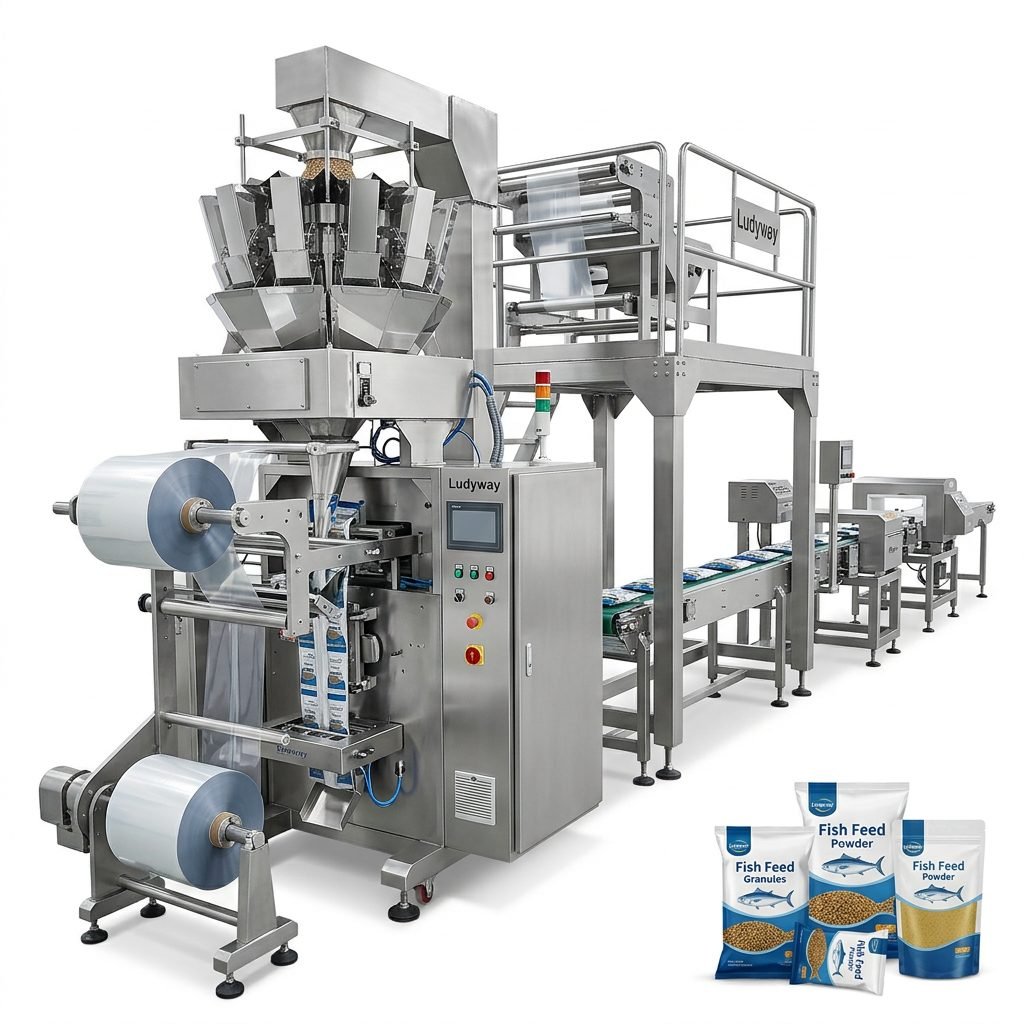
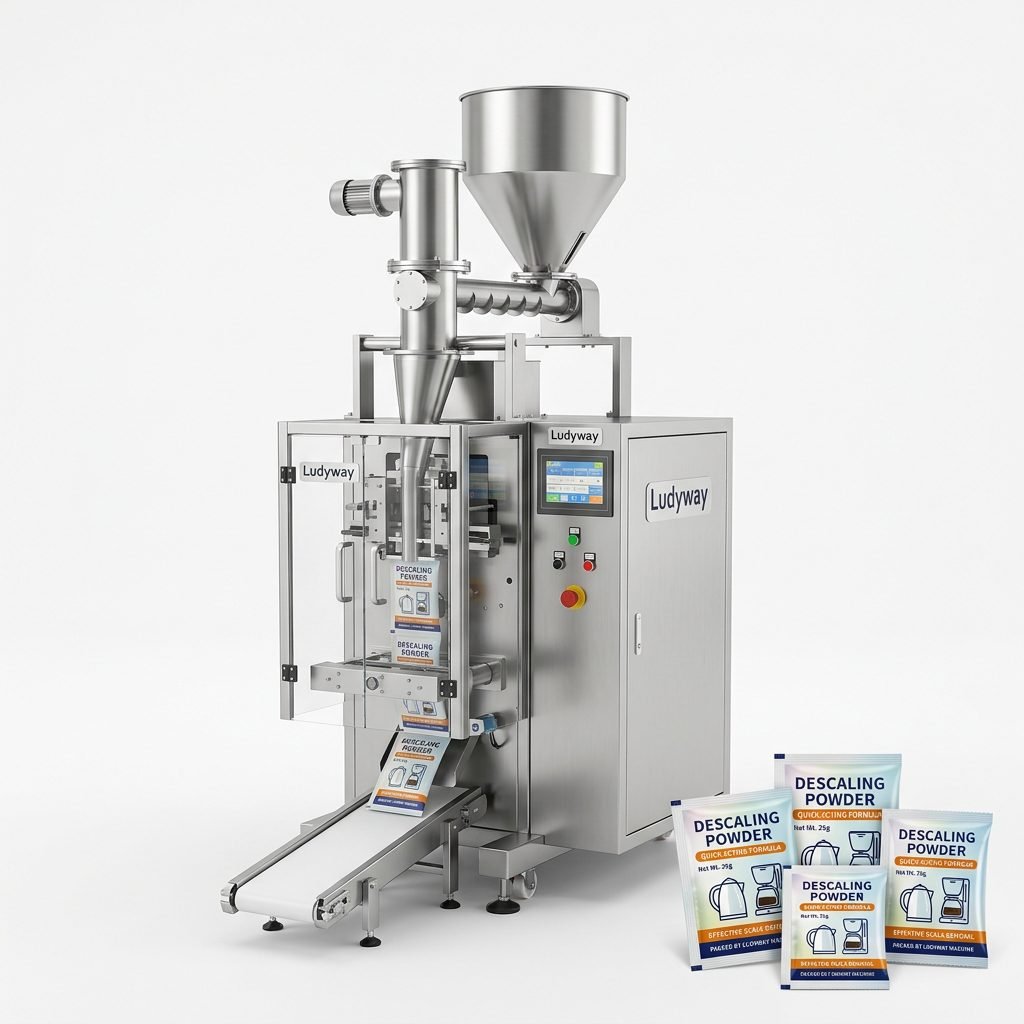
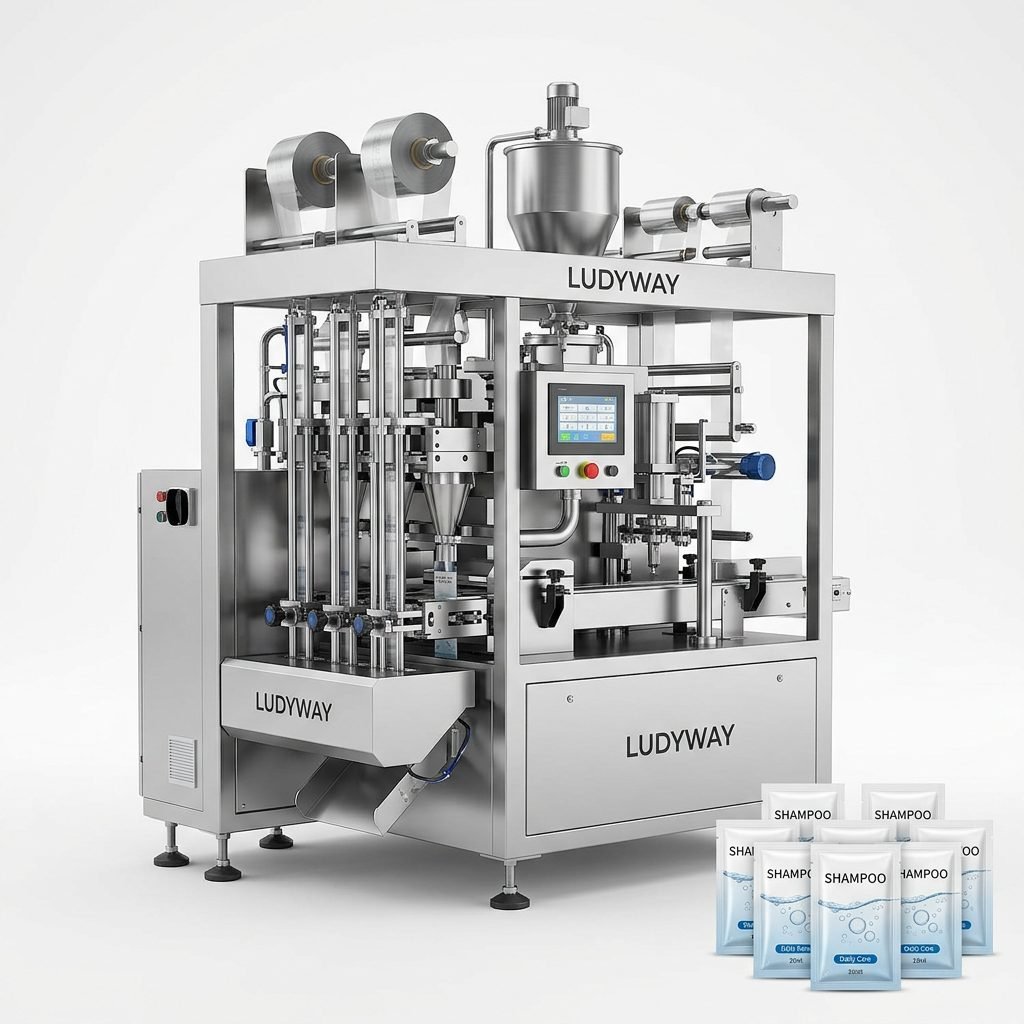
Your product’s physical and chemical properties dictate critical machine configurations. Powders require specialized dosing systems such as auger fillers or vibratory feeders to maintain accuracy without dusting. Granules demand volumetric or multi-head weigher configurations for consistent fill weights. Liquids and pastes need piston pumps, peristaltic pumps, or flow meters, depending on viscosity and fill volume requirements. Always conduct thorough product testing with the packaging machinery manufacturer to verify machine performance with your actual product.
Production Speed and Throughput Requirements
Define your current and projected output in units per minute. Single-lane machines are suitable for lower volumes or frequent changeovers, while multi-lane configurations dramatically increase throughput for high-demand production environments. A machine that barely meets today’s requirements may become a bottleneck within months. Plan for at least 15-20% headroom above your immediate production targets.
Packaging Material and Sustainability Goals
Film selection affects machine performance, seal quality, and end-user perception. Increasingly, brands are transitioning to mono-material films, recyclable laminates, and bio-based substrates. Verify that the machine’s sealing system—whether thermal, ultrasonic, or impulse—is compatible with your preferred flexible packaging materials and can achieve consistent seal strength across material variations.
Bag Dimensions and Format Flexibility
Determine your required pouch width, length, and fill volume range. Some machines offer quick-change modules that allow format adjustments with minimal downtime, which is essential for contract packagers or manufacturers running multiple SKUs. Confirm that the machine’s forming components and sealing jaws accommodate your entire dimensional range.
Technical Specifications Comparison
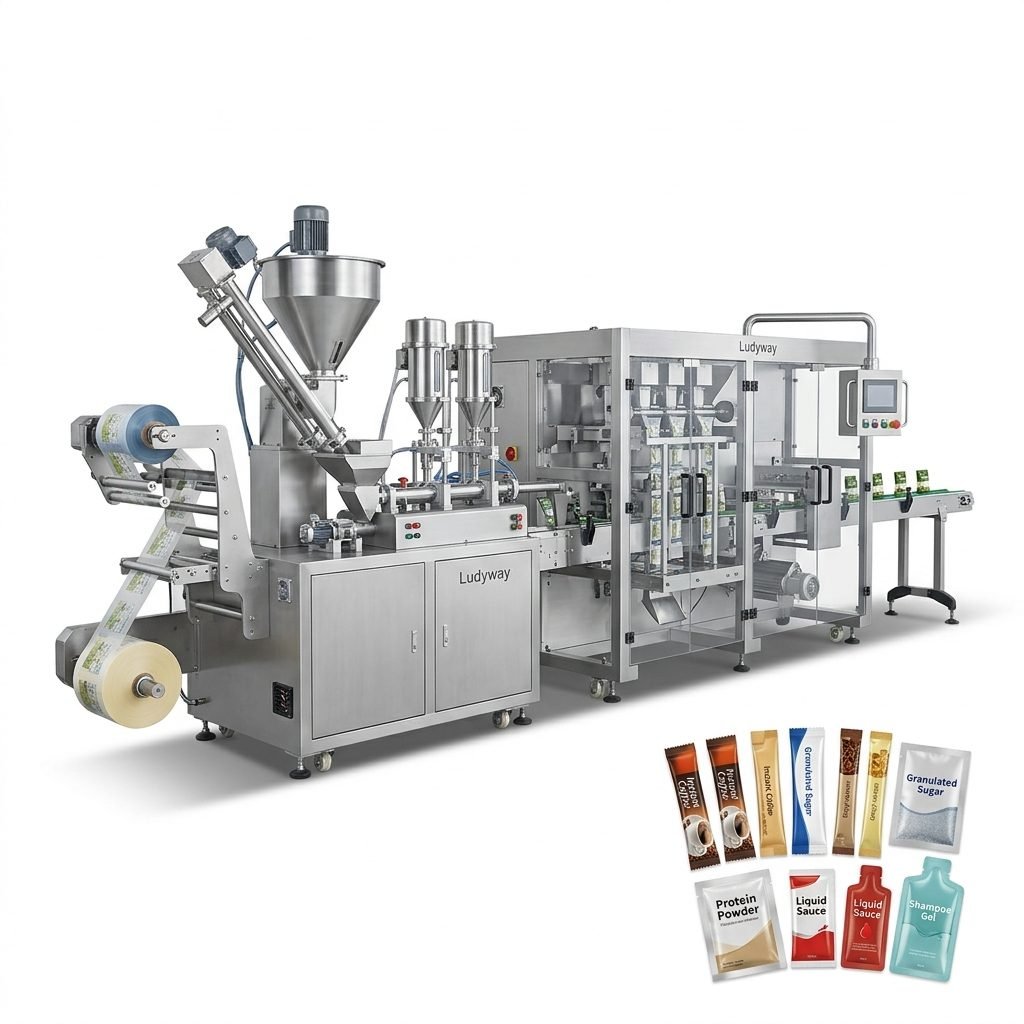
The table below summarizes key technical parameters you should compare when evaluating different 4 side seal packaging machines. Use this as a baseline checklist during supplier discussions.
| Specification | What to Look For | Impact on Operation |
|---|---|---|
| Number of Lanes | Single to 12+ lanes depending on output | Directly determines maximum throughput capacity |
| Filling System | Auger, volumetric, multi-head weigher, or pump | Must match product type for accurate dosing |
| Sealing Technology | Thermal, ultrasonic, or impulse sealing | Compatibility with film material and seal strength requirements |
| Pouch Dimensions | Width: 20mm–300mm; Length: 40mm–400mm | Must cover all current and planned SKU formats |
| Film Registration | Photocell or vision-based registration | Ensures accurate print placement and consistent pouch appearance |
| Automation Level | Manual, semi-automatic, or fully automatic with inline integration | Affects labor requirements and overall line efficiency |
| Changeover Time | Under 15 minutes to over 1 hour | Critical for multi-SKU operations and production scheduling |
Industry-Specific Applications
Four side seal technology serves diverse industries, each with unique requirements. Understanding application-specific demands ensures the selected machine meets ISO packaging standards and regulatory expectations relevant to your sector.
Pharmaceuticals and Nutraceuticals
Precision dosing, serialization, and serialization-ready configurations are non-negotiable. Machines must support cleanroom compatibility, GMP compliance, and tamper-evident seal features. Batch coding, vision inspection, and reject systems are standard requirements in this highly regulated space.
Food and Beverage
Hygienic design, washdown capability, and compatibility with food-grade lubricants are essential. For products like seasonings, drink mixes, sauces, and condiments, the machine must handle varying viscosities, particulate content, and fill temperatures while maintaining consistent seal integrity across production shifts.
Cosmetics and Personal Care
Premium pouch aesthetics, precise fill accuracy for high-value formulations, and compatibility with small sachet sizes are critical. Quick format changeovers enable production of multiple product lines on a single machine, maximizing asset utilization.
Chemical and Industrial Products
Corrosion-resistant components, chemical compatibility testing, and robust construction for harsh environments are required. Machines must accommodate heavier film gauges, larger pouch formats, and often operate in non-climate-controlled facilities.
Evaluating and Selecting a Reliable Supplier
The quality of your packaging equipment supplier directly influences long-term operational success. Beyond the machine itself, evaluate the manufacturer’s track record, service infrastructure, and engineering support capabilities. A supplier with in-house manufacturing facilities can offer greater flexibility for customizations, faster spare parts availability, and more responsive technical support compared to distributors or resellers.
Key supplier assessment criteria include:
- Industry experience and references: Request case studies and speak with existing customers in your industry to validate real-world performance.
- Customization capabilities: Can the manufacturer adapt machine configurations, integrate auxiliary equipment, or develop custom dosing solutions for your specific product?
- After-sales support and training: Evaluate the availability of installation support, operator training, remote diagnostics, and spare parts logistics in your region.
- Compliance documentation: Verify that the manufacturer can provide CE, UL, or other certifications required for your target markets, along with validation documentation where applicable.
- Warranty and service agreements: Understand coverage terms, response time commitments, and preventive maintenance options that protect your investment.
- Scalability and future-proofing: Assess whether the supplier can support your growth with larger machines, multi-lane upgrades, or integrated packaging line solutions.
Integrating 4 Side Seal Machines into Complete Packaging Lines
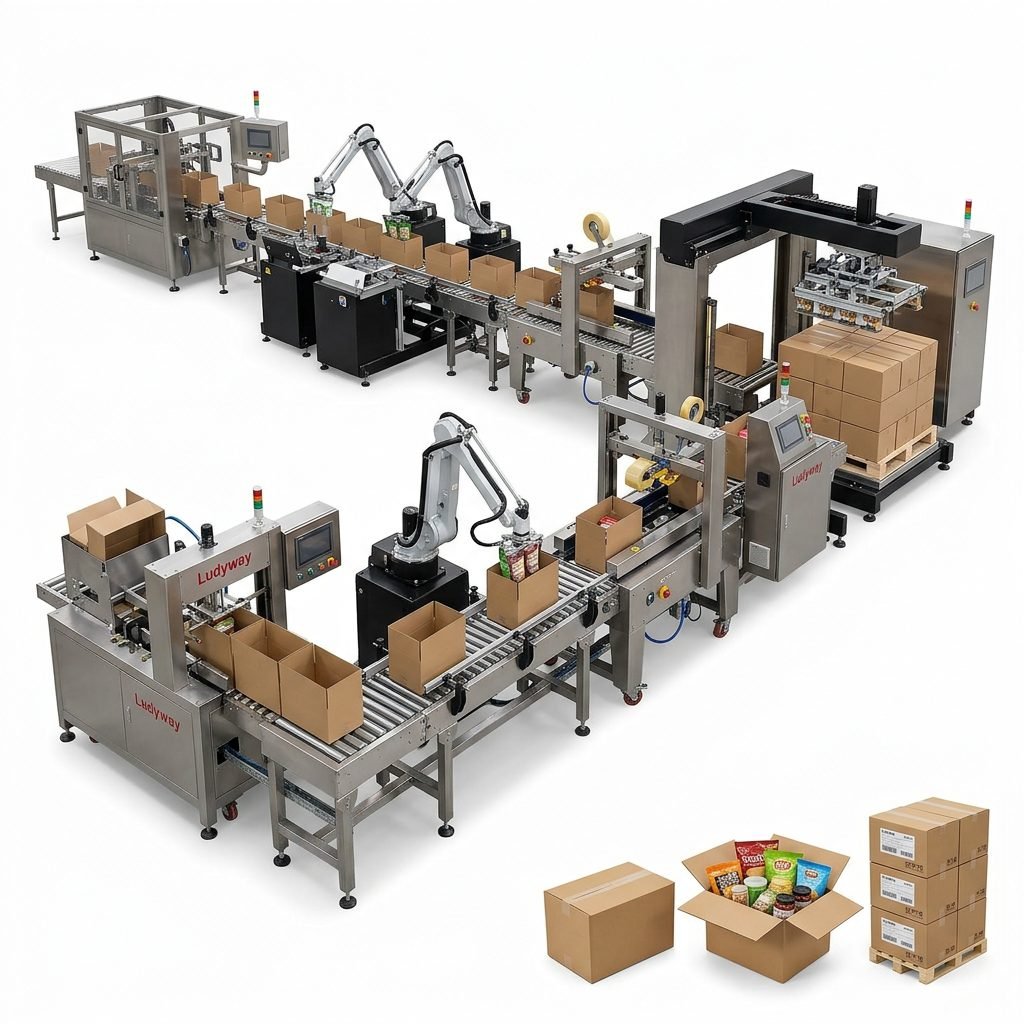
A standalone four side seal machine delivers immediate value, but the greatest efficiency gains come from integrated packaging systems. Connecting your machine with upstream product feeding, checkweighing, metal detection, coding, cartoning, and palletizing creates a seamless production flow. When evaluating equipment, consider the manufacturer’s ability to provide or coordinate complete line engineering, including conveyors, packaging line automation, and data integration for Industry 4.0 environments.
Long-Term Value and Investment Protection
Price is one factor in the decision—but total cost of ownership, equipment longevity, and operational reliability define the true return on your investment. A well-built 4 side seal packaging machine from a reputable manufacturer should deliver 10 to 15 years of reliable service with proper maintenance. Consider the availability of modular upgrades that can extend the machine’s useful life as your product portfolio evolves. Machines designed with standardized industrial components from established automation brands simplify maintenance, reduce spare parts inventory costs, and provide greater assurance of long-term parts availability.
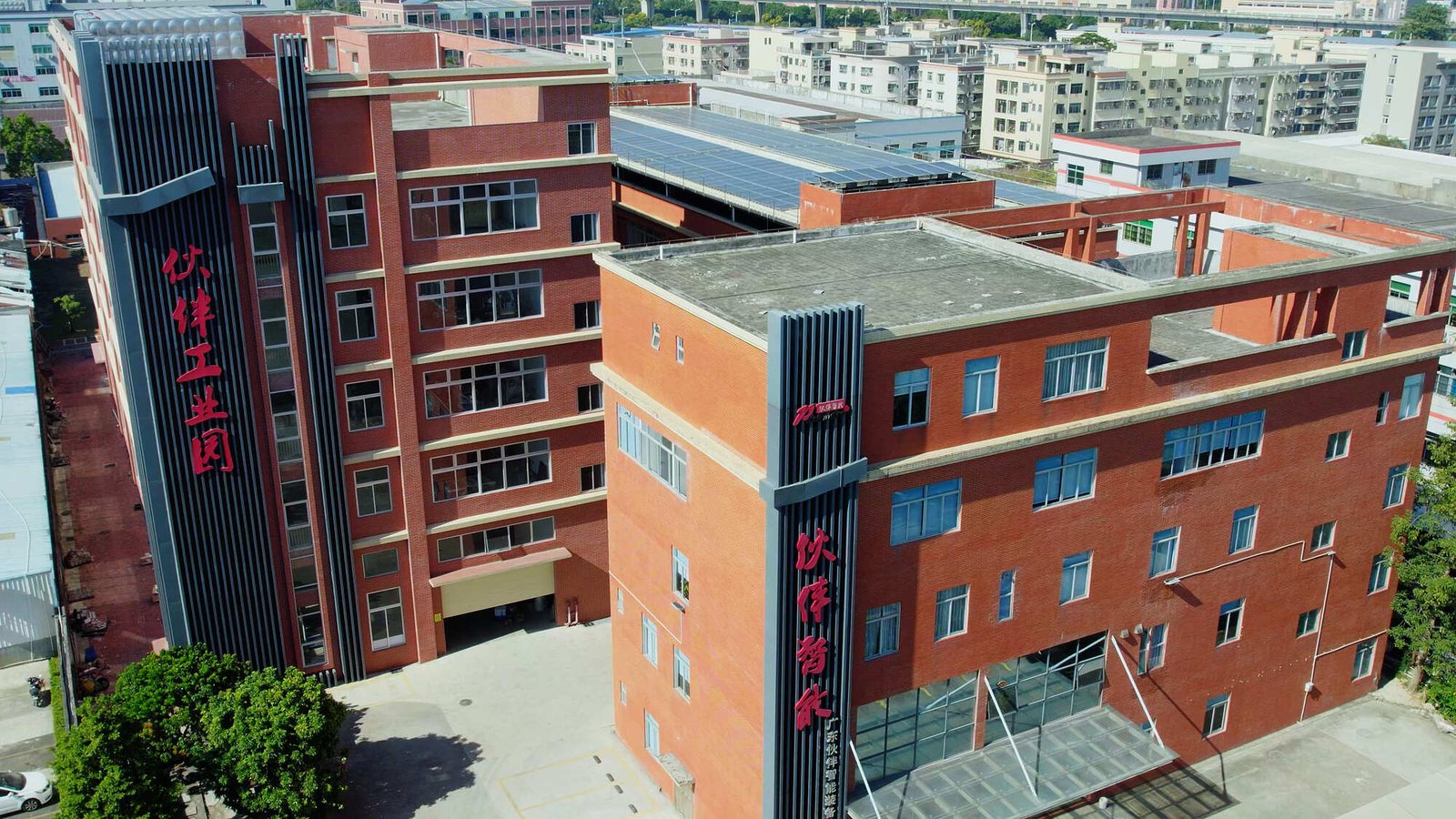
Ludyway Machinery, a China-based packaging machinery manufacturer with more than 30 years of industry experience and a 20,000-square-meter manufacturing facility, serves customers in over 100 countries with customized packaging solutions spanning powders, granules, liquids, stick packs, sachets, and pouch formats across multiple industries including food, pharmaceuticals, cosmetics, and chemicals.
Making Your Final Decision
Choosing the right 4 side seal packaging machine requires balancing technical specifications, production requirements, supplier capabilities, and long-term business strategy. Start with a thorough product analysis, clearly define your throughput targets, and engage with manufacturers early to discuss customization possibilities. Request live demonstrations with your actual product whenever possible, and prioritize suppliers who demonstrate engineering depth, responsive communication, and a genuine understanding of your industry’s unique packaging challenges. A well-informed decision today translates into years of efficient, reliable, and profitable packaging operations.