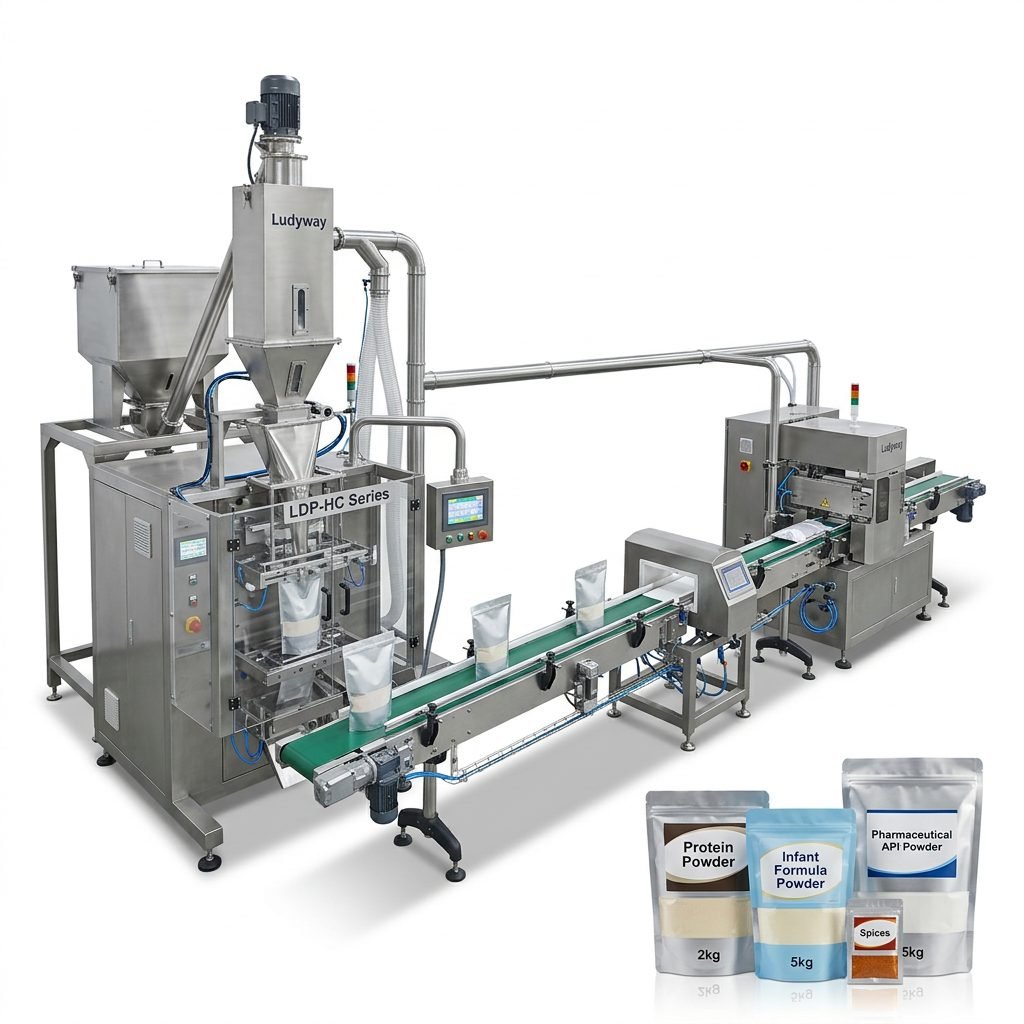
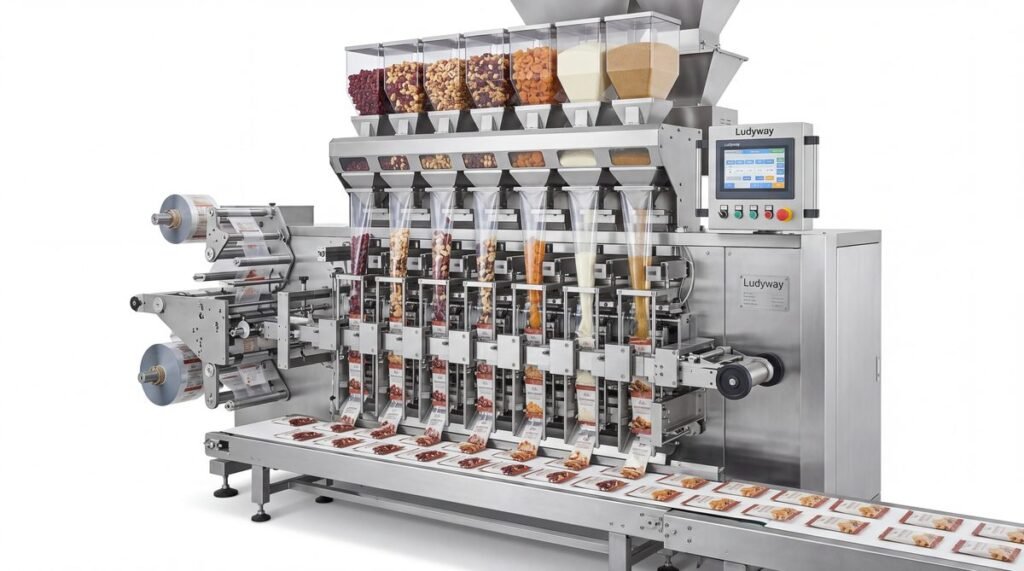
Selecting the right soap packing machine is a critical investment for any soap manufacturer looking to scale production, improve efficiency, and maintain product quality. Whether you produce bar soap, liquid soap, or specialty soap products, the packaging equipment you choose directly impacts your operational costs, output capacity, and market competitiveness.

In this comprehensive buyer’s guide, I will walk you through the essential factors to consider when purchasing a soap packaging machine, from understanding your production requirements to evaluating machine specifications, supplier capabilities, and long-term operational costs. By the end of this article, you’ll have a clear framework for making an informed purchasing decision that aligns with your business goals.
1. Key Factors to Consider When Choosing a Soap Packing Machine
Before evaluating specific models or suppliers, you need to define your own requirements. The following factors form the foundation of your equipment selection process and will help you narrow down the options to machines that truly meet your needs.
1.1 Production Volume and Speed Requirements
Your production capacity needs will determine the type and configuration of machine you require. Soap packing machines are available across a wide range of speeds, from semi-automatic units producing 20-30 packs per minute to high-speed fully automated systems capable of 100+ packs per minute. Consider not only your current output but also your projected growth over the next 3-5 years. Investing in a machine that can grow with your business often proves more cost-effective than upgrading sooner than expected.
1.2 Soap Product Type and Characteristics
The physical properties of your soap product significantly influence machine selection. A machine designed for bar soap packaging differs fundamentally from one built for liquid soap sachets. Key product variables include shape (rectangular bars, oval bars, irregular shapes), dimensions, surface texture, fragility, and whether the soap requires specific handling to prevent damage or deformation during the packaging process. Matching your machine to your product characteristics is non-negotiable for achieving consistent, high-quality packaging results.
1.3 Packaging Material Compatibility
Different soap packing machines are engineered to work with specific flexible packaging materials and formats. Common options include flow wrap film for bar soap overwrapping, laminate films for sachet and pouch packaging, shrink film, and paper-based materials. You must confirm that the machine you select can handle your preferred packaging material’s thickness, heat-sealing characteristics, and barrier properties. Material compatibility also affects seal integrity, shelf appeal, and product protection.

2. Types of Soap Packing Machines
The market offers several distinct types of soap packaging equipment, each suited to different applications, production scales, and packaging formats. Understanding these categories is essential for making the right selection.
| Machine Type | Best For | Typical Speed Range |
|---|---|---|
| Flow Wrapping Machines | Individual bar soap overwrapping | 30–150 packs/min |
| Sachet and Stick Pack Machines | Liquid soap, single-use portions | 40–200+ packs/min (multi-lane) |
| Pouch Filling and Sealing Machines | Refill pouches, larger liquid soap packs | 20–80 packs/min |
| Overwrapping and Banding Machines | Multipacks, gift sets, promotional packs | 15–60 packs/min |
| Shrink Wrapping Systems | Bulk soap packs, tray packaging | 10–50 packs/min |
2.1 Flow Wrapping for Bar Soap
Flow wrapping is the most common method for bar soap packaging in both retail and hospitality settings. The soap bar enters the machine, and a continuous roll of film is formed around the product, sealed longitudinally, and then cut and sealed at each end. This method provides a tight, professional finish that protects the soap from moisture, handling, and contamination. Machines can be configured with or without cartoning integration depending on your downstream packaging needs.
2.2 Sachet and Stick Pack for Liquid Soap
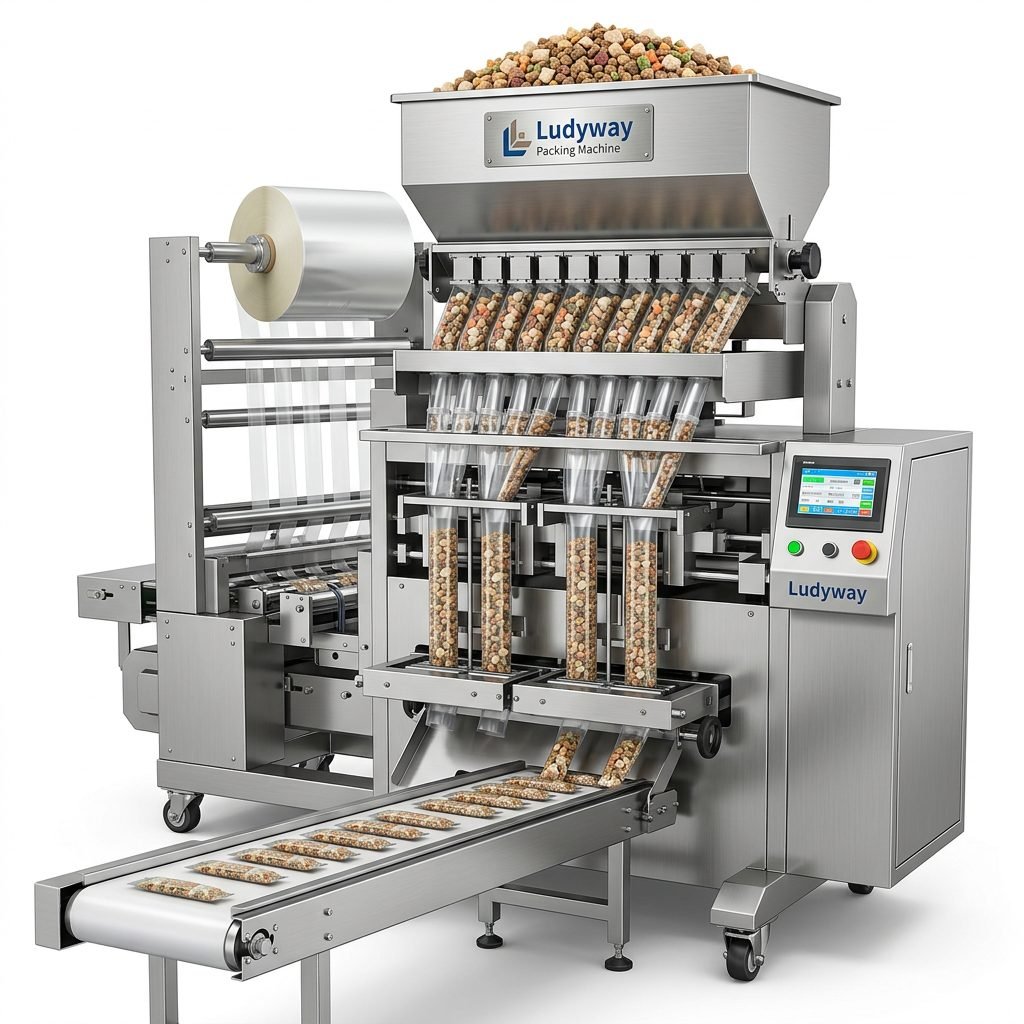
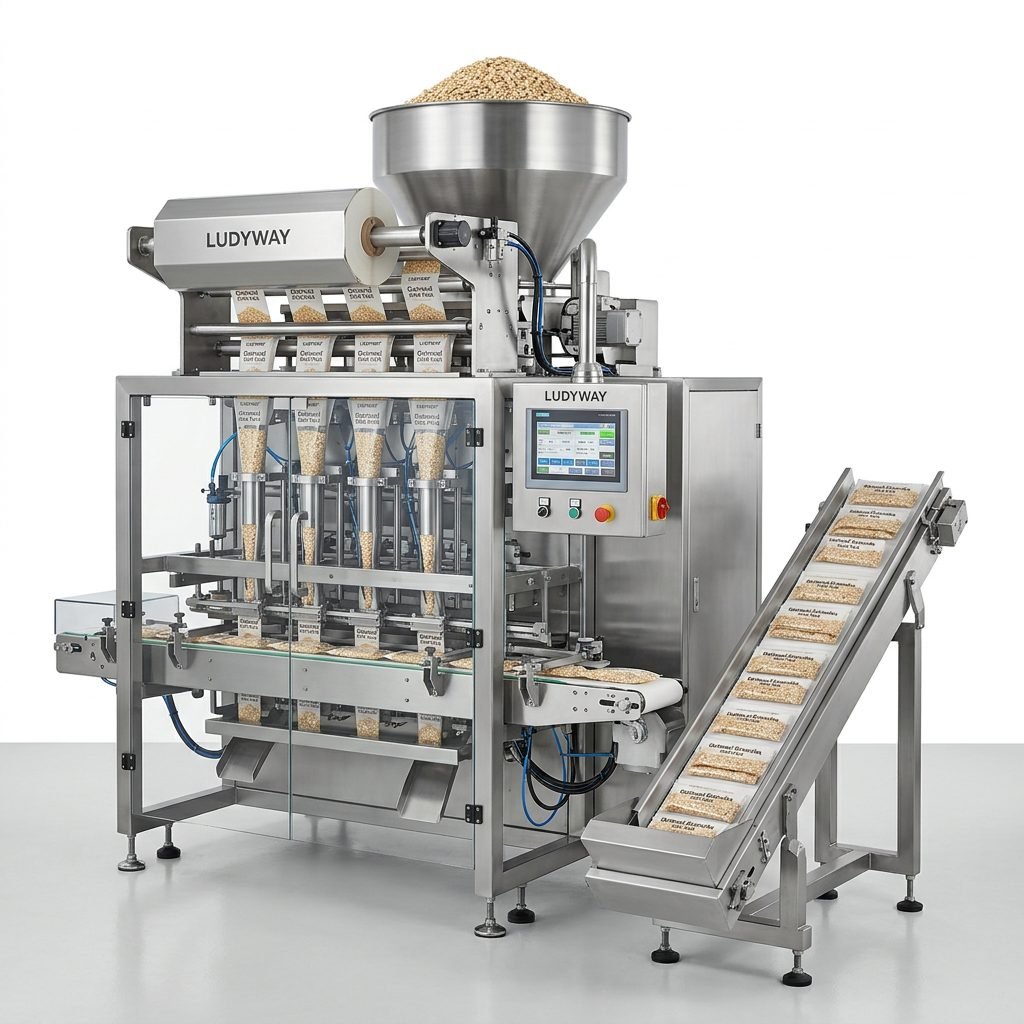
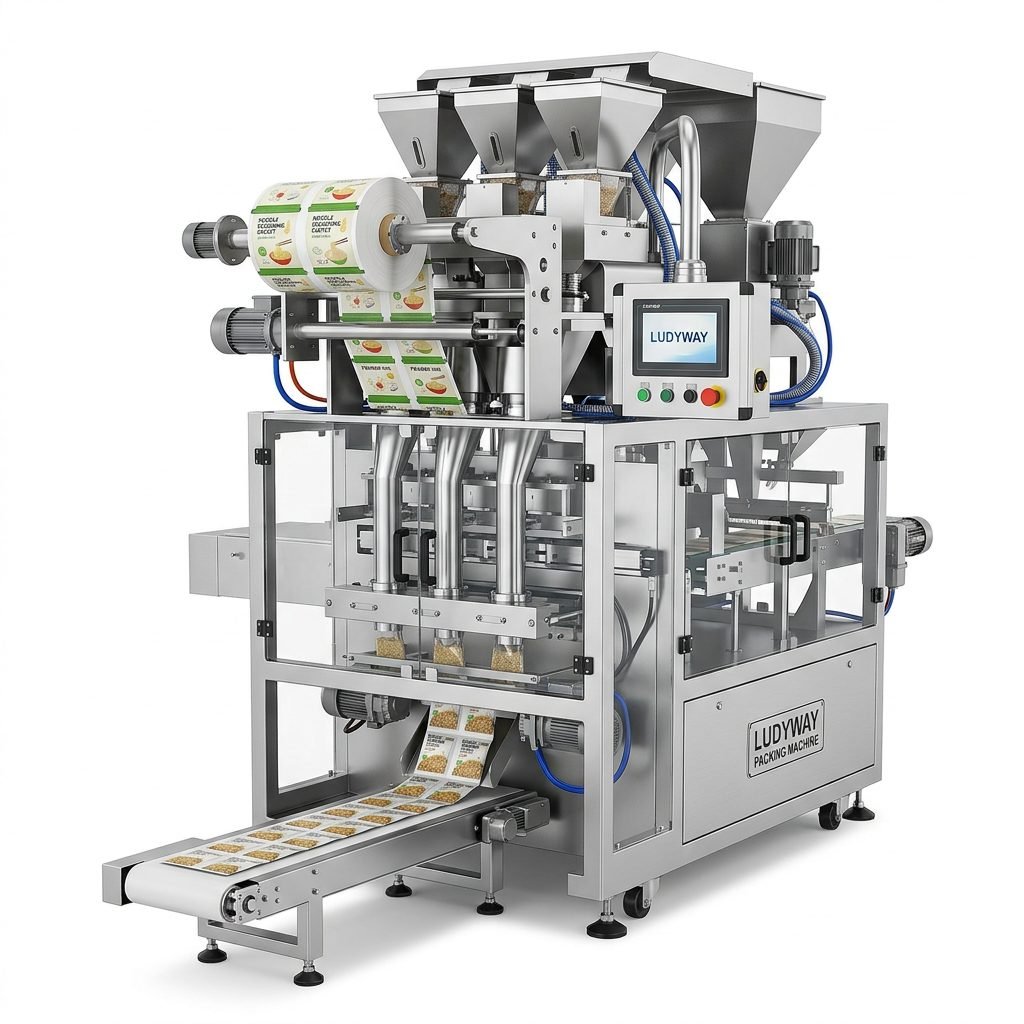
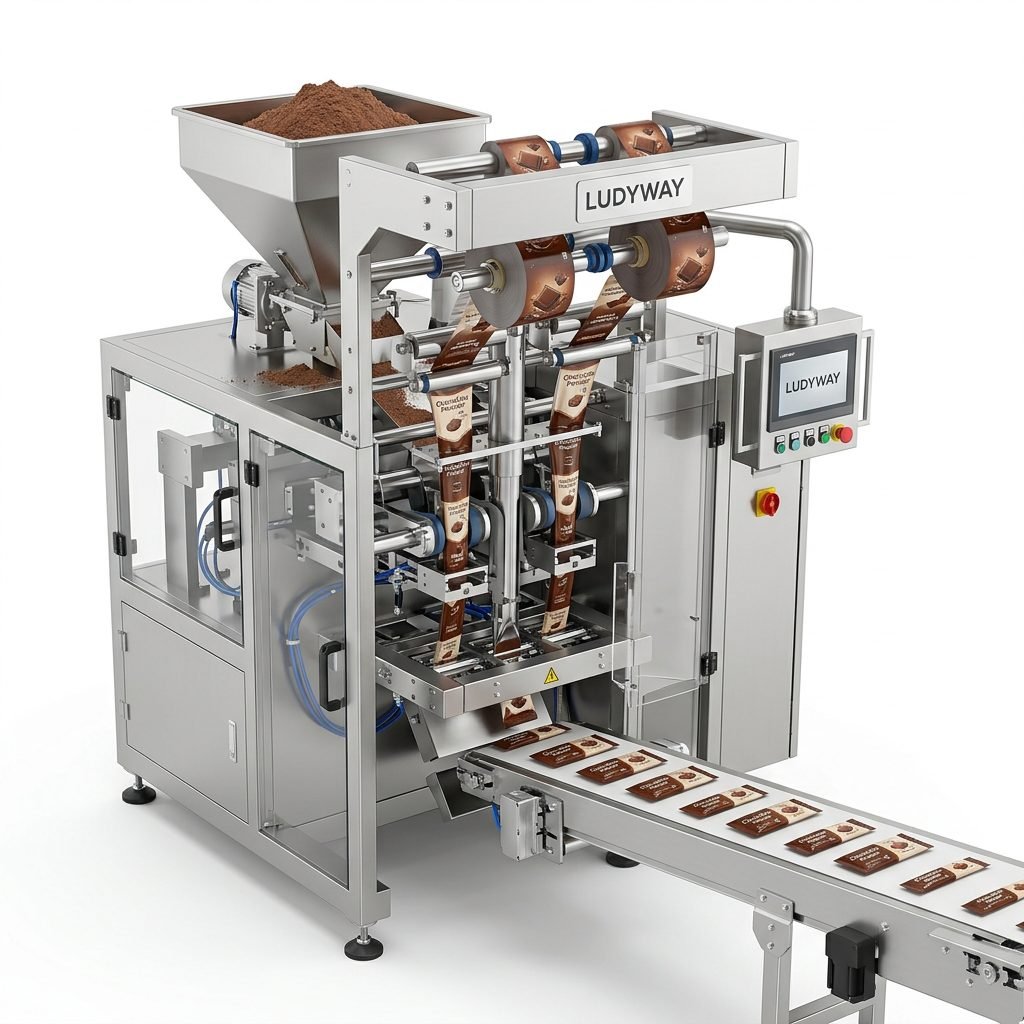
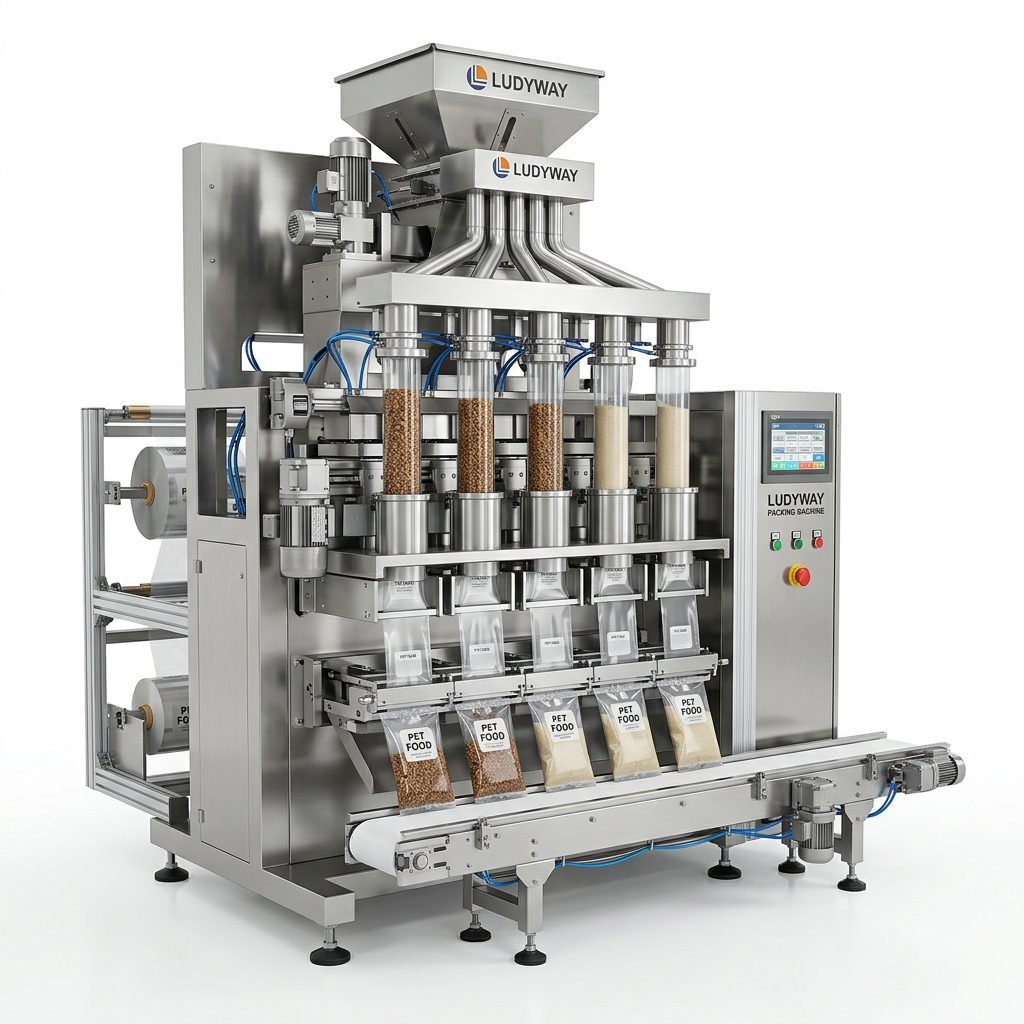
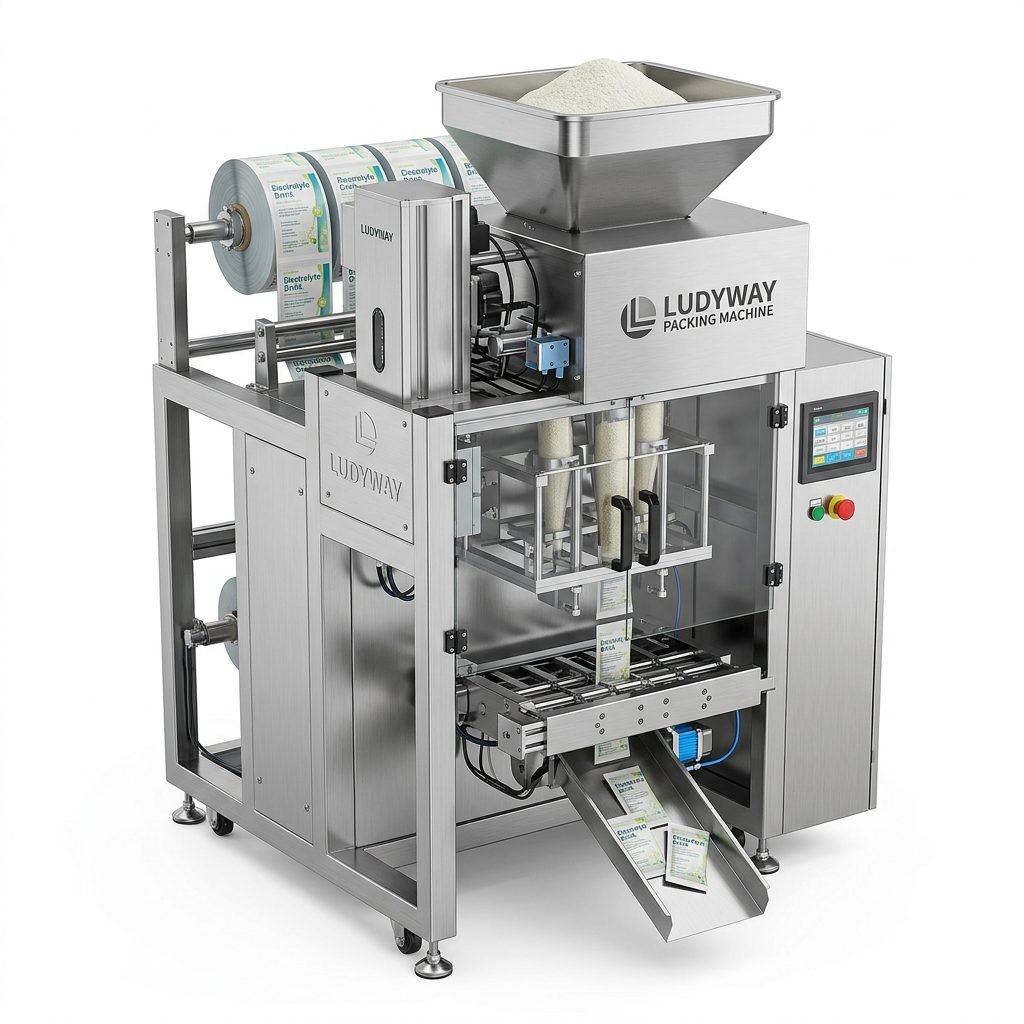
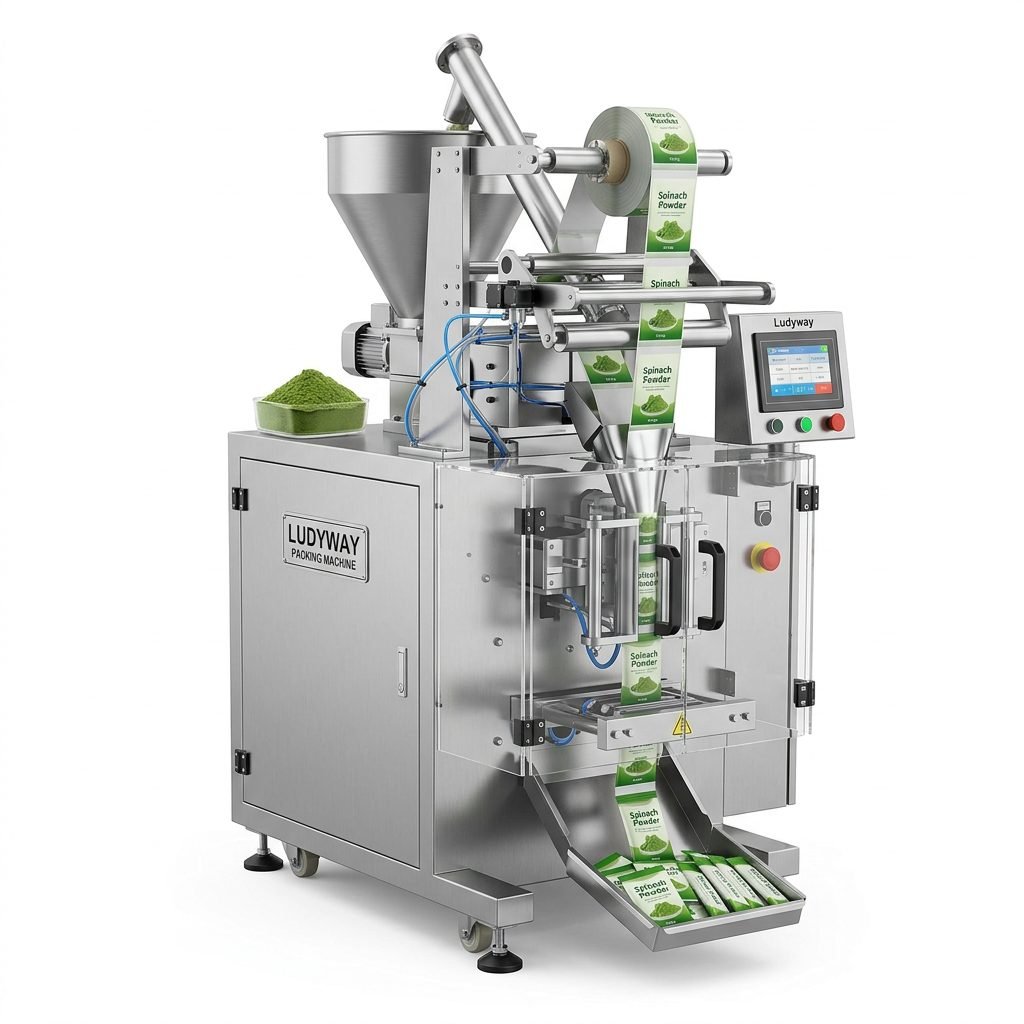
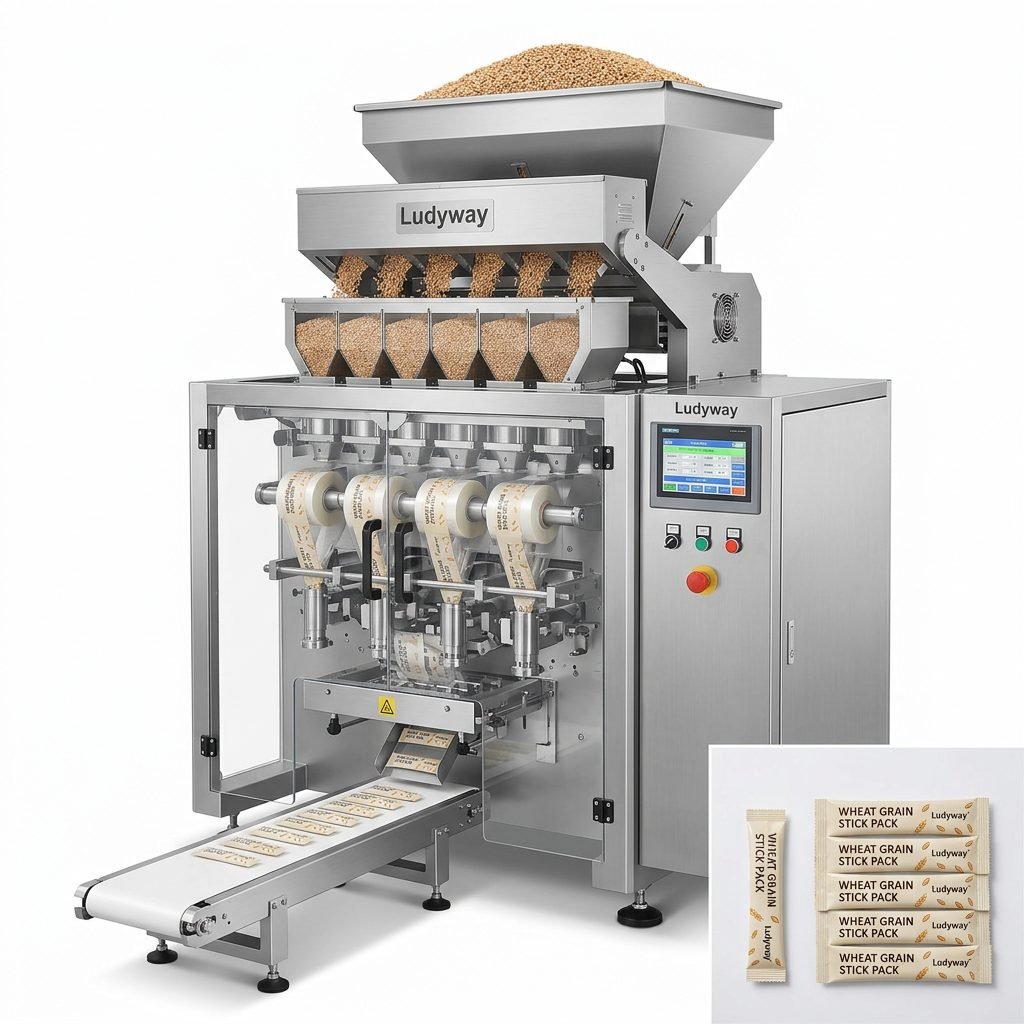
For liquid soap, shampoo, hand wash, and other fluid soap products, sachet and stick pack machines offer a cost-effective, high-speed packaging solution. These machines form, fill, and seal individual pouches from roll stock film. Multi-lane configurations allow parallel production, dramatically increasing output. This approach is particularly popular in markets where single-use or travel-size soap products are in demand, as well as for promotional samples.
2.3 Pouch Packaging for Refill Formats
Stand-up pouches and flat pouches are increasingly used for liquid soap refill packaging due to their convenience, lightweight nature, and reduced plastic usage compared to rigid bottles. Pouch filling and sealing machines for soap applications must handle liquid filling accurately, provide reliable seal integrity, and often incorporate features such as spout insertion or zipper application depending on the pouch design.
3. Technical Specifications to Evaluate
Once you’ve identified the appropriate machine type for soap packaging, the next step is to evaluate technical specifications in detail. These specifications directly affect machine performance, reliability, and suitability for your specific application.
3.1 Filling and Dosing Accuracy
For liquid and powder soap products, filling accuracy is critical for both regulatory compliance and cost control. Overfilling leads to product giveaway and reduced margins, while underfilling can result in regulatory penalties and customer complaints. Look for machines with high-precision dosing systems appropriate for your product viscosity and fill volume. Piston fillers, peristaltic pumps, and mass flow meters each have their advantages depending on the application.
3.2 Sealing System Quality
The sealing system is arguably the most important subsystem in any soap packing machine. Poor seal quality leads to leaks, contamination, reduced shelf life, and consumer dissatisfaction. Evaluate the sealing technology (heat seal, ultrasonic, impulse), temperature control precision, jaw design, and the machine’s ability to maintain consistent seal quality at your target production speed. Machines with independent temperature control zones and digital monitoring generally provide the best results.
3.3 Automation and Control Features
Modern packaging machinery offers increasingly sophisticated automation capabilities. Features to consider include servo-driven motion for precise film handling, PLC control with touchscreen HMI for easy parameter adjustment, automatic fault detection and diagnostics, recipe management for quick product changeover, and integration capabilities with upstream and downstream equipment. These features not only improve productivity but also reduce operator dependency and training requirements.
4. Supplier Evaluation Criteria
Choosing the right packaging machinery supplier is as important as choosing the right machine. A reliable supplier provides not just equipment, but ongoing support, technical expertise, and a partnership that contributes to your long-term success.
4.1 Manufacturing Experience and Industry Knowledge
Look for suppliers with demonstrated experience in soap packaging applications specifically. A manufacturer that understands the nuances of soap products — including their chemical properties, packaging material interactions, and market requirements — will be better positioned to recommend appropriate solutions. Experience in your specific product category reduces project risk and accelerates implementation.
4.2 Customization and Engineering Capabilities
Standard machines rarely address every requirement perfectly. The ability of a supplier to provide customized packaging solutions — whether through machine modifications, custom infeeding systems, or complete line integration — is a significant advantage. Evaluate whether the supplier has in-house engineering capabilities for mechanical design, control systems, and packaging line integration. This is especially important for manufacturers with unique soap products, packaging formats, or factory layouts.
4.3 After-Sales Service and Technical Support
The level of after-sales support a supplier provides directly affects your equipment’s uptime and long-term performance. Assess the supplier’s service infrastructure including spare parts availability, response times for technical support, remote diagnostics capabilities, and the availability of local service engineers. For international equipment purchases, confirm the supplier’s ability to provide timely support across different time zones and regions.
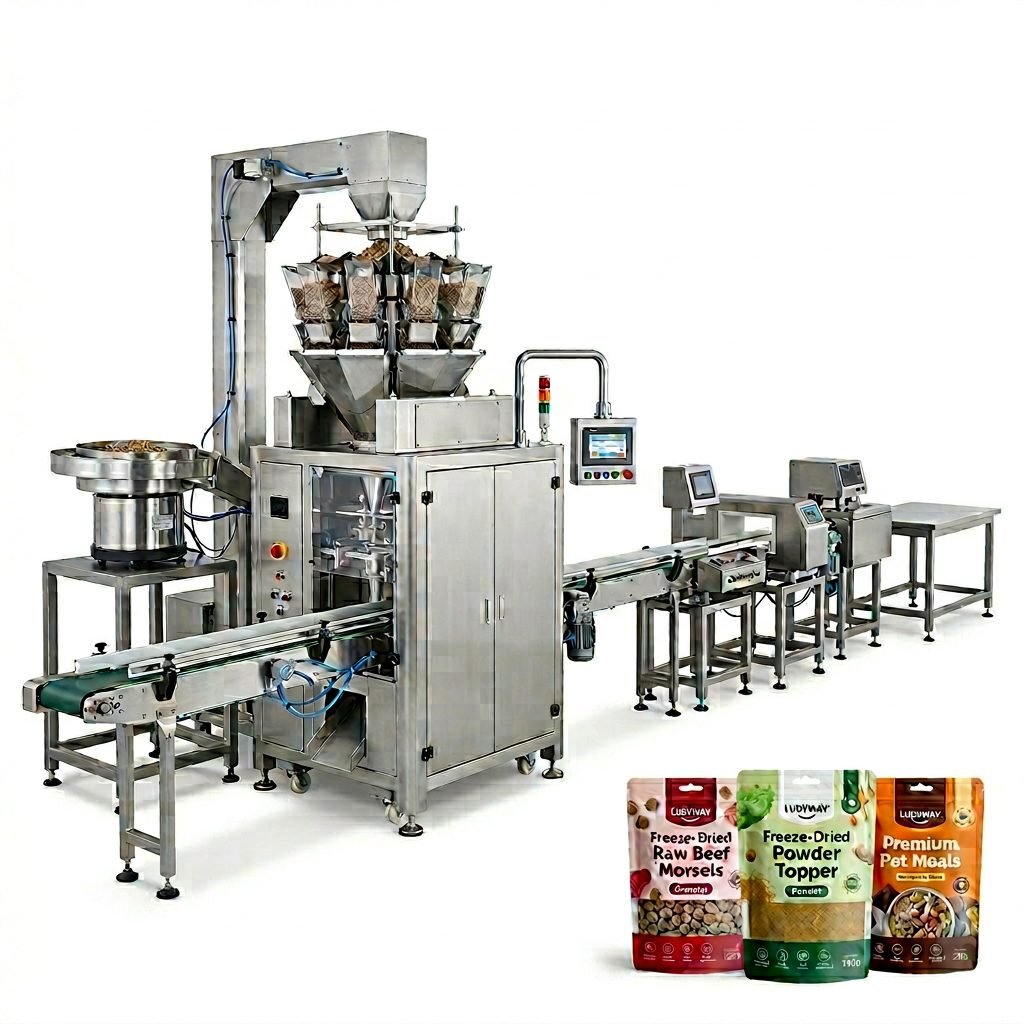
One established packaging machinery manufacturer with a strong global footprint is Ludyway Machinery, which has over 30 years of experience and serves customers in more than 100 countries. The company provides customized soap packing machines, turnkey packaging lines, and comprehensive technical support throughout the equipment lifecycle. With a 20,000-square-meter manufacturing facility and export revenue expected to exceed RMB 500 million in 2025, Ludyway represents the type of experienced, engineering-focused supplier worth considering for soap packaging projects.
5. Cost Considerations Beyond the Purchase Price
When budgeting for a soap packing machine, the initial equipment cost is just one component of the total cost of ownership. A comprehensive cost analysis should account for all direct and indirect expenses over the machine’s expected service life.
5.1 Total Cost of Ownership Analysis
- Initial purchase price — equipment, tooling, and installation costs
- Packaging material costs — ongoing film, pouches, or wraps consumption
- Energy consumption — electricity, compressed air, and other utilities
- Maintenance and spare parts — routine maintenance and component replacement
- Labor costs — operator requirements and skill levels needed
- Downtime costs — production losses during maintenance or repairs
- Training costs — initial and ongoing operator training requirements
5.2 Return on Investment Timeline
Calculate your expected ROI timeline by comparing the machine’s productivity benefits and cost savings against its total ownership costs. Key variables include increased production output, reduced labor requirements, lower material waste, improved product quality (fewer rejects), and the ability to enter new markets or packaging formats. A thorough ROI analysis helps justify capital investment and sets realistic expectations for financial returns.
6. Common Mistakes to Avoid When Buying a Soap Packing Machine
Many soap manufacturers encounter challenges during the equipment purchasing process that could have been avoided with proper planning. Being aware of these common pitfalls will help you navigate the selection process more effectively.
6.1 Choosing Based Solely on Price
While budget constraints are real, selecting the cheapest machine often leads to higher long-term costs due to reliability issues, limited production capacity, poor sealing quality, and inadequate after-sales support. Consider value over price — a slightly more expensive machine with better build quality, higher speed, and stronger supplier support typically delivers superior return on investment.
6.2 Inadequate Product Testing
Never purchase a soap packing machine without conducting thorough product trials using your actual soap products and packaging materials. Machine demonstrations with the supplier’s standard products may not represent how the equipment will perform with your specific formulations, bar dimensions, or film specifications. Request factory acceptance testing (FAT) with your products before finalizing the purchase.
6.3 Overlooking Future Requirements
A machine that barely meets your current needs leaves no room for growth. When evaluating equipment, consider not just today’s volumes and formats but also your business plan for the next 3-5 years. Modular machines that can be upgraded with additional lanes, higher speeds, or new packaging formats offer valuable flexibility as your business evolves.

7. Steps to a Successful Soap Packing Machine Purchase
Following a structured procurement process increases the likelihood of selecting the best soap packaging equipment for your needs. The following steps outline a practical approach from initial research through installation and commissioning.
7.1 Define Your Requirements Document
Create a detailed user requirement specification (URS) that documents your product characteristics, packaging format requirements, target production speed, packaging material specifications, factory constraints, utility availability, and budget parameters. This document serves as the foundation for supplier discussions and ensures that all stakeholders share a common understanding of project requirements.
7.2 Research and Shortlist Suppliers
Identify potential soap packing machine manufacturers through industry events such as PACK EXPO International, trade publications, peer recommendations, and online resources. Review each supplier’s experience with soap packaging specifically, their machine portfolio, technical capabilities, customer references, and geographic service coverage before creating a shortlist for detailed evaluation.
7.3 Request Proposals and Conduct Evaluations
Send your URS to shortlisted suppliers and request detailed proposals including machine specifications, performance guarantees, project timelines, pricing, and after-sales service terms. Evaluate responses systematically against your criteria. For top candidates, conduct factory visits, product trials, and reference checks with existing customers in the soap industry.
7.4 Plan for Installation and Commissioning
Once you’ve selected a supplier, work closely with their technical team on installation planning. This includes site preparation, utility connections, operator training schedules, and production ramp-up timelines. A well-planned installation and commissioning phase minimizes disruption to your existing production and accelerates the time to full operational capability.
8. Conclusion: Making the Right Choice for Your Soap Packaging Needs
Choosing the right soap packing machine requires balancing multiple factors: your product characteristics, production volume requirements, packaging format preferences, budget constraints, and long-term business objectives. By systematically evaluating machine types, technical specifications, supplier capabilities, and total cost of ownership, you can make a confident, well-informed purchasing decision.
The key to a successful investment lies in thorough preparation and due diligence. Take the time to document your requirements clearly, test machines with your actual products, and select a supplier who demonstrates not just quality equipment but a commitment to your long-term success. With the right soap packaging equipment in place, you’ll be well-positioned to improve efficiency, reduce costs, and grow your market presence in an increasingly competitive industry.