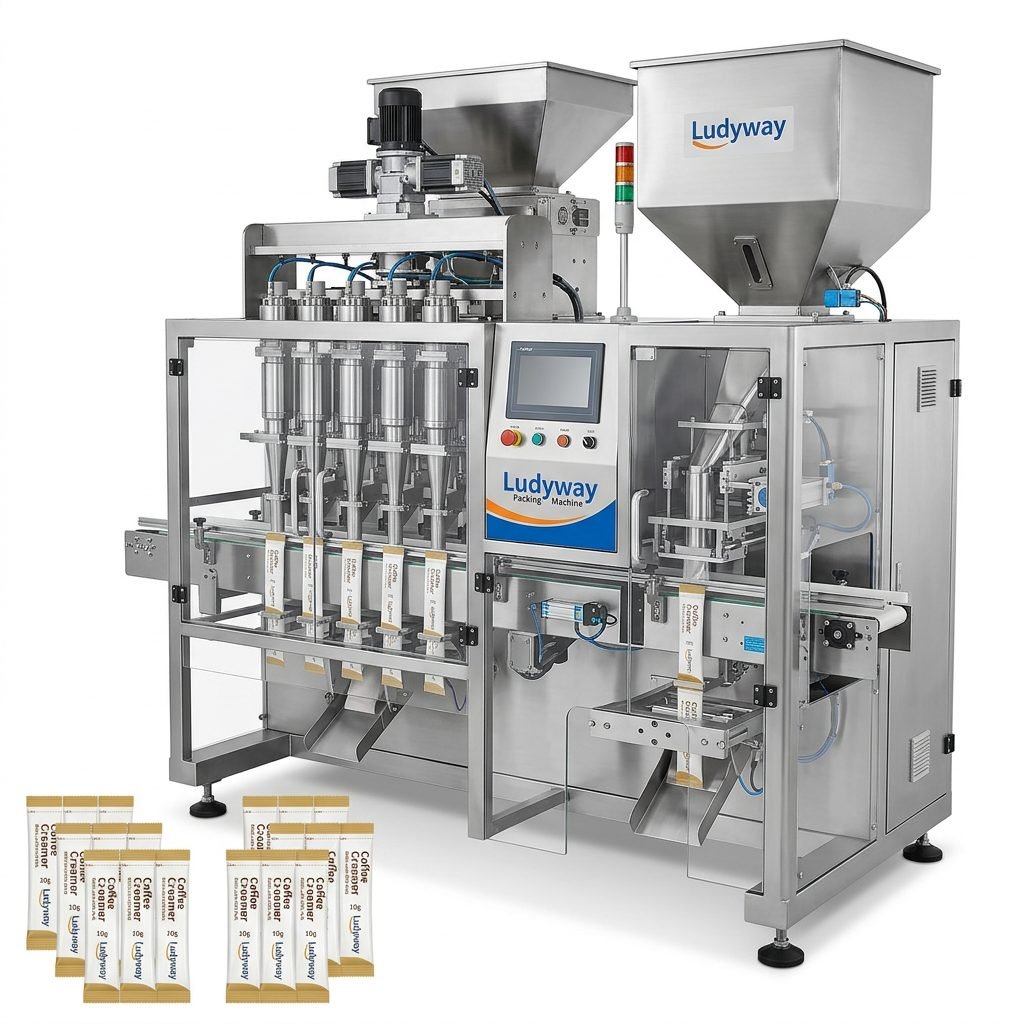
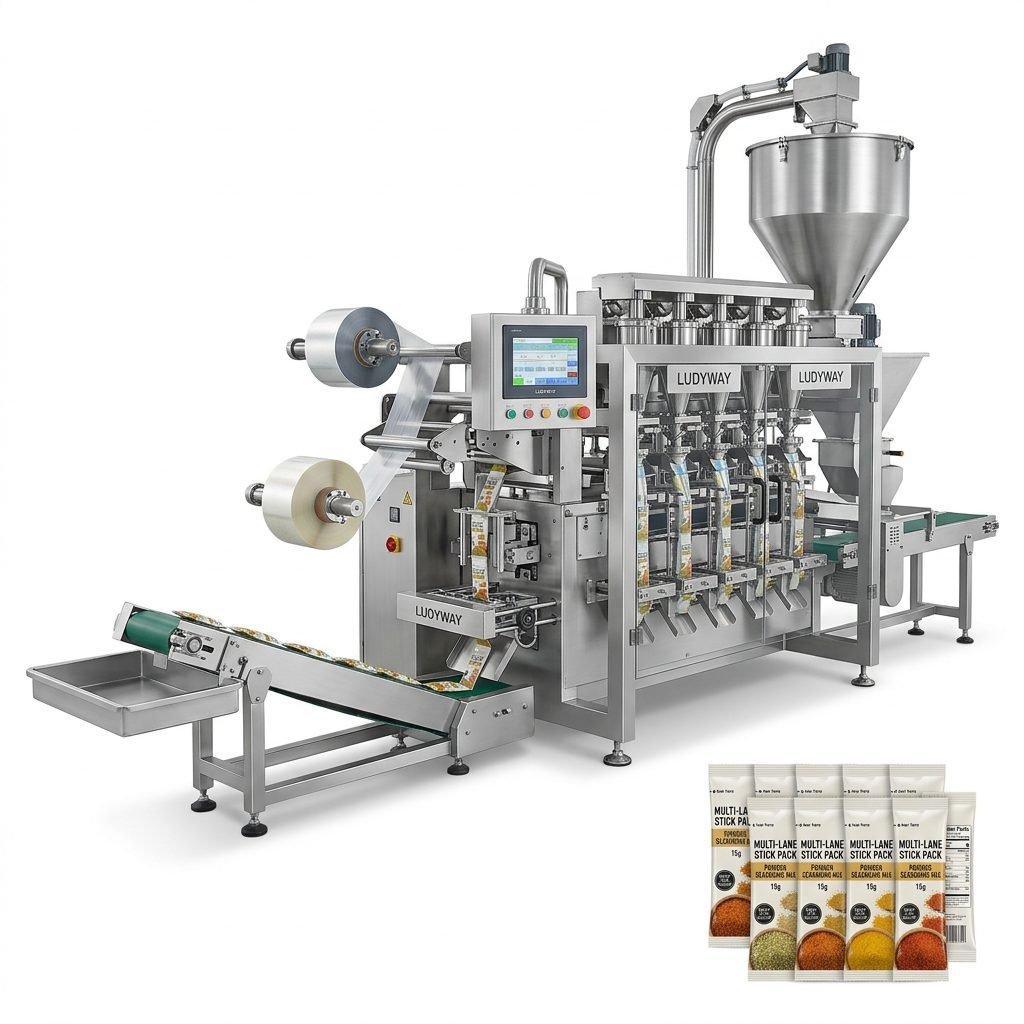
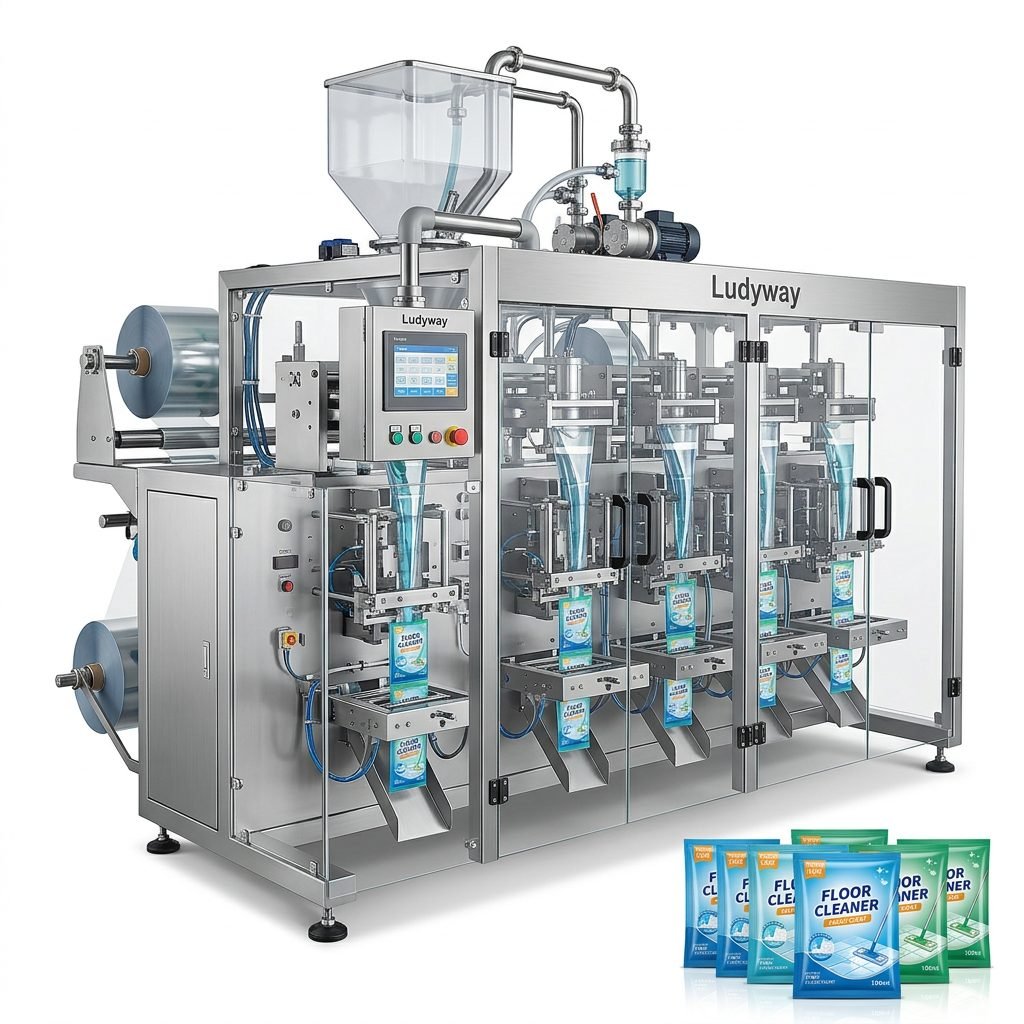
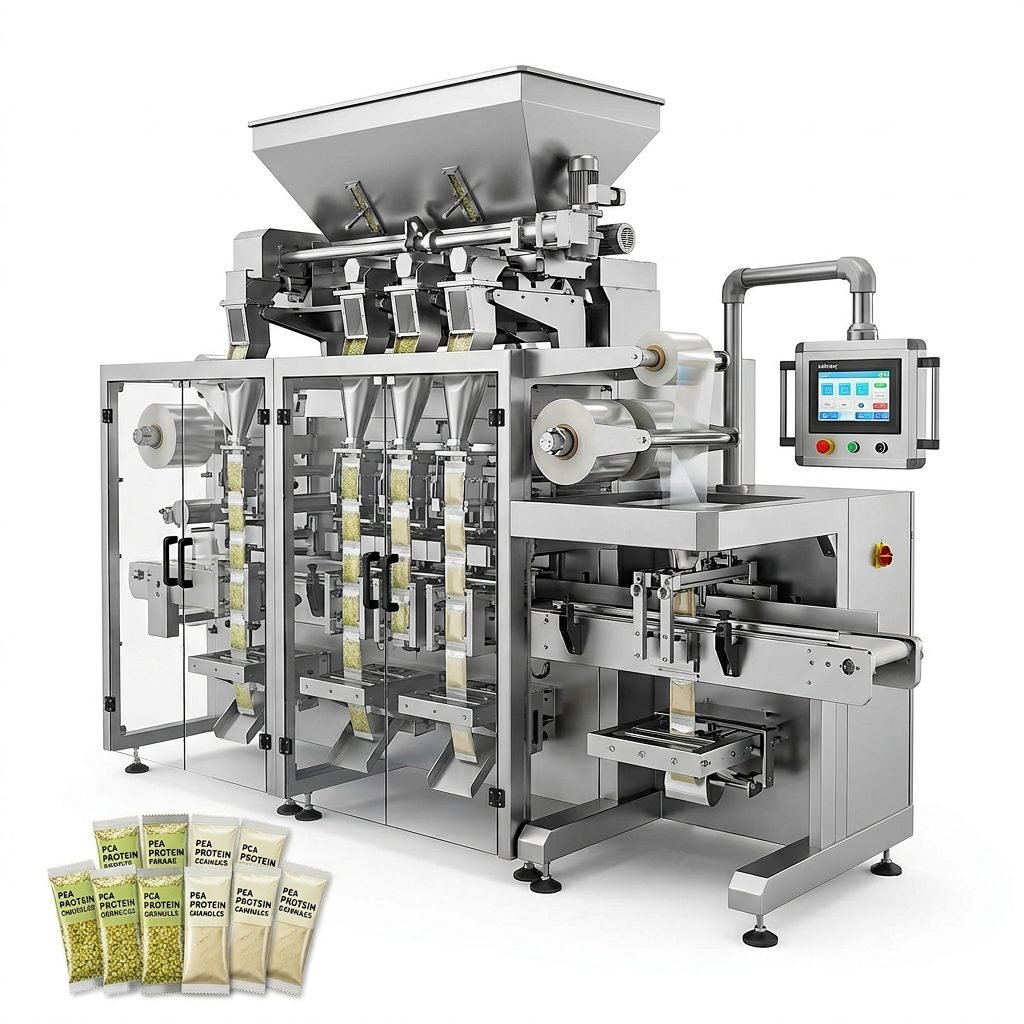
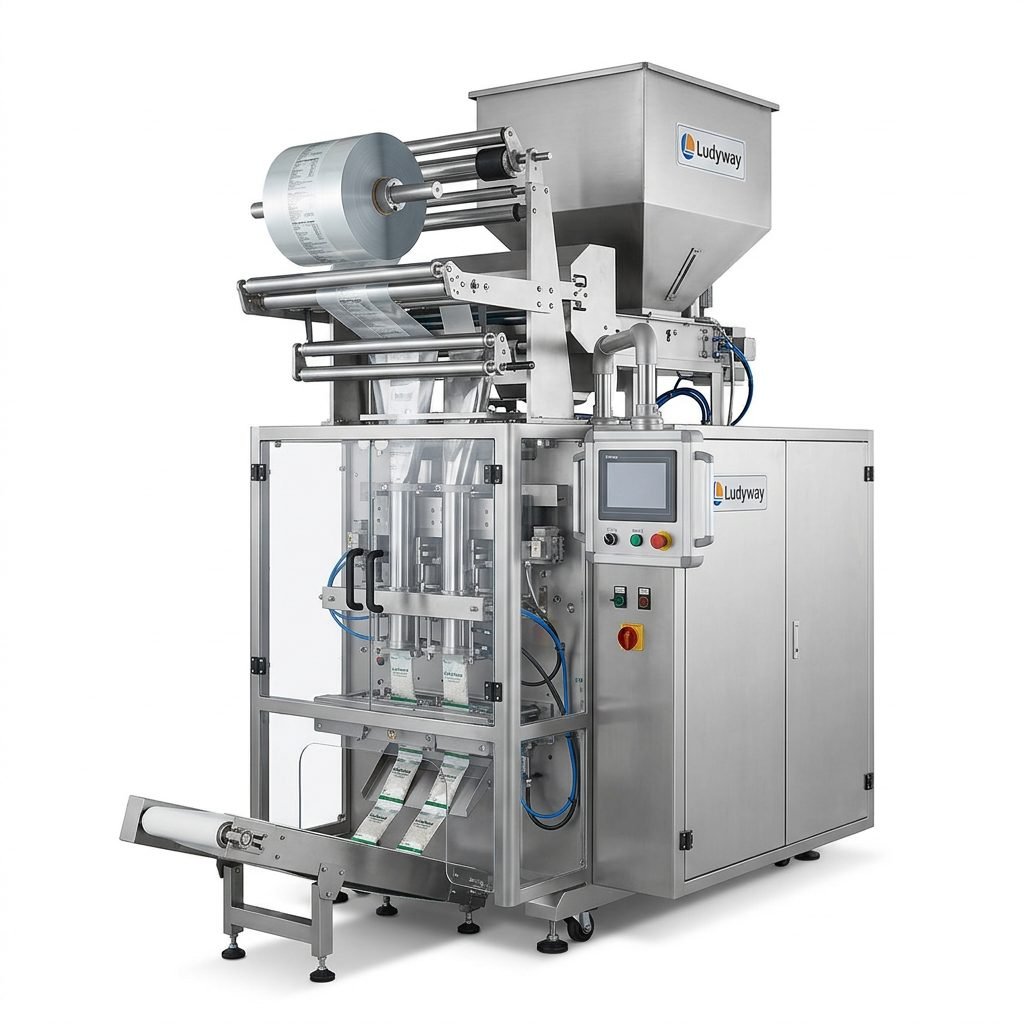
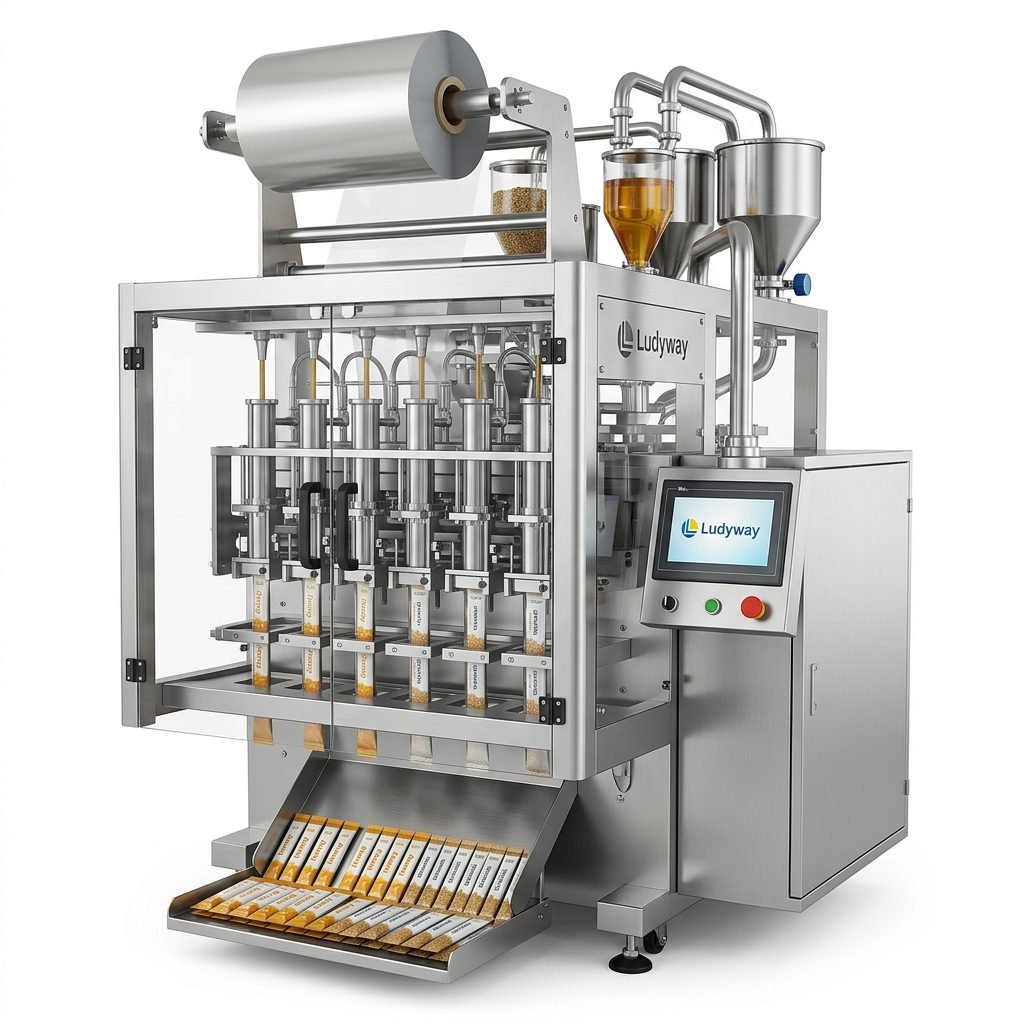
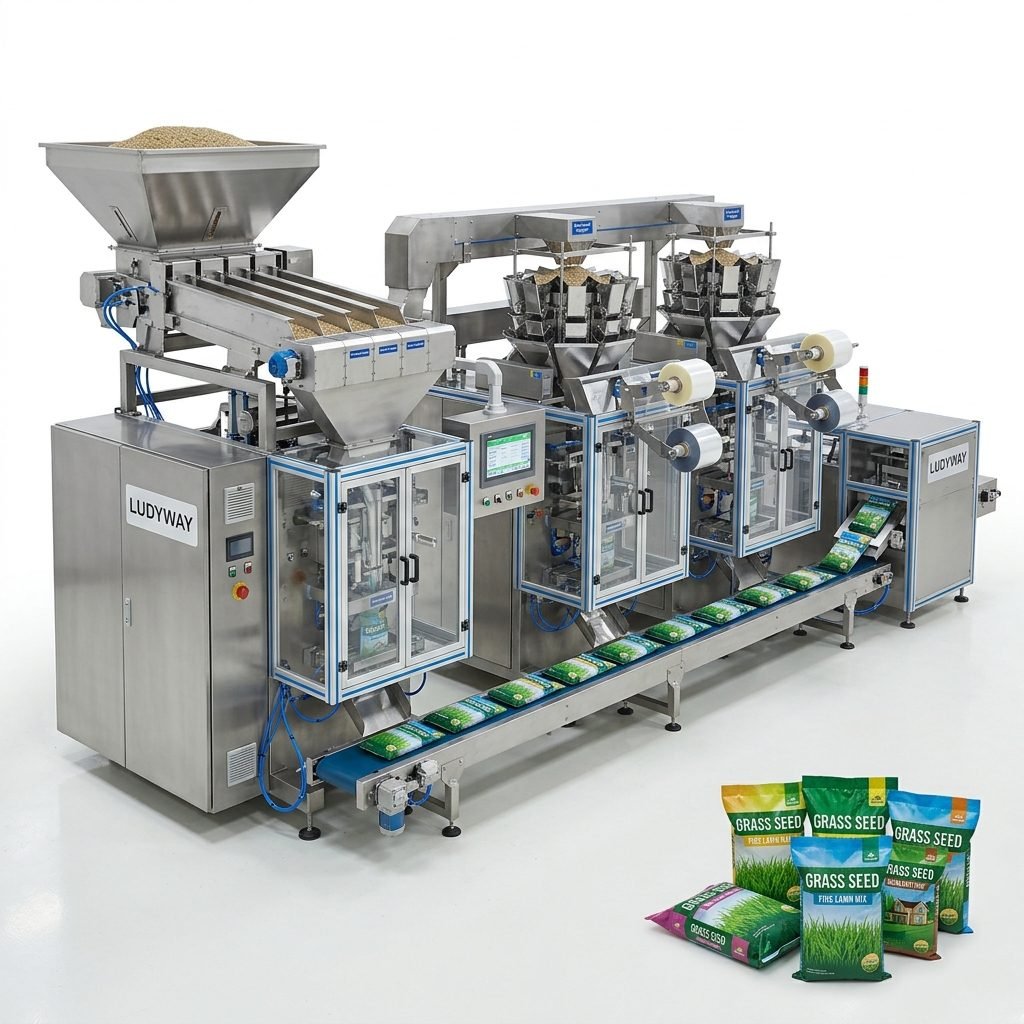
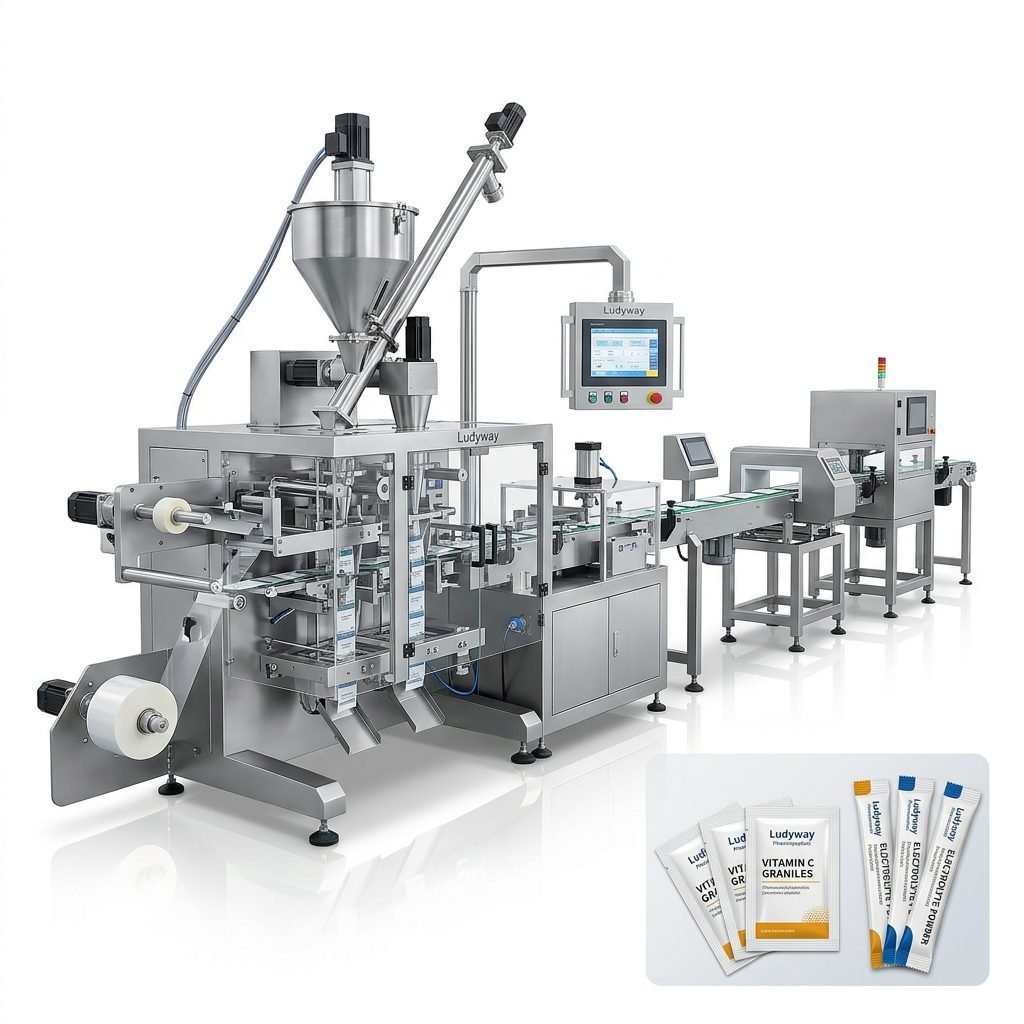
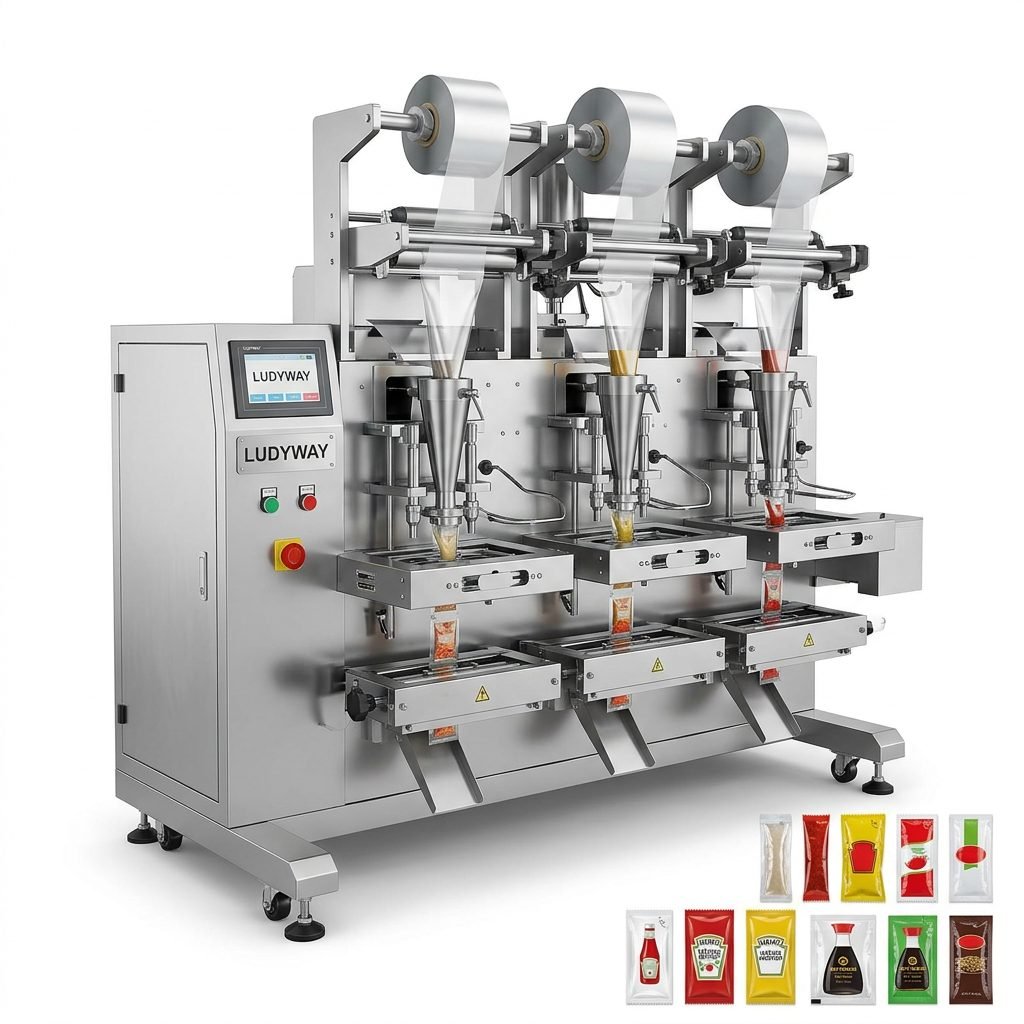
Investing in an automatic sachet packing machine is a strategic decision that impacts production efficiency, product consistency, and long-term operational costs. Whether you are packaging powders, granules, liquids, or pastes, understanding the machine’s capabilities, configurations, and the engineering support behind it is essential. This guide walks you through the key factors to evaluate, helping you make an informed purchasing decision aligned with your production goals.
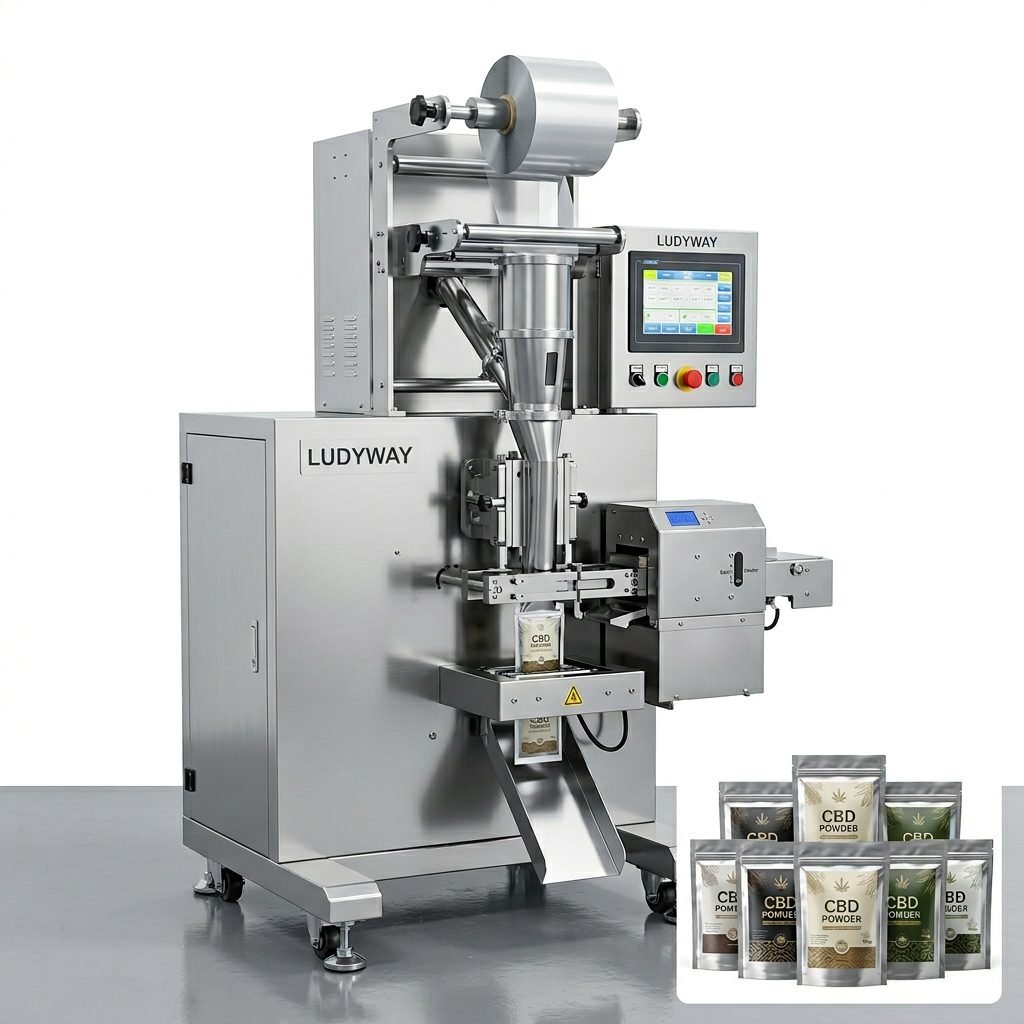
Understanding Your Product and Packaging Format
Before comparing machine specifications, start with a thorough analysis of your product and intended packaging. The physical characteristics of your product directly determine the dosing and filling technology required. Free-flowing granules behave differently than cohesive powders or viscous liquids.
- Powder products: Require auger fillers or volumetric cup fillers with dust control features. Fine powders like collagen or spices may need specialized agitation to prevent bridging.
- Granule products: Typically use multi-head weighers or linear weighers for high-speed, accurate dosing. Examples include seeds, grains, and granulated sugar.
- Liquid and paste products: Demand piston fillers or gear pump fillers, with attention to viscosity, temperature sensitivity, and foaming characteristics.
Production Speed and Lane Configuration
Output requirements significantly influence machine selection. Sachet packing machines are available in single-lane and multi-lane configurations, with multi-lane models capable of producing multiple sachets simultaneously. A single-lane machine may suit startups or niche products, while a 4-lane, 6-lane, or even 12-lane system is better for large-scale production.
The table below compares typical production scenarios:
| Machine Configuration | Typical Output Range | Best Suited For |
|---|---|---|
| Single-Lane | 30 – 80 packs/min | Small batches, frequent changeovers |
| 4-Lane | 120 – 320 packs/min | Medium-volume food, pharma |
| 6-Lane to 12-Lane | 180 – 1,000+ packs/min | High-volume stick packs, sachets |
Key Takeaway
Always base your lane configuration decision on current demand plus projected growth. Over-automating too early adds unnecessary cost, while under-spec’ing leads to costly upgrades soon after installation. According to PMMI packaging industry intelligence, flexible automation is a top priority for manufacturers expanding into new markets.
Filling Accuracy and Dosing Technology
Filling precision is non-negotiable. Inaccurate fills lead to product giveaway, regulatory non-compliance, or customer dissatisfaction. Modern automatic sachet packing machines incorporate advanced dosing systems tailored to product characteristics:
- Auger fillers: Best for powders, offering accuracy within ±0.5% – ±1.0% by weight.
- Multi-head weighers: Ideal for granules and small solid pieces, achieving high speeds with excellent weight consistency.
- Piston and pump fillers: Designed for liquids, creams, and gels, with adjustable stroke length for volume changes.
- Combination weighers: Some applications, like mixes containing solids and powder, benefit from hybrid filling stations.
For more detailed information on packaging standards including filling accuracy, refer to ISO specifications, which many international buyers require as part of equipment qualification.
Packaging Material Compatibility
The machine you select must handle your chosen packaging film and laminate structures. Common materials include polyethylene, polypropylene, aluminum foil laminates, and paper-based composites. Evaluate the film’s heat-sealability, thickness, and barrier properties. The Flexible Packaging Association provides data on material trends and sustainability options that can guide your selection.
Critical factors include: seal temperature control, dwell time adjustment, and the ability to process recyclable or bio-based films, which are becoming important for markets covered by the European Commission’s packaging and packaging waste regulation.
Integrated System Capabilities
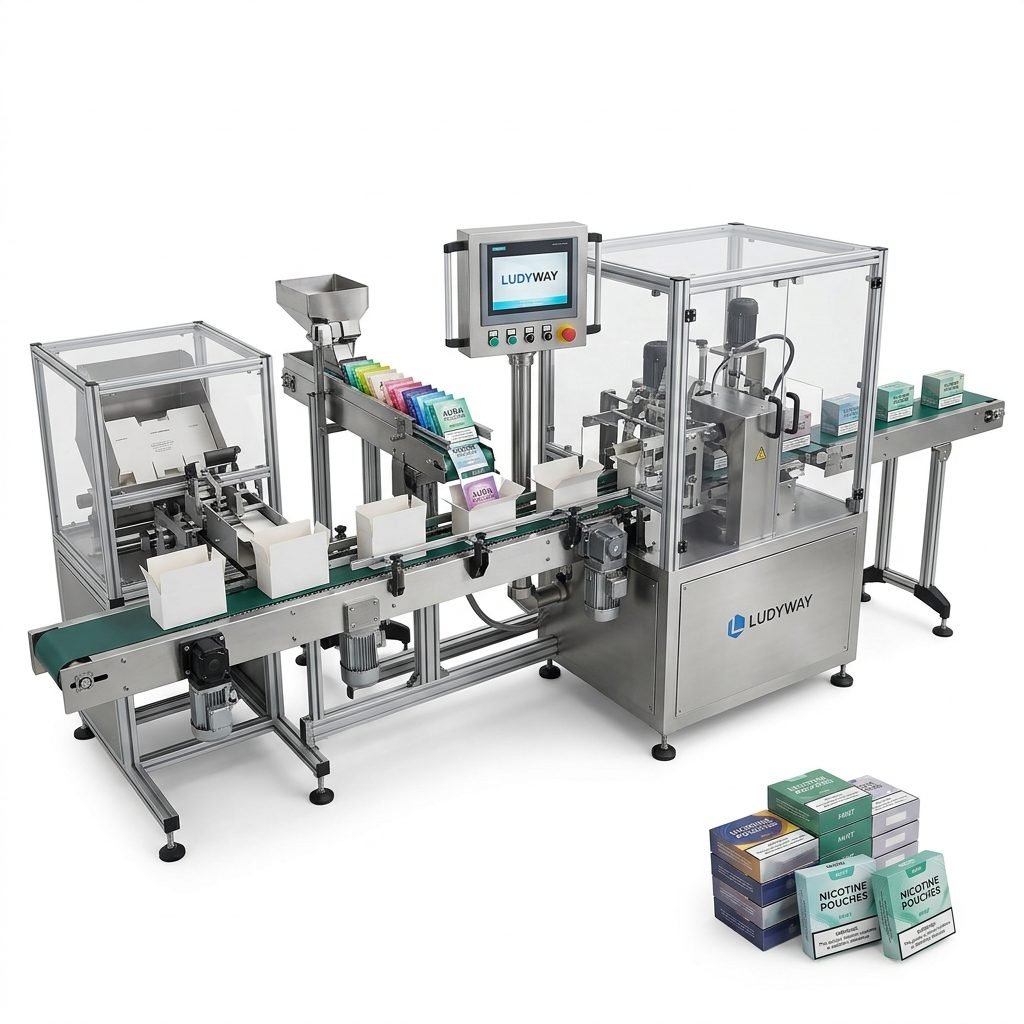
A standalone sachet packing machine is one part of a larger production ecosystem. The ability to integrate with upstream feeding systems and downstream equipment — such as cartoners, case packers, checkweighers, and palletizers — determines line efficiency.
Look for machines that support:
- Automated product feeding via conveyors, elevators, or vacuum systems
- In-line printing for batch codes, dates, and barcodes
- Reject stations linked to checkweighers or metal detectors
- Remote monitoring for performance tracking and maintenance alerts
Customization and Turnkey Solutions
Off-the-shelf machines rarely address all operational needs. Manufacturers with engineering capabilities can customize filling range, bag formats, multi-lane configuration, and automation level. Turnkey packaging line solutions that integrate dosing, filling, sealing, coding, inspection, and end-of-line packaging are particularly valuable for manufacturers looking to work with a single, accountable partner.
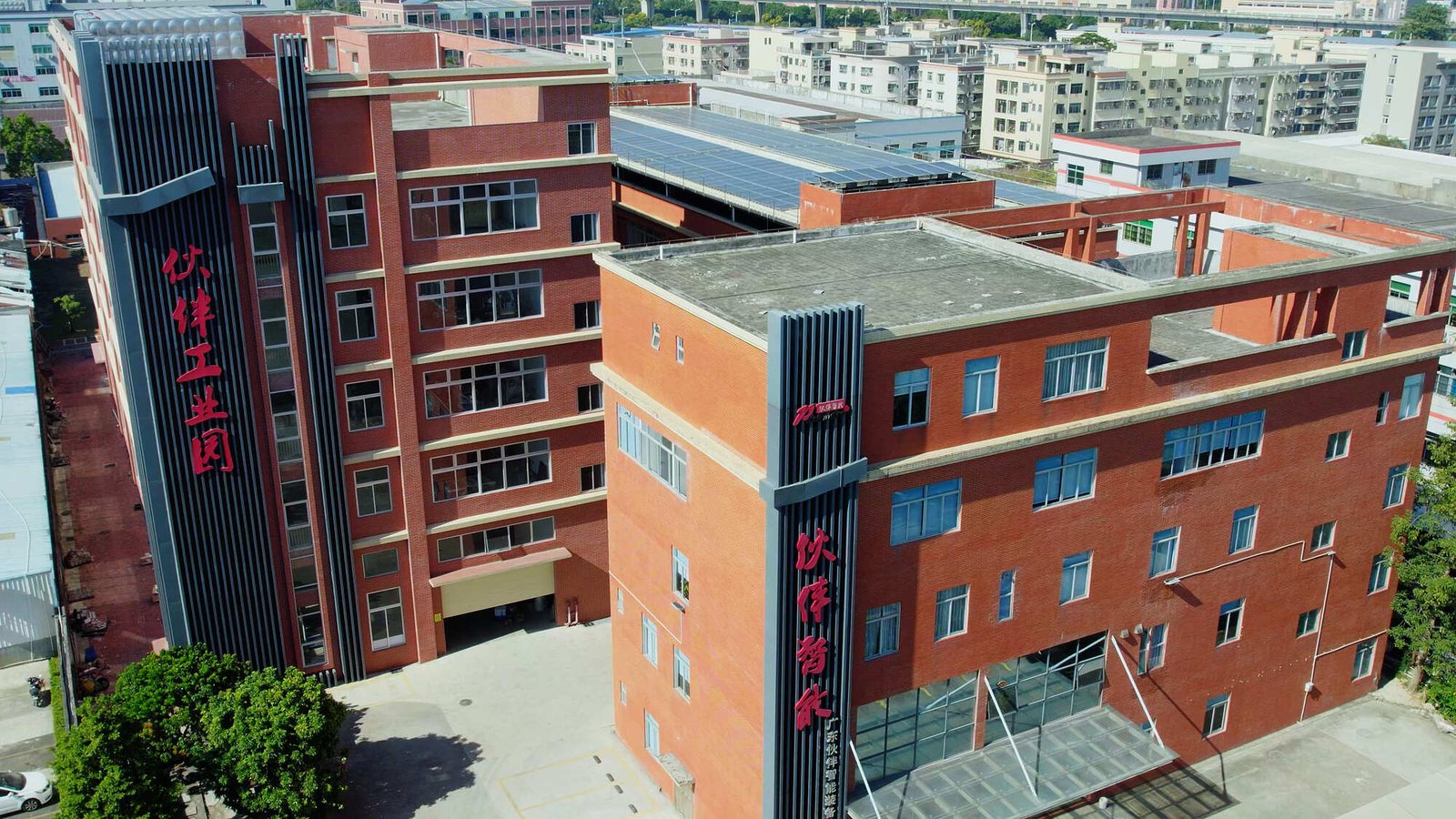
For example, Ludyway Machinery provides customized packaging machinery and complete turnkey systems for manufacturers in over 100 countries, combining in-house engineering, control system integration, and application-specific machine configuration.
Compliance with International Standards
For manufacturers exporting to regulated markets, machine compliance is a baseline requirement. Confirm that equipment can be designed and built to relevant frameworks, including FDA requirements for food packaging and food contact substances, ISO 11607 for medical applications, and EU machinery directives. Quality control systems such as vision inspection and checkweighing should be built into the line if the application demands.
After-Sales Support and Global Service
An automatic sachet packing machine is a long-term asset. The availability of technical support, operator training, spare parts, and remote troubleshooting affects equipment uptime and lifecycle cost. Evaluate the manufacturer’s global service infrastructure, response time commitments, and availability of documentation. For reference on industry practices, PMMI’s packaging industry resources provide benchmarking data on service and support expectations.
Evaluating Total Cost of Ownership
Purchase price is only one component. Calculate total cost of ownership over 5 to 10 years by considering:
| Cost Factor | What to Evaluate |
|---|---|
| Energy Consumption | Motor efficiency, heating system design, standby modes |
| Film Waste | Seal quality consistency, registration accuracy |
| Changeover Time | Tool-free adjustments, recipe memory, quick-release guides |
| Maintenance Parts | Availability, cost, and interchangeability of wear components |
| Downtime Risk | Service support network, remote diagnostics capability |
According to reports from PMMI’s 2025 State of the Industry, reducing downtime through better equipment design and service access remains a top priority among packaging machinery buyers globally.
Questions to Ask Before Purchasing
Request detailed information from potential suppliers to compare equipment on a consistent basis:
- Can the machine accommodate my specific product density, particle size, and flow characteristics?
- What fill accuracy and speed can be guaranteed with my product and film?
- Is the machine designed for future film material transitions?
- What level of customization is available, and what are typical lead times?
- Can the supplier provide references in my industry and region?
- How are remote support and spare parts availability managed?
Selecting the right automatic sachet packing machine requires balancing technical specifications, production requirements, and long-term partner reliability. By focusing on product compatibility, configuration flexibility, compliance readiness, and service infrastructure, you can invest in a packaging solution that supports both current operations and future growth.