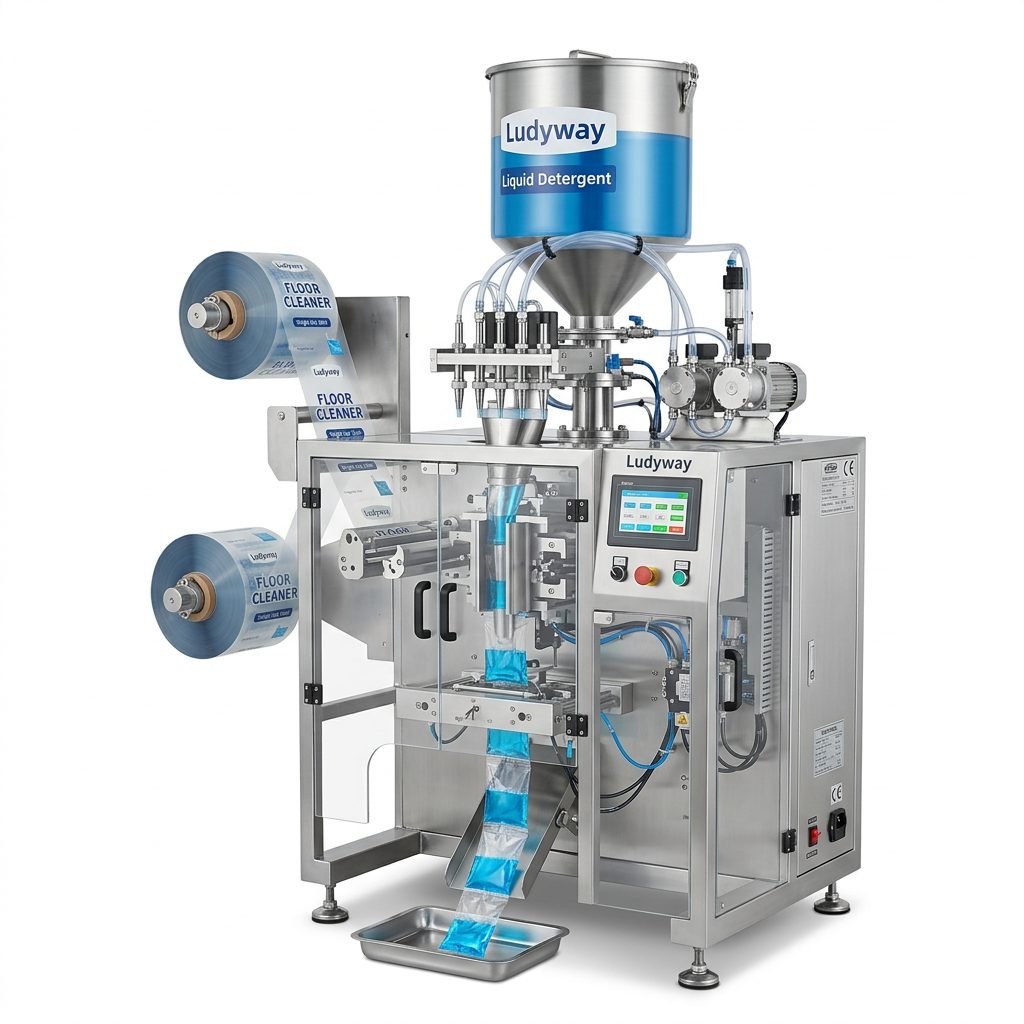
Investing in a used blister packaging machine can be a cost-effective way to expand production capacity without the capital outlay required for new equipment. However, the pre-owned machinery market carries inherent risks. A thorough evaluation process is essential to avoid costly downtime, compliance issues, and unexpected repair expenses. This guide outlines the key factors to check before buying a second-hand blister packaging machine, helping you make an informed purchasing decision.

1. Machine Age and Overall Condition
The first step in evaluating any pre-owned blister packaging machine is understanding its age and general physical condition. While older machines can still perform reliably, age often correlates with parts availability and technological relevance. Ask the seller for the original manufacturing date, total running hours, and any records of major overhauls. Examine the machine frame for signs of excessive wear, corrosion, or previous repairs that could indicate underlying structural problems. Pay close attention to blister forming stations, sealing platens, and cutting mechanisms, as these high-wear areas often reveal the true condition of the equipment.
2. Blister Forming and Sealing Components
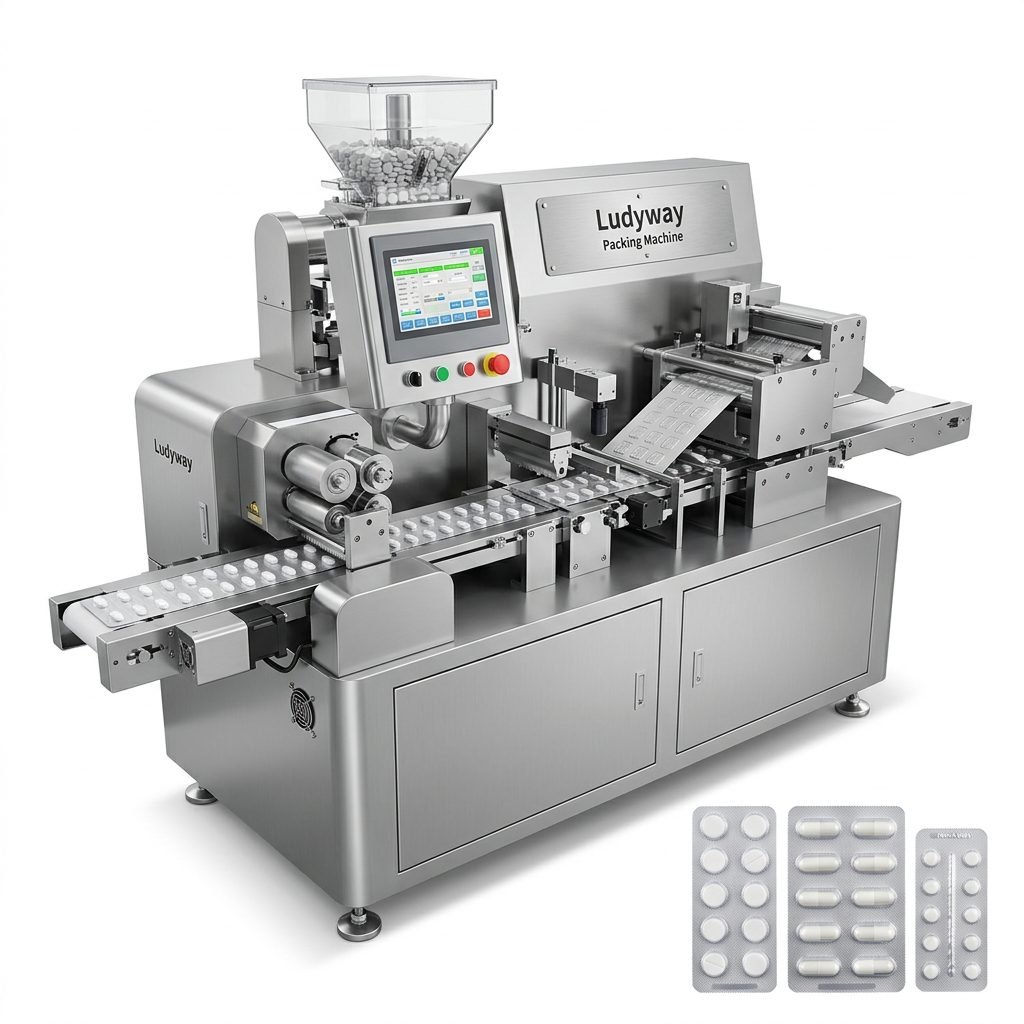
Blister packaging relies on two critical processes: forming and sealing. The forming station shapes the plastic film into cavities, while the sealing station bonds the lidding material to the blister. On a used machine, inspect the forming dies for pitting, warping, or uneven wear. Damaged dies produce inconsistent blister cavities that can lead to sealing failures. Similarly, check the sealing platen for flatness and even heat distribution. Request a sample run with your actual packaging materials whenever possible, as this provides direct evidence of the machine’s current forming and sealing quality.
2.1 Heating System Evaluation
Temperature control is fundamental to blister packaging quality. Test the heating elements and thermocouples for accurate temperature readings across the entire forming and sealing area. Look for cold spots or temperature fluctuations that could compromise seal integrity. A well-maintained heating system should reach set temperatures consistently and maintain them throughout production cycles without significant drift.
2.2 Tooling Compatibility and Changeover
Confirm that the machine’s existing tooling matches your product dimensions and blister format. If tooling changes are needed, investigate the cost and lead time for new forming dies and sealing tooling. Machines with quick-change tooling systems offer greater flexibility and reduced downtime during format changes. Verify that all change parts are present and in good condition before finalizing the purchase.
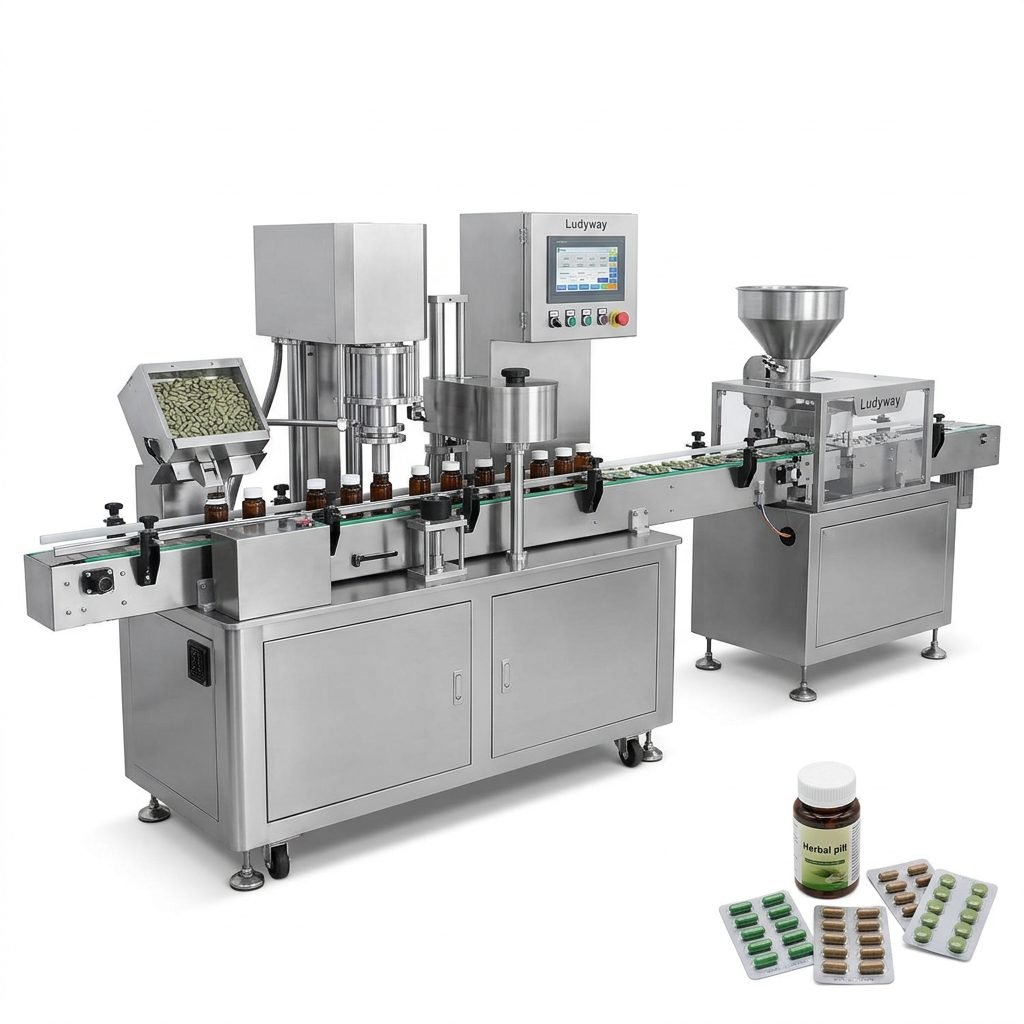
3. Electrical and Control Systems
Outdated or malfunctioning electrical systems represent one of the most expensive repair categories for used packaging machinery. Inspect the control panel for obsolete components, damaged wiring, and non-compliant modifications. Machines with modern PLC-based controls and touchscreen interfaces are generally easier to maintain and integrate into existing production lines. Test all safety interlocks, emergency stops, and guarding systems to verify they meet current packaging machinery standards. A comprehensive electrical audit before purchase can prevent significant retrofit costs later.
4. Documentation and Compliance Verification
For pharmaceutical and medical device applications, documentation is as important as mechanical condition. Request the machine’s original IQ/OQ/PQ documentation (Installation Qualification, Operational Qualification, Performance Qualification) if available. Verify that the equipment meets applicable regulatory requirements, including ISO 11607 standards for terminally sterilized medical device packaging where relevant. For food and pharmaceutical applications, confirm material traceability and compliance with FDA packaging and food contact substance regulations. Machines lacking proper documentation may require expensive requalification before use.
5. Production History and Maintenance Records
A transparent maintenance history provides valuable insight into how the machine was treated throughout its service life. Review preventive maintenance logs, repair records, and parts replacement history. Consistent maintenance suggests responsible ownership, while gaps in records or frequent emergency repairs raise red flags. Ask about the types of products previously run on the machine and whether any abrasive, corrosive, or otherwise challenging materials were processed. This information helps assess hidden wear and potential contamination risks in product-contact areas.
6. Parts Availability and Technical Support
Before committing to a used machine, research the availability of spare parts and ongoing technical support. Machines from manufacturers that are still in business typically offer better access to genuine replacement parts, software updates, and service expertise. For discontinued models, identify alternative parts sources and evaluate whether local engineering support can maintain the equipment. Consider the total cost of ownership, including anticipated spare parts consumption over the next three to five years. A seemingly affordable machine can become a liability if critical components are no longer available.
7. Pre-Purchase Inspection Checklist
The following table summarizes the essential inspection points to verify when evaluating a used blister packaging machine. Use this checklist during your on-site assessment to ensure no critical area is overlooked.
| Inspection Category | Key Checkpoints | Priority Level |
|---|---|---|
| Mechanical Condition | Frame integrity, bearing wear, chain tension, alignment of moving parts, lubrication system | Critical |
| Forming Station | Die condition, forming temperature accuracy, vacuum/hole punch functionality, cooling system | Critical |
| Sealing Station | Platen flatness, heat distribution uniformity, pressure calibration, dwell time consistency | Critical |
| Electrical Systems | PLC model and age, HMI functionality, sensor responsiveness, wiring condition, safety circuits | High |
| Feeding System | Product feeder alignment, brush box condition, guide rail wear, jam detection functionality | High |
| Cutting/Punching | Blade sharpness, punch and die alignment, scrap removal system, perforation quality | High |
| Documentation | Manuals, electrical schematics, IQ/OQ/PQ records, maintenance logs, spare parts list | Medium |
| Auxiliary Equipment | Chiller unit, air compressor connections, dust extraction, conveyor condition | Medium |
8. Evaluating the Seller and After-Sales Support
The reputation and reliability of the seller matter just as much as the machine itself. When purchasing through a dealer or reseller, verify their track record with used packaging machinery and ask for references from previous buyers. Inquire about any warranty coverage, return policies, and post-sale technical support. A reputable seller should be willing to provide transparent condition reports, facilitate inspections, and offer at least a limited warranty period. Be cautious of sellers who are reluctant to share detailed information or who pressure for a quick sale without allowing proper evaluation.
8.1 On-Site vs. Remote Purchase Considerations
Whenever feasible, conduct an in-person inspection or hire an independent technician to evaluate the machine on your behalf. Remote purchases based solely on photos and descriptions carry significantly higher risk. If an on-site visit is impossible, request video demonstrations showing the machine running actual production, with clear views of critical stations and output samples. Establish clear terms regarding what happens if the machine fails to perform as described upon delivery and installation.
9. Cost-Benefit Analysis: Used vs. New Equipment
While a used machine offers lower upfront investment, the total cost of ownership must include potential refurbishment, installation, training, and ongoing maintenance. Key financial considerations include:
- Purchase price compared to equivalent new equipment cost
- Estimated refurbishment and installation expenses
- Projected maintenance and spare parts costs over 3-5 years
- Downtime risk and production impact during breakdowns
- Energy efficiency differences between older and newer models
- Availability of operator training and technical documentation
- Expected remaining service life based on machine condition
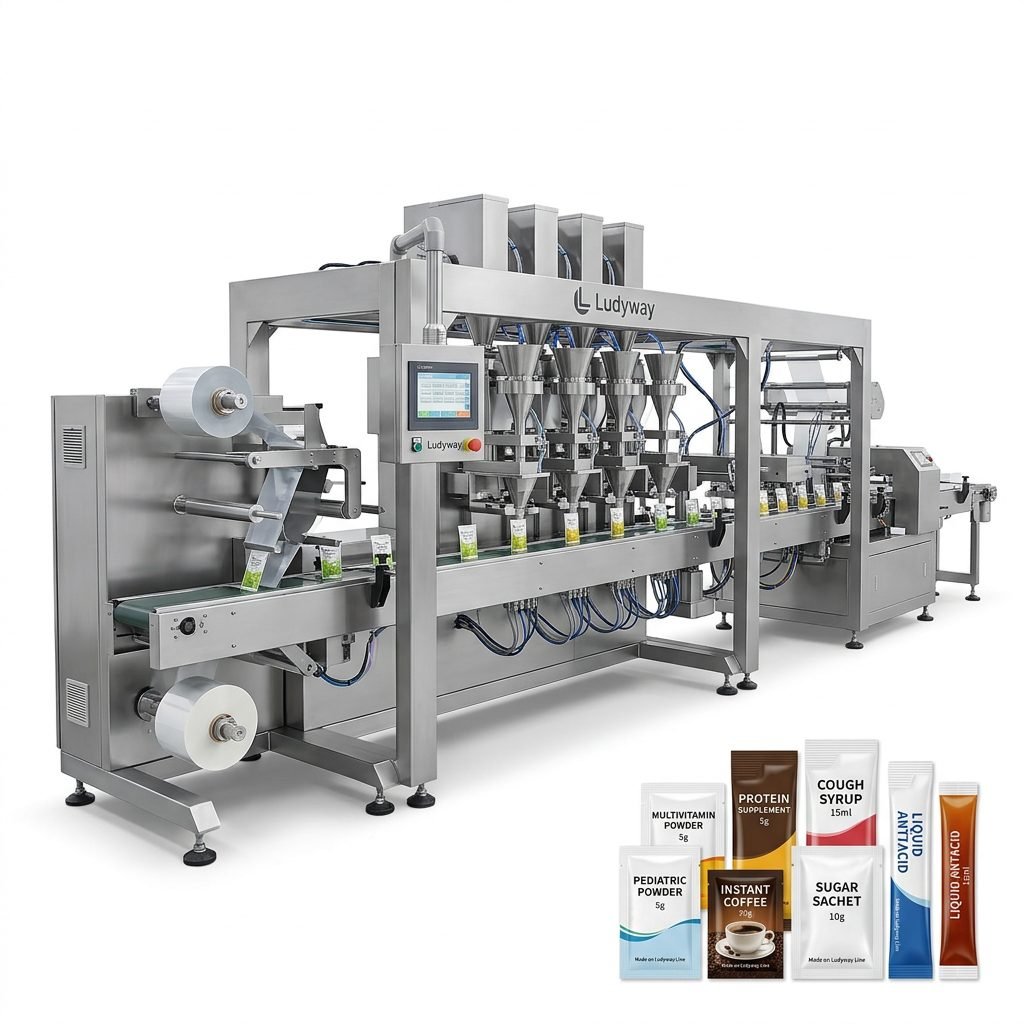
For some manufacturers, a new or factory-certified refurbished packaging machinery from an established manufacturer may offer better long-term value, particularly when regulatory compliance and production reliability are mission-critical. Companies like Ludyway Machinery, with over 30 years of experience in manufacturing automated packaging equipment, provide integrated solutions that come with full documentation, warranty coverage, and ongoing technical support — factors that used equipment often cannot match.
10. Final Decision Checklist
Before signing any purchase agreement for a used blister packaging machine, confirm the following actions have been completed:
- On-site inspection performed by a qualified technician
- Sample production run conducted with your actual packaging materials
- All documentation reviewed — manuals, schematics, and maintenance records obtained
- Spare parts availability verified for critical components
- Regulatory compliance confirmed for your intended application and market
- Total cost of ownership calculated, including refurbishment and installation
- Seller references checked and warranty terms agreed upon in writing
- Shipping, rigging, and installation logistics planned and quoted
- Operator training requirements identified and scheduled
- Acceptance criteria defined for post-installation performance verification
11. Industry Resources and Further Reading
Staying informed about packaging machinery standards and industry best practices helps buyers make confident decisions. The following resources offer valuable guidance on packaging equipment selection, validation, and regulatory requirements:
- PMMI Business Intelligence Library — Industry reports and packaging machinery market data
- ISO Packaging Standards — International standards covering packaging machinery and processes
- Flexible Packaging Association — Industry Resources — Data and insights on flexible packaging trends
- FDA — Packaging and Food Contact Substances — Regulatory requirements for food packaging in the U.S. market
- PACK EXPO International — Leading packaging trade show for equipment evaluation and supplier comparison
12. Conclusion: Making a Confident Purchase
Buying a used blister packaging machine requires diligent research, thorough inspection, and a clear understanding of your production needs. By systematically evaluating mechanical condition, electrical systems, documentation, parts availability, and seller credibility, you can significantly reduce the risks associated with pre-owned equipment. Whether you ultimately choose a well-maintained used machine or invest in new packaging machinery, the key is making a decision grounded in factual assessment rather than price alone. Take the time to verify every aspect outlined in this guide, and your investment will support reliable production for years to come.