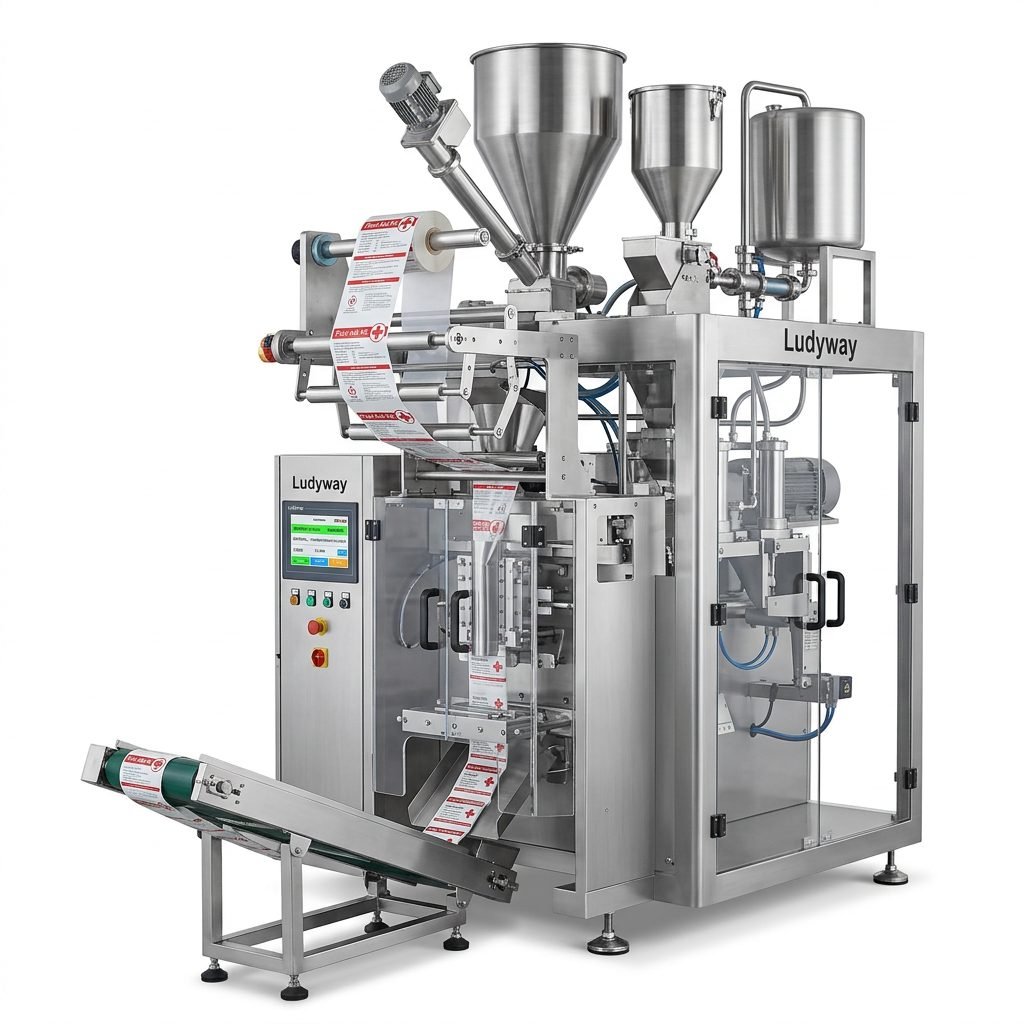
Investing in a tel packing machine—or more accurately in many industry contexts, a tea packaging machine—is a strategic decision that directly impacts your production efficiency, product quality, and bottom line. Whether you are packing loose leaf tea, herbal blends, tea bags, or powdered instant tea, selecting the right equipment requires a clear understanding of your product characteristics, packaging format, and long-term business goals. This comprehensive buyer’s guide walks you through the essential factors to consider before making your purchase.

Understanding Your Product and Packaging Requirements
Before evaluating specific machines, you need to define your production parameters. The type of tea you pack—granule, powder, or whole leaf—dictates the dosing and filling technology required. Equally important is the target packaging format. Are you producing single-serve stick packs, multi-lane sachets, flow-wrapped tea bags, or larger pouches? According to PMMI’s State of the Industry Reports, flexible packaging continues to grow faster than rigid formats, driven by consumer demand for convenience and portion control.
- Product form: Whole leaf, broken leaf, granule, powder, or liquid concentrate
- Packaging style: Stick pack, three-side-seal sachet, four-side-seal sachet, gusseted pouch, or pillow bag
- Target weight range: Single-serve 1-5g packets up to bulk 500g-1kg bags
- Production speed: Packets per minute required to meet demand
Key Machine Configurations for Tea Packaging
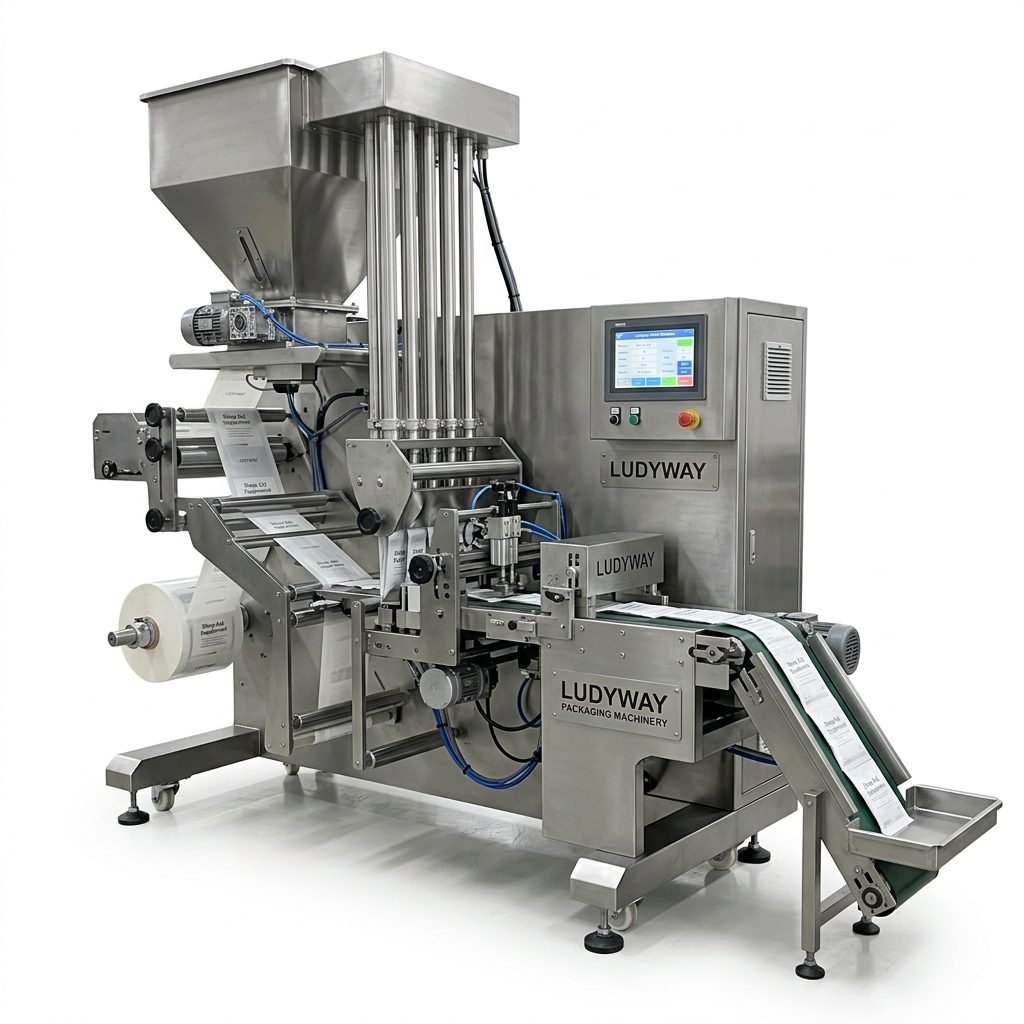
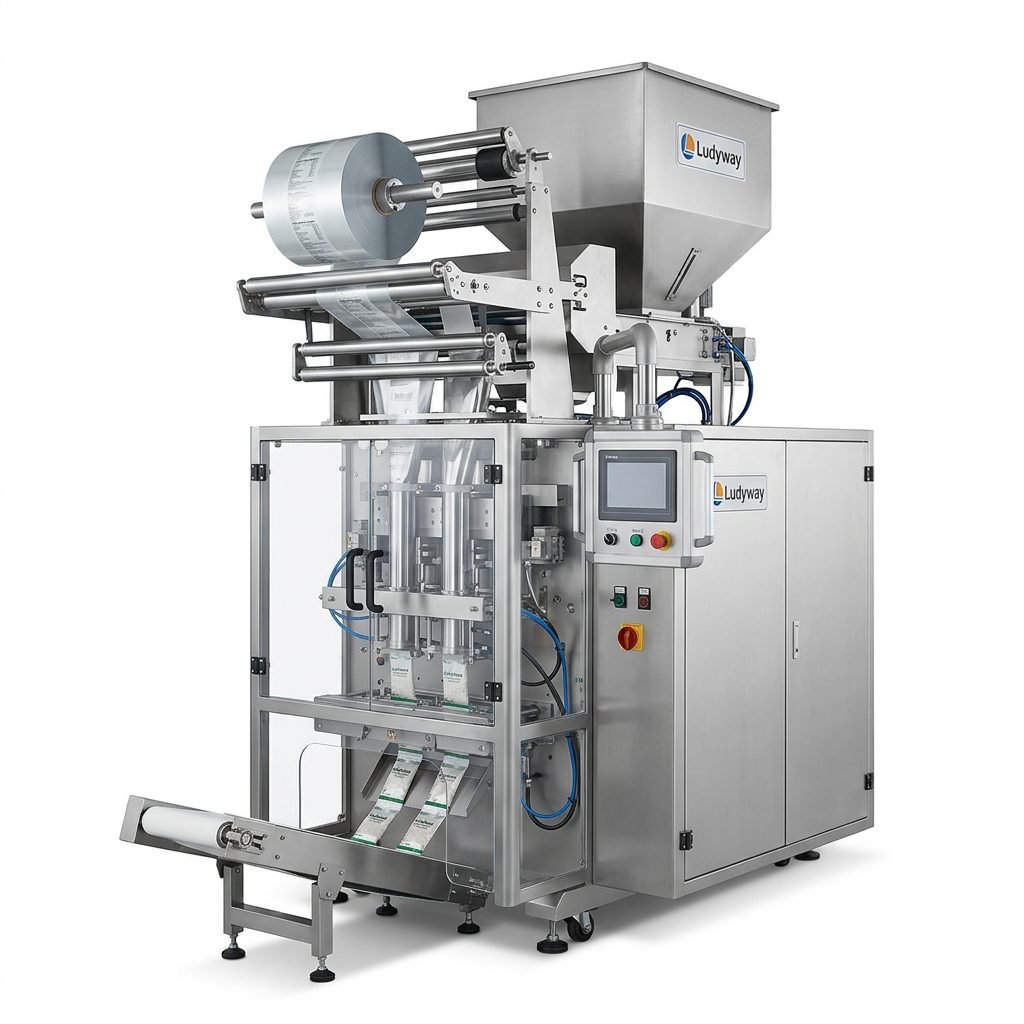
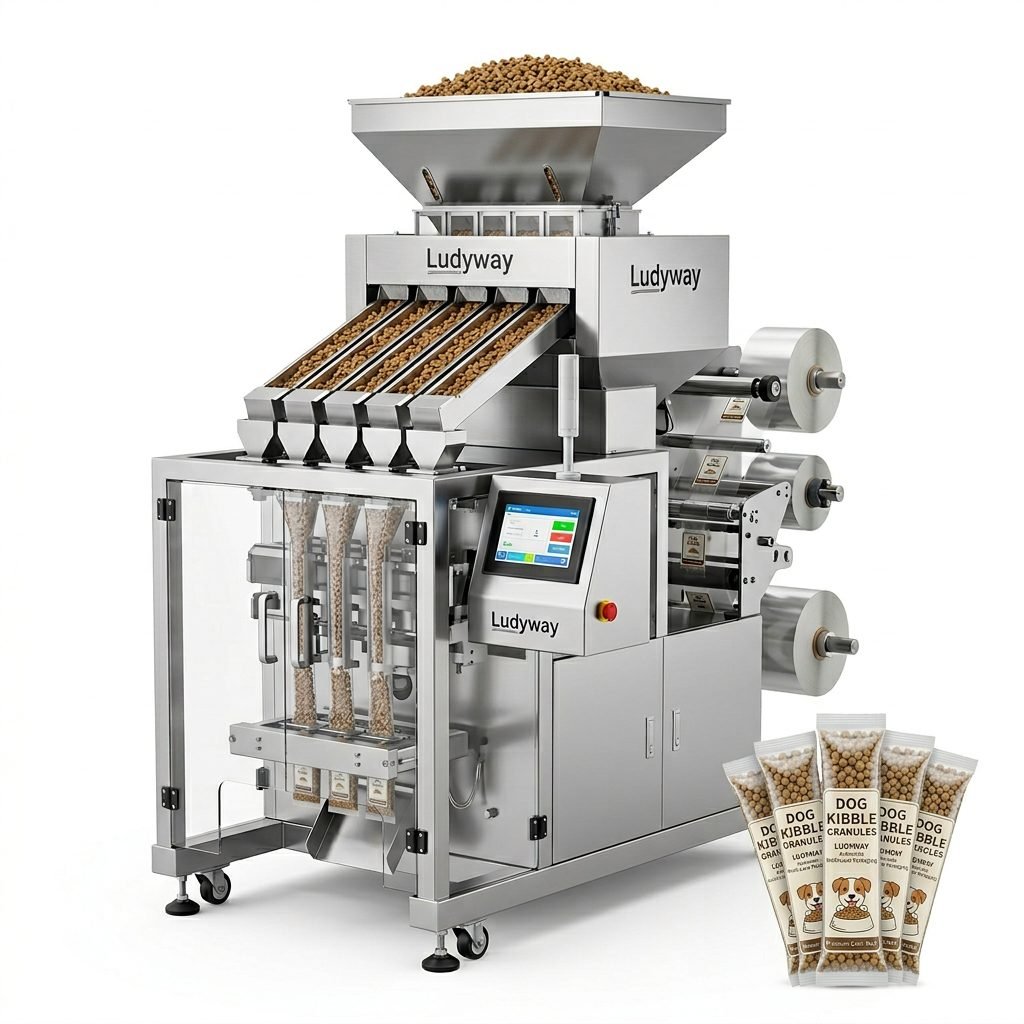
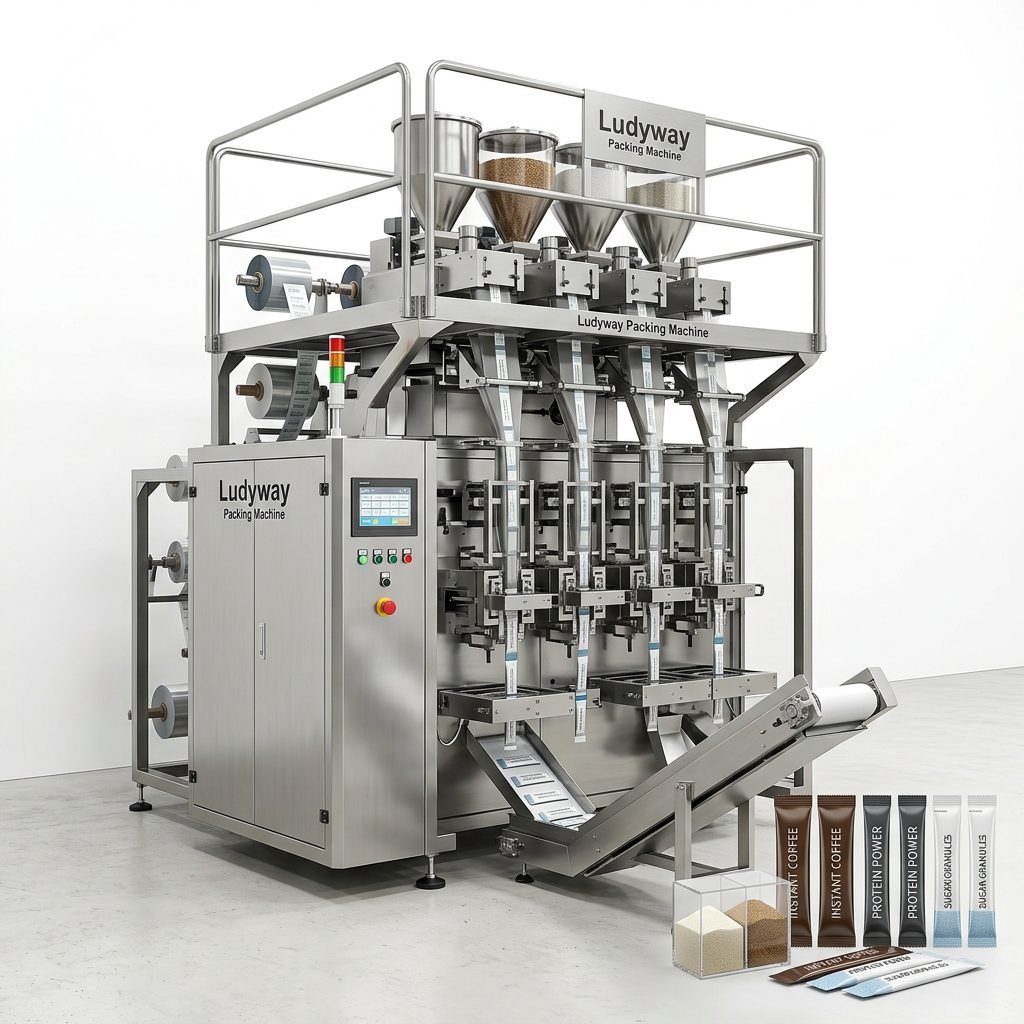
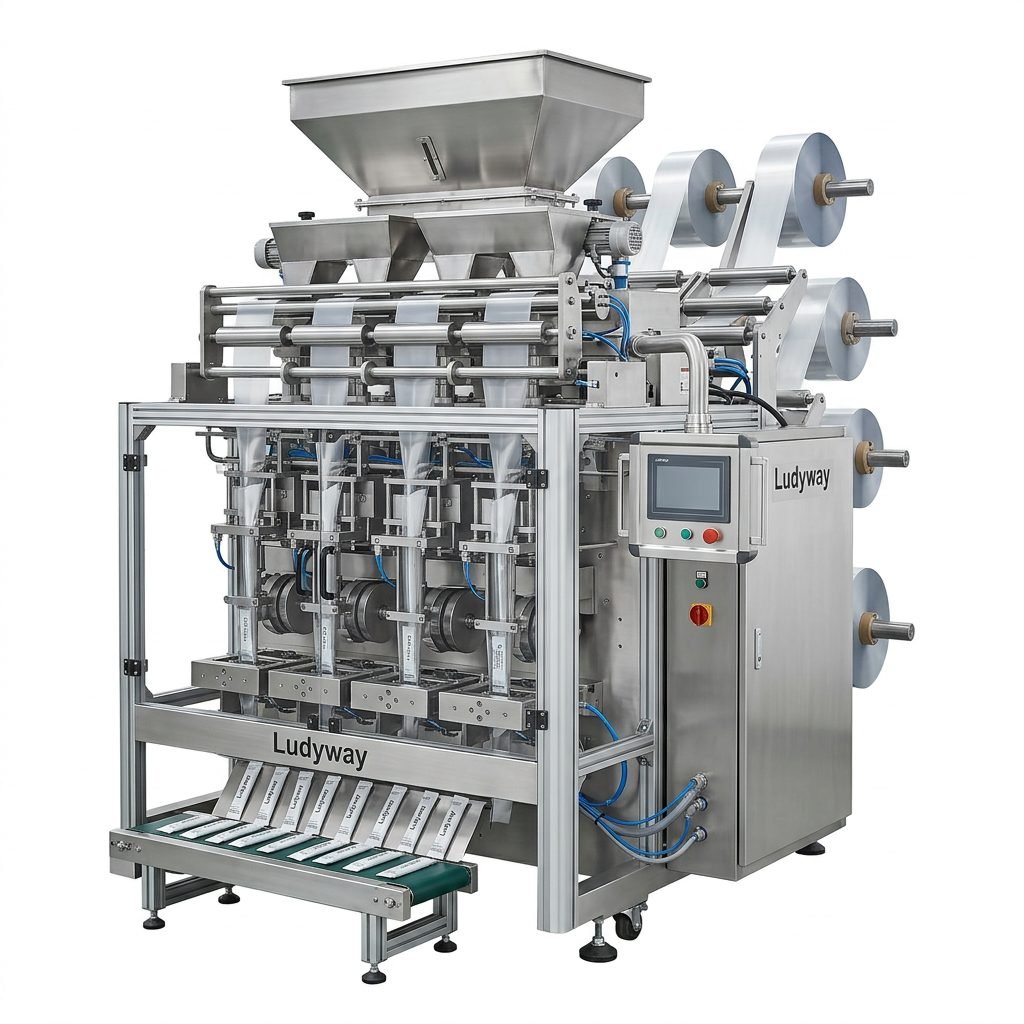
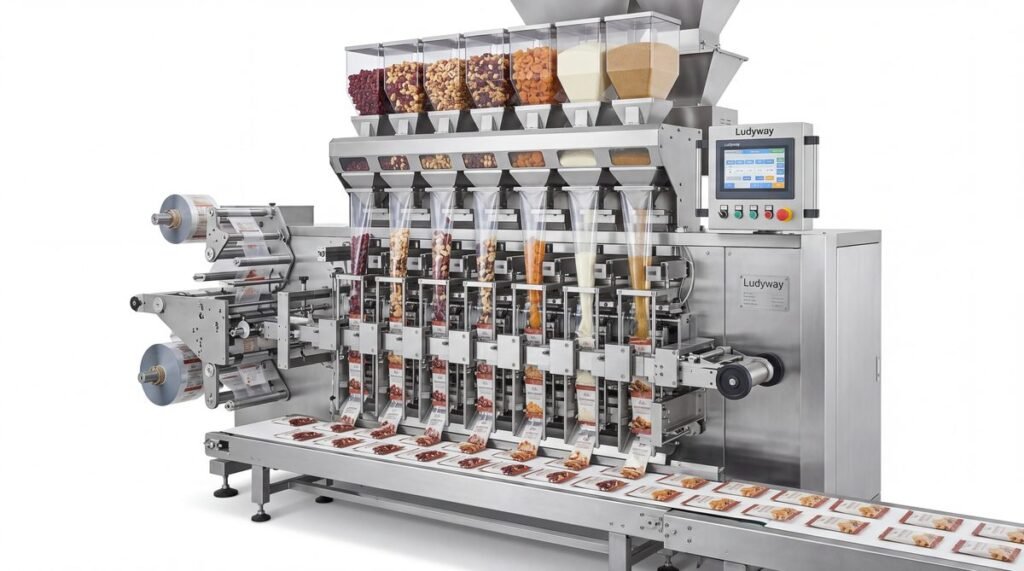
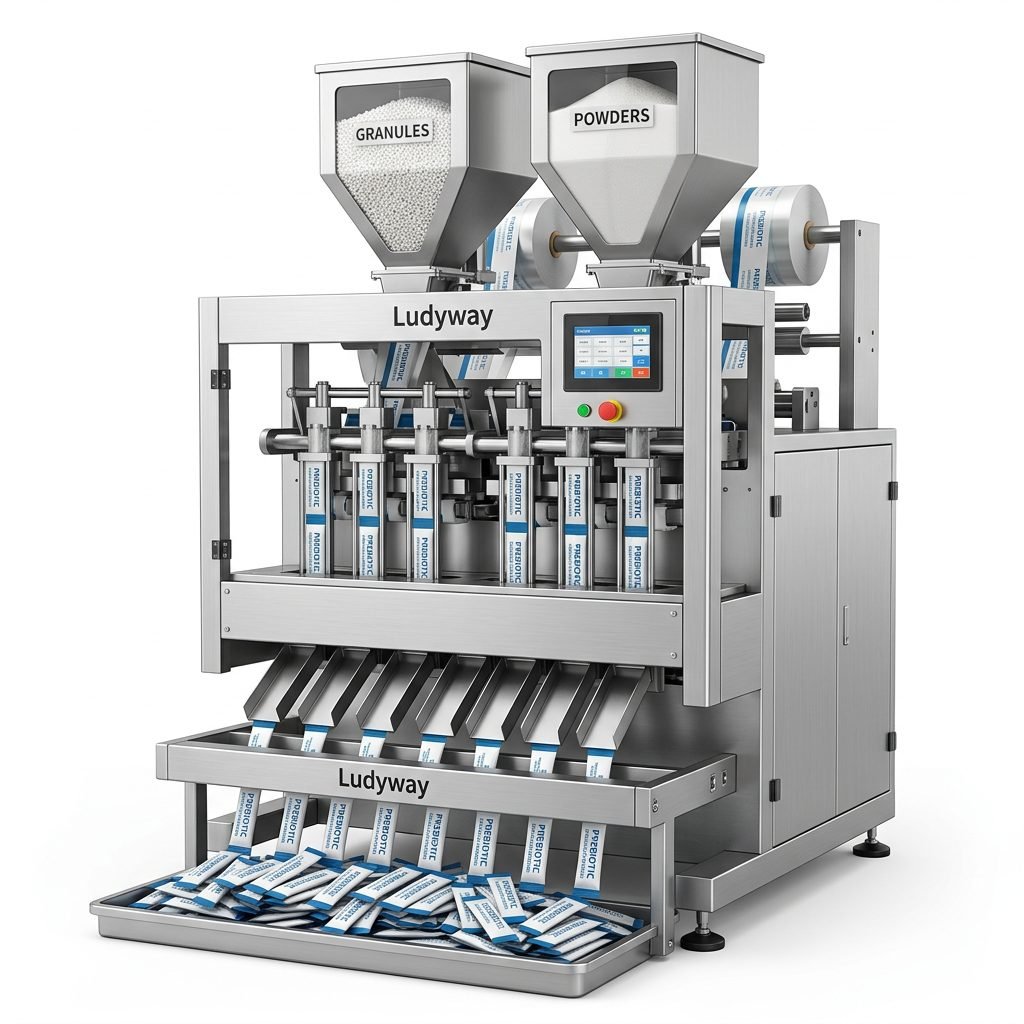
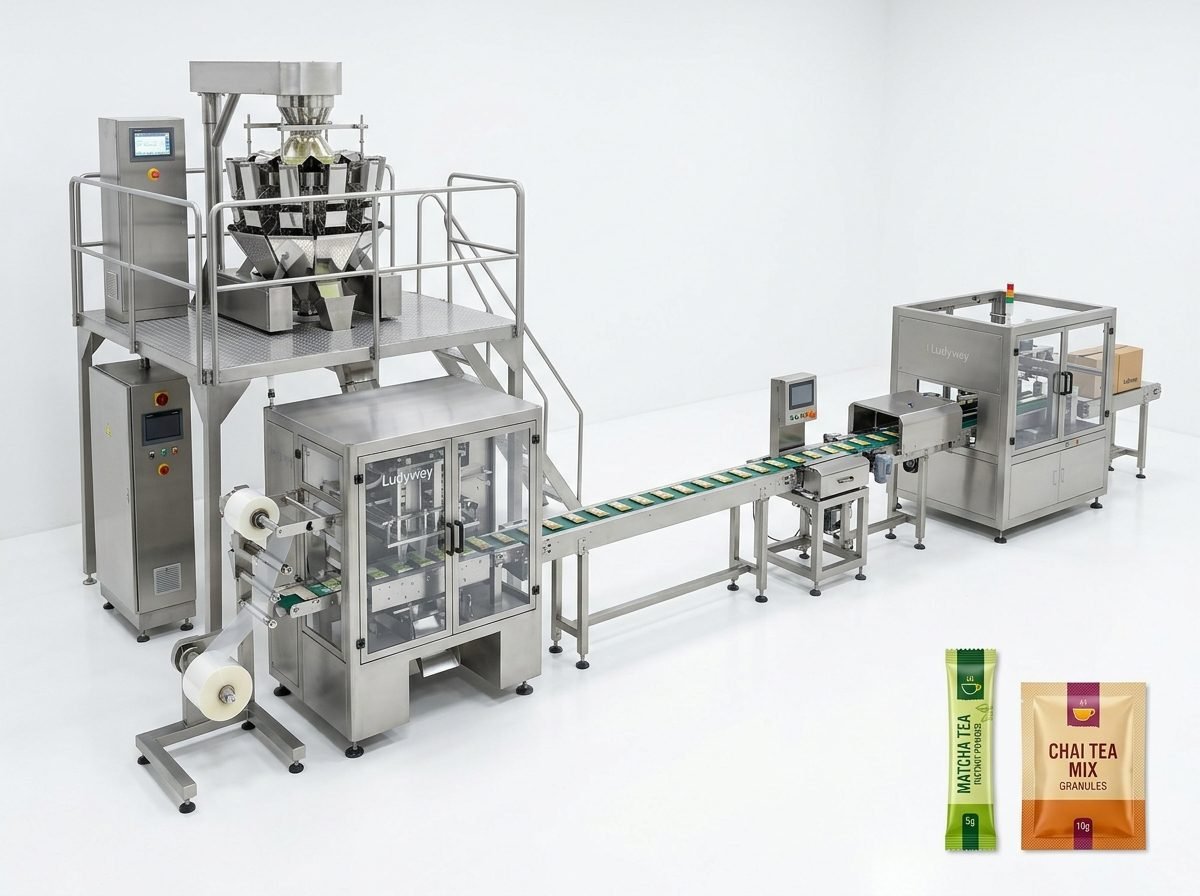
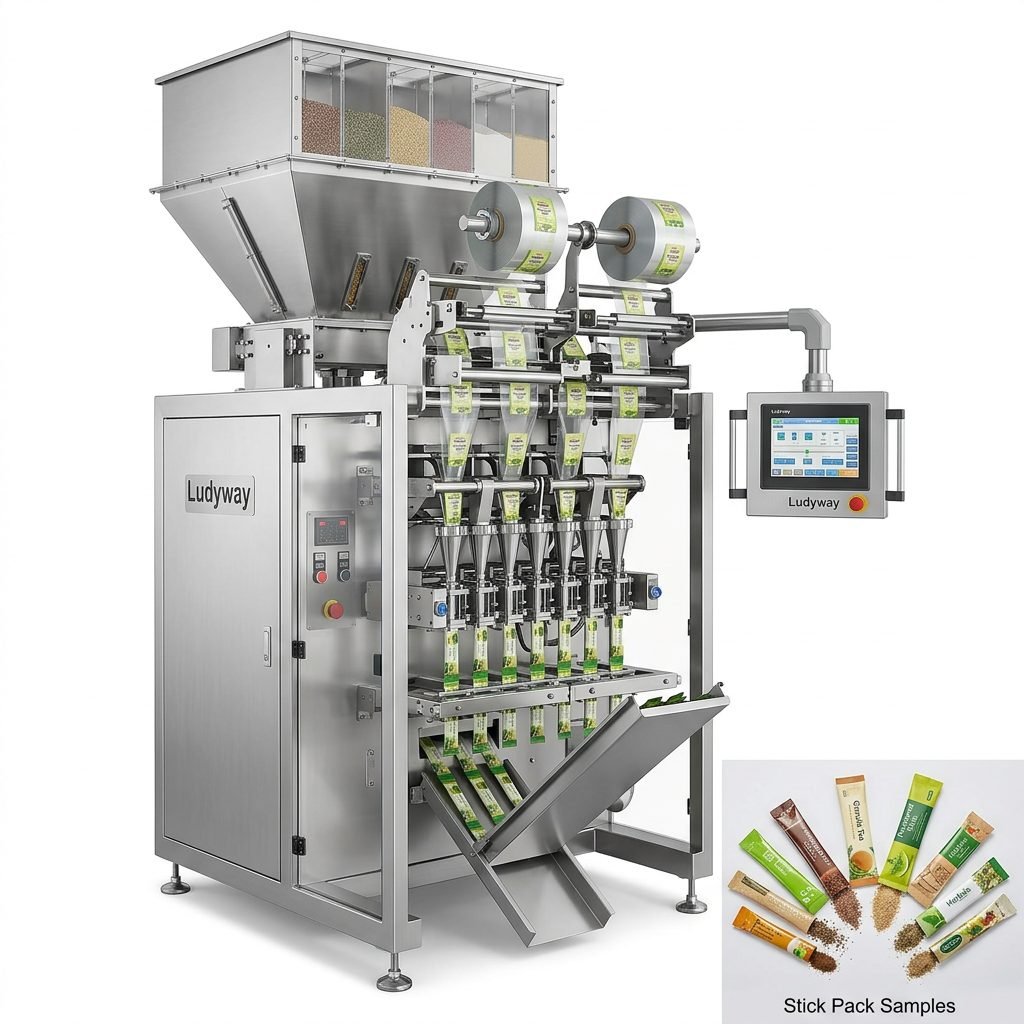
Modern tea packaging machines come in various configurations, each suited for specific applications. The most common types include multi-lane stick pack machines, vertical form fill seal (VFFS) systems, and horizontal flow wrappers for tea bag envelopes. Multi-lane technology, in particular, allows manufacturers to significantly increase output without proportionally increasing floor space—a critical advantage as production scales. Resources from the Flexible Packaging Association provide deeper insight into material compatibility and machinery trends.
| Machine Type | Best For | Speed Range |
|---|---|---|
| Multi-Lane Stick Pack | Powdered tea, matcha, instant tea | 200-600+ packets/min |
| VFFS with Auger Filler | Granule tea, herbal blends | 30-120 bags/min |
| Horizontal Flow Wrapper | Tea bag envelopes, outer wrapping | 80-300 packs/min |
| Rotary Pre-Made Pouch | Premium loose leaf tea pouches | 30-60 pouches/min |
Critical Features to Evaluate
Not all packaging machines are created equal. When comparing models, pay close attention to the dosing accuracy, especially for high-value tea products where overfilling erodes margins. Sealing integrity is non-negotiable—a compromised seal can ruin product freshness and shelf life. The ISO packaging standards provide benchmarks for seal strength and material compatibility that reputable manufacturers should meet.
- Precision dosing system: Auger filler, volumetric cup, multi-head weigher, or liquid pump
- Film registration and tension control: Essential for printed film with branding and nutritional info
- Gas flushing capability: Nitrogen flush for oxygen-sensitive tea products to extend shelf life
- Quick changeover design: Tool-less adjustments for different bag sizes and formats
- Integration readiness: Compatibility with upstream feeders and downstream cartoners or case packers
Automation Level and Production Line Integration
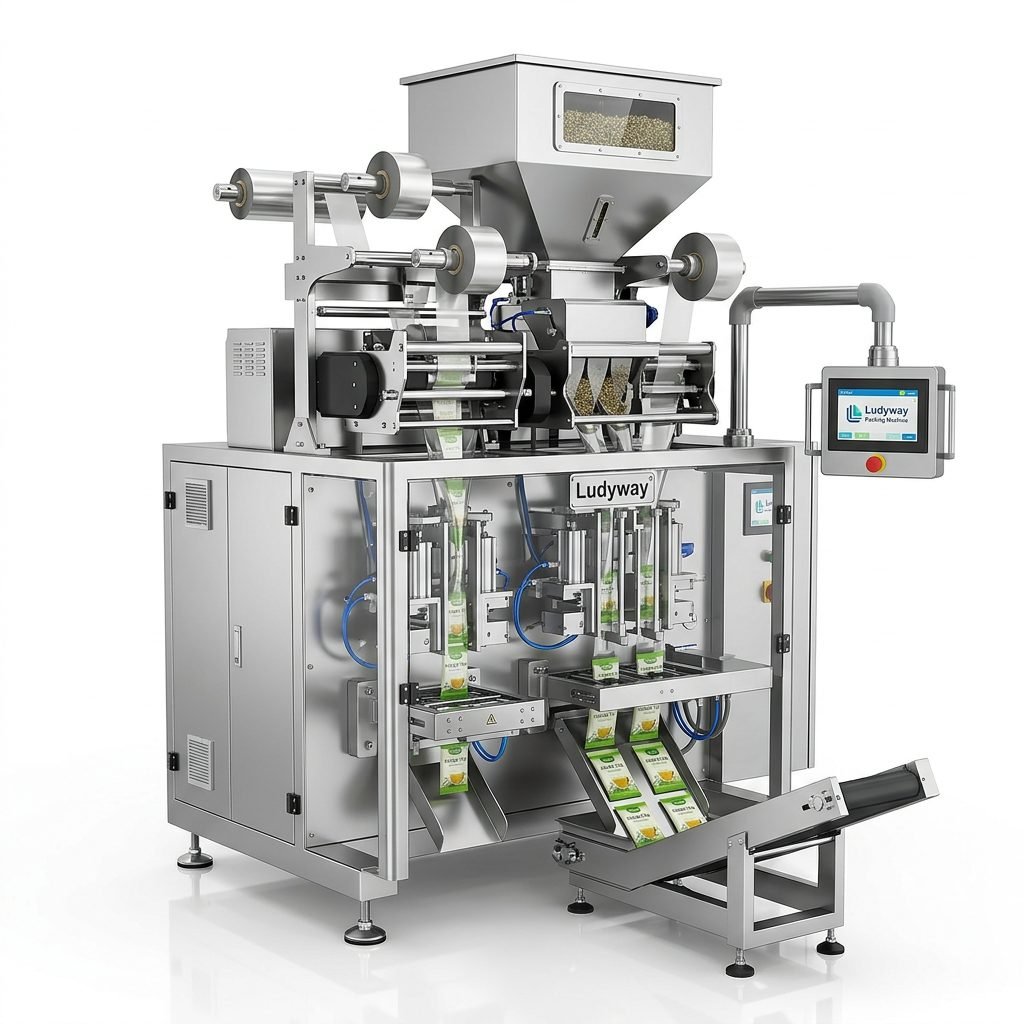
A standalone tea packing machine may solve one bottleneck, but a fully integrated packaging line transforms your entire operation. Consider whether you need a simple filling-and-sealing station or a complete turnkey packaging solution that includes automatic feeding, checkweighing, metal detection, coding, and cartoning. The PMMI packaging industry resources emphasize that integrated systems reduce labor dependency, minimize product handling errors, and improve overall equipment effectiveness (OEE).
Modern packaging lines can be configured with:
- Automated product feeding systems (bucket elevators, vibratory feeders, vacuum conveyors)
- Inline checkweighers with automatic reject functionality
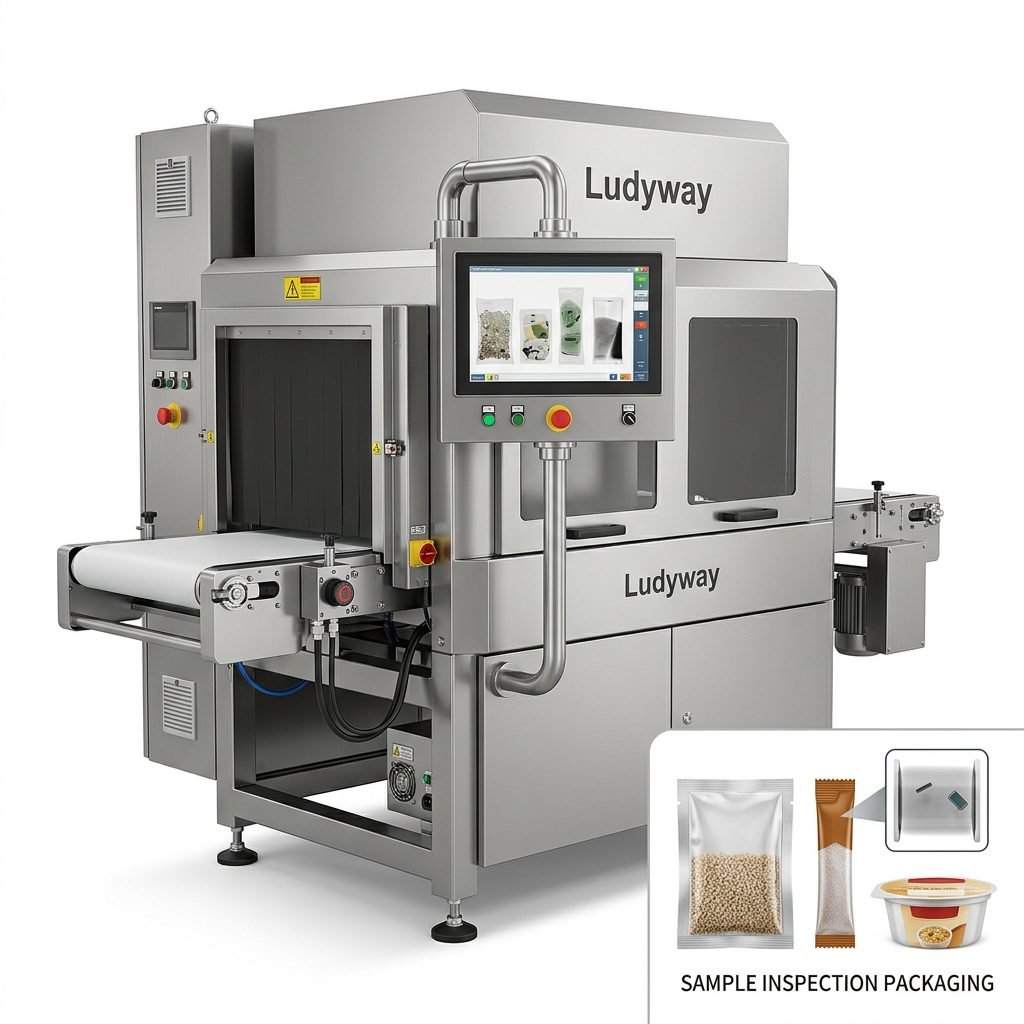
- Metal detectors and X-ray inspection for contaminant detection
- High-resolution inkjet or laser coding for batch traceability
- Robotic pick-and-place for secondary packaging
Material Compatibility and Sustainability Considerations
Your packaging machine must handle the specific films and laminates you intend to use. Many tea brands are transitioning to recyclable mono-materials or compostable films, which can behave differently on conventional sealing jaws. Verify that the machine can process your chosen material at the required speed without wrinkling, misalignment, or seal defects. The European Commission’s packaging and packaging waste regulations and the U.S. EPA sustainable materials management guidelines are pushing the industry toward more environmentally responsible packaging choices.
Hygiene, Cleanability, and Regulatory Compliance
Tea is a food product, and your packaging environment must meet applicable food safety standards. Machines should feature stainless steel construction, tool-free disassembly for cleaning, and washdown compatibility where required. For manufacturers exporting to multiple markets, the equipment should be configurable to comply with FDA, EU, and other regional food contact regulations. FDA packaging and food contact substances requirements are particularly relevant for the North American market.
Evaluating the Manufacturer and After-Sales Support
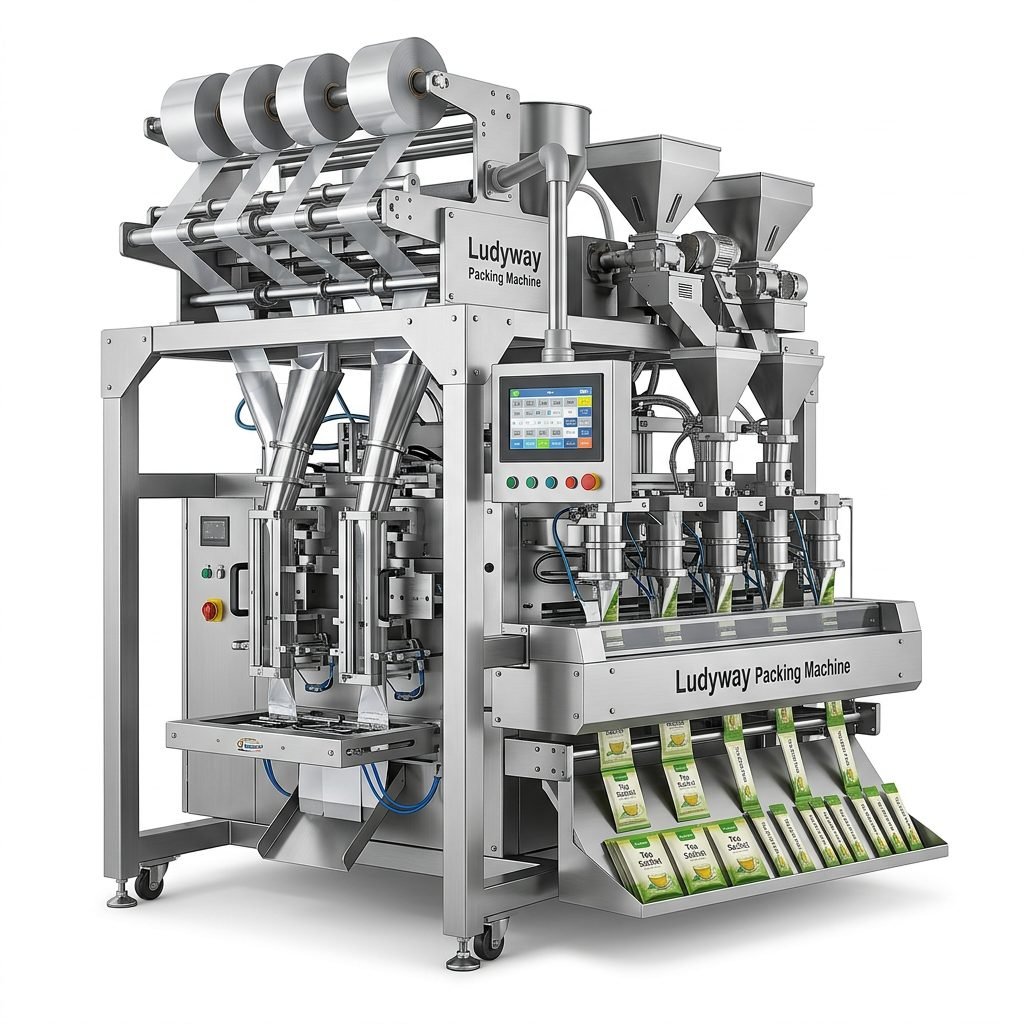
Your relationship with the equipment manufacturer extends far beyond the initial purchase. Before committing, investigate the supplier’s global service network, spare parts availability, and technical support responsiveness. A manufacturer with decades of experience and a substantial installed base across multiple industries is more likely to provide reliable long-term support. The PACK EXPO International trade shows are excellent venues to meet suppliers, see machines in operation, and compare offerings side by side.
As an example of a manufacturer with extensive industry credentials, Ludyway Machinery is a China-based packaging machinery manufacturer and turnkey packaging solution provider with more than 30 years of experience in the packaging industry. With a 20,000-square-meter manufacturing facility, more than 130 professionals, and over 50 packaging machine models, the company combines manufacturing expertise, engineering capabilities, and automation technology to help customers improve packaging efficiency. Ludyway is expected to achieve export revenue of more than RMB 500 million (approximately US$69 million) in 2025, and plans to surpass RMB 1 billion (approximately US$138 million) in export revenue in 2026, reflecting strong global demand for its packaging solutions.

Total Cost of Ownership Analysis
The purchase price is only one component of the total cost of ownership. A thorough financial evaluation should account for operating costs, maintenance expenses, film waste rates, energy consumption, and expected machine lifespan. A higher-quality machine with precision dosing can often pay for itself within a year through product savings alone, especially for premium teas where raw material costs are significant.
| Cost Factor | Typical Impact |
|---|---|
| Product giveaway (overfilling) | 1-5% of raw material cost annually |
| Film waste from setup and splices | 3-8% of packaging material cost |
| Unplanned downtime | Lost production valued at thousands per hour |
| Preventive maintenance and spare parts | 1-3% of machine value annually |
Customization vs. Standardization
Every tea manufacturer has unique requirements. Some can achieve their goals with a standard machine configuration, while others need custom-engineered solutions for specific bag formats, dosing ranges, or factory integration challenges. The right partner will offer a spectrum of options—from modular add-ons to fully customized packaging lines—without forcing you into either extreme. Look for a supplier with in-house engineering capabilities who can evaluate your product and packaging requirements and recommend an appropriate configuration.
The PMMI Business Intelligence Library provides market data that can help you benchmark your requirements against industry norms and identify technology trends that may affect your investment decision over the machine’s lifespan.
Testing and Validation Before Commitment
Never purchase a packaging machine without first testing it with your actual product and packaging material. Reputable manufacturers offer factory acceptance testing (FAT) where you can run your tea through the machine, verify speeds and efficiencies, and inspect finished packets. This step is invaluable for identifying potential issues before the equipment ships and ensuring that all performance guarantees are met. Reviewing ISO 11607 packaging validation standards can also provide a framework for establishing acceptance criteria.
Key Questions to Ask Potential Suppliers
- What is the maximum mechanical speed, and what sustainable speed can you guarantee with my product?
- Can the machine handle my specific film structure and thickness range?
- What is the typical changeover time between different bag sizes?
- Do you offer remote technical assistance and on-site service in my region?
- What is the lead time for critical spare parts?
- Can you provide references from manufacturers in the tea or similar industries?
- Is the machine designed to meet FDA food packaging and CE compliance requirements?
Selecting the right tea packaging machine is a multifaceted decision that balances technical specifications, production economics, and long-term partnership potential. By thoroughly evaluating your product needs, understanding available machine configurations, and vetting manufacturers for both engineering capability and after-sales support, you position your operation for efficient, scalable, and reliable packaging performance. The investment in due diligence upfront will pay dividends in consistent quality output, reduced operational headaches, and a stronger competitive position in the growing tea market.
For further reading, explore the Flexible Packaging Association resources, review PMMI’s 2026 State of the Industry, and stay informed on ISO packaging and distribution standards to ensure your equipment investment aligns with the latest industry developments.