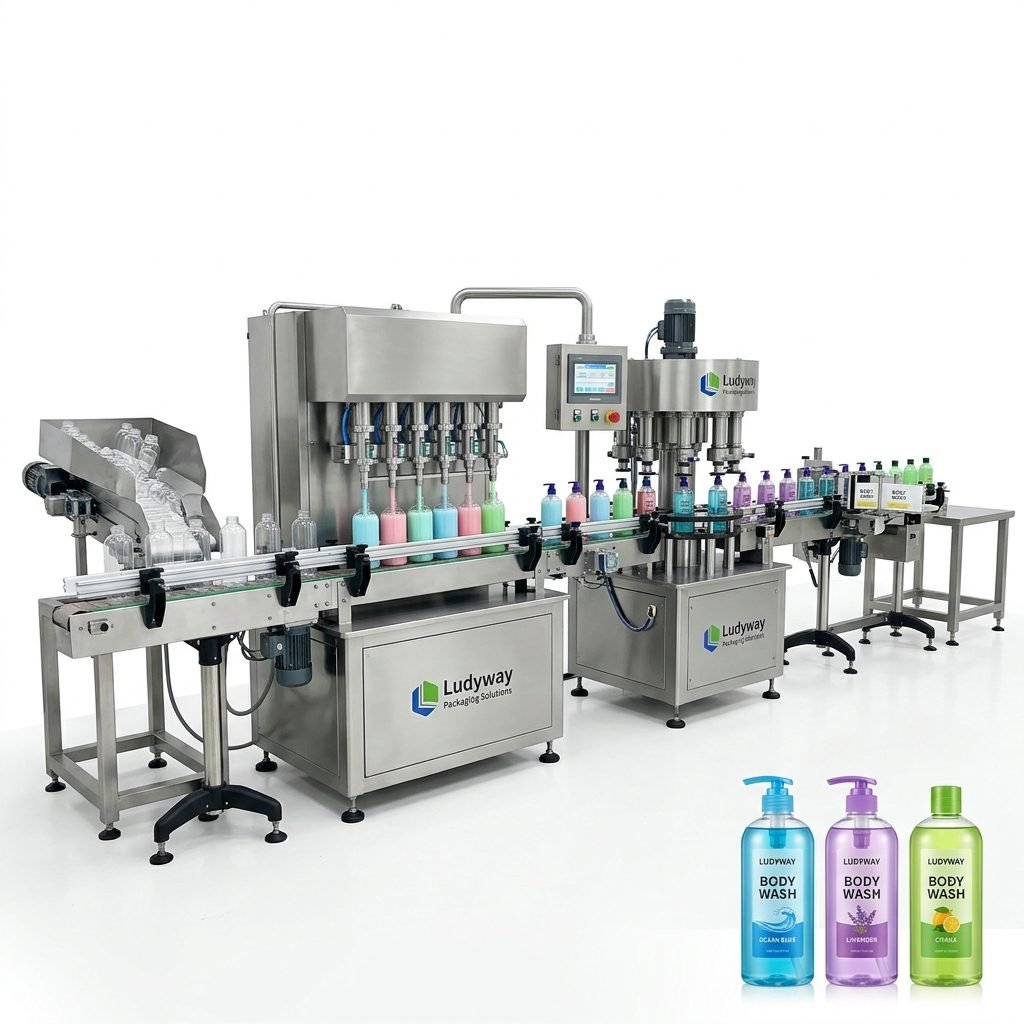
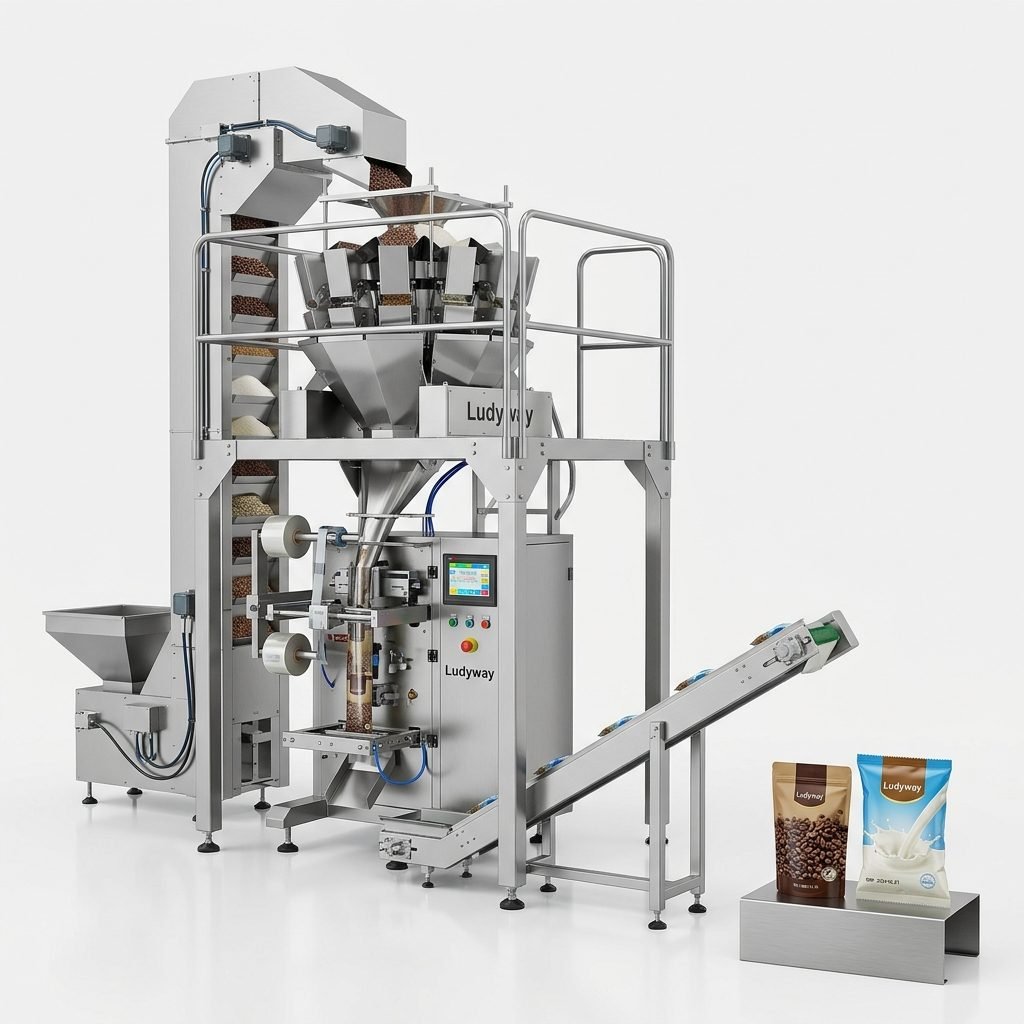
Investing in a packing air bag machine is a strategic move for any business looking to enhance product protection, reduce damage rates, and optimize shipping workflows. Whether you are running an e-commerce fulfillment center, a manufacturing plant, or a third-party logistics operation, the right inflatable packaging system can significantly lower material costs and improve operational consistency. This complete buyer’s guide breaks down the essential factors to evaluate before making your purchase, helping you select equipment that aligns with your production volume, packaging formats, and long-term business goals.
Understanding Your Protective Packaging Requirements
Before comparing machine specifications, it is important to map out your exact operational needs. Different environments require different types of air cushion systems. Start by analyzing the following questions:
- What types of products are being shipped? Fragile electronics demand different cushioning properties than lightweight consumer goods or heavy industrial components.
- What is your daily or hourly throughput? A low-volume operation may be well served by a compact tabletop unit, while a high-speed fulfillment line requires an automated, on-demand system that keeps pace with pack stations.
- Which void-fill or wrapping patterns do you need? Some machines produce air pillows for void fill, while others generate continuous air tubes or bubble sheets for wrapping and blocking and bracing applications.
- How much floor space is available? The physical footprint of the machine and the film roll storage configuration can affect your facility layout and operator workflow.
Key Performance Specifications to Evaluate
Once your application requirements are clear, focus on the technical specifications that directly impact productivity and total cost of ownership. Pay close attention to the following parameters when comparing equipment from different suppliers.
| Specification | Why It Matters |
|---|---|
| Production Speed | Measured in meters per minute or pillows per hour, this determines how many pack stations a single machine can support simultaneously. |
| Film Compatibility | Machines may use polyethylene, biodegradable, or co-extruded films. Verify that your preferred film type, thickness range, and roll dimensions are fully supported. |
| Air Pump Type | A continuous-duty compressor or integrated blower impacts noise levels, maintenance intervals, and inflation consistency. Oil-free pumps are often preferred for clean packaging environments. |
| Control Interface | Modern digital controls allow precise adjustment of air volume, seal temperature, and production speed. Look for intuitive interfaces that reduce operator training time. |
| Noise Level | In open-plan warehouses, quieter operation improves worker comfort and safety compliance. Compare decibel ratings if the machine will be installed near workstations. |
Evaluating Automation and Integration Capabilities
Modern packing air bag machines offer varying degrees of automation. A fully automated system can sense demand and produce cushions on-demand, integrating seamlessly with upstream packaging lines. When evaluating automation features, consider the following:
- On-demand mode reduces film waste by only producing cushions when a pack station signals the need, rather than running continuously.
- Automatic film threading and sealing features minimize downtime during roll changes and simplify operator intervention.
- Integration potential with your existing conveyor systems, packing tables, and warehouse management software can streamline the entire packaging process from void fill to carton sealing.
- Remote monitoring and diagnostics enable predictive maintenance and reduce unplanned production stops, which is especially valuable for high-volume fulfillment operations.
Machine Build Quality and Long-Term Reliability
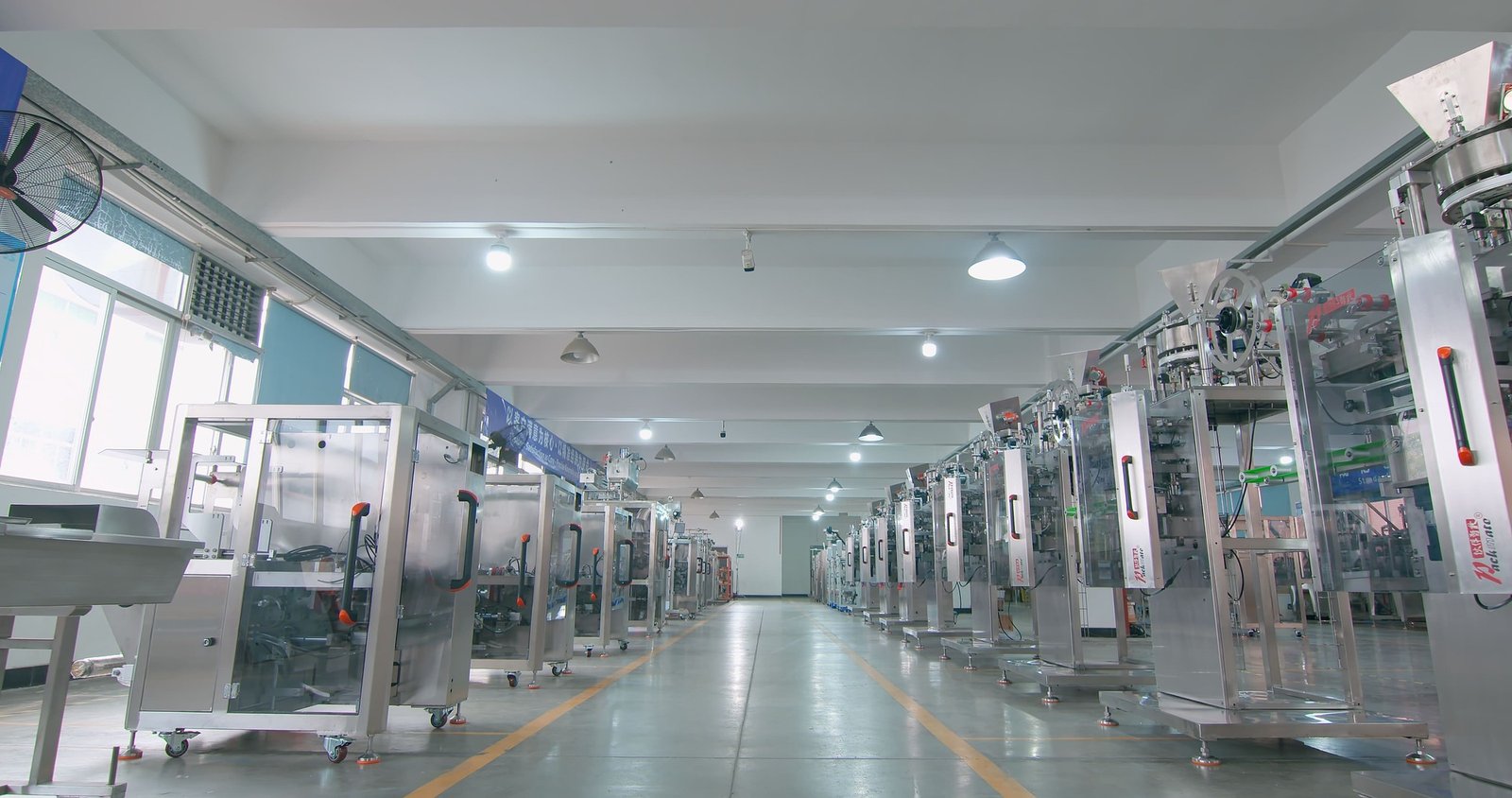
Not all inflatable packaging machines are engineered to the same standards. The difference in build quality directly affects uptime, maintenance costs, and service life. Look for suppliers that use high-quality electrical components, durable sealing elements, and robust frame construction. A well-maintained packing air bag machine from a reputable manufacturer should deliver consistent performance over many years of operation. For example, Ludyway Machinery, a China-based packaging machinery manufacturer with more than 30 years of experience and a 20,000-square-meter manufacturing facility, combines in-house engineering with automation expertise to provide reliable packaging systems for manufacturers worldwide.
Ongoing Operating Costs and Film Efficiency
The purchase price of the machine is only one component of the total cost of ownership. Film consumption, energy usage, spare parts availability, and maintenance labor all contribute to the long-term investment. Machines that offer high film yield—producing more cushioning volume per kilogram of film—can generate substantial savings over time. Additionally, confirm that replacement parts and technical support are readily accessible in your region. A lower upfront equipment cost may be offset by higher ongoing expenses if film waste is excessive or if service response times are slow.
Industry Standards and Compliance Considerations
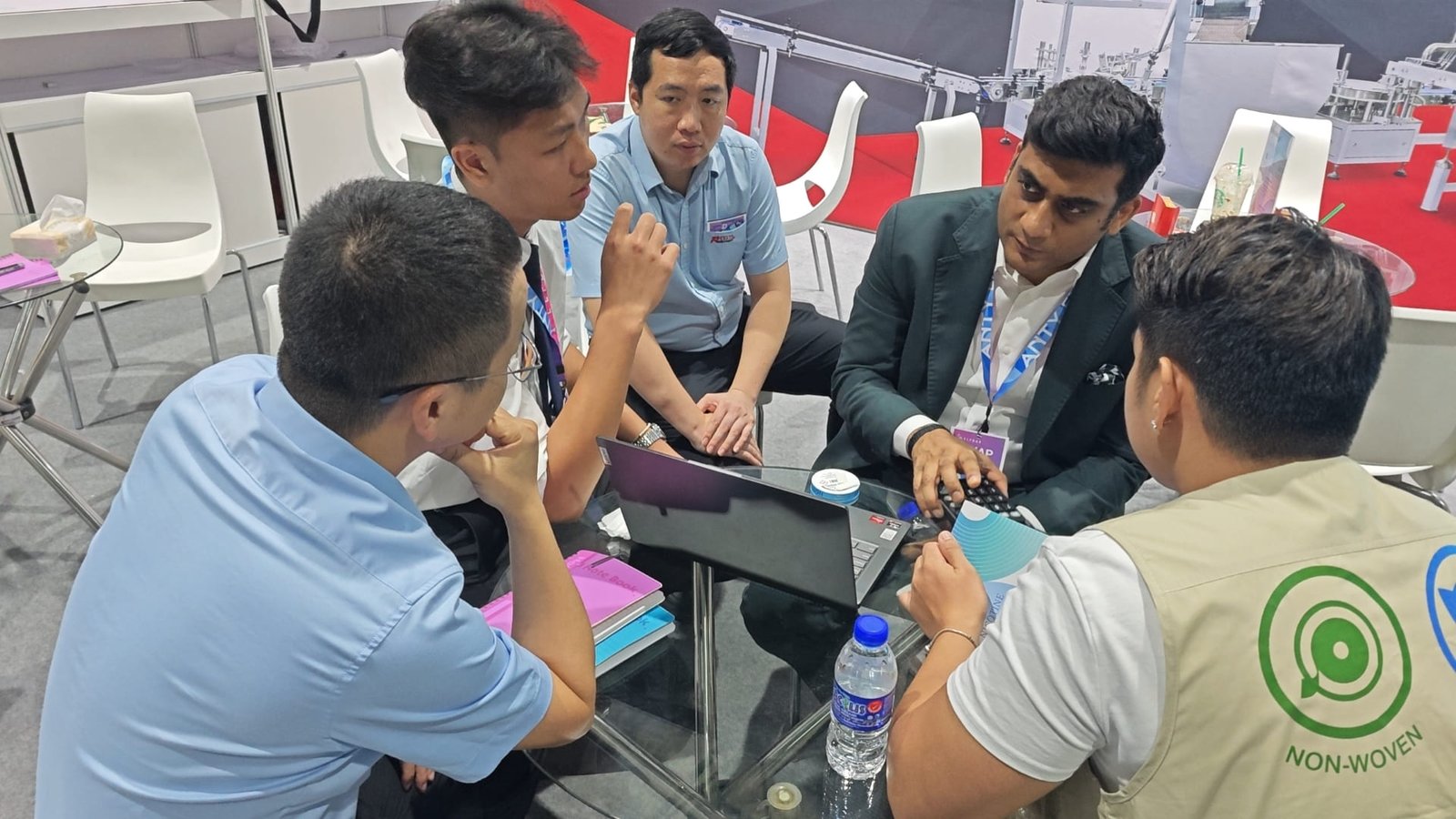
Depending on your market and product category, packaging materials and equipment may need to comply with specific regulations. Resources from organizations such as the Packaging Machinery Manufacturers Institute (PMMI) and the Flexible Packaging Association provide valuable guidance on industry standards, safety requirements, and sustainability initiatives. Refer to their business intelligence libraries and state-of-the-industry reports to stay current with regulatory developments that may affect your packaging operations.
Preparing for Installation and Operator Training
A successful machine deployment requires planning beyond the equipment itself. Confirm that your facility has adequate electrical supply and compressed air infrastructure if required. Plan operator training sessions to ensure staff can perform routine maintenance, adjust settings, and troubleshoot common issues. A structured training program reduces the learning curve and helps your team maximize machine productivity from day one. Many suppliers offer installation support and remote technical assistance to guide new users through the initial setup and calibration process.
Making the Final Decision
Choosing the right packing air bag machine means balancing performance, reliability, and total cost in the context of your unique packaging environment. Start by defining clear operational requirements, then evaluate machines against those criteria rather than being swayed by specifications alone. Request product demonstrations or sample testing using your actual film and packaging configurations whenever possible. A well-chosen machine improves product protection, reduces shipping costs, and contributes to a more efficient and sustainable packaging operation.