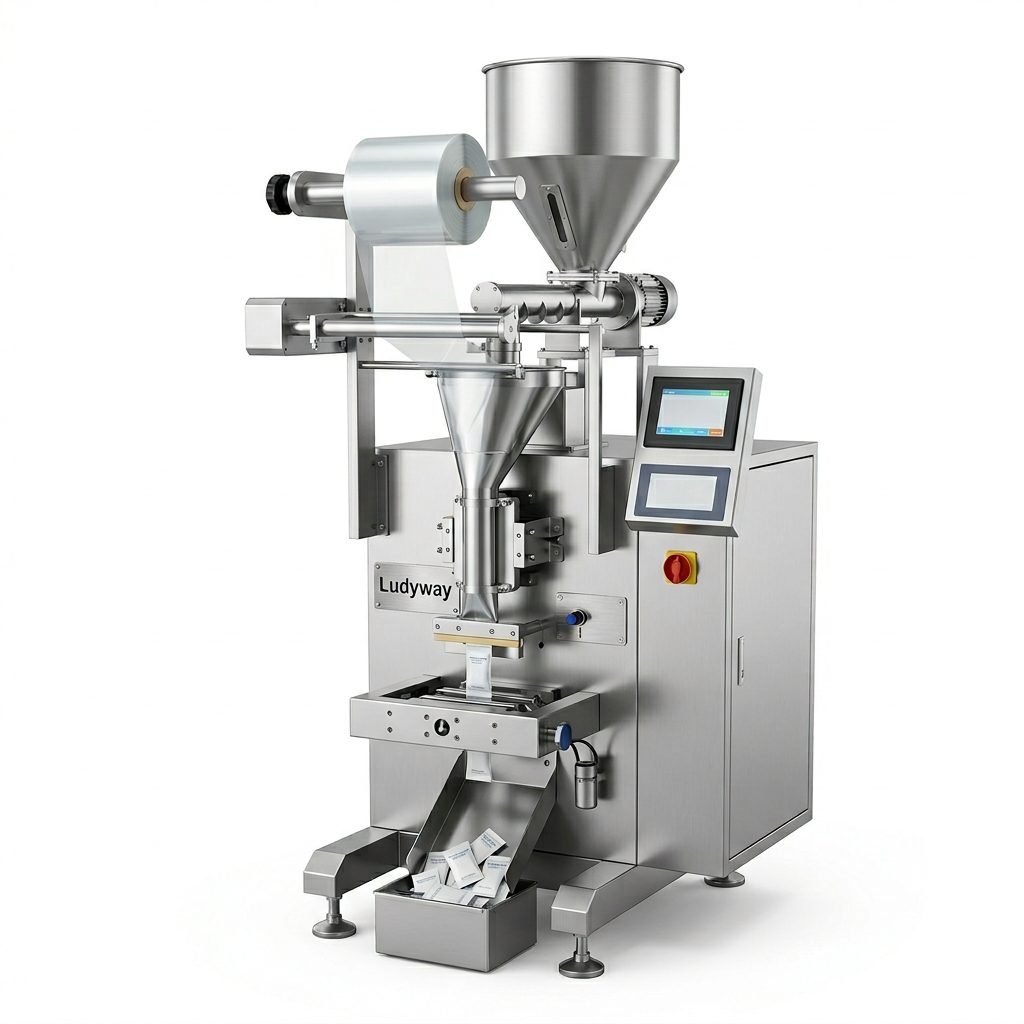
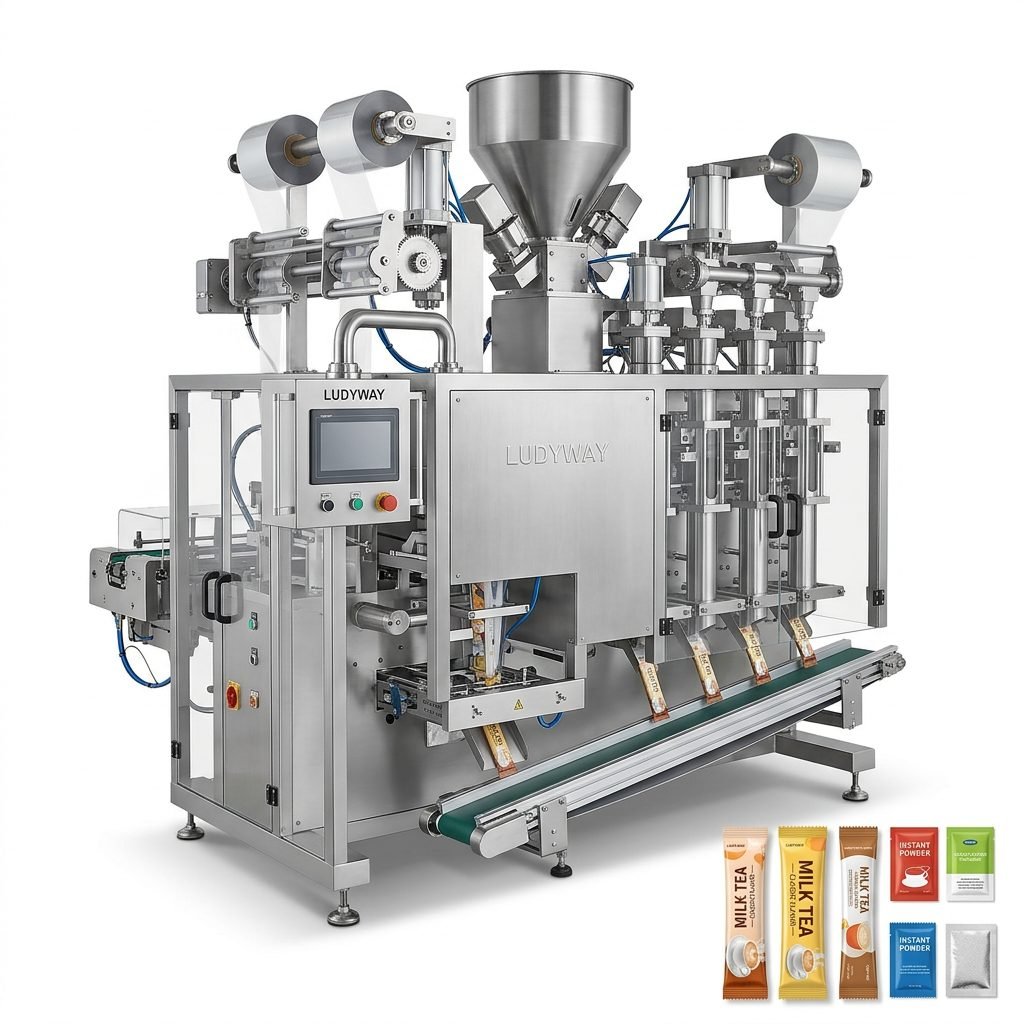
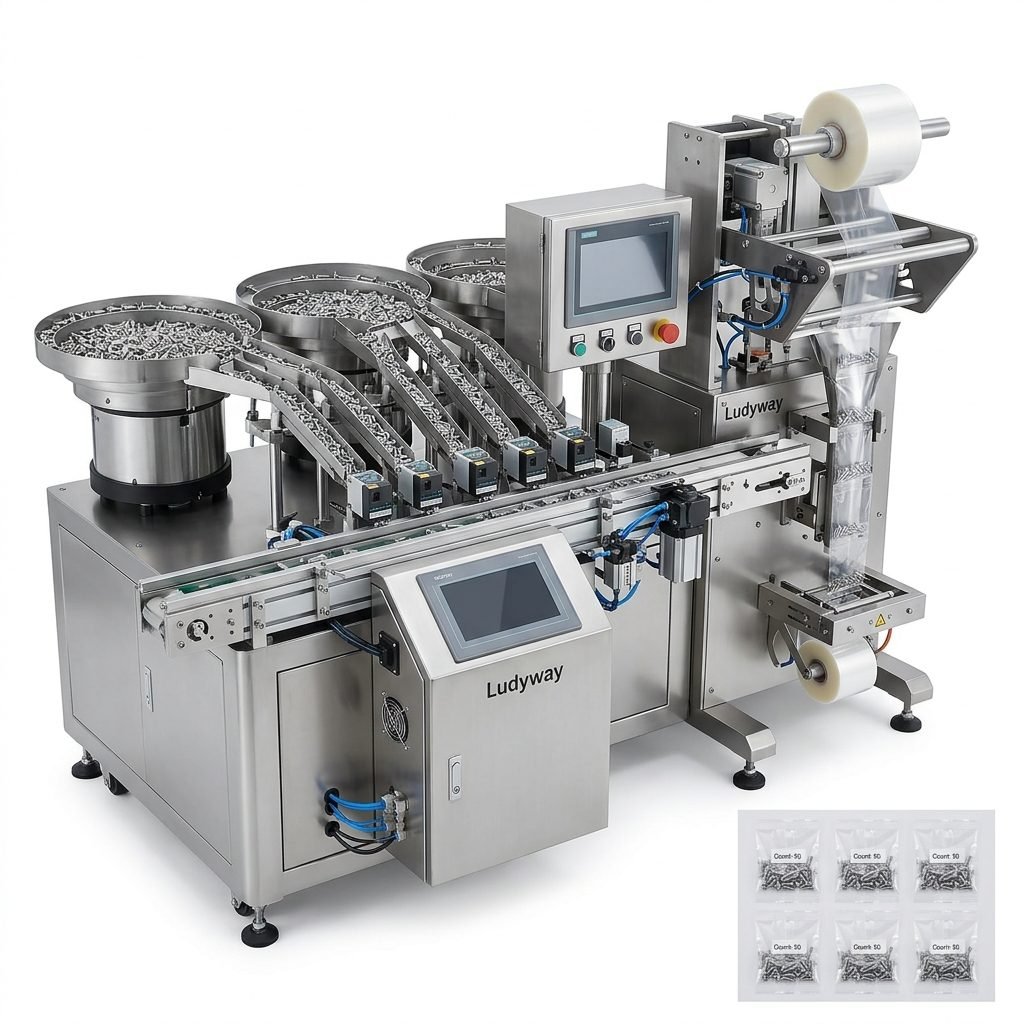
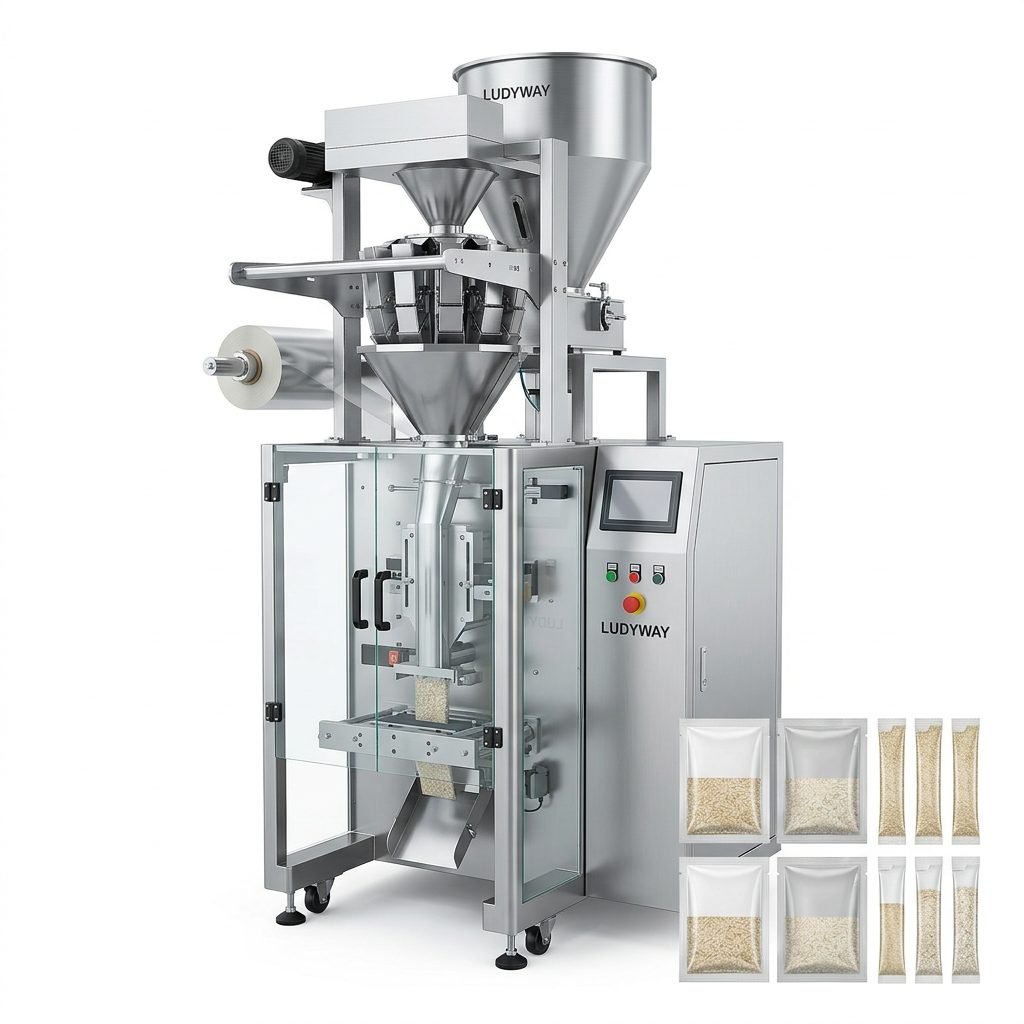
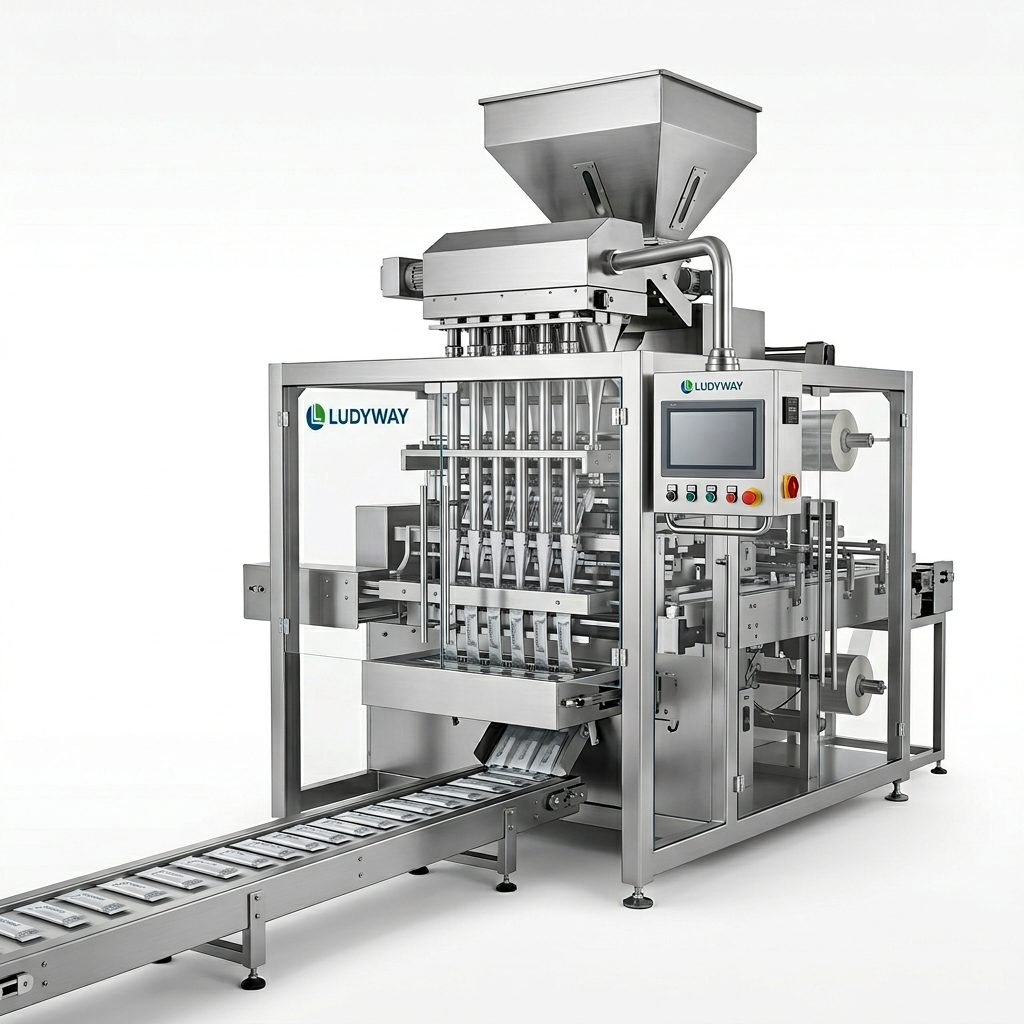
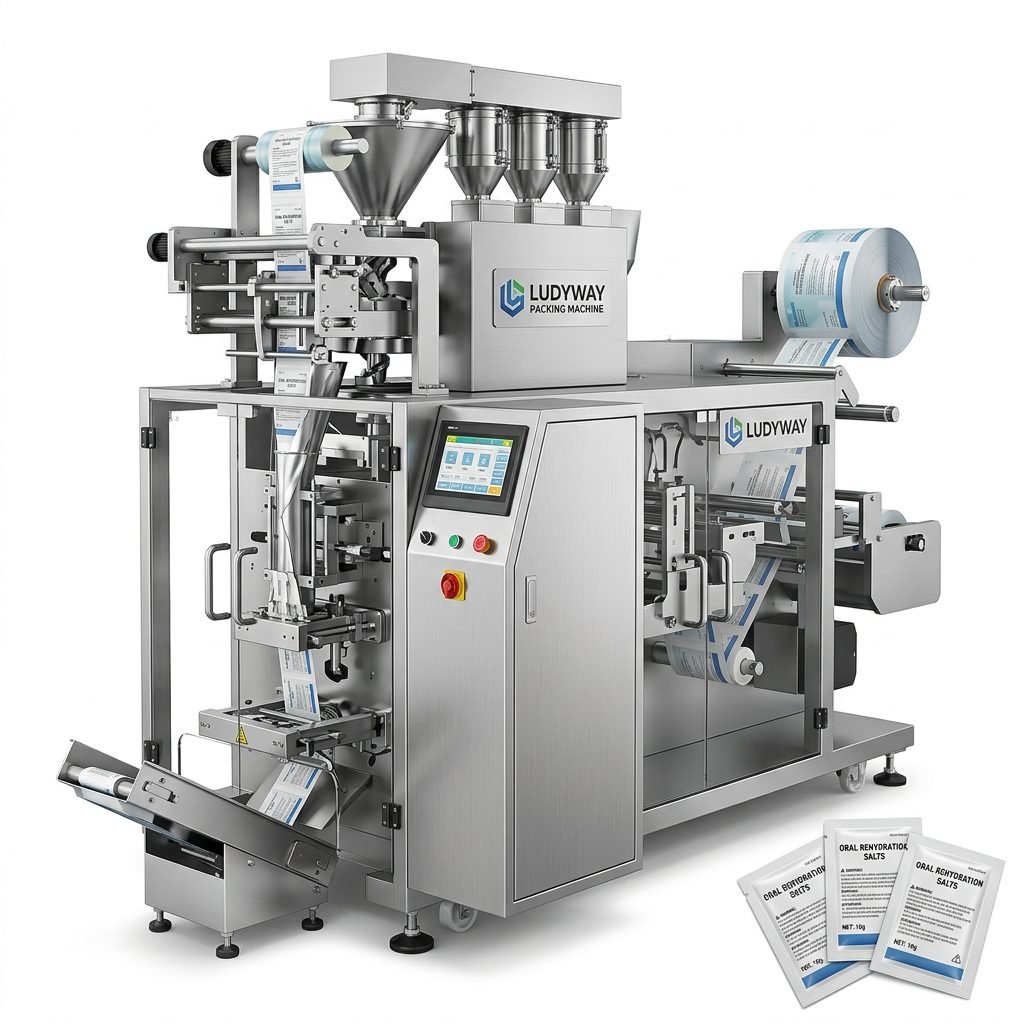
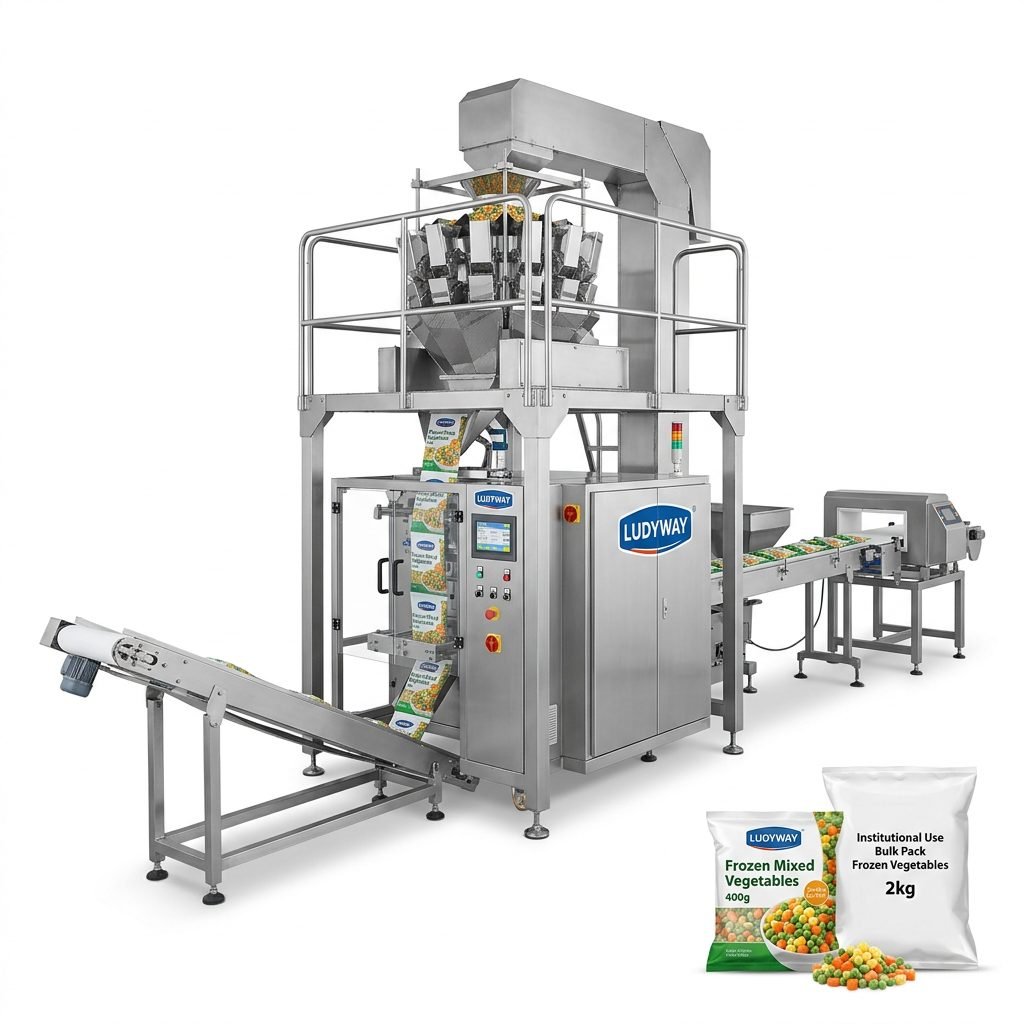
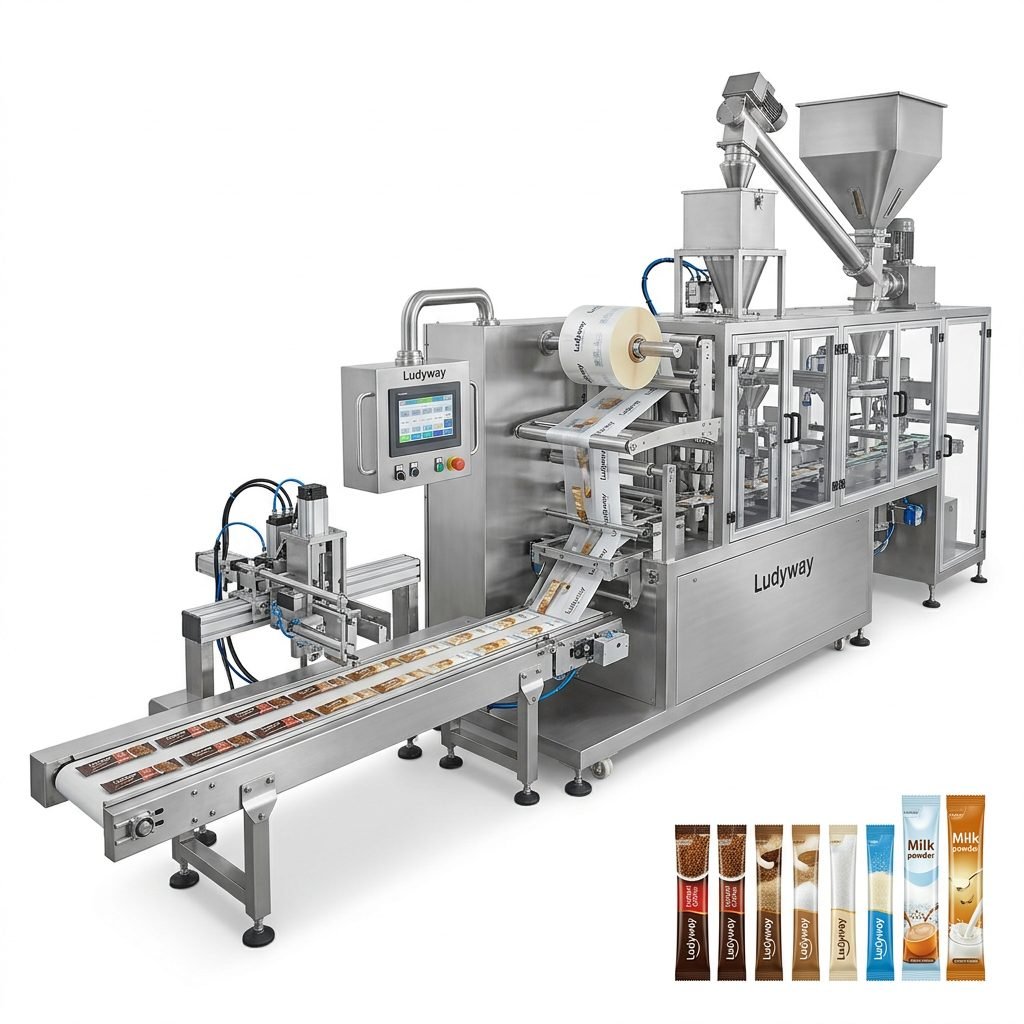
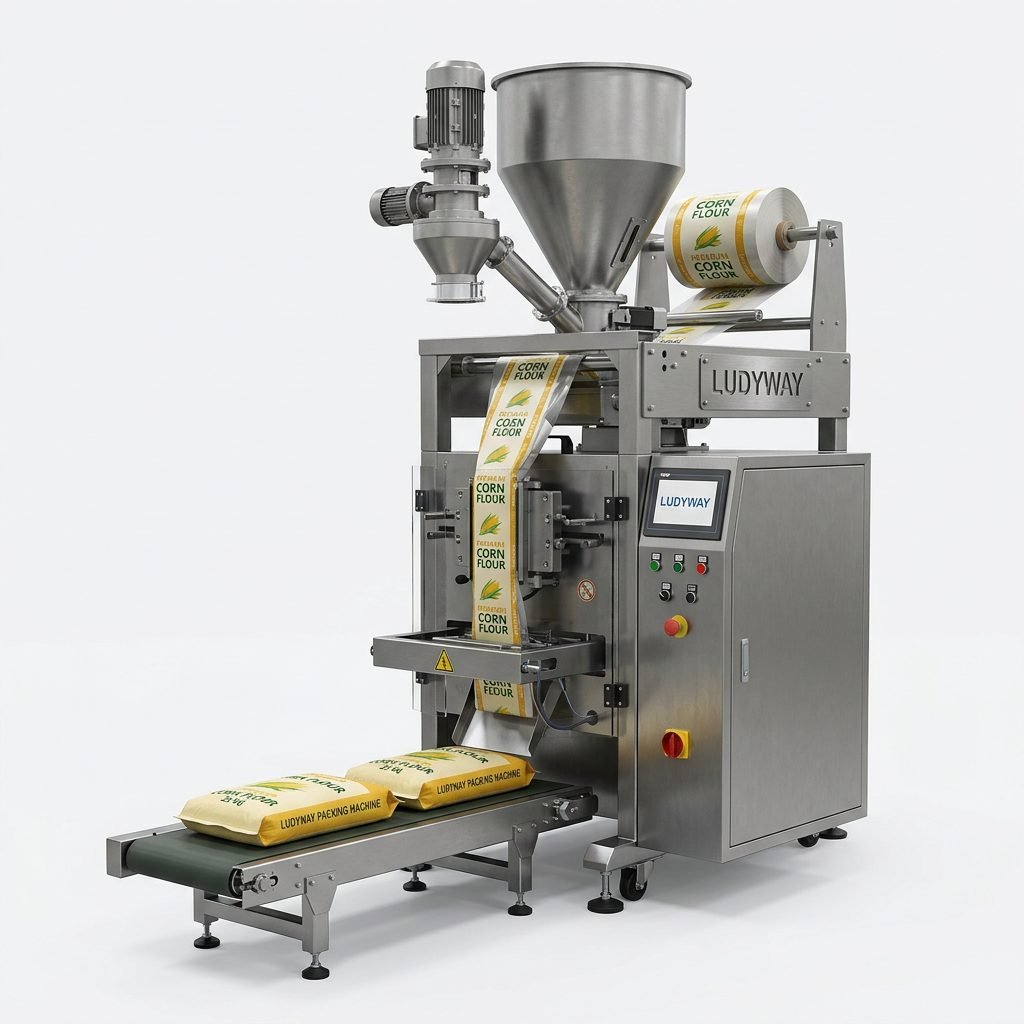
Investing in a jumbo bag packing machine is a strategic decision for manufacturers handling bulk powders, granules, or other free-flowing materials. Whether you operate in the food, chemical, agricultural, or mineral processing industries, selecting the right equipment directly impacts your production capacity, filling accuracy, and long-term operational costs. With numerous configurations, automation levels, and technical specifications available, it’s easy to feel overwhelmed.
This complete buyer’s guide walks you through the essential factors to evaluate before purchasing a jumbo bag packing machine, helping you match the equipment to your specific material characteristics, throughput goals, and facility requirements.
Understanding Jumbo Bag Packing Machine Configurations
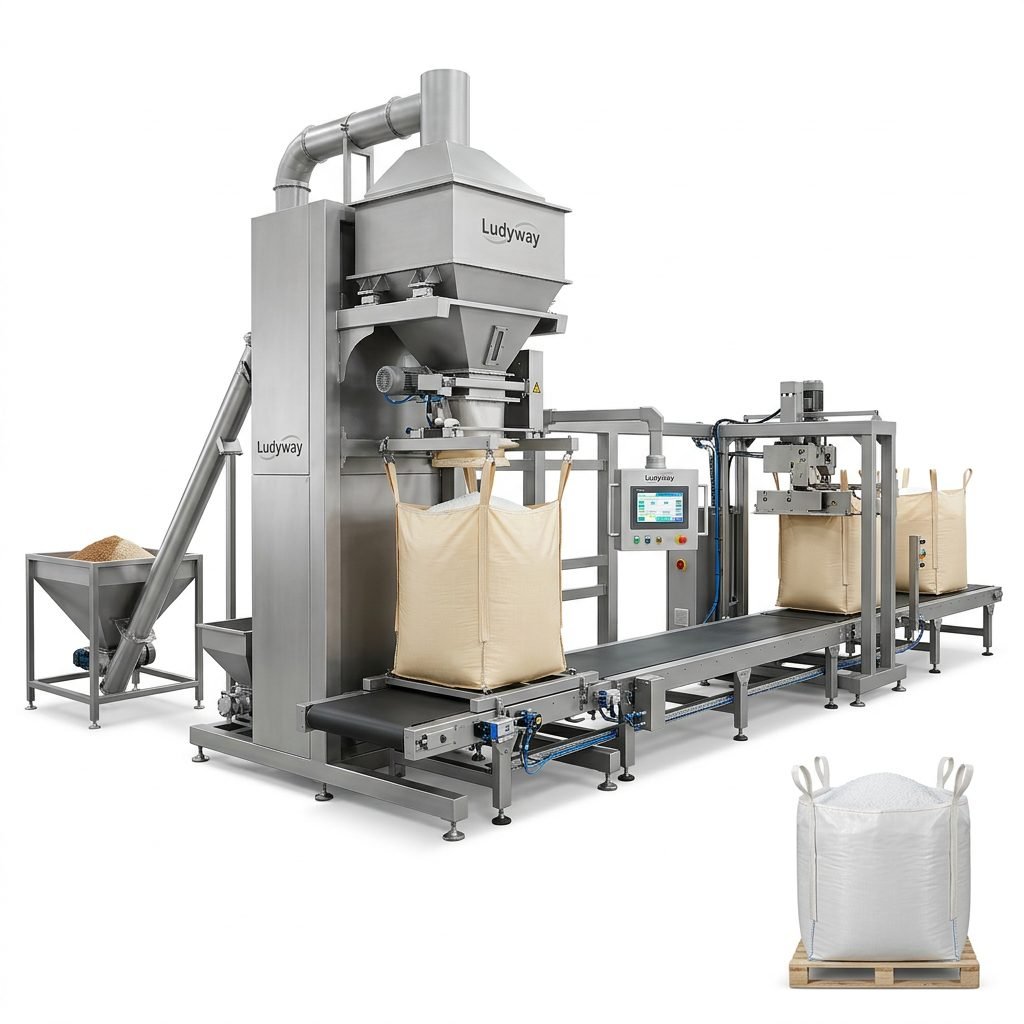
A jumbo bag packing machine—also referred to as a bulk bag filler, FIBC filling system, or big bag packing station—is designed to accurately fill Flexible Intermediate Bulk Containers (FIBCs) with capacities ranging from 500 kg to over 2,000 kg. These systems go far beyond simple filling, often integrating weighing, densification, pallet handling, and automated controls into a single efficient workflow.
Before comparing models, familiarize yourself with the main categories of jumbo bag filling equipment available on the market today:
- Net Weigh Filling Systems: Material is pre-weighed in a hopper before being discharged into the bag, delivering exceptional accuracy for high-value products.
- Gross Weigh Filling Systems: The jumbo bag is weighed continuously during the filling process, offering a simpler mechanical design and lower initial investment.
- Inline Filling Systems: Integrated directly into existing production lines, ideal for high-speed continuous operations requiring minimal operator intervention.
- Twin-Station Fillers: Designed for maximum throughput, these allow one bag to be filled while the operator prepares another, reducing cycle times significantly.
Key Factors to Evaluate Before Purchasing
Every production environment is unique. The right jumbo bag packing machine for one facility may fall short in another. To narrow your options effectively, systematically evaluate the following core criteria. These factors are informed by resources from industry bodies such as the PMMI – The Association for Packaging and Processing Technologies and the Flexible Packaging Association, both of which provide valuable insights into packaging machinery standards and flexible packaging industry data.
1. Material Characteristics
The physical properties of your product—bulk density, particle size, flowability, moisture content, and abrasiveness—dictate nearly every aspect of machine configuration. A powder with poor flow characteristics demands different filling mechanisms and dust control measures compared to free-flowing granules. Material that is cohesive or bridges easily may require specialized agitation or fluidization systems to ensure consistent discharge into the jumbo bag.
2. Filling Accuracy Requirements
Precision matters. For high-value products like specialty chemicals, pharmaceutical intermediates, or premium food ingredients, even small overfills can translate into substantial annual losses. Net weigh systems typically achieve accuracies of ±0.1% to ±0.5%, while gross weigh systems range from ±0.5% to ±1%. Understanding your tolerance for giveaway will help determine the appropriate weighing technology and whether automated feedback calibration is necessary.
3. Target Production Throughput
How many jumbo bags do you need to fill per hour? Single-station machines may handle 8 to 15 bags per hour, while dual-station or fully automated systems can exceed 25 to 40 bags per hour. A realistic assessment of current and projected production demand ensures your investment scales with your business growth. Industry benchmarks and state of the industry reports from PMMI can help contextualize typical throughput expectations for your sector.
4. Bag Handling and Palletizing Integration
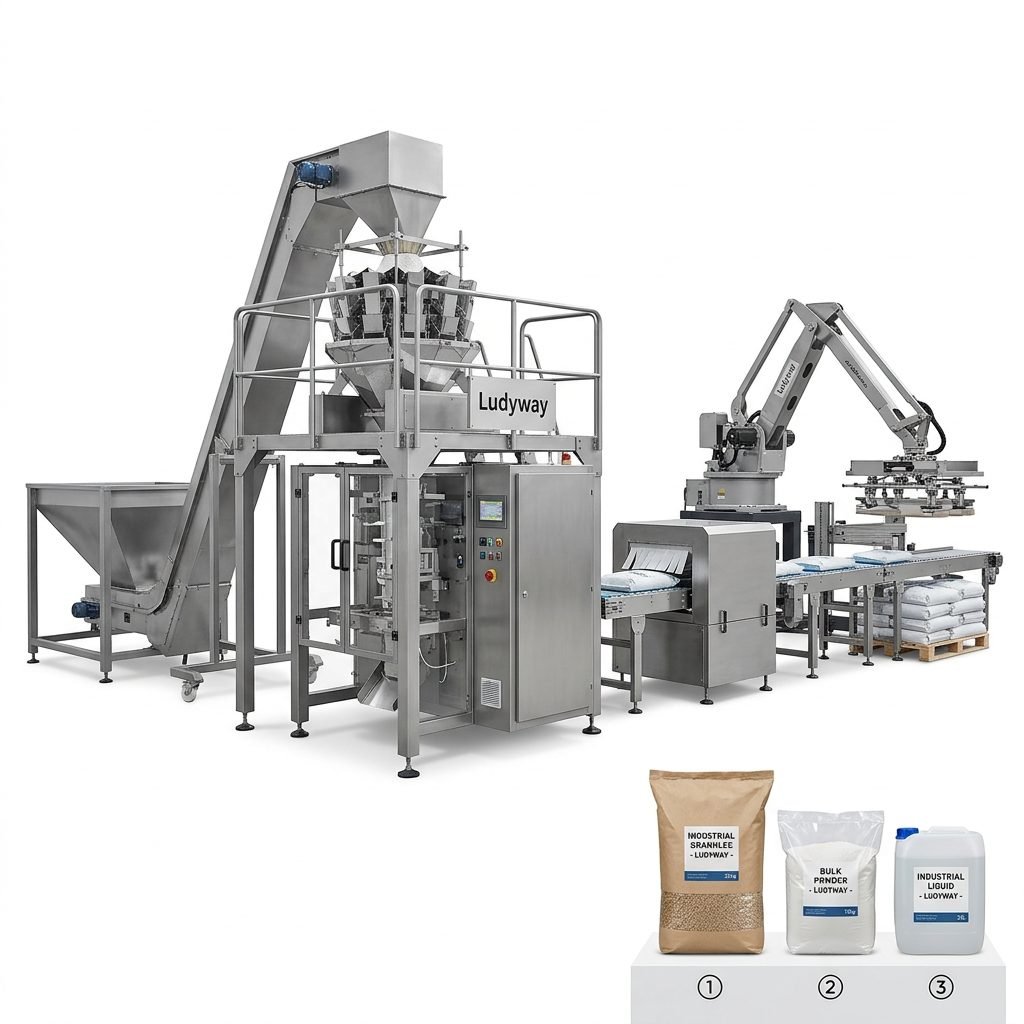
Manual bag handling introduces ergonomic risks and limits speed. Semi-automatic systems may still require an operator to attach bag loops and initiate the fill cycle, while fully automatic jumbo bag packing machines incorporate automatic bag dispensing, loop placement, inflation, filling, weighing, pallet positioning, and conveyor discharge. If your goal is a lights-out operation or high-volume 24/7 production, full automation is likely the preferred path.
5. Dust Containment and Safety Compliance
Filling bulk bags can generate significant airborne dust, particularly with fine powders. Proper dust extraction and containment are essential for operator safety, regulatory compliance, and preventing cross-contamination. Evaluate the machine’s dust hood design, filtration system, and sealing mechanisms at the fill head. In industries governed by ISO packaging standards or FDA regulations concerning food contact substances, dust management is not optional—it’s a requirement.
6. Construction Quality and Material Compatibility
For abrasive or corrosive materials, contact parts must be constructed from appropriate grades of stainless steel (304 or 316L) or treated carbon steel with durable coatings. Food-grade and pharmaceutical operations demand sanitary designs with easy-clean surfaces, minimal crevices, and validated cleaning protocols. Reviewing applicable ISO 11607 packaging standards and regulatory guidance from the Flexible Packaging Association’s regulatory affairs resources can help clarify material and design expectations for your market.
Comparing Machine Types: A Quick Reference Table
The table below summarizes the key differences between common jumbo bag packing machine configurations to assist in your initial evaluation:
| Feature | Net Weigh System | Gross Weigh System | Fully Automatic Line |
|---|---|---|---|
| Accuracy | High (±0.1 – 0.5%) | Medium (±0.5 – 1%) | High (integrated weighing) |
| Initial Investment | Moderate | Lower | Higher |
| Throughput (Bags/Hr) | 10 – 20 | 8 – 15 | 25 – 40+ |
| Operator Involvement | Moderate | Moderate to High | Minimal |
| Best For | High-value materials | Budget-conscious ops | High-volume 24/7 lines |
Automation and Control System Considerations
Modern jumbo bag packing machines rely on advanced PLC controllers, HMI touchscreen interfaces, and sensor networks to manage filling profiles, track production data, and flag deviations in real time. When comparing suppliers, ask about:
- Recipe Management: Can the system store and recall multiple product-specific filling parameters? This is critical for contract packagers or facilities running diverse materials.
- Data Integration: Does the machine support Industry 4.0 protocols, such as OPC UA or MQTT, to connect with your ERP or MES systems? Seamless data flow supports predictive maintenance and traceability.
- Remote Diagnostics: Suppliers that offer secure remote access for troubleshooting can dramatically reduce downtime and avoid costly on-site service calls.
- Safety Interlocks: Look for light curtains, emergency stops, safety PLCs, and physical guarding that meet applicable ISO packaging and distribution standards and regional safety regulations.

Evaluating Supplier Capabilities and Support Infrastructure
A jumbo bag packing machine represents a significant capital investment, and its long-term performance depends heavily on the manufacturing quality, engineering support, and after-sales service provided by the supplier. Before finalizing your purchase, investigate the following supplier attributes:
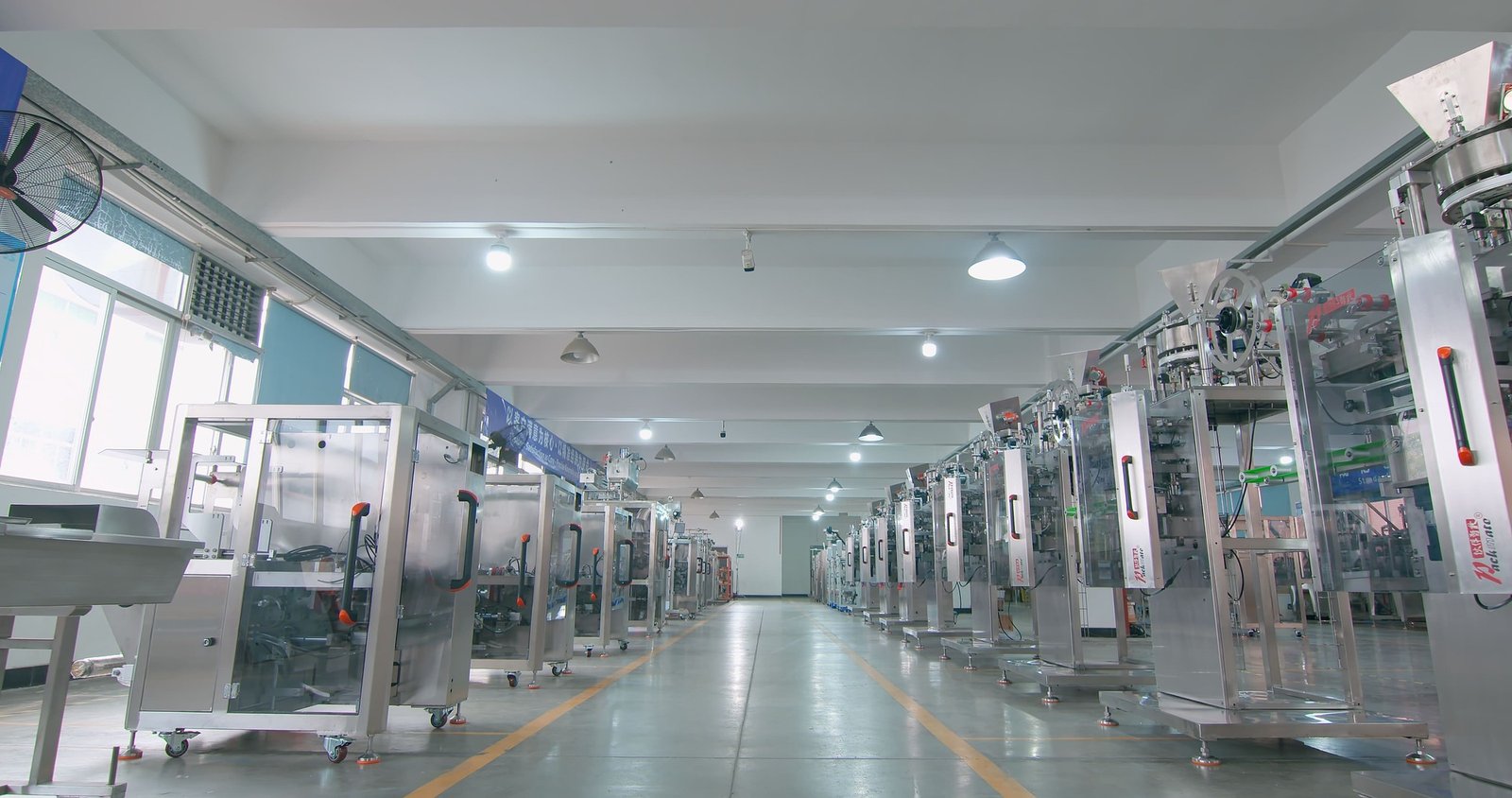
- Manufacturing Scale and Expertise: Suppliers with dedicated manufacturing facilities and in-house engineering teams generally offer better quality control and faster customization. For example, Ludyway Machinery operates a 20,000-square-meter manufacturing facility with more than 130 professionals and over 50 packaging machine models, combining manufacturing expertise with automation technology to deliver configured solutions.
- Customization Capability: Can the supplier adjust the machine design to fit your specific product characteristics, bag dimensions, pallet sizes, or facility layout? Off-the-shelf solutions rarely address every requirement without modification.
- Global Installation and Service Network: If you operate across multiple regions, choose a supplier with experience serving international markets and providing remote or on-site technical support in relevant time zones.
- Spare Parts Availability: Downtime costs money. Confirm that critical components—fill heads, load cells, pneumatic elements, and seals—are readily available and can be shipped quickly when needed.
- Compliance Documentation: For regulated industries, request evidence of applicable certifications, CE marking, or compliance with standards referenced by the FDA Recognized Consensus Standards or European Commission packaging and packaging waste regulations.
Installation, Commissioning, and Operator Training
A technically advanced jumbo bag packing machine only delivers its promised benefits when properly installed and operated. Discuss with potential suppliers the scope of their installation support, commissioning procedures, and operator training programs. Comprehensive training should cover:
- Machine startup and shutdown sequences
- Product changeover and recipe selection
- Basic troubleshooting and alarm response
- Cleaning and preventive maintenance schedules
- Safety protocols and emergency procedures
Suppliers that provide on-site commissioning engineers and continued remote technical assistance help manufacturers maintain consistent equipment performance and quickly address operational challenges. If you plan to integrate the jumbo bag filler into a broader packaging line exhibited at events like PACK EXPO International, confirm that the supplier can coordinate with your system integrator for seamless upstream and downstream connectivity.
Balancing Cost, Performance, and Long-Term Value
While purchase price is an important consideration, the total cost of ownership paints a more complete picture. Calculate:
- Energy consumption per bag filled
- Compressed air requirements and associated operating costs
- Expected maintenance intervals and spare parts expenditure
- Product giveaway losses due to filling inaccuracies
- Downtime risk if the machine lacks robust support infrastructure
A machine with a higher initial price tag from a reputable manufacturer with strong engineering support often delivers lower lifetime costs than a budget alternative with limited service and higher maintenance demands. This perspective aligns with insights from PMMI’s business intelligence and packaging machinery market research, which highlights that packaging operations prioritizing reliability and support consistently outperform those focused solely on upfront capital cost.
Sustainability and Material Efficiency
Sustainability concerns increasingly influence packaging machinery purchasing decisions. Efficient jumbo bag filling systems reduce product waste, minimize packaging material usage through optimized bag sizing, and lower energy consumption per unit filled. Additionally, compliance with frameworks such as the U.S. EPA Sustainable Materials Management program and evolving flexible packaging sustainability resources is increasingly expected by retailers and end-users. When evaluating equipment, inquire about energy-efficient motor systems, optimized pneumatic circuits, and dust recovery systems that return captured material to the process stream.
Making Your Final Decision
Selecting the right jumbo bag packing machine is a multidimensional process that rewards thorough preparation. Summarize your requirements clearly, solicit detailed proposals from qualified suppliers, and evaluate each option against objective criteria rather than price alone. A machine that fits your material, throughput, accuracy, and support requirements will deliver reliable performance and a faster return on investment.
By methodically addressing the factors outlined in this guide—from material characterization and weighing technology to supplier evaluation and sustainability considerations—you position your operation to make a confident, well-informed purchasing decision that supports both current production goals and future growth ambitions.
For manufacturers seeking deeper insights into packaging machinery trends, the 2026 Packaging State of the Industry report and the Flexible Packaging Association’s knowledge hub offer valuable data-driven perspectives that complement the practical evaluation framework provided here.