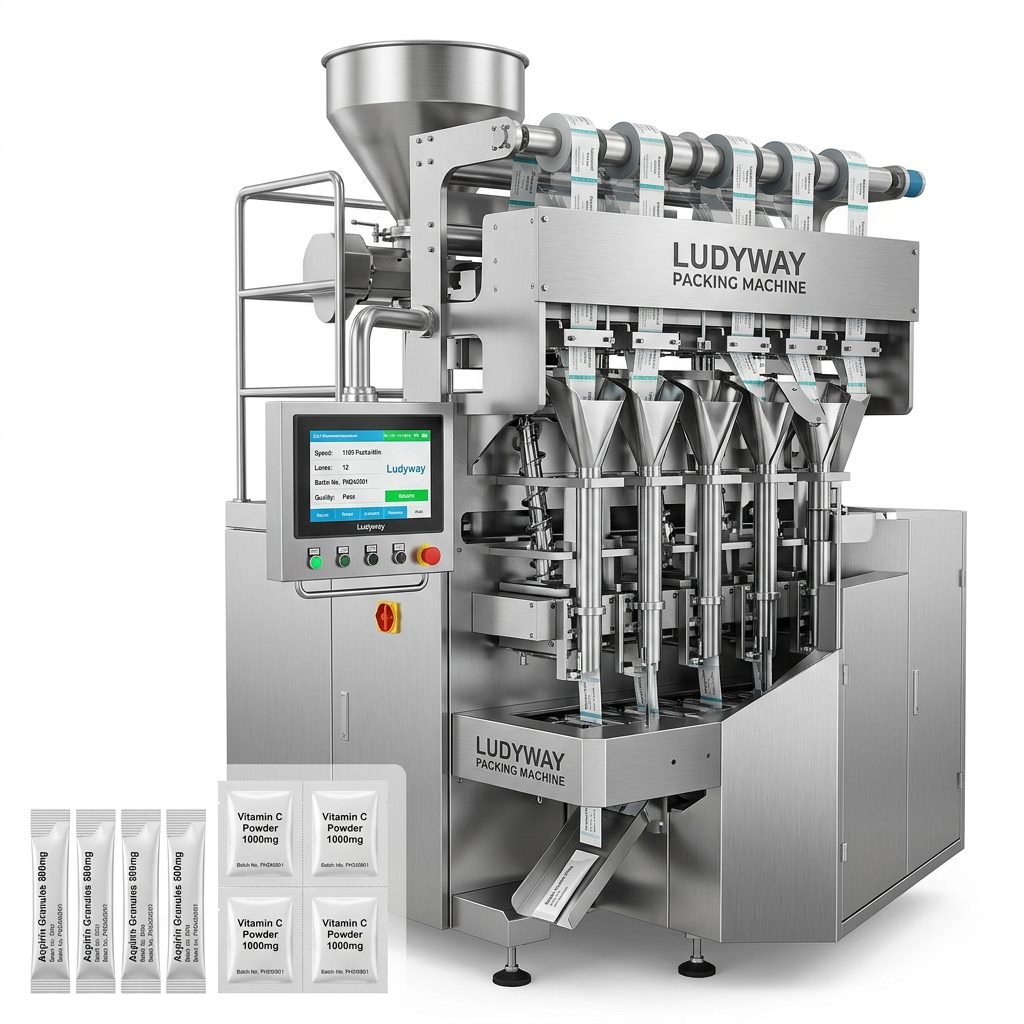
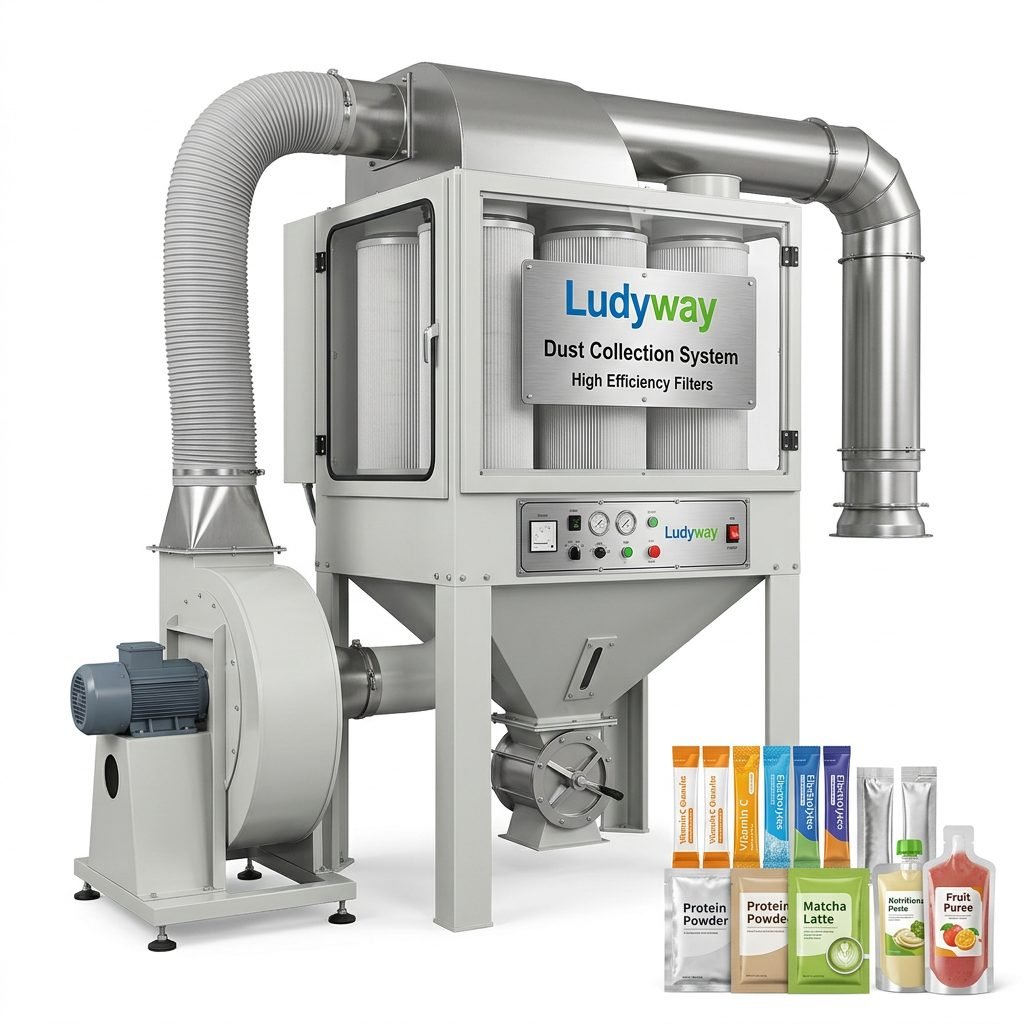
In the fast-paced world of manufacturing, efficient and reliable packaging is a cornerstone of success. Whether you are in the food, pharmaceutical, or health supplement industry, the design of your packaging machinery directly impacts your production output, product quality, and operational costs. This comprehensive guide serves as your essential resource, offering a free downloadable PDF packed with layout examples, technical standards, and expert insights to inform your next packaging machine project.
Why Packaging Machine Design Matters
Optimal packaging machine design is not merely about enclosing a product; it’s a strategic engineering discipline that integrates mechanical precision, operational efficiency, and hygienic safety. A well-designed system ensures consistent packaging quality, minimizes material waste, reduces downtime, and adapts to evolving production needs. From the initial concept to the final installation, every design decision influences your bottom line.
Key Design Objectives
✔ Maximize Uptime & Reliability: Robust construction and proven components to ensure continuous operation.
✔ Ensure Product Integrity: Gentle handling and precise dosing to protect product quality.
✔ Optimize Footprint: Intelligent layout to make the most of available factory space.
✔ Facilitate Easy Maintenance: Accessible parts and clear service points to simplify upkeep.
✔ Comply with Standards: Adherence to regional and industry-specific technical and safety regulations.
Essential Components of a Packaging System
A modern packaging line is a symphony of interconnected modules. Understanding each component’s role is crucial for effective design.
1. Product Feeding & Dosing System
This is the heart of accuracy. Systems vary from volumetric cups for granules to precision auger fillers for powders and servo-driven pumps for liquids. The choice depends on product characteristics and required filling accuracy.
2. Packaging Material Handling
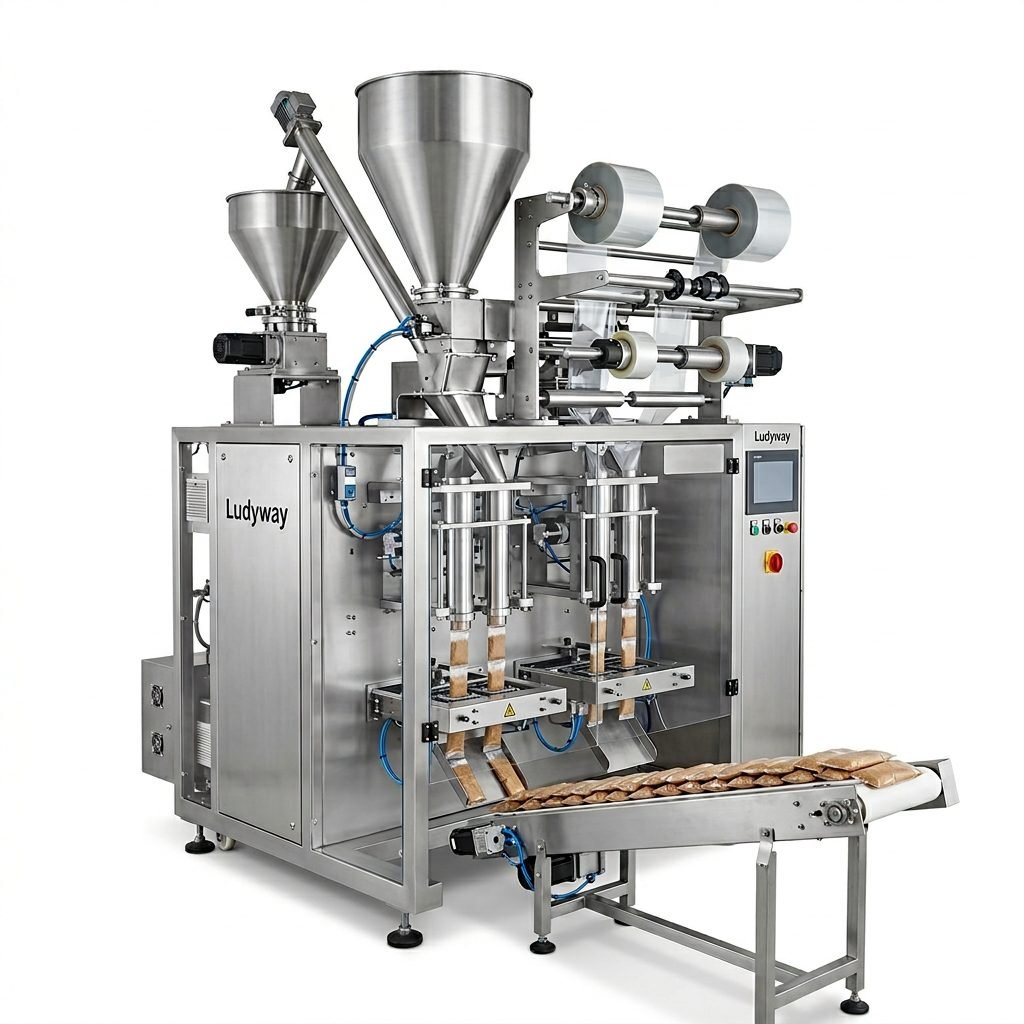
This includes unwinders for roll stock film or laminates, tension control systems, and forming mechanisms. For pre-made pouches, an efficient pick-and-place or magazine feeding system is essential.
3. Forming, Filling, and Sealing Unit
The core workstation where the package is created. It involves forming the pouch from film, introducing the product, and creating hermetic seals. The design of sealing jaws (constant or impulse heat, cooling) is critical for seal integrity.
4. Drive & Control System
Modern machines utilize servo motors and Programmable Logic Controllers (PLCs) for synchronized, flexible, and precise motion control. The human-machine interface (HMI) allows for easy recipe changes and monitoring.
5. Ancillary Equipment
This encompasses checkweighers, metal detectors, date coders, labelers, and cartoning systems. Integrating these seamlessly requires foresight in layout design.
Practical Layout Examples for Different Scales
Visualizing the machine layout within your plant is a vital step. Here are common configurations.
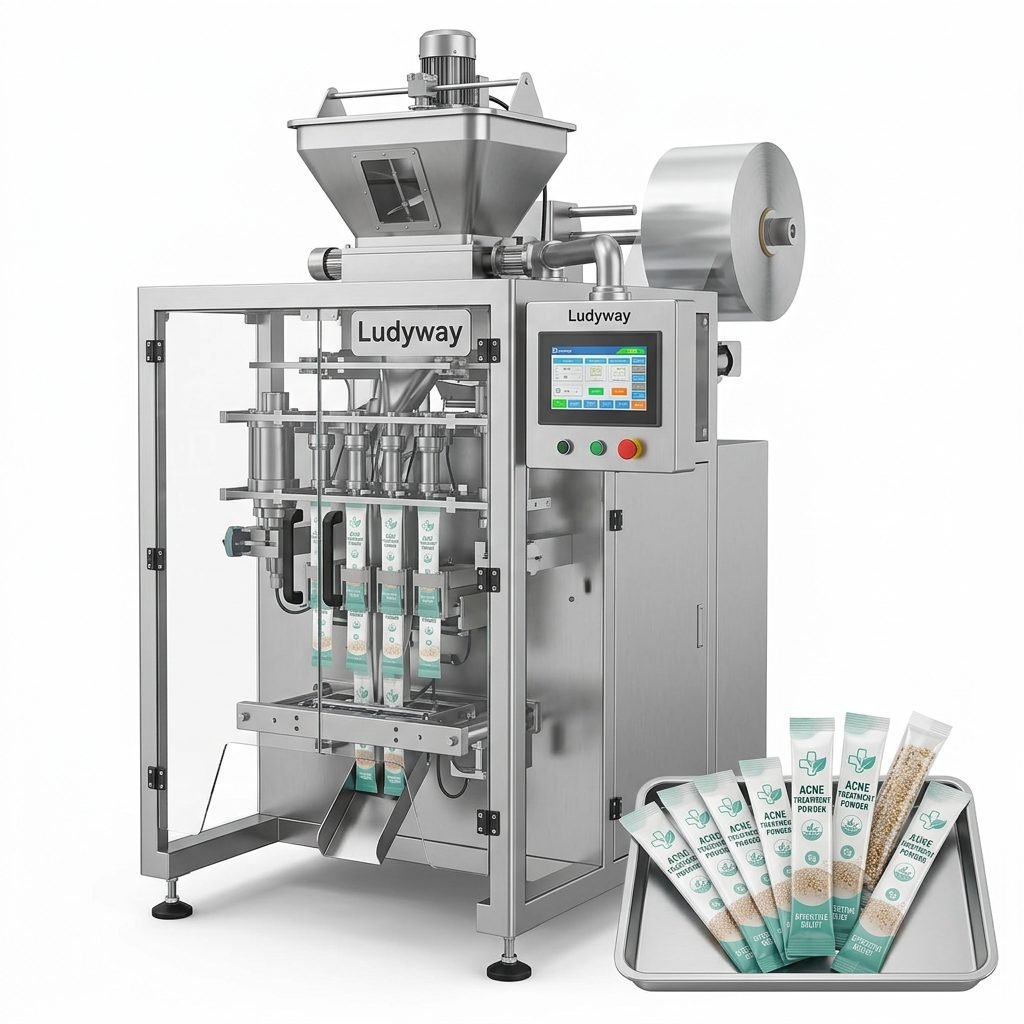
Layout A: Compact Linear Design for Startups
Ideal for limited space or lower-volume production. A single-lane machine is arranged in a straight line: film unwind → forming tube → filling head → sealing unit → discharge conveyor. This layout is simple, cost-effective, and easy to operate.
Best for: Small-batch production, R&D labs, or businesses launching a new product line.
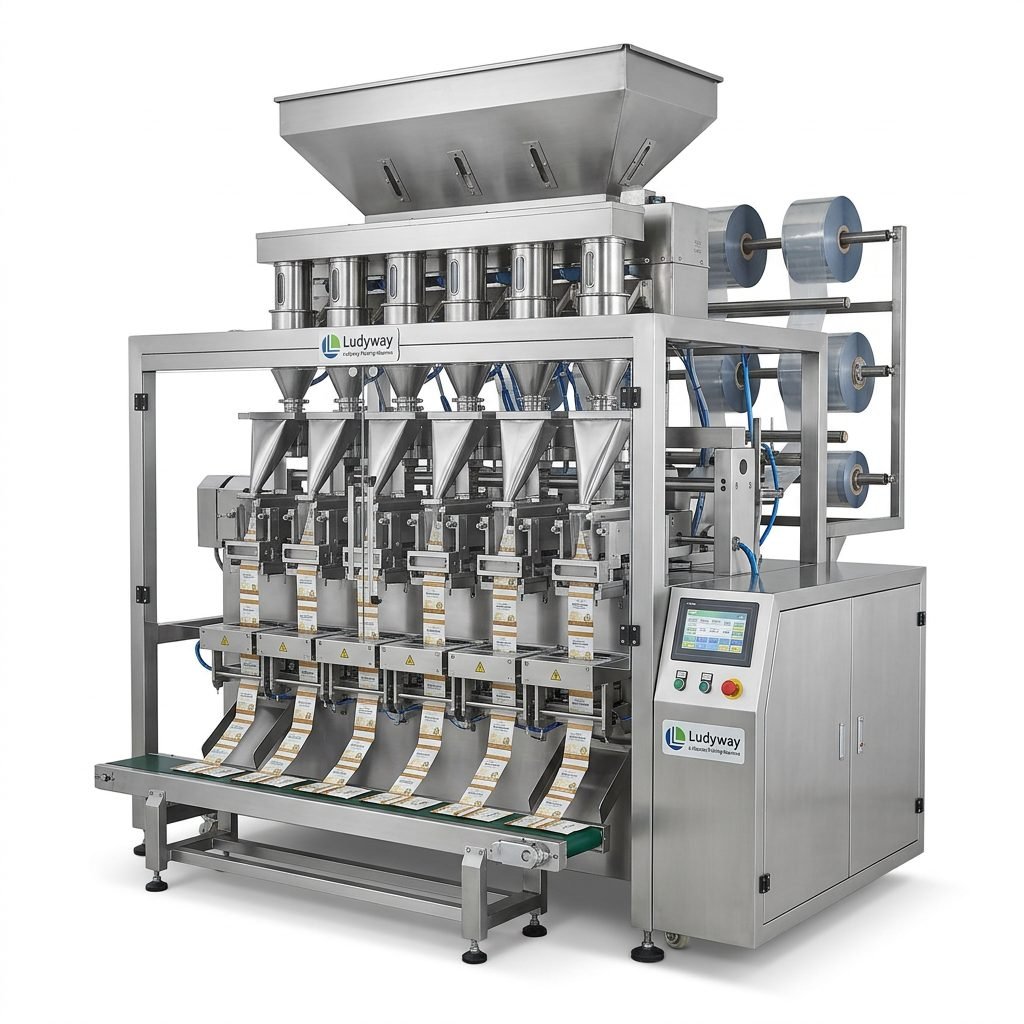
Layout B: Multi-Lane “Parallel” Design for High Output
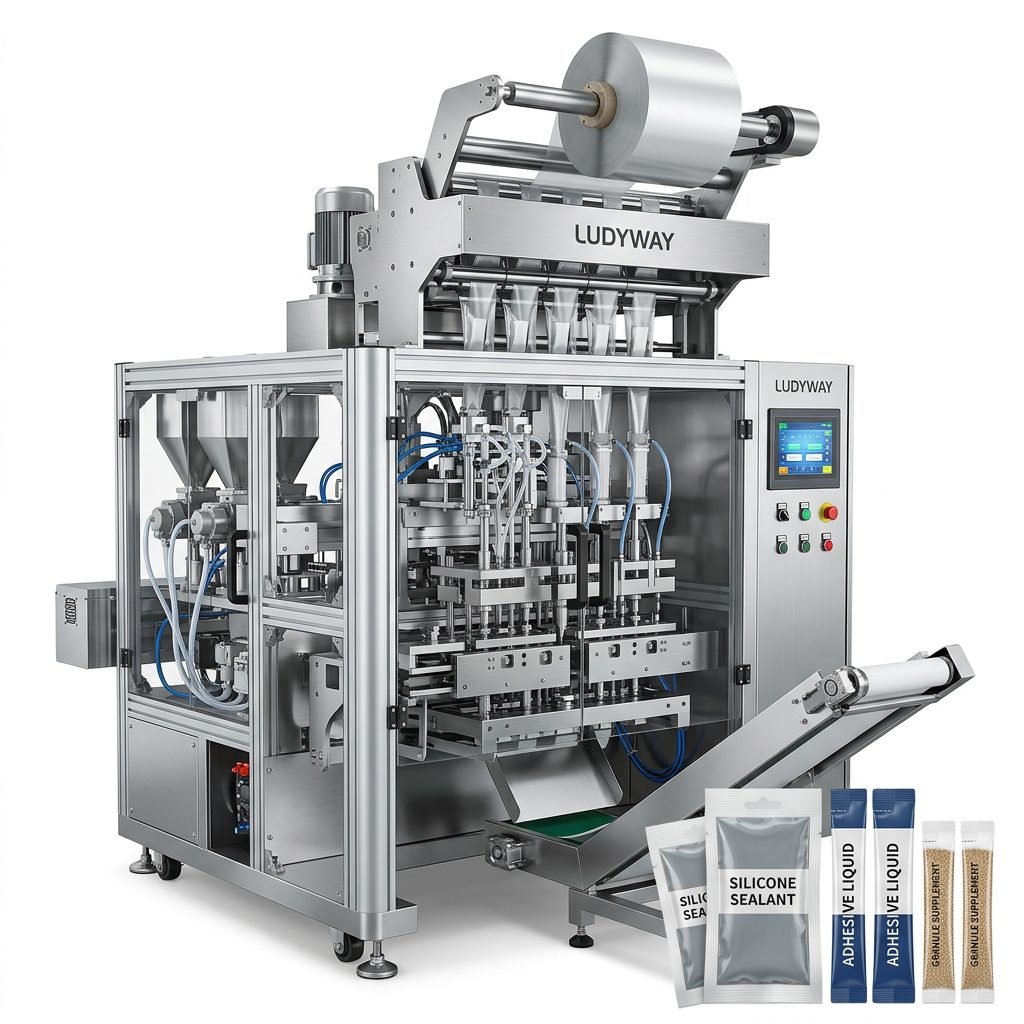
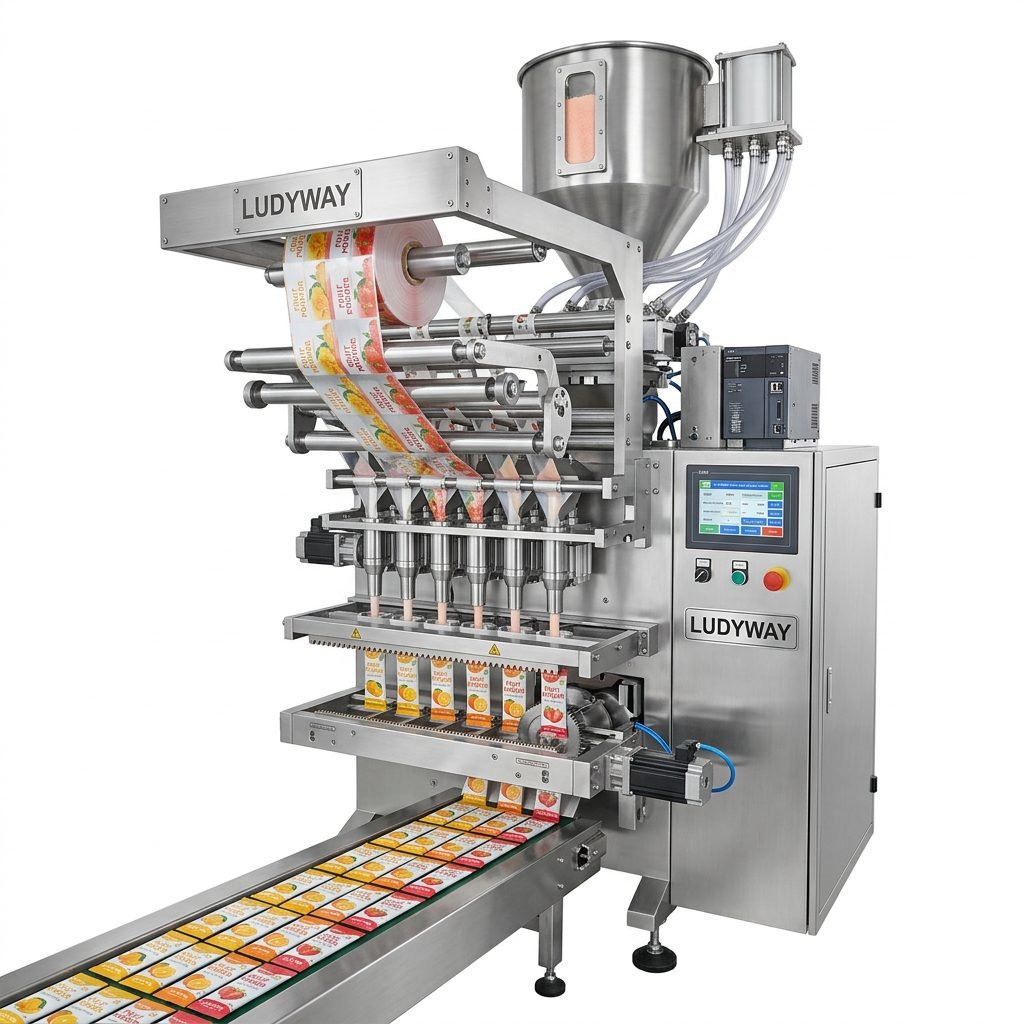
To dramatically increase speed, multiple packaging lanes run in parallel from a common product feeder. This design is central to high-speed stick pack and sachet machines, where 4, 8, or even 16 lanes operate simultaneously.
Best for: High-volume consumer goods like instant drink mixes, sugar, or pharmaceutical powders.
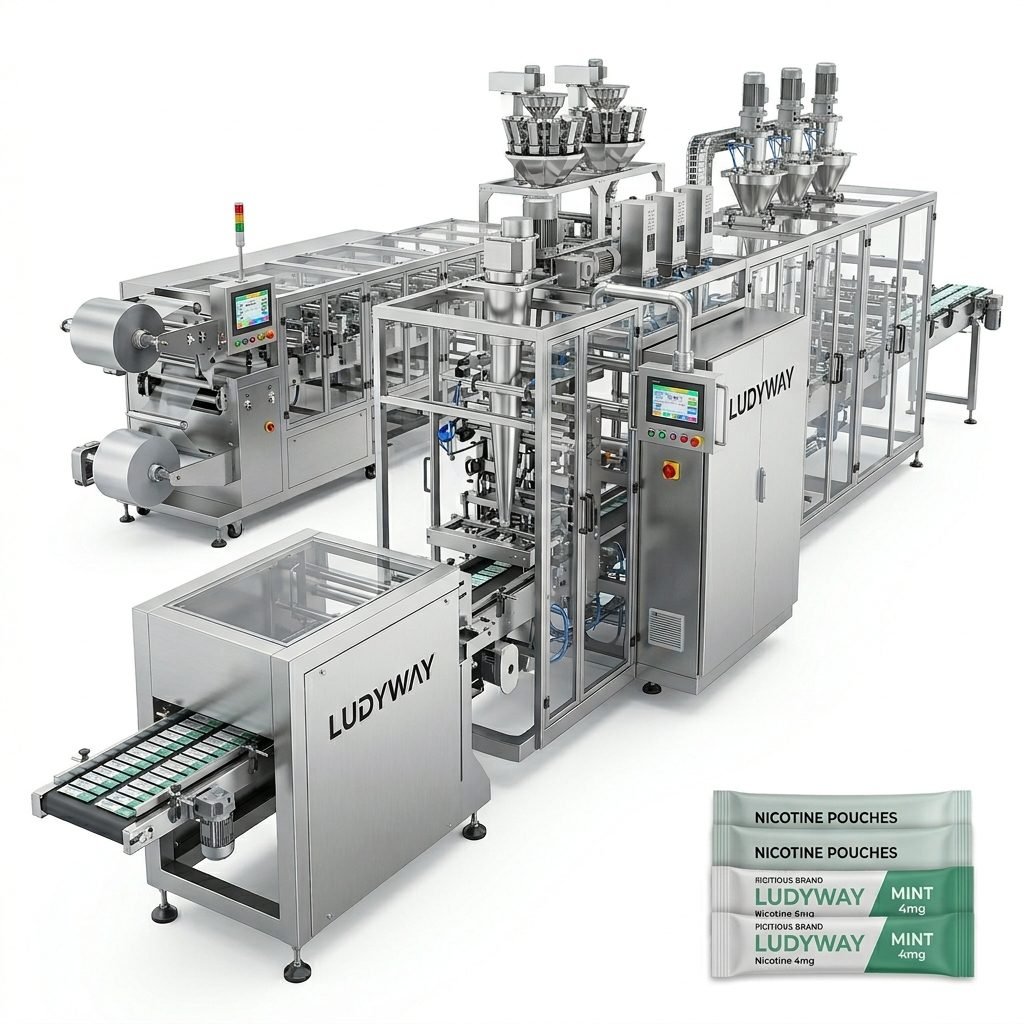
Layout C: Integrated “Turnkey” Production Line
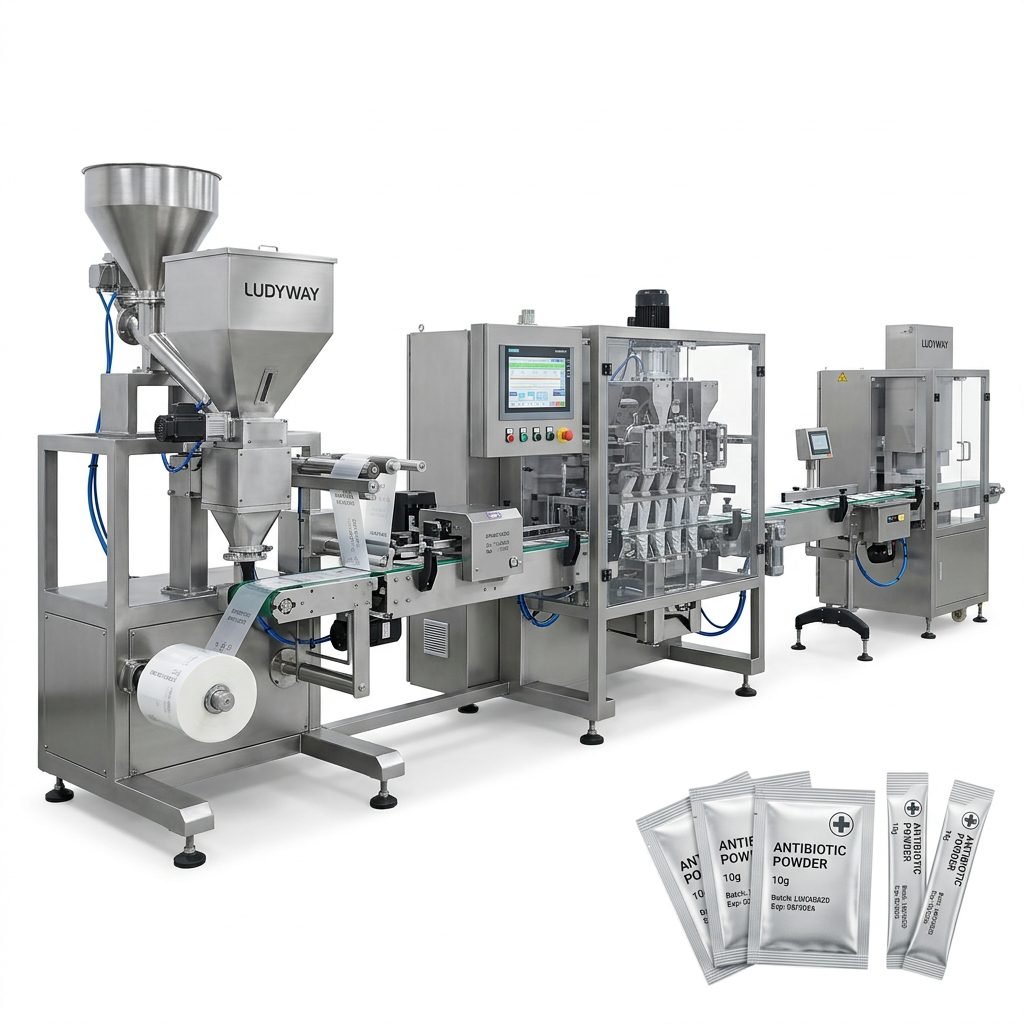
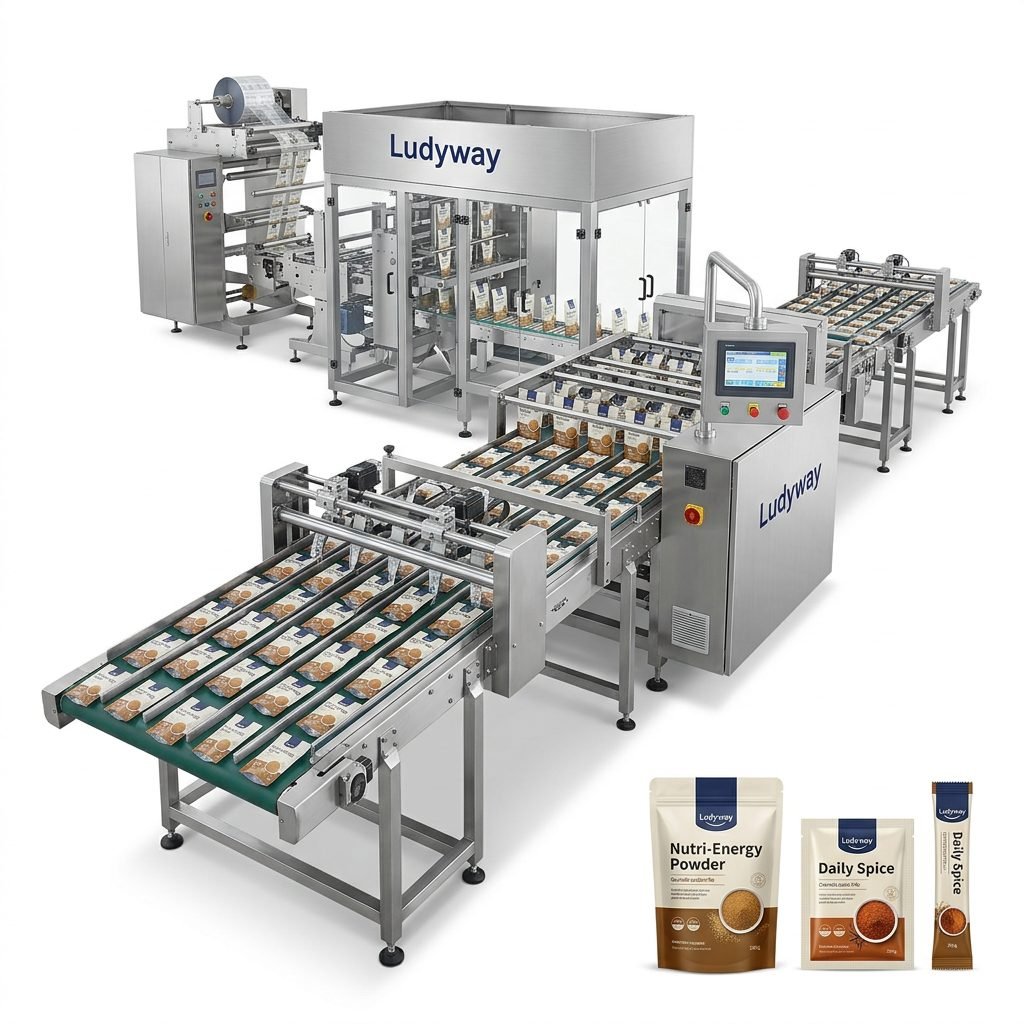
A complete, automated flow from bulk product to ready-to-ship cases. It integrates a packaging machine with upstream equipment (like mixers or grinders) and downstream systems (like checkweighers, x-ray inspectors, and robotic carton packers).
Best for: Large-scale food processing plants, major nutraceutical brands, and contract packaging facilities.
Navigating Technical Standards & Compliance
Adhering to technical standards is non-negotiable. It ensures safety, facilitates market access, and guarantees machine interoperability.
1. Safety Standards (e.g., ISO 12100, IEC 60204-1)
These define requirements for risk assessment, emergency stops, guarding, and electrical safety. Compliance is fundamental for protecting operators and meeting regulatory approvals in regions like the EU (CE Marking) and North America.
2. Hygienic Design Standards (e.g., EHEDG, 3-A Sanitary Standards)
Critical for food, pharmaceutical, and nutraceutical applications. They specify materials (e.g., stainless steel 316L), surface finishes, cleanability, and the elimination of dead zones where product or bacteria could accumulate.
3. Electrical & EMC Standards
Govern electromagnetic compatibility to prevent machine interference and ensure reliable operation in industrial environments.
Partnering with an experienced provider like Ludyway Packing Machine ensures your equipment is designed and built with these global standards in mind, simplifying your compliance journey.
Leveraging Expertise for Your Design Success
With over 30 years of industry experience, Ludyway Machinery has cultivated deep expertise in packaging machine design. Our approach is built on understanding the unique challenges of different sectors, from the stringent hygiene needs of pharmaceuticals to the high-speed demands of food service products.
Our portfolio of 50+ intelligent machine models, including advanced multi-lane systems, is supported by strong engineering capabilities from concept to commissioning. We focus on delivering reliable, efficient, and tailored automated packaging solutions that align with your specific production goals and technical standards.
Your Free Packaging Machine Design PDF Guide
We have compiled the key principles from this article, along with detailed layout diagrams and a technical standards checklist, into a comprehensive PDF guide. This resource is designed to be a practical tool for engineers, plant managers, and business owners planning their packaging automation investment.
Click to Download Your Free Guide: This PDF is offered as a resource to help you make informed decisions and initiate more productive conversations with equipment suppliers.
Frequently Asked Questions (FAQs)
Q1: What are the most critical factors to consider in the initial design phase?
A: Clearly define your product characteristics (flowability, abrasiveness), target output speed (pouches per minute), available floor space, and the level of automation desired. Also, identify the primary packaging material (film type, laminate structure) as this heavily influences the forming and sealing system design.
Q2: How do I choose between a single-lane and a multi-lane machine design?
A: The choice hinges on required output. Single-lane machines are ideal for speeds up to 120 bags/min. For higher outputs (200-800 bags/min), multi-lane designs are far more efficient and space-effective, as they share common components like the film unwind and control system across multiple filling heads.
Q3: What technical standards are mandatory for exporting packaging machinery?
A: This depends on the destination country. The CE Mark (meeting EU Machinery Directive, EMC Directive, etc.) is mandatory for Europe. For North America, compliance with OSHA, NRTL standards (like UL), and local electrical codes is essential. A reputable supplier will guide you through the specific requirements for your target markets.
Q4: Can existing packaging machinery be retrofitted or upgraded with a new design?
A: Yes, in many cases. Common upgrades include replacing mechanical drives with servo systems for better accuracy and flexibility, adding new sealing jaws for different materials, or integrating a new weighing system. A feasibility assessment by an experienced engineer is the first step.
Q5: How important is the supplier’s after-sales support in the design process?
A: Extremely important. A good design includes serviceability. Choose a supplier like Ludyway that offers comprehensive support—remote diagnostics, readily available spare parts, detailed documentation, and technician training. This ensures your well-designed machine maintains its performance over its entire lifecycle.