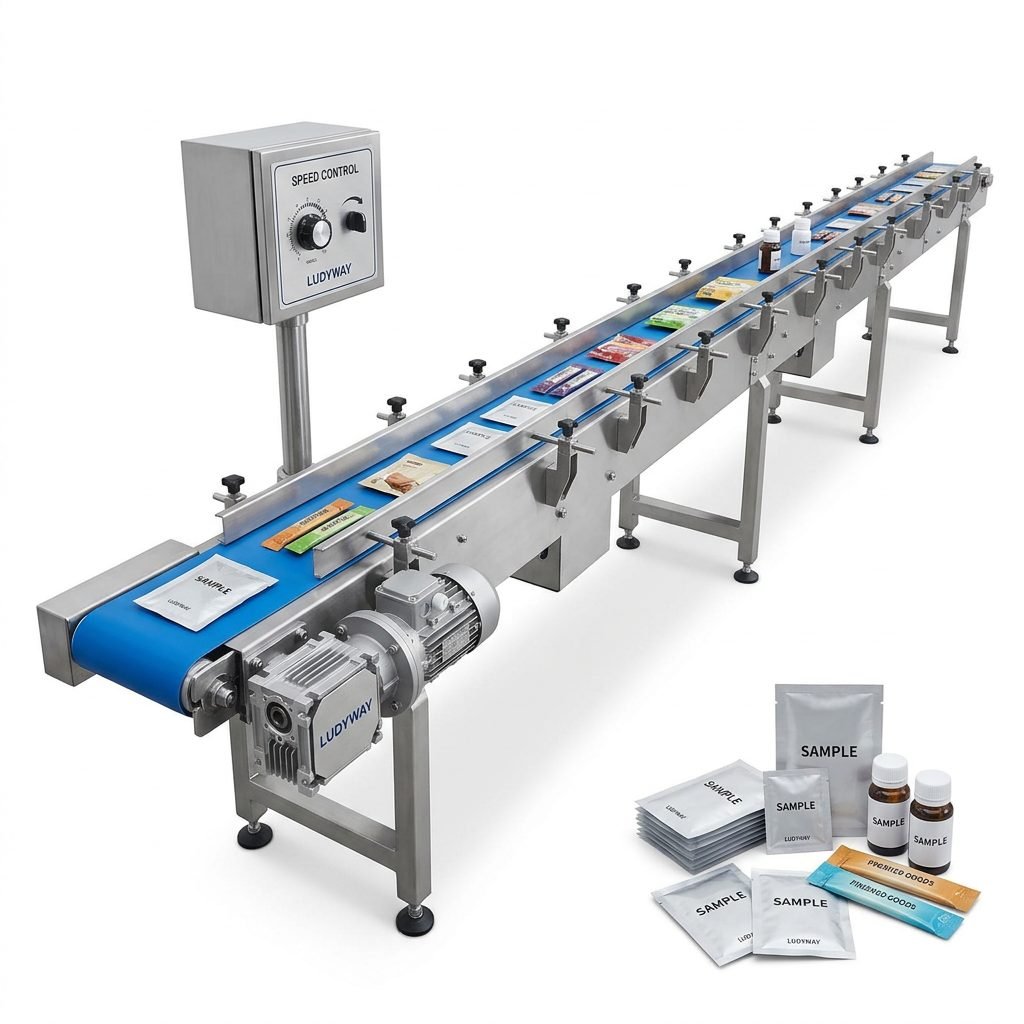
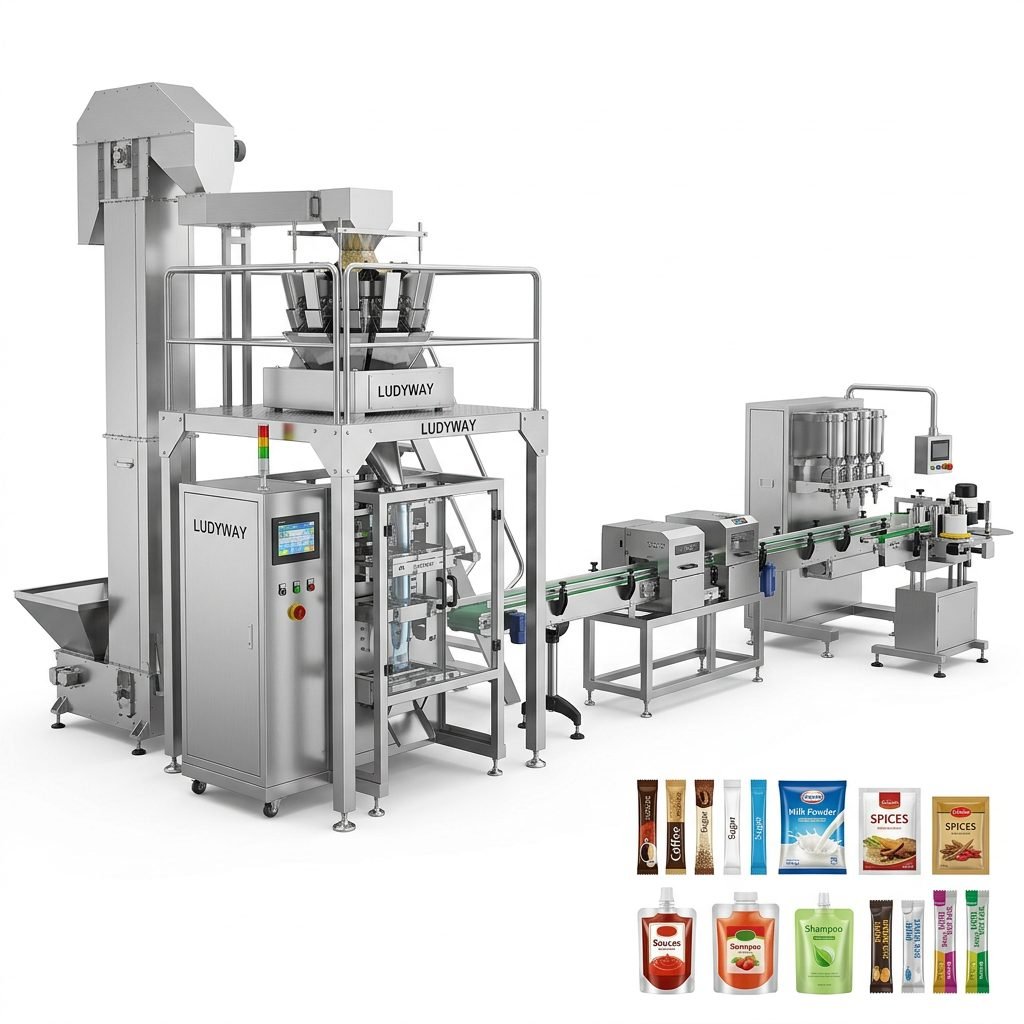
Selecting the right medicine packaging machine is one of the most critical investment decisions for pharmaceutical manufacturers. Whether you are producing powders, granules, tablets, capsules, or liquid formulations, the packaging equipment you choose directly impacts production efficiency, product integrity, regulatory compliance, and overall operational costs. This guide outlines the essential factors you need to evaluate before purchasing a pharmaceutical packaging machine.
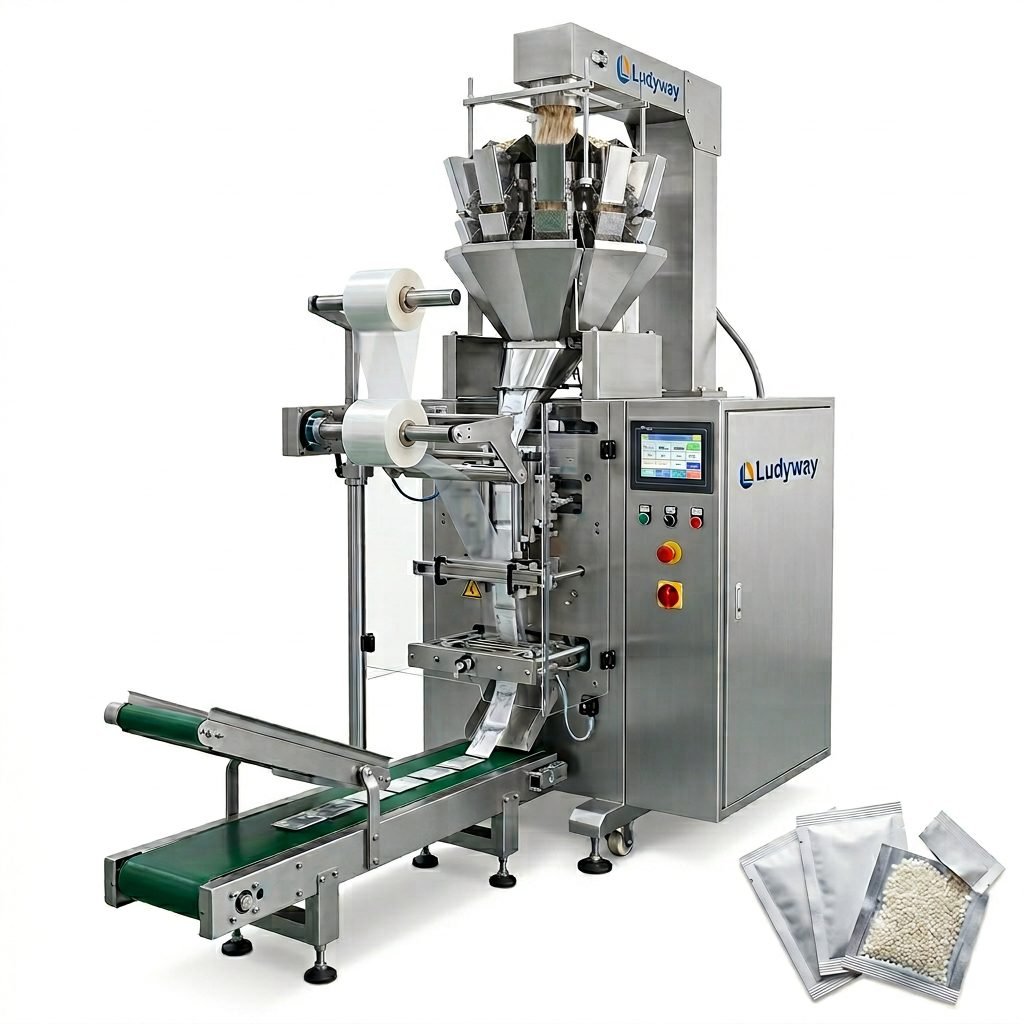
Define Your Product and Packaging Specifications
Before comparing equipment, you must clearly define your product characteristics and packaging requirements. The physical properties of your medicine will determine the appropriate packaging machinery configuration.
Product Form and Flow Properties
- Powders: Consider particle size distribution, bulk density, flowability, and moisture sensitivity. Fine, cohesive powders may require specialized auger fillers or vacuum-assisted dosing systems.
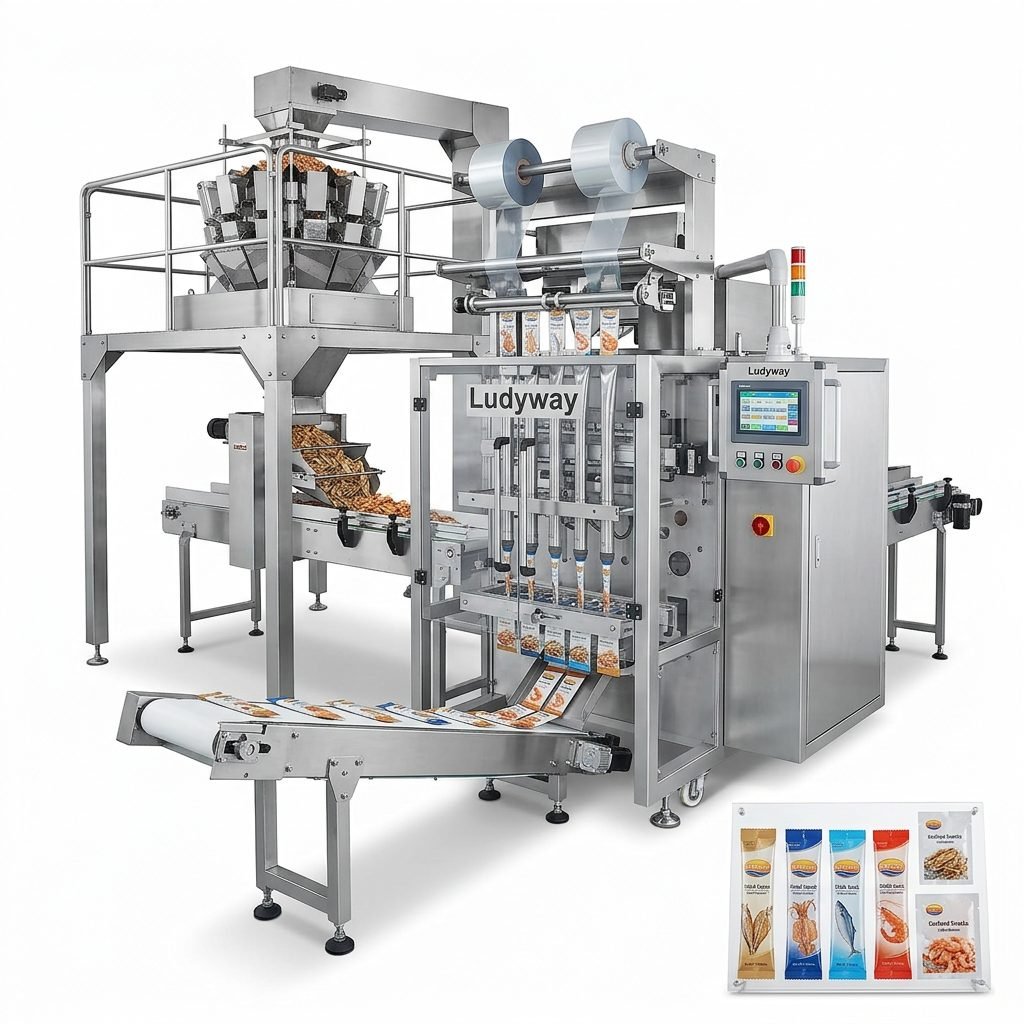
- Granules: Evaluate granule size uniformity, friability, and segregation tendency. Multi-head weighers or volumetric cup fillers are common solutions.
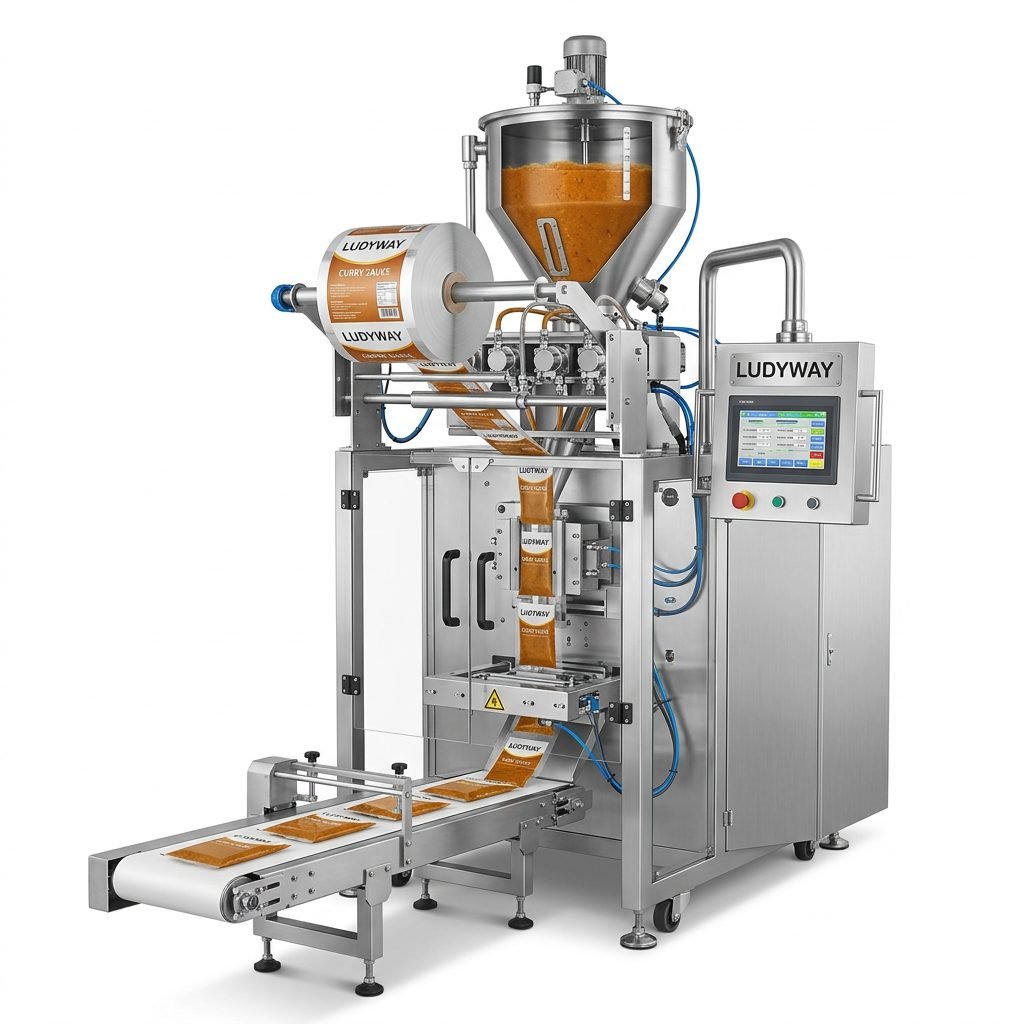
- Liquids and Suspensions: Viscosity, foaming behavior, and particulate content influence pump selection—piston pumps, peristaltic pumps, or gear pumps may be appropriate.
- Tablets and Capsules: Determine count-per-pack, orientation requirements, and the need for product protection against moisture and oxygen.
Packaging Format and Material
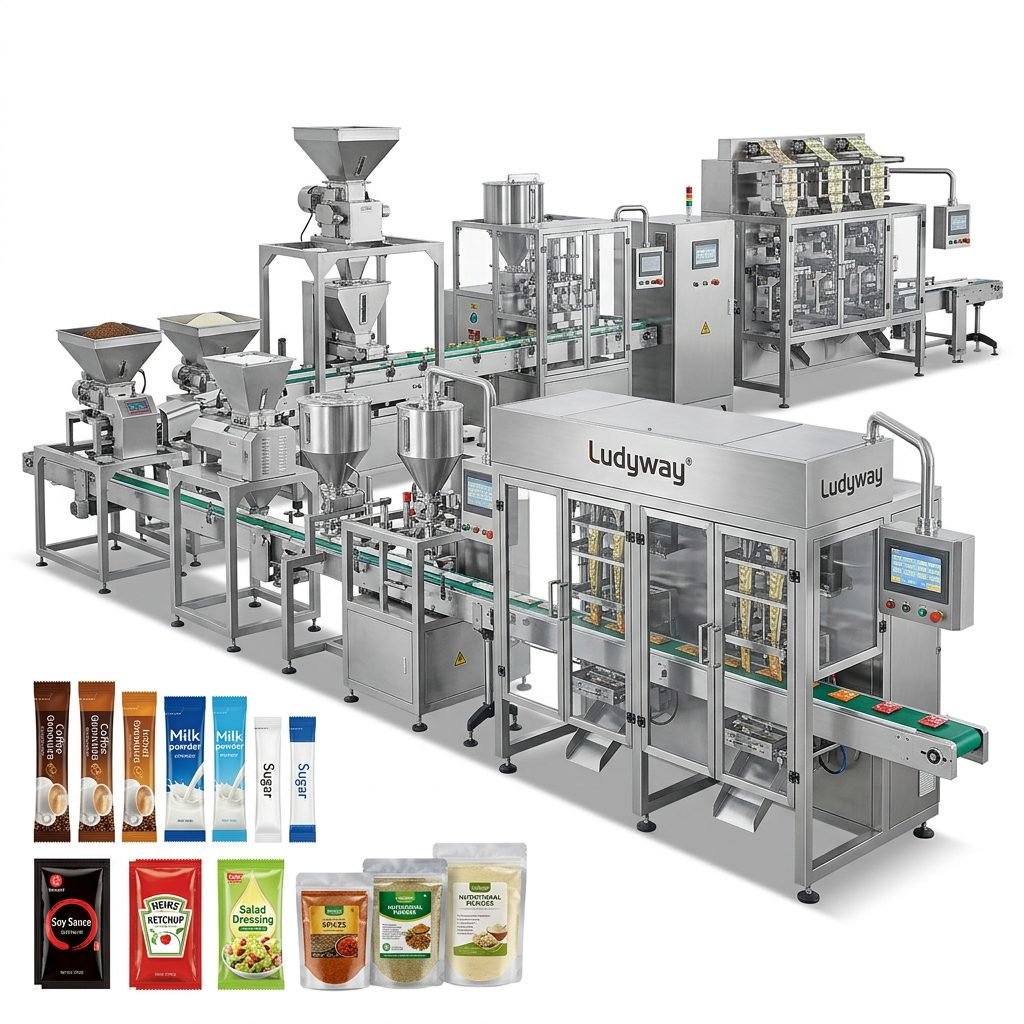
Medicine packaging machines support a variety of formats. The choice depends on dosage, consumer convenience, shelf-life requirements, and regulatory guidelines:
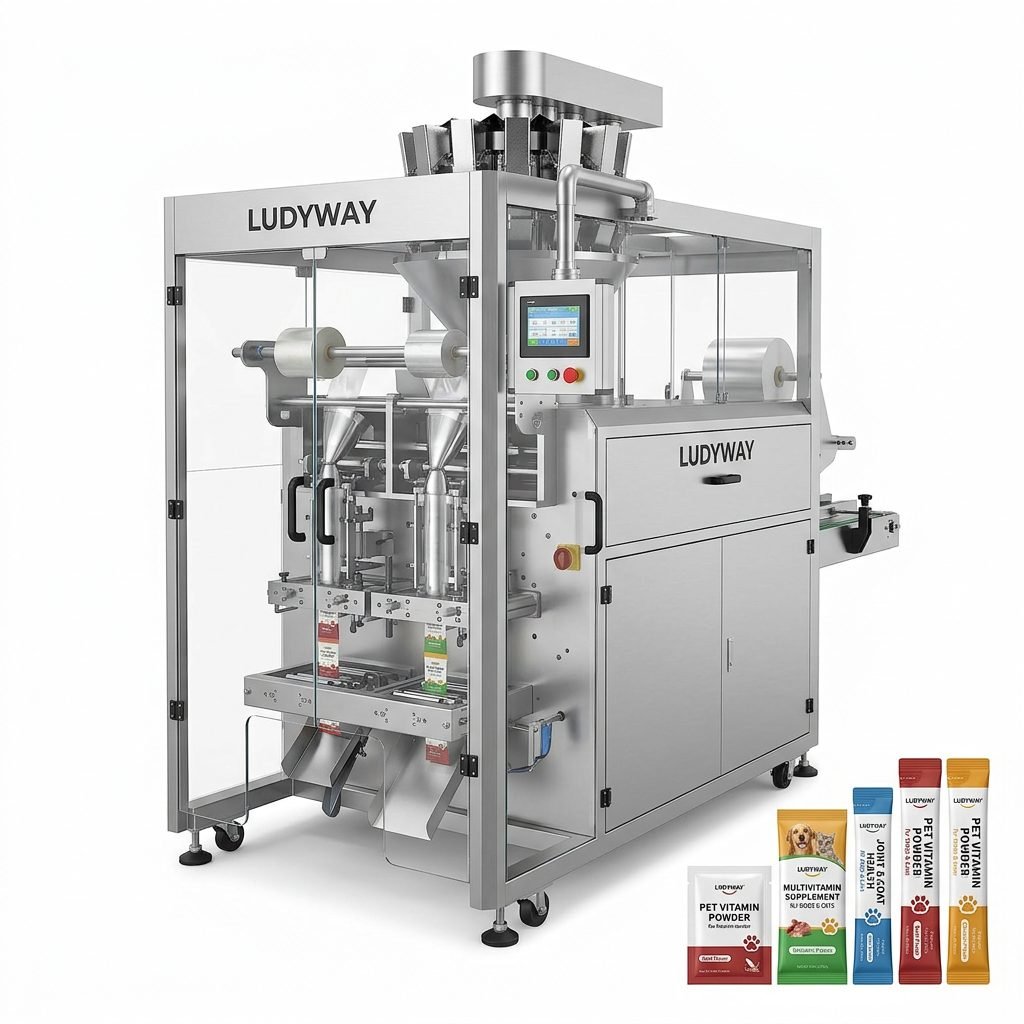
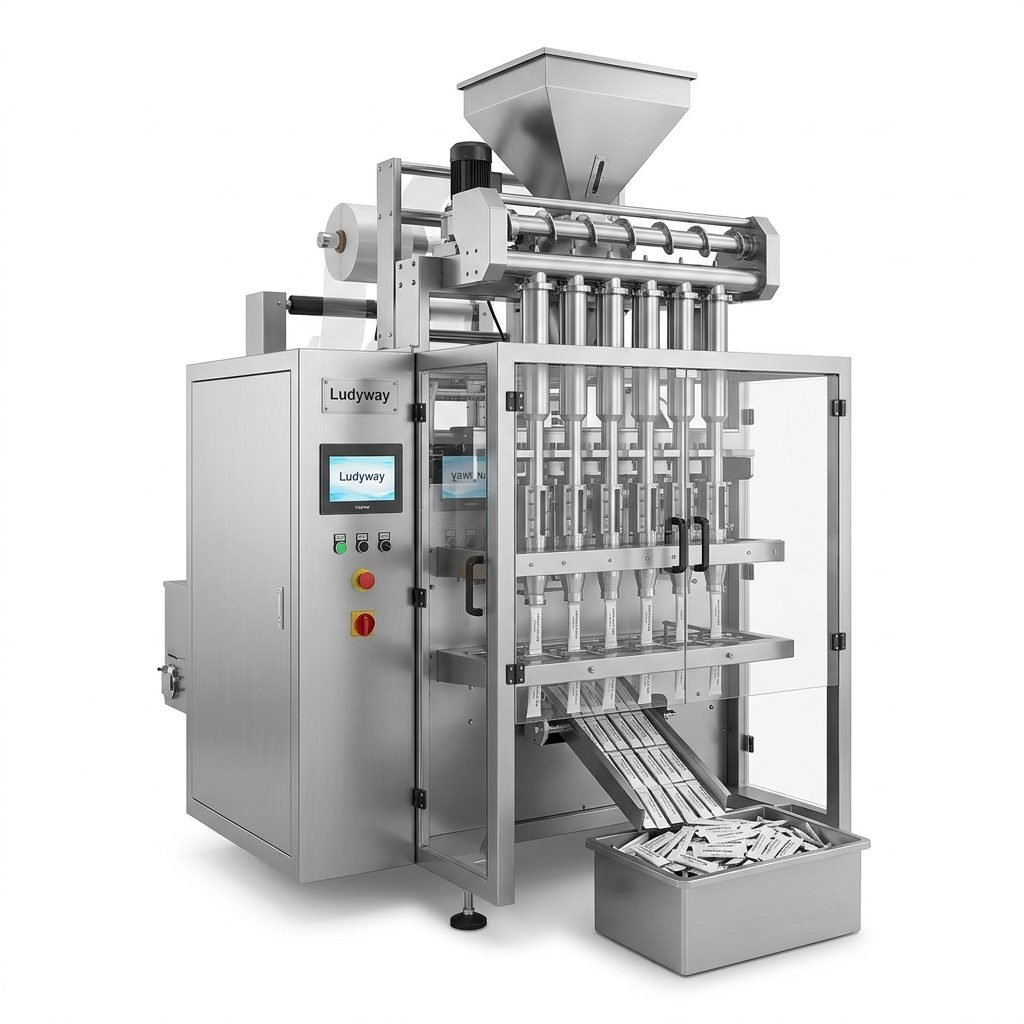
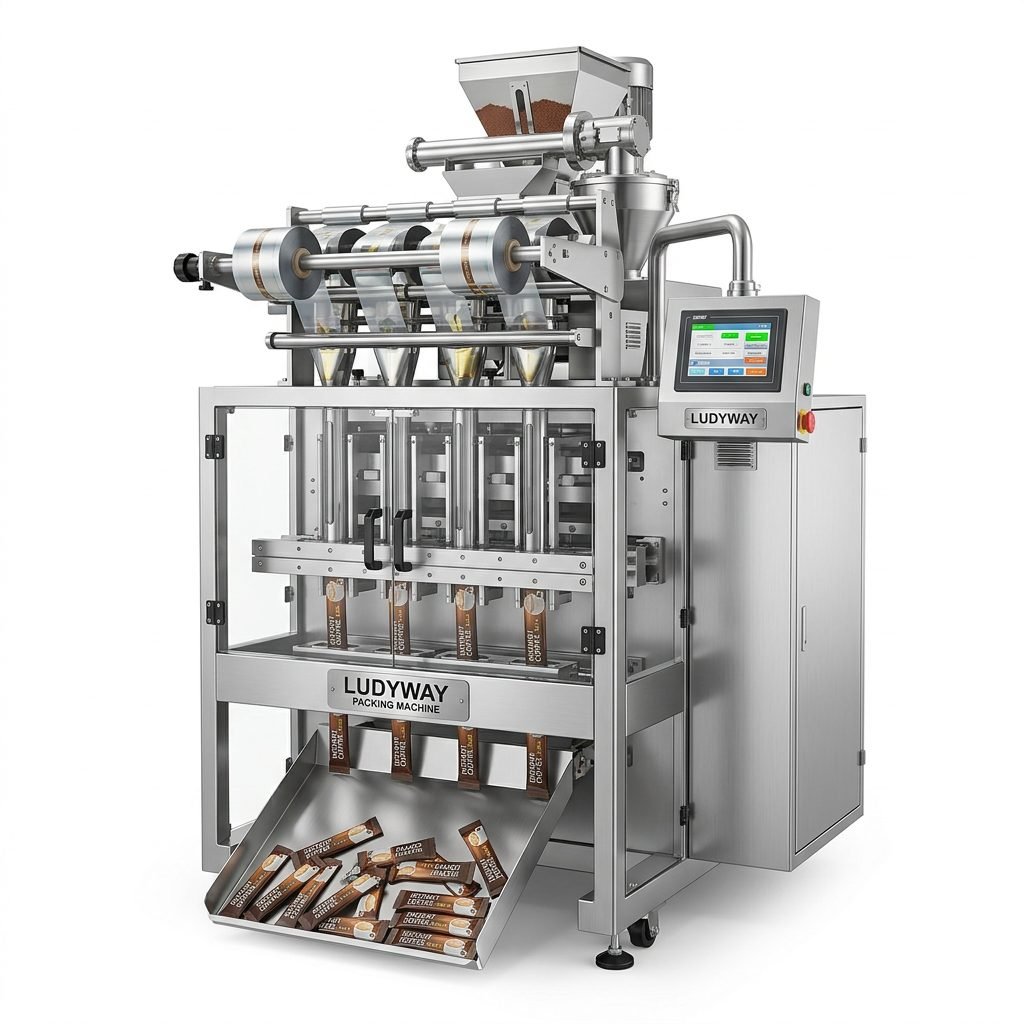
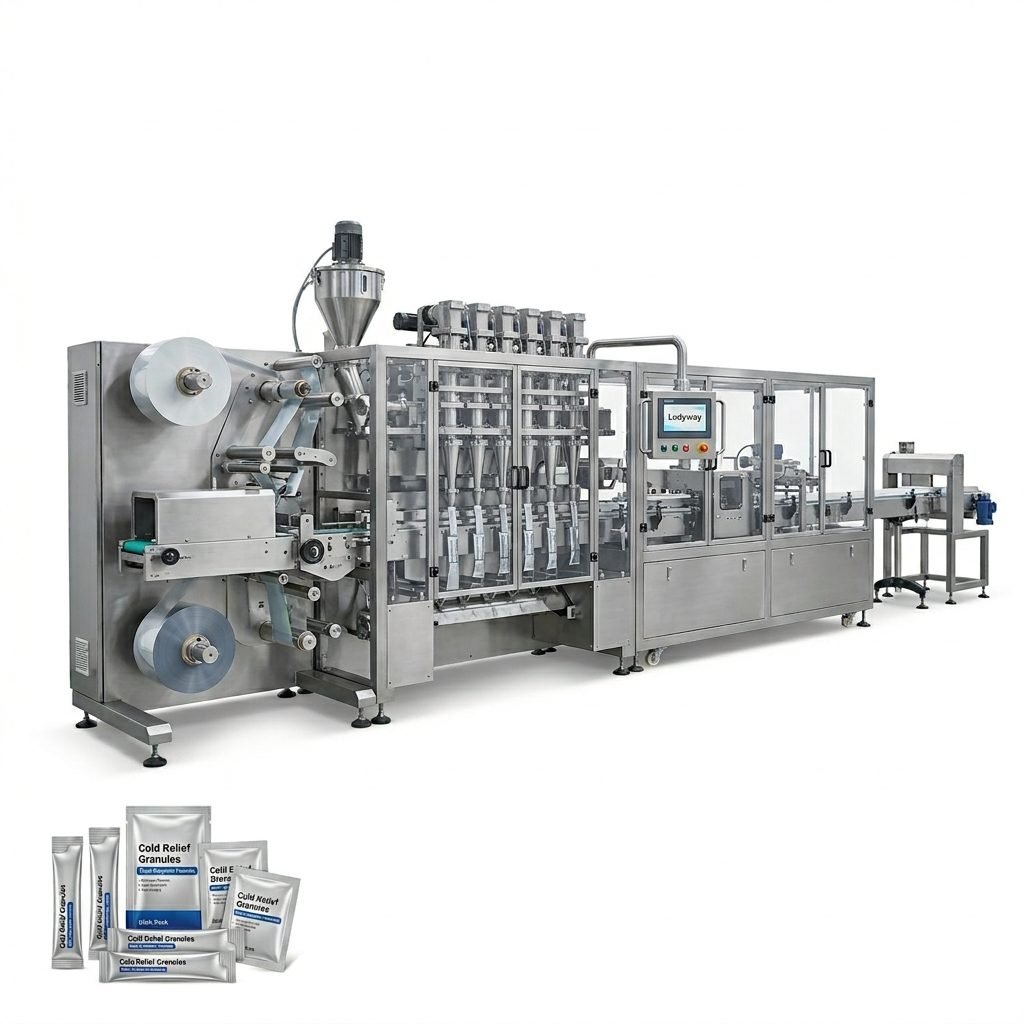
- Stick packs – Ideal for single-dose powder and granule medications.
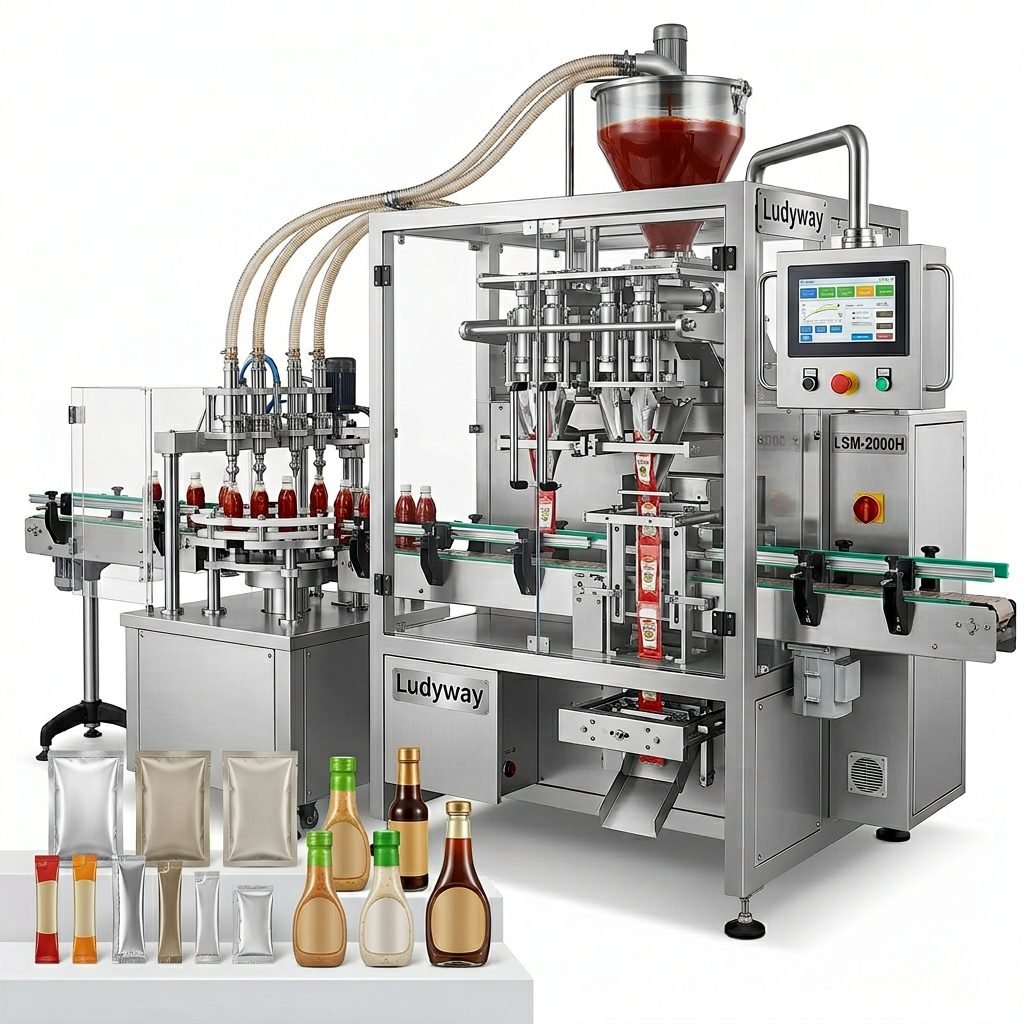
- Sachets and flat pouches – Common for powder, granule, and liquid dose formats.
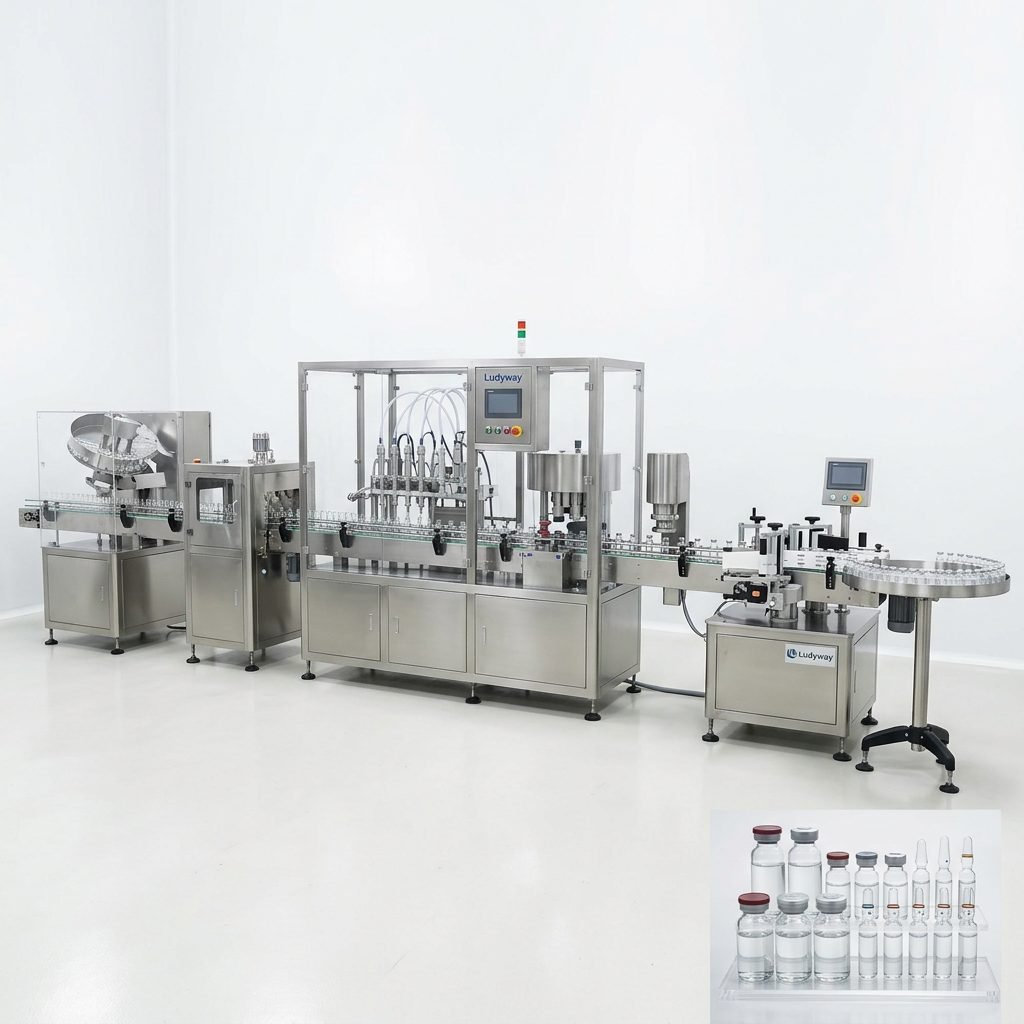
- Bottle filling lines – Required for liquid syrups, suspensions, and solid dose bottles.
- Blister packaging – Standard for tablet and capsule products requiring barrier protection.
Key Technical Factors to Evaluate
Production Speed and Capacity
Match the machine’s rated output to your current and projected production volumes. High-speed multi-lane sachet and stick pack machines can produce several hundred packs per minute, while single-lane machines are suited for lower-volume applications. Plan for scalability—selecting equipment with modular lane expansion capabilities can future-proof your investment.
Filling Accuracy and Consistency
Pharmaceutical products require precise dosing. Variations in fill weight can lead to regulatory non-compliance and product recalls. Evaluate the dosing technology—servo-driven auger systems, multi-head weighers, or net-weight filling systems—and verify the achievable accuracy for your product.
Regulatory Compliance and Validation
Pharmaceutical packaging equipment must meet stringent regulatory standards. Depending on your market, machines may need to comply with:
- FDA 21 CFR Part 11 for electronic records and signatures.
- cGMP (Current Good Manufacturing Practice) requirements for design, construction, and cleaning.
- ISO 11607 for terminally sterilized medical device packaging where applicable.
- CE marking and relevant European directives for EU markets.
- GAMP 5 guidelines for automated system validation.
Ensure the machine design supports easy cleaning, material traceability, and documented validation protocols. Stainless steel construction, sanitary design features, and accessible surfaces are essential.
Automation and Integration Capabilities
Modern pharmaceutical packaging lines benefit from higher levels of automation. Consider whether you need:
- Automated feeding and dosing systems.
- In-line checkweighing and metal detection.
- Vision inspection systems for seal integrity and print quality.
- Serialization and track-and-trace capabilities.
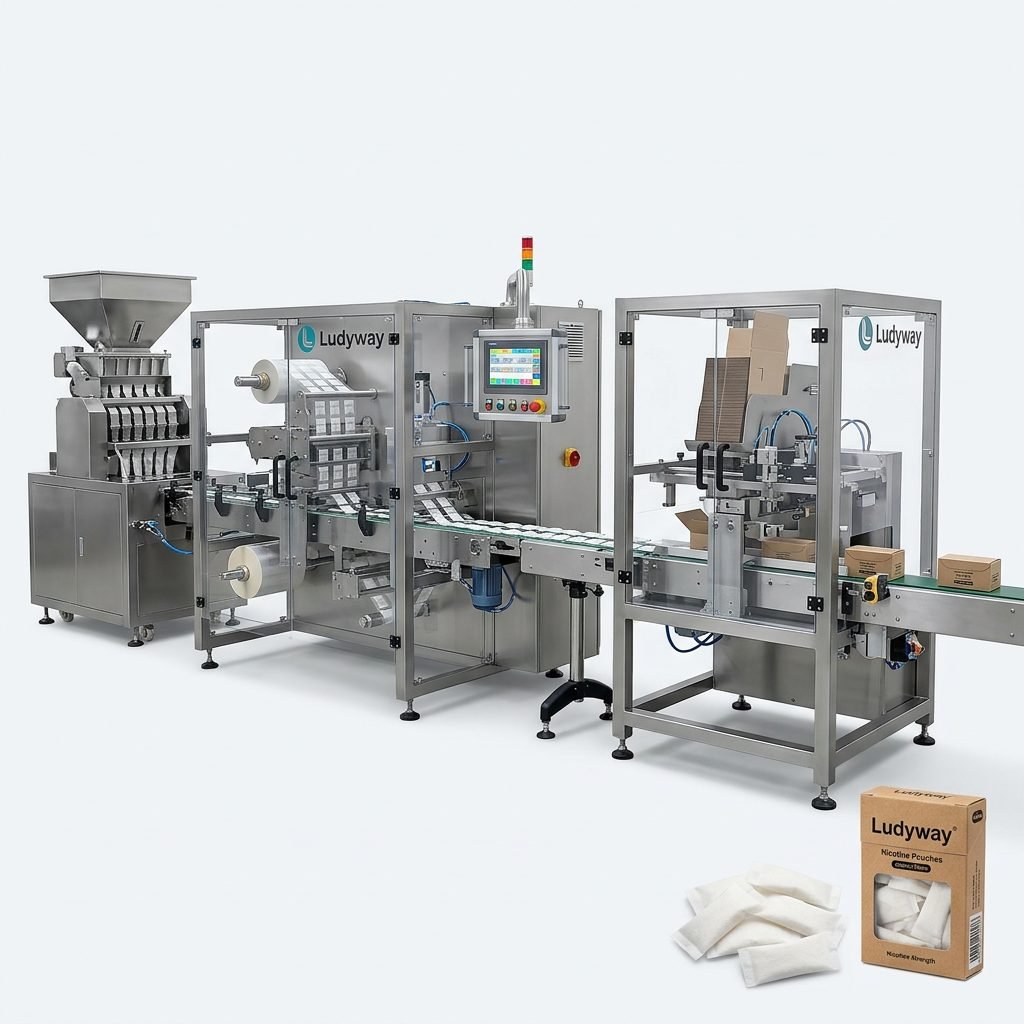
- Integration with cartoning, case packing, and palletizing systems.
Comparing Machine Types for Medicine Packaging
The table below summarizes common machine configurations used in pharmaceutical packaging applications:
| Machine Type | Best For | Typical Speed Range | Key Advantage |
|---|---|---|---|
| Multi-Lane Stick Pack Machine | Single-dose powders, granules | 200–600 packs/min | High output, compact packaging |
| Sachet / Flat Pouch Machine | Powders, liquids, gels | 60–400 packs/min | Versatile format, cost-effective |
| Bottle Filling and Capping Line | Liquid syrups, suspensions | 30–200 bottles/min | Familiar patient format |
| Blister Packaging Machine | Tablets, capsules | 40–500 blisters/min | Excellent barrier protection |
| Premade Pouch Filling Machine | Powders, liquids, medical devices | 20–80 pouches/min | Flexible for multiple pouch styles |
Quality, Reliability, and Long-Term Support
Pharmaceutical packaging is a long-term investment. Machine quality directly affects overall equipment effectiveness (OEE), maintenance costs, and production uptime. When assessing a potential supplier, investigate the following:
- Manufacturing standards: In-house production facilities with ISO-certified processes indicate better quality control.
- Component sourcing: Machines built with internationally recognized automation and electrical components (such as Siemens, Omron, or Mitsubishi) tend to offer higher reliability.
- Documentation: Comprehensive IQ/OQ/PQ documentation packages are critical for pharmaceutical validation.
- Spare parts availability: Evaluate the supplier’s spare parts inventory, global distribution network, and lead times for critical components.
Customized Solutions vs. Standard Machines
Off-the-shelf packaging machinery may not fully meet the unique requirements of your pharmaceutical product. Working with a supplier that offers custom engineering capabilities allows you to tailor the equipment to your specific product characteristics, packaging material, cleanroom requirements, and production workflow. Customization can address challenges such as dust extraction, inert gas flushing for oxygen-sensitive products, and integration with existing factory systems.
Selecting a Reliable Packaging Machinery Partner
Choosing the right equipment supplier is just as important as choosing the right machine. Look for a partner with proven industry experience, engineering depth, and a global service infrastructure. A comprehensive packaging machinery provider should be able to assist with machine selection, system integration, installation and commissioning, operator training, and ongoing technical support. For instance, Ludyway Machinery, a China-based packaging machinery manufacturer with over 30 years of experience, offers a broad range of automated packaging solutions—from individual machines to complete turnkey lines—serving the pharmaceutical, food, and chemical industries across more than 100 countries.
Additional Resources for Pharmaceutical Packaging Buyers
Staying informed about industry standards and market trends can help you make a more educated purchasing decision. The following resources provide valuable guidance:
- PMMI – The Association for Packaging and Processing Technologies
- 2026 Packaging State of the Industry Report
- FDA – Food Packaging and Food Contact Substances
- Flexible Packaging Association – Industry Resources
Conclusion
Investing in the right medicine packaging machine requires a thorough evaluation of your product, production goals, regulatory environment, and long-term business strategy. By carefully considering product characteristics, packaging format, dosing precision, compliance requirements, and supplier capabilities, you can select equipment that delivers consistent quality, operational efficiency, and regulatory assurance for years to come. Take the time to consult with multiple suppliers, visit manufacturing facilities when possible, and request detailed technical proposals before making your final decision.