Investing in a roll packing machine is a significant decision for any manufacturer handling flexible packaging. Whether you are packaging powders, granules, liquids, or solid products, the right equipment directly impacts your production efficiency, product quality, and long-term operational costs. With dozens of machine types, configurations, and technical specifications available, narrowing down the options can feel overwhelming.
This guide walks you through the essential factors to evaluate when choosing a roll packing machine, helping you make an informed decision that aligns with your production goals, budget, and future growth plans.
Understanding Roll Packing Machine Types
Before diving into specifications, it is important to understand the primary categories of roll packaging machinery available on the market. Each type serves different product characteristics and packaging formats.
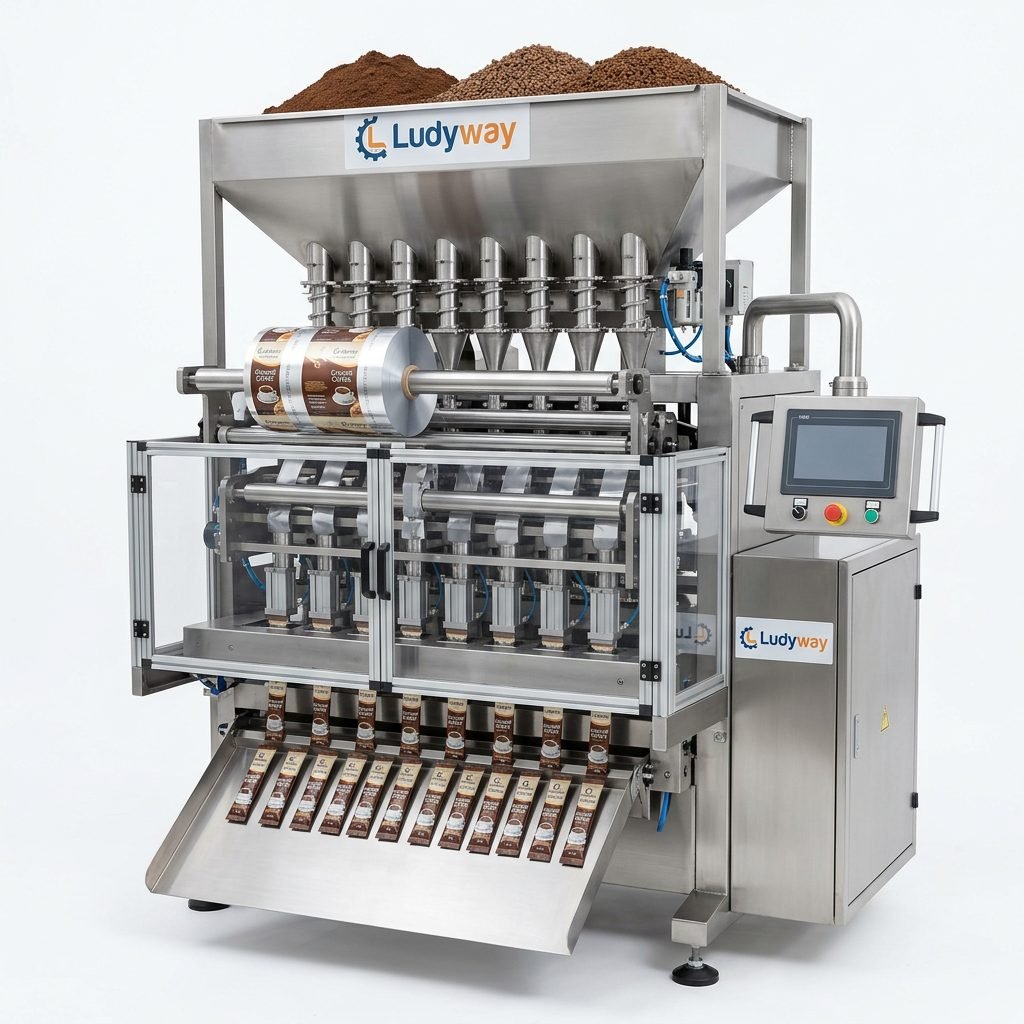
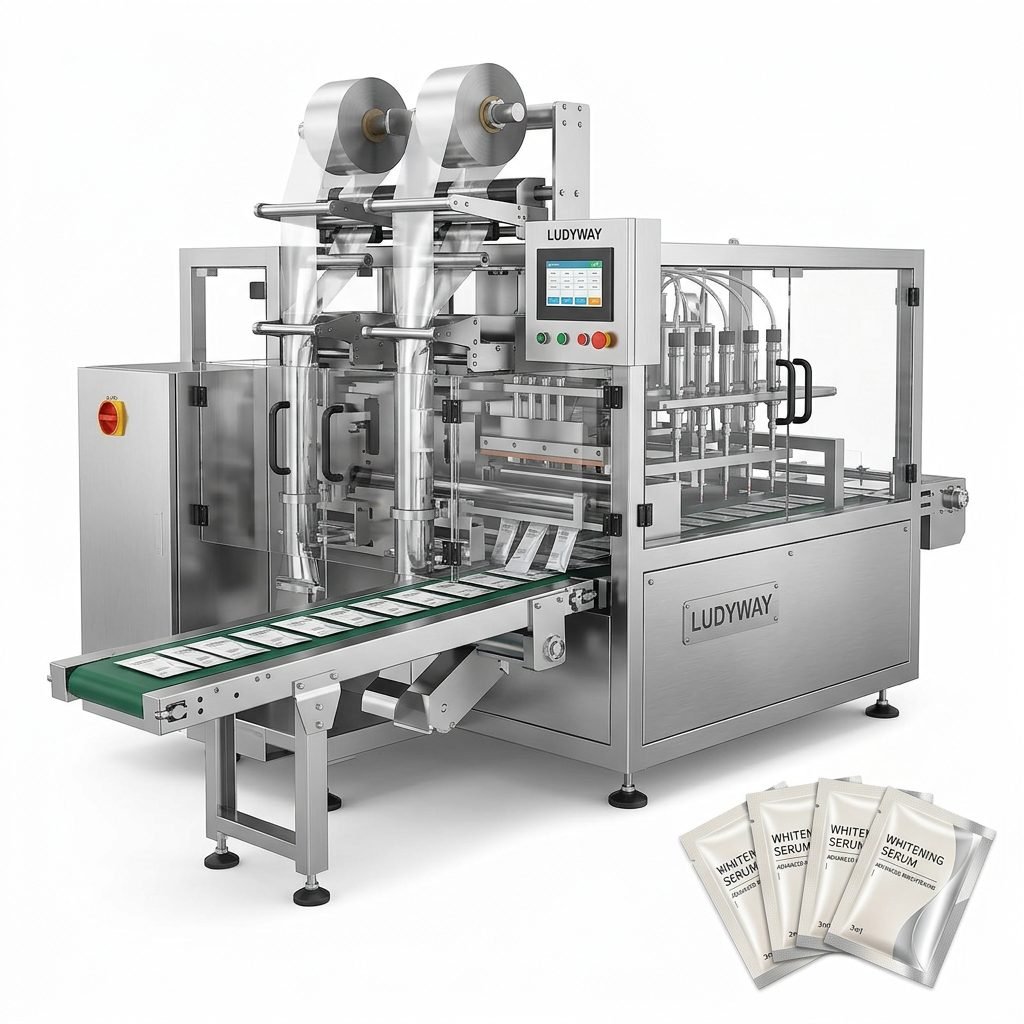
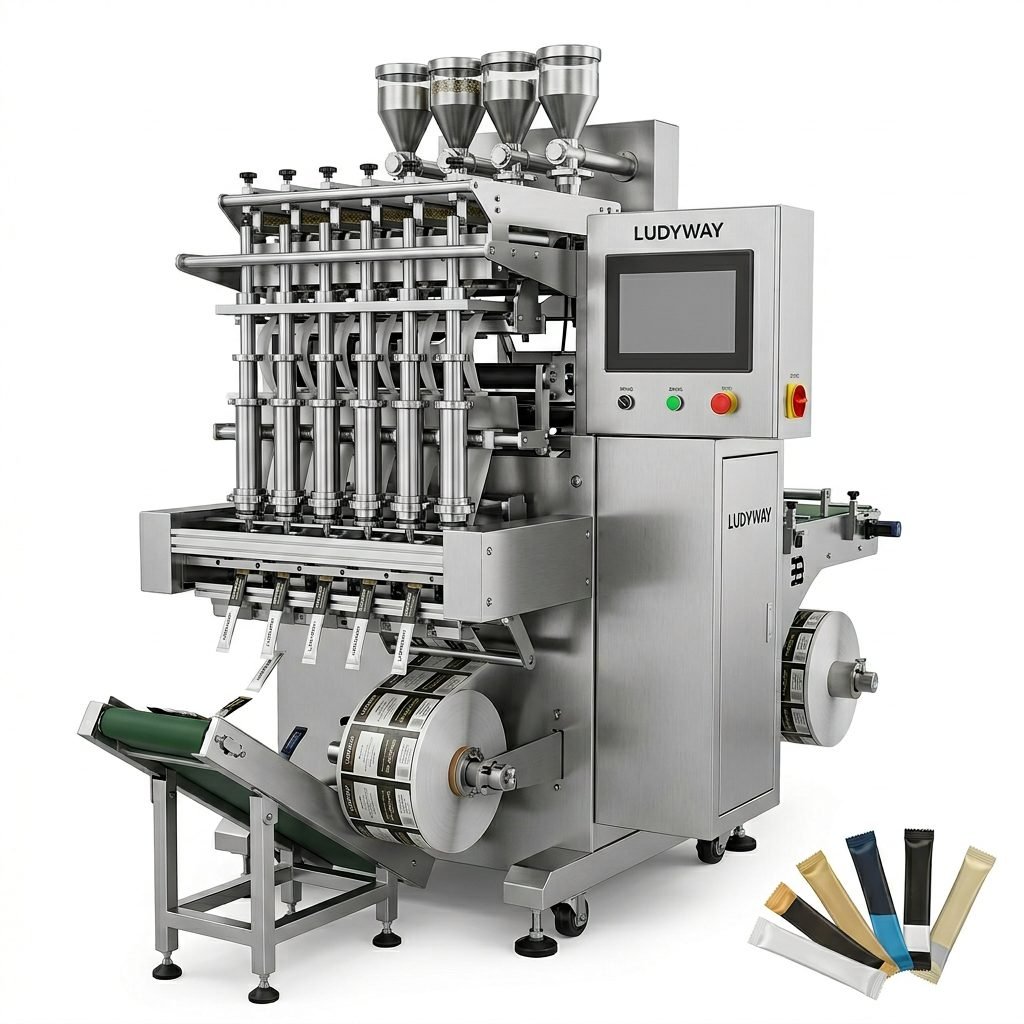
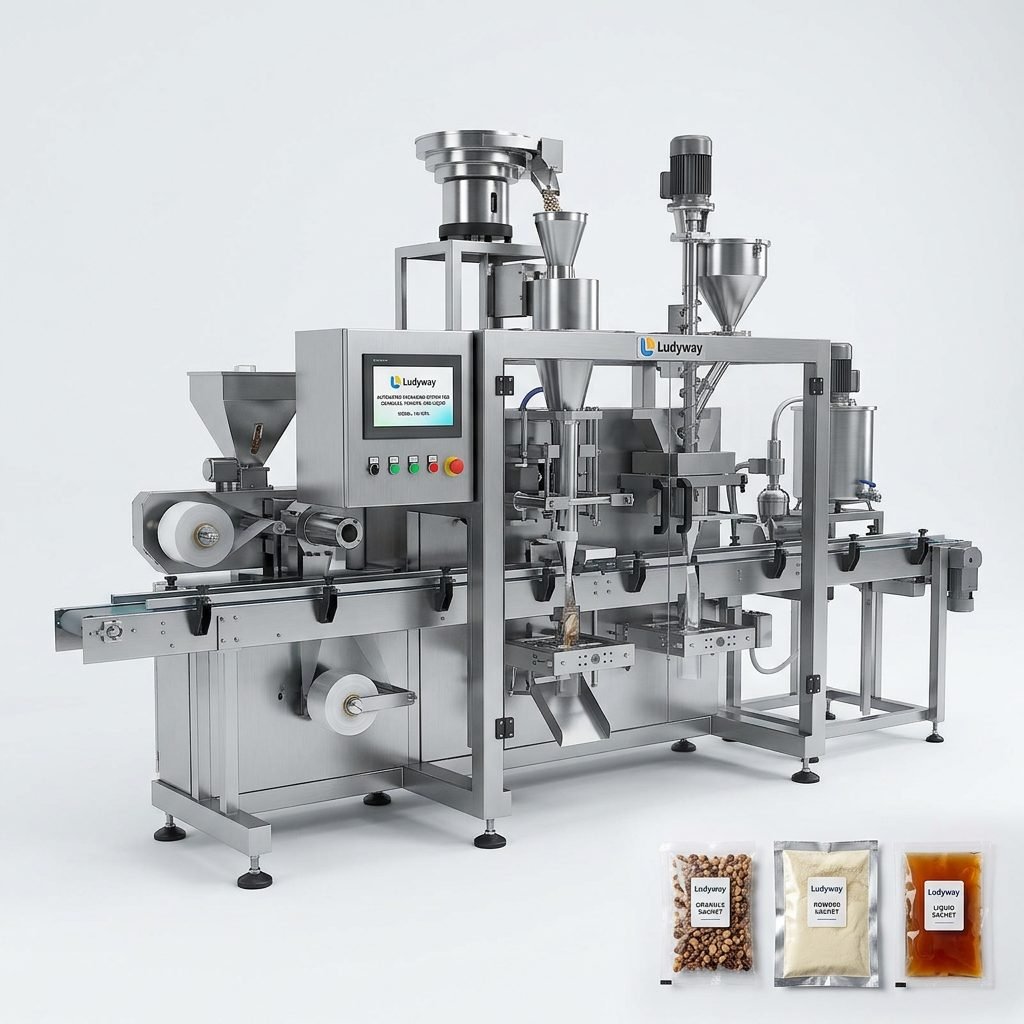
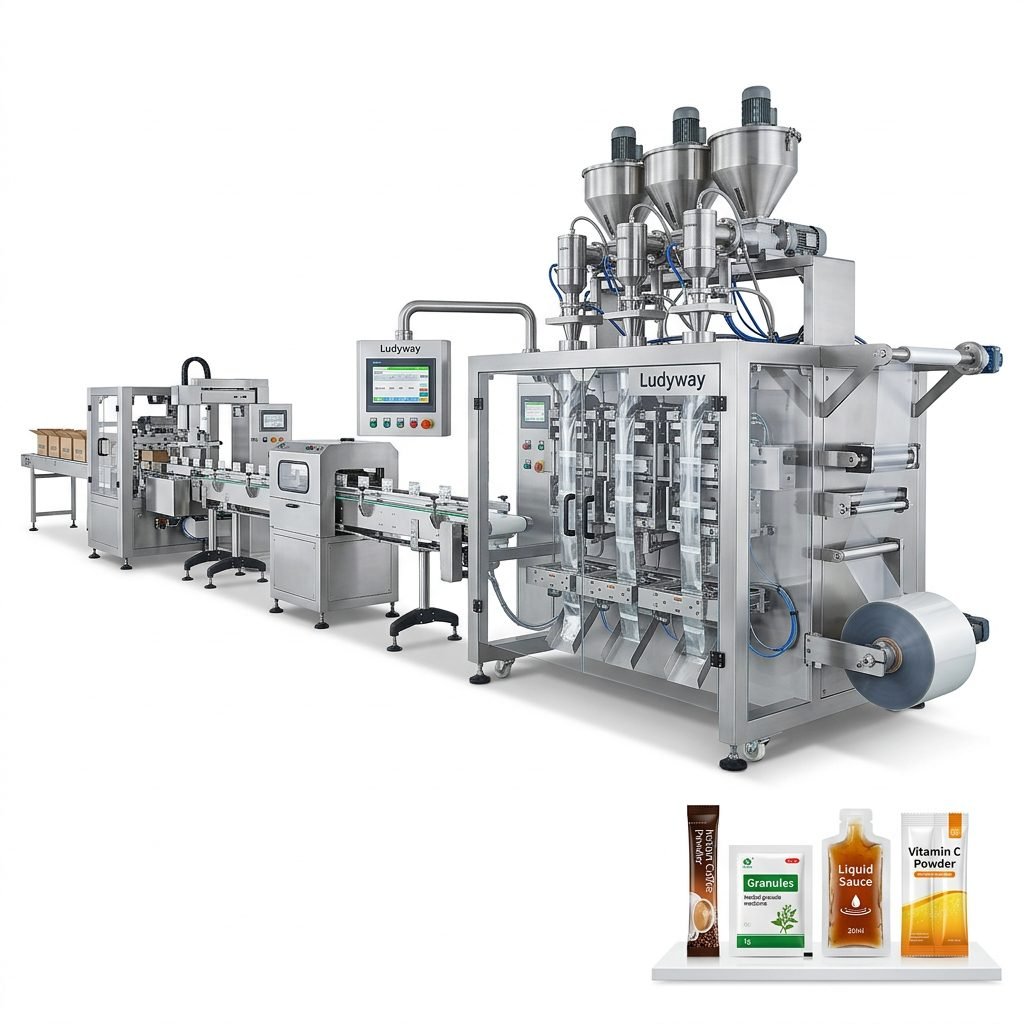
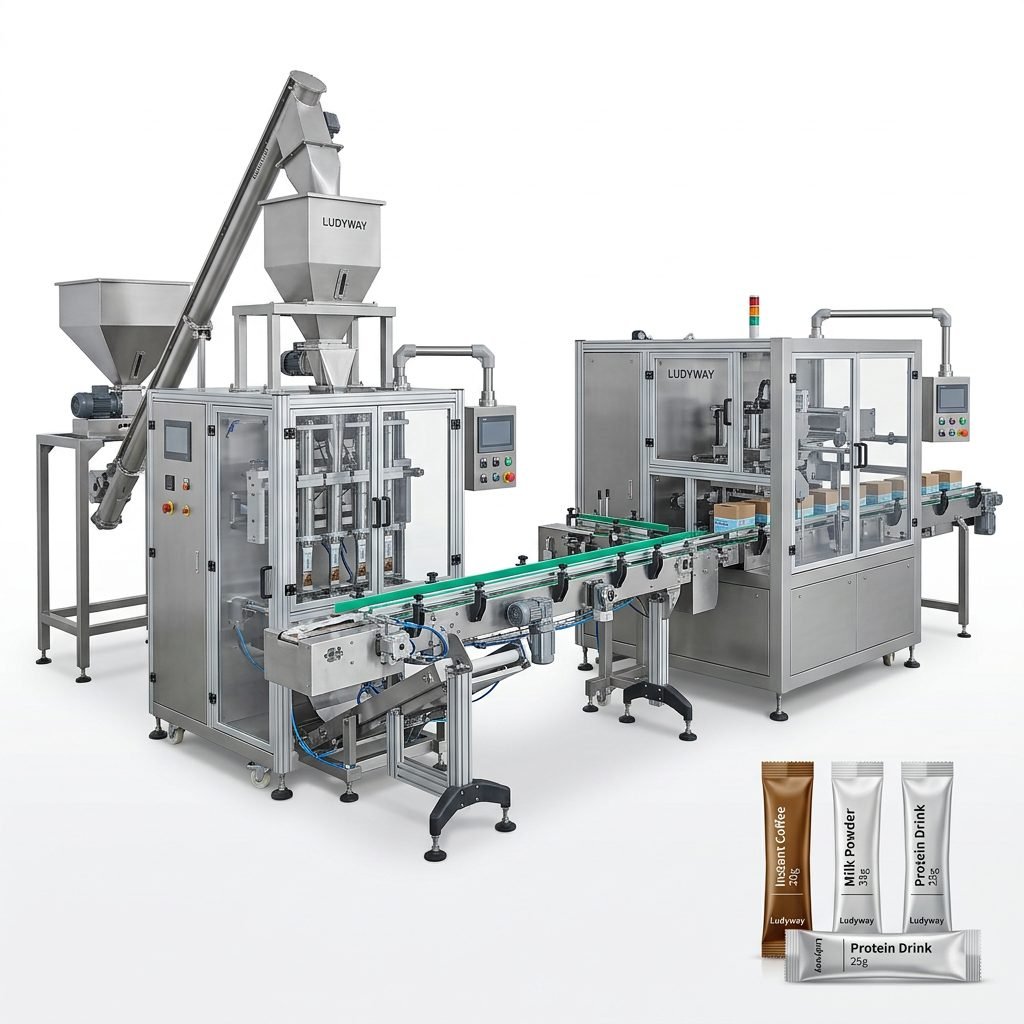
- Sachet and Stick Pack Machines: Ideal for single-serve portions of powders, granules, and liquids. These machines form, fill, and seal small packets from roll stock film at high speeds. Common in the food, pharmaceutical, and nutraceutical industries.
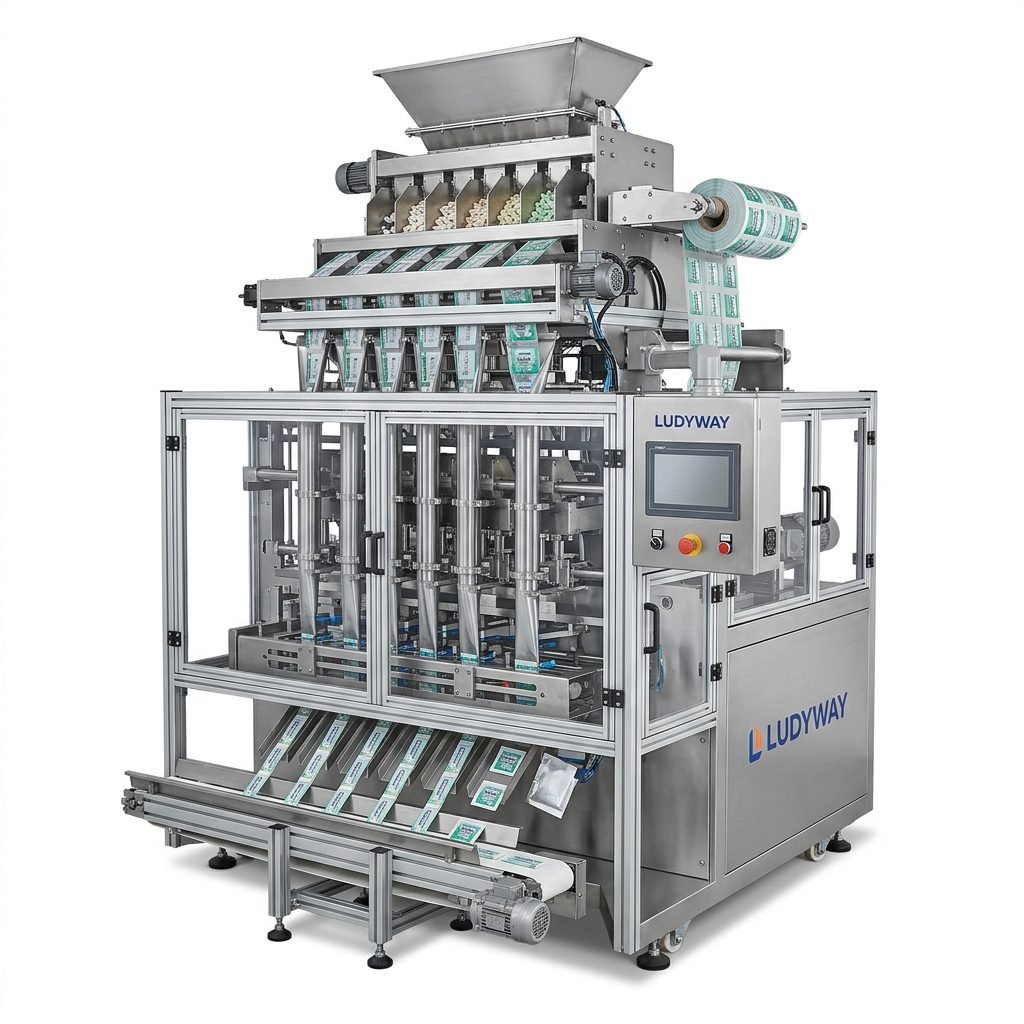
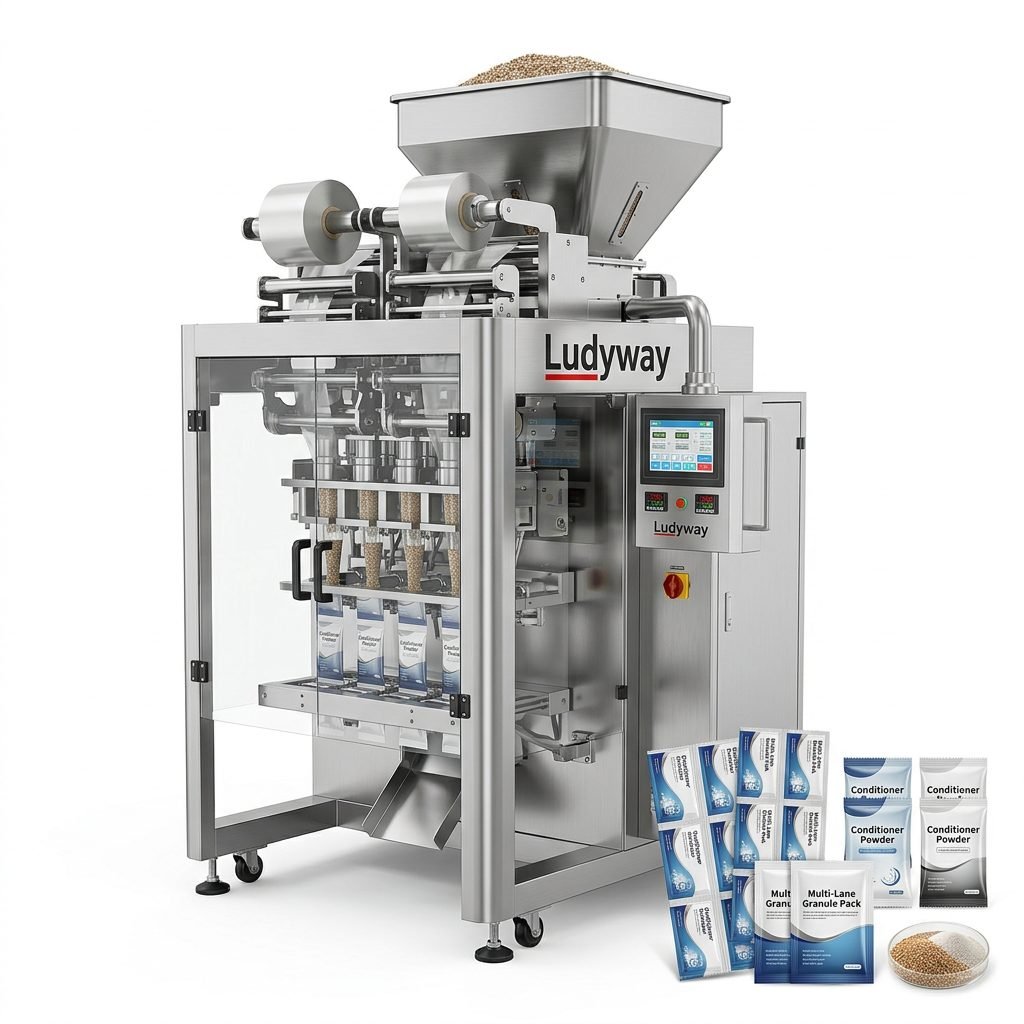
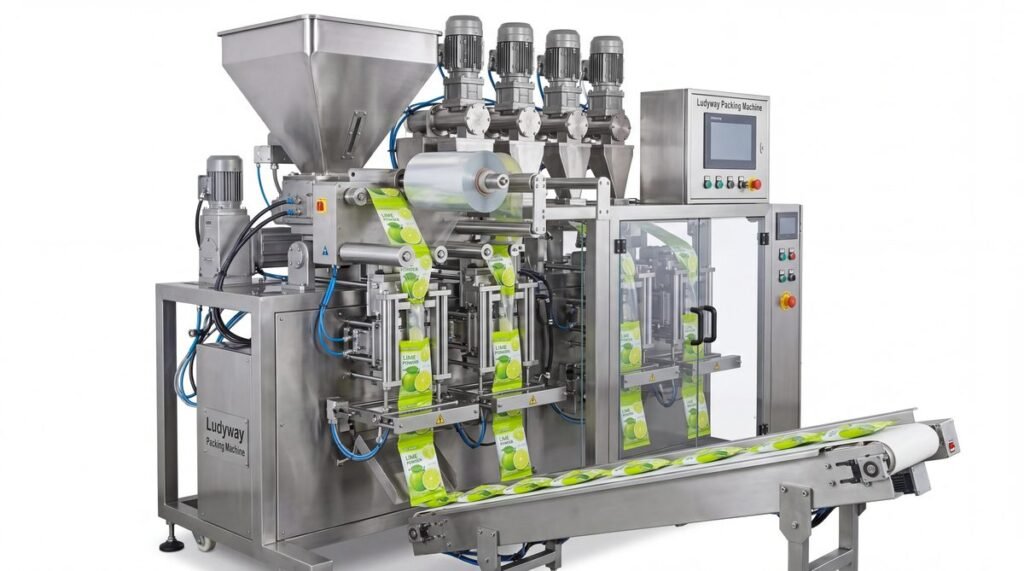
- Multi-Lane Packaging Machines: Designed for high-volume production, multi-lane systems run several lanes simultaneously, multiplying output without requiring additional floor space. They are widely used for consumer packaged goods that demand high throughput.
- Pouch Packaging Machines: These handle pre-made pouches or form-fill-seal pouches from roll stock, suitable for larger pack sizes ranging from 100g to several kilograms. Common applications include pet food, fertilizers, and bulk food ingredients.
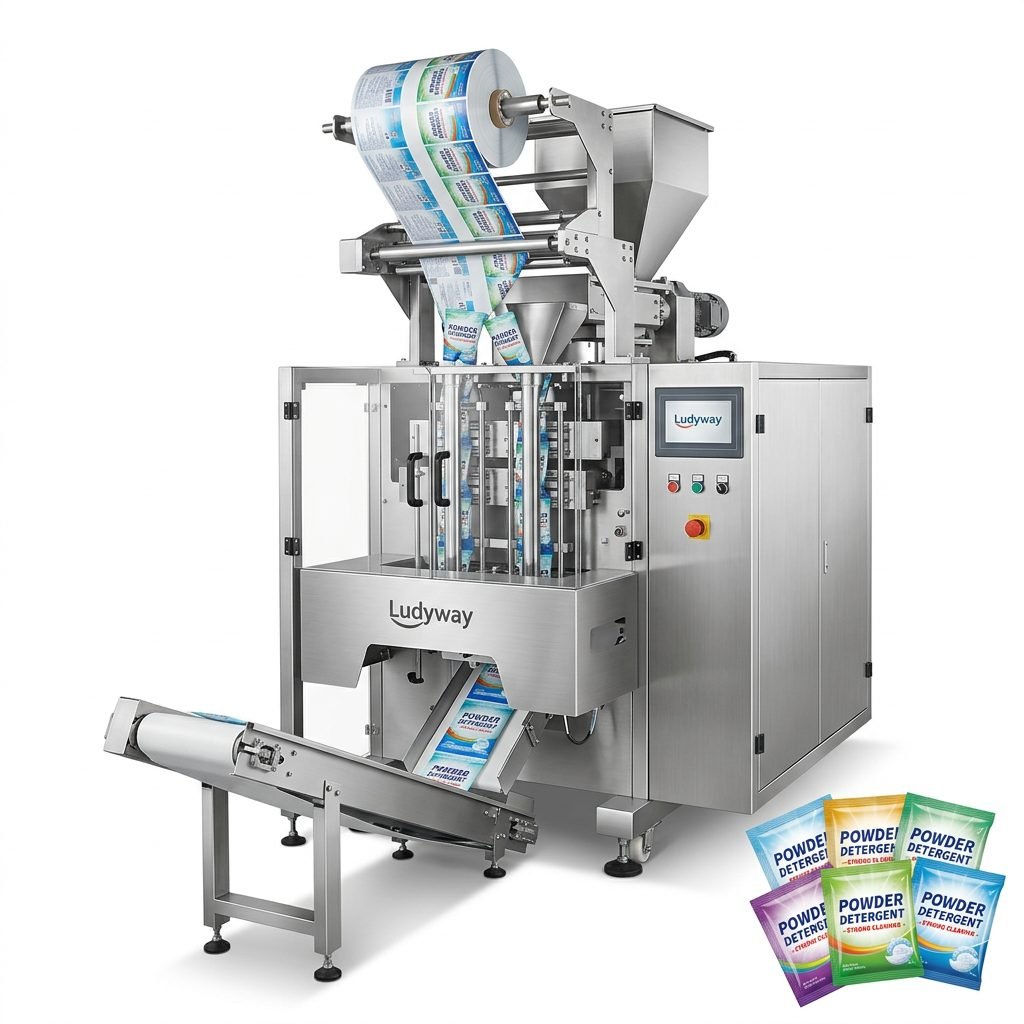
- Vertical Form-Fill-Seal (VFFS) Machines: A versatile category that forms bags vertically from roll film, fills product, and seals the package in a continuous motion. These machines accommodate a wide range of bag styles and sizes.
Key Factors to Evaluate Before Purchase
Selecting the right roll packing machine requires a thorough assessment of your product, production environment, and business objectives. The following table summarizes the critical evaluation criteria:
| Evaluation Factor | Key Questions to Ask | Why It Matters |
|---|---|---|
| Product Characteristics | Is your product powder, granule, liquid, paste, or solid? What is its flowability, density, and particle size? | Determines the type of dosing system, filling mechanism, and sealing technology required. |
| Packaging Format | Do you need sachets, stick packs, pouches, or gusseted bags? What are the target dimensions? | Defines the machine configuration, film width capacity, and bag-forming components. |
| Production Speed | How many packs per minute do you need now, and what are your projected volumes in 2-3 years? | Impacts machine selection between single-lane and multi-lane systems, and affects ROI calculations. |
| Packaging Material | What film type will you use? What are the sealing temperature and pressure requirements? | Different flexible packaging materials require specific sealing systems and temperature controls. |
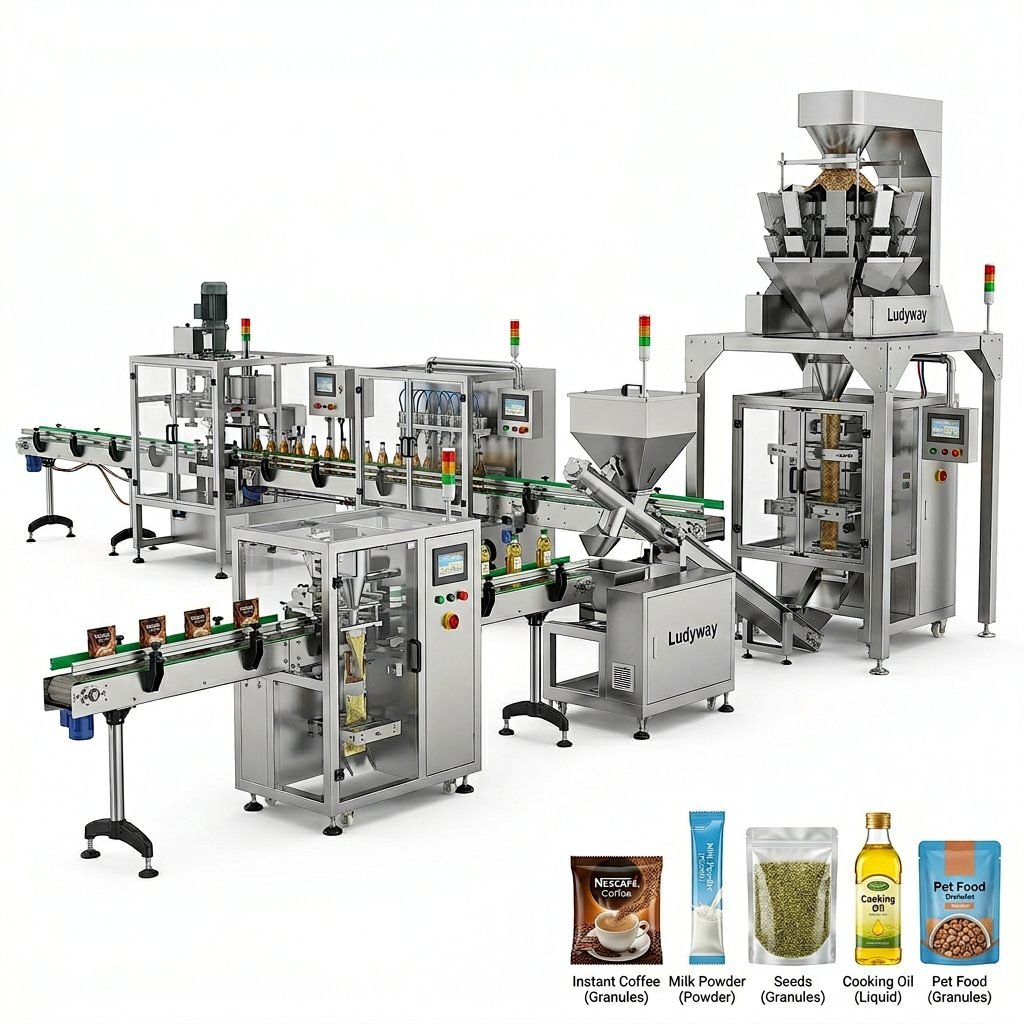
| Automation Level | Do you need a standalone machine or a fully integrated packaging line with feeding, coding, and inspection? | Affects initial investment, labor requirements, and overall line efficiency. |
| Industry Compliance | Does your industry require GMP, FDA, CE, or ISO certifications for packaging equipment? | Ensures regulatory compliance and avoids costly retrofits or rejection in regulated markets. |
Product Compatibility and Dosing Systems
One of the most overlooked aspects of choosing a roll packing machine is product compatibility. The dosing and filling system must be precisely matched to your product’s physical properties. According to PMMI packaging industry research, improper dosing system selection is a leading cause of packaging line inefficiency.
- Auger Fillers: Best suited for fine powders such as flour, milk powder, spices, and pharmaceutical powders. They provide high accuracy for free-flowing and non-free-flowing powders.
- Volumetric Cup Fillers: Ideal for free-flowing granules like sugar, salt, rice, seeds, and granular fertilizers. They offer consistent fill volumes at high speeds.
- Piston Fillers: Designed for liquids and pastes including sauces, gels, creams, shampoos, and honey. Piston systems handle a wide viscosity range.
- Multi-Head Weighers: Provide the highest accuracy for granules and solid products such as nuts, snacks, dried fruits, pet food, and hardware components.
Machine Build Quality and Component Sourcing
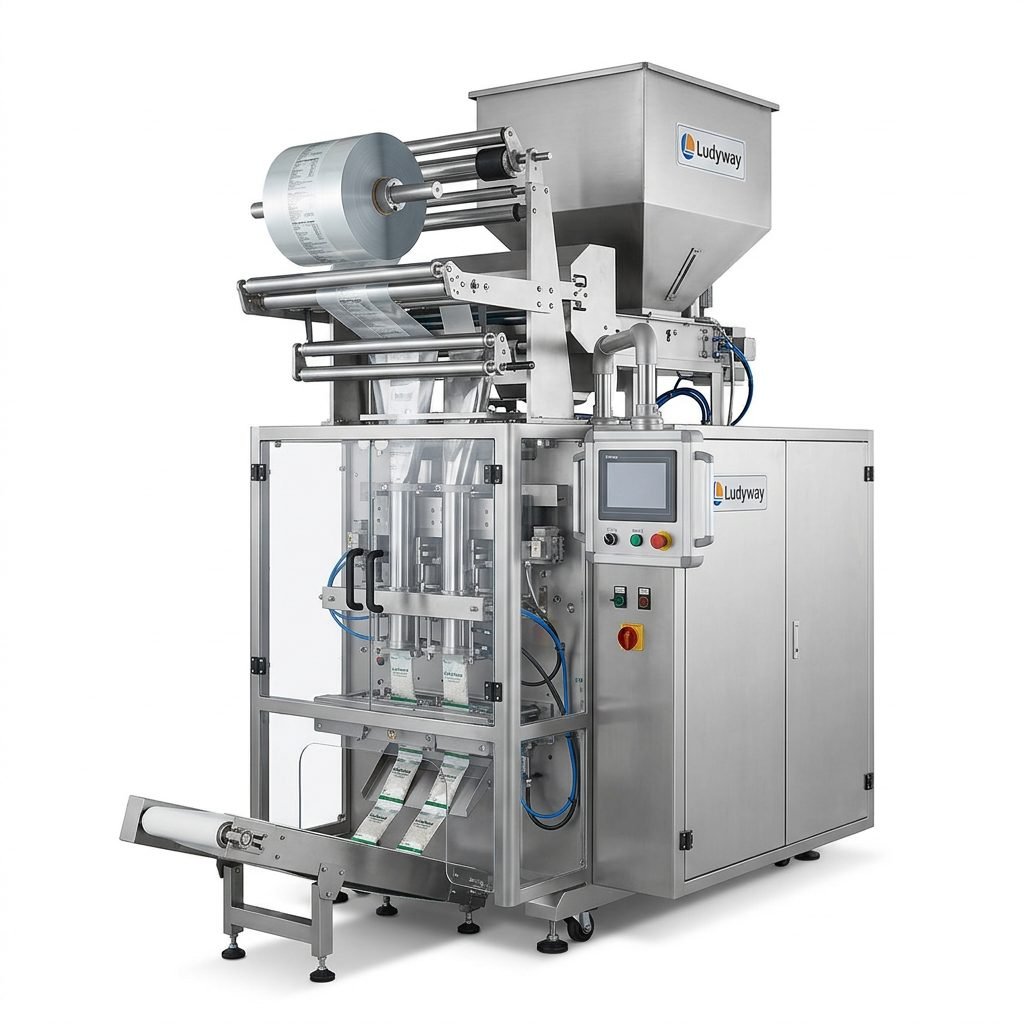
The long-term reliability of your roll packaging machine depends heavily on build quality and the components used in manufacturing. When evaluating equipment, pay close attention to the frame construction material, the brand of electrical and pneumatic components, and the overall engineering design.
Machines built with stainless steel frames and food-grade contact parts are essential for food, pharmaceutical, and cosmetic applications. For industrial products such as chemicals or fertilizers, carbon steel with protective coatings may be suitable and more cost-effective. Leading automation brands like Siemens, Omron, Schneider, and Mitsubishi provide reliable PLC, HMI, and servo drive systems that ensure consistent performance and easier maintenance over the machine’s lifecycle.
Evaluating Total Cost of Ownership
The purchase price is only one component of the total investment. A comprehensive cost analysis should include:
- Initial capital expenditure including machine cost, shipping, import duties, and installation.
- Operational costs such as film material consumption rates, energy usage, and labor requirements per shift.
- Maintenance expenses covering routine spare parts, preventive maintenance schedules, and potential downtime costs.
- Training and technical support for operators and maintenance personnel to ensure optimal machine utilization.
While lower upfront pricing can be attractive, a machine with higher reliability, faster changeover times, and better after-sales support often delivers a lower total cost of ownership over a 5-10 year operating period. Industry data from the 2025 State of the Industry report indicates that packaging machinery investments with strong technical support deliver measurably higher long-term returns.
Supplier Evaluation and Technical Support
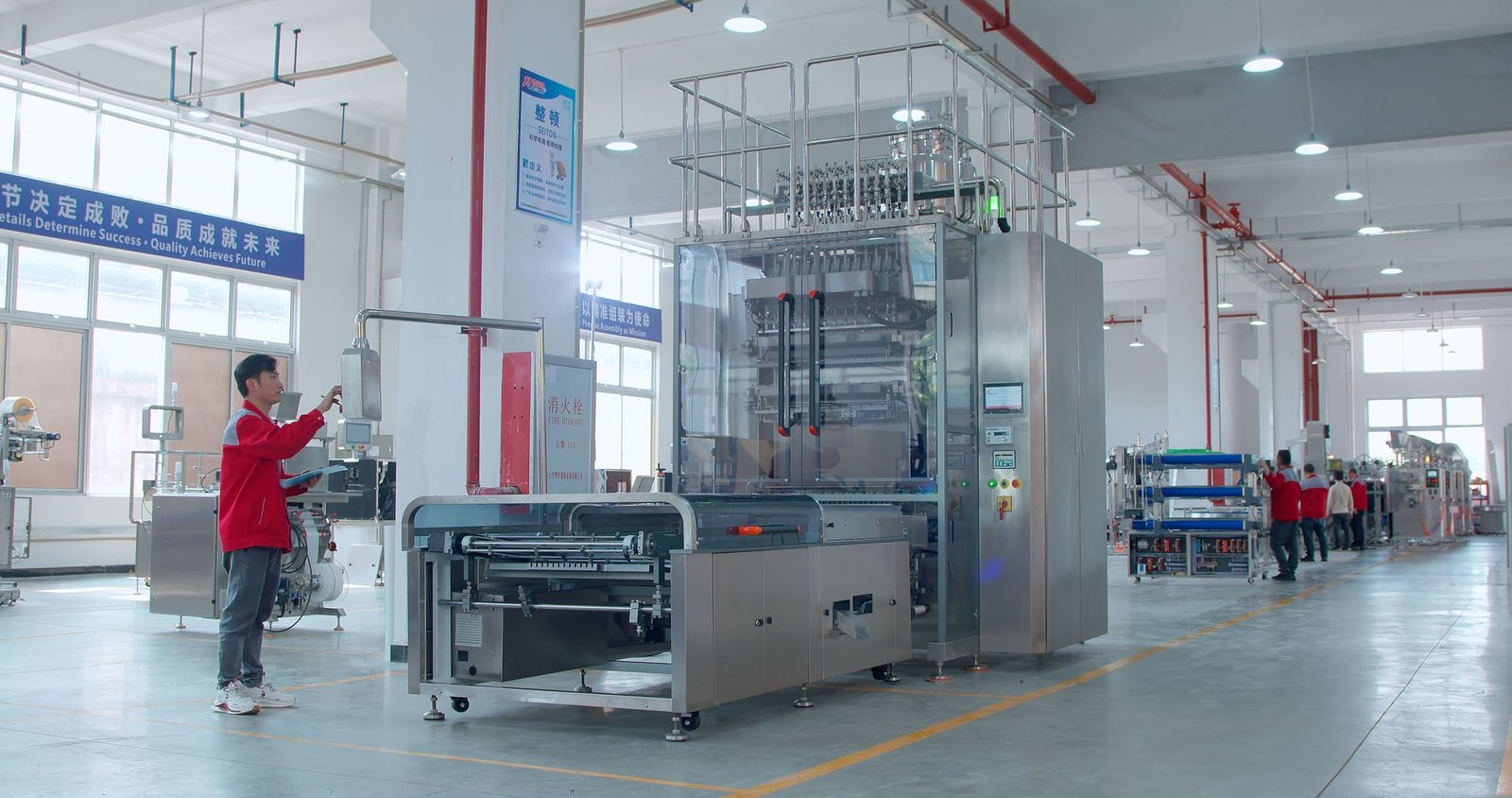
Choosing the right supplier is as important as choosing the right roll packing machine. A reliable packaging machinery partner should offer more than just equipment sales. Look for manufacturers that provide comprehensive project support including application evaluation, customized engineering, factory acceptance testing, installation supervision, operator training, and responsive after-sales service.
Ludyway Machinery, a China-based packaging machinery manufacturer with over 30 years of experience, exemplifies this approach by combining in-house manufacturing, engineering expertise, and global technical support to help customers across more than 100 countries achieve their packaging objectives. With a 20,000-square-meter facility and more than 50 packaging machine models, the company delivers customized solutions ranging from individual machines to complete turnkey packaging lines.
Regulatory and Standards Compliance
Depending on your target market and industry, your roll packaging machine may need to comply with specific regulations and standards. Food packaging equipment sold in the United States must meet FDA food contact substance requirements. Pharmaceutical packaging often requires adherence to ISO 11607 standards for terminally sterilized medical devices. European markets have additional requirements under EU packaging and packaging waste regulations. Verify that your equipment supplier can provide appropriate documentation and configure machines to meet applicable standards for your specific market.
Future-Proofing Your Investment
As your business grows, your packaging needs will evolve. When selecting a roll packing machine, consider:
- Modular design that allows for future upgrades such as adding more lanes, integrating automated feeding systems, or incorporating coding and inspection modules.
- Compatibility with a range of packaging materials so you can adapt to changing film availability or sustainability requirements.
- Remote connectivity capabilities for diagnostics, production monitoring, and technical support without on-site visits.
Making the Final Decision
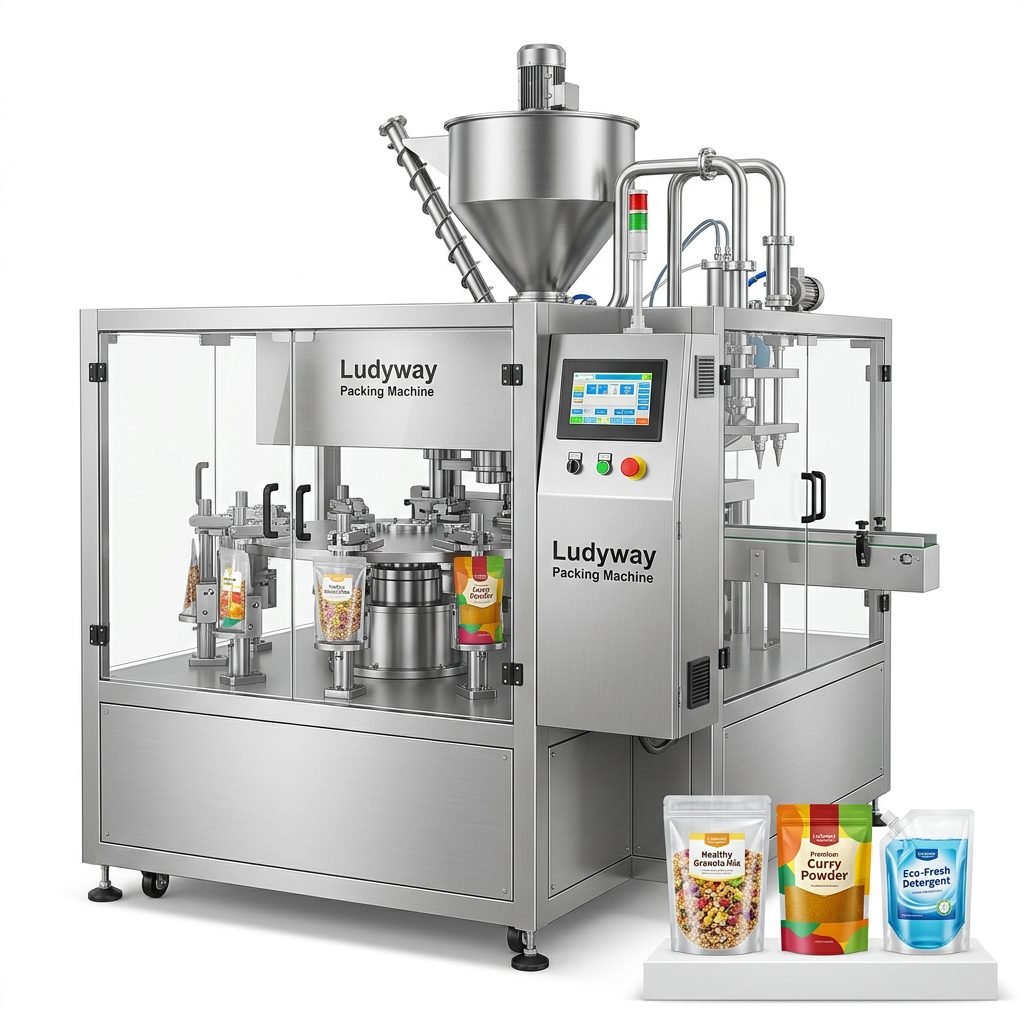
After evaluating product compatibility, machine type, build quality, total cost of ownership, supplier capabilities, and regulatory compliance, you will be well-positioned to make a confident purchasing decision. The right roll packing machine is not necessarily the most expensive or the fastest on the market — it is the one that best fits your specific product, production environment, and business strategy.
Take time to discuss your requirements with multiple suppliers, request sample runs with your actual product and packaging material, and visit manufacturing facilities or reference sites whenever possible. A methodical evaluation process helps ensure that your packaging machinery investment delivers reliable performance, consistent quality, and strong returns for years to come.