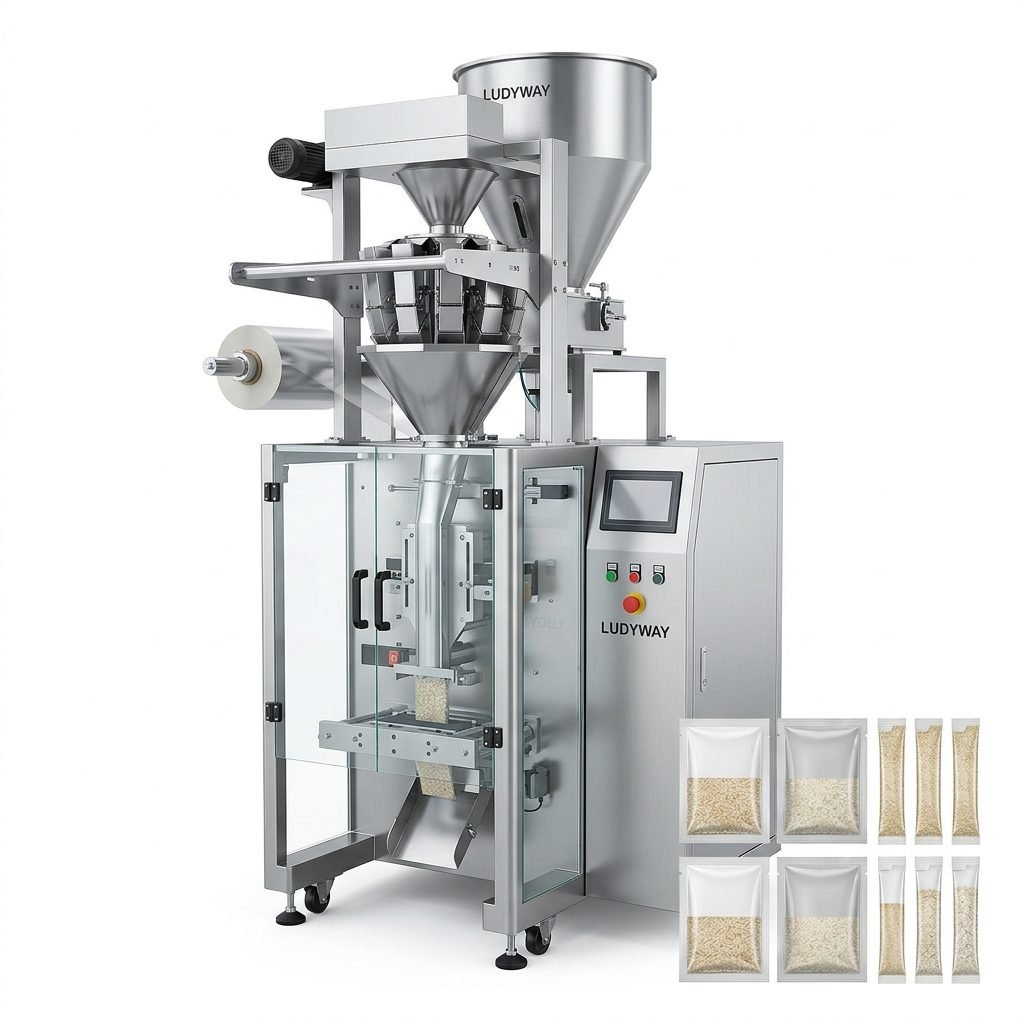
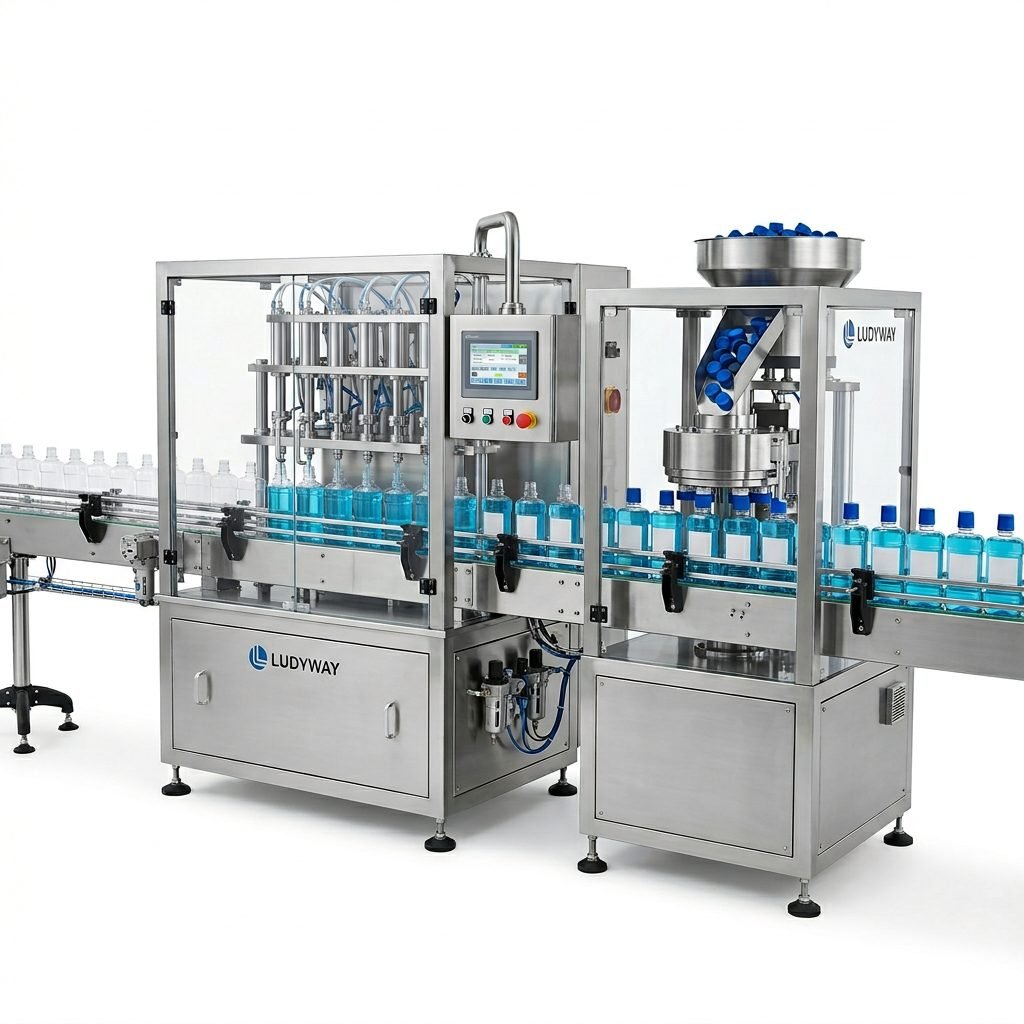
Selecting the right fertilizer packing machine is a critical decision that directly impacts your production efficiency, product quality, and long-term operational costs. With the wide variety of equipment available — from simple semi-automatic bagging systems to fully integrated multi-lane sachet packaging lines — understanding your specific requirements is the first step toward making an informed investment.
Understanding Your Fertilizer Product Characteristics
Before evaluating machinery options, you need to thoroughly analyze your fertilizer product. The physical and chemical properties of your material will determine the appropriate dosing mechanism, feeding system, and packaging format.
Granule vs. Powder Fertilizers
- Granular fertilizers (such as urea, DAP, MAP, and compound NPK granules) typically flow freely and are well-suited for volumetric cup fillers, multi-head weighers, and gravity-fed systems.
- Powdered fertilizers (including micronutrient powders, water-soluble fertilizers, and organic compost powders) often present challenges like dust generation, bridging, and inconsistent density. These require specialized auger fillers or vacuum-assisted dosing systems.
- Blended products containing both granules and powders demand versatile machines capable of handling mixed particle sizes without segregation.
Material Flowability and Density
Fertilizer materials vary significantly in bulk density, moisture content, and flow characteristics. A machine that works perfectly for free-flowing granular urea may struggle with hygroscopic ammonium nitrate or sticky organic fertilizers. Always conduct material testing with your chosen equipment supplier before finalizing a purchase. Understanding packaging machinery market standards can help you benchmark performance expectations.
Packaging Formats and Bag Types
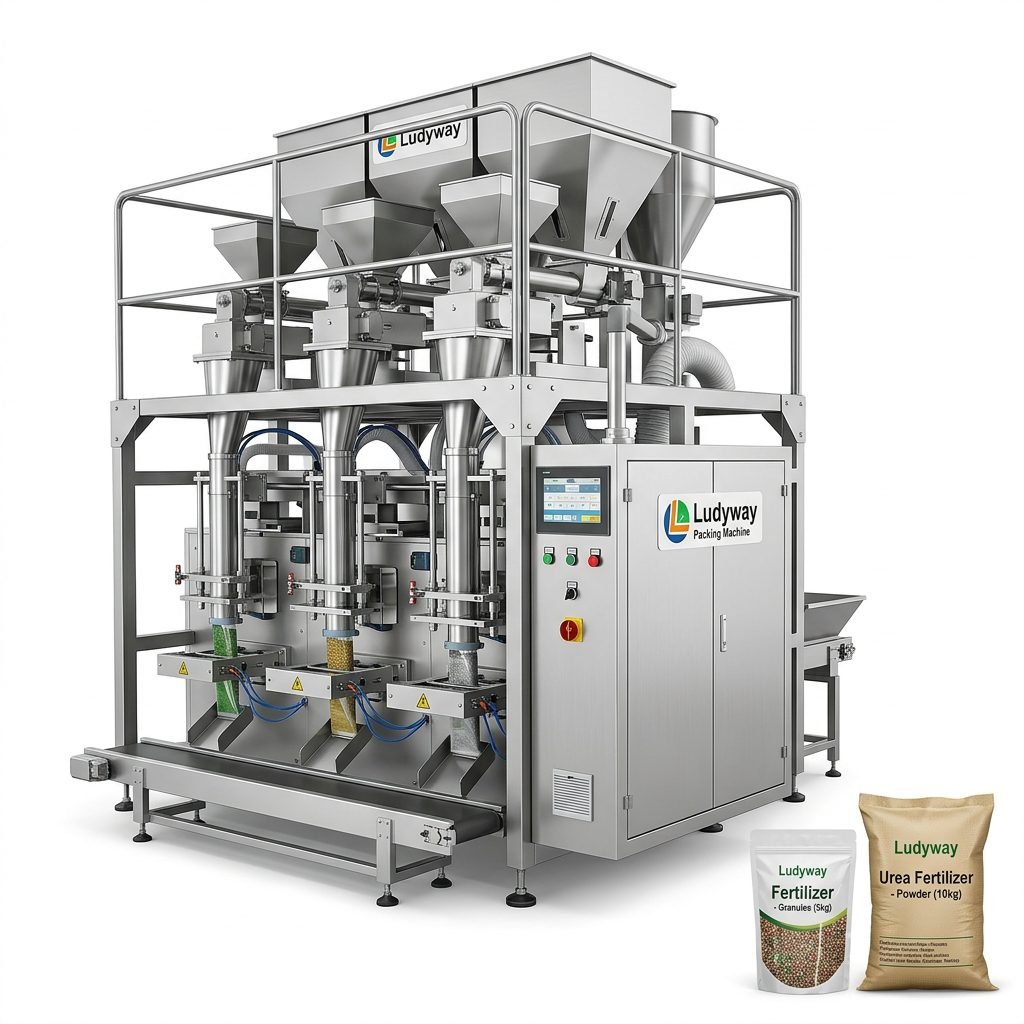
Fertilizer packaging comes in numerous formats, each requiring different machinery configurations. Your choice should align with your target market, distribution channels, and end-user preferences.
Common Fertilizer Packaging Formats
| Packaging Format | Typical Weight Range | Best-Suited Machine Type |
|---|---|---|
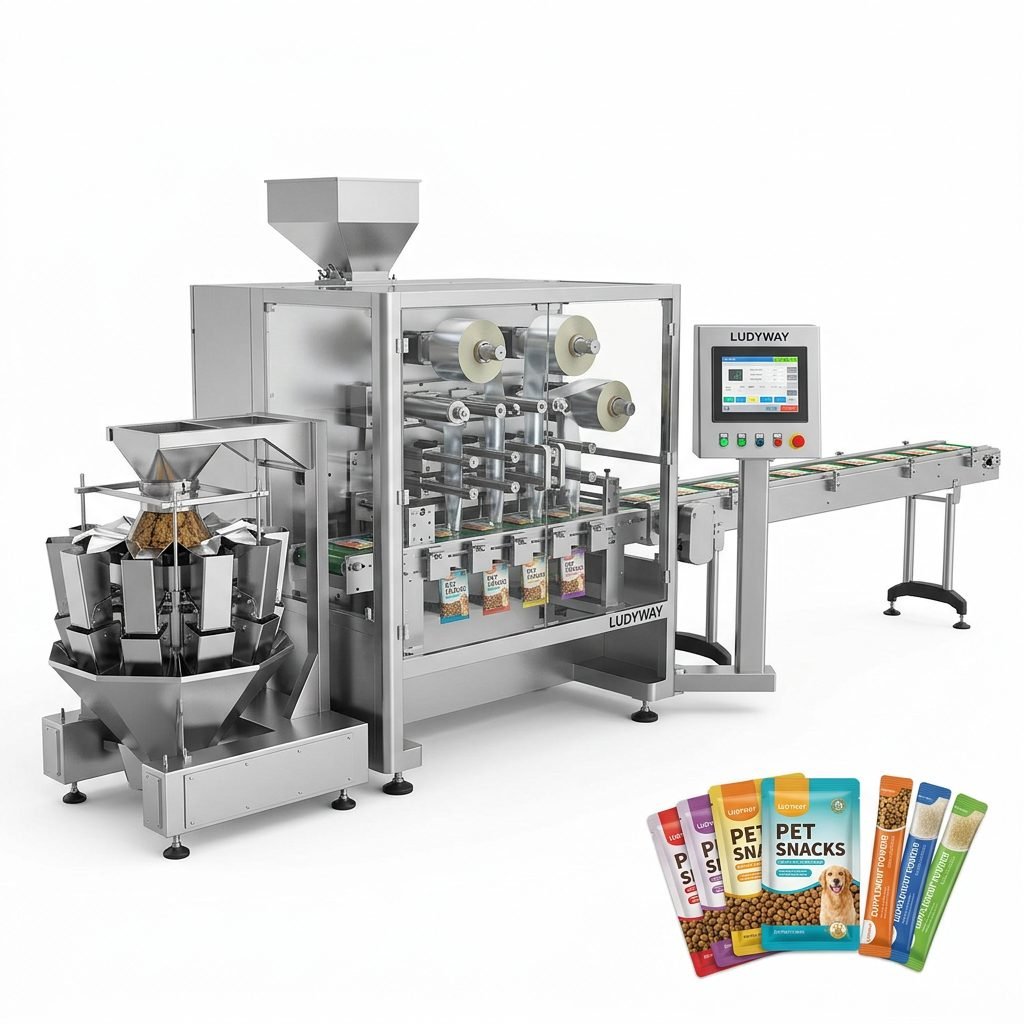
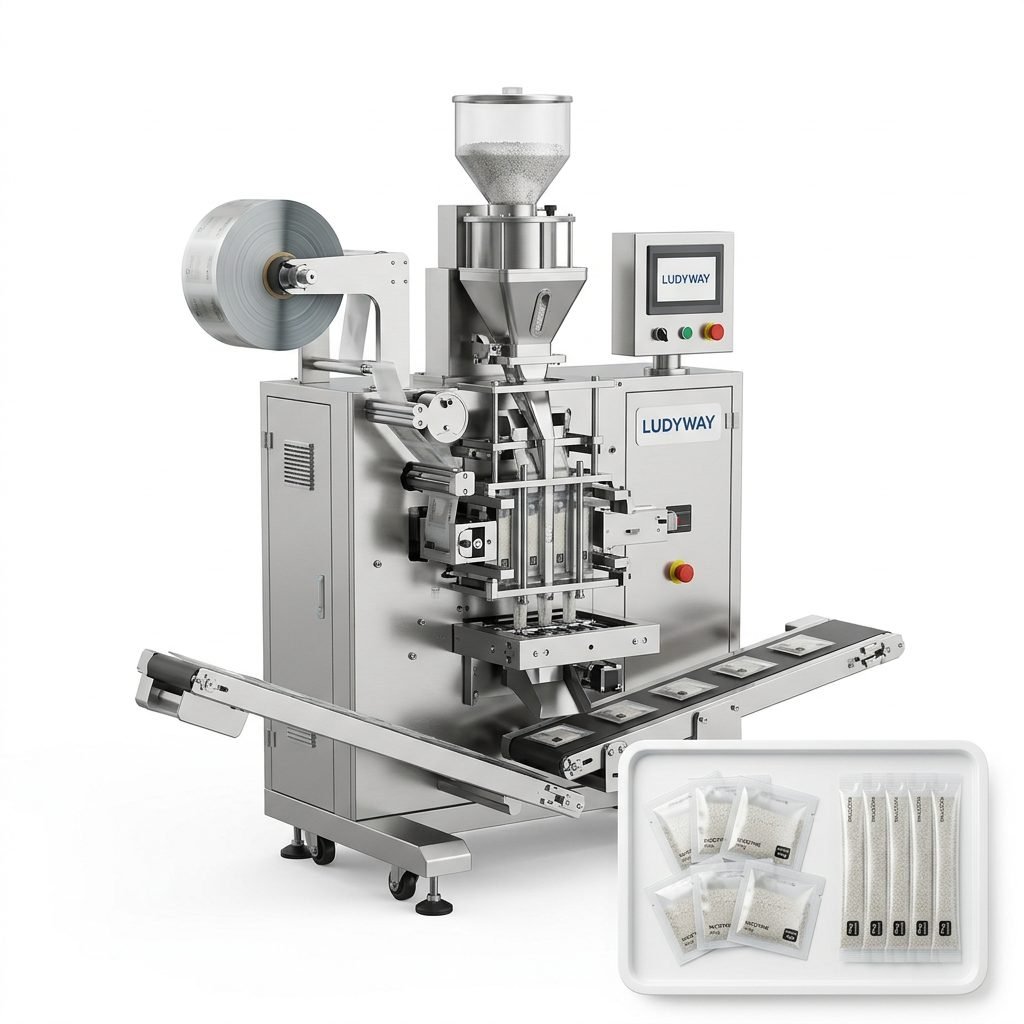
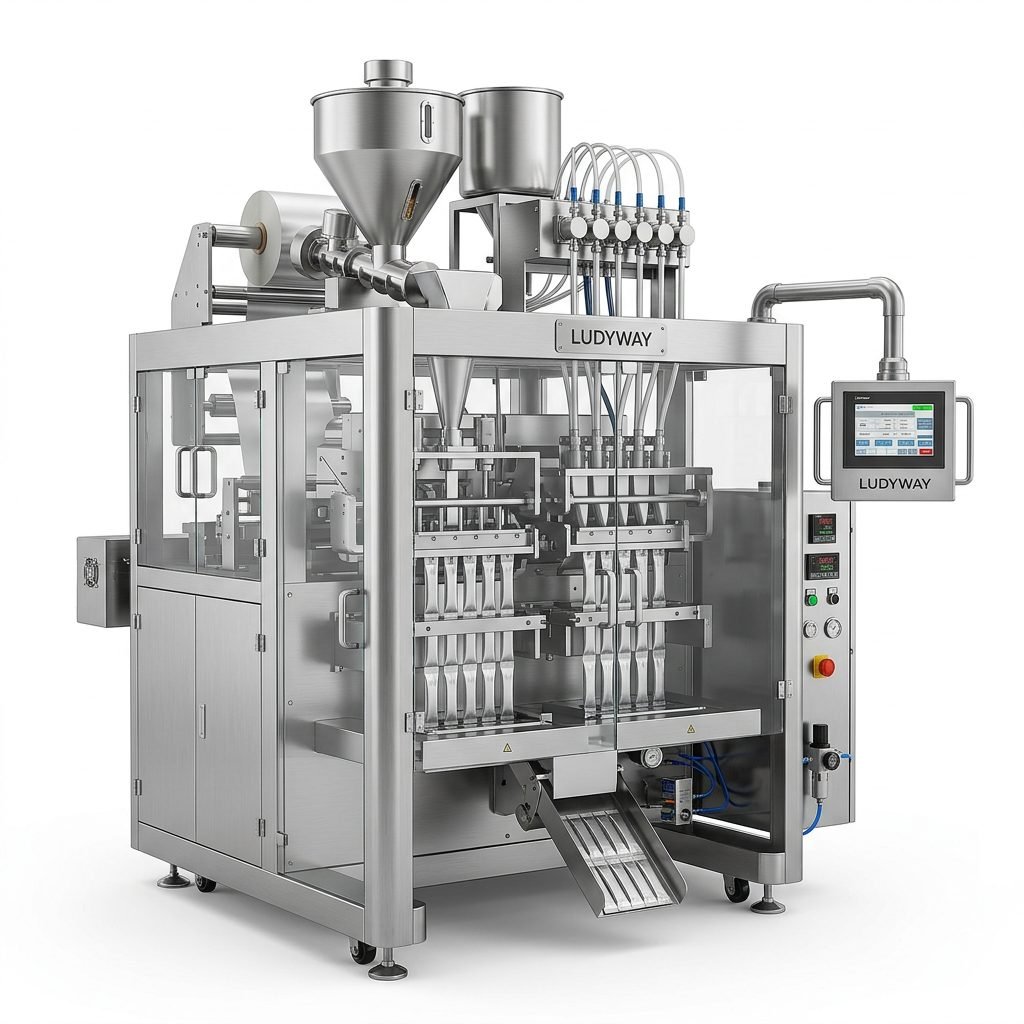
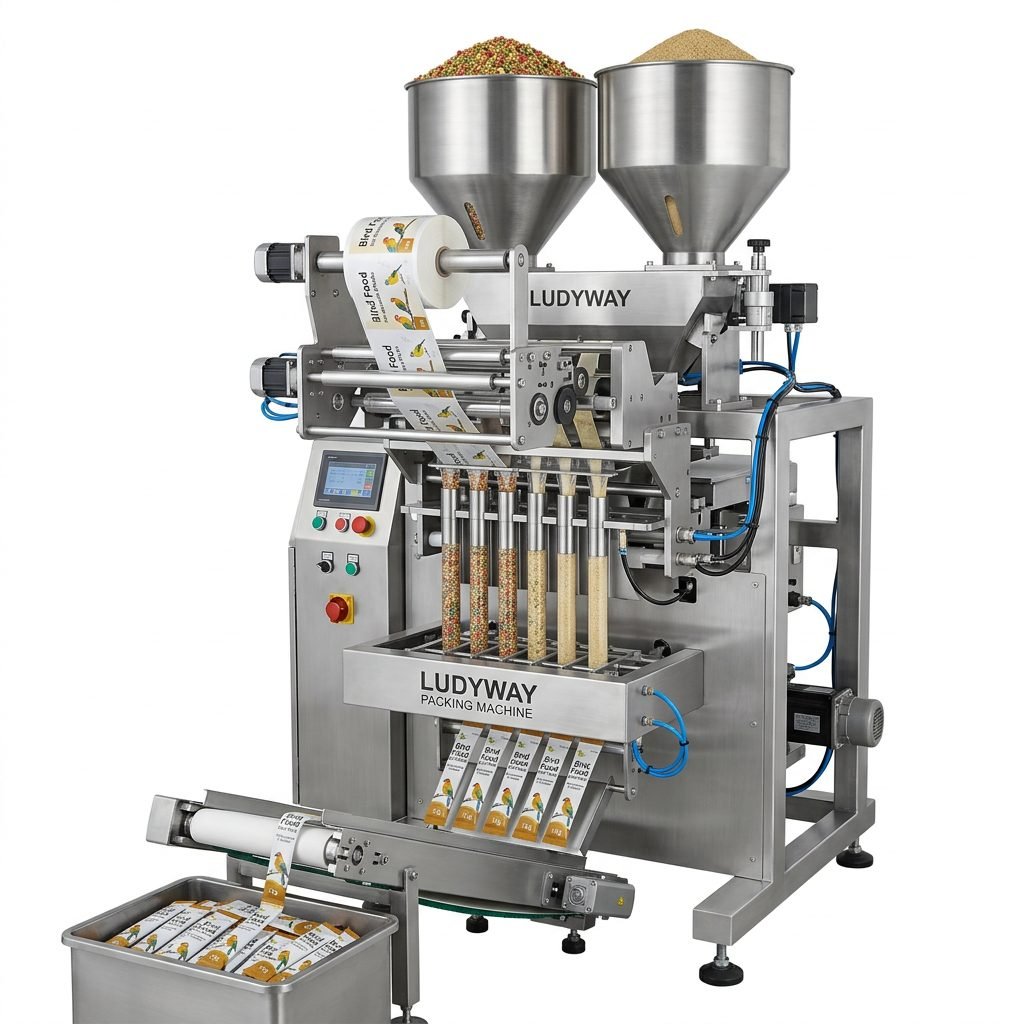
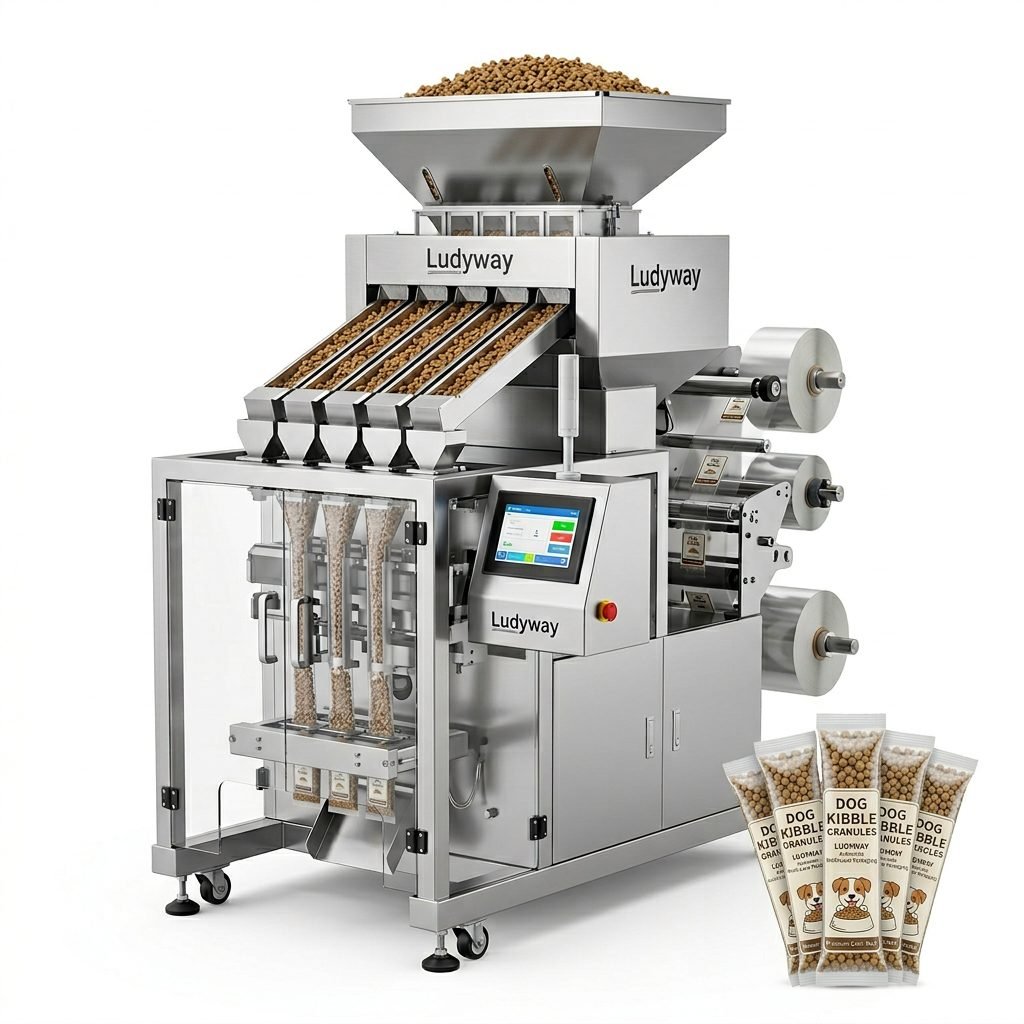
| Small Sachets / Stick Packs | 5g – 100g | Multi-lane sachet packaging machine |
| Pillow Pouches / Flat Bags | 100g – 5kg | Vertical form fill seal (VFFS) machine |
| Woven Bags / Valve Bags | 5kg – 50kg | Open-mouth bagging machine, valve bag filler |
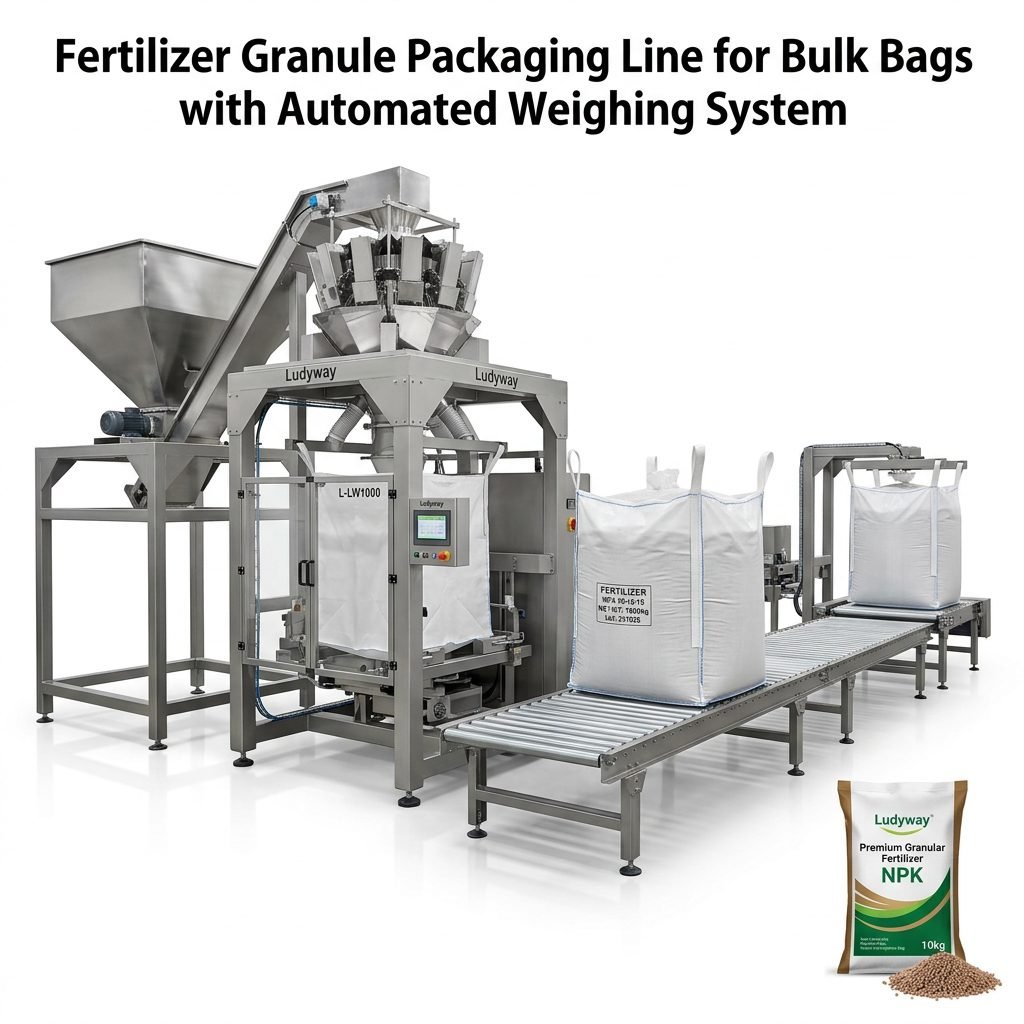
| Jumbo Bags / FIBC | 500kg – 2000kg | Bulk bag filling station |
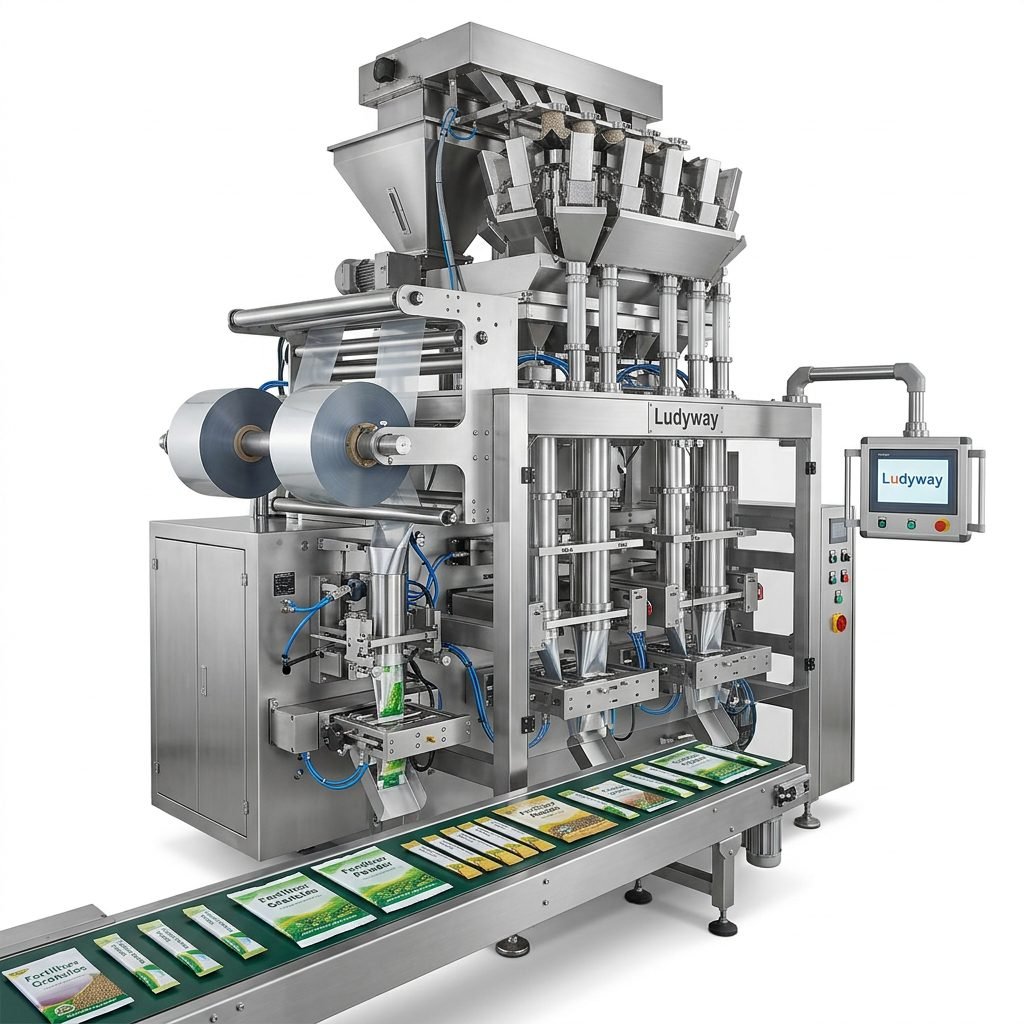
For manufacturers targeting consumer retail markets, small sachet and stick pack formats have gained significant popularity, especially for water-soluble fertilizers, plant nutrients, and specialty soil amendments. Multi-lane packaging machines can produce hundreds of these small packs per minute, significantly improving throughput compared to single-lane systems.
Key Technical Specifications to Evaluate
When comparing different fertilizer packaging machines, pay close attention to these critical technical parameters. Understanding ISO packaging standards can provide additional guidance on quality benchmarks.
Filling Accuracy and Speed
- Target fill weight tolerance: For high-value fertilizers, even a 1% overfill can significantly impact profitability over time. Look for machines with precision weighing systems that achieve ±0.5% to ±1% accuracy.
- Production speed requirements: Match the machine’s rated output (bags per minute or tons per hour) to your current and projected production volume. Consider whether single-lane or multi-lane configurations better suit your needs.
- Quick-change capabilities: If you package multiple fertilizer formulations or bag sizes, prioritize machines with tool-free changeover features and recipe management systems.
Material Contact Parts and Durability
Fertilizers can be highly corrosive, especially those containing ammonium nitrate, potassium chloride, or sulfur compounds. Ensure all product-contact surfaces are constructed from 304 or 316L stainless steel, with appropriate corrosion-resistant coatings on non-contact structural components. Refer to FDA food packaging guidelines for material safety considerations, which often apply to fertilizer packaging as well.
Automation Level and System Integration
Your choice between semi-automatic and fully automatic systems depends on labor costs, production scale, and long-term automation strategy.
Semi-Automatic vs. Fully Automatic Systems
Semi-Automatic Machines
- Lower initial capital investment
- Operator manually places bags
- Suitable for small to medium production volumes
- Flexible for multiple bag sizes
Fully Automatic Systems
- Higher throughput and consistency
- Automatic bag placement, filling, sealing
- Integrated with conveyors, checkweighers, palletizers
- Ideal for 24/7 high-volume production
Ancillary Equipment Considerations
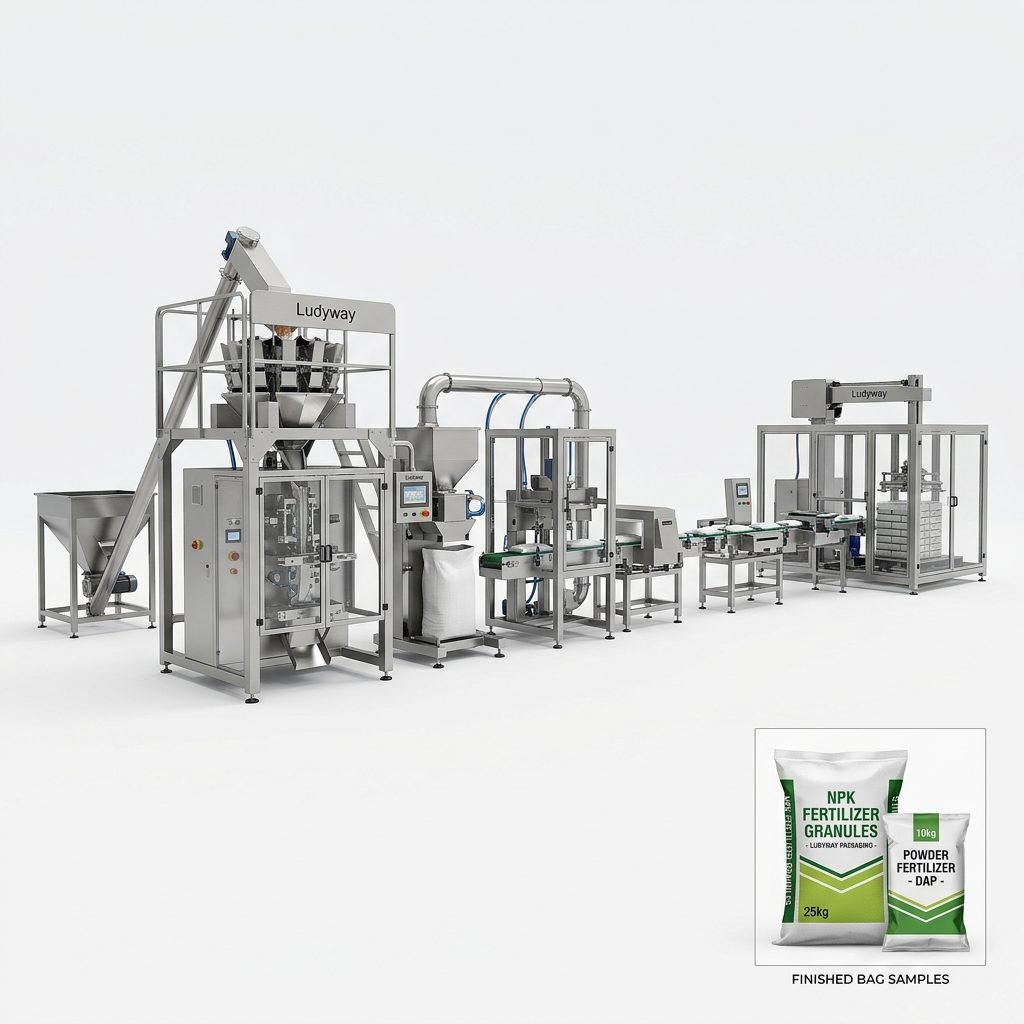
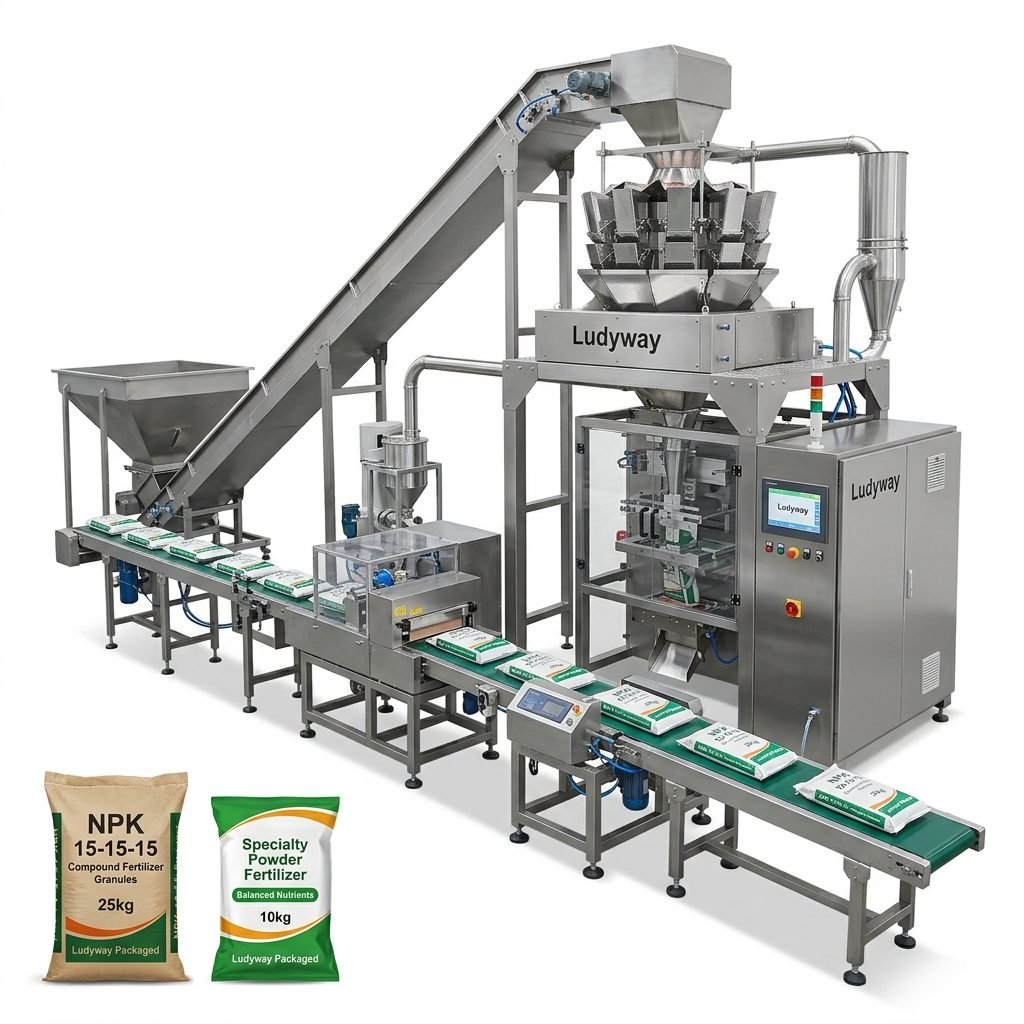
A complete fertilizer packaging line often includes more than just the filling machine. Consider whether you need:
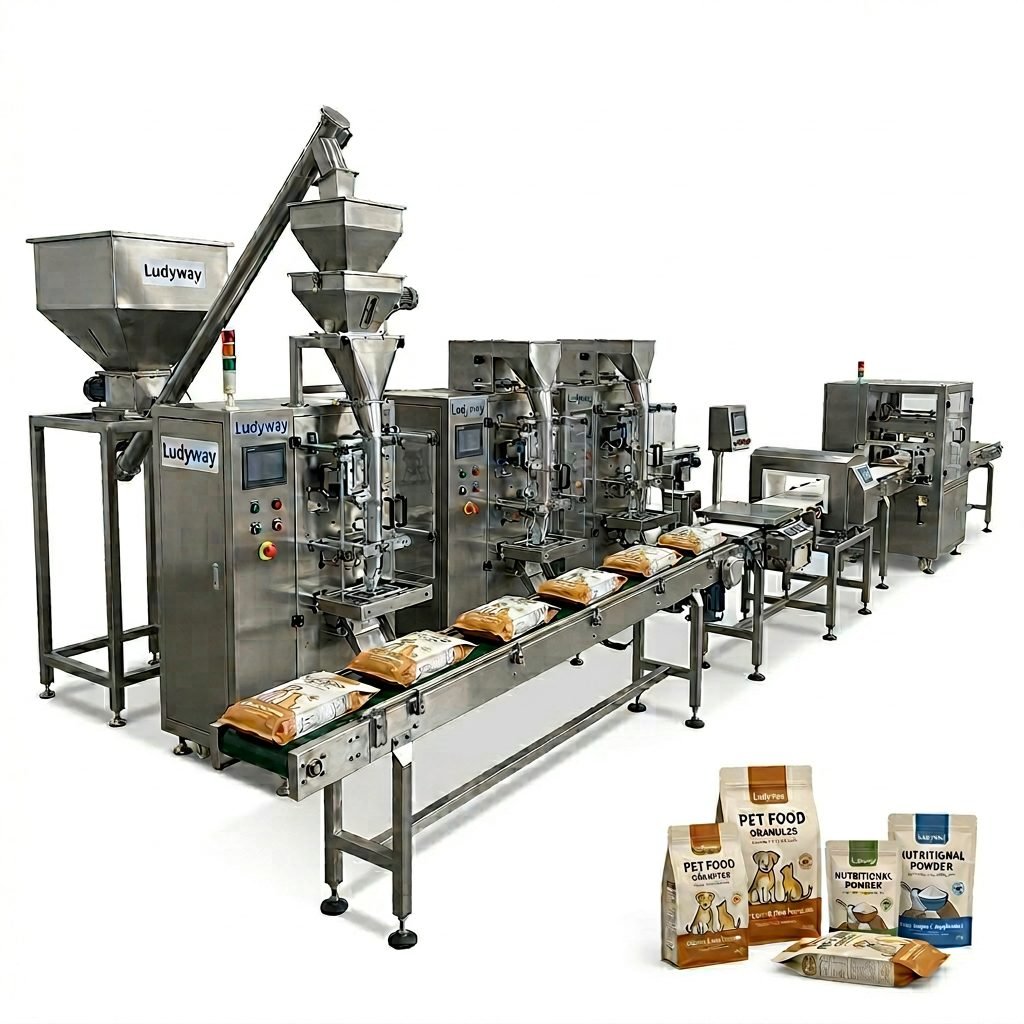
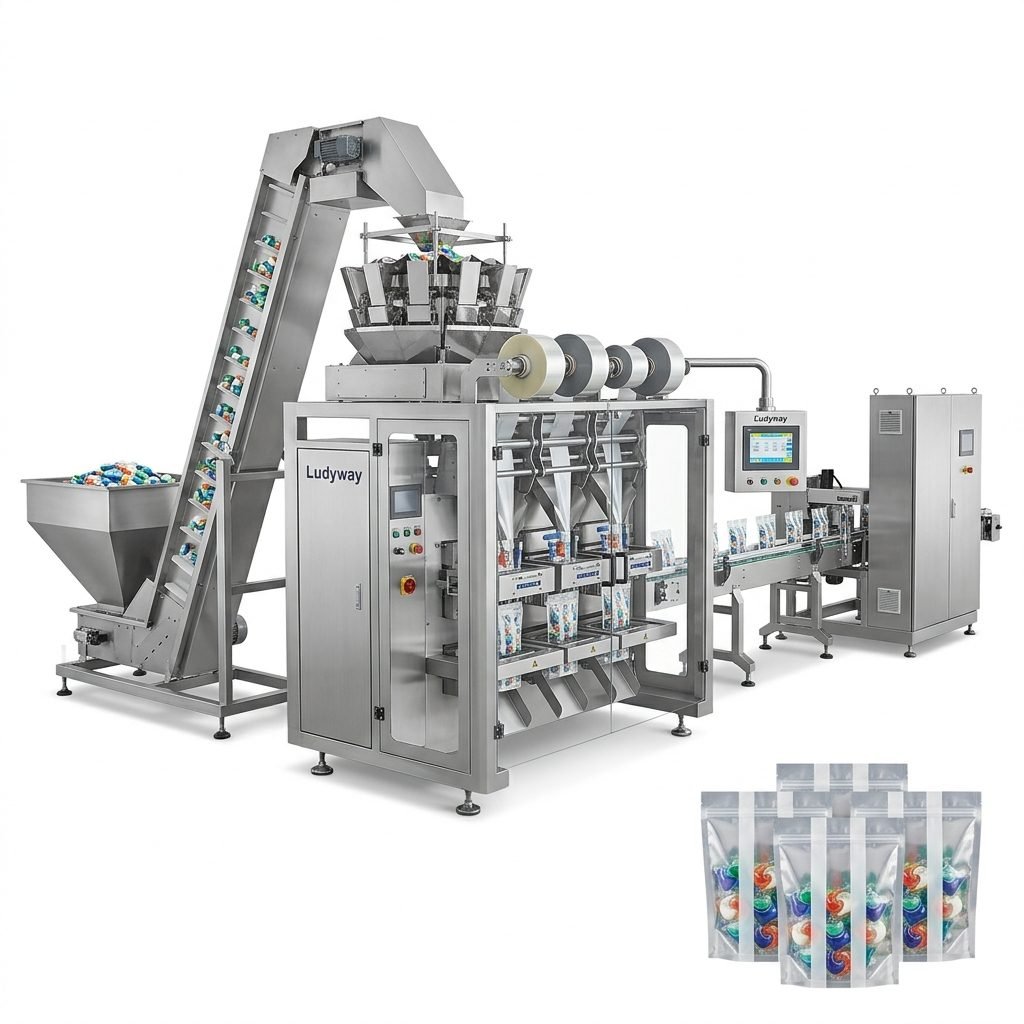
- Z-type bucket elevators or inclined conveyors for material feeding
- Checkweighers for weight verification and quality control
- Metal detectors to ensure product safety
- Bag sealing machines (heat sealers, sewing heads, or hot air sealers)
- Automated palletizing systems for end-of-line packaging
Supplier Evaluation and After-Sales Support
Choosing the right equipment supplier is as important as choosing the right machine. Look for manufacturers with proven experience in fertilizer packaging, robust technical support capabilities, and a global service network.
Key Supplier Criteria
- Industry experience: How many fertilizer packaging installations have they completed? Can they provide references?
- Customization capabilities: Can they adapt the machine to your specific product requirements, facility layout, and automation needs?
- Spare parts availability: Quick access to critical spare parts minimizes production downtime.
- Technical support: Remote diagnostics, on-site service, and operator training should be part of the package.
For manufacturers seeking a comprehensive packaging machinery partner, Ludyway Machinery provides customized fertilizer packaging solutions ranging from individual machines to complete turnkey production lines, with engineering support throughout the entire project lifecycle. The company combines decades of packaging experience with in-house manufacturing capabilities to deliver equipment configured for specific fertilizer products and production requirements.
Total Cost of Ownership Analysis
When budgeting for a fertilizer packing machine, look beyond the initial purchase price. Calculate the total cost of ownership (TCO) over 5-10 years:
- Energy consumption and efficiency
- Consumable parts costs (sealing jaws, belts, filters, lubricants)
- Maintenance labor and downtime
- Expected service life and residual value
Regulatory Compliance and Safety Standards
Fertilizer packaging equipment must comply with local safety regulations and, for export markets, international standards. Ensure your machine meets applicable requirements for electrical safety, dust explosion prevention (especially important for powder fertilizers), and labeling accuracy. Organizations like PMMI provide valuable resources on packaging machinery standards and regulations.
Making the Final Decision
Selecting the right fertilizer packaging machine requires balancing multiple factors: product characteristics, production requirements, budget constraints, and long-term growth plans. Take time to conduct material testing, visit reference installations when possible, and thoroughly evaluate supplier capabilities. A well-chosen packaging system will deliver consistent performance, minimize operational costs, and adapt to your evolving production needs for years to come.
Checklist for Fertilizer Packaging Machine Buyers
- Have you characterized your fertilizer product’s physical properties?
- What packaging format best serves your target market?
- What production speed and filling accuracy do you require?
- Have you considered material compatibility and corrosion resistance?
- Does the supplier offer customization and integration support?
- What is the total cost of ownership over the machine’s expected lifespan?
- Is local technical support and spare parts availability confirmed?