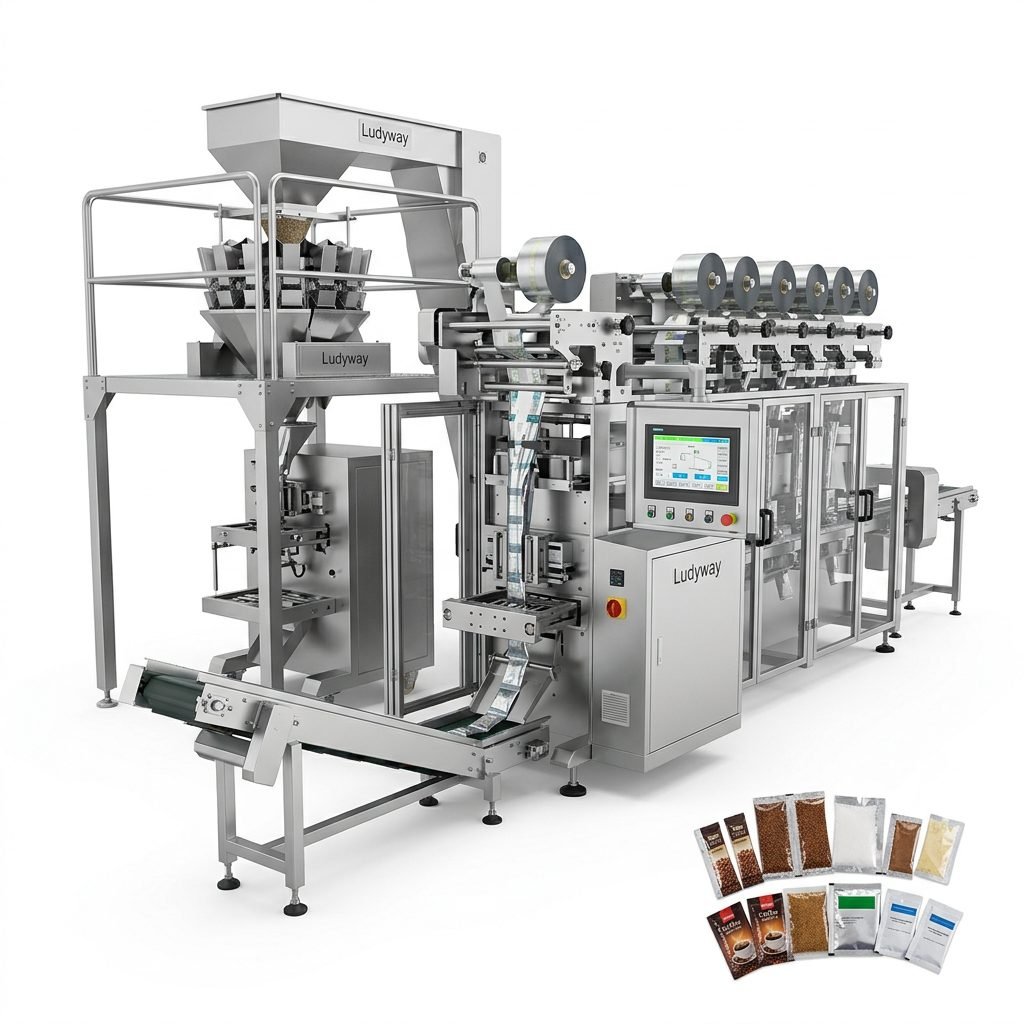
Investing in a tray packing machine is a critical decision for manufacturers looking to automate their packaging processes. Whether you are packing food products, pharmaceuticals, electronics, or consumer goods, the right tray packing system can significantly improve production efficiency, reduce labor costs, and ensure consistent packaging quality. This comprehensive buyer’s guide walks you through the essential factors to evaluate before making your purchase.

Understanding Tray Packing Machine Types
Before diving into specifications, it’s essential to understand the different categories of tray packing equipment available on the market. Each type is designed for specific applications, product characteristics, and production environments. Selecting the wrong type can lead to costly inefficiencies and production bottlenecks.
Thermoforming Tray Packaging Machines
These machines form trays from plastic film rolls before filling and sealing. They are widely used in the food industry for packaging meat, cheese, seafood, and ready meals. Thermoforming systems offer excellent flexibility in tray dimensions and can achieve high output rates, making them ideal for large-scale operations. The ability to customize tray shapes and depths is a significant advantage for manufacturers with diverse product lines.
Pre-formed Tray Filling and Sealing Systems
If your operation uses ready-made trays, pre-formed tray sealers are the go-to solution. These machines handle rigid or semi-rigid trays and apply film or foil lids with precision heat sealing. They are popular in pharmaceutical, medical device, and cosmetic packaging where tray integrity and sterility are paramount. Many models support modified atmosphere packaging (MAP) to extend product shelf life.
Robotic Tray Loading and Packing Cells
For high-mix, high-volume operations, robotic tray packing systems provide unmatched versatility. These cells use articulated robots or delta pickers to place products into trays with speed and accuracy. They are particularly valuable for bakeries, snack manufacturers, and packaging machinery market segments requiring frequent product changeovers. Robotic cells can be integrated with vision systems for quality inspection and orientation control.
Key Factors to Evaluate Before Purchasing
Choosing the right tray packing machine involves balancing multiple operational and technical considerations. The following factors should guide your evaluation process and help you narrow down the options that best fit your production requirements and long-term business goals.
Product Characteristics and Compatibility
The physical properties of your product directly influence machine selection. Consider the following product attributes carefully before approaching suppliers:
- Product dimensions and weight – Affects tray size, cavity configuration, and handling mechanisms
- Product fragility and surface sensitivity – Determines the type of gripping, placing, and conveying systems needed
- Temperature requirements – Frozen, chilled, ambient, or hot-fill products require different sealing and handling approaches
- Product shape consistency – Irregular or variable product shapes may require adaptive robotic handling rather than fixed automation
Production Speed and Output Capacity
Throughput requirements are a primary driver of machine configuration and cost. Calculate your target output in trays per minute and factor in future growth projections. A machine operating at 80% of its maximum rated speed typically delivers better reliability and service life than one running at full capacity. For reference, industry data from packaging industry state reports shows that manufacturers increasingly prioritize scalable equipment that can grow with their business.

Comparing Tray Packing Machine Configurations
The table below provides a comparative overview of common tray packing machine configurations and their typical applications. Use this as a starting point for discussions with equipment suppliers, keeping in mind that many manufacturers offer customized configurations to meet specific production needs.
| Machine Type | Best For | Typical Speed Range | Key Advantage |
|---|---|---|---|
| Thermoform-Fill-Seal | Food, fresh produce, meat | 30–120 trays/min | Integrated forming and sealing in one line |
| Pre-formed Tray Sealer | Pharma, medical, ready meals | 20–80 trays/min | High seal integrity and MAP capability |
| Robotic Tray Loading Cell | Bakery, snacks, confectionery | 40–200+ picks/min | Maximum flexibility and quick changeover |
| Inline Tray Denester & Filler | Electronics, hardware, small parts | 15–60 trays/min | Compact footprint and cost-effective |
Automation Level and Integration Capabilities
Modern tray packing machines range from semi-automatic workstations to fully integrated packaging lines. The level of automation you choose should align with your labor strategy, production volume, and quality control requirements. Fully automated systems typically include automatic tray denesting, product feeding and orientation, filling, sealing, labeling, coding, and automated inspection modules.
Upstream and Downstream Integration
A tray packing machine rarely operates in isolation. Consider how the equipment will connect with upstream processes such as product manufacturing, cooking, or freezing lines, and downstream operations like case packing, palletizing, and warehousing. Seamless integration minimizes manual handling and reduces the risk of product damage or contamination. Refer to flexible packaging industry resources for best practices on line integration and material compatibility.
Control Systems and Data Connectivity
Industry 4.0 capabilities are increasingly important in packaging machinery. Look for machines equipped with PLC-based controls, HMI touchscreens, and IoT connectivity that enable remote monitoring, predictive maintenance alerts, and production data analytics. These features support operational transparency and help minimize unplanned downtime, which is a key concern highlighted in state of the industry economic reports.
Packaging Materials and Sustainability Considerations
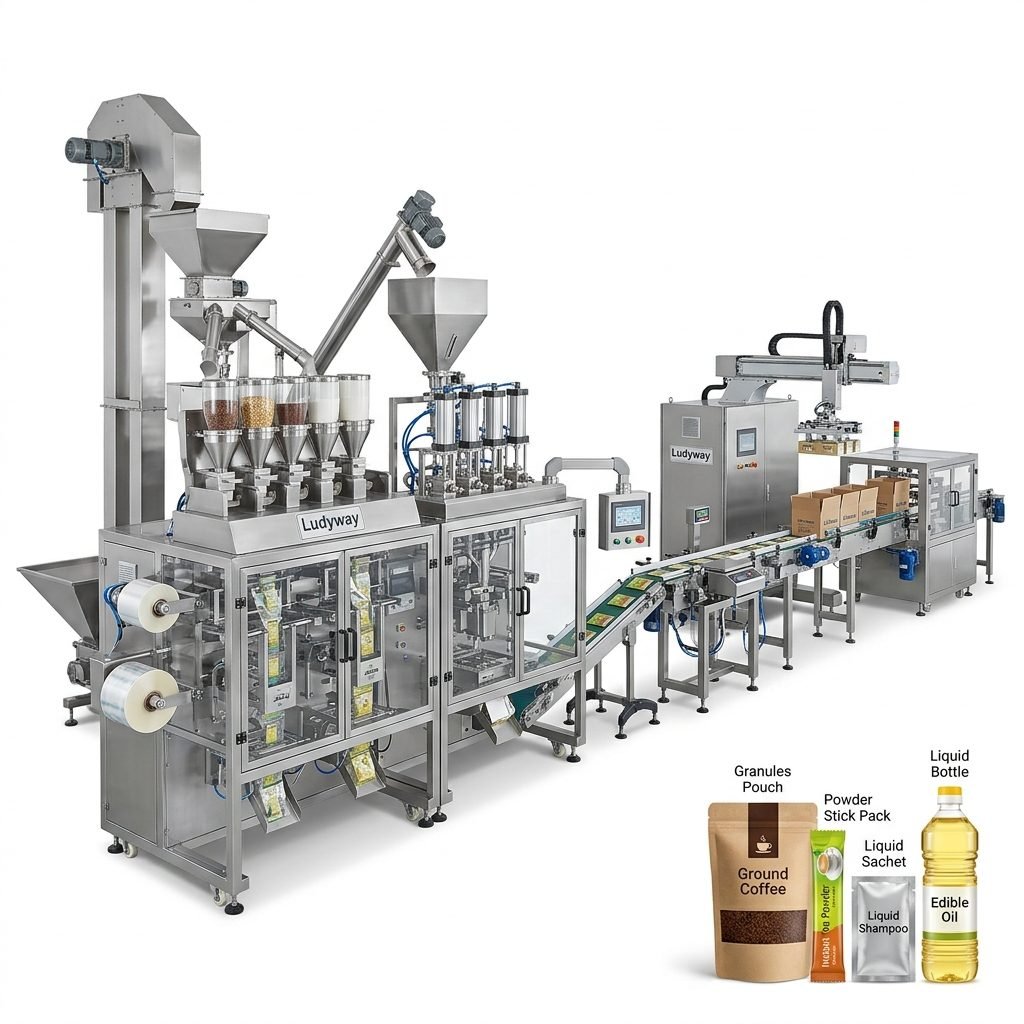
Material choice affects machine configuration, sealing parameters, and overall packaging performance. The growing emphasis on sustainable packaging is driving demand for recyclable mono-materials, bio-based films, and reduced material thickness. Ensure that your tray packing machine is compatible with the materials you plan to use, including recyclable PET, PP, or paper-based trays and lidding films. Material testing with your chosen machine supplier is a critical step before finalizing any purchase agreement.
- Tray materials: PET, PP, PS, aluminum, molded fiber, paperboard
- Lidding options: Heat-seal film, peelable film, recloseable lids, vacuum skin
- Atmosphere options: Modified atmosphere packaging (MAP), vacuum, gas flushing
- Sustainability compliance: Refer to packaging and packaging waste regulations for regional requirements
Evaluating Machine Build Quality and Compliance
Packaging machinery is a long-term investment, and build quality directly impacts reliability, maintenance costs, and service life. When evaluating tray packing machines, inspect the frame construction, component sourcing, and surface finishes. Machines destined for food or pharmaceutical applications must meet stringent hygiene standards, including IP65/IP69K washdown ratings, stainless steel construction, and sanitary design principles that minimize bacterial harborage points.
International Standards and Certifications
Verify that the equipment can be configured to meet applicable standards for your target markets. Key certifications and standards to check include CE marking for European markets, FDA food contact substance compliance for the U.S. market, and relevant ISO packaging standards for quality management and safety. A reputable manufacturer should provide documentation demonstrating compliance with these requirements.
Supplier Selection and After-Sales Support
Choosing the right equipment supplier is just as important as selecting the right machine. Evaluate potential suppliers based on their industry experience, engineering capabilities, and global service network. A supplier with deep application knowledge can help you avoid common pitfalls and recommend configurations that match your specific product and production requirements.
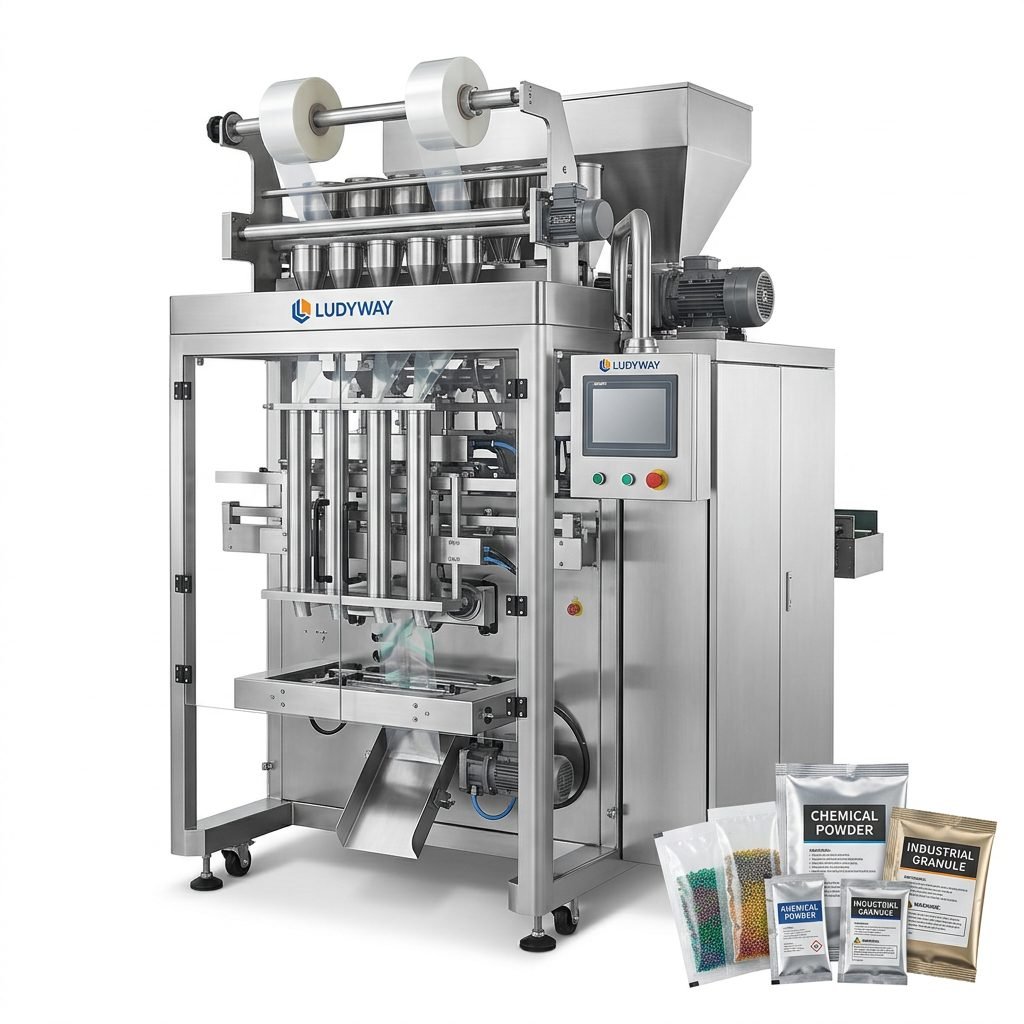
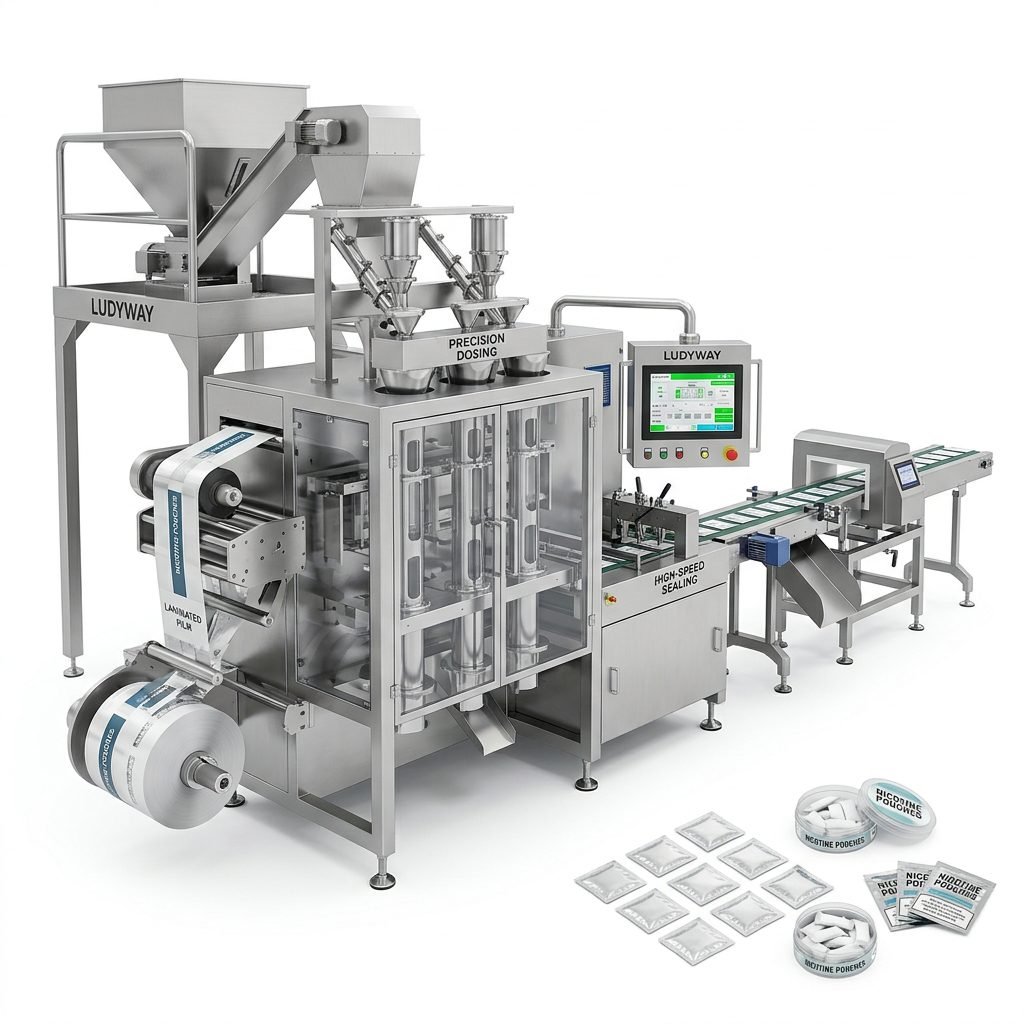
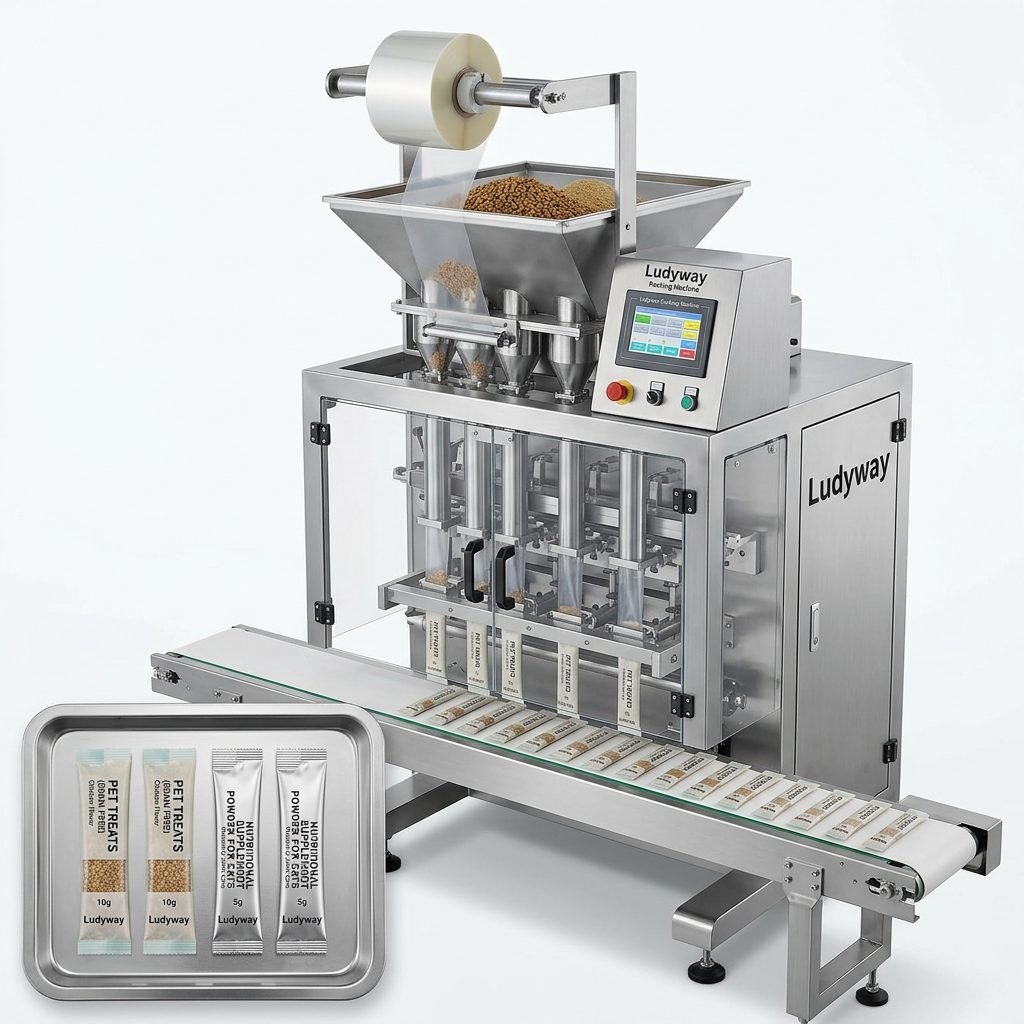
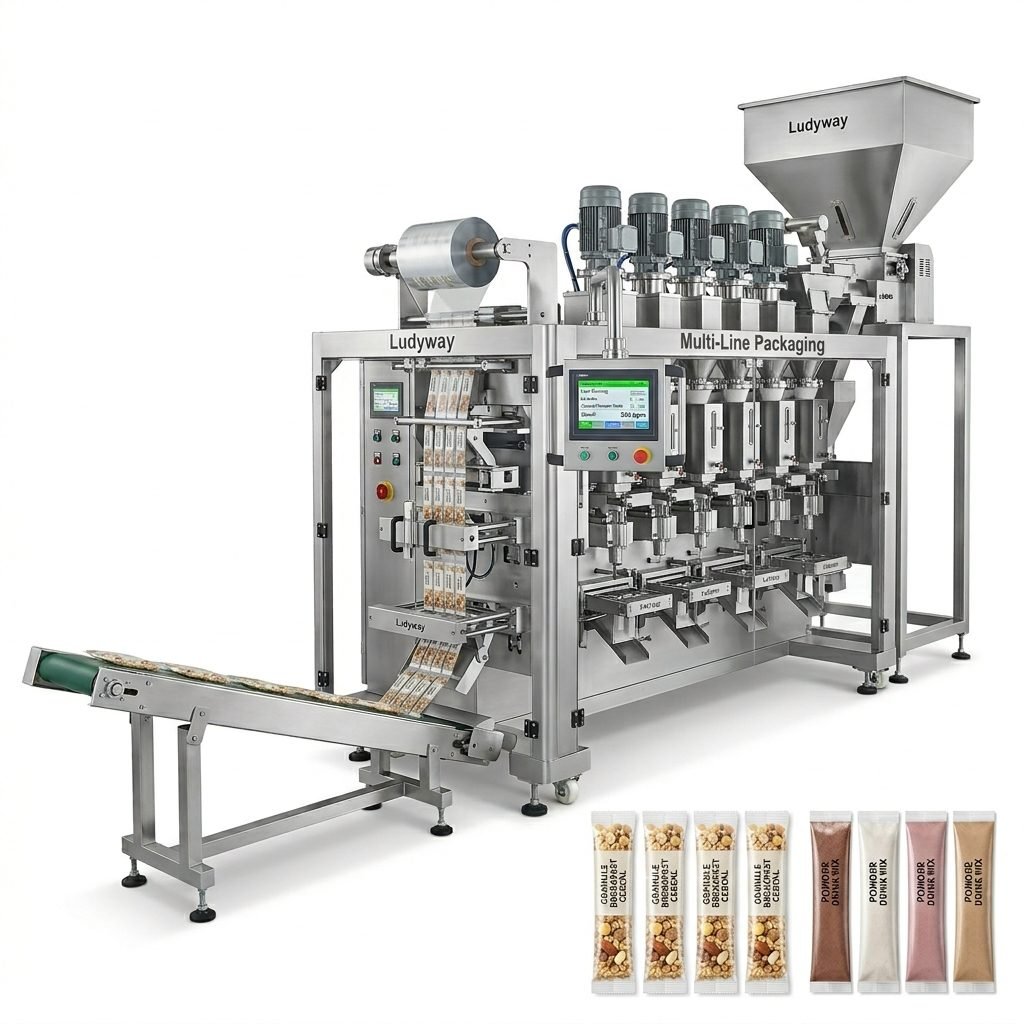
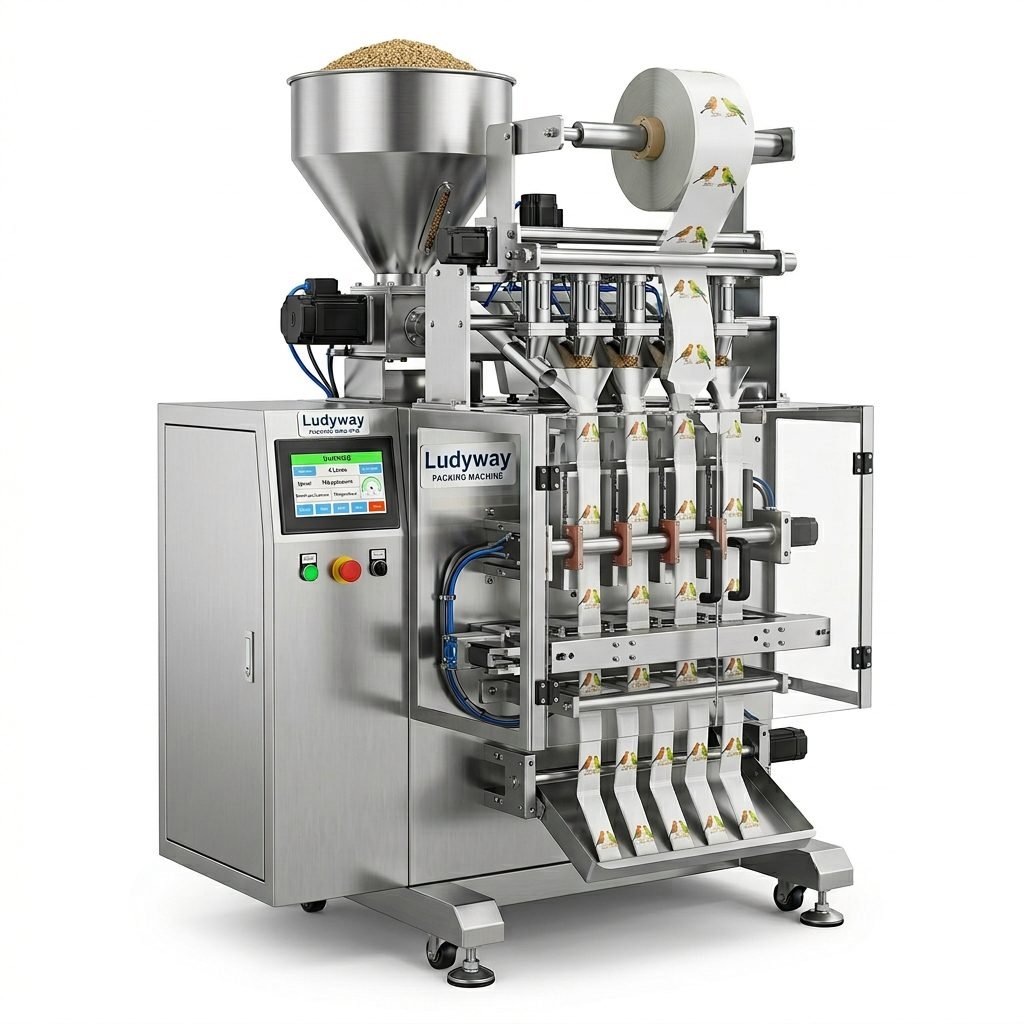
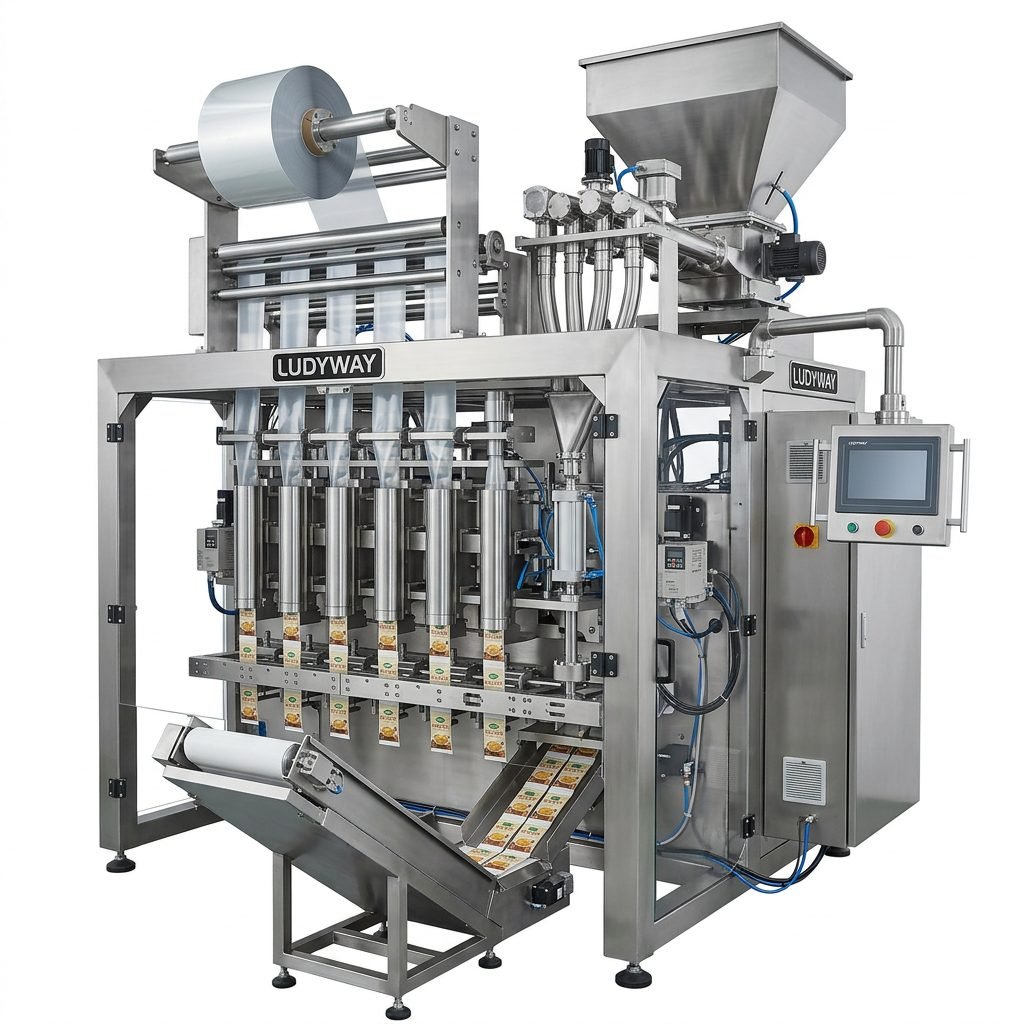
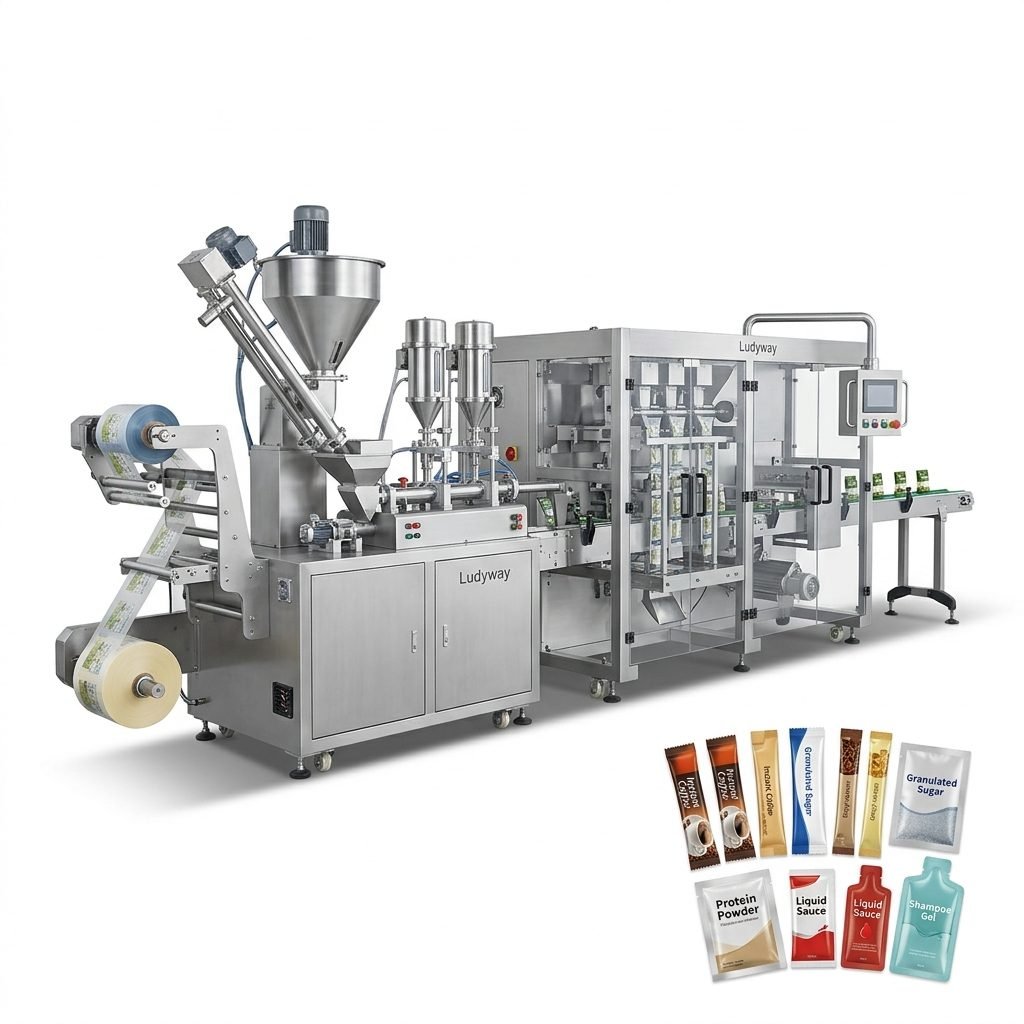
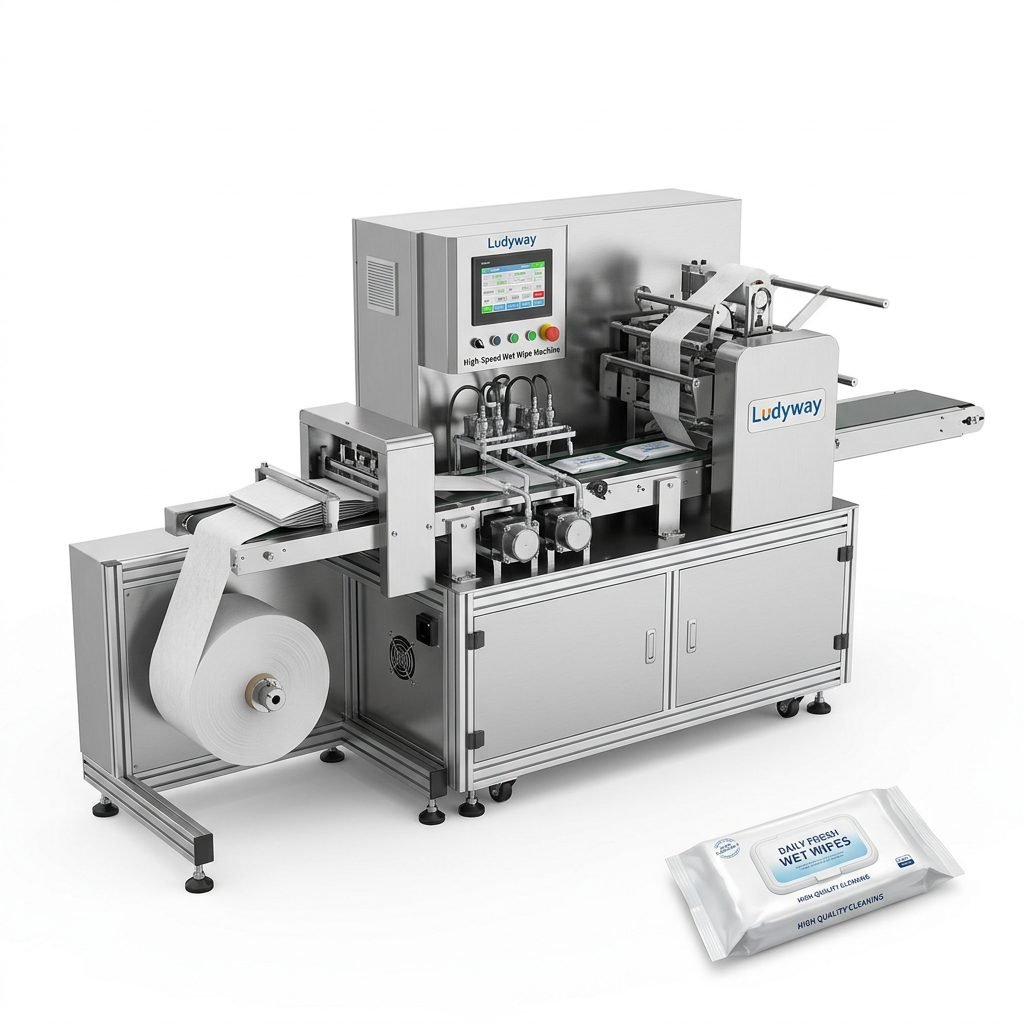
For instance, Ludyway Machinery, a China-based packaging machinery manufacturer with more than 30 years of experience, provides customized tray packing and turnkey packaging solutions for manufacturers across food, pharmaceutical, cosmetic, and industrial sectors worldwide. Working with an experienced partner that offers comprehensive technical support — from equipment selection and factory acceptance testing to installation, commissioning, and operator training — ensures a smoother procurement process and more reliable long-term operation.
Key questions to ask potential suppliers include:
- What is the typical lead time for a machine configured to our specifications?
- Do you offer factory acceptance testing (FAT) before shipment?
- What is the scope of installation and commissioning support provided?
- How do you handle spare parts supply and emergency technical support?
- Can you provide references from customers in our industry with similar applications?
Total Cost of Ownership and ROI Analysis
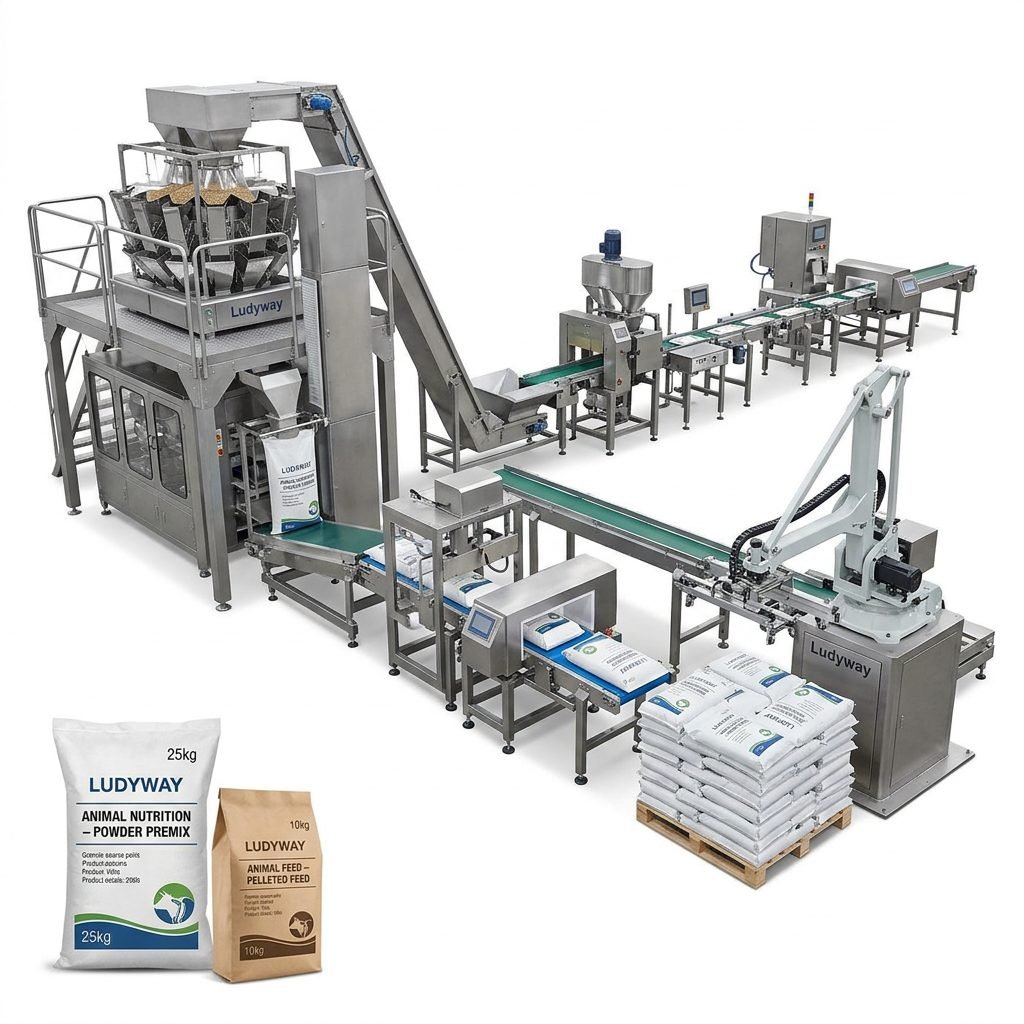
The purchase price of a tray packing machine is only one component of its total cost. A comprehensive total cost of ownership (TCO) analysis should account for installation, training, energy consumption, consumables, routine maintenance, spare parts, and potential downtime costs over the expected service life of the equipment. Calculate your projected return on investment (ROI) based on labor savings, increased throughput, reduced product waste, and improved packaging consistency.
Budgeting for Hidden and Ongoing Costs
- Installation and facility modifications – Electrical, compressed air, ventilation, and floor preparation
- Training and change management – Operator training, maintenance training, and SOP development
- Consumables and tooling – Tray format change parts, sealing gaskets, cutting blades, and lubricants
- Service contracts and spare parts inventory – Preventive maintenance agreements and critical spare parts stock
- Energy and utilities – Electricity, compressed air, and any gas supply for MAP applications
Future-Proofing Your Investment
Packaging requirements evolve over time. New product launches, packaging format changes, sustainability initiatives, and production growth can all impact your equipment needs. When selecting a tray packing machine, prioritize modular designs that allow for future upgrades, additional filling stations, or integration with new automation modules. Machines with quick-change tooling and recipe-based controls enable faster changeovers and support greater production agility.
Stay informed about industry trends and technology advancements through resources like the PMMI packaging industry resources and Flexible Packaging Association updates. These organizations provide valuable insights into technology developments, market data, and regulatory changes that can influence your packaging equipment strategy.
Making the Final Decision
Selecting the right tray packing machine requires a methodical approach that balances technical requirements, commercial considerations, and long-term strategic goals. Start by documenting your detailed product specifications, production targets, facility constraints, and budget parameters. Engage with multiple qualified suppliers, request detailed proposals, and whenever possible, conduct product trials or visit reference installations to observe equipment performance in real production environments.
A well-chosen tray packing machine becomes a strategic asset that enhances your manufacturing capabilities, improves product quality, and strengthens your competitive position in the marketplace. Taking the time to thoroughly evaluate your options and select the right equipment partner will pay dividends throughout the life of the machine.