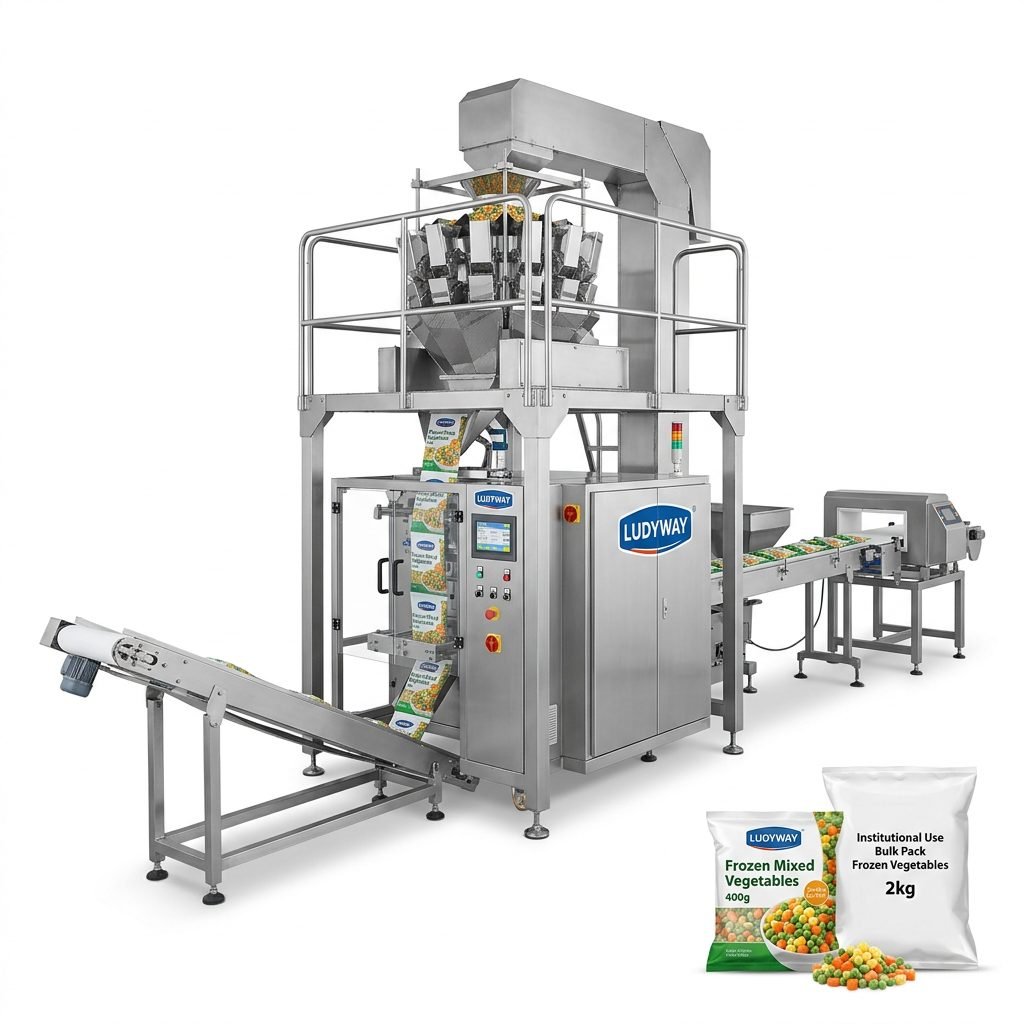
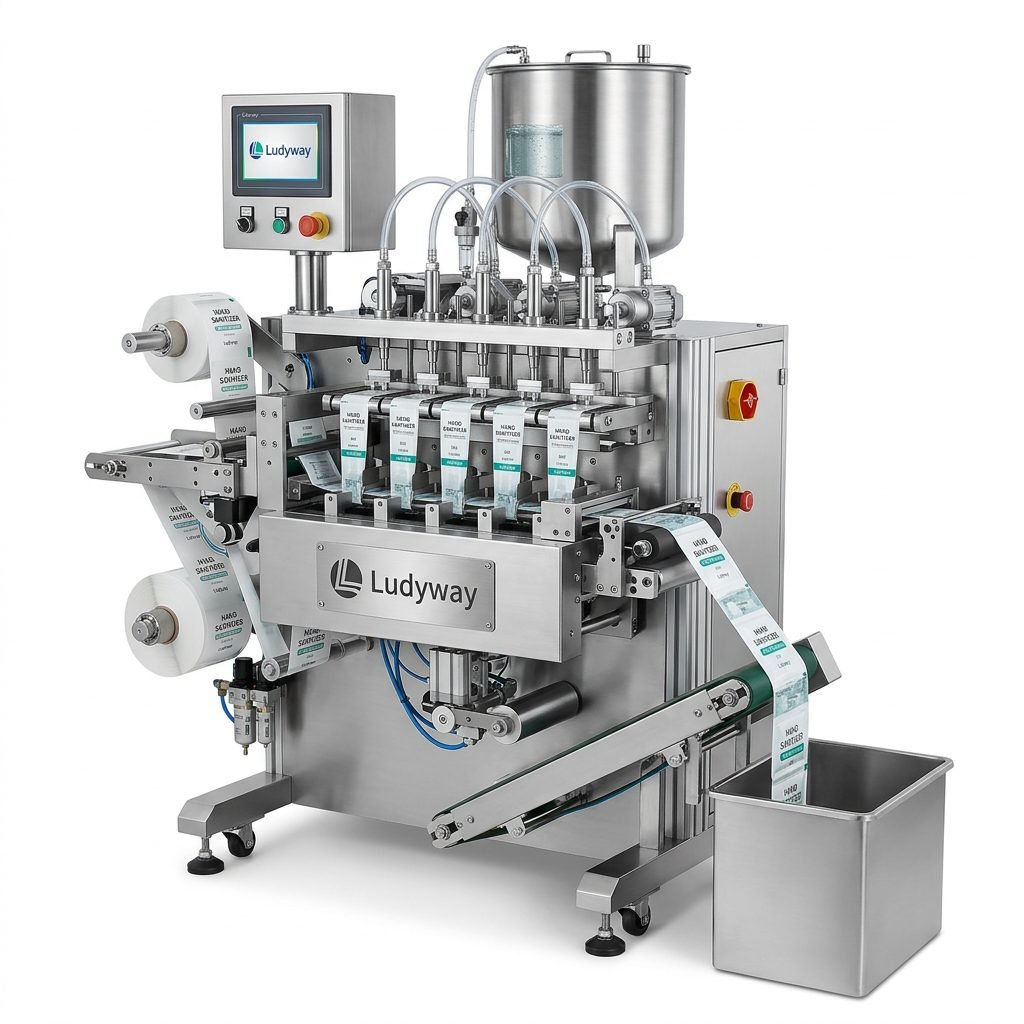
Investing in a small pouch packing machine is a strategic decision for businesses looking to automate portion packaging. Whether you operate in the food, pharmaceutical, or chemical industry, selecting the right equipment directly impacts your production efficiency, packaging consistency, and long-term operating costs. With a wide range of technologies available, it is essential to evaluate your specific needs before making a purchase. This guide walks you through the key factors to consider when choosing the right small pouch packing machine for your operation.
Understanding Your Product and Packaging Requirements
The starting point for any equipment selection is a thorough understanding of the product you are packaging. The physical characteristics of your material will determine the most suitable dosing and filling technology. Key product attributes include:
- Product state: Is it a free-flowing powder, a sticky granule, a liquid, a paste, or a combination?
- Particle size and density: Fine powders require different handling than coarse granules to prevent dusting and ensure accurate fills.
- Flow characteristics: Non-free-flowing or hygroscopic products may need agitated hoppers, special feeders, or dehumidification systems.
- Temperature sensitivity: Some products require cold-fill or temperature-controlled environments to maintain integrity.
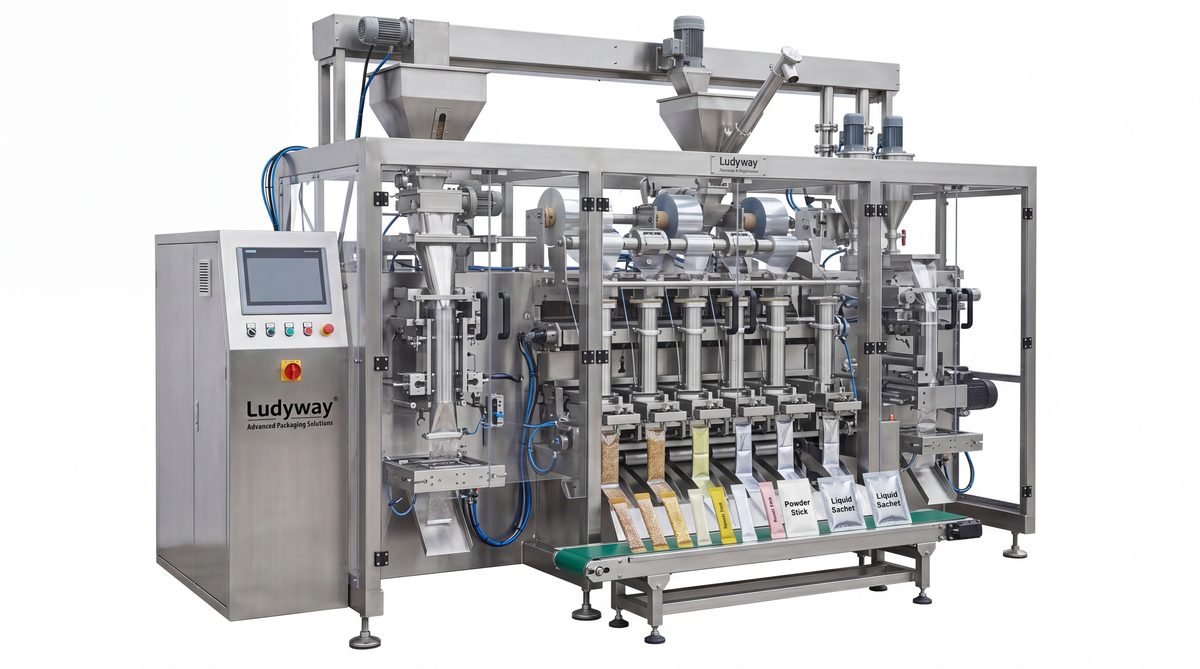
Equally important is defining your target pouch format and size. Small pouch packing machines can typically handle a range of styles, including three-side-seal, four-side-seal, stick packs, sachets, and gusseted pouches. You need to confirm that the machine is adaptable to the pouch dimensions and materials you intend to use, such as laminated films, aluminum foil, or biodegradable materials. For authoritative guidance on packaging materials and sustainability, the Flexible Packaging Association provides extensive industry data and resources.
Key Machine Configurations and Features
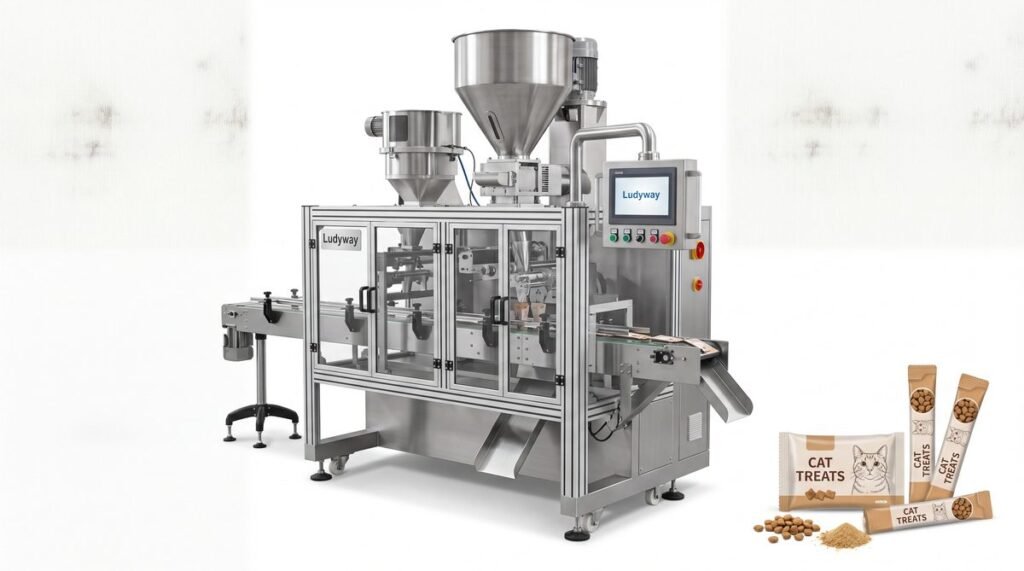
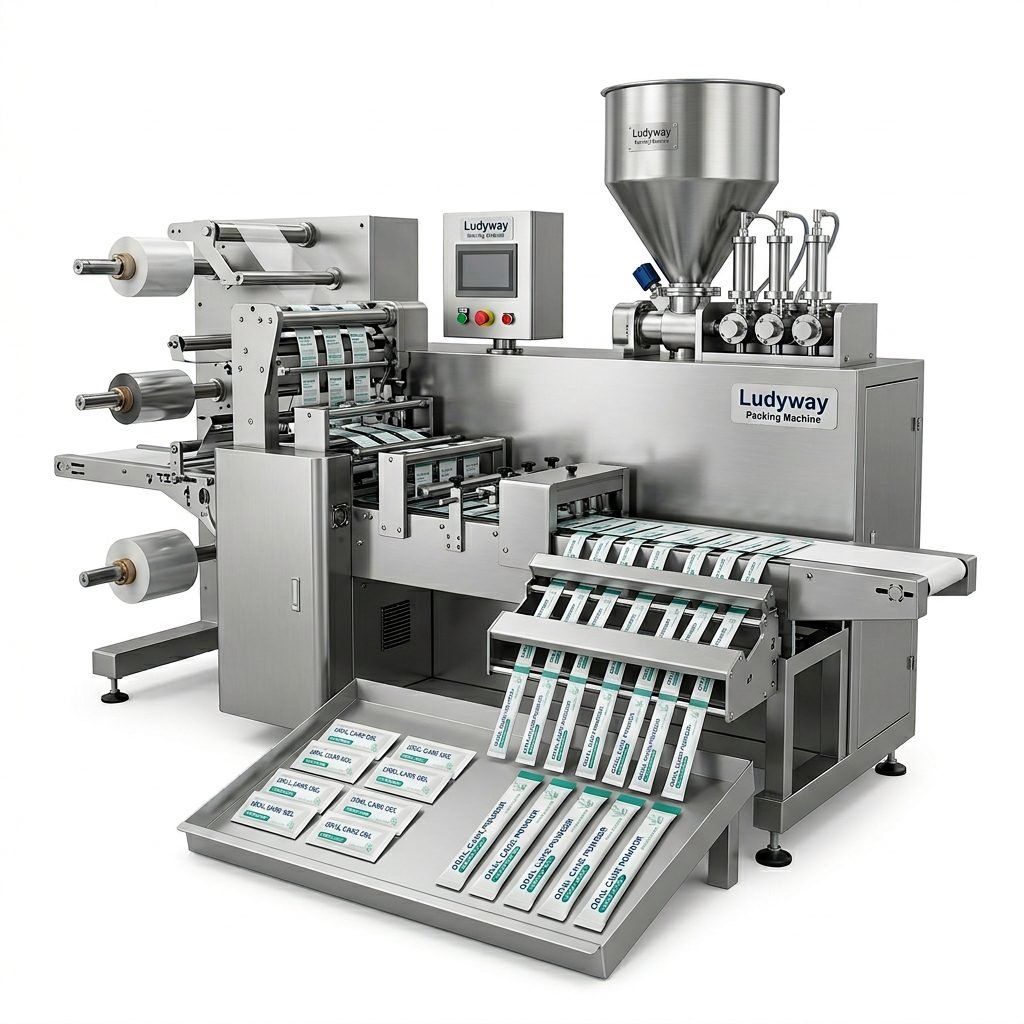
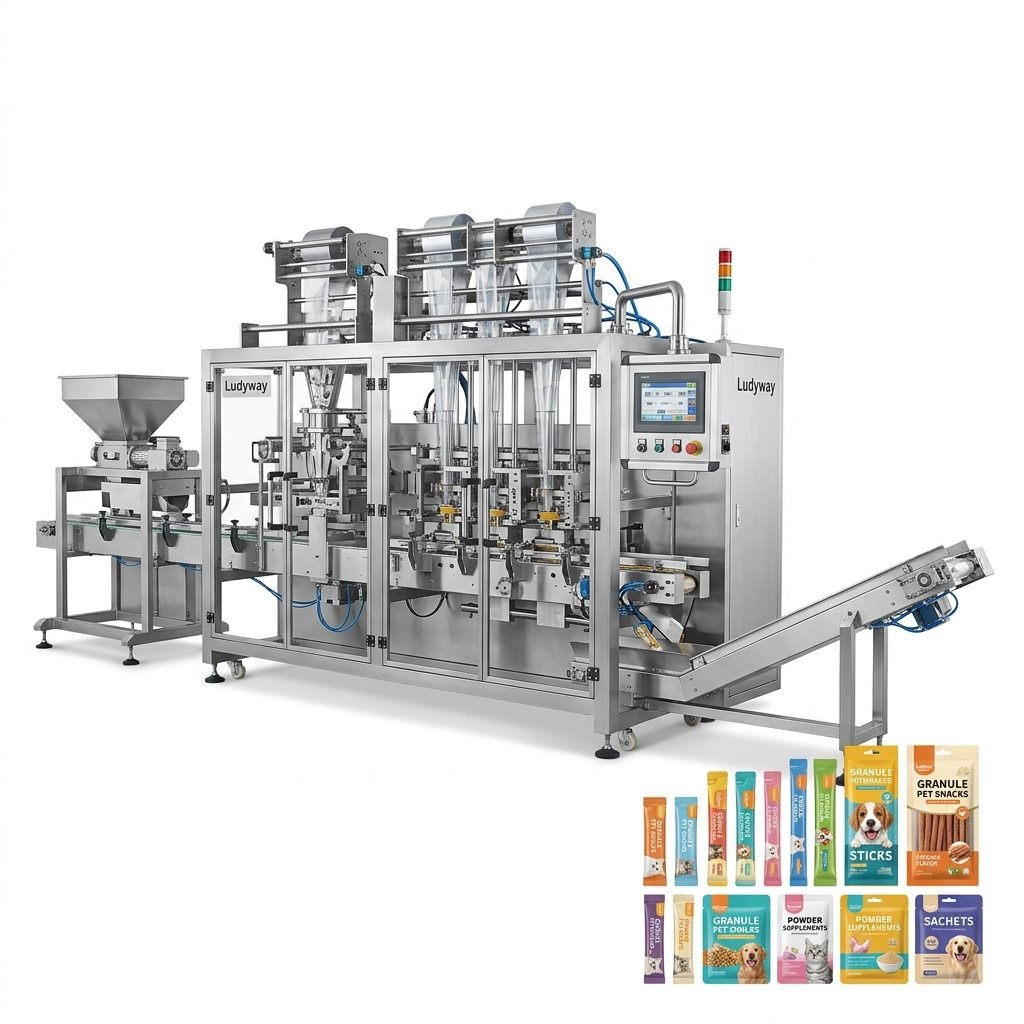
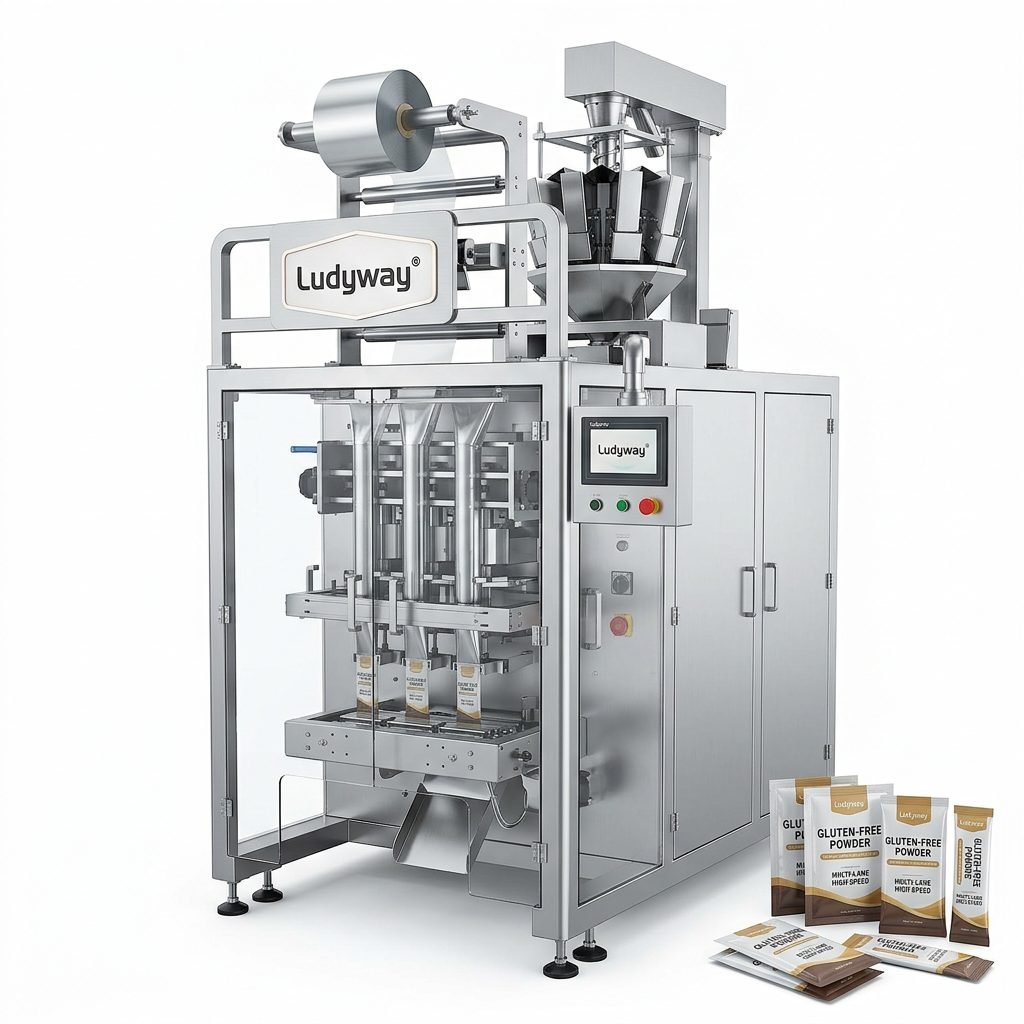
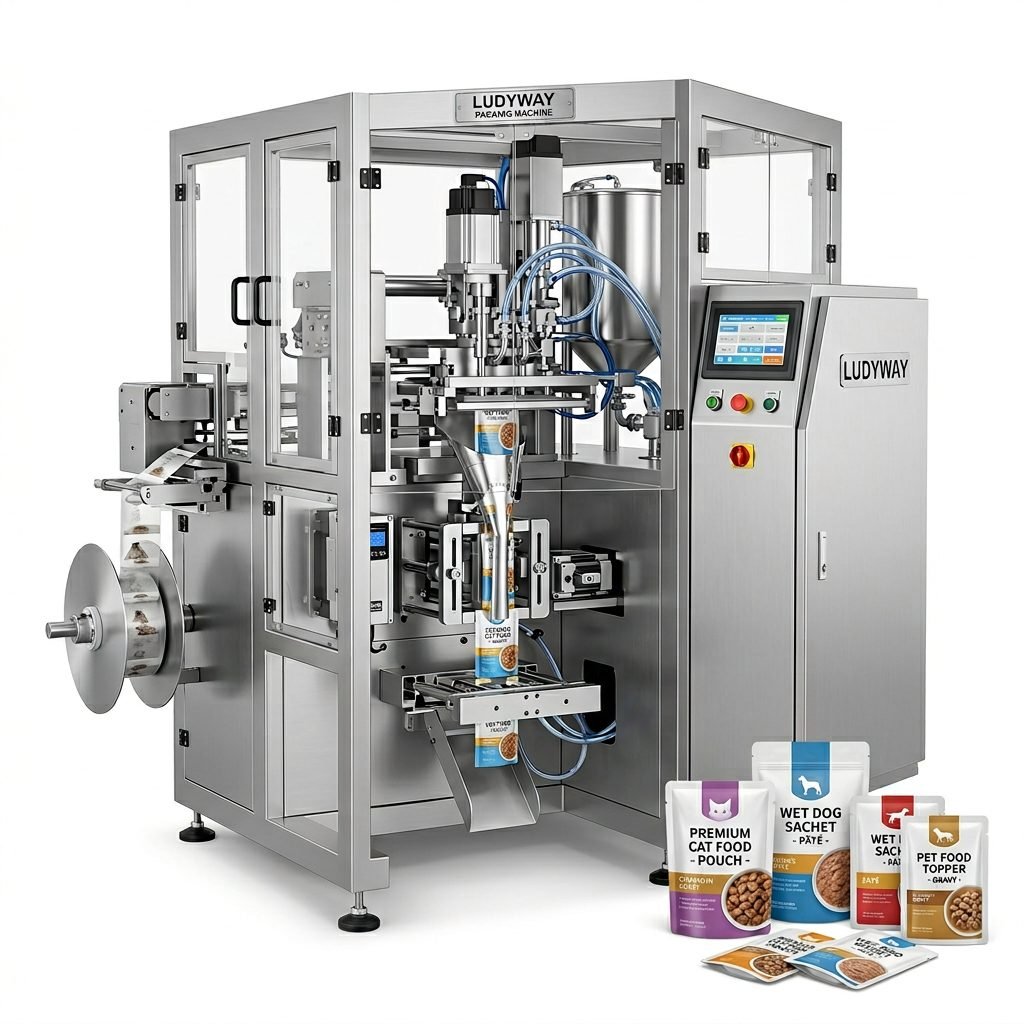
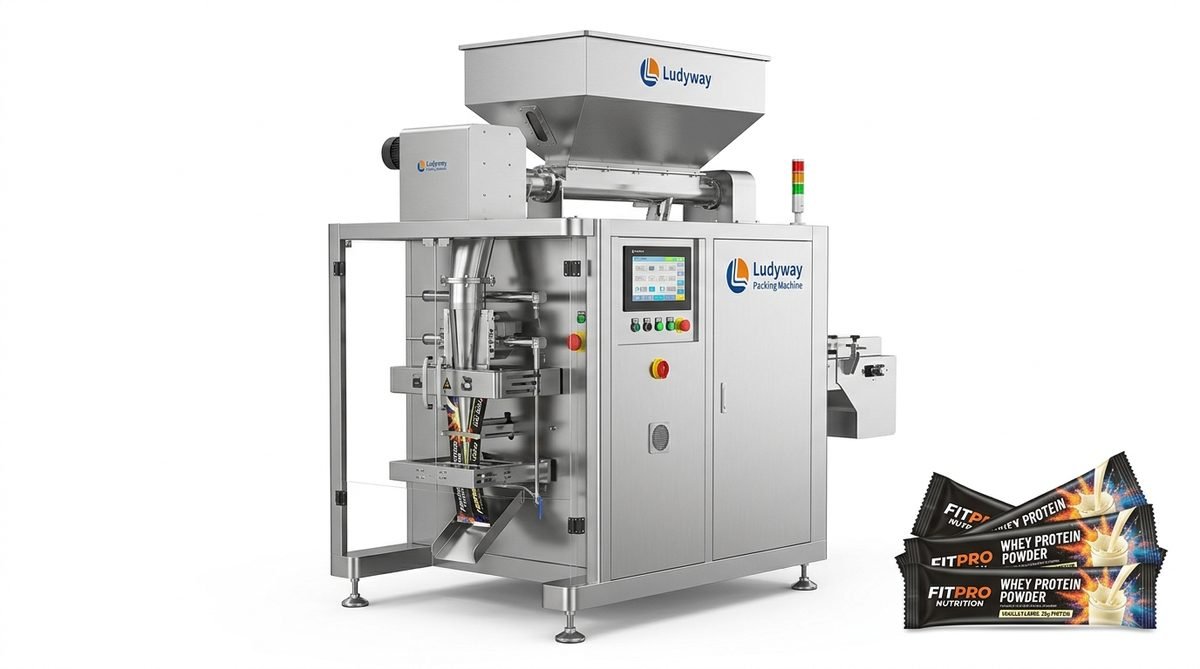
Small pouch packing machines come in various configurations, and the right choice often hinges on your production goals. The table below outlines the primary machine types and their typical applications.
| Machine Type | Best For | Key Advantage |
|---|---|---|
| Single-Lane Vertical FFS | Lower volume, diverse formats | Flexibility and cost-effectiveness |
| Multi-Lane Stick Pack | High-speed powder and granule sticks | Very high output, small footprint |
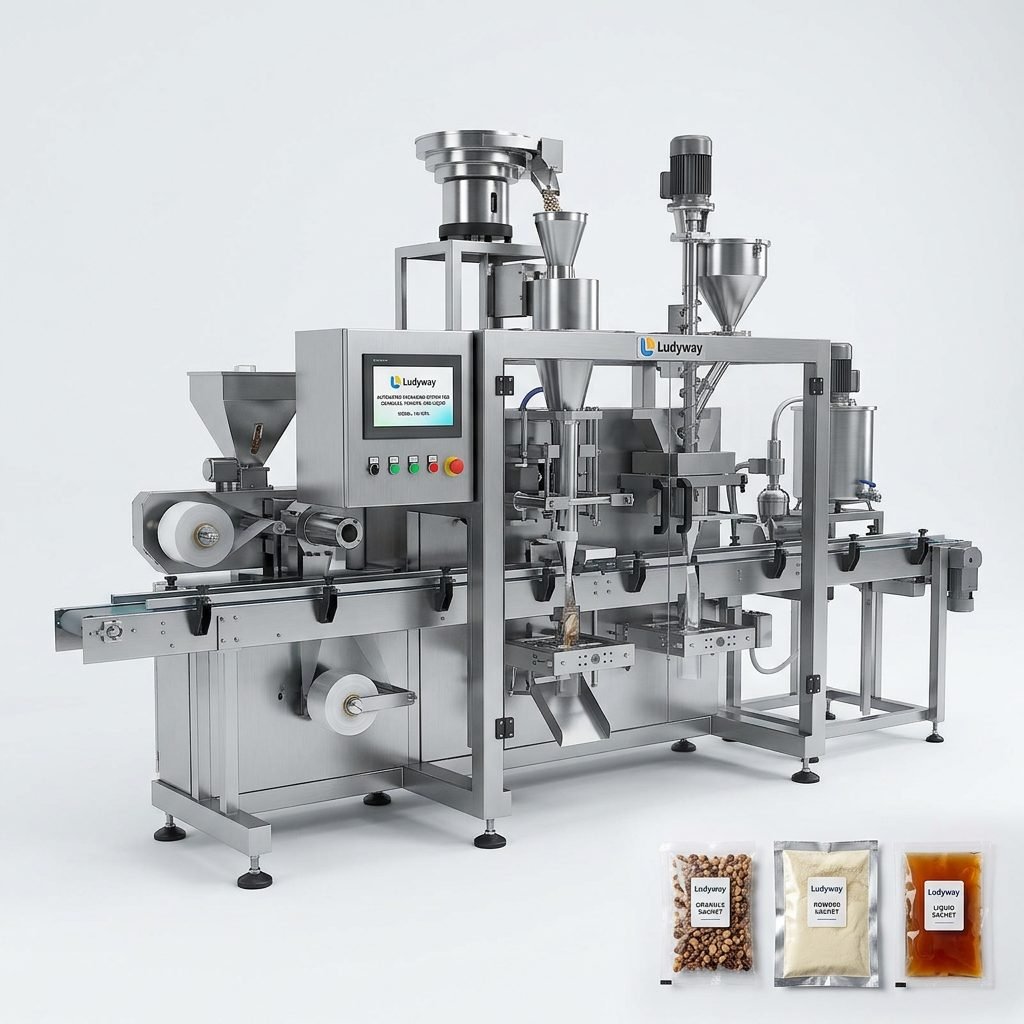
| Rotary Sachet Machine | Liquids, creams, and gels | Precision liquid filling, multi-lane |
| Premade Pouch Fill-Seal | Stand-up pouches, zipper bags | High-quality pouch presentation |
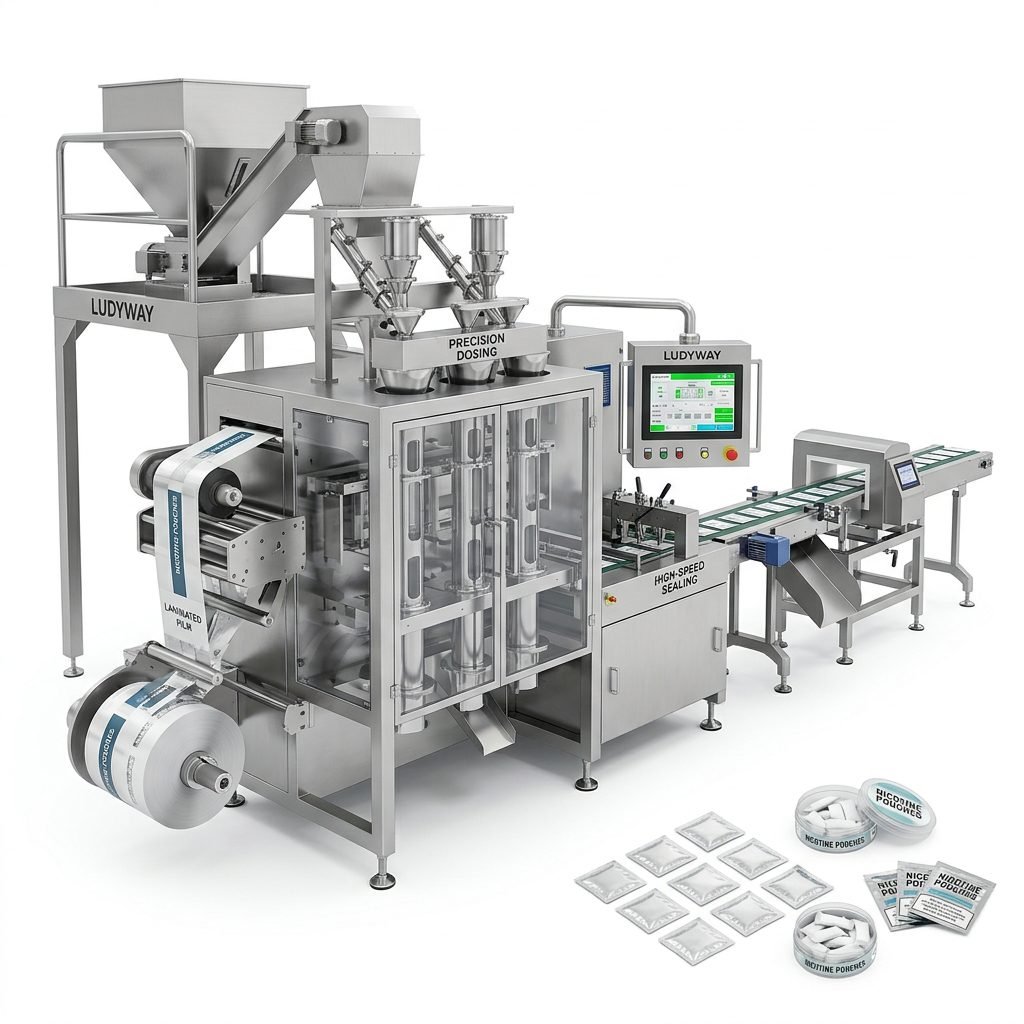
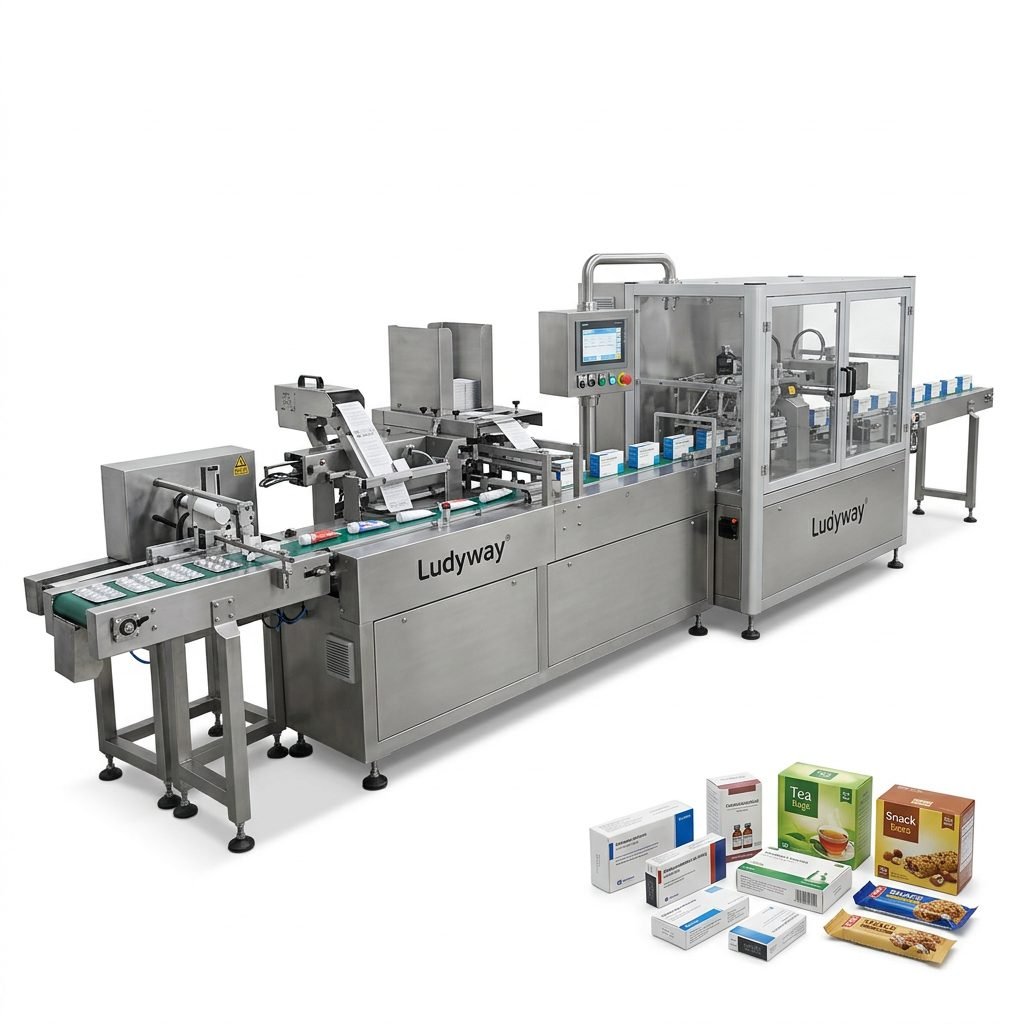
Beyond the forming and filling system, you should evaluate the automation level. A basic machine may only handle filling and sealing, while an integrated system can connect to upstream feeding, counting, coding, inspection, and cartoning equipment. Checkweighers and metal detectors are often critical for quality compliance in regulated industries. The PMMI State of the Industry report offers valuable insights into automation trends and packaging machinery standards that can inform your decision.
Evaluating Speed, Efficiency, and Changeover
Production speed is a primary specification, but it is important to understand it in context. Rated speed often represents the maximum theoretical output, while sustained production speed accounts for film splices, cleaning, and minor adjustments. Clarify with the manufacturer what speed you can realistically achieve with your specific product and film.
Equally critical is changeover flexibility. If you plan to run multiple products or pouch sizes on the same line, look for features like servo-driven adjustments, recipe management, and quick-release forming tubes. The time and skill required to switch between formats can significantly affect your overall equipment effectiveness (OEE).
Construction Quality, Compliance, and Safety
The build quality and materials of construction directly influence machine longevity and maintenance costs. For food and pharmaceutical applications, product contact parts should typically be made of 304 or 316 stainless steel. Frame construction should be robust to minimize vibration at high speeds. Look for machines designed with easy access for cleaning and maintenance, ideally incorporating sanitary design principles.
Regulatory compliance is a major factor for manufacturers targeting specific markets. Your equipment may need to meet standards related to GMP, FDA requirements for food contact, or specific electrical and safety certifications. The FDA provides detailed guidance on packaging and food contact substances, while ISO packaging standards cover a wide range of safety and performance criteria. Verify that the supplier can provide the necessary documentation and design the machine to your market’s requirements.

Integration, Support, and Long-Term Partnership
A small pouch packing machine is often just one component of a larger production line. Upstream and downstream integration capability is crucial. Consider how the pouch packer will connect to your existing powder feeders, liquid tanks, conveyors, and cartoning systems. A supplier that offers turnkey packaging solutions can simplify system integration, reduce compatibility risks, and provide a single point of responsibility for the entire line.
The supplier’s engineering capability, service reach, and spare parts availability are just as important as the machine itself. A partner with deep application experience can help you configure the right dosing system, select the optimal sealing technology, and design a line layout that fits your factory floor. Ludyway Machinery, a China-based packaging machinery manufacturer with more than 30 years of experience, exemplifies this approach by offering customized packaging machinery and complete line solutions for industries including food, pharmaceuticals, nutraceuticals, cosmetics, and chemicals. Ensuring your supplier can deliver responsive technical support, remote assistance, and timely spare parts is vital for minimizing downtime over the machine’s lifecycle.
Budget, ROI, and Total Cost of Ownership
While the initial purchase price is an obvious factor, a thorough financial evaluation must consider total cost of ownership (TCO). Beyond the capital expenditure, you should account for several long-term costs.
- Film and material waste: Poor sealing or tension control can lead to significant waste. A machine with higher efficiency may pay for itself quickly.
- Spare parts and maintenance: Understand the recommended spare parts list, their expected lifespan, and the cost of consumables like sealing jaws and belts.
- Operator training and labor: A more intuitive machine can reduce the training burden and the risk of operator error.
- Energy consumption: Evaluate the connected power load and compressed air requirements.
By weighing these factors against the expected increase in production capacity and reduction in manual labor, you can build a solid ROI case. For broad industry analysis and market data, industry bodies like PMMI’s business intelligence library are excellent resources for understanding packaging machinery investments in context.
Making the Final Decision
Selecting the right small pouch packing machine is a technical and strategic process. Start by clearly defining your product specifications and packaging format. Then, evaluate machines based on their dosing accuracy, build quality, compliance certifications, integration capabilities, and long-term support. Always request to run your actual product and film on the machine before final approval. This step validates performance claims and ensures compatibility. By taking a thorough, long-term view, you can select equipment that supports efficient, scalable, and reliable pouch packaging for years to come.