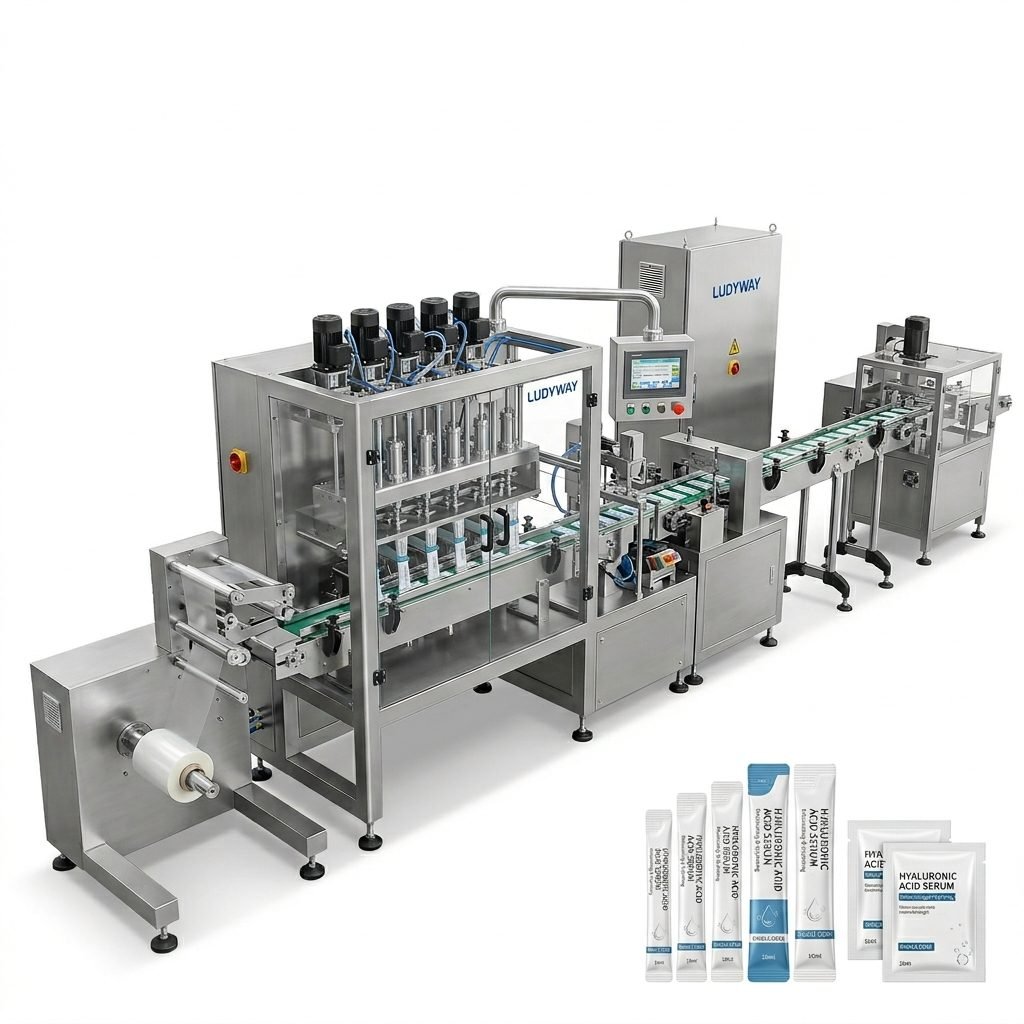
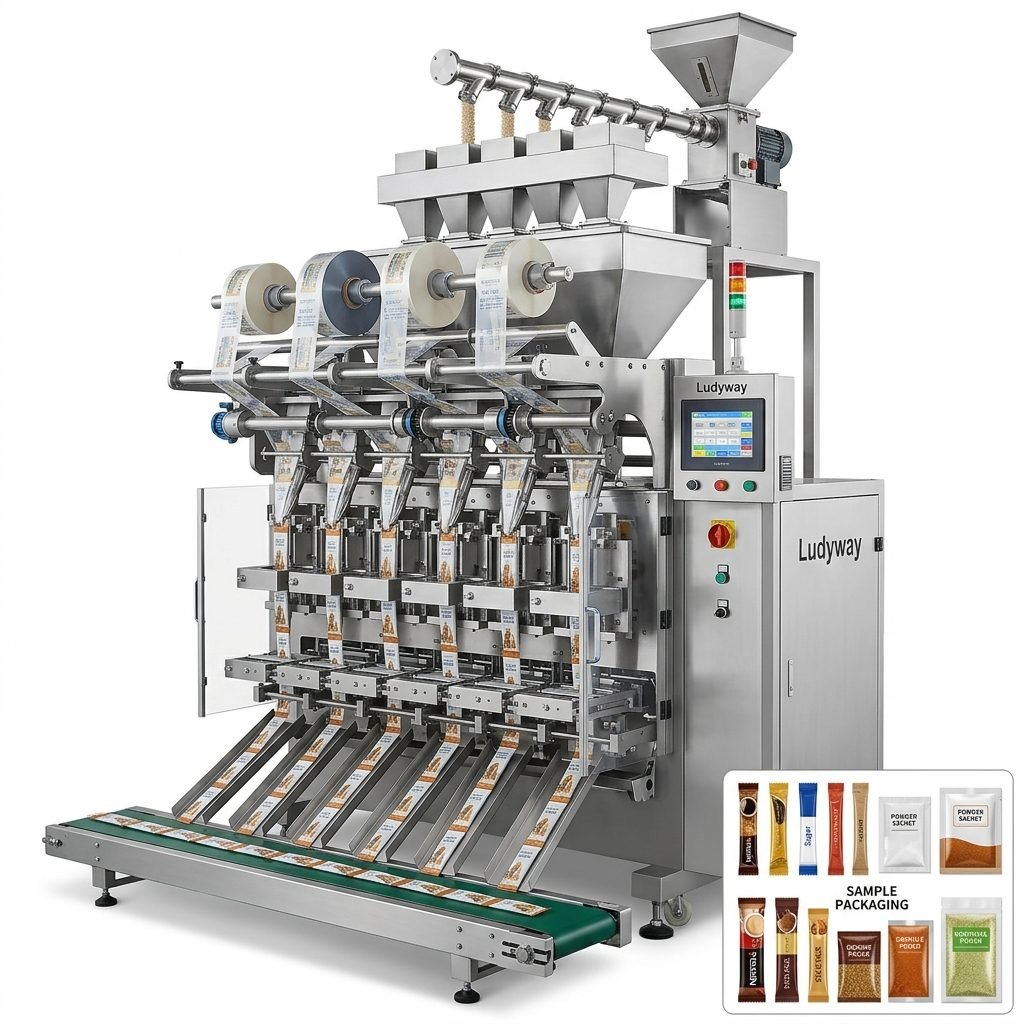
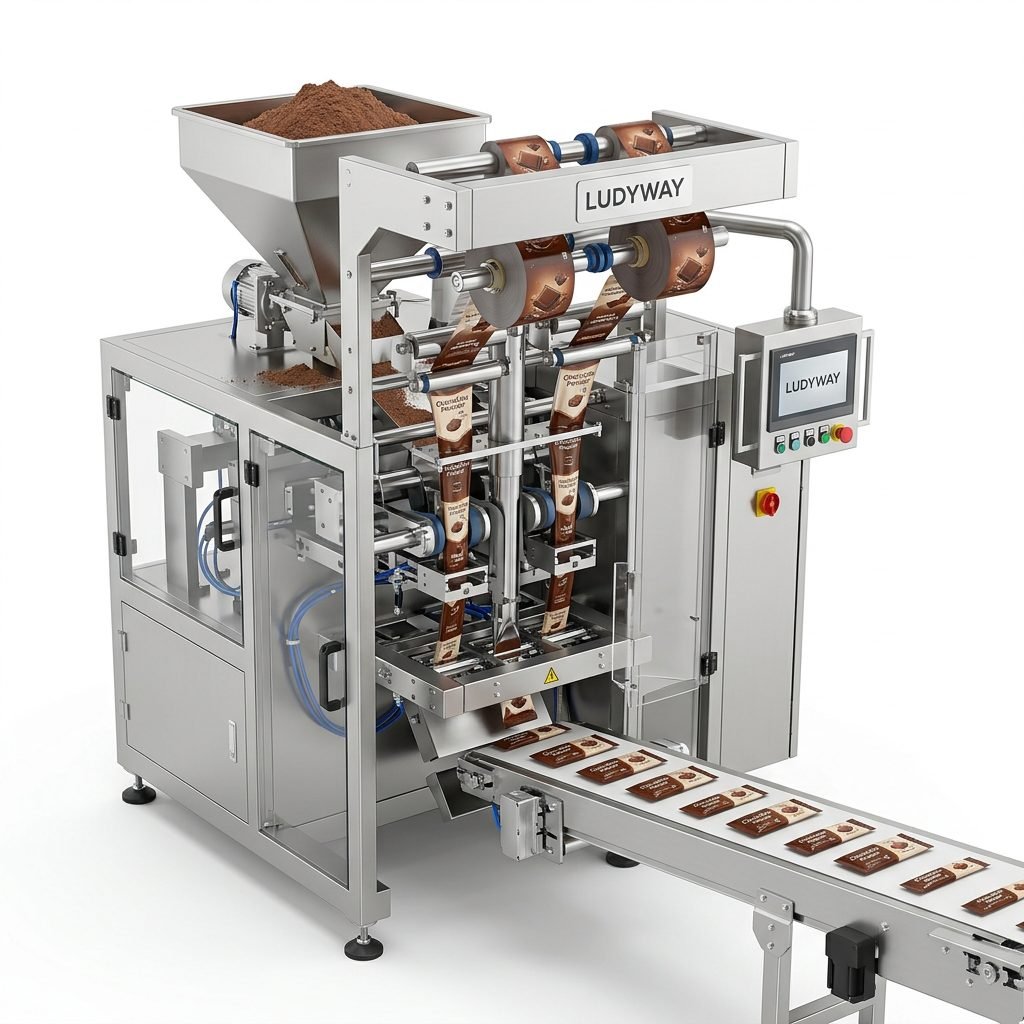
Investing in a top seal packaging machine is a strategic decision that directly impacts your production efficiency, product integrity, and bottom line. Whether you are packaging granules, powders, liquids, or solid items, selecting the right equipment requires careful evaluation of multiple factors. This guide walks you through every critical consideration to help you make an informed purchase.
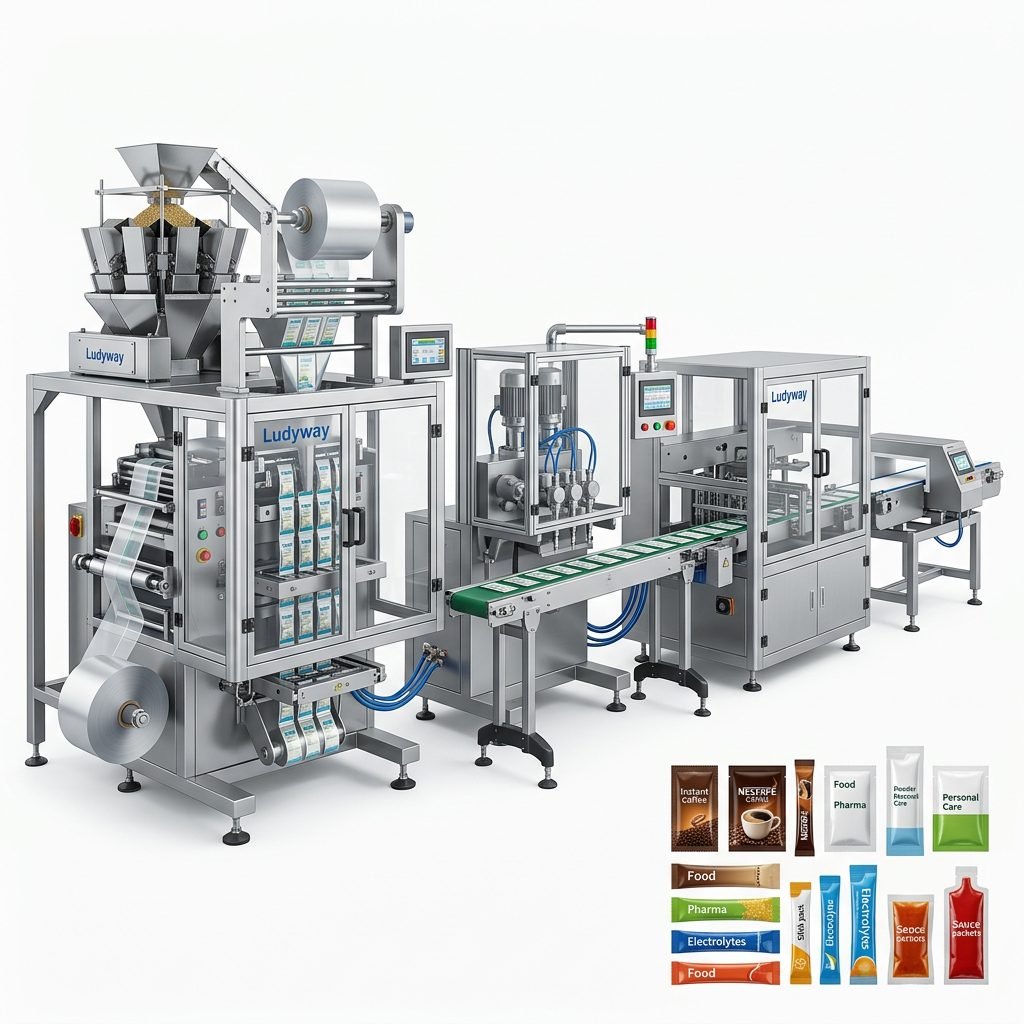
What Is a Top Seal Packaging Machine?
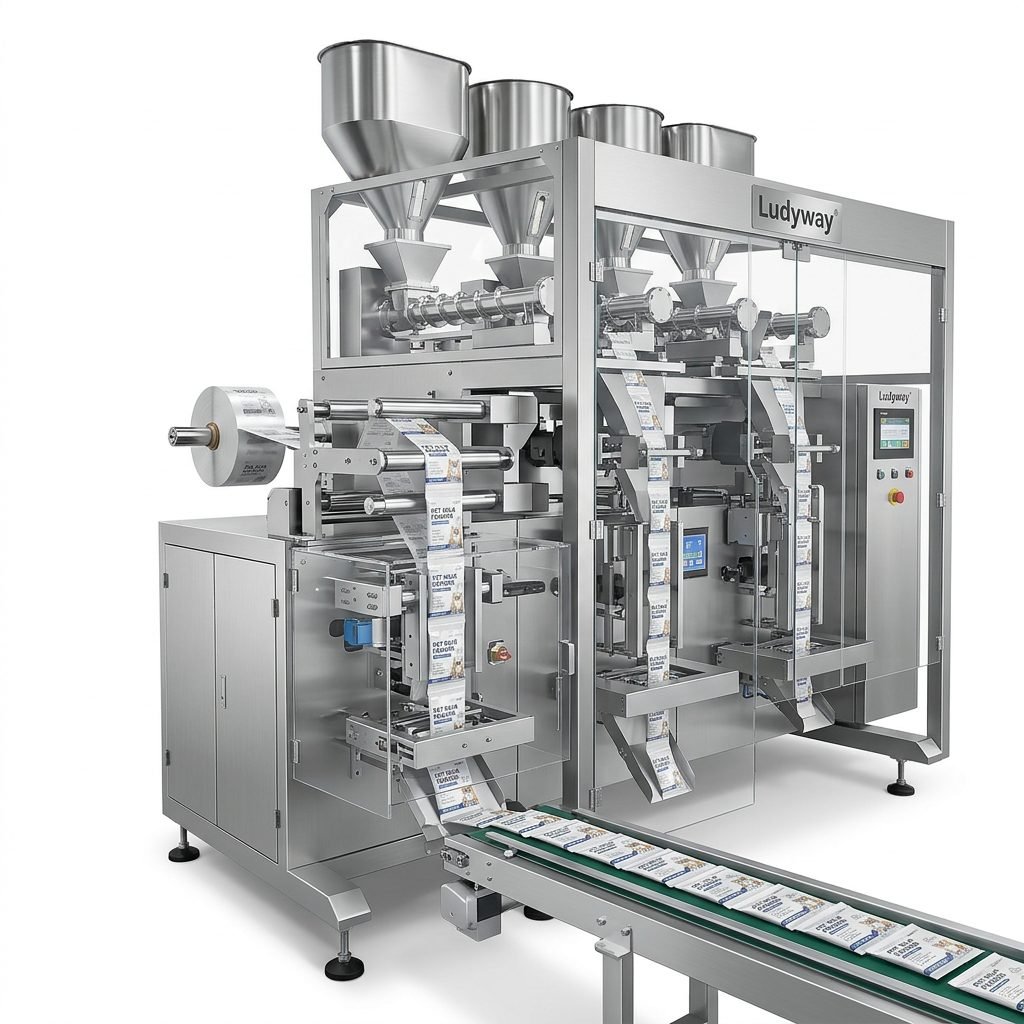
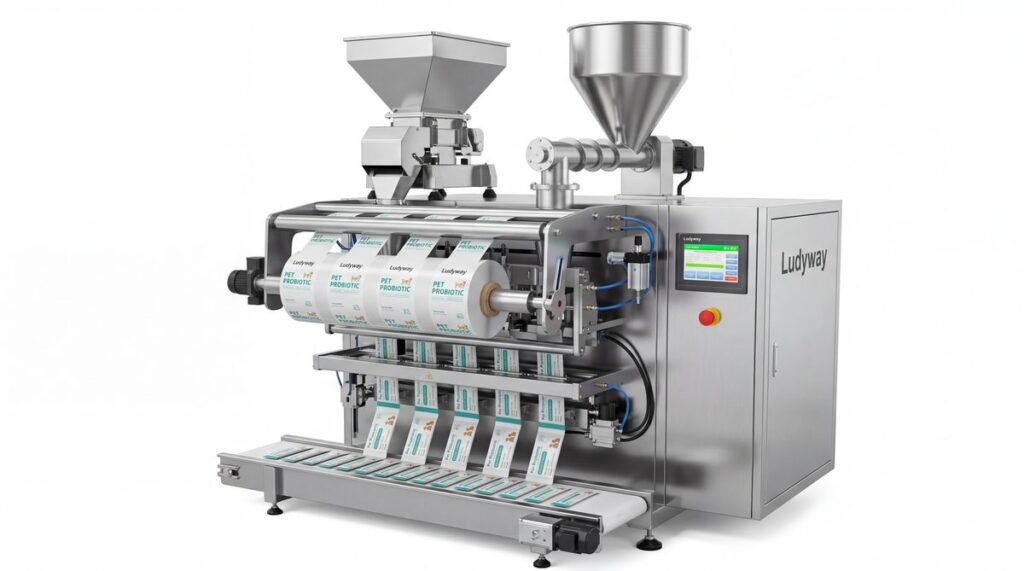
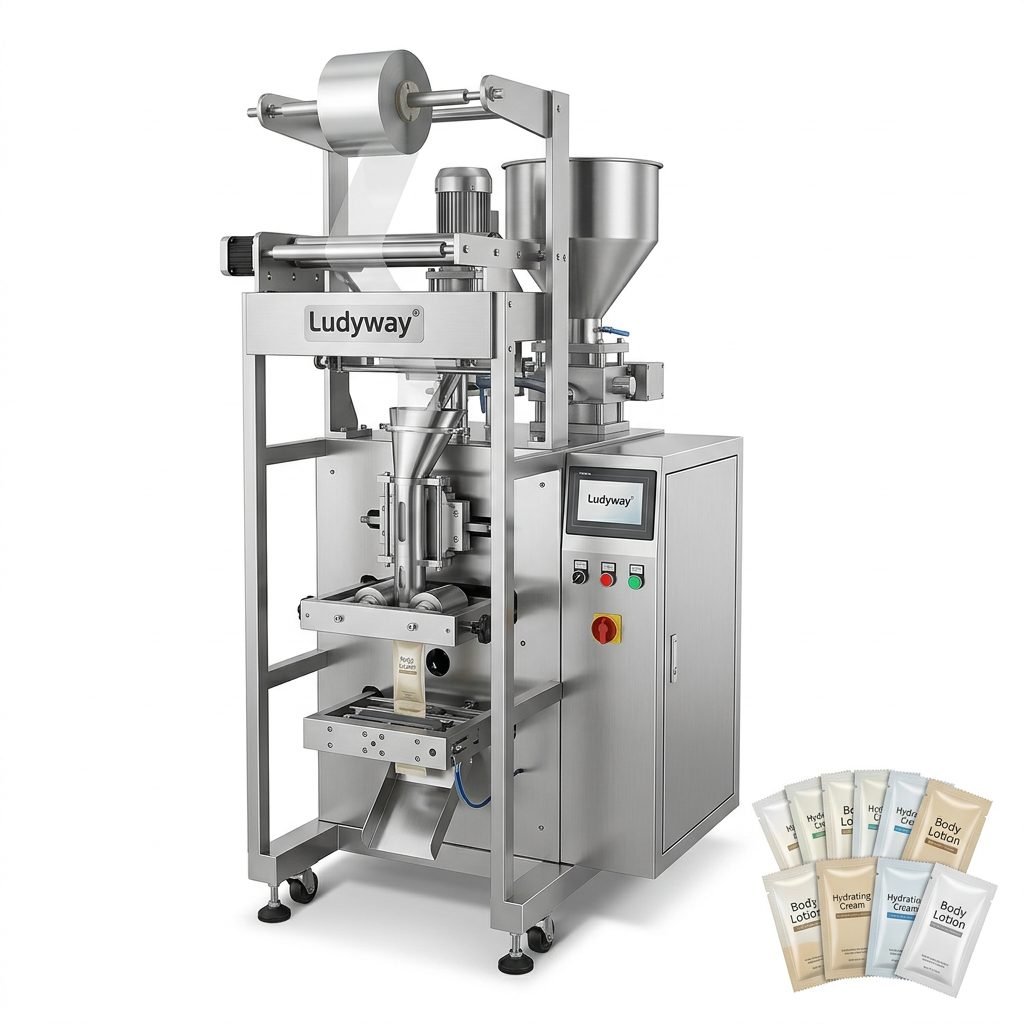
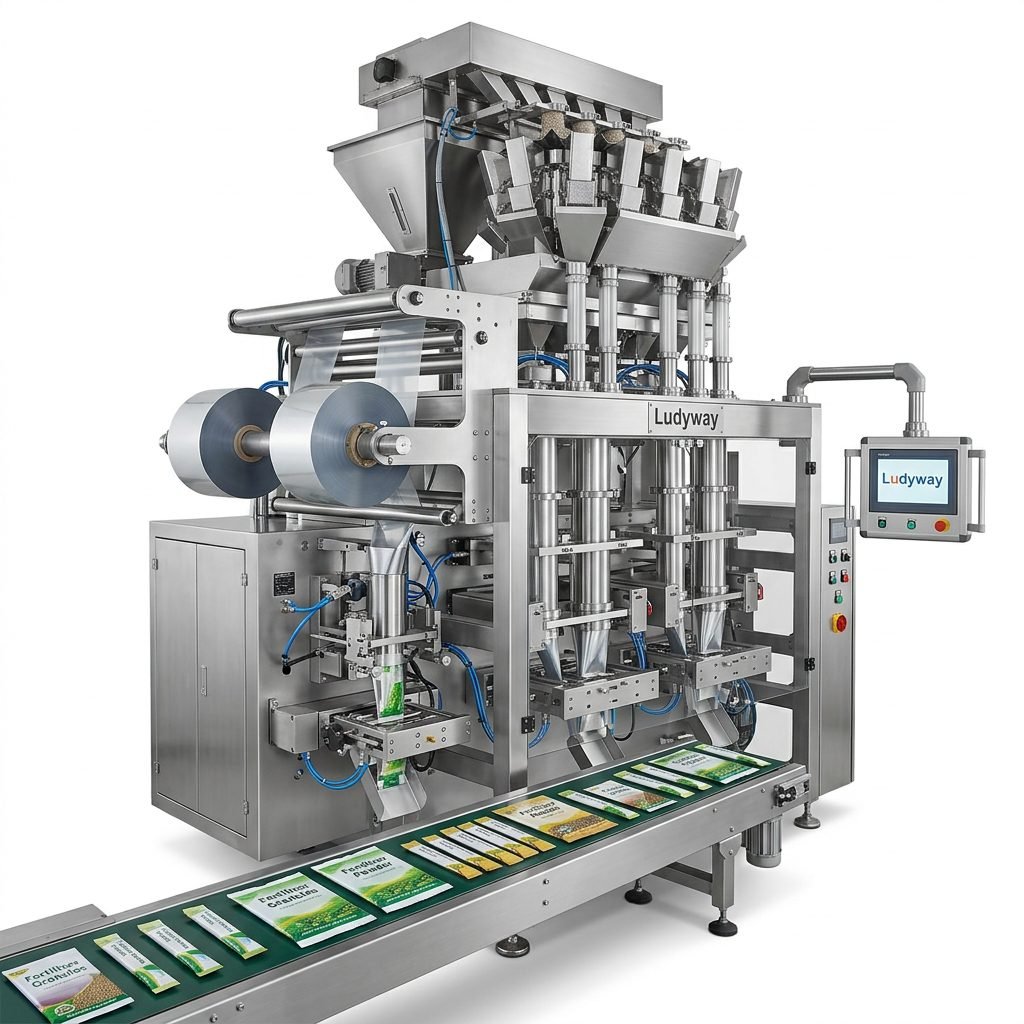
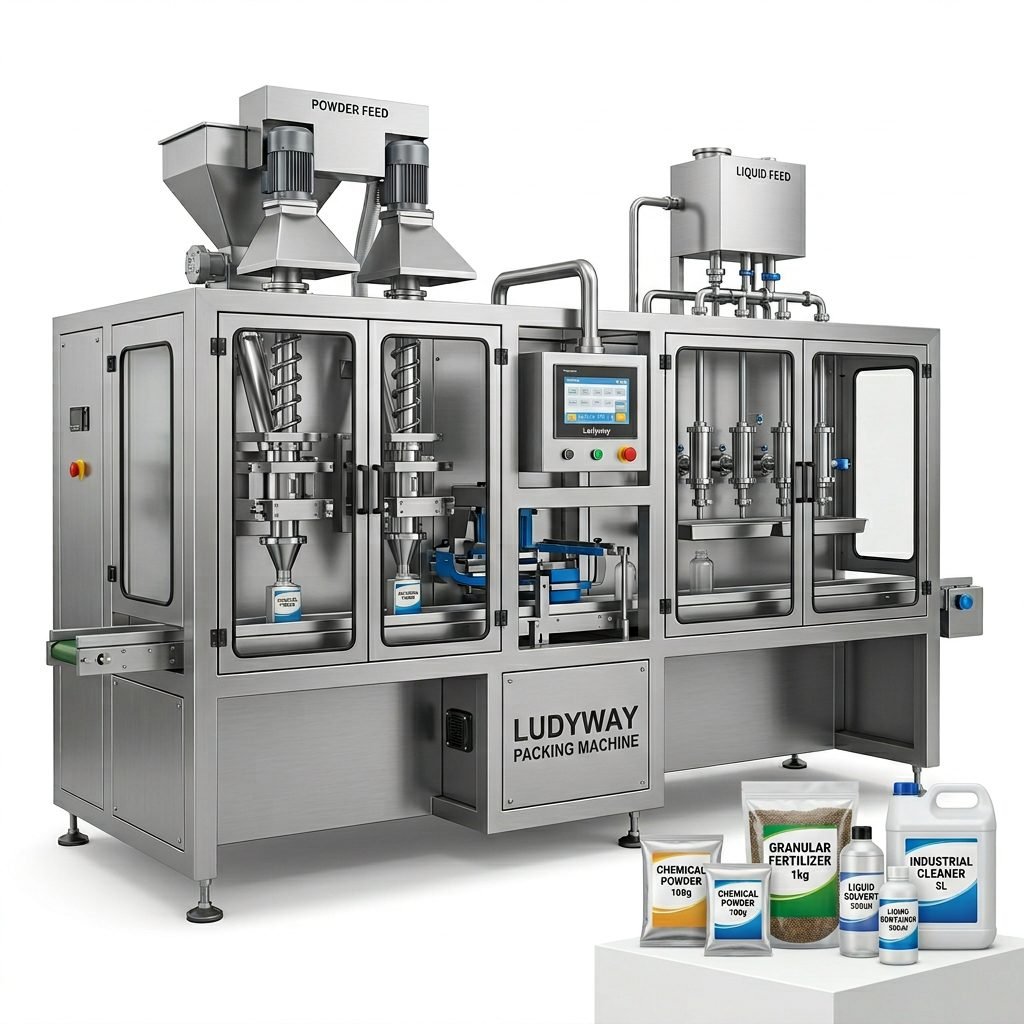
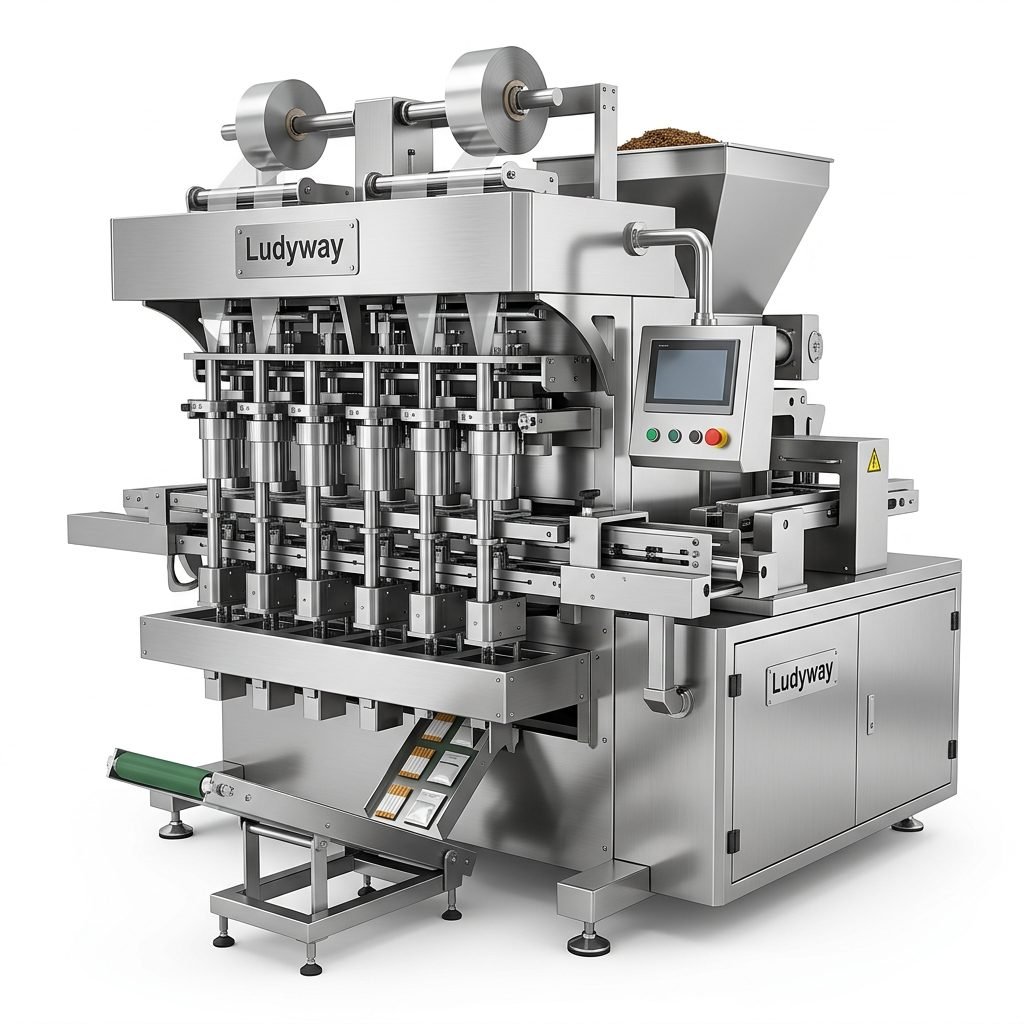
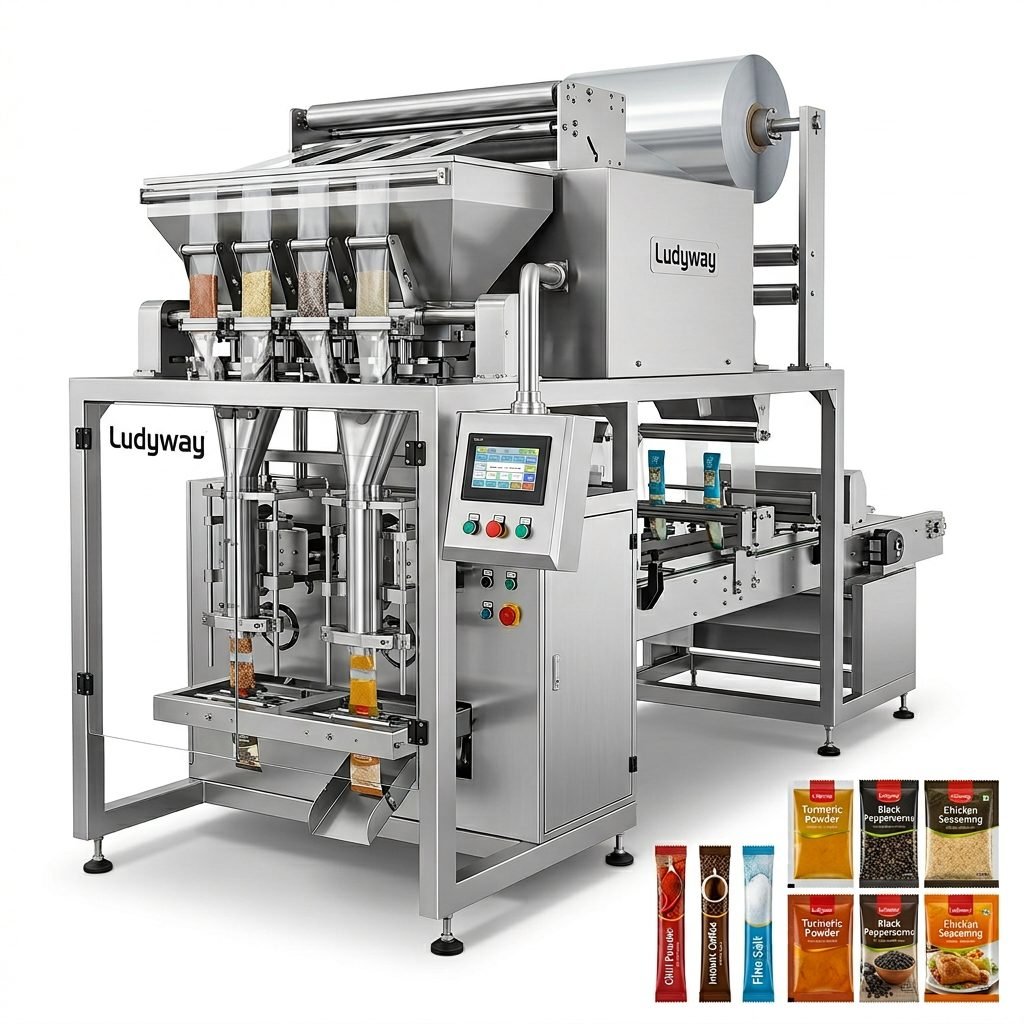
A top seal packaging machine is designed to fill products into preformed or form-fill-seal pouches and then apply a secure top seal to close the package. These machines are widely used across food, pharmaceutical, cosmetic, chemical, and industrial sectors. The sealing mechanism ensures product freshness, prevents leakage, and extends shelf life. Modern top seal equipment can handle various packaging formats including stick packs, sachets, pouches, and multi-lane configurations.
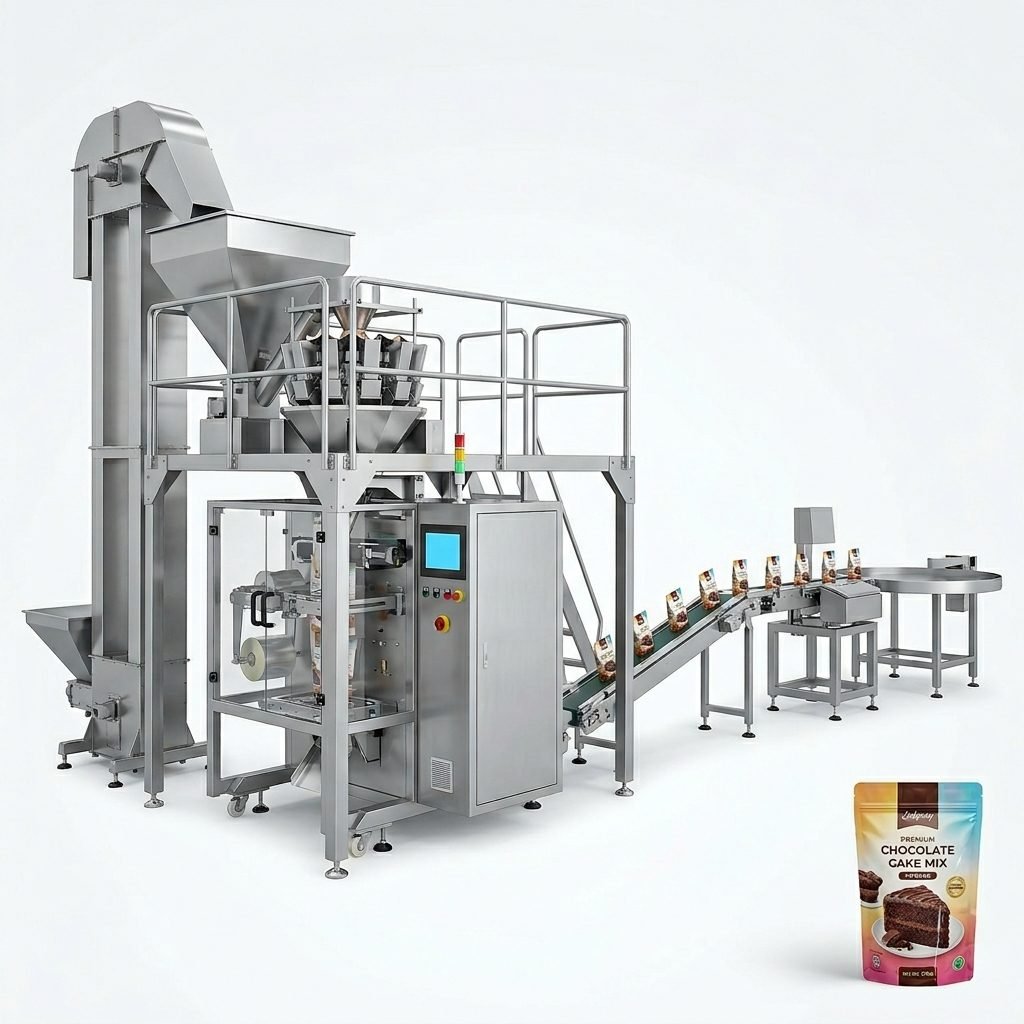
Understanding the packaging machinery market landscape helps buyers benchmark features and pricing before committing to a specific model. The technology has evolved significantly, offering automation levels from semi-automatic to fully integrated turnkey lines.
Key Factors to Evaluate Before Buying
1. Product Characteristics
The physical properties of your product determine the type of filling and sealing system required. Consider the following:
- Product form: Is it a free-flowing granule, fine powder, viscous liquid, paste, or solid item?
- Flowability: Powders with poor flow characteristics may require auger fillers or vibratory feeding systems.
- Hygroscopicity: Moisture-sensitive products need machines with enhanced sealing integrity and possibly nitrogen flushing.
- Particle size and density: These affect dosing accuracy and filling speed.
- Temperature sensitivity: Some products require cold-seal or low-temperature sealing technology.
2. Packaging Format and Bag Style
Your choice of packaging format directly influences machine selection. Top seal machines accommodate various flexible packaging styles:
- Stick packs: Narrow, elongated sachets ideal for single-serve powders and liquids.
- Three-side seal sachets: Common for sample-sized products and condiments.
- Four-side seal sachets: Provide a more robust seal and premium appearance.
- Gusseted pouches: Offer greater volume capacity with a stand-up feature.
- Multi-lane configurations: Enable high-speed production with multiple lanes running simultaneously.
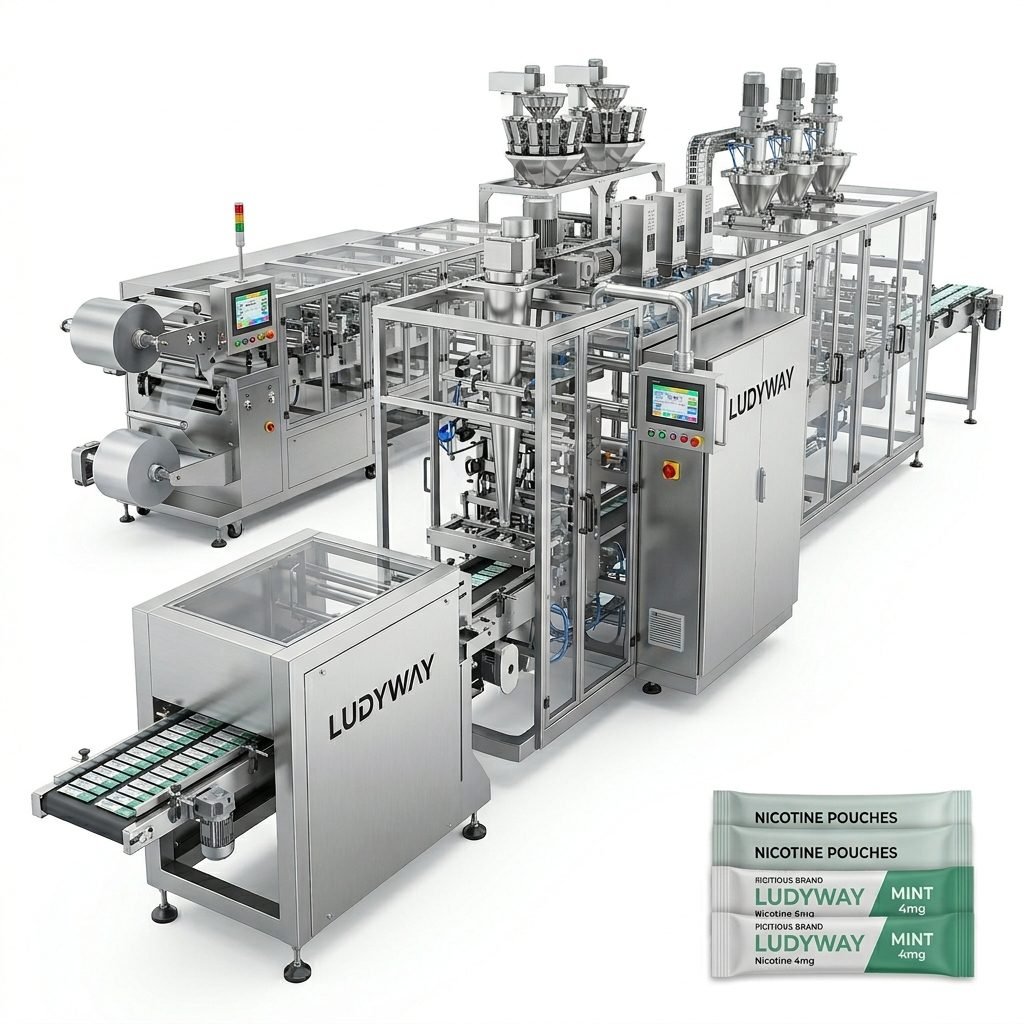
3. Production Speed and Capacity Requirements
Your target output volume determines whether a single-lane or multi-lane machine is appropriate. Key metrics to evaluate:
- Pouches per minute (PPM): Single-lane machines typically produce 30-80 PPM, while multi-lane systems can exceed 400 PPM.
- Shift patterns: Continuous 24/7 operation demands industrial-grade components and robust construction.
- Changeover frequency: Frequent product or format changes benefit from quick-change tooling and recipe-based controls.
| Production Scale | Recommended Configuration | Typical PPM Range |
|---|---|---|
| Small batch / Startup | Semi-automatic single-lane | 15-35 |
| Medium volume | Automatic single-lane or 2-4 lane | 40-120 |
| High volume / Industrial | Multi-lane (6-16 lanes) | 200-600+ |
| Turnkey production line | Fully integrated multi-lane with secondary packaging | 400-1000+ |
4. Filling and Dosing Technology
The dosing system is the heart of any top seal packaging machine. Selecting the right technology ensures accuracy, speed, and minimal waste:
- Auger fillers: Best for fine powders requiring precise volumetric dosing.
- Volumetric cup fillers: Cost-effective for free-flowing granules with consistent density.
- Piston fillers: Suitable for liquids, pastes, and creams with high viscosity.
- Multi-head weighers: Ideal for high-speed granular applications needing weight-based accuracy.
- Net weight fillers: Used for bulk packaging where precision is critical.
Technical Specifications to Prioritize
Sealing Integrity and Technology
The top seal is the most critical quality control point. Evaluate machines based on:
- Seal temperature control: Precise PID temperature controllers ensure consistent seal quality across production runs.
- Seal pressure adjustment: Pneumatic or mechanical pressure systems should be adjustable for different film materials.
- Dwell time: Sufficient sealing dwell time is essential for strong, leak-proof seals.
- Seal inspection: Some advanced machines integrate vision systems for automated seal integrity verification.
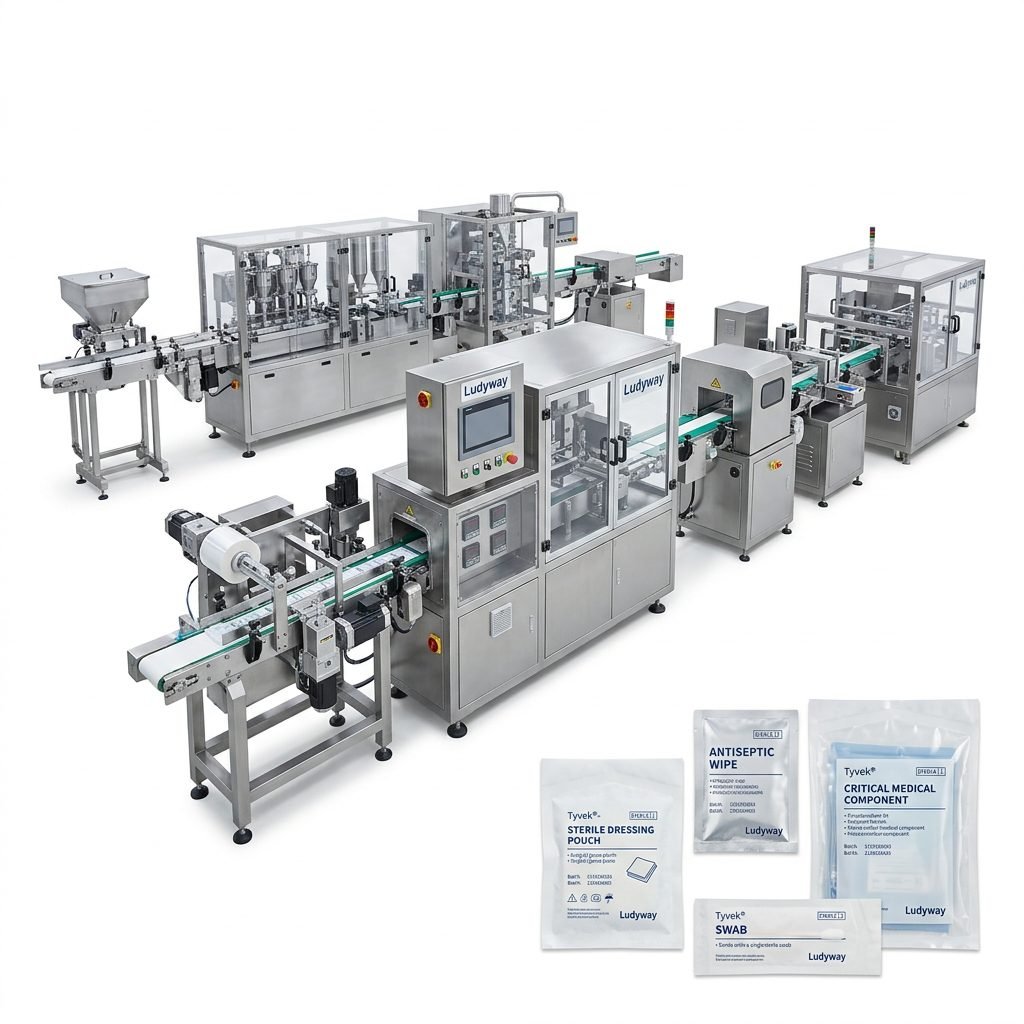
Material Compatibility
Your top seal machine must be compatible with the packaging films and laminates you intend to use. Common materials include:
- Polyethylene (PE) and polypropylene (PP) laminates
- Aluminum foil laminates for high-barrier applications
- Paper-based laminates for sustainable packaging
- Biodegradable and compostable films
- Multi-layer barrier films for sensitive products
Verify that the machine’s sealing jaw design and temperature range are suitable for your chosen materials. Some films require packaging standards compliance for food contact or medical applications.
Automation and Control Systems
Modern top seal packaging machines feature advanced controls that enhance productivity and reduce operator dependency:
- PLC with HMI touchscreen: Enables recipe storage, parameter adjustment, and production monitoring.
- Servo-driven systems: Provide precise control over film feeding, filling, and sealing operations.
- Remote diagnostics: Some manufacturers offer remote troubleshooting and production data access.
- Integration readiness: Compatibility with upstream feeding and downstream cartoning or case packing equipment.
Industry-Specific Considerations
| Industry | Key Requirements | Recommended Features |
|---|---|---|
| Food & Beverage | Hygiene, shelf life extension, high speed | Stainless steel construction, nitrogen flushing, easy clean design |
| Pharmaceuticals | GMP compliance, traceability, precision dosing | Validated processes, serialization, CIP/SIP capability |
| Cosmetics | Aesthetic packaging, small batch flexibility | Quick changeover, multi-format capability, precise filling for creams |
| Chemicals | Corrosion resistance, safety, bulk handling | Explosion-proof options, chemical-resistant seals, heavy-duty construction |
| Nutraceuticals | Accuracy, product integrity, regulatory compliance | Precision weighers, metal detection integration, dust control |
Evaluating Machine Quality and Compliance
When comparing different top seal packaging machine options, pay attention to build quality indicators:
- Frame construction: Heavy-duty stainless steel or anodized aluminum frames ensure stability and longevity.
- Component sourcing: Machines built with internationally recognized pneumatic, electrical, and automation components tend to offer better reliability.
- Certifications: CE, UL, or other regional certifications indicate compliance with safety and quality standards.
- GMP readiness: For pharmaceutical and food applications, verify that the machine design supports Good Manufacturing Practices.
Industry resources such as the State of the Industry report provide valuable benchmarking data on packaging machinery trends and performance standards.
Working with a Packaging Machinery Manufacturer
Choosing the right manufacturing partner is as important as selecting the machine itself. A reputable packaging machinery manufacturer should offer:
- Application engineering support: The ability to evaluate your product and recommend the optimal machine configuration.
- Customization capabilities: Willingness to modify standard designs to meet your specific production requirements.
- Factory acceptance testing (FAT): Opportunity to witness machine operation before shipment.
- Installation and commissioning: On-site technical support to ensure smooth startup.
- After-sales service: Responsive spare parts supply and technical assistance.
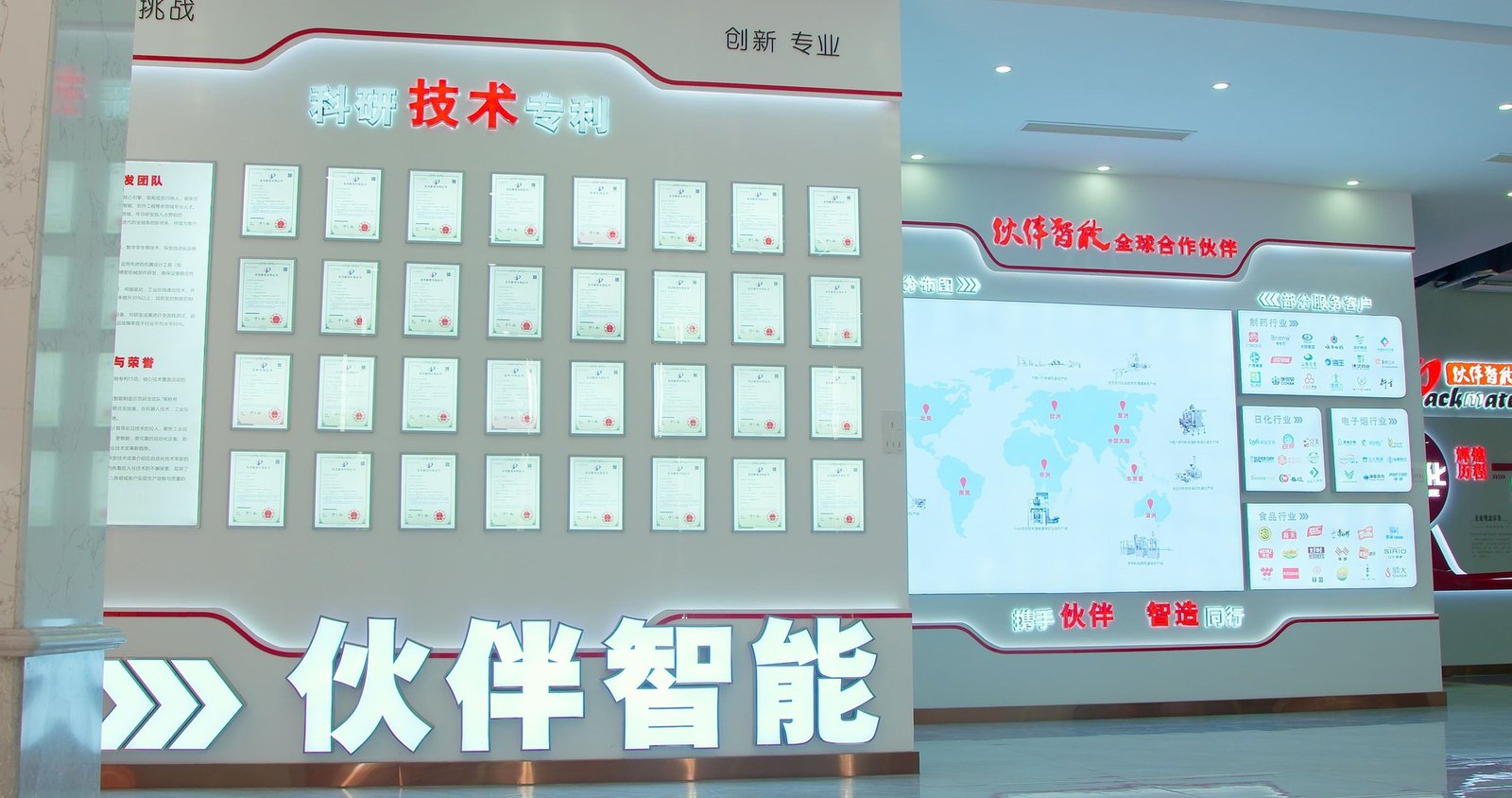
For businesses seeking a turnkey approach, companies like Ludyway Machinery provide integrated packaging solutions that combine multiple machines into a cohesive production line, simplifying project management and ensuring compatibility across equipment. With a 20,000-square-meter manufacturing facility and over 50 packaging machine models, they serve customers across more than 100 countries.
Cost Considerations and ROI Analysis
The purchase price of a top seal packaging machine is only one part of the total cost equation. Consider the following when calculating your investment:
- Initial capital expenditure: Machine cost including customization, tooling, and optional features.
- Installation and training: Costs associated with setup, commissioning, and operator training.
- Operating costs: Energy consumption, consumables, maintenance, and spare parts.
- Productivity gains: Labor savings, reduced waste, and increased throughput compared to manual or legacy systems.
- Quality improvements: Reduced product rejects and returns due to superior seal integrity.
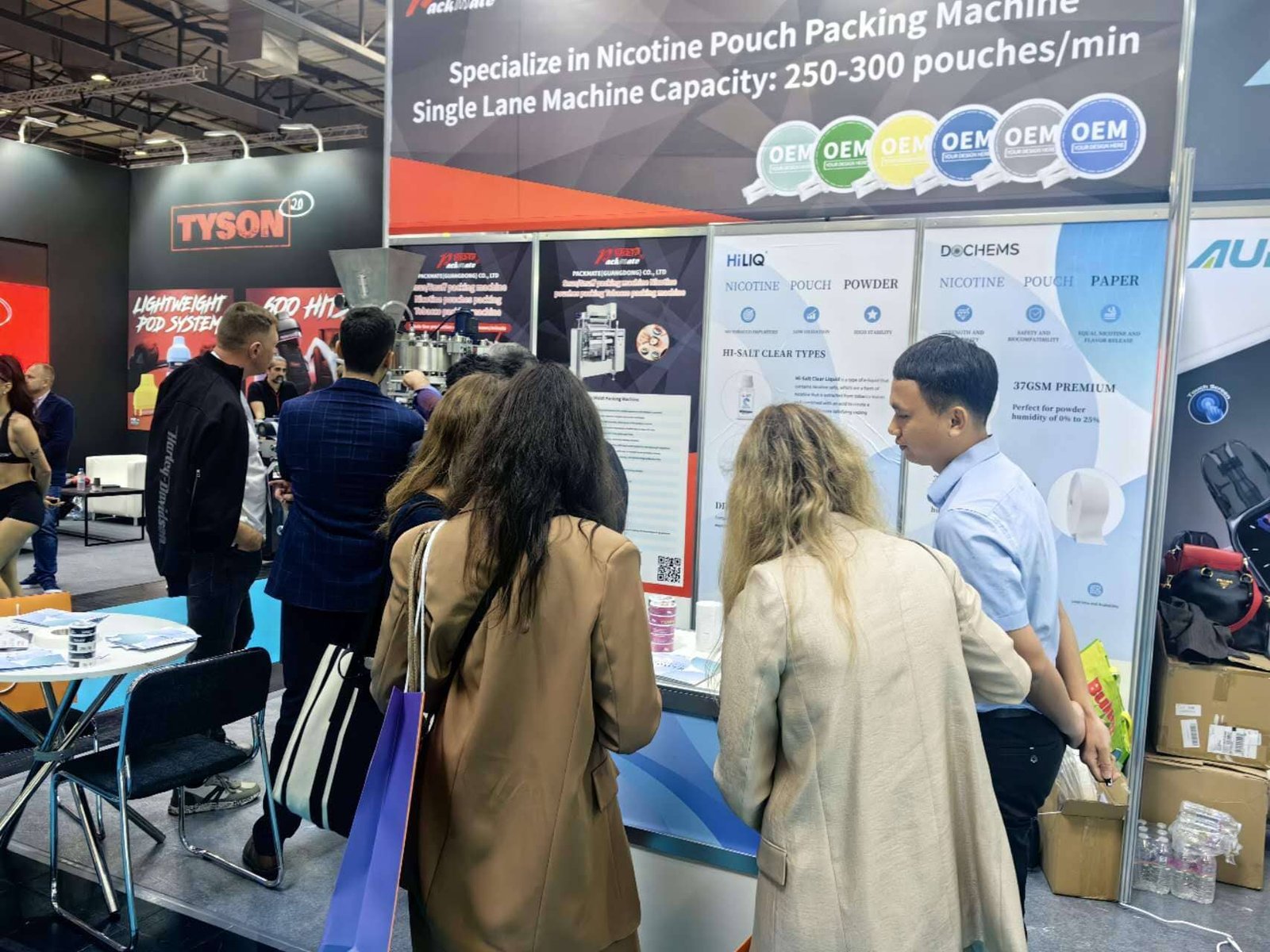
Common Mistakes to Avoid When Buying
- Underestimating future capacity needs: A machine that barely meets current demand may quickly become a bottleneck as your business grows.
- Overlooking film compatibility testing: Always test your actual packaging materials on the machine before finalizing the purchase.
- Ignoring changeover complexity: If you run multiple products or formats, prioritize machines designed for quick and repeatable changeovers.
- Neglecting operator training: Even the best machine underperforms without properly trained operators.
- Choosing price over value: A lower upfront cost can translate to higher long-term expenses through downtime, maintenance, and inefficiency.
Questions to Ask Potential Suppliers
Before making your final decision, ensure you have clear answers to these questions:
- Can you provide references from customers with similar products and production scales?
- What is the lead time for machine delivery and installation?
- Do you offer remote technical support and what are the response times?
- How readily available are spare parts, and do you maintain regional inventory?
- What warranty coverage is included, and what are the extended service options?
- Can the machine be upgraded or reconfigured if our production needs change?
Final Thoughts: Making the Right Investment
Selecting the right top seal packaging machine requires a thorough understanding of your product, production goals, and operational environment. By carefully evaluating product characteristics, packaging formats, speed requirements, dosing technology, and supplier capabilities, you can identify equipment that delivers reliable performance and strong return on investment. Take the time to conduct material trials, visit manufacturer facilities when possible, and document your requirements clearly. A well-chosen top seal packaging machine becomes a valuable asset that supports product quality, operational efficiency, and business growth for years to come.
Explore additional resources through the Flexible Packaging Association and PMMI for ongoing industry insights and technical guidance on packaging equipment selection.